Graters for Kitchen
If you're looking to add some zest and efficiency to your culinary adventures, look no further than these graters for the kitchen. These versatile tools are a must-have for any aspiring chef or seasoned home cook. Whether you're grating cheese for a mouthwatering pasta dish, zesting citrus fruits for a tangy dessert, or shredding vegetables for a refreshing salad, our range of graters offers the perfect solution for all your kitchen needs. With various designs and features available, you'll be able to find the ideal grater to elevate your cooking game to new heights.
Sort


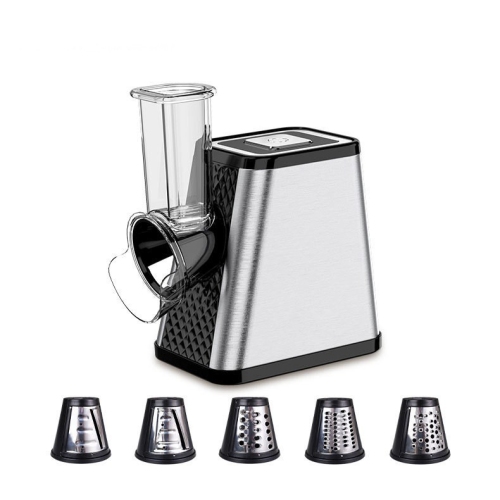

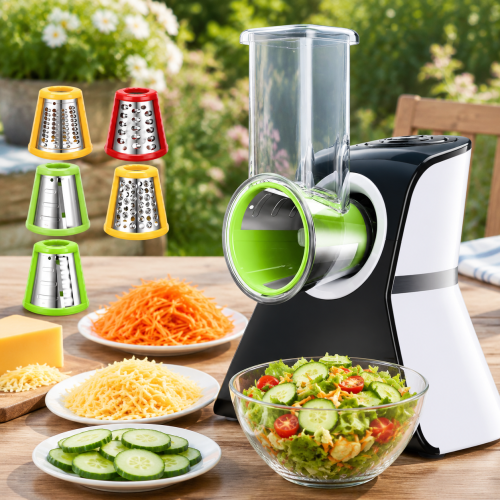


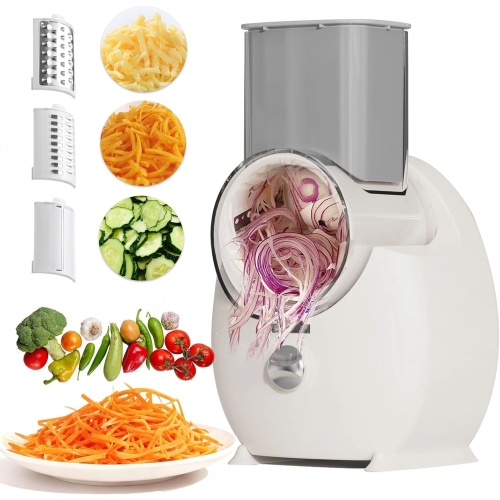


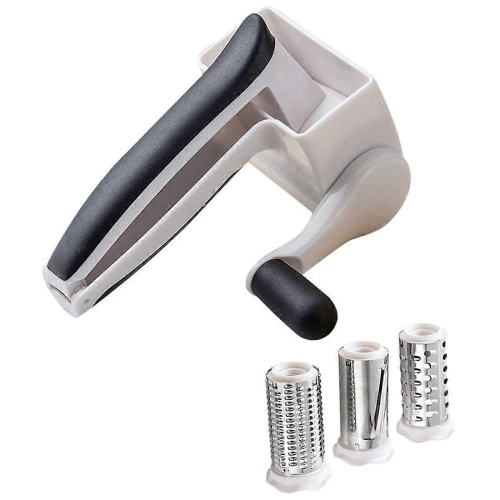


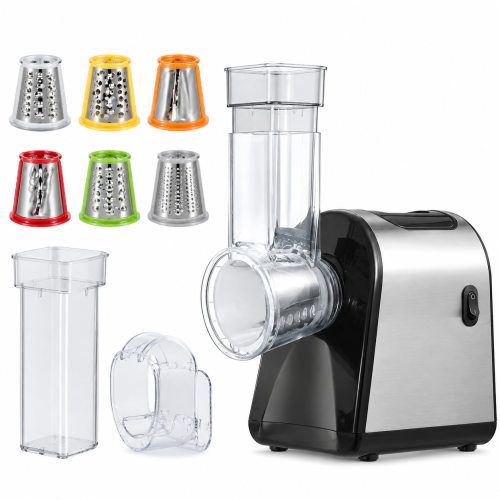
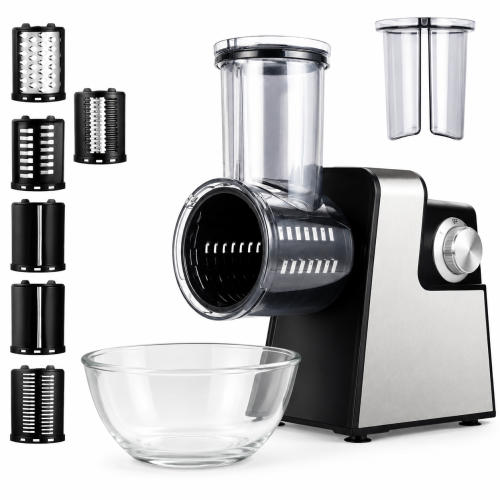
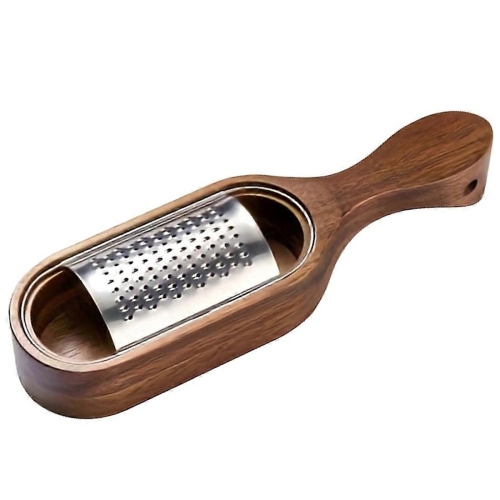

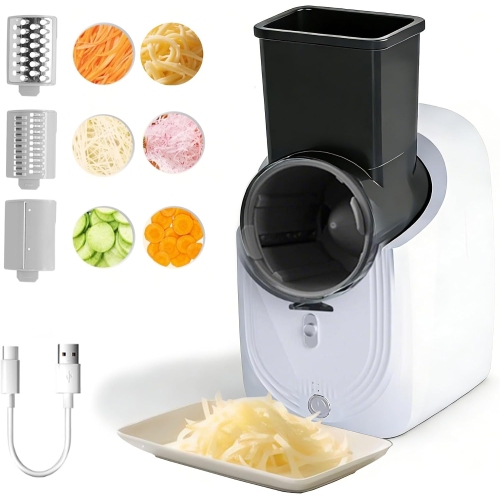

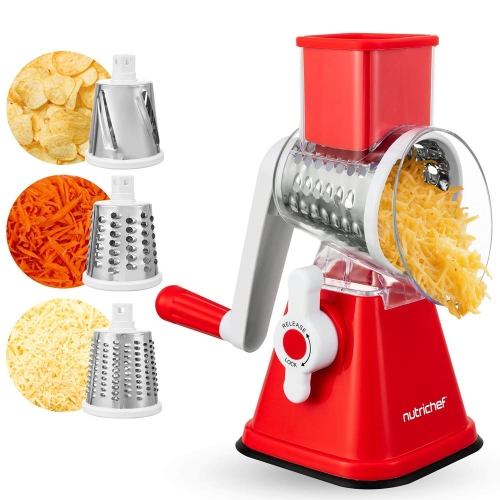


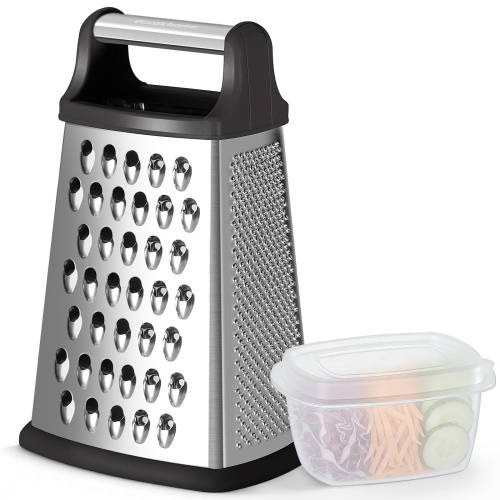


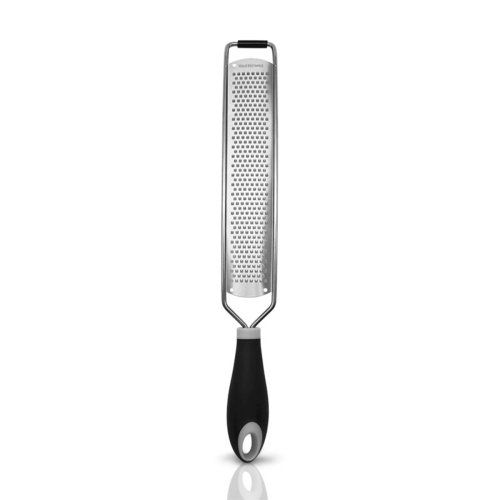
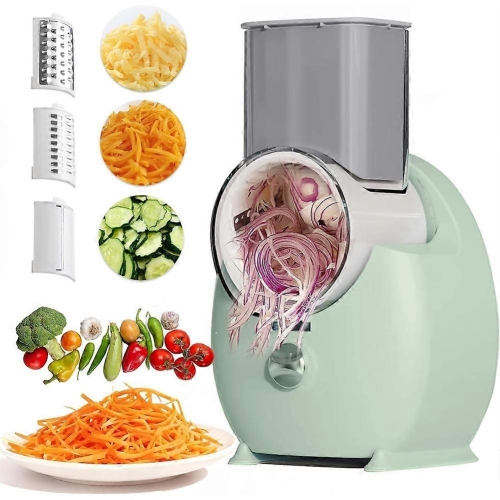

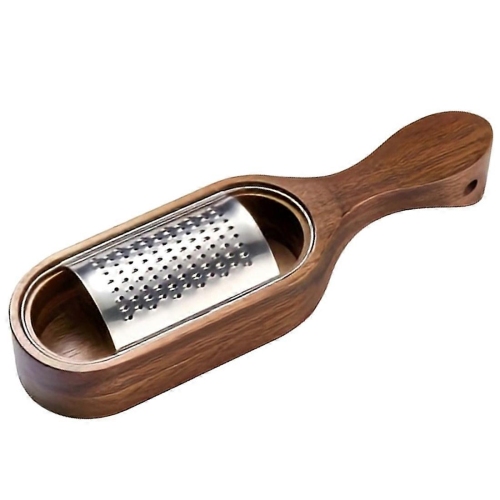
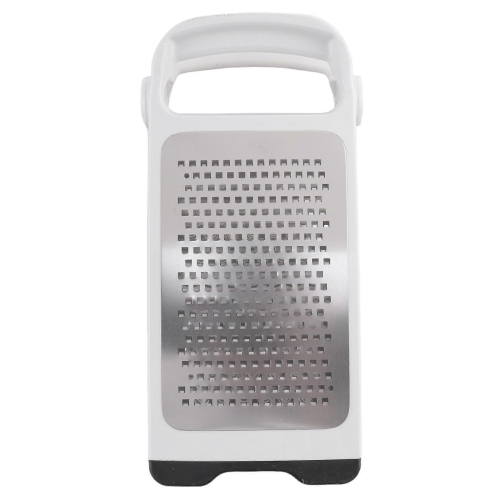
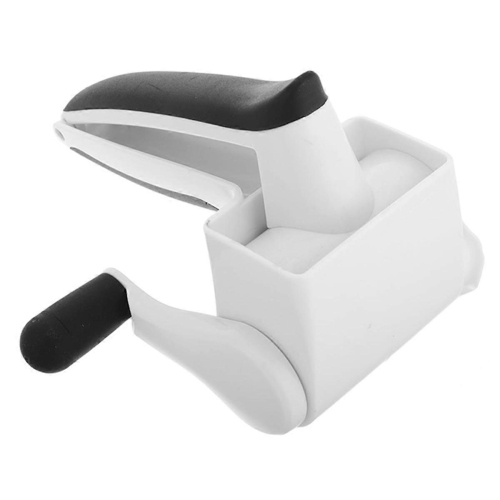
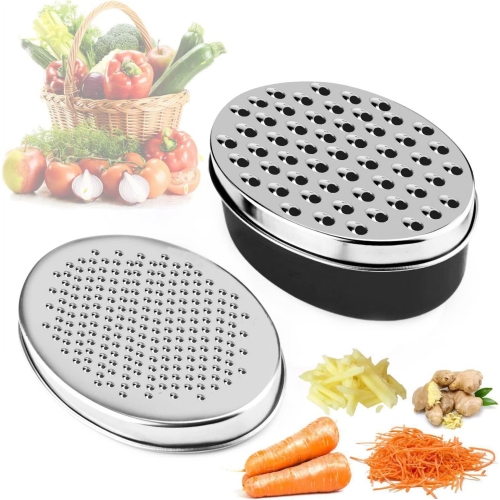

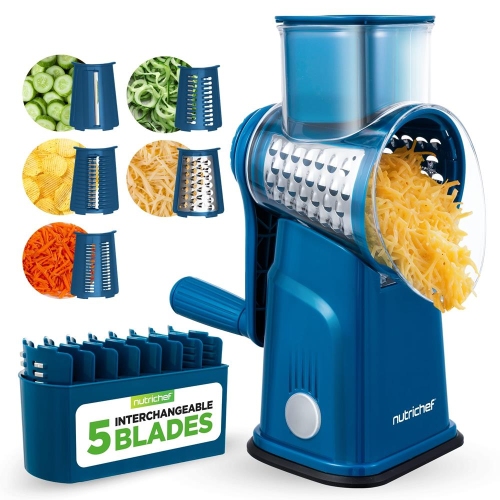
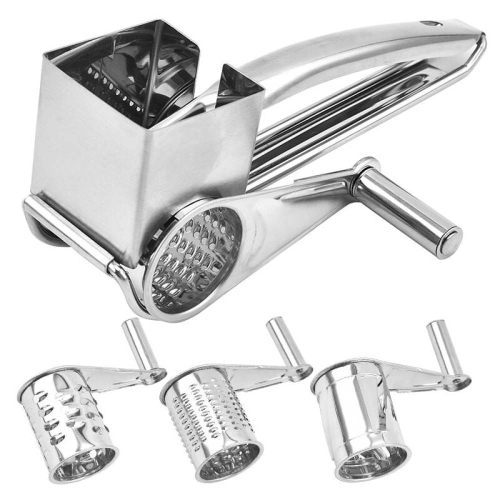
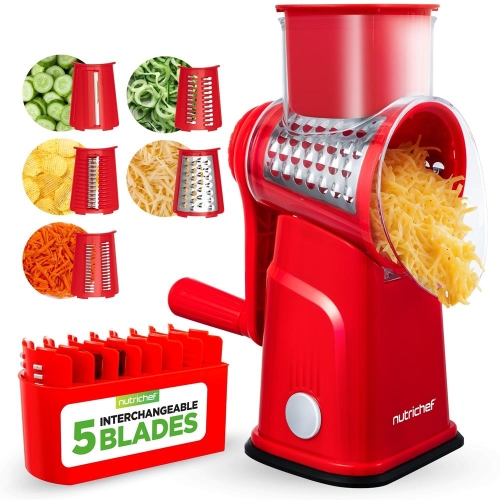
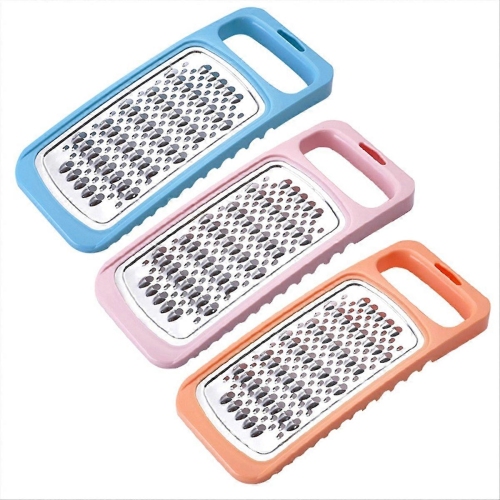






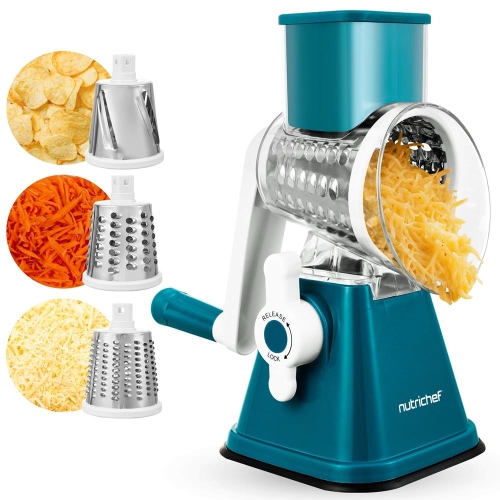
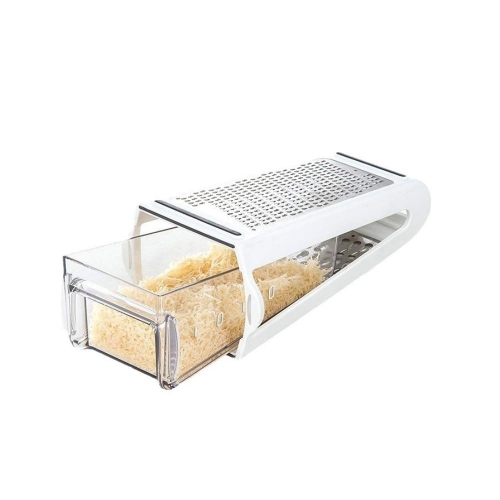

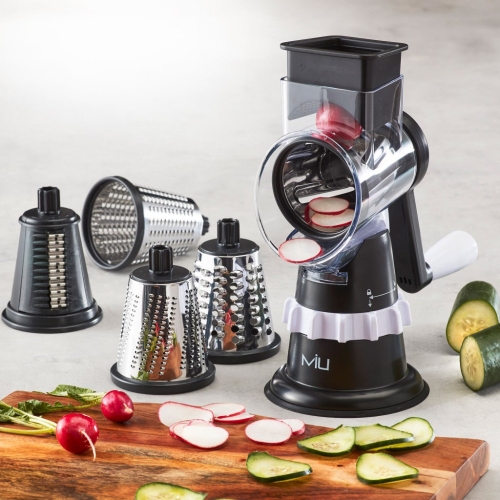

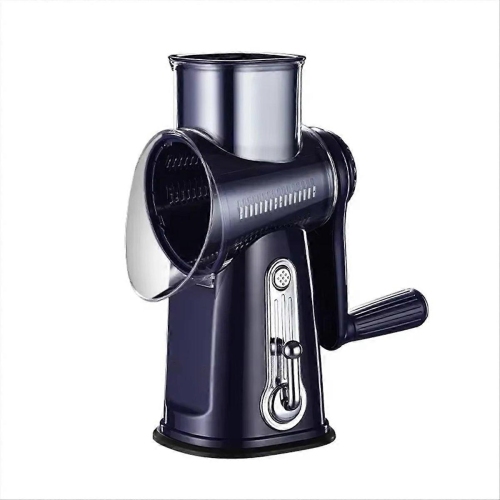












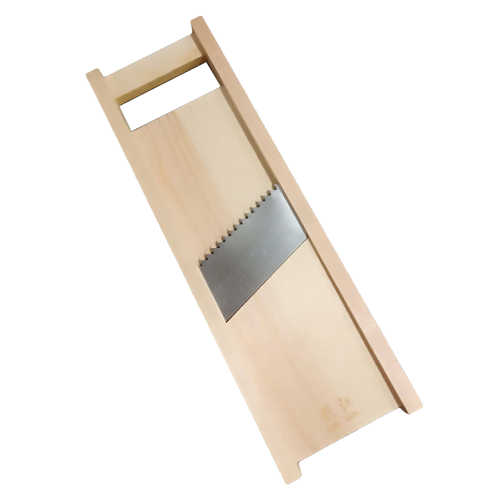

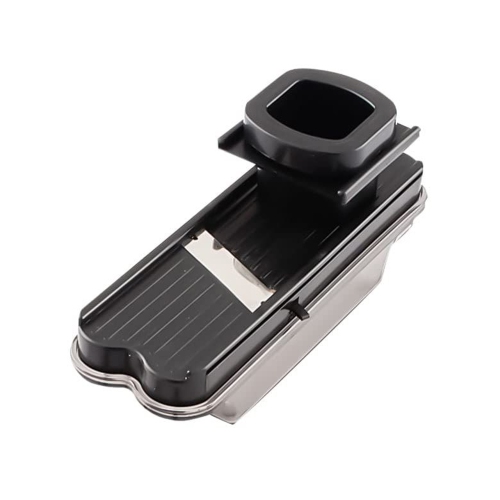
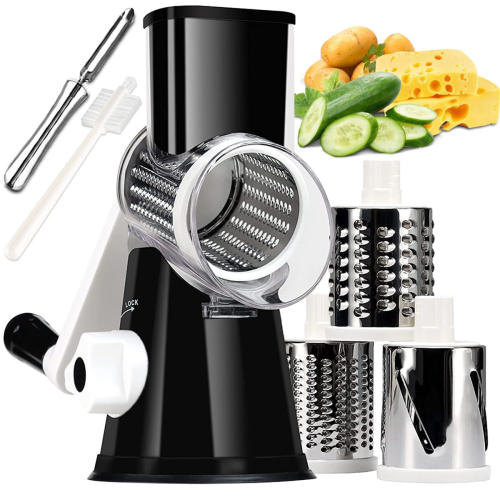
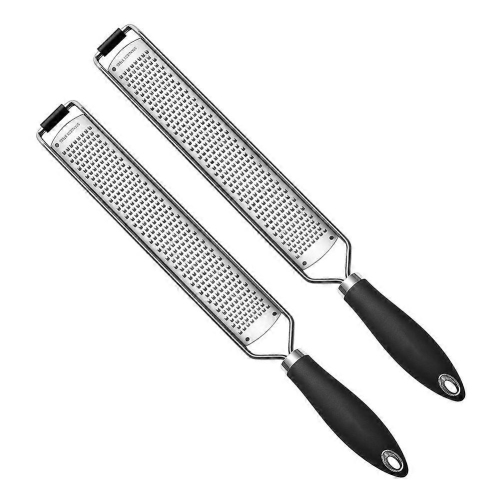


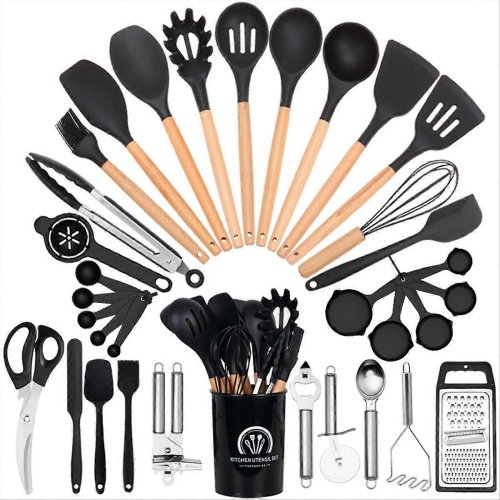




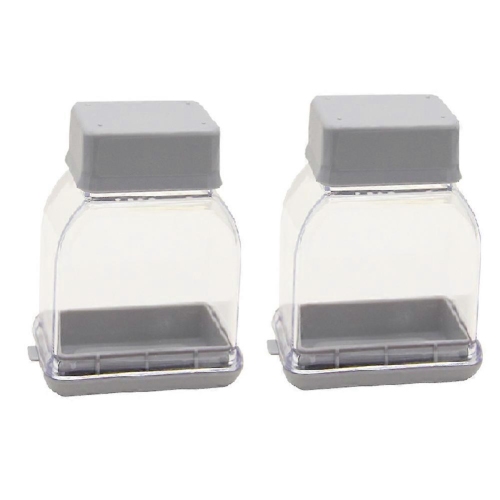


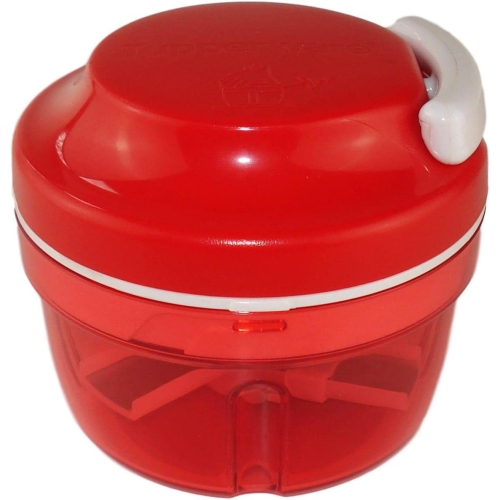

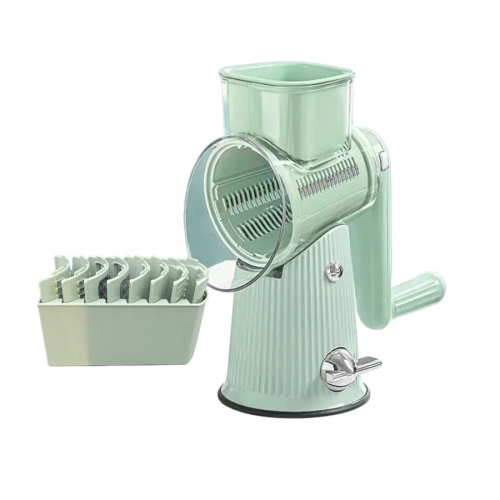


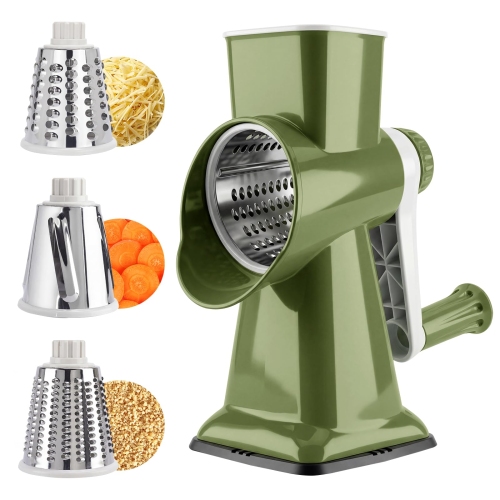

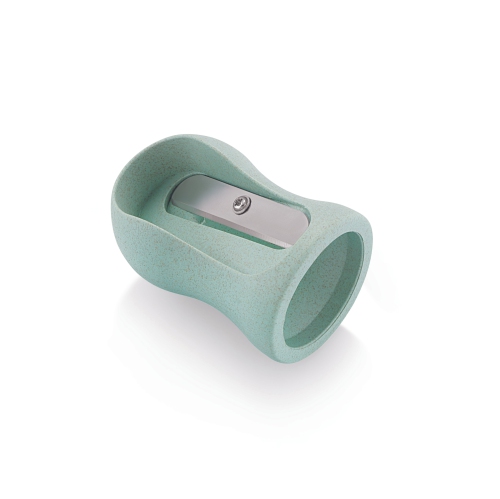
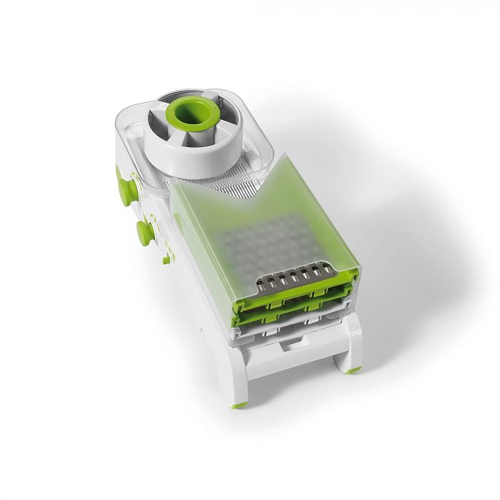

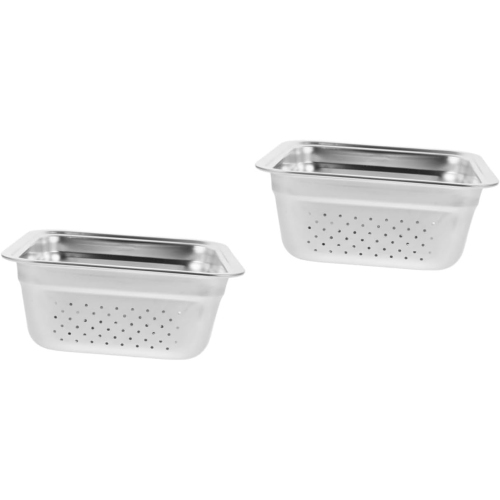


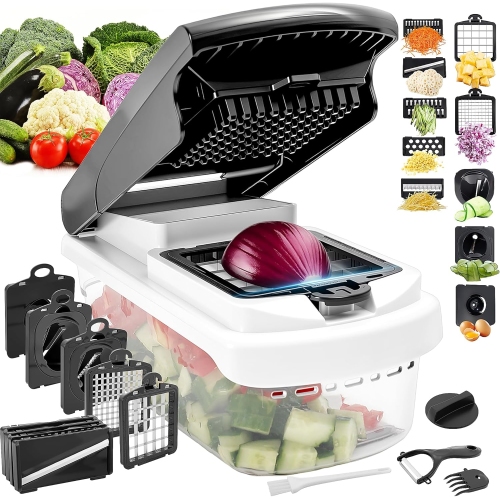



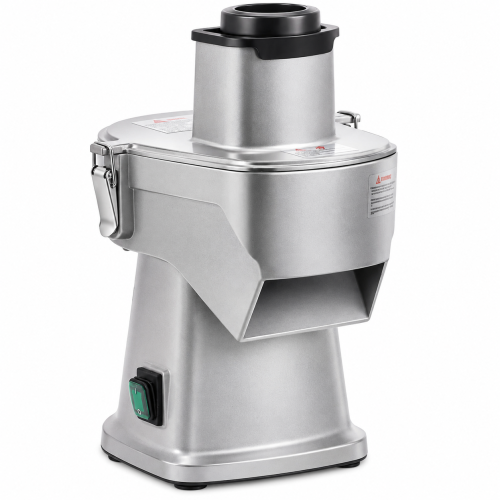

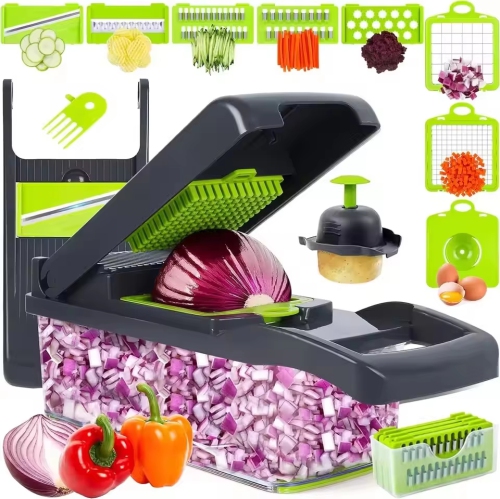

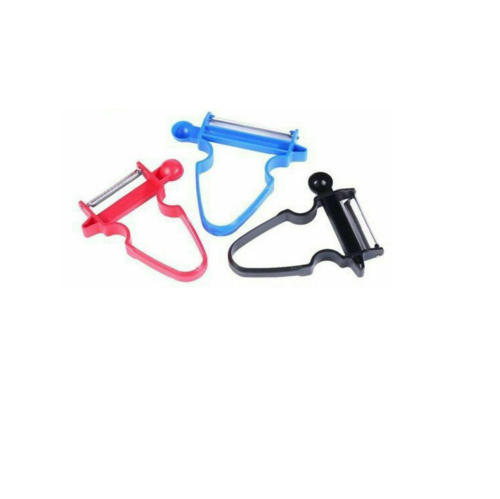

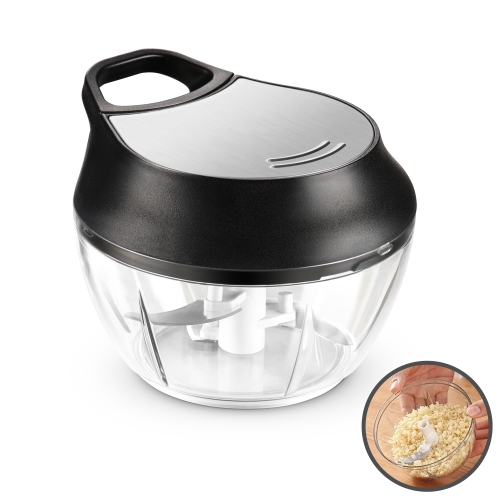
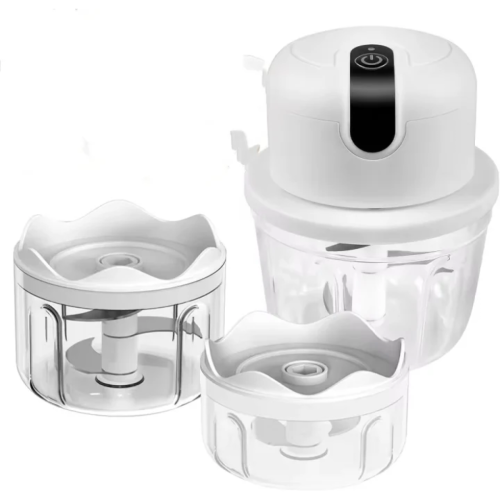
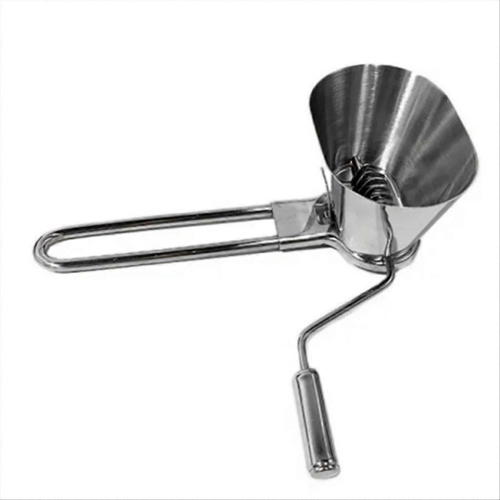
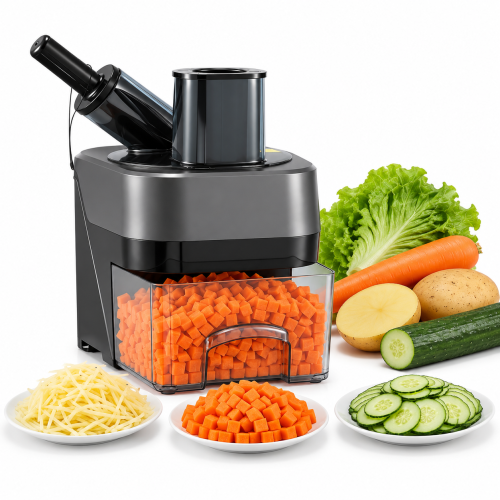
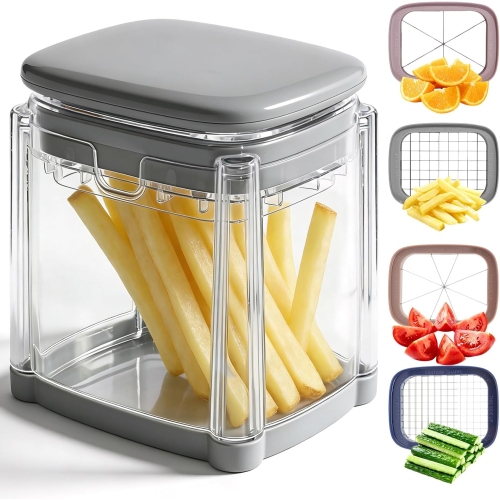
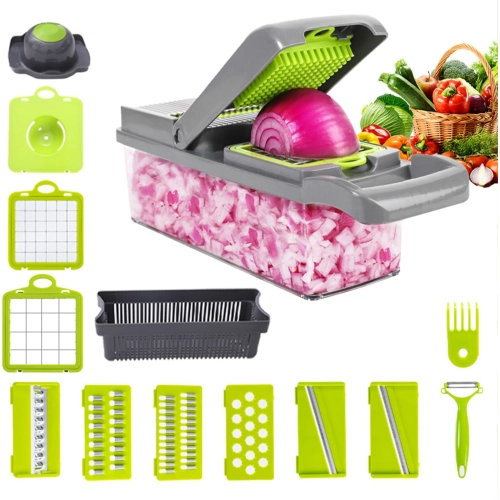
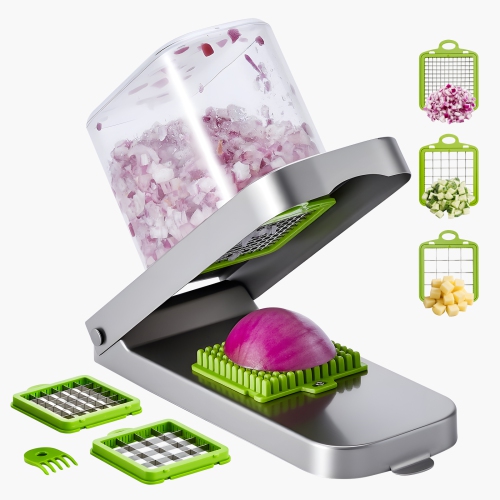
How grating surfaces shape the texture of your meals
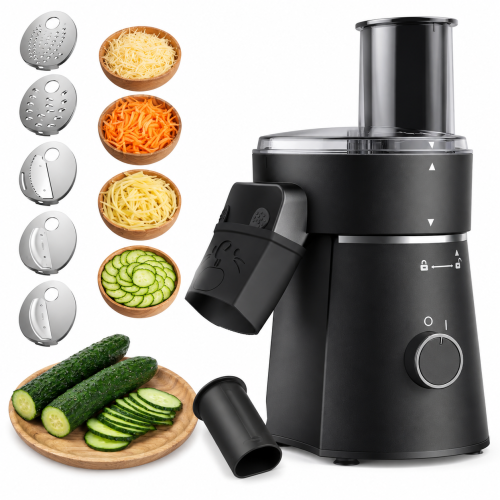
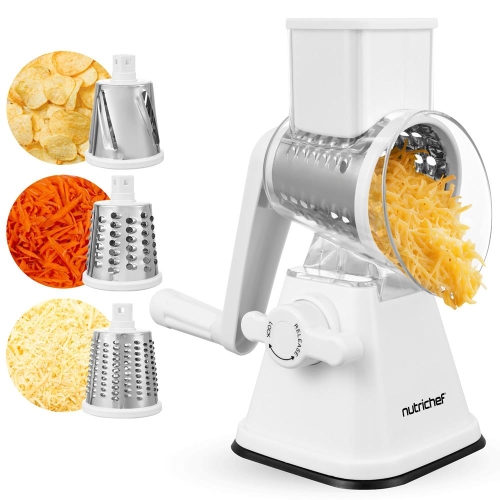
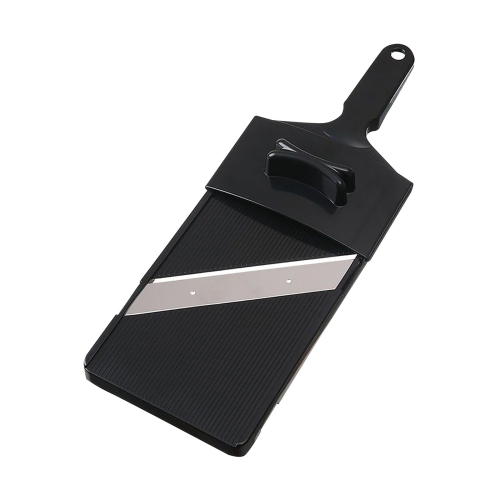
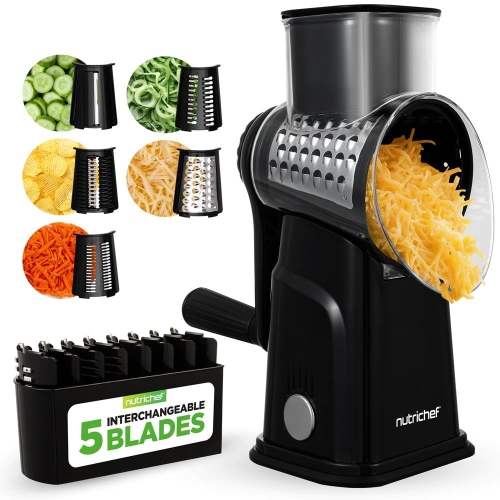
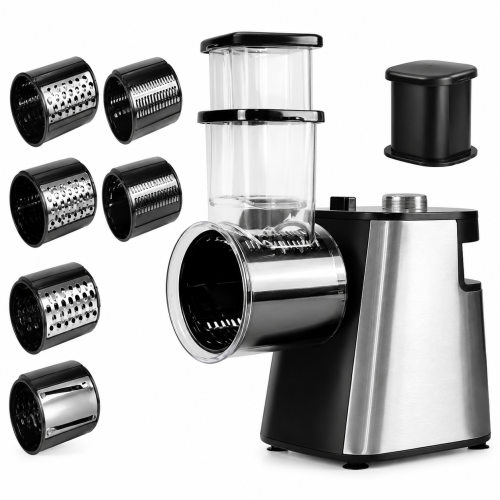
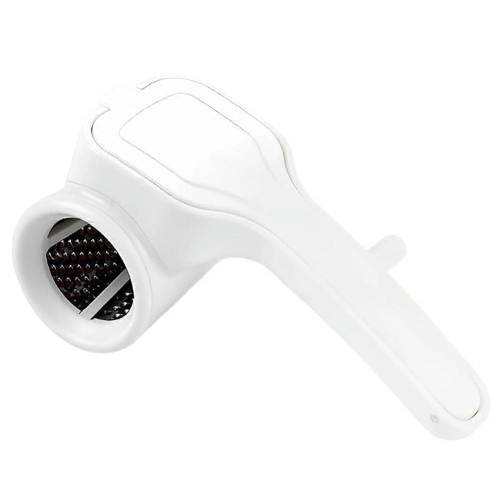
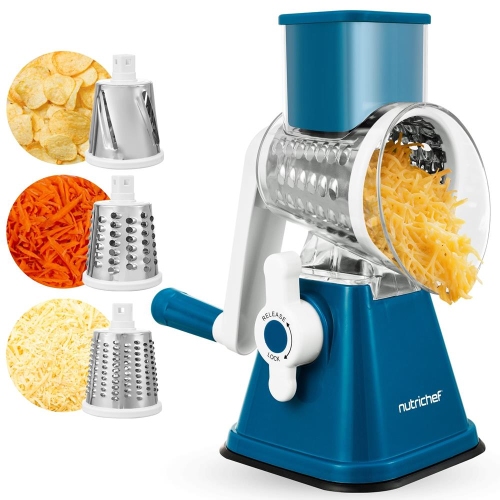
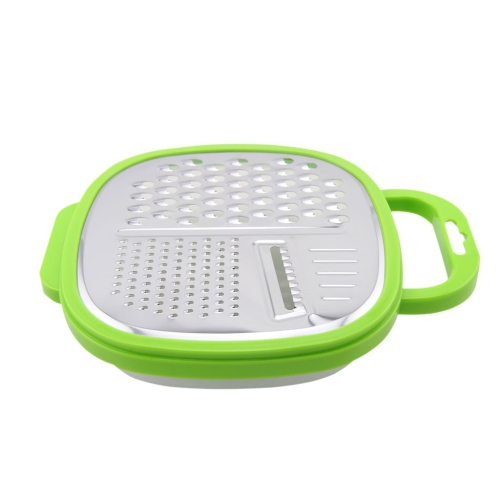
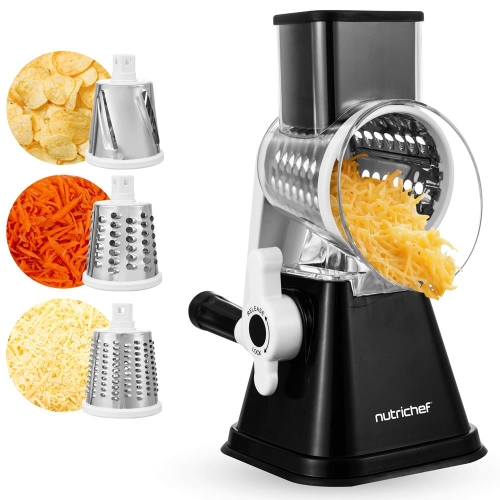
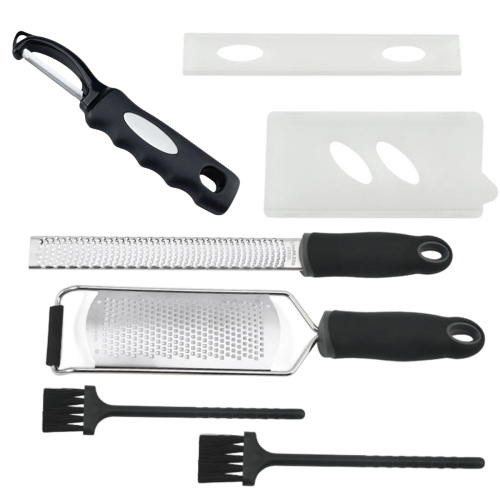
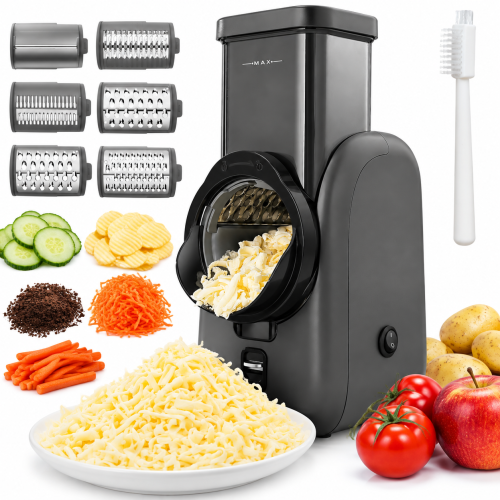
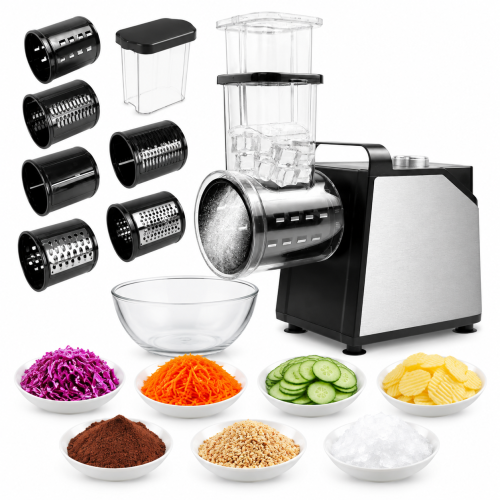
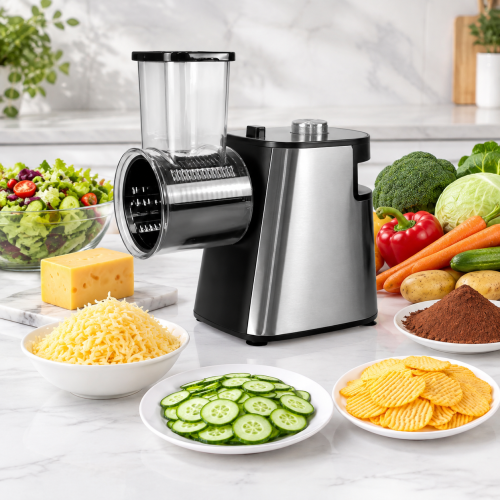
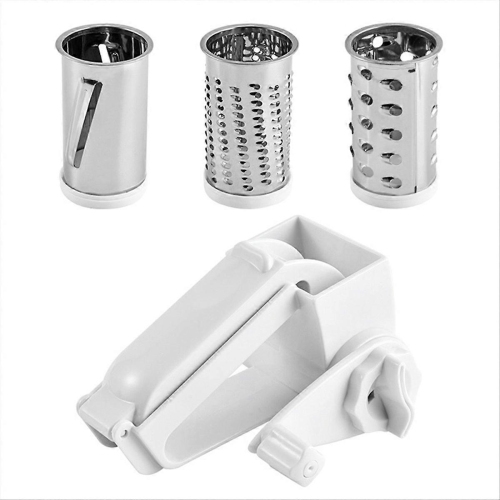
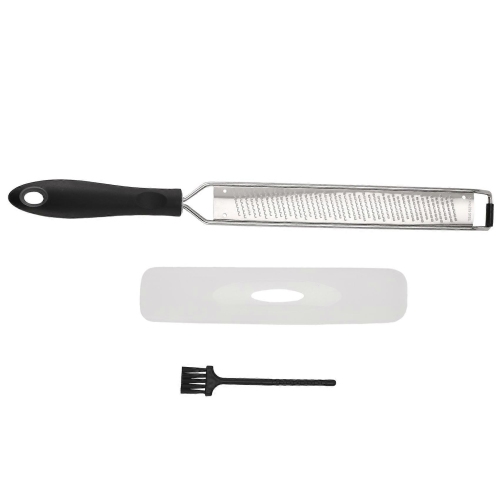
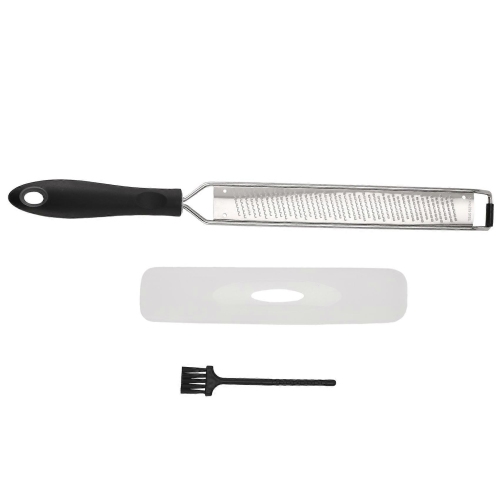
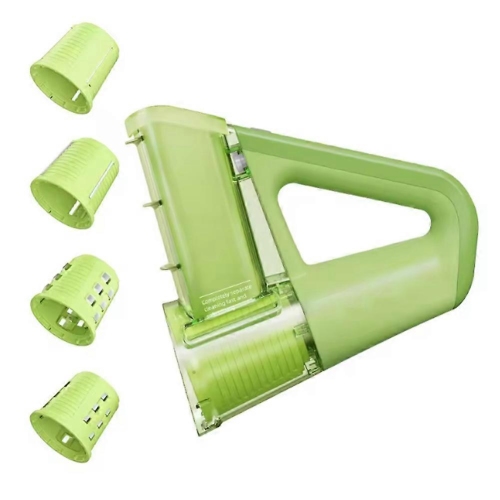
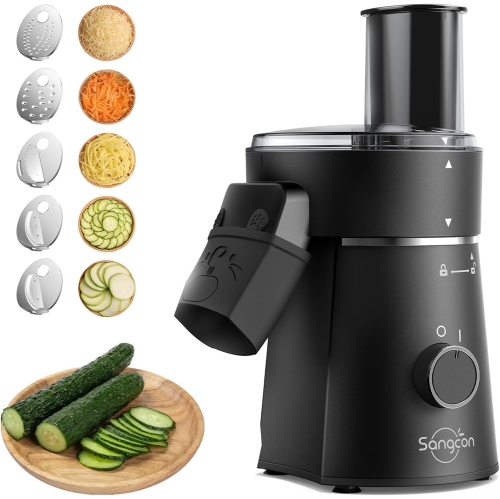
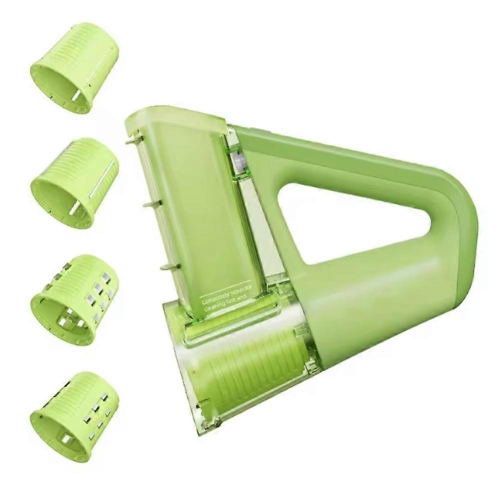
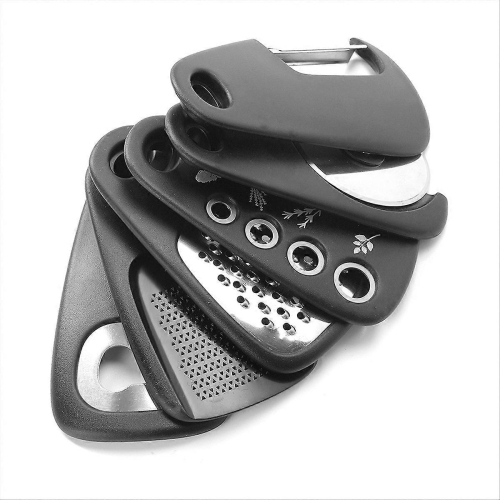
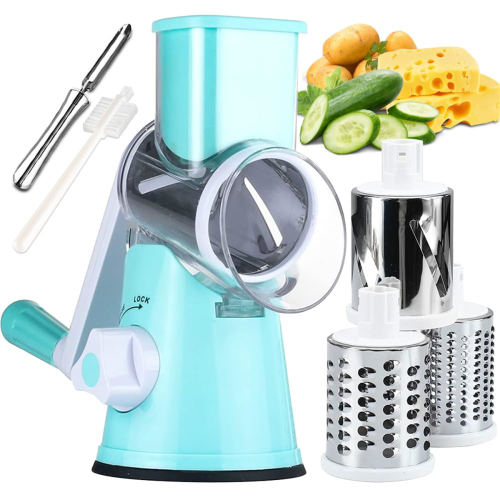
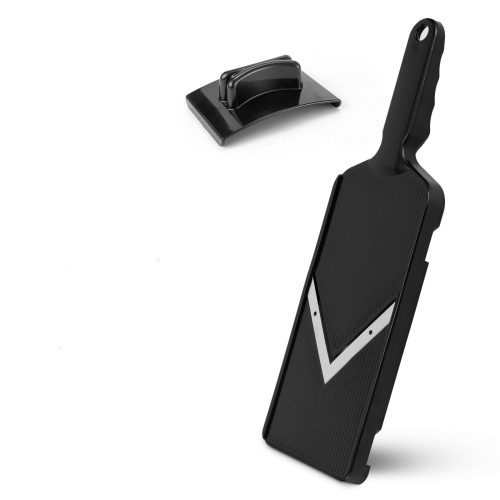
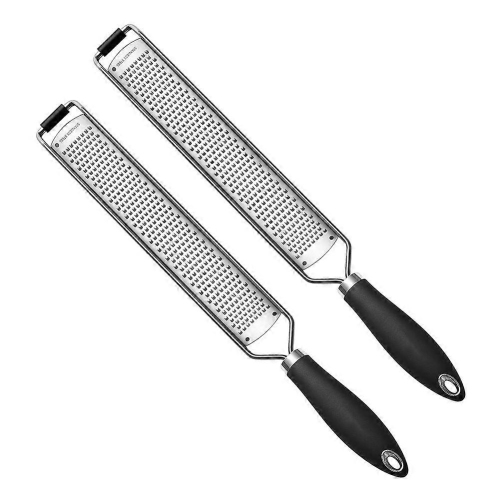
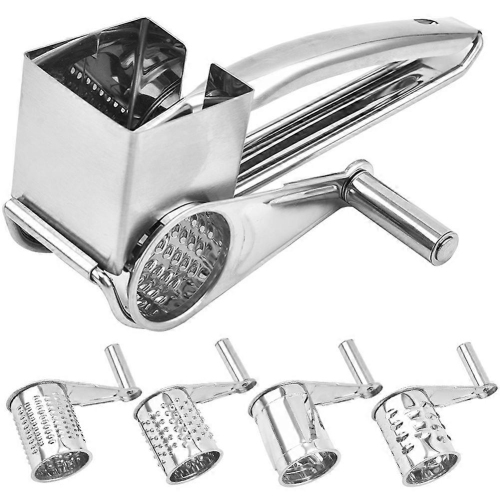
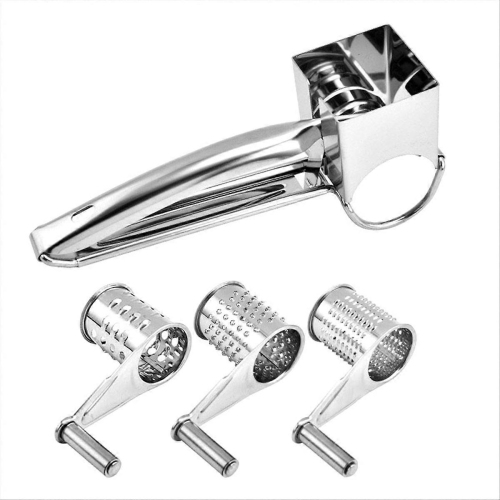
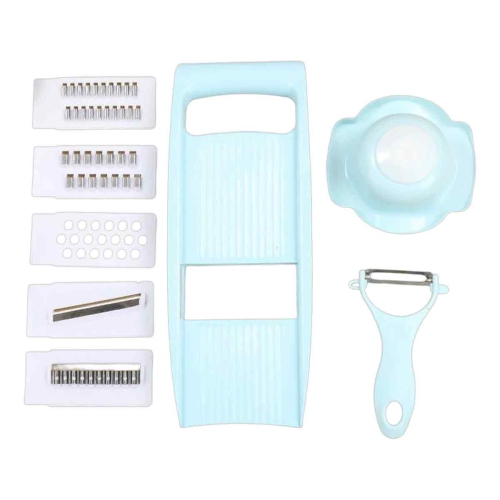
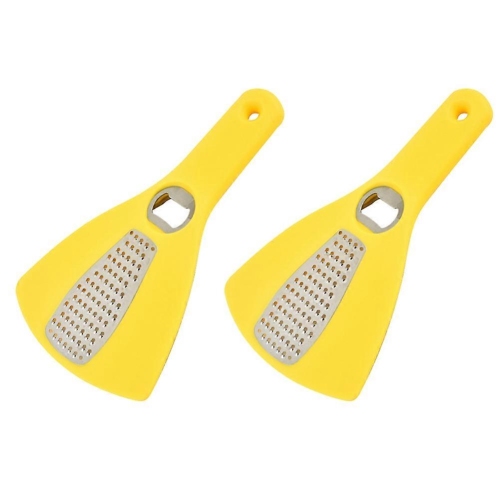
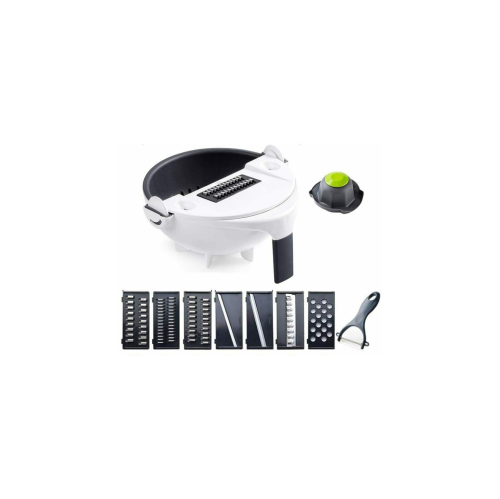
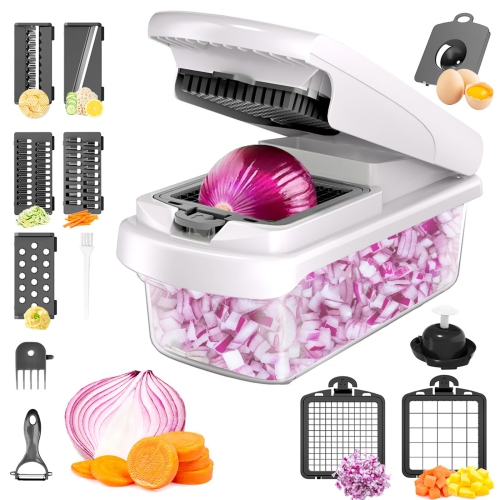
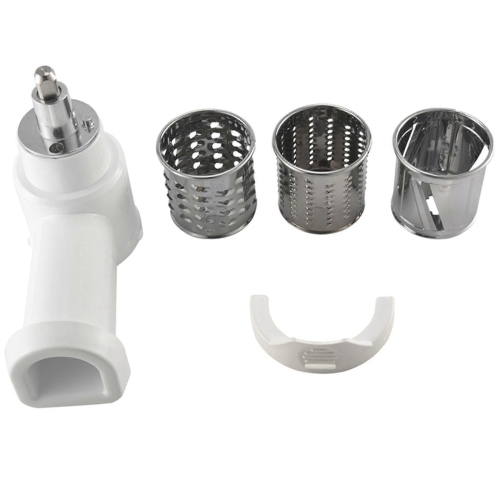
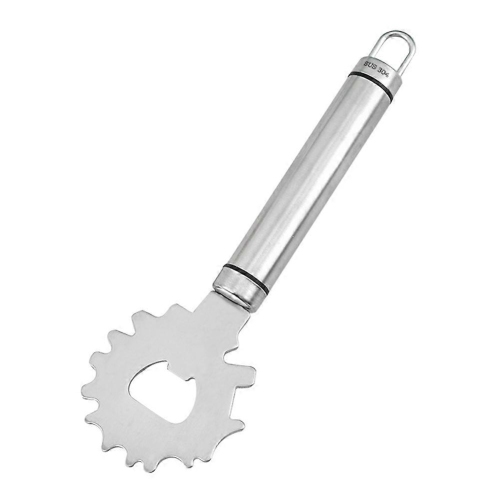
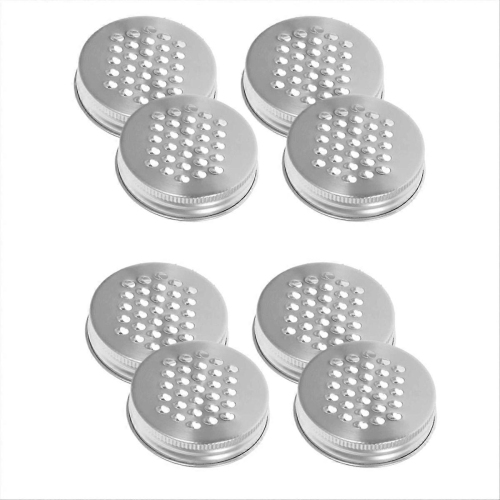
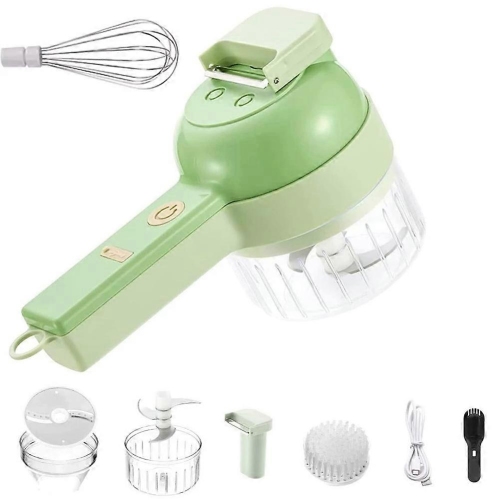
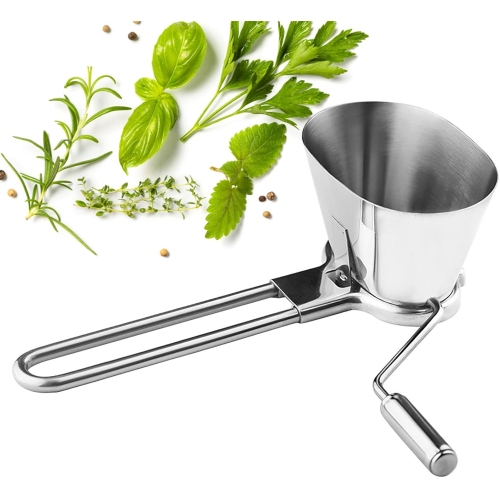
Kitchen graters are hand-held or countertop tools that shred, shave, or zest food through a surface of sharpened holes or cutting teeth. They bring texture to everyday cooking, from ribbons of cheddar scattered over a baked potato to finely grated carrots folded into cake batter. Different grating surfaces produce different results, so the shape and size of the openings matter as much as the overall design. Large holes create substantial shreds for cheese toppings, cabbage salads, and vegetables destined for fritters. Medium holes make smaller pieces that blend easily into fillings and batters, while fine teeth turn hard cheese, citrus peel, and firm spices into delicate particles. A box grater combines several surfaces in one upright tool, commonly offering coarse, medium, and fine grating faces, with some designs also including a slicing surface. Its broad base rests on a board or plate, making it a familiar choice for preparing several ingredients for the same meal. Flat graters offer a simpler profile that can sit across a bowl or be held at an angle, and their slim shape suits kitchens where drawer space is limited. Rasp-style graters have a narrow cutting surface that works well for finishing dishes directly over a plate. The small cutting teeth on Fine Graters are useful for adding lemon zest to a dressing, ginger to a marinade, or a light layer of hard cheese to pasta without introducing large pieces. Rotary graters use a hand crank to turn a perforated drum, with food fed through a hopper rather than rubbed across an exposed flat surface. Depending on their construction, they may be hand-held or supported on the countertop, and interchangeable drums can offer different textures. Each format serves a slightly different rhythm in the kitchen: a quick finishing touch, a bowlful of grated vegetables, or repeated preparation for family meals. The most useful match depends on the ingredients being prepared and the texture the dish needs.
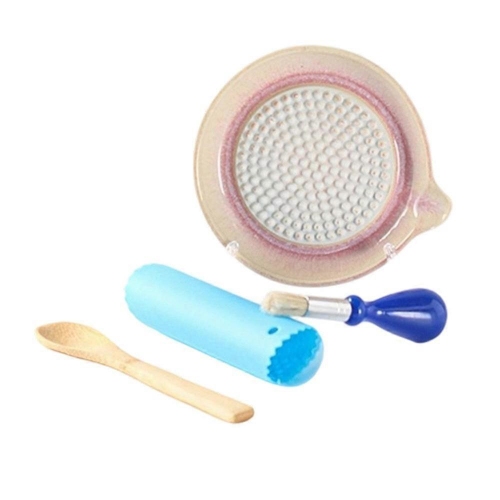
Materials and construction influence how a grater feels in use, how well it holds its edge, and how easily it can be cleaned. Stainless steel is common for cutting surfaces because it combines strength with resistance to rust, although thorough drying remains important. A rigid frame helps the surface stay steady under pressure, while neatly finished edges and firmly attached handles contribute to comfortable handling. Plastic components can reduce weight and provide a comfortable grip, but their heat tolerance and cleaning requirements vary. Some ceramic grating surfaces use raised teeth rather than punched metal holes and are suited to working small amounts of ginger or garlic into a moist pulp. For metal graters, sharpness and tooth shape affect the effort required; a dull or flexible surface may encourage extra pressure and make preparation less controlled. Handle shape is especially noticeable when grating a large block of cheese or several carrots. A comfortable grip, adequate clearance for the knuckles, and a stable base help make repeated movements more manageable. Non-slip feet or an edge designed to rest against a bowl can help limit movement, though the work surface still needs to be clean and secure. With rotary designs, the crank position, hopper size, and food pusher influence ease of use, particularly for people with limited grip strength or a preference for keeping their hands farther from the cutting drum. Storage deserves attention as well: a tall box grater occupies more cupboard space than a flat blade, while a rotary tool may have several parts to keep together. A protective cover can shield exposed teeth in a drawer, and a collection container can help contain shreds during preparation. Fit also includes the bowls and boards used most often. A grater that rests securely over a mixing bowl can make vegetable preparation tidier, while a compact hand-held design may be more convenient for garnishing individual servings. These practical details can matter more in daily use than the number of attachments included.
Good results also depend on how the ingredient meets the cutting surface. Firm cheese generally produces cleaner shreds than very soft cheese, which can smear across the holes; chilling a softer cheese before grating may make it easier to handle. Hard cheeses suit fine grating when the goal is an even coating that settles into a sauce or over a finished dish. Citrus zest calls for a light touch that removes the colourful outer peel without taking much of the bitter white pith beneath it. Ginger can leave fibres on the cutting surface, so accessible teeth and a design that rinses clean are useful for frequent preparation. For vegetables, the intended dish determines the best texture. Coarsely grated potatoes give hash browns their familiar strands, while finely grated carrot can distribute more evenly through a cake or muffin mixture. Zucchini and potatoes release moisture after grating, and some recipes call for squeezing out that liquid before cooking. A stable board, an unhurried motion, and a food holder where provided help keep preparation controlled; the last small piece of an ingredient does not need to be forced across the teeth. Cleaning soon after use prevents cheese, pulp, and peel from drying into the openings. A suitable brush can clear trapped food without requiring fingers to pass over sharp edges, and rotary drums are easier to clean thoroughly when removable parts are taken apart as directed. Dishwasher suitability varies by construction, so the care information supplied with the tool should determine the cleaning method. Drying all parts before storage helps protect metal surfaces and keeps enclosed components from holding moisture. With sensible care, a well-built grater can become a frequently used kitchen staple for home cooks, bakers, and anyone who enjoys preparing fresh ingredients. It can also make a practical housewarming gift or a useful addition to a first kitchen, especially when its size and grating surfaces suit the recipient’s cooking habits. From everyday cheese shreds to finely grated finishing ingredients, the right format earns its place through comfortable handling, consistent texture, and straightforward cleanup.
Top selling and popular products
-
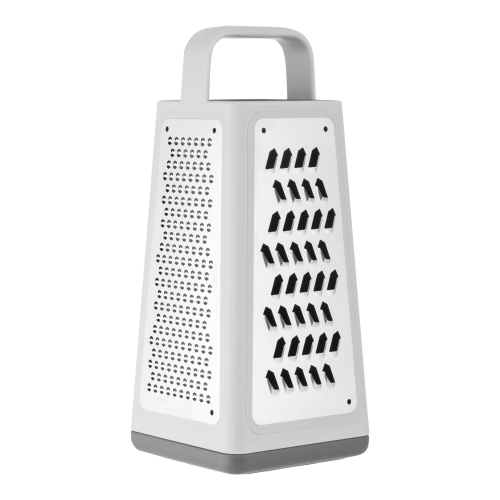 Your price for this item is $49.99
-
 Your price for this item is $49.99
-
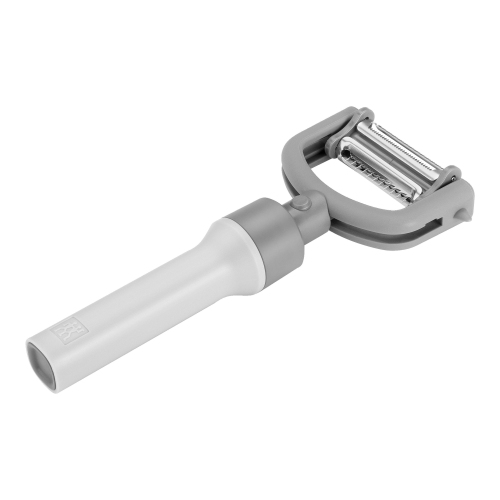 Your price for this item is $24.99
-
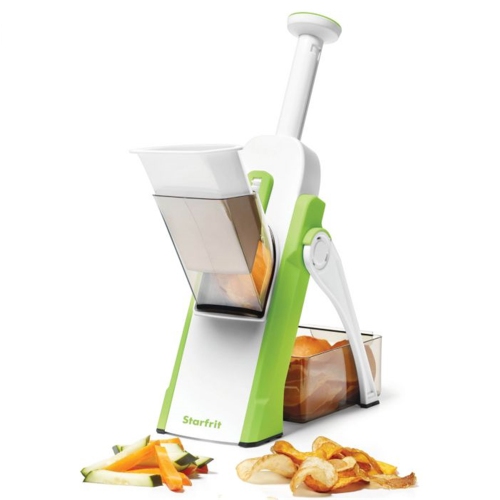 Your price for this item is $44.97
-
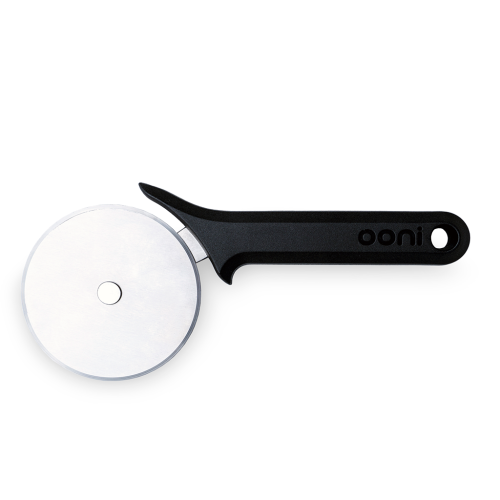 Your price for this item is $18.99
-
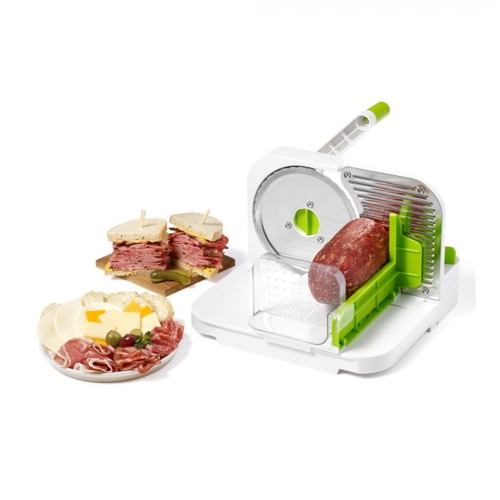 Your price for this item is $48.97
-
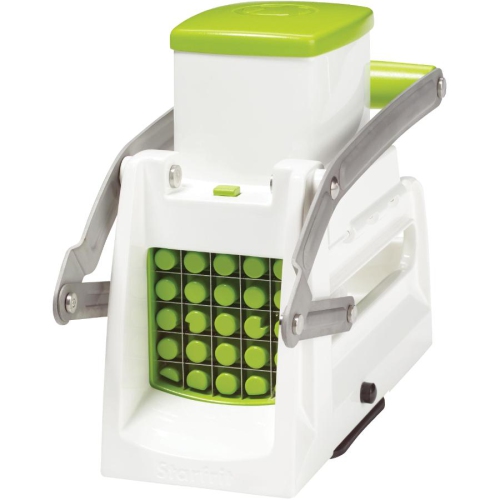 Your price for this item is $29.99
-
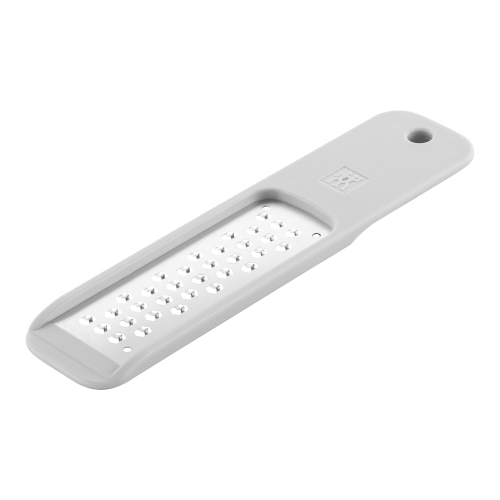 Your price for this item is $9.99
Discover more categories related to Graters for Kitchen
Top Collections:
Pokemon Centers, Kindle Devices, Best Budget Office Chairs, Canon G7X Cameras, Apple iPhones 16, Samsung Galaxy Phones, Refurbished Apple Laptops, Laptops for Students, iPhone 15 Apple, Budget Smartphones
Some products may be subject to Environmental Handling Fees
(EHF) depending on your province.
Learn more about EHFs.