Greenhouses for Tropical Plants
Greenhouses for Tropical Plants create the perfect environment for cultivating exotic blooms and lush foliage at home. Whether you’re an avid gardener or just starting out, these greenhouses offer a dedicated space to nurture your favorite tropical varieties year-round. Explore a range of options designed to help you maintain optimal conditions for vibrant growth and healthy plants, no matter the season. Find the ideal greenhouse to transform your gardening experience and enjoy thriving tropical plants in any climate.
Sort






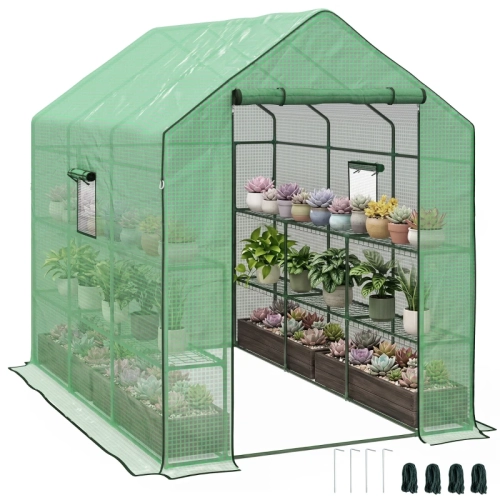
Why tropical plants need more than a warm enclosure
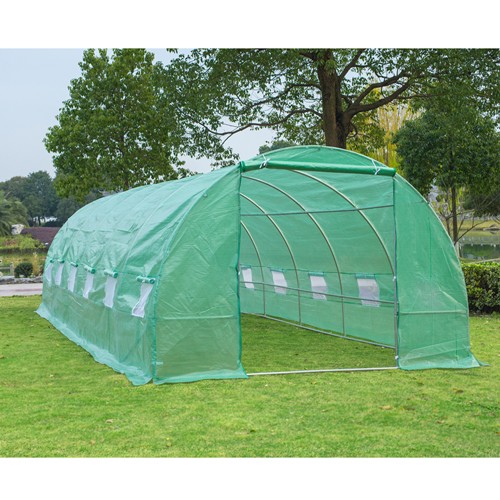
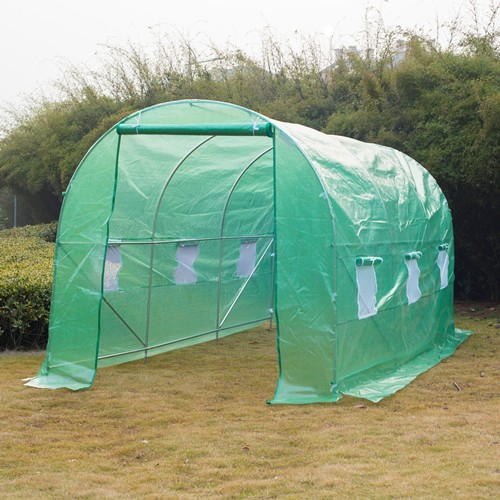
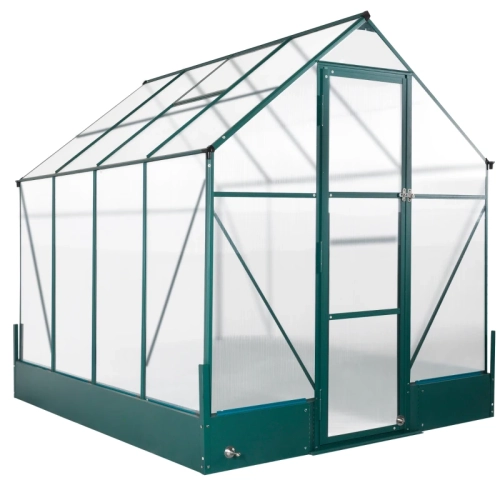
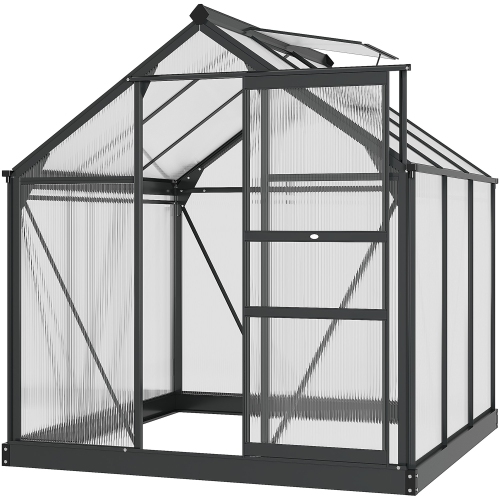
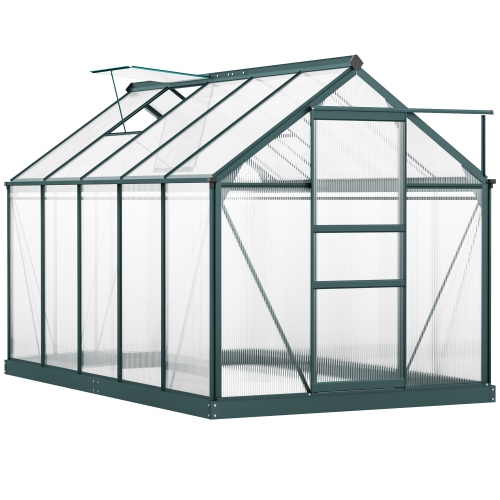
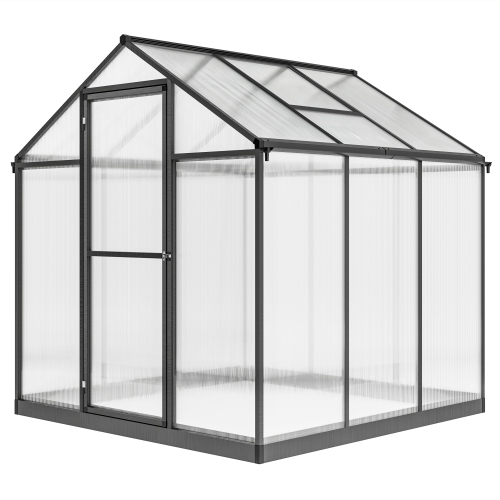
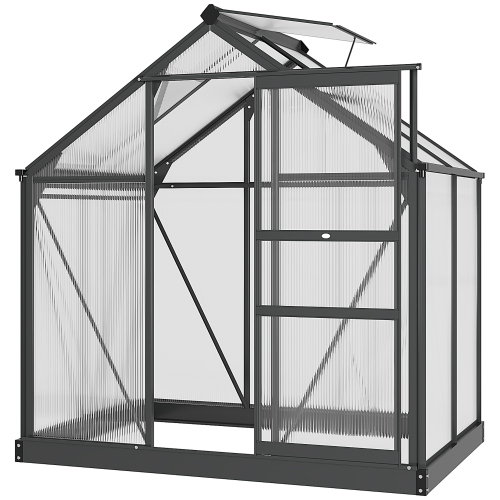
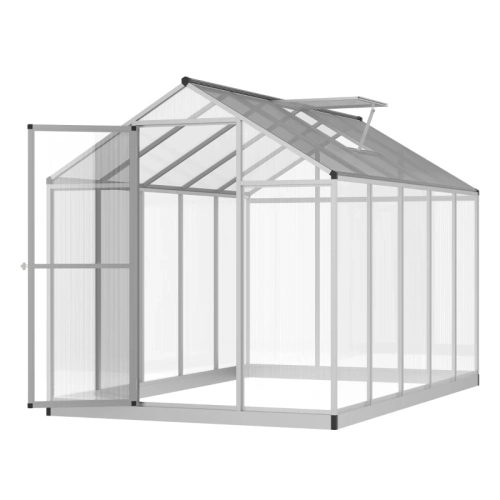
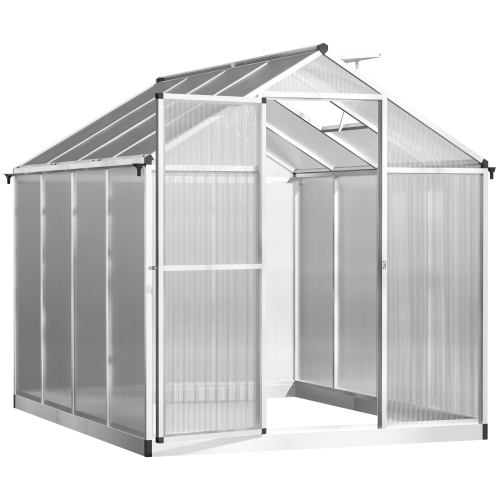
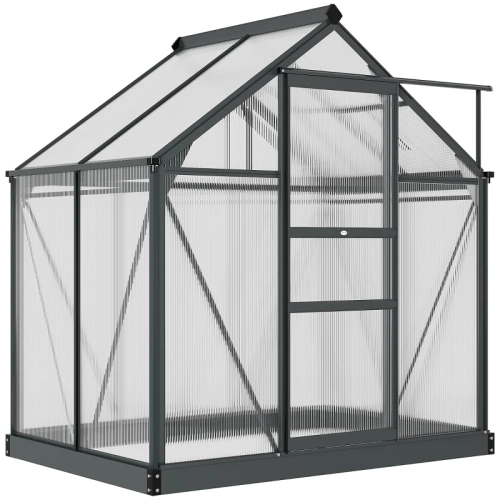
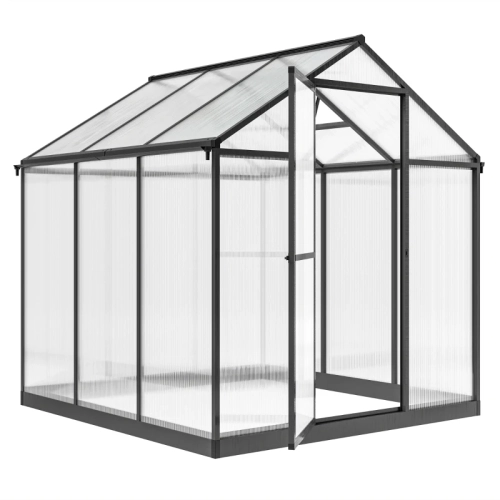
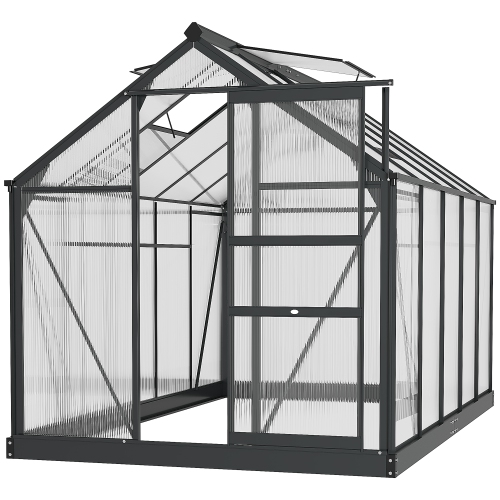
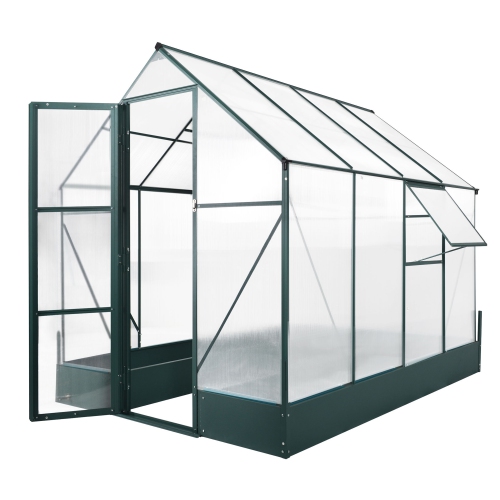
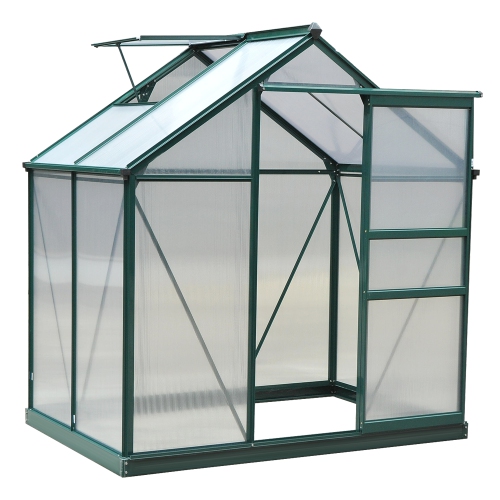
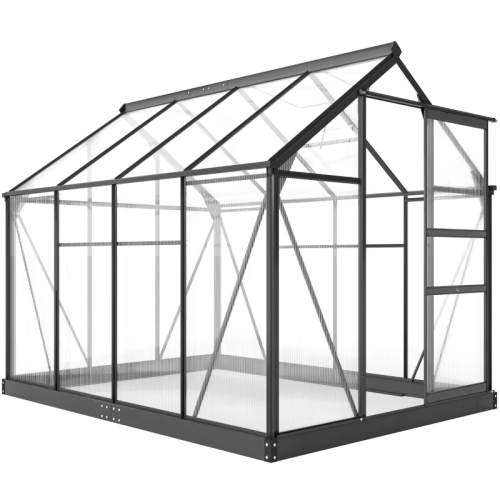
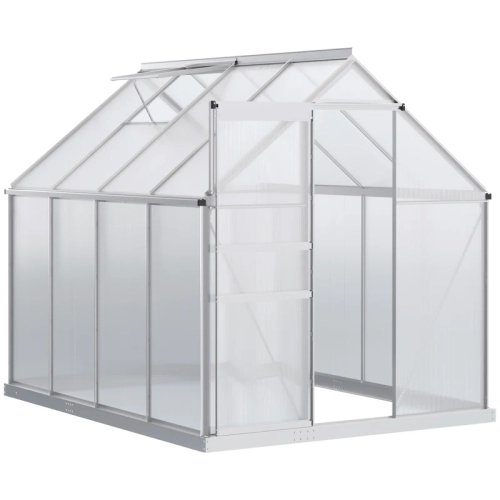
Greenhouses for tropical plants provide a sheltered growing space where warmth, moisture, light, and airflow can be managed more closely than on an open patio or a household windowsill. They suit plant lovers growing orchids, broad-leaved foliage plants, climbing vines, and other species that need protection from cold drafts and abrupt changes in growing conditions. The right structure depends as much on the plants’ mature size as on the number of pots: a collection of small orchids needs different shelf spacing from a tall palm or a climbing philodendron supported on a pole. Compact shelving enclosures can keep smaller collections together, while walk-in greenhouses offer room for larger containers, hanging baskets, and everyday tasks such as watering and removing spent leaves. Usable height, doorway width, and aisle space all matter, especially when carrying a heavy pot or reaching a plant at the back of a shelf. A generous footprint is less useful if low roof edges crowd the foliage or shelving leaves no clear path through the enclosure. For many commonly grown tropical houseplants, daytime temperatures around 18°C to 27°C provide a useful starting point, but the preferred range varies by species, and some need warmer nights than others. Relative humidity requirements vary, too; approximately 60% to 80% suits many moisture-loving tropical plants, although it is not a universal target. Leaves pressed against wet covers, constantly saturated potting mix, and stagnant air can create problems even when a humidity reading looks suitable. A greenhouse is therefore best understood as a structure that supports the right growing conditions, not something that automatically creates them. For an outdoor tropical collection in Canada, maintaining suitable conditions through freezing weather generally requires a structure designed for the location, supplemental heating, and careful attention to heat loss. An unheated enclosure alone is not reliable frost protection for tender plants. These distinctions make intended use important, whether the goal is displaying foliage indoors, raising young plants, or housing a larger collection outdoors.
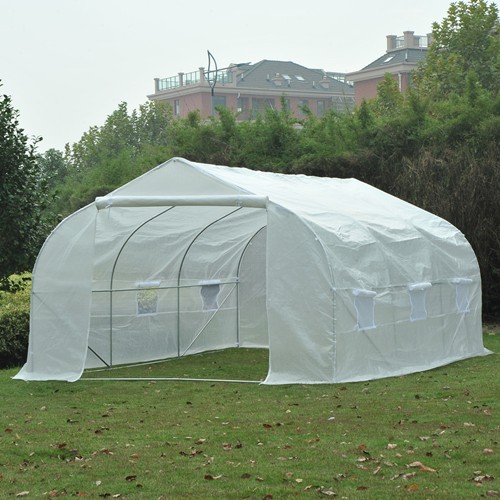
Materials and construction influence how a tropical greenhouse handles light, moisture, daily use, and exposure. Glass offers clear views of the plants and a more permanent appearance, but it is heavy, can break, and provides limited insulation when used as a single pane. Multiwall polycarbonate panels are lighter and generally retain heat better than single-layer glazing, with varying degrees of light diffusion that can soften direct sunlight across the leaves. Panel thickness, framing, seals, and overall assembly all affect performance, so glazing material alone does not tell the whole story. Flexible polyethylene covers are common on lightweight frames and can work well for compact growing spaces or temporary protection, but they generally offer less insulation and may need replacement sooner than rigid panels. UV resistance, reinforced seams, secure fastenings, and the fit around doors help distinguish a cover suited to repeated use from one likely to develop gaps or tears. Aluminium framing is relatively light and resists rust, while coated steel can provide a sturdy framework but needs attention where scratches expose the metal. Timber has a softer visual presence, though persistent moisture makes the condition of joints and protective finishes particularly important. For outdoor installations, anchoring requirements and stated wind and snow-load ratings deserve close attention; a sheltered position does not replace a suitable foundation or secure attachment. Inside, shelving should support the combined weight of containers, plants, and wet growing media without sagging. Slatted or mesh shelves allow drainage and air movement, while removable sections make space for taller foliage. A level, washable floor with suitable drainage makes spilled water easier to manage and reduces slippery patches beneath frequently watered plants. Doors that open smoothly, reachable vents, and covers that can be cleaned without awkward stretching make a noticeable difference over time. For a greenhouse beside a living area or on a small patio, its shape, frame colour, and visibility through the panels also help it fit naturally into the surrounding space.
Features that support heating, ventilation, and light management are especially relevant when comparing greenhouses for tropical plants. Roof vents, screened openings, and adjustable doors help release excess heat and moisture, while gentle air circulation keeps humid pockets from lingering between crowded leaves. Automatic vent openers can respond to rising temperatures, but they do not replace heating controls or guarantee a suitable range for every plant. A small circulation fan is often useful, with its size and placement matched to the enclosure rather than chosen by a single airflow figure; delicate foliage should move lightly rather than sit in a strong, drying stream. A thermometer and humidity monitor positioned near plant height provide more useful readings than a sensor beside a heater or against sun-warmed glazing. Where supplemental heat is needed, equipment must be suitable for greenhouse conditions and sized for the structure’s volume, insulation, and expected outdoor temperatures. Electrical equipment and connections also need to be appropriate for damp locations and installed according to manufacturer directions and applicable requirements. Light deserves the same attention: transparent walls do not ensure that every shelf receives enough usable light, and intense direct sun can scorch shade-loving leaves. Adjustable shade cloth can moderate exposure, while grow lights may help where natural light is insufficient, provided their placement and operating time suit the plants. For those comparing structures intended for use across multiple seasons, Greenhouses for Year Round Gardening offers a related category to explore. Long-term care includes cleaning glazing to preserve light transmission, clearing drainage paths, checking fasteners, and inspecting seals, zips, and panels for wear. Room between pots makes these tasks easier and allows closer checks for pests on leaf undersides. A thoughtfully sized greenhouse can suit an apartment plant collector with an appropriate indoor space, a gardener expanding into tropical foliage, or an orchid enthusiast who wants more control over growing conditions. As a gift for a dedicated grower, it works best when the recipient’s space, plant collection, and willingness to manage heating and watering are already understood.
Top selling and popular products
-
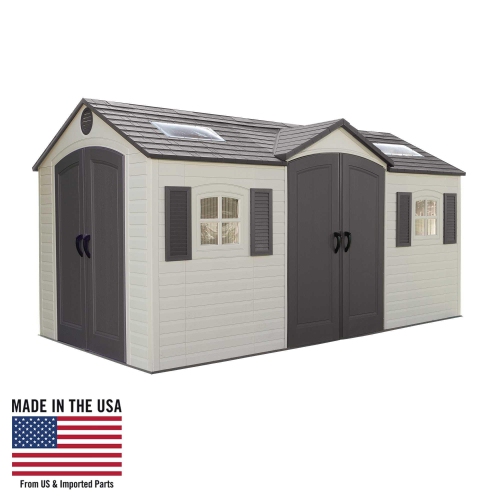 Your price for this item is $3999
-
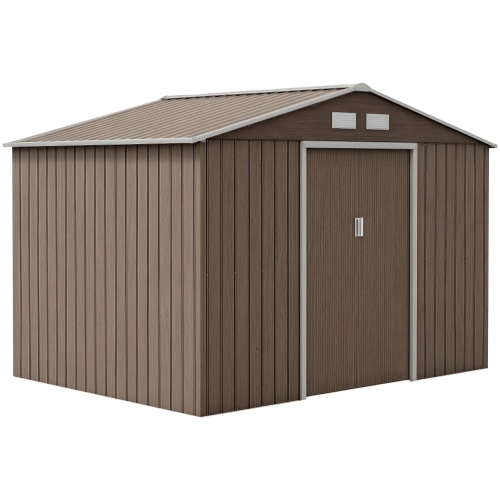 Your price for this item is $554.99
-
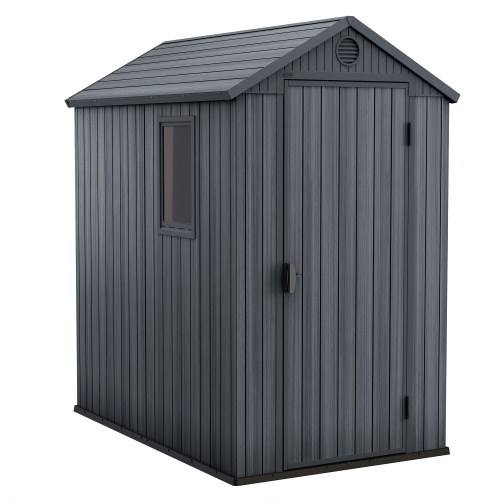 Your price for this item is $980.99
-
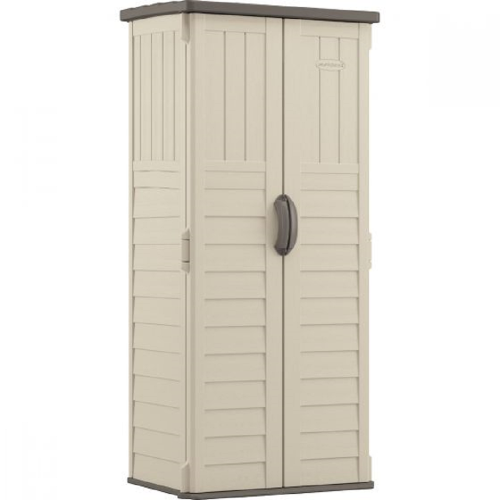 Your price for this item is $385.99
-
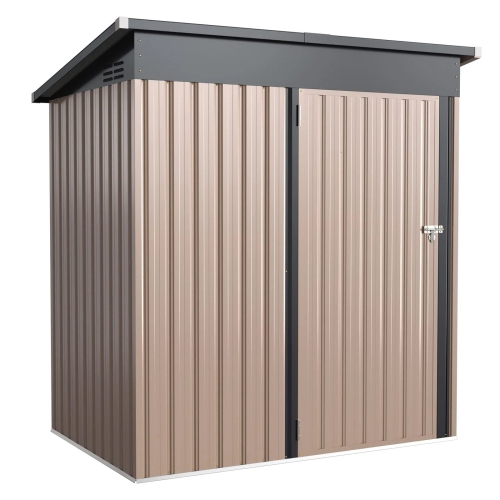 Your price for this item is $179.99
-
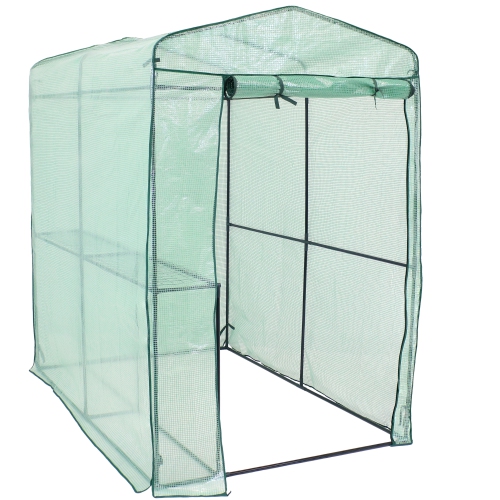 Your price for this item is $113.35
-
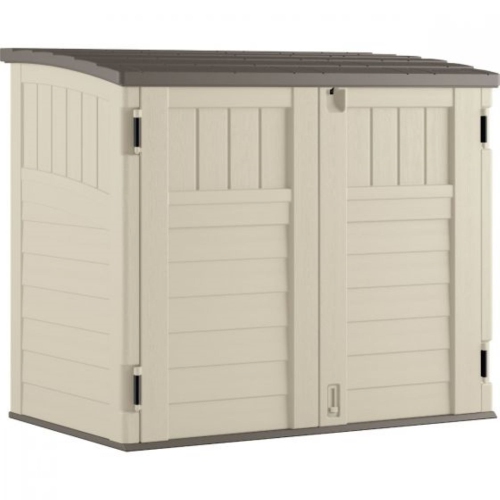 Your price for this item is $459.99
-
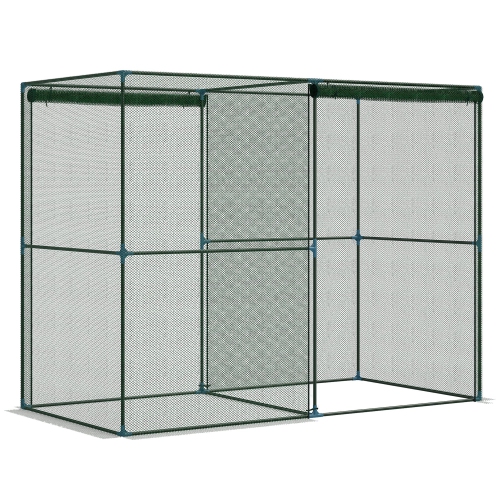 Your price for this item is $74.99
Discover more categories related to Greenhouses for Tropical Plants
Top Collections:
Pokemon Centers, Best Cameras for Sports Photography, Kindle Devices, Samsung Galaxy Phones, Canon G7X Cameras, Pokémon 30th Celebration Cards, Refurbished Apple Laptops, iPhone 15 Apple, Laptops for Students, Budget Smartphones
Some products may be subject to Environmental Handling Fees
(EHF) depending on your province.
Learn more about EHFs.