Griddle Soft Covers
Protect your griddle investment with our selection of high-quality griddle soft covers. Designed to shield your griddle from dust, dirt, and other environmental elements when not in use, these covers are a must-have accessory for any griddle owner. Crafted from durable materials and available in various sizes to fit different griddle models, our soft covers ensure that your outdoor cooking companion remains in top condition for years to come. Browse our collection now and find the perfect cover to keep your griddle looking like new.
Sort


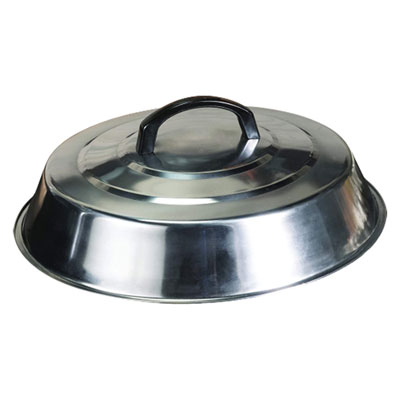
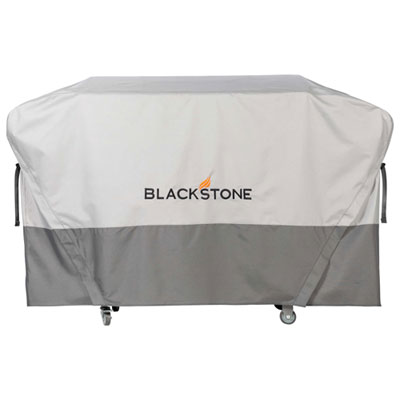

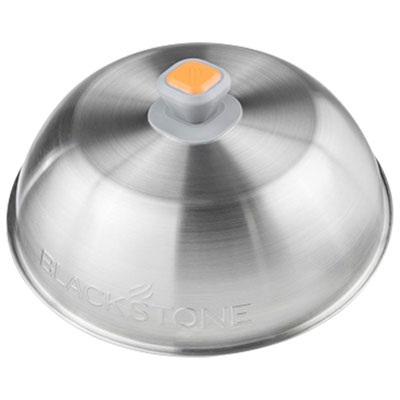
Outdoor protection that goes beyond the cooking plate
Griddle soft covers are flexible fabric covers designed to shield outdoor flat-top cooking stations from dust, falling leaves, sunlight, and precipitation while the equipment is not in use. Unlike a rigid lid that mainly shields the cooking plate, a full-length soft cover can extend over the hood, side shelves, controls, and much of the cart, depending on its shape and dimensions. That broader coverage is useful for a griddle kept on a backyard patio, beside a garage, or under an open-sided shelter where wind can still carry rain and debris. Common materials include woven polyester and coated canvas-style fabrics, with water-resistant backing or surface treatments that help shed moisture. A fabric designation such as 600D describes the yarn’s denier, a measure of linear density, rather than guaranteeing a particular level of waterproofing or service life. Overall performance also depends on the weave, coating, stitching, and construction. Reinforced corners can add strength where the fabric rests against shelf edges, while well-finished seams help the cover hold its shape through repeated handling. Some designs include a soft inner lining to reduce rubbing against painted or finished surfaces. UV-resistant fabric can help slow deterioration from sunlight, although any outdoor textile will gradually show wear with exposure. For households that cook breakfast outdoors or use a flat top for family dinners, a soft cover provides a practical layer of protection between meals without adding another bulky accessory to store. It also helps keep windblown grit away from handles and shelves, making the cooking station more pleasant to return to. Water-resistant and waterproof are not interchangeable descriptions: fabric may repel a passing shower while allowing moisture through seams or under prolonged exposure. A cover’s stated protection level matters most when it matches the conditions around the griddle, whether that means a sheltered deck with occasional splashes or an uncovered patio exposed to frequent rain. Even substantial fabric protection does not replace routine cleaning, seasoning, or suitable storage of the cooking surface.
Fit is central to how a griddle soft cover performs, and the width of the cooking plate alone rarely tells the whole story. Two cooking stations with similar flat-top dimensions can have very different overall profiles because of their carts, raised hoods, handles, and side shelves. The relevant measurements are the assembled unit’s outside width, depth, and height in the configuration used for storage. Shelves that fold down create a narrower outline than shelves left extended, while a fitted hard lid or tall hood may require additional clearance. A shaped cover intended for a hooded griddle may leave excess fabric on an open-top station, and a low-profile cover can pull tight over a taller lid. A comfortable fit allows the fabric to slip into place without straining the seams, yet avoids large loose sections that flap against the frame. Covers for portable tabletop griddles have different proportions from those made for wheeled cooking stations, so the base and support arrangement deserve as much attention as the cooking area. Secure closures are especially useful on exposed decks and patios. Adjustable straps, buckle fastenings, drawcords, and elastic hems can help keep the lower edge in position, although they do not make a cover stormproof. Handles can make a larger cover easier to lift evenly rather than dragging it across corners. Ventilation is another important construction detail: sheltered vents allow some air movement beneath the fabric, helping moisture escape as temperatures change. They cannot eliminate condensation, particularly when damp air is trapped around a cold metal surface. Some designs use a compatible support beneath the fabric to create a slope that encourages water to run off rather than collect in a hollow. This can be helpful on broad, flat profiles, but the support needs to suit the cover and appliance. A properly proportioned cover balances coverage, airflow, and secure fastening without interfering with the griddle’s storage requirements or resting loosely on the ground.
During the cooler months, griddle soft covers face repeated cycles of damp weather, chilly nights, and occasional snow, making fabric flexibility and moisture management particularly relevant. Cold-weather suitability should be stated by the manufacturer rather than assumed from thickness or weight; some coatings become stiff in low temperatures and may crack when sharply folded. A cover is most useful when it goes over a fully cooled, clean, dry cooking station. Covering a warm griddle can damage the fabric and trap moisture, while grease left around shelves or edges can transfer to the lining and attract dirt. The cooking plate still needs the care specified for its material, including seasoning where required, because an outer cover cannot prevent every source of rust. For routine fabric care, a soft brush can lift loose dirt, and mild soap with water may be suitable when permitted by the care label. Thorough rinsing and complete air-drying help prevent residue and dampness from remaining in the folds. Machine washing, strong cleaners, and tumble drying can damage certain coatings or seam treatments, so care methods should match the cover’s instructions. Between uses, a dry cover can be folded loosely and kept away from sharp utensils or rough storage surfaces. Periodic checks around corners, seams, and fastenings can reveal abrasion before a small worn patch becomes a larger tear. After wet or snowy weather, accumulated water or loose snow should be cleared gently, without scraping the fabric or forcing material that has frozen in place. For longer periods without cooking, a sheltered storage location offers additional protection where the appliance’s instructions allow it. Households protecting several outdoor cooking appliances may also find Winter Grill Covers relevant, with each cover matched to the equipment it will protect. A griddle soft cover can also be a thoughtful, practical gift for someone who enjoys outdoor cooking, provided the cooking station’s dimensions and hood arrangement are known. For weekend breakfasts, shared patio meals, and longer pauses between cookouts, the most useful cover is one that fits properly, stays manageable to handle, and suits the conditions in which the griddle is stored.
Top selling and popular products
-
 Your price for this item is $189.99
-
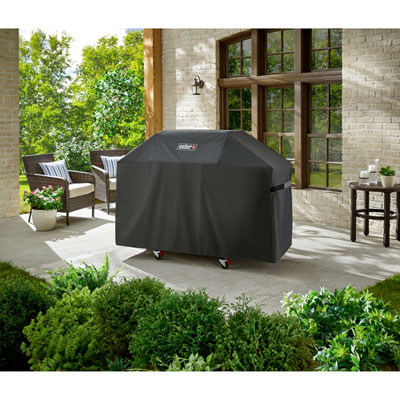 Your price for this item is $131.99
-
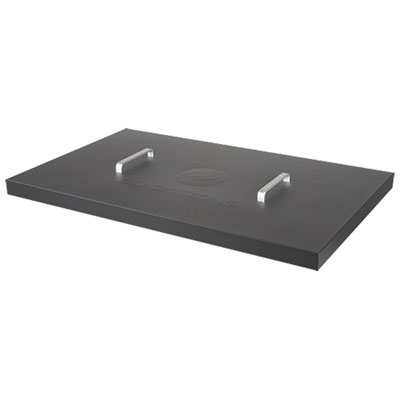 Your price for this item is $159.99
-
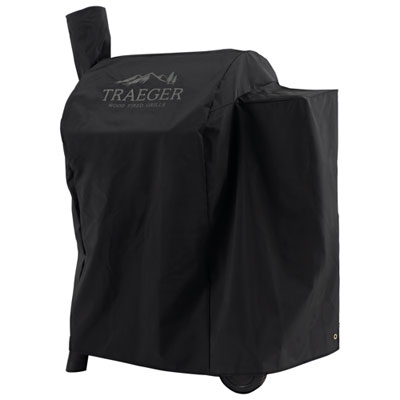 Your price for this item is $94.99
-
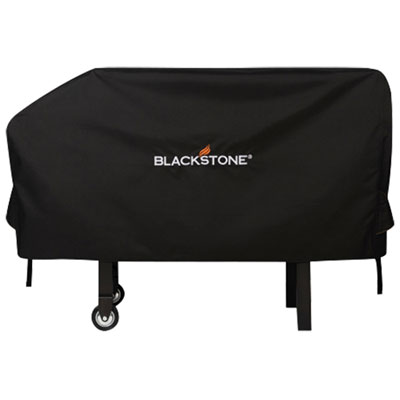 Your price for this item is $89.99
-
 Your price for this item is $79.99
-
 Your price for this item is $44.99
-
 Your price for this item is $63.52
Discover more categories related to Griddle Soft Covers


Top Collections:
Pokemon Centers, Best Cameras for Sports Photography, Kindle Devices, Samsung Galaxy Phones, Canon G7X Cameras, Pokémon 30th Celebration Cards, Refurbished Apple Laptops, iPhone 15 Apple, Laptops for Students, Budget Smartphones
Some products may be subject to Environmental Handling Fees
(EHF) depending on your province.
Learn more about EHFs.