Hand Painted Wall Art
Transform your living space into a captivating gallery with our exquisite collection of hand-painted wall art. Elevate the ambiance of any room with these stunning pieces, meticulously crafted by talented artists. From vibrant abstract designs to serene landscapes, our hand-painted wall art pieces offer an array of styles and themes to suit your unique taste. With their impeccable attention to detail and vibrant color palettes, these artworks are sure to make a statement and add a touch of sophistication to your home decor. Shop for pieces that speak to your individuality and bring life to your walls.
Sort
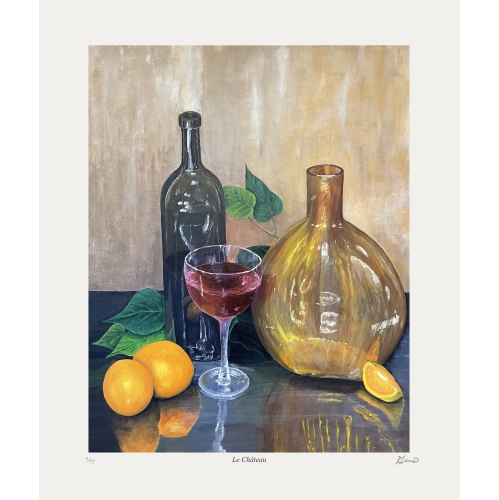
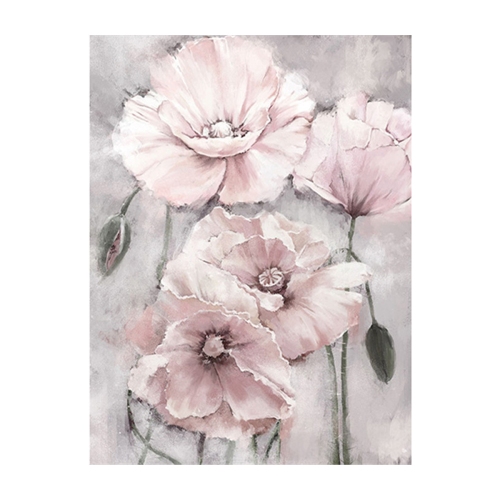



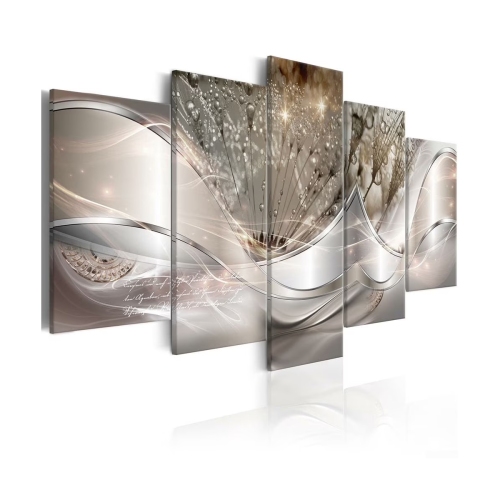
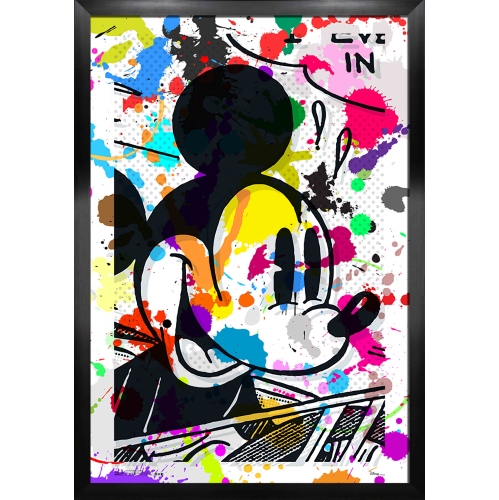

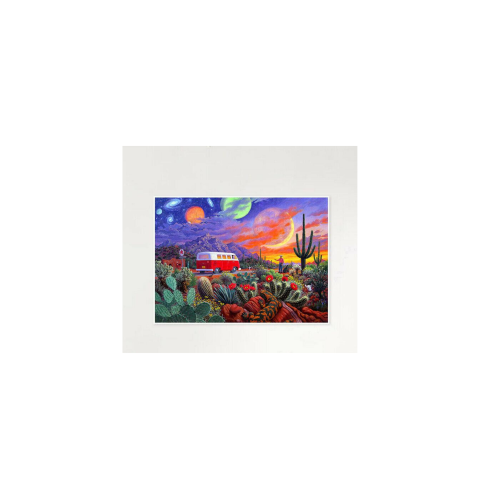
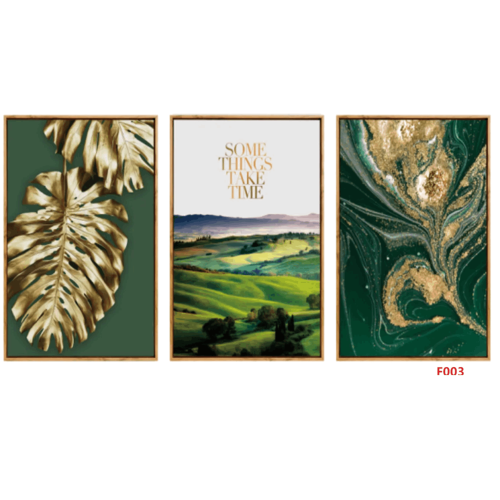
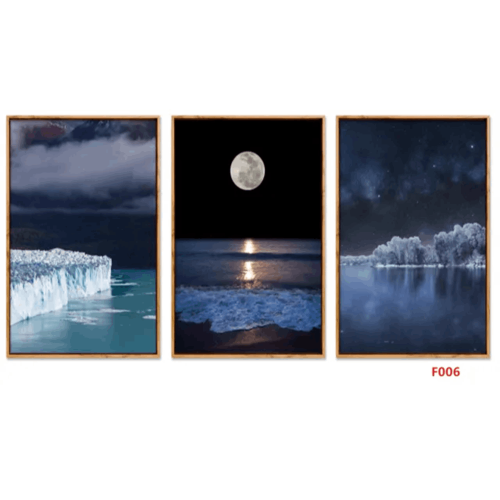
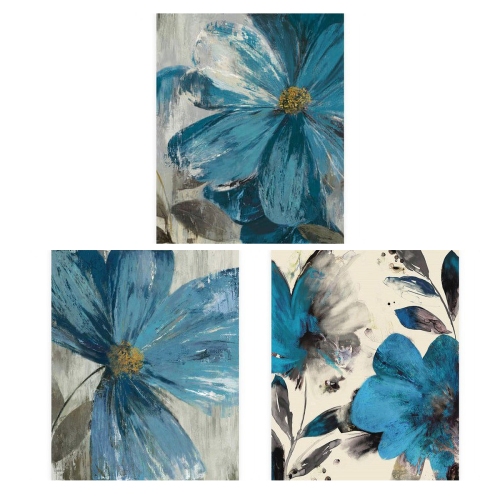
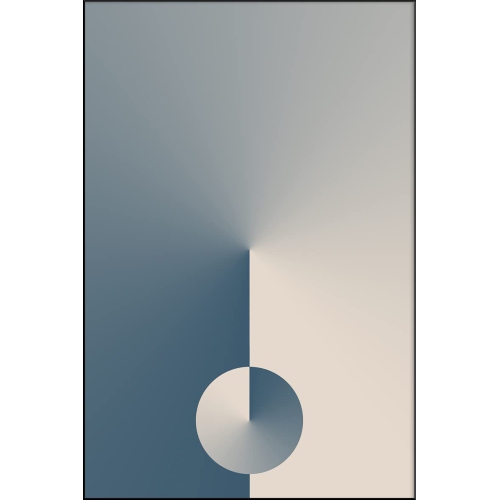


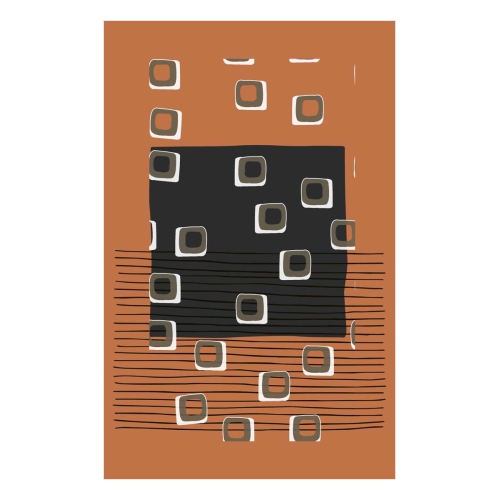


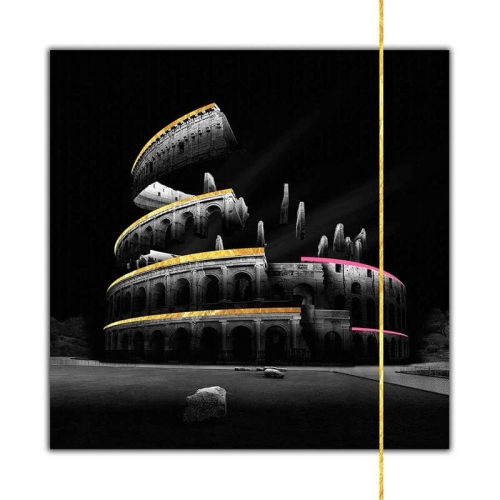
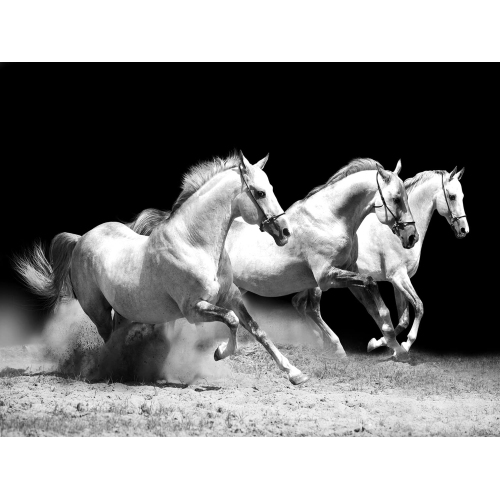
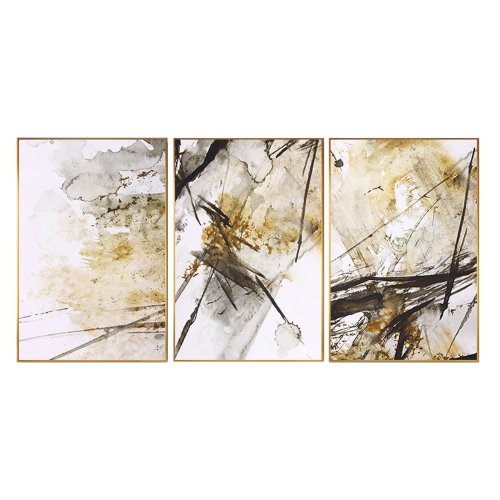
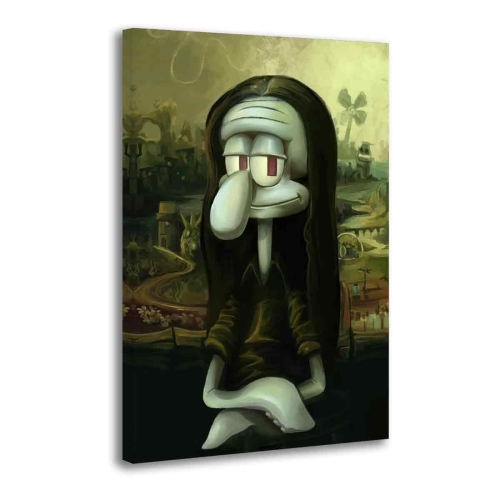



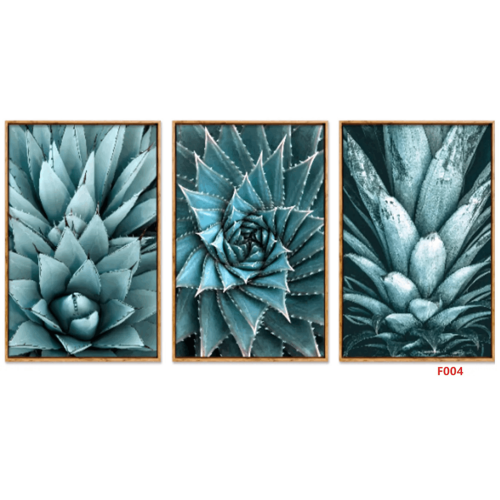


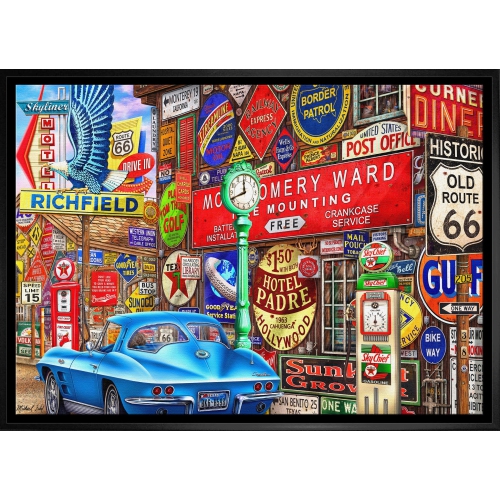

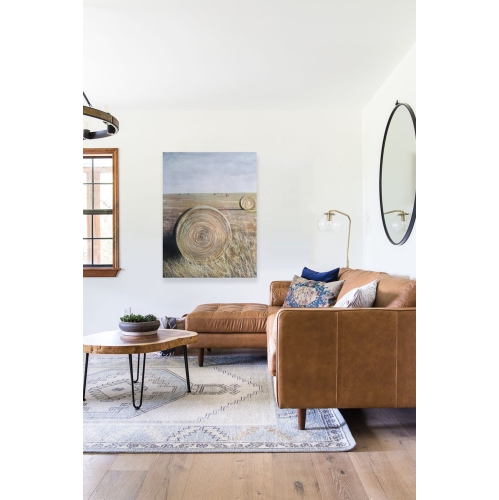


The brushwork and texture that give paintings depth
Hand-painted wall art brings visible brushwork, layered colour, and a sense of depth to a room that a flat image alone may not provide. Paint applied by hand can leave fine ridges, soft washes, or raised areas that catch the light differently across the surface. The term covers a range of finishes, from paintings created entirely by hand to printed images finished with hand-applied paint or textured accents. That distinction matters when comparing artwork: a hand-embellished print can offer tactile detail, but it is not the same as a fully hand-painted composition. Neither description automatically means a work is a one-of-a-kind original, so the stated medium and production method are useful details. Canvas is a common support because its woven surface suits expressive brushstrokes and can be stretched over an internal frame for a clean, ready-to-display shape. Cotton and linen canvases have different textures, while wood panels provide a firmer surface that can suit precise lines or heavier applications of paint. Acrylic paint is versatile, supporting anything from thin layers to thick, sculptural marks; oil paint is often associated with blended tones and richly layered finishes. The character of the finished artwork depends on the technique as much as the medium. Impasto, for example, describes paint applied thickly enough to create visible relief, adding physical texture to petals, abstract shapes, or sweeping strokes. A floral painting with raised white petals can feel subtle from across the room yet reveal considerable detail up close. An abstract composition with broad blue strokes and small ochre accents can connect a neutral sofa with a patterned rug without matching either exactly. Landscapes, botanical subjects, geometric compositions, and expressive abstracts each bring a different visual rhythm. Soft edges and closely related colours tend to feel quieter, while sharp contrasts and energetic marks draw more attention. The appeal of hand-painted wall art often lies in those small variations: an uneven edge, a translucent overlap, or a brushstroke that remains visible rather than disappearing into a perfectly smooth finish.
Size, orientation, and placement influence how comfortably a painting sits within a space. Above a sofa, bed, or console, artwork spanning roughly two-thirds of the furniture’s width is a useful starting point rather than a fixed rule. A narrow painting can look isolated over a long sofa, while an oversized canvas may overwhelm a compact entryway or extend awkwardly beyond the furniture beneath it. For an arrangement of several panels, the relevant measurement is the total width, including the gaps between them. Two or three coordinated panels can provide the reach of one large painting while introducing a little breathing room between sections. On an empty wall, the usable area matters more than the wall’s full dimensions: door trim, light switches, shelves, and nearby furniture all affect the balance. Portrait-oriented artwork often suits a slim wall beside a doorway, whereas a horizontal composition can follow the length of a dining table or headboard. A square canvas can work well above a small cabinet, particularly when nearby objects have varied heights. Painterly details also change with viewing distance. Bold shapes remain legible across an open living area, while delicate linework and subtle texture are easier to appreciate beside a reading chair or along a hallway. Framing adds another layer of definition. A floating frame leaves a visible gap around the canvas, emphasizing its edges and depth; a traditional frame creates a more pronounced boundary between the painting and the wall. Gallery-wrapped canvas may be displayed without an outer frame when its finished edges and mounting provisions support that use. Dimensions should account for the complete framed piece, not just the painted surface. Wall colour and lighting influence the result as well. Cream paint can make a pale composition feel softly integrated, while a darker wall may emphasize its outline. Gentle, indirect illumination usually reveals colour and texture without the distracting reflections that a strong light can create on glossy finishes. In a home office, a restrained composition can add interest behind a desk without dominating video calls.
Long-term enjoyment of hand-painted wall art depends on its construction, placement, and care as much as its appearance. A properly assembled stretcher frame helps canvas keep its shape, and secure corner joints matter on larger pieces that carry more weight. Thick paint and applied accents may be more vulnerable to knocks than a relatively smooth surface, making clearance important in busy passages or behind chairs that move frequently. Hanging hardware should be appropriate for both the artwork’s weight and the wall material; drywall, masonry, and timber fixing points require different approaches. In homes with children or pets, stable mounting and placement beyond easy reach help protect both the artwork and the people around it. Bathrooms and areas close to kitchen splashes are less forgiving settings for exposed canvas, paint, and wooden frames unless the artwork is specifically described as suitable for those locations. Direct sunlight can gradually alter colours, and repeated contact with moisture can affect the support or finish. Routine care is usually simple, but the stated care instructions should take priority because painted surfaces and coatings vary. For a stable, unglazed surface, a very soft, dry brush may be appropriate for lifting loose dust without pressing into the texture. Household sprays, wet cloths, abrasive tools, and vigorous rubbing can damage paint or leave residue. Artwork is best lifted by its frame or supporting structure rather than by the canvas, with particular care around raised details. These practical considerations make it easier to choose a piece suited to everyday life, whether it will hang in a lively family room or a quiet bedroom. Hand-painted artwork can also make a thoughtful housewarming, wedding, or anniversary gift when the recipient’s taste and available wall space are familiar. A botanical subject might suit someone who enjoys floral forms, while a restrained abstract may appeal to someone drawn to simple furnishings and open space. For a broader view of subjects and styles, Beautiful Wall Art offers another place to explore visual possibilities. The most personal choice is often a painting whose colours, scale, and character feel at home with the way a room is actually used.
Top selling and popular products
-
 Your price for this item is $399
-
 Your price for this item is $37.5
-
 Your price for this item is $124.9
-
 Your price for this item is $39.99
-
 Your price for this item is $49.99
-
 Your price for this item is $49.99
-
 Your price for this item is $34.99
-
 Your price for this item is $56.95
Discover more categories related to Hand Painted Wall Art


Top Collections:
Pokemon Centers, Kindle Devices, Best Cameras for Sports Photography, Pokémon 30th Celebration Cards, Canon G7X Cameras, Samsung Galaxy Phones, iPhone 15 Apple, Best Black Friday Deals On Electronics, Jackery Power Stations, Solar Generators for Home
Some products may be subject to Environmental Handling Fees
(EHF) depending on your province.
Learn more about EHFs.