Heavy Mugs
Our selection of heavy mugs is designed to withstand the rigors of everyday use, whether you're enjoying your morning coffee at home or sipping tea at the office. With a range of styles and sizes to choose from, these heavy-duty mugs are not only practical but also stylish additions to your kitchen or workspace. Browse our collection today and find the perfect heavy mug to suit your needs.
Sort



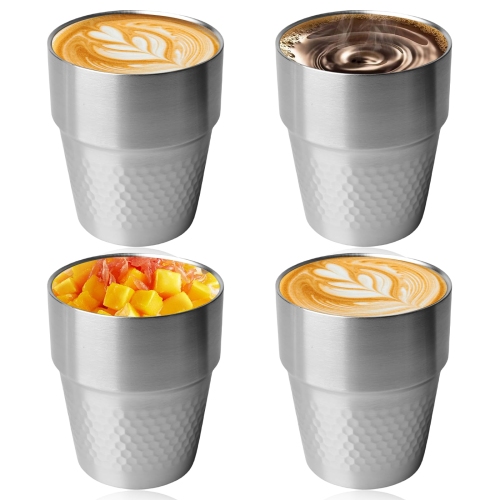
The difference between satisfying heft and novelty weight
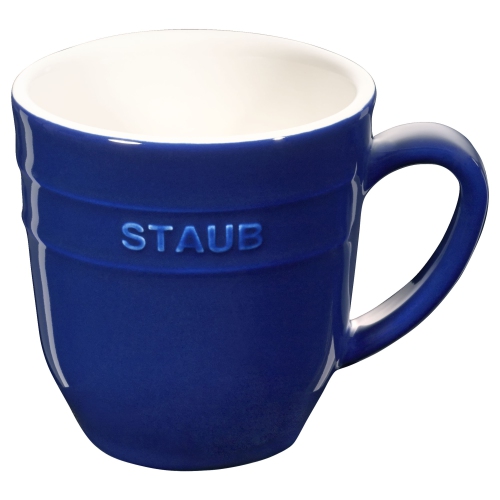
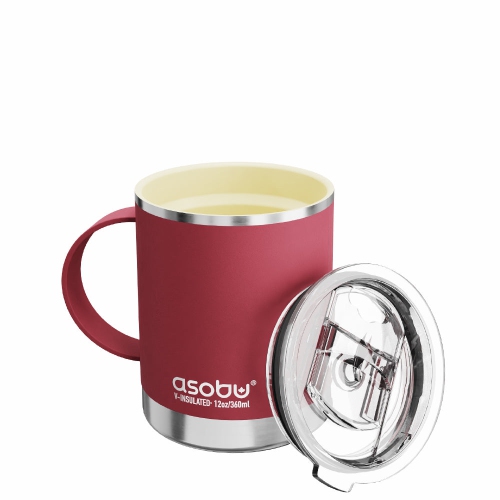
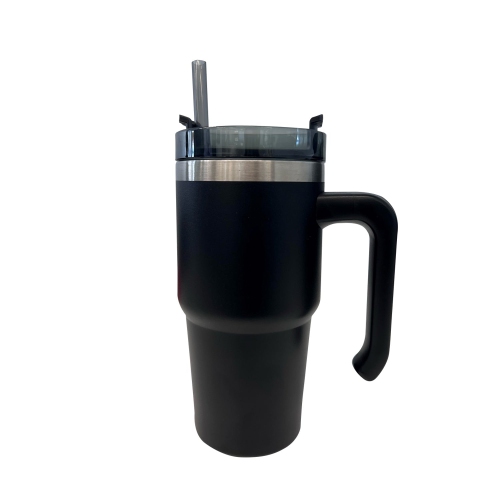
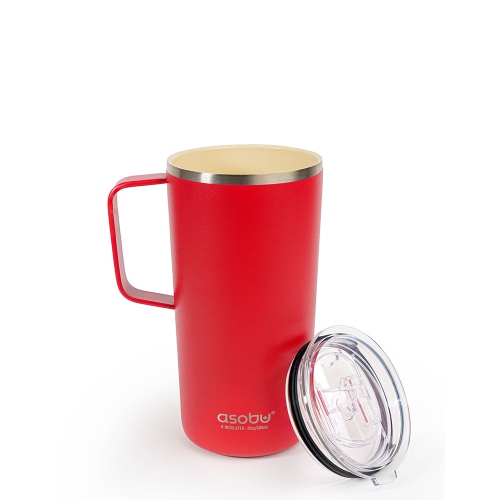
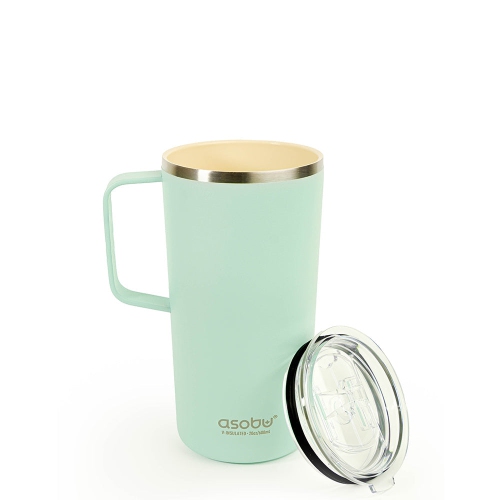
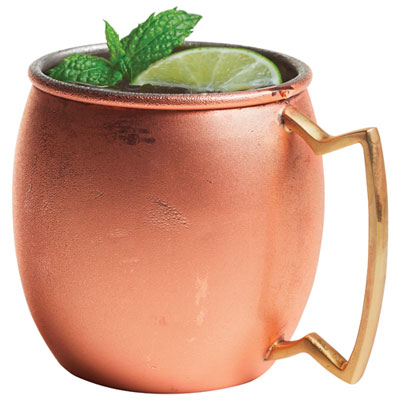
Heavy mugs are drinkware with a substantial feel, whether that comes from thick ceramic walls, a solid glass base, or a deliberately weighted metal body. The term covers two distinct types: everyday mugs made for satisfying, sturdy handling and novelty mugs whose unusually heavy construction is part of their appeal. For daily coffee and tea, weight usually reflects the material, wall thickness, handle, and overall size. For specialty weighted mugs, the vessel itself can be much heavier than the drink it holds, making the experience quite different from using ordinary kitchen drinkware. Capacity and weight are separate measurements: a large mug is not necessarily heavy, and a compact metal mug can outweigh a much roomier ceramic one. Empty weight gives a useful starting point, but the filled weight is what matters when lifting a drink from the counter or carrying it to a desk. A broad base can help a mug feel settled on a flat surface, although weight alone does not make it tip-proof. Balance, handle placement, and the shape of the body all contribute to how comfortable it feels in use. A thick-walled mug with a rounded handle might suit a slow morning at the kitchen table, while a straighter profile can fit more neatly beside a keyboard or on a crowded breakfast tray. Oversized heavy mugs offer room for generous servings of tea, hot chocolate, or coffee with milk, but smaller capacities can provide the same substantial feel without such a large serving. For a familiar middle ground, 16oz Mugs provide a capacity reference, though their weight varies by construction. The most useful distinction is between a mug that feels pleasantly solid in the hand and one designed to be conspicuously heavy; those qualities serve different purposes and should not be treated as interchangeable.
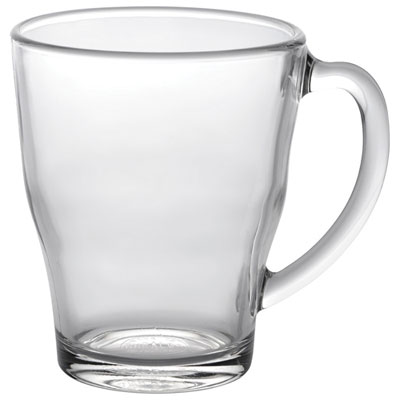
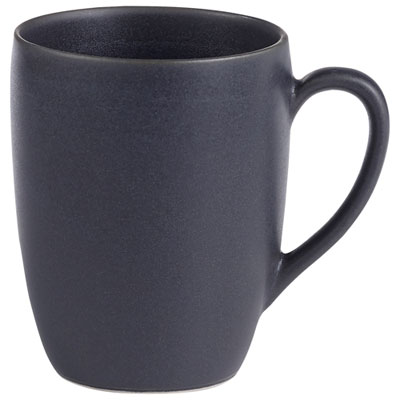
Material gives heavy mugs much of their character. Stoneware often has a dense, grounded feel, with thick walls and finishes ranging from smooth gloss to textured surfaces. Ceramic mugs can make everyday drinks feel more inviting, particularly when the rim is comfortable against the lips and the handle leaves enough space for fingers. Porcelain can also have substantial weight when formed with thicker walls, so the material name alone does not tell the whole story. Glaze coverage, the finish around the rim, and the smoothness of the handle are small details that become noticeable through repeated use. Thick glass mugs bring a different appeal, showing the colour of steeped tea, the layers of a milky coffee, or the foam on a cold drink. A heavy glass base can add reassuring heft, but glass should only be exposed to hot liquids when it is rated for that use. Stainless steel provides another option, with weight determined by the amount of metal and the construction rather than appearance alone. A hollow, double-wall steel mug may feel considerably lighter than a solid-bodied weighted design. Insulation is also a separate feature from heft: a heavy mug is not automatically insulated, and thick walls do not guarantee that a drink will stay hot for longer. A substantial ceramic mug may initially draw heat from a freshly poured beverage, while a suitable pre-warming routine can make the drinking experience more consistent. Any warming method still needs to follow the care directions. For everyday comfort, handle clearance can matter as much as material. A narrow loop may press against knuckles when the mug is full, whereas a wider opening can allow a more relaxed grip. People with limited grip strength, wrist discomfort, or reduced hand mobility may find a lighter vessel easier to manage. Height and width matter, too: a generous mug may not fit beneath a coffee machine spout, inside a cupboard shelf, or in a vehicle cup holder. A heavy open mug is generally better suited to a stable tabletop than drinking on the move.
Durability depends on construction and care, not simply on how much a mug weighs. Thick ceramic can still chip along an exposed rim, and a handle can be vulnerable to knocks even when the body feels robust. Glass can crack from impact or sudden temperature changes, while metal finishes may need gentler cleaning than the underlying material suggests. Dishwasher and microwave suitability should always come from the care information rather than assumptions about the material. Metal mugs should not go in a microwave, and ceramic drinkware with metallic trim may also be unsuitable. Where handwashing is required, warm water, mild dish soap, and a soft sponge help clean the interior without harsh abrasion. Tea and coffee stains can be more visible on pale interiors, while textured outer surfaces may need attention around grooves and handle joints. Drying mugs fully before putting them away keeps cupboard storage tidy, and leaving space between heavy pieces reduces the chance of rims knocking together. Stacking is best reserved for shapes specifically designed for it; forcing one heavy mug inside another can put pressure on handles and edges. In daily use, these practical details support the simple pleasure of a favourite drink within reach: tea beside a book, coffee with breakfast, or hot chocolate after time outdoors during the cooler months. Heavy ceramic or glass mugs can make thoughtful gifts for someone who enjoys those routines, especially when the capacity and handle shape match their preferences. A generous serving suits someone who likes to linger, while a smaller, weighty mug may be more comfortable for shorter coffee breaks. Deliberately weighted metal mugs have a more specialised role as novelty gifts or display pieces for fitness enthusiasts. Their heft should not be mistaken for evidence of a training benefit, and a mug filled with hot liquid is not appropriate exercise equipment. For ordinary drinking, a comfortable filled weight, a secure grip, and a suitable food-contact surface matter more than an extreme weight claim. The appeal of a heavy mug lies in how naturally its feel, proportions, and finish fit the moments it is used.
Material gives heavy mugs much of their character. Stoneware often has a dense, grounded feel, with thick walls and finishes ranging from smooth gloss to textured surfaces. Ceramic mugs can make everyday drinks feel more inviting, particularly when the rim is comfortable against the lips and the handle leaves enough space for fingers. Porcelain can also have substantial weight when formed with thicker walls, so the material name alone does not tell the whole story. Glaze coverage, the finish around the rim, and the smoothness of the handle are small details that become noticeable through repeated use. Thick glass mugs bring a different appeal, showing the colour of steeped tea, the layers of a milky coffee, or the foam on a cold drink. A heavy glass base can add reassuring heft, but glass should only be exposed to hot liquids when it is rated for that use. Stainless steel provides another option, with weight determined by the amount of metal and the construction rather than appearance alone. A hollow, double-wall steel mug may feel considerably lighter than a solid-bodied weighted design. Insulation is also a separate feature from heft: a heavy mug is not automatically insulated, and thick walls do not guarantee that a drink will stay hot for longer. A substantial ceramic mug may initially draw heat from a freshly poured beverage, while a suitable pre-warming routine can make the drinking experience more consistent. Any warming method still needs to follow the care directions. For everyday comfort, handle clearance can matter as much as material. A narrow loop may press against knuckles when the mug is full, whereas a wider opening can allow a more relaxed grip. People with limited grip strength, wrist discomfort, or reduced hand mobility may find a lighter vessel easier to manage. Height and width matter, too: a generous mug may not fit beneath a coffee machine spout, inside a cupboard shelf, or in a vehicle cup holder. A heavy open mug is generally better suited to a stable tabletop than drinking on the move.
Durability depends on construction and care, not simply on how much a mug weighs. Thick ceramic can still chip along an exposed rim, and a handle can be vulnerable to knocks even when the body feels robust. Glass can crack from impact or sudden temperature changes, while metal finishes may need gentler cleaning than the underlying material suggests. Dishwasher and microwave suitability should always come from the care information rather than assumptions about the material. Metal mugs should not go in a microwave, and ceramic drinkware with metallic trim may also be unsuitable. Where handwashing is required, warm water, mild dish soap, and a soft sponge help clean the interior without harsh abrasion. Tea and coffee stains can be more visible on pale interiors, while textured outer surfaces may need attention around grooves and handle joints. Drying mugs fully before putting them away keeps cupboard storage tidy, and leaving space between heavy pieces reduces the chance of rims knocking together. Stacking is best reserved for shapes specifically designed for it; forcing one heavy mug inside another can put pressure on handles and edges. In daily use, these practical details support the simple pleasure of a favourite drink within reach: tea beside a book, coffee with breakfast, or hot chocolate after time outdoors during the cooler months. Heavy ceramic or glass mugs can make thoughtful gifts for someone who enjoys those routines, especially when the capacity and handle shape match their preferences. A generous serving suits someone who likes to linger, while a smaller, weighty mug may be more comfortable for shorter coffee breaks. Deliberately weighted metal mugs have a more specialised role as novelty gifts or display pieces for fitness enthusiasts. Their heft should not be mistaken for evidence of a training benefit, and a mug filled with hot liquid is not appropriate exercise equipment. For ordinary drinking, a comfortable filled weight, a secure grip, and a suitable food-contact surface matter more than an extreme weight claim. The appeal of a heavy mug lies in how naturally its feel, proportions, and finish fit the moments it is used.
Top selling and popular products
-
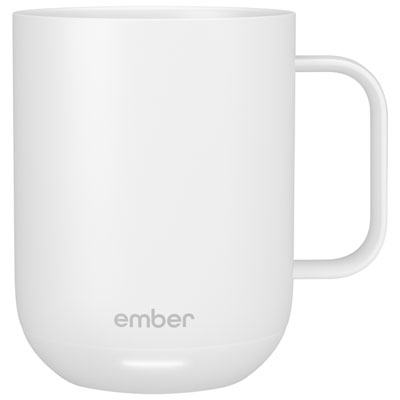 Your price for this item is $99.99
 -
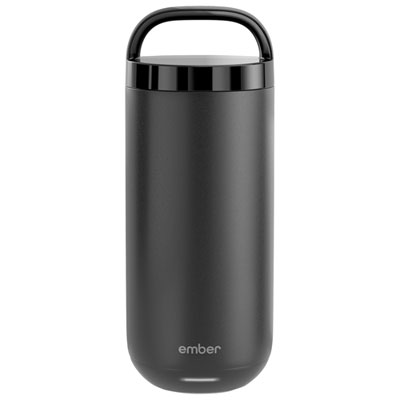 Your price for this item is $149.99
 -
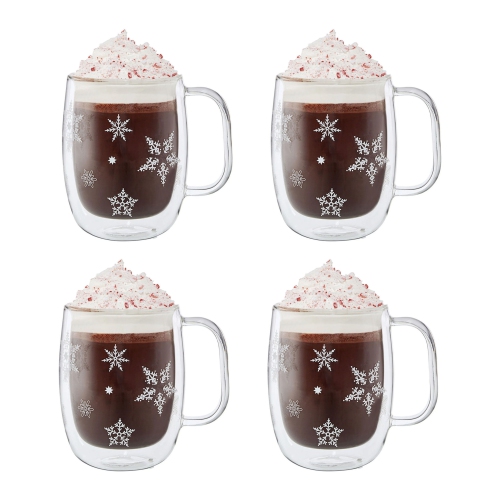 Your price for this item is $90.99
 -
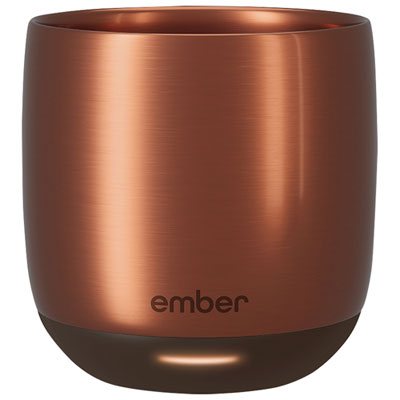 Your price for this item is $139.97
 -
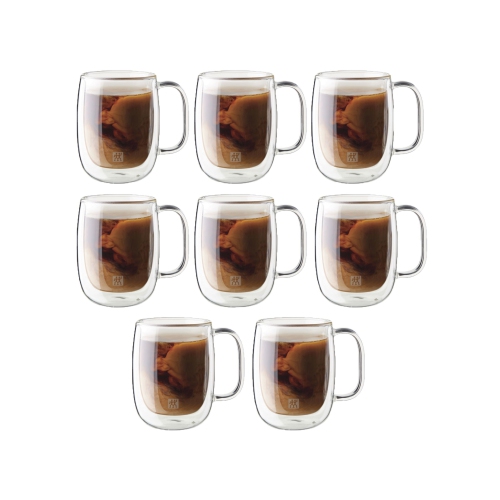 Your price for this item is $94.99
 -
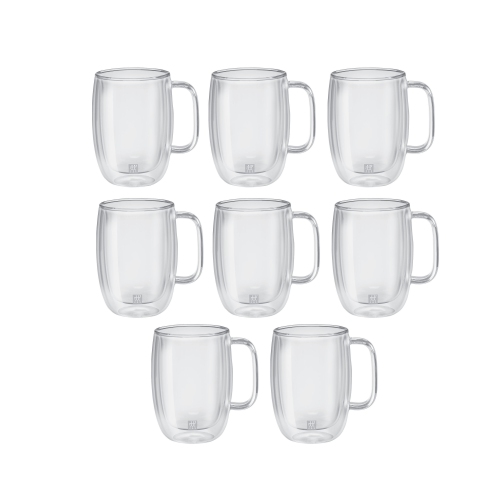 Your price for this item is $114.99
 -
 Your price for this item is $114.99
 -
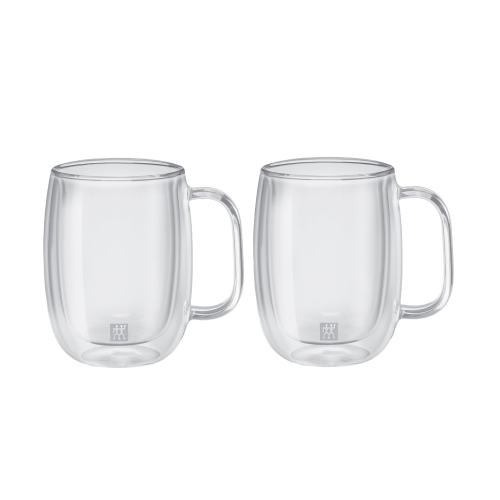 Your price for this item is $39.99
Discover more categories related to Heavy Mugs
Top Collections:
Pokemon Centers, Kindle Devices, Best Budget Office Chairs, Apple iPhones 16, Canon G7X Cameras, iPhone 15 Apple, Alarm Clock, Refurbished Apple Laptops, Flip Phones, Best Laptops for Writers
Some products may be subject to Environmental Handling Fees
(EHF) depending on your province.
Learn more about EHFs.