High Back Faux Leather Chairs
High Back Faux Leather Chairs add a touch of sophistication and comfort to any space, making them a popular choice for home offices, dining rooms, and living areas. With their sleek design and elevated support, these chairs offer both style and functionality, seamlessly complementing a variety of décor styles. Whether you're updating your workspace or enhancing your dining setup, High Back Faux Leather Chairs provide an inviting seating solution that combines modern appeal with everyday practicality. Explore a range of options to find the perfect fit for your needs.
Sort

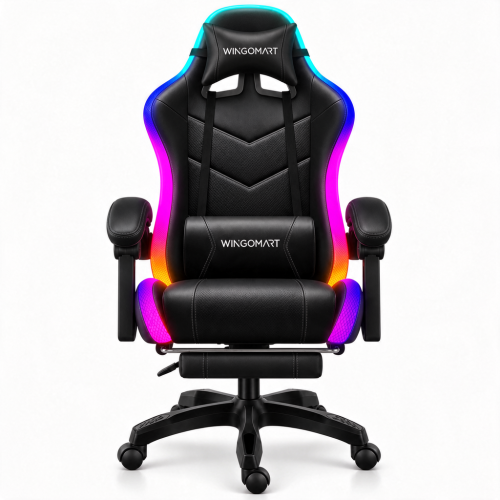
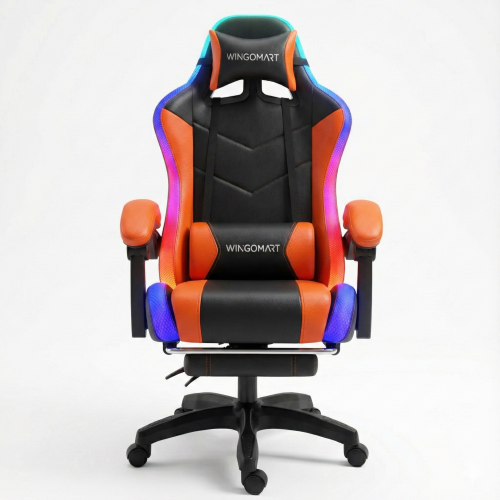
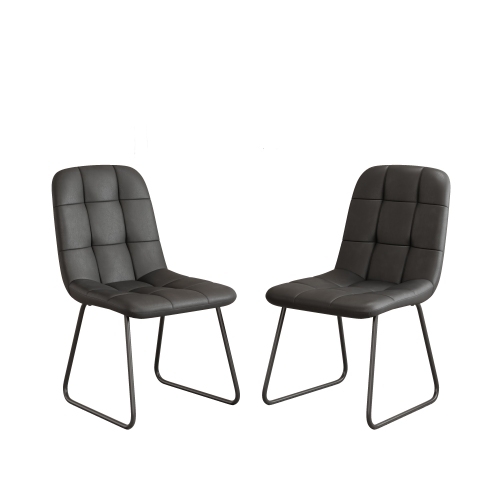
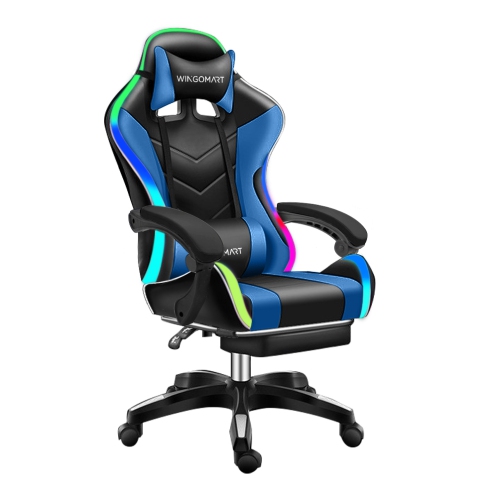
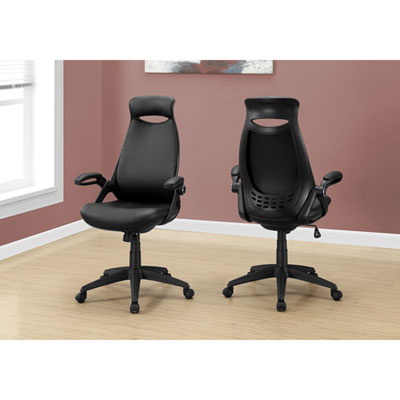
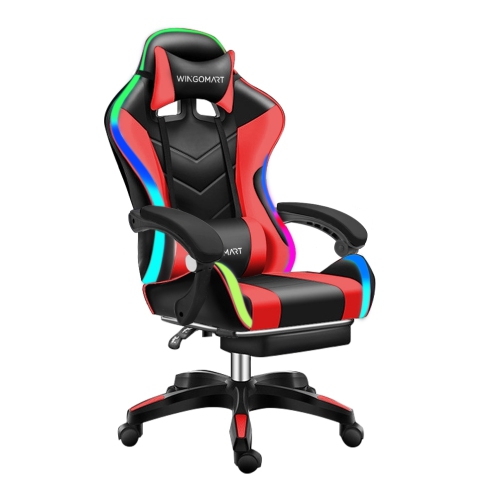
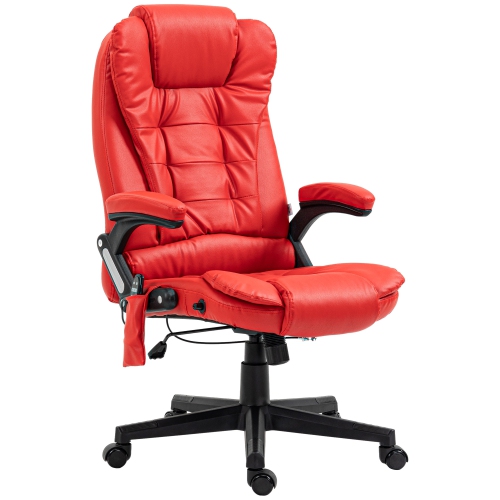
There’s more to comfort than a tall back
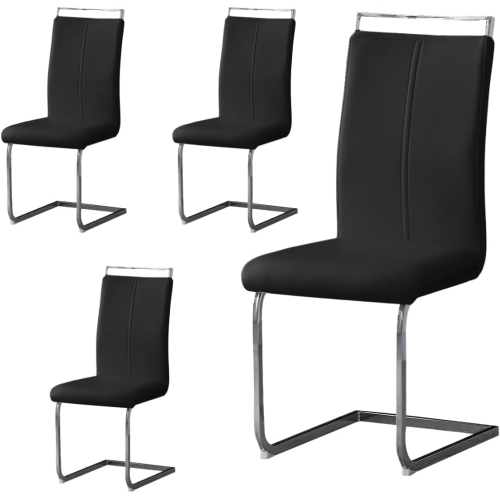
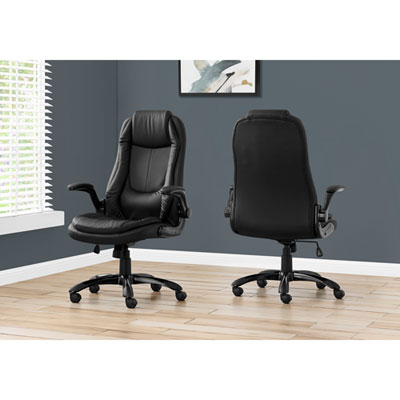
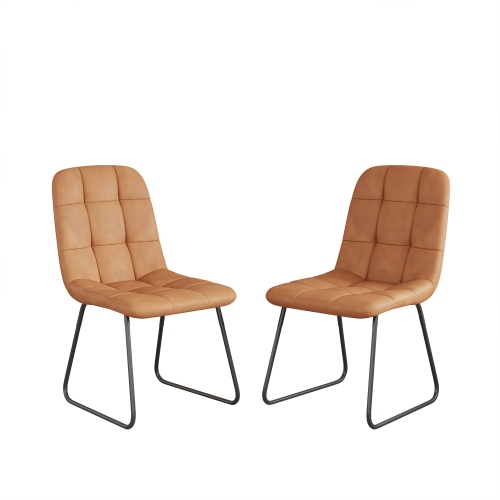
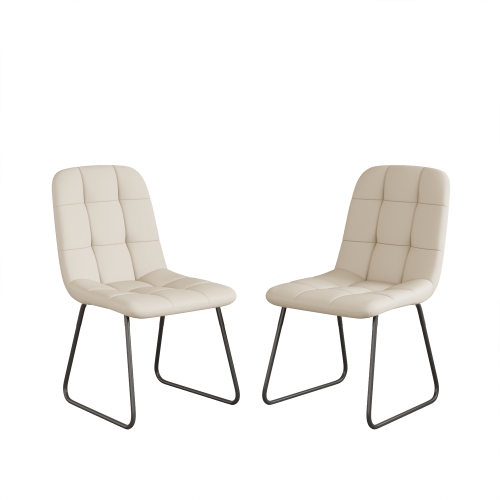
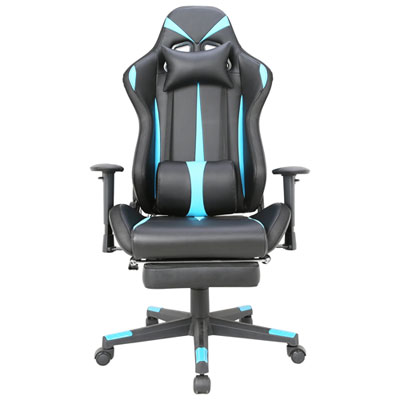
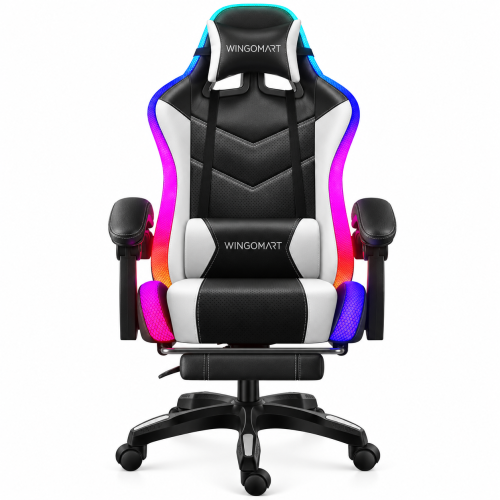
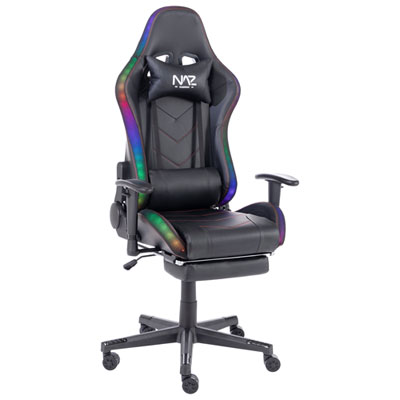
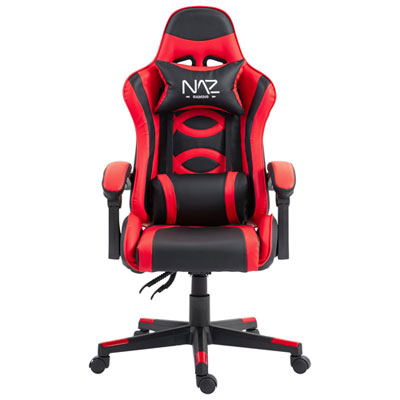
High back faux leather chairs combine a tall backrest with leather-look upholstery, creating a substantial seat for a desk, dining table, reading corner, or reception area. The higher back distinguishes them from lower-profile seating, though its exact height and shape vary: some backrests reach the upper back, while others extend towards the shoulders or include a separate headrest. Faux leather generally consists of a fabric backing coated with a synthetic material, commonly polyurethane or polyvinyl chloride. Its grain, sheen, and softness depend on the upholstery construction, so the finish can range from smooth and understated to more visibly textured. Beneath that surface, foam cushioning, the supporting frame, and the seat base all contribute to how a chair feels and holds its shape. A generously padded executive-style chair creates a different sitting experience from a slim, upright dining chair, even when both have tall backs and similar upholstery. For a home office, a high back can give a work area a defined focal point, particularly when paired with a broad desk or shelving. In a dining space, tall upholstered backs bring a more formal outline to the table and can feel inviting for meals that extend into conversation. Accent styles suit quieter corners where an upright seat is useful for reading or talking with visitors. Black and brown upholstery tends to blend easily with wood, metal, and neutral furnishings, while lighter colours create a softer visual contrast against dark flooring or cabinetry. Details such as channel stitching, curved arms, tufting, and exposed legs influence whether the overall appearance feels traditional, contemporary, or somewhere between the two. Those design differences matter in everyday use as well as appearance: deep seams can collect crumbs, broad arms take up room, and a tall back remains visible above many desks and tables.
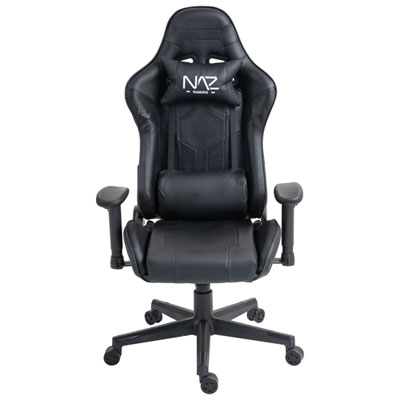
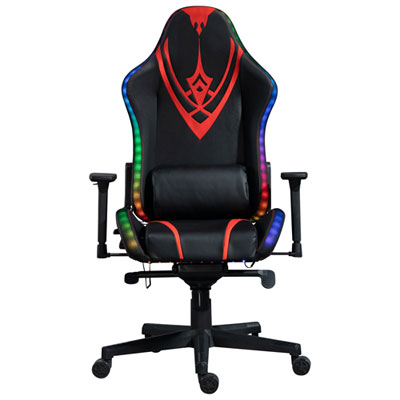
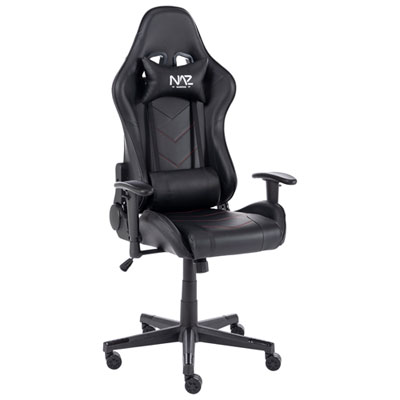
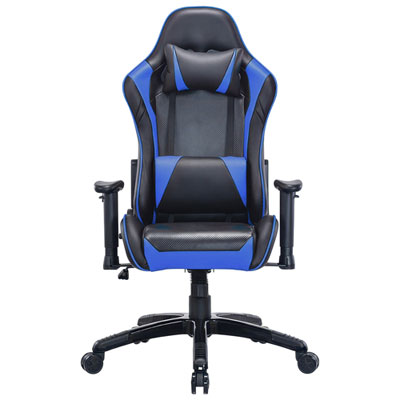
The right fit depends on the person sitting in the chair and the furniture around it, not simply on the height of the backrest. A supportive position generally allows feet to rest flat on the floor or on a footrest, with enough space behind the knees to avoid pressure from the seat edge. Seat depth is especially important: a deep cushion may suit a taller person but leave a shorter user sitting forward without contact with the backrest. Similarly, a headrest is only useful when its position matches the user’s height rather than pushing the head forward. For desk work, adjustable seat height helps bring the body into a comfortable relationship with the keyboard and work surface. Adjustable arms, lumbar support, seat depth, or tilt controls can offer further flexibility where those features are included; a high back alone does not make a chair adjustable or suitable for every body type. Someone moving between typing, video calls, and paperwork may appreciate a swivel base and controlled recline, while a chair used mainly at a dining table may benefit more from a steady, fixed frame and an upright sitting position. Gaming-style designs can have prominent side bolsters, which change the usable width of the seat and may feel restrictive for someone who prefers to shift position. Overall width, arm height, and clearance behind the chair deserve attention in smaller rooms. An armrest that catches beneath a desk can prevent the chair from tucking away, and a reclining back needs more space than its upright footprint suggests. For wheeled chairs, caster suitability depends on the floor surface, and an appropriate chair mat can help protect flooring and make movement smoother. Manufacturer weight limits and assembly requirements also matter, particularly when a chair will be shared. For spaces where a lower backrest would feel less visually dominant, Mid Back Faux Leather Chairs provide a useful comparison while retaining a similar upholstered look. Backrest height should complement the room without taking priority over comfortable seat dimensions.
Faux leather is often chosen for its smooth surface and straightforward day-to-day upkeep, especially in spaces where an occasional spill or fingerprint is likely. Routine care usually starts with removing loose dust using a soft cloth and wiping marks promptly according to the manufacturer’s cleaning directions. A lightly dampened cloth may be suitable for many finishes, but excess water, abrasive pads, strong solvents, and unsuitable leather treatments can damage the coating or affect its appearance. Genuine-leather conditioners are not automatically appropriate for synthetic upholstery. Seams, piping, and the narrow spaces beside armrests may need gentle attention so debris does not build up. Durability depends on more than the surface finish: upholstery quality, stitching, cushion construction, frame strength, and daily habits all play a part. Repeated rubbing against a desk edge, sharp clothing hardware, pet claws, or sitting on the arms can place stress on areas that were not designed to take it. Cracking or peeling can develop as some synthetic coatings age or wear, and regular cleaning cannot reverse that type of damage. Keeping the chair away from prolonged direct sunlight and following its care instructions can help maintain its appearance. Faux leather also allows less airflow than many woven fabrics, a useful consideration for anyone planning long stretches of seated work or play. For shared seating, a surface that wipes clean can be practical, but it still benefits from breaks between tasks and sensible use rather than being treated as maintenance-free. High back faux leather chairs can suit students establishing a study space, people furnishing a home office, or households looking for coordinated dining seating. As a gift for a new workspace or home, a chair is most successful when the recipient’s measurements, preferred sitting style, and room layout are already understood. The most satisfying choice balances the tall-backed appearance with everyday details: an armrest at a comfortable height, a seat that leaves room to move, and upholstery suited to the way the space is used.
Top selling and popular products
-
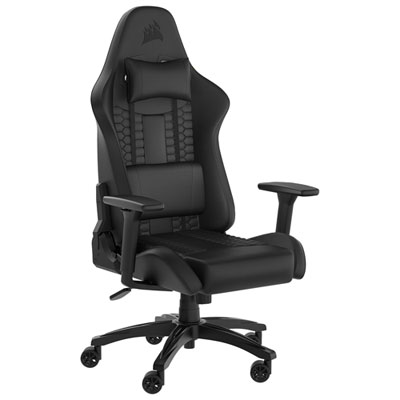 Your price for this item is $199.99
-
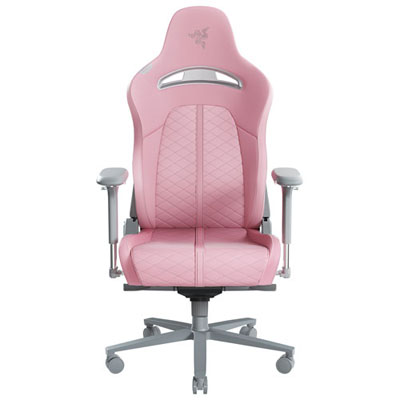 Your price for this item is $699.99
-
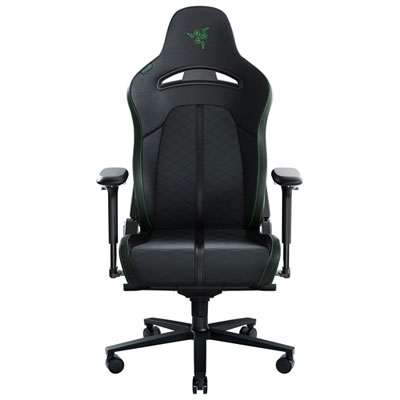 Your price for this item is $399.99
-
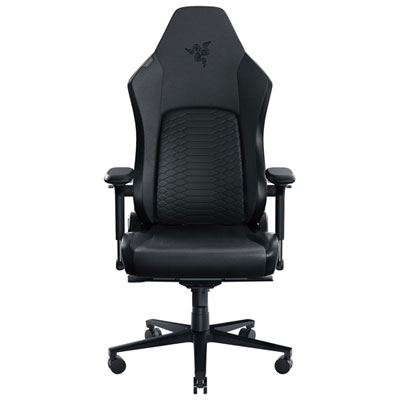 Your price for this item is $899.99
-
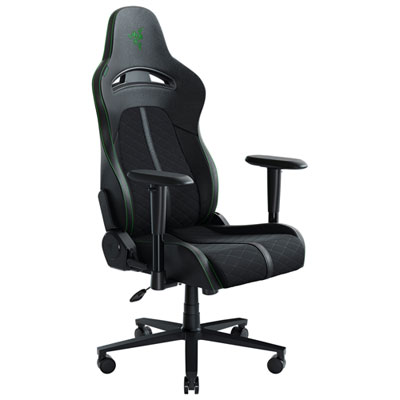 Your price for this item is $349.99
-
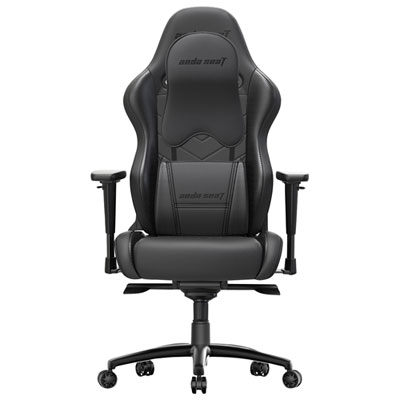 Your price for this item is $499.99
-
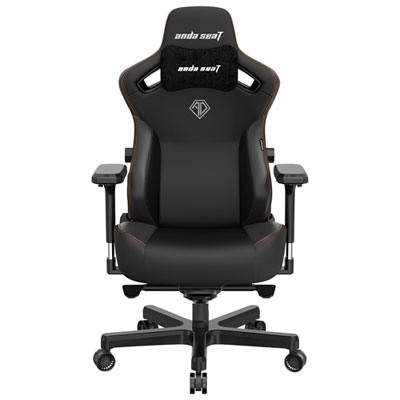 Your price for this item is $599.99
-
 Your price for this item is $348.99
Discover more categories related to High Back Faux Leather Chairs
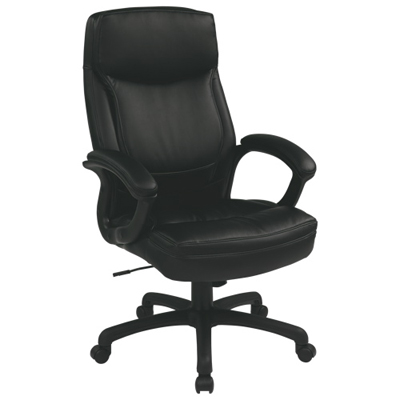
Top Collections:
Best Black Friday Deals This Year, Best Black Friday Deals On Electronics, Kindle Devices, Dyson Airwrap, Best Cameras for Sports Photography, Best Budget Office Chairs, Canon G7X Cameras, PS5 Pro Consoles, Best Black Friday Deals On Apple Products, XBOX One S Consoles
Some products may be subject to Environmental Handling Fees
(EHF) depending on your province.
Learn more about EHFs.