High-Back Office Chairs for Extra Support
High-back office chairs for extra support are designed to help you stay comfortable and focused throughout your workday. Featuring a taller backrest, these chairs provide increased coverage for your upper body, making them an excellent choice for those who spend long hours at their desk. Whether you're setting up a home office or upgrading your workspace, explore a wide selection of high-back office chairs for extra support to find the perfect fit for your needs.
Sort
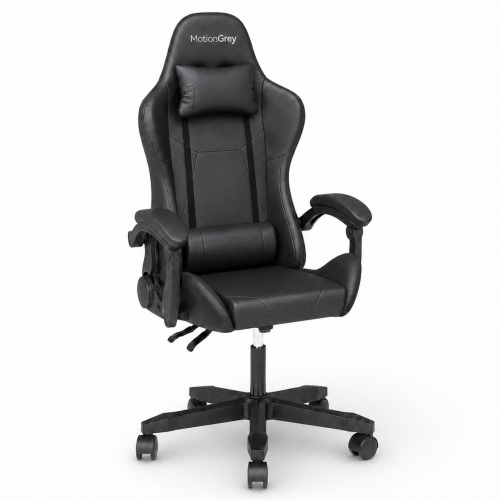
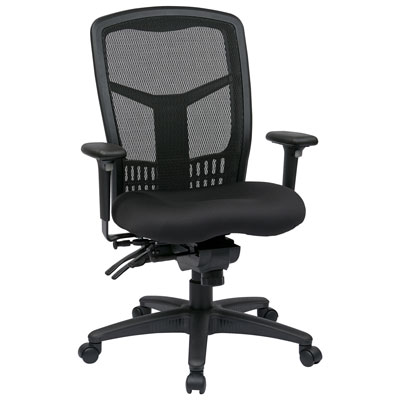
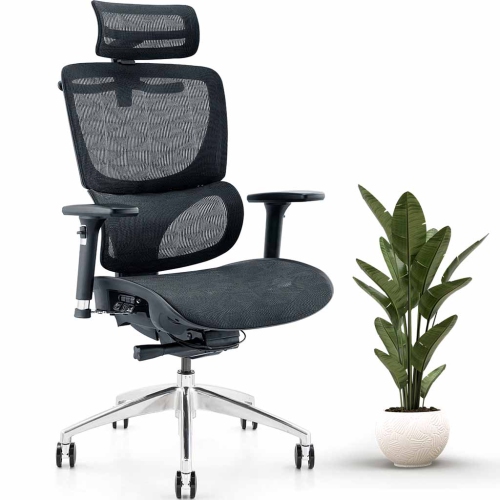
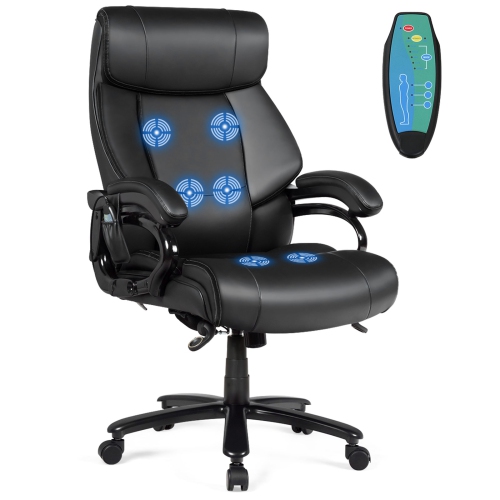
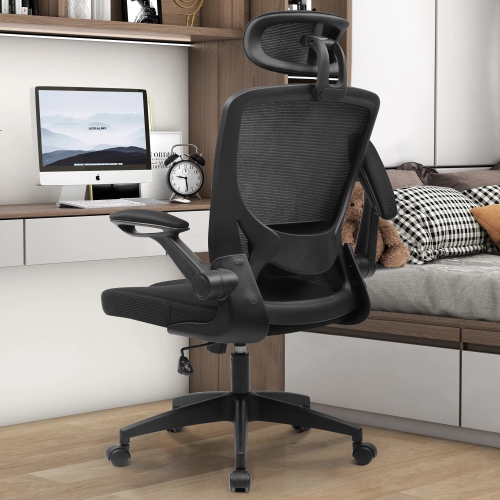

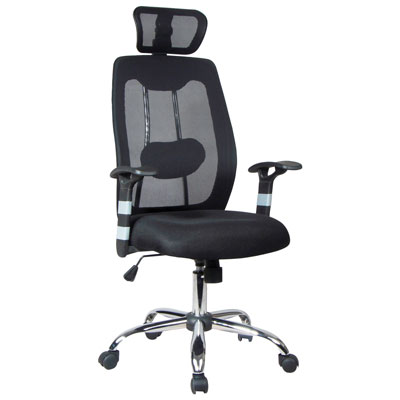
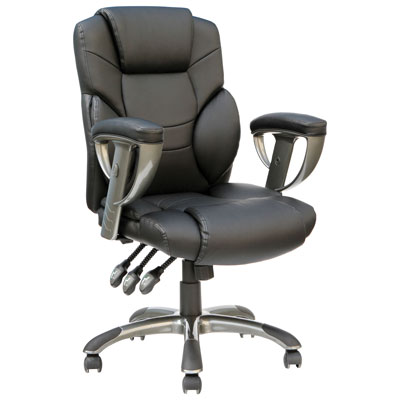
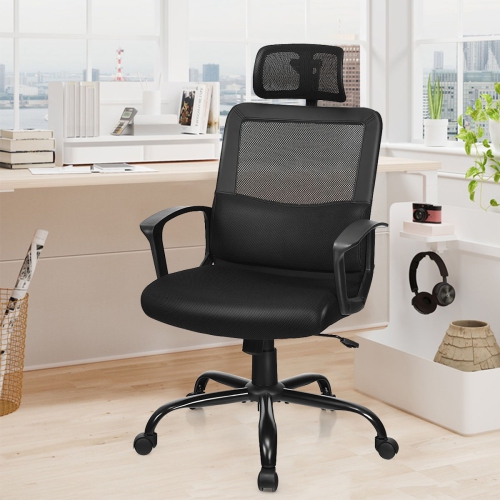
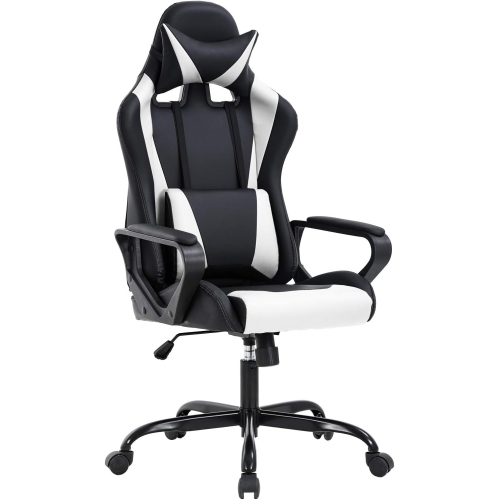
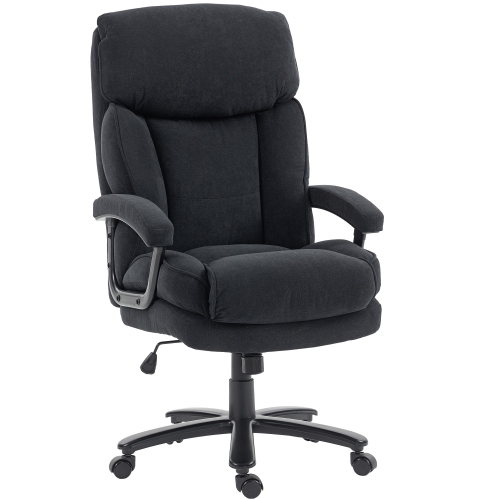
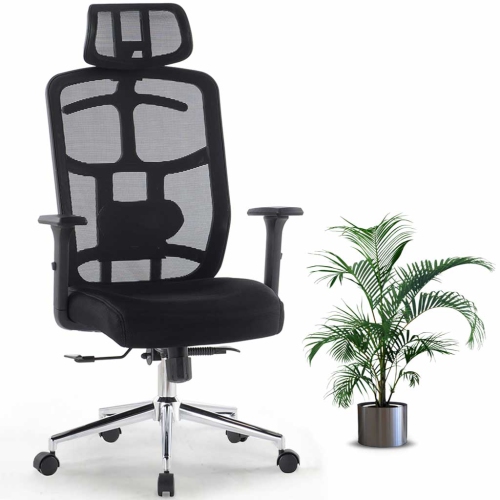
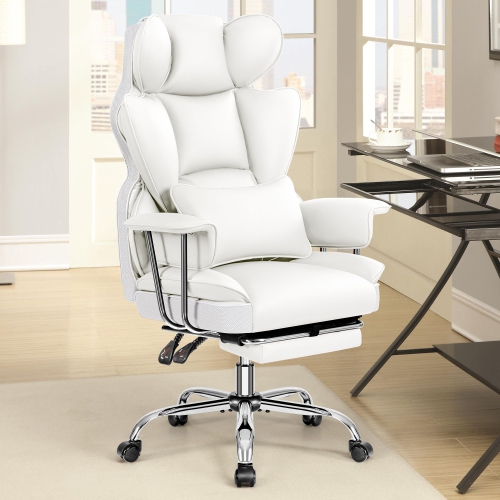
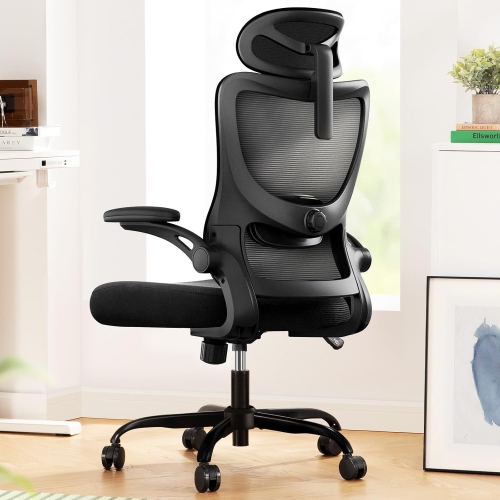
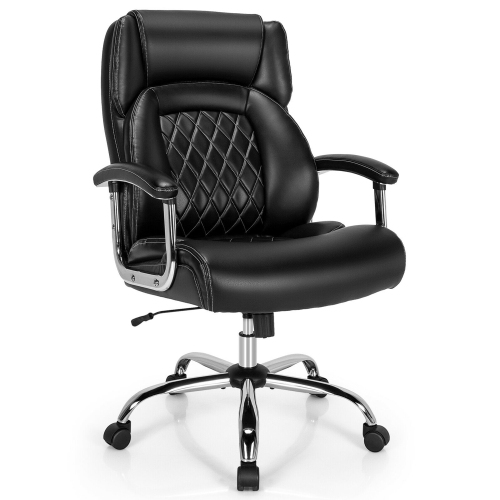
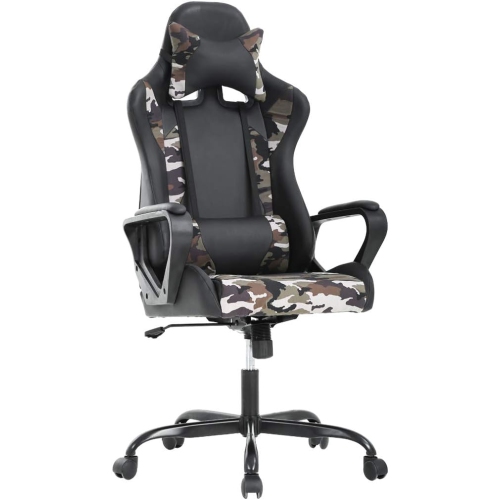
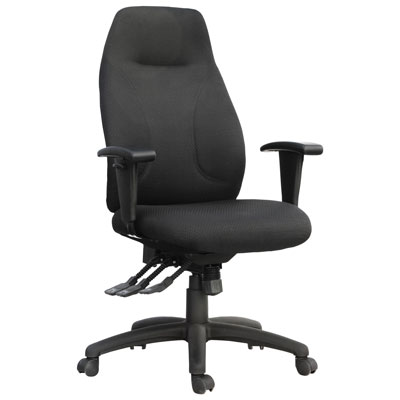
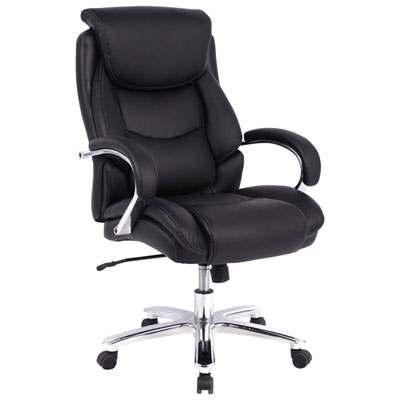
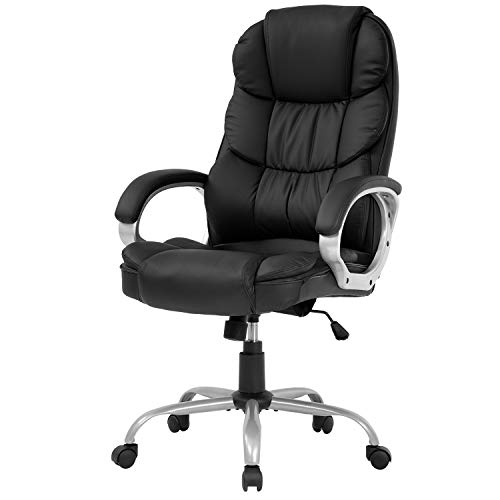
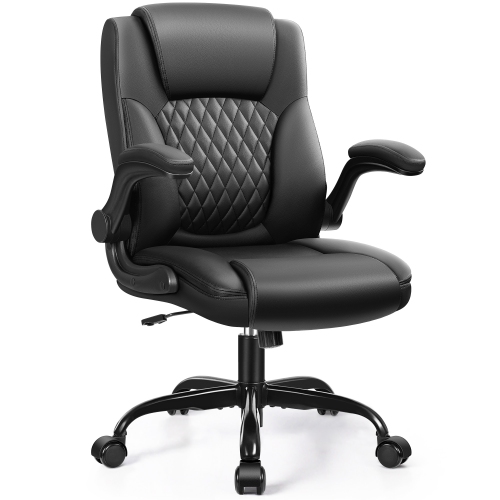
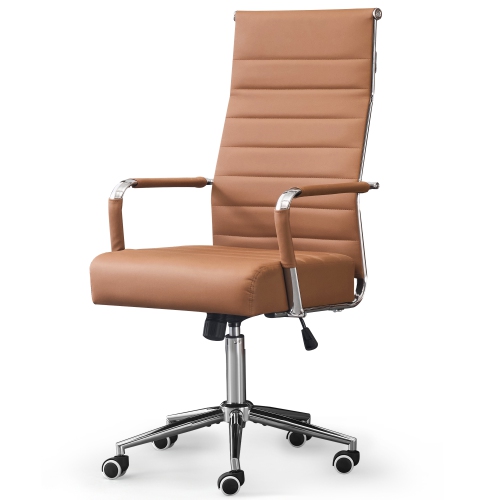
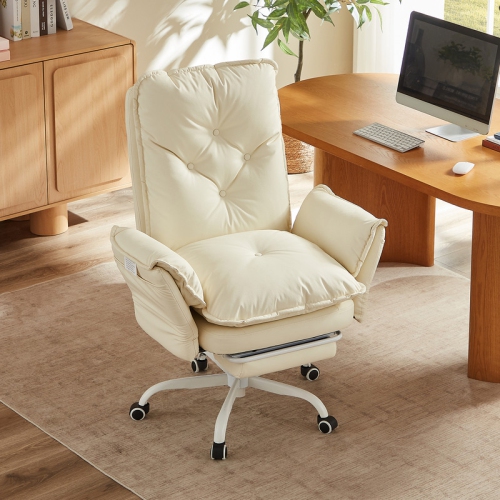
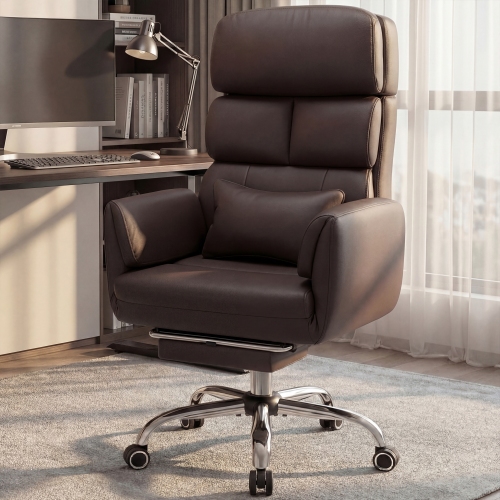
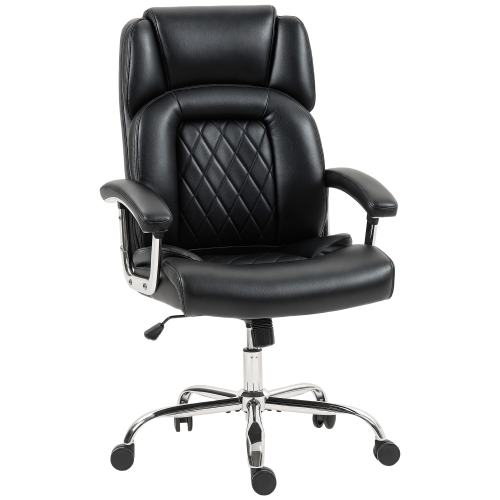
A taller backrest is only part of the fit
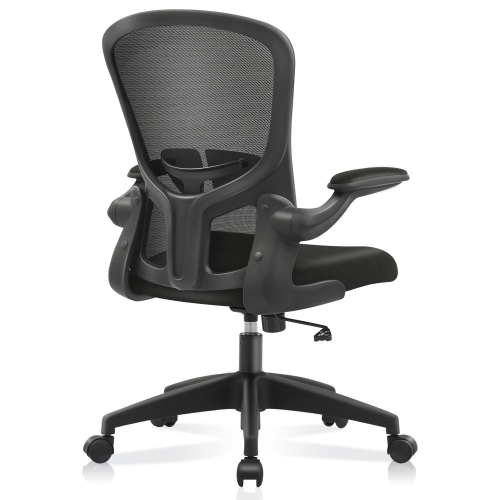
High-back office chairs for extra support bring a taller backrest to the everyday workspace, giving the upper back and shoulders more contact than a shorter chair may provide. That added height can feel especially useful during a full day of computer work, an evening of coursework, or a long stretch of reviewing documents at a desk. The fit matters more than the height alone, though. A supportive backrest follows the seated person’s proportions, with its lower curve meeting the lower back rather than pressing too high or too low. Some designs have adjustable lumbar support, while others rely on a shaped frame or contoured cushioning. A separate headrest, where included, can offer a place to rest the head when leaning back, but it should not push the chin forward during upright tasks. Taller users may appreciate a backrest that reaches farther up their torso, while someone with a shorter frame may find an adjustable seat depth particularly useful. With the back resting against the chair, there should be a small gap between the seat’s front edge and the backs of the knees. Feet should rest comfortably on the floor or on a footrest, without pressure building beneath the thighs. Seat width also affects comfort: enough room to shift position is helpful, but widely spaced armrests can leave the arms reaching outward. A high back does not automatically mean a chair is designed for a larger body, so seat dimensions and the stated weight capacity remain separate considerations. Cushioning changes the experience as well. A deeply padded seat may feel inviting at first, while firmer, well-shaped padding can provide a more consistent feel through longer sitting sessions. The most useful combination is one that supports a relaxed working position without making movement difficult. Even a well-fitted chair works best as part of a routine that includes standing, walking, and changing position rather than remaining still for hours.
Adjustments help a high-back office chair fit both the person and the work being done. Seat-height adjustment brings the body into a useful relationship with the keyboard and work surface, while adjustable armrests can support the forearms without lifting the shoulders. During typing, the elbows should remain comfortably close to the body rather than being held out to the sides. Arms that move inward, outward, forward, or backward offer more flexibility for different builds and tasks, although not every chair includes every adjustment. Armrest height also affects whether the chair can tuck beneath a desk. A wide, padded arm can feel comfortable during a call yet catch on a shallow desktop when it is time to move closer to the keyboard. Recline and tilt features serve a different purpose, allowing the seated position to change between focused work and more relaxed moments. Depending on the design, the seat and back may tilt together or move in a coordinated way, and tilt tension changes how much effort it takes to lean back. A locking position can be useful for someone who prefers a steadier posture while writing or handling detailed tasks. These features need room to work: a tall backrest can extend noticeably behind the base when reclined, particularly near a wall, bookcase, or filing cabinet. The chair’s overall width matters in a compact home office, where a broad base may compete with desk legs or nearby storage. Swivel movement makes it easier to turn towards a printer or a second work surface without twisting through the torso. Casters should suit the flooring, and a compatible chair mat may help protect the floor and make rolling more predictable. In shared workspaces, clearly positioned controls make it simpler for different people to reset the seat height, armrests, and recline rather than settling into someone else’s adjustments.
Materials give high-back office chairs distinct looks and day-to-day characteristics. Mesh backrests have an open construction that allows airflow and can provide a springy, responsive feel; the surrounding frame and lumbar design determine where that support is concentrated. Upholstered backs offer a softer contact surface, with woven fabric bringing texture to a home office or study nook. Genuine leather, bonded leather, and synthetic leather are different materials, with their own care requirements and wear patterns, so the upholstery description is worth noting rather than treating every smooth finish as the same. Light-coloured upholstery can brighten a small room, while darker tones may blend more quietly with office furniture. Neither colour nor a plush appearance reveals how a chair will feel after several hours, making the seat shape, adjustment range, and construction just as important as its appearance. Durability also depends on details such as secure arm connections, stable height adjustment, stitching, and a base suited to the stated load. For chairs supplied unassembled, correctly fitted hardware and the manufacturer’s assembly directions matter to long-term stability. Routine care is usually straightforward: remove loose dust, clean spills promptly using the method approved for the upholstery, and keep hair and debris from collecting around the casters. Strong cleaners or excessive moisture can damage some finishes, while periodic checks for loose fasteners can help keep moving parts working as intended. A high-back design can suit a dedicated home office, a professional workspace, or a study area used by an adult student, provided its proportions fit the room and the person. For anyone comparing support across different chair shapes, Best Office Desk Chairs for Back Support offers a related category to explore. A taller backrest is one part of the overall fit; comfortable seat dimensions, practical adjustments, and materials that suit daily use help make the chair a useful part of the workspace.
Top selling and popular products
-
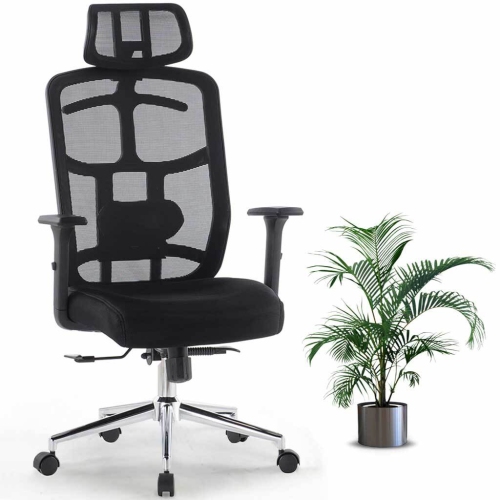 Your price for this item is $129.99
-
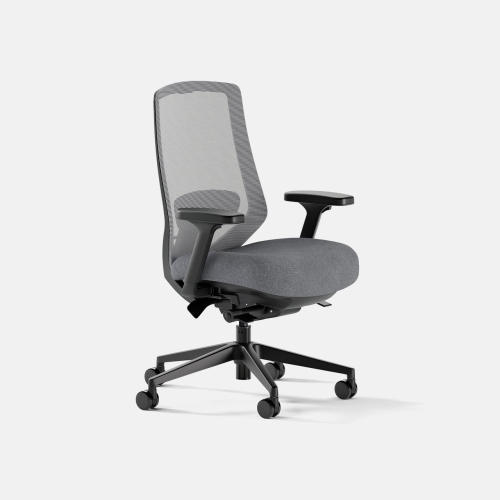 Your price for this item is $539.1
-
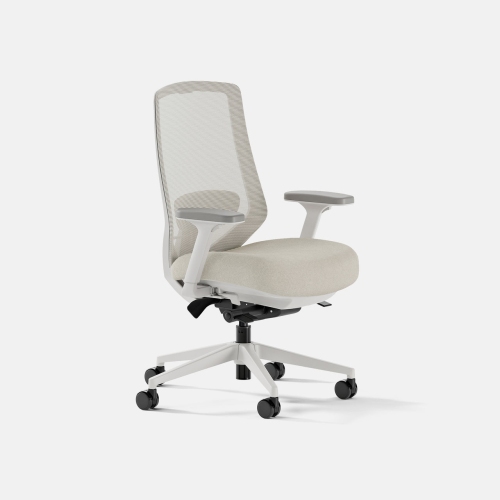 Your price for this item is $539.1
-
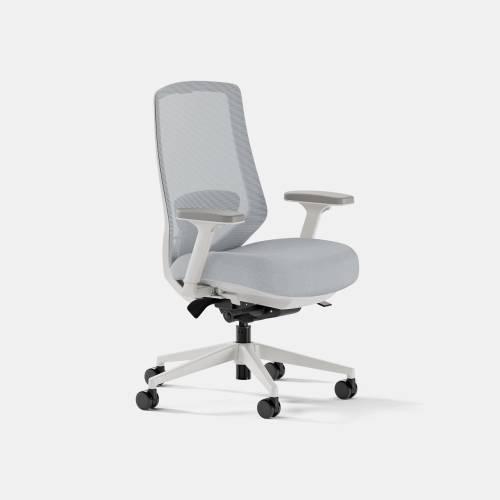 Your price for this item is $539.1
-
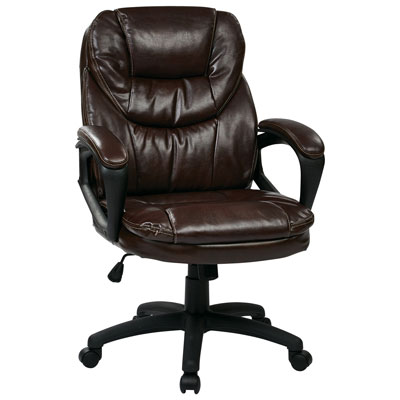 Your price for this item is $459.99
-
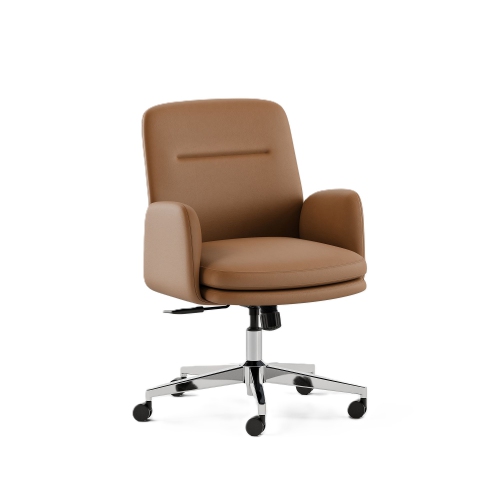 Your price for this item is $343.2
-
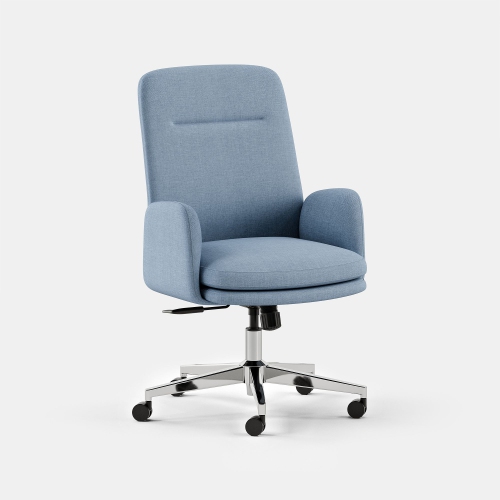 Your price for this item is $343.2
-
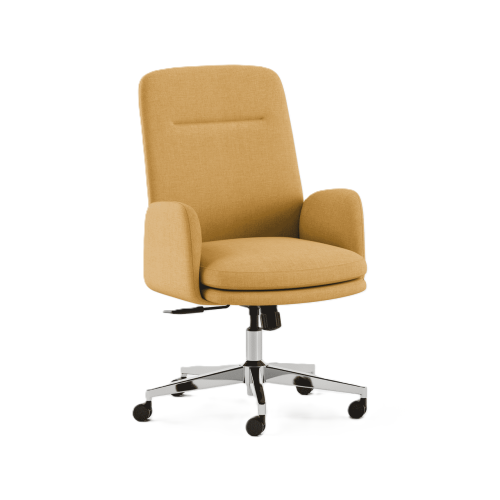 Your price for this item is $343.2
Discover more categories related to High-Back Office Chairs for Extra Support
Top Collections:
Best Black Friday Deals This Year, Best Black Friday Deals On Electronics, Kindle Devices, Best Black Friday Deals On Apple Products, Best Budget Office Chairs, Best Cameras for Sports Photography, Dyson Airwrap, Canon G7X Cameras, Best Laptops for Writers, Samsung Galaxy Phones
Some products may be subject to Environmental Handling Fees
(EHF) depending on your province.
Learn more about EHFs.