High Capacity Portable Power Stations
High Capacity Portable Power Stations provide a reliable solution for staying powered up wherever you go. Perfect for outdoor adventures, emergency situations, or on-the-go charging needs, these versatile devices are designed to keep your essential electronics and small appliances running smoothly. With a range of options to suit different power requirements, High Capacity Portable Power Stations offer convenience and peace of mind whether you're at home, on the road, or exploring off the grid. Discover dependable backup power that fits your lifestyle and keeps you connected when it matters most.
Sort
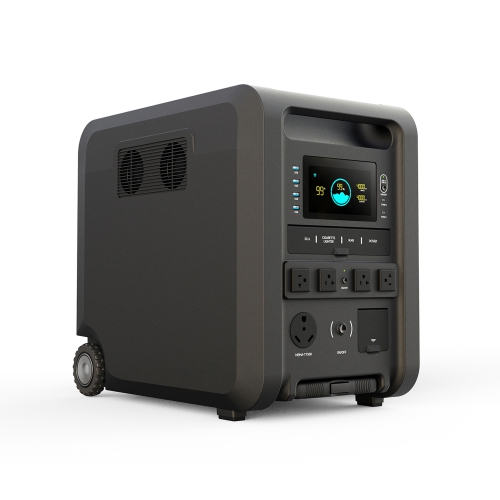
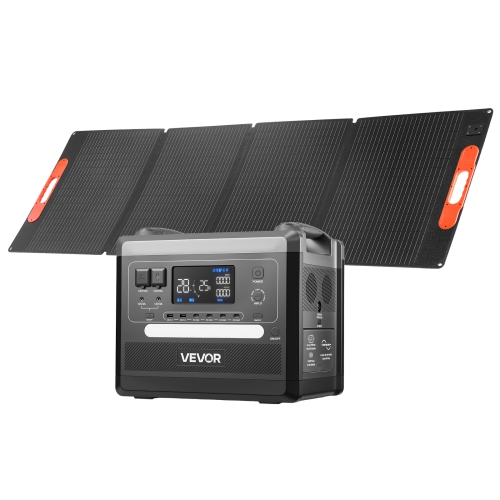
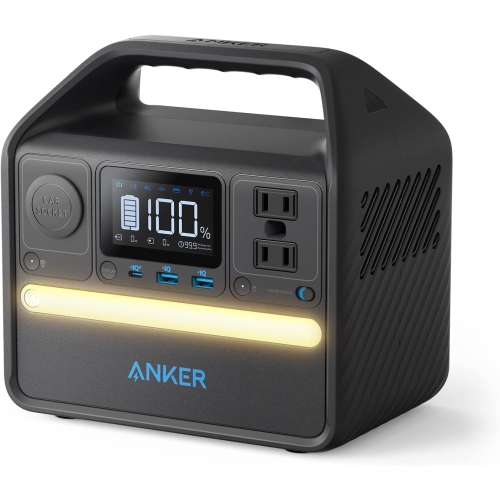
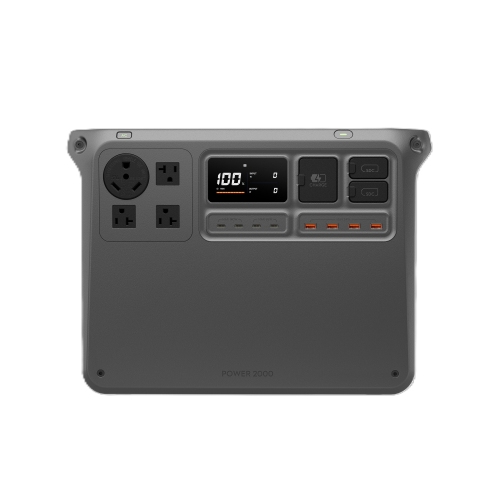
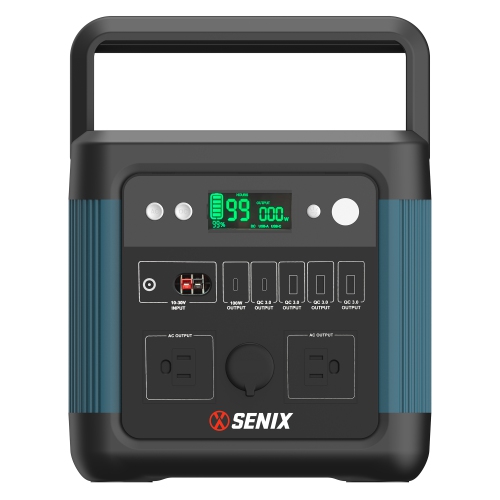
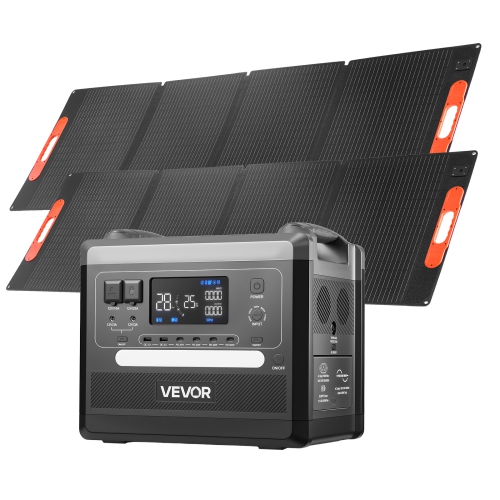
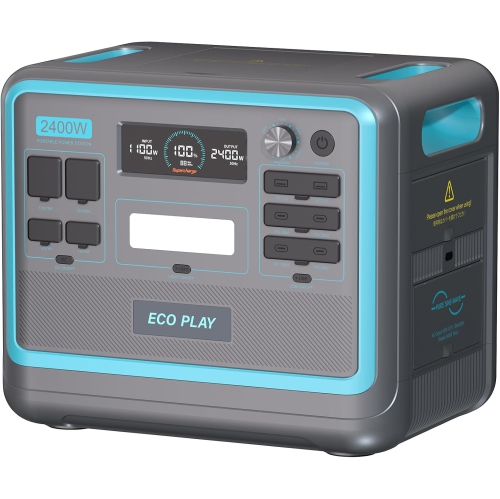
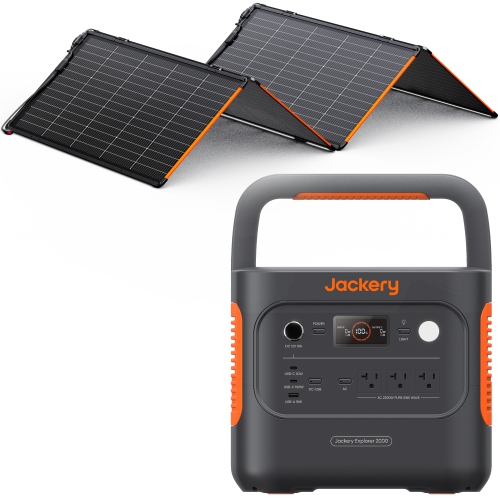
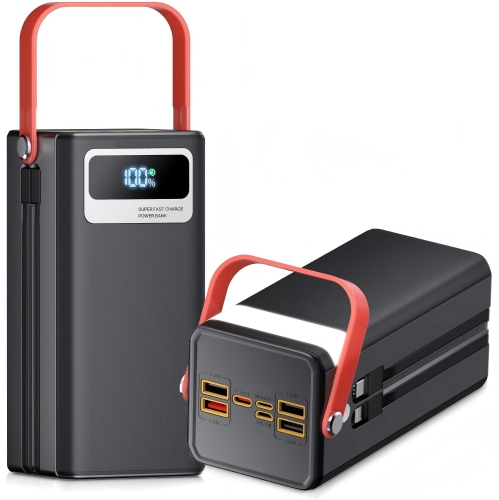
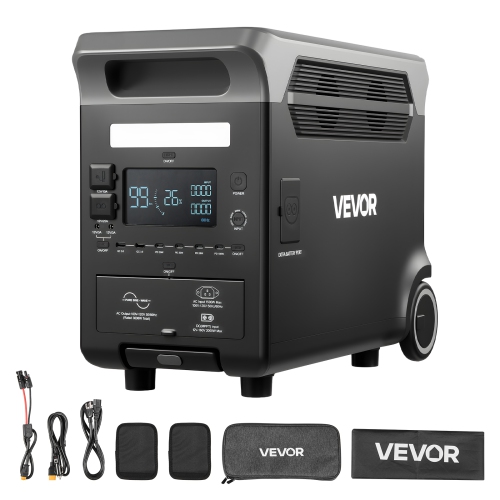
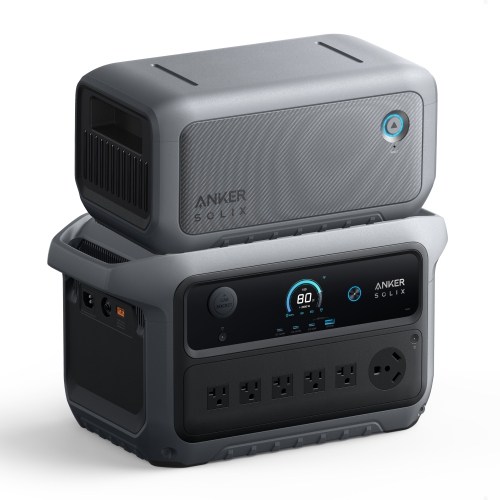
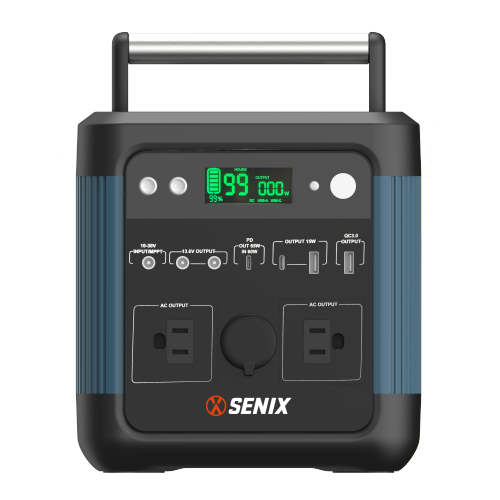
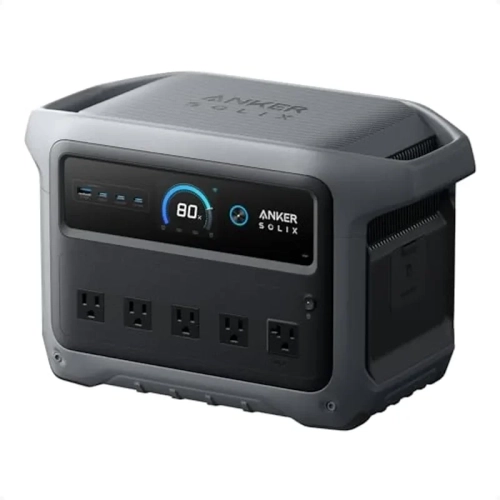
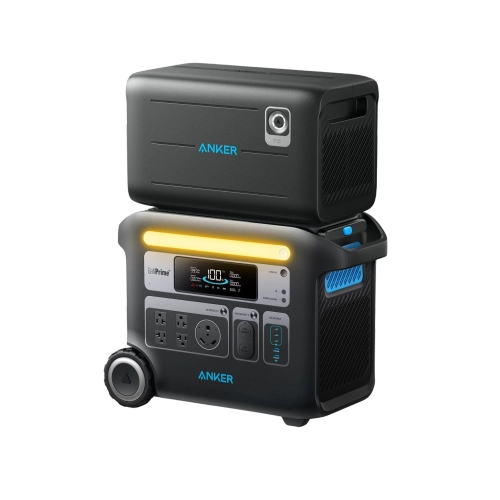
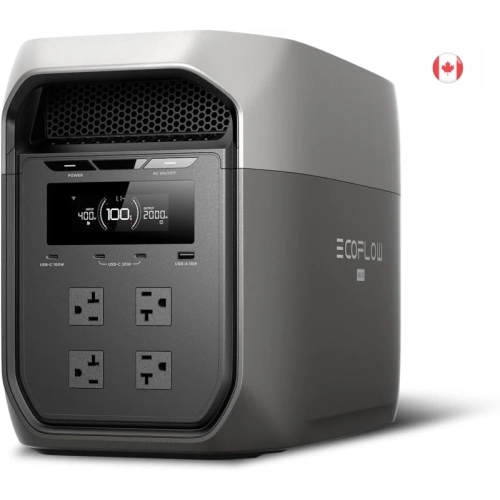
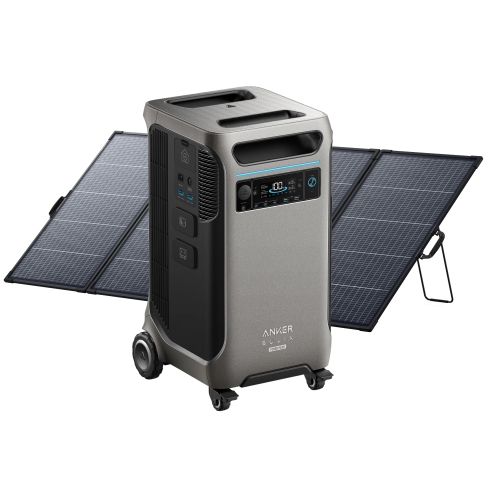
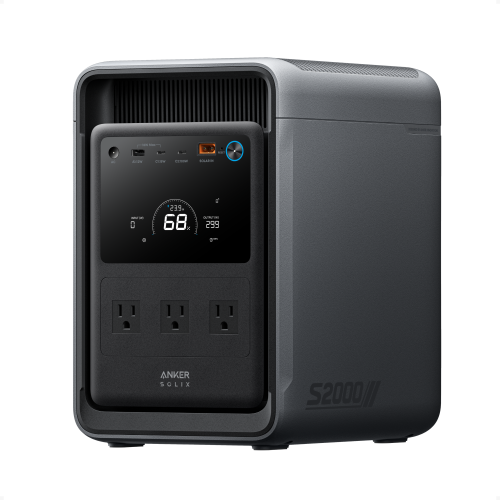
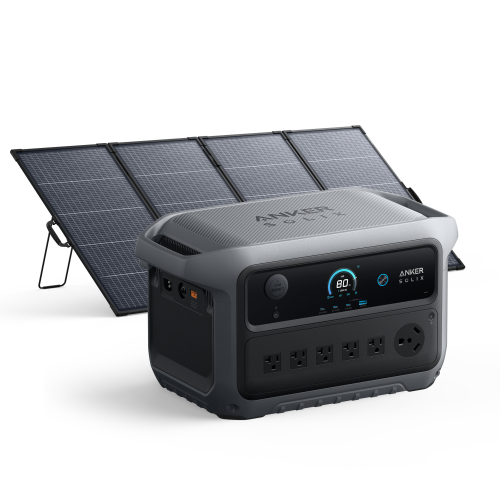
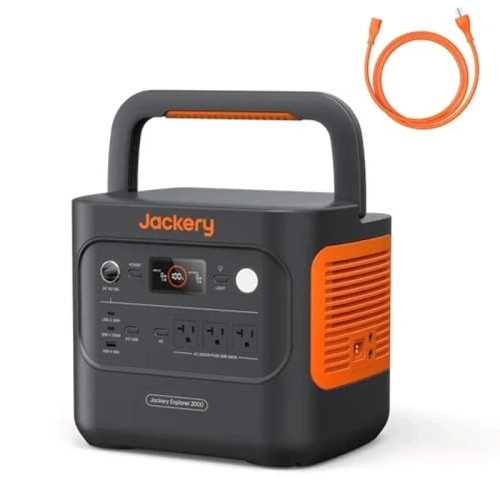
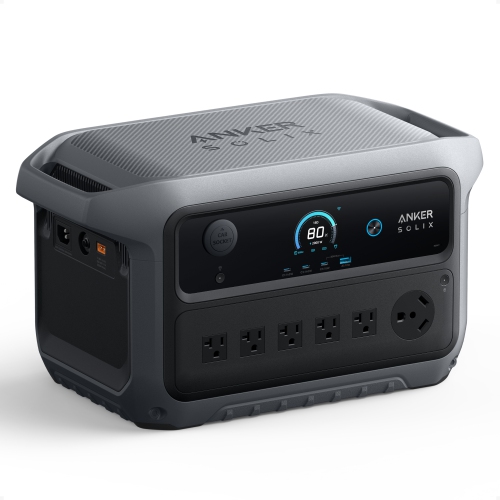
Battery capacity and power output tell different stories
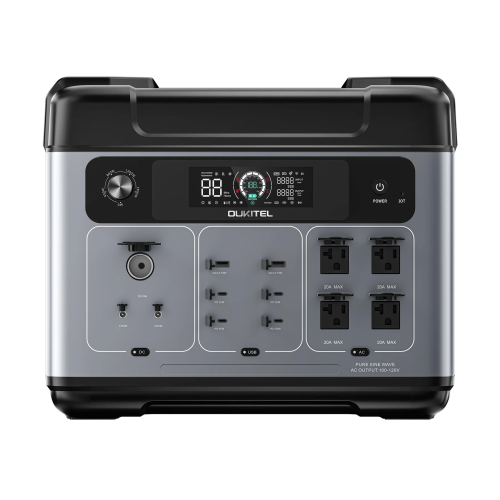
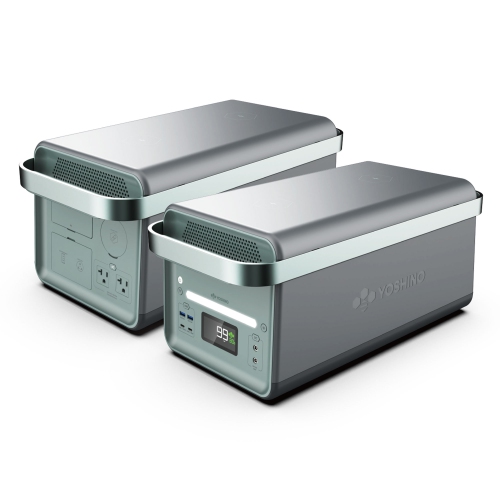
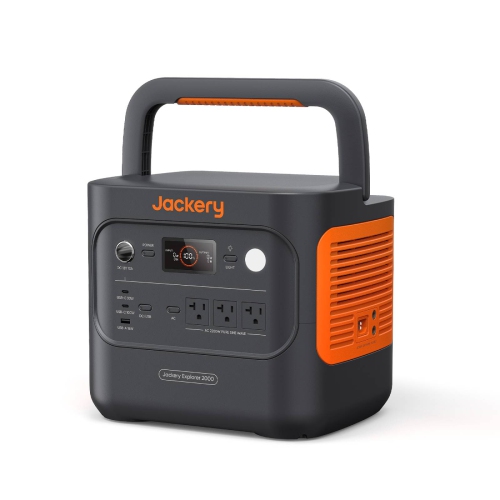
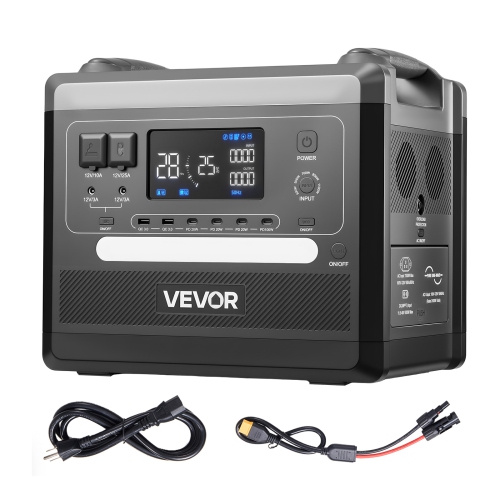
High-capacity portable power stations combine rechargeable battery storage with electrical outlets and charging ports to run devices away from a wall socket or keep selected essentials operating during a power outage. They suit longer camping stays, RV trips, mobile workspaces and household backup needs where a small power bank cannot supply enough energy or support larger appliances. There is no single capacity threshold that defines “high capacity,” so battery storage and output ratings matter more than the label alone. Capacity, measured in watt-hours (Wh), describes how much energy a battery stores; 1,000 Wh equals one kilowatt-hour (kWh). Output, measured in watts (W), describes how much power the station can supply at once. These figures answer different questions: capacity helps estimate runtime, while output determines which devices can operate together. A hypothetical 2,000 Wh battery supplying a steady 200 W load would last 10 hours before accounting for losses. Allowing 15% for conversion and system overhead brings that estimate to approximately 8.5 hours, although actual results depend on the station, connected equipment and operating settings. A larger battery does not necessarily mean a higher output rating. For example, a 1,500 W kettle and a 1,200 W cooking appliance require at least 2,700 W of continuous output when used together, even if their combined operating time is brief. Motors and compressors can also draw a starting surge above their normal running demand, making surge capability important for refrigerators and certain power tools. Refrigerator runtime needs particular care because the compressor cycles rather than drawing its rated power continuously. For a more useful estimate, compare measured energy consumption over several hours with the station’s usable capacity. A phone, router and reading light place very different demands on a battery than a countertop cooker or workshop vacuum. Matching storage and output to those everyday loads makes a high-capacity portable power station more useful than choosing by battery size alone.
Connections and recharging options shape how conveniently that stored energy can be used. Standard Canadian household equipment generally requires 120 V AC power at 60 Hz, while laptops, phones and some accessories can charge directly through USB ports. USB-C port wattage matters as much as the presence of the connector: a port suitable for a phone may not deliver enough power for a demanding laptop. Direct USB charging can also avoid the additional conversion involved in using an AC adapter through the station’s inverter. For sensitive electronics and appliances that specify it, a pure sine wave AC output is an important compatibility detail. Count the outlets needed for simultaneous use, but also check their combined output limit; several sockets do not each provide the station’s full rated wattage independently. Some larger systems support 240 V equipment, but that capability requires explicit support and the correct approved connections, not a simple plug adapter. Recharging deserves similar attention, particularly when a station needs to be ready between trips or periods of backup use. Maximum AC charging input, adjustable charging settings and the stated recharge time help explain how quickly a large battery can be replenished. For shorter stops near a wall outlet, portable power stations with fast charging can reduce the time spent waiting before departure. Compare recharge claims using the same starting and finishing percentages, since reaching a partial charge is not equivalent to filling the battery completely. Vehicle charging can be convenient on the road, though a standard vehicle accessory socket may replenish a large battery slowly. Compatible solar panels offer another charging method away from mains power, provided their voltage, connectors and other specifications match the station’s input requirements. Panel positioning and shade affect the energy collected. Expandable battery connections can add runtime on supported systems, but extra storage does not automatically increase AC output. Likewise, pass-through charging and automatic backup operation are separate capabilities; equipment that cannot tolerate an interruption needs a verified transfer time suited to its requirements.
Practical portability becomes especially important as battery capacity increases. Some high-capacity portable power stations are manageable for occasional lifting, while others are better moved on wheels or handled by two people according to the manufacturer’s directions. Weight, handle placement, wheel size and the shape of the enclosure all affect the journey from a storage cupboard to a vehicle or campsite. Check dimensions against the intended storage space, leaving the required clearance around ventilation openings and enough room to connect cables without sharply bending them. Rigid housings, reinforced handles and protected ports are useful durability features, but a tough-looking exterior does not establish resistance to water or dust. Any protection rating should be checked directly, and the station should remain dry unless its instructions explicitly allow otherwise. Battery chemistry also matters for long-term ownership. Lithium iron phosphate, often labelled LiFePO4 or LFP, is commonly used where repeated charging and a long cycle life are priorities. Other lithium-ion chemistries may offer different size and weight advantages. Compare cycle-life figures at the same stated remaining-capacity level rather than treating every cycle claim as equivalent. Clear displays showing remaining charge, input power, output power and estimated runtime make daily use easier, especially when deciding whether to run an appliance or save energy for essential devices. For care, follow the specified storage charge level, inspect cables and connectors, keep vents clear and recharge at the recommended intervals when the station is unused. Battery stations do not produce combustion exhaust during operation, but they still require appropriate placement and ventilation. Keep them on a stable surface away from liquids and anything that could obstruct airflow. Never feed power into a household wall outlet; connection to home circuits requires compatible, approved transfer equipment and a qualified electrician. A large portable battery is not automatically a whole-home backup system. For an RV traveller, camper or family member preparing a household backup setup, suitability comes down to manageable handling, compatible connections and enough usable energy for the devices that matter most.
Top selling and popular products
-
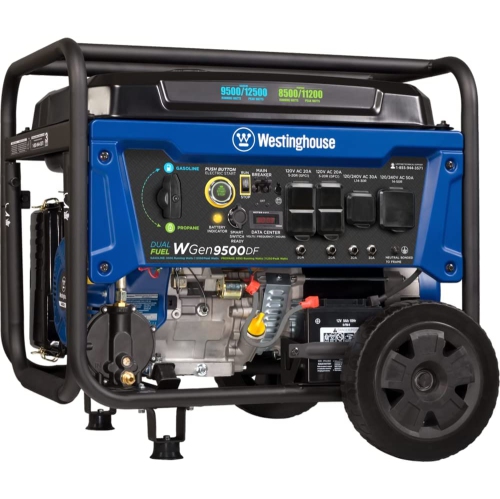 Your price for this item is $2799
-
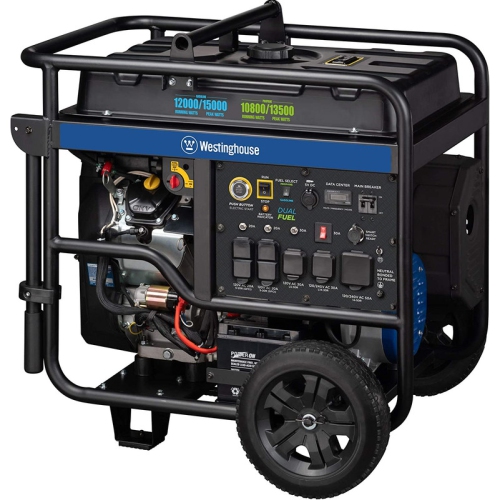 Your price for this item is $6199
-
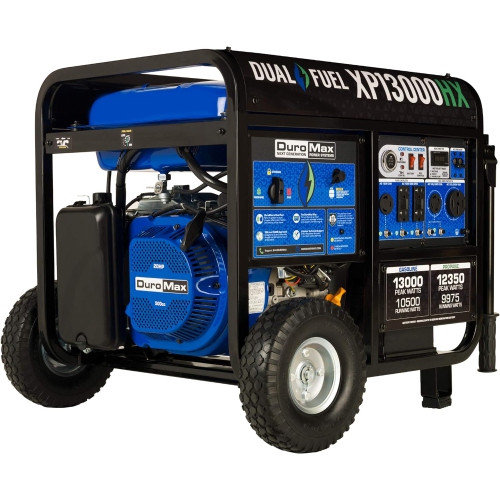 Your price for this item is $3499
-
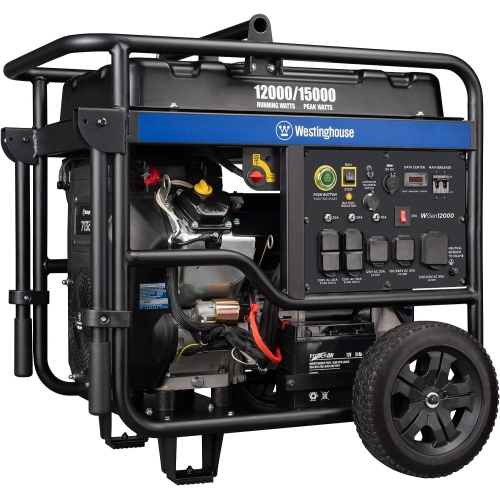 Your price for this item is $5499
-
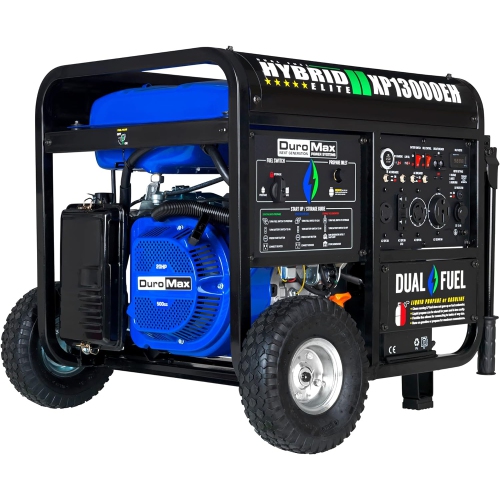 Your price for this item is $2899
-
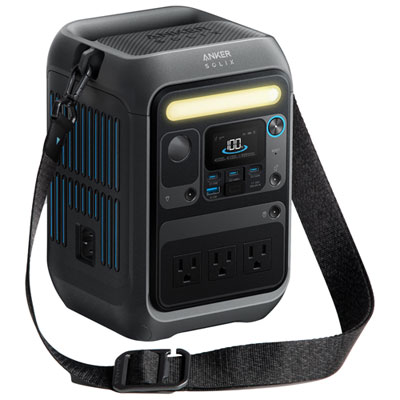 Your price for this item is $289.99
-
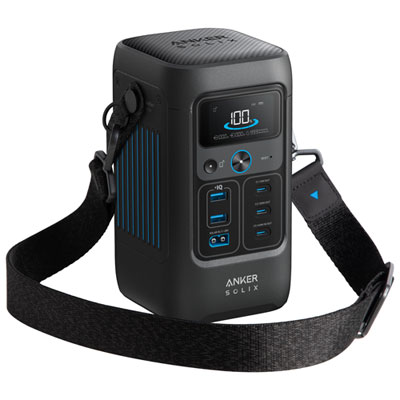 Your price for this item is $189.99
-
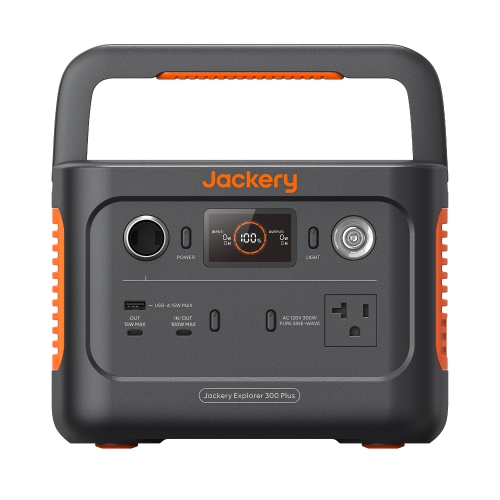 Your price for this item is $259
Discover more categories related to High Capacity Portable Power Stations
Top Collections:
Best Black Friday Deals This Year, Best Black Friday Deals On Electronics, Kindle Devices, Pokemon Centers, Best Black Friday Deals On Apple Products, Best Cameras for Sports Photography, Dyson Airwrap, Pokémon 30th Celebration Cards, Apple iPhone 17 Pro, Canon G7X Cameras
Some products may be subject to Environmental Handling Fees
(EHF) depending on your province.
Learn more about EHFs.