Portable Power Stations With Fast Charging
Portable Power Stations With Fast Charging are the perfect solution for keeping your devices powered up wherever you go. Whether you’re camping, traveling, or preparing for unexpected outages, these portable power stations offer reliable energy on demand. Designed for convenience and versatility, they make it easy to charge a wide range of electronics quickly and efficiently. Explore the selection of Portable Power Stations With Fast Charging to find the ideal option for your on-the-go power needs.
Sort
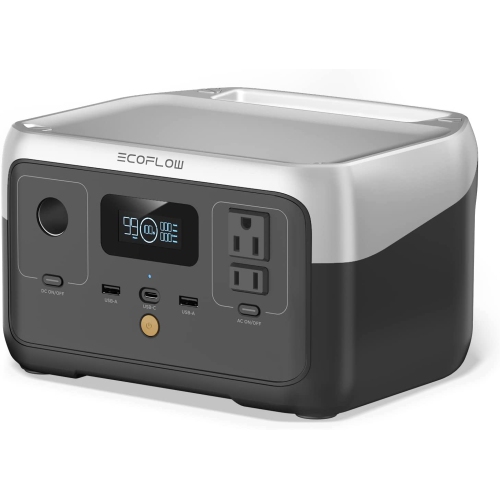
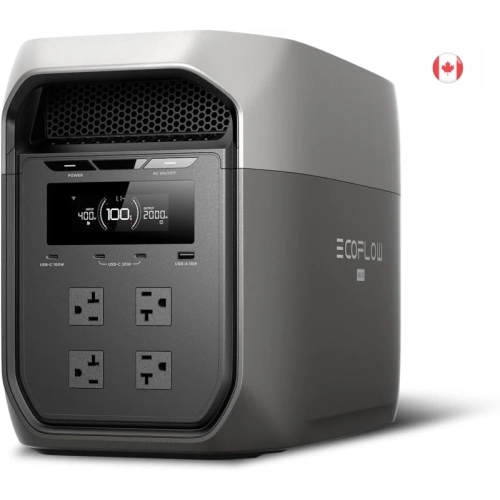
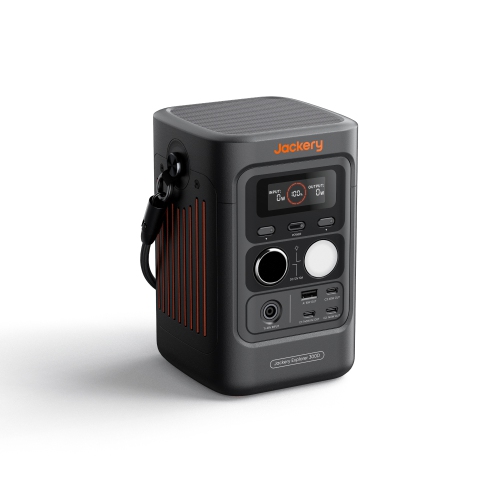
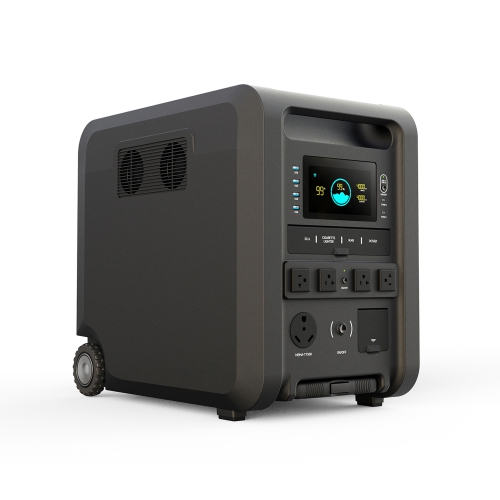
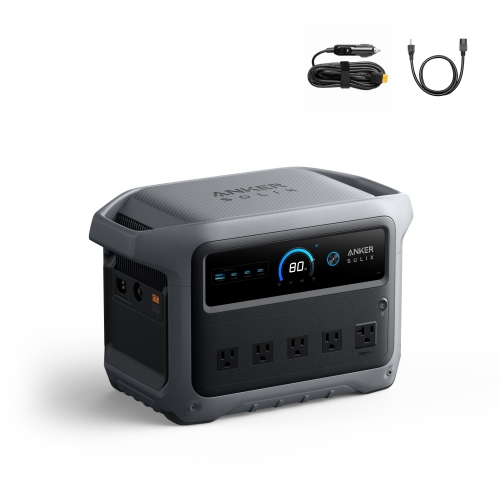
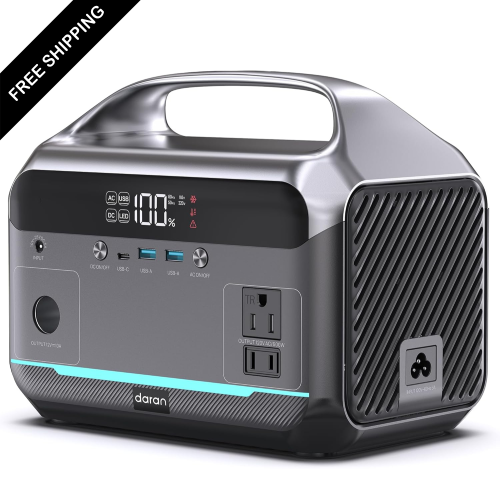
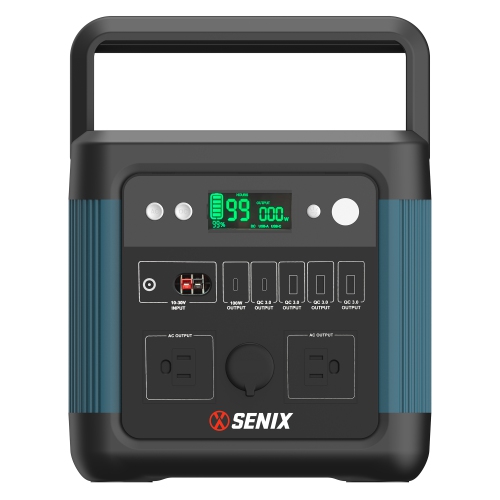
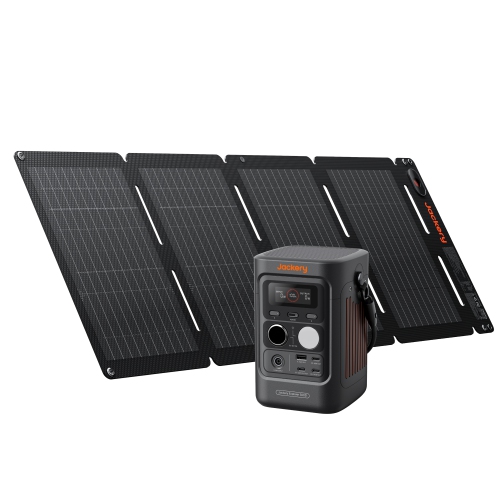
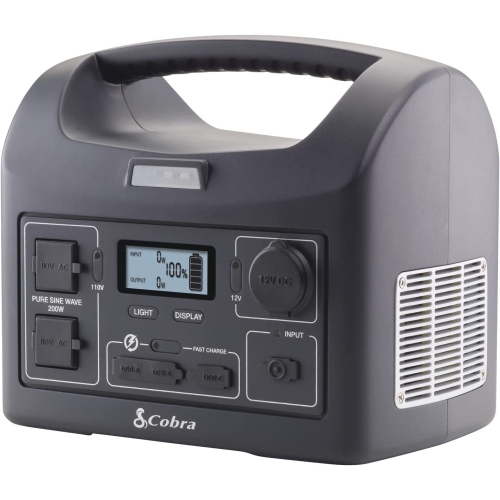
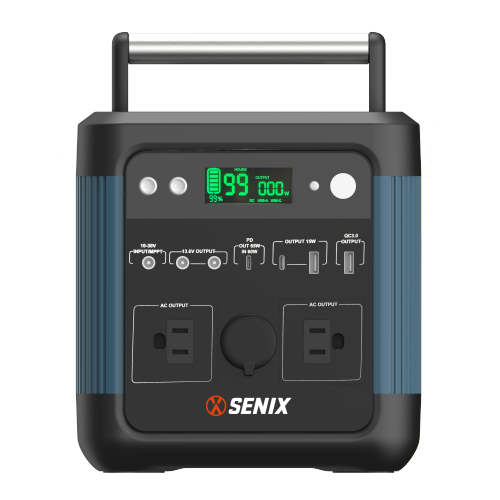
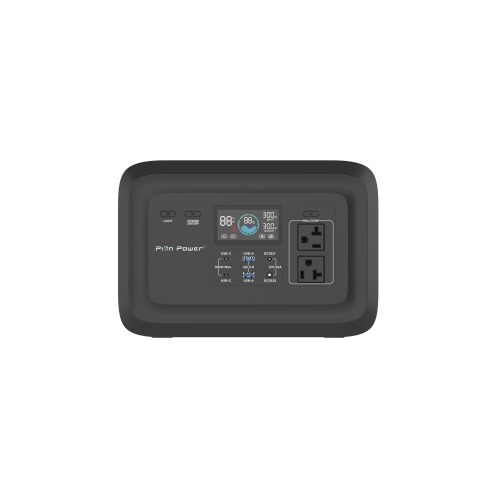

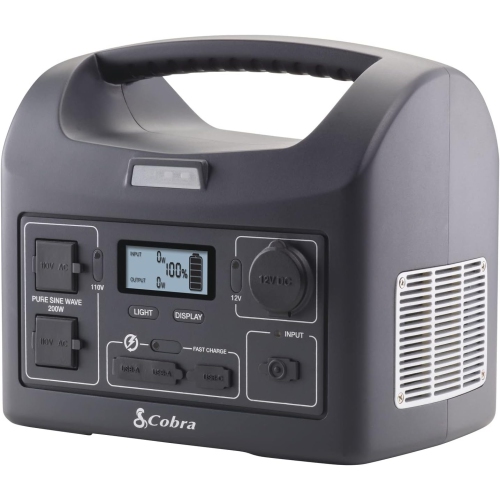
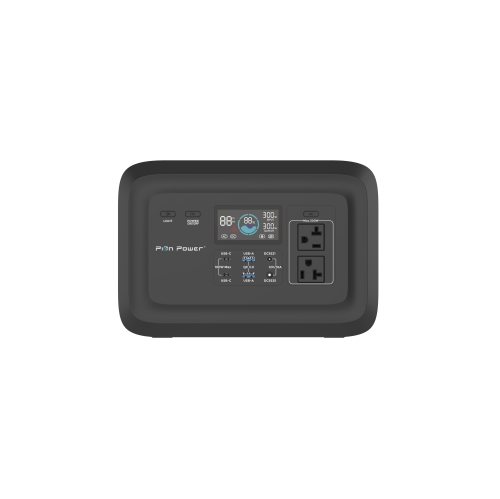
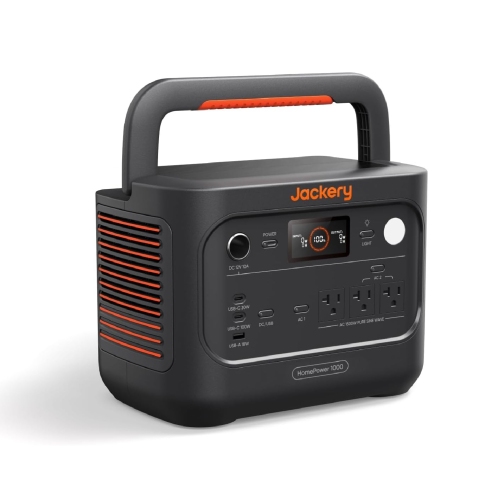
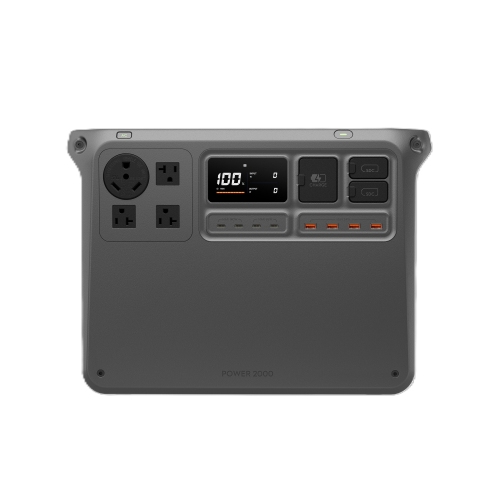
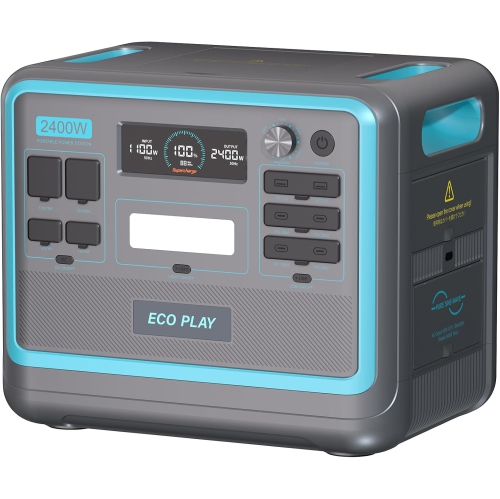
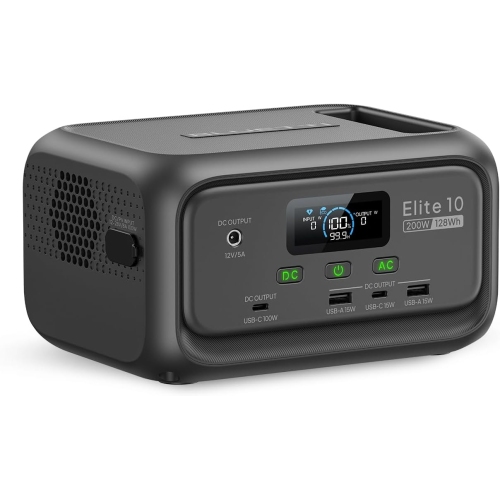

Faster recharges for power beyond the nearest outlet
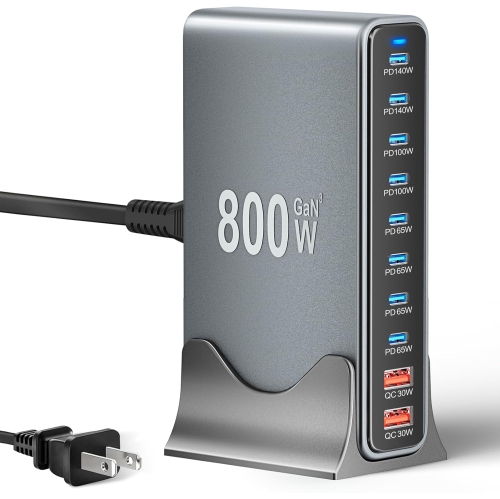
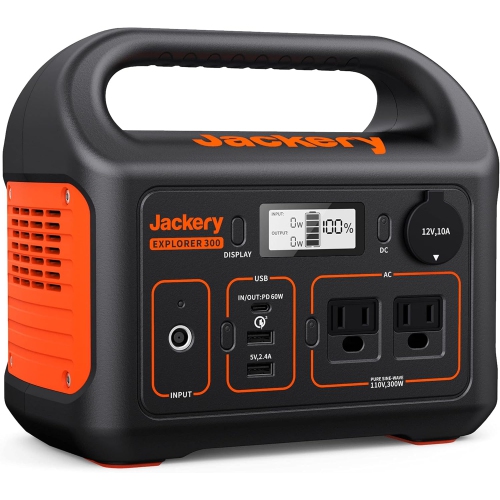
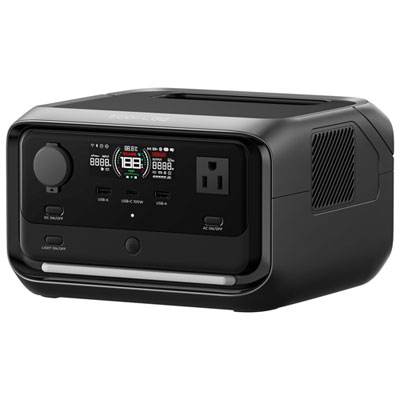
Portable power stations with fast charging combine a rechargeable battery, multiple power connections, and a charging system designed to reduce time spent plugged into a wall outlet. They suit situations where a laptop, light, camera, or other compatible device needs power beyond the reach of a socket, with a faster turnaround before the next outing or work session. Some fast-charging designs can reach approximately 80% battery capacity in 40 to 60 minutes using a suitable AC connection, although charging times vary by battery size, maximum input power, starting charge level, and charging settings. A stated time to 80% is not the same as a full recharge: charging often slows as the battery approaches capacity. Maximum AC input, measured in watts, helps explain how quickly a station can replenish its battery, while its output ratings describe what it can power. These are separate specifications, and a high-output station does not automatically recharge quickly. Fast charging can also refer to the USB ports used to charge connected devices. A USB-C port with USB Power Delivery may charge a compatible laptop or phone rapidly, but the device, cable, and port must all support the required power level. For someone moving between a home office and a workspace without convenient outlets, both capabilities matter: the station needs enough input power to recharge between sessions and suitable output connections for the equipment going along. Charging options may include a wall outlet, a vehicle connection, or compatible solar panels, depending on the design. Each method has its own input limits, so a fast wall-charging claim should not be assumed to apply to every charging source. Vehicle accessory sockets generally supply less power than a high-output wall connection, while higher-power vehicle charging requires compatible equipment. Clear specifications for recharge time, supported inputs, and included cables make it easier to understand how a station fits into an everyday routine.
Battery capacity and usable output determine what happens after the charging cable is unplugged. Capacity is usually listed in watt-hours, or Wh, and describes stored energy; output in watts, or W, describes how much power the station can supply at once. A larger capacity can support longer use, but it generally brings more weight and a larger footprint. As a simple illustration, a 500Wh battery supplying a constant 50W load has a theoretical runtime of 10 hours before conversion losses and the station’s own power consumption are considered. Actual runtime will be shorter, particularly when powering devices through AC outlets. Equipment with compressors or motors may also require a brief starting surge above its normal running power, making both continuous output and surge ratings relevant. Pure sine wave AC output can be important for equipment that requires it, while suitable USB-C connections can power compatible electronics without a separate AC adapter. The number and placement of outlets also affect daily use: widely spaced sockets leave room for larger plugs, and accessible USB ports reduce cable clutter around a laptop or charging station. Physical fit matters just as much as electrical compatibility. A compact unit with a balanced handle is easier to carry from a vehicle to a picnic table, while a heavier station may be better suited to an RV storage area or a designated spot at home. Reinforced housings, protected corners, sturdy handles, and non-slip feet can help with regular handling, but they do not make every station waterproof or resistant to rough treatment. Ventilation openings need clear space, and the unit should remain dry unless its stated protection rating permits otherwise. A clear display showing charge level, input, output, and estimated runtime helps make power use visible. Care typically involves keeping ports clean, inspecting cables for wear, and following the manufacturer’s charging and storage instructions. Battery chemistry, warranty terms, and rated charge cycles provide further context for long-term ownership, although cycle-life figures depend on stated test conditions and do not promise an identical lifespan in every application.
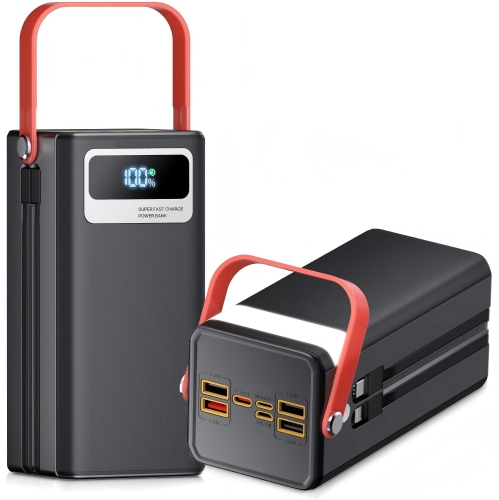
Fast recharge capability is especially useful when there is a limited window between uses. A photographer might recharge camera batteries and a laptop during a location shoot, then replenish the station during a break near an outlet. Someone working from an RV may value enough capacity for a notebook computer, monitor, and task light, with connections that keep those devices powered without a tangle of adapters. For camping, a portable station can support compatible lights, phones, and small electronics without the exhaust produced by a fuel-powered generator, though cooling fans can still make audible noise. At home, one can provide temporary power for selected essentials during an interruption, provided the combined load stays within its limits. Small electronics and networking equipment have very different demands from heating appliances, kettles, or cooking equipment, which can draw substantial power and drain a battery quickly. Pass-through charging, where supported, allows connected equipment to receive power while the station charges, but it should not be confused with a guaranteed uninterrupted power supply. Transfer time and device compatibility matter for equipment that cannot tolerate a break in power. A portable station is not a substitute for a dedicated medical backup system, and any connection to household wiring requires approved equipment and qualified installation. For lighter needs, portable chargers with fast charging offer a smaller alternative focused on phones, tablets, and other compatible USB-powered devices. A power station is the more relevant format when AC outlets, greater stored energy, or several simultaneous connections are needed. As a gift for a camper, mobile professional, or photography enthusiast, its usefulness depends on matching those capabilities to the recipient’s equipment and carrying needs. The right balance is practical: enough energy for the intended session, enough output for the connected devices, and a recharge time that fits comfortably between uses.
Top selling and popular products
-
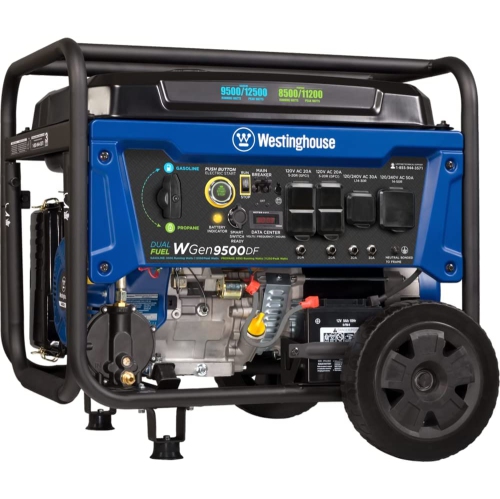 Your price for this item is $2799
-
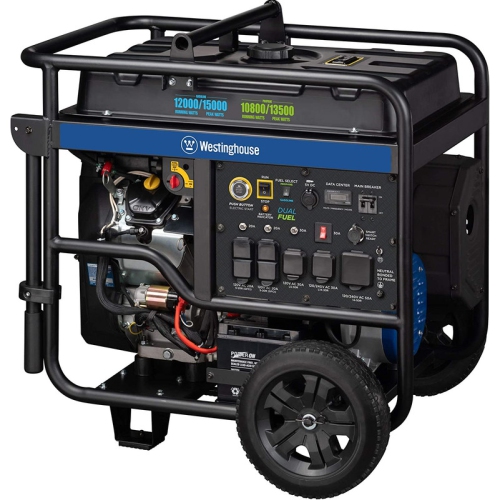 Your price for this item is $6199
-
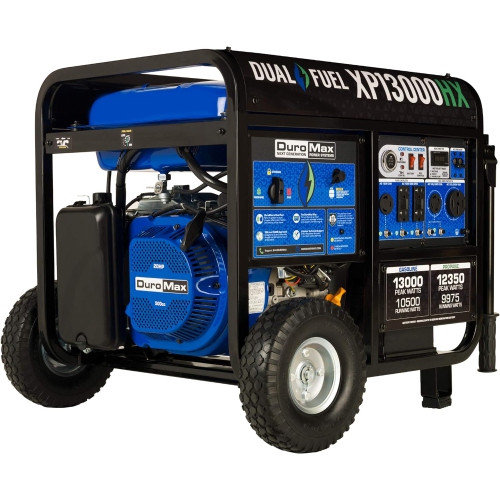 Your price for this item is $3499
-
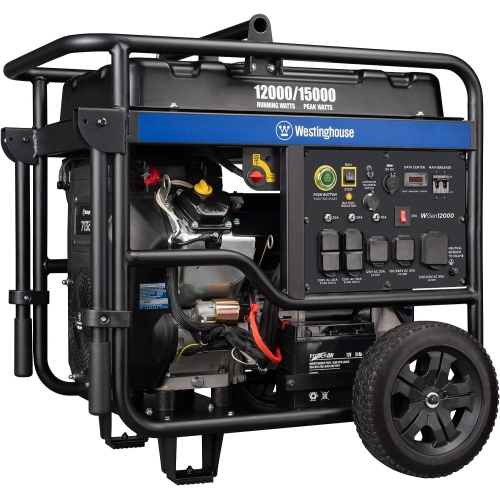 Your price for this item is $5499
-
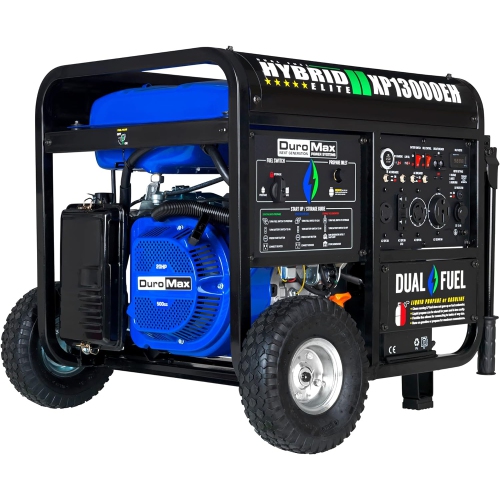 Your price for this item is $2899
-
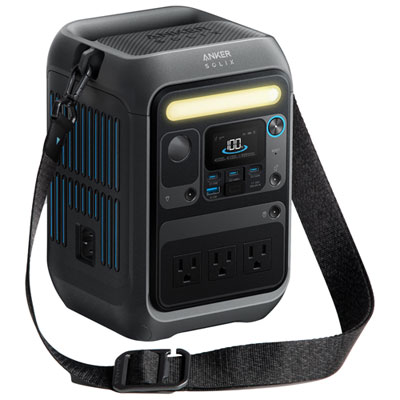 Your price for this item is $289.99
-
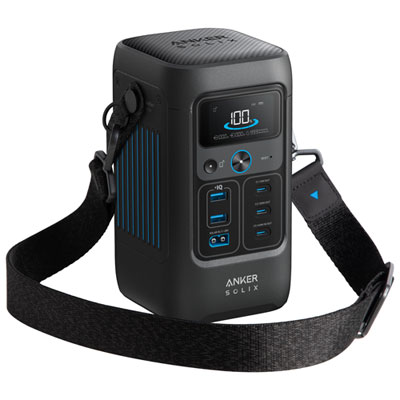 Your price for this item is $189.99
-
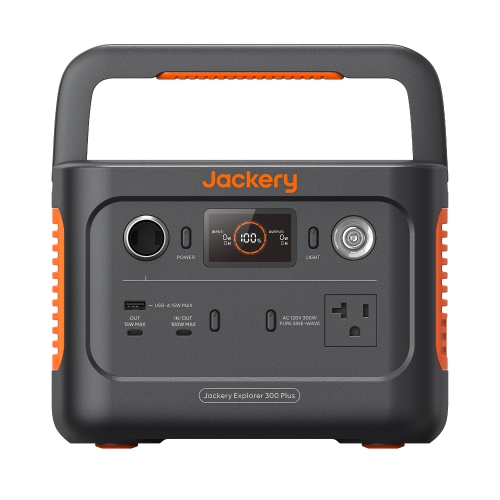 Your price for this item is $259
Discover more categories related to Portable Power Stations With Fast Charging
Top Collections:
Best Black Friday Deals This Year, Best Black Friday Deals On Electronics, Kindle Devices, Pokemon Centers, Best Black Friday Deals On Apple Products, Best Cameras for Sports Photography, Dyson Airwrap, Pokémon 30th Celebration Cards, Apple iPhone 17 Pro, Canon G7X Cameras
Some products may be subject to Environmental Handling Fees
(EHF) depending on your province.
Learn more about EHFs.