High Gain Wi-Fi Antennas
Our high-gain Wi-Fi antennas are designed to enhance the strength and range of your wireless connection, ensuring a seamless browsing and streaming experience. Whether you're working from home, gaming online, or simply browsing the web, our high-gain Wi-Fi antennas will provide you with the reliable and fast connection you need. Say goodbye to slow speeds and hello to uninterrupted connectivity with our selection of high-gain Wi-Fi antennas.
Sort
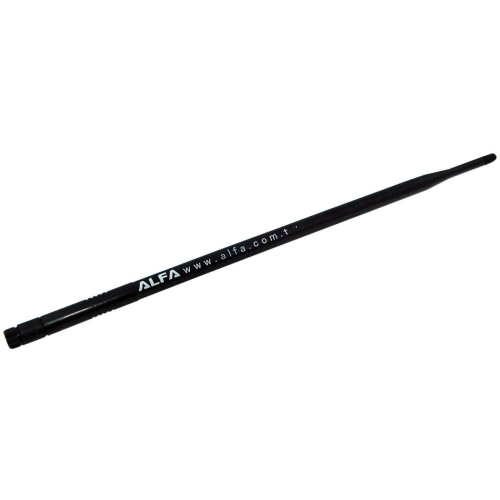
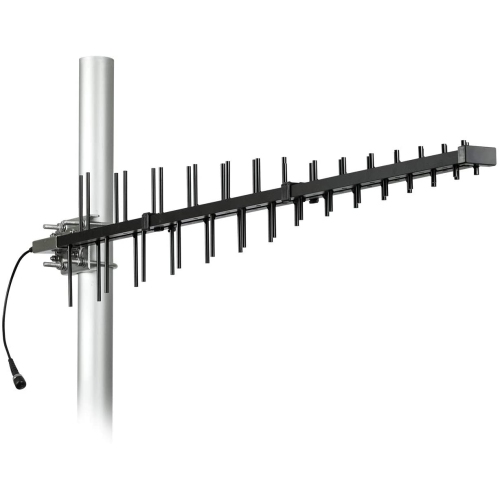
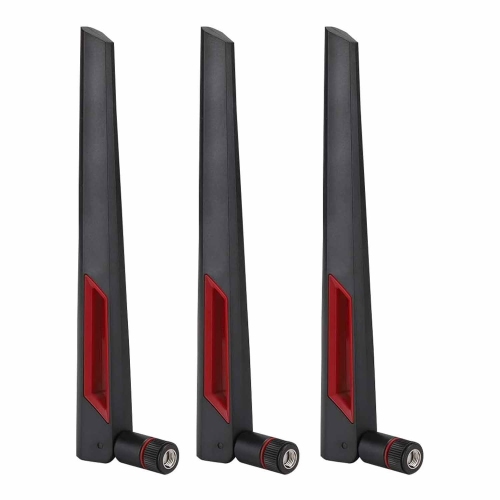
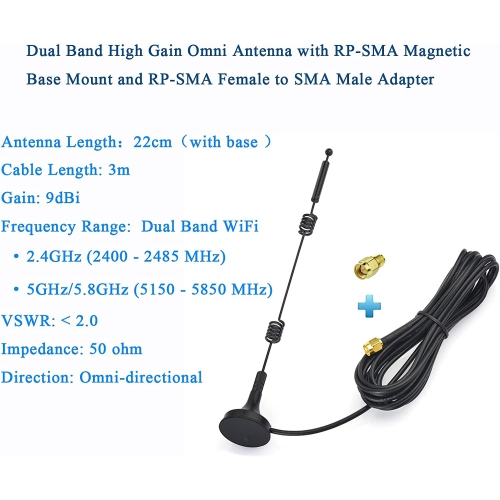
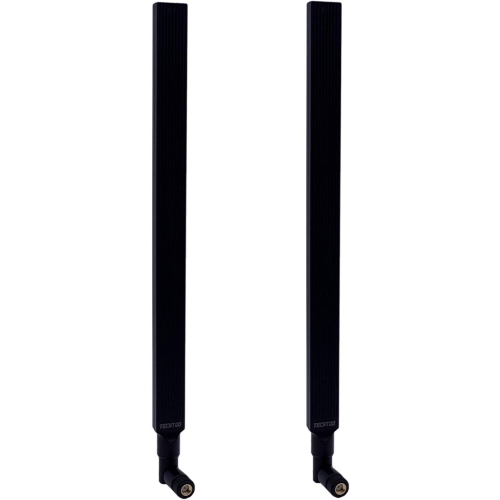
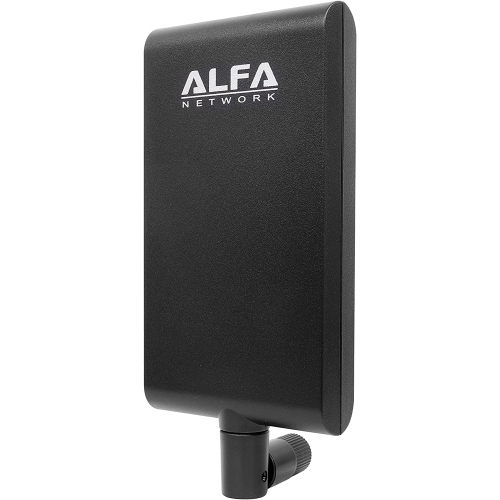
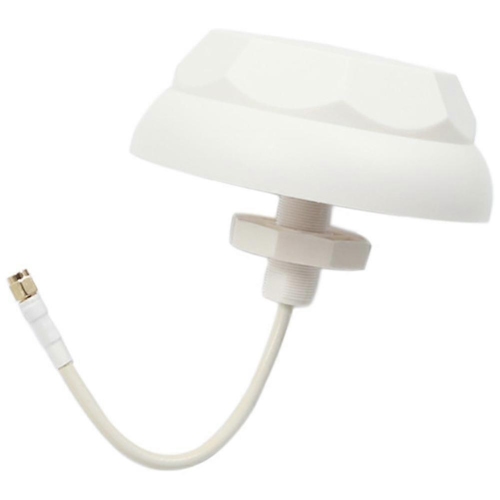
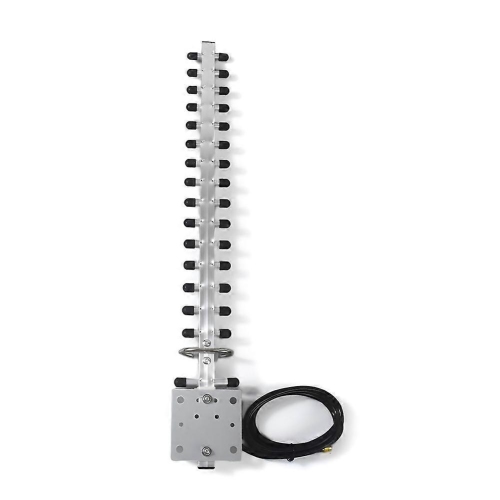
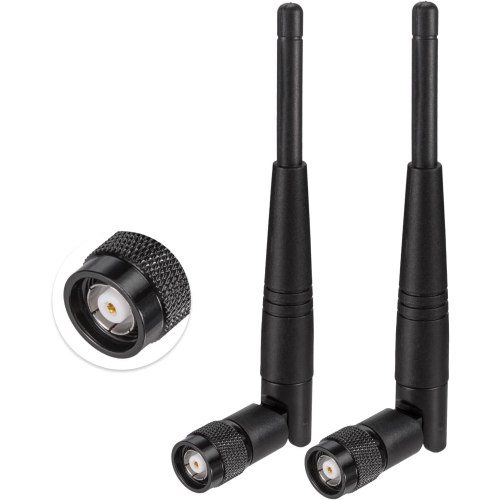
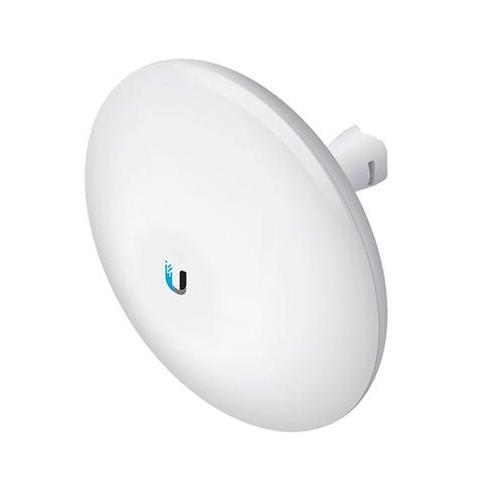
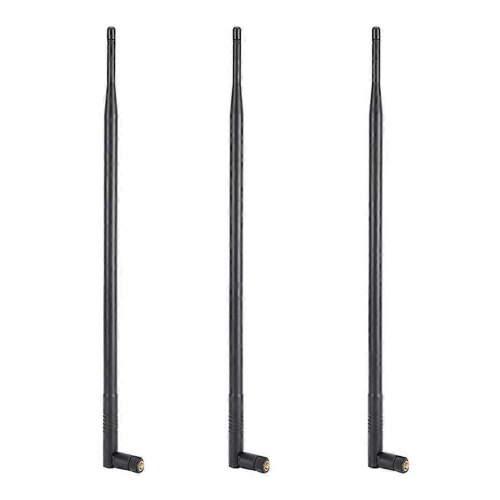
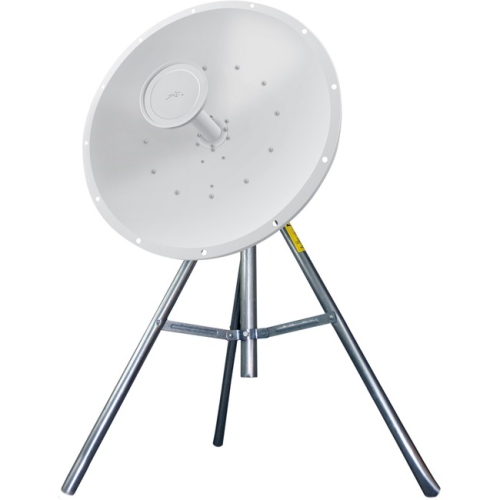
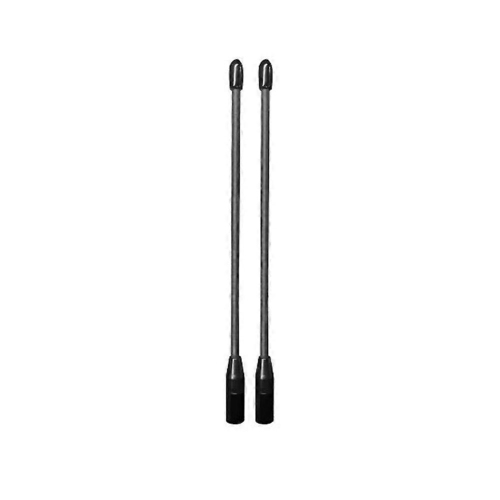
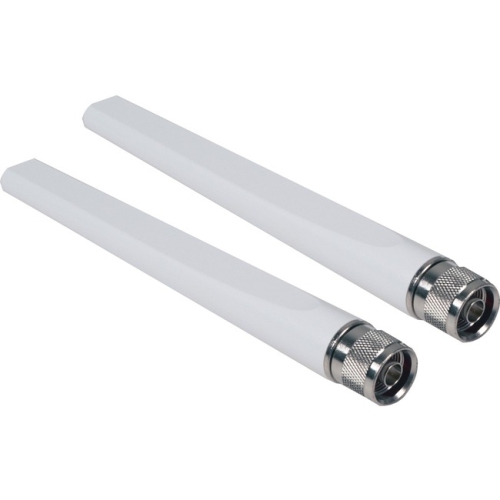
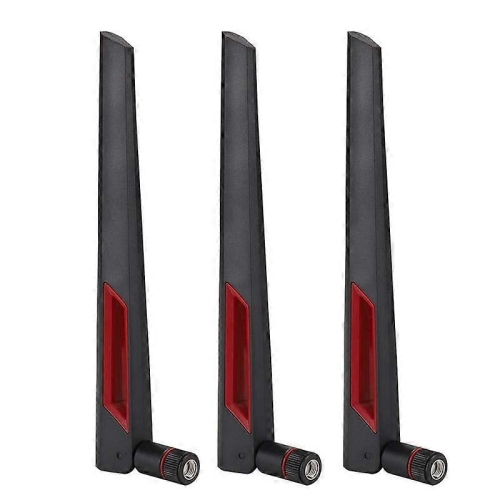
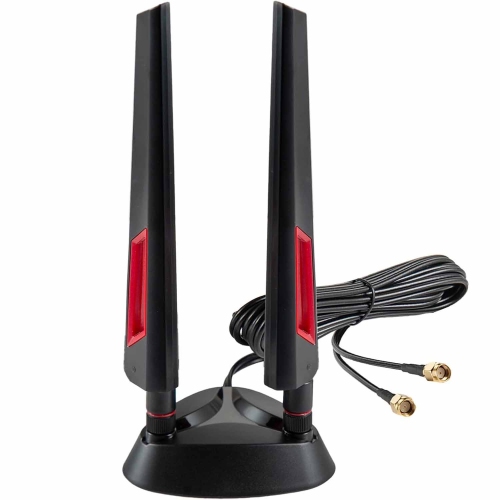

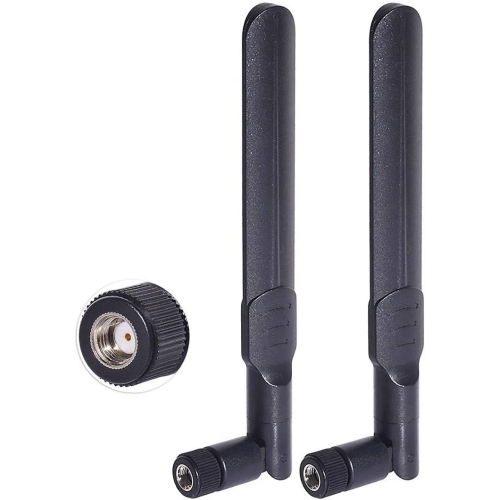
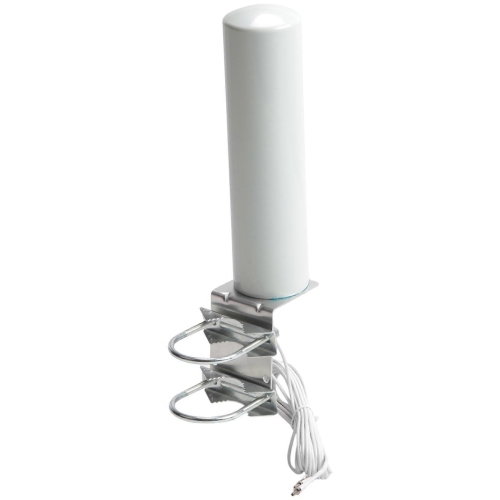
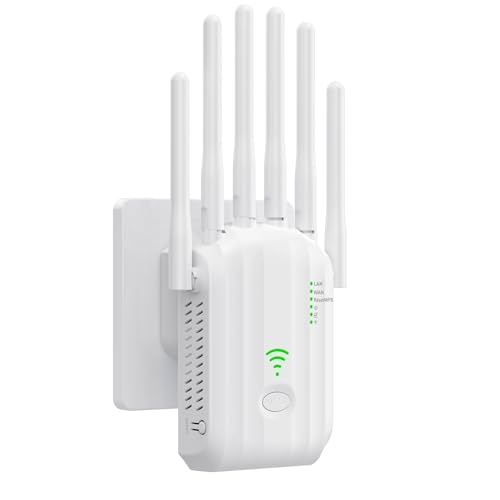
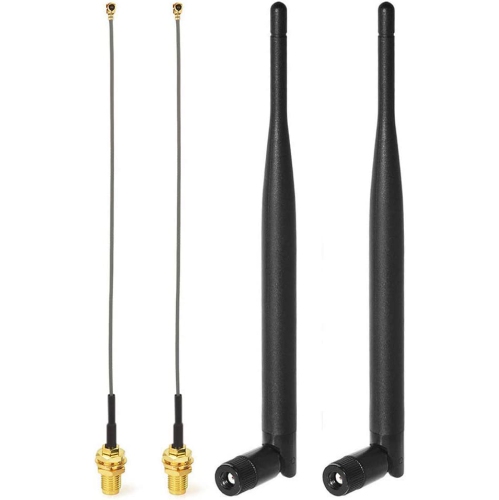
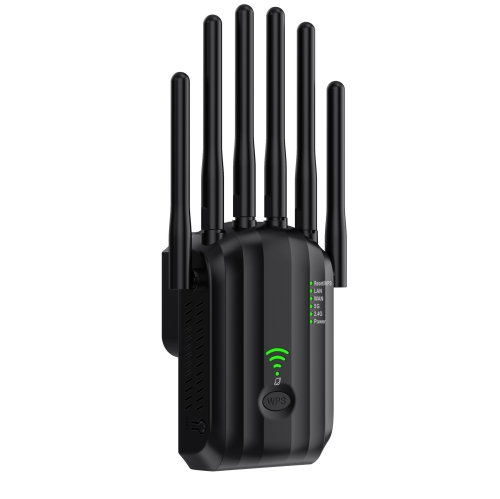
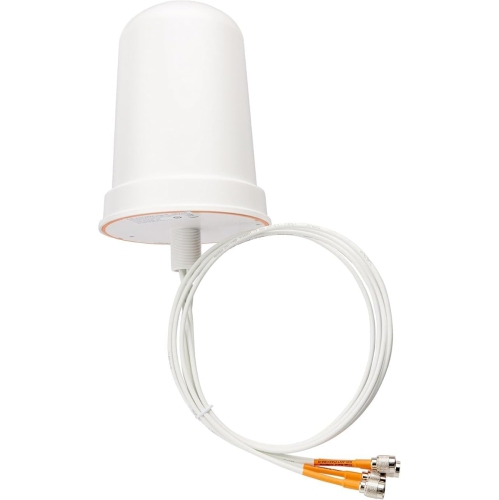
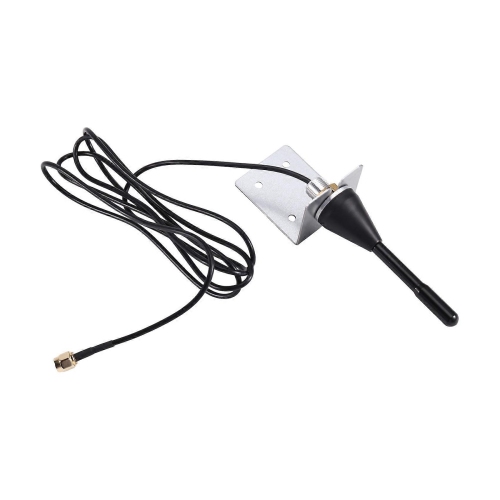
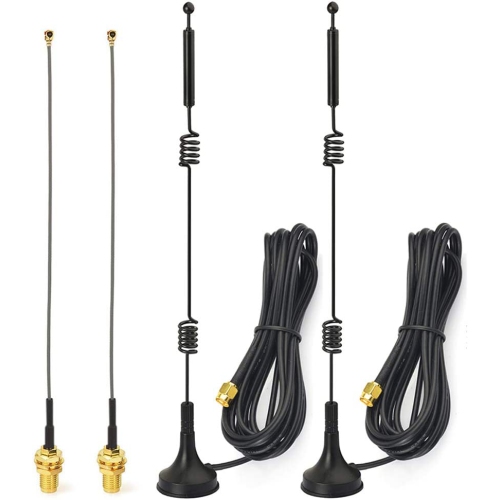
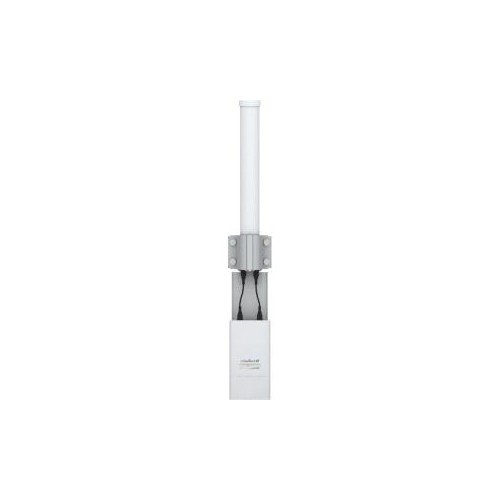
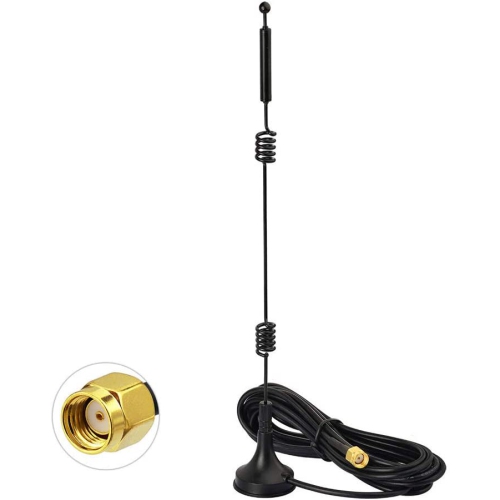
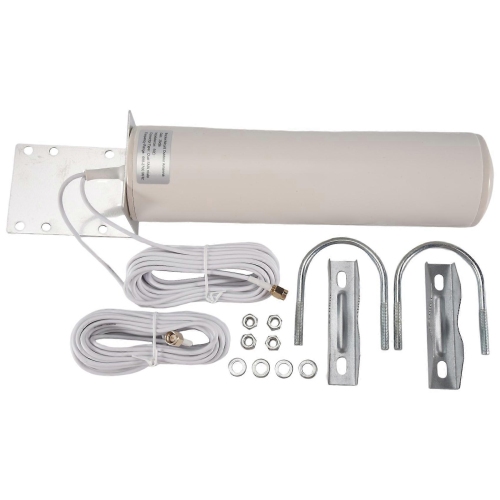
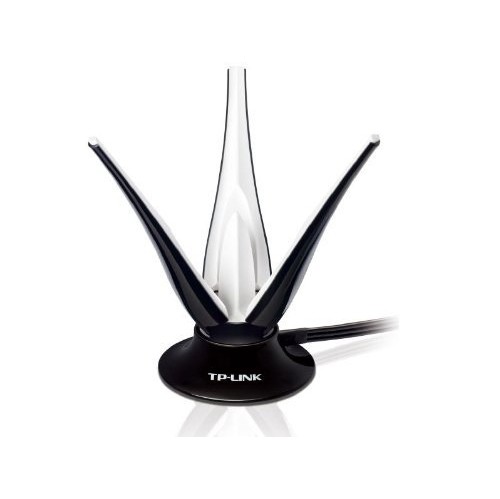
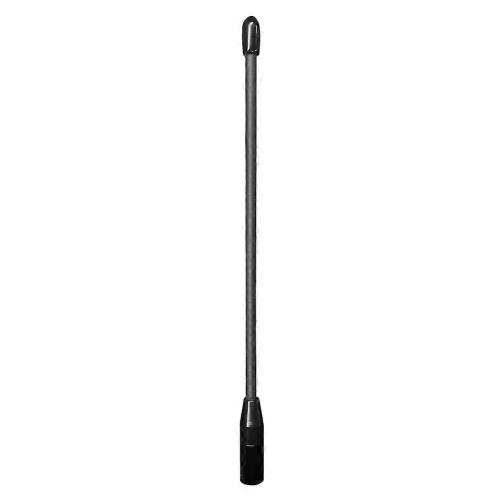
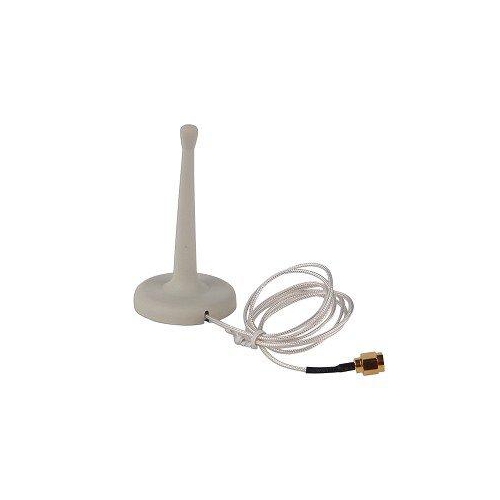
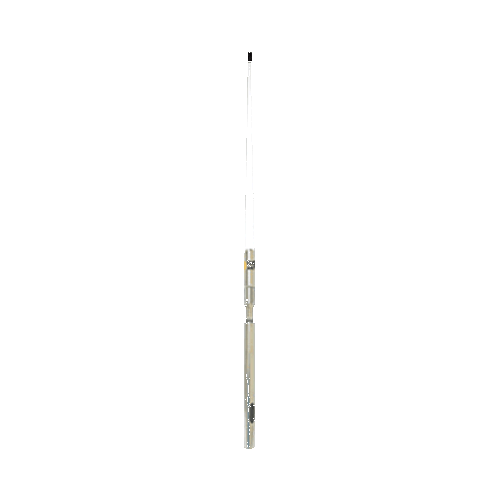
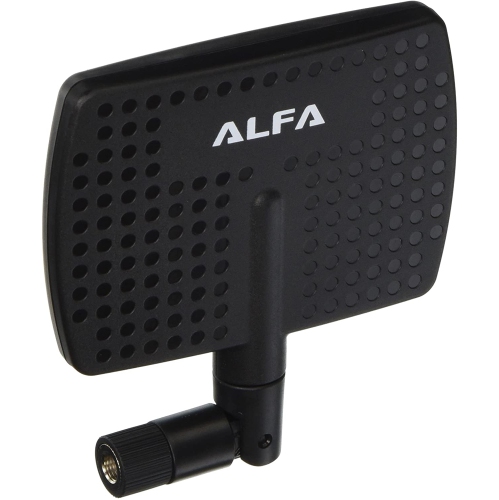
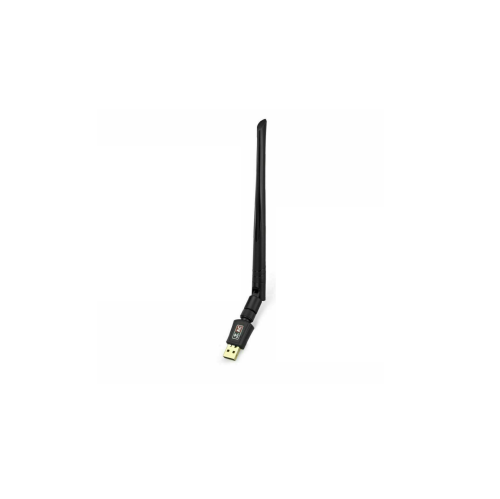
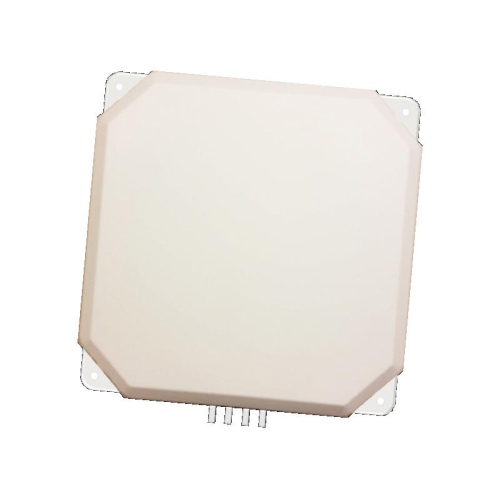
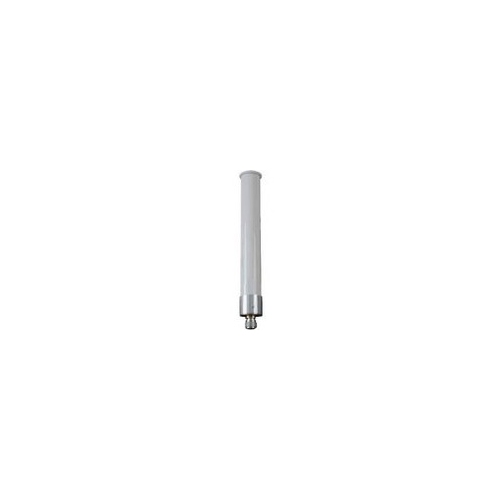


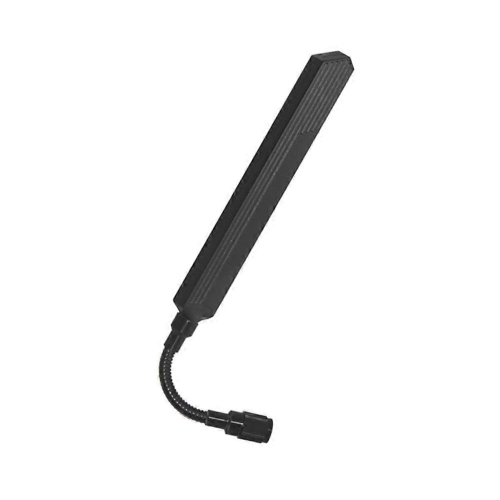
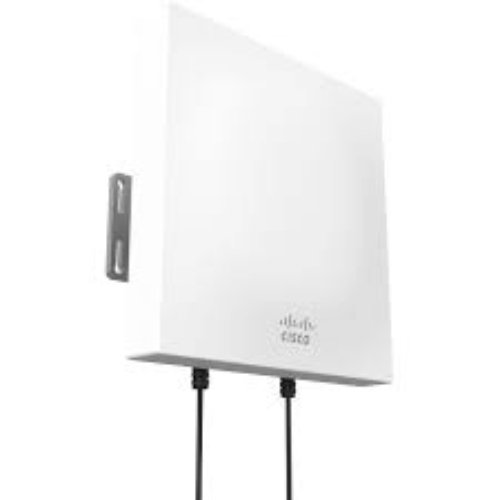
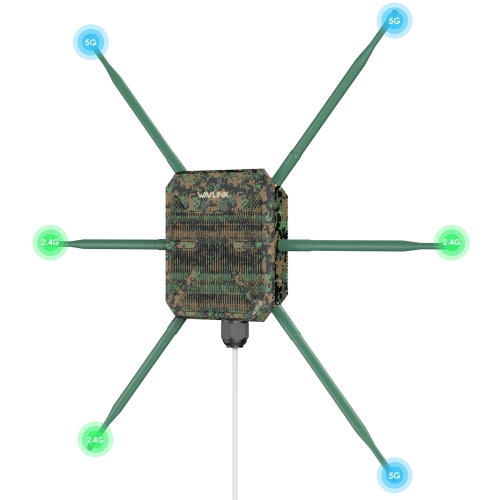
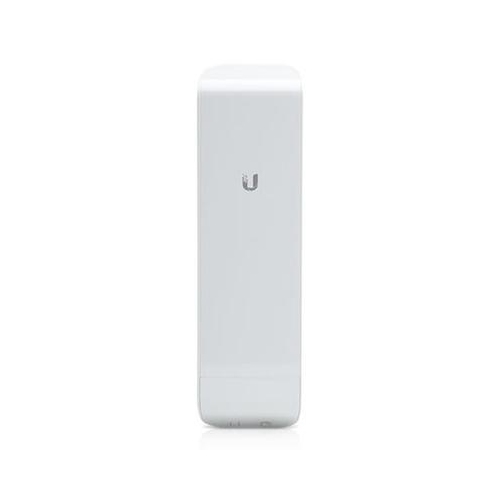
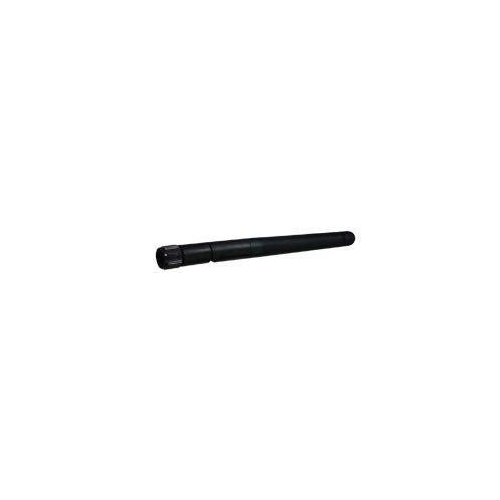
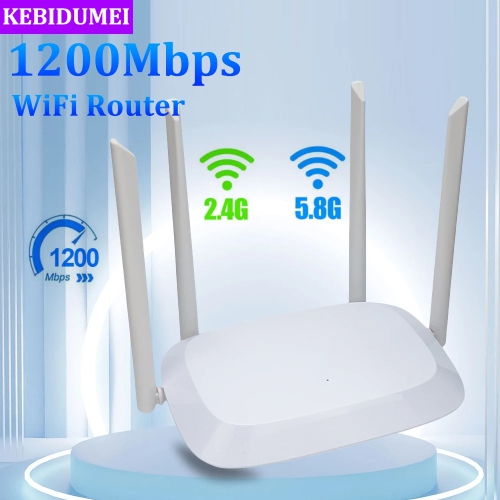
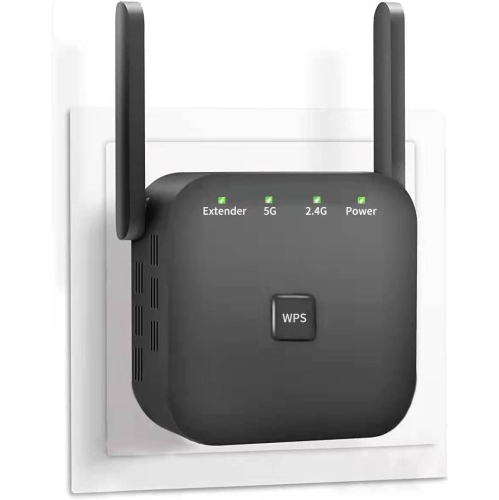
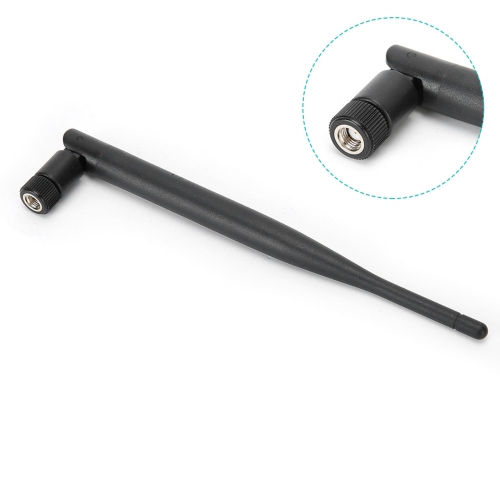
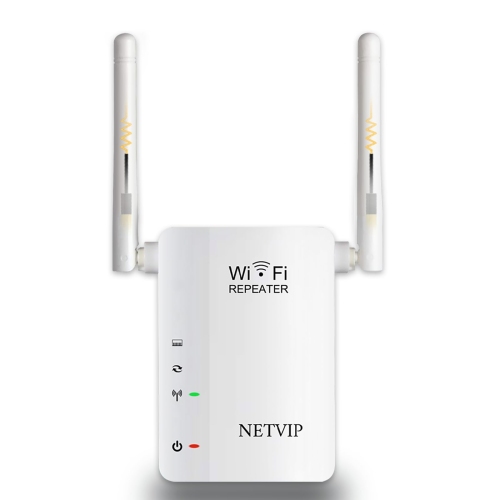
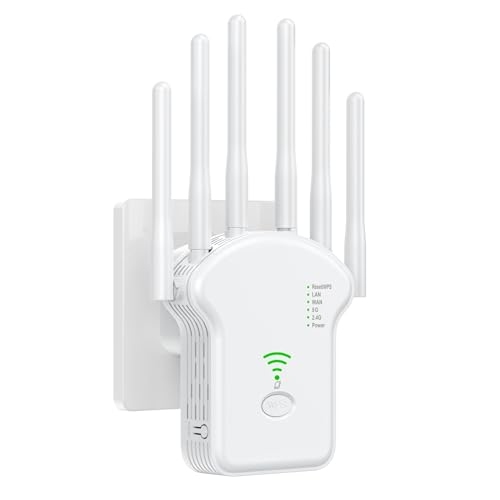
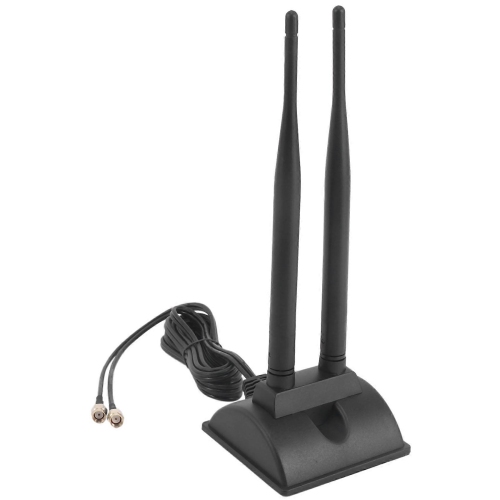
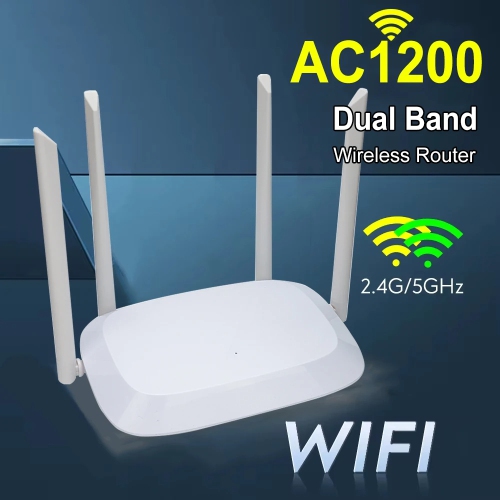
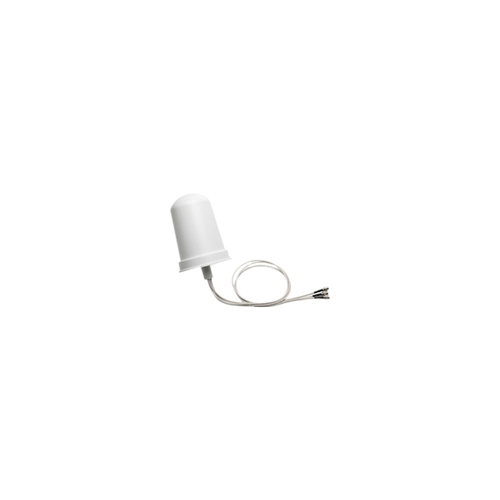
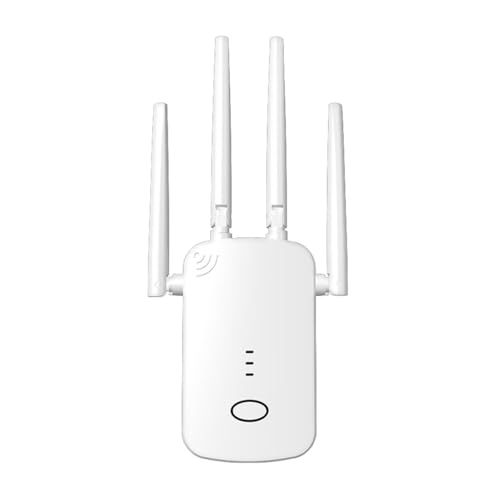
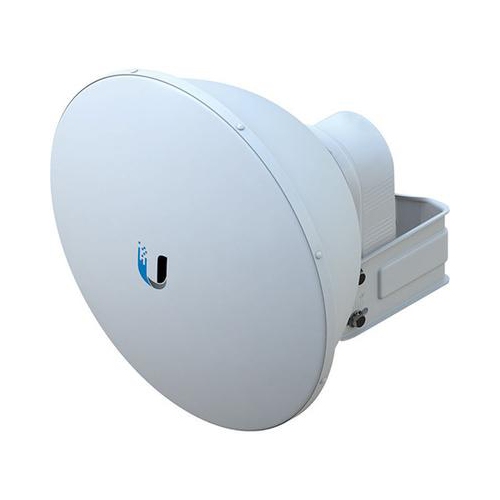


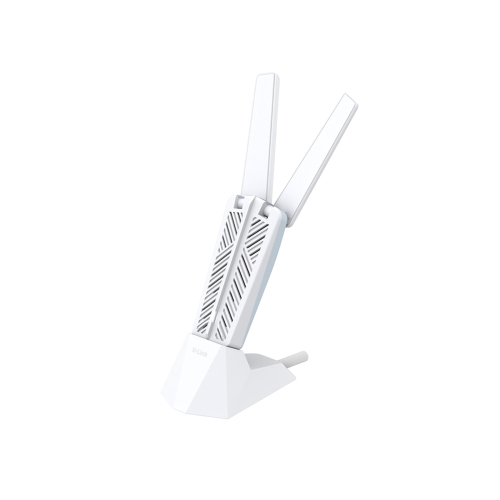
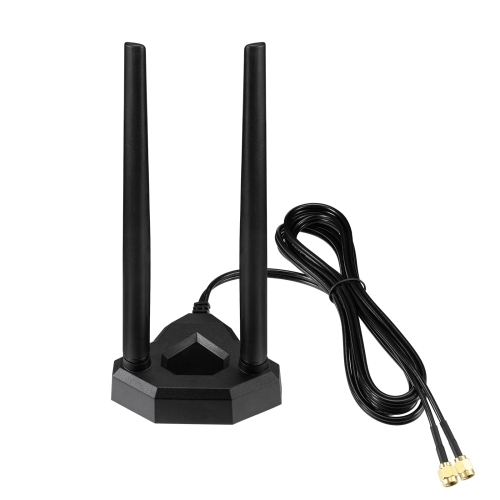
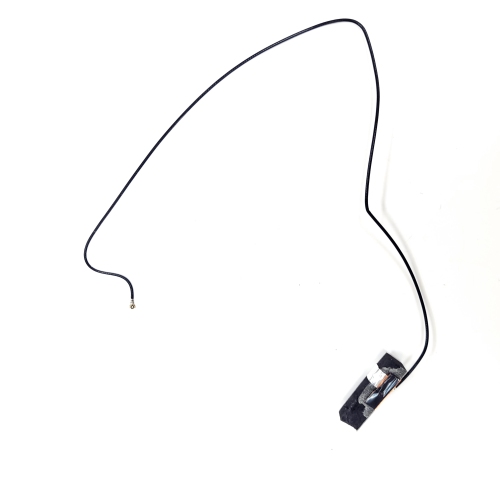
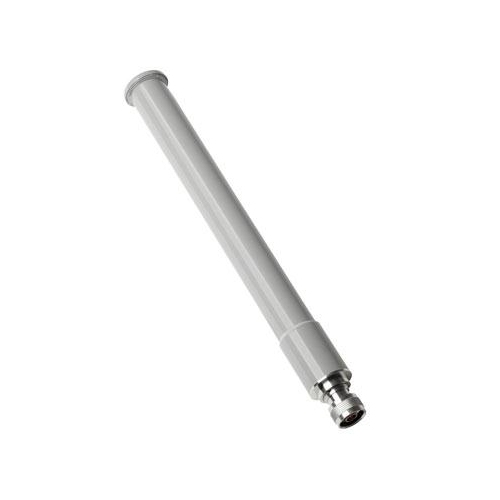
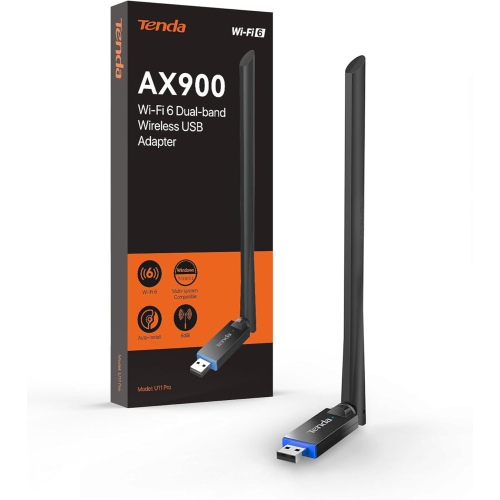
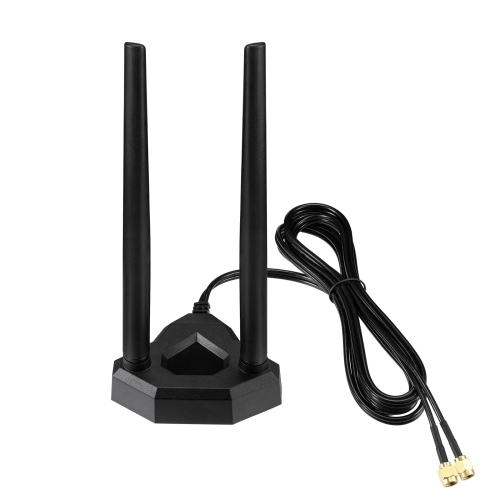
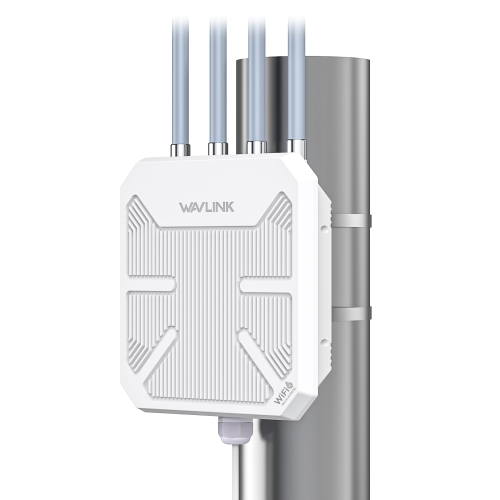
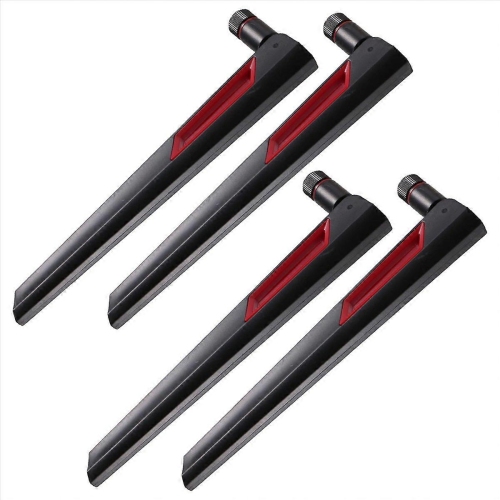


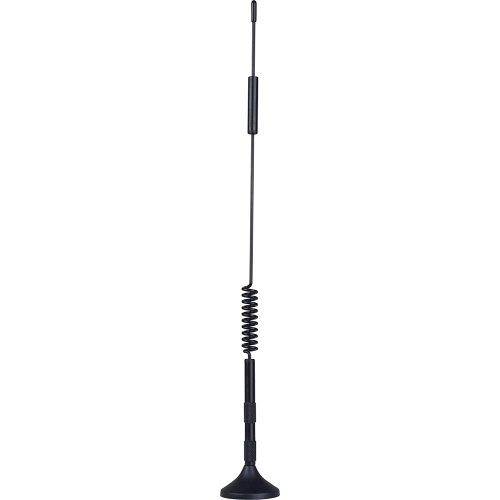
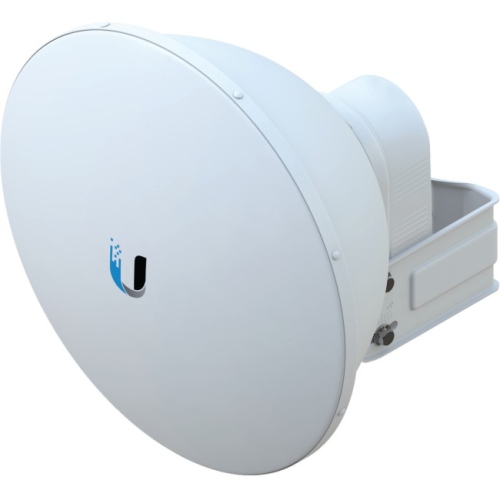
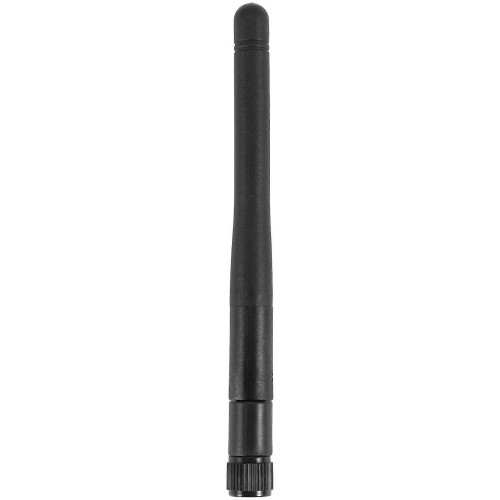
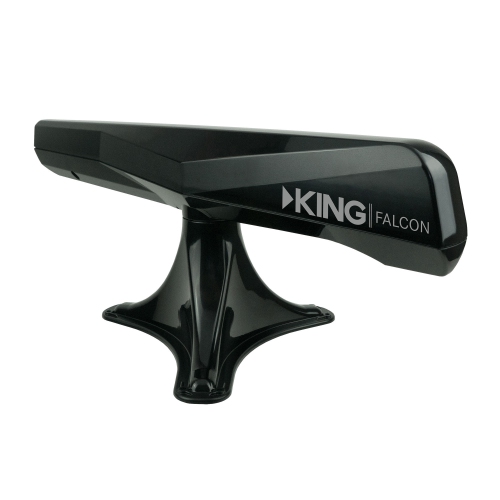

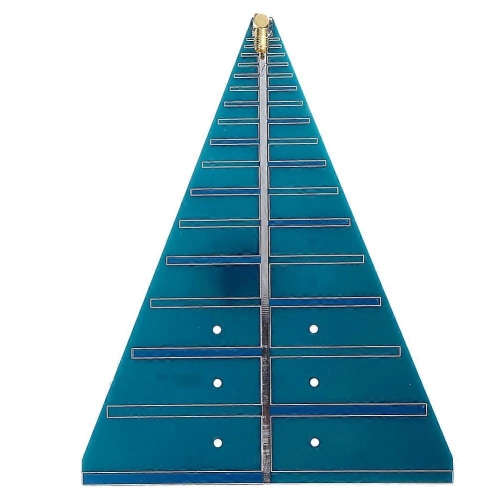

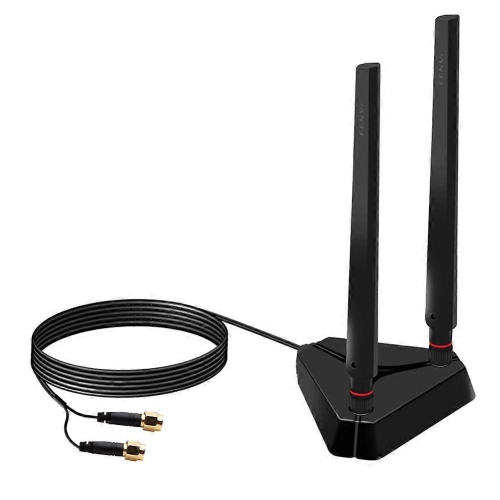
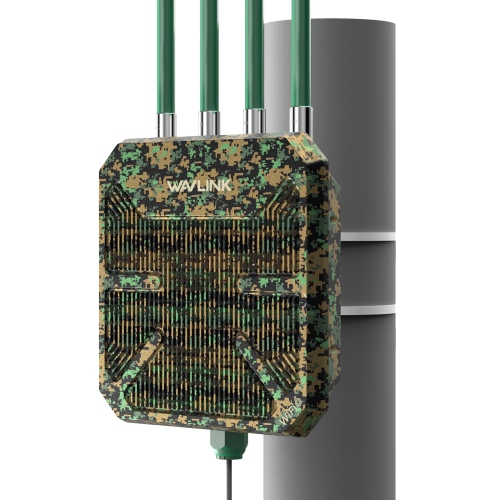
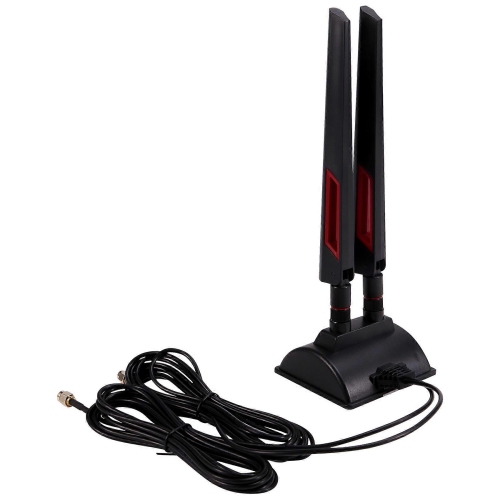
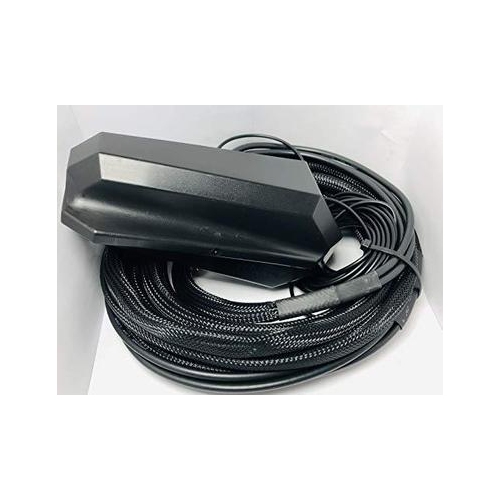
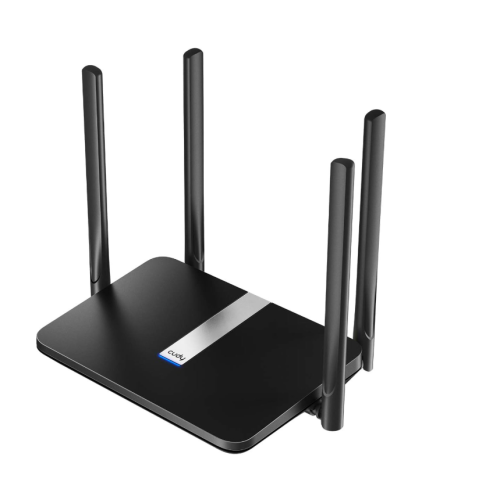
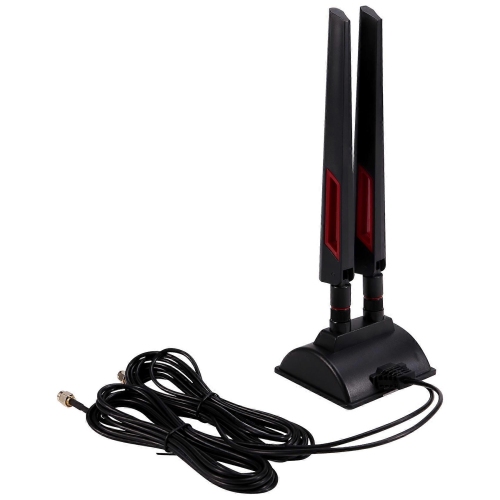
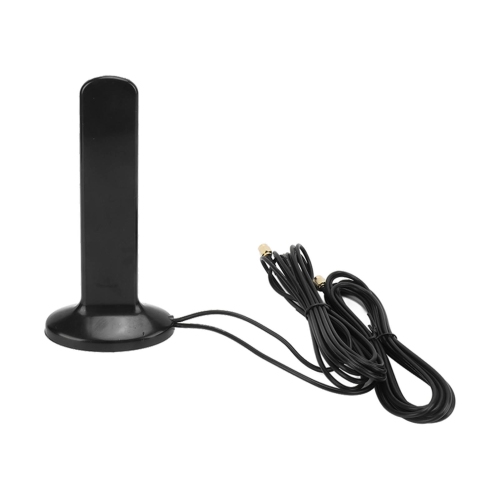
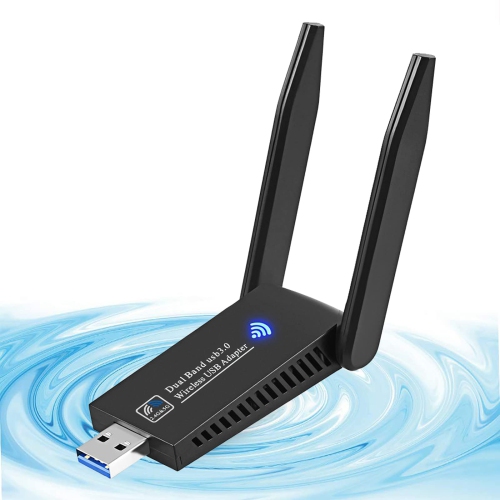
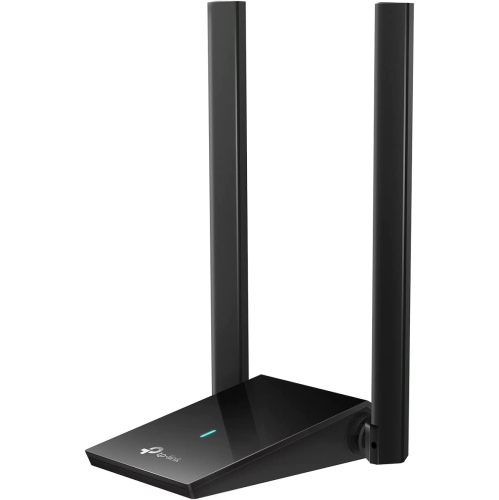
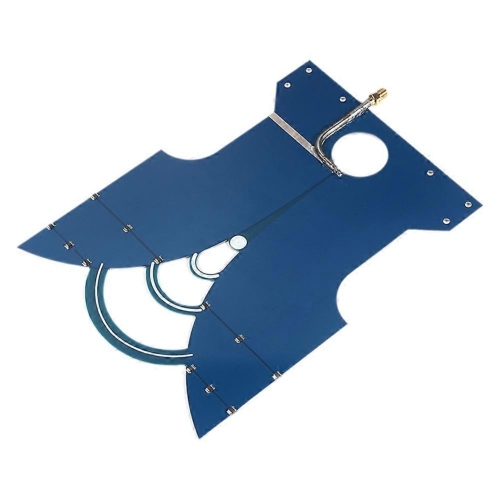
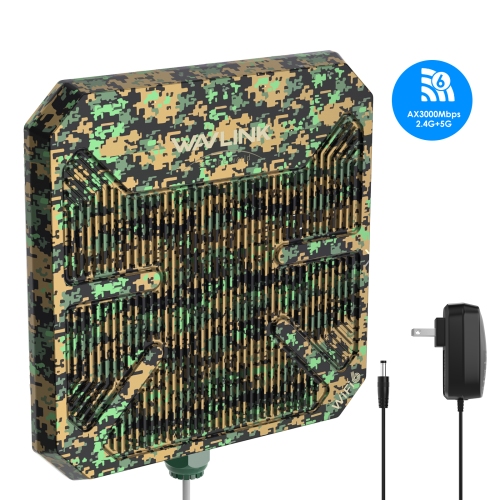
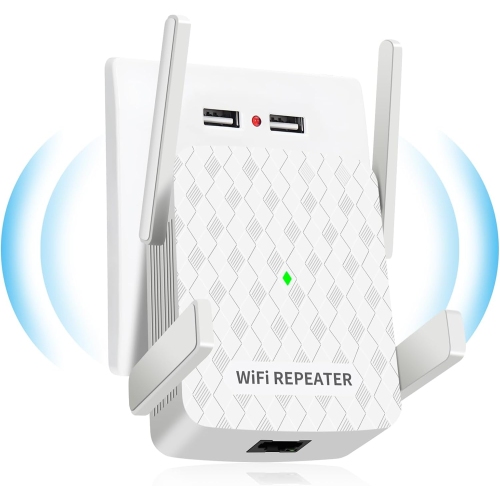

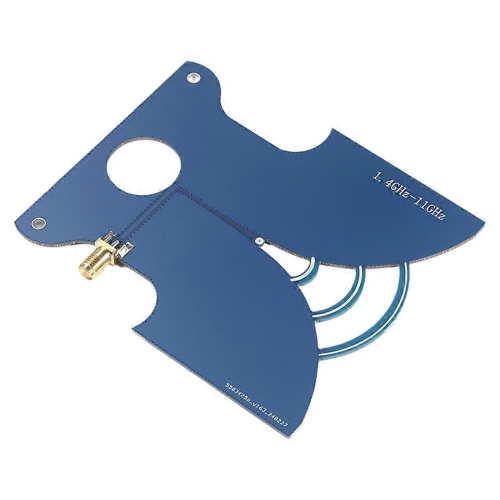

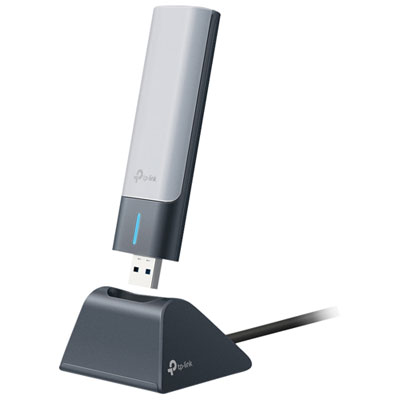
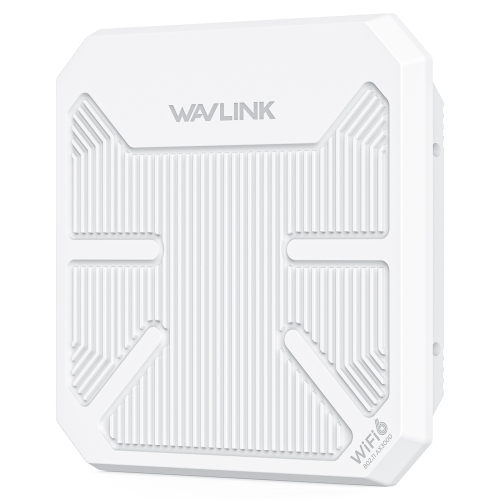
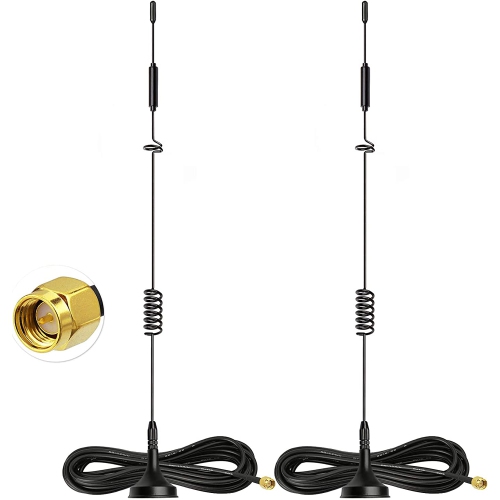
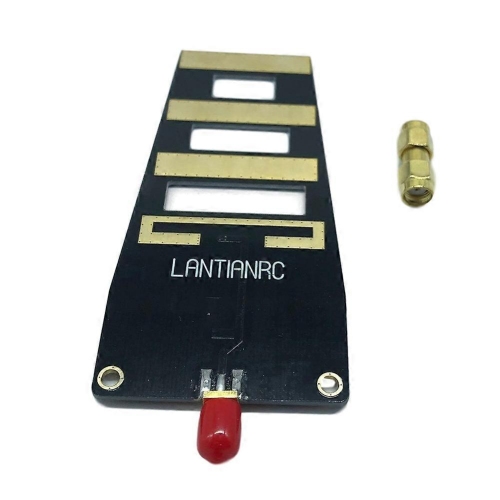

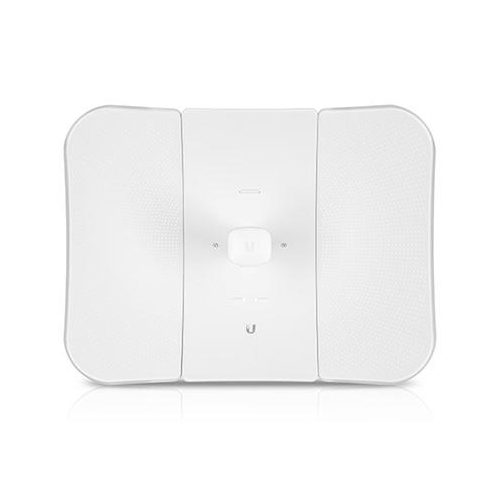
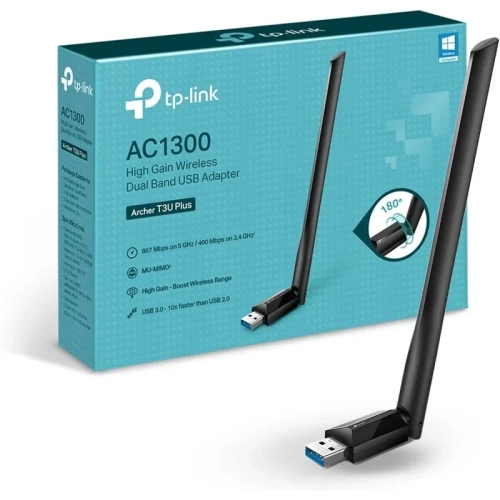
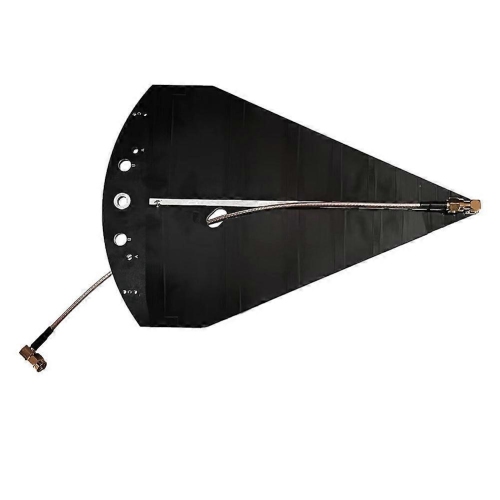
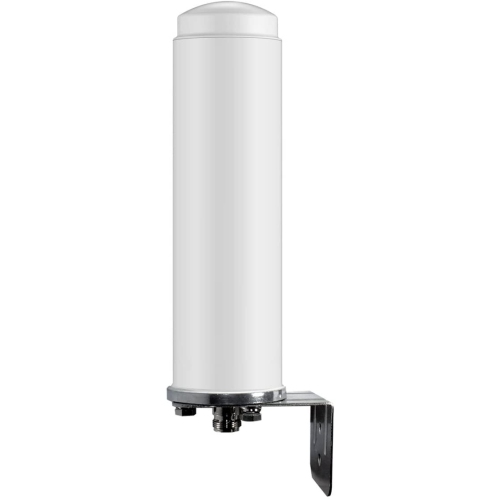
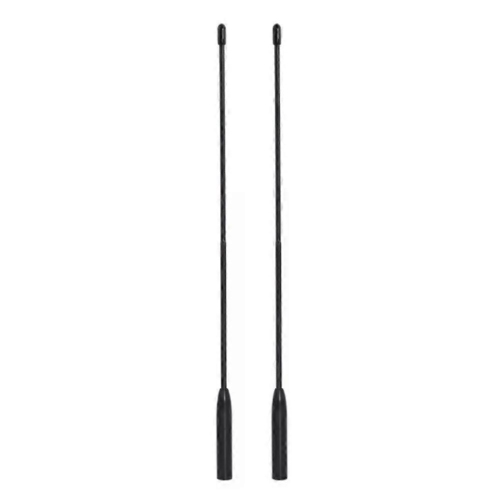
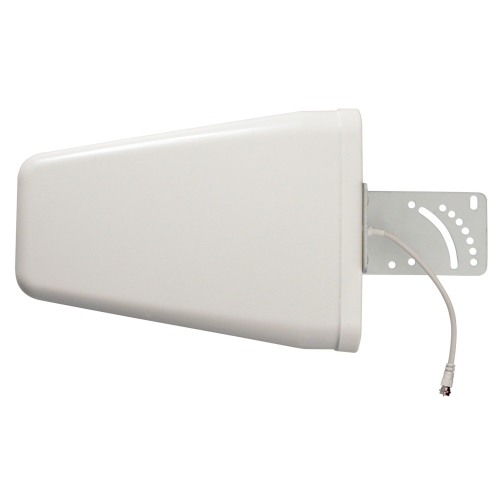
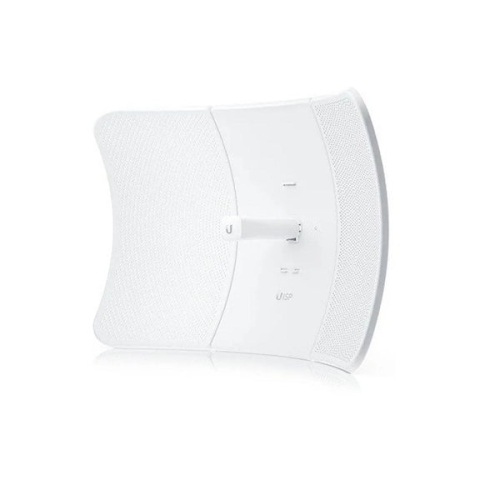
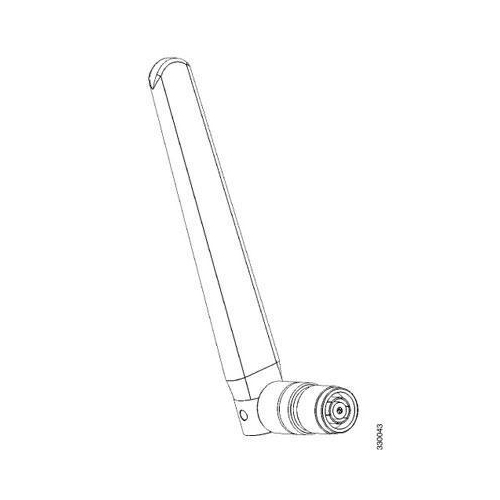
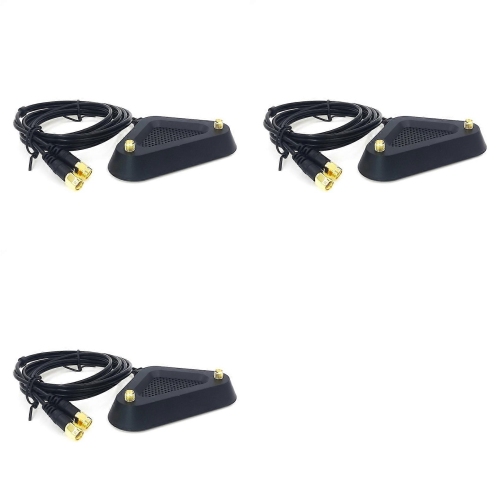

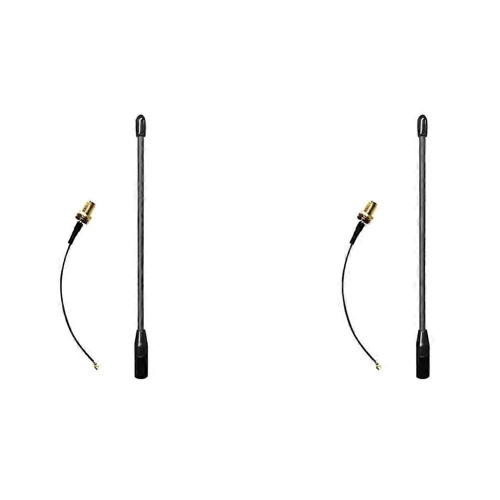

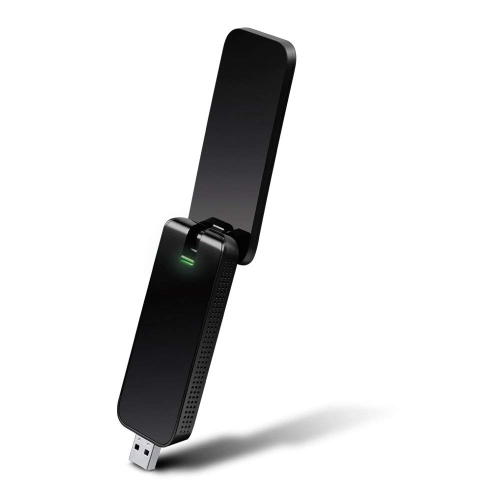
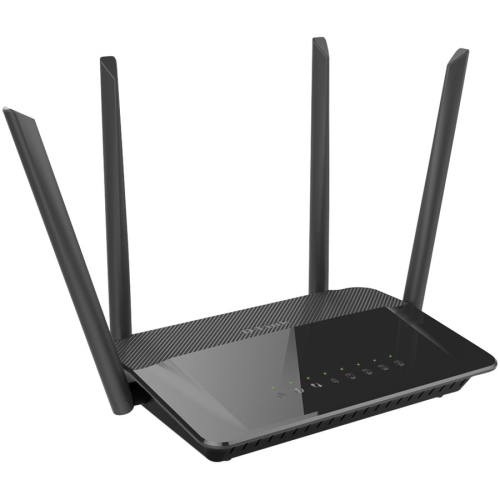
Focused wireless coverage for hard-to-reach spaces
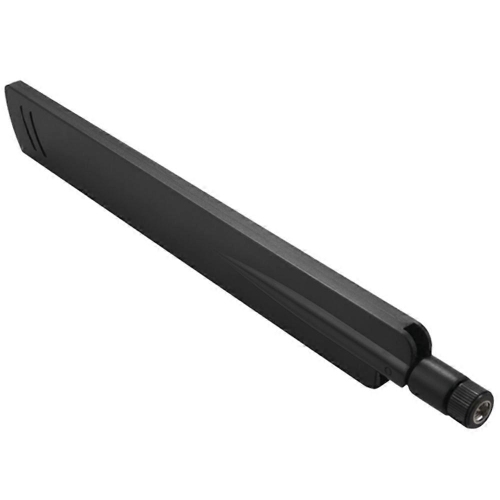
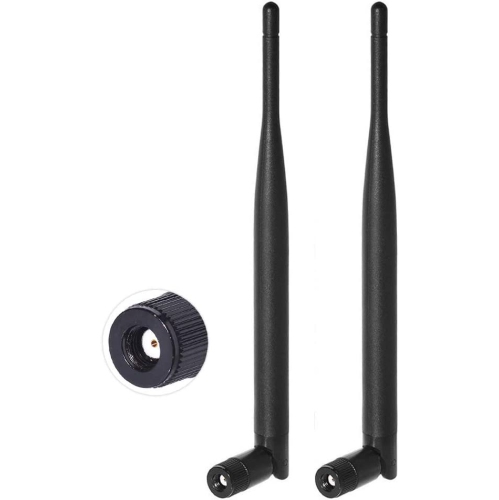
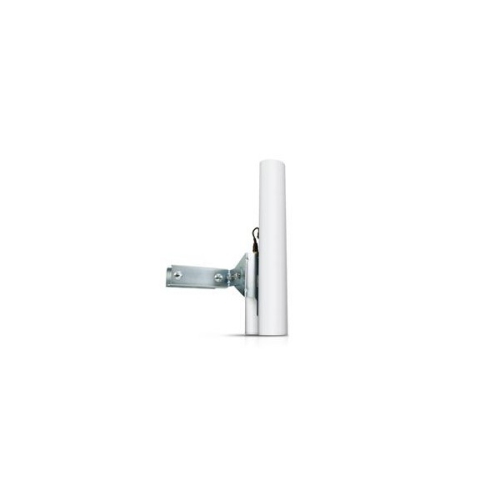
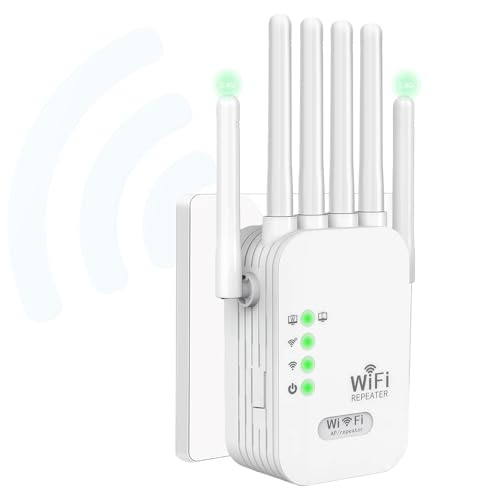
High-gain Wi-Fi antennas are designed to help focus wireless coverage where it is needed most. Rather than simply increasing the output power of a router or access point, an antenna changes the shape of the signal pattern. A higher-gain antenna typically concentrates more of the available wireless energy into a flatter or narrower area, which can help extend coverage across a single-storey home, a long hallway, a workshop, a detached garage, or an outdoor space. This focused design can be especially useful when a standard antenna sends too much signal upward into the ceiling or downward into the floor instead of toward the room, building, or property where a connection is required. Gain is measured in dBi, or decibels relative to an isotropic radiator. A higher dBi rating generally indicates a more focused signal pattern, not unlimited range or greater internet speed. The best choice depends on the layout of the space, the position of the wireless equipment, and the kind of coverage needed. Omni-directional antennas broadcast in a broad 360-degree horizontal pattern and can suit open areas where devices are positioned around a central access point. Directional designs, including panel, Yagi, and grid-style antennas, send the signal in a more concentrated direction, much like a flashlight. They can be helpful for connecting two buildings, reaching a distant outbuilding, or covering a long outdoor path when the transmitting and receiving equipment can be carefully aligned. For shoppers comparing high-gain Wi-Fi antennas, the first step is confirming that the antenna can be used with the intended router, wireless access point, network adapter, or other device. Some equipment has removable antennas and standard threaded connectors, while other systems use fixed antennas or proprietary connections that cannot be replaced. Check the connector type, cable requirements, frequency support, and the number of antenna ports before making a selection. A dual-band antenna that supports both 2.4 GHz and 5 GHz may be more versatile, while newer equipment can also require compatibility with 6 GHz wireless networks. Multi-input, multi-output technology, commonly called MIMO, uses several antennas to send and receive data, so replacing only one antenna or using mismatched antenna types may affect performance. The product specifications should also identify whether the antenna is intended for indoor or outdoor installation and whether mounting hardware or extension cables are included.
High-gain Wi-Fi antennas are often considered by people who have already tried moving a router, reducing obstructions, or adjusting the wireless channel and still have a difficult coverage area. In a home office at the far end of a house, a focused antenna may help keep a video call stable without requiring the router to sit in the middle of the room. In a backyard, a suitable omni-directional model can help distribute a connection across a patio or garden, while a directional model may be better for a detached garage or a second building positioned in one particular direction. Rural properties, hobby workshops, home studios, small businesses, and property managers may also use directional antennas for long-range links between buildings. These setups work best when there is a reasonably clear line of sight between the two wireless points. Walls, brick, concrete, metal siding, trees, hills, glass, and other obstructions can weaken or scatter the signal, and an antenna cannot remove every limitation caused by construction or distance. Placement is equally important. Mounting an outdoor antenna higher and keeping it clear of large metal objects can improve the signal path, but alignment needs to be precise for narrow directional models. A few degrees of adjustment can make a noticeable difference over a long distance, so it is worth allowing time to test signal strength and connection stability rather than relying on appearance alone. Outdoor installations should be checked for weather-resistant construction, suitable mounting options, sealed connectors, and cable routing that protects the equipment from moisture. Indoor users should consider the antenna’s size, swivel or tilt range, and whether it can be positioned away from the back of a cabinet or other source of interference. During the cooler months, enclosed indoor workspaces and seasonal changes in how a property is used can make reliable coverage more noticeable, particularly when a connection is needed in a basement, garage, or home office. A high-gain antenna can also be a practical gift for someone setting up a workshop, improving a cottage network, or connecting equipment across a large property, provided the recipient’s router or access point has compatible removable antenna ports.
Before choosing from a selection of high-gain Wi-Fi antennas, consider the actual shape of the coverage problem instead of selecting the highest dBi number automatically. If wireless devices surround the access point, an omni-directional antenna may provide more useful coverage than a narrow directional model. If the signal needs to travel from one fixed location to another, a pair of directional antennas may be more appropriate, with each unit aimed toward the other end of the link. Higher gain can reduce vertical coverage, so a tall multi-level home may not benefit from the same antenna that works well across a broad single-storey floor plan. It is also important to distinguish between antenna gain and internet service speed: an antenna can help a compatible wireless connection reach farther or remain more stable, but it does not increase the speed supplied by an internet plan and cannot correct congestion, an overloaded router, or a weak service connection. For a broader range of distance-focused options, browse Long Range Wi-Fi Antennas and compare coverage style, frequency bands, connector standards, and installation requirements. A simple signal-strength app or the network diagnostic tools built into many computers and mobile devices can help identify weak spots before and after installation. Take measurements in the rooms, yard areas, or buildings that matter most, and test both download performance and connection reliability. Keep in mind that devices must also be able to transmit back to the access point; a strong signal from the antenna does not guarantee an equally strong return path from a phone, laptop, camera, or smart device with a smaller built-in antenna. When the antenna, router, cable, mounting position, and wireless bands are matched properly, high-gain Wi-Fi equipment can make a hard-to-reach area feel like a natural extension of the network.
Top selling and popular products
-
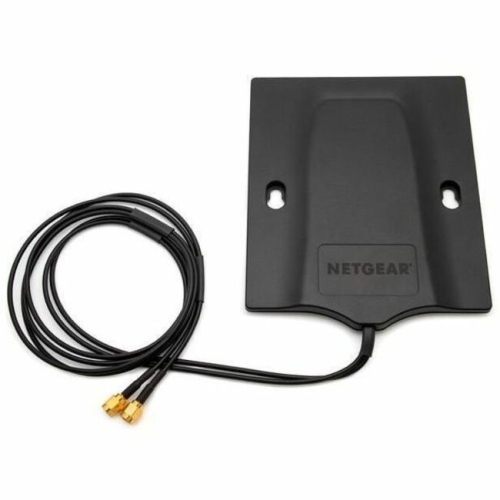 Your price for this item is $105.2
-
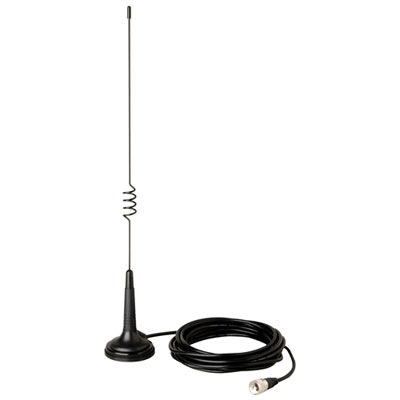 Your price for this item is $59.99
-
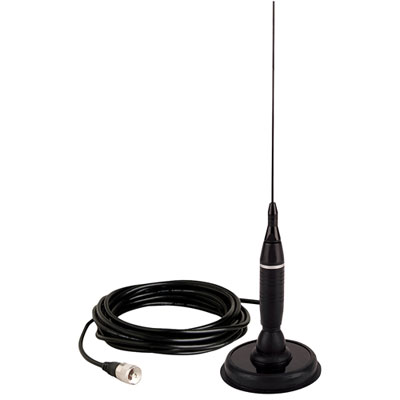 Your price for this item is $69.99
-
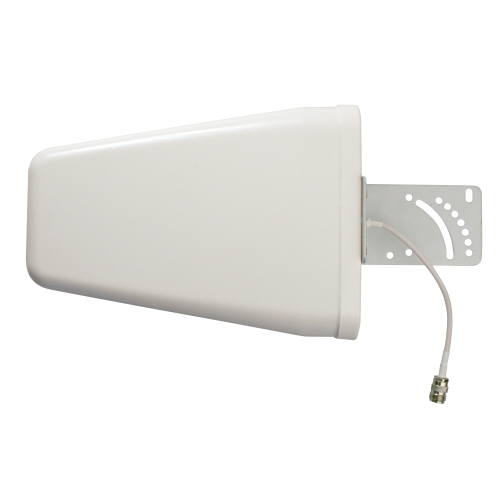 Your price for this item is $129.99
-
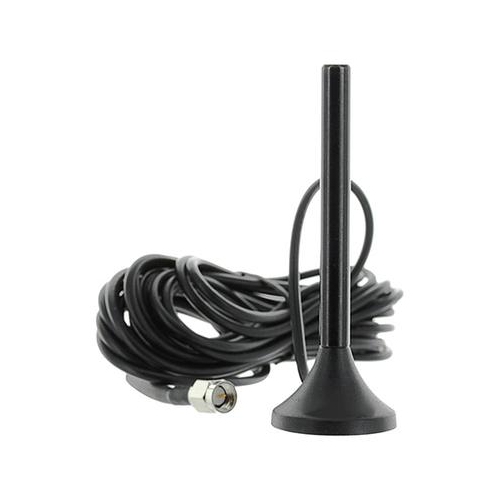 Your price for this item is $39.99
-
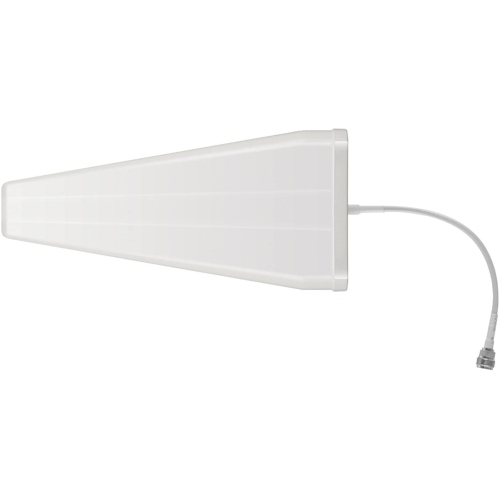 Your price for this item is $144.99
-
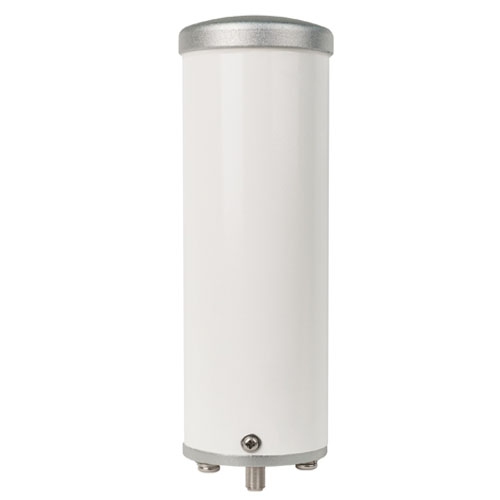 Your price for this item is $139.99
-
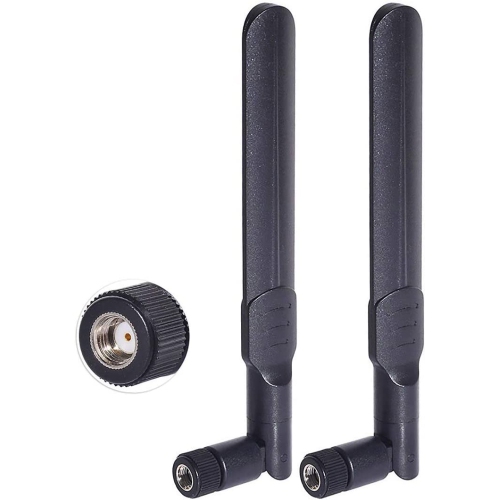 Your price for this item is $14.49
Discover more categories related to High Gain Wi-Fi Antennas
Top Collections:
Pokemon Centers, Best Cameras for Sports Photography, Kindle Devices, Samsung Galaxy Phones, Canon G7X Cameras, Pokémon 30th Celebration Cards, Refurbished Apple Laptops, iPhone 15 Apple, Laptops for Students, Budget Smartphones
Some products may be subject to Environmental Handling Fees
(EHF) depending on your province.
Learn more about EHFs.