High Quality Stainless Steel Pots
High Quality Stainless Steel Pots are essential for any kitchen, offering reliable performance for everyday cooking and special occasions alike. With their sleek appearance and dependable construction, these pots make it easy to prepare a variety of dishes with confidence. Whether you're simmering soups, boiling pasta, or crafting your favorite sauces, High Quality Stainless Steel Pots provide the versatility and durability needed to support your culinary creativity. Explore a wide selection designed to suit every cooking style and kitchen setup.
Sort






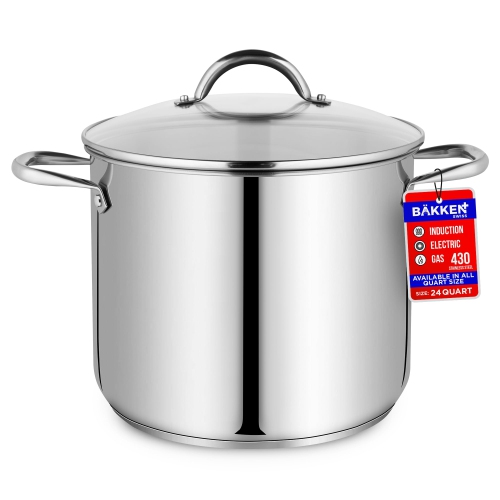
Why pot construction matters more than layer count
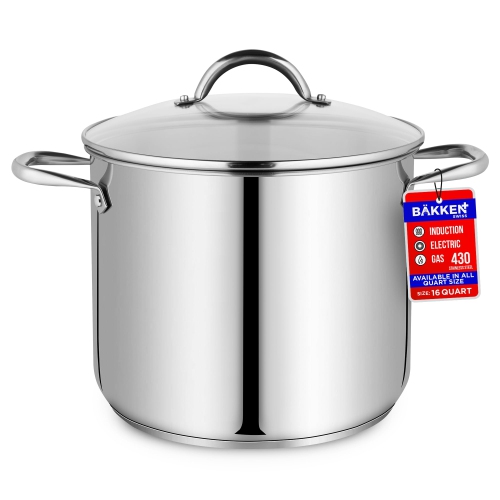
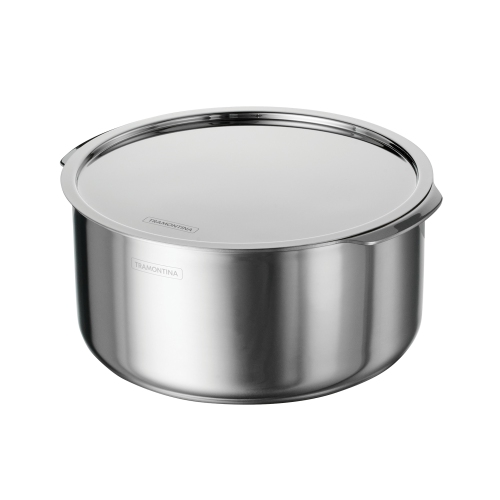
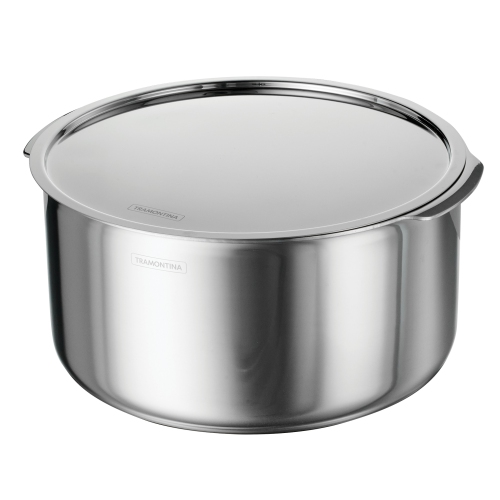
High-quality stainless steel pots combine even heating, sturdy construction, comfortable handles, and a well-fitting lid. Stainless steel is valued for its resistance to corrosion and its suitability for everyday cooking, from simmering tomato sauce to boiling potatoes or preparing a pot of lentils. Because stainless steel alone does not conduct heat particularly well, many pots pair it with an aluminum or copper core that helps spread heat across the cooking surface. In fully clad cookware, these layers extend through the base and up the sides; in encapsulated-base cookware, the heat-conducting layer is concentrated underneath the pot. Both constructions can perform well, although fully clad sides can be useful for thick sauces and other foods that benefit from more consistent heating around the vessel. Three-ply and five-ply descriptions refer to the number of bonded layers, but layer count alone does not determine quality. The thickness of the conductive core, the overall construction, and the way the pot sits on the burner also matter. A flat, stable base makes reliable contact with the cooking surface, while a substantial body can help moderate temperature changes when ingredients are added. Stainless steel grades such as 18/10 and 18/8 describe approximate chromium and nickel content, rather than the thickness or heating performance of the finished pot. These grades are commonly used for cooking surfaces because they offer useful corrosion resistance, but the complete design deserves as much attention as the grade marking. A smooth interior is easy to inspect after washing, and neatly finished rims make pouring and cleaning more comfortable. Brushed and polished exteriors have different appearances, yet neither finish on its own establishes cooking quality. The most meaningful details are often practical ones: a pot that feels balanced when lifted, handles with secure attachments, and a rim that directs broth into a bowl without sending a trail down the outside.
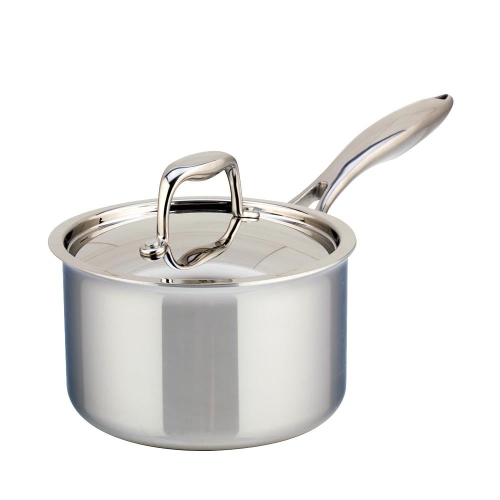
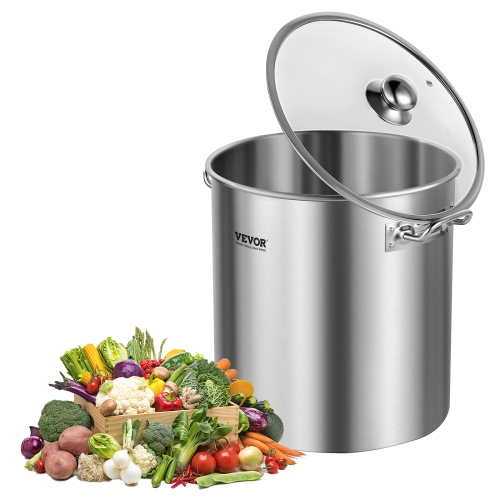
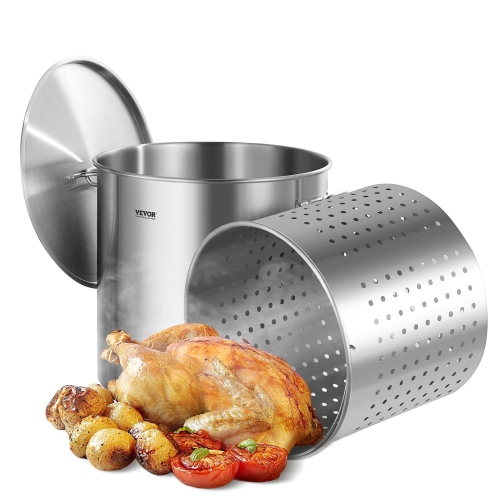
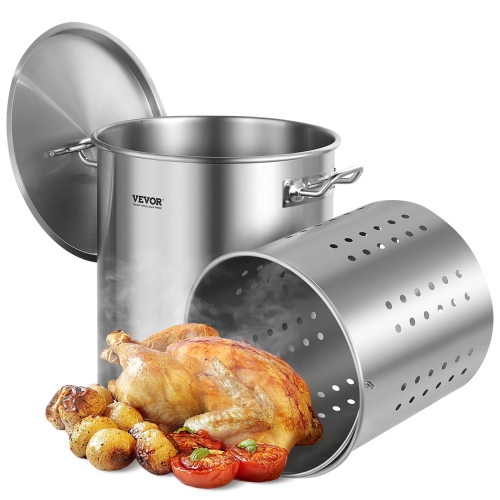
The right size and shape depend on what goes into the pot and how many people share the meal. A smaller saucepan is useful for oatmeal, reheating soup, warming milk, or making a sauce without spreading a shallow amount of liquid across an oversized base. A medium pot can handle rice, vegetables, and everyday soups, while a larger stockpot provides room for batches of broth, corn on the cob, or meals prepared for several people. Nominal capacity describes the vessel’s volume, not necessarily the amount it can comfortably hold during cooking. Pasta water needs space to bubble, and soup needs room for stirring without spilling over the rim. For spaghetti, penne, and other noodles, stainless steel pasta pots may include a removable insert that lifts food out of the cooking water, reducing the need to tip a heavy vessel into a separate colander. The insert, lid, and handles still need to be manageable when hot and wet. Wider pots provide more surface area for reducing liquids and stirring ingredients, while taller designs hold substantial volumes without taking up as much space across the cooktop. Compatibility also matters: induction cooking requires a suitable magnetic base, so a stainless steel description alone does not confirm that a pot will work on an induction surface. A base that matches the burner reasonably well supports efficient, controlled heating on electric, glass-ceramic, and gas cooktops. Handles should offer enough clearance for a secure grip with oven mitts, especially when the pot is full. Metal handles can become hot, and oven suitability depends on the ratings of every component, including the lid and any coated grips. Glass lids allow a view of simmering food, while stainless steel lids avoid the need to keep glass clear of condensation. Interior measurement markings, pouring rims, and helper handles can make daily use easier, but their value depends on the cook’s habits and the space available for storage.
Good care helps stainless steel cookware retain its appearance and dependable performance through repeated use. Moderate heat is sufficient for many tasks, particularly with a well-constructed conductive core; prolonged high heat under an empty pot can cause discolouration or damage. For recipes that begin with sautéed onions or other ingredients, controlled preheating and an appropriate amount of cooking fat help reduce sticking. Stainless steel does not behave like a non-stick coating, so some food release depends on temperature and technique. Browned bits left after sautéing can often be loosened with broth or water and stirred into a sauce, adding flavour rather than becoming a cleaning problem. After cooking, allowing the pot to cool before washing helps avoid abrupt temperature changes that can contribute to warping. Warm water, dish soap, and a soft sponge handle much everyday cleaning, while soaking can loosen dried starch or sauce without aggressive scraping. Dishwasher suitability varies by construction and finish, and the manufacturer’s care directions remain important even when a pot is described as dishwasher-safe. Mineral deposits and rainbow-like heat marks can appear on stainless steel without indicating that the pot has worn out; a cleaner approved for the finish can help address them. Adding salt to boiling water and stirring it to dissolve can reduce prolonged contact between salt crystals and the base, which may contribute to pitting. Drying after washing limits water spots, and separating nested pots with a soft protector helps prevent scuffs. These practical qualities make stainless steel pots useful for first kitchens, busy family households, and experienced home cooks who prepare everything from small sauces to shared meals. They can also be thoughtful housewarming or wedding gifts when the recipient’s cooktop, storage space, and preferred cooking portions are known. A manageable weight, useful capacity, and straightforward care routine often contribute more to lasting satisfaction than extra pieces that rarely leave the cupboard.
Top selling and popular products
-
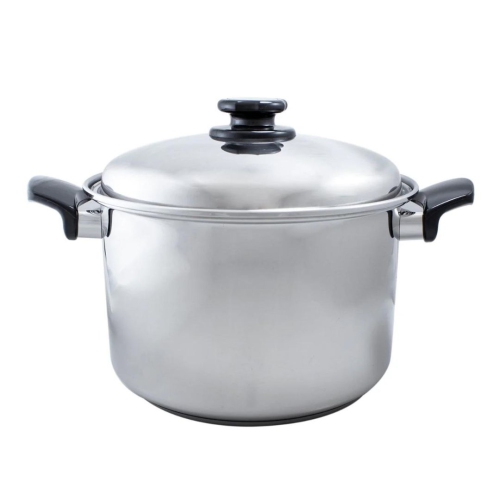 Your price for this item is $321.99
-
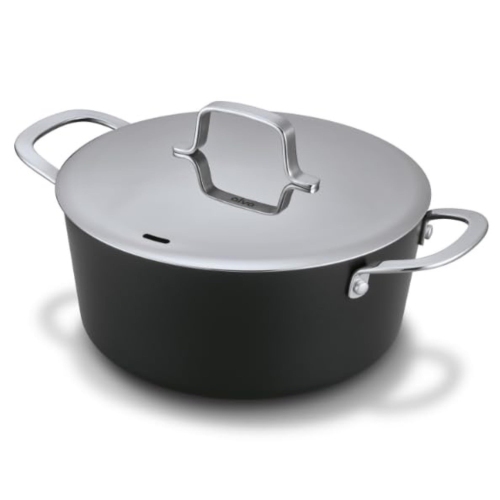 Your price for this item is $229
-
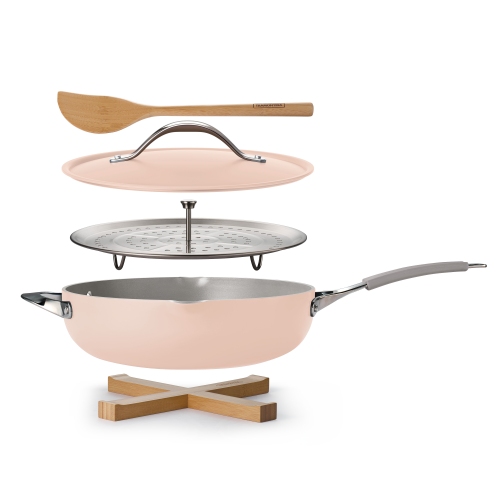 Your price for this item is $144.57
-
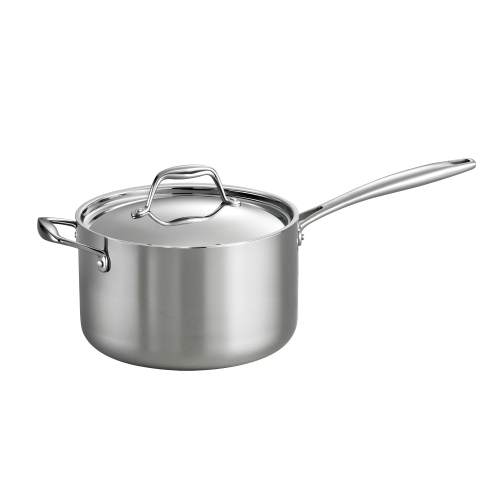 Your price for this item is $113.63
-
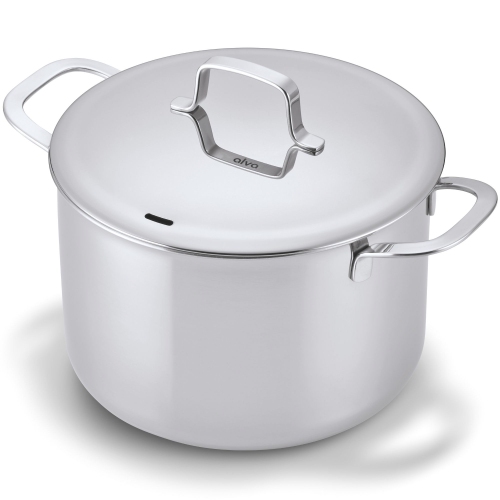 Your price for this item is $289
-
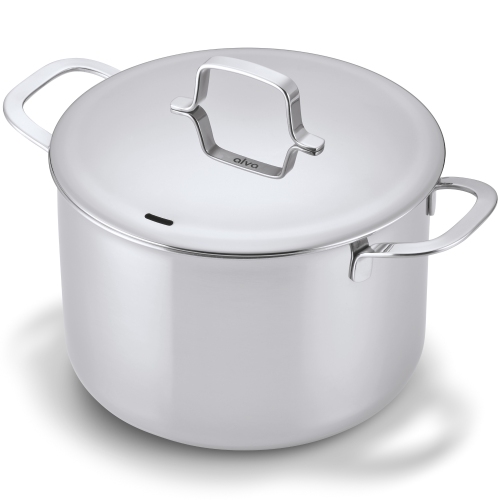 Your price for this item is $329
-
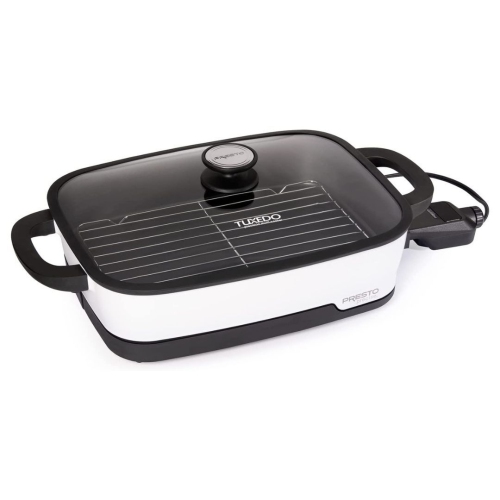 Your price for this item is $382.99
-
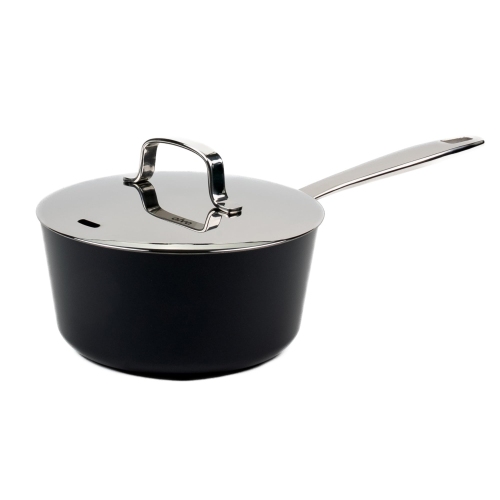 Your price for this item is $189
Discover more categories related to High Quality Stainless Steel Pots

Top Collections:
Best Black Friday Deals This Year, Best Black Friday Deals On Electronics, Kindle Devices, Dyson Airwrap, Best Cameras for Sports Photography, Best Black Friday Deals On Apple Products, PS5 Pro Consoles, Portable Snow Blowers, Canon G7X Cameras, Pokémon 30th Celebration Cards
Some products may be subject to Environmental Handling Fees
(EHF) depending on your province.
Learn more about EHFs.