Oven Safe Stainless Steel Pots
Oven Safe Stainless Steel Pots offer versatility and reliability for a wide range of cooking tasks, from stovetop searing to finishing dishes in the oven. Designed to handle high temperatures and frequent use, these pots are a staple for both everyday meals and special occasions. With their sleek look and durable construction, Oven Safe Stainless Steel Pots make it easy to prepare your favorite recipes with confidence and style. Discover options that suit every kitchen, whether you’re simmering sauces or preparing hearty stews.
Sort
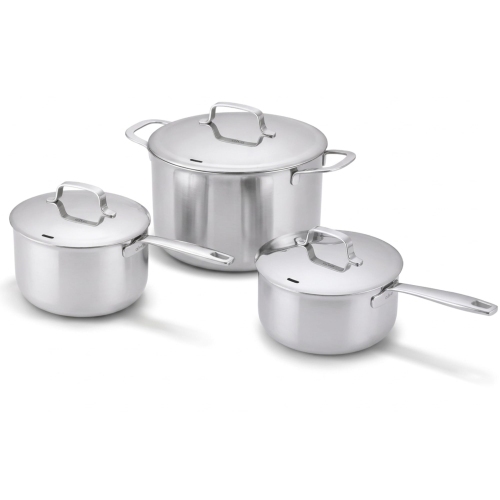
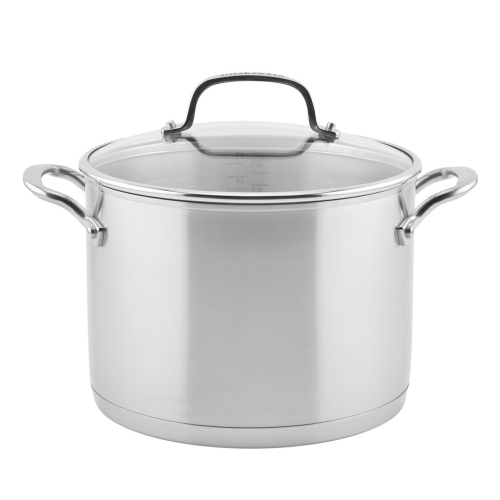
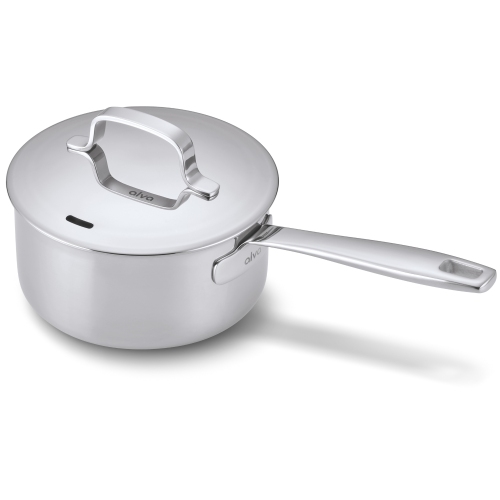
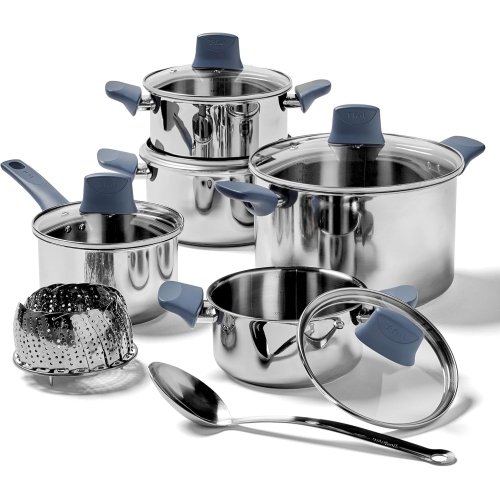
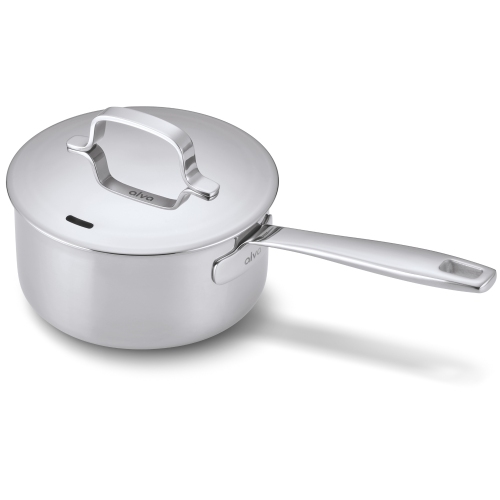
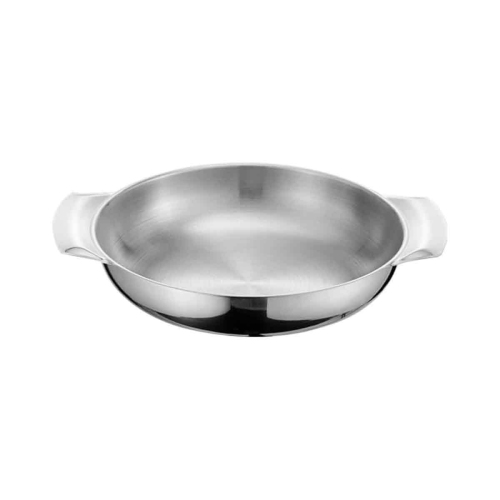
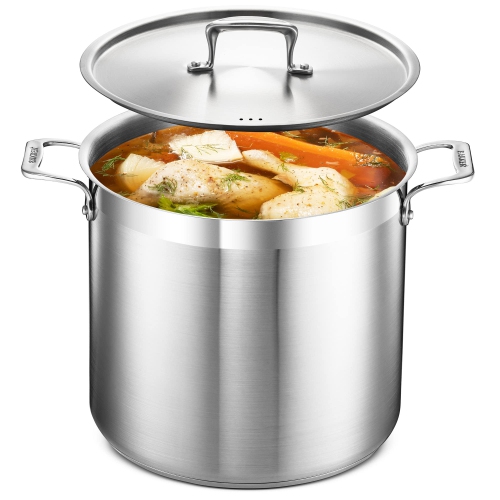
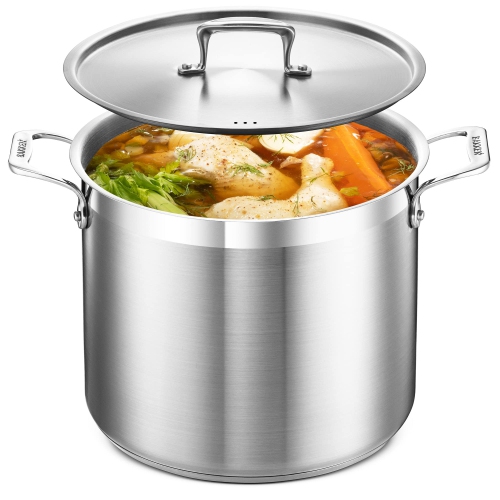
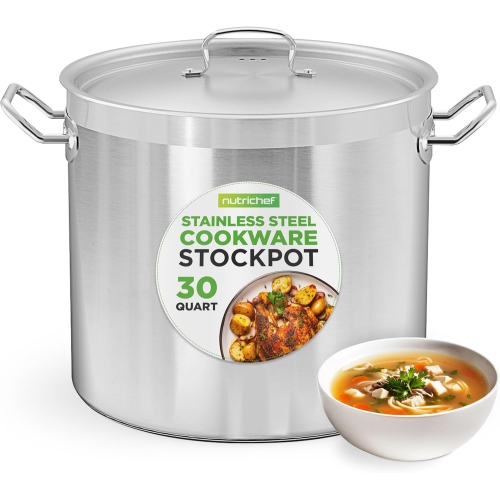
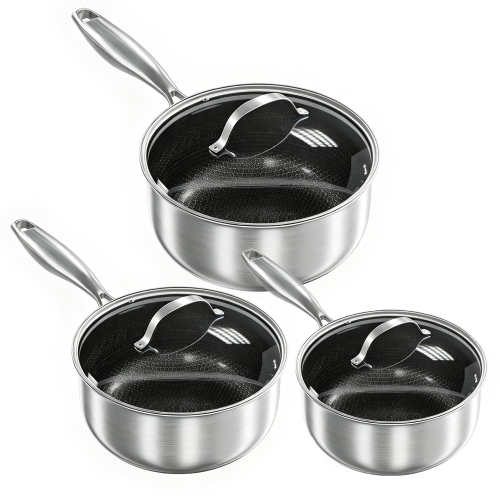
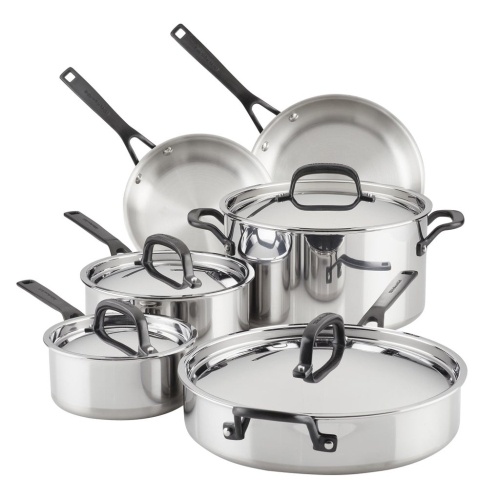
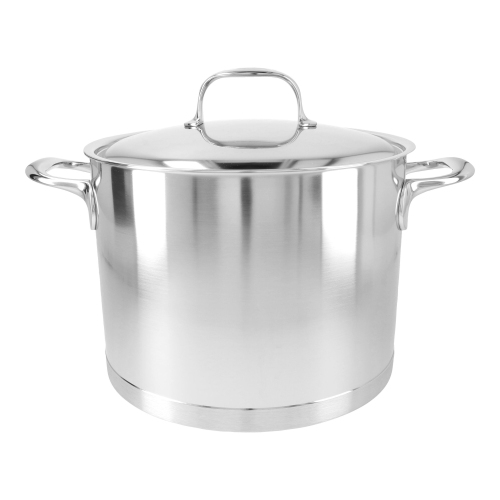
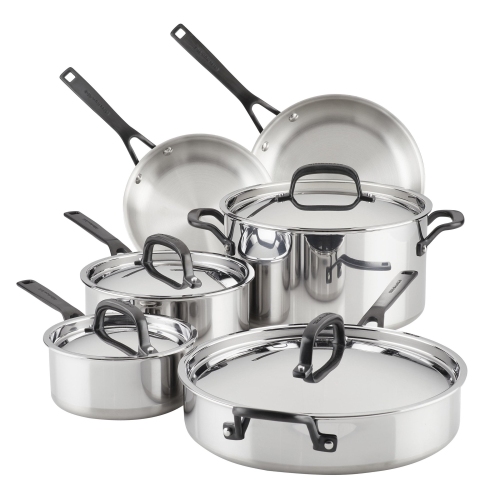


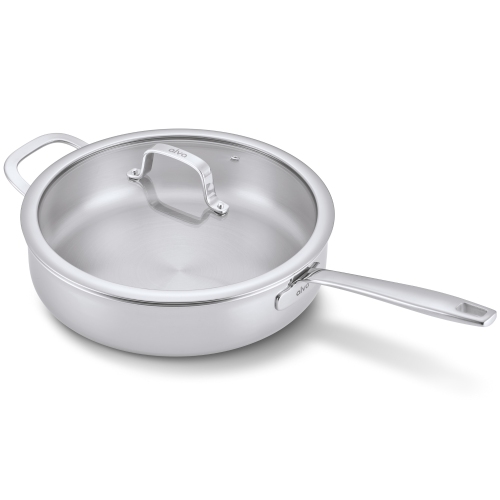
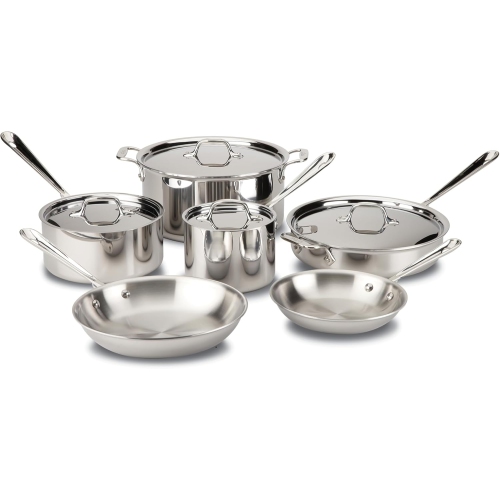
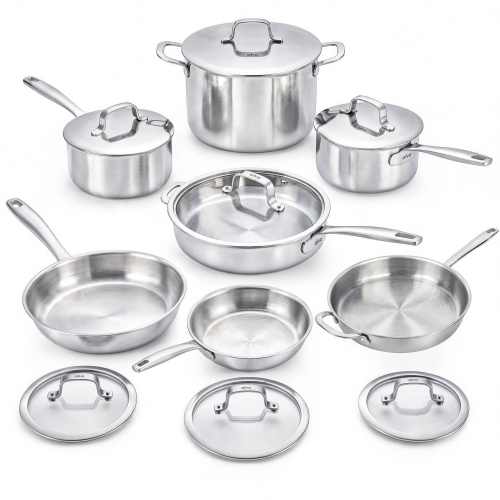
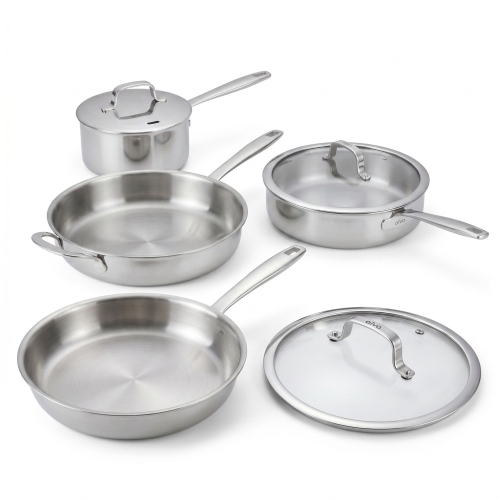
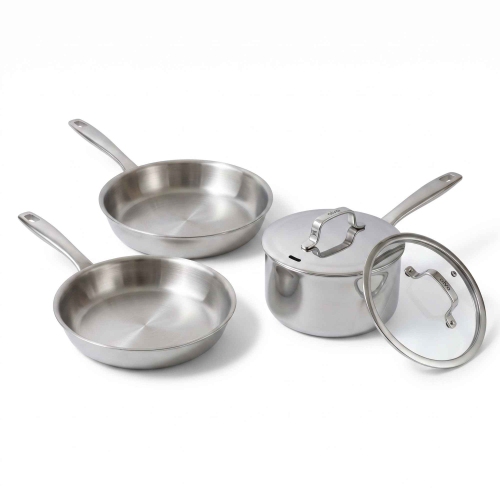
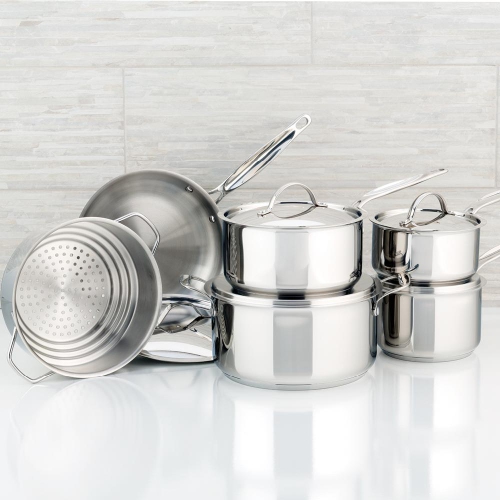
One pot for stovetop browning and oven braising
Oven-safe stainless steel pots bring stovetop cooking and oven finishing into the same piece of cookware, making them useful for everything from a small batch of tomato sauce to a slowly braised meal. Their oven suitability depends on the complete construction, not simply the stainless steel body: handles, knobs, lids, coatings, and other attached components must all be rated for the intended cooking temperature. Many designs have oven limits around 260°C (500°F), while some are rated as high as 315°C (600°F), but these are not universal limits. The manufacturer’s stated rating for each component is what matters, and the lowest-rated component determines the limit when the pieces are used together. Oven-safe cookware is also not automatically suitable for use under a broiler, where direct, intense heat creates different demands. Within those limits, stainless steel offers a versatile cooking surface for browning vegetables, building flavour with a splash of stock, and transferring a covered pot to the oven for gentle cooking. Its relatively non-reactive surface suits everyday ingredients such as tomatoes and wine without requiring a seasoned finish. Construction makes a noticeable difference to how a pot handles heat. Stainless steel is durable, but it does not conduct heat as readily as aluminum or copper, so many pots incorporate one of these metals beneath the cooking surface. Fully clad construction extends the layered structure through the base and sides, while an encapsulated base concentrates the conductive material underneath the pot. Both approaches can support everyday cooking, although heat distribution, weight, and responsiveness vary with the design. A heavier base can help moderate heat when simmering a thick sauce, while responsive construction makes it easier to adjust a gentle simmer. Stainless steel is not inherently non-stick, so a little cooking fat, appropriate preheating, and allowing browned food to release naturally can make everyday stovetop cooking more manageable.
The most practical shape and capacity depend on the meals being prepared and the space around the cooker. A deeper pot provides room for stock, pasta water, and larger batches of soup, while a wider, shallower shape gives ingredients more contact with the base for browning before an oven finish. For a braise, that wider shape can keep pieces arranged in a single layer rather than piled together; for a generous batch of broth, depth may be more useful. Capacity alone does not describe how a pot will fit inside an oven, so overall height with the lid attached and total width across the handles deserve attention. Enough clearance around the cookware makes placing and removing it less awkward, particularly when the pot is full. Two side handles can offer a balanced grip, while a long handle with a helper handle may suit smaller preparations, provided both fit comfortably within the oven. Bare metal handles often tolerate higher oven temperatures than fittings made with other materials, but their appearance is not proof of an oven rating. Plastic, wood, silicone, and other handle or knob materials require explicit approval for the intended oven use. All handles can become hot during oven cooking, including those described as stay-cool for stovetop use, so dry oven mitts are essential when moving the pot or lifting its lid. Lid construction matters just as much. Glass allows a view of the food without releasing steam, while a stainless steel lid removes the need to look through a window that may fog during cooking. Glass lids may have a lower temperature limit than the pot, and metal lids still need their own rating checked. A close-fitting lid helps retain moisture for covered cooking, whereas an uncovered finish encourages evaporation and browning. Cooktop compatibility is a separate consideration: oven suitability does not establish induction compatibility, which depends on a suitable magnetic base.
Durability is one of stainless steel’s everyday advantages, especially in a kitchen where cookware moves regularly between boiling, simmering, browning, and oven cooking. The surface does not need routine seasoning, and uncoated stainless steel avoids reliance on a non-stick layer, although any coated cooking surface will have its own care requirements. Ordinary use can leave water spots, rainbow-like heat tint, or browned residue; these marks do not necessarily mean the pot has stopped performing well. Gentle cleaning with warm water, dish soap, and a non-abrasive sponge handles much routine care, while a cleaner approved for stainless steel can help with more persistent marks. Letting the pot cool before washing reduces the risk of warping from a sudden temperature change, and a hot glass lid also needs protection from cold water or cold, wet surfaces. Soaking cooled cookware can loosen stuck-on food without aggressive scraping. Although some stainless steel pots are dishwasher-safe, that suitability should be confirmed for the complete piece, particularly when it includes exposed layered edges or different handle materials. Thorough drying helps limit water spotting, and a soft separator between nested pots can reduce scuffing in a crowded cupboard. For daily cooking, a manageable weight and comfortable grip may matter more than choosing the largest possible capacity, especially when a full pot must be lifted from an oven rack. These practical details make oven-safe stainless steel pots useful for new households, experienced home cooks, and people who enjoy preparing meals with leftovers for another day. They can also make thoughtful housewarming or wedding gifts when the recipient’s cooktop, storage space, and usual meal sizes are known. Comparing stainless steel with other Oven Safe Pots can help narrow preferences around weight, cooking surface, and upkeep. The strongest fit is cookware that accommodates familiar recipes, feels secure to handle, and has clearly stated limits for every part used in the oven.
Top selling and popular products
-
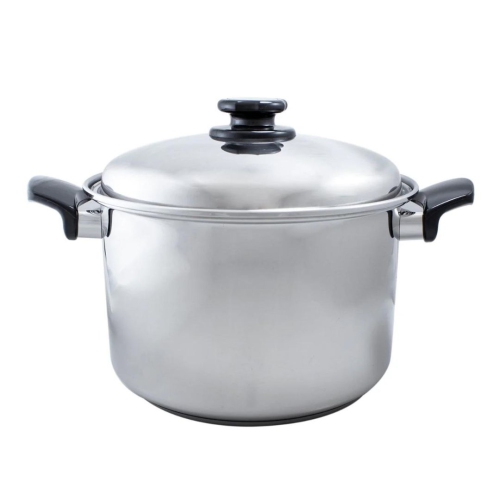 Your price for this item is $321.99
-
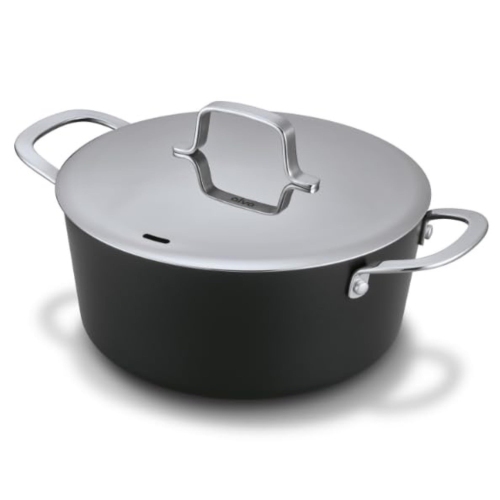 Your price for this item is $229
-
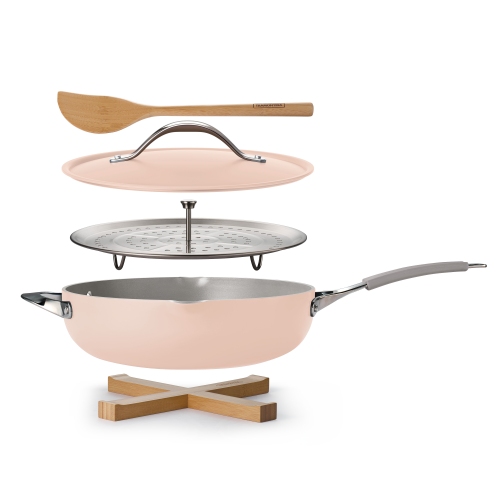 Your price for this item is $144.57
-
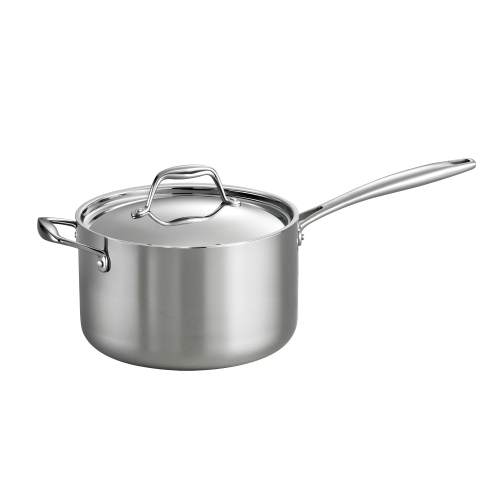 Your price for this item is $113.63
-
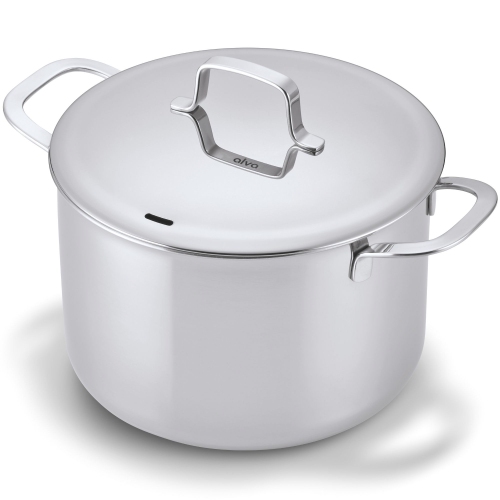 Your price for this item is $289
-
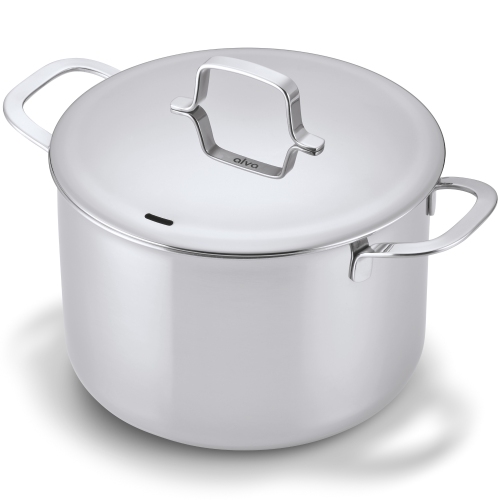 Your price for this item is $329
-
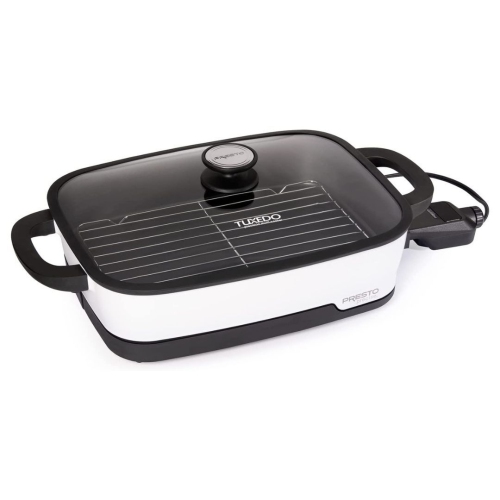 Your price for this item is $382.99
-
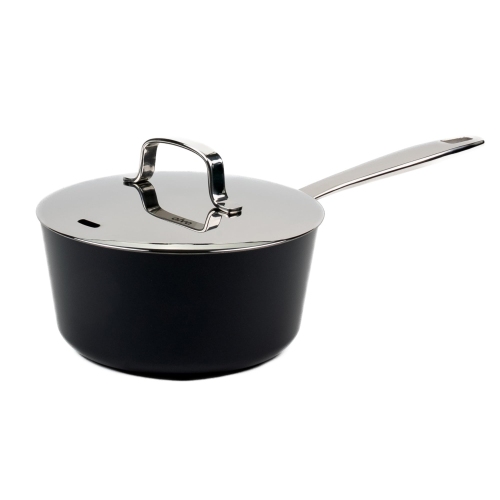 Your price for this item is $189
Discover more categories related to Oven Safe Stainless Steel Pots
Top Collections:
Best Black Friday Deals This Year, Best Black Friday Deals On Electronics, Kindle Devices, Dyson Airwrap, Best Cameras for Sports Photography, Best Black Friday Deals On Apple Products, PS5 Pro Consoles, Portable Snow Blowers, Canon G7X Cameras, Pokémon 30th Celebration Cards
Some products may be subject to Environmental Handling Fees
(EHF) depending on your province.
Learn more about EHFs.