Basic Lighting Fixtures
Illuminate your space with our wide selection of basic lighting fixtures. Whether you're looking to brighten up a room, add ambiance, or simply update your current fixtures, we have the perfect options for you. From sleek and modern designs to classic and timeless styles, our collection offers a variety of choices to suit any taste and budget. With our lighting options like Floor Lamps, you can effortlessly enhance the atmosphere of any space in your home or office. Explore our range today and discover the perfect lighting solution for your needs.
Sort
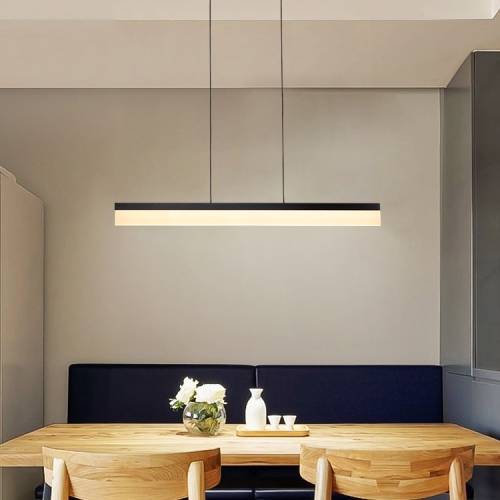
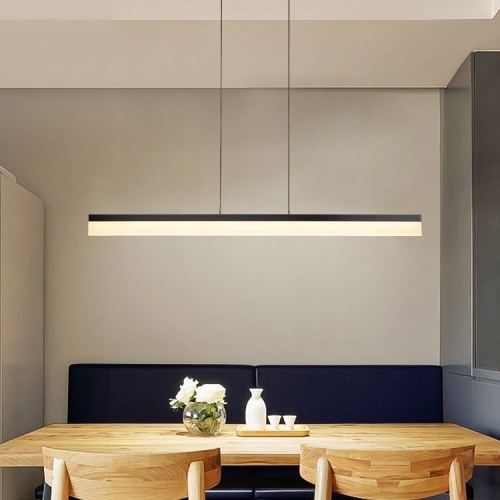
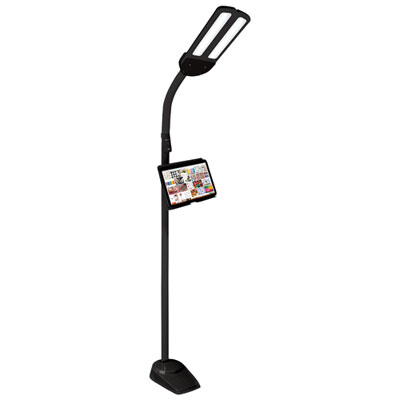

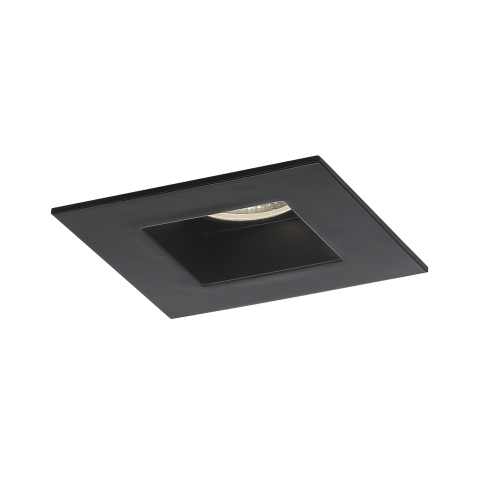
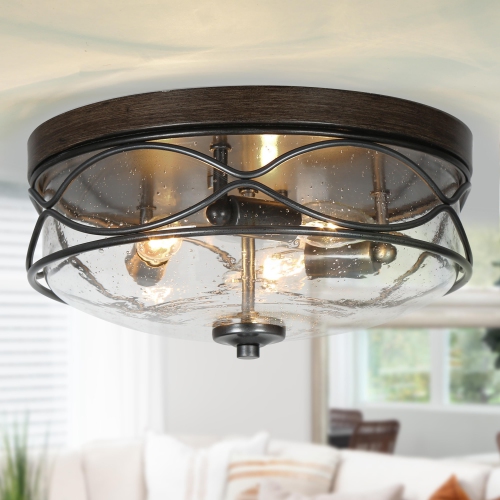
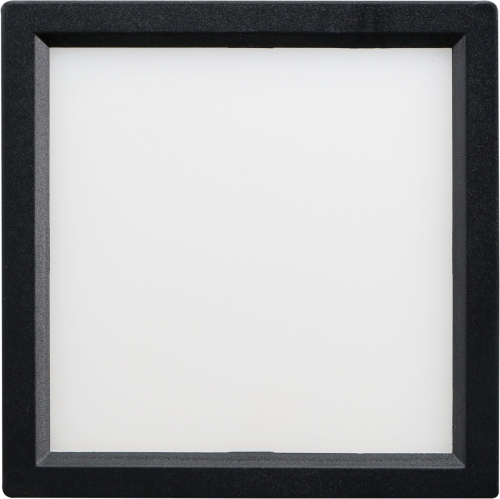
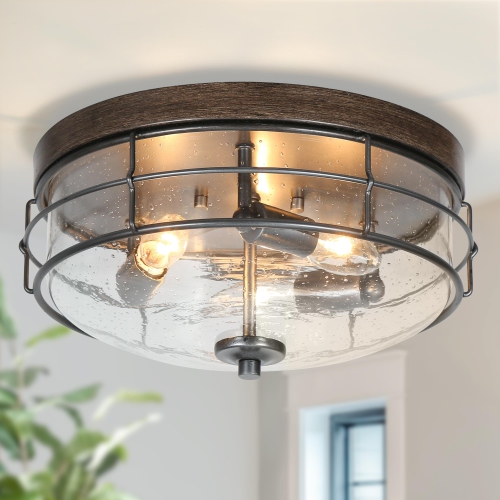

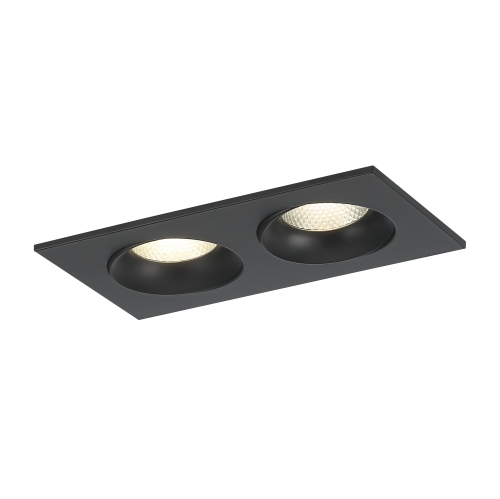
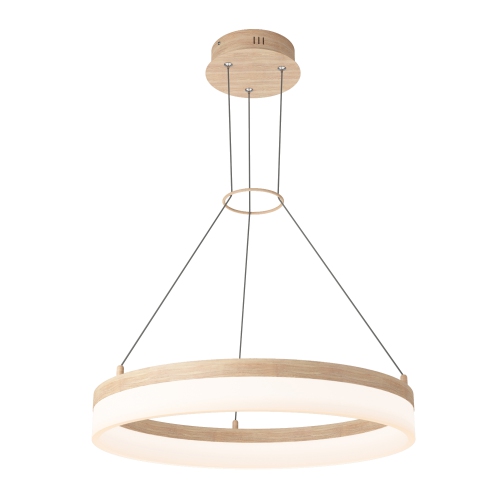
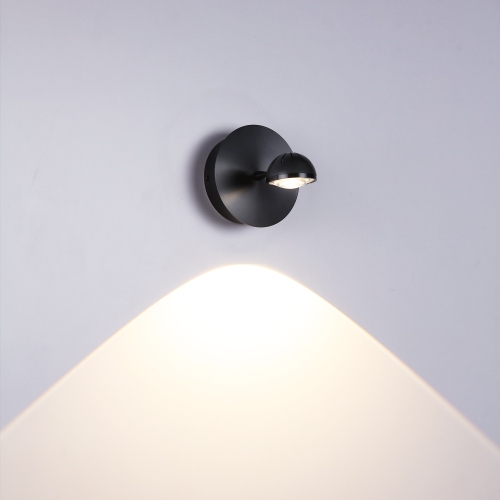
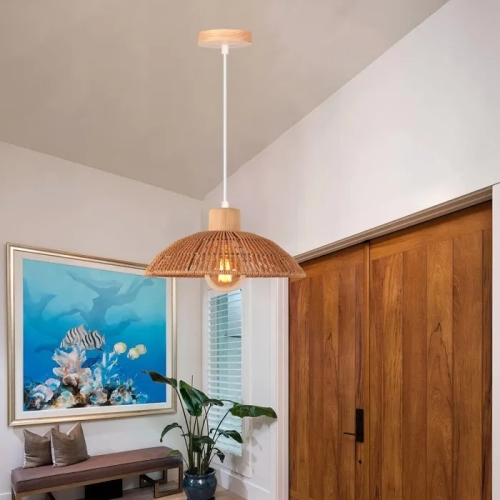
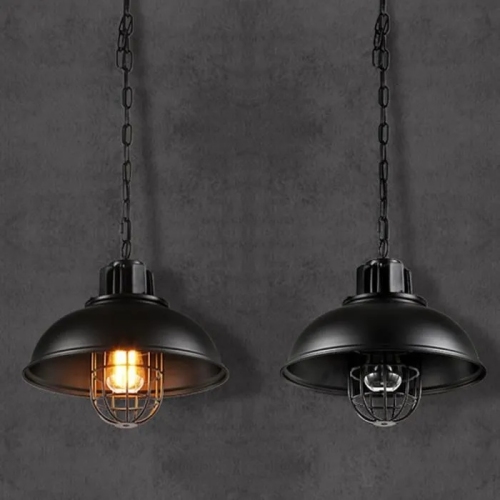
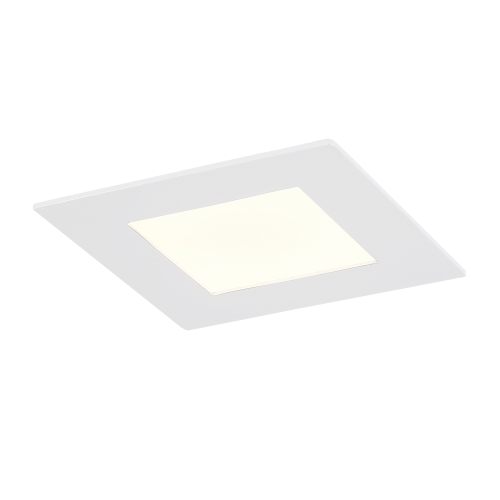
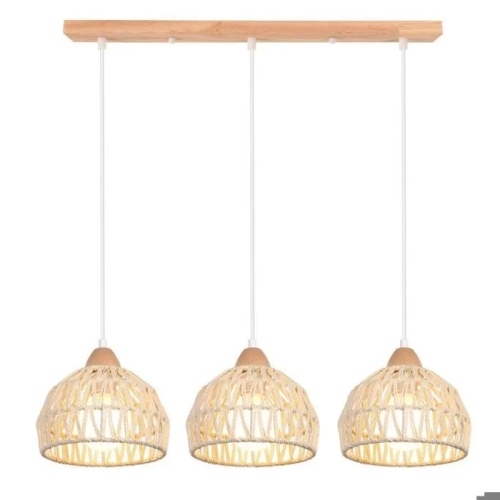

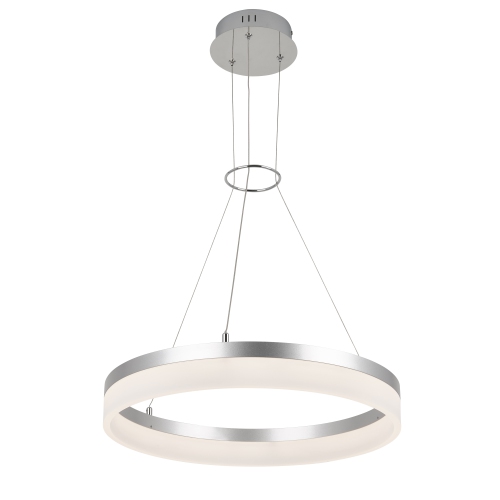
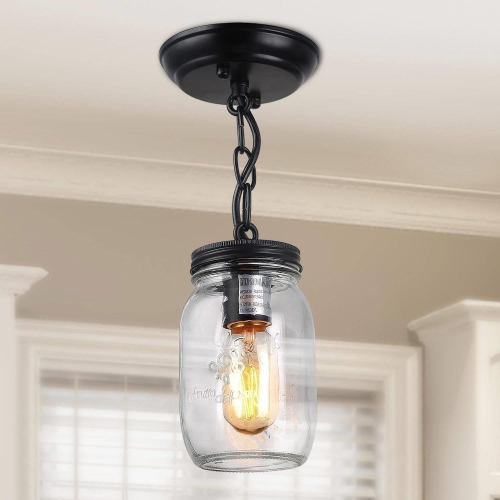
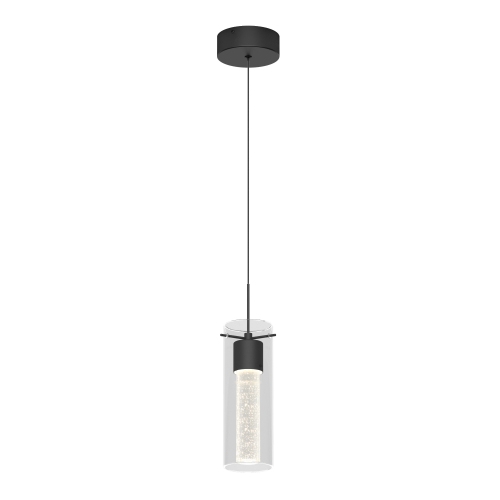
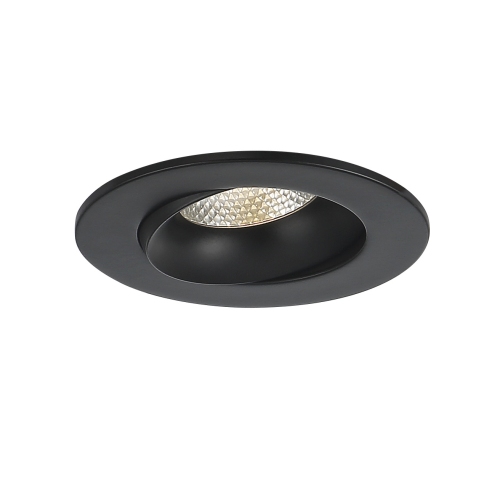
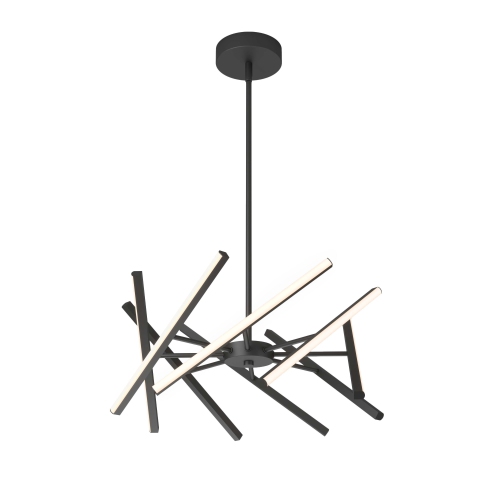
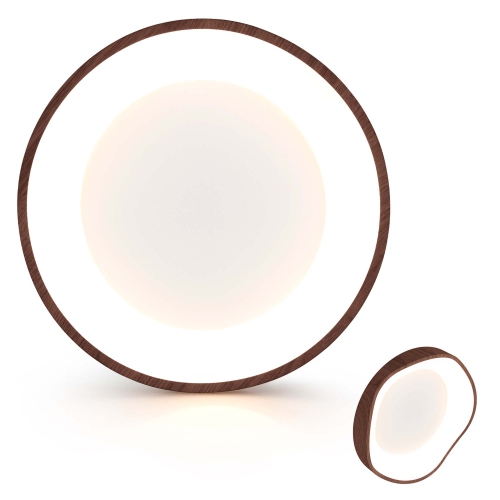
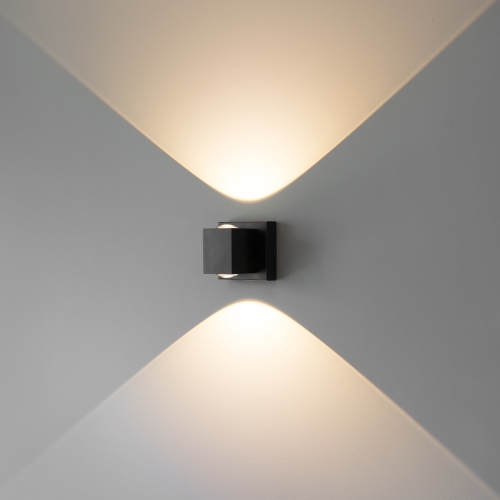
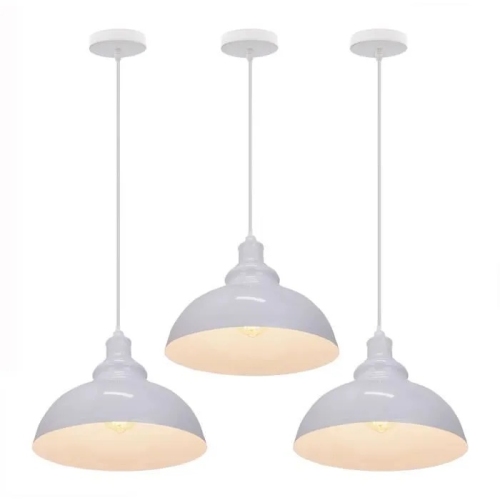
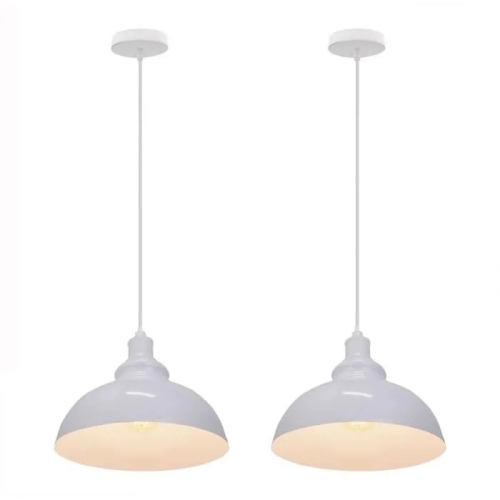
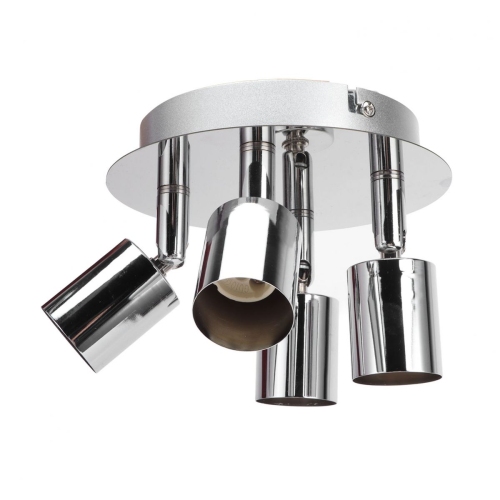
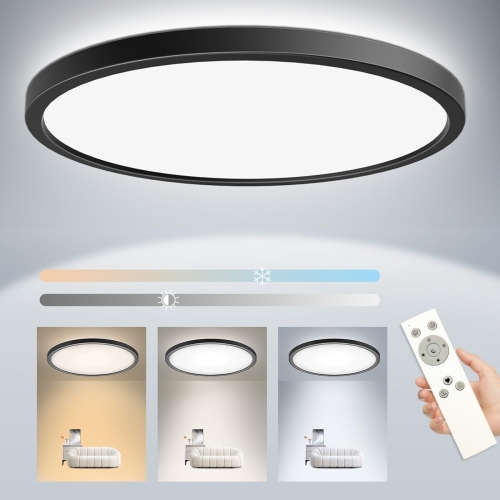

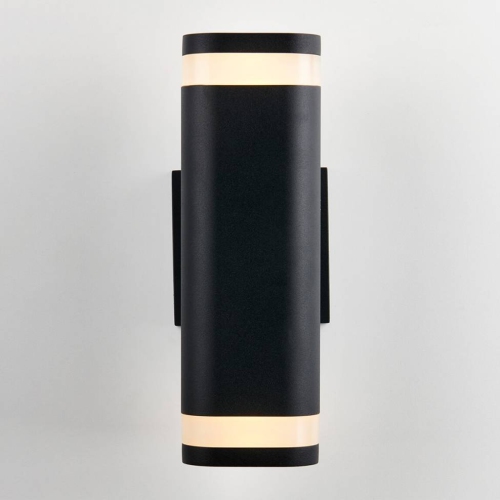
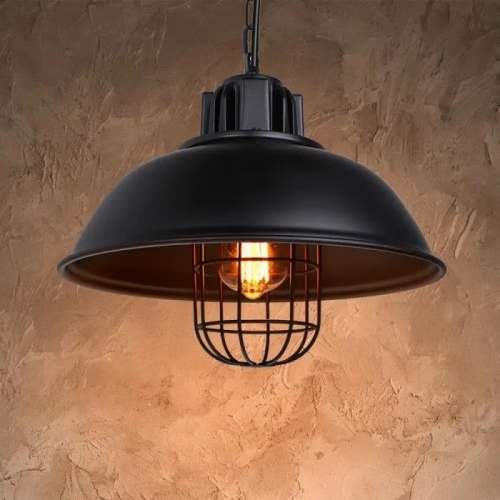
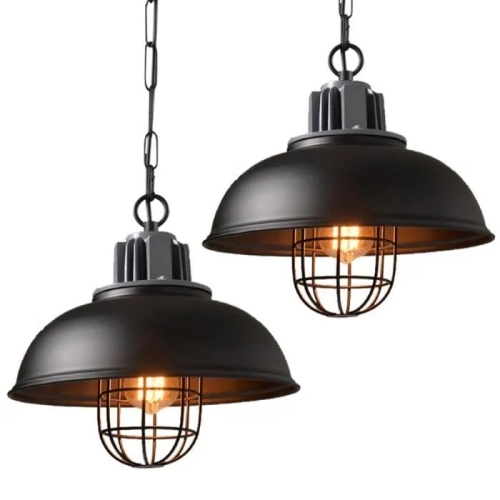
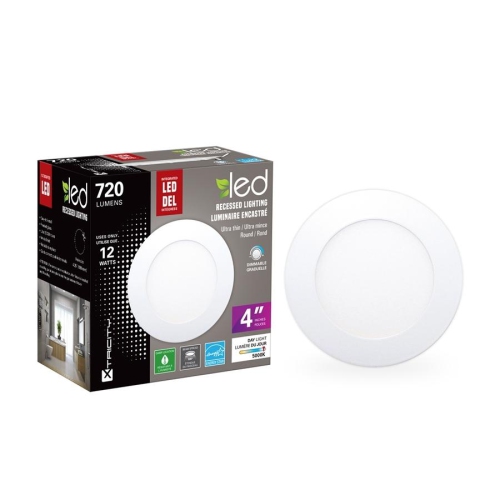
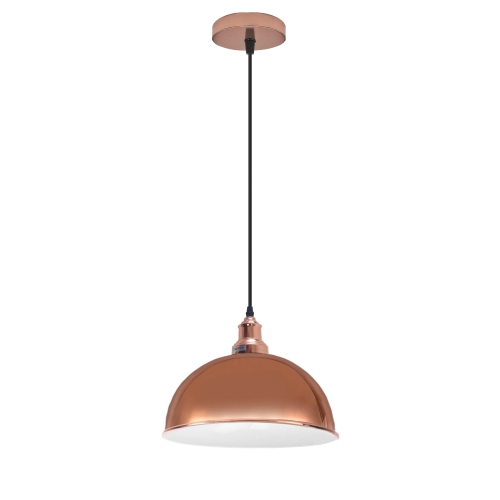
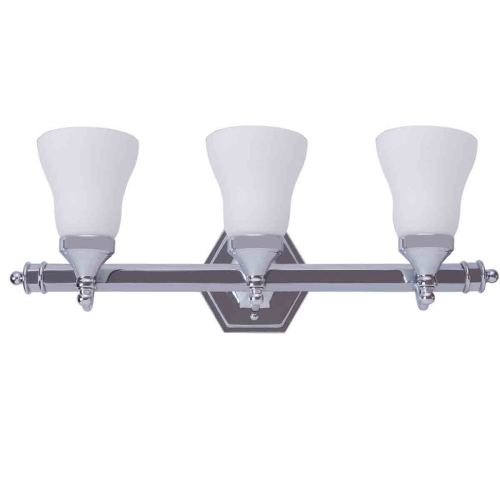

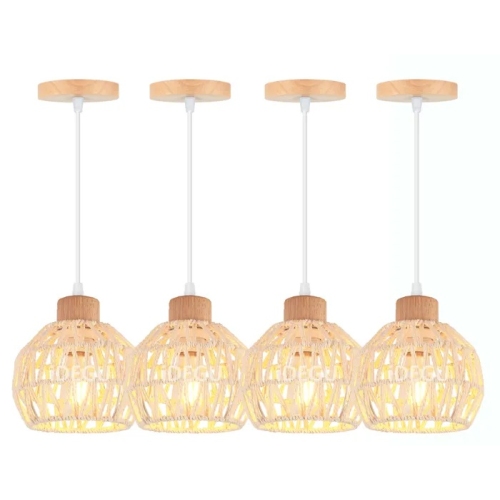
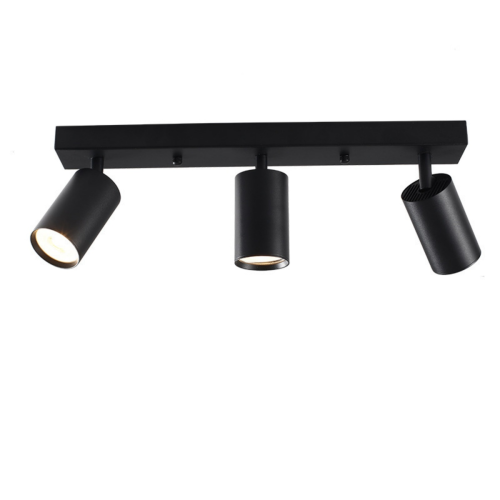
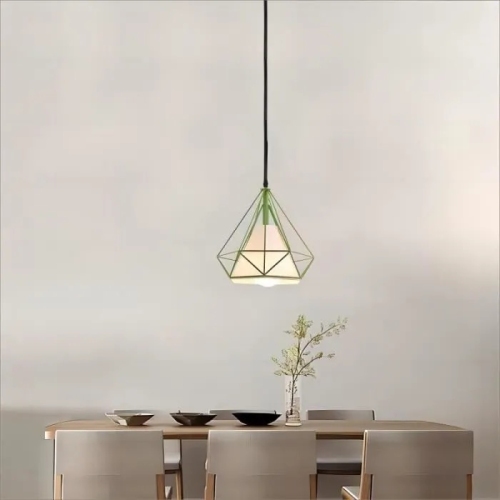
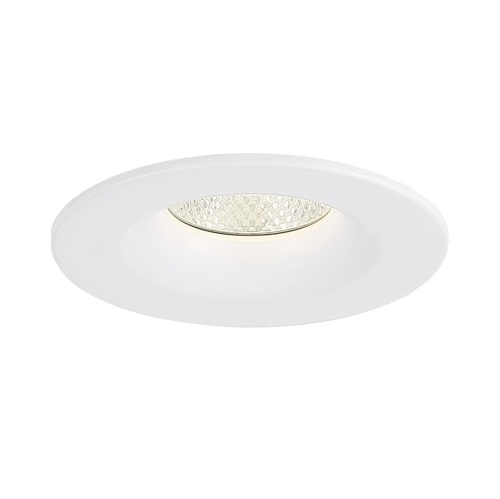
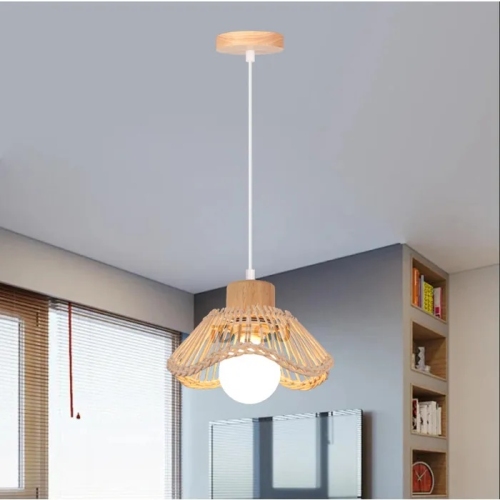
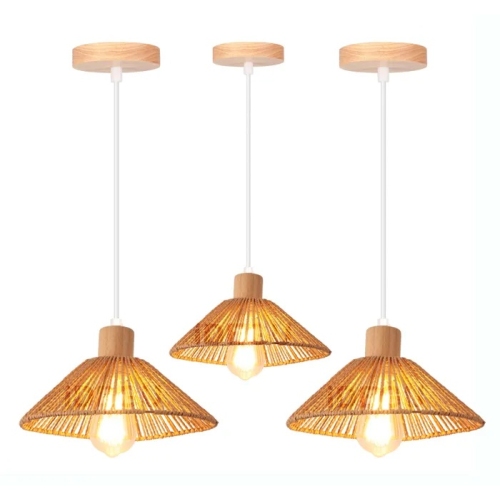
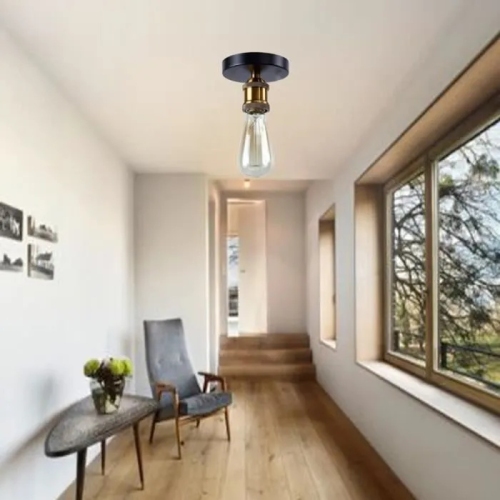
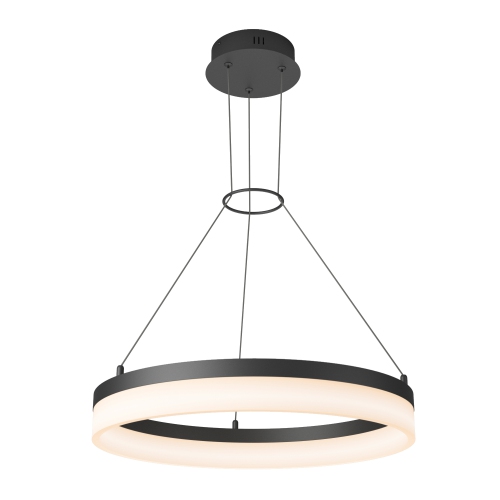
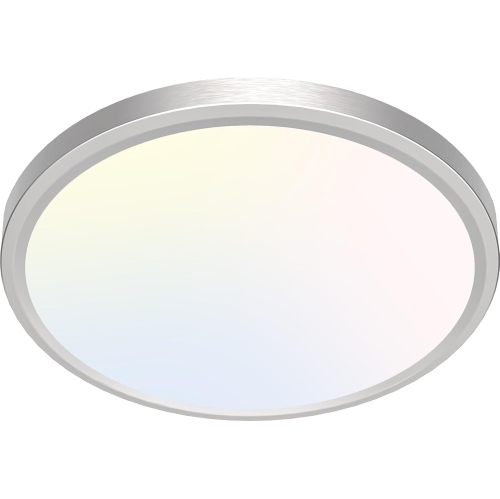
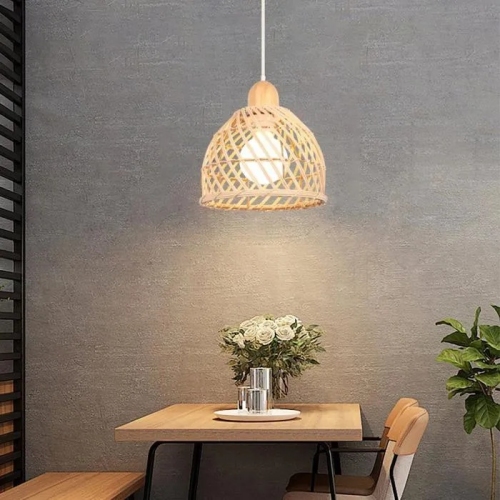
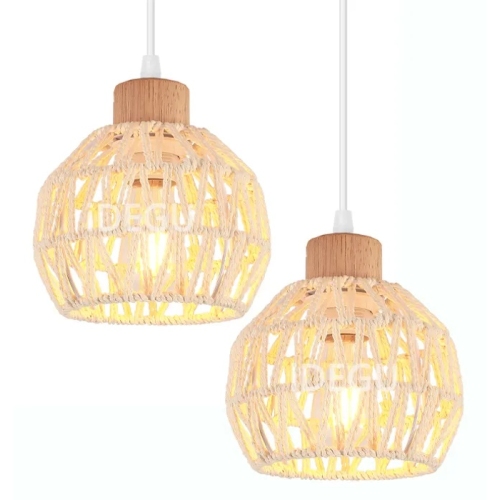

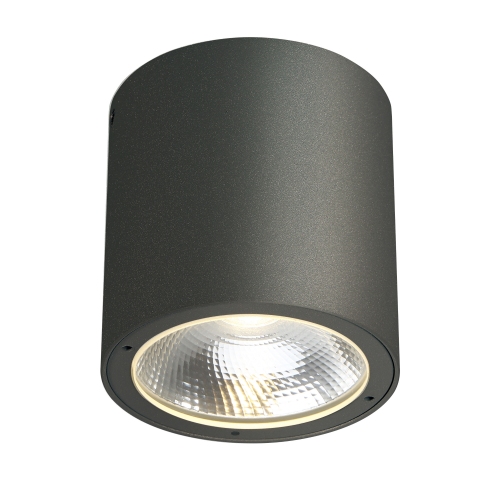
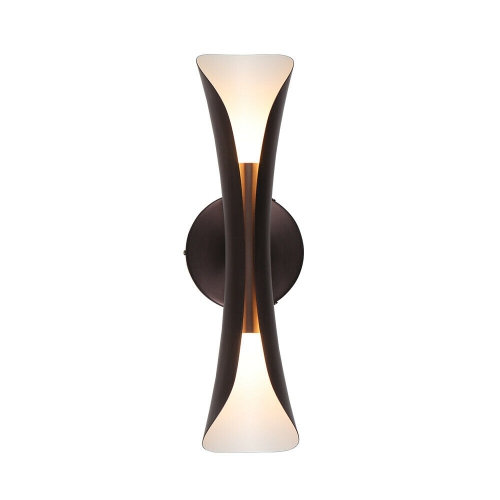
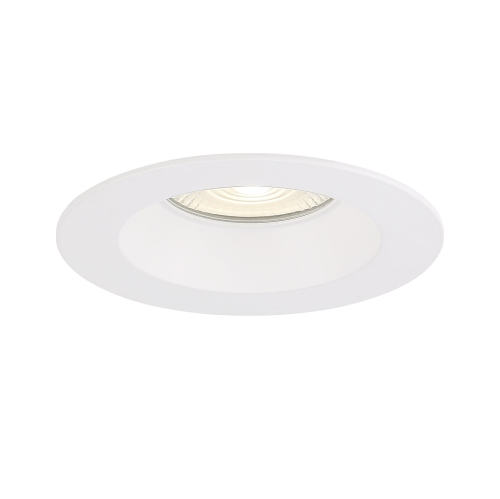
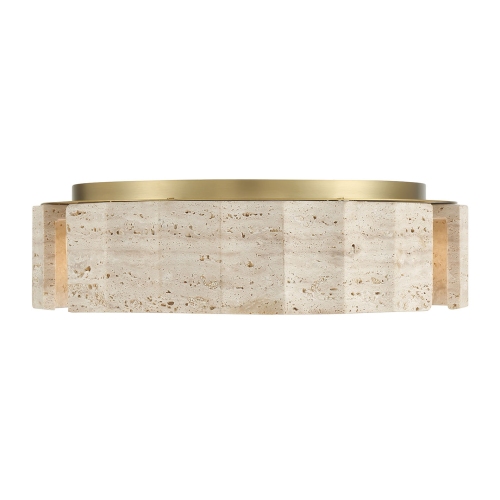
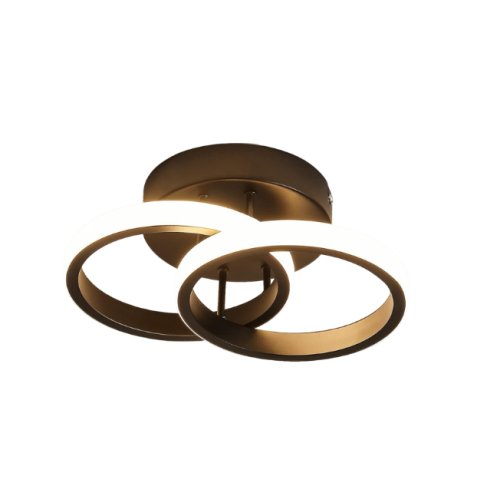
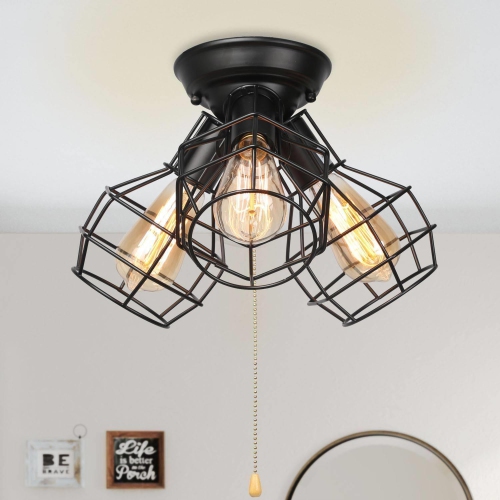
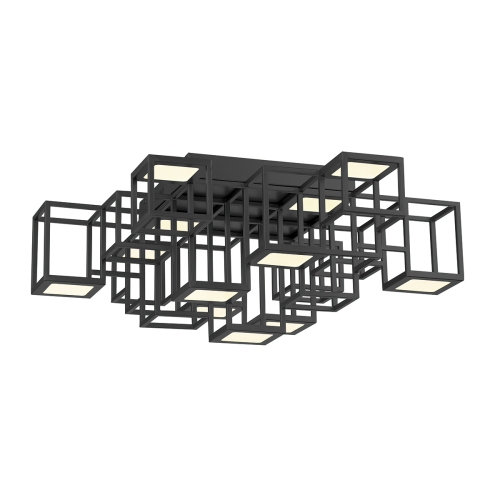
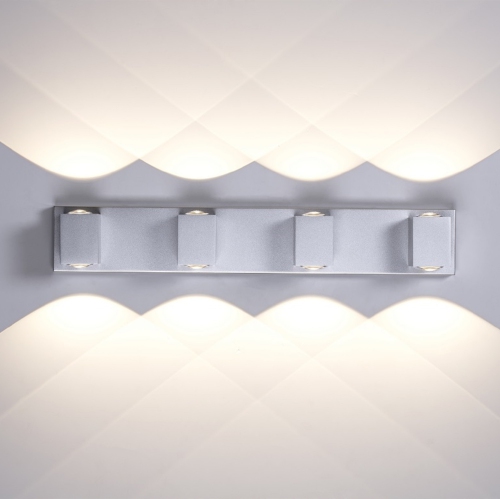
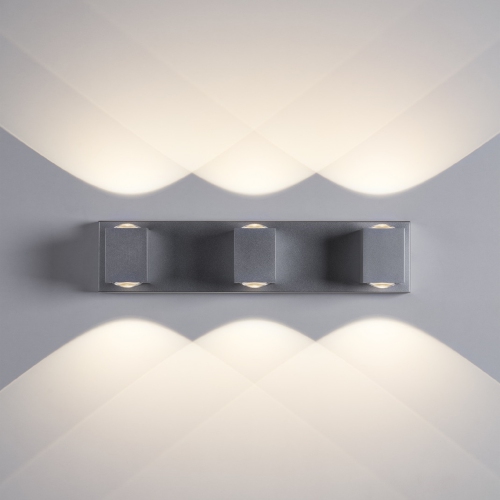
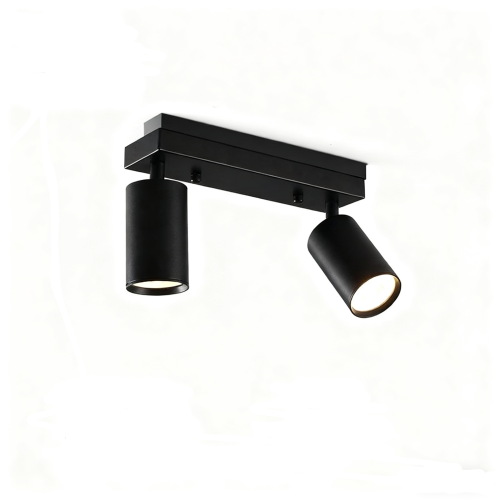
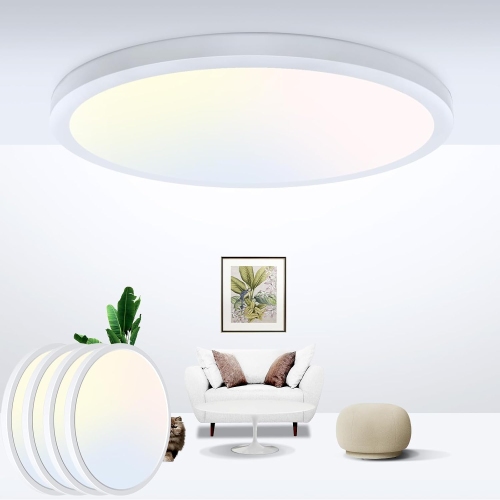
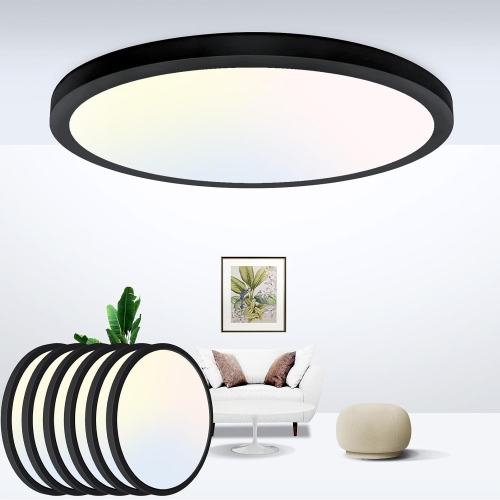
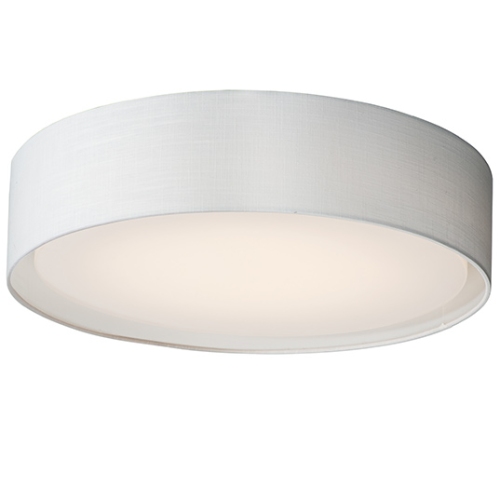
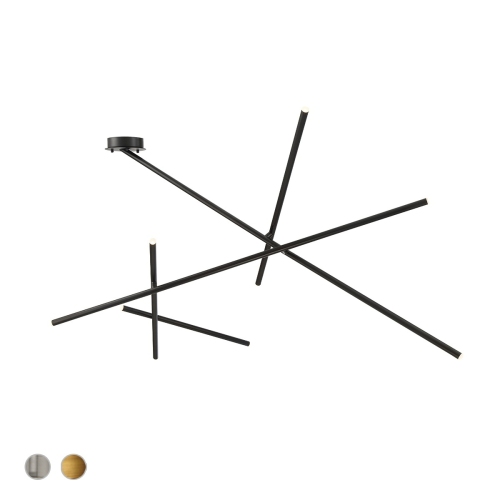
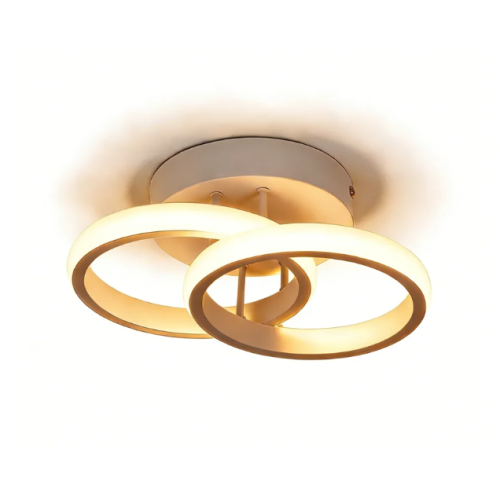
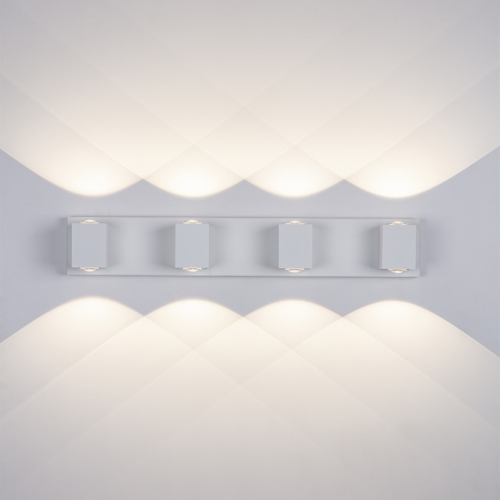


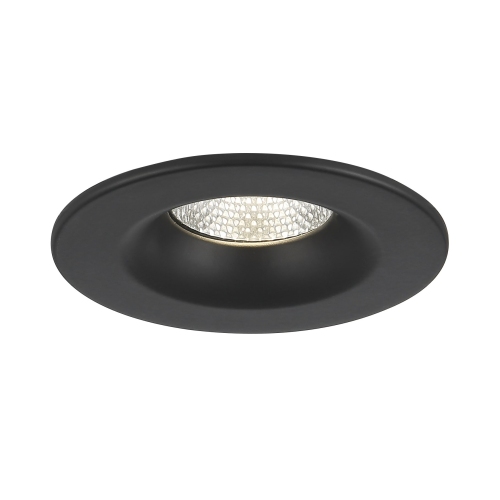
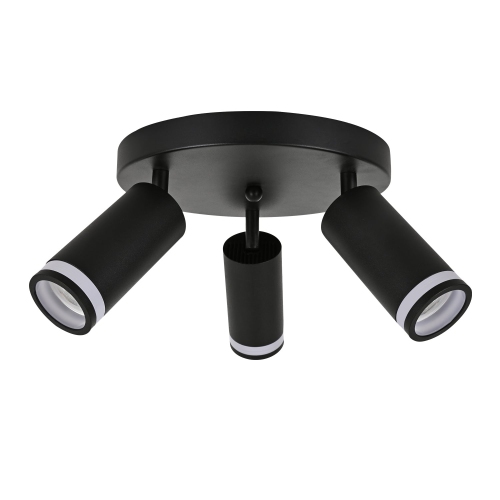
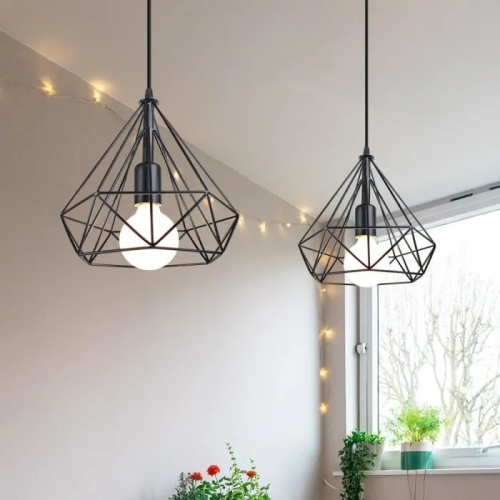
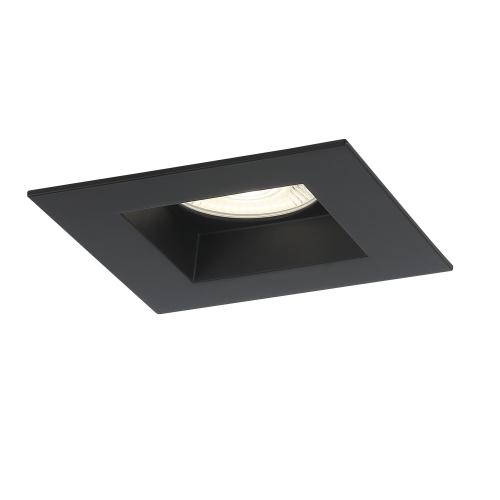
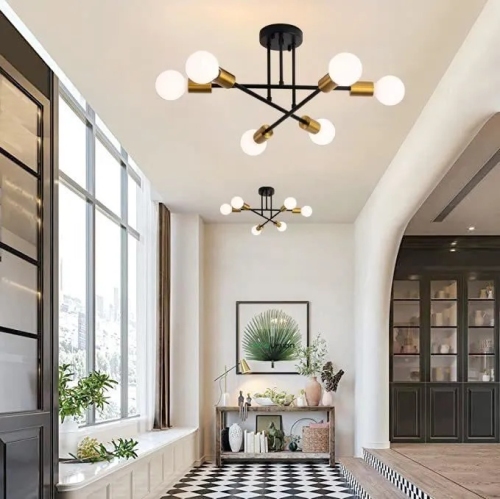
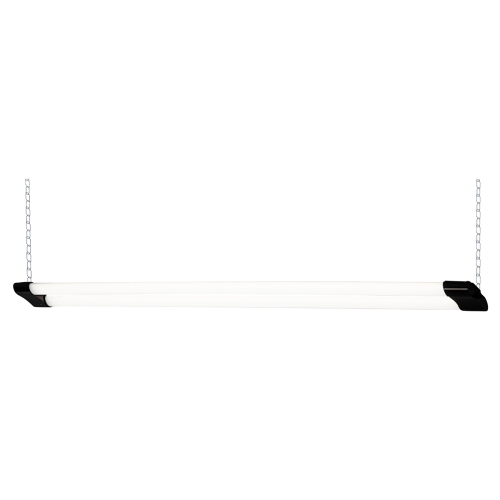
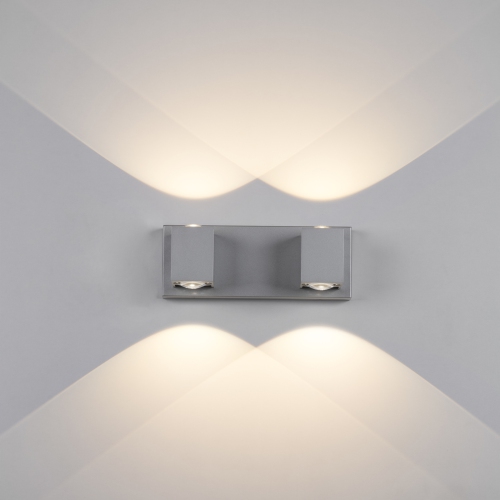
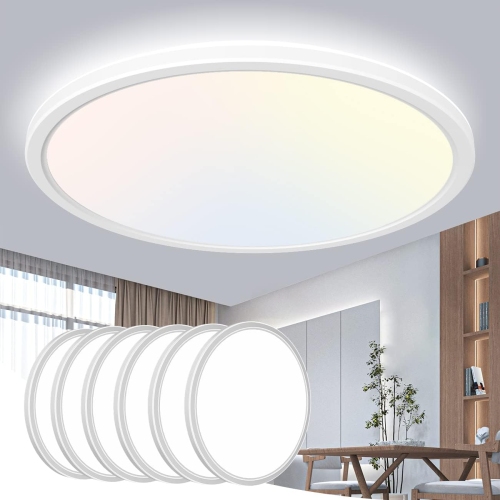
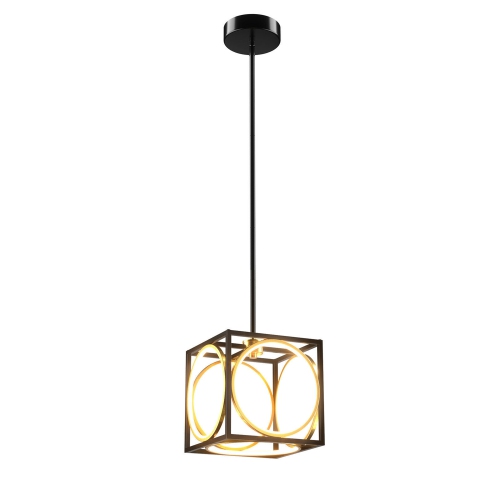
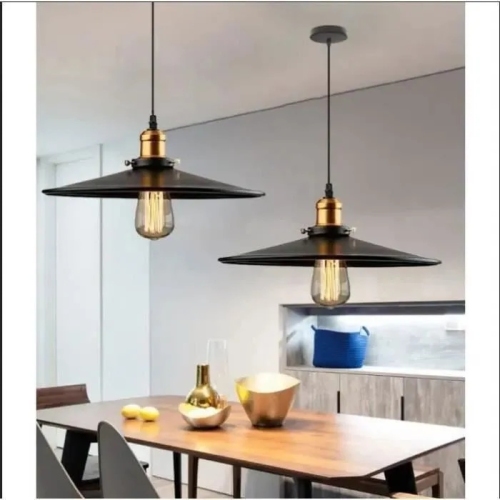
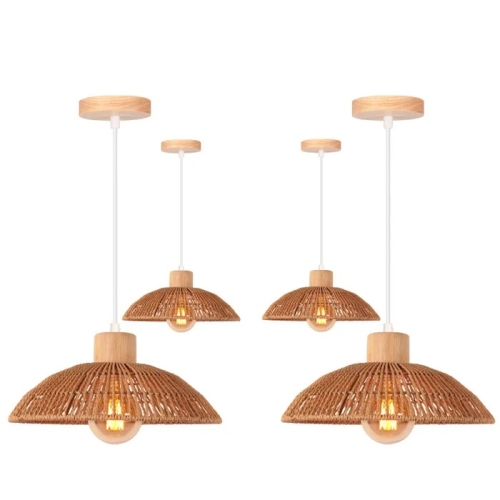
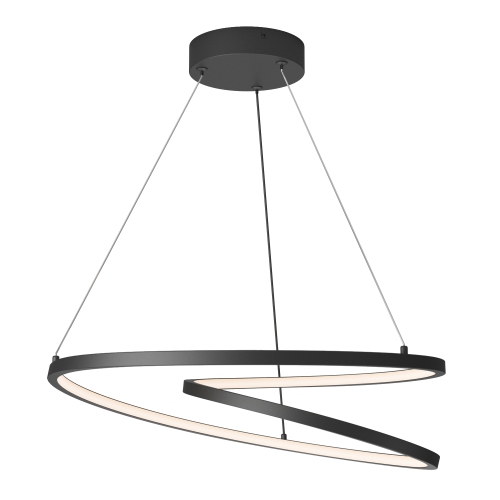
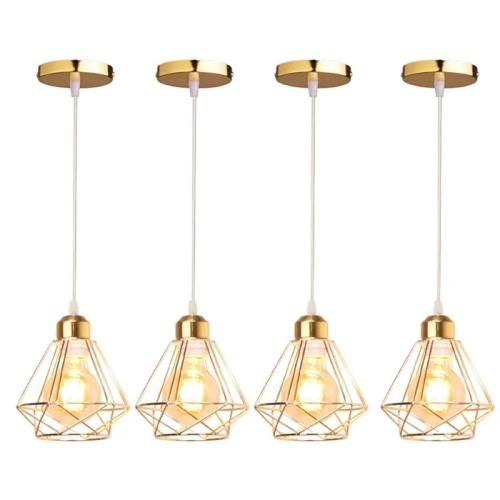
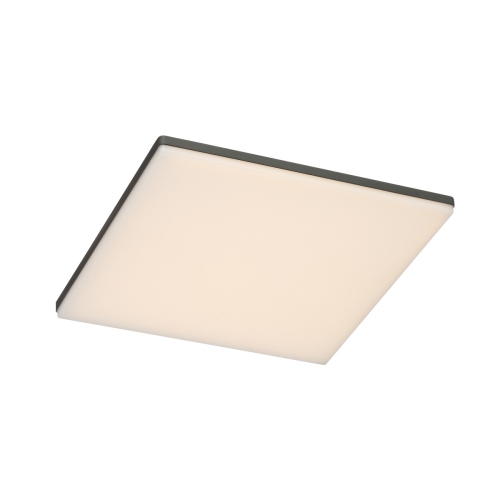

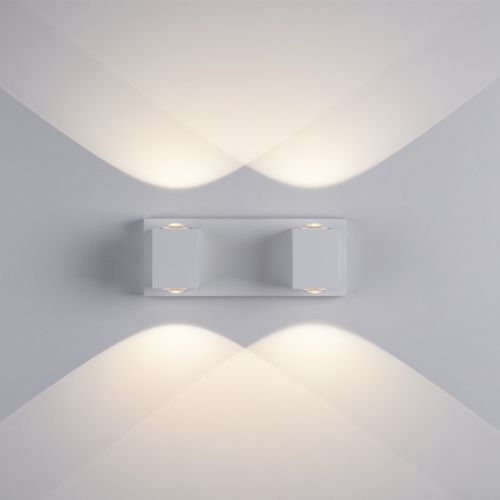
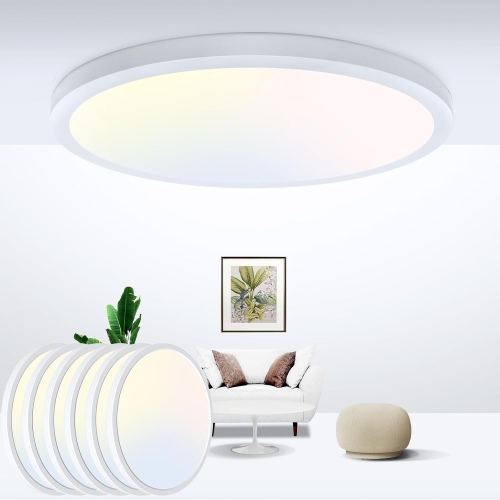
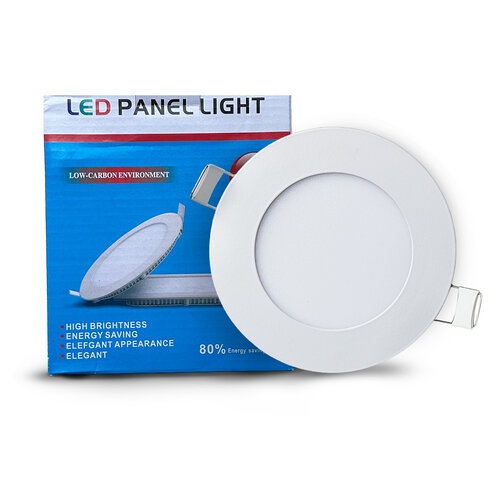
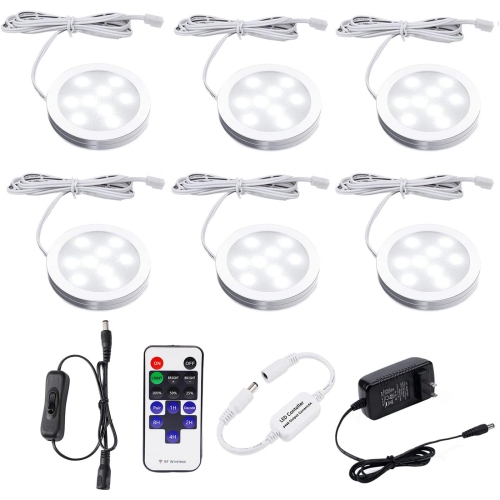
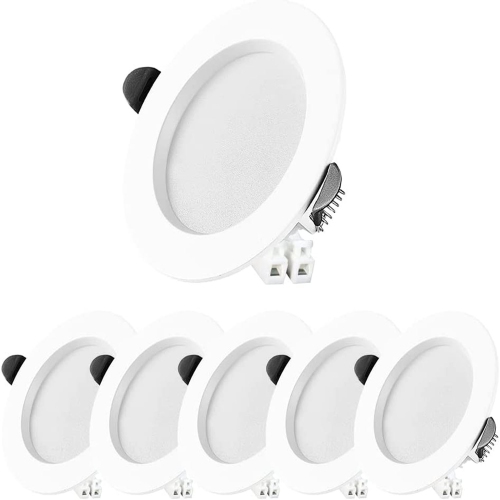
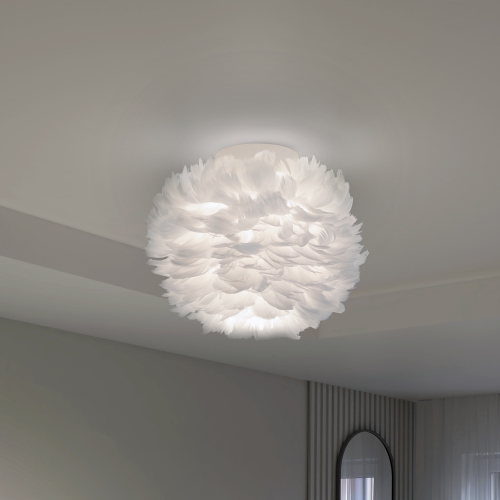
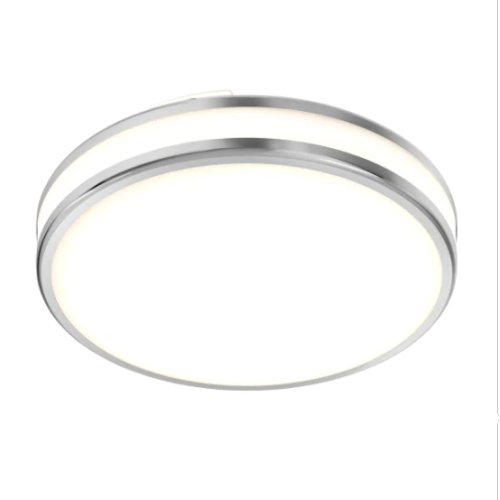
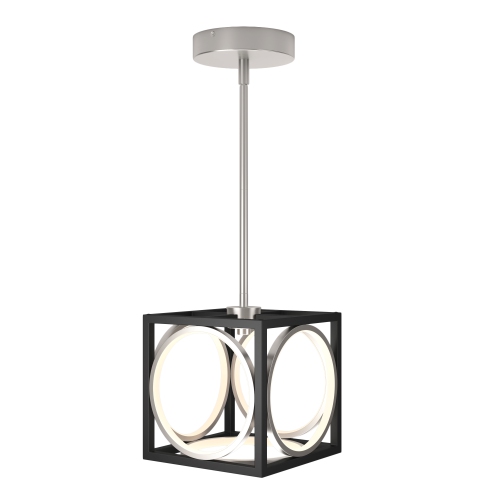
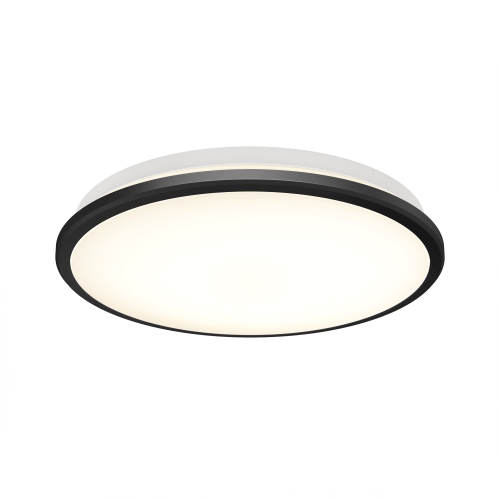
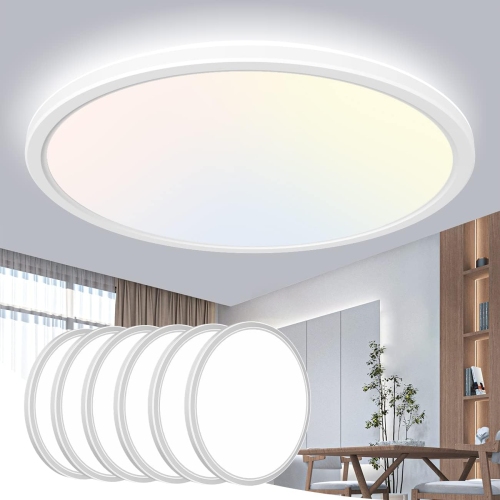
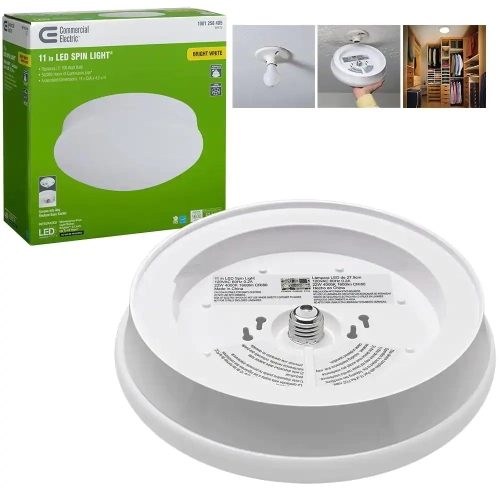
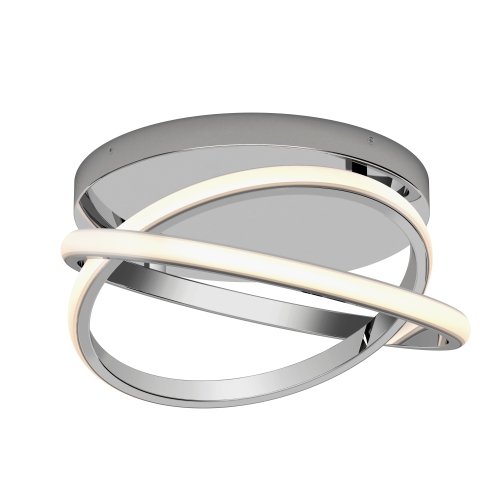
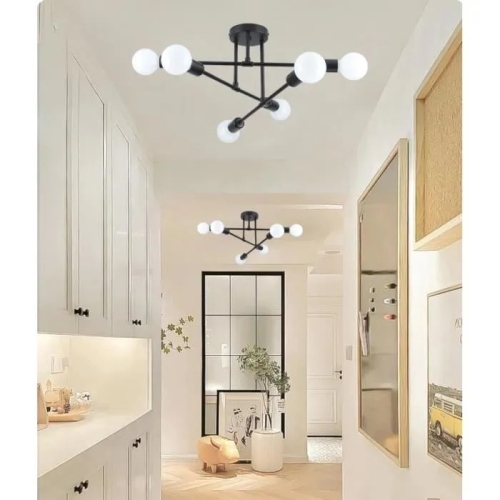
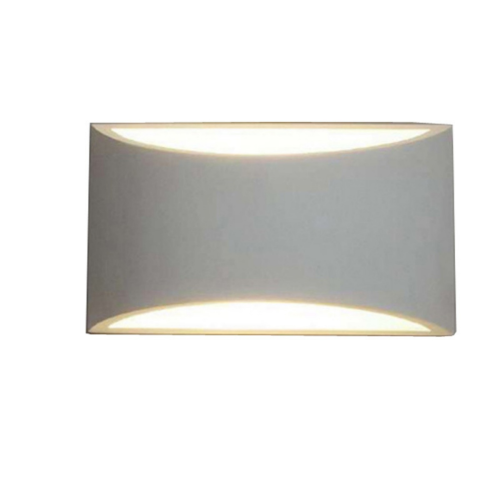
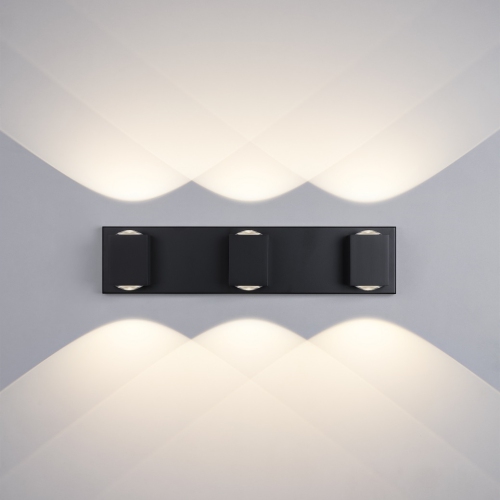
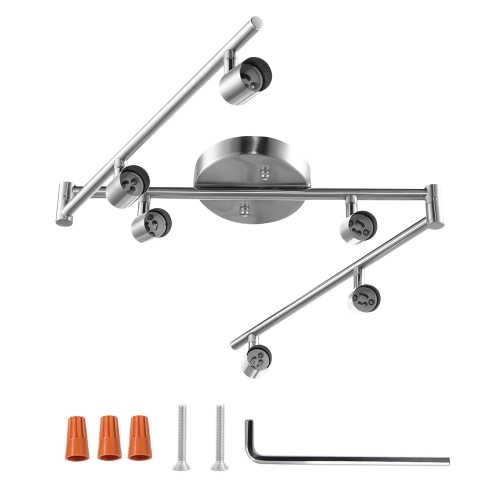
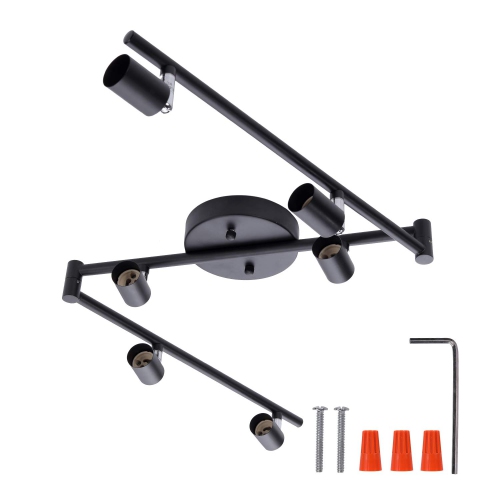
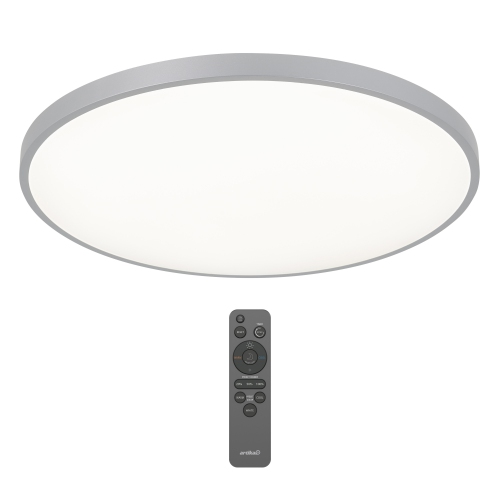
Essential guidance for practical lighting in every room
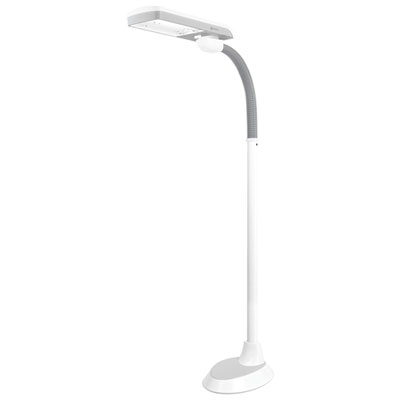
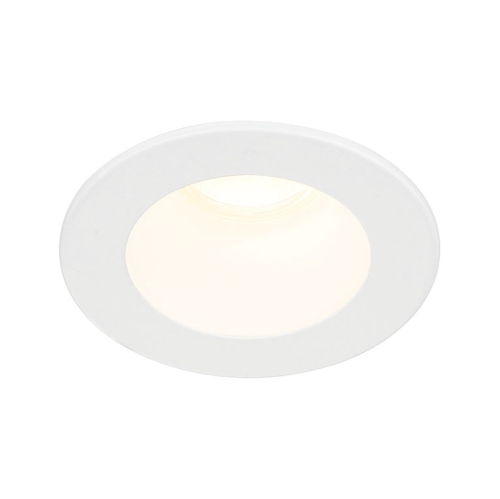
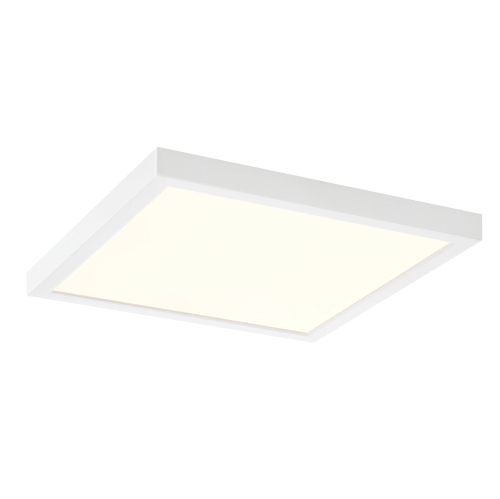
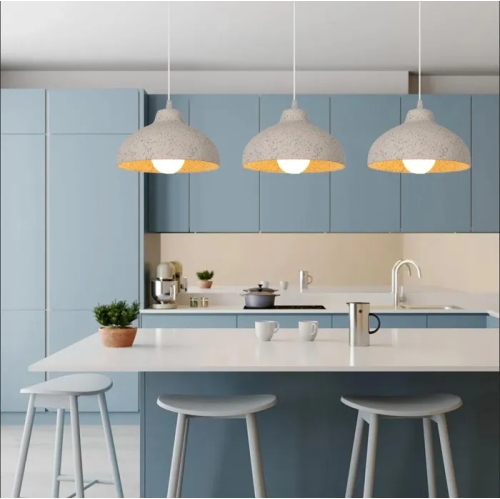
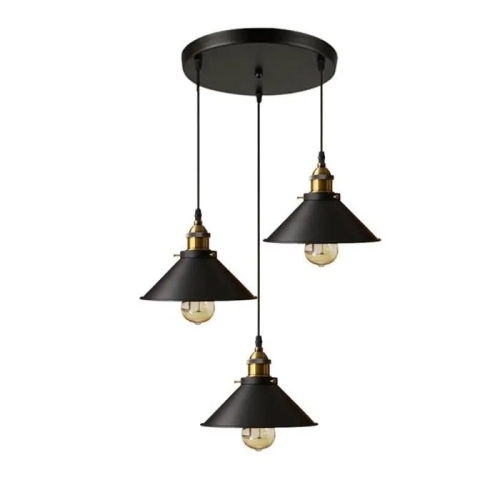
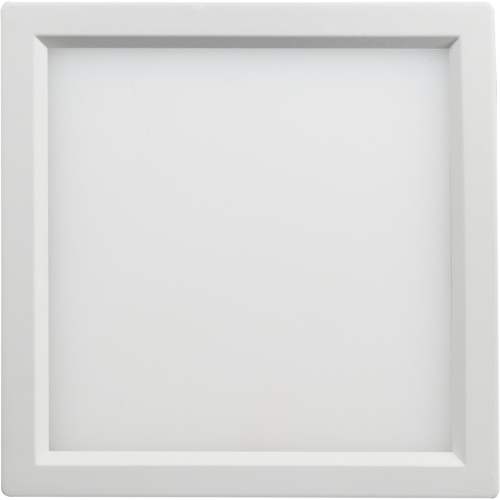
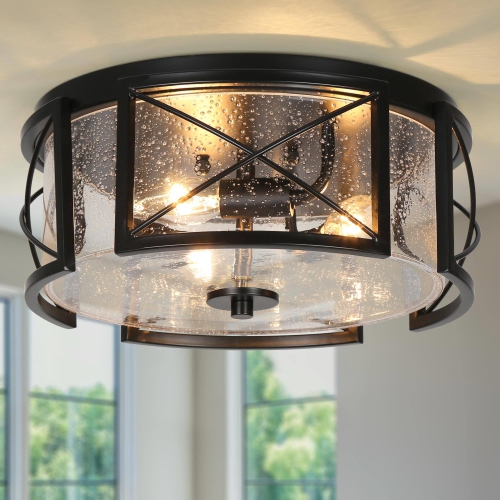
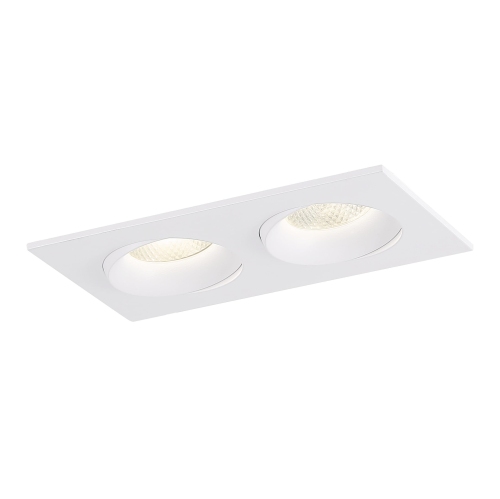
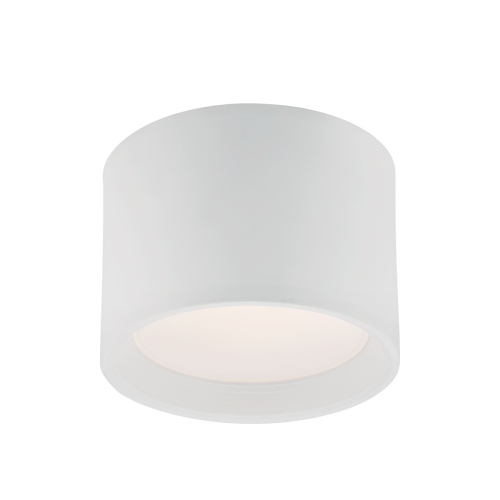
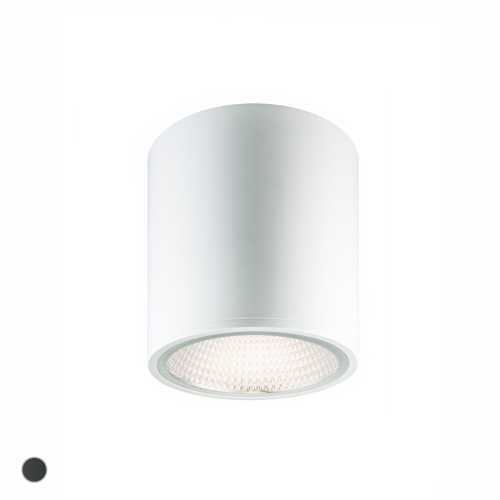
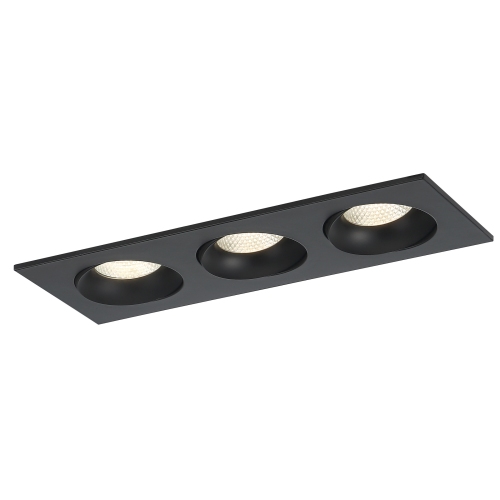
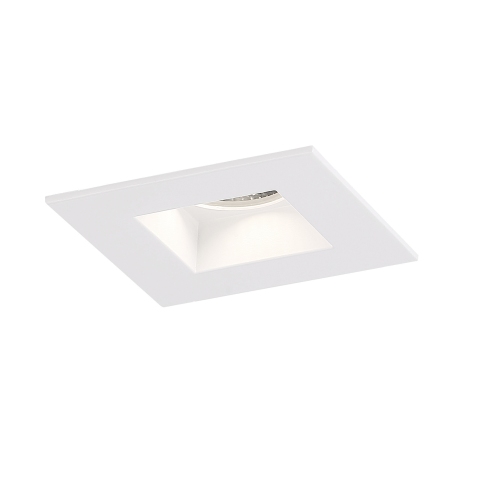
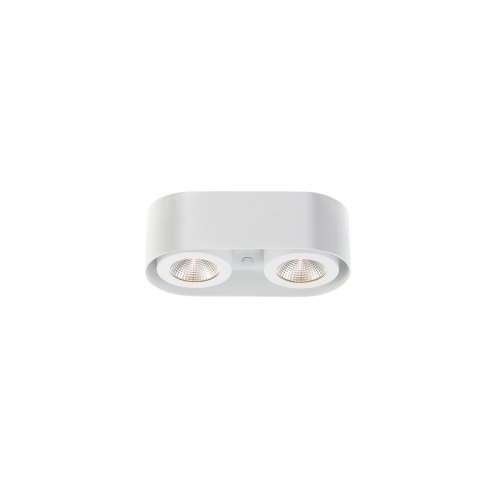
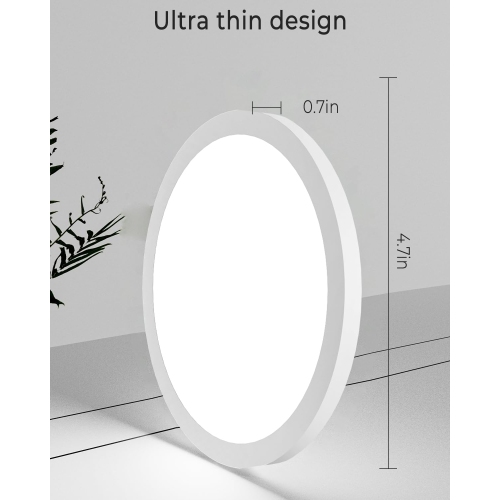
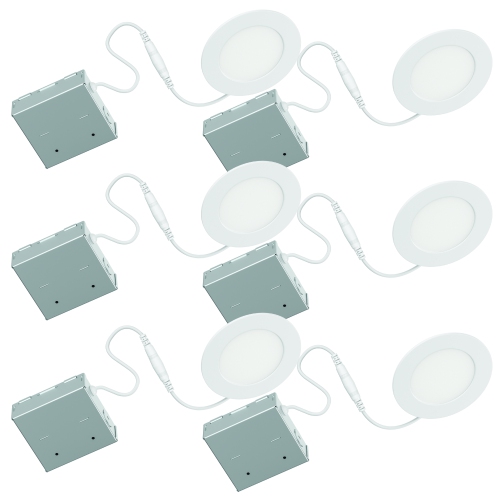
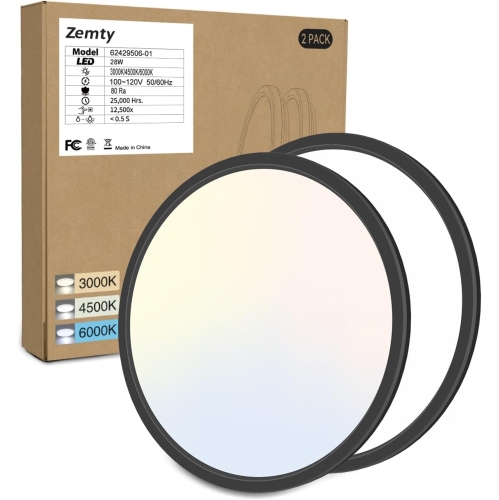
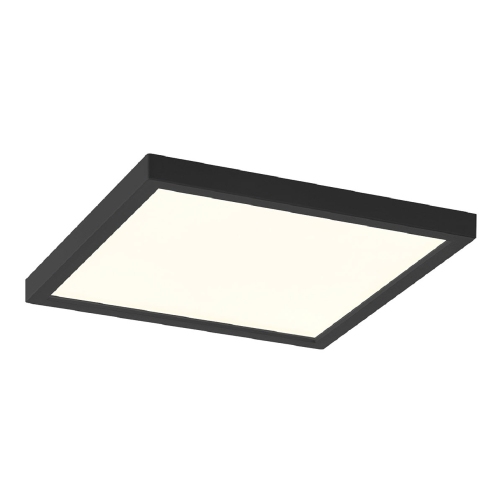
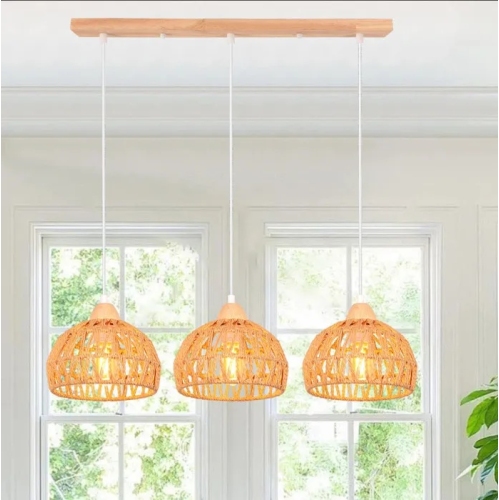
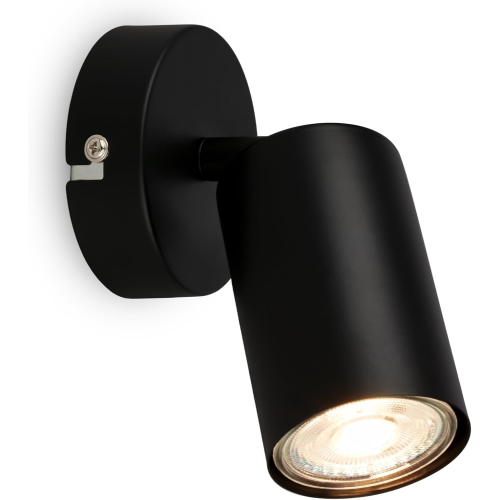
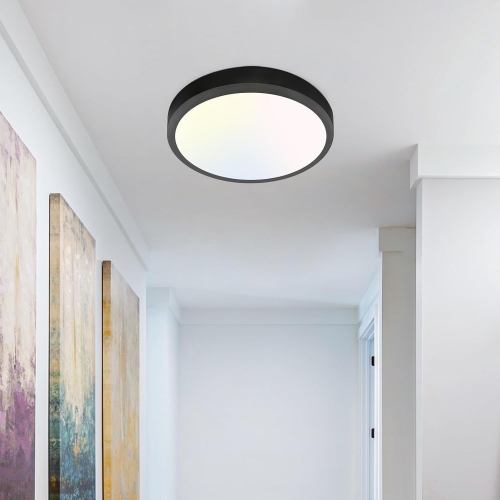
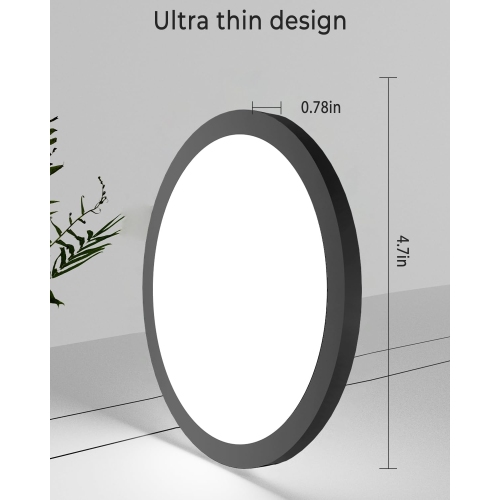
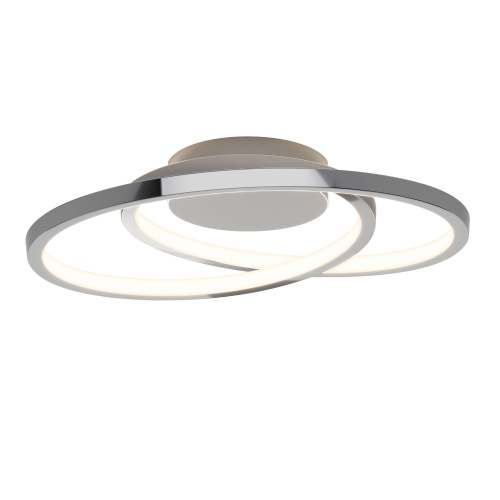
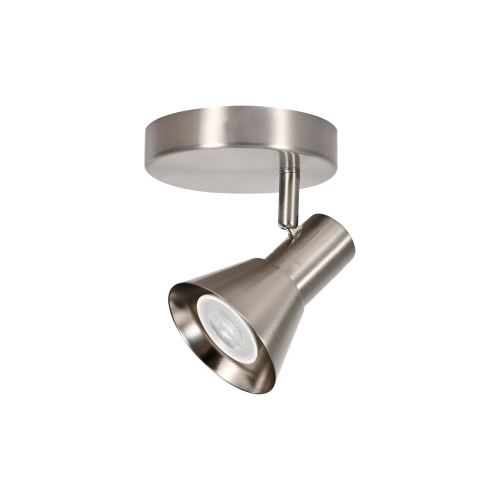
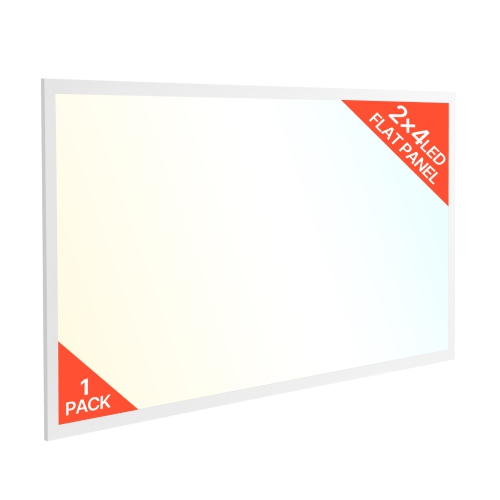
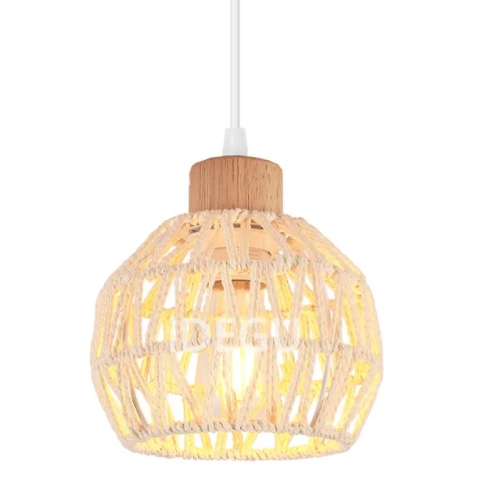
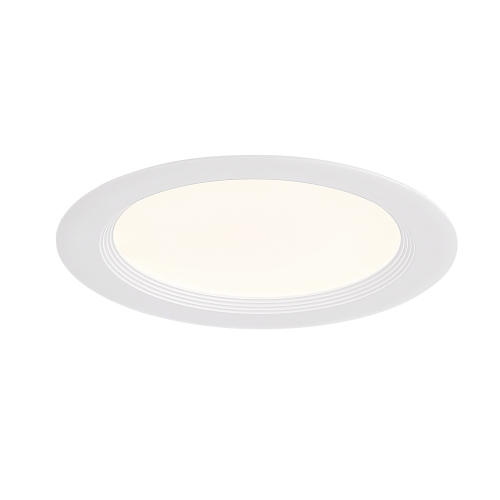
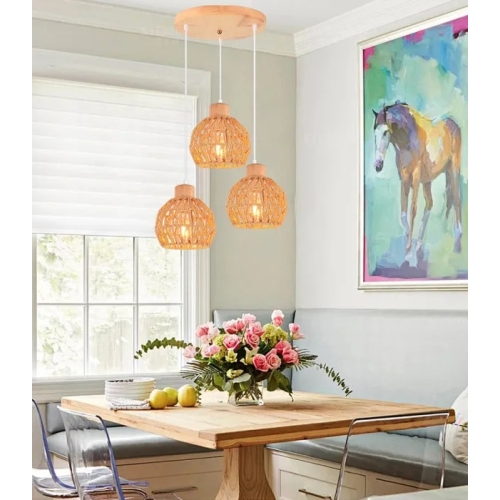
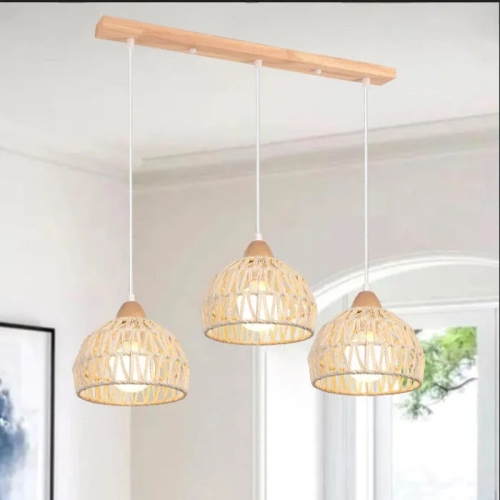
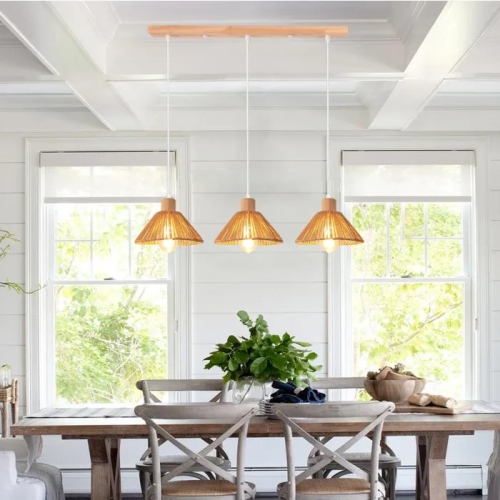
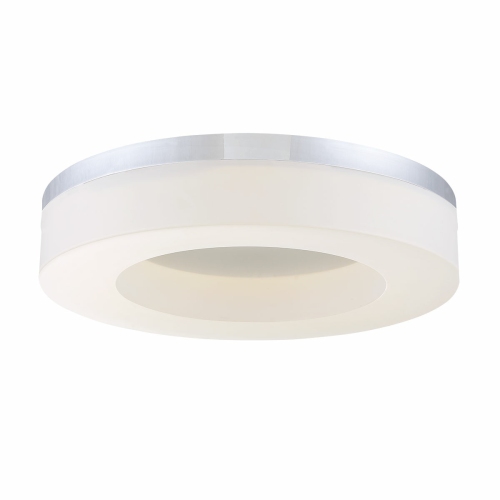
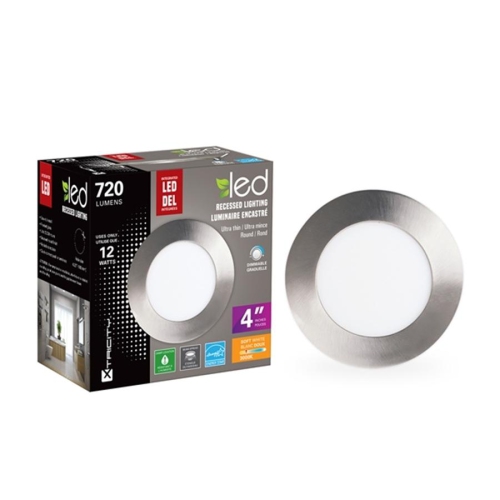
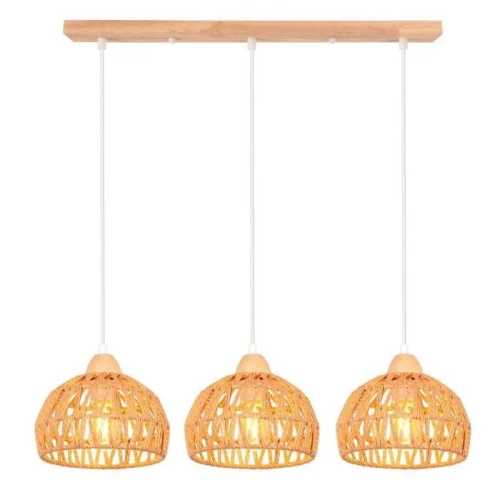
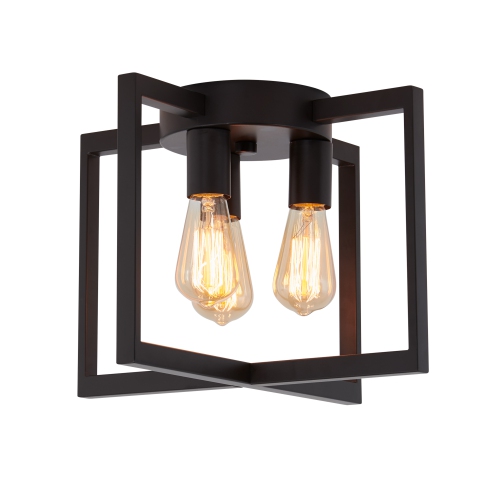
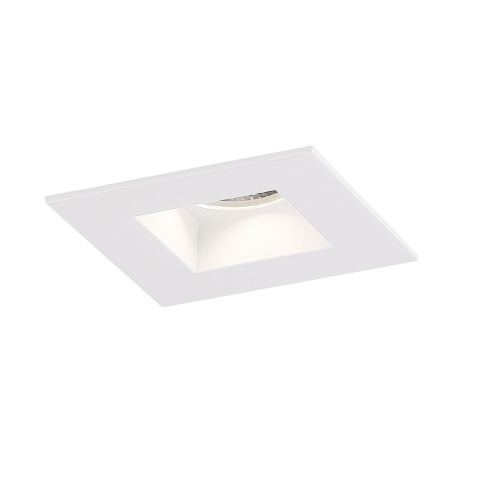
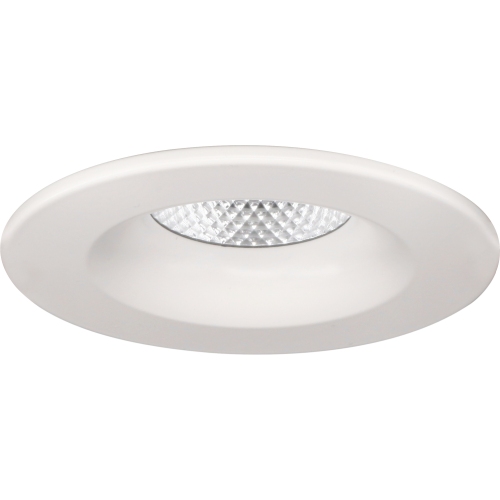
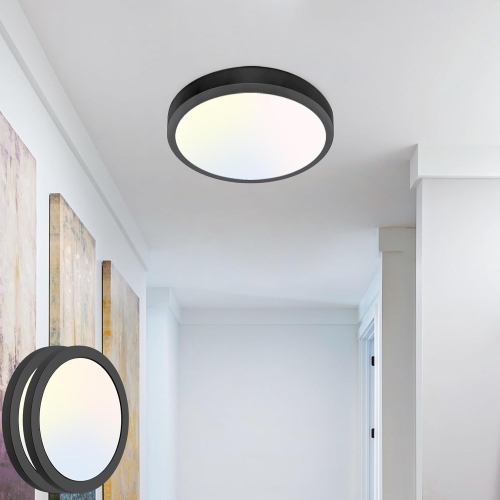
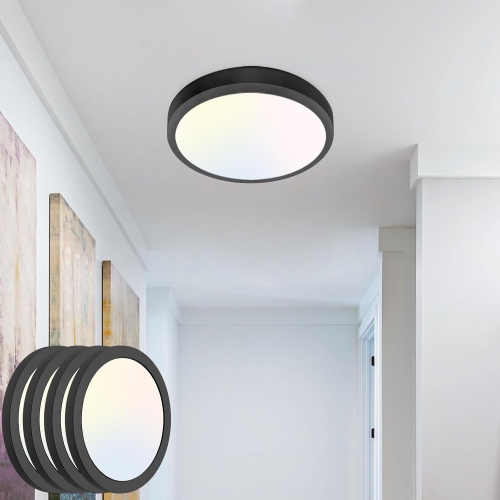
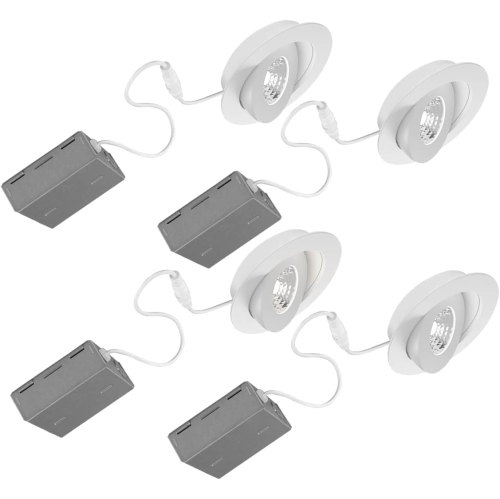
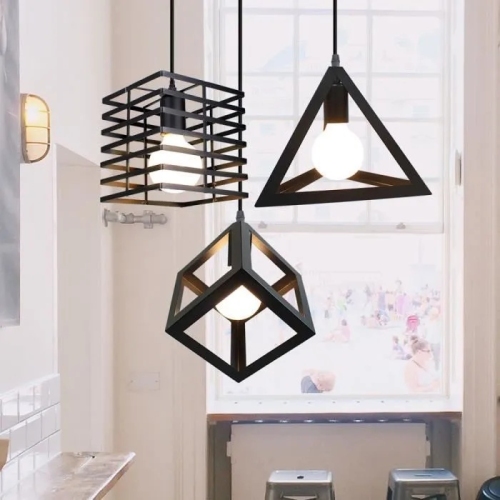
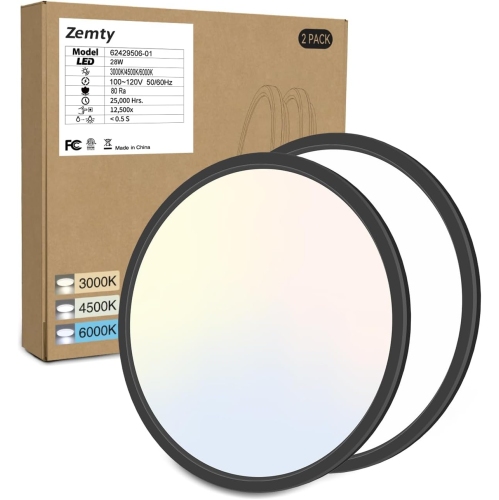
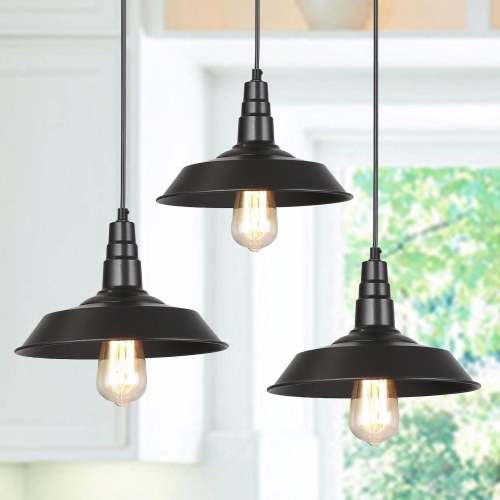
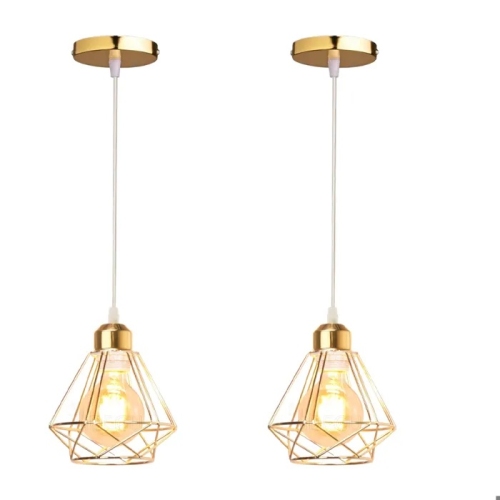
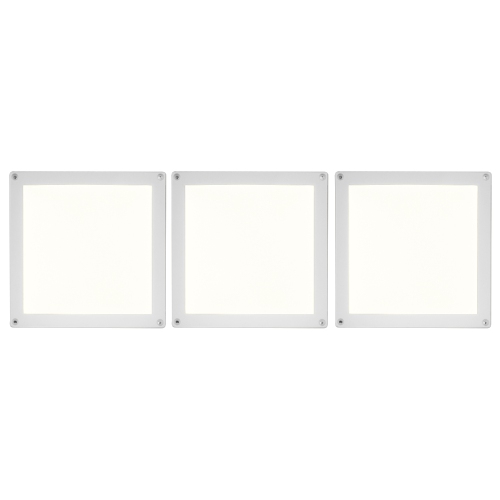
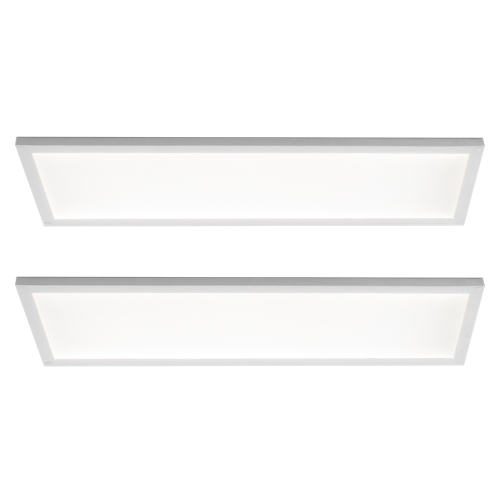
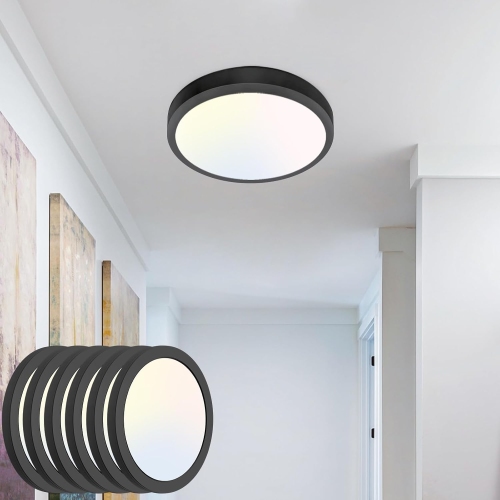
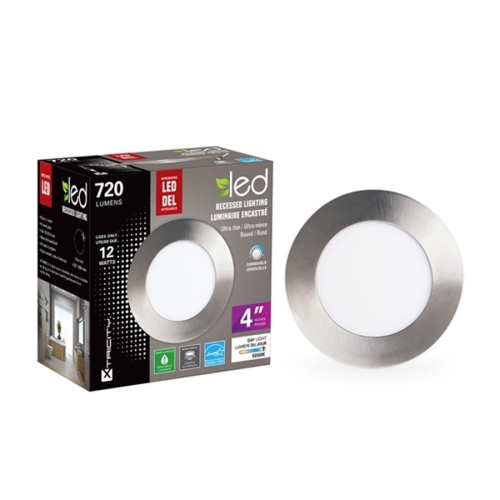
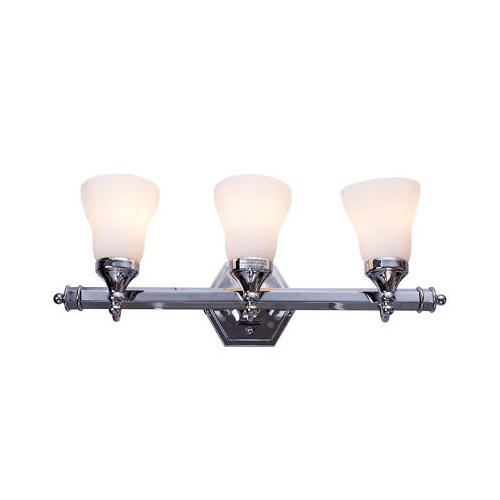
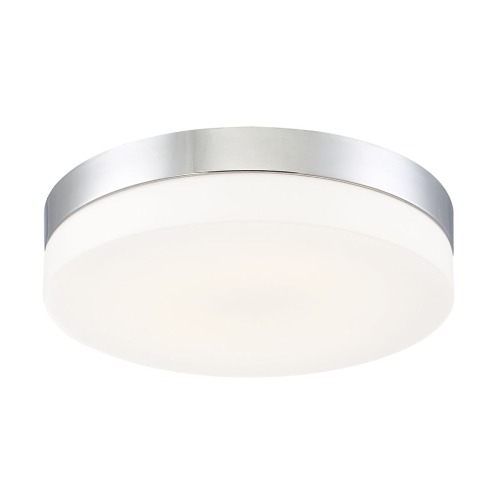
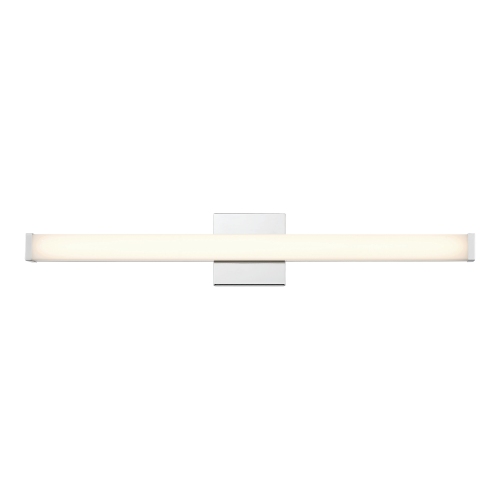
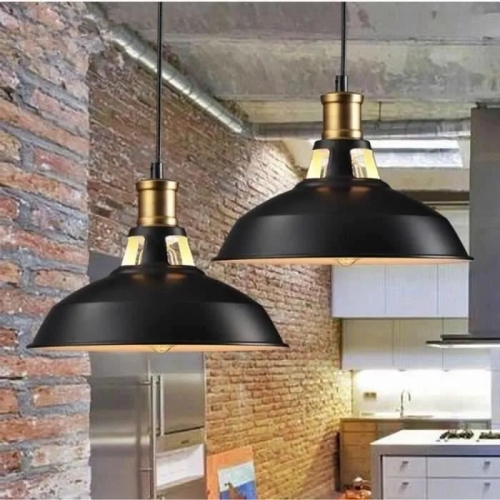
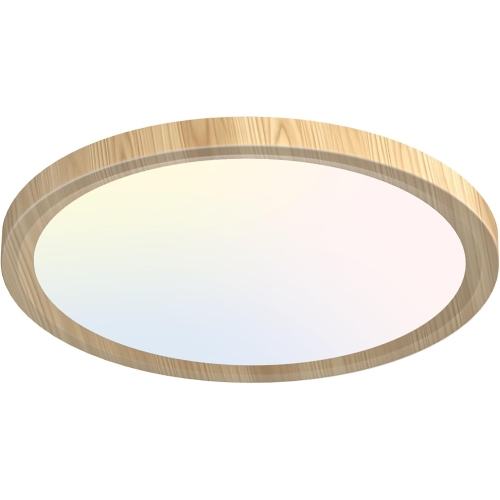
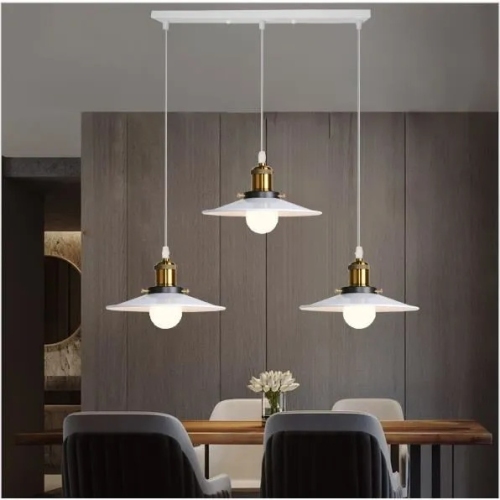
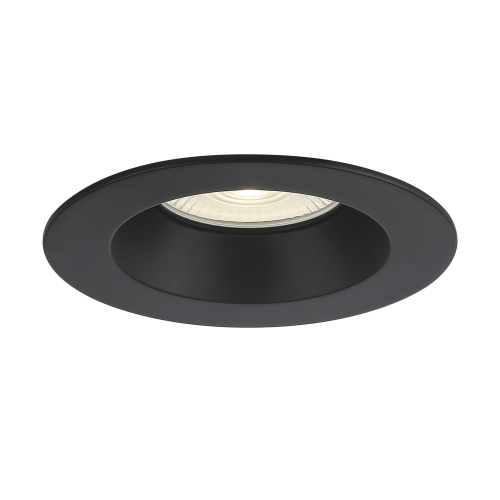
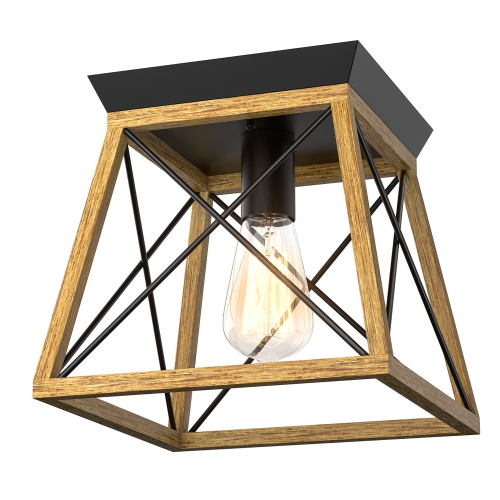
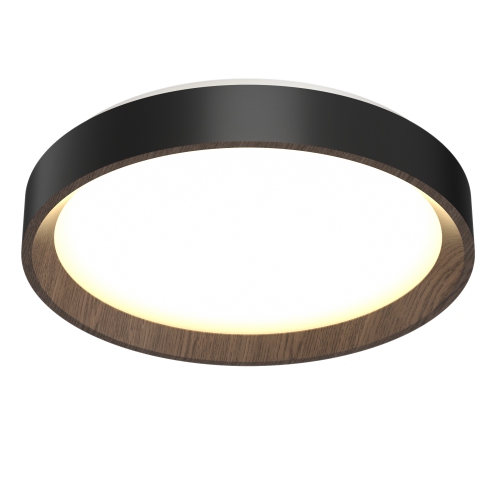
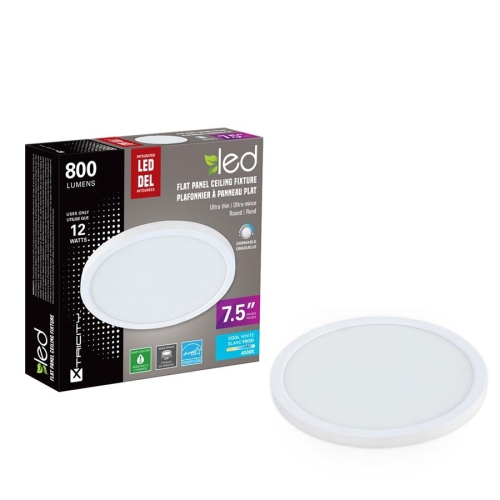
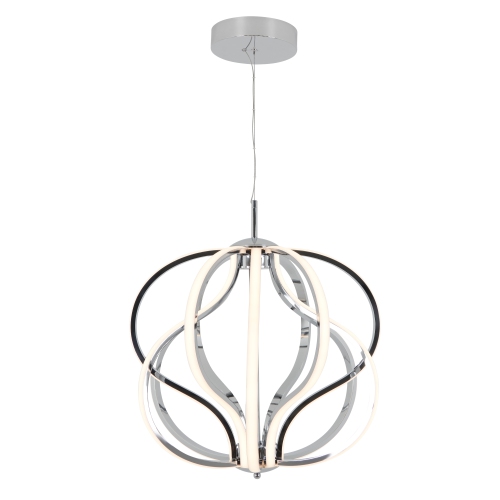
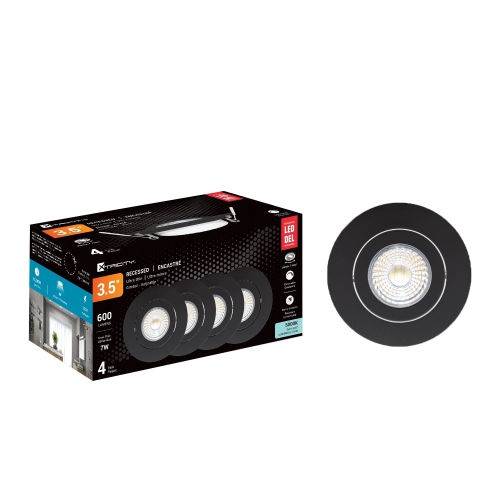
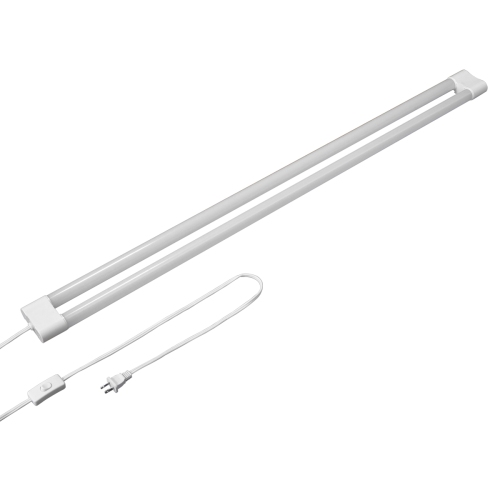
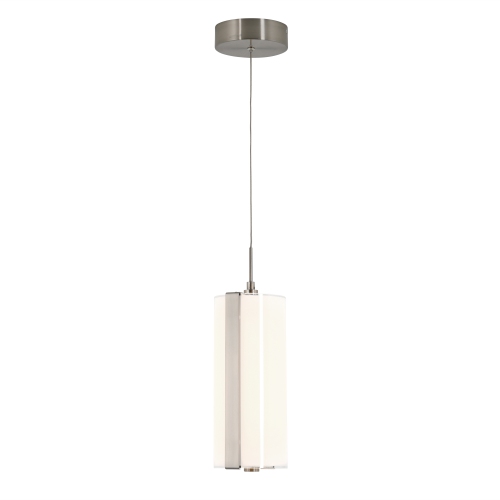
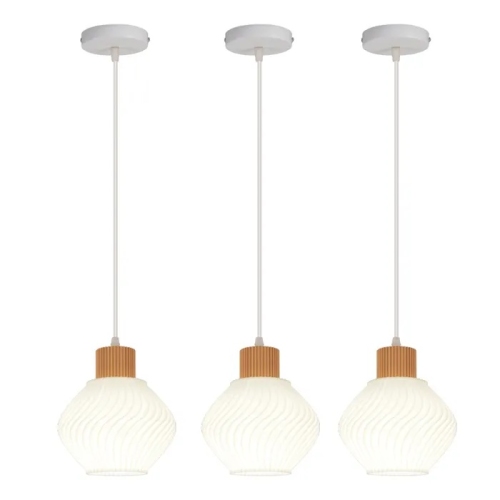
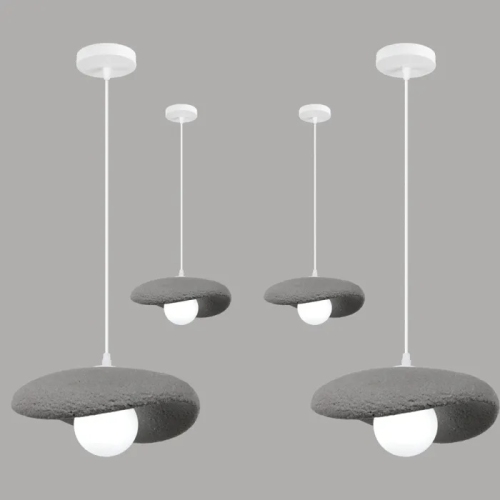
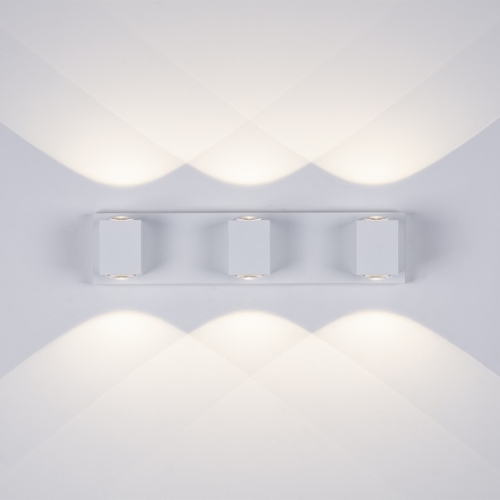
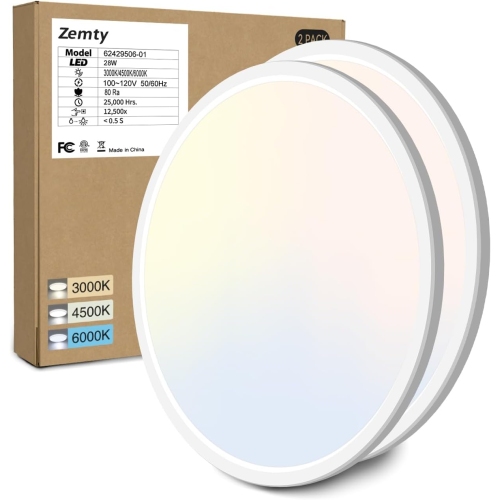
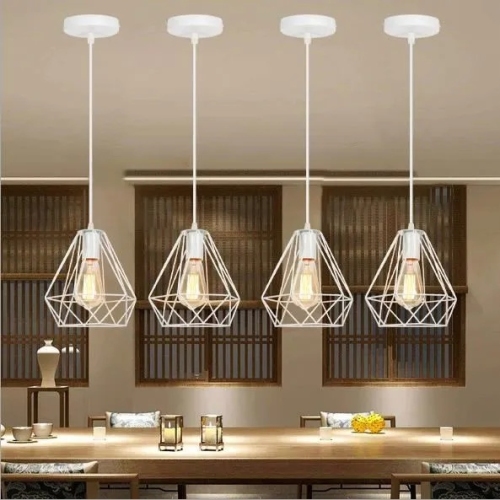
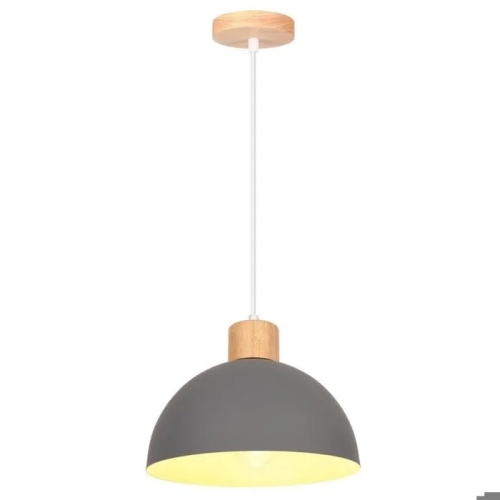
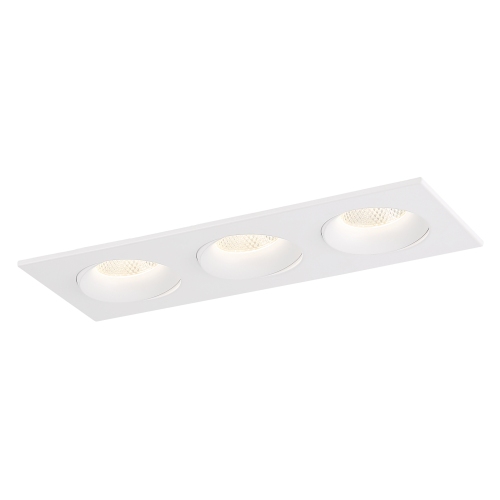
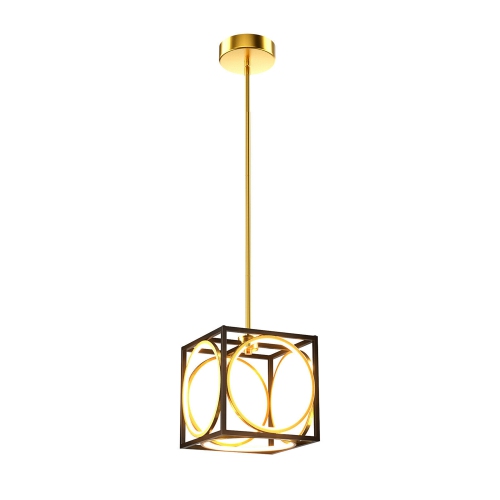
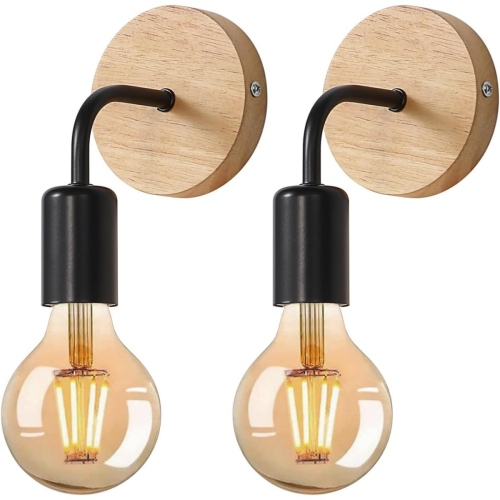
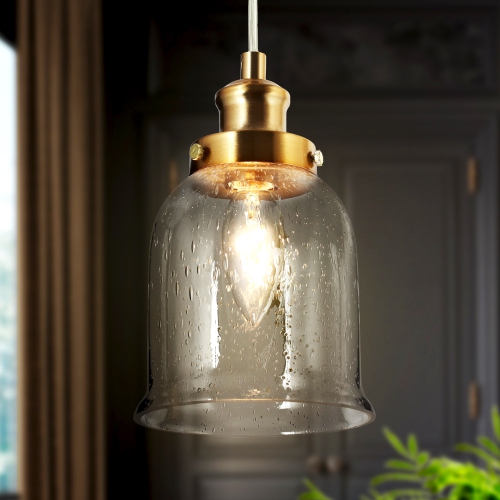
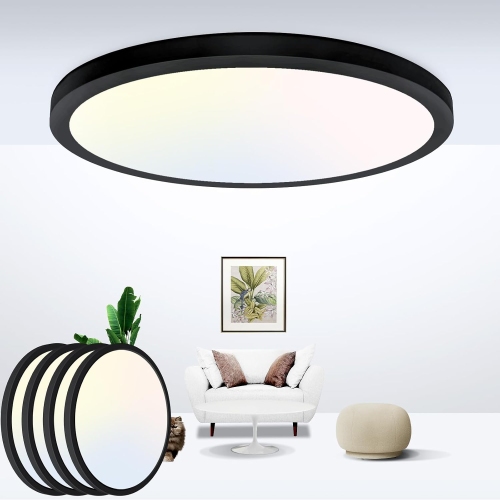
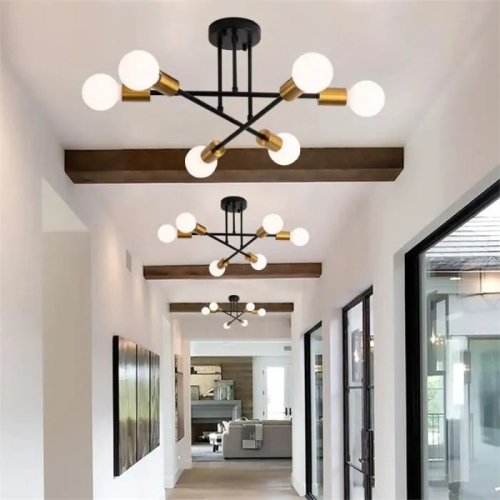
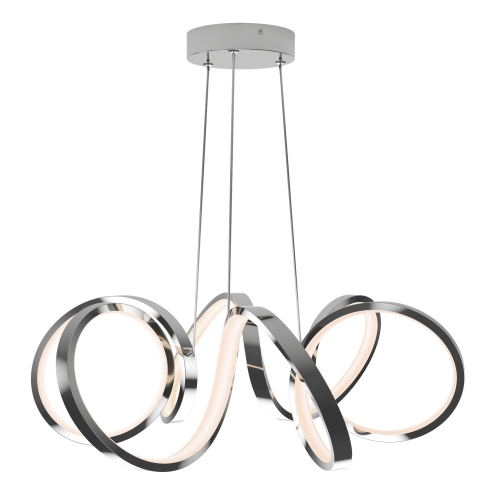
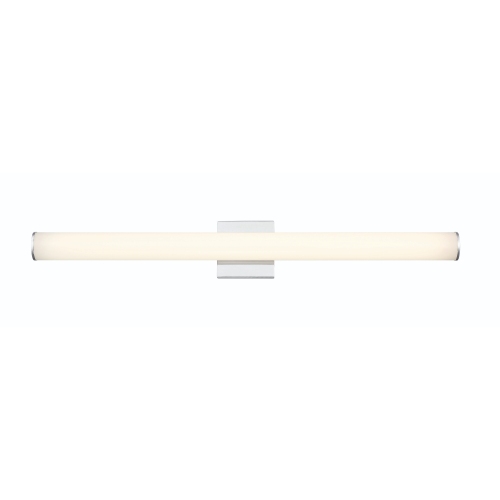
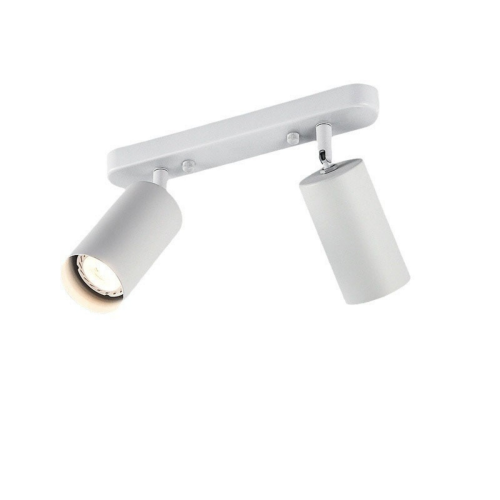
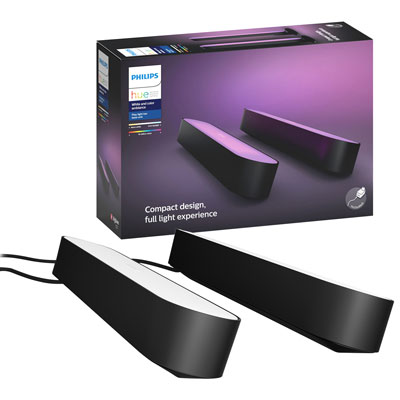
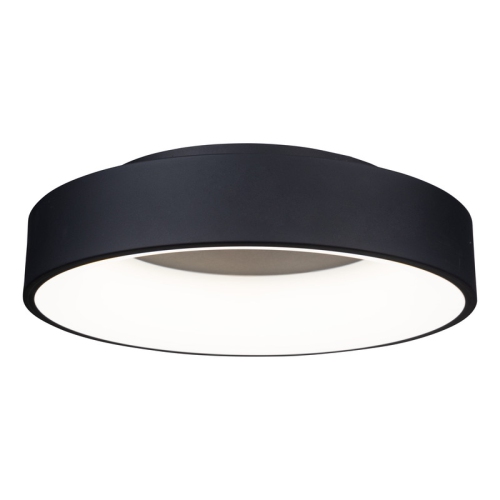
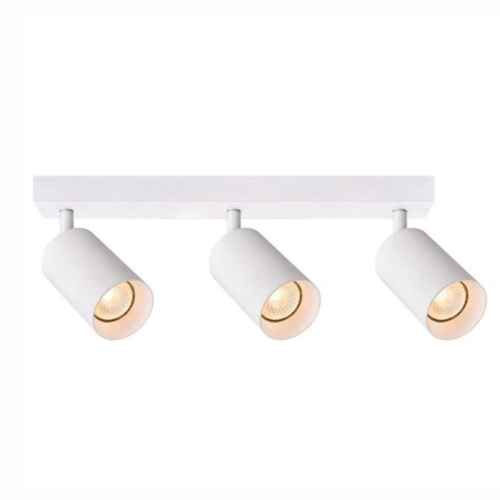
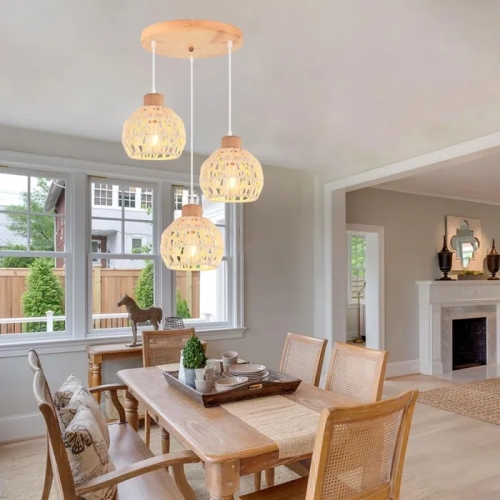
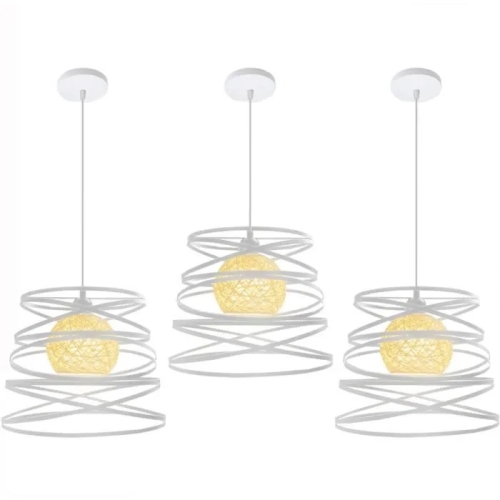
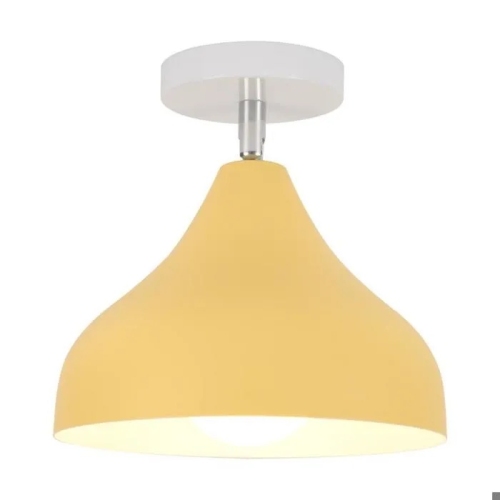
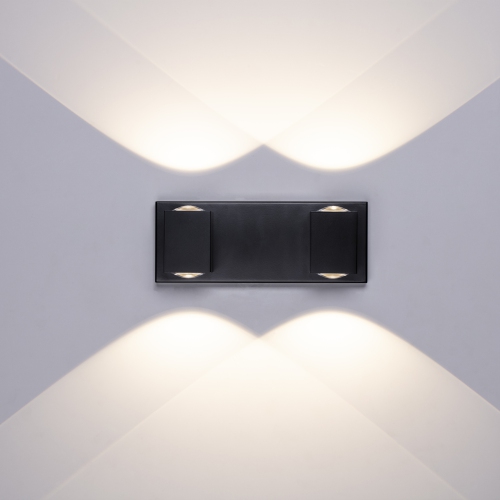
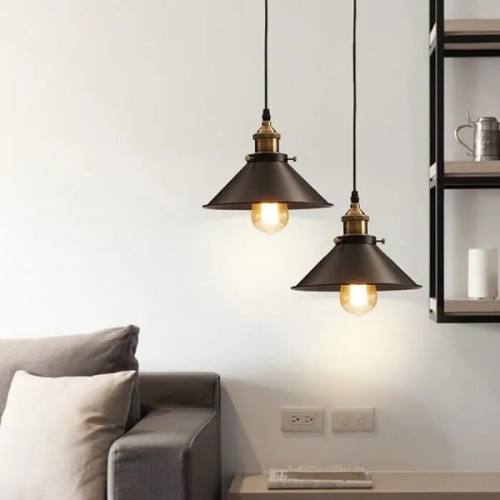
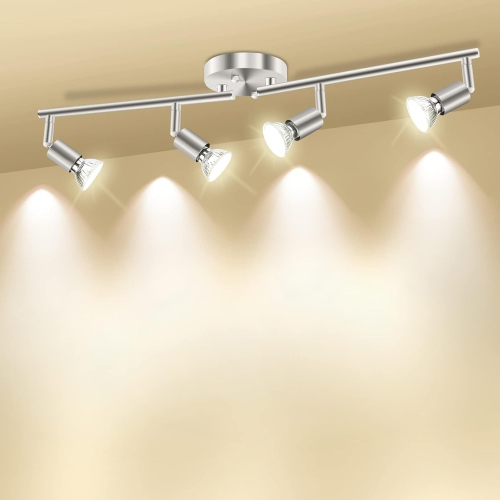
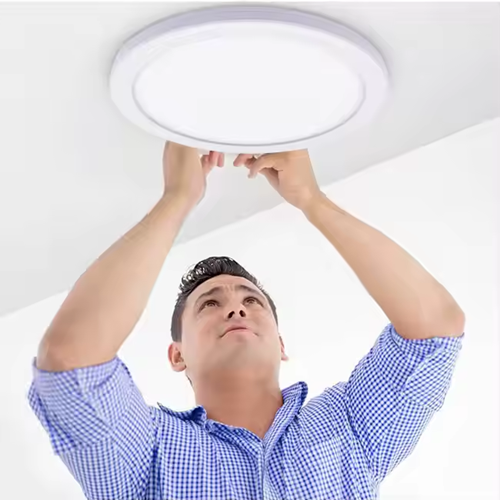
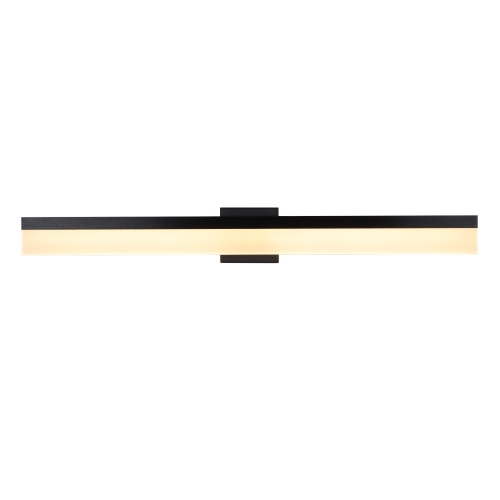
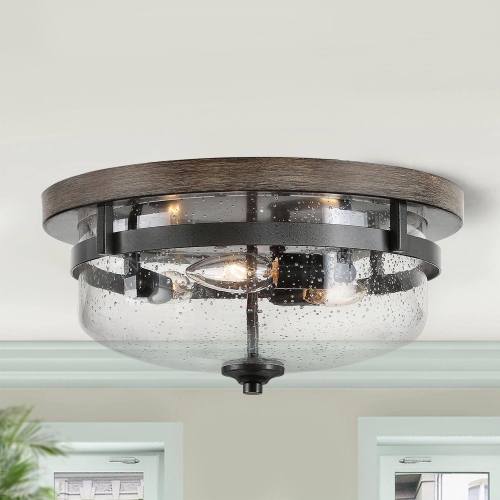
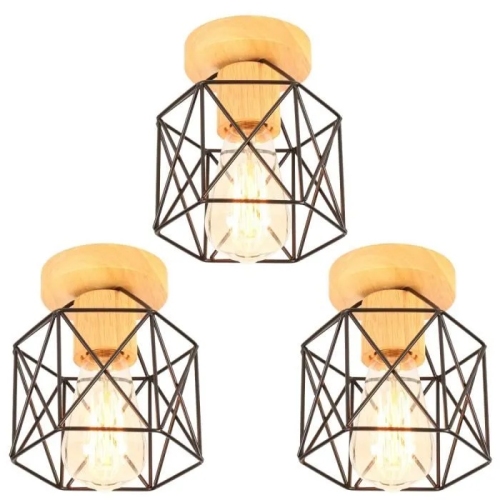
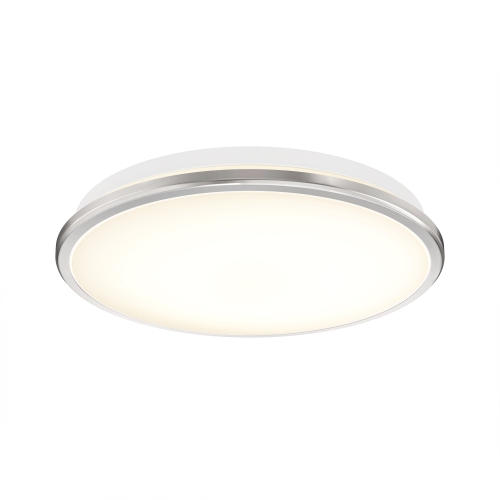
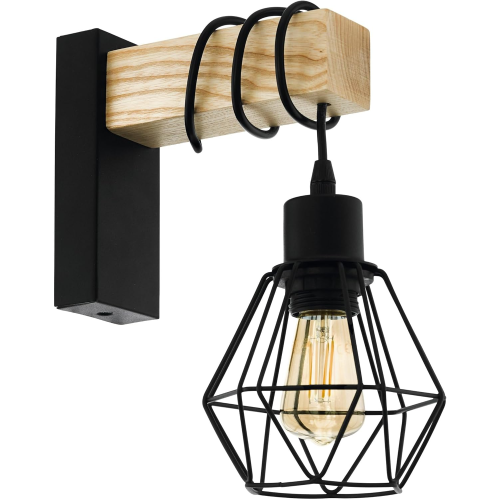
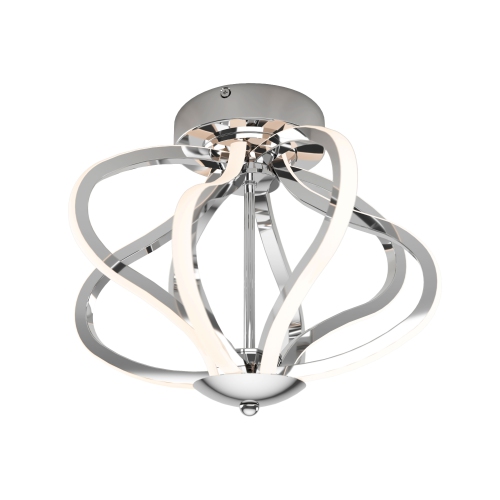
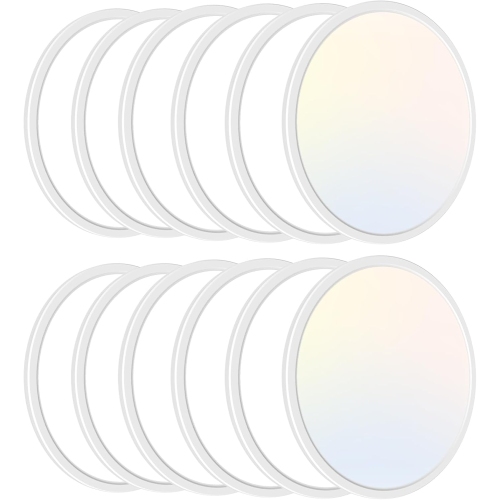
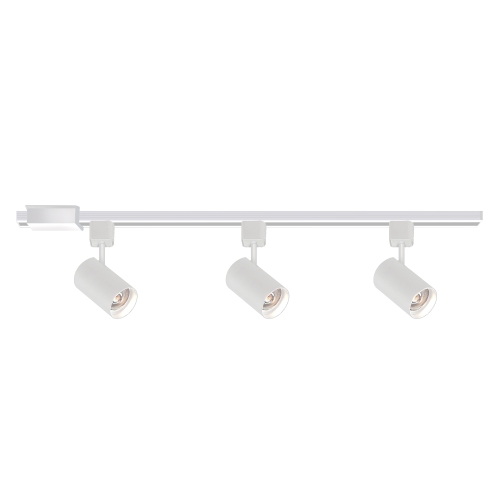
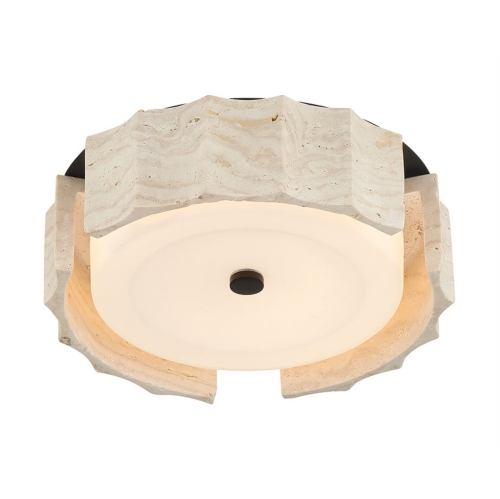
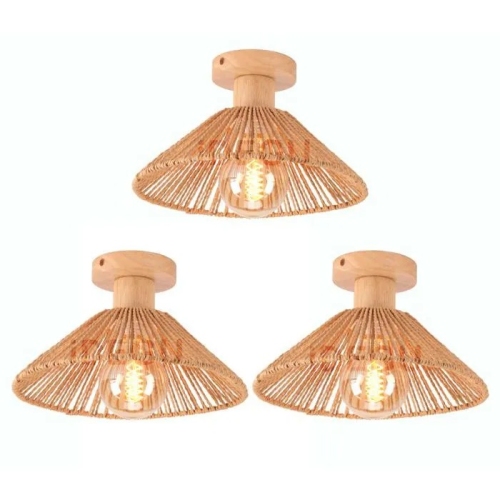
Basic lighting fixtures provide practical, dependable illumination while helping a room feel finished and comfortable. In simple terms, a light fixture is the housing that supports a bulb or integrated light source and connects to the electrical system in a ceiling or wall. Basic lighting fixtures are often chosen for everyday spaces where reliable light matters most, including hallways, bedrooms, entryways, closets, laundry rooms, basements, utility areas, kitchens and home offices. They can also be useful when replacing an outdated fixture, refreshing a rental-friendly space or completing a renovation without changing the character of the room. Flush mount fixtures sit close to the ceiling and are especially well suited to rooms with low ceilings, narrow corridors and areas where a hanging light could be in the way. Semi-flush mount fixtures extend a little farther from the ceiling, adding more visual presence while remaining relatively compact. Pendant fixtures hang from a cord, chain or rod and can direct attention towards a kitchen island, breakfast table, desk or reading corner. A simple lampholder offers a straightforward solution for utility spaces where function takes priority over decorative detail. When browsing Light Fixtures, consider the room’s size, ceiling height, existing wiring and the type of illumination you need before settling on a style. A small hallway may need a compact fixture with an even spread of light, while a dining area may benefit from a fixture that focuses light over the table without creating glare. In a bedroom, a softer-looking design can contribute to a calm atmosphere, whereas a basement, garage or storage area may call for bright, practical illumination that makes shelves, work surfaces and walkways easier to see.
The shape and placement of a fixture are only part of the decision. Check the dimensions carefully, including the width, height and distance the fixture extends from the ceiling or wall. A fixture that looks modest in a large room may disappear visually, while an oversized design can make a compact entryway feel crowded. Ceiling height is particularly important: low-profile fixtures generally leave more headroom, and hanging fixtures need enough clearance above furniture and walking areas. For a dining table or kitchen island, the light should be positioned to illuminate the surface without obstructing sightlines across the room. Think about the direction of the light as well. Some shades diffuse illumination throughout the room, while open or downward-facing designs can provide more concentrated light for tasks. The bulb type and maximum wattage listed by the manufacturer should always be compatible with the fixture, and dimming features require a compatible dimmer and suitable bulbs. Colour temperature also affects the feel of a space. Warmer light can make bedrooms, living rooms and dining areas feel inviting, while a cooler or more neutral tone may be useful in work areas, laundry rooms or workshops where clear visibility is important. If you are updating several fixtures, keeping their finishes and light colour reasonably consistent can create a more unified look from room to room. Basic lighting fixtures can be a practical gift for someone moving into a first home, setting up a condo, finishing a basement or preparing a nursery, especially when paired with the needs of a particular room. They are also useful for renters or homeowners who want to improve lighting without undertaking a full redesign. During the warmer parts of the year, brighter entry and outdoor-adjacent areas can make coming and going easier in the evening; during cooler months, well-placed indoor lighting can make hallways, stairs and work areas feel more welcoming when daylight is limited.
Installation should be approached with care because ceiling and wall fixtures connect to household wiring. If you are replacing an existing fixture, switch off power at the main circuit breaker panel before removing anything, and do not rely only on the wall switch. Use an appropriate voltage tester to confirm that the wires are not energized, following the tester’s instructions. Electrical connections must match the wiring and the fixture’s installation instructions, and the fixture needs to be securely attached to a suitable electrical junction box or mounting point. A loose fixture, exposed wire or damaged component can create a serious safety hazard. If the wiring is unfamiliar, the junction box is not properly supported, the fixture is unusually heavy, or you are unsure how to proceed, consult a licensed electrician rather than attempting the work yourself. It is also important to follow local electrical requirements and the manufacturer’s instructions, since mounting methods and wiring arrangements can vary. Before choosing basic lighting fixtures, note whether the existing location is controlled by a single switch, multiple switches, a dimmer or a motion sensor, and check whether the new fixture supports that setup. For areas such as closets, stairs and entrances, look for a design that provides consistent illumination without leaving dark patches. In utility rooms and garages, prioritize practical coverage and durable construction; in living spaces, balance useful light with proportions and the surrounding décor. A thoughtfully selected fixture can make a small room easier to navigate, give a work surface better visibility and help a home feel more settled as routines change through the seasons.
The shape and placement of a fixture are only part of the decision. Check the dimensions carefully, including the width, height and distance the fixture extends from the ceiling or wall. A fixture that looks modest in a large room may disappear visually, while an oversized design can make a compact entryway feel crowded. Ceiling height is particularly important: low-profile fixtures generally leave more headroom, and hanging fixtures need enough clearance above furniture and walking areas. For a dining table or kitchen island, the light should be positioned to illuminate the surface without obstructing sightlines across the room. Think about the direction of the light as well. Some shades diffuse illumination throughout the room, while open or downward-facing designs can provide more concentrated light for tasks. The bulb type and maximum wattage listed by the manufacturer should always be compatible with the fixture, and dimming features require a compatible dimmer and suitable bulbs. Colour temperature also affects the feel of a space. Warmer light can make bedrooms, living rooms and dining areas feel inviting, while a cooler or more neutral tone may be useful in work areas, laundry rooms or workshops where clear visibility is important. If you are updating several fixtures, keeping their finishes and light colour reasonably consistent can create a more unified look from room to room. Basic lighting fixtures can be a practical gift for someone moving into a first home, setting up a condo, finishing a basement or preparing a nursery, especially when paired with the needs of a particular room. They are also useful for renters or homeowners who want to improve lighting without undertaking a full redesign. During the warmer parts of the year, brighter entry and outdoor-adjacent areas can make coming and going easier in the evening; during cooler months, well-placed indoor lighting can make hallways, stairs and work areas feel more welcoming when daylight is limited.
Installation should be approached with care because ceiling and wall fixtures connect to household wiring. If you are replacing an existing fixture, switch off power at the main circuit breaker panel before removing anything, and do not rely only on the wall switch. Use an appropriate voltage tester to confirm that the wires are not energized, following the tester’s instructions. Electrical connections must match the wiring and the fixture’s installation instructions, and the fixture needs to be securely attached to a suitable electrical junction box or mounting point. A loose fixture, exposed wire or damaged component can create a serious safety hazard. If the wiring is unfamiliar, the junction box is not properly supported, the fixture is unusually heavy, or you are unsure how to proceed, consult a licensed electrician rather than attempting the work yourself. It is also important to follow local electrical requirements and the manufacturer’s instructions, since mounting methods and wiring arrangements can vary. Before choosing basic lighting fixtures, note whether the existing location is controlled by a single switch, multiple switches, a dimmer or a motion sensor, and check whether the new fixture supports that setup. For areas such as closets, stairs and entrances, look for a design that provides consistent illumination without leaving dark patches. In utility rooms and garages, prioritize practical coverage and durable construction; in living spaces, balance useful light with proportions and the surrounding décor. A thoughtfully selected fixture can make a small room easier to navigate, give a work surface better visibility and help a home feel more settled as routines change through the seasons.
Top selling and popular products
-
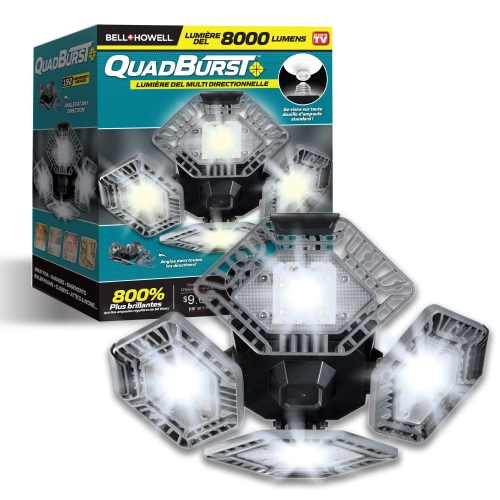 Your price for this item is $49.95
 -
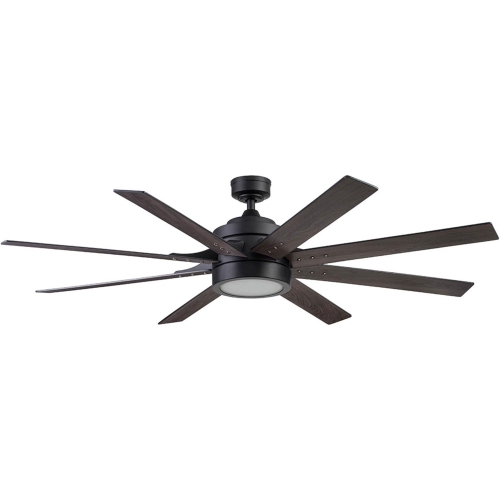 Your price for this item is $385.99
 -
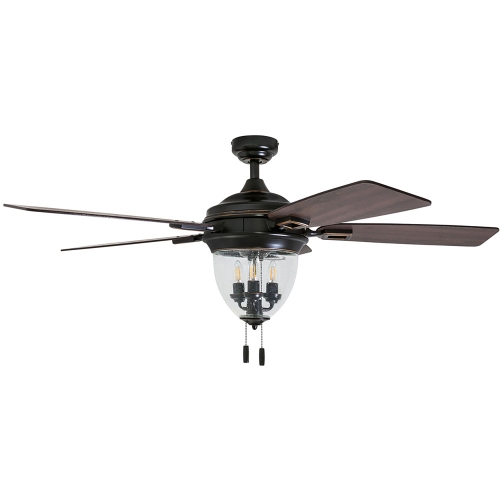 Your price for this item is $287.99
 -
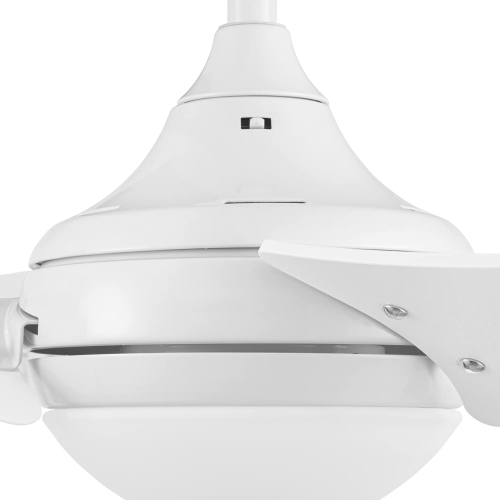 Your price for this item is $187.99
 -
 Your price for this item is $174.99
 -
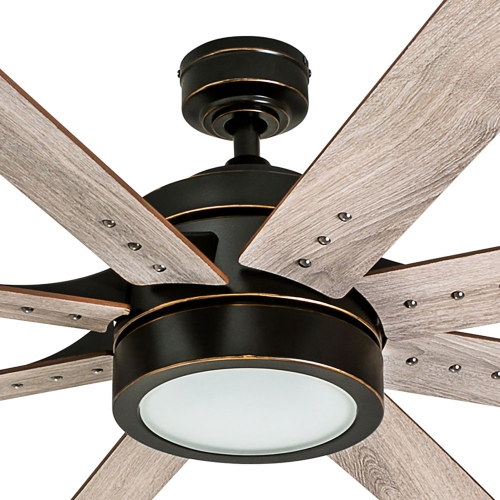 Your price for this item is $427.99
 -
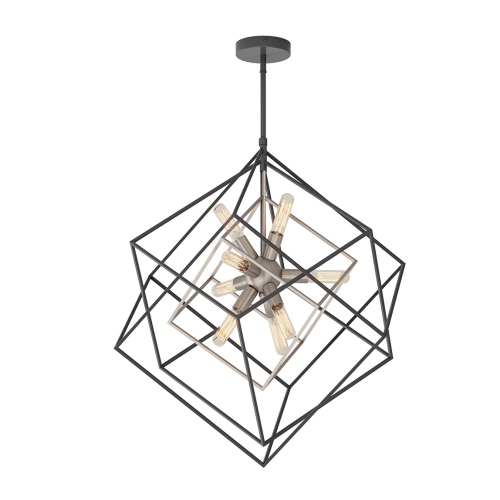 Your price for this item is $299
 -
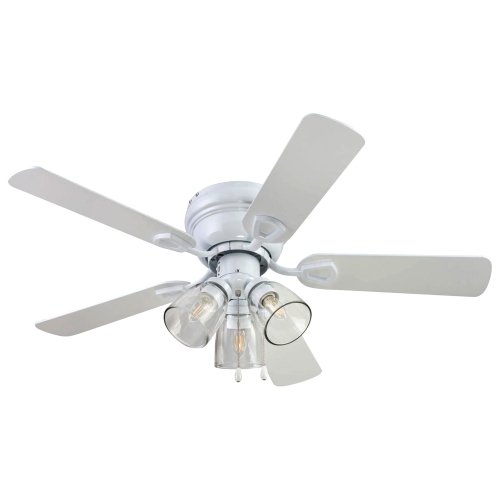 Your price for this item is $166.99
Discover more categories related to Basic Lighting Fixtures
Top Collections:
Pokemon Centers, Best Cameras for Sports Photography, Kindle Devices, Samsung Galaxy Phones, Canon G7X Cameras, Pokémon 30th Celebration Cards, Refurbished Apple Laptops, iPhone 15 Apple, Laptops for Students, Budget Smartphones
Some products may be subject to Environmental Handling Fees
(EHF) depending on your province.
Learn more about EHFs.