Home Office Wall Decor
Create a stylish and productive workspace with our selection of home office wall decor. From inspiring wall art to functional storage solutions, we have everything you need to personalize your home office and boost your creativity. Elevate your workspace with modern designs, motivational quotes, and organizational pieces that will not only enhance the aesthetics of your office but also help you stay focused and productive throughout the day. Browse through our curated collection and find the perfect pieces to transform your home office into a space you'll love working in.
Sort
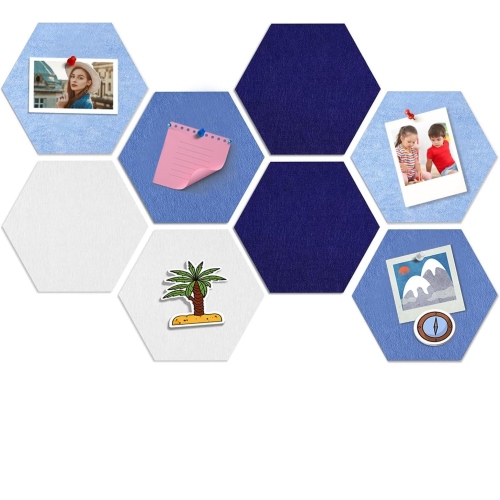


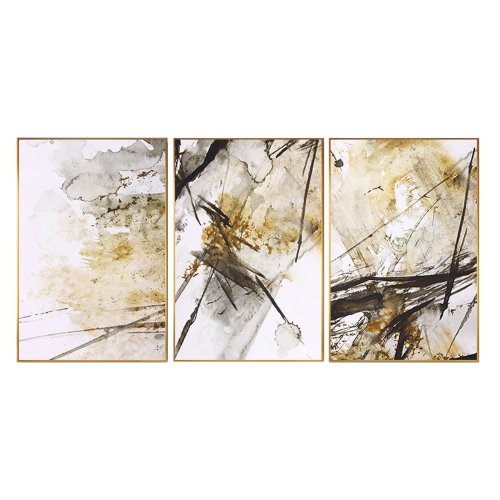
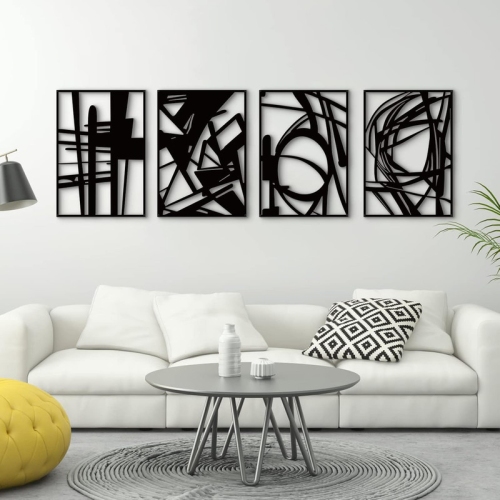







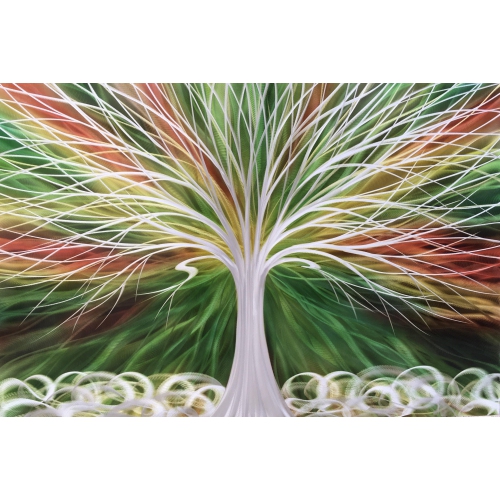

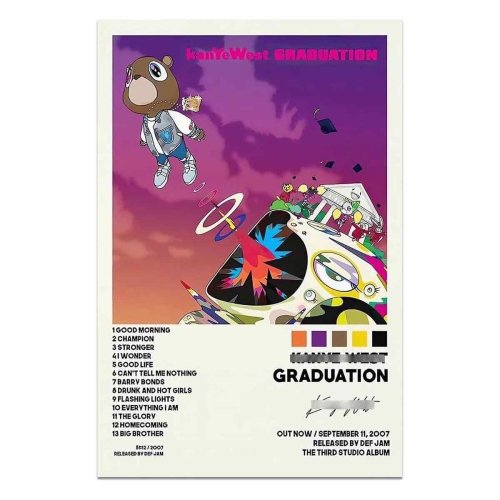
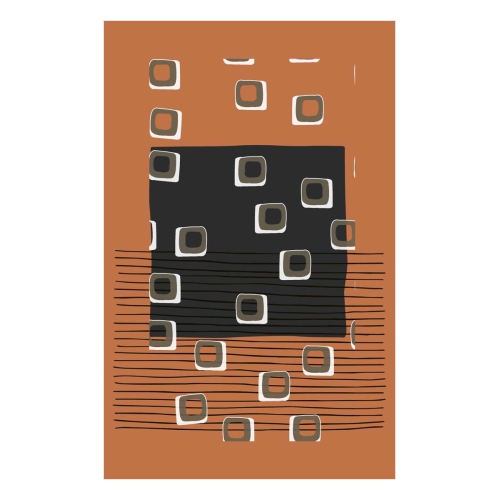
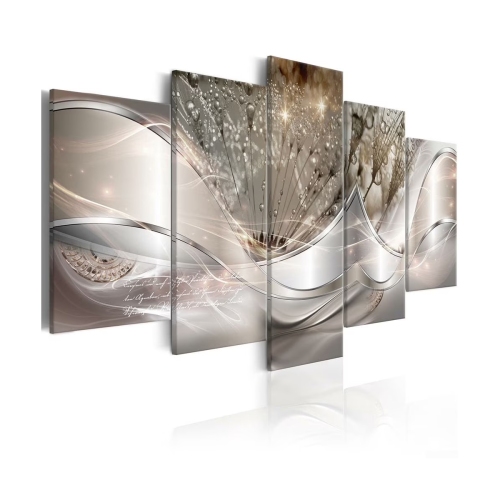
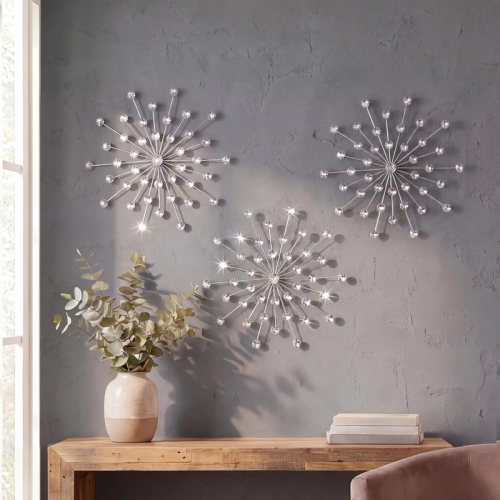
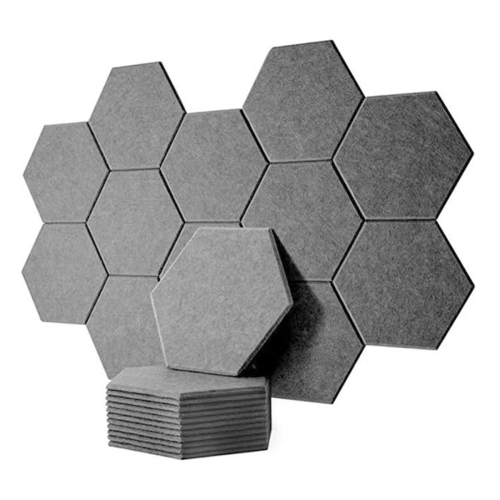

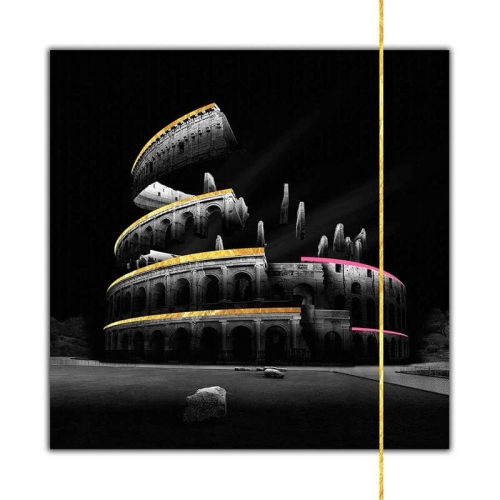

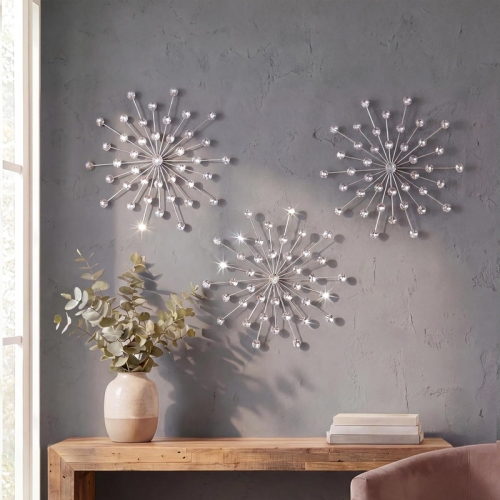

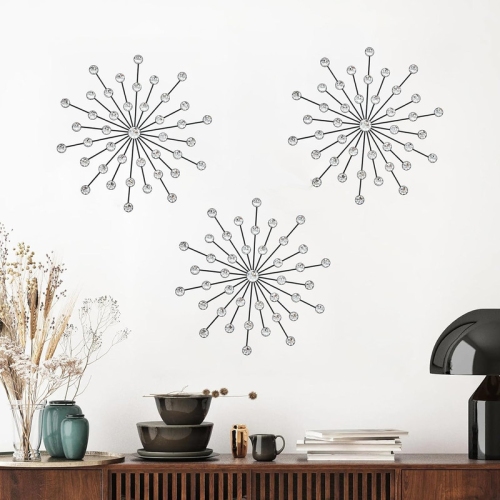
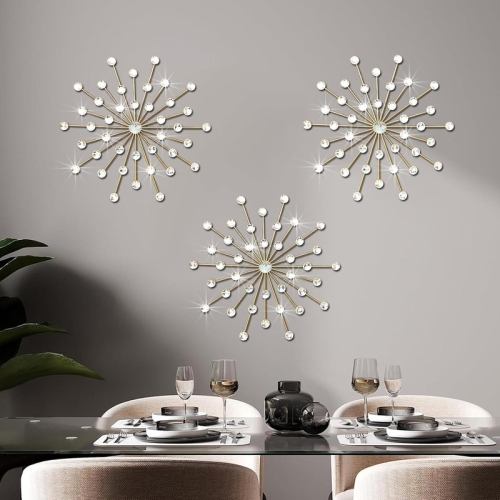

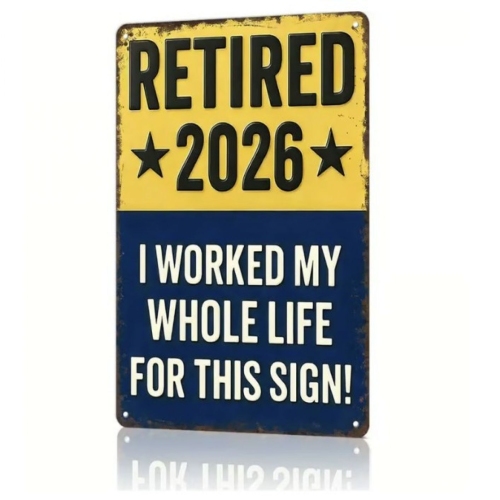
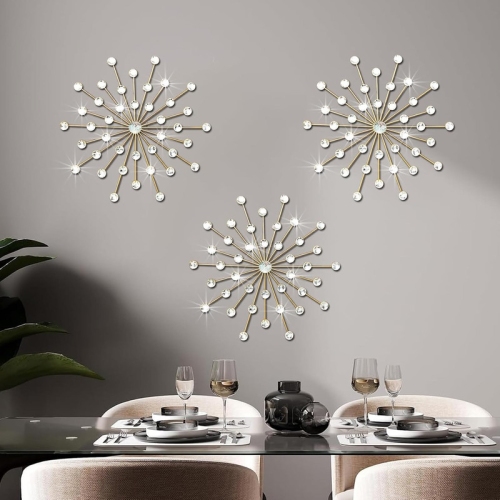
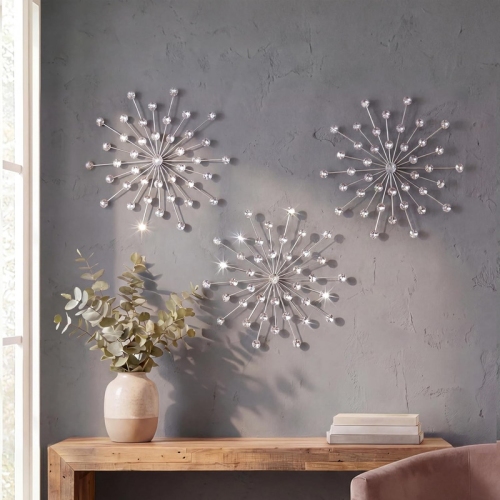


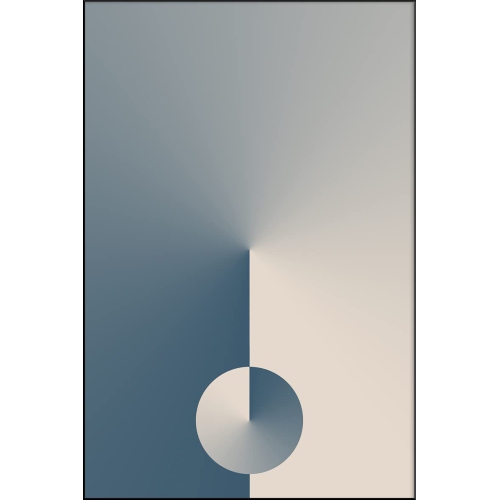

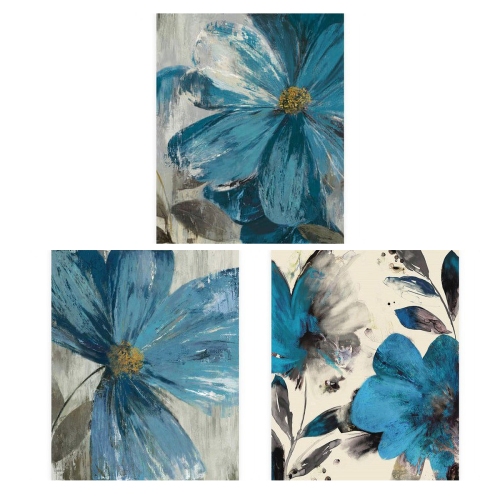
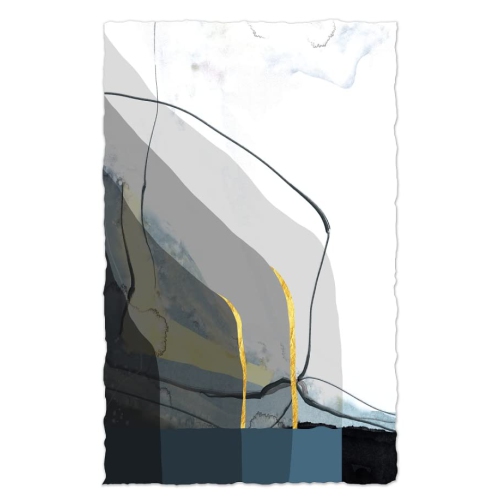
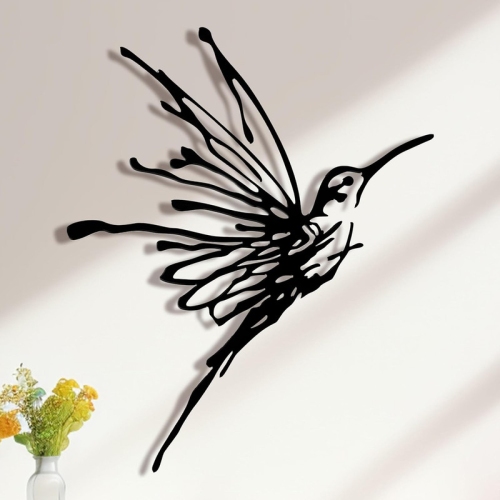
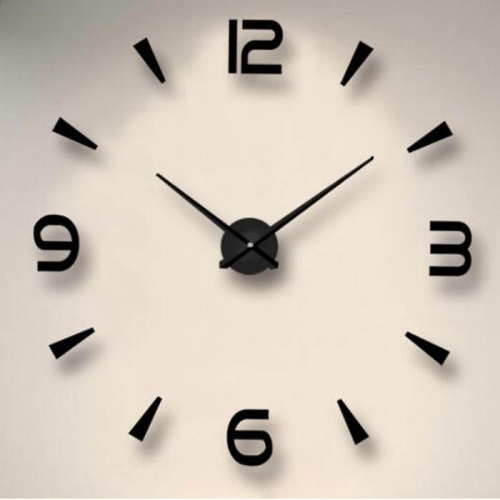
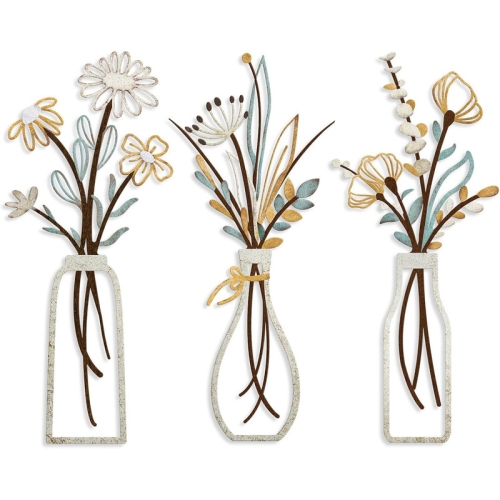
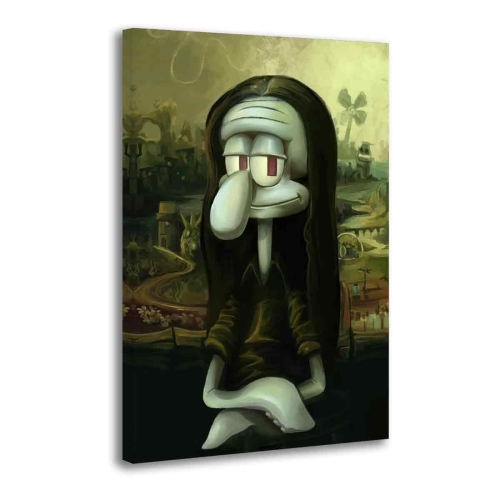




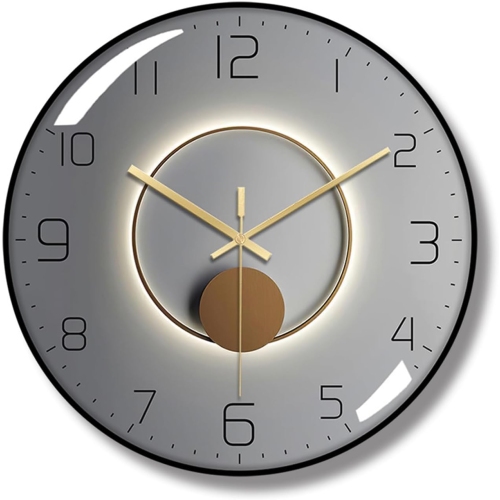

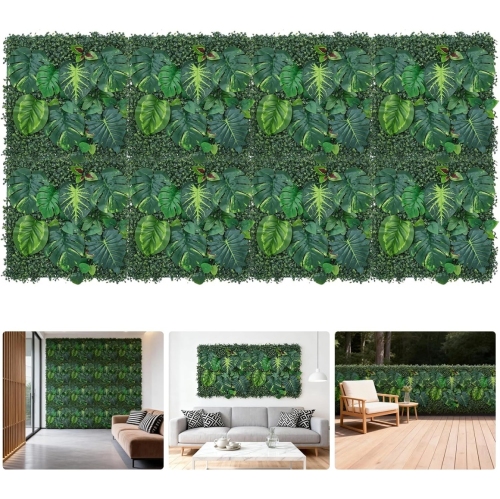
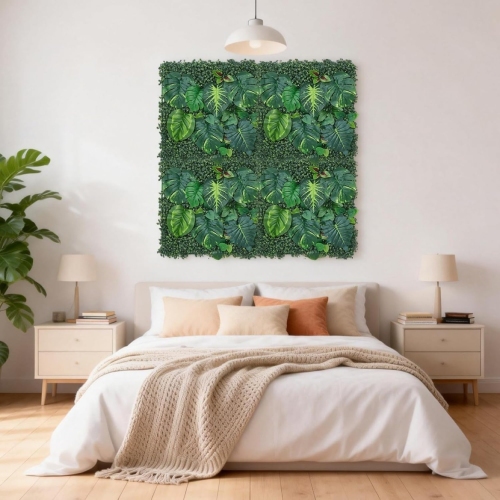
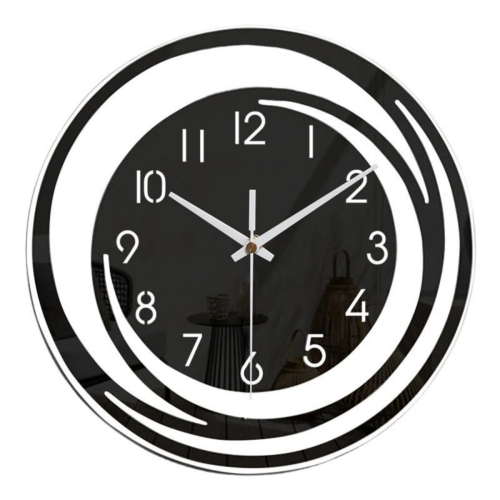
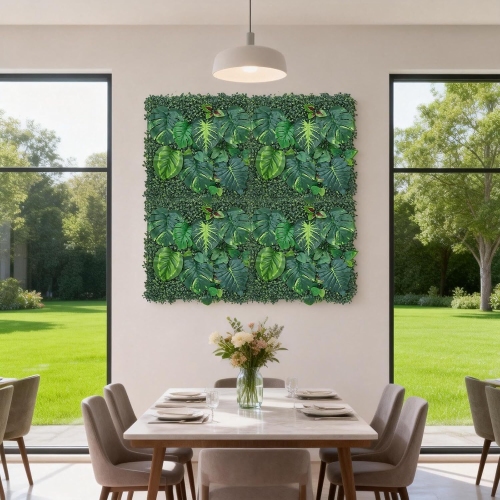
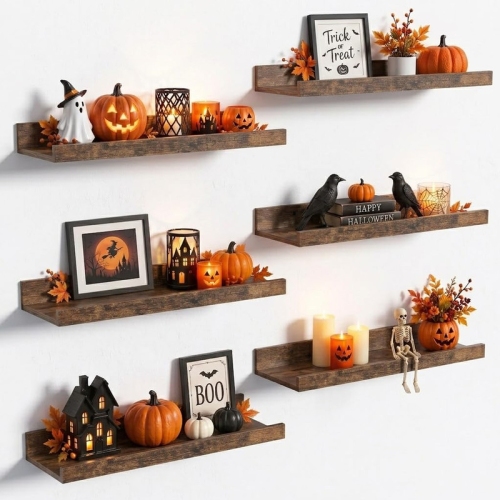

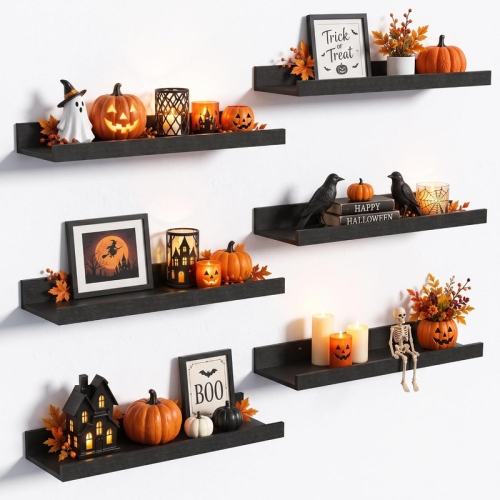

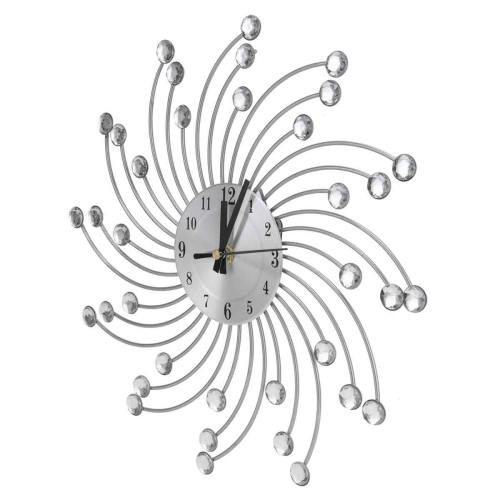


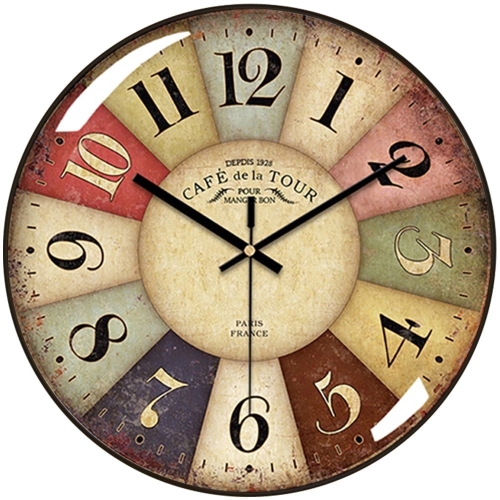
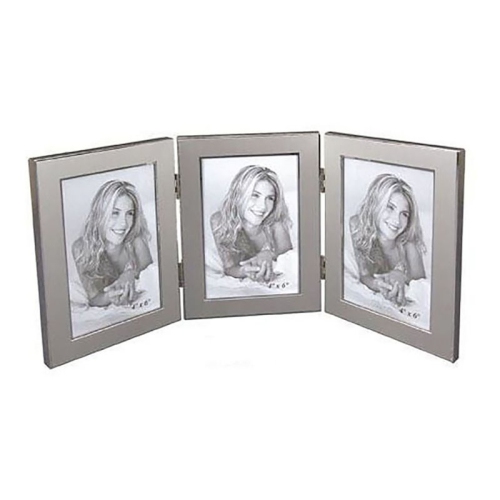

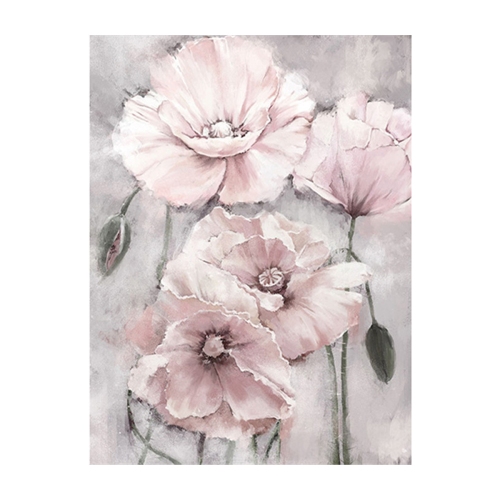

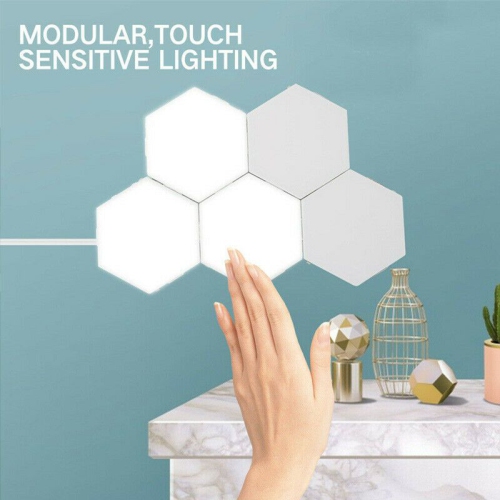


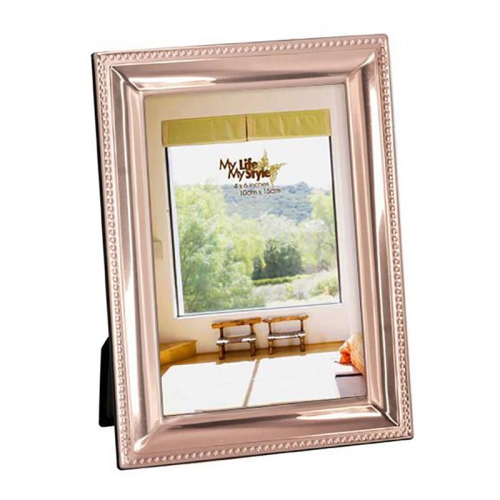
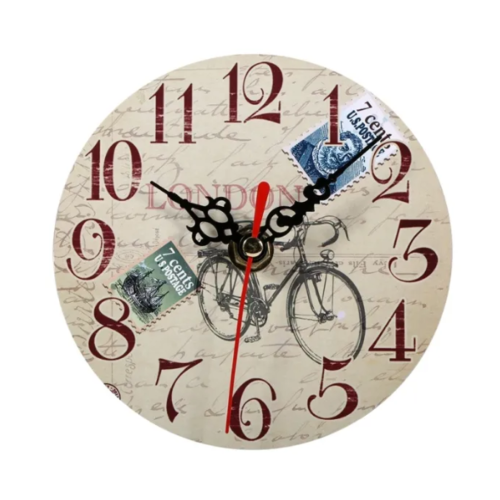
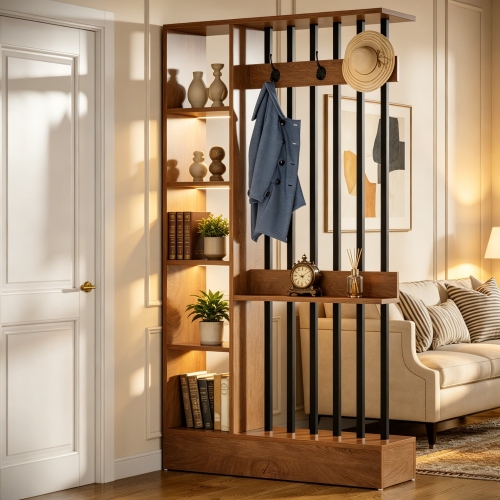

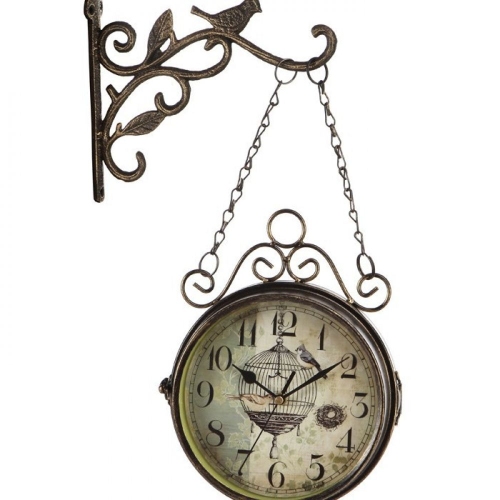


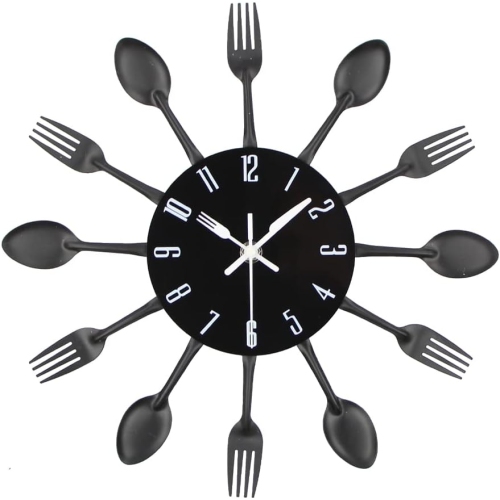


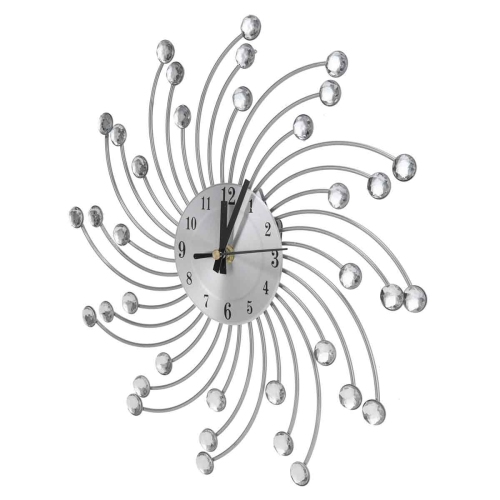
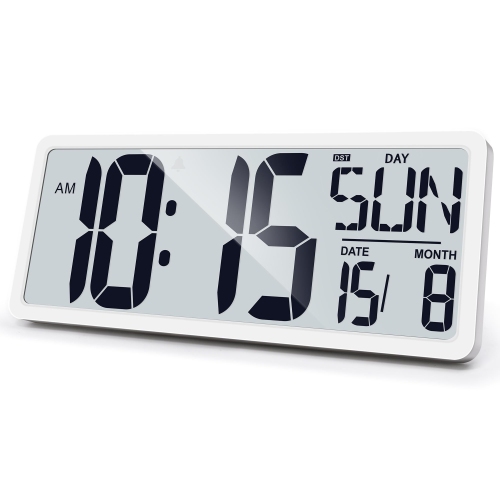
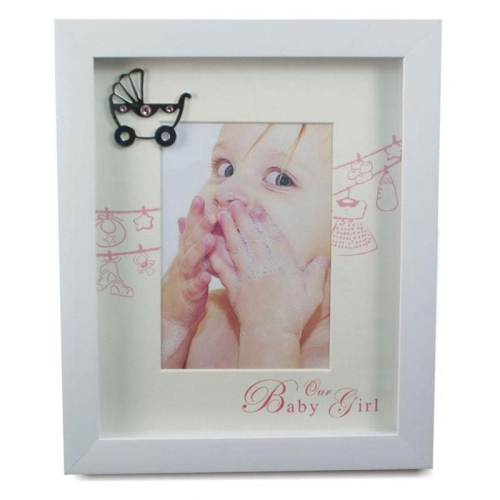



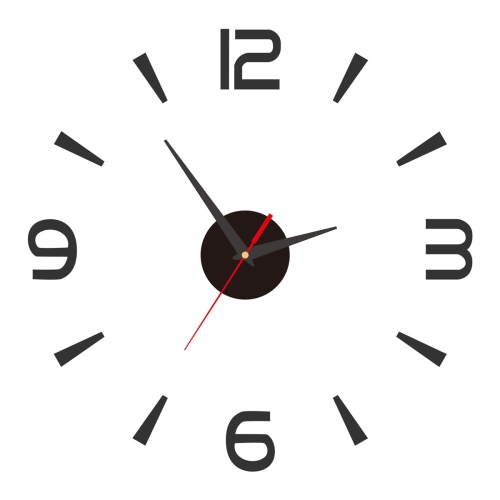
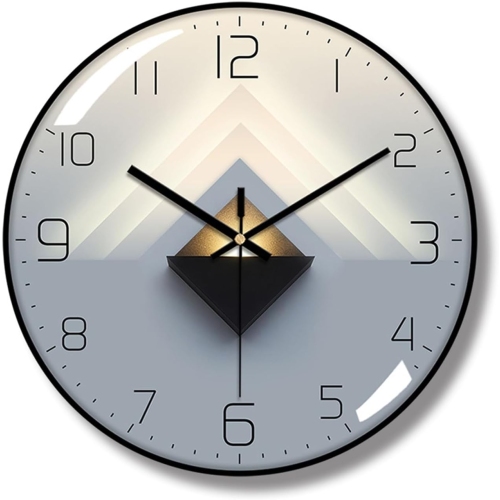
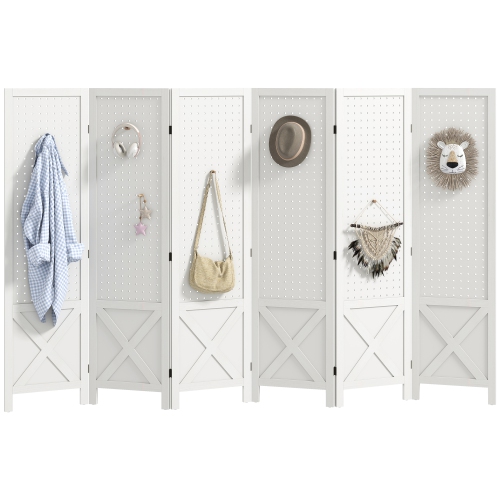

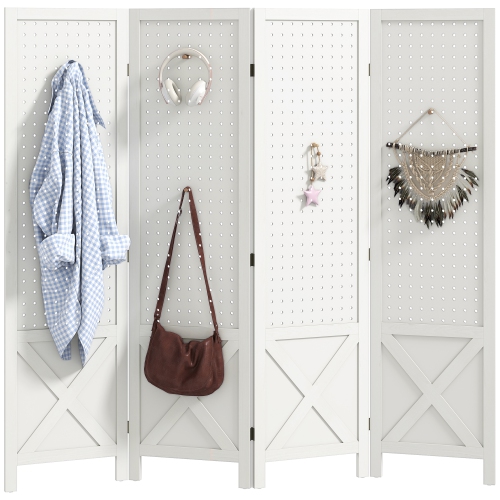
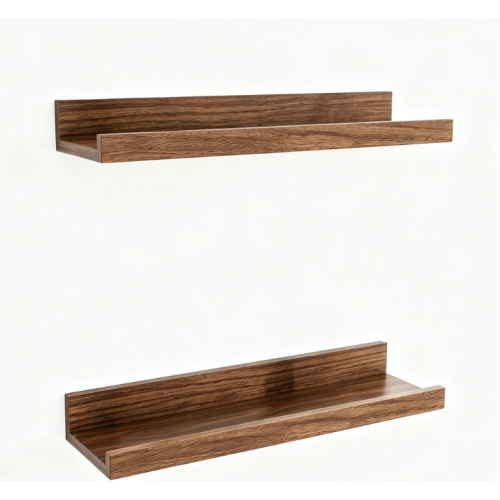
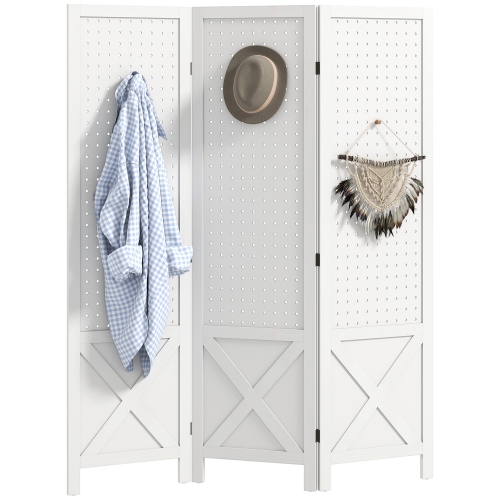

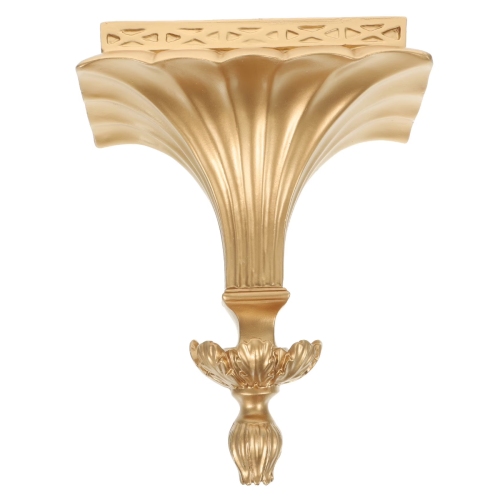
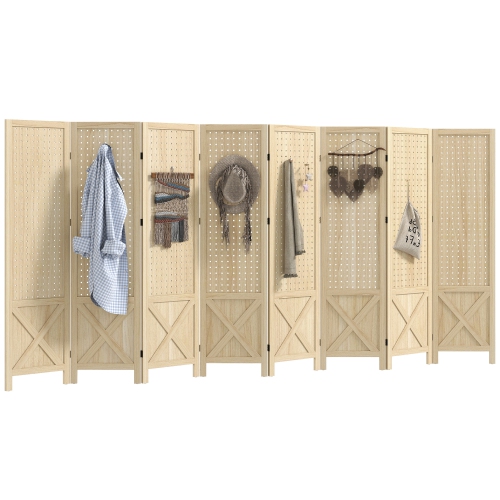
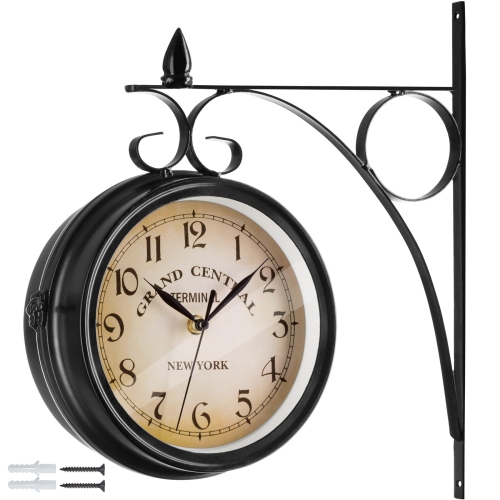
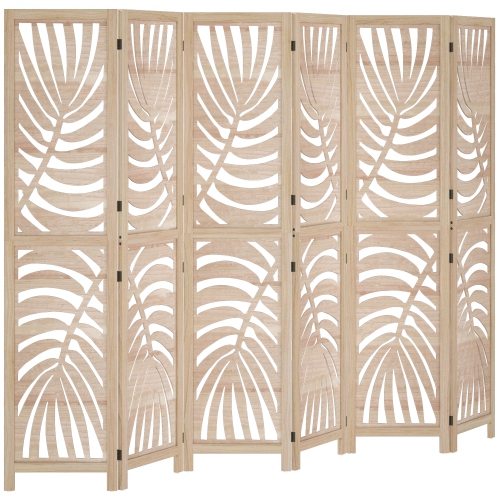


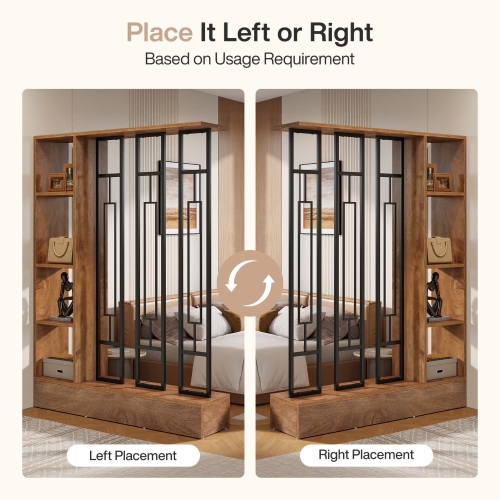
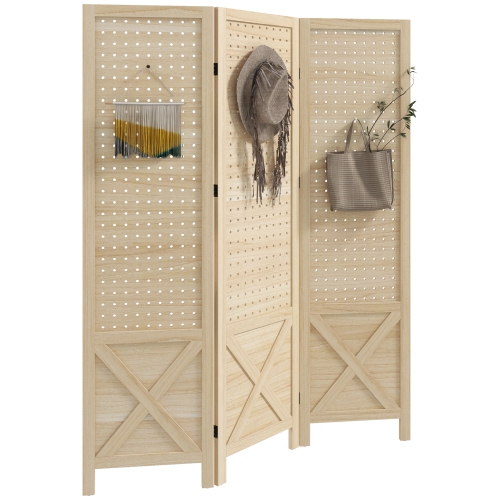
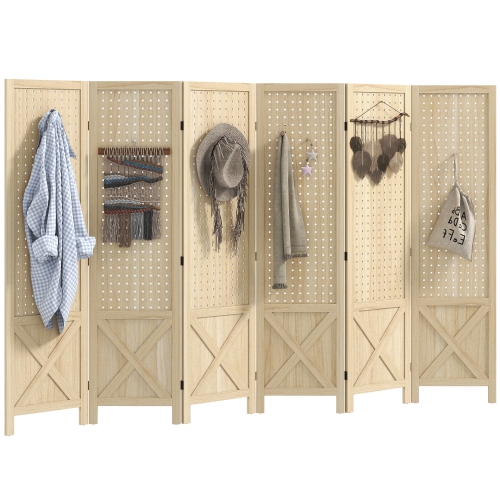


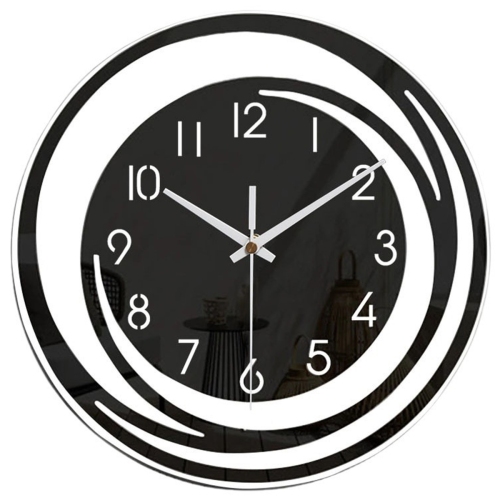
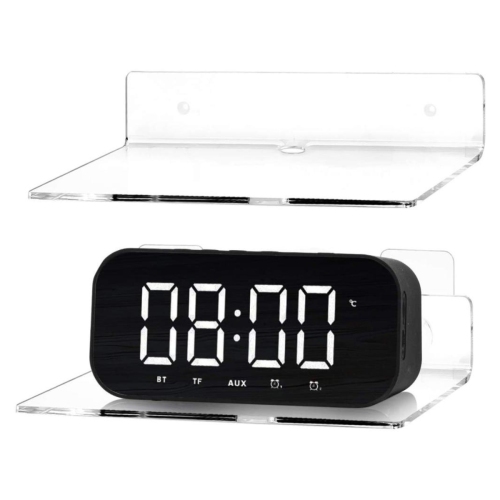
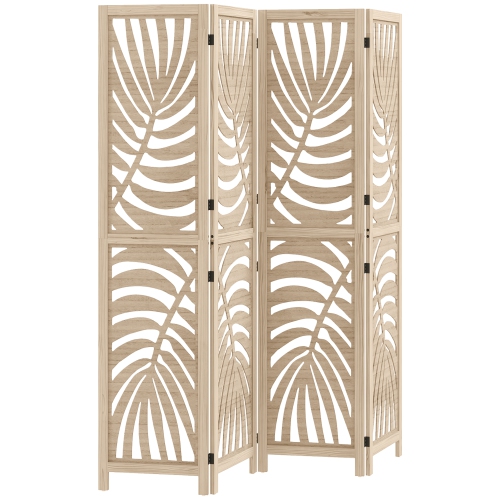

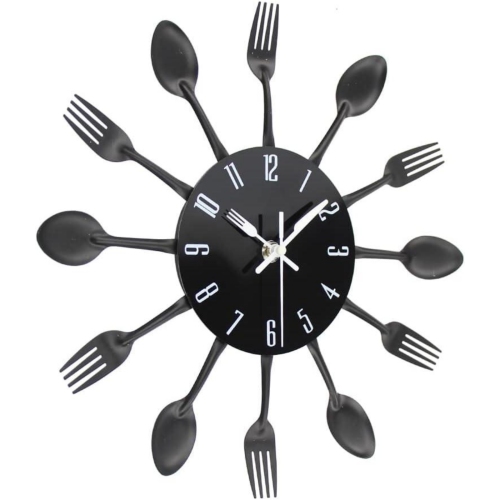
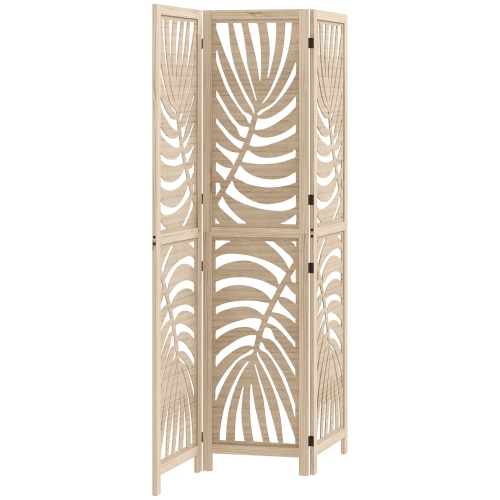
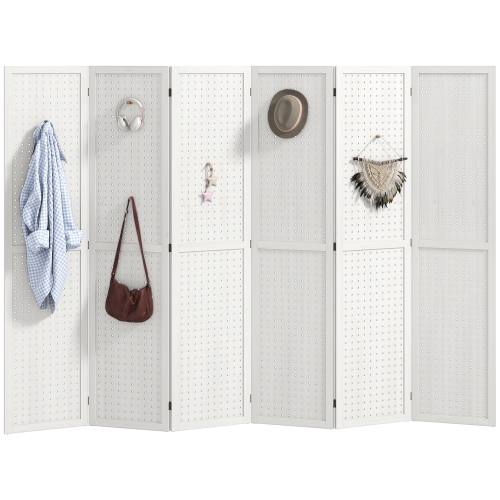
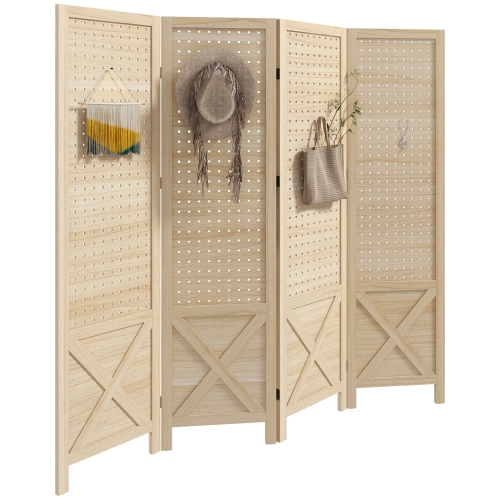
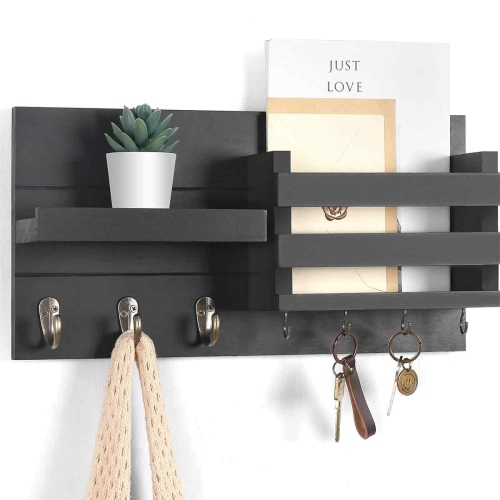
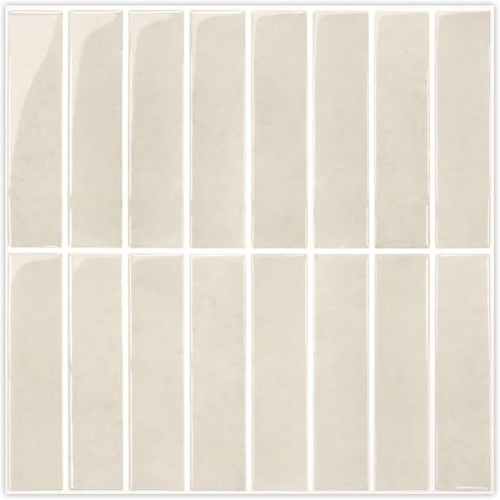
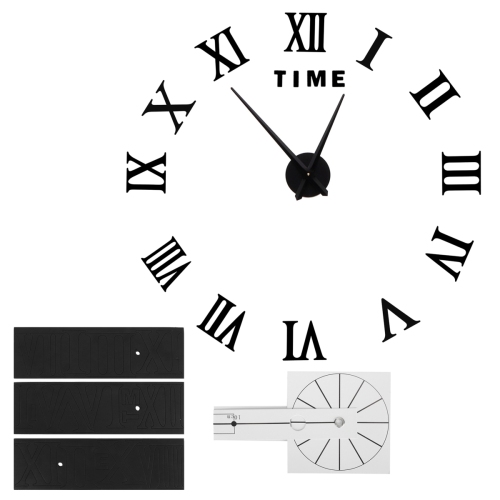
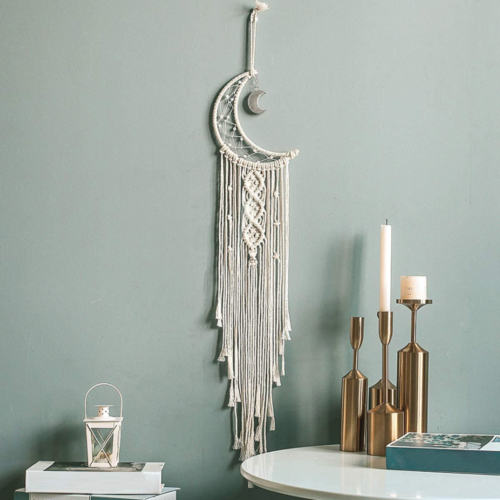

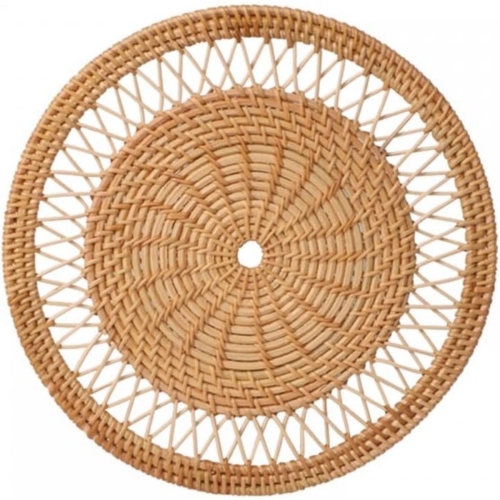
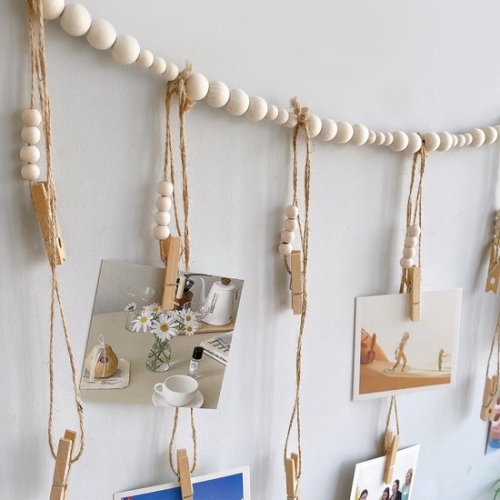
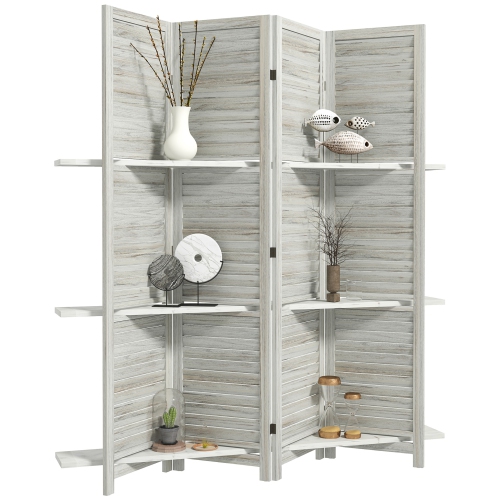
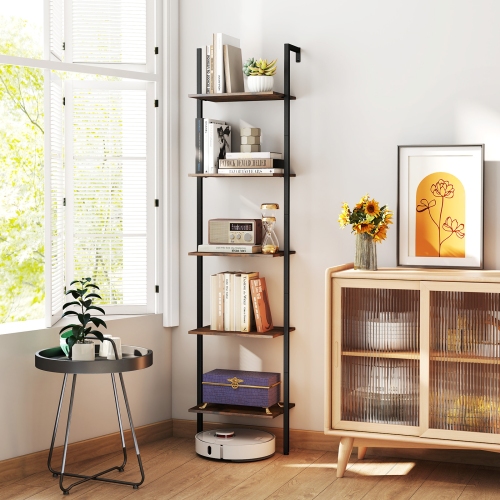
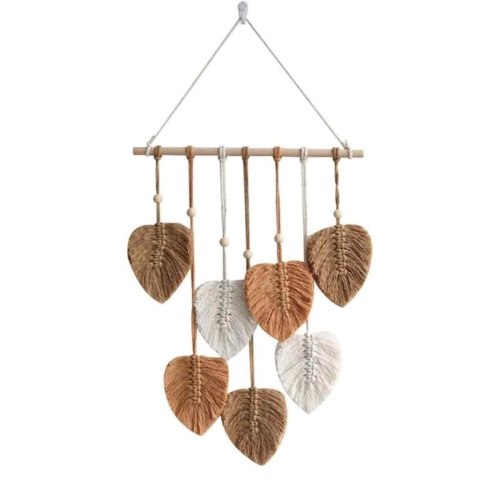

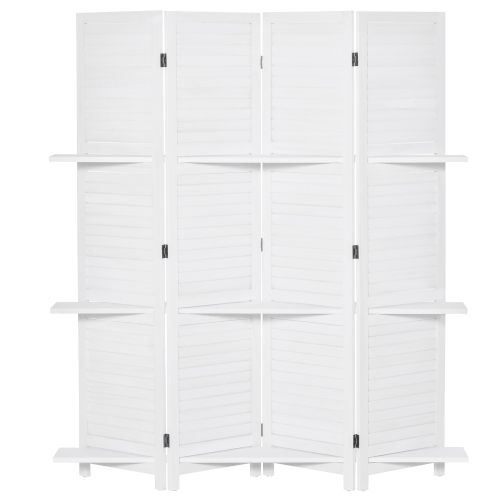

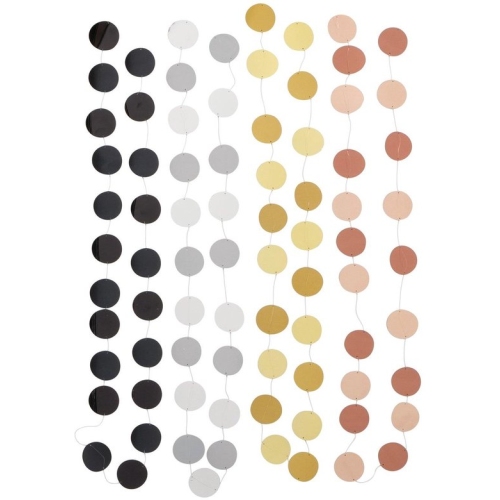
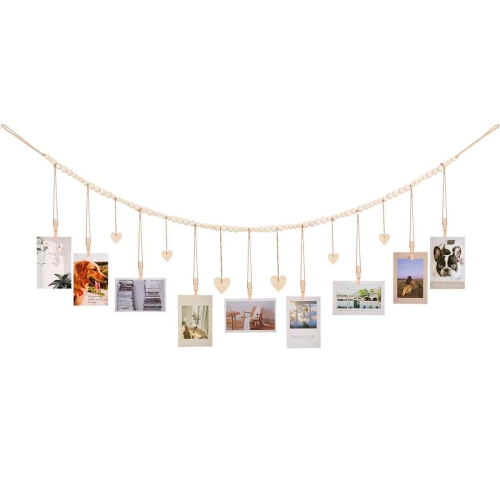

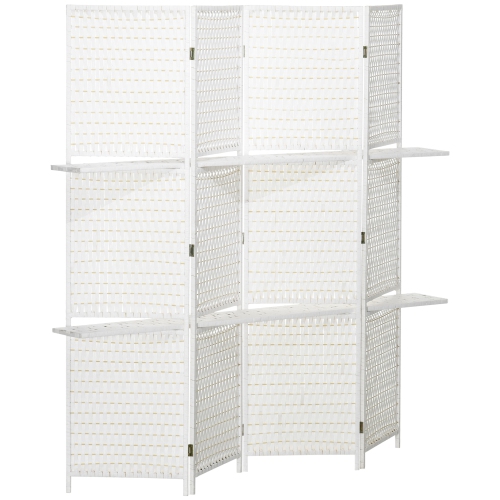
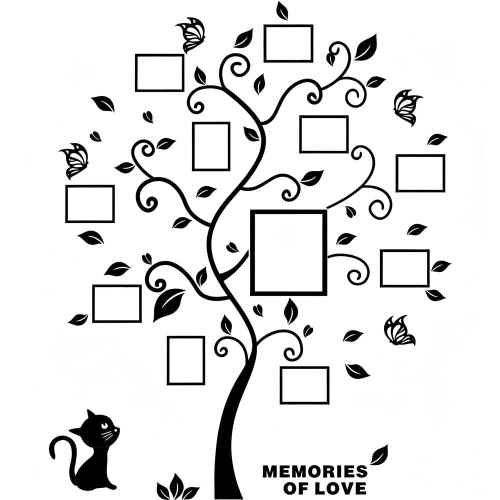
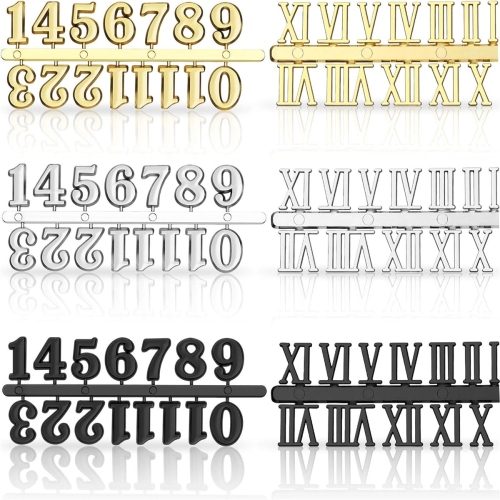
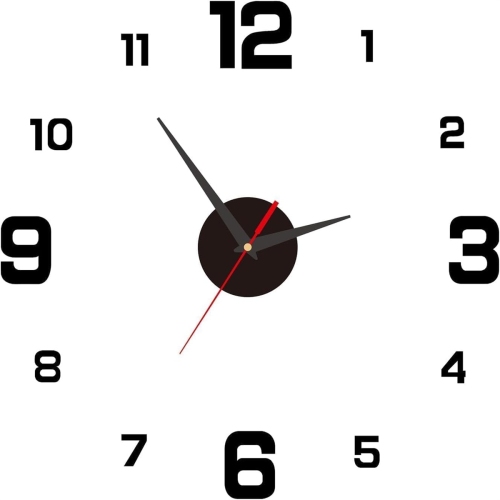
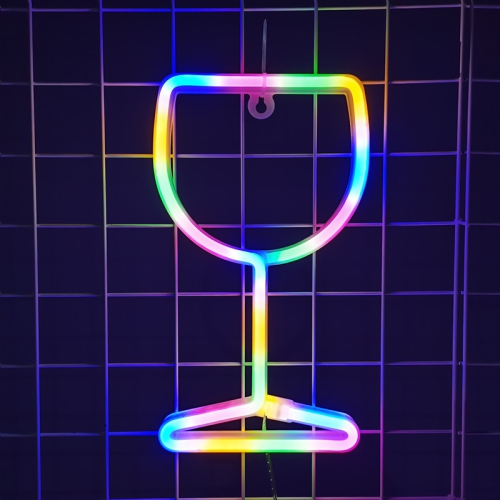
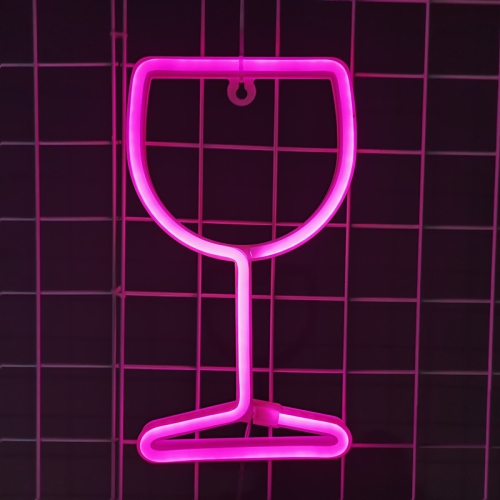
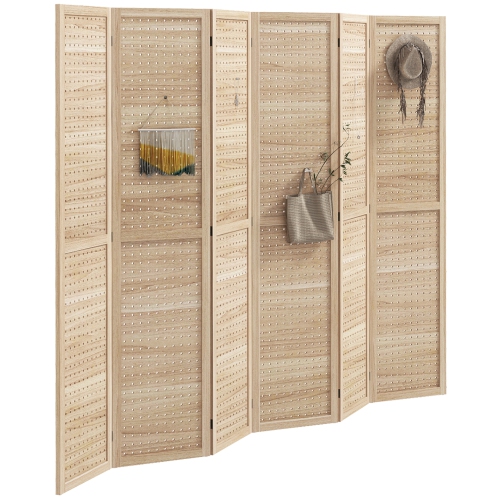
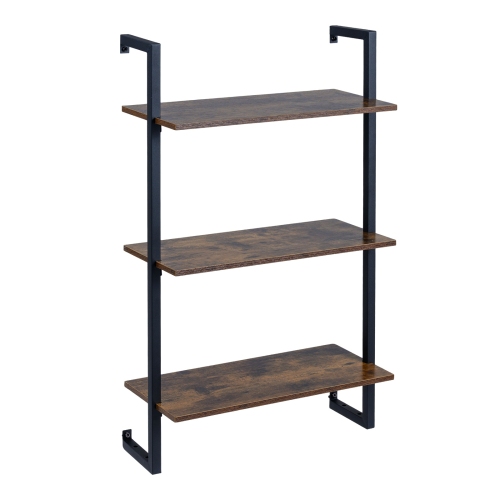

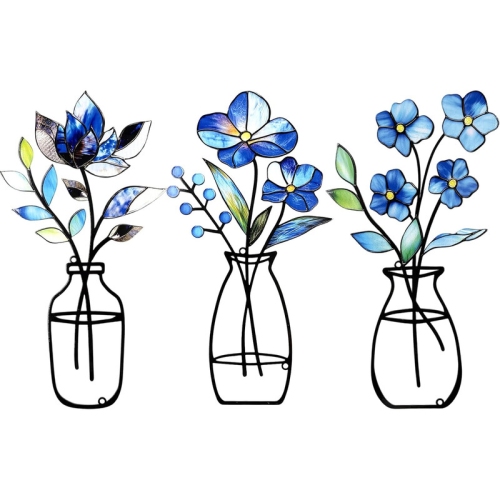
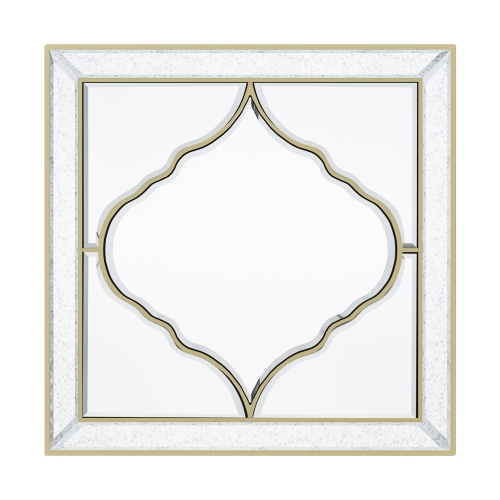

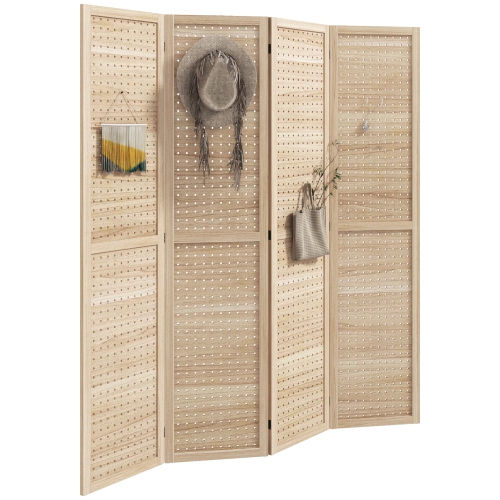
Workspace personality without sacrificing room on your desk
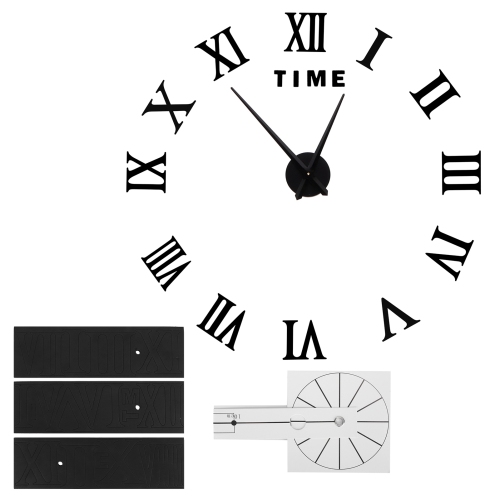
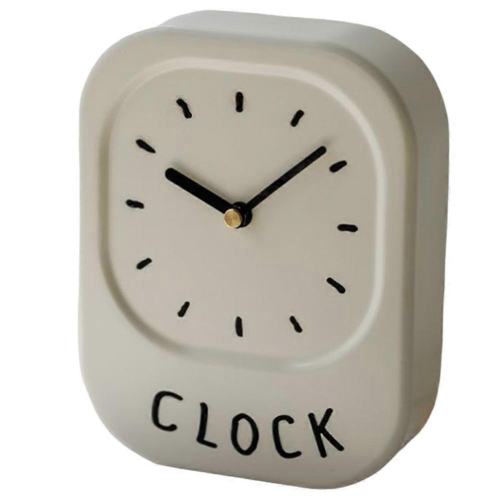
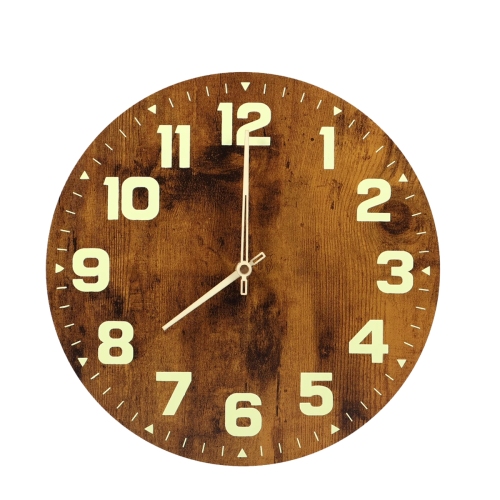
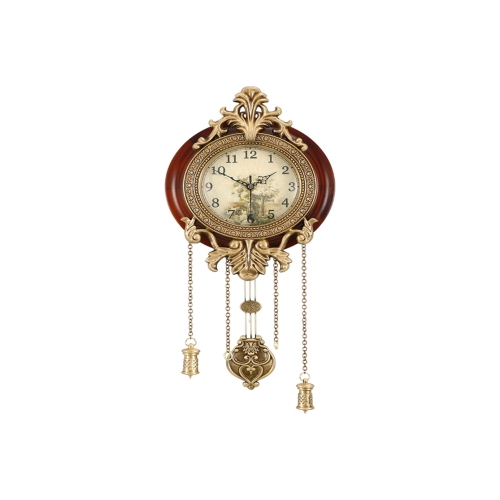
Home office wall decor gives a workspace character without taking up the desktop space needed for a keyboard, paperwork, and everyday tasks. Framed prints, canvas art, wooden signs, wall clocks, and display shelves can make a dedicated office feel more personal or help a desk in a living room look like part of the home. The best fit depends on how the space is used: a quiet corner for writing may suit soft colours and simple botanical artwork, while a design studio might feel more at home with bold shapes, architectural photography, or a rotating arrangement of sketches. Landscape prints bring depth to a compact room, and maps can reflect a connection to a hometown, a favourite destination, or places still on a travel wish list. Typography and motivational wall art offer another way to express personality, especially when the wording feels meaningful rather than distracting. Scale matters as much as subject matter. Artwork with a combined width of roughly two-thirds of the desk below it is a useful starting point for a balanced arrangement, although nearby windows, shelves, and the size of the wall can call for a different proportion. A single generous canvas can give a narrow workspace a clear focal point, while a group of smaller frames leaves room to mix photographs, illustrations, and personal achievements. Matching frame finishes helps varied images feel connected; mixing a few complementary finishes creates a more collected look. In an office that doubles as a guest room or dining area, wall art that relates to the surrounding furniture can help the work zone blend in after the laptop closes. For people who spend much of the day on video calls, the wall behind the chair also becomes part of the picture. A restrained arrangement with readable spacing often works better on camera than many small details, and matte surfaces can help limit distracting reflections from a nearby window or desk lamp.
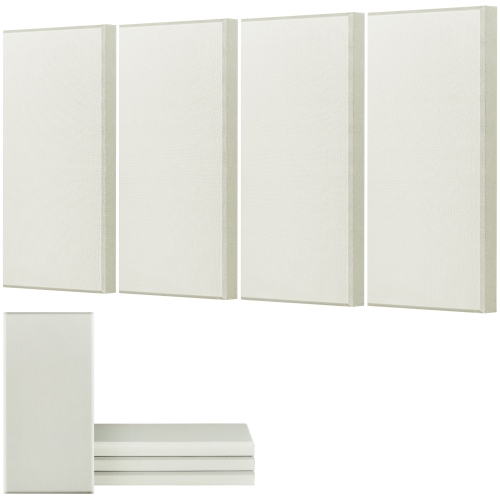
Materials and construction influence both the appearance of home office wall art and how it holds up to everyday use. Canvas has a textured surface that softens the look of an image, while framed paper prints can show fine lines and crisp details. Glass glazing provides a clear view but adds weight and can reflect light; acrylic glazing is typically lighter, though it can scratch more easily and needs appropriate cleaning. Wood frames and wall accents introduce visible grain and warmth, with natural variation that makes the finish feel less uniform. Metal frames offer slimmer profiles and can complement a workspace with steel desk legs, task lighting, or other clean-lined furnishings. Fabric and felt wall accents add a softer texture, while dimensional pieces create shadows that change as daylight moves across the room. For a broader treatment behind a desk, home office wall panels can introduce a repeated pattern or a more defined backdrop; any sound-absorbing benefit depends on the material, construction, coverage, and installation rather than appearance alone. The wall surface is another important part of the fit. Drywall, masonry, plaster, and tiled surfaces may require different mounting methods, and heavier artwork or shelving needs hardware suited to both the wall and the load. Removable adhesive hangers are only appropriate within their stated limits and may not suit textured paint, delicate finishes, or every rental space. Clearance deserves attention, too: a shelf above a desk should leave comfortable room for monitors, an adjustable workstation, and anyone standing up from the chair. Care requirements are usually straightforward but vary by finish. A soft, dry cloth is often suitable for routine dusting, while glazing and coated surfaces should be cleaned according to their care directions, without letting moisture reach print edges or unfinished wood. Direct sunlight can fade some images, and excessive moisture or heat can affect certain frames and canvases. Secure corners, firmly attached hanging fittings, and neatly finished edges are useful details when considering durability.
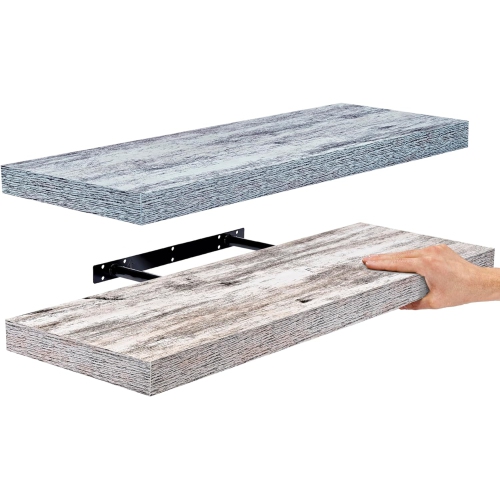
Functional wall decor combines visual interest with places to keep the working day organized. Corkboards, magnetic boards, pegboards, and wall grids can hold schedules, reference images, reminders, or lightweight accessories without spreading them across the desk. Their usefulness depends on the task: a student may want a clear view of assignment dates, a freelancer may need space for project notes, and a maker may prefer a layout that keeps frequently used tools within reach. A pinboard with a fabric surface can blend into a furnished room, while a simple metal grid offers an open framework for changing photographs and notes. Floating shelves add a place for books, framed images, and small personal objects, though the total load must stay within the shelf and mounting hardware limits. Shallow shelves tend to feel less intrusive above a compact desk, and closed-sided or lipped designs can help keep displayed pieces in position where intended. Wall clocks provide an easy time check away from a screen, with dial contrast, viewing distance, and movement noise all worth considering in a space used for focused work or calls. In shared offices, separate wall zones can give each person a sense of ownership while a common colour palette keeps the room visually connected. Practical displays also benefit from some breathing room: leaving space between a calendar, artwork, and storage makes each element easier to see and use. Personal information on planning boards deserves particular care when it could appear in a video-call background. During the cooler months, when more work may happen under lamps rather than daylight, warm wood tones, textured artwork, and thoughtfully placed lighting can make the area feel welcoming without crowding it. Home office wall accents can also make thoughtful gifts for someone starting a new role, setting up a study space, or moving into a home with a dedicated office. A subject tied to their interests, a finish that suits their furniture, and a size that fits their wall are more personal considerations than a passing trend. Whether the space supports full-time remote work or occasional household paperwork, well-chosen wall decor gives useful structure and a sense of belonging to the hours spent there.
Top selling and popular products
-
 Your price for this item is $399
-
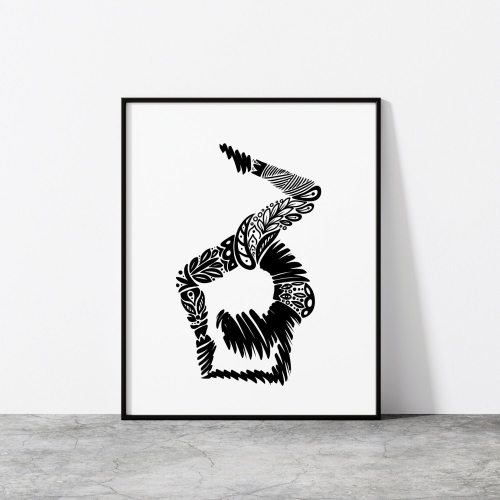 Your price for this item is $37.5
-
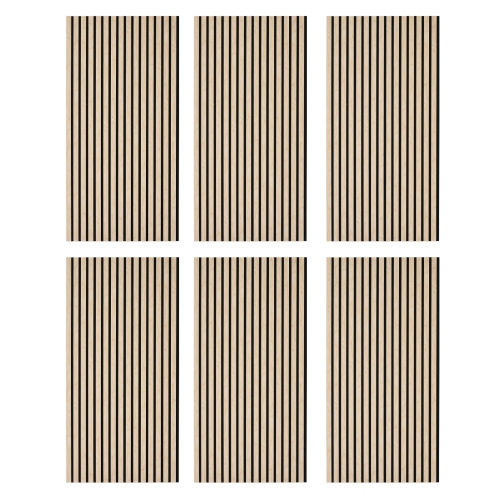 Your price for this item is $124.9
-
 Your price for this item is $39.99
-
 Your price for this item is $49.99
-
 Your price for this item is $49.99
-
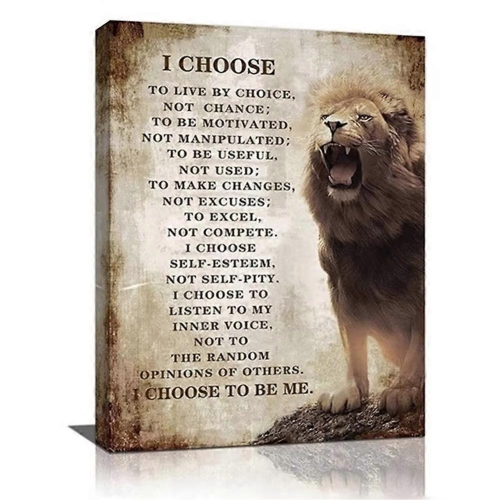 Your price for this item is $34.99
-
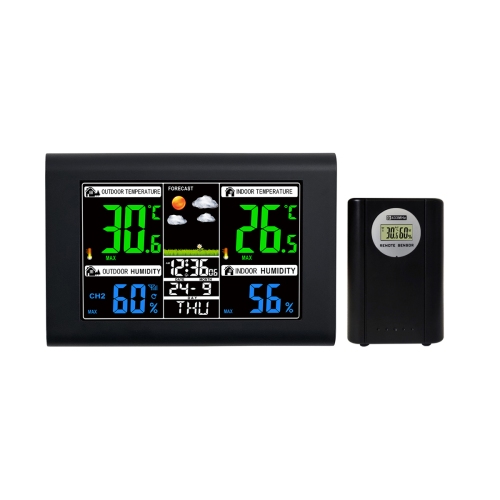 Your price for this item is $56.95
Discover more categories related to Home Office Wall Decor
Top Collections:
Pokemon Centers, Kindle Devices, Best Cameras for Sports Photography, Pokémon 30th Celebration Cards, Canon G7X Cameras, Samsung Galaxy Phones, iPhone 15 Apple, Best Black Friday Deals On Electronics, Jackery Power Stations, Solar Generators for Home
Some products may be subject to Environmental Handling Fees
(EHF) depending on your province.
Learn more about EHFs.