Immersion Blenders
Immersion blenders are a versatile kitchen tool that can revolutionize the way you prepare your favorite recipes. Also known as a hand blender or stick blender, these compact devices allow you to blend, puree, and emulsify ingredients directly in a pot, bowl, or even a glass. Here are some great options available.
Sort
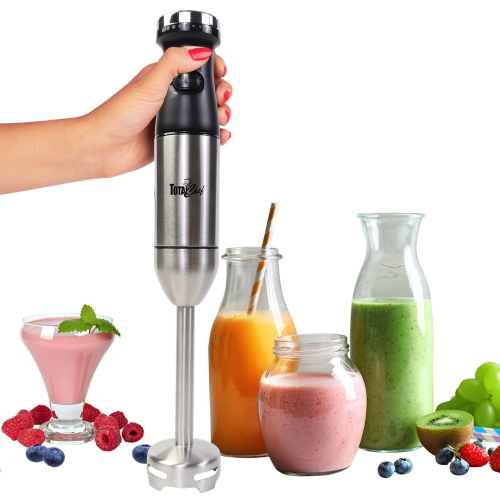
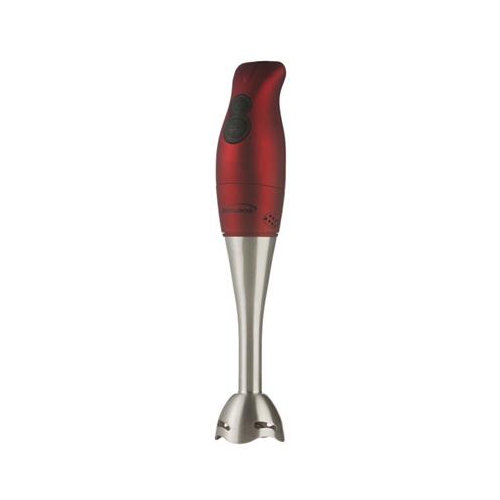


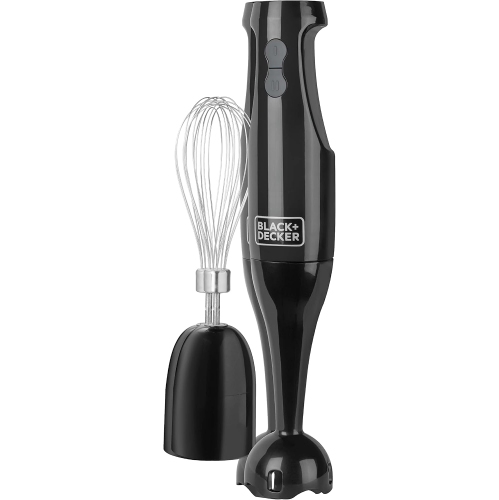
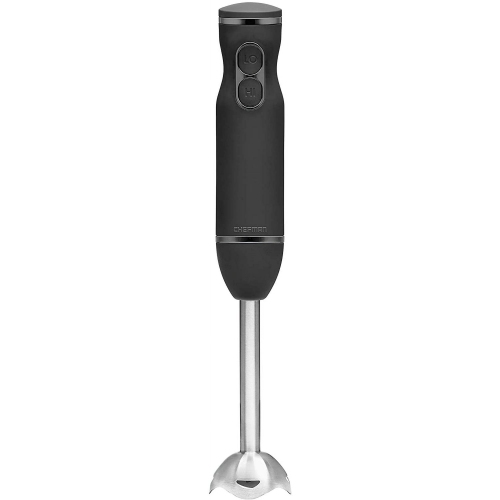

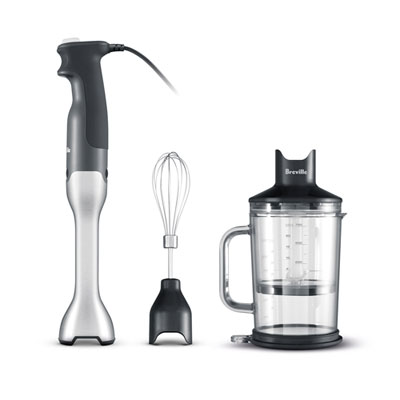
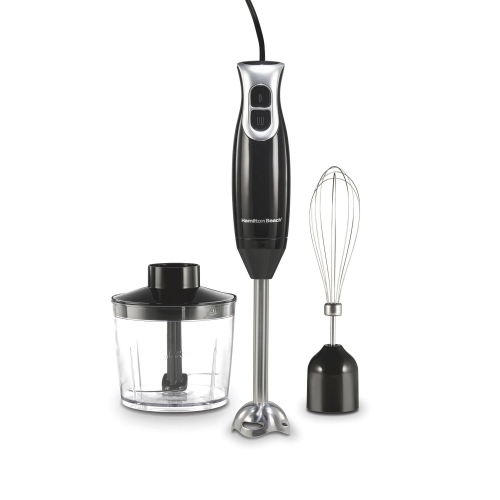
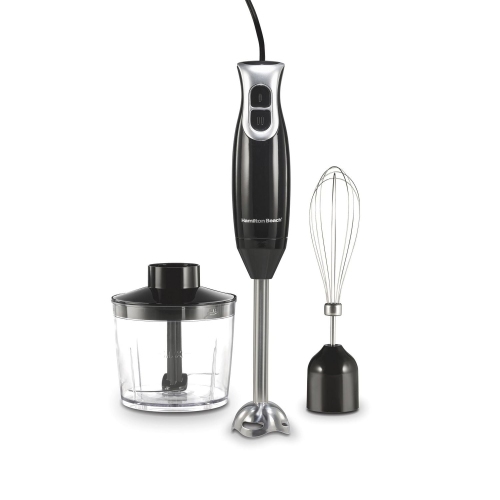
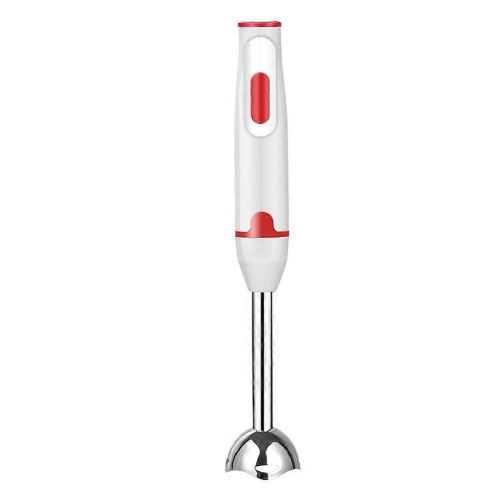
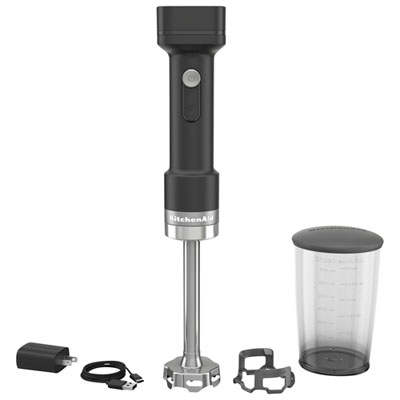

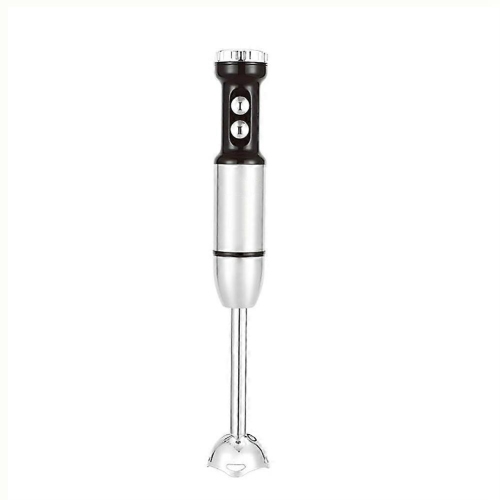
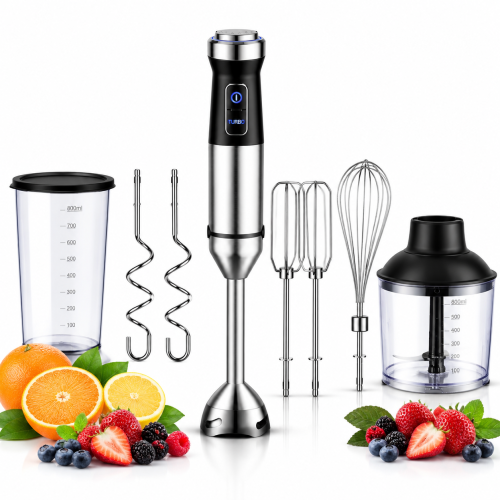
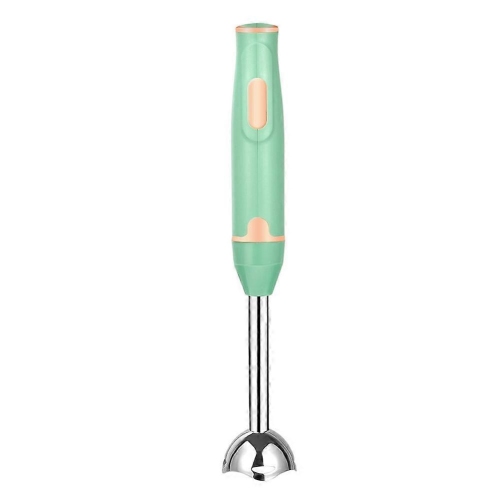
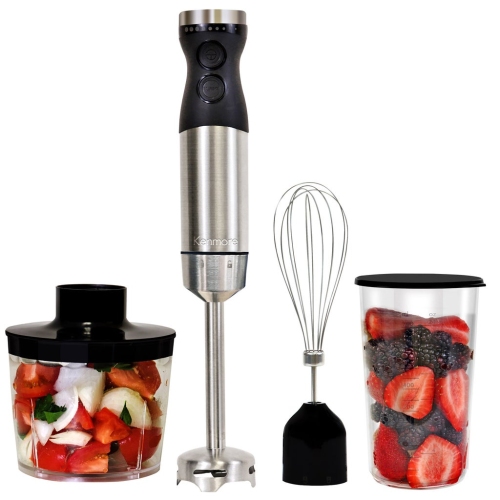

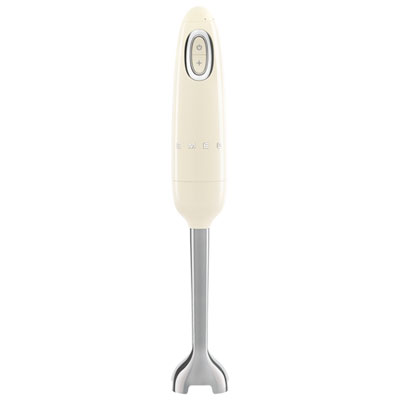
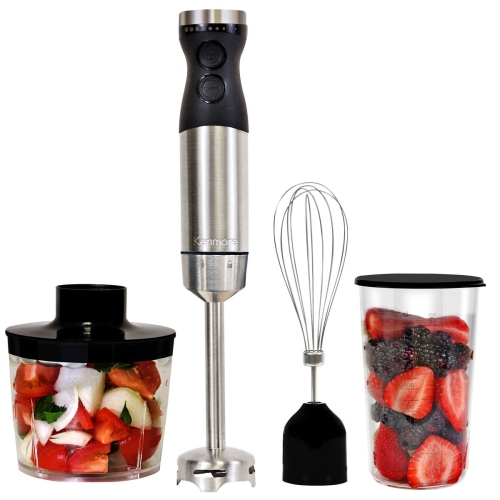
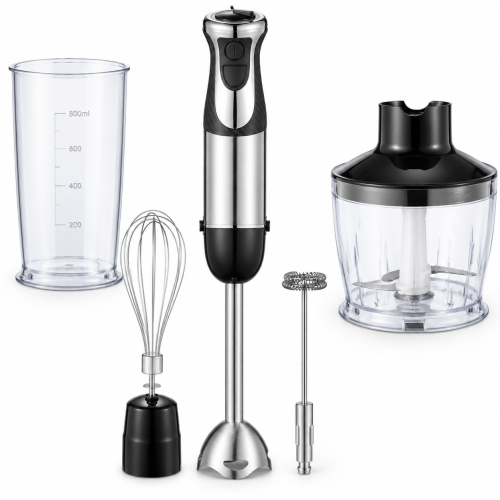

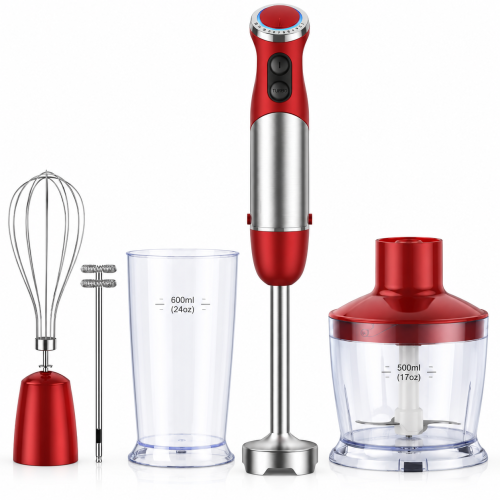
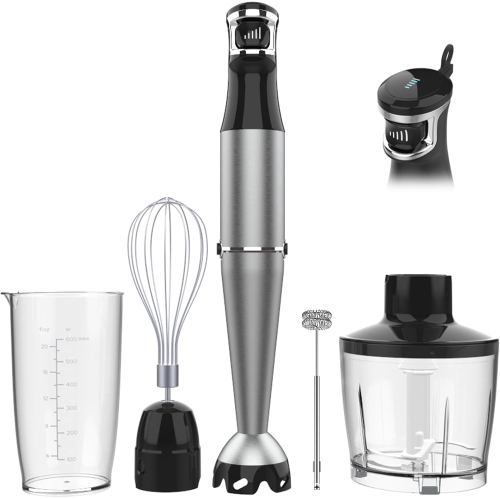
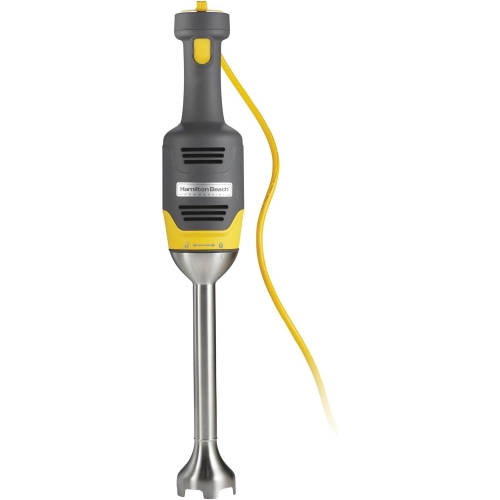
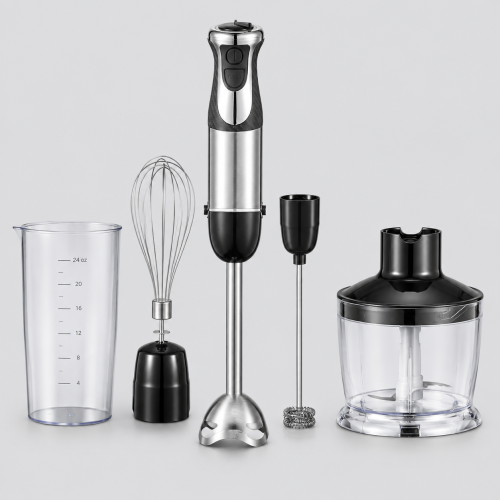
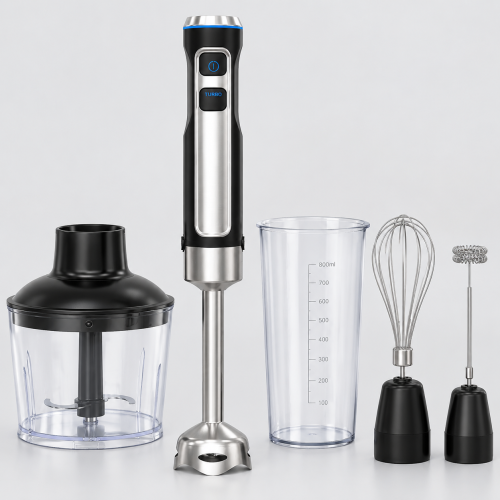
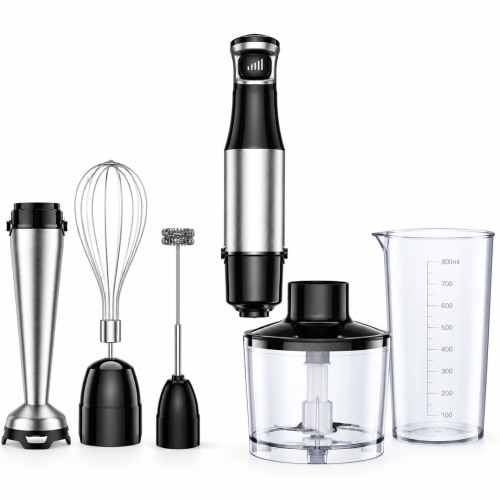
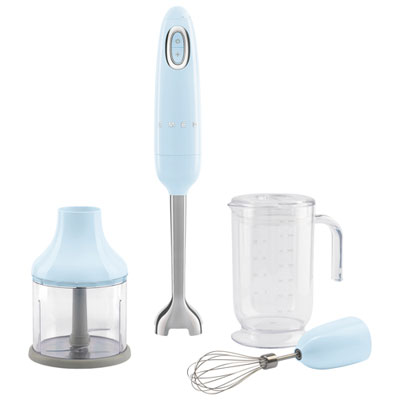
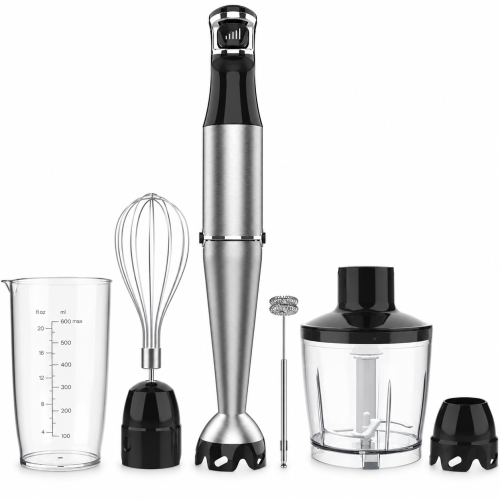
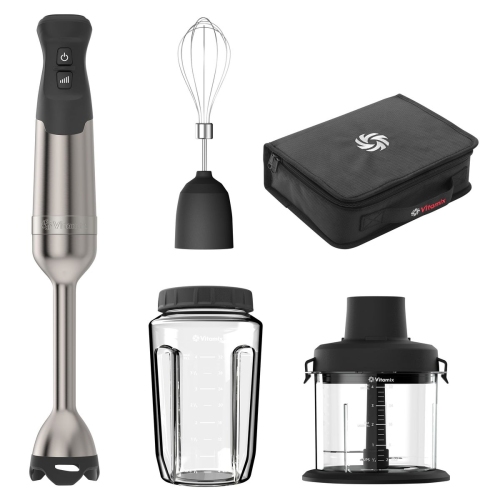
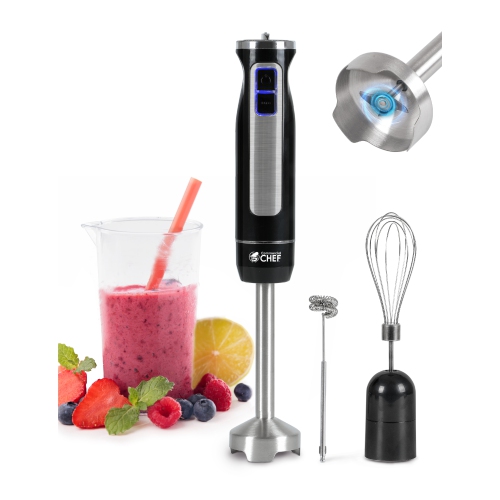

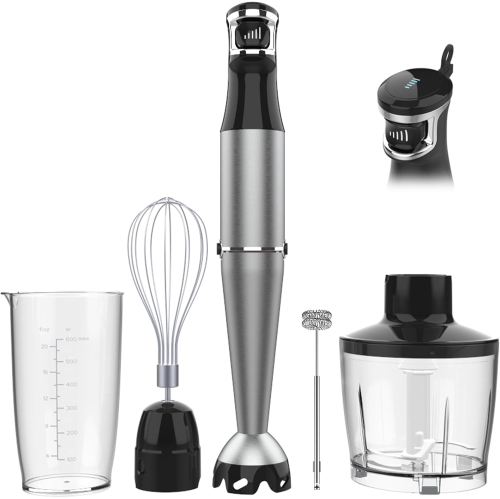
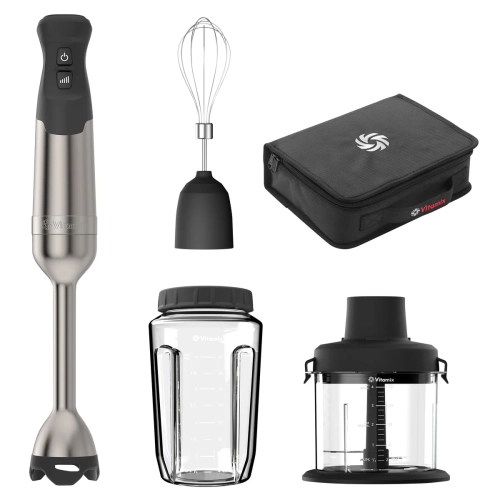
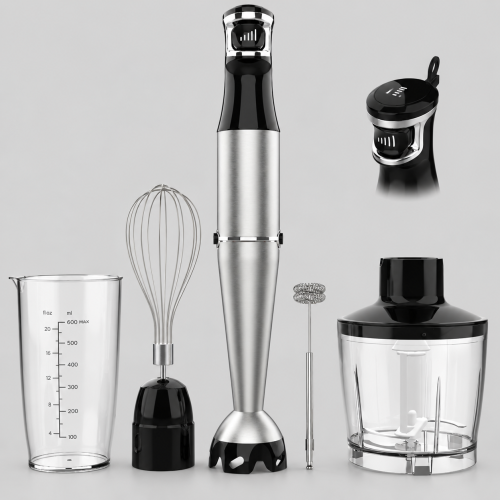
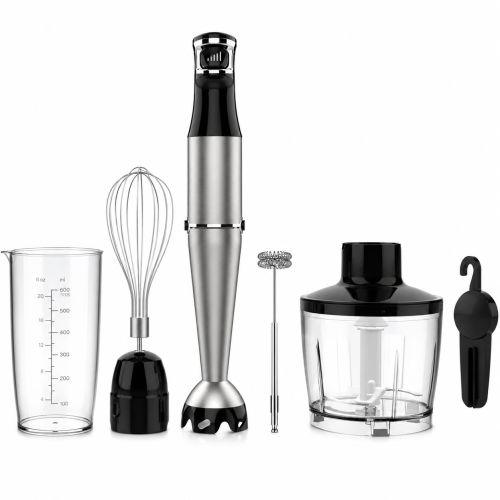


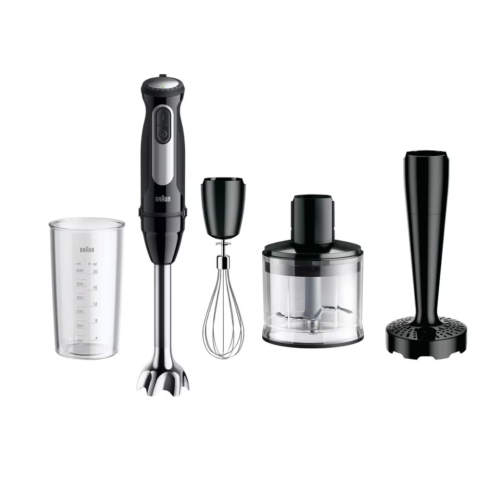
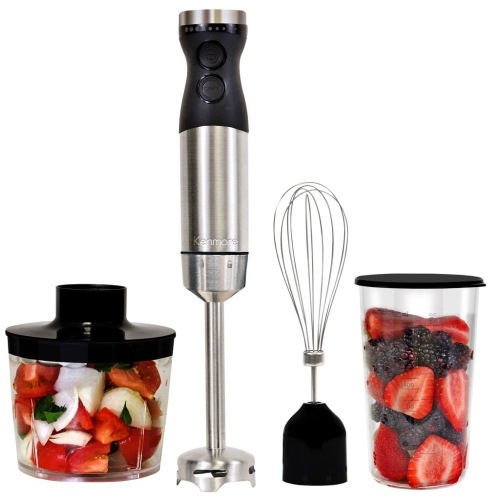
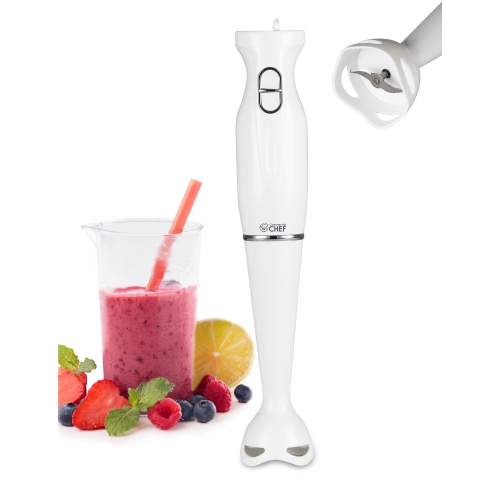


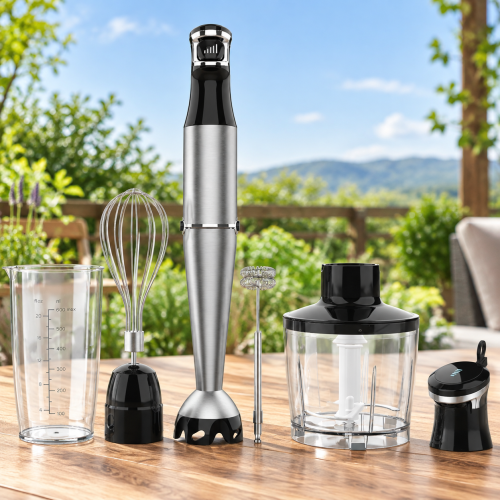


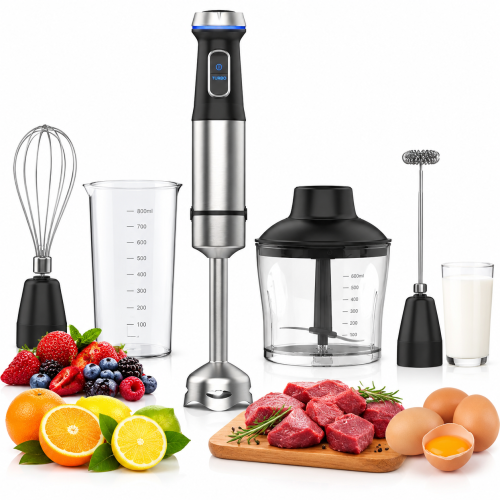
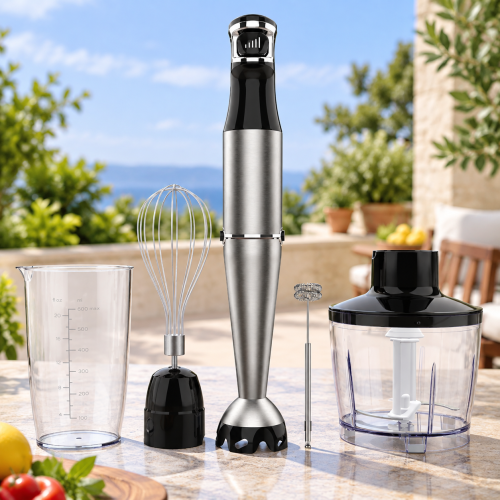








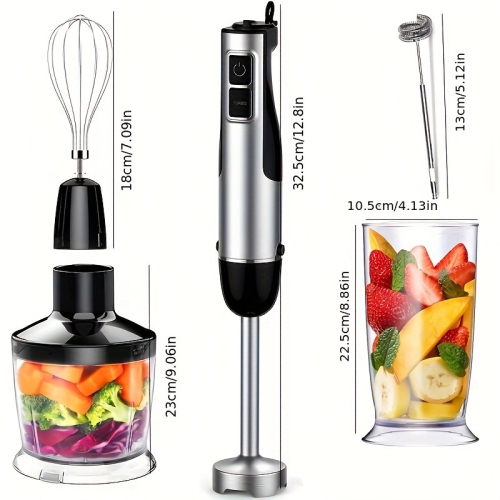
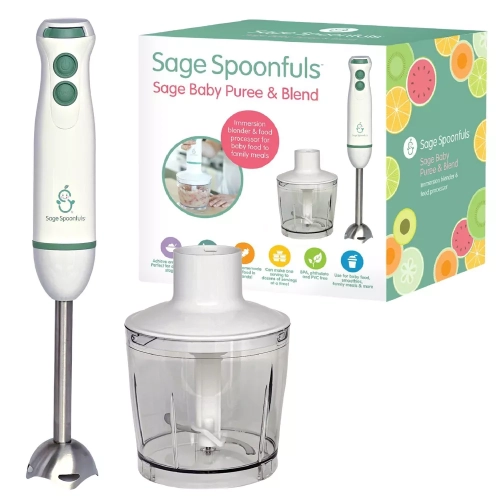
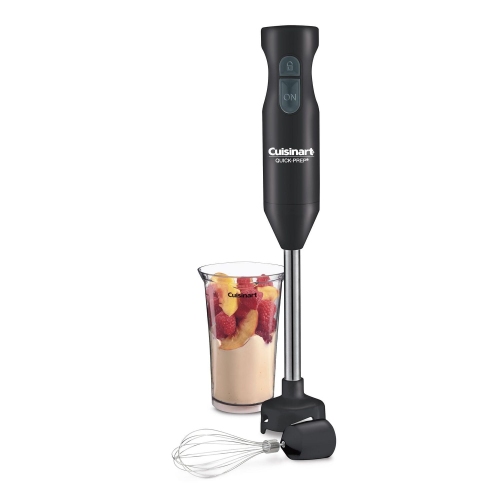
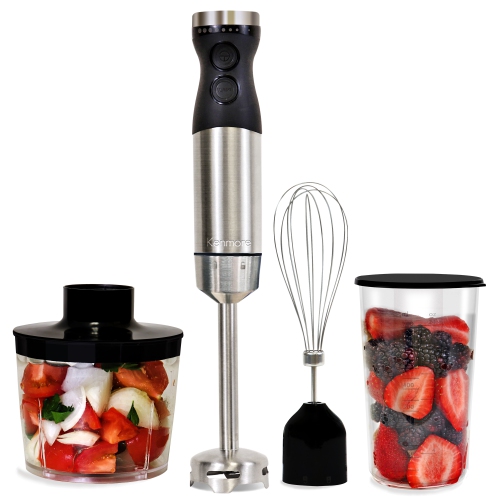


Smooth soups without the extra blender jug
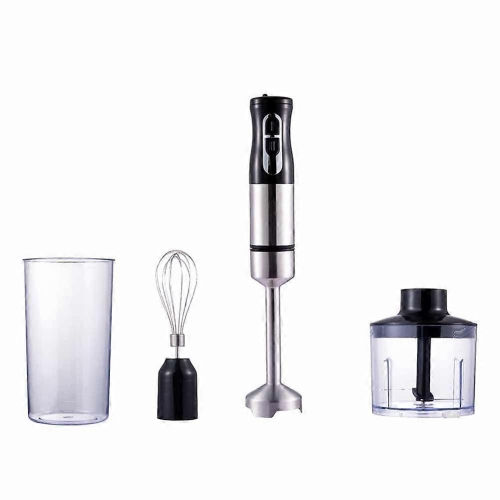
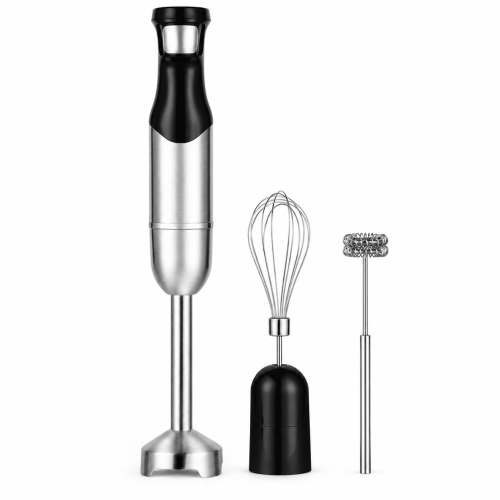
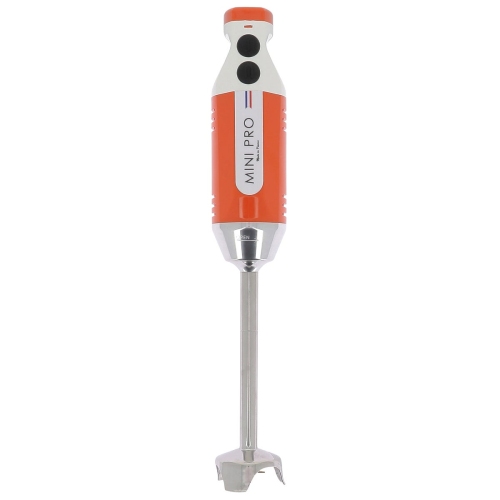
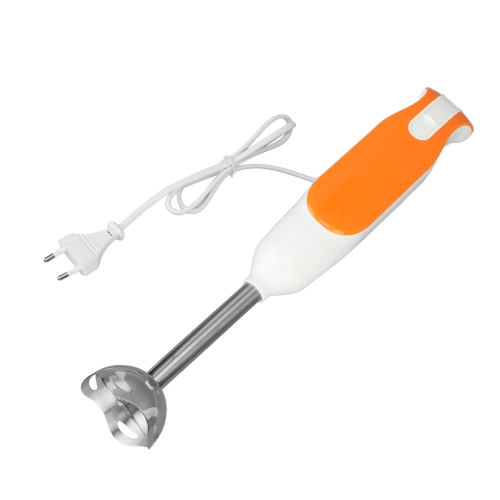
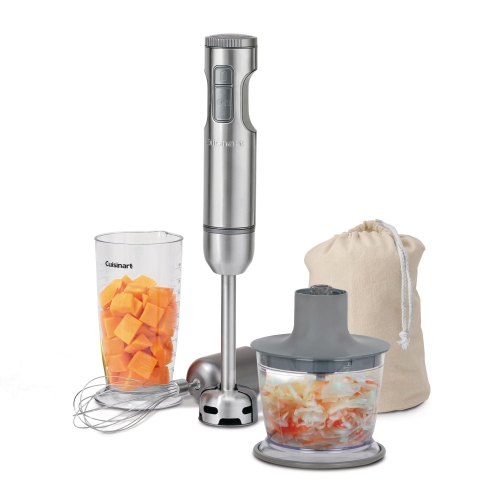
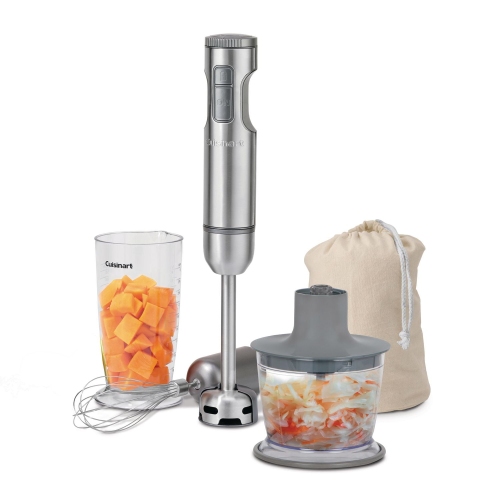
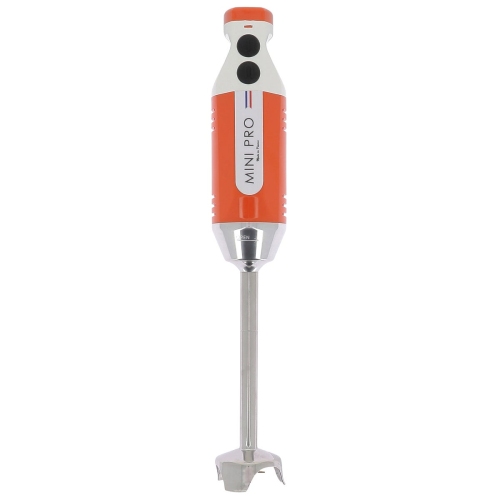
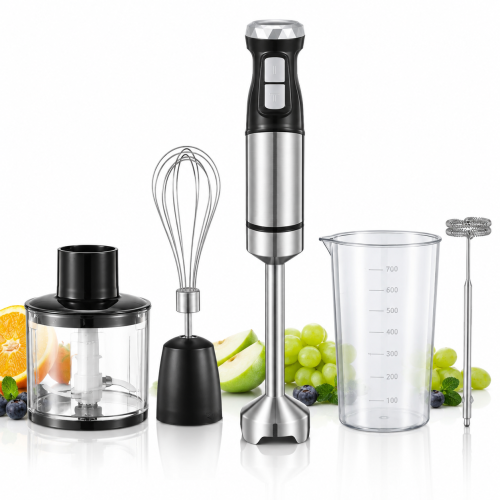
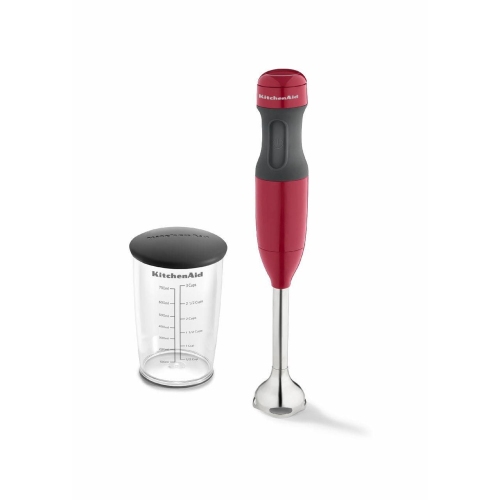
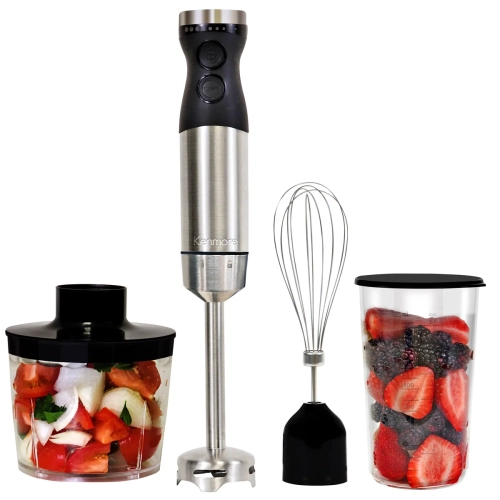
Immersion blenders are handheld kitchen appliances that blend, purée, and emulsify ingredients directly in a pot, bowl, or blending beaker. Also called hand blenders or stick blenders, they combine a motorized handle with a narrow blending shaft and a guarded blade at its base. This design makes them particularly useful for turning cooked vegetables and broth into smooth soup without transferring the mixture to a separate blender jug. They also suit everyday tasks such as smoothing tomato sauce, blending salad dressings, and making a small batch of pancake batter. For someone who cooks in a compact kitchen, an immersion blender can handle several familiar preparation jobs while taking up relatively little cupboard space. For a household that regularly makes soups and sauces, its appeal is just as practical: the food stays in its cooking vessel, with fewer containers to wash afterwards. Texture is part of that versatility. Brief bursts can leave some body in a vegetable soup, while longer blending can create a more uniform purée, depending on the ingredients and the appliance’s capabilities. A tall, narrow beaker helps contain splashes when preparing smaller quantities, provided its opening comfortably accommodates the blade guard. Smoothies made with soft fruit, yogurt, and enough liquid can also be a good fit, although frozen ingredients require a model specifically designed to process them. Ice crushing, thick nut butter, and dense mixtures are not suitable tasks for every hand blender. Within the broader selection of Kitchen Blenders, immersion blenders stand out for working directly in a compatible vessel rather than requiring a dedicated jug. A countertop blender may be better suited to frequent frozen drinks or larger batches, while a handheld design offers convenient control over soups, sauces, and modest portions. The most useful choice depends on the food being prepared, the quantities involved, and how the appliance fits into an established cooking routine.
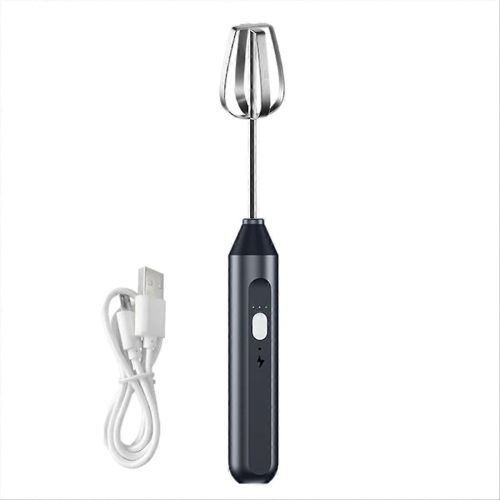
Materials, handling, and reach all affect how an immersion blender feels in use. Stainless-steel blending shafts are common and can offer good resistance to staining from ingredients such as tomatoes, though suitability for hot food still depends on the manufacturer’s instructions. Plastic components can help keep an appliance light, but their permitted uses and care requirements vary. The shape of the blade guard matters too: it influences how ingredients move around the blade and how easily the base reaches into the corners of a beaker. A metal guard can mark delicate cookware, so a compatible protective pan guard may be useful for non-stick surfaces where the appliance and cookware instructions permit contact. Shaft length should suit the vessels used most often. A deep stockpot calls for enough reach to immerse the blending head without bringing the motor housing close to the food, while a narrow jar needs enough clearance around the guard. Maximum immersion markings, where provided, identify limits that should not be exceeded. Comfort becomes noticeable during a batch of soup or a dressing that needs gradual emulsification. A balanced handle, secure grip, and accessible controls can make the appliance easier to hold, particularly when a button must remain pressed throughout blending. Variable-speed controls allow gentler mixing at the start and faster blending when the mixture needs further smoothing. Some designs use pressure-sensitive triggers, while others have separate speed settings or a boost function. Motor wattage describes electrical power input, but it does not tell the whole story about performance; blade design, ingredient movement, and operating limits also matter. Corded immersion blenders avoid the need to recharge, although cord length and outlet placement affect where they can be used. Cordless designs offer more freedom around a preparation area, with battery runtime, charging time, and storage space for the charger adding their own considerations. Neither format eliminates the need to keep the handle dry and the work area stable.
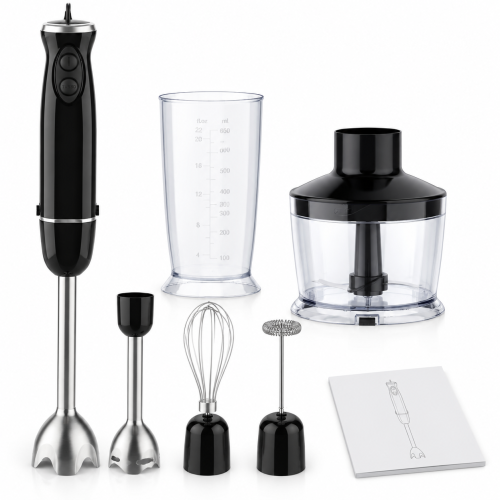
Attachments can broaden an immersion blender’s role without making every configuration suitable for the same tasks. A whisk attachment may handle whipped cream, beaten eggs, or light mixtures, while a separate chopper bowl can be useful for herbs, onions, or small quantities of nuts when those ingredients are approved for the attachment. These accessories work differently from the main blending shaft and have their own capacity and operating limits. A supplied beaker can be especially handy for vinaigrettes or a little sauce because its proportions help keep ingredients around the blade. Measuring marks and a pouring spout add convenience, but the vessel still needs room above the mixture to reduce splashing. For hot soup, safe handling is as important as blending performance: the appliance must be rated for the task, the pot should be taken off the heat, and the manufacturer’s temperature limits should be followed. Keeping the blending head submerged during operation helps limit splashes; stopping the blade before lifting it out helps prevent droplets from scattering across the worktop. Thick mixtures may require pauses or smaller batches rather than extended continuous running. Day-to-day care is generally more manageable with a detachable shaft, which separates the food-contact parts from the motor housing. Dishwasher-safe claims apply only to the components identified by the manufacturer, not automatically to the whole appliance. Disconnecting power as directed before removing attachments or cleaning around the sharp blade is essential, and the motor handle should not be submerged. Prompt cleaning helps prevent food from drying inside the guard, while thorough drying and protected storage help keep attachments in good condition. Secure connections, clearly stated operating limits, and access to compatible replacement parts are useful considerations for long-term ownership. Storage matters as well: a simple shaft-and-handle setup fits differently in a drawer than a set with a whisk, chopper, and charging base. For home cooks setting up a first kitchen, someone who enjoys making sauces from scratch, or a gift recipient who regularly prepares soup, an immersion blender can be a thoughtful, practical addition. Matching its size, controls, and accessories to those everyday habits gives it a clear purpose beyond an occasional recipe.
Top selling and popular products
-
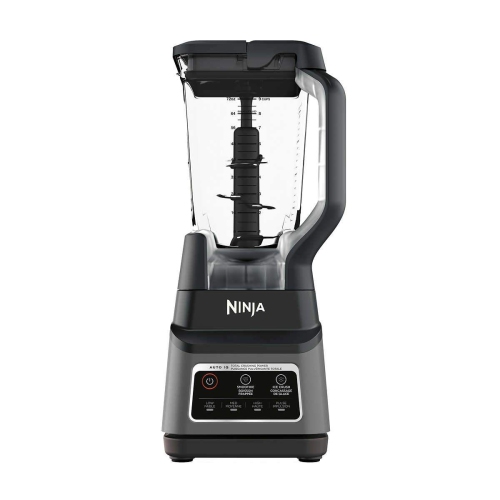 Your price for this item is $159.99
-
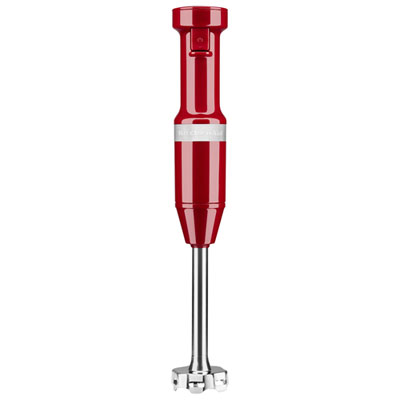 Your price for this item is $49.99
-
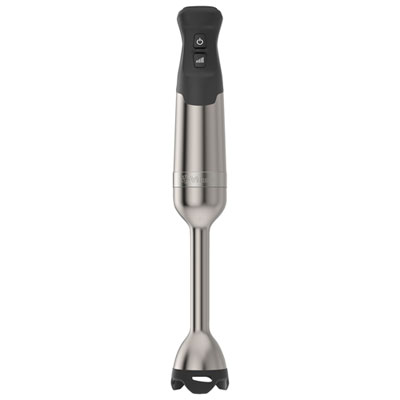 Your price for this item is $249.99
-
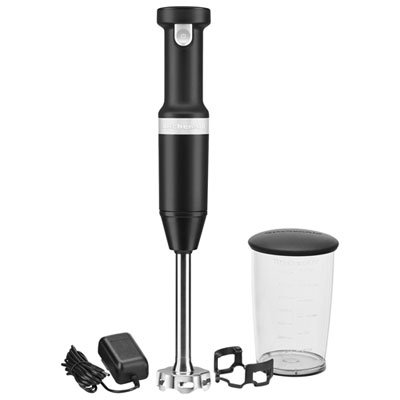 Your price for this item is $99.99
-
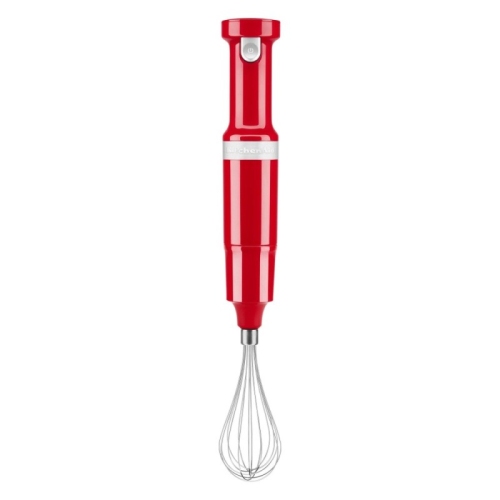 Your price for this item is $129.99
-
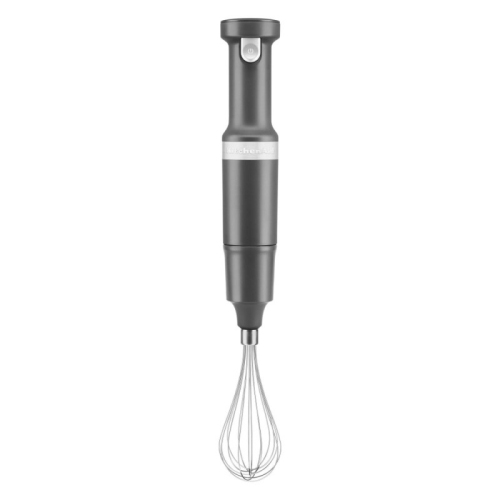 Your price for this item is $129.99
-
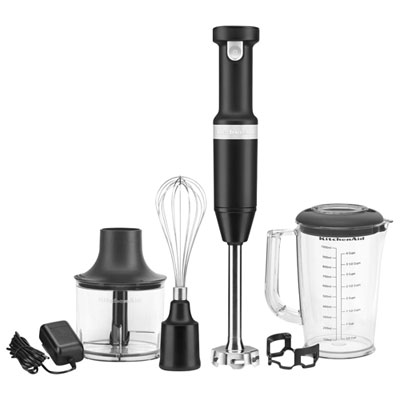 Your price for this item is $129.99
-
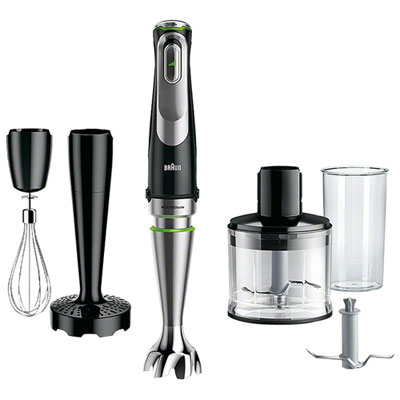 Your price for this item is $199.99
Discover more categories related to Immersion Blenders
Top Collections:
Pokemon Centers, Kindle Devices, Best Budget Office Chairs, Canon G7X Cameras, Apple iPhones 16, Samsung Galaxy Phones, Refurbished Apple Laptops, Laptops for Students, iPhone 15 Apple, Budget Smartphones
Some products may be subject to Environmental Handling Fees
(EHF) depending on your province.
Learn more about EHFs.