Good Immersion Blenders
The best immersion blender is a kitchen appliance that combines the functions of a food processor and a blender. It's designed to puree soups, stews, and other liquid-based recipes. The best immersion blender will have a powerful motor, a wide base for stability, and an ergonomic design that makes it comfortable to use. Here are some great options available today.
Sort
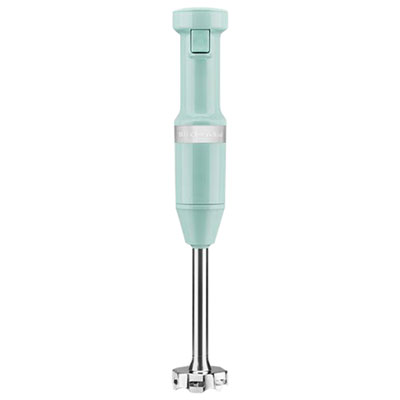
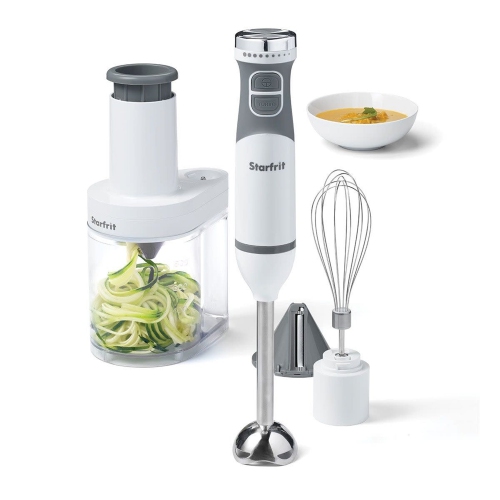
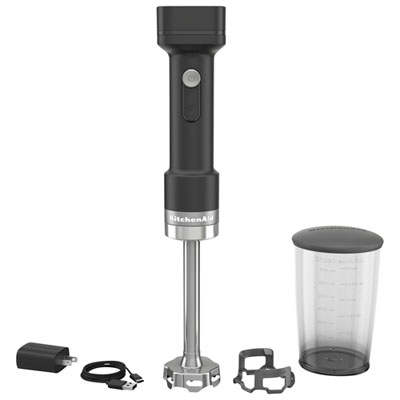
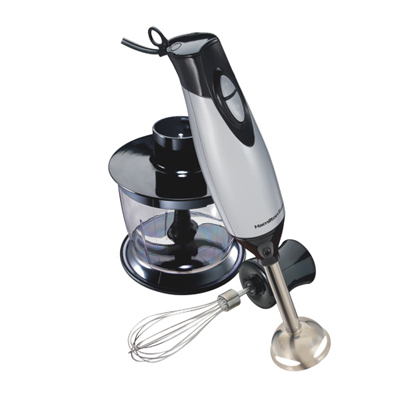

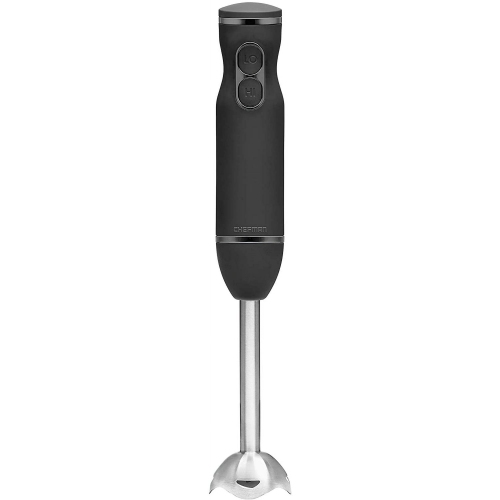
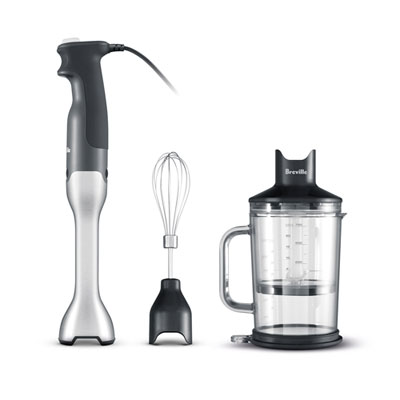


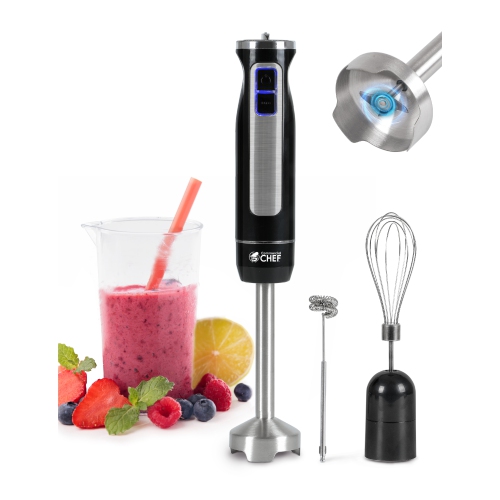
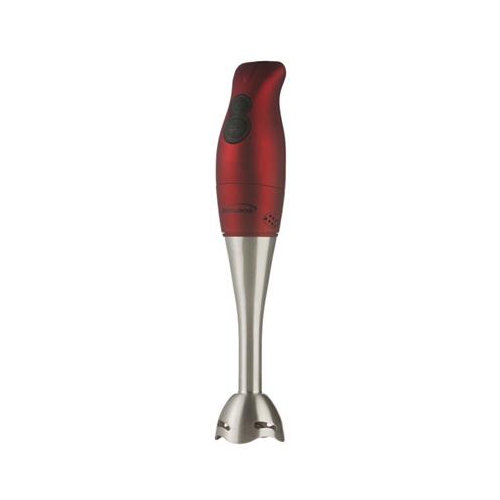
Easier soup and sauce prep right in the pot
Good immersion blenders combine effective blending, comfortable handling, and straightforward cleaning, making everyday tasks such as puréeing soup or smoothing a sauce easier to manage. Also called hand blenders or stick blenders, these handheld appliances bring the blade to the ingredients rather than requiring everything to be transferred into a countertop blender jug. A blending shaft reaches into a suitable pot, bowl, or tall mixing vessel, while a protective guard surrounds the blade. That arrangement is useful for turning cooked carrots into a velvety soup, blending roasted peppers into a pasta sauce, or working a little texture out of a bean dip. For home cooks who prepare smaller batches, an immersion blender can also handle a quick fruit drink made with soft ingredients, a salad dressing, or mayonnaise prepared in an appropriately sized vessel. Results depend on more than motor power: blade design, the shape of the guard, speed control, and the amount of food being processed all affect how evenly ingredients circulate. A blender that draws food towards the blade without repeatedly sticking to the bottom of the container can feel easier to control. Variable speed settings offer flexibility, with gentler blending suited to delicate mixtures and higher speeds useful for thoroughly breaking down cooked vegetables. Smooth speed adjustments can also help limit splashing as a mixture changes consistency. These appliances are particularly convenient when the goal is to blend part of a soup while leaving some vegetables or beans intact, creating body without making the entire dish uniform. They are not interchangeable with every countertop blender or food processor, however. Thick nut mixtures, large quantities of frozen ingredients, and ice crushing require capabilities that should be confirmed in the appliance specifications. Fibrous greens, seeds, and tougher skins may also retain some texture. For many households, the appeal lies in having a focused kitchen tool that makes frequent, manageable jobs less cumbersome, whether preparing a single portion of sauce or finishing a pot of soup for several people.
Materials and proportions have a noticeable effect on how an immersion blender feels in daily use. Stainless steel blending shafts are common because they are sturdy and resist staining, although suitability for hot liquids still depends on the appliance’s stated limits. Plastic components can reduce weight, while the quality of the attachment points and the fit between the shaft and motor housing influence how solid the appliance feels. A detachable shaft makes cleaning and storage more convenient, especially when it connects securely without awkward twisting or excessive force. Shaft length matters when working in deeper pots, but the whole appliance should remain manageable enough to hold steadily throughout a blending session. A comfortable handle, balanced weight, and controls within easy reach can matter more than a long list of settings. Someone blending a thick vegetable soup may appreciate a grip that stays secure with a relaxed hand, while a cook making dressings in a narrow beaker may prefer a lighter body and precise speed control. Buttons that require constant pressure are worth considering for anyone who finds sustained gripping tiring. The blade guard also deserves attention: its shape affects circulation and access to food near the bottom of a container, but it should not be assumed to protect every cookware surface from scratches. Care is especially important with coated pots. Corded designs need access to an outlet and enough cord length to reach the work area safely; cordless designs offer more freedom of movement but introduce charging, battery capacity, and storage considerations. Motor wattage provides some information, yet it does not establish blending quality on its own. A higher number cannot guarantee smoother results, quieter operation, or better performance with dense ingredients. Intended use is a more useful starting point. Optional whisk attachments can suit light mixtures or whipped cream, while compatible chopping bowls can help with small quantities of herbs, onions, or nuts when those tasks are supported. Each accessory has its own capacity and limitations, and a whisk attachment should not be treated as a substitute for a mixer designed to knead dough or handle heavy batters.
Practical care helps an immersion blender remain pleasant to use long after its first few meals. Food caught around the blade guard is usually easier to remove before it dries, and a removable shaft allows the washable parts to be cleaned separately from the motor housing. Dishwasher suitability varies by component, so a metal shaft, plastic beaker, and attachment lid should not automatically receive the same treatment. The motor body generally needs wiping rather than immersion, and any cleaning around the blade requires the appliance to be disconnected from power, following its instructions. Secure connections, intact seals, and a cord kept away from heat and sharp edges all contribute to dependable everyday use. During blending, a sufficiently deep vessel helps contain splashes, particularly with thin mixtures. The blade guard should be submerged before the motor starts and remain submerged while running, with blending stopped before the shaft is lifted out. For hot soup, taking the pot off the heat and checking the manufacturer’s hot-liquid guidance helps reduce avoidable hazards; plenty of room above the liquid also makes handling easier. Very thick mixtures may need additional liquid or smaller batches, and recommended run times and pauses help prevent the motor from being overworked. Storage is another practical consideration, especially in kitchens where drawers already hold spatulas, measuring cups, and cooking utensils. A detachable design can fit into a drawer more easily, while accessories need enough space to remain accessible rather than becoming pieces that rarely leave a cupboard. For tighter storage spaces or lighter everyday tasks, Small Immersion Blenders offer a related category to explore, with shaft reach and handling still worth considering alongside overall size. An immersion blender can make a thoughtful gift for someone setting up a kitchen, a keen soup maker, or a home cook who enjoys preparing sauces and dips from scratch. Its usefulness comes from matching the recipient’s habits: easy controls, manageable weight, suitable attachments, and uncomplicated cleaning are features that support regular use rather than occasional experimentation.
Top selling and popular products
-
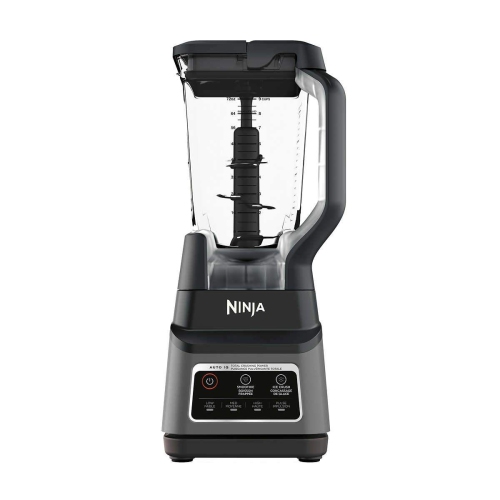 Your price for this item is $159.99
-
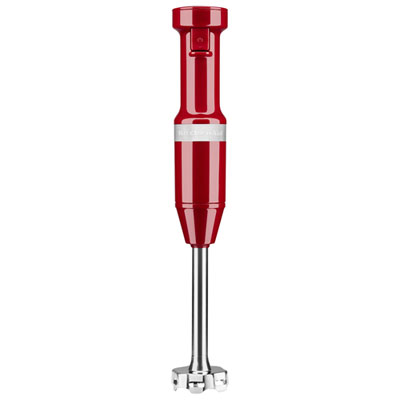 Your price for this item is $49.99
-
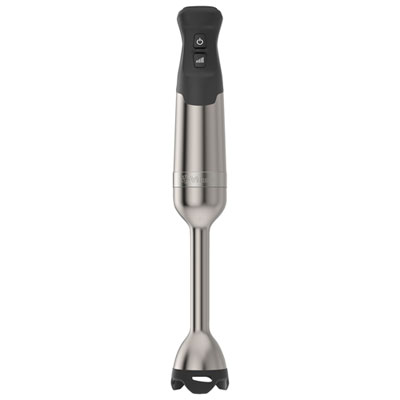 Your price for this item is $249.99
-
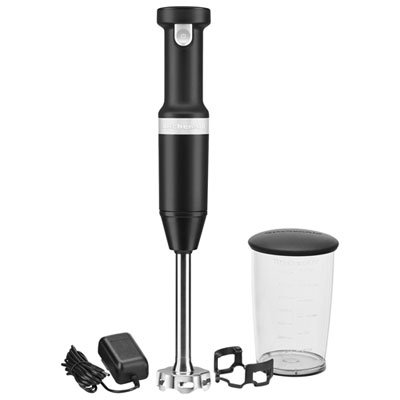 Your price for this item is $99.99
-
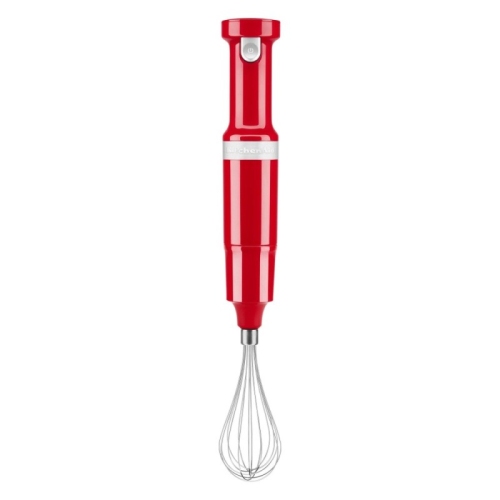 Your price for this item is $129.99
-
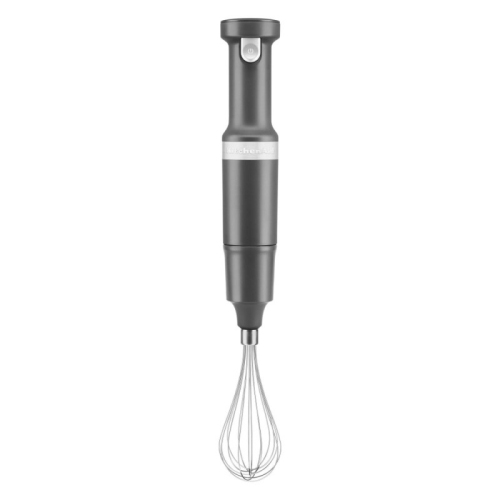 Your price for this item is $129.99
-
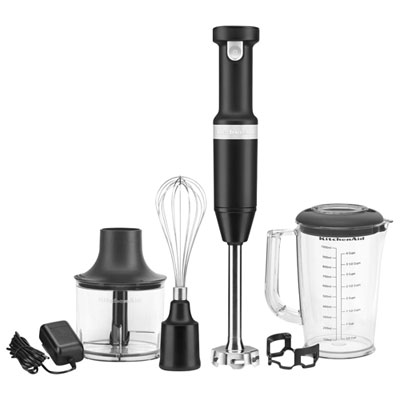 Your price for this item is $129.99
-
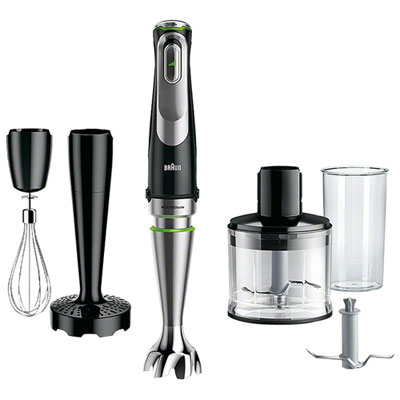 Your price for this item is $199.99
Discover more categories related to Good Immersion Blenders

Top Collections:
Pokemon Centers, Kindle Devices, Best Budget Office Chairs, Canon G7X Cameras, Apple iPhones 16, Samsung Galaxy Phones, Refurbished Apple Laptops, Laptops for Students, iPhone 15 Apple, Budget Smartphones
Some products may be subject to Environmental Handling Fees
(EHF) depending on your province.
Learn more about EHFs.