Indoor Bug Killers
Looking to rid your home of pesky bugs? Our collection of indoor bug killers is here to help you create a bug-free sanctuary. Whether you're dealing with flies, mosquitoes, ants, or any other unwanted visitors, our selection of effective bug-killing solutions has got you covered. From insect sprays and traps to ultrasonic devices and zappers, we have a wide range of options to suit your needs. Say goodbye to buzzing and crawling insects and reclaim your space with our indoor bug killers.
Sort


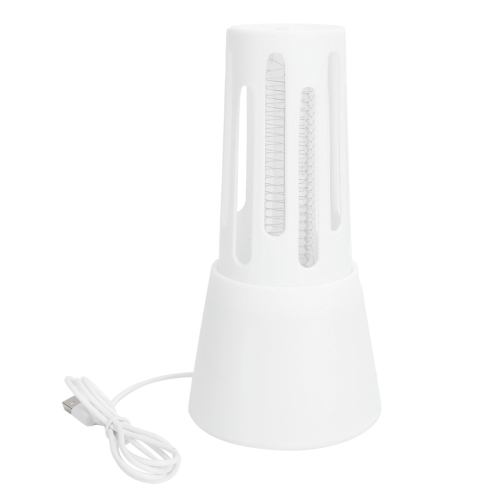


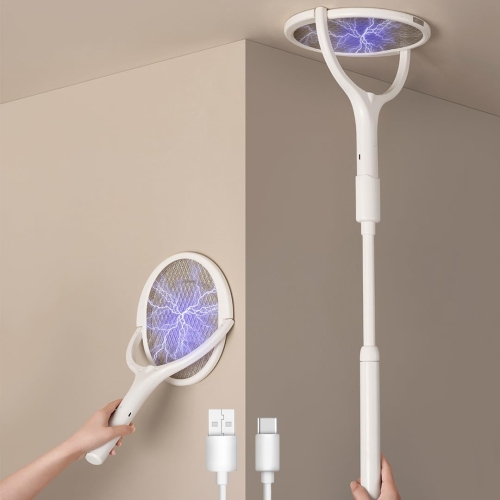

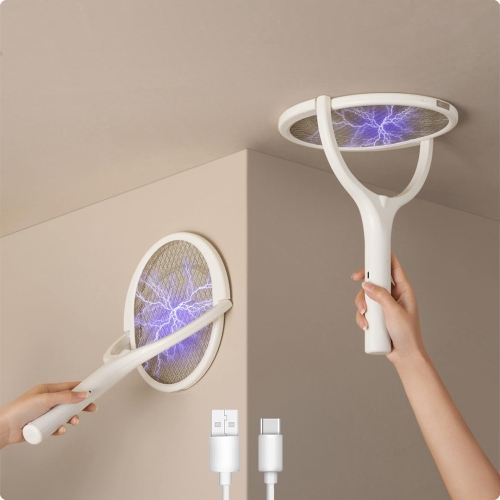


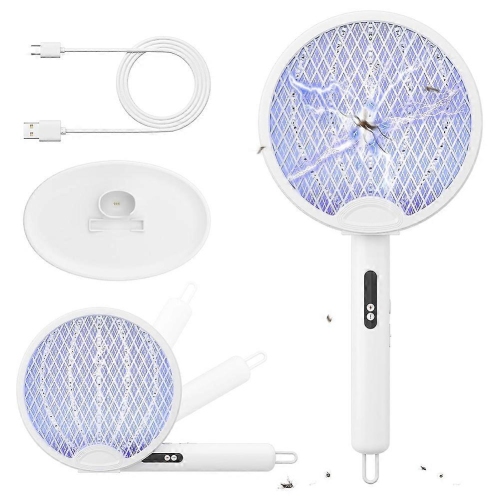


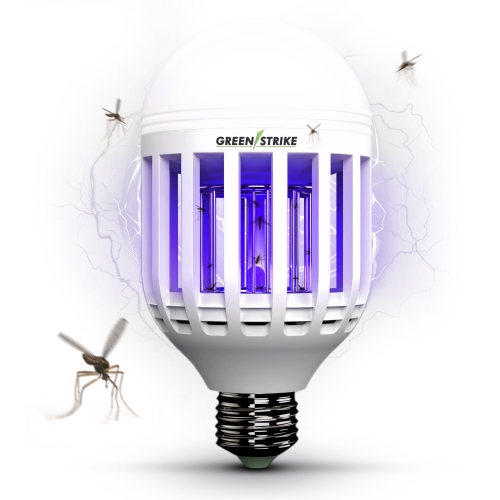


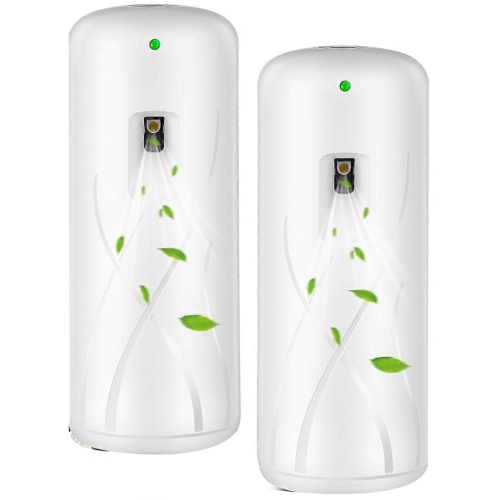


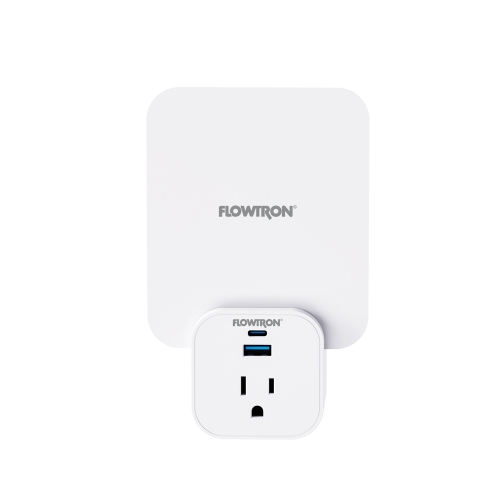


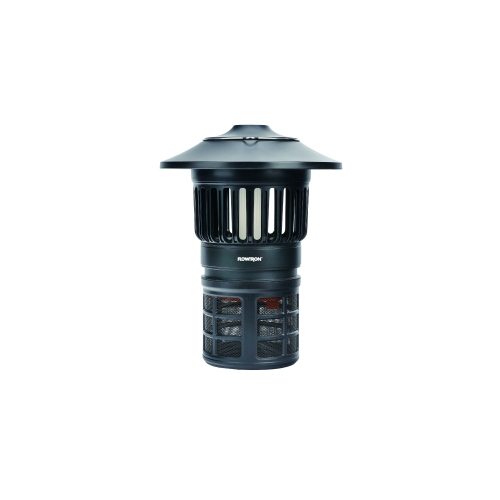

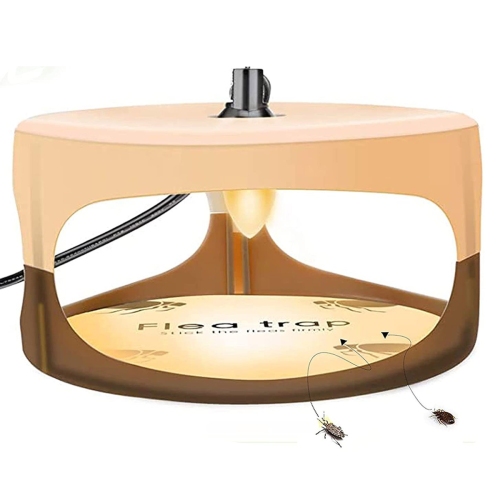
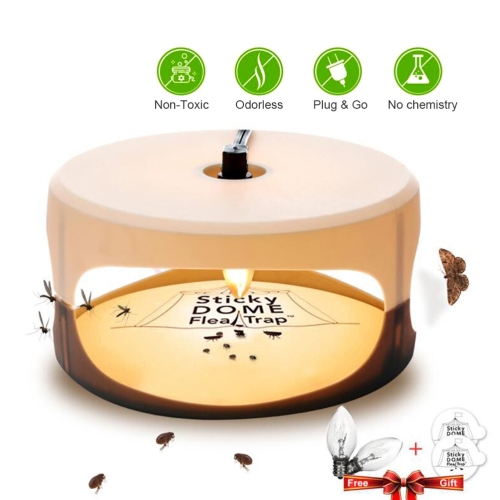


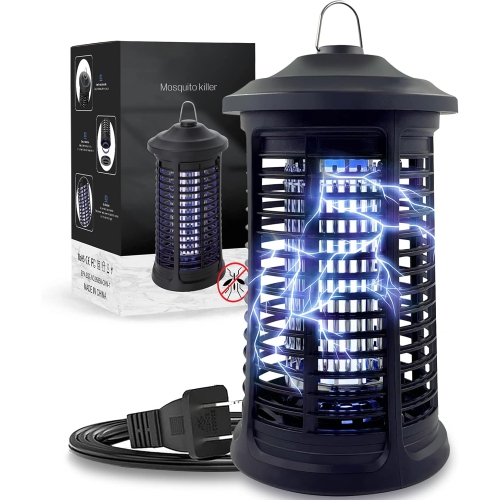


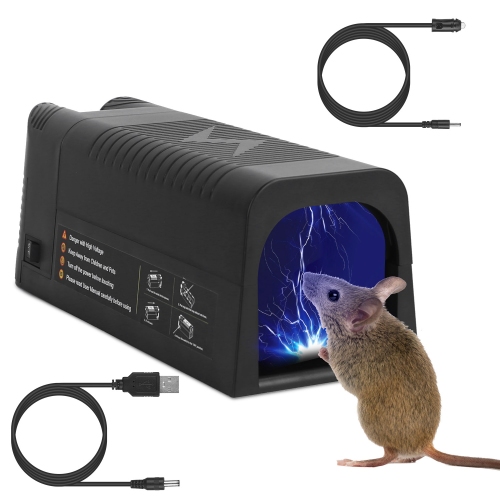
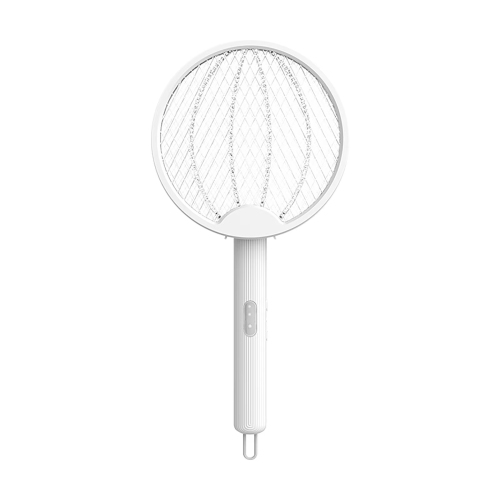




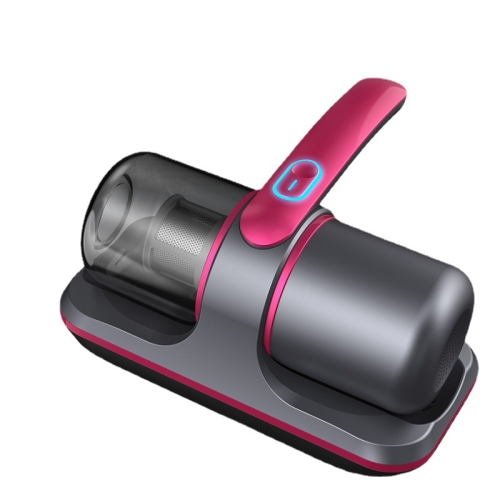
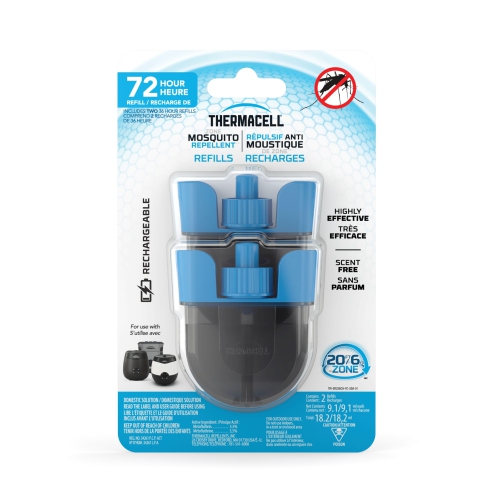

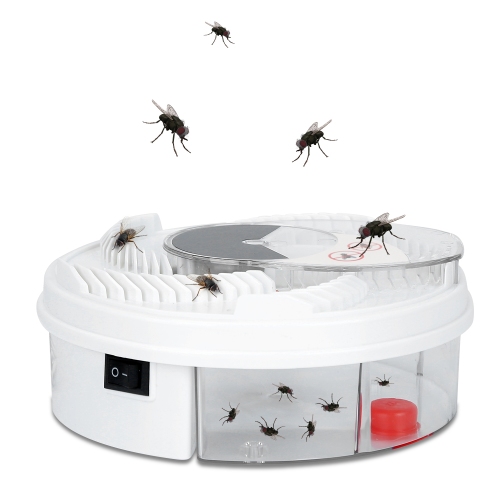
Practical solutions for flying and crawling pests at home
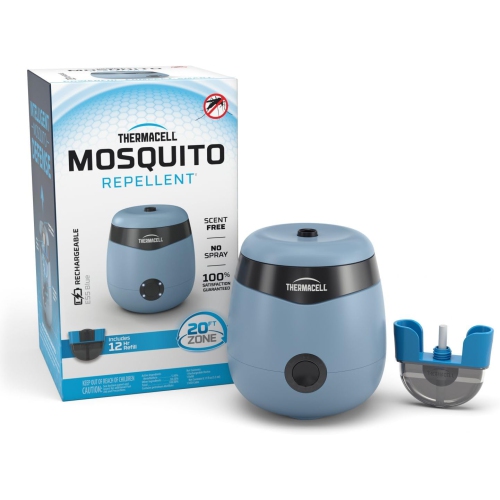
Indoor bug killers offer practical ways to manage the flying and crawling pests that can find their way into kitchens, bedrooms, entryways, basements, and other living spaces. The right option depends on the type of insect, how quickly you need to act, and whether you want to target bugs you can see or help prevent them from appearing in the first place. Contact-kill sprays are designed for visible activity, making them useful when a fly circles a room, a spider appears along a baseboard, or ants begin travelling across a windowsill. Barrier sprays and other preventative treatments can be applied around common entry points such as door frames, window frames, cracks, and baseboards, helping create a treated boundary that may provide longer-lasting control when used exactly as directed. For flying pests, electric zappers and handheld bug rackets can provide a quick response without leaving a sprayed surface behind. Plug-in repellers are another option for shoppers who prefer a device-based approach, although performance can vary by pest, room layout, and the conditions in the space. Products designed specifically for mosquitoes can be explored in our selection of Indoor Mosquito Zappers. Using the right tool for the situation can make everyday routines more comfortable, whether you are trying to keep insects away from a dining area, reduce disturbances during an evening at home, or deal with occasional pests during the transition between warmer and cooler weather.
When choosing an indoor bug killer, start by identifying the pest and the location where it is most active. Flying insects often gather near windows, lights, food preparation areas, and uncovered doors, while crawling insects may follow edges, corners, plumbing openings, and gaps beneath cabinets. A spray can be convenient for immediate action, but it is important to check whether it is intended for indoor use and which surfaces may be treated. Read the label before application, follow the listed dosage and waiting instructions, and keep people and pets away from treated areas when required. Food, dishes, pet bowls, toys, and personal items should be moved or covered as directed, and the room may need ventilation before it is used again. A device-based killer may be a better fit for a frequently used room where you want to avoid applying a liquid or aerosol, while a compact racket can be handy for a single flying insect that is difficult to reach with a conventional spray. For ongoing activity, look for features that suit the room and routine, including a visible power switch, a stable base, a collection tray, a wall-plug or rechargeable design, an easy-to-clean housing, or a compact shape for storage. Placement also matters: a zapper generally needs an unobstructed position near the area where flying insects gather, but it should be kept away from water, heat sources, and places where children or pets can reach it. Repellers work best when installed according to the manufacturer’s directions, with furniture and walls considered since room arrangement may affect how sound or other signals travel. An indoor bug killer can complement regular housekeeping, but it should not replace simple steps such as storing food in sealed containers, wiping up spills, emptying rubbish bins, repairing screens, and closing gaps around doors and windows.
These products can be useful for households that want a straightforward way to handle occasional indoor pests, including apartment residents, homeowners, students in shared accommodation, and anyone maintaining a cottage, workshop, garage, or finished basement. They can also make a thoughtful practical gift for a new homeowner, a frequent host, a camper who returns to an enclosed cabin, or someone preparing a guest room for visits during the cooler months. Consider the recipient’s space before choosing: a small apartment may benefit from a discreet plug-in unit or handheld tool, while a larger home may call for more than one device or a combination of prevention and contact control. Families with children or pets should pay particular attention to safety instructions, placement, locking or covered controls, and whether the product requires a treated surface. People with allergies or sensitivities may also wish to compare spray-based and non-spray options, review the label for warnings, and select a product that fits their comfort level. As the weather warms, open doors and windows can create more opportunities for insects to enter; later, during the cooler months, pests may seek sheltered indoor spaces around stored goods, utility areas, or warm corners of the home. Keeping an indoor bug killer accessible near a likely trouble spot means it can be used promptly instead of being buried in a cupboard. Whether your priority is an instant response to a visible insect, a longer-lasting boundary around entry points, or a device that can operate in the background, compare the intended pest, coverage, operating method, placement requirements, and maintenance needs to find an option that fits naturally into your home.
Top selling and popular products
-
 Your price for this item is $199
-
 Your price for this item is $430.99
-
 Your price for this item is $480.99
-
 Your price for this item is $130.99
-
 Your price for this item is $221.99
-
 Your price for this item is $69.45
-
 Your price for this item is $569.99
-
 Your price for this item is $249.99
Discover more categories related to Indoor Bug Killers

Top Collections:
Pokemon Centers, Best Cameras for Sports Photography, Kindle Devices, Samsung Galaxy Phones, Canon G7X Cameras, Pokémon 30th Celebration Cards, Refurbished Apple Laptops, iPhone 15 Apple, Laptops for Students, Budget Smartphones
Some products may be subject to Environmental Handling Fees
(EHF) depending on your province.
Learn more about EHFs.