Insect Killers
Looking to keep your home free from unwanted pests? Look no further than our collection of insect killers. Whether you're dealing with pesky flies, mosquitoes, or other bothersome insects, our selection of effective and reliable solutions has got you covered. From bug zappers to insect repellents, we have a variety of options to suit your needs. Say goodbye to those annoying intruders and create a more comfortable living environment with our range of insect killers.
Sort



























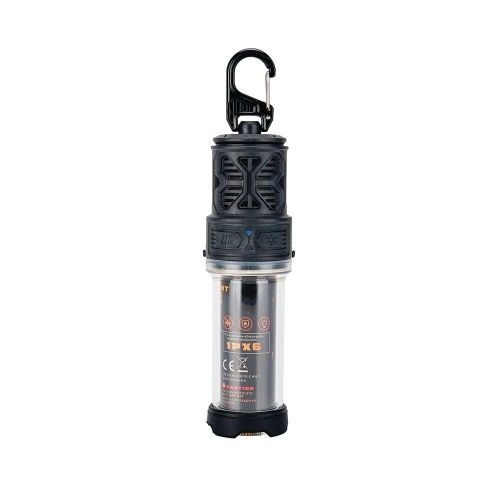


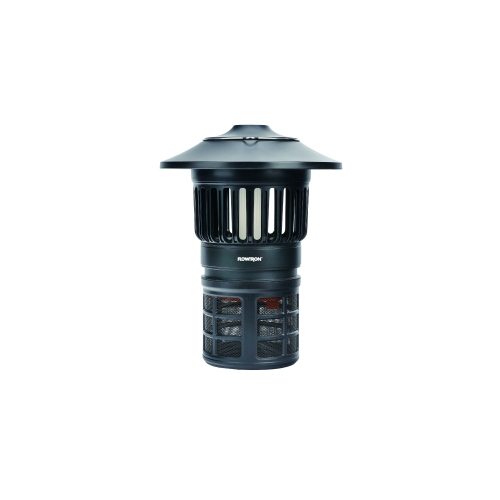
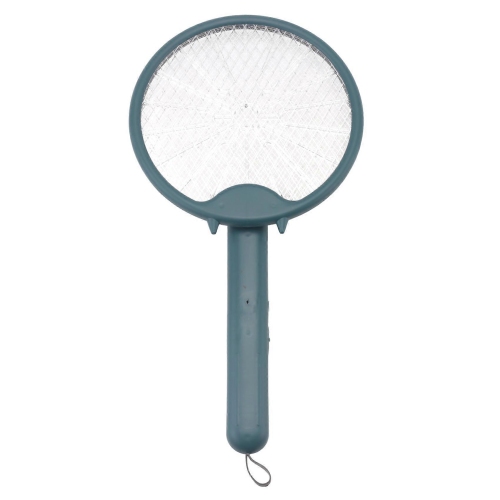


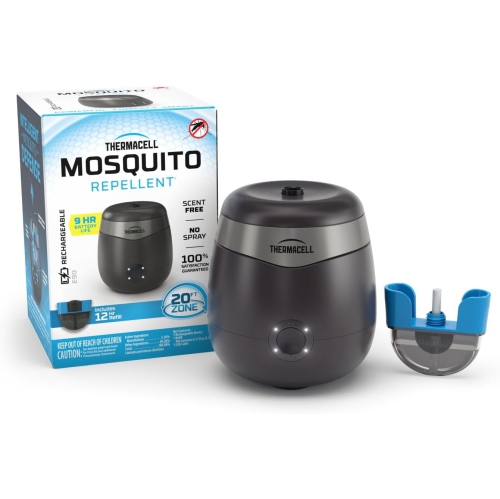


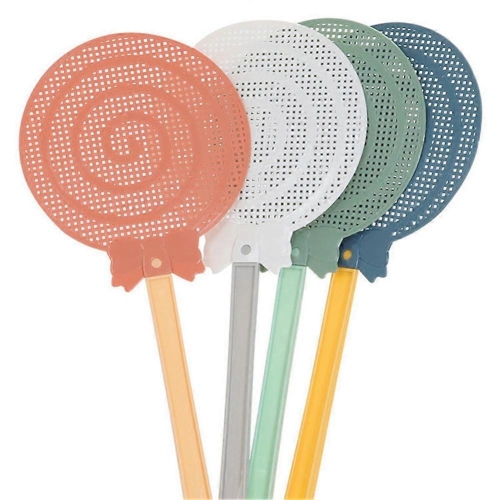
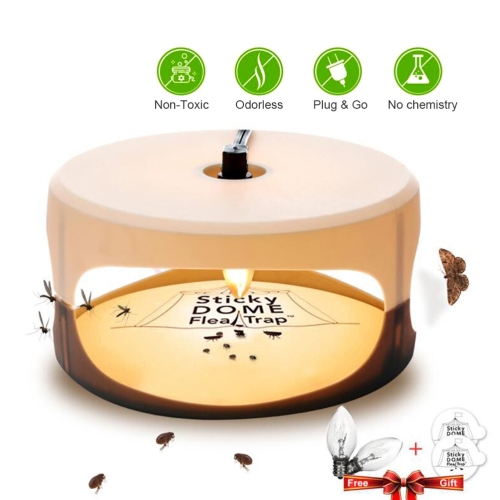


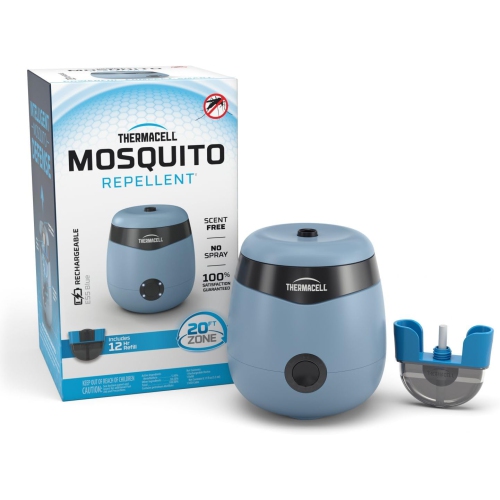


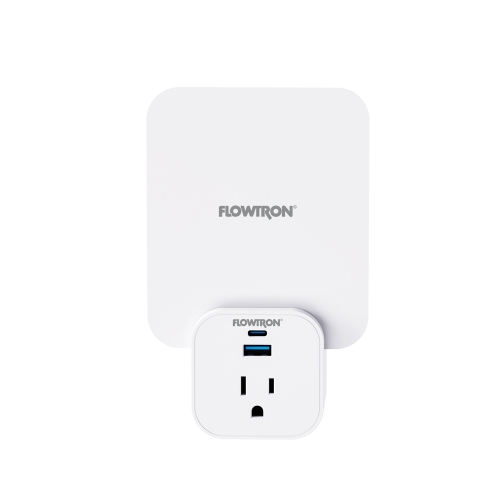


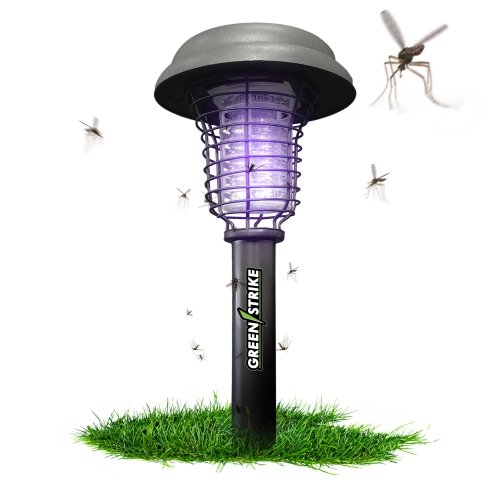

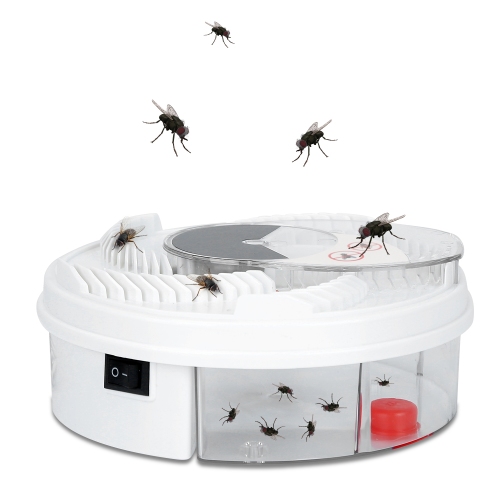
Different pests and spaces call for different treatments
Insect killers help control unwanted flying and crawling insects, with different formats suited to different pests and spaces. Common types include contact sprays, bait stations, insecticidal powders, sticky traps, and electric devices that attract and capture or kill insects. The most useful distinction is not simply how powerful a treatment sounds, but whether it targets the insect and can be used safely where the problem occurs. A trail of ants beside a kitchen baseboard calls for a different approach than small flies around a waste bin or insects gathering near a doorway. Contact sprays act on insects reached by the spray, while baits combine an attractant with an insecticide that targeted pests consume. Some ant baits work gradually as foraging ants carry bait back to the colony; spraying those ants at the same time can interfere with that process. Residual treatments are designed to remain active on approved surfaces for a period specified by the label, rather than only acting at the moment of application. Insecticidal dusts, including certain diatomaceous earth formulations registered for pest control, can damage insects’ protective outer layer and cause them to lose moisture. They are not interchangeable with household or food-grade powders, and airborne dust should not be inhaled. Sticky traps capture insects that land on or walk across the adhesive and can also help reveal where activity is concentrated. Insecticidal soaps serve another purpose, targeting certain plant pests through direct contact, but suitability depends on both the pest and the plant. Even a treatment intended for plants may damage sensitive foliage, so label directions and any instructions for testing a small area matter. For Canadian households, pesticide registration, the listed target pests, and approved application locations are essential details. Health Canada’s Pest Management Regulatory Agency registers pesticide products for specified uses; a familiar ingredient alone does not establish that a treatment is appropriate for every room, surface, or insect.
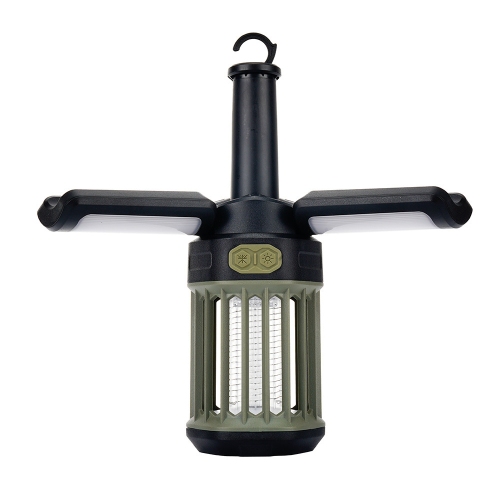
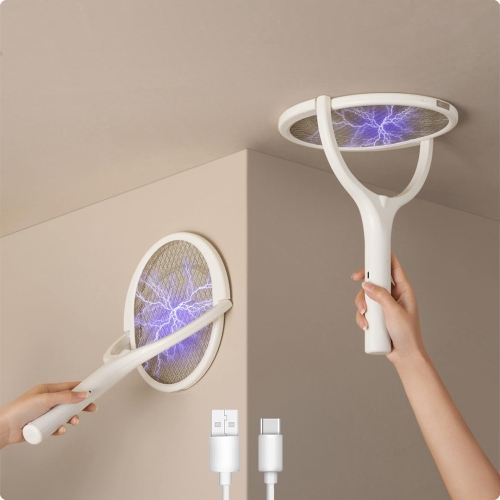
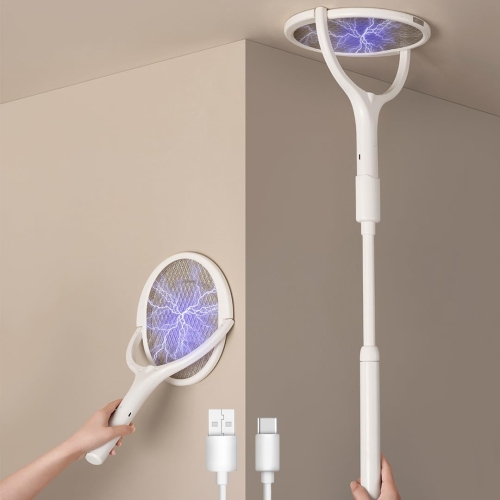
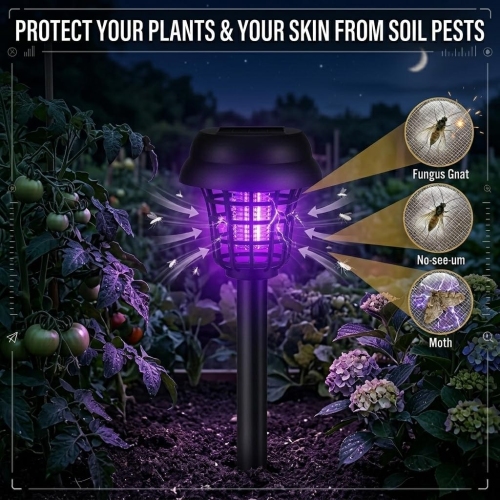
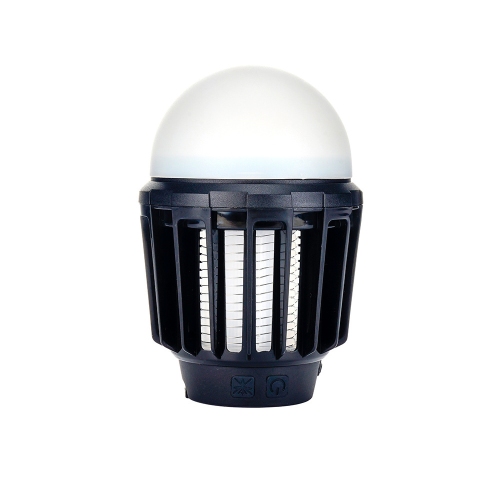
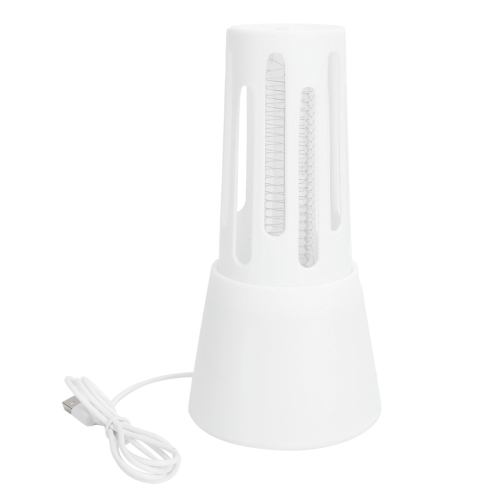
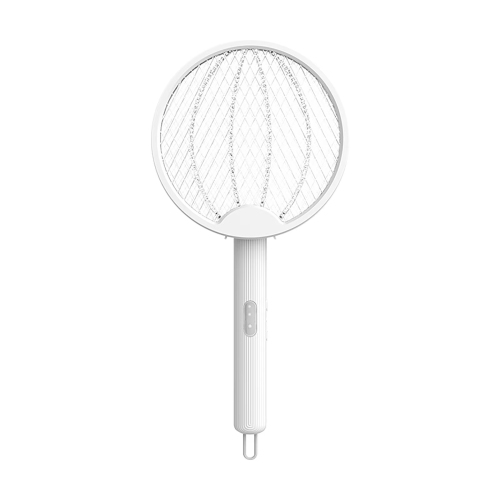
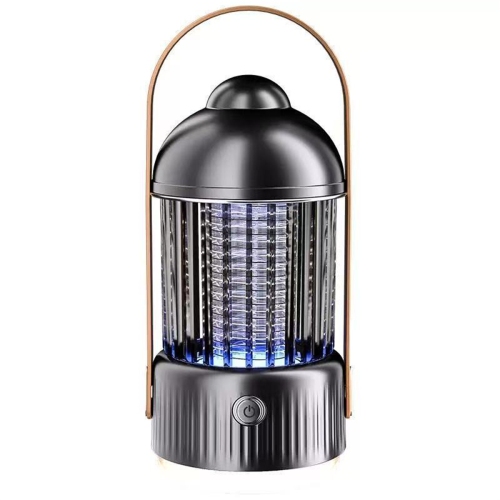
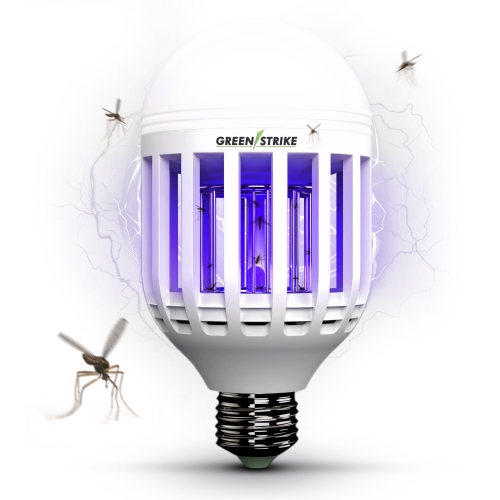
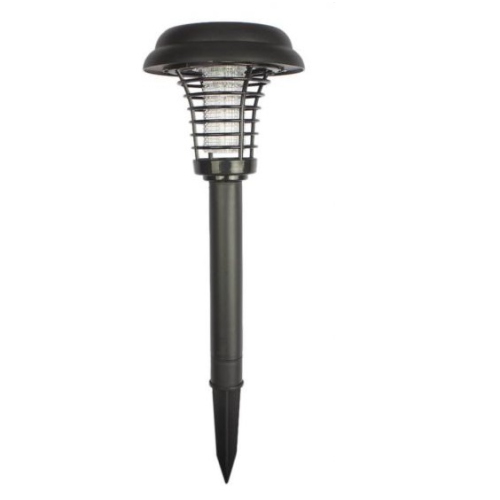
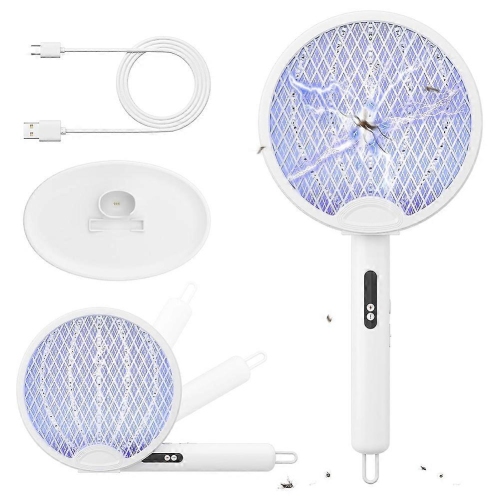
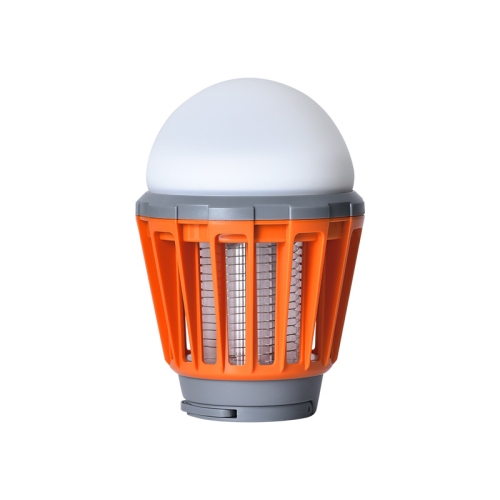
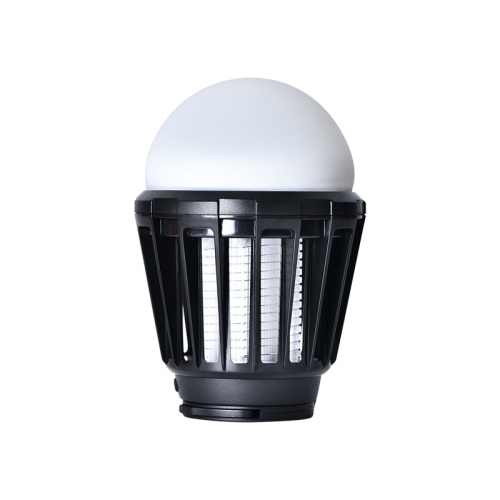
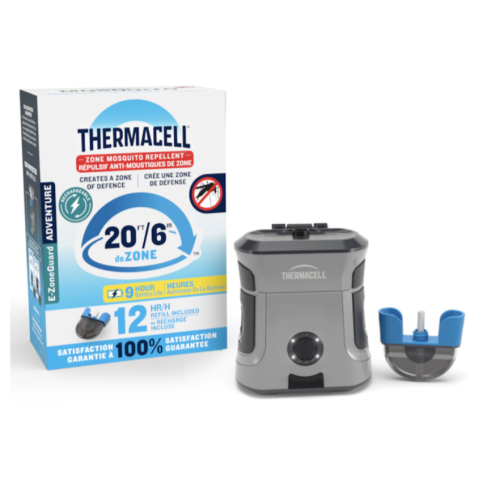
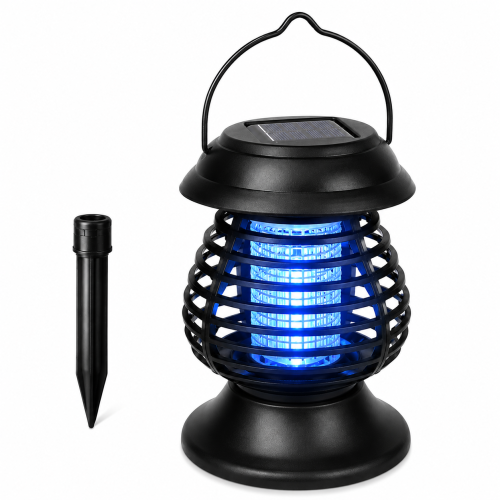
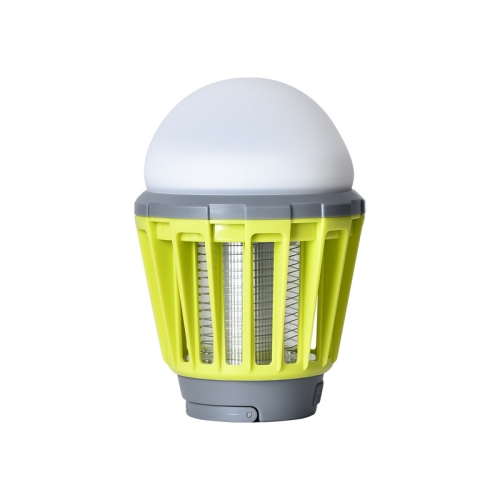
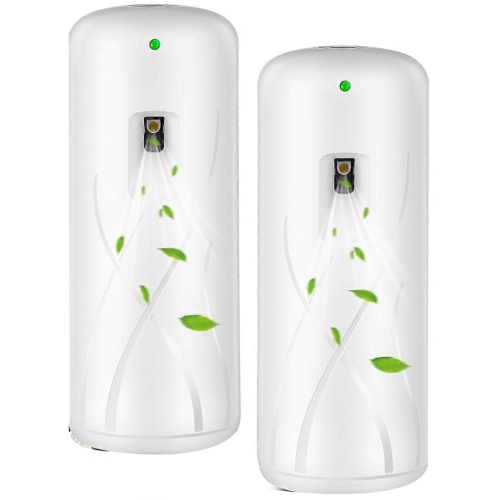
For flying insects, Electric Insect Killers include devices that use light, an electrified grid, a fan, an adhesive insert, or a combination of these features. Light-based units attract insects responsive to their light source, while fan-assisted designs draw approaching insects into a collection chamber. Grid-style devices kill insects that touch the energized components; adhesive designs hold insects on a replaceable board. These differences affect sound, cleaning, placement, and the way captured insects are contained. A quiet adhesive unit may suit a living area better than a device that produces an audible snap, while a removable collection tray can make routine emptying more straightforward. Light attraction is not equally effective for all species, and a UV device should not be assumed to provide reliable mosquito control or prevent bites. Stated coverage also needs context: walls, competing light sources, room layout, and placement can influence how well a unit performs. Physical fit matters just as much as a coverage figure. A plug-in design needs a suitable outlet with enough clearance, a freestanding unit needs a stable surface, and a hanging design needs secure support that meets its installation requirements. Cord length, access to controls, and space to remove a tray or adhesive board all affect everyday convenience. Keep placement consistent with the manufacturer’s directions, including separation from food preparation surfaces and locations accessible to children or pets. Devices that kill insects on a grid may scatter fragments, making containment particularly important near food. Indoor-only electrical units should not be placed outdoors; any device intended for an exposed location needs the appropriate rating and installation. Households, apartment residents, and people maintaining garages or workshops may have different needs, but each benefits from a design that fits the actual space rather than an oversized coverage claim. For food-service premises or other workplaces, site-specific pest-management and electrical requirements may further limit which formats and placements are suitable.
Materials, construction, and upkeep determine how practical an insect killer remains after its first use. Moulded plastic housings can be lightweight and easy to wipe, while metal guards and frames may provide added rigidity; neither material alone guarantees durability or suitability for a particular location. Look at how securely guards attach, whether collection compartments slide out without spilling, and how easily routine maintenance can be completed without touching active components. Electrical devices should be switched off and unplugged before cleaning, with any additional waiting period or discharge procedure followed as directed. A dry brush may be appropriate for some designs, while others have removable parts that can be washed separately; the electrical body should never be immersed unless the manufacturer expressly permits it. Adhesive inserts lose usefulness as they fill with insects or collect dust, and light sources may need replacement at the specified interval even when they still appear to glow. For sprays, baits, and powders, durability is more about packaging integrity, correct storage, and the treatment’s stated working period than the sturdiness of a housing. Keep pesticides in their original labelled containers, away from food and out of reach of children and pets, and follow disposal instructions rather than pouring leftovers down a drain. A bait station’s enclosure does not make its contents harmless, and a plant-derived ingredient does not remove the need for precautions. Aquariums, pet feeding areas, children’s play spaces, and food-contact surfaces deserve particular attention when checking application restrictions. Everyday habits can also make targeted treatment more effective: wiping sticky drink residue from a cupboard shelf, emptying a small compost caddy, repairing a torn screen, or addressing a damp area can remove food sources and access points. Small flies that repeatedly gather near a sink, for example, may require attention to organic buildup rather than repeated treatment of the adults alone. Persistent activity, hidden nests, or suspected bed bugs can call for identification and professional pest control. Matching the method to the source helps make insect control more purposeful, manageable, and appropriate for the space.
Top selling and popular products
-
 Your price for this item is $199
-
 Your price for this item is $430.99
-
 Your price for this item is $480.99
-
 Your price for this item is $130.99
-
 Your price for this item is $221.99
-
 Your price for this item is $69.45
-
 Your price for this item is $569.99
-
 Your price for this item is $249.99
Discover more categories related to Insect Killers
Top Collections:
Pokemon Centers, Best Cameras for Sports Photography, Kindle Devices, Samsung Galaxy Phones, Canon G7X Cameras, Pokémon 30th Celebration Cards, Refurbished Apple Laptops, iPhone 15 Apple, Laptops for Students, Budget Smartphones
Some products may be subject to Environmental Handling Fees
(EHF) depending on your province.
Learn more about EHFs.