Indoor Outdoor Infrared Heaters
Indoor Outdoor Infrared Heaters offer a versatile solution for maintaining comfort in a variety of spaces, whether you're relaxing inside or entertaining guests outside. Designed to provide warmth efficiently, these heaters are perfect for extending the enjoyment of your patio, balcony, or indoor living areas throughout the year. Explore a wide selection of Indoor Outdoor Infrared Heaters to find the ideal option that fits your needs and enhances your environment with reliable heating performance.
Sort



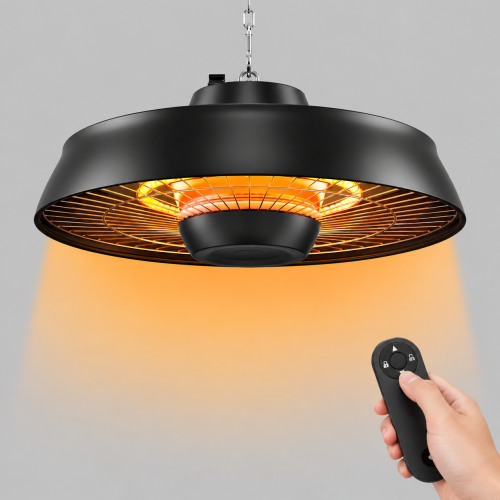

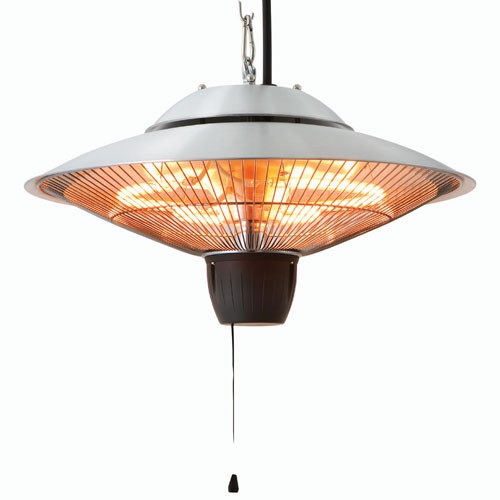
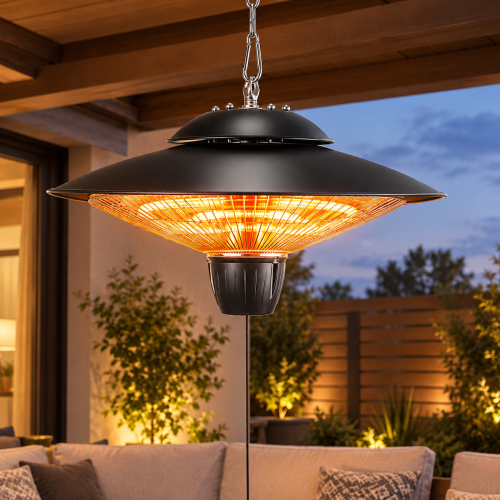
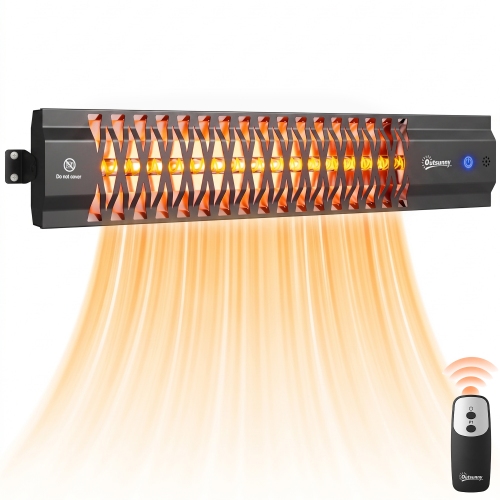
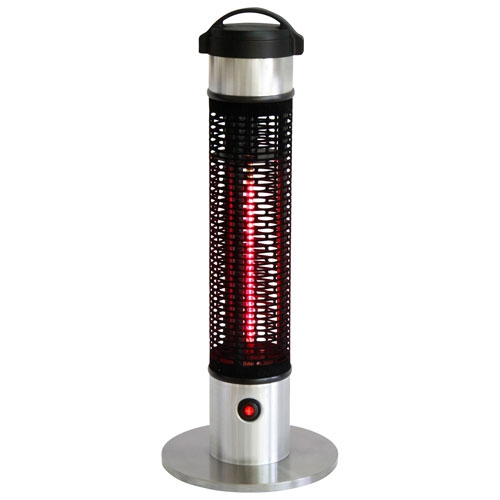
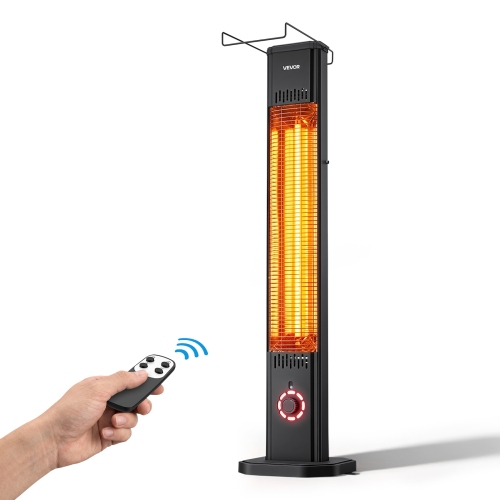
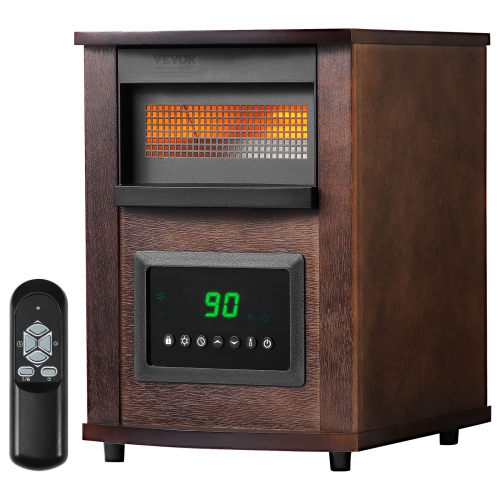
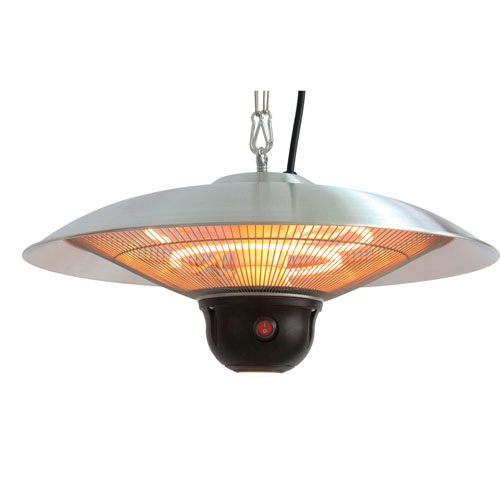


Why heater placement matters as much as power
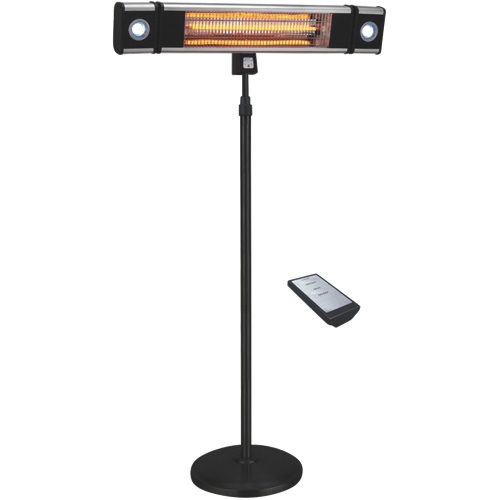
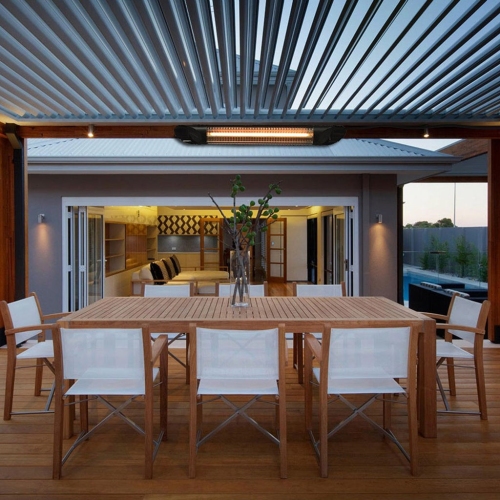
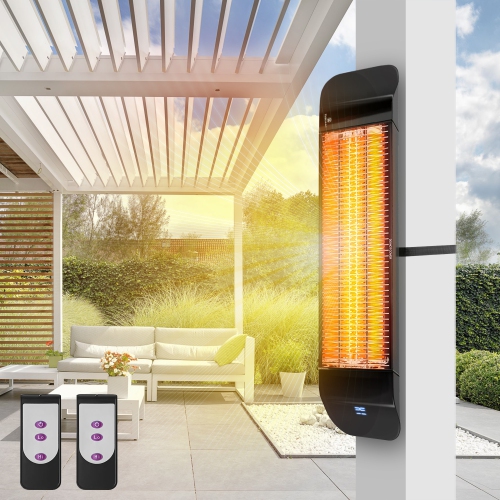
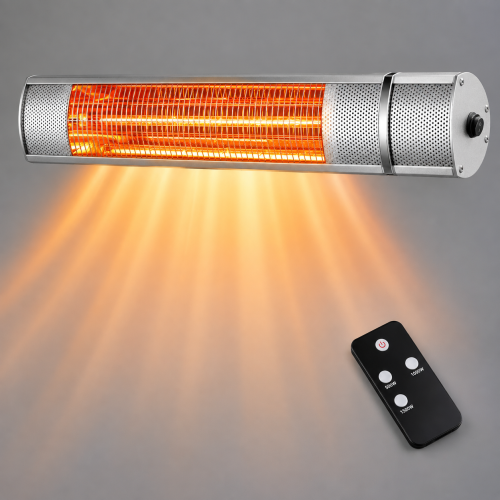
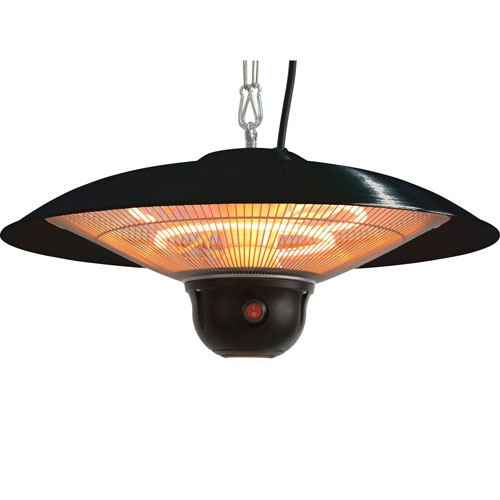
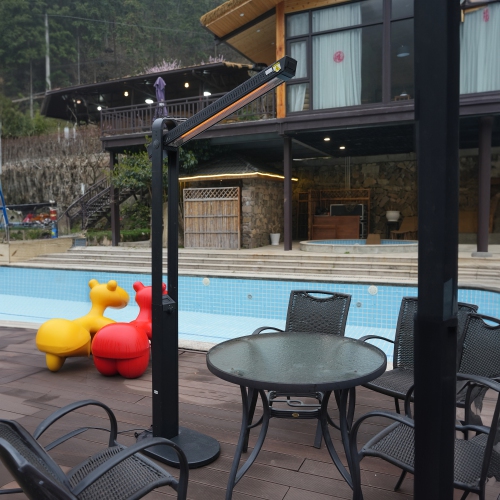
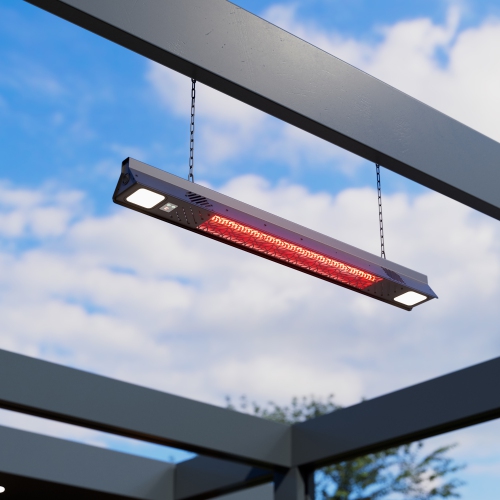
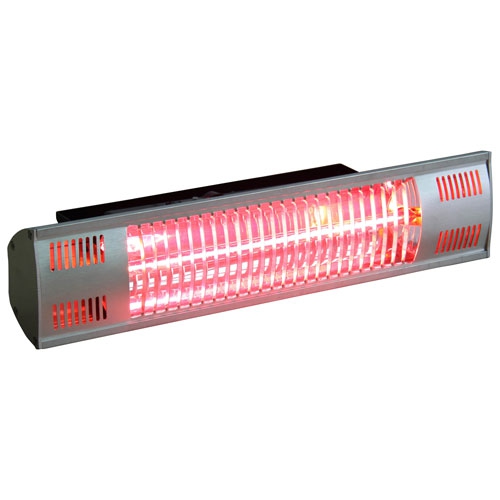
Indoor and outdoor infrared heaters use radiant heat to warm people and objects directly, rather than relying primarily on warming the surrounding air. This makes them useful for targeted comfort in spaces such as seating areas, workshops, garages, and patios, provided the heater is approved for its intended location. The warmth is most noticeable within the heater’s path, much like the feeling of sunlight on a surface, so placement matters as much as power. A heater facing a pair of patio chairs can make that seating area more comfortable without needing to heat the entire patio. Indoors, a suitable electric infrared heater can add warmth near a reading chair or workbench while the rest of the room remains at its usual setting. These heaters come in portable, freestanding, wall-mounted, and ceiling-mounted designs, with different shapes and heating elements suited to different layouts. Quartz, carbon, and other infrared elements vary in their visible glow, response time, and heat distribution; the element type alone does not establish whether a heater is appropriate outdoors. Some designs produce an obvious orange or red glow, while others offer a less visible heat source that may feel more discreet beside a television or beneath a covered seating area. Fan-free designs can also suit places where low operating noise matters, although some infrared heaters include fans or make occasional sounds as their components heat and cool. Outdoors, radiant heat can remain useful where moving air makes conventional space heating impractical, but wind still affects personal comfort and overall performance. A sheltered dining nook and an exposed deck will not feel identical under the same heater. Stated coverage areas are therefore best understood alongside mounting height, exposure, and seating arrangement, rather than as a promise that every part of a space will feel equally warm. A model described for both indoor and outdoor use should explicitly carry approval for both applications; appearance alone is not enough.
Construction and installation determine how well an infrared heater fits into everyday use. Outdoor designs may use stainless steel, coated metal, corrosion-resistant fittings, and housings intended to withstand specified exposure to moisture and dust. Those features are not interchangeable: a heater approved for a sheltered, covered patio may not be suitable for an uncovered deck or direct rain. An ingress protection rating describes a defined level of protection, but the manufacturer’s instructions still establish where and how the heater can be installed. Near a pool, hot tub, or other wet area, additional placement and electrical requirements apply. Indoors, housing size, base stability, cord routing, and clearance from furnishings are often more important than a compact appearance. A slim heater still needs its stated distance from curtains, upholstery, shelving, and other combustible materials. Wall-mounted designs leave the floor clear, while ceiling-mounted heaters can keep equipment away from busy walkways. Both require suitable structural support and the correct mounting position; angling a heater beyond its approved range can affect safety and performance. Freestanding versions offer more flexibility when furniture moves, but their bases need a stable, level surface where they will not obstruct doors or become a tripping hazard. For households with children or pets, guards and features such as tip-over protection can be useful, but they do not make hot surfaces safe to touch or remove the need for supervision. Electrical requirements also vary. Some heaters connect to a compatible household outlet, while others require a dedicated circuit or professional hardwired installation. Wattage indicates electrical power use, not a complete measure of useful coverage. The outlet, circuit capacity, voltage, and any required ground-fault protection must match the heater’s specifications. Portable electric heaters should connect directly to an appropriate wall outlet rather than a power bar or extension cord. For a garage or workshop, placement also needs to account for sawdust, paint, fuel, and other materials that must be kept away from heat sources. Outdoor-only fuel-burning heaters must never be brought into enclosed rooms.
Controls, upkeep, and storage shape how convenient an infrared heater feels after installation. Adjustable heat settings allow the output to suit a nearby chair or a broader seating arrangement, while a timer can limit operation to a planned period of use. Remote controls are practical for heaters mounted above easy reach, especially when seating is arranged beneath them. Thermostatic control can be useful in an enclosed indoor space, although the temperature measured at the heater may differ from the warmth felt across the room. Outdoors, heat levels and timers may be more relevant than trying to maintain a fixed air temperature. Where space is tight, Small Infrared Heaters can suit more focused heating needs, provided their approved use and required clearances match the location. A smaller housing does not necessarily mean lower power consumption, a cooler exterior, or suitability beneath a desk, so dimensions and operating requirements deserve equal attention. Day-to-day care generally centres on keeping the heater clean, dry where required, and unobstructed. Once it is switched off, disconnected where applicable, and fully cooled, accessible surfaces can be cleaned according to the manufacturer’s directions. Abrasive cleaners, sprayed liquids, and attempts to wipe or handle delicate heating elements can cause damage. Dust buildup around guards and vents should not be allowed to accumulate, particularly in a workshop or garage. Cords, plugs, mounting hardware, and protective grilles also benefit from periodic inspection; a damaged heater should remain out of use until appropriately repaired or replaced. Portable outdoor heaters need suitable storage when not in use, and protective covers should only be fitted once the unit is completely cool. For someone furnishing a patio conversation area, a fixed heater may preserve valuable floor space; for occasional warmth beside an indoor hobby table, an approved portable design may offer a better fit. The most useful choice balances the area people actually occupy with safe placement, manageable controls, durable construction, and care requirements that suit the household.
Top selling and popular products
-
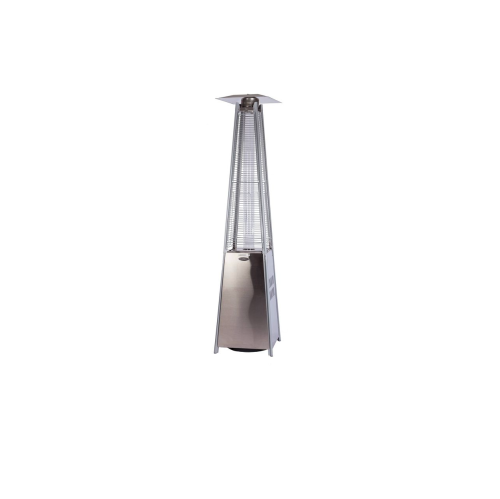 Your price for this item is $879.99
-
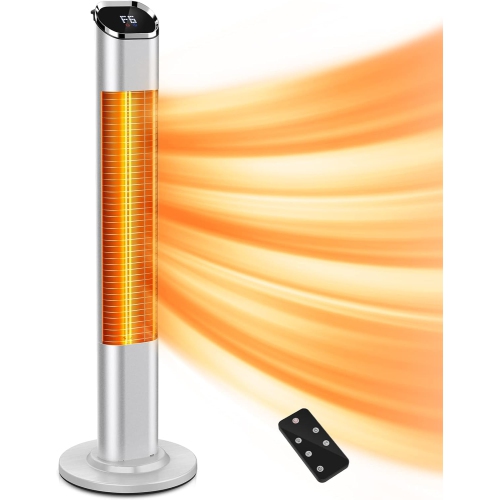 Your price for this item is $219.95
-
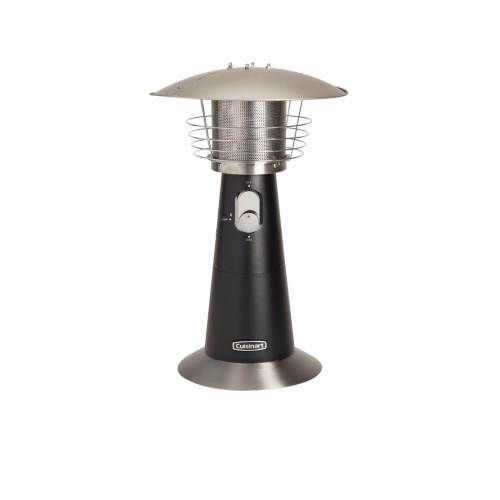 Your price for this item is $329.99
-
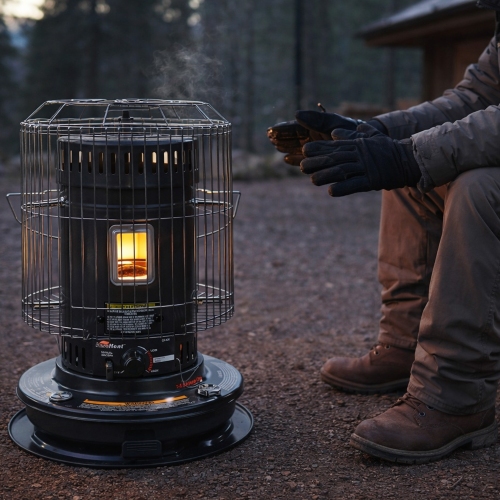 Your price for this item is $783.99
-
 Your price for this item is $318.99
-
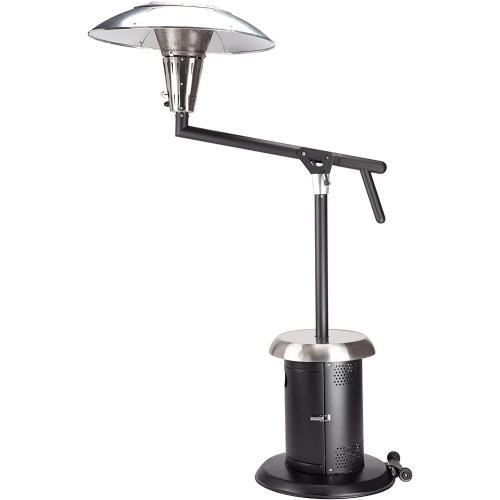 Your price for this item is $1199.99
-
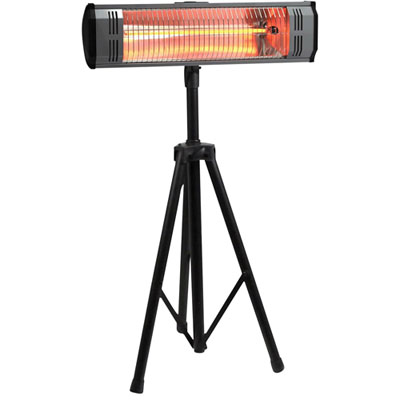 Your price for this item is $259.99
-
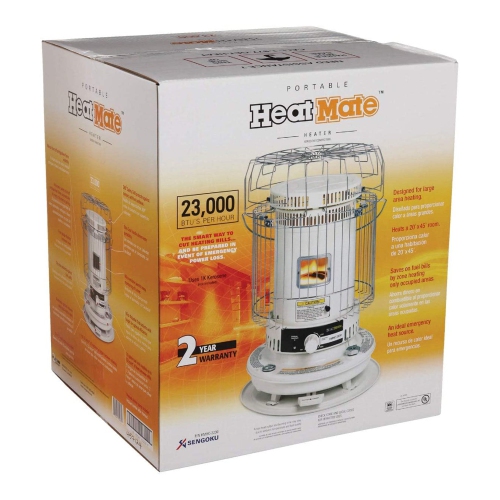 Your price for this item is $611.99
Discover more categories related to Indoor Outdoor Infrared Heaters
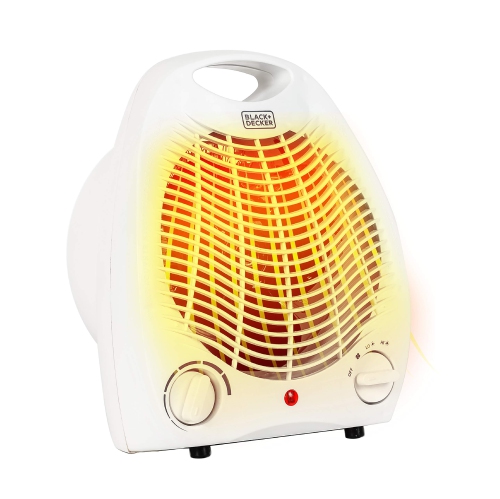
Top Collections:
Best Black Friday Deals This Year, Best Black Friday Deals On Electronics, Kindle Devices, Pokemon Centers, Best Black Friday Deals On Apple Products, Best Cameras for Sports Photography, Dyson Airwrap, Pokémon 30th Celebration Cards, Apple iPhone 17 Pro, Canon G7X Cameras
Some products may be subject to Environmental Handling Fees
(EHF) depending on your province.
Learn more about EHFs.