Outdoor Infrared Heaters
Stay warm and cozy outdoors all year with our selection of outdoor infrared heaters. Designed to provide efficient and targeted heat, these heaters are perfect for your patio, deck, or almost any outdoor space. Whether you're enjoying a cup of coffee on a crisp fall morning or hosting a barbecue in the middle of winter, outdoor infrared heaters will keep you and your guests comfortable and extend your outdoor living season.
Sort

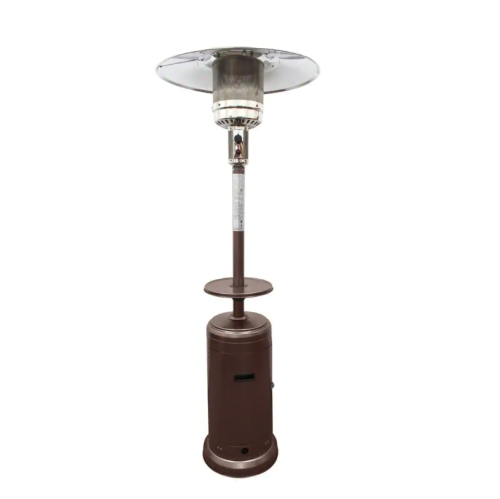
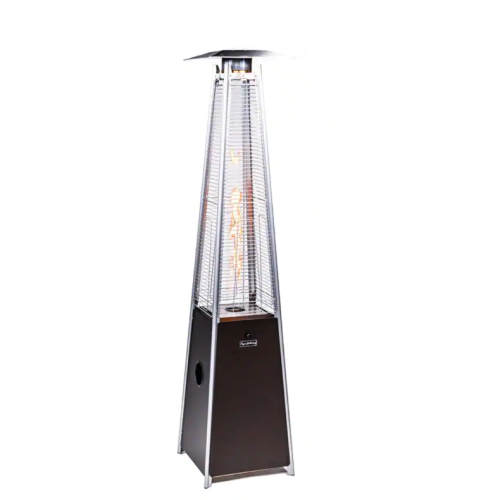
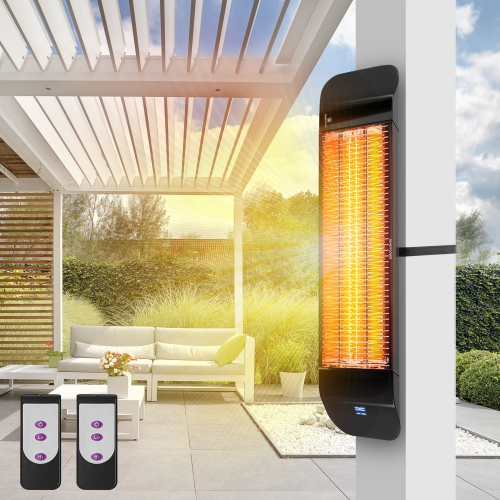
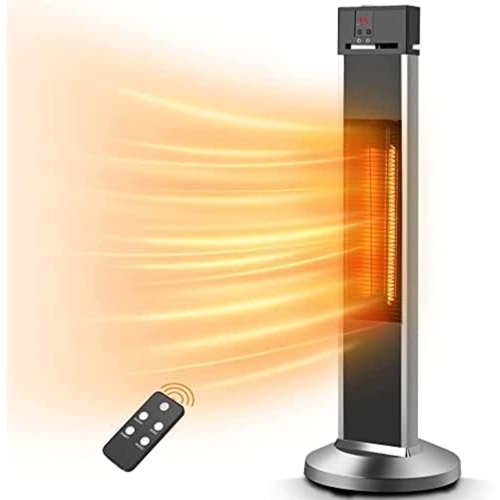
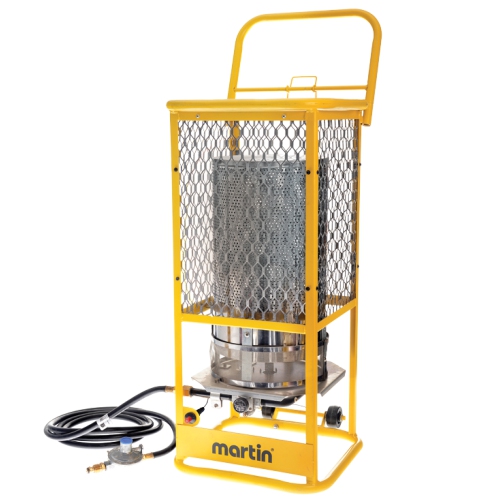
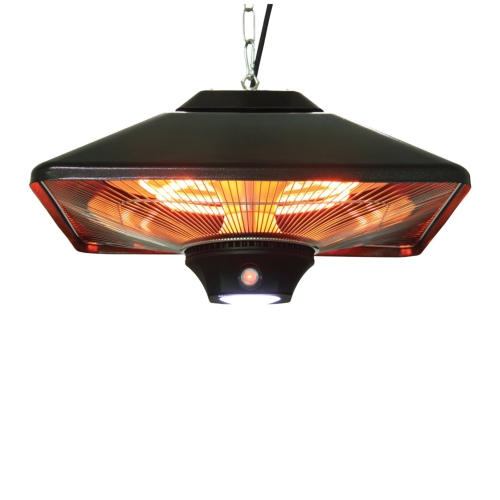

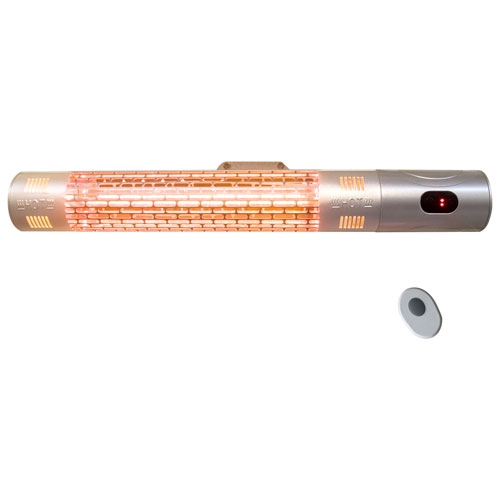
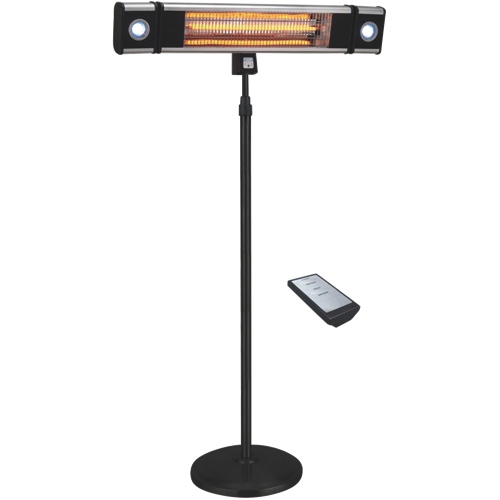


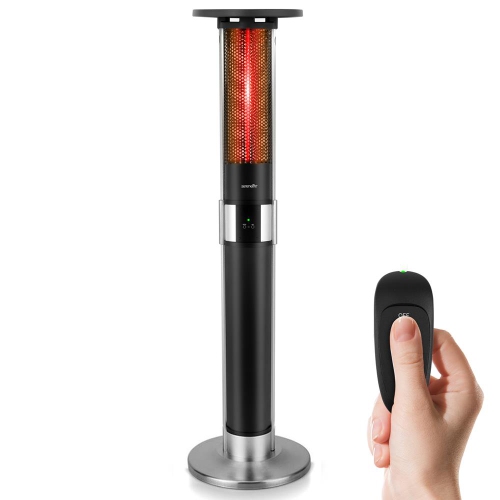
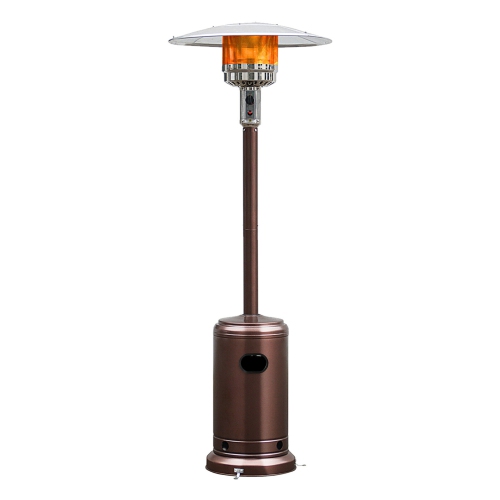

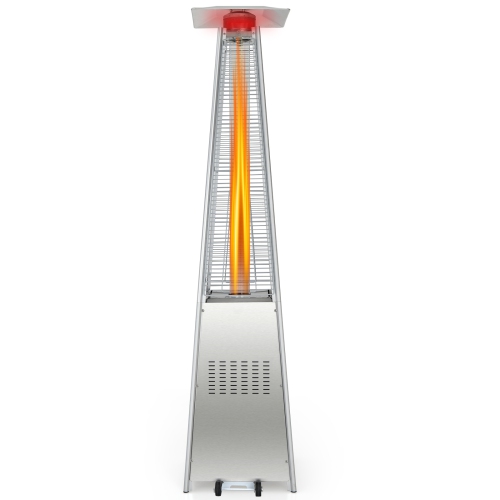
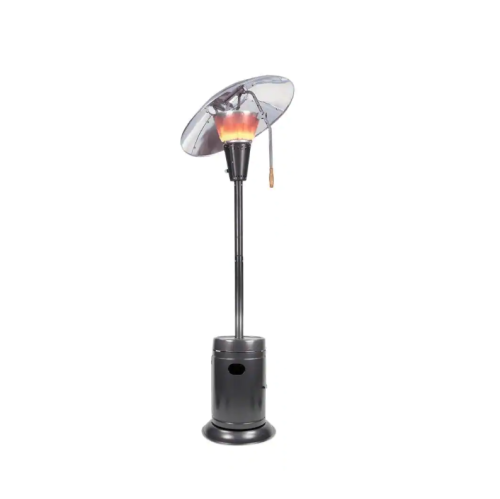
Targeted warmth for patios, balconies and outdoor gatherings
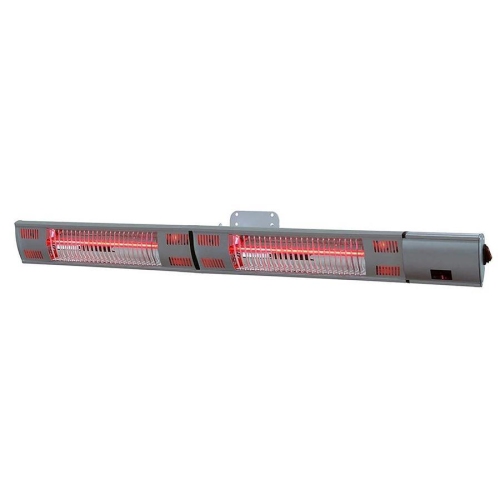
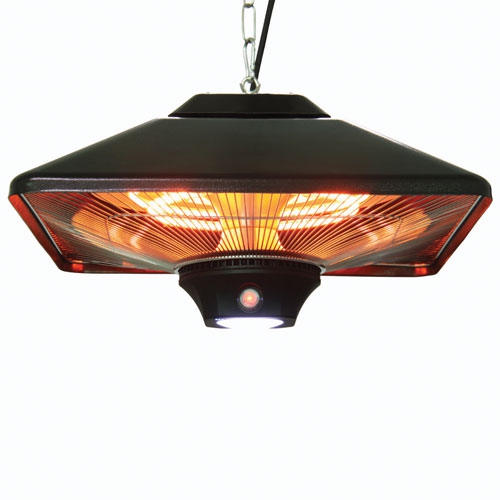
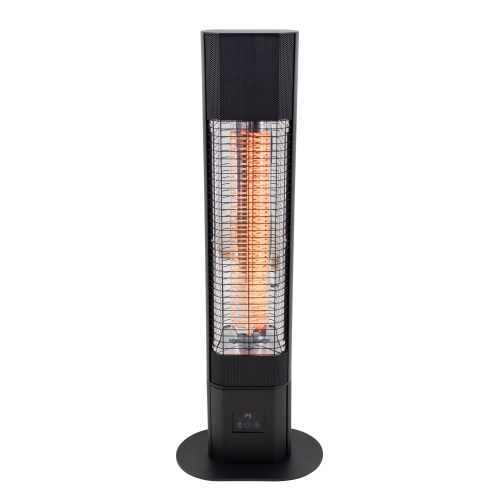
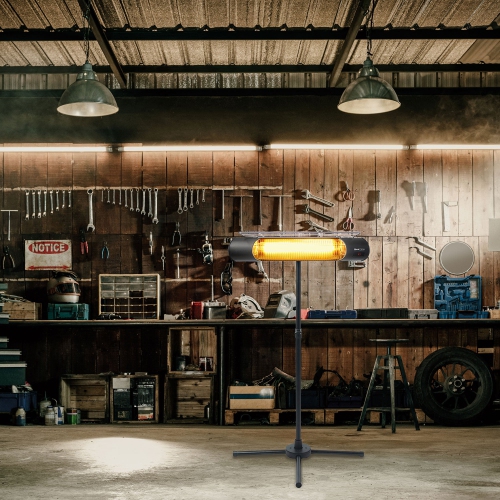
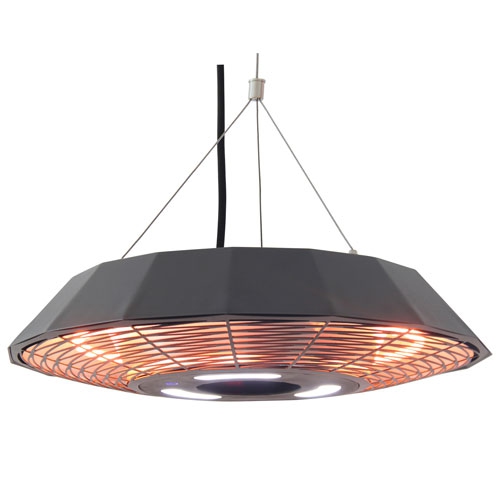
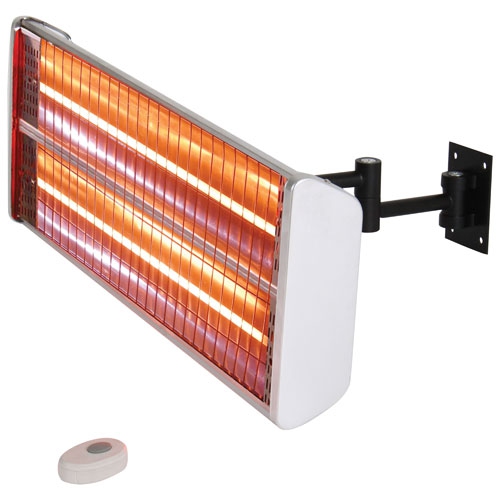
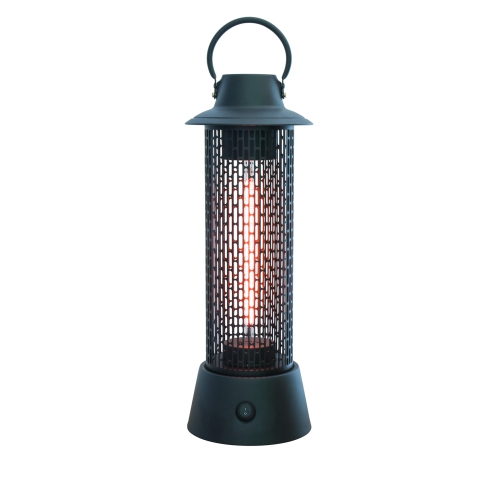
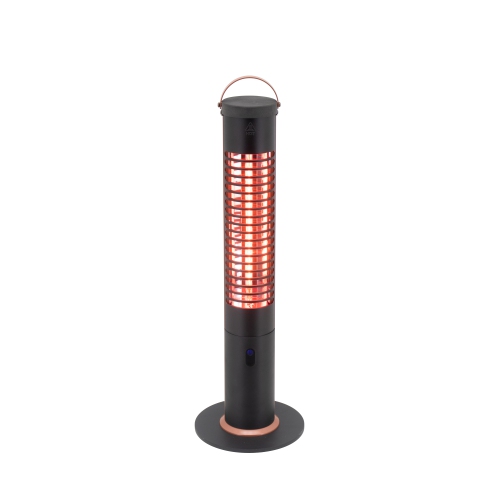
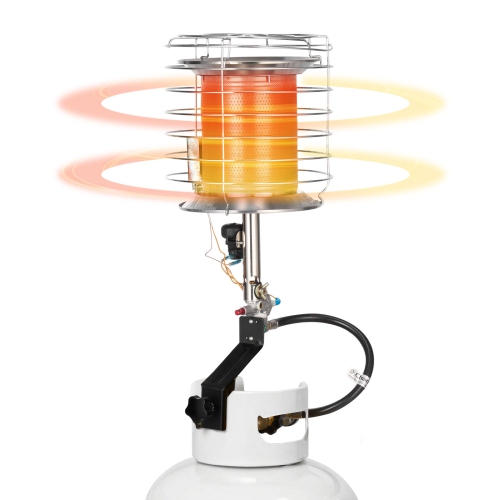
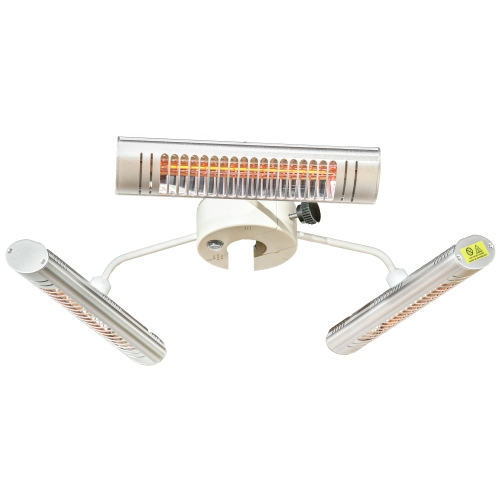
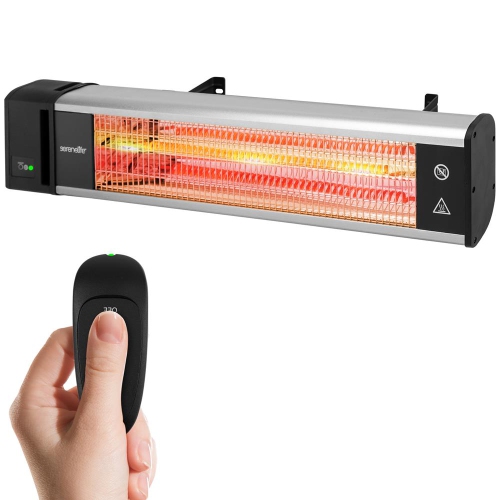
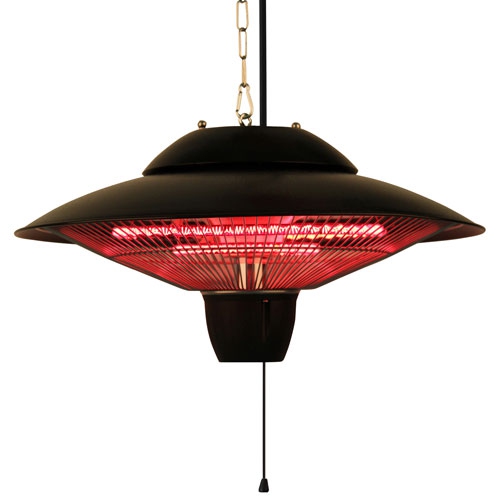
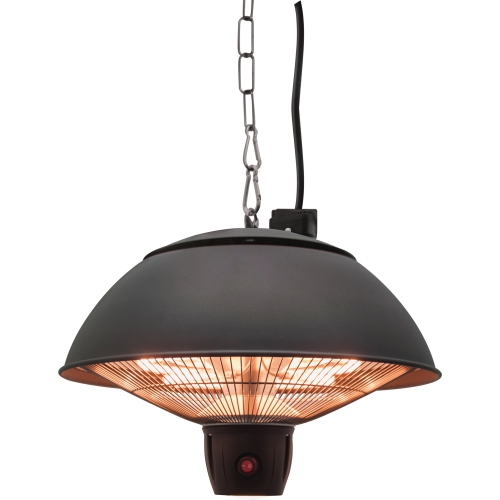
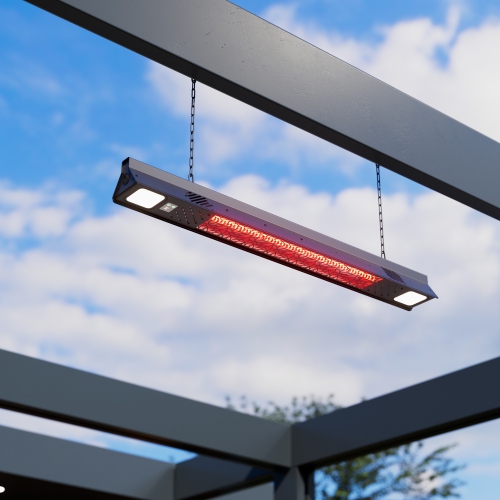
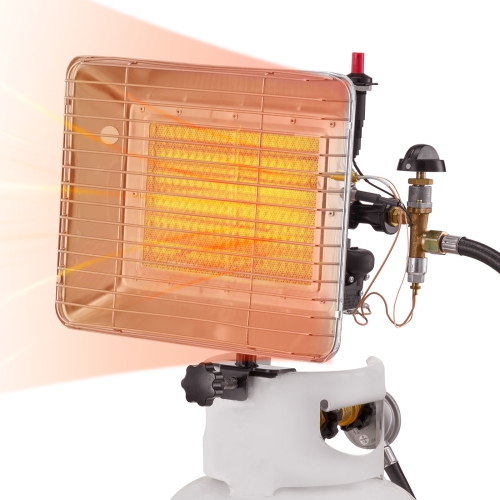
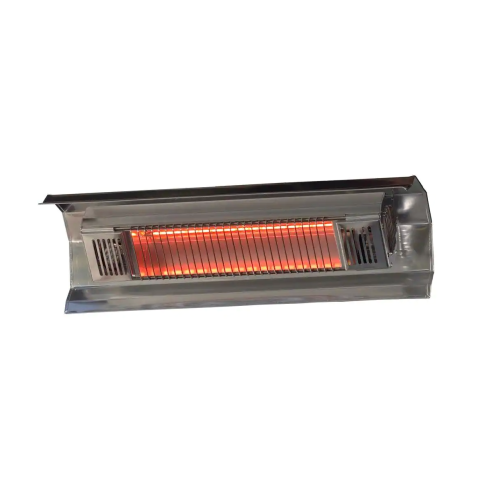
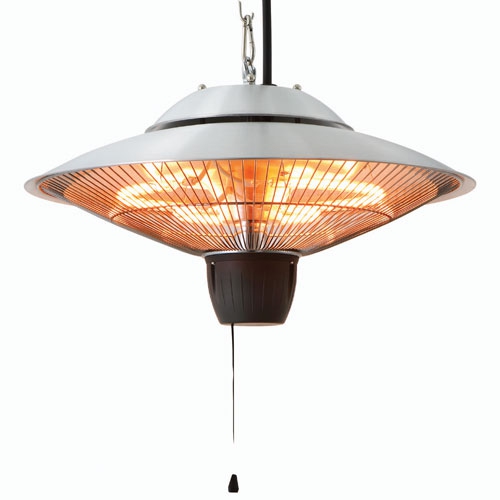
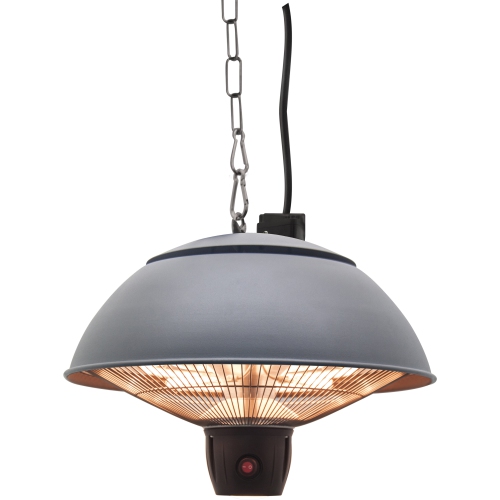
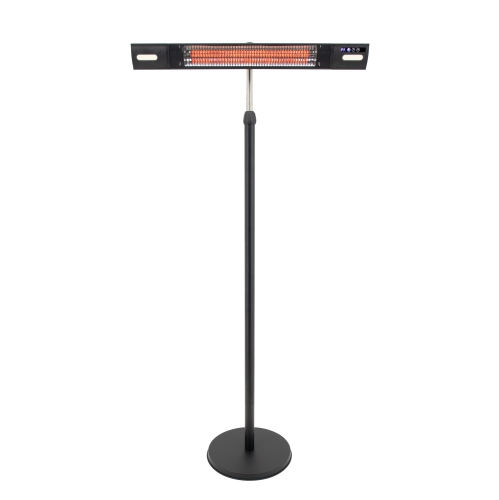
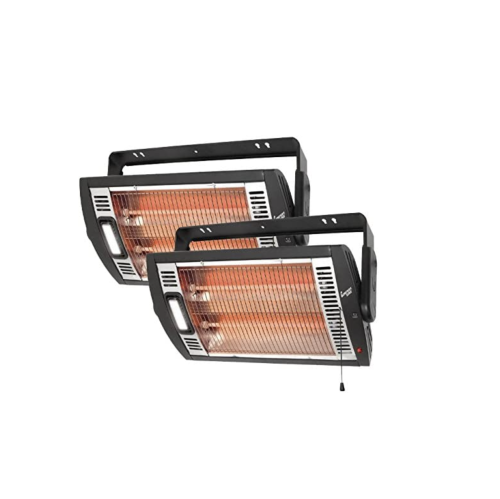
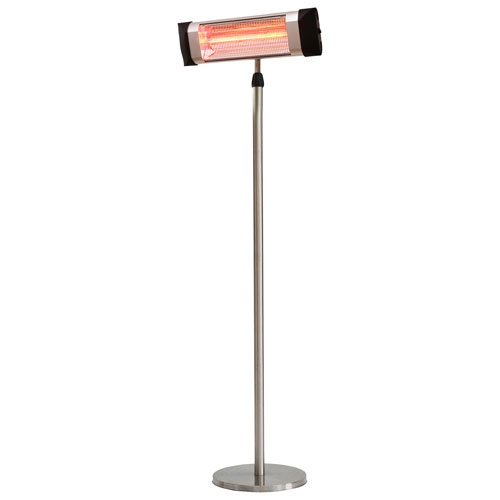
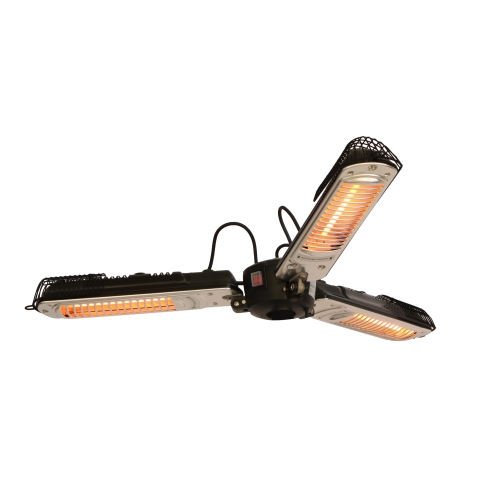
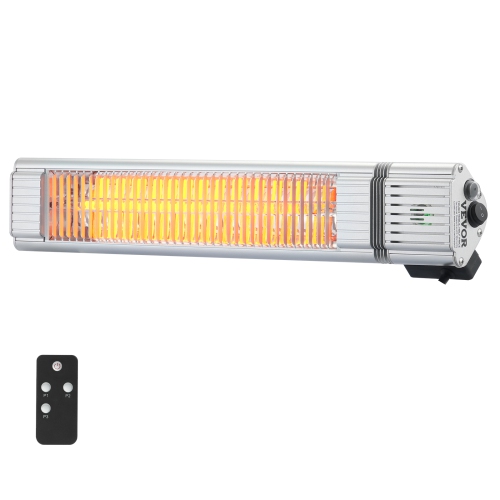
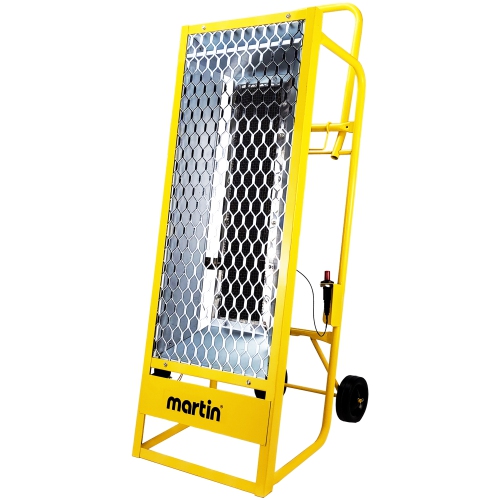
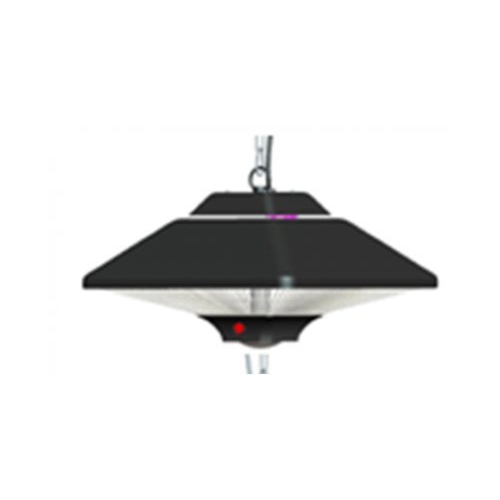
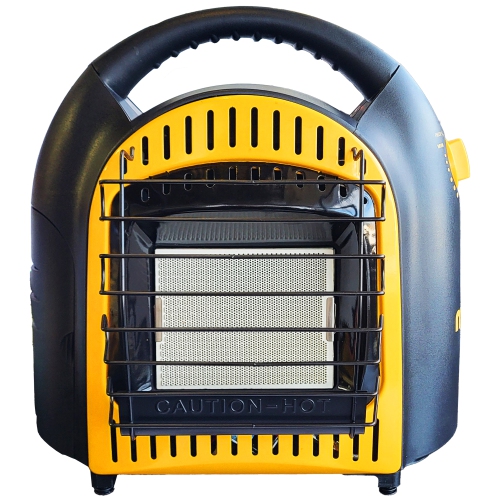
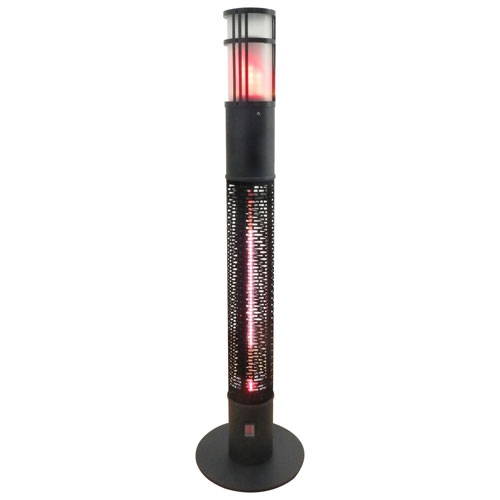
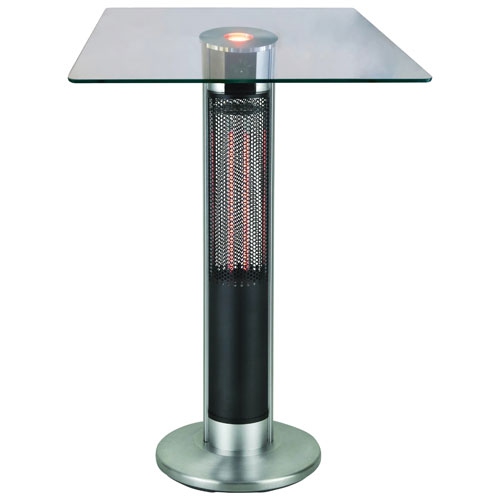
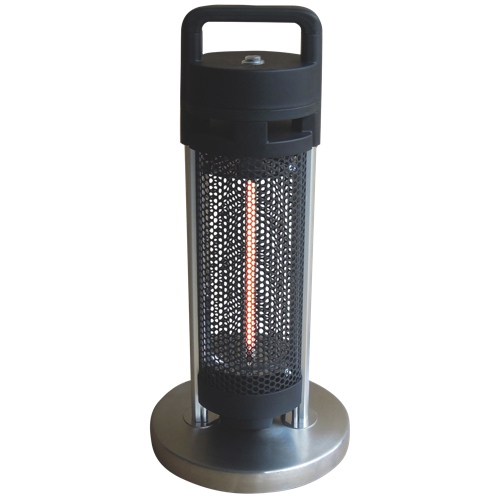
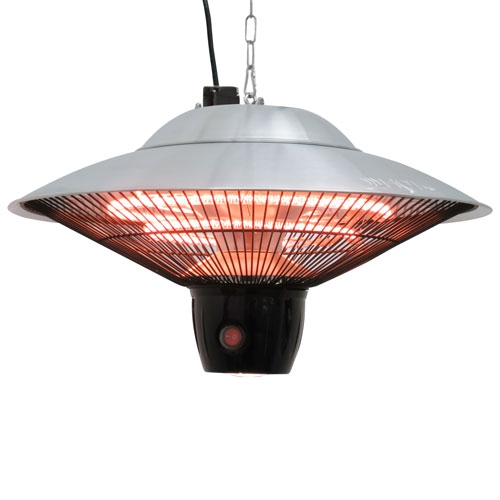
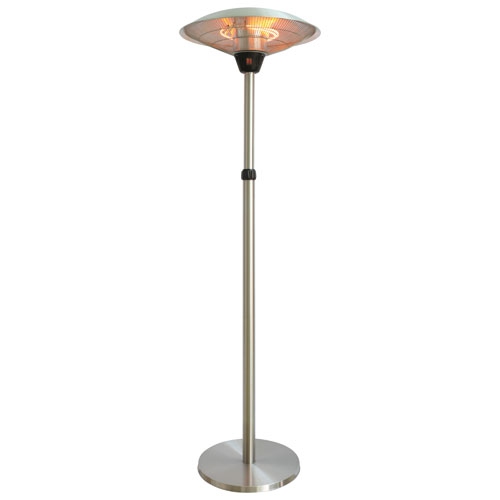
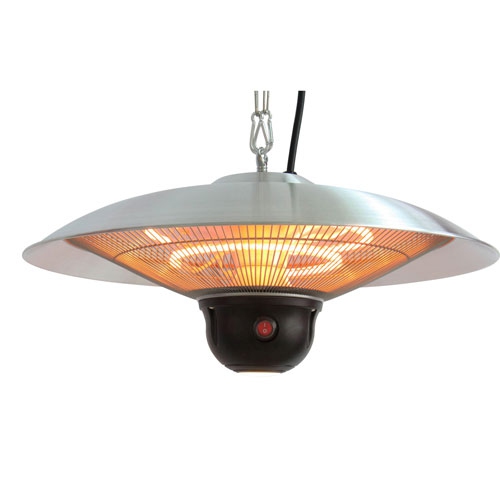
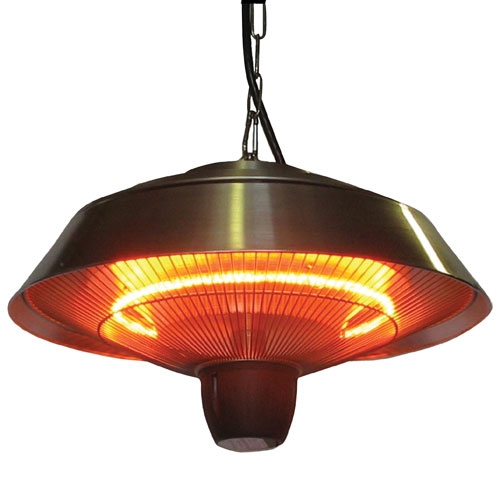
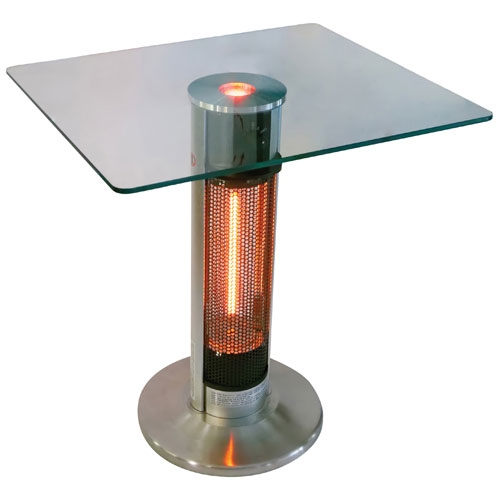
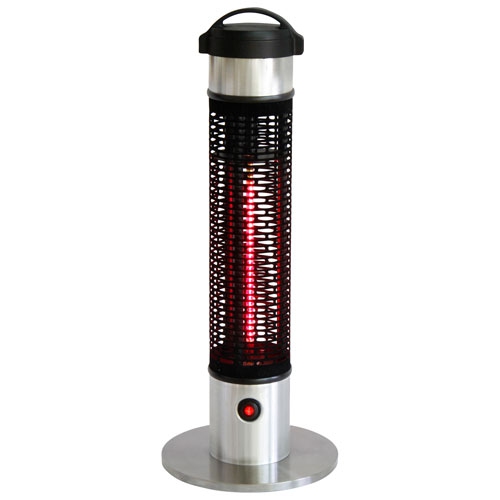
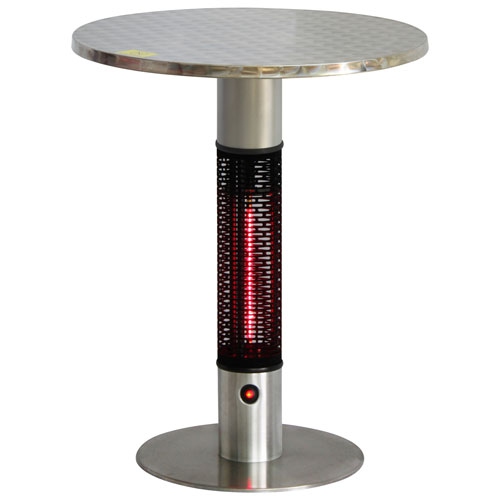
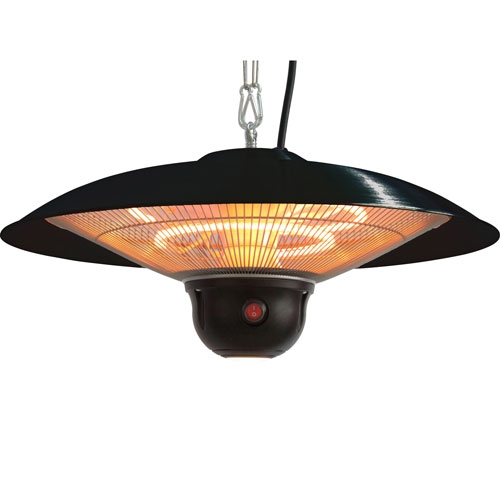
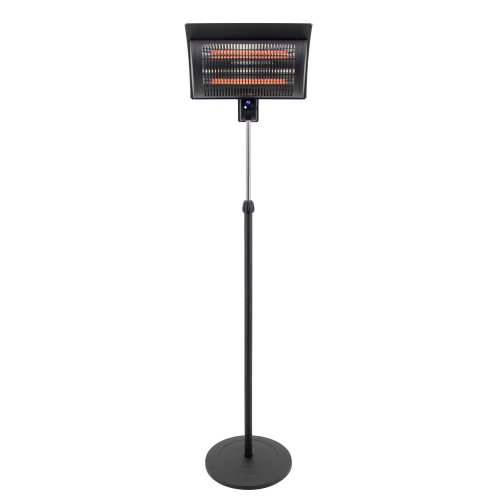
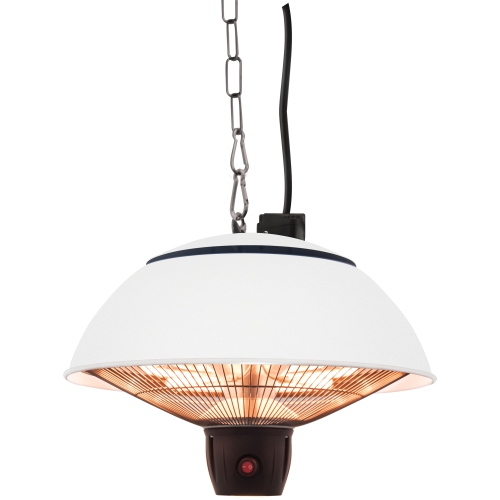
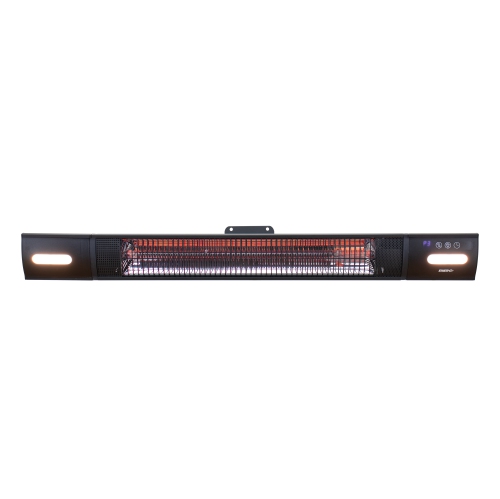
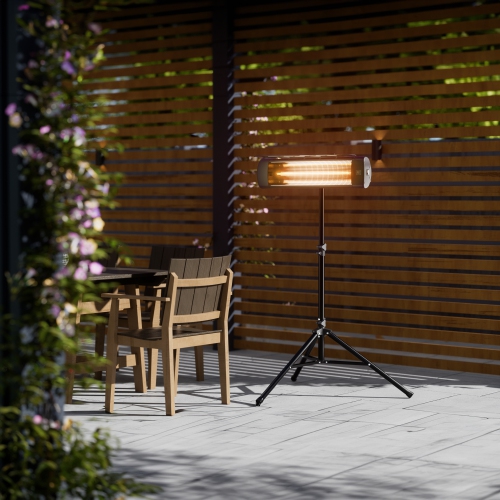
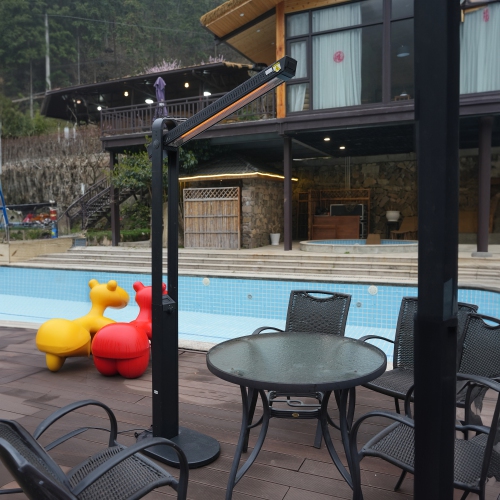
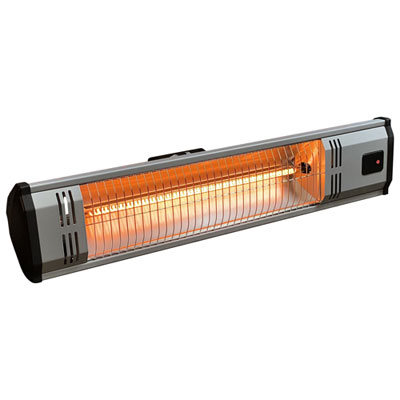
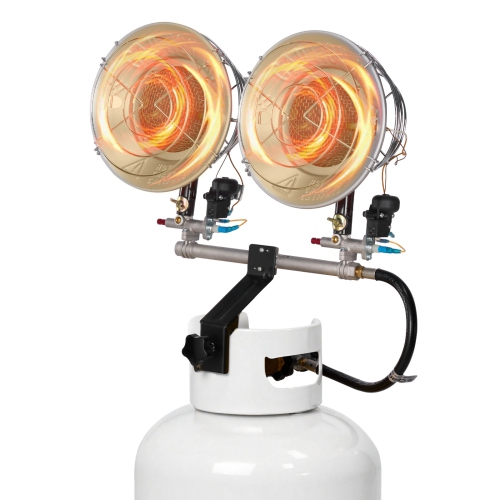
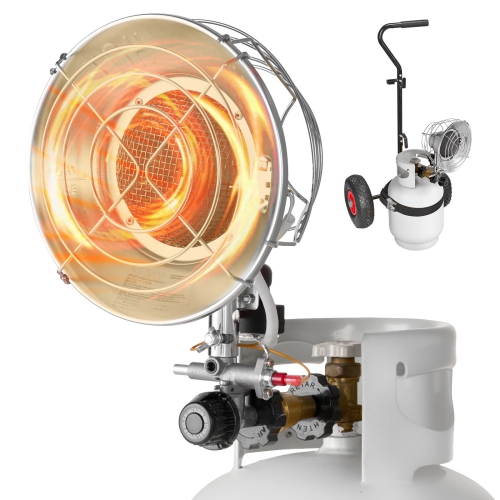
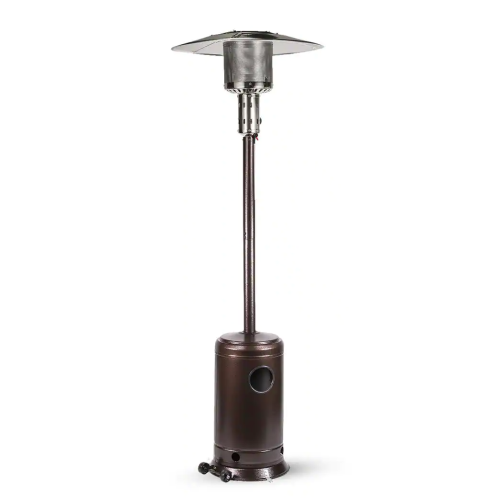
Outdoor infrared heaters bring focused warmth to patios, decks, balconies, porches, gazebos and other outdoor gathering spaces when the air starts to feel crisp. Unlike forced-air heaters that warm the surrounding air and can lose effectiveness when a breeze carries that warmth away, infrared heaters radiate heat directly towards people and nearby surfaces. You can feel the difference much like stepping into a patch of sunlight on a cool day: the air may still be fresh, but your coat, chair and skin begin to feel warmer almost immediately. This direct heating style makes infrared a practical choice for outdoor seating areas where you want comfortable warmth without waiting for the entire space to heat up. Many electric models operate quietly, without the sound of a fan, and are well suited to covered patios, pergolas, balconies and semi-enclosed areas when installed according to the manufacturer’s instructions. For shoppers comparing outdoor heating options, Electric Patio Heaters can provide a useful point of comparison for plug-in radiant heating. Infrared heaters are available in several formats, including freestanding towers, compact tabletop units, wall-mounted fixtures and ceiling-mounted designs. A freestanding model can be positioned beside a conversation set, dining table or outdoor work area, then moved or stored when the layout changes. Wall and ceiling models keep the floor clear and create a more permanent heating zone, while pole-attached options may suit gazebos, umbrella frames or other structures with an appropriate mounting point. The best format depends on how your space is arranged, whether you need portable warmth and how often you plan to change the position of your outdoor furniture.
Wattage and coverage are among the most important details to review before choosing an outdoor infrared heater. A lower-wattage unit may be well suited to warming one or two people close by, while a higher-wattage heater can create a broader comfort zone over a larger seating area. Coverage is affected by more than the size listed on the product page: open decks, high ceilings, wind exposure, furniture placement and the heater’s mounting height all influence how warmth is felt. Think about where people will actually sit rather than trying to heat every corner of the yard. A heater mounted above a dining table should direct radiant heat down towards the chairs, while a freestanding tower beside a lounge may be better aimed across the seating area. Adjustable heat settings are useful when the temperature changes during an evening, allowing you to select a gentler level while serving food and a stronger setting when guests settle in after sunset. Remote controls, built-in timers and touch controls can make operation more convenient, particularly when the heater is mounted overhead. Some models include oscillation or adjustable angles to spread warmth across several seats, while others deliver a more concentrated beam for a favourite chair or small outdoor workspace. Check the power requirements carefully, including the plug type, cord length and whether the intended outlet and circuit can support the heater. If you are considering a hardwired or permanently mounted configuration, professional installation may be required. Always leave the recommended clearance from ceilings, walls, curtains, umbrellas and furniture, and make sure the heater is rated for the location where it will be used. Outdoor conditions can change quickly, so features such as tip-over protection, automatic shutoff, overheat protection and weather-resistant construction are valuable for everyday use. No outdoor heater should be covered, moved or stored while it is hot, and portable units should be placed on a stable, level surface away from foot traffic.
Outdoor infrared heaters are useful for anyone who wants to extend time outside during the cooler months, from homeowners arranging a comfortable patio for family dinners to apartment residents making better use of a small balcony. They can also be a thoughtful gift for a host who enjoys entertaining, a new homeowner setting up a deck, or someone who spends long evenings outdoors watching sports, reading or visiting with friends. Picture a late-season dinner where plates stay on the table a little longer, a morning coffee enjoyed on the porch with a sweater instead of a heavy blanket, or a backyard gathering where guests naturally linger near a warm seating area rather than retreating indoors. Infrared heaters can also support practical outdoor routines, such as completing hobbies at a covered workbench, keeping a sheltered entryway more comfortable or making a three-season room usable for longer portions of the year. When selecting one, consider the number of people you want to warm, the distance between the heater and the seating, the available mounting surface and whether you prefer a portable or fixed arrangement. Finish and design may matter as well, especially when the heater will remain visible beside patio furniture or beneath a gazebo. A slim wall-mounted model can blend into a tidy entertaining area, while a freestanding tower may offer a more flexible solution for changing layouts. Before use, read the operating and installation instructions, inspect cords and plugs for damage, keep combustible materials clear, and follow all guidance for covered or semi-enclosed spaces. With the right placement, control settings and safety clearance, an outdoor infrared heater can add dependable, targeted warmth to the spaces where you relax, dine and spend time together as the weather changes.
Wattage and coverage are among the most important details to review before choosing an outdoor infrared heater. A lower-wattage unit may be well suited to warming one or two people close by, while a higher-wattage heater can create a broader comfort zone over a larger seating area. Coverage is affected by more than the size listed on the product page: open decks, high ceilings, wind exposure, furniture placement and the heater’s mounting height all influence how warmth is felt. Think about where people will actually sit rather than trying to heat every corner of the yard. A heater mounted above a dining table should direct radiant heat down towards the chairs, while a freestanding tower beside a lounge may be better aimed across the seating area. Adjustable heat settings are useful when the temperature changes during an evening, allowing you to select a gentler level while serving food and a stronger setting when guests settle in after sunset. Remote controls, built-in timers and touch controls can make operation more convenient, particularly when the heater is mounted overhead. Some models include oscillation or adjustable angles to spread warmth across several seats, while others deliver a more concentrated beam for a favourite chair or small outdoor workspace. Check the power requirements carefully, including the plug type, cord length and whether the intended outlet and circuit can support the heater. If you are considering a hardwired or permanently mounted configuration, professional installation may be required. Always leave the recommended clearance from ceilings, walls, curtains, umbrellas and furniture, and make sure the heater is rated for the location where it will be used. Outdoor conditions can change quickly, so features such as tip-over protection, automatic shutoff, overheat protection and weather-resistant construction are valuable for everyday use. No outdoor heater should be covered, moved or stored while it is hot, and portable units should be placed on a stable, level surface away from foot traffic.
Outdoor infrared heaters are useful for anyone who wants to extend time outside during the cooler months, from homeowners arranging a comfortable patio for family dinners to apartment residents making better use of a small balcony. They can also be a thoughtful gift for a host who enjoys entertaining, a new homeowner setting up a deck, or someone who spends long evenings outdoors watching sports, reading or visiting with friends. Picture a late-season dinner where plates stay on the table a little longer, a morning coffee enjoyed on the porch with a sweater instead of a heavy blanket, or a backyard gathering where guests naturally linger near a warm seating area rather than retreating indoors. Infrared heaters can also support practical outdoor routines, such as completing hobbies at a covered workbench, keeping a sheltered entryway more comfortable or making a three-season room usable for longer portions of the year. When selecting one, consider the number of people you want to warm, the distance between the heater and the seating, the available mounting surface and whether you prefer a portable or fixed arrangement. Finish and design may matter as well, especially when the heater will remain visible beside patio furniture or beneath a gazebo. A slim wall-mounted model can blend into a tidy entertaining area, while a freestanding tower may offer a more flexible solution for changing layouts. Before use, read the operating and installation instructions, inspect cords and plugs for damage, keep combustible materials clear, and follow all guidance for covered or semi-enclosed spaces. With the right placement, control settings and safety clearance, an outdoor infrared heater can add dependable, targeted warmth to the spaces where you relax, dine and spend time together as the weather changes.
Top selling and popular products
-
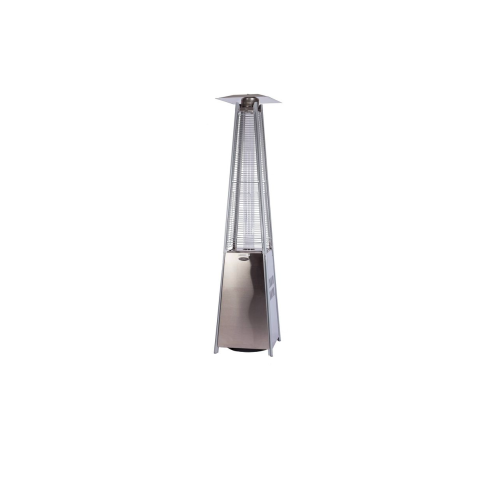 Your price for this item is $879.99
 -
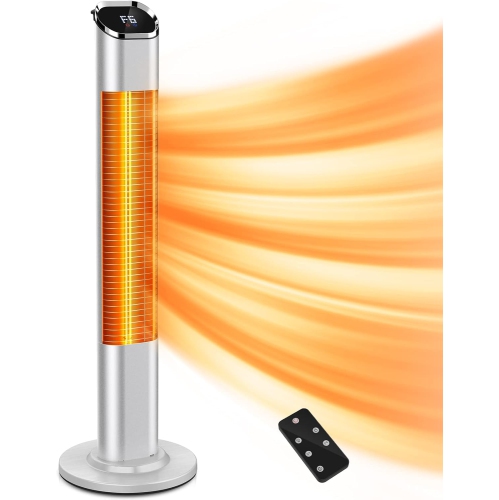 Your price for this item is $219.95
 -
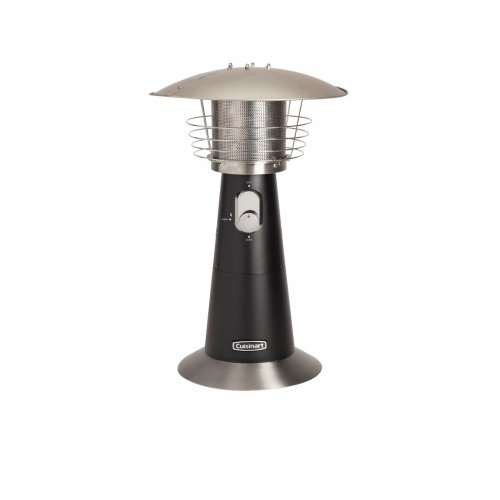 Your price for this item is $329.99
 -
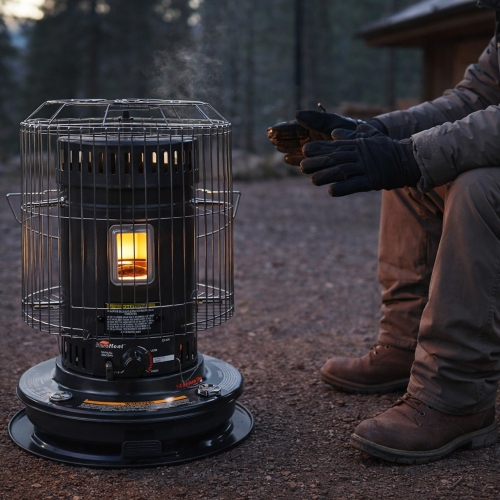 Your price for this item is $751.99
 -
 Your price for this item is $318.99
 -
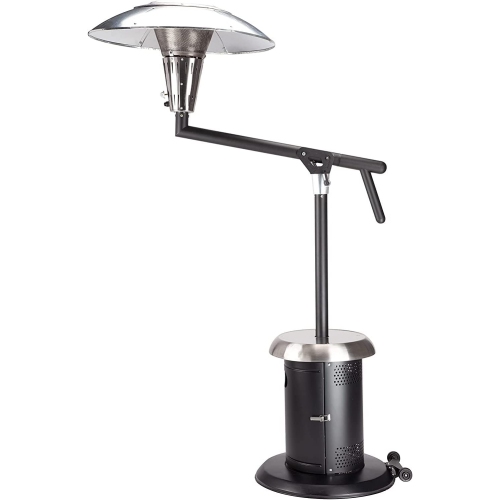 Your price for this item is $1199.99
 -
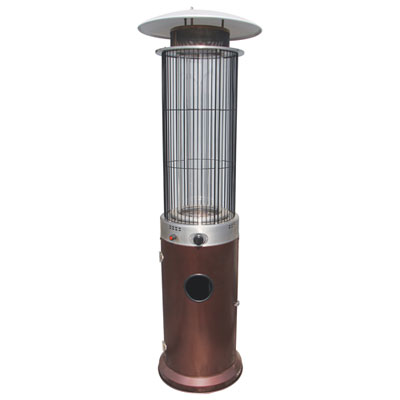 Your price for this item is $399.99
 -
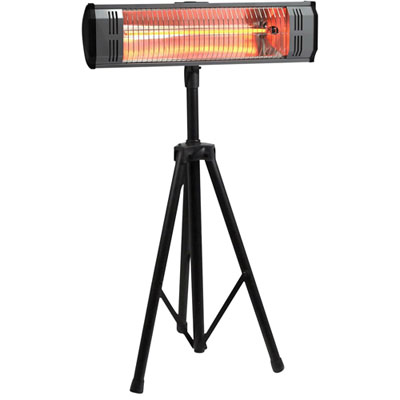 Your price for this item is $259.99
Discover more categories related to Outdoor Infrared Heaters
Top Collections:
Pokemon Centers, Kindle Devices, Best Budget Office Chairs, Apple iPhones 16, Best Laptops for Writers, iPhone 15 Apple, Canon G7X Cameras, Refurbished Apple Laptops, Alarm Clock, Motorola Razr Phones
Some products may be subject to Environmental Handling Fees
(EHF) depending on your province.
Learn more about EHFs.