Infrared Patio Heaters
Stay warm and cozy outdoors all year round with our selection of infrared patio heaters. Designed to efficiently heat your outdoor space, these innovative heaters use infrared technology to provide instant warmth without the need to wait for them to heat up. Perfect for chilly evenings or cool mornings, infrared patio heaters are a stylish and practical addition to any outdoor setting, allowing you to extend your time outside comfortably. Browse our range of infrared patio heaters to find the perfect solution for keeping you and your guests comfortable during any outdoor gathering.
Sort
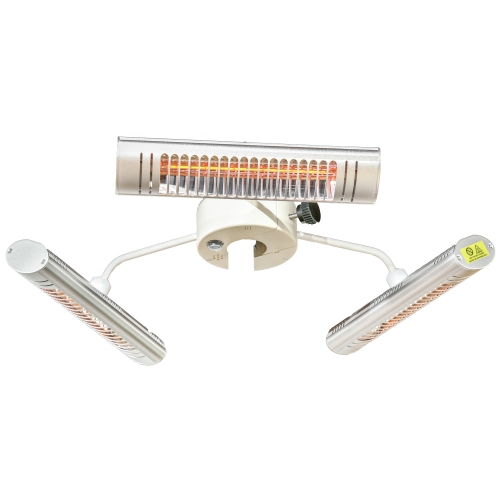
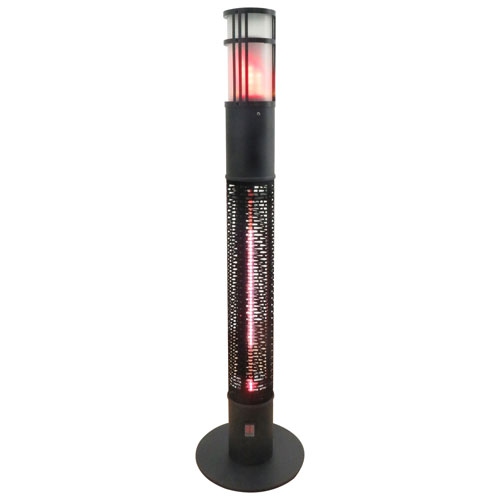
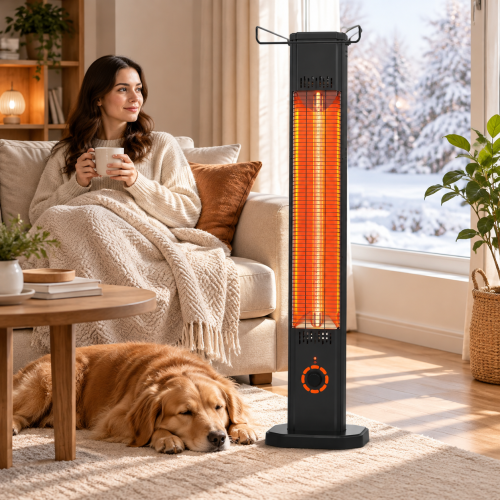
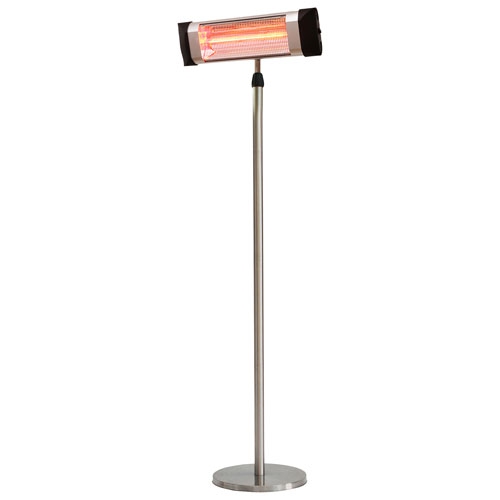



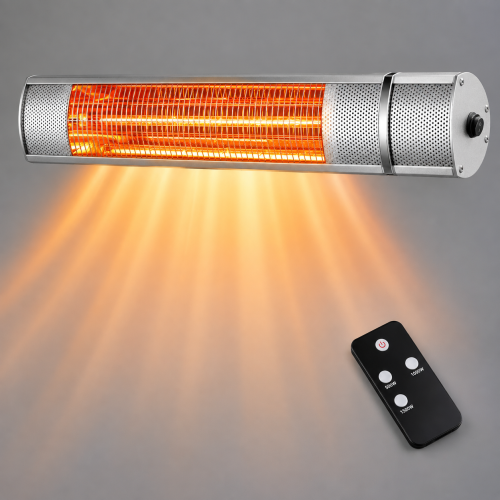
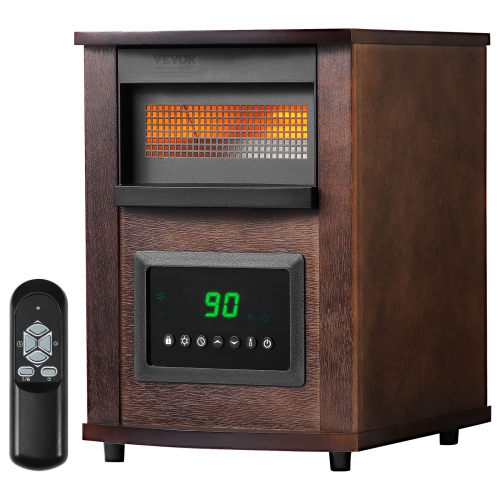
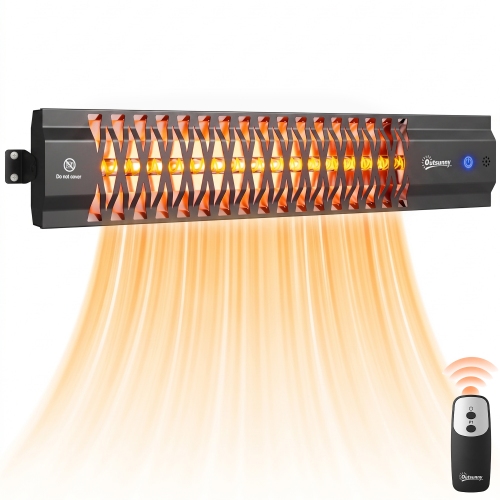
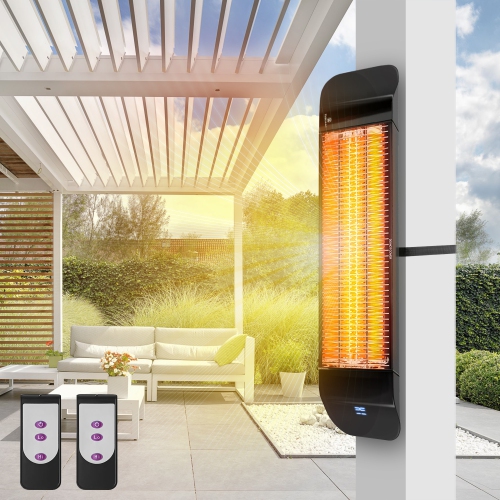

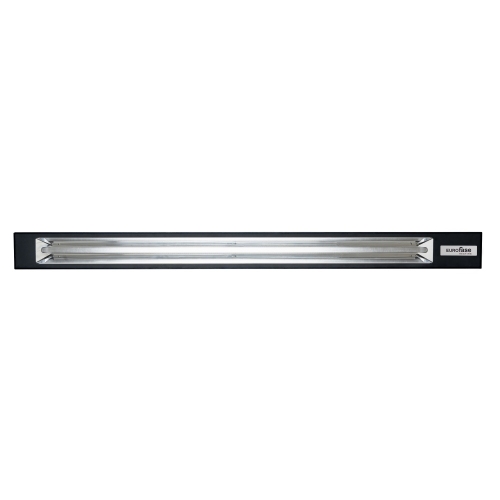
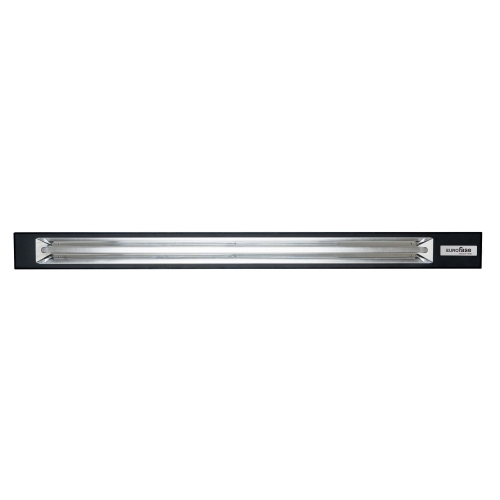
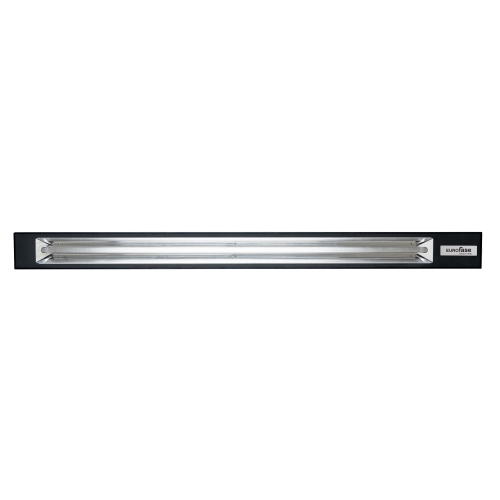
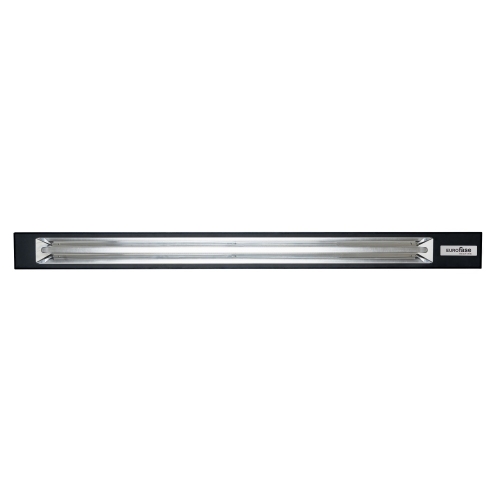
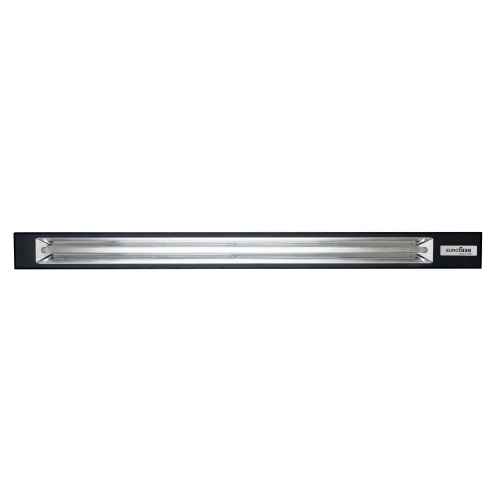
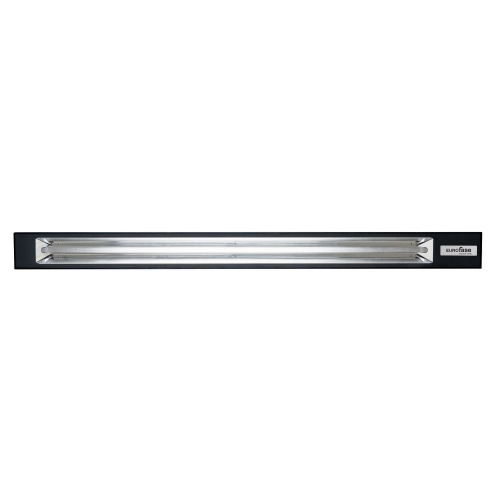
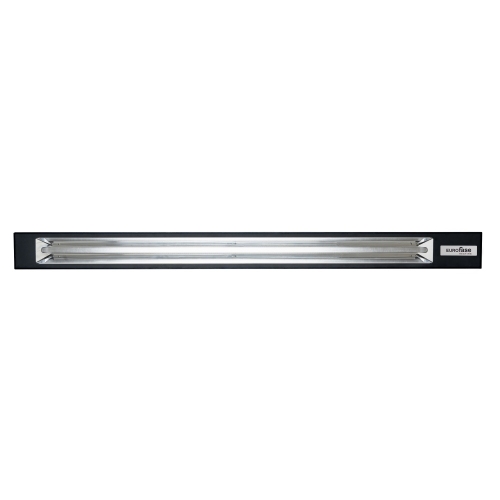
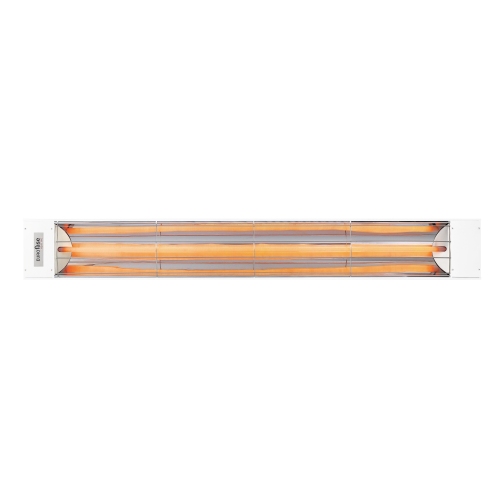
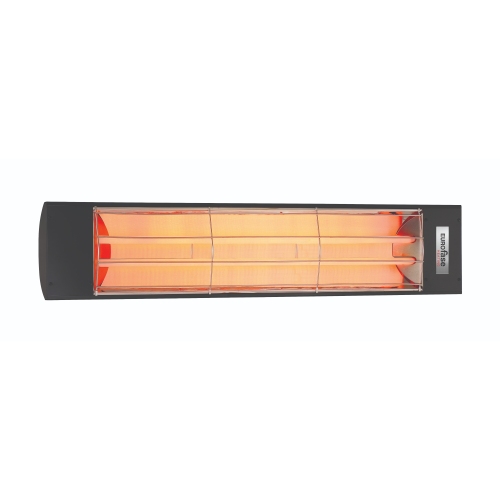
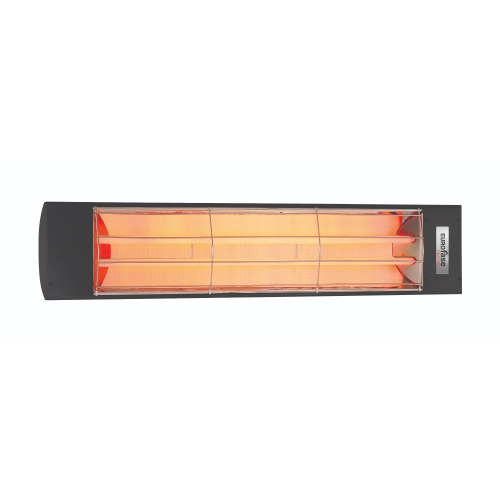
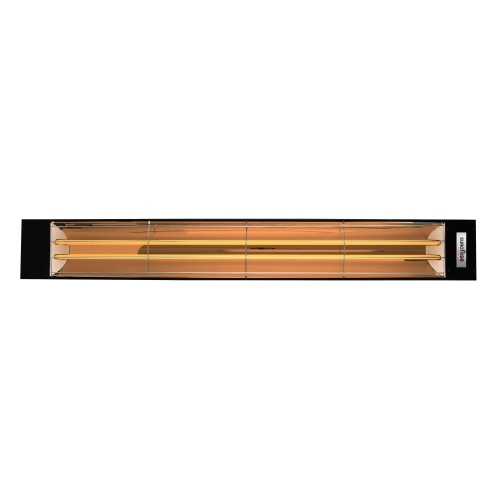


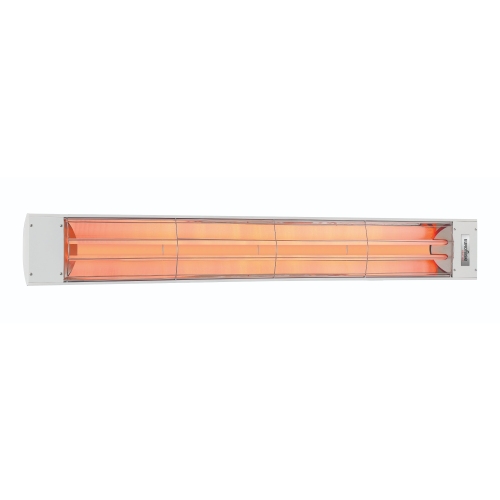
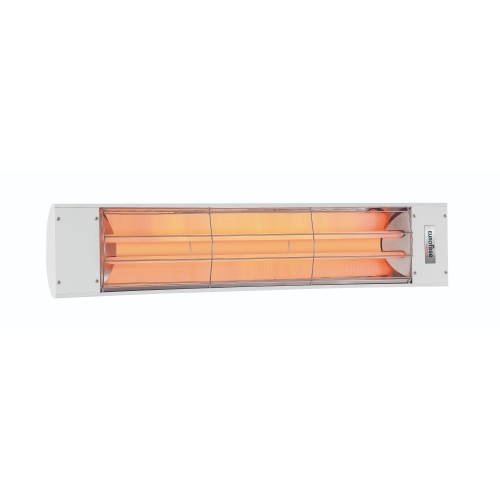
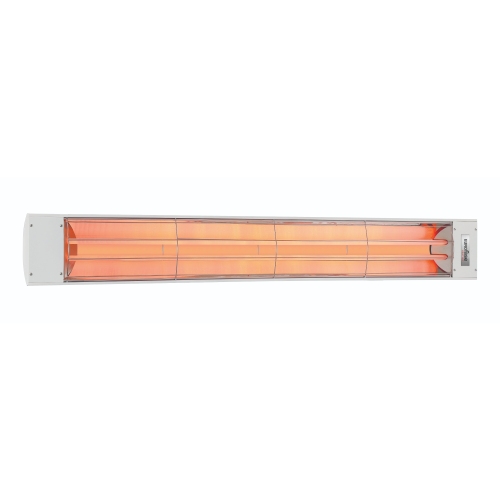
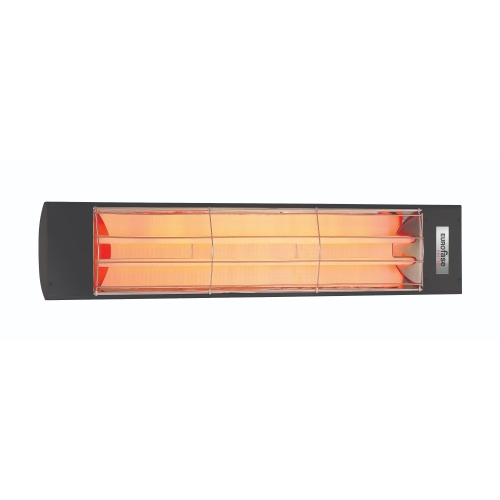
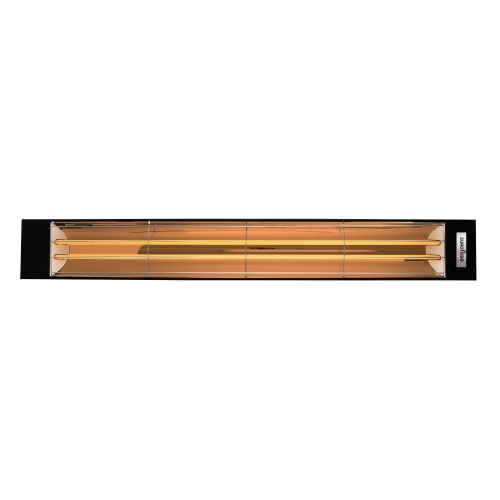
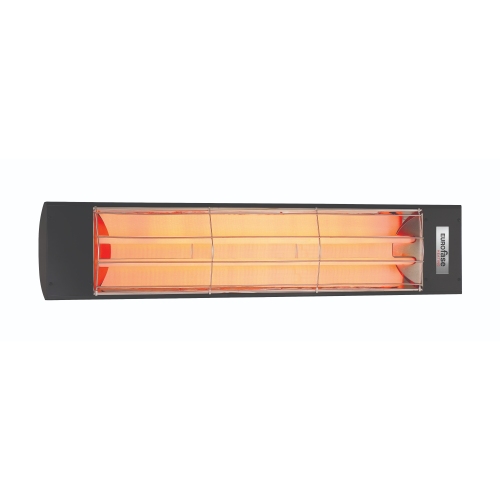
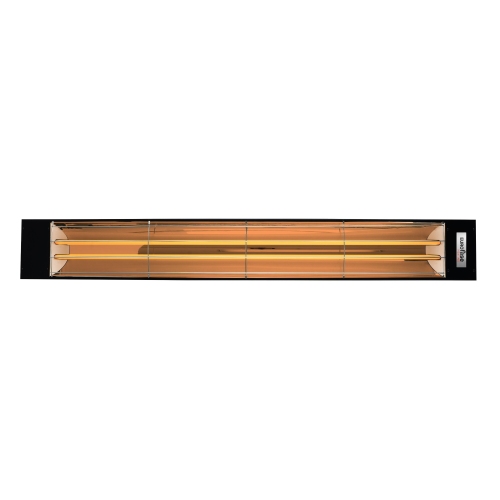
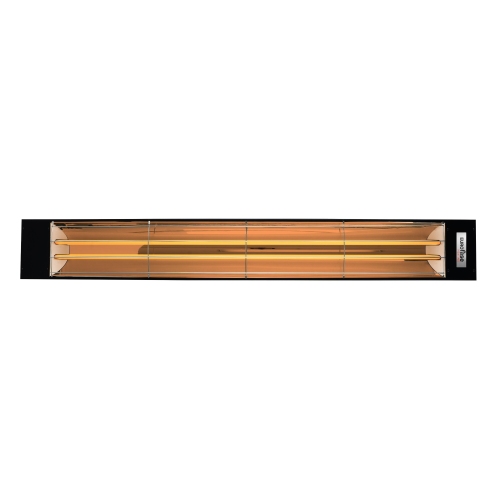

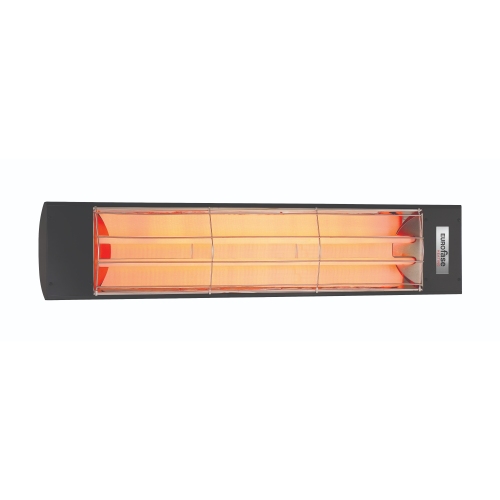





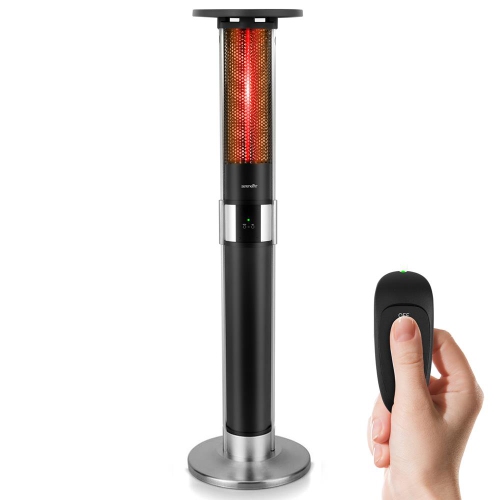
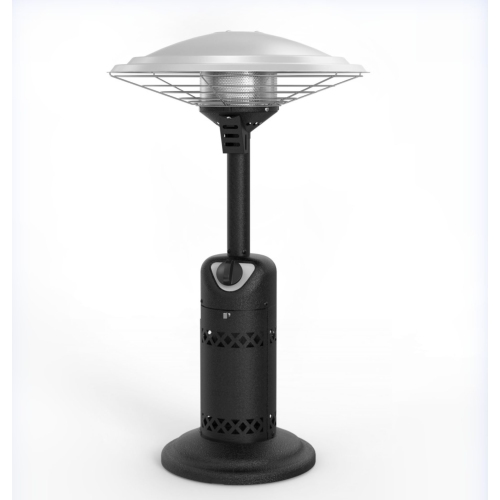
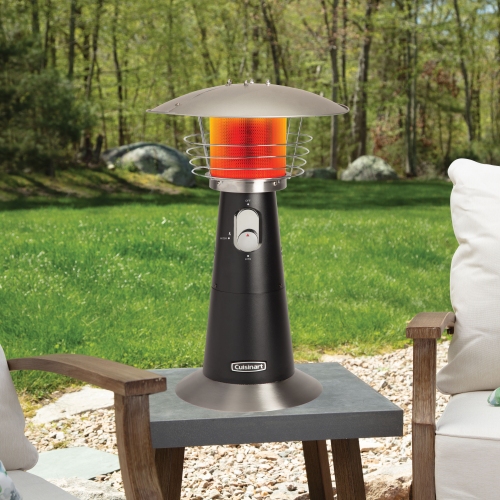
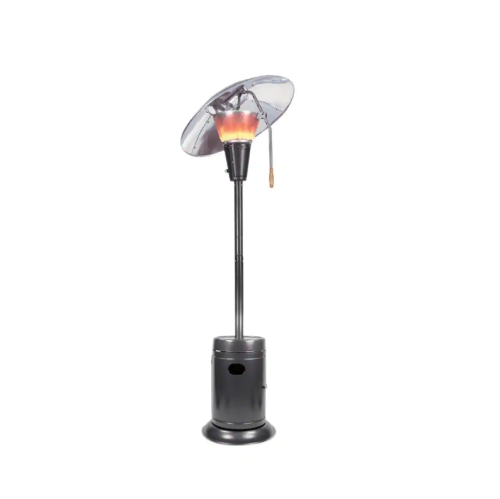

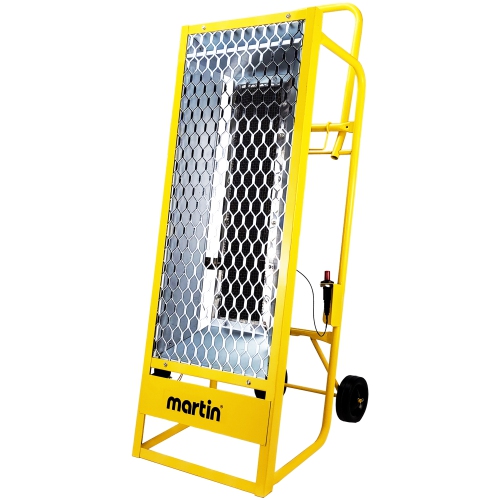
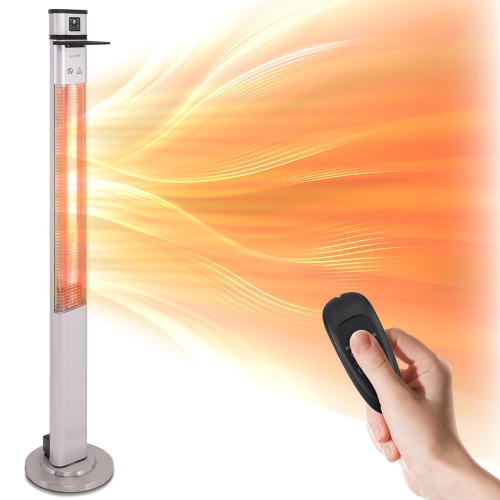


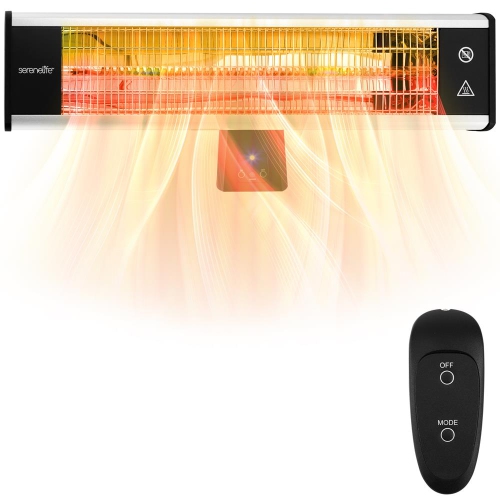
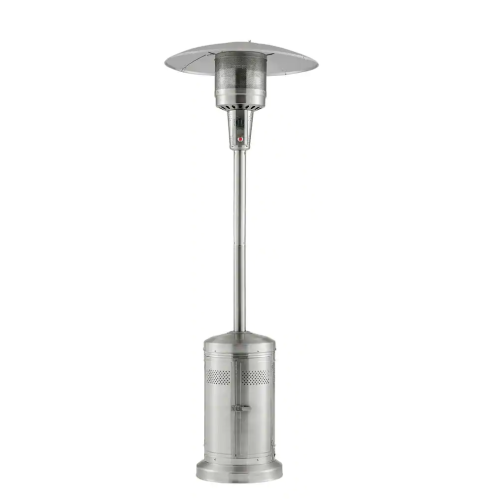

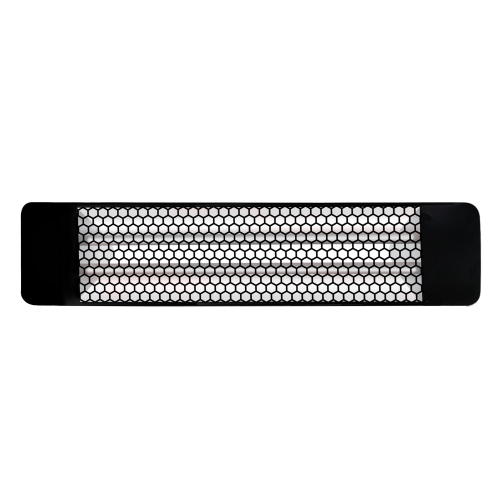
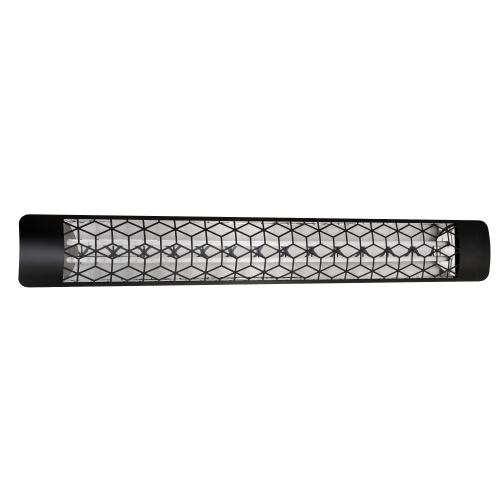
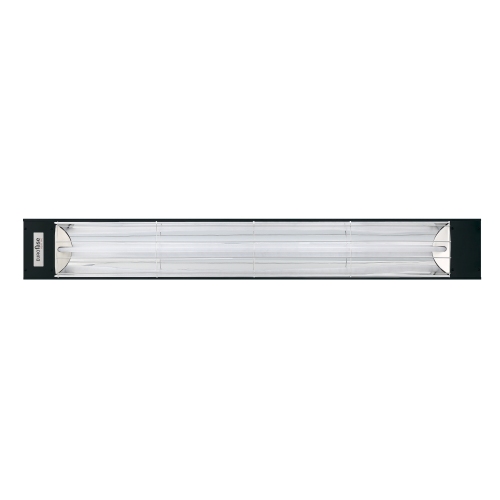
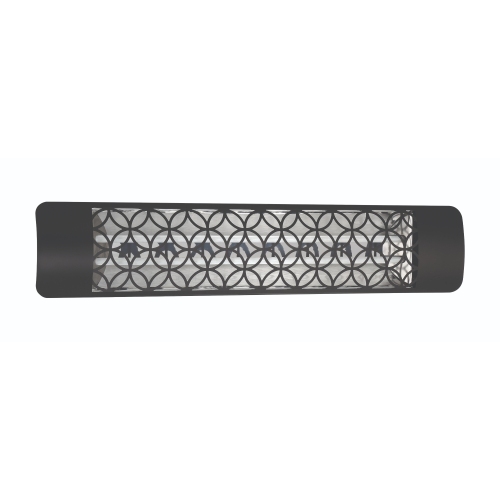
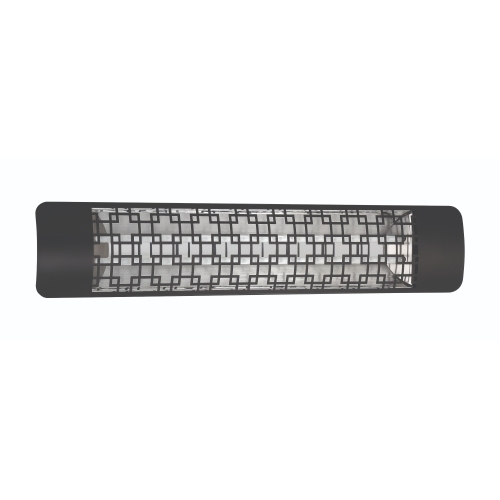
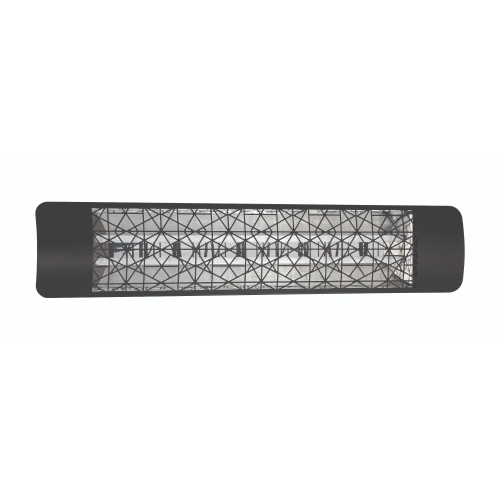
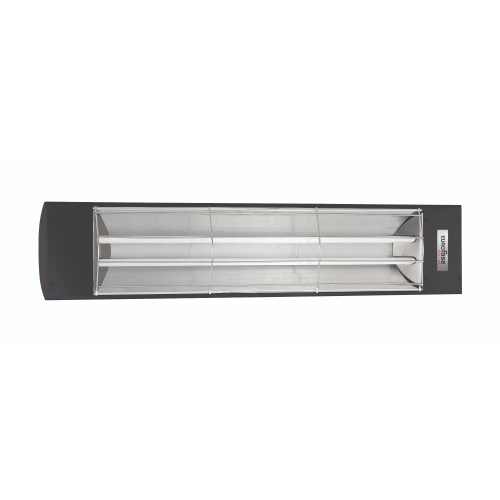
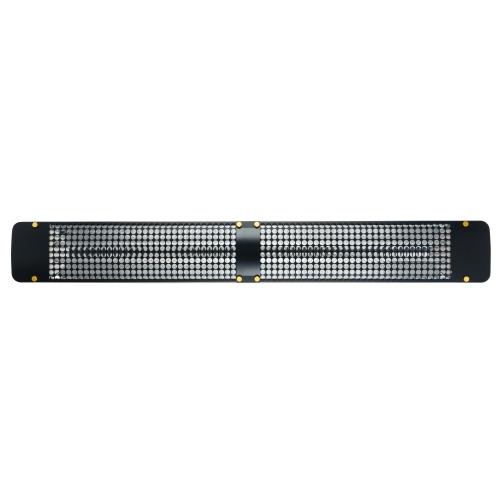
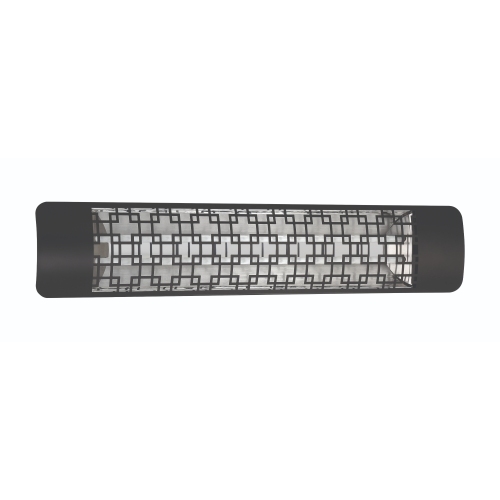
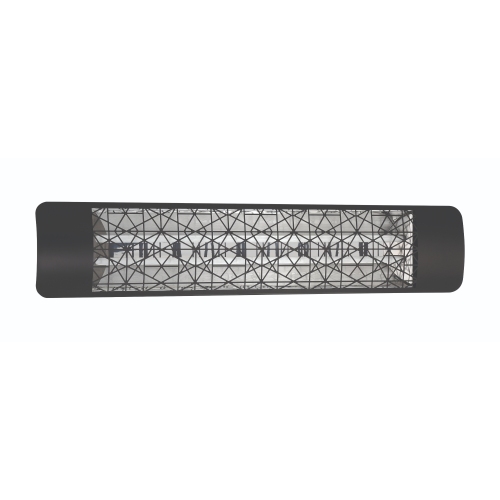
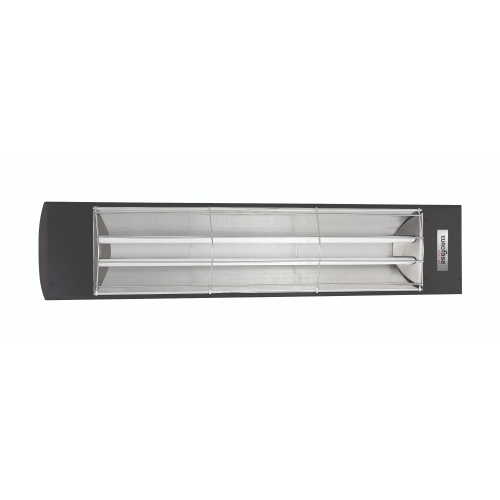
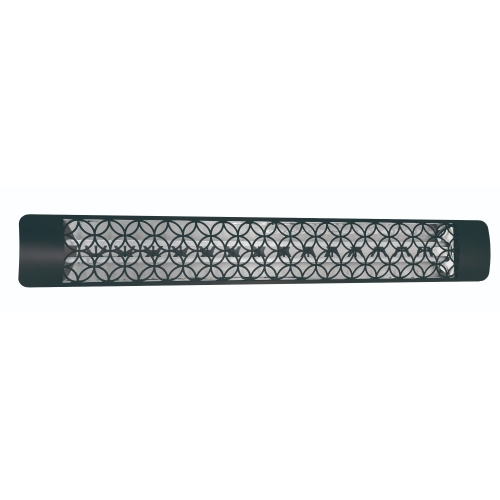
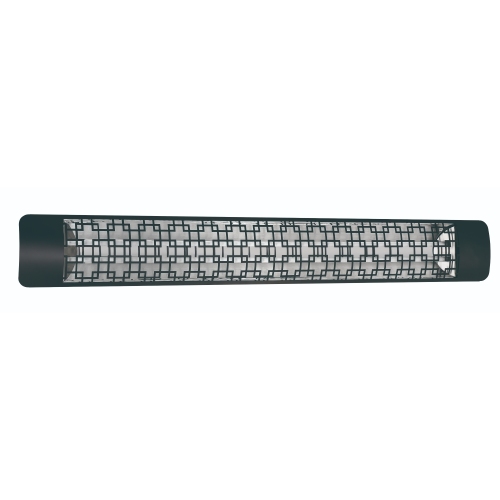
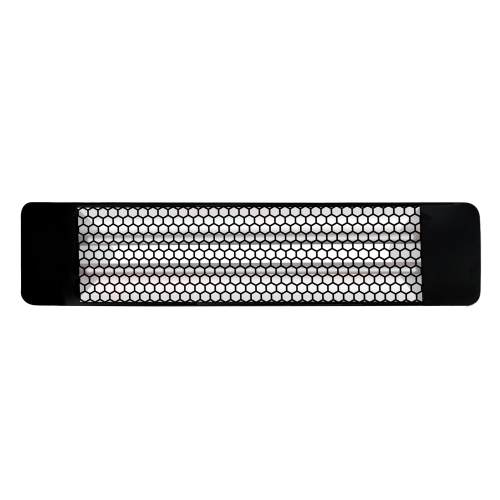
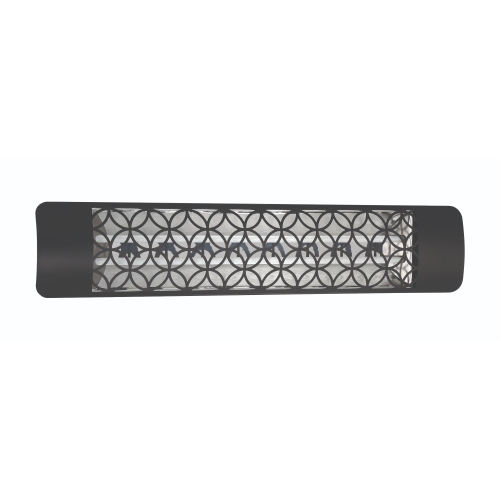
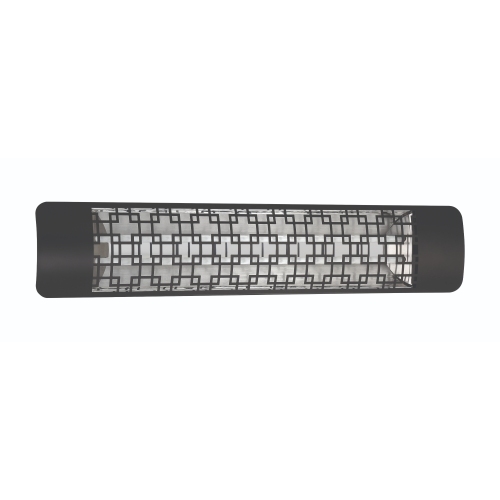
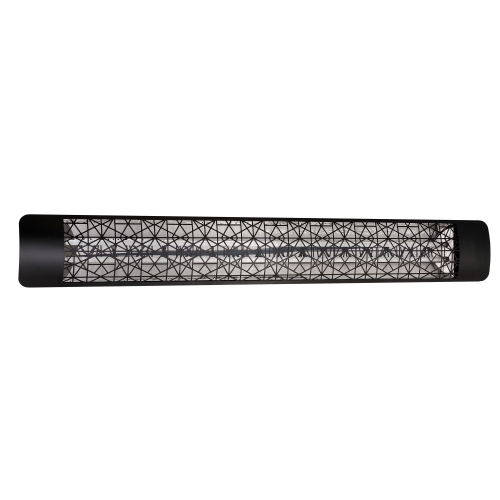
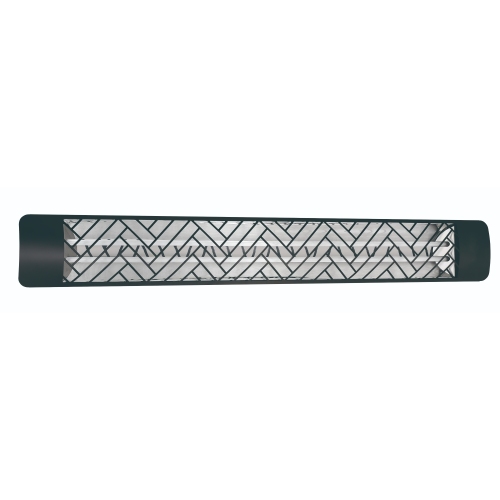
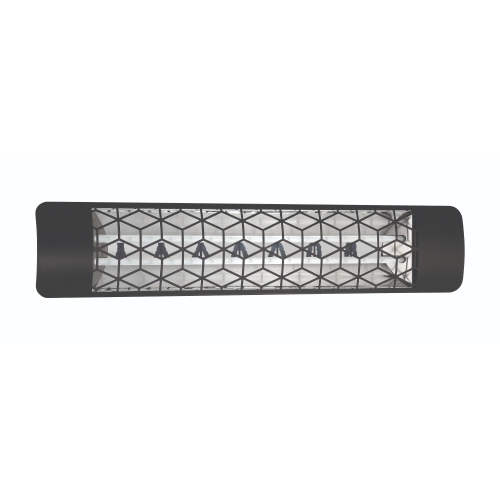
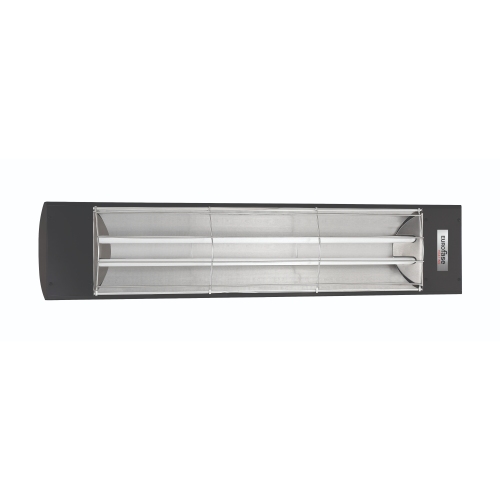

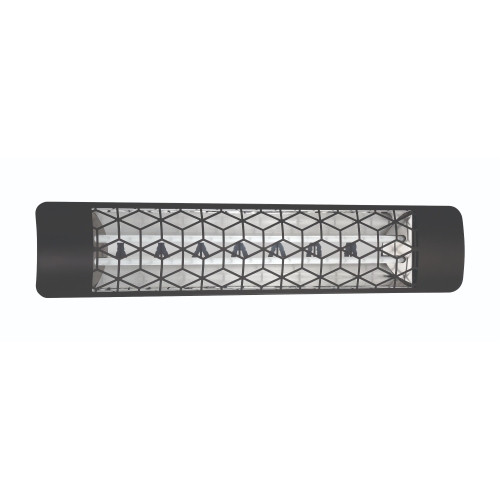
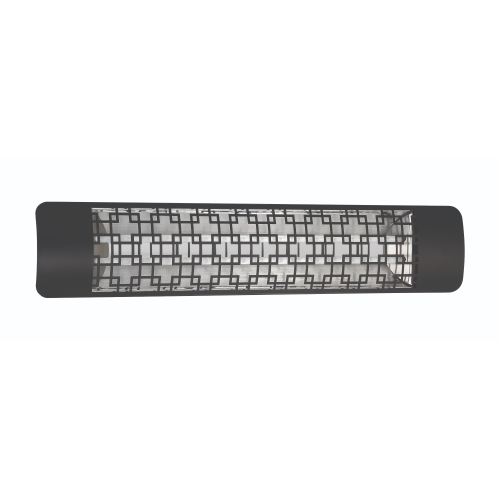
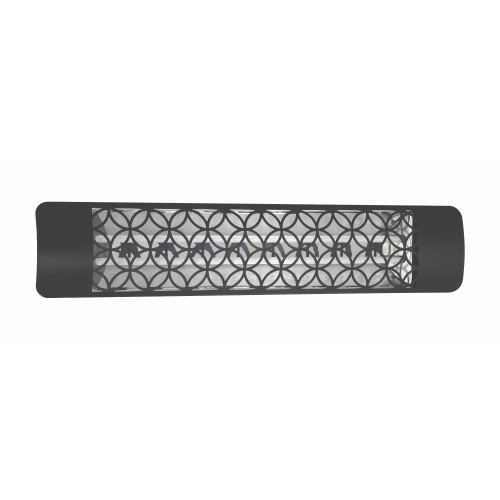
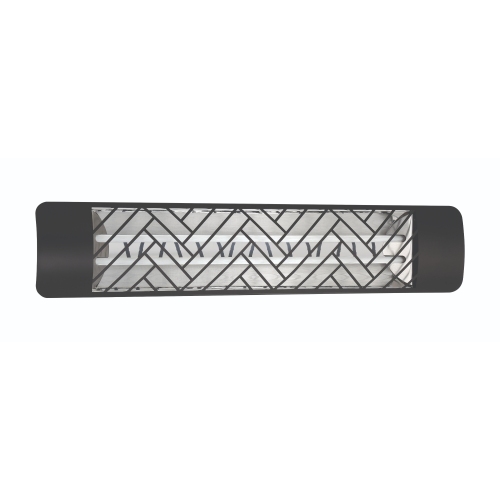
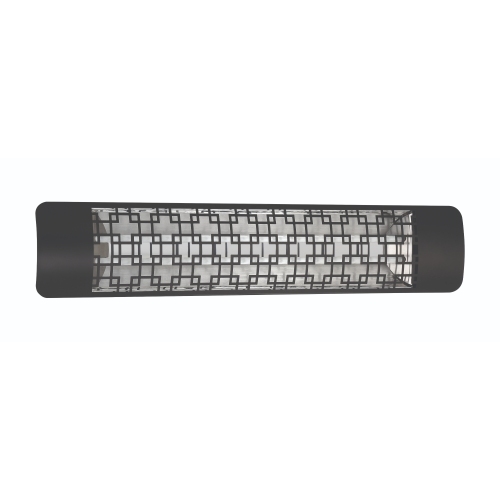
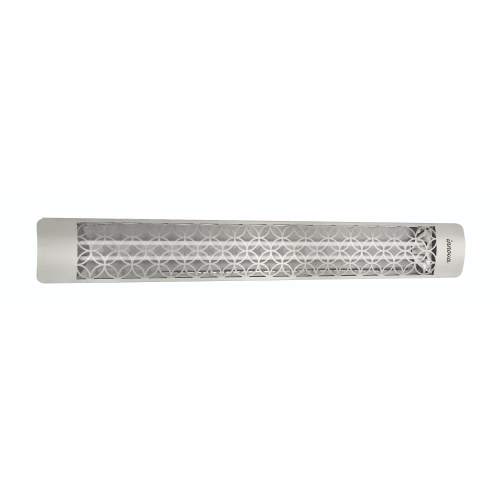
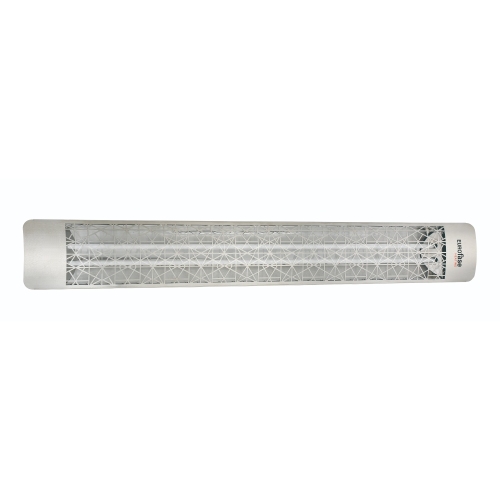
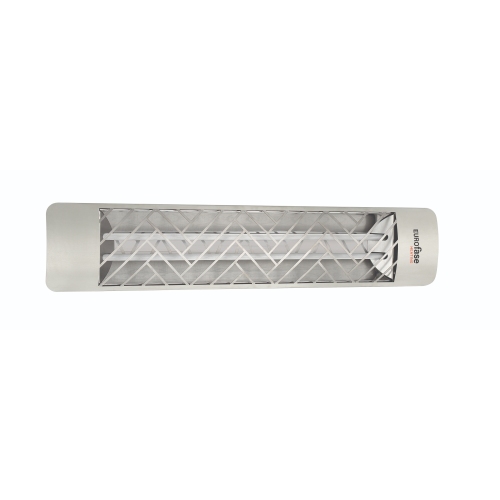
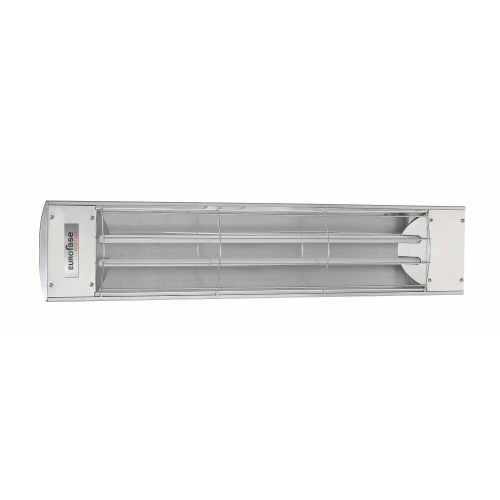
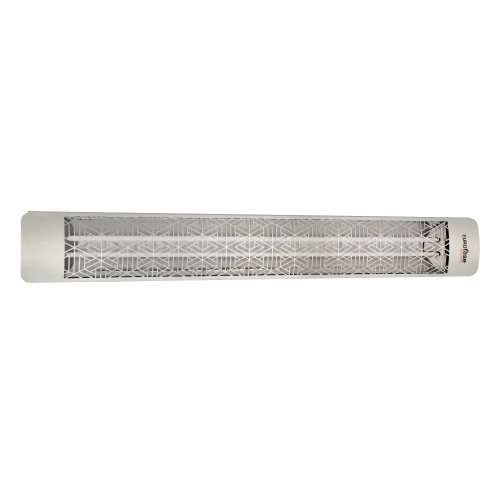
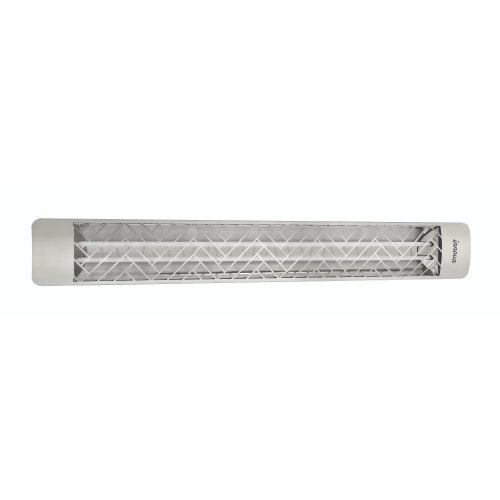
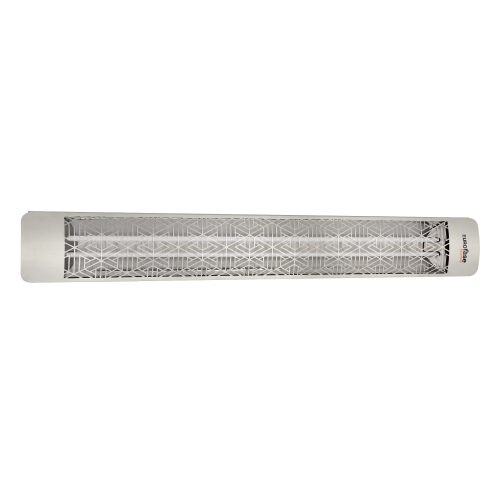
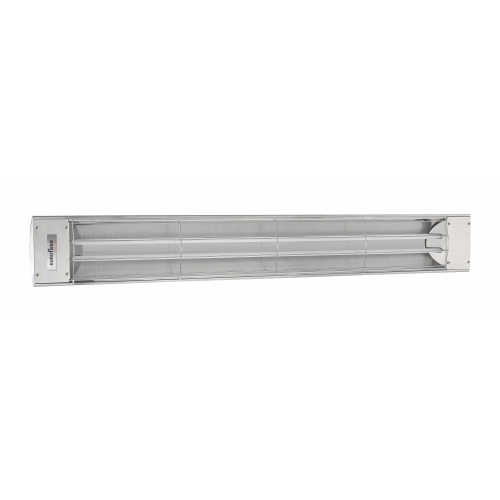
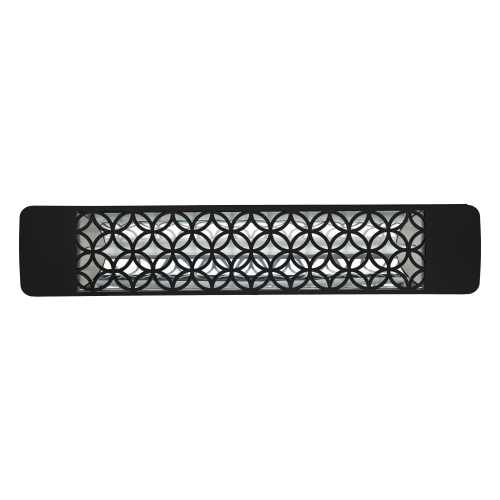
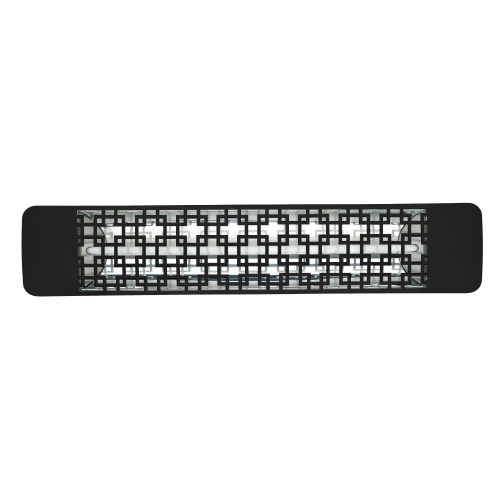
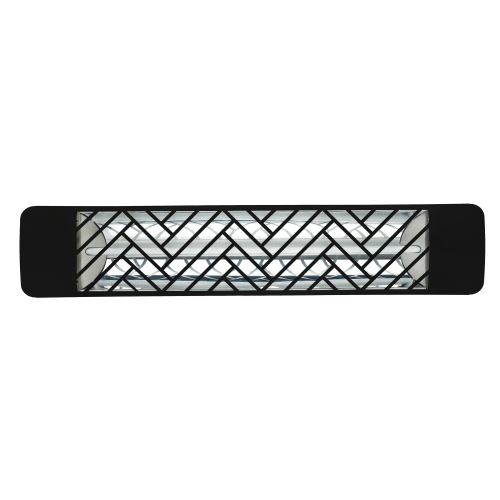
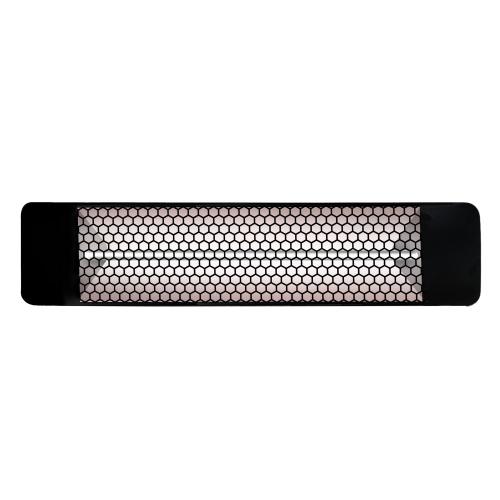
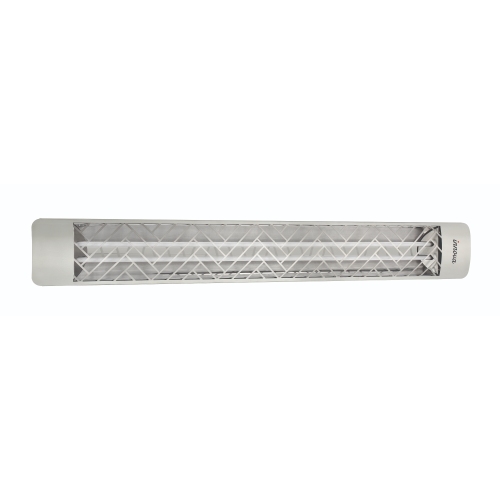
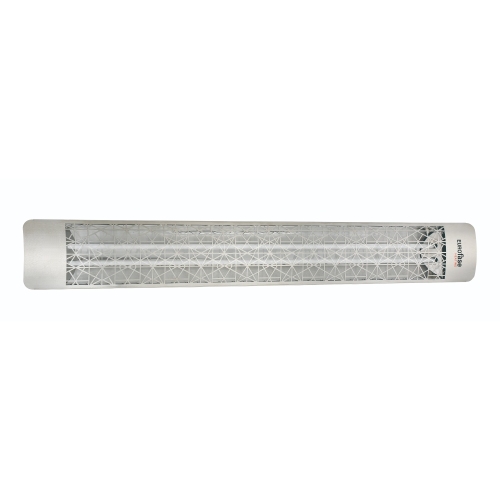
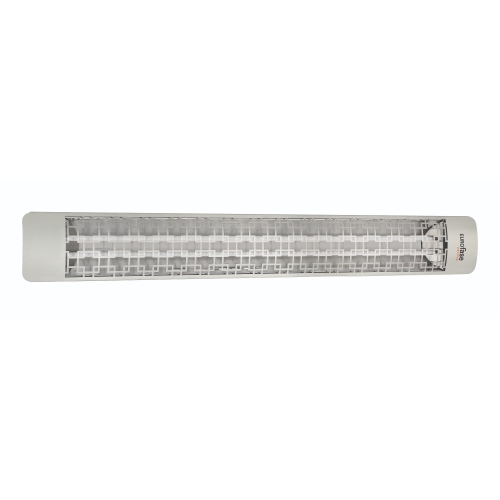
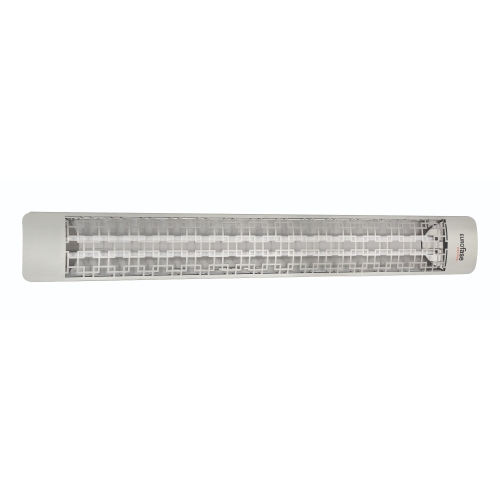
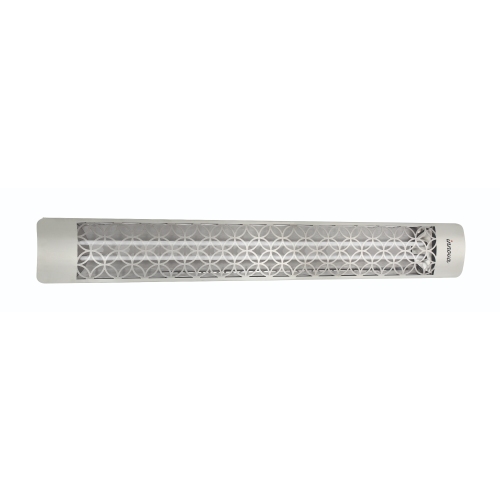
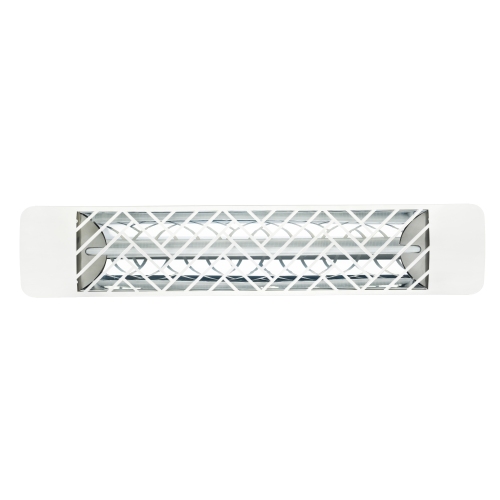
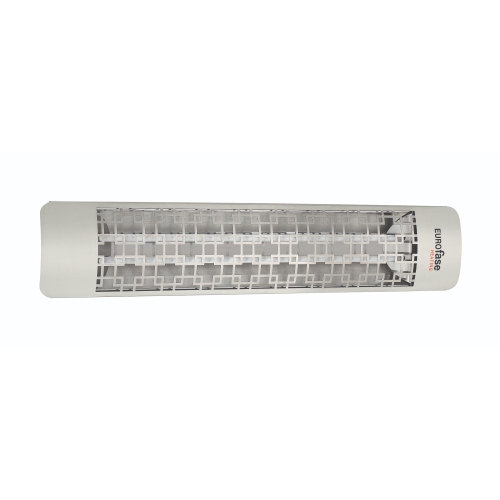
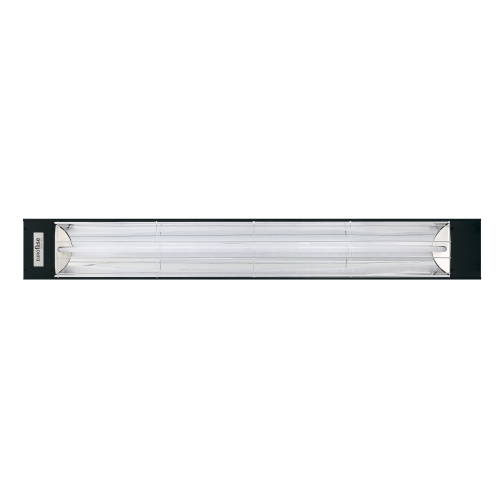
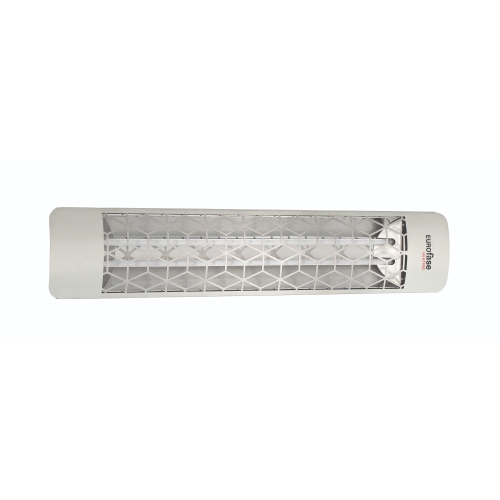
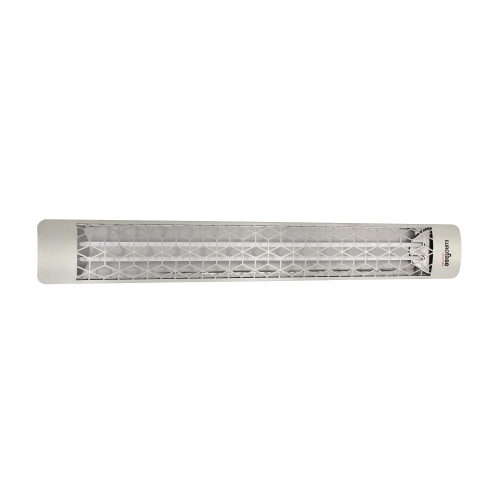
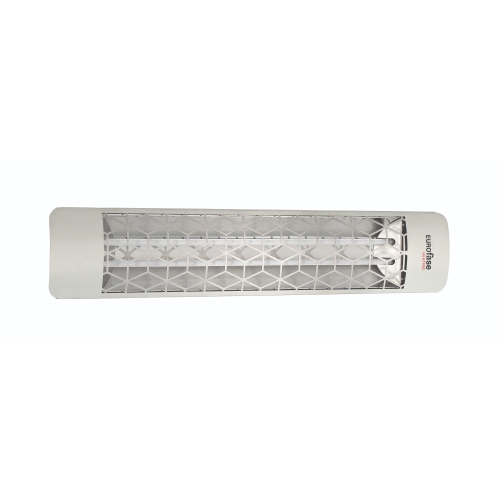
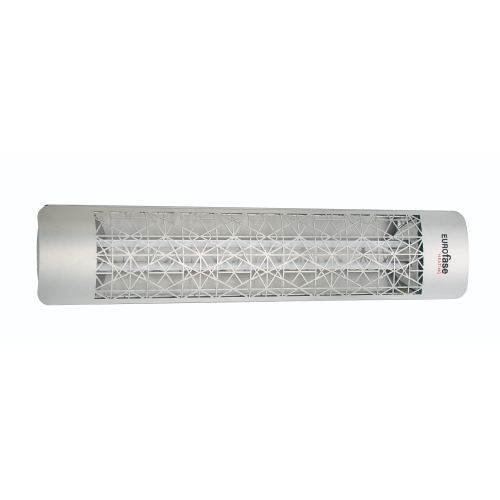
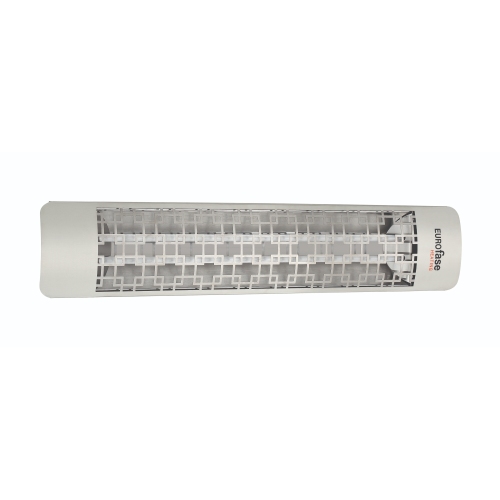
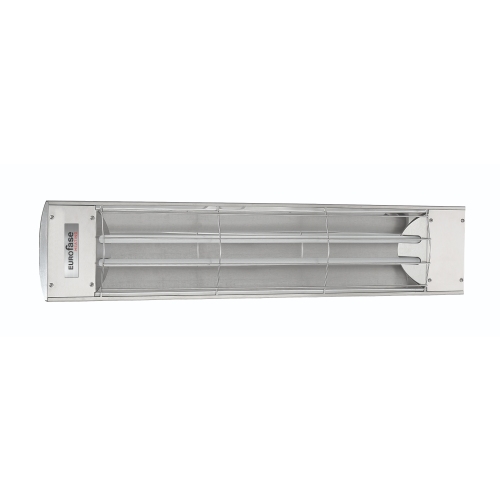


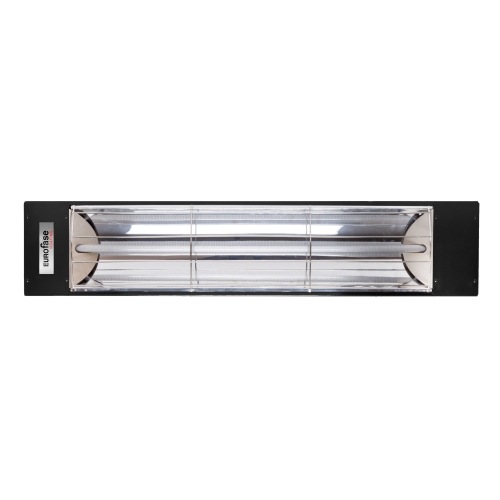
Patio warmth works best where you actually sit
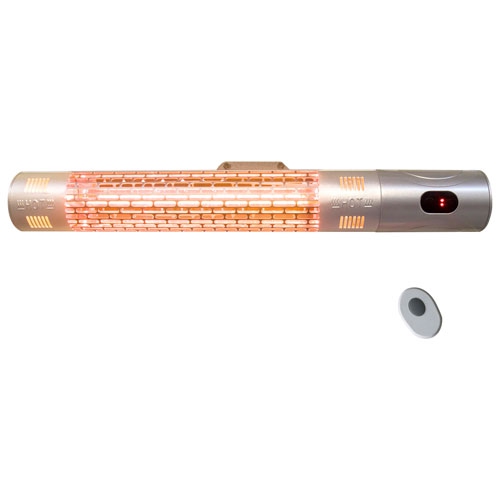
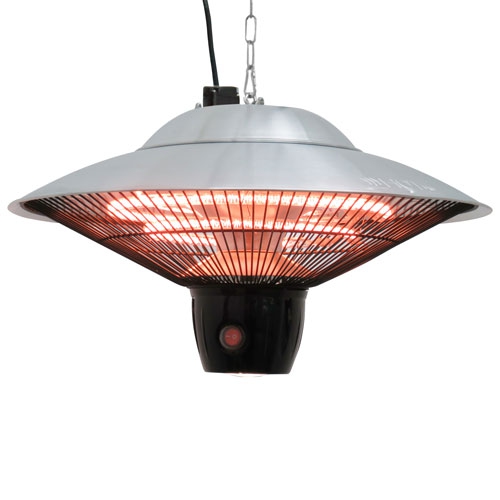
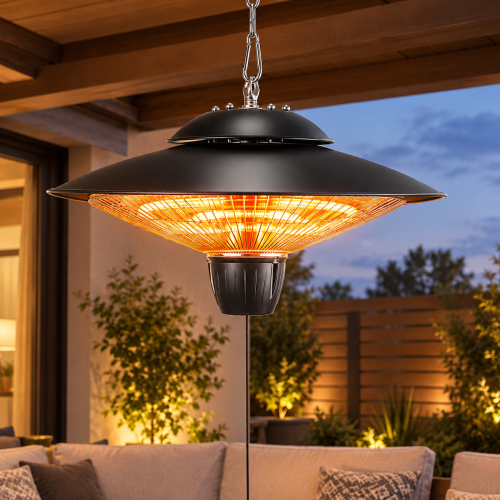
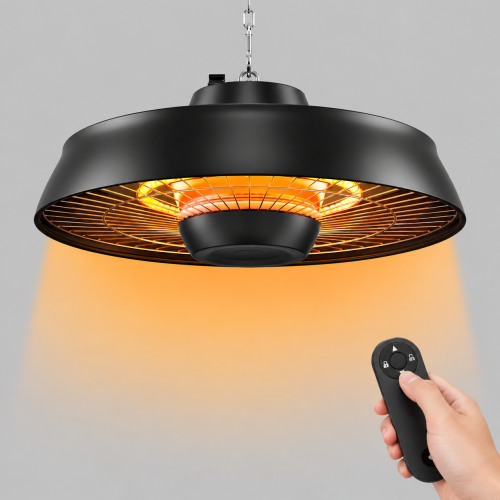
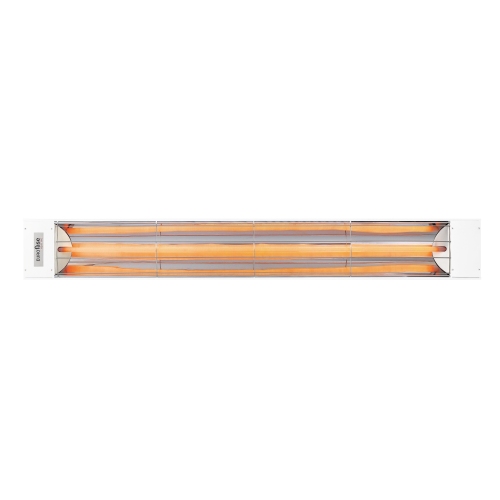
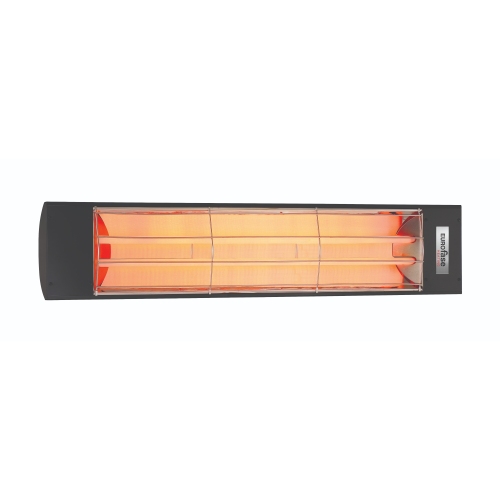
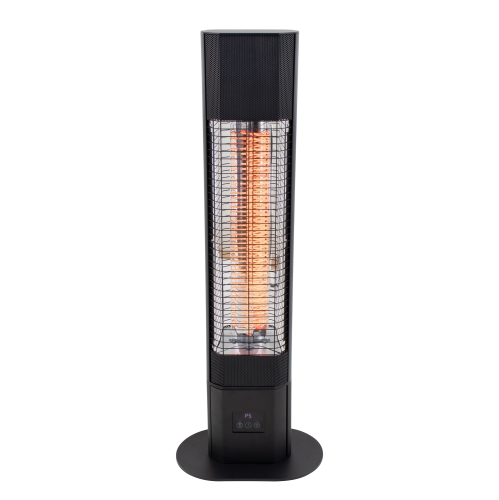
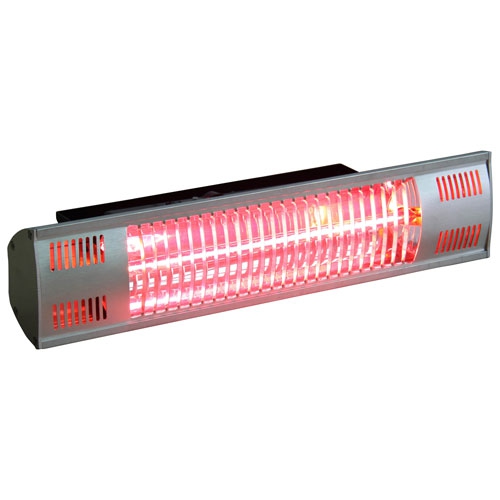
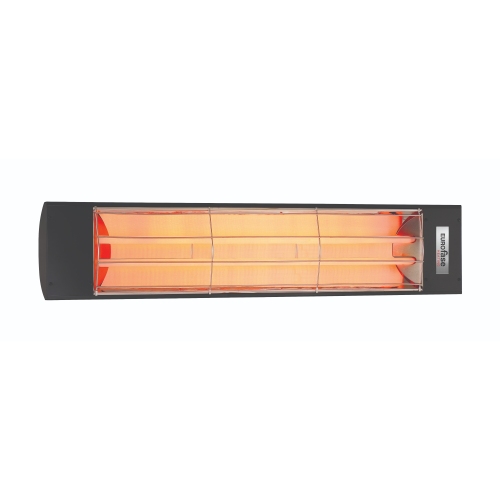
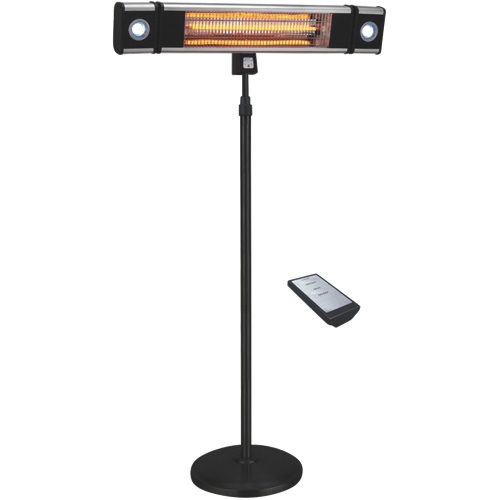
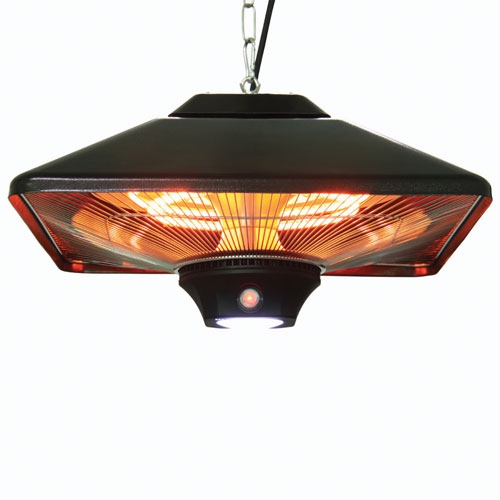
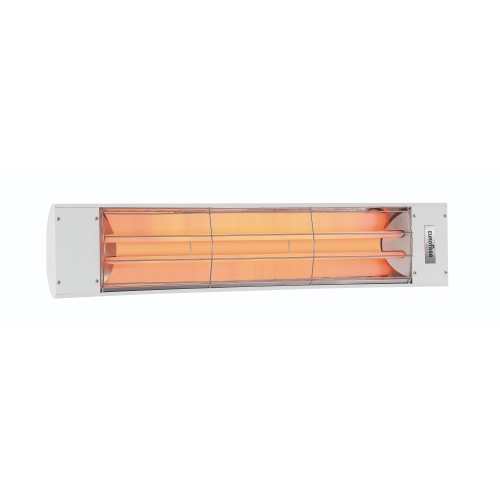
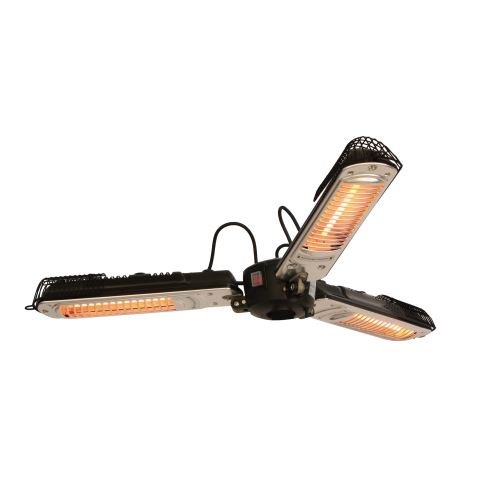
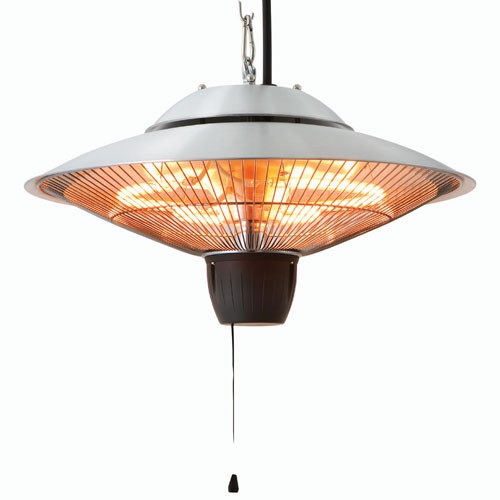
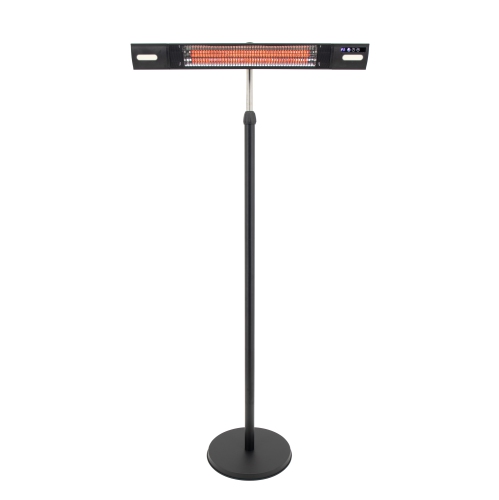
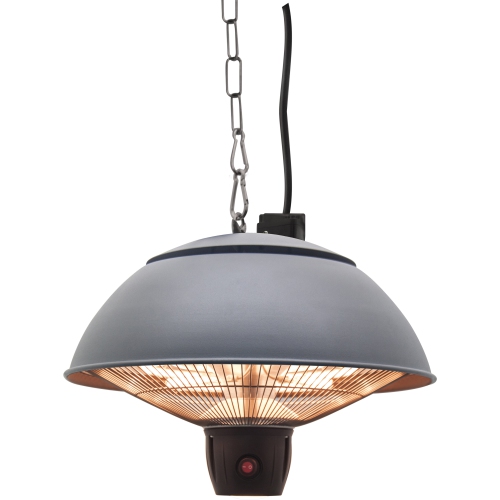
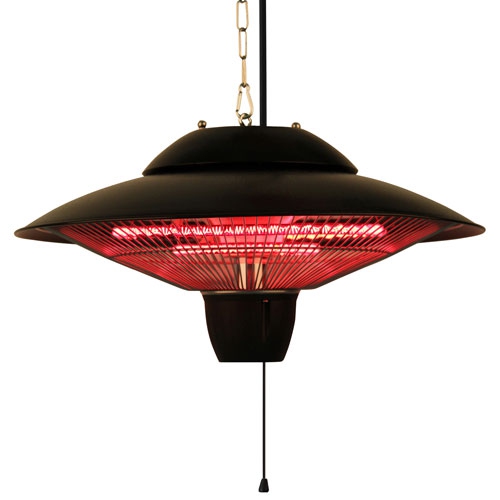
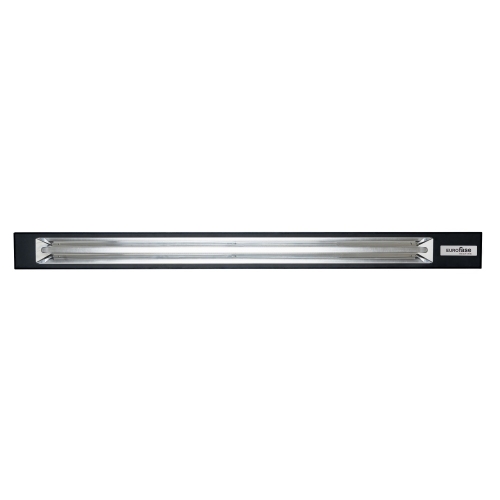
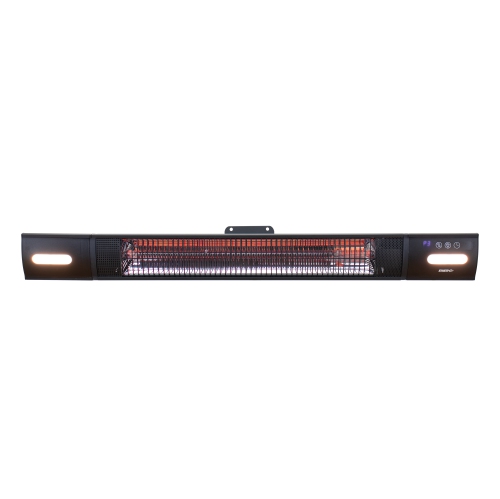
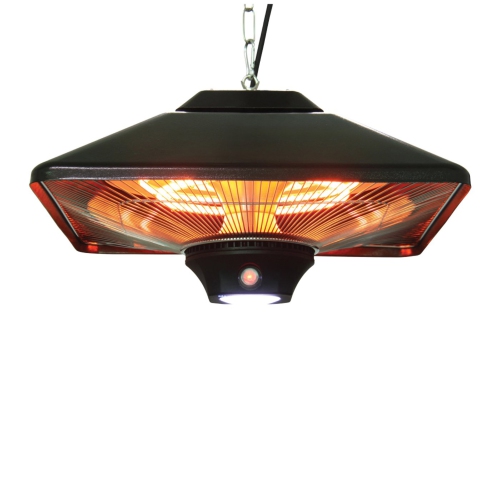
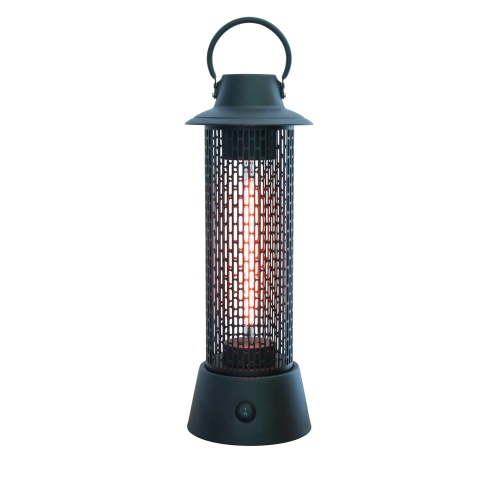
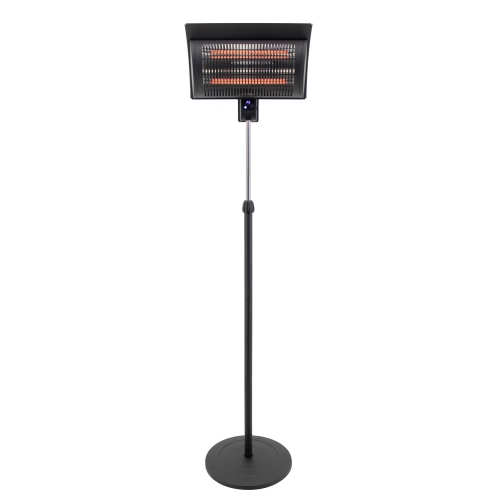
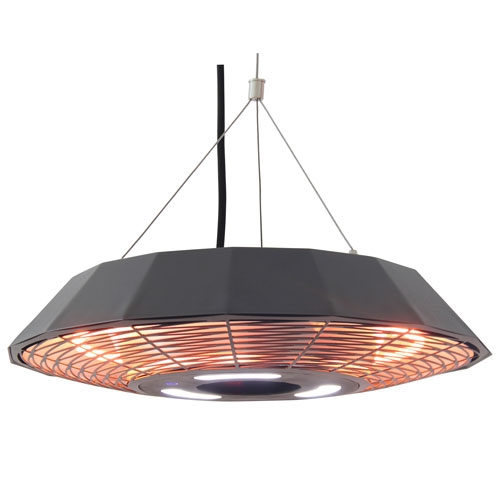
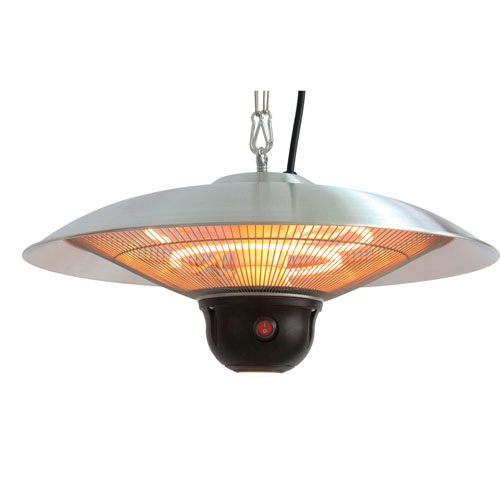
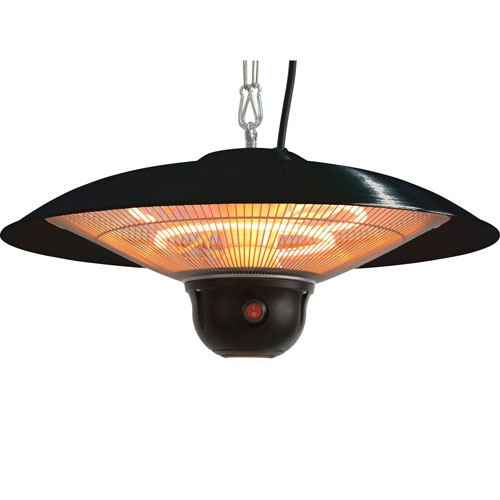
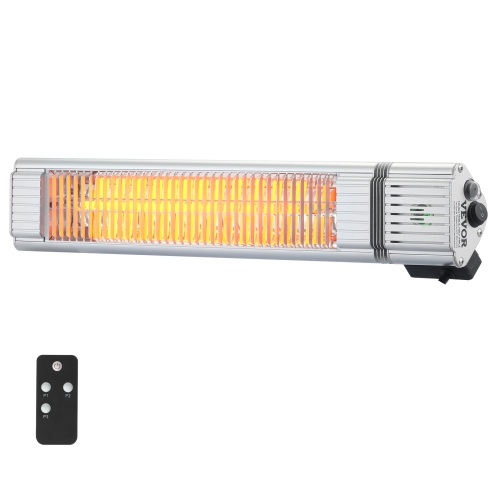
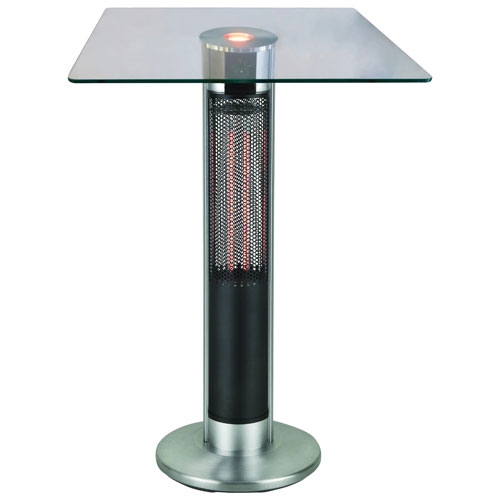
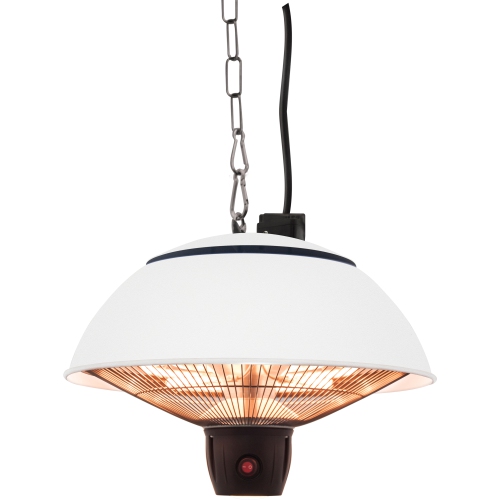
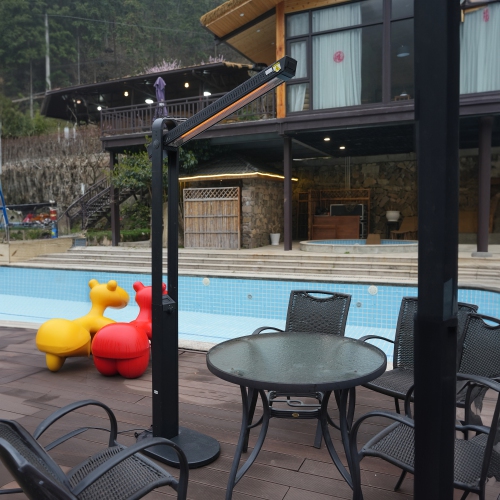
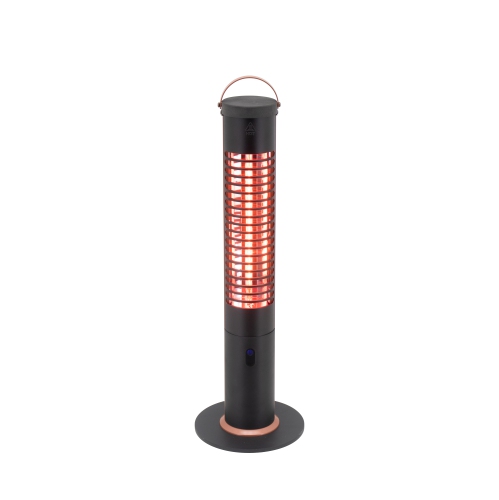
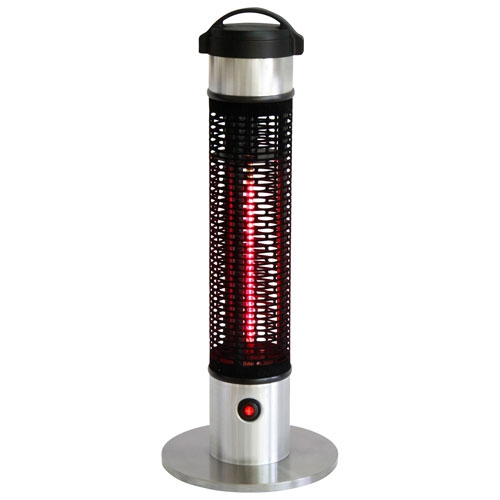
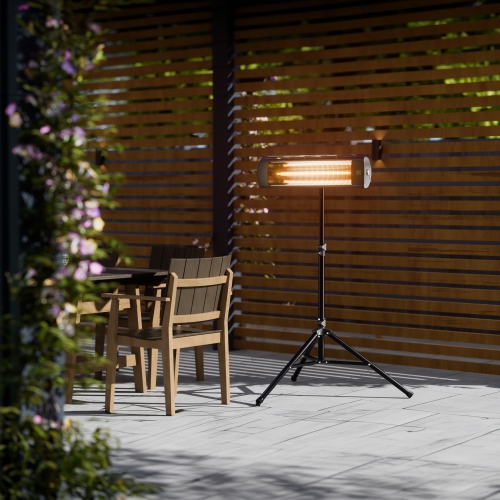
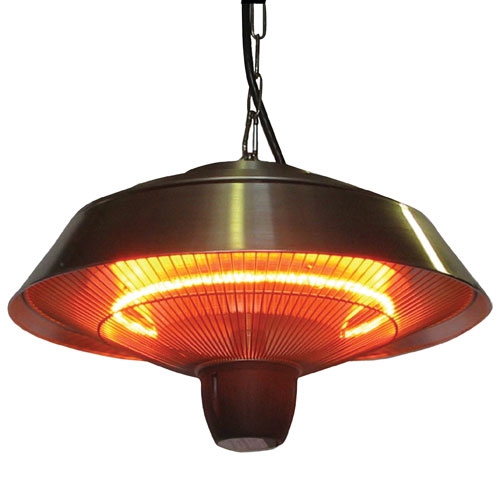
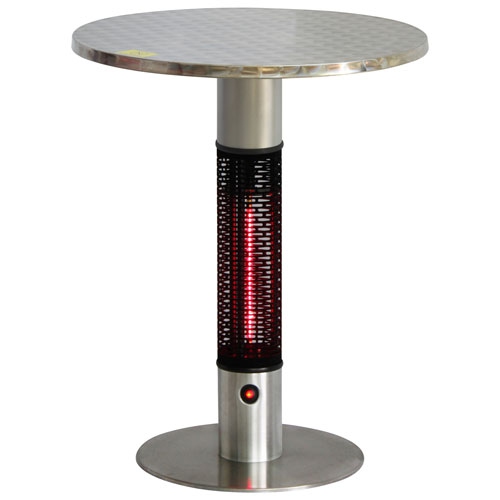
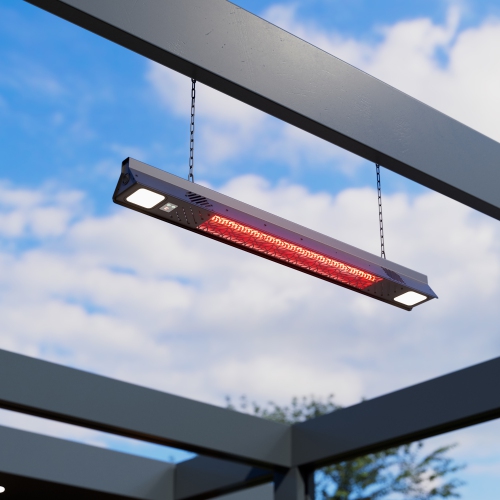
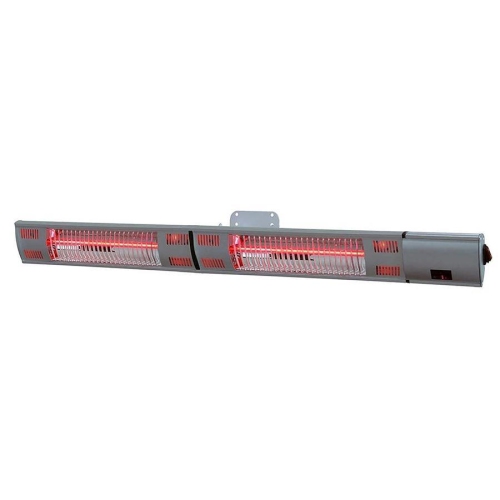
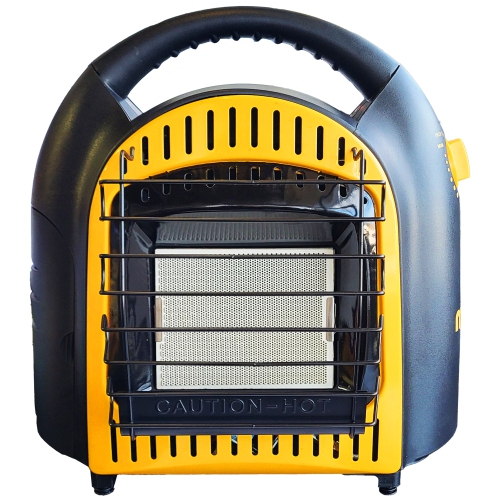
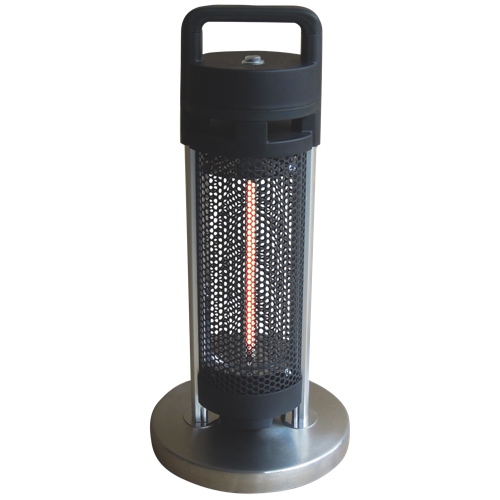
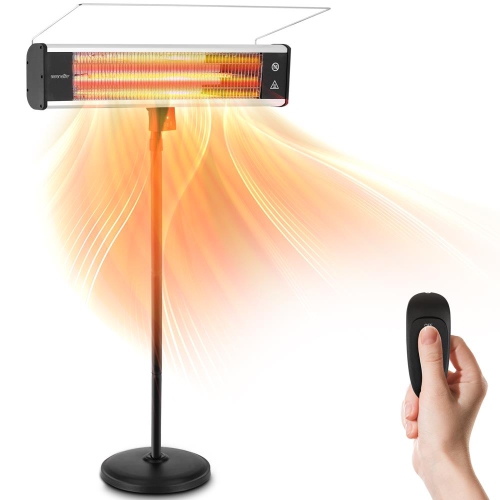
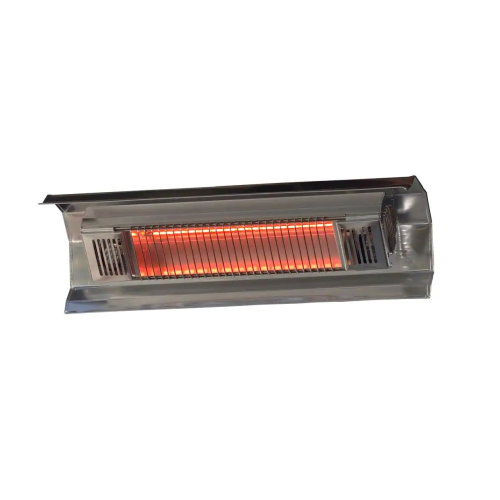
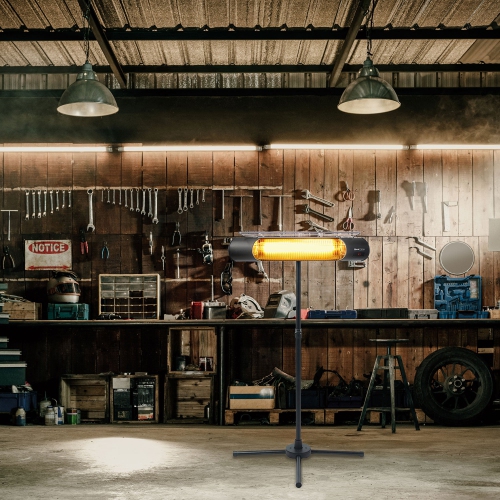
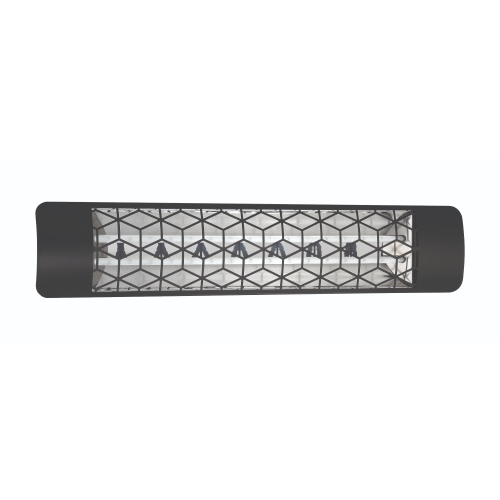
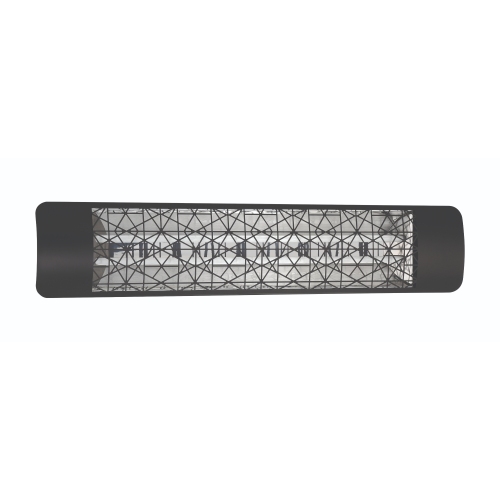
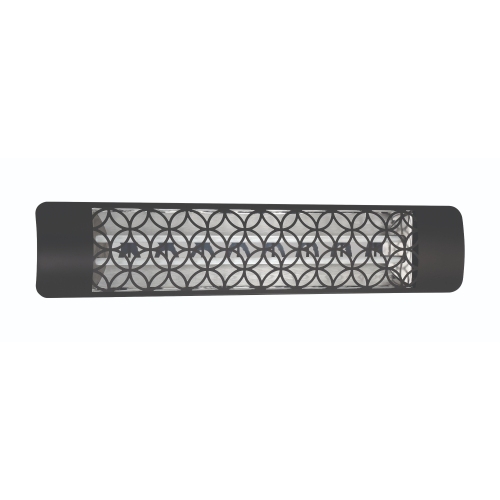
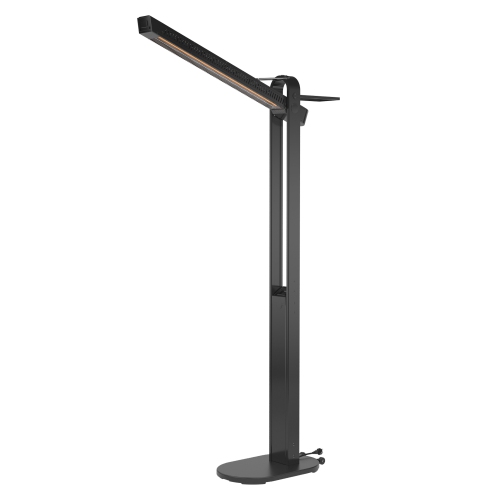
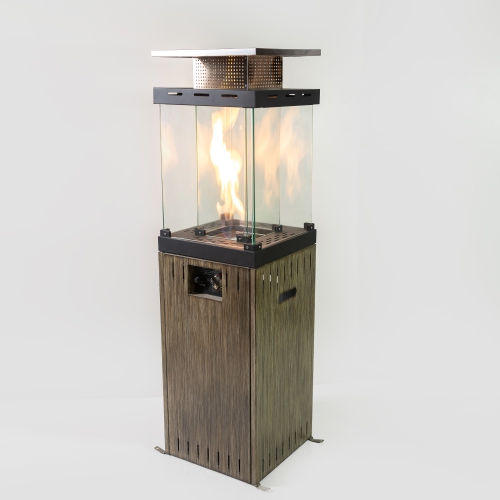
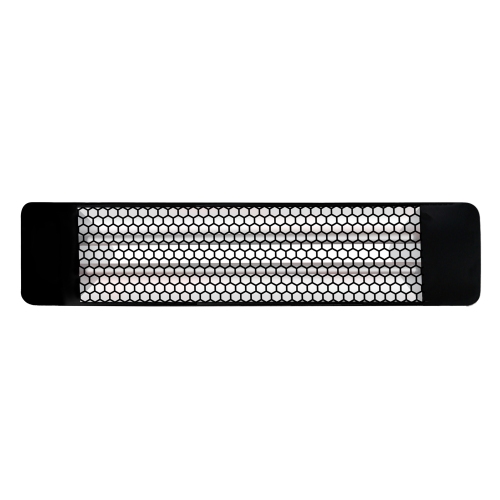
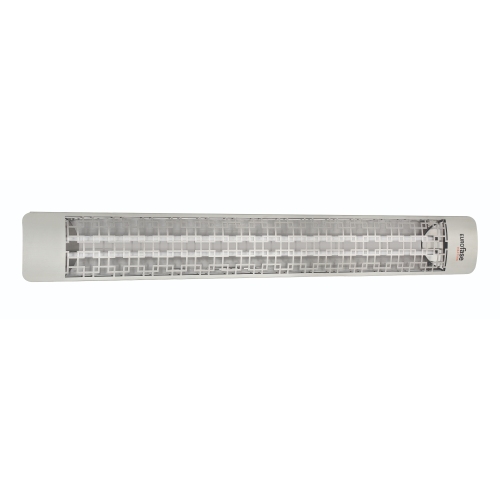
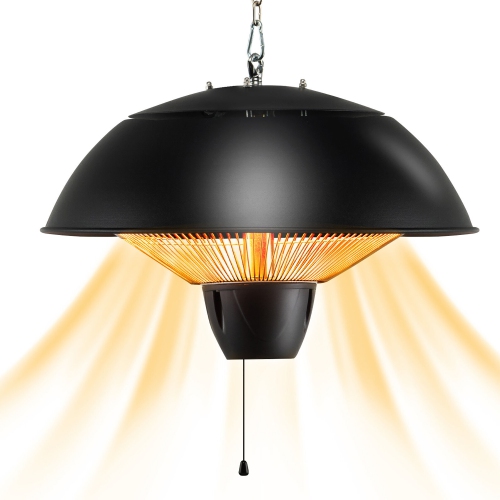
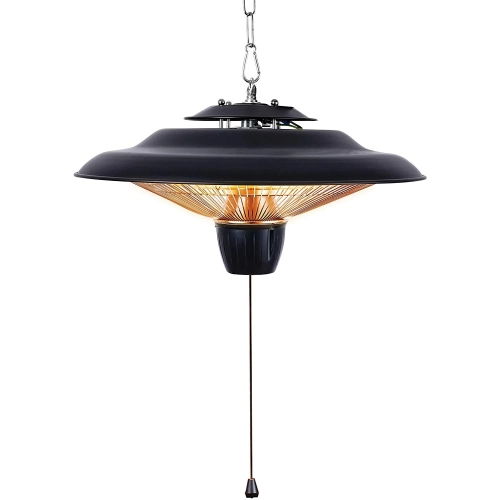
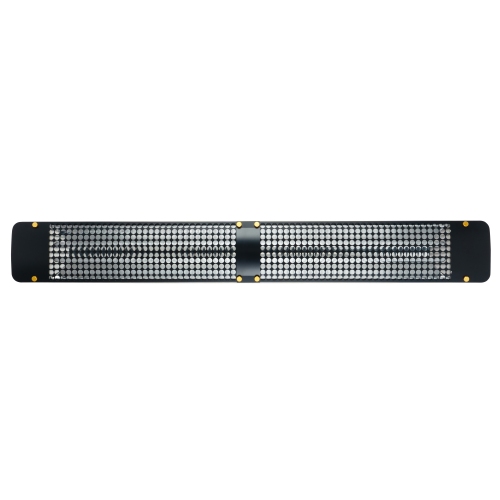
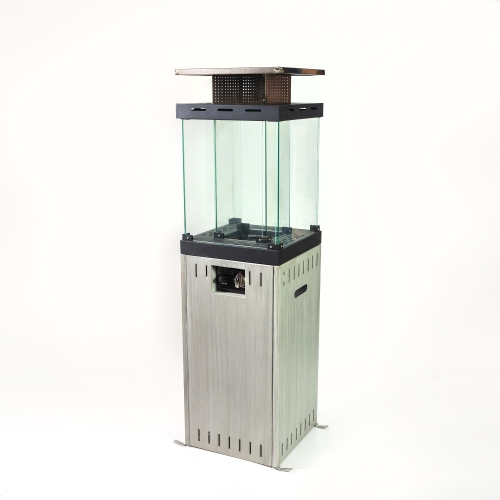
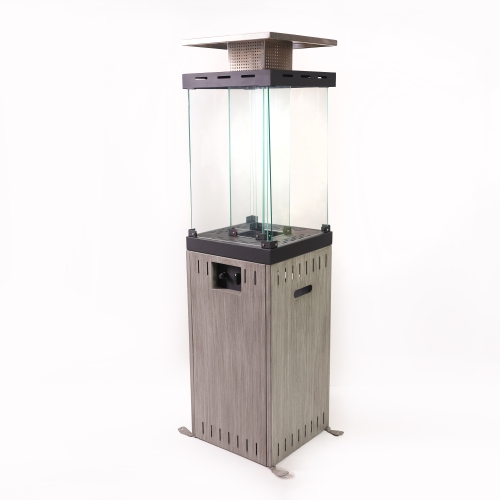
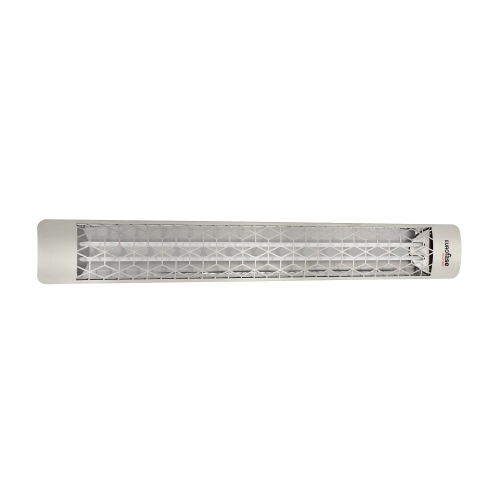
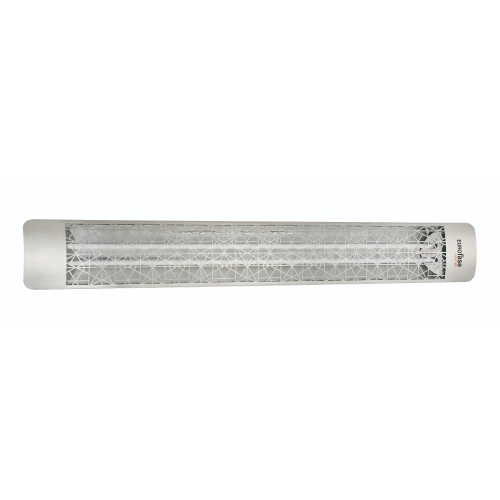
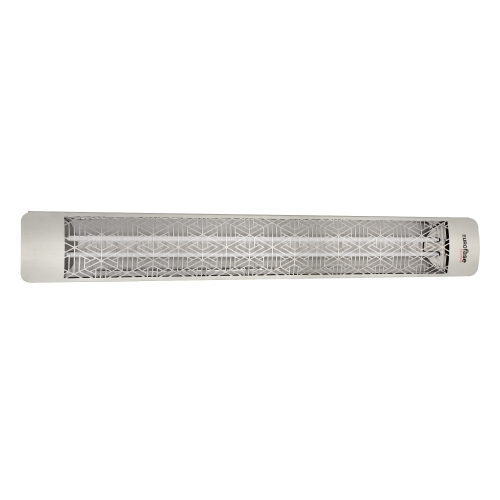
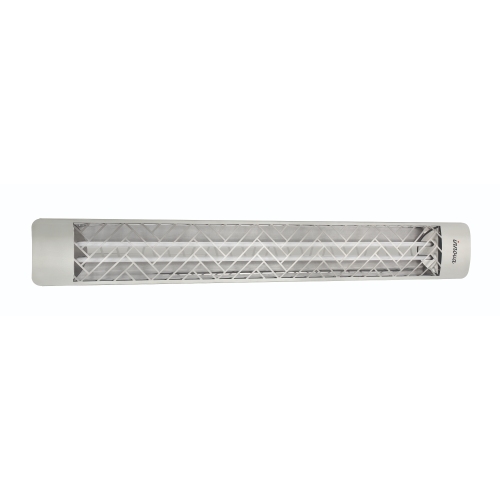
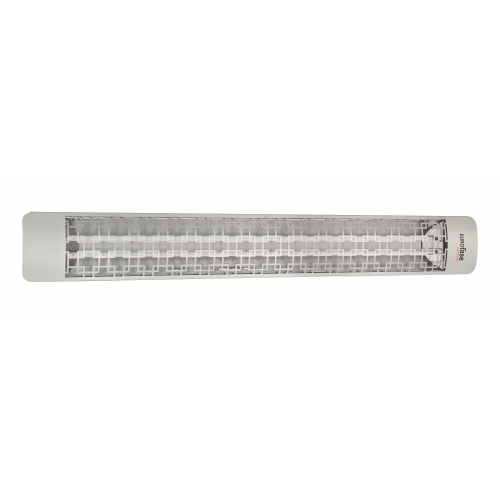
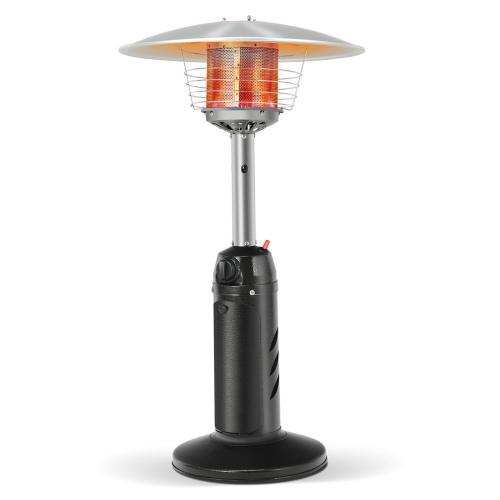
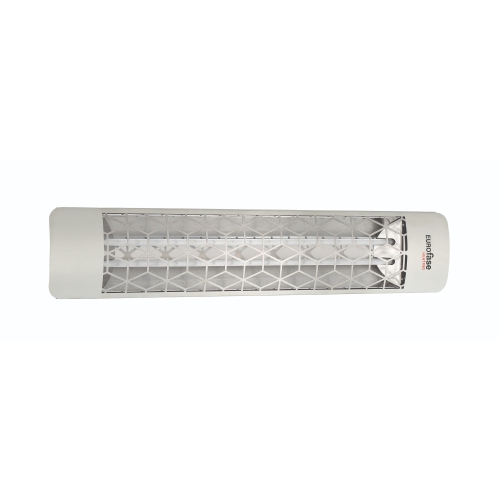
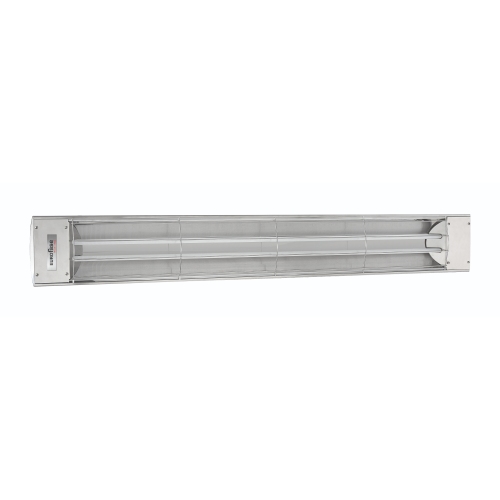
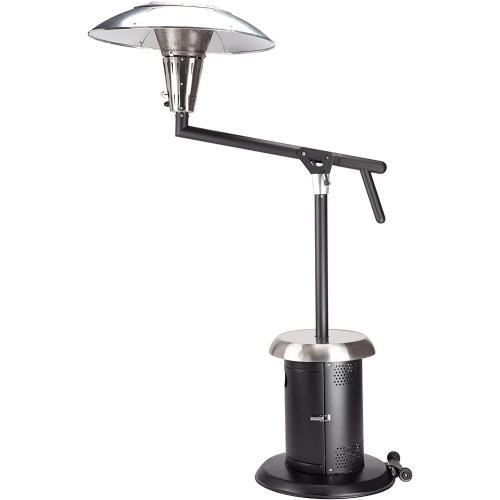
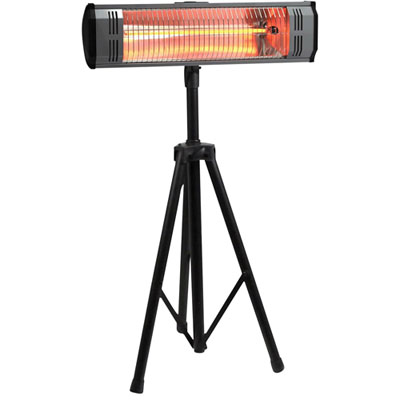
Infrared patio heaters deliver radiant warmth to people and surfaces in their path, rather than relying mainly on heating the surrounding air. That makes them well suited to outdoor seating areas, where heated air can quickly disperse. Electric infrared models use an electrically powered heating element to produce this warmth without an open flame or a fuel cylinder. Many provide noticeable heat shortly after switching on, although warm-up time and the intensity felt at a seat vary with the element, mounting position, and distance. Within the broader selection of Electric Patio Heaters, infrared designs suit everything from a small conversation corner to a longer outdoor dining arrangement. A wall-mounted heater can keep the floor clear beside a narrow patio table, while a freestanding design offers more flexibility when the seating layout changes. Ceiling-mounted and hanging styles can provide warmth from above where a suitable structure and the required clearances are present. Tabletop formats keep the heat source close to a compact seating arrangement, but still need a stable surface and adequate separation from nearby objects. The best fit depends less on the overall size of a backyard than on the particular area people actually occupy. Two armchairs facing a low table create a different heating pattern from a dining table with seats along both sides. Infrared warmth is directional, so furniture placement and the heater’s angle matter: a chair outside the projected heat pattern may feel noticeably different from one directly in front of it. Walls, furniture, and other obstructions can also interrupt that path. Although radiant heat is less dependent on retaining warm air than convection heating, wind can still make people feel colder and affect overall comfort. These heaters are therefore most useful for adding warmth to a defined gathering spot, not for making an open patio feel like a heated indoor room.
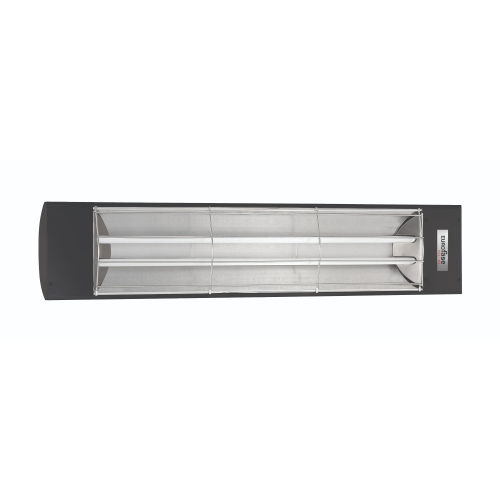
Size, construction, and installation requirements help distinguish infrared patio heaters that look similar at first glance. Powder-coated metal, aluminium, and stainless steel are common housing materials, with finishes that range from understated dark tones to brushed metallic surfaces. A slim housing can blend into a roofline or sit above a seating area without dominating the view, while a freestanding heater becomes a more visible part of the patio layout. The finish is only one part of durability; outdoor suitability also depends on the electrical components, seals, mounting hardware, and the conditions permitted by the manufacturer. An ingress protection rating describes tested resistance to dust and water, but it does not mean a heater can be installed anywhere or left exposed to every kind of precipitation. Some designs require a sheltered location, and installation instructions determine whether a particular position is suitable. Heating output, reflector design, mounting height, and beam angle all influence how warmth reaches a seating area. A higher wattage alone does not guarantee an even spread across a larger space, and advertised coverage figures need to be considered alongside the intended mounting arrangement. For plug-in designs, outlet location and circuit capacity are practical considerations from the outset. Other appliances sharing a circuit can limit the power available, and some heaters require a dedicated circuit. Hardwired installations and higher-power units may require a qualified electrician and a compatible electrical supply. Outdoor outlets need the appropriate protection, including ground-fault circuit interrupter protection where required. Power cords should remain clear of walkways, hot surfaces, and places where furniture could pinch them; extension cords and power bars should not be used unless the heater manufacturer expressly permits them. For balconies and shared buildings, property rules may also affect placement and installation. A secure mounting surface or a stable, level base matters as much as appearance, particularly where people move chairs or pass close to the heater.
Everyday comfort often comes down to details that are easy to appreciate once a patio is furnished. Adjustable heat settings let a seating area feel gently warmed rather than uncomfortably hot, while a timer can help limit unnecessary operating time. A remote control is convenient when a wall-mounted heater sits above easy reach, although control options differ by design. Heating elements also vary in visible glow: some produce a noticeable orange light, while others offer a more subdued appearance. That distinction matters beside soft patio lighting or near a window where reflections could be distracting. An adjustable bracket can help direct warmth towards occupied seats, provided the angle stays within the manufacturer’s permitted range. Safety features such as overheat protection and, on some freestanding designs, tip-over shut-off offer useful safeguards, but they do not replace correct placement or supervision. Curtains, cushions, umbrellas, timber surfaces, and stored belongings must remain outside the specified clearance distances, including above and behind the heater. Children and pets need to be kept away from hot surfaces, and clothing or blankets should never be draped over a heater to dry. Care is generally straightforward when the unit is switched off, disconnected where applicable, and allowed to cool completely before handling. A soft cloth can remove dust from accessible exterior surfaces, with cleaning methods guided by the manufacturer’s instructions; spraying the heater with a hose or using abrasive cleaners can damage components or finishes. Heating elements and reflectors may require particular care and should not be scrubbed or handled unless the instructions allow it. Periodic checks for loose fittings, damaged cords, and signs of corrosion help identify problems before further use. Portable designs may need dry storage between uses, and any protective cover should be fitted only after the heater has cooled. For someone who enjoys unhurried outdoor meals, reading on a sheltered deck, or conversation around a patio table, an infrared heater can be a thoughtful addition when its placement and electrical requirements suit the space.
Top selling and popular products
-
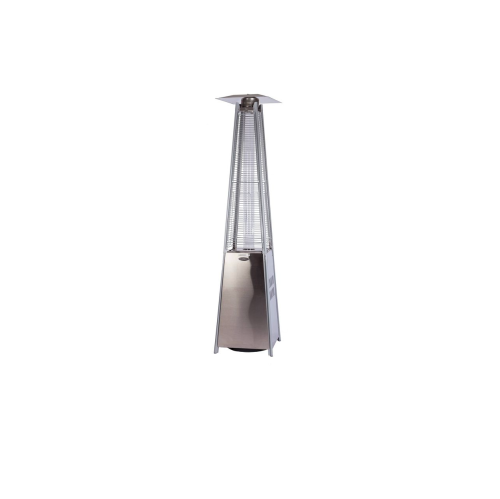 Your price for this item is $879.99
-
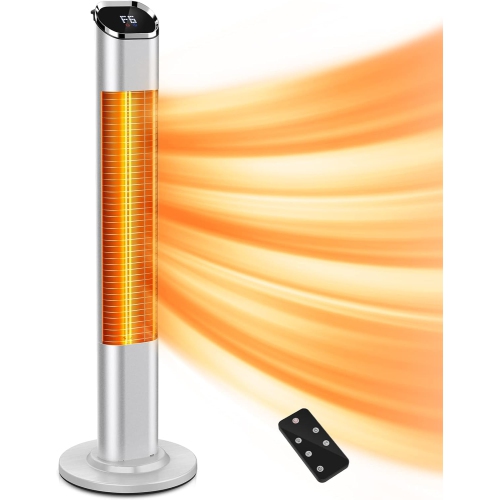 Your price for this item is $219.95
-
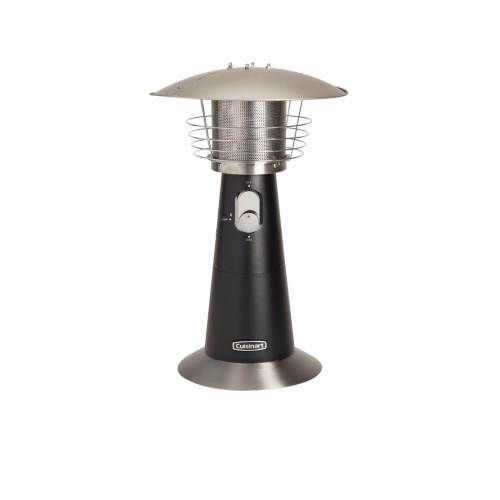 Your price for this item is $329.99
-
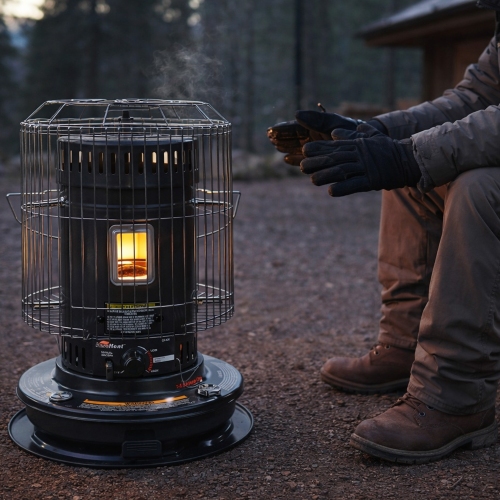 Your price for this item is $783.99
-
 Your price for this item is $318.99
-
 Your price for this item is $1199.99
-
 Your price for this item is $259.99
-
 Your price for this item is $611.99
Discover more categories related to Infrared Patio Heaters
Top Collections:
Best Black Friday Deals This Year, Best Black Friday Deals On Electronics, Kindle Devices, Pokemon Centers, Best Black Friday Deals On Apple Products, Best Cameras for Sports Photography, Dyson Airwrap, Pokémon 30th Celebration Cards, Apple iPhone 17 Pro, Canon G7X Cameras
Some products may be subject to Environmental Handling Fees
(EHF) depending on your province.
Learn more about EHFs.