Infrared Saunas for Post Workout Recovery
Infrared Saunas for Post Workout Recovery offer a convenient way to relax and recharge after exercise. Designed to support your wellness routine, these saunas provide a comfortable environment that helps you unwind after intense training sessions. Whether you're looking to add a dedicated recovery space at home or enhance your fitness journey, Infrared Saunas for Post Workout Recovery are an excellent addition to any active lifestyle. Explore a variety of sizes and styles to find the perfect fit for your needs and discover how easy it is to elevate your post-workout experience.
Sort
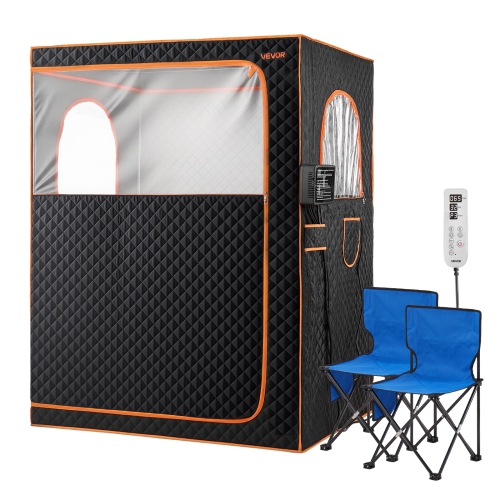
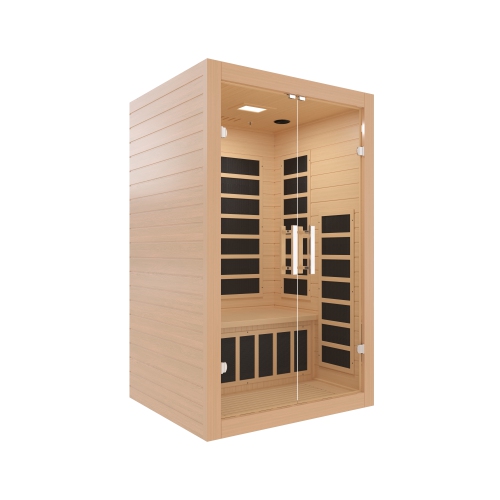
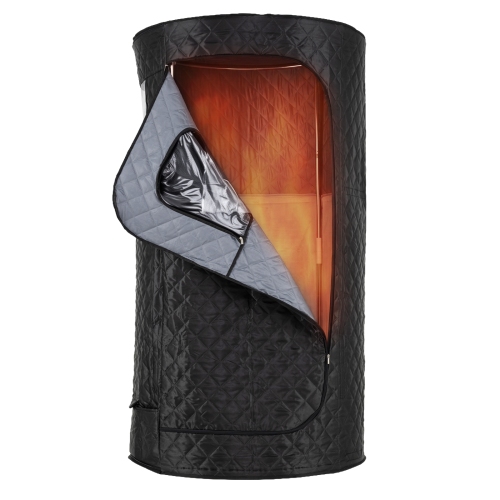
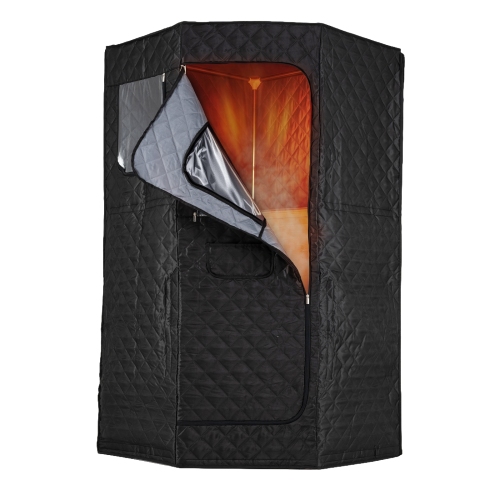
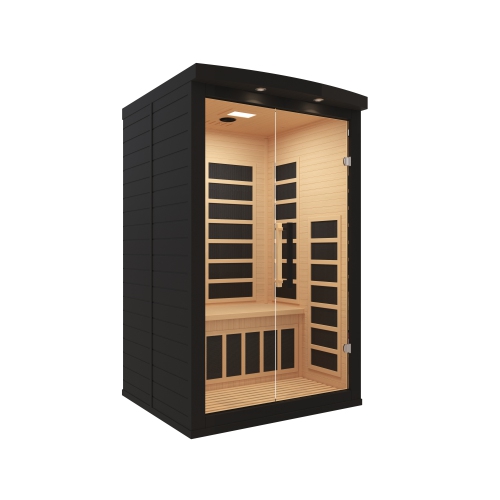
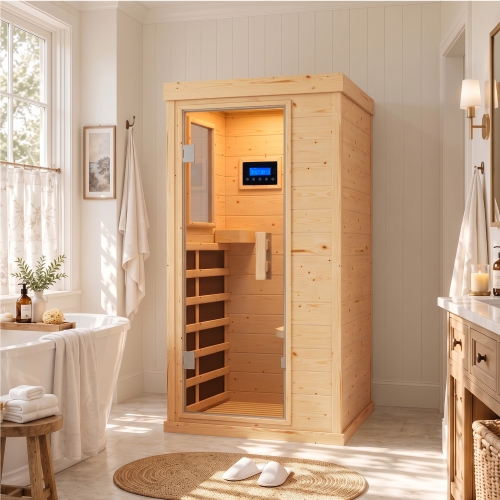
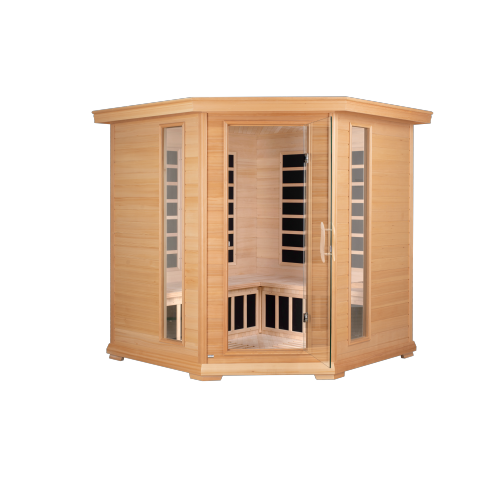
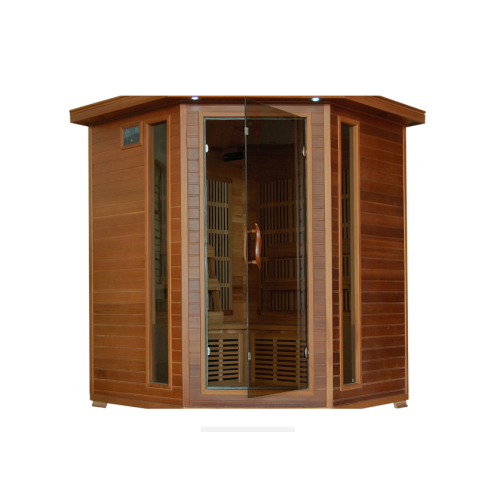
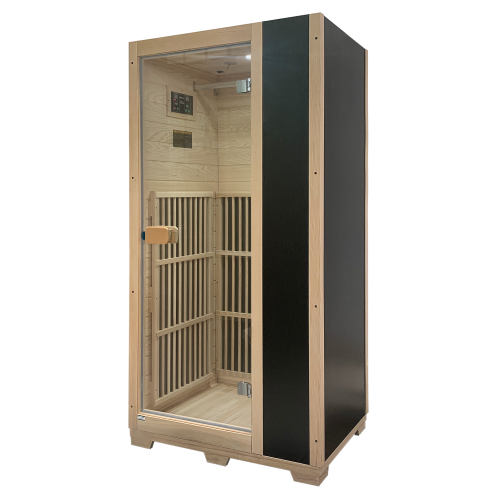
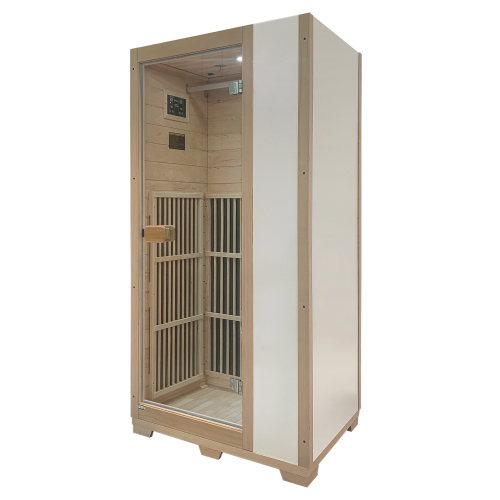
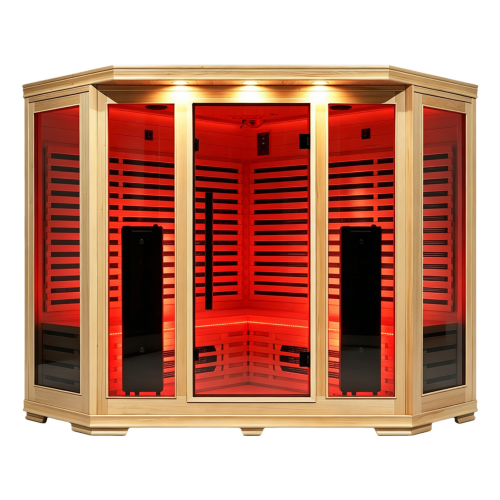
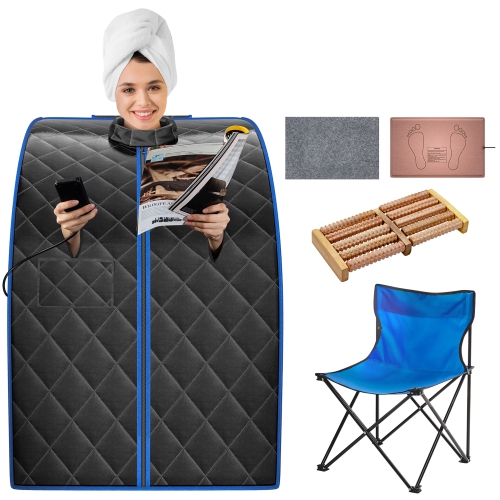
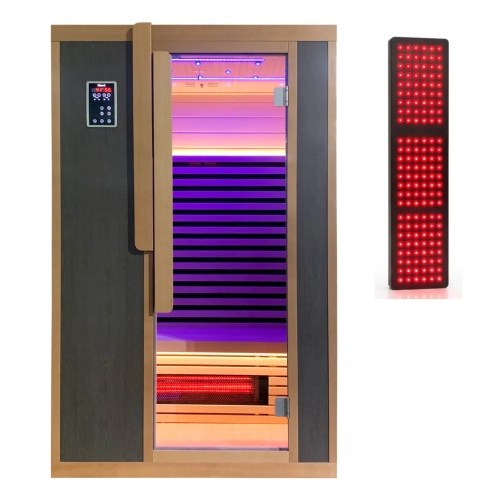

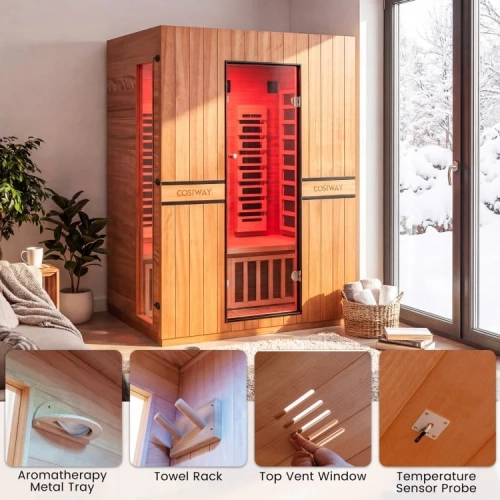
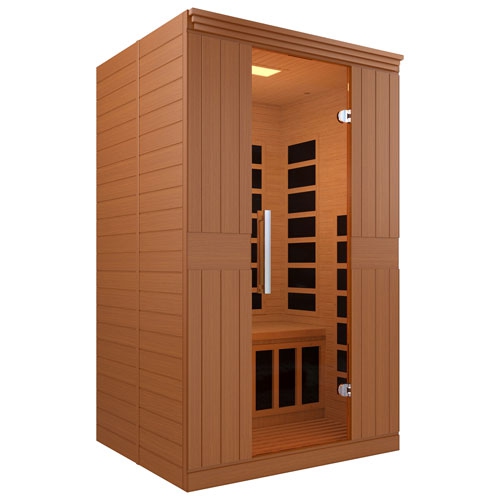
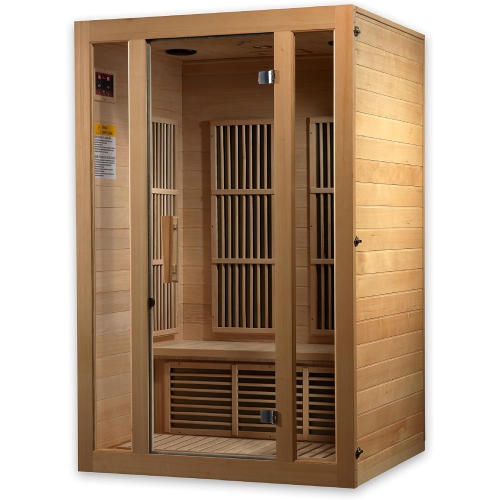
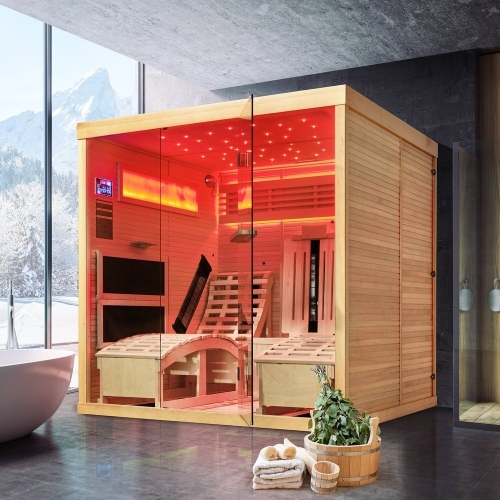
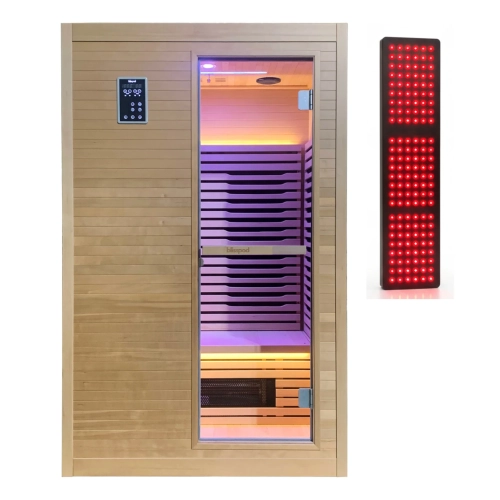
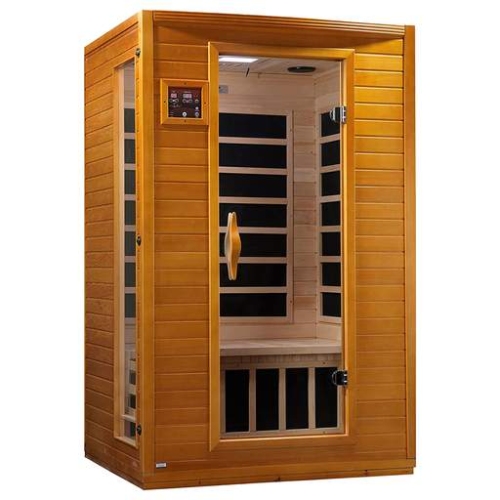
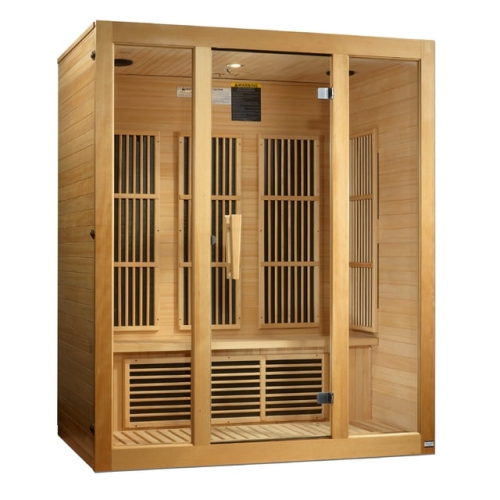
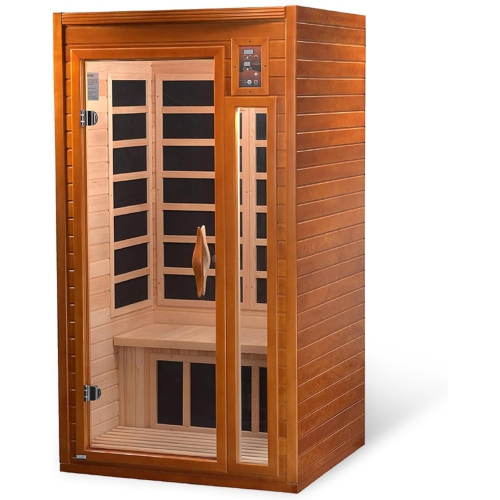
Gentle warmth for a quieter pause after exercise
Infrared saunas for post-workout recovery offer a dedicated space to unwind after exercise, using infrared light to deliver radiant heat to the body. Unlike traditional saunas, which rely more heavily on heating the surrounding air, infrared models can provide a warming experience at lower air temperatures. That difference may appeal to people who enjoy heat but find a conventional sauna uncomfortable. After a strength session, a steady run, or time on an exercise bike, sitting quietly in gentle heat can feel soothing for tired, tight muscles. The experience is best understood as an optional addition to a recovery routine, rather than a replacement for sleep, hydration, nutrition, and appropriate rest between workouts. Research on infrared saunas and exercise recovery is still developing, and faster muscle repair, reduced soreness, or improved performance should not be assumed. Sweating also reflects fluid loss, not proof of a more effective recovery session. Allow breathing and heart rate to settle after exercise, replace fluids, and follow the sauna manufacturer’s operating instructions instead of moving straight from a hard workout into prolonged heat. A comfortable session should not become a test of endurance; dizziness, nausea, headache, or unusual weakness are reasons to leave the sauna and cool down. People who are pregnant, have cardiovascular conditions or problems regulating body temperature, or take medications that affect their response to heat should speak with a healthcare professional before use. Persistent pain, swelling, or a suspected injury also calls for medical assessment rather than additional heat. For adults who can use a sauna safely, the practical appeal is straightforward: a quiet place to sit, relax tense shoulders, and make a deliberate transition out of training mode. Whether the workout happens at a gym or in a home fitness space, an infrared sauna can become part of that quieter interval without turning recovery into another demanding activity.
The right fit begins with the room and the way the sauna will be used. A compact cabin may suit one person sitting upright after a workout, while a larger layout can provide more elbow room or accommodate another adult. Stated capacity does not always reveal how spacious the interior will feel, so seat width, bench depth, legroom, and interior height matter alongside the exterior dimensions. Someone with long legs may value extra space in front of the bench more than an additional advertised seat. Allow for the door to open fully, leave the clearances specified by the manufacturer, and check that the delivery route can accommodate the panels or assembled sections. A level, suitable floor and an appropriate electrical connection are equally important. Some designs connect to a standard household outlet, while others require a dedicated circuit or professional electrical work; the specifications determine what is suitable, not the cabin’s size alone. Look for recognized Canadian electrical safety certification, and follow the stated requirements for wiring, ventilation, and placement. An indoor sauna should not be placed outdoors unless it is explicitly designed and rated for that use. Materials also shape the everyday experience. Wood interiors such as hemlock or cedar differ in grain, colour, and scent, making personal preference and sensitivity to fragrance worth considering. Smooth benches, well-fitted panels, secure hinges, and a door that operates easily are practical signs to assess alongside appearance. Wood species alone does not establish durability, and interior surfaces should not be painted, sealed, or treated unless the manufacturer permits it. Heater placement affects where warmth is felt across the back, legs, and sides of the body, while reachable controls and a clear timer make adjustments easier from a seated position. Optional lighting or audio can add comfort, but usable space, dependable construction, suitable electrical requirements, and straightforward operation have a more direct effect on how well the sauna fits a regular post-workout routine.
Day-to-day care helps keep an infrared sauna pleasant to use and protects the surfaces that receive the most contact. A clean towel on the bench can absorb perspiration and reduce direct contact between damp skin and wood, provided it does not cover heaters, sensors, or ventilation openings. After the sauna has been switched off and has cooled as directed, wipe accessible surfaces with a soft cloth and the cleaning method specified in the manual. Excess water, abrasive cleaners, and strongly scented products may be unsuitable for unfinished wood or electrical components. Let the interior dry between sessions, keep vents clear, and inspect benches, door fittings, and accessible connections for changes that need attention. Following assembly and maintenance instructions matters particularly when a sauna is used several times a week or shared by more than one person. Simple details can make that routine easier: a place outside the cabin for water, a dry towel within reach, and enough surrounding space to enter and leave without stepping over exercise equipment. Heat settings and session lengths should follow the product instructions and individual tolerance, rather than matching another person’s preferences or chasing a heavier sweat. On days when a workout leaves someone unusually fatigued, dehydrated, or unwell, skipping heat may be the more sensible choice. Shoppers whose interests also include comfort beyond exercise can explore Infrared Saunas for Pain Relief as a related selection, while keeping any persistent symptoms separate from general relaxation goals. As a gift for a fitness enthusiast, a home sauna is most thoughtful when space, electrical needs, and the recipient’s interest in heat sessions have already been discussed. For personal use, those same practical considerations help distinguish an appealing idea from a setup that genuinely fits daily life. A comfortable seat, manageable upkeep, and an easy-to-follow routine support the real purpose of a post-workout sauna: time to slow down after physical effort.
Top selling and popular products
-
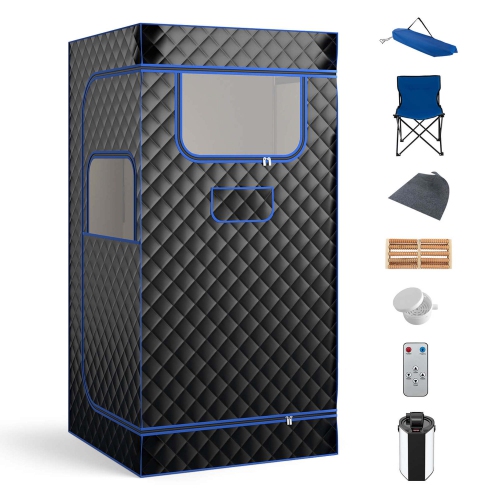 Your price for this item is $164.99
-
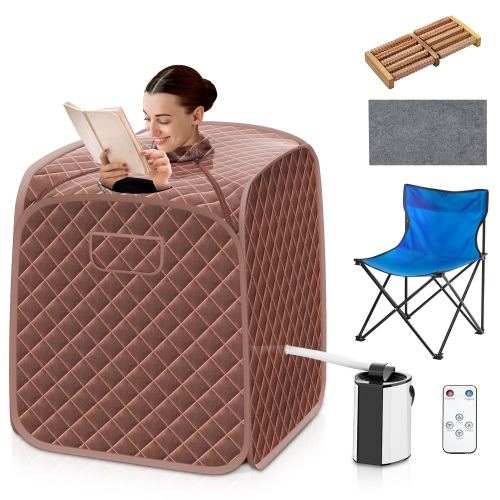 Your price for this item is $128.99
-
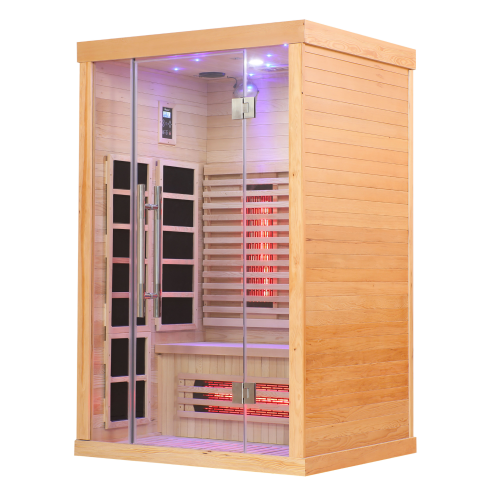 Your price for this item is $4299
-
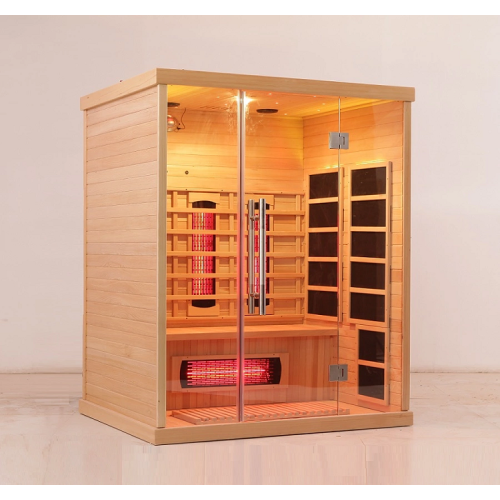 Your price for this item is $5499
-
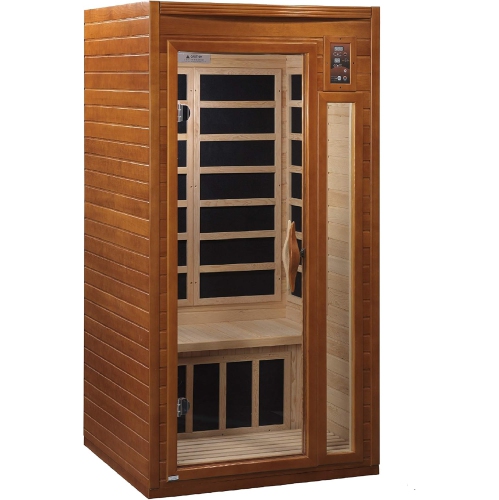 Your price for this item is $2995.53
-
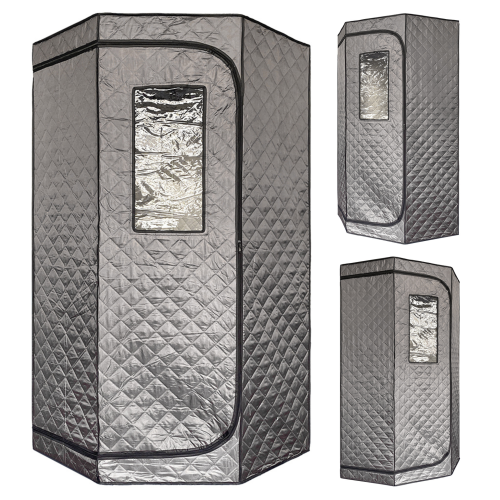 Your price for this item is $249
-
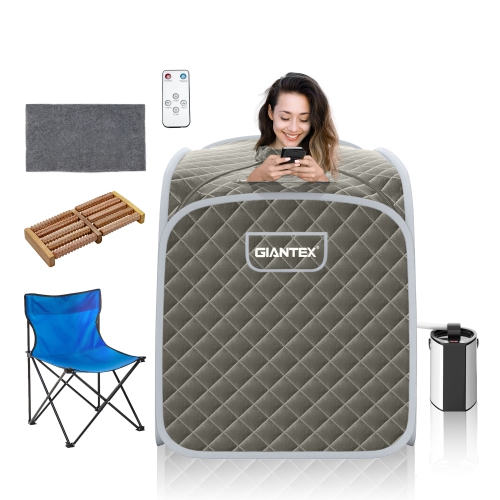 Your price for this item is $117.99
-
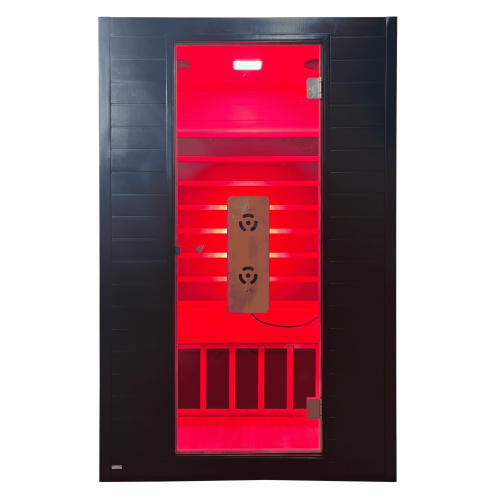 Your price for this item is $2999
Discover more categories related to Infrared Saunas for Post Workout Recovery
Top Collections:
Best Black Friday Deals This Year, Best Black Friday Deals On Electronics, Kindle Devices, Pokemon Centers, Best Black Friday Deals On Apple Products, Best Cameras for Sports Photography, Dyson Airwrap, Pokémon 30th Celebration Cards, Apple iPhone 17 Pro, Canon G7X Cameras
Some products may be subject to Environmental Handling Fees
(EHF) depending on your province.
Learn more about EHFs.