Infrared Saunas for Stress Relief
Infrared Saunas for Stress Relief offer a soothing way to unwind and recharge in the comfort of your own home. These innovative saunas are designed to create a calming environment that helps melt away daily tension and promote relaxation. Whether you're looking to enhance your wellness routine or simply enjoy some quiet time, explore a range of options that fit seamlessly into any space. Discover how Infrared Saunas for Stress Relief can help you create a personal oasis where you can escape the demands of everyday life.
Sort
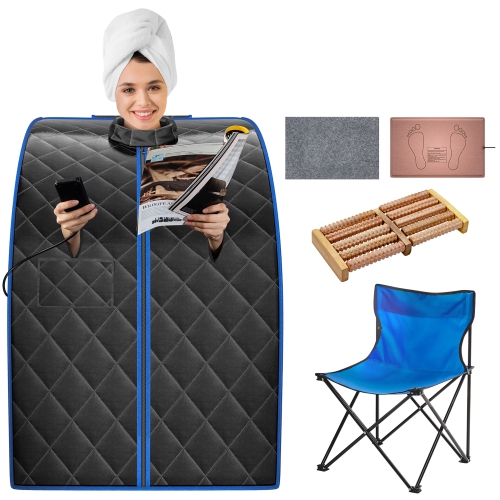
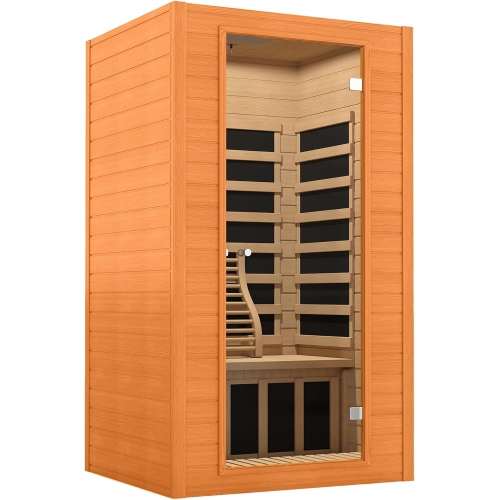
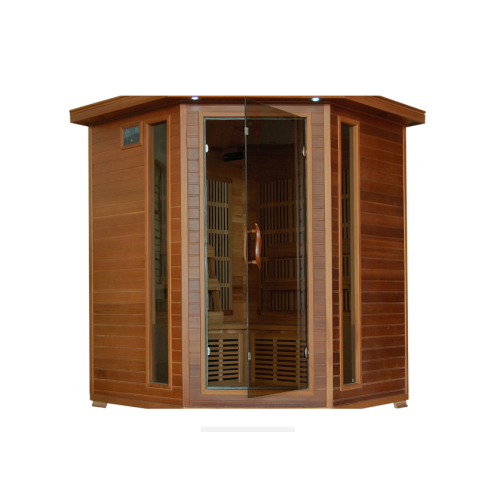
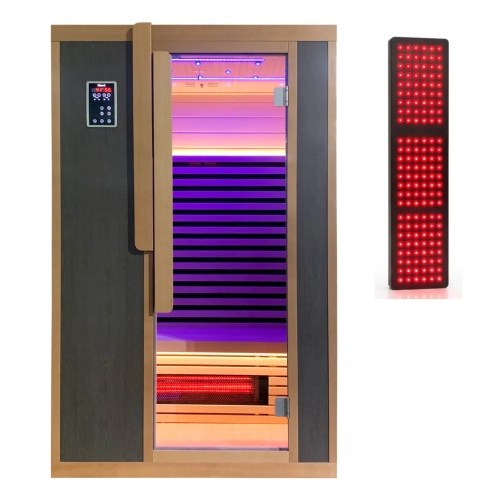
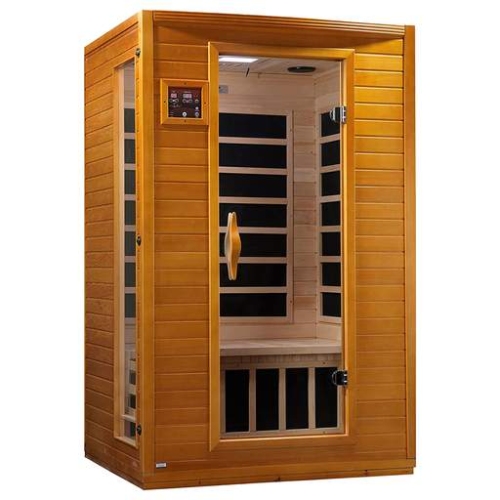
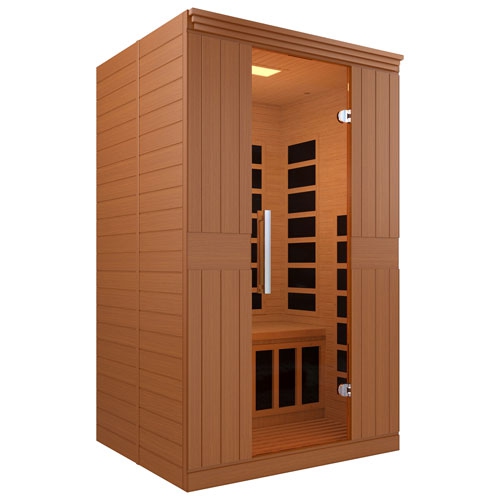
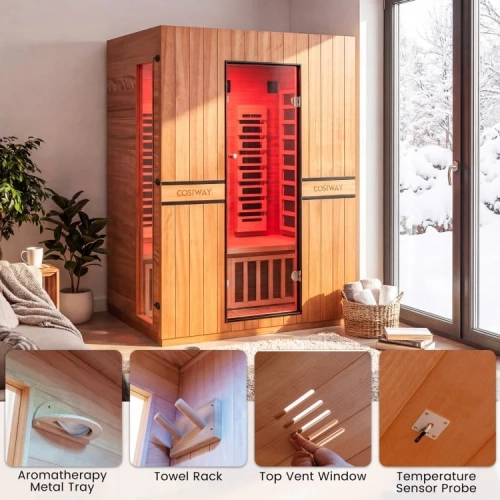
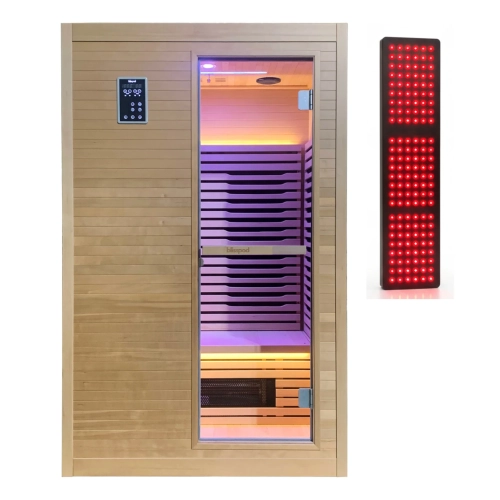
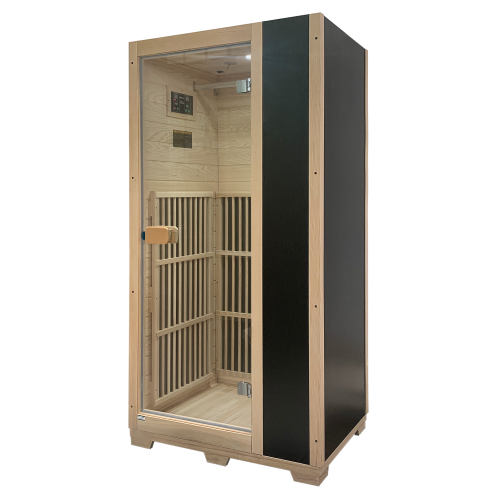
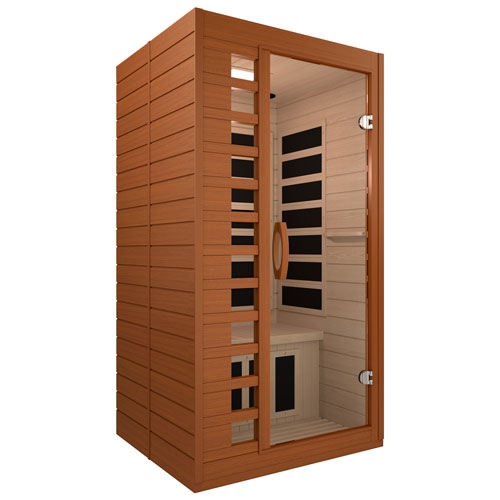
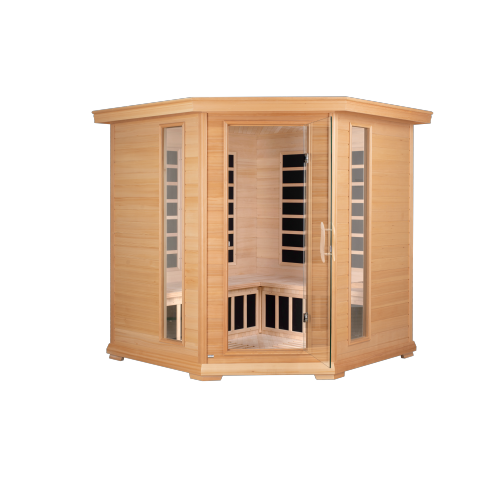
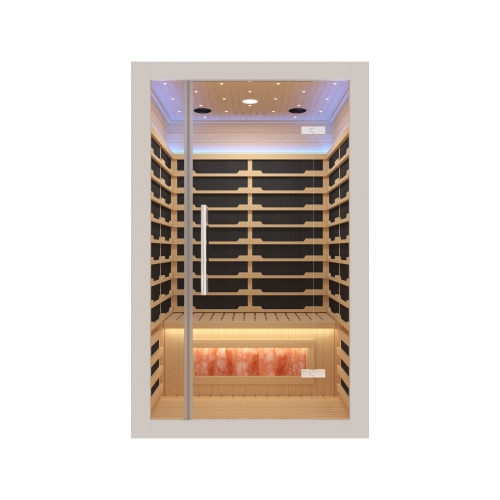
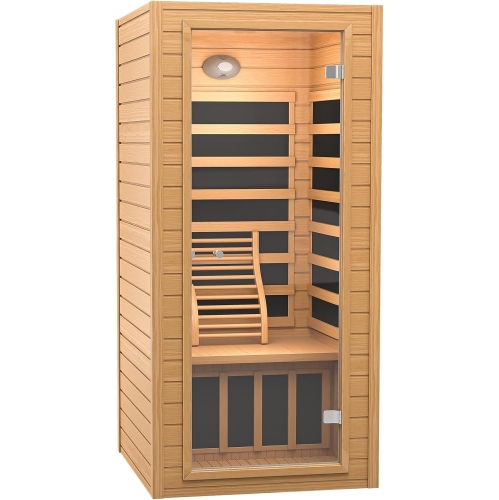
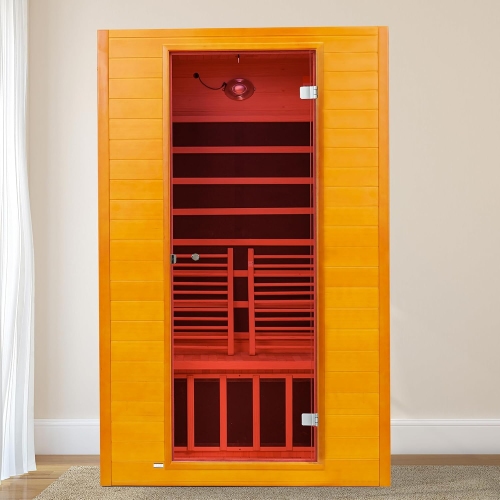
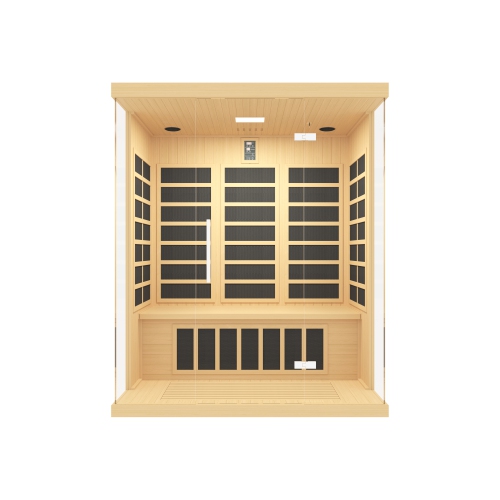
Radiant warmth for a quiet break from screens
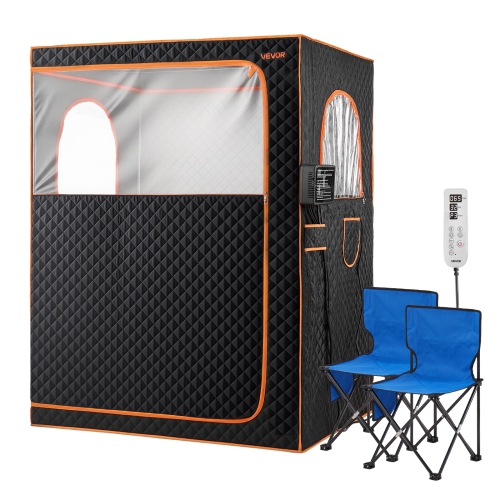
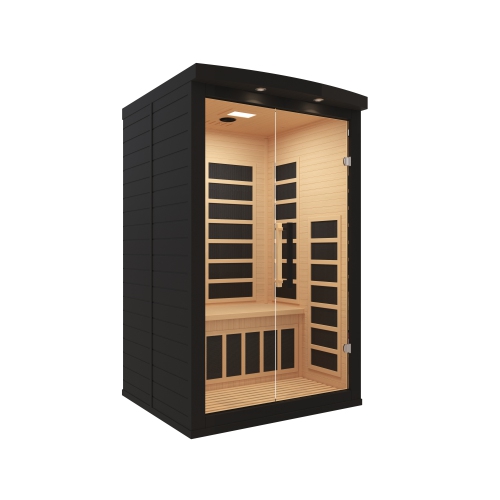
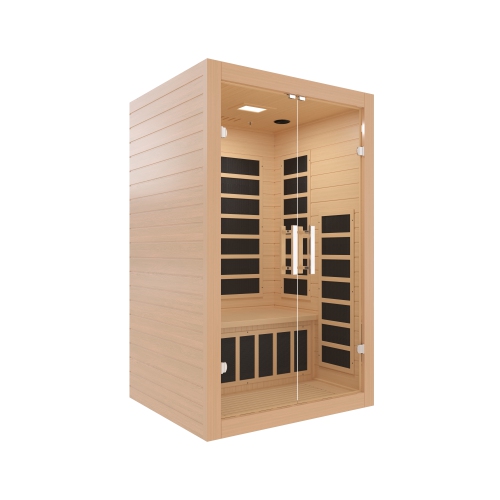
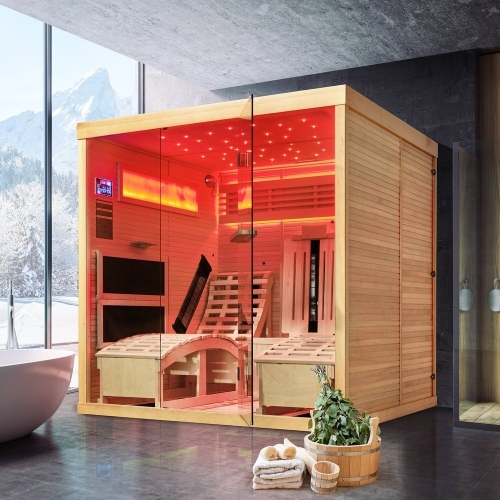
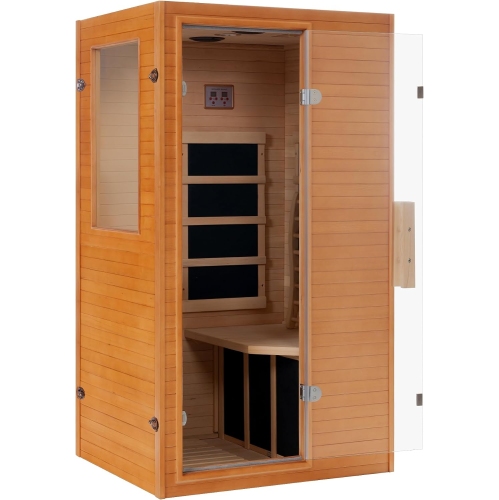
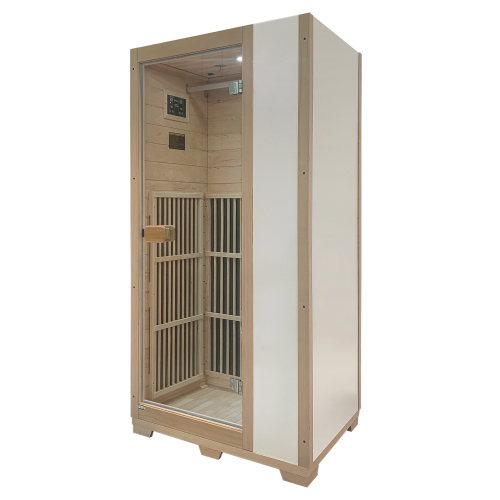
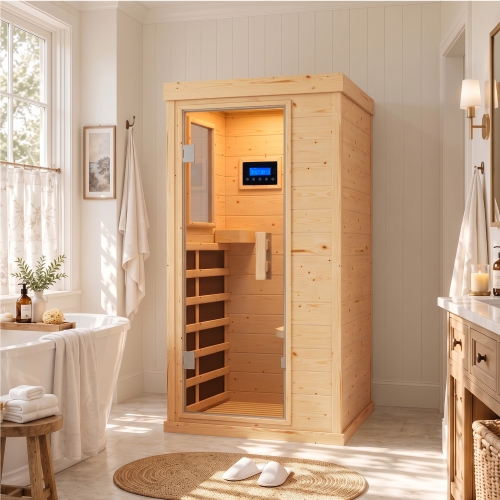
Infrared saunas for stress relief offer a dedicated space to step away from a busy household, leave screens behind, and settle into a quieter routine. Rather than relying mainly on heated air, infrared heaters deliver radiant warmth that is absorbed by the body and surrounding surfaces. The cabin still becomes warm, but the experience can feel different from a traditional sauna, with comfort depending on the heater arrangement, settings, seating, and personal preferences. For someone who spends the day moving between meetings, errands, and family responsibilities, the appeal may be as simple as having a place where there is nothing to answer or finish. Gentle lighting, a supportive seat, and easy-to-reach controls can help make that pause feel inviting rather than complicated. Stress relief is personal, however, and a sauna is best understood as part of a relaxation routine rather than a medical treatment or a substitute for care when stress becomes persistent. Labels such as far-infrared, near-infrared, and full-spectrum describe differences in heater output; they do not, on their own, establish that one design will provide greater relaxation. More useful considerations include whether the heat feels comfortable, whether the controls allow suitable adjustments, and whether the space encourages regular, unhurried use. A compact cabin may suit an adult who prefers solitude, while a larger layout can accommodate two people who enjoy sharing a quiet break. Capacity labels are only a starting point: usable bench width, shoulder room, and legroom all influence how spacious a sauna actually feels. Someone who likes to sit upright with both feet supported may need a different layout from someone who prefers a deeper bench. The most suitable design is one that fits both the room and the way its users naturally relax, without requiring an awkward posture or turning a short pause into another task to manage.
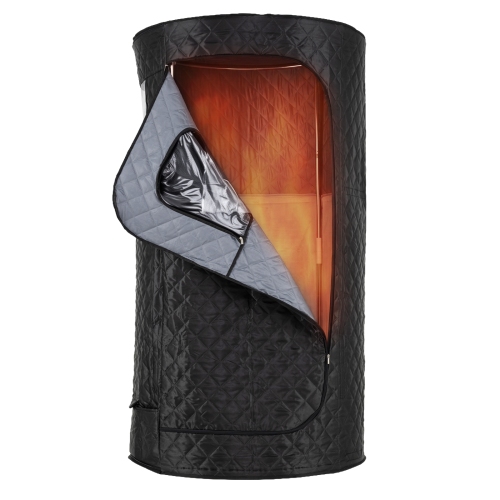
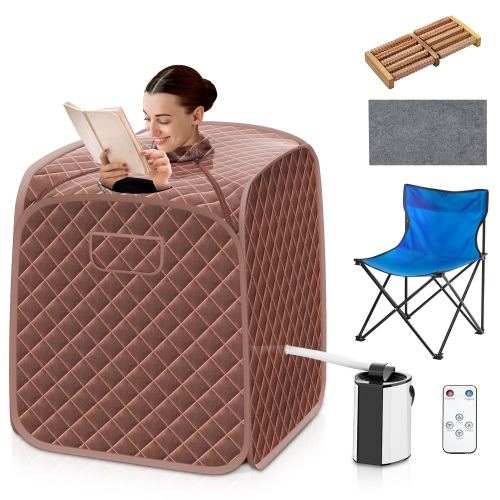
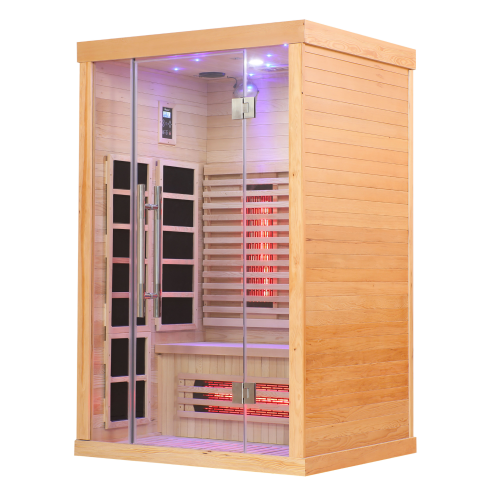
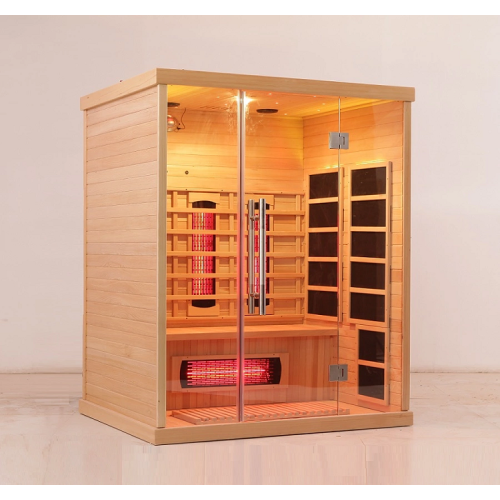
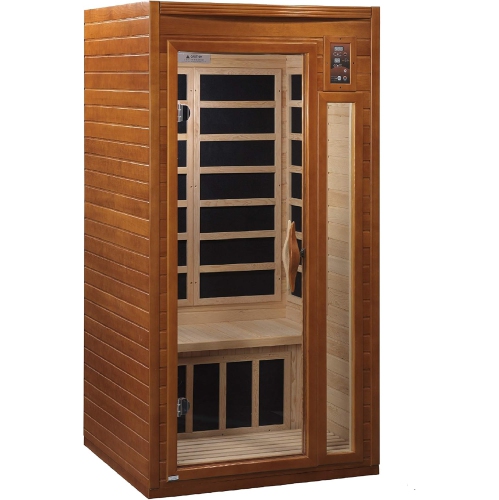
The Infared Sauna category provides a starting point for comparing the formats and features that shape the at-home experience. Enclosed wooden cabins create a defined retreat, while portable, fabric-sided designs may suit spaces where a permanent structure would be impractical. Each format brings different considerations for assembly, storage, seating, and cleaning. For a cabin, exterior measurements tell only part of the story: door swing, overhead clearance, ventilation requirements, and access to the controls also matter. A room that accommodates the footprint may still leave too little space to enter comfortably or wipe down the exterior. Delivery access deserves similar attention, particularly where stairs, tight corners, or narrow doorways stand between the entrance and the intended location. Electrical requirements vary, so the specified outlet type, circuit requirements, and installation instructions should be confirmed before choosing a placement. An extension cord or power bar is not a substitute for the electrical connection required by the manufacturer, and some installations may need a qualified electrician. Materials influence the feel of the space as well as its upkeep. Woods such as hemlock and cedar are common in sauna construction, with differences in grain, colour, and natural scent that may matter to someone sensitive to odours. Smooth bench surfaces, secure joints, sturdy hinges, and a door that opens and closes easily are practical details that contribute to everyday comfort and durability. A glass door can make a compact cabin feel more open, although its position may affect privacy in a shared room. Portable designs call for attention to fabric care, support-frame stability, folded dimensions, and the seating arrangement specified for use. For either format, a stable, level surface and the recommended clearances are essential. Indoor models should remain in locations approved for them; a garage, bathroom, or covered outdoor area is not automatically suitable simply because there is enough floor space. Choosing a location that is easy to reach and maintain can make the sauna more practical than placing it in an otherwise unused corner that feels cramped or inconvenient.
Comfort features are most valuable when they support a straightforward routine. A clearly readable display, accessible timer, and controls that can be adjusted without stretching are often more useful than a long list of extras. Lighting preferences also differ: some people enjoy a softly lit cabin, while others need brighter illumination to enter, sit down, and read the controls confidently. Built-in audio may appeal to someone who relaxes with quiet music, but it is worth considering how easily the volume can be managed and whether silence is the greater attraction. Any device brought near the sauna must be suitable for the conditions; an ordinary phone or tablet should not be assumed safe inside a heated cabin. Care is another part of long-term ownership. A clean towel on the bench can help absorb perspiration, while wiping approved surfaces and allowing the interior to dry as directed can limit lingering moisture and odours. Wood finishes, cleaning agents, and fabric treatments should follow the manufacturer’s guidance rather than household cleaning habits, especially around heaters and electrical components. Personal suitability matters just as much as the features. People who are pregnant, have a health condition, take medication that affects heat tolerance, or have been advised to limit heat exposure should speak with a healthcare professional before use. Session settings and duration should follow the manufacturer’s directions and any individual medical advice, with water close at hand and no alcohol involved. Feeling dizzy, nauseated, faint, or otherwise unwell is a reason to leave the sauna, not extend the session. As a gift, an infrared sauna is best chosen with the recipient rather than as a surprise, since space, electrical setup, mobility, and comfort preferences all affect suitability. For adults who genuinely enjoy heat-based relaxation, a well-matched sauna can become a welcome place to pause, breathe normally, and enjoy some uninterrupted time away from everyday demands.
Top selling and popular products
-
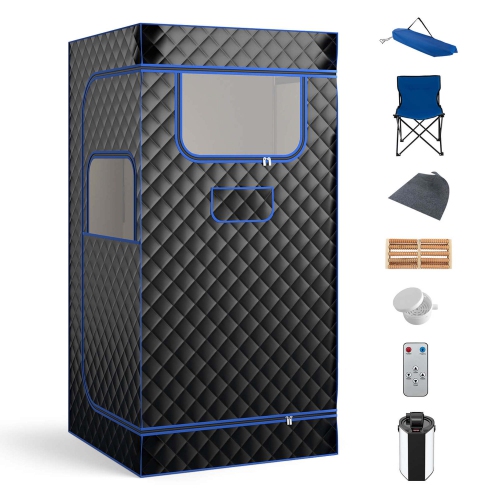 Your price for this item is $164.99
-
 Your price for this item is $128.99
-
 Your price for this item is $4299
-
 Your price for this item is $5499
-
 Your price for this item is $2995.53
-
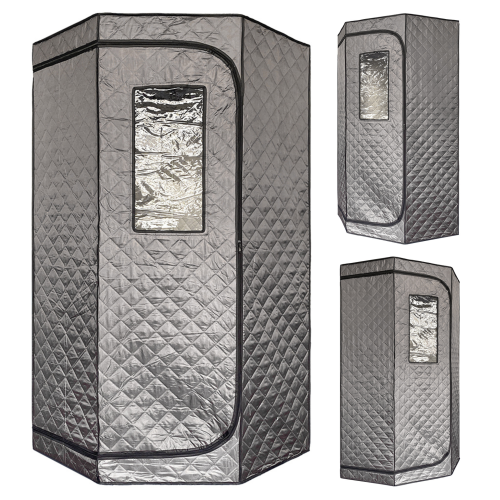 Your price for this item is $249
-
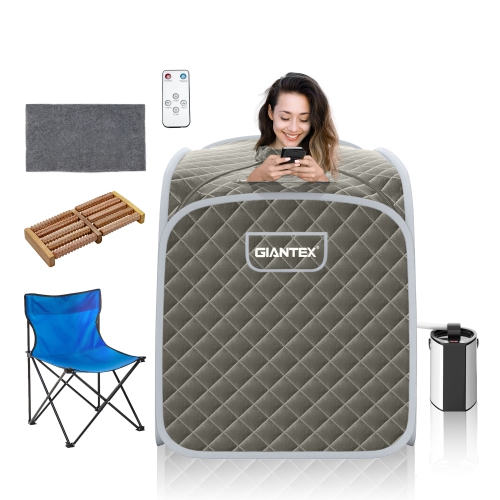 Your price for this item is $117.99
-
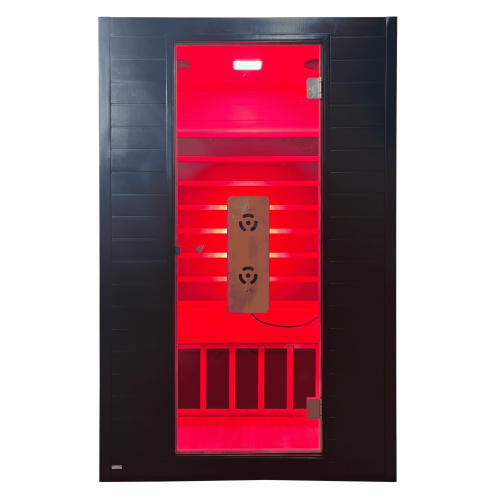 Your price for this item is $2999
Discover more categories related to Infrared Saunas for Stress Relief
Top Collections:
Best Black Friday Deals This Year, Best Black Friday Deals On Electronics, Kindle Devices, Pokemon Centers, Best Black Friday Deals On Apple Products, Best Cameras for Sports Photography, Dyson Airwrap, Pokémon 30th Celebration Cards, Apple iPhone 17 Pro, Canon G7X Cameras
Some products may be subject to Environmental Handling Fees
(EHF) depending on your province.
Learn more about EHFs.