Garden Insect Killers
If you're looking to keep pesky insects at bay and protect your garden from unwanted visitors, look no further than this wide selection of garden insect killers. Whether you're dealing with aphids, caterpillars, or other common garden pests, our range of products is designed to help you maintain a healthy and thriving garden. From sprays and repellents to traps and baits, we have everything you need to safeguard your plants and enjoy the beauty of your outdoor space.
Sort


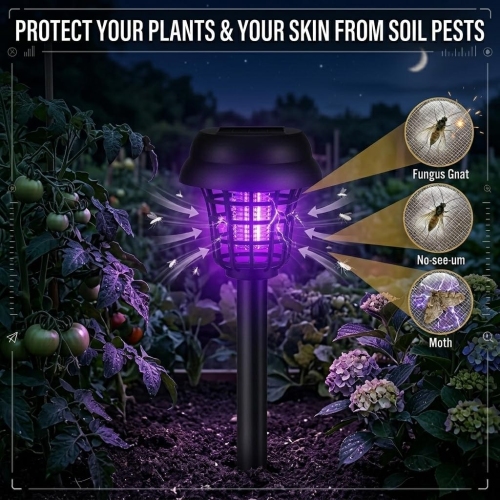


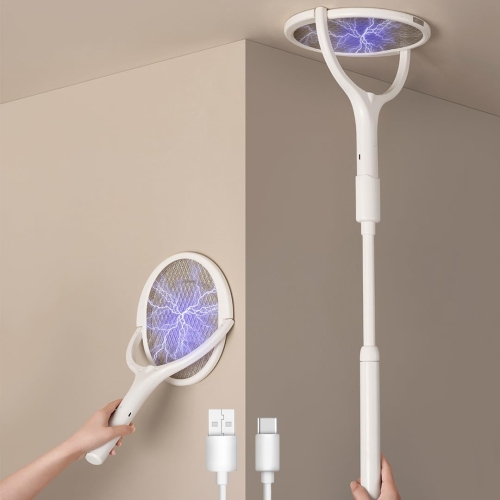

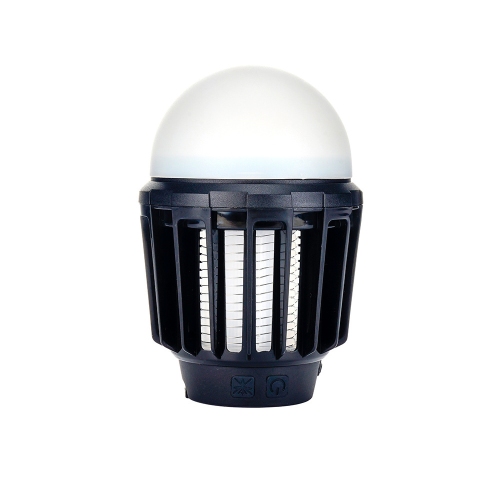
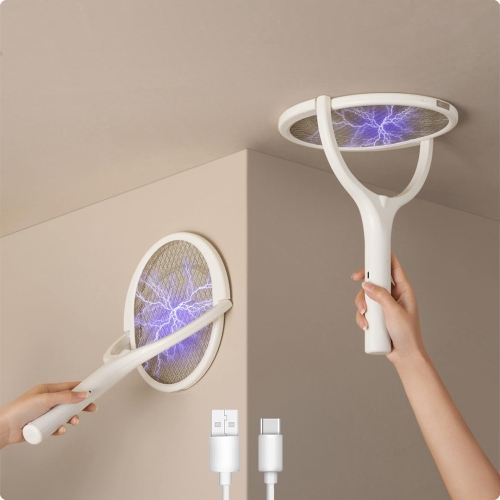


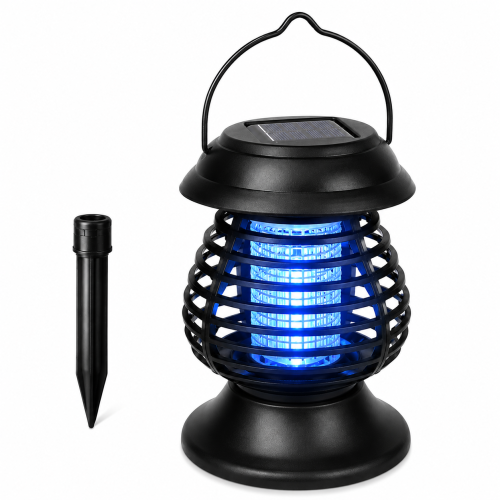


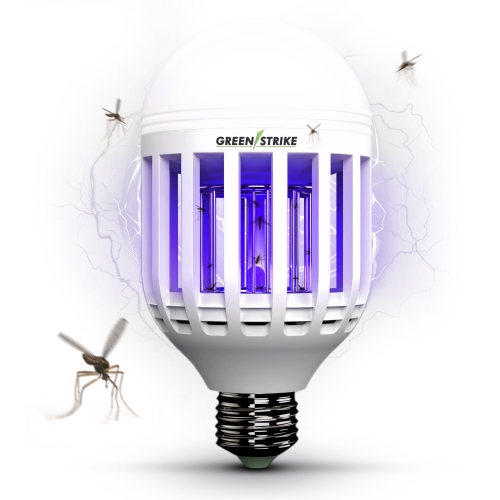


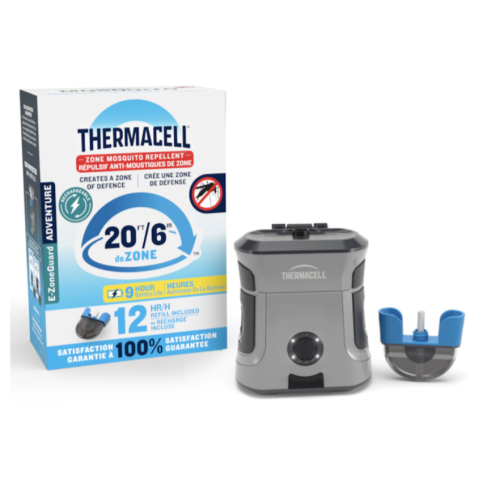

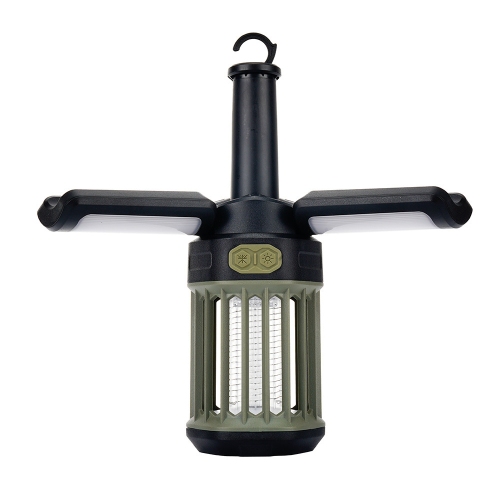
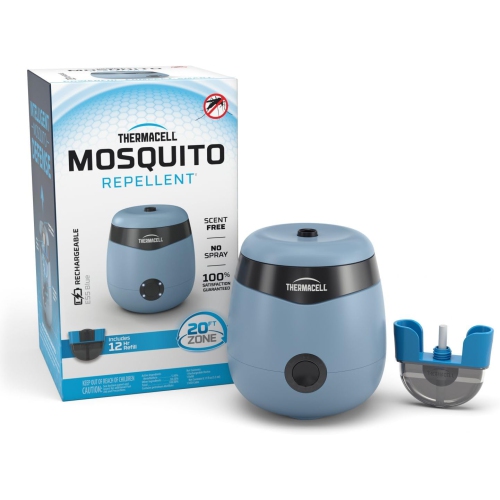
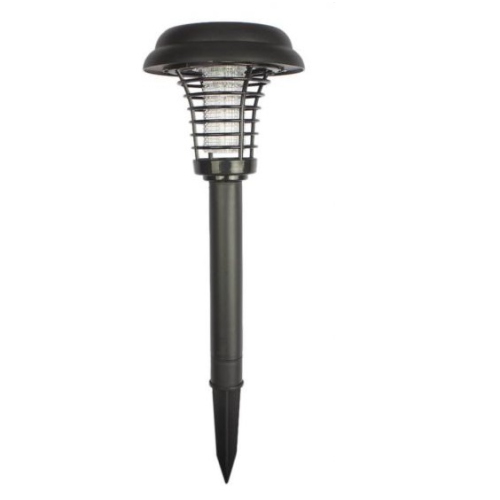


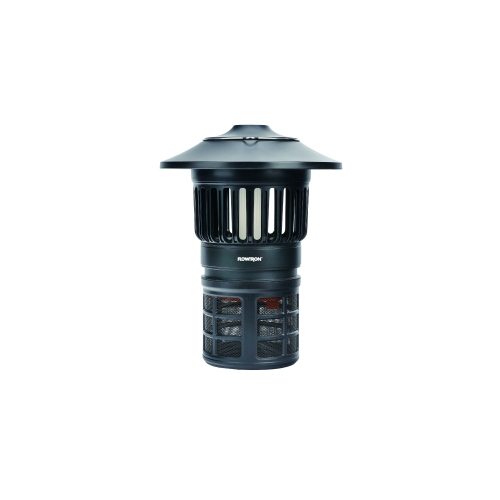






Different pests and plants call for different treatments
Garden insect killers are pest-control products designed to reduce insects that feed on garden plants, damage foliage, or gather around outdoor growing spaces. Depending on the formulation and its labelled uses, a treatment may target aphids, whiteflies, mealybugs, caterpillars, beetles, or other garden pests; some formulations also control mites, which are not insects. The right fit depends on both the pest and the plant being treated, rather than the size of the garden alone. A few aphids clustered along tender rose stems call for a different approach than caterpillars chewing vegetable leaves or insects gathering around patio planters. Ready-to-use sprays offer convenience for smaller patches and individual containers, while concentrates require measured dilution and suitable application equipment. Insecticidal soaps commonly use potassium salts of fatty acids and work through direct contact with susceptible pests, particularly soft-bodied insects such as aphids and whiteflies. They generally provide little residual control once dry, making contact with the pest important. Other formulations may contain pyrethrins or different active ingredients, with distinct application limits, target pests, and precautions. No single formula is suitable for every insect or every plant. Visible damage also needs context: curled leaves, sticky residue, fine webbing, and chewed edges can point to different causes, and weather stress or plant disease will not be corrected by an insect killer. For shoppers comparing garden treatments with options for other household or outdoor pest concerns, Insect Control Products provides a broader category to explore. Within the garden, the most useful distinctions are the insects listed on the label, the permitted application sites, and whether the treatment is intended for edible crops, ornamental plants, or both. These details help connect a product’s intended use with familiar settings, from a balcony lined with flowering pots to a backyard vegetable bed or a row of established shrubs. They also distinguish plant treatments from traps or devices intended primarily for flying insects around outdoor seating areas, which may not address pests feeding beneath leaves.
Plant compatibility matters as much as pest coverage when comparing garden insect killers. A formula labelled for ornamental flowers is not automatically suitable for herbs, vegetables, berries, or fruit trees, and permission to treat one edible crop does not establish suitability for all others. For food gardens, the label identifies approved crops and any required interval between treatment and harvest. That distinction is especially relevant for a planter of frequently clipped herbs or vegetables picked a little at a time. Tender new growth, delicate flowers, and certain plant varieties can be sensitive to sprays, including insecticidal soaps, so label directions about plant restrictions and testing a small area deserve attention. Application conditions also affect performance and the chance of plant injury. Strong sunlight, high temperatures, drought stress, wind, and approaching rain can all matter, but the permitted conditions and drying requirements vary by formulation. A universal rain-free interval should not be assumed. Contact treatments need to reach the pests themselves, which may shelter beneath leaves, along stems, or among tightly packed shoots. At the same time, heavier spraying is not necessarily more effective: the labelled rate, coverage directions, and application frequency define appropriate use. A compact balcony garden may favour a controlled spray pattern that helps limit drift, while deeper beds can make applicator reach and access more important. Nearby flowering plants, visiting bees, ponds, and neighbouring containers also influence where and when a treatment can be used. Restrictions concerning pollinators and aquatic life are product-specific, and sprays should not be directed at insects simply because they are present in the garden. Many insects do not damage plants. In Canada, a garden pesticide should be registered by Health Canada’s Pest Management Regulatory Agency for its intended use. The Canadian label is the reference for handling, protective equipment, application limits, and access after treatment. Claims such as “natural” do not replace those directions or mean a product is harmless to people, pets, or plants.
Packaging, applicator design, and storage requirements shape how practical a garden insect killer will be over repeated uses. For liquid treatments, a comfortable trigger, a secure closure, and a clearly marked nozzle can make a noticeable difference when reaching into a dense planter or treating several small patches. An adjustable spray pattern may help with placement where the label permits it, while a larger container can require more lifting and storage space. Concentrates also introduce the need for accurate measuring and a compatible sprayer; the container material, seals, and other wetted parts must be suitable for the formulation. Household drink bottles and food containers are never appropriate substitutes for original pesticide packaging. For separate application equipment, durability depends on sound seals, an unobstructed nozzle, and care that follows both the treatment label and the equipment manufacturer’s instructions. Remaining mixture, rinse water, and empty containers require disposal according to the label and local requirements, rather than being poured into a drain or onto unused ground. Storage is particularly relevant during the cooler months, when an unheated shed or garage may fall outside a formulation’s permitted temperature range. Freezing or excessive heat can affect some treatments, so a tightly closed original container, a readable label, and a secure location away from food, animal feed, children, and pets are important practical considerations. Outdoor use also does not automatically permit indoor treatment. When potted plants move into a home or enclosed growing space, any further application must be allowed for that setting and plant. Garden insect killers can suit container gardeners, people caring for ornamental beds, and households maintaining edible gardens, but the appropriate choice remains tied to an identified pest and a permitted use. For shared patios and family gardens, access restrictions and treatment scheduling can be as important as the applicator itself. A well-matched treatment offers a defined role in plant care: addressing a listed pest on a suitable plant, with clear directions for application, handling, and storage between uses.
Top selling and popular products
-
 Your price for this item is $199
-
 Your price for this item is $430.99
-
 Your price for this item is $480.99
-
 Your price for this item is $130.99
-
 Your price for this item is $221.99
-
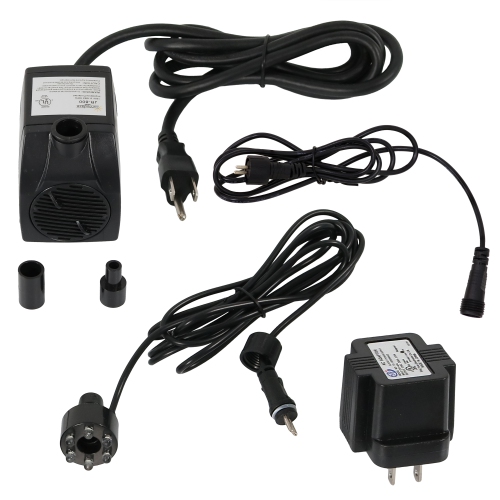 Your price for this item is $69.45
-
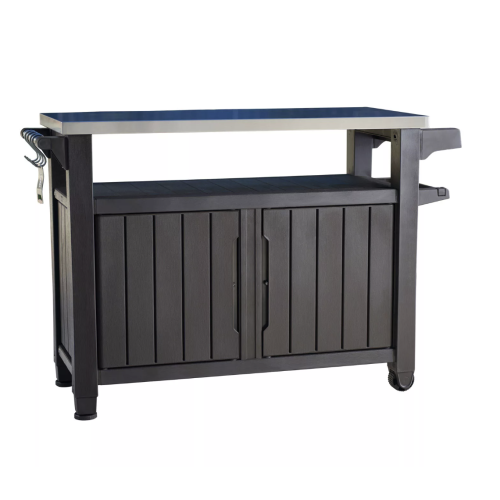 Your price for this item is $569.99
-
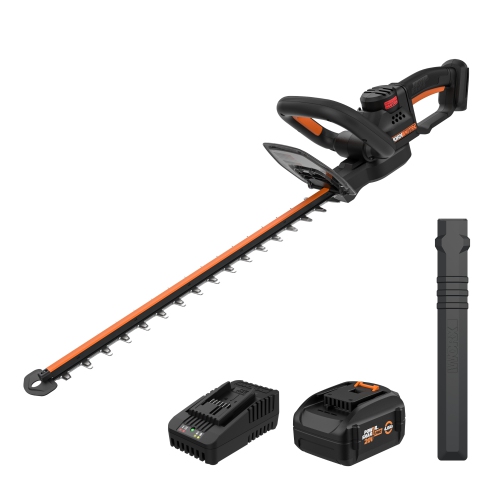 Your price for this item is $249.99
Discover more categories related to Garden Insect Killers
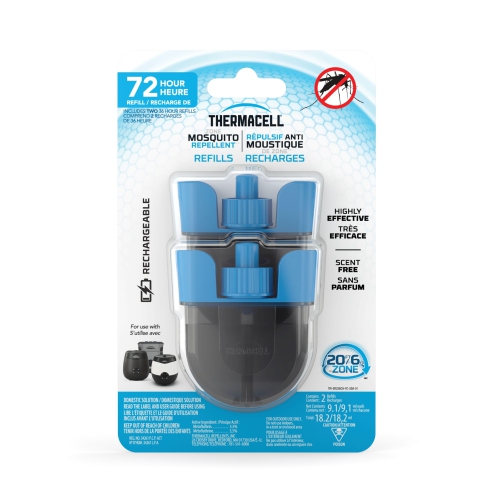
Top Collections:
Pokemon Centers, Best Cameras for Sports Photography, Kindle Devices, Samsung Galaxy Phones, Canon G7X Cameras, Pokémon 30th Celebration Cards, Refurbished Apple Laptops, iPhone 15 Apple, Laptops for Students, Budget Smartphones
Some products may be subject to Environmental Handling Fees
(EHF) depending on your province.
Learn more about EHFs.