Interior Design Rugs
Looking to add a touch of style and sophistication to your home? Look no further than our collection of interior design rugs. These versatile decor pieces are the perfect way to tie together almost any room, whether you're going for a cozy, rustic vibe or a sleek, modern look. Whether you want something that pops with bright colors or something more subtle and neutral, interior design rugs have something for everyone.
Sort

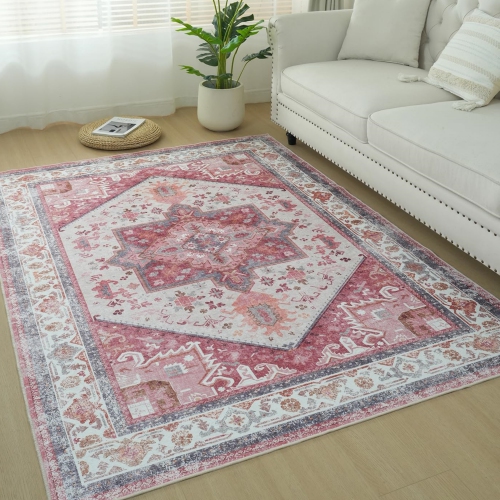
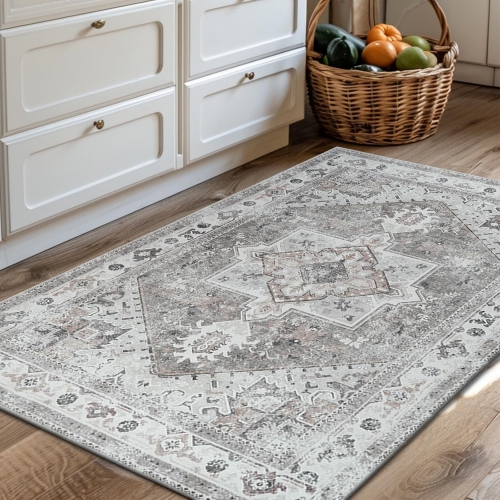
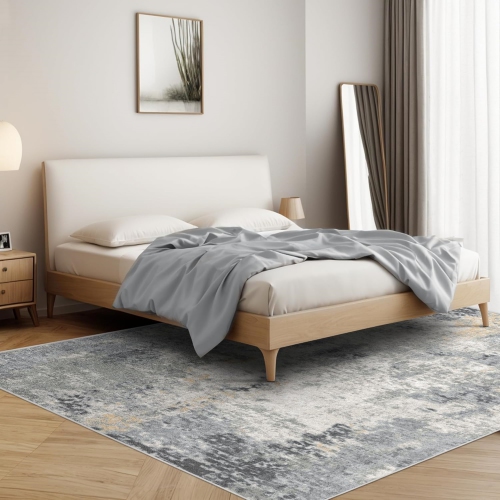
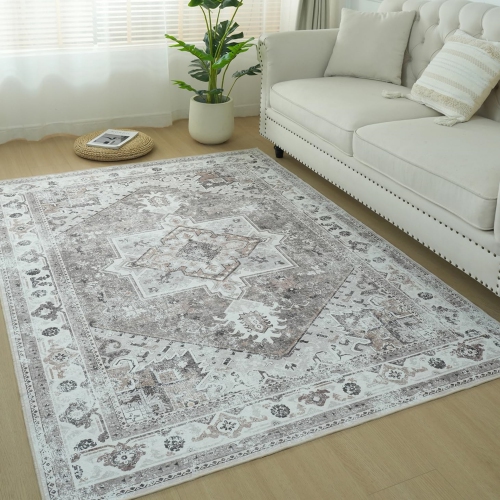

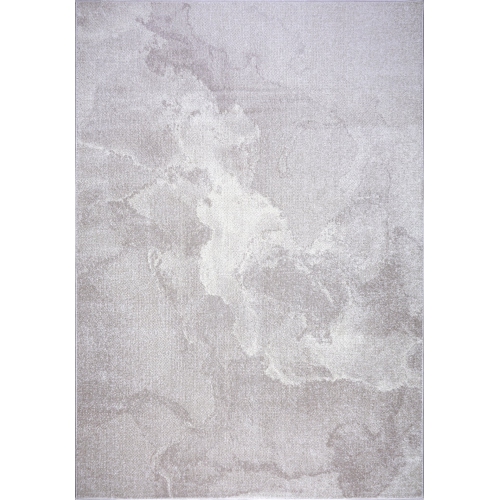
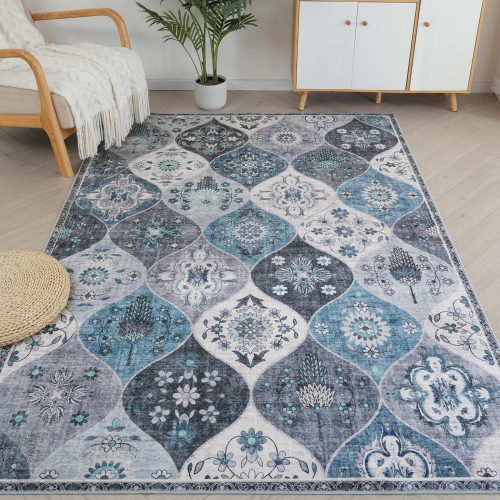
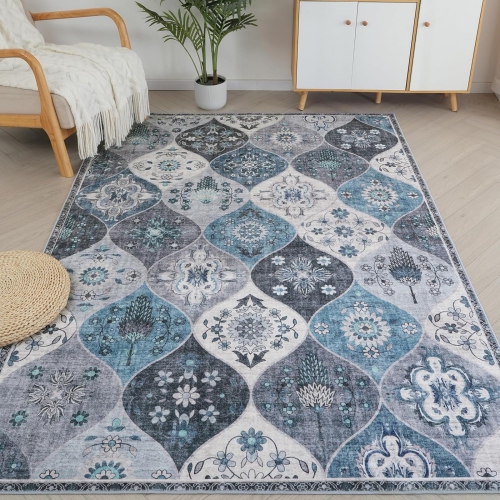
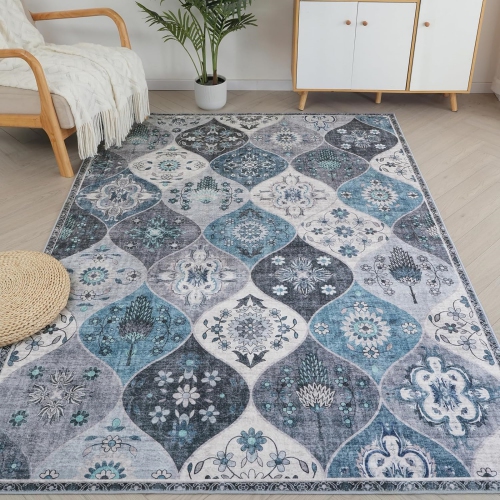
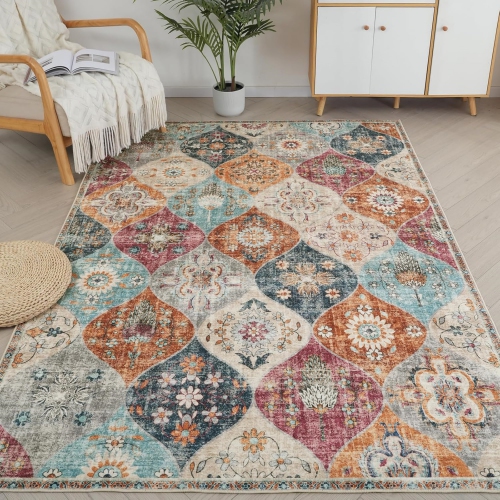


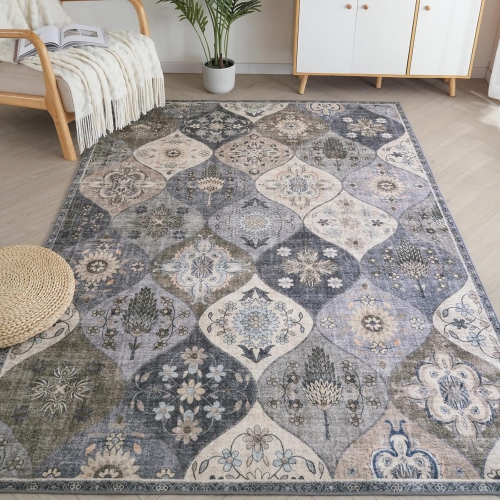
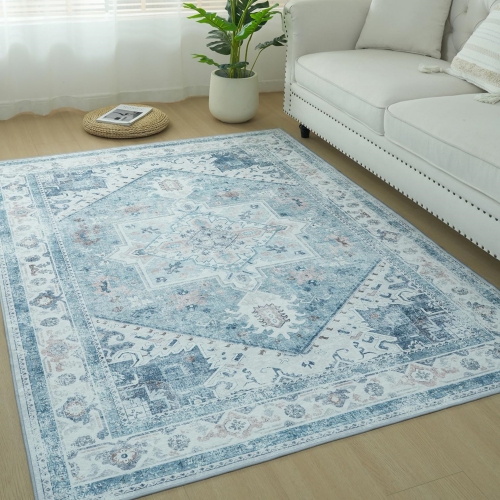
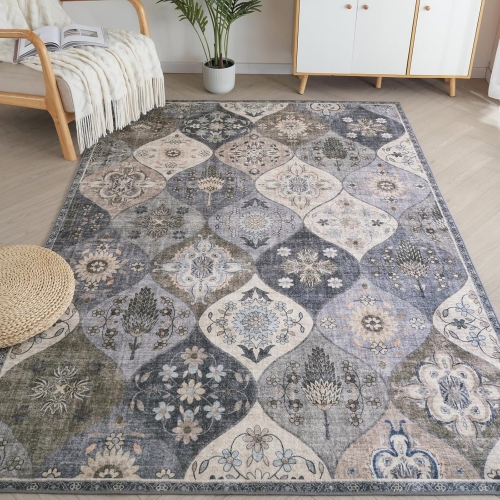

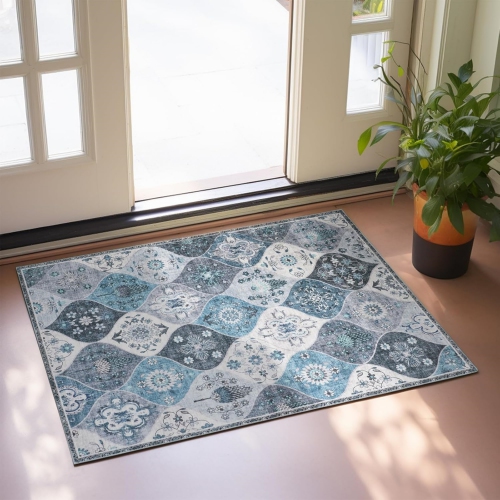
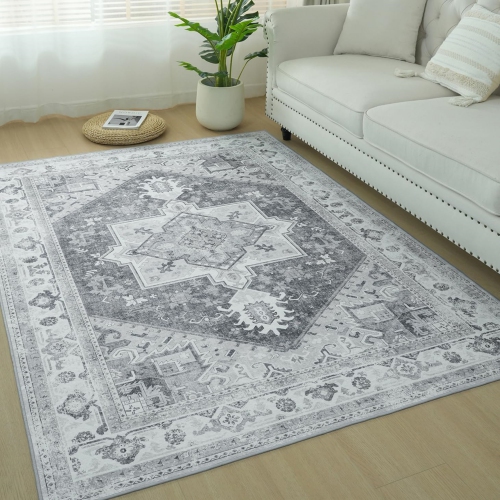
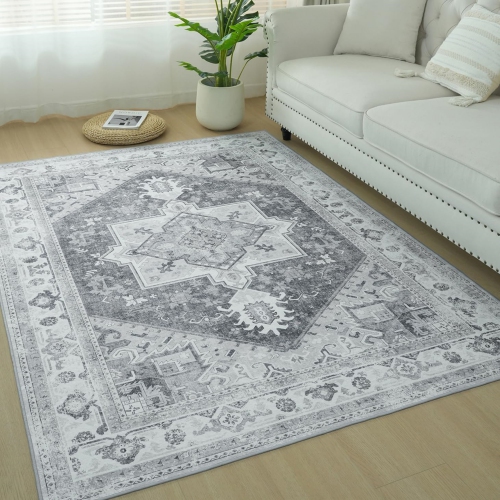
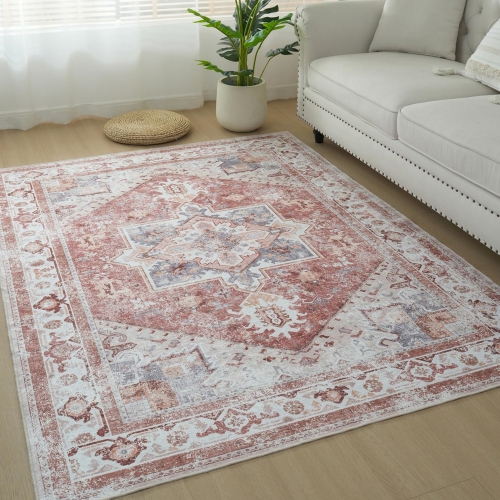
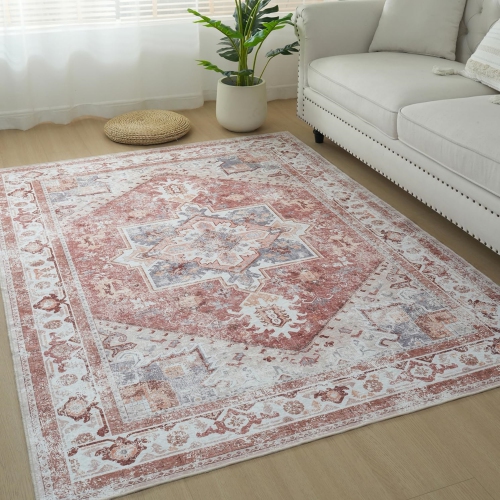
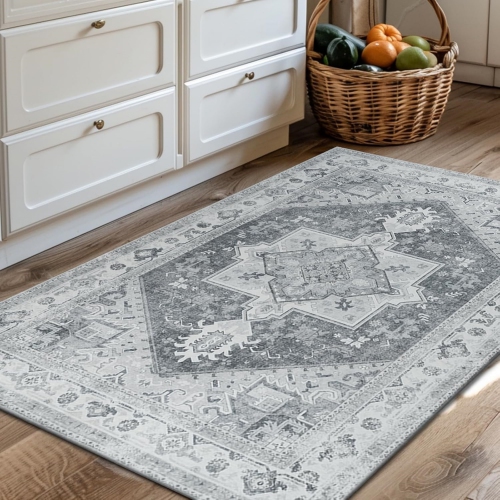
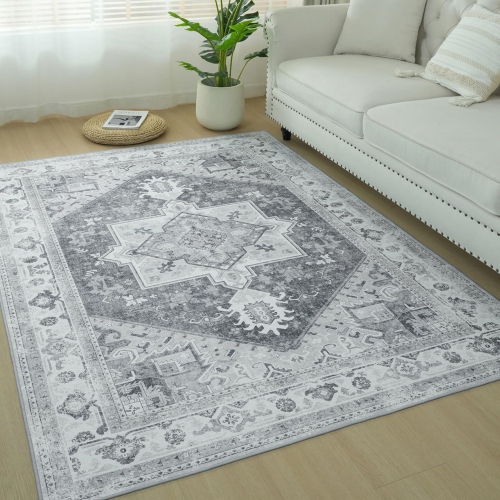
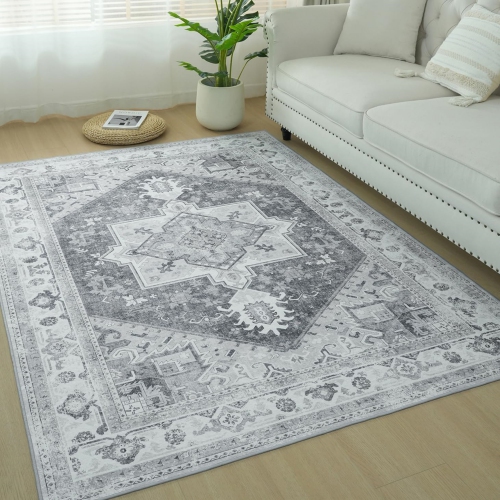
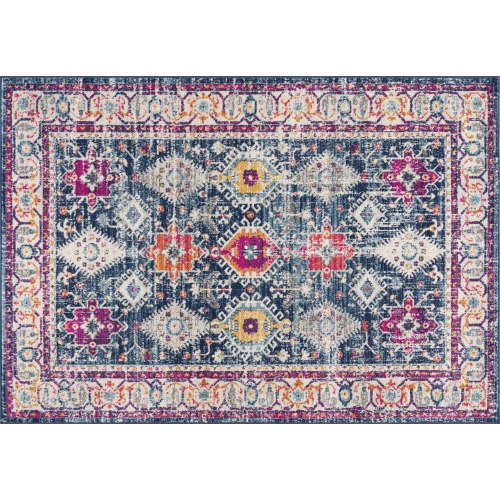
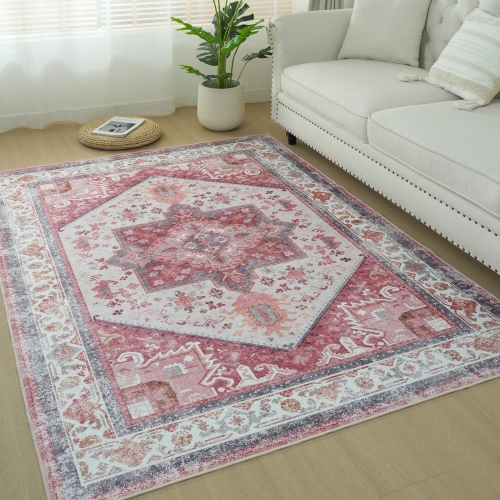
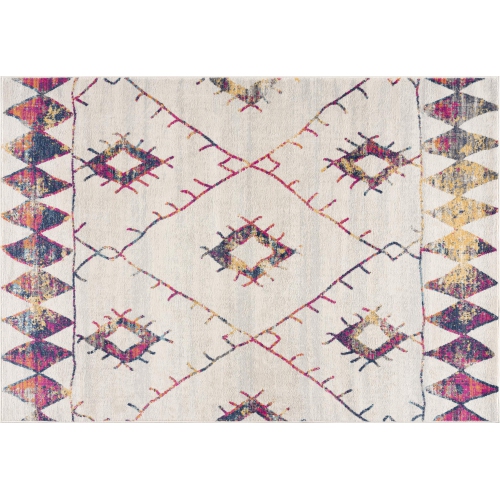
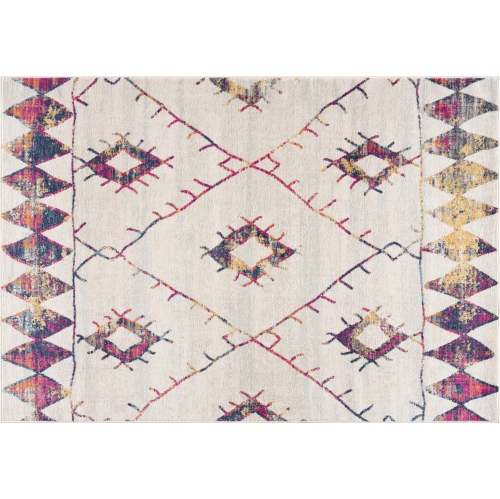
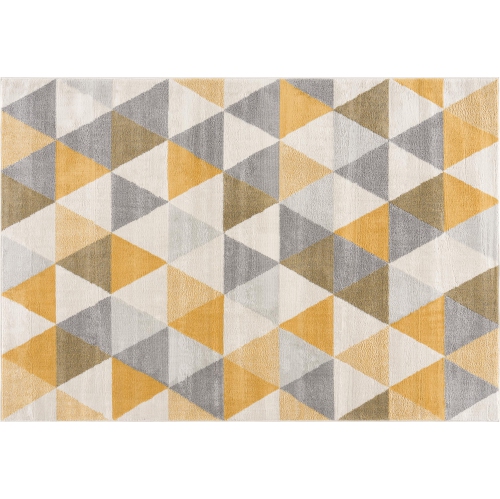
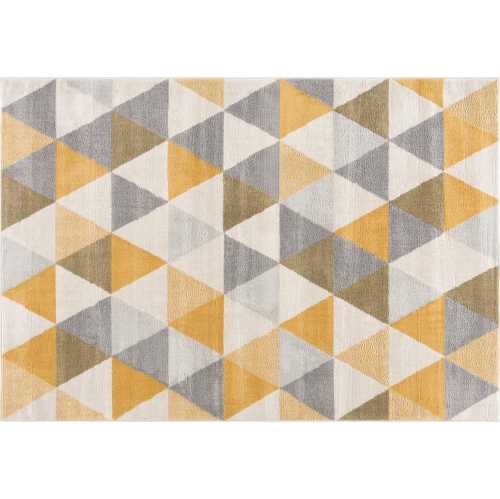
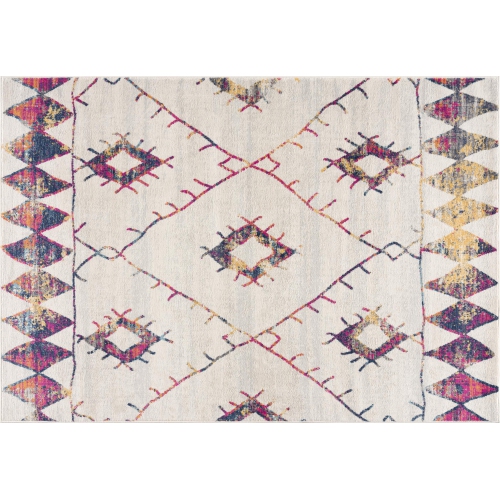
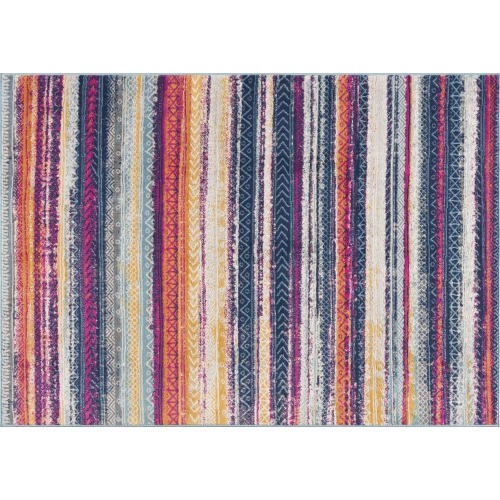
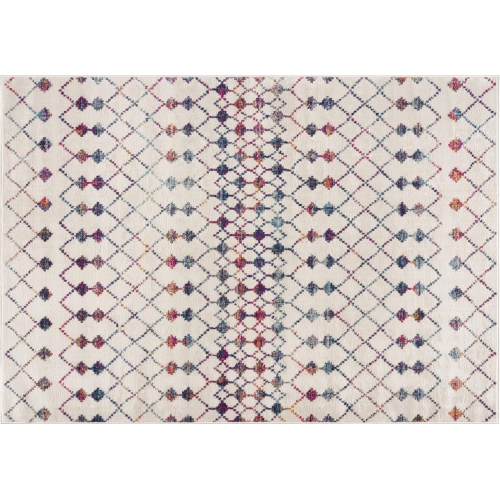

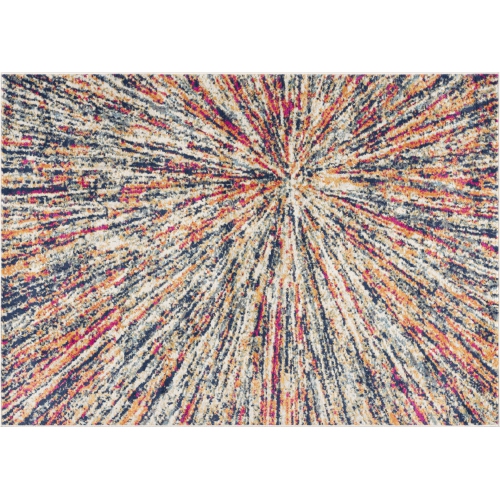
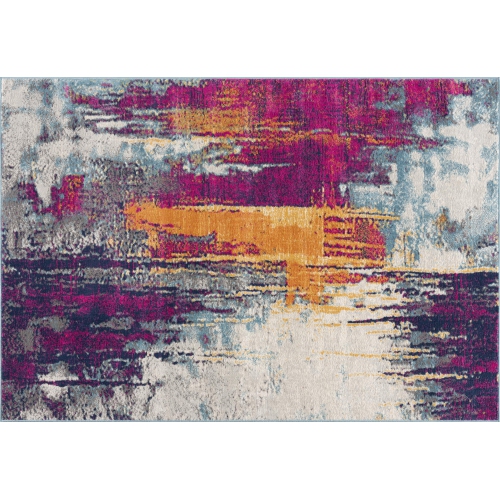
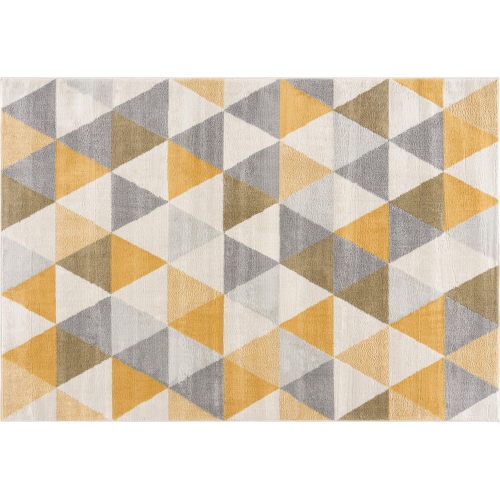
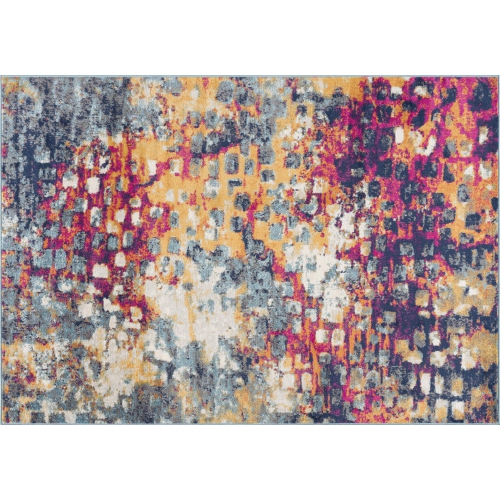
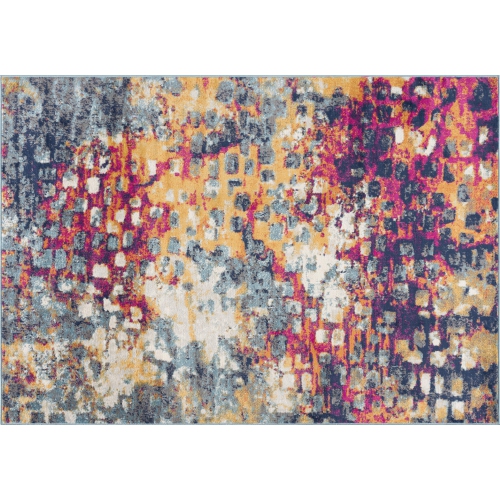
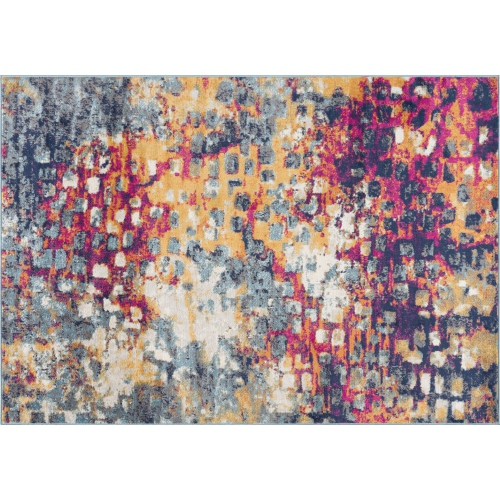
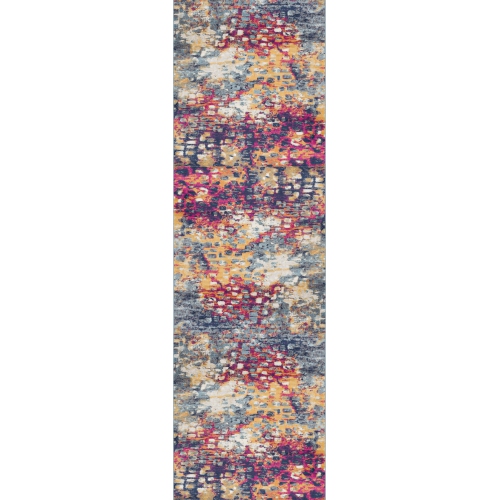
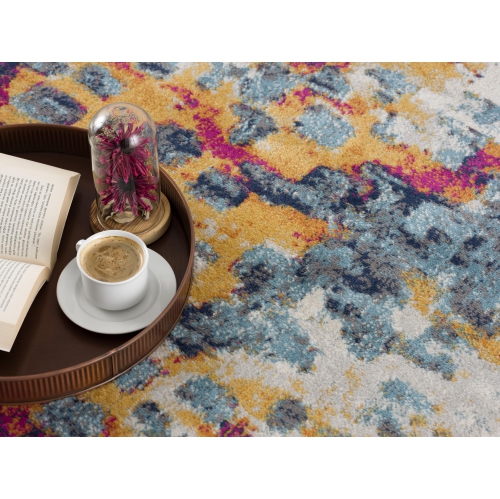
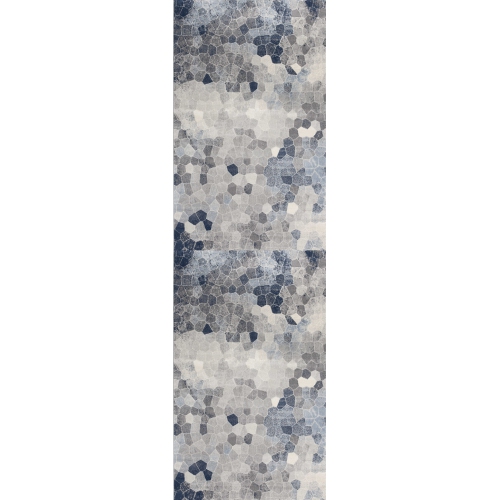
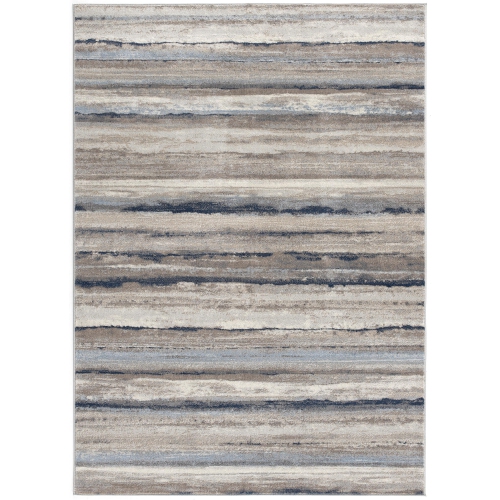
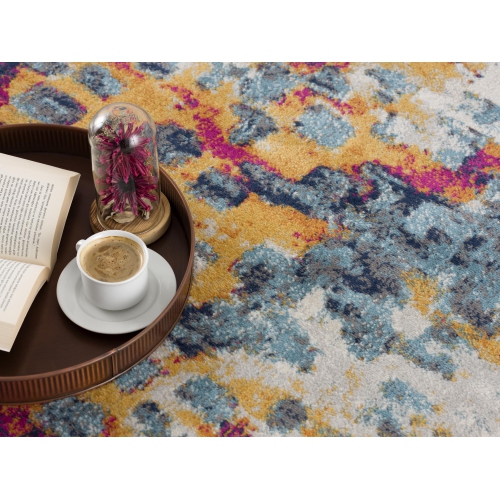
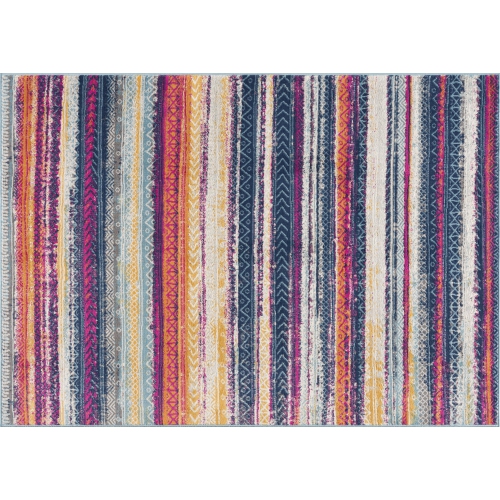
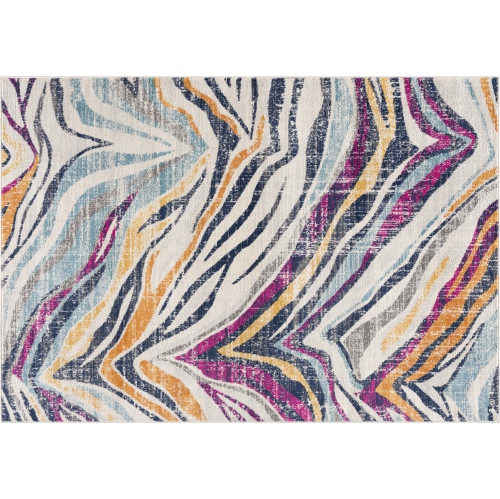
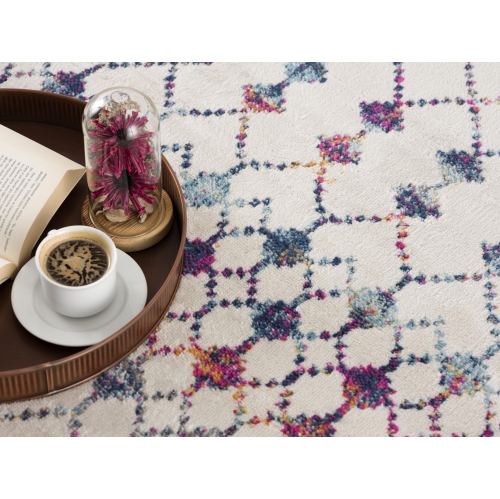
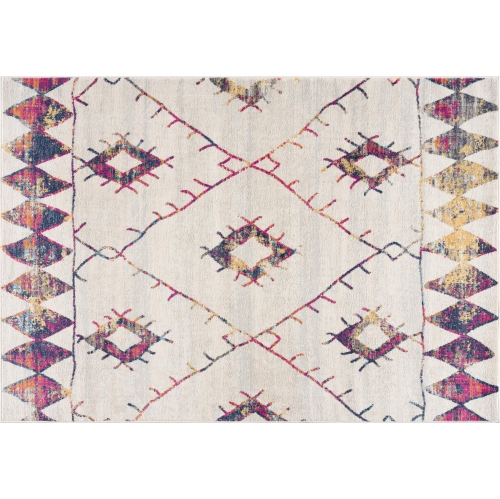
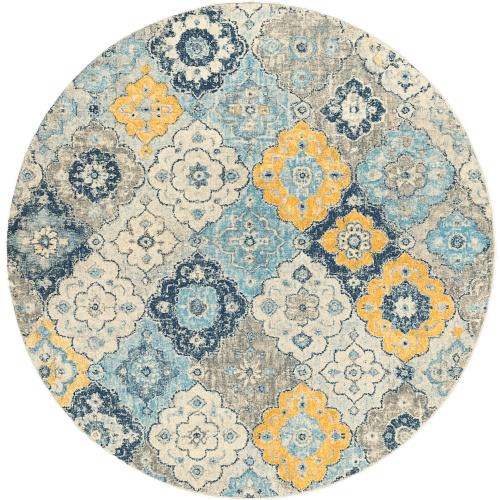
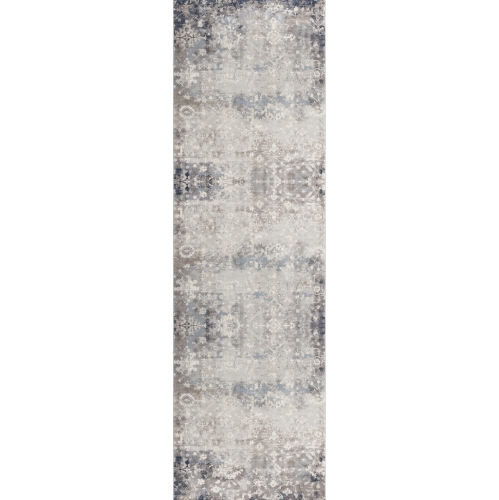
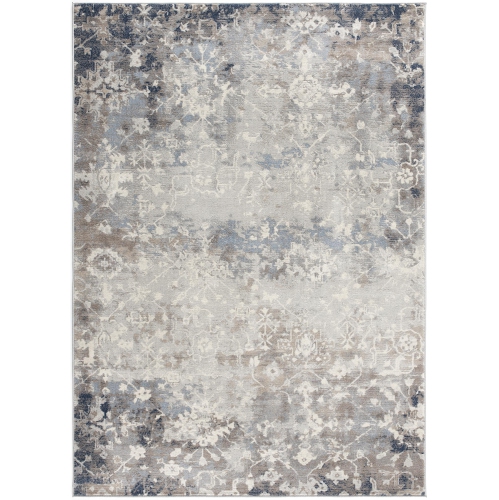
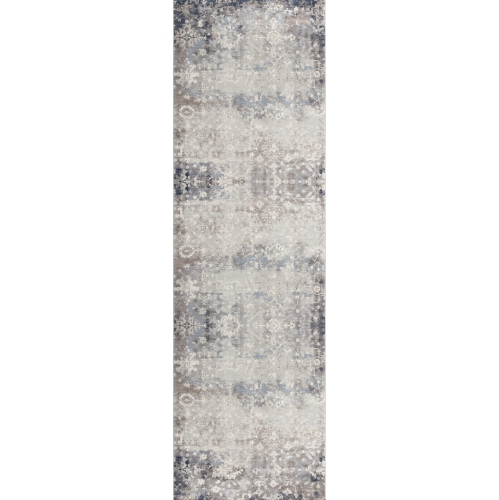
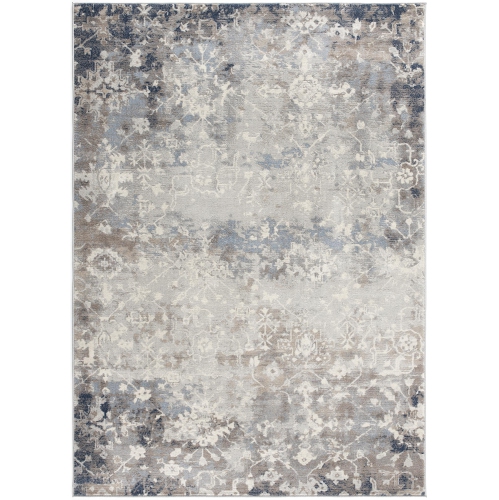
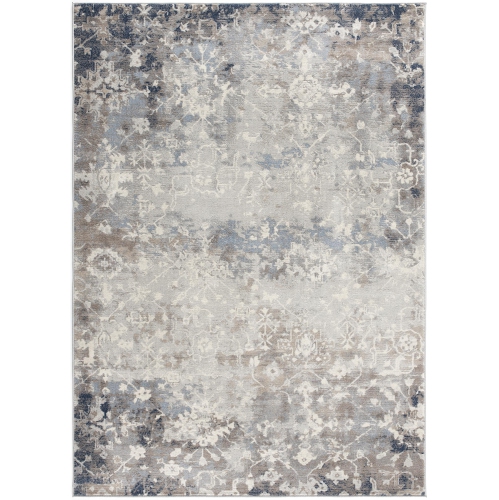
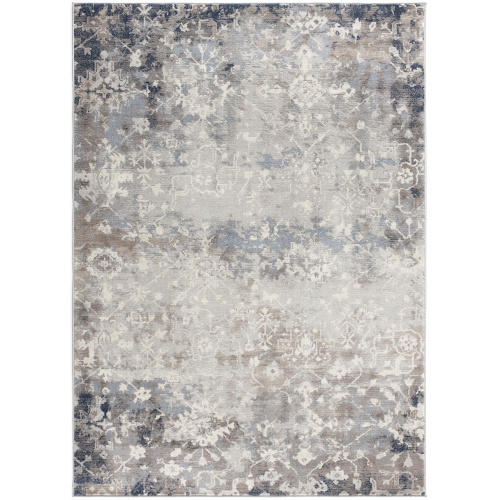
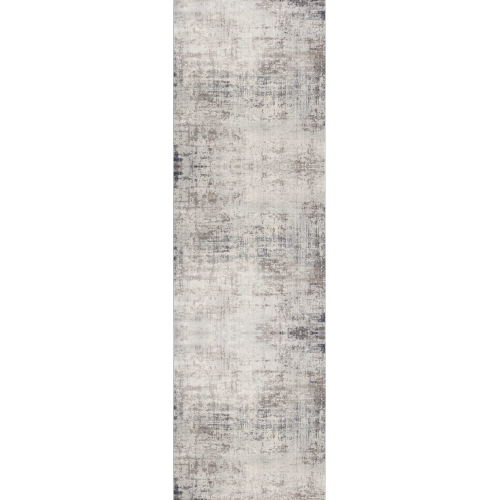
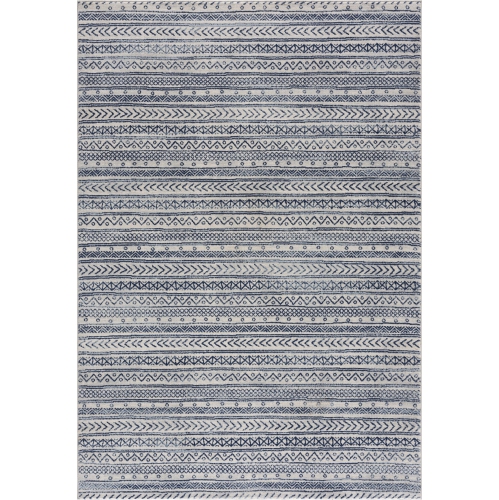
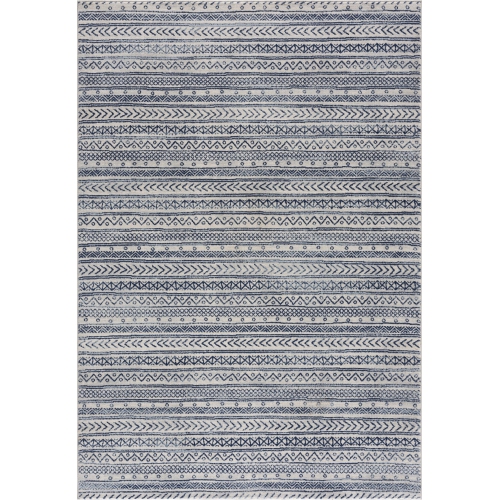
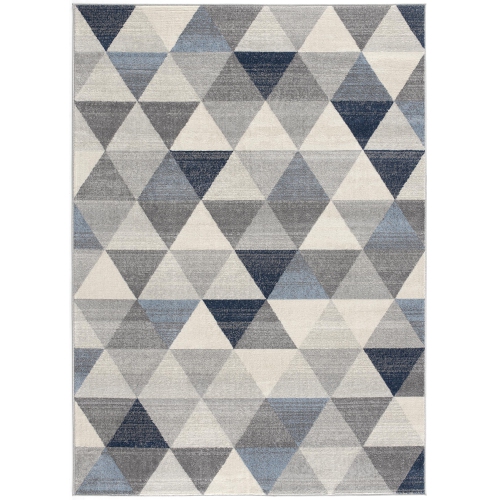
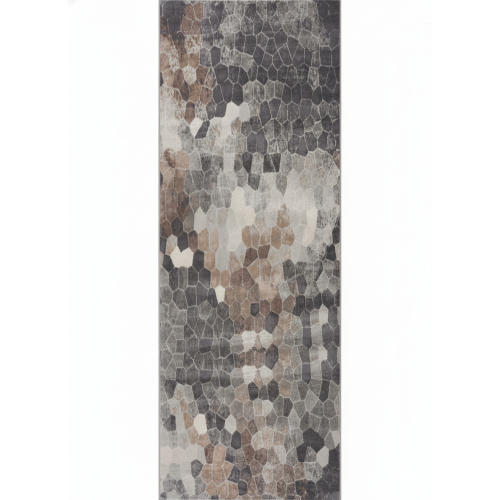
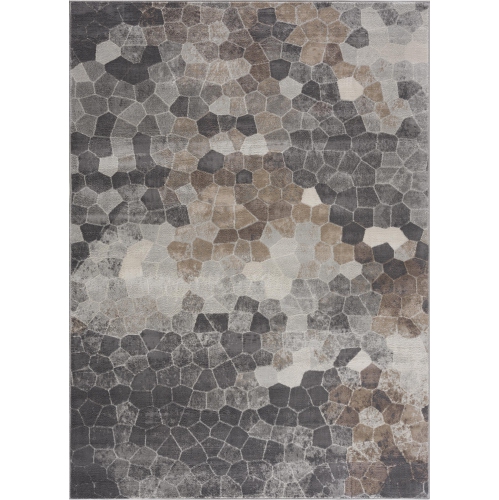
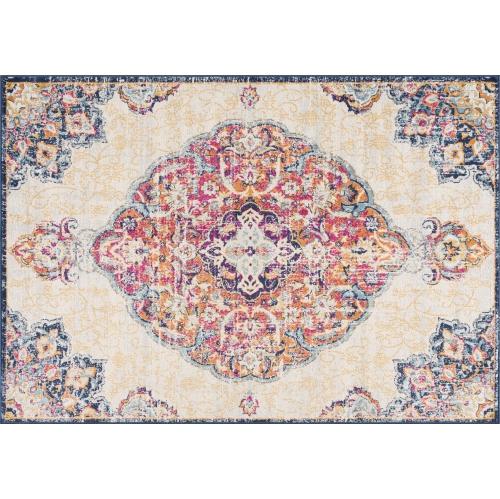
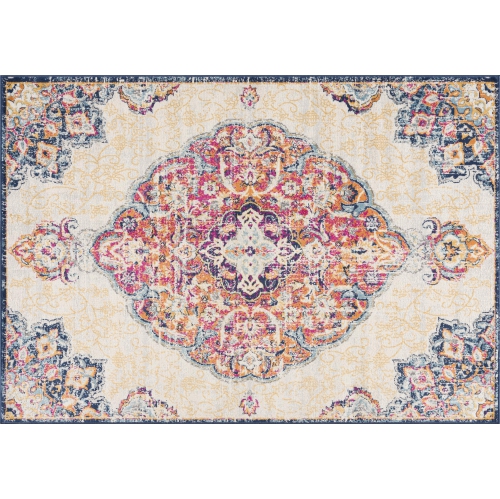
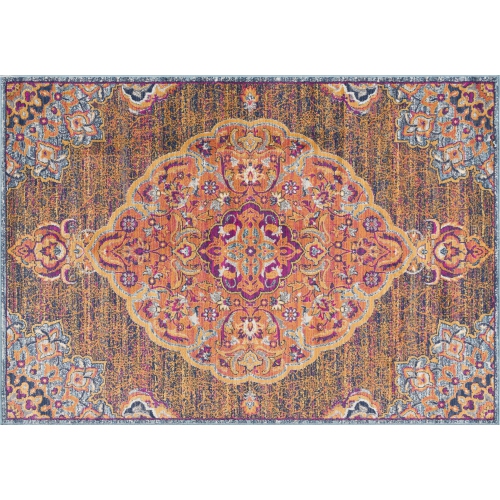
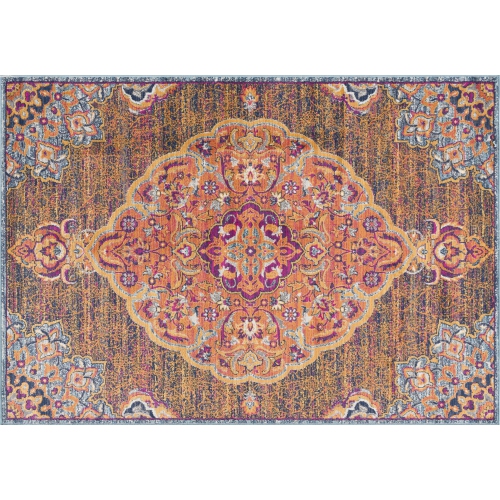
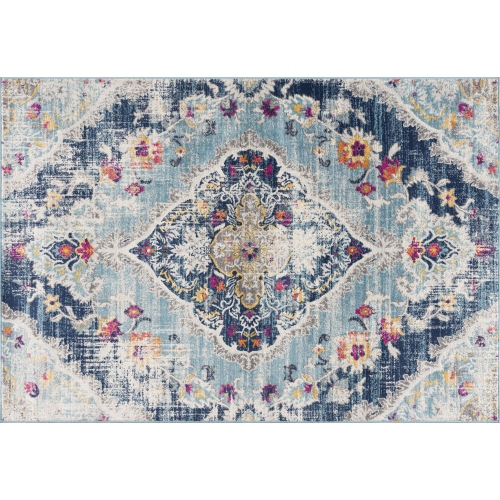
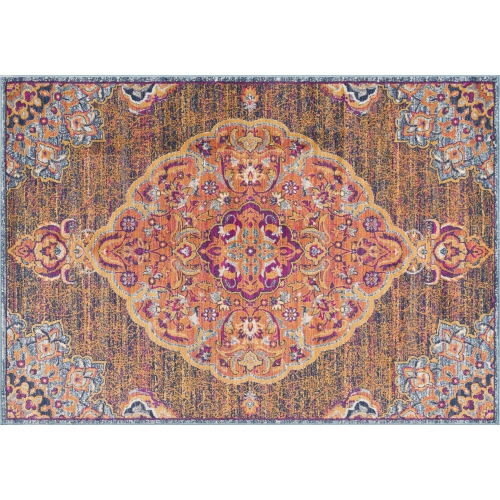
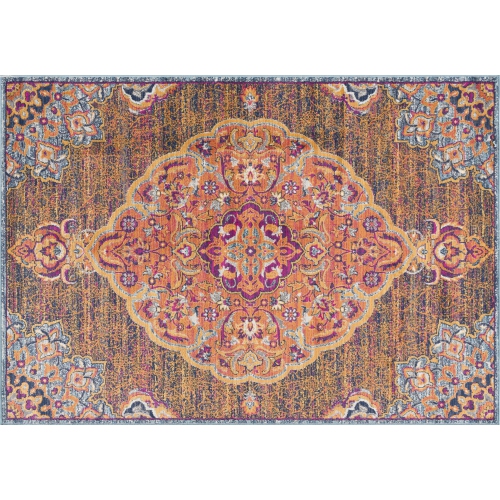
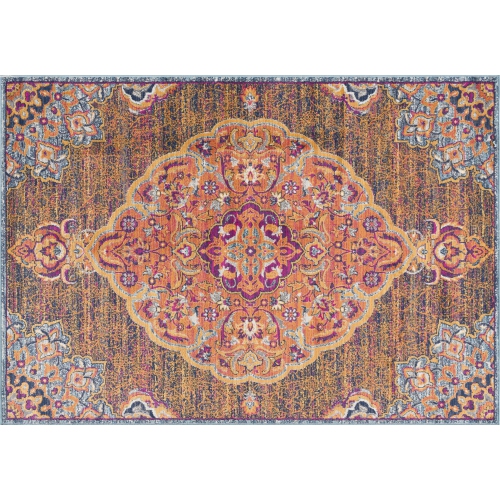
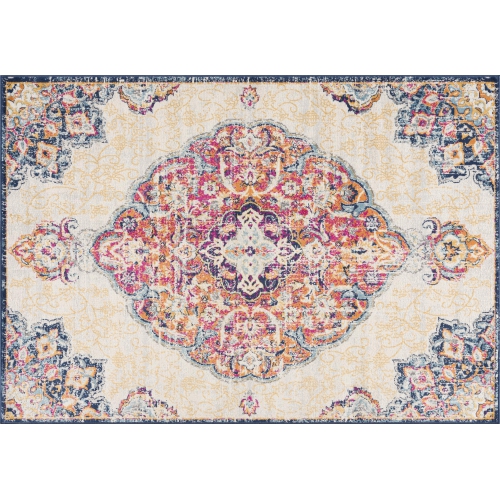
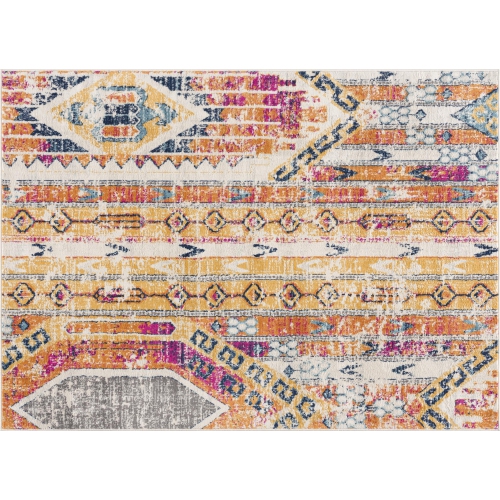
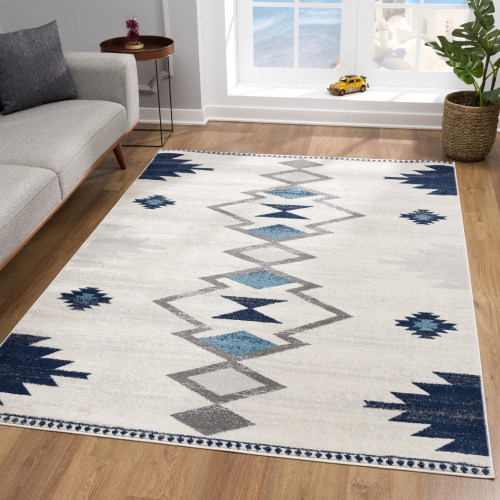
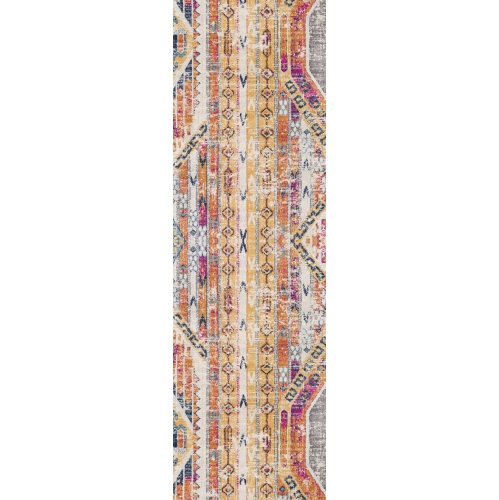
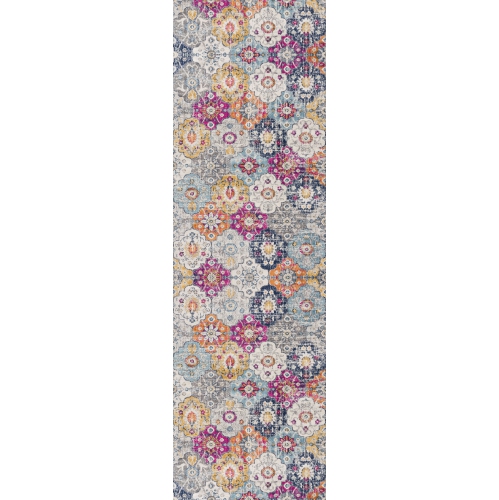
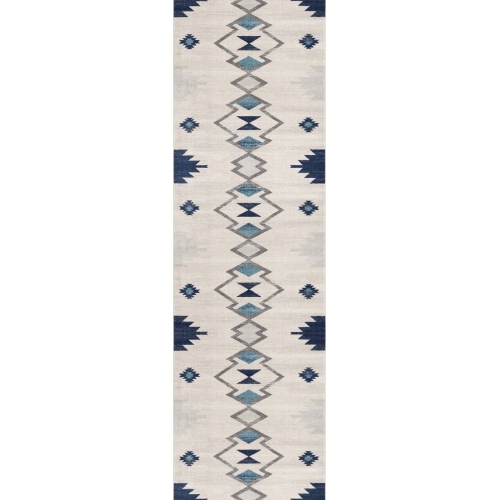
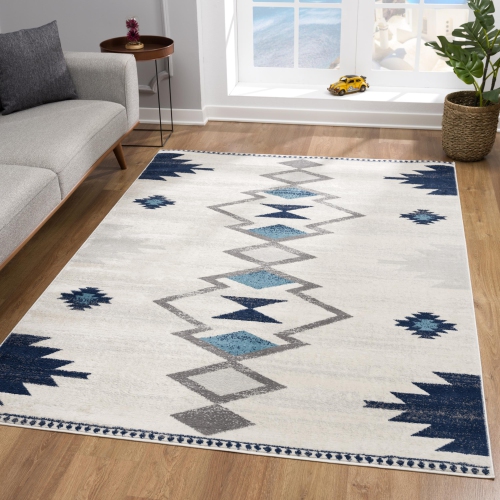
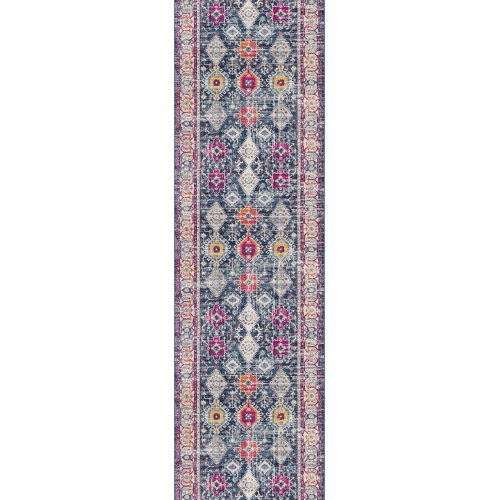
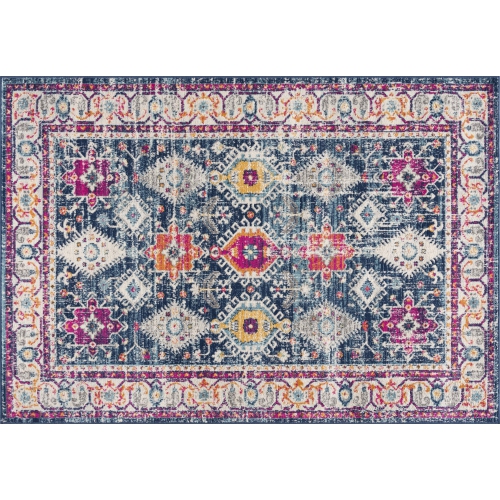
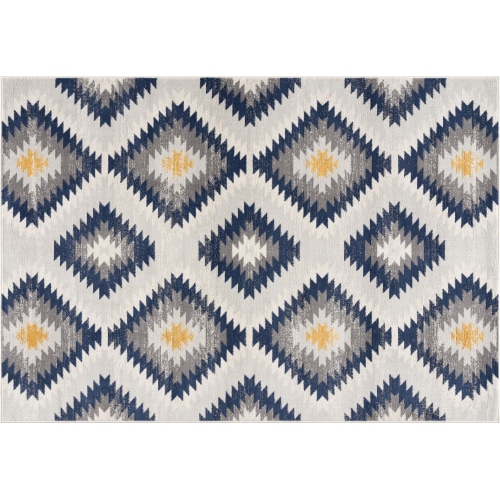
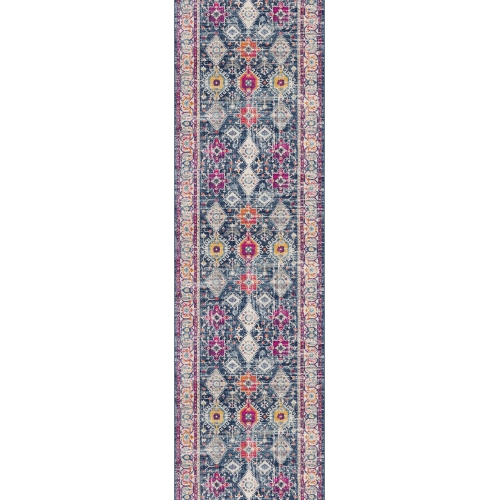
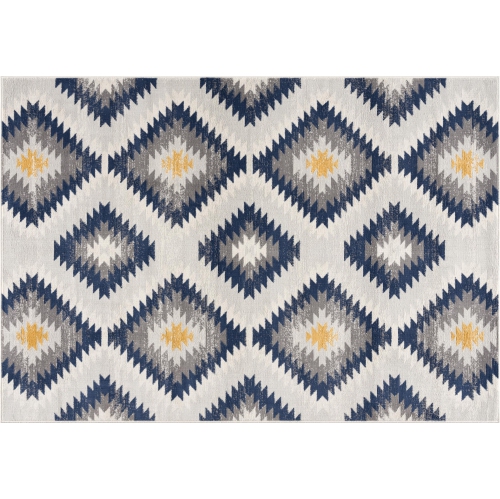
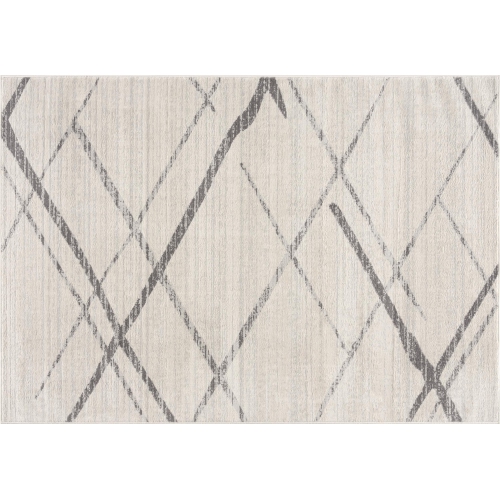
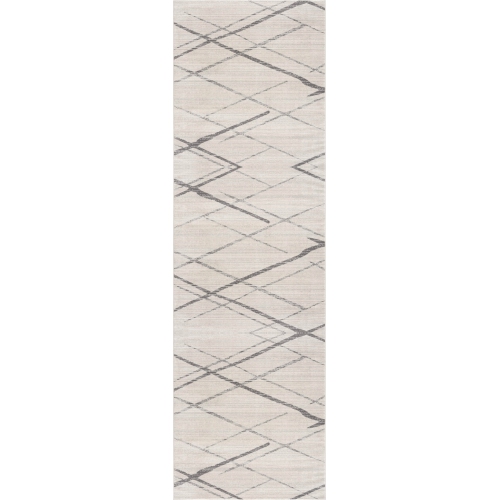
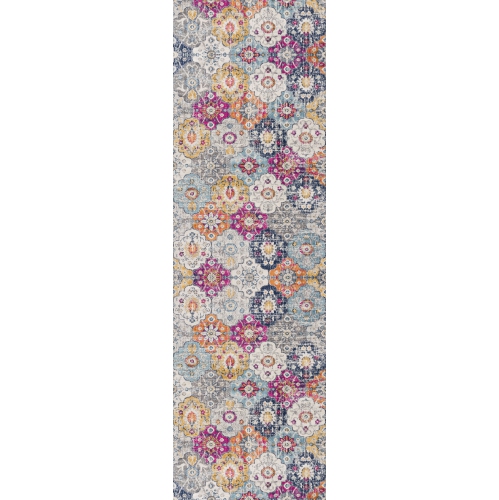

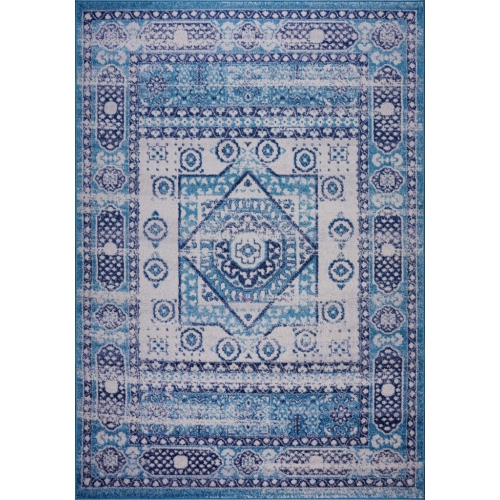
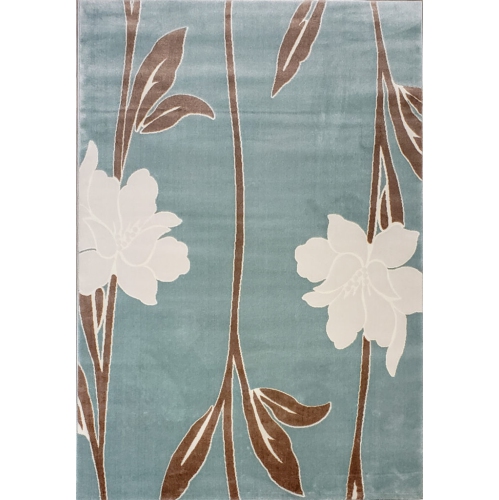
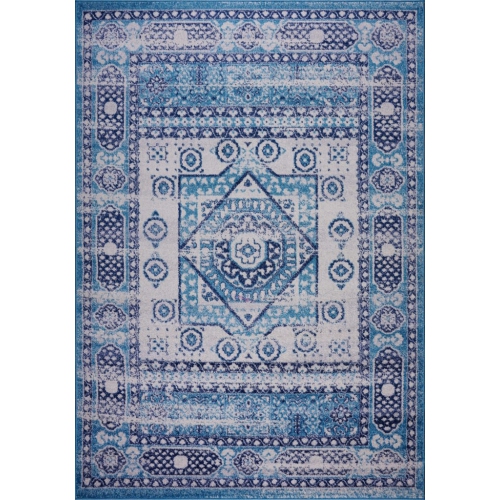
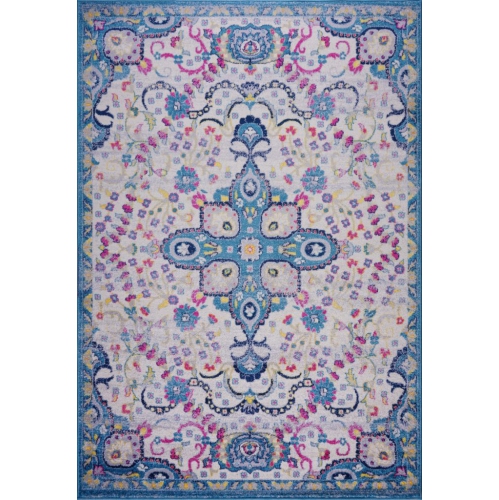
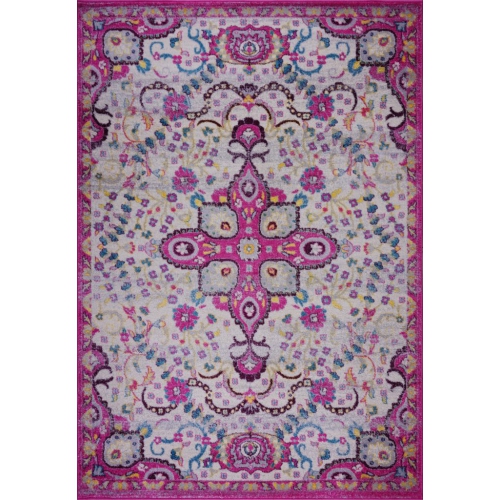
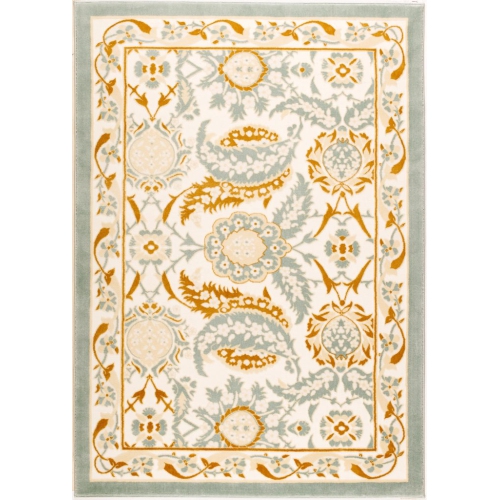
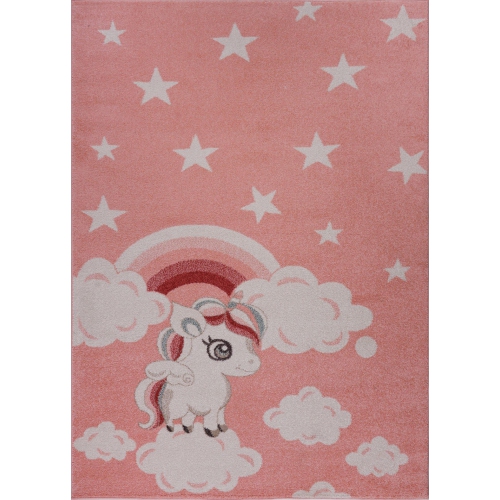
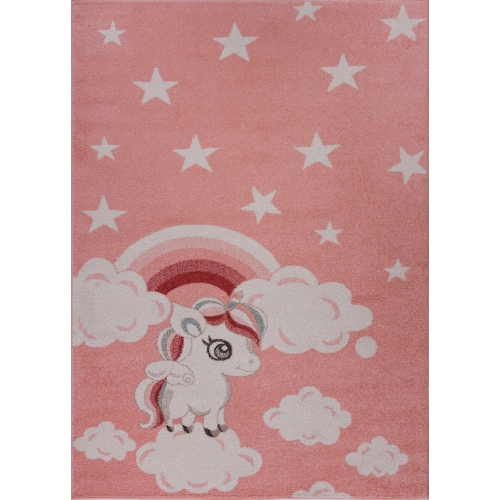
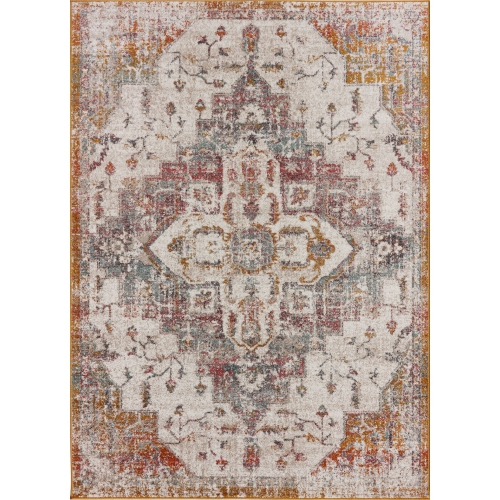

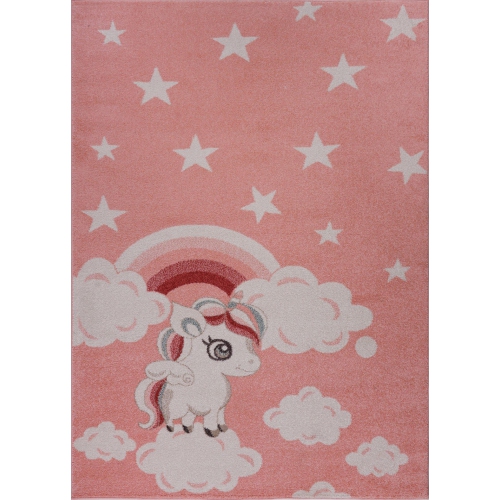
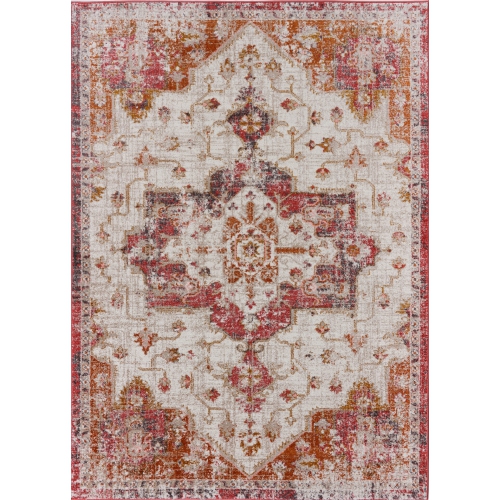
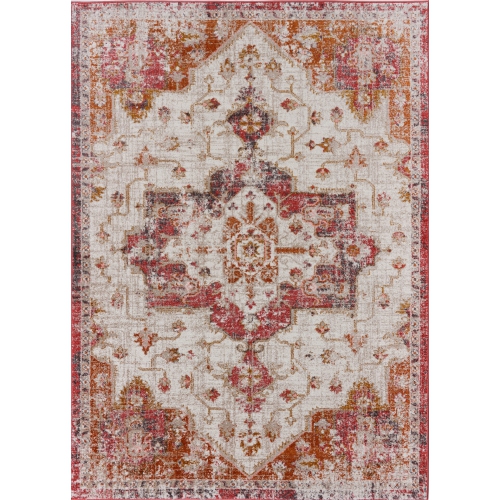
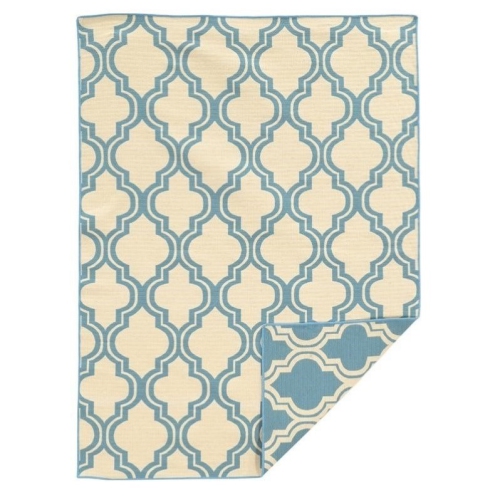
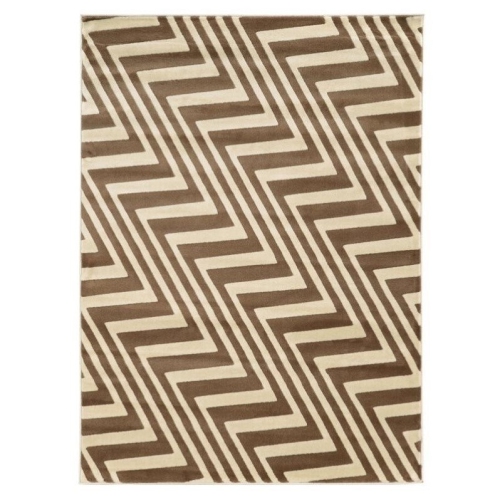
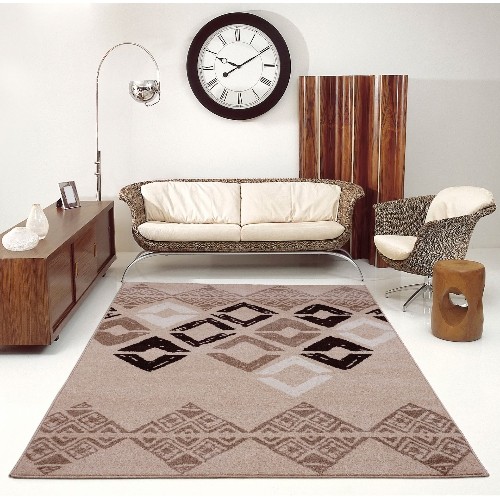
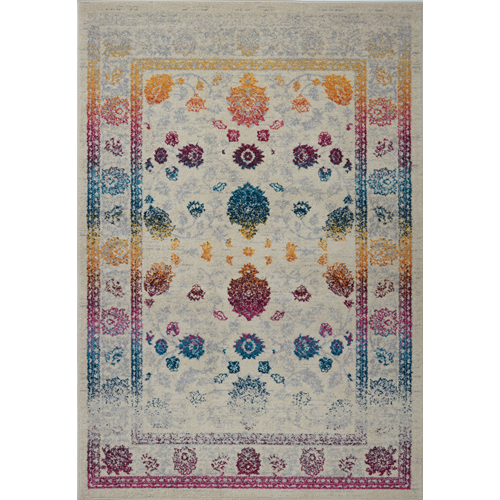
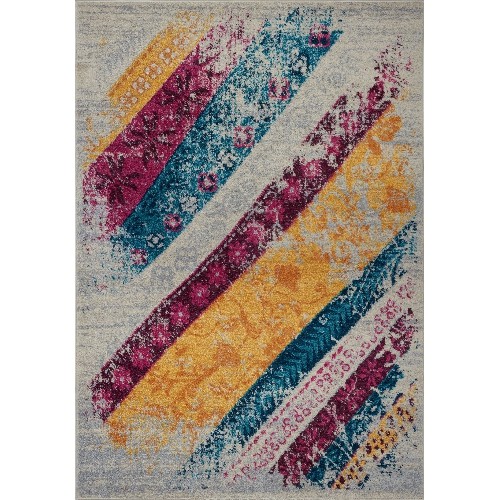
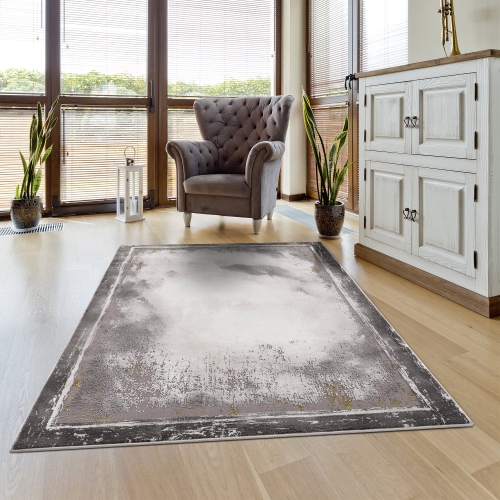
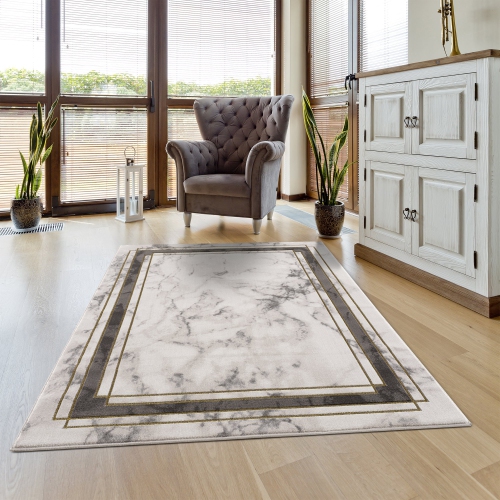
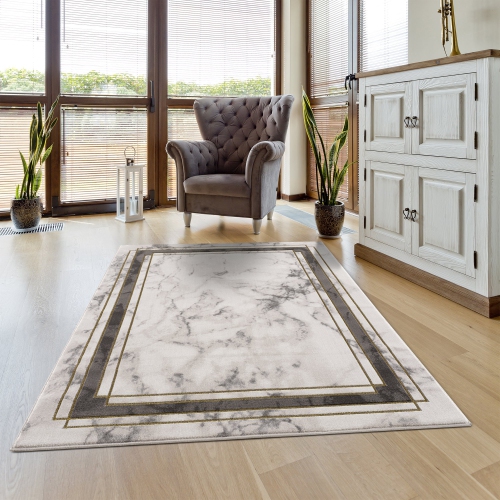
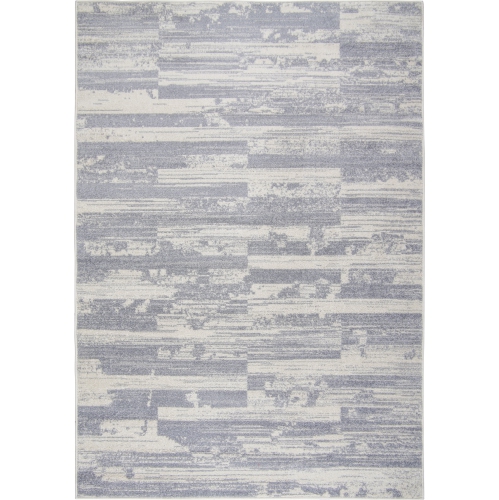
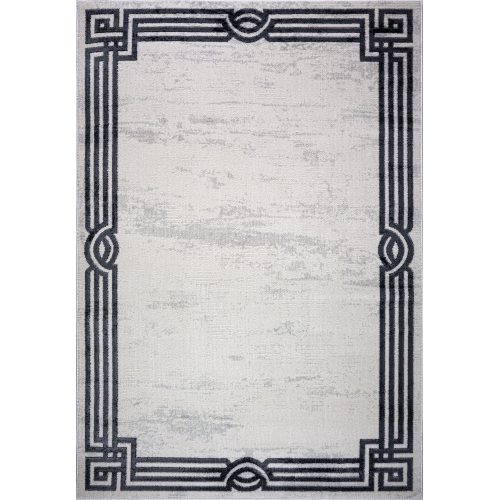

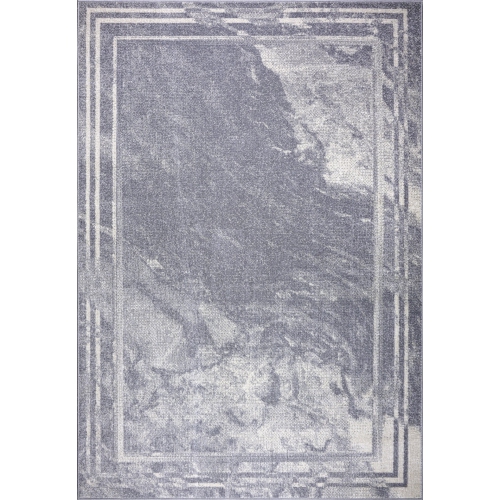
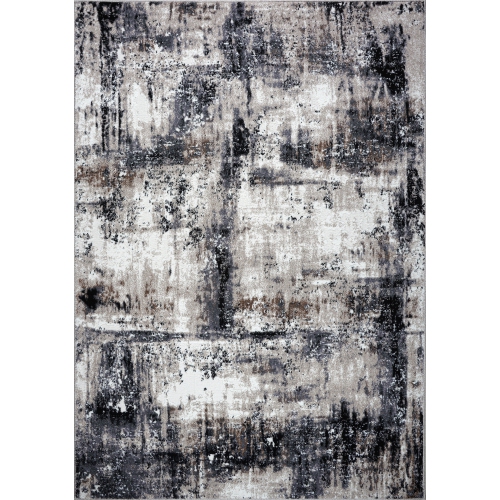
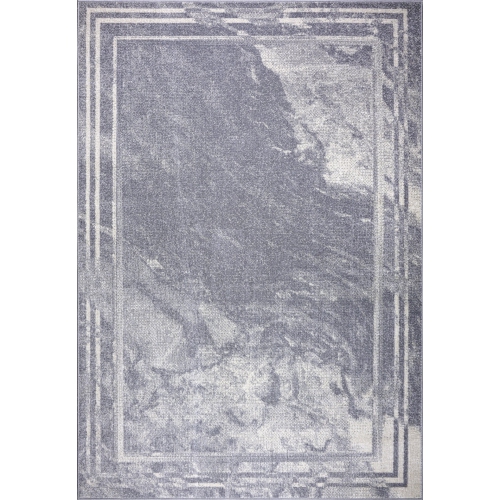
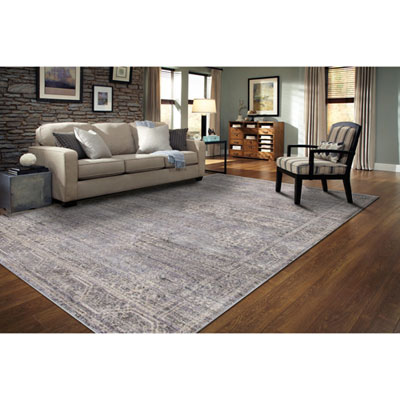
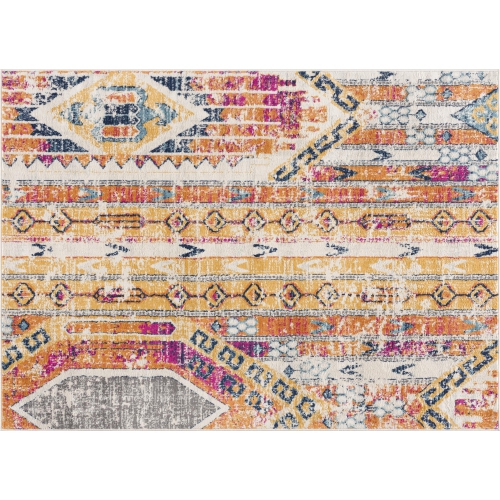
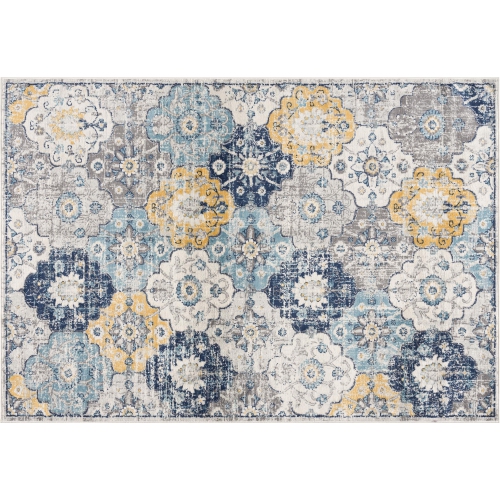
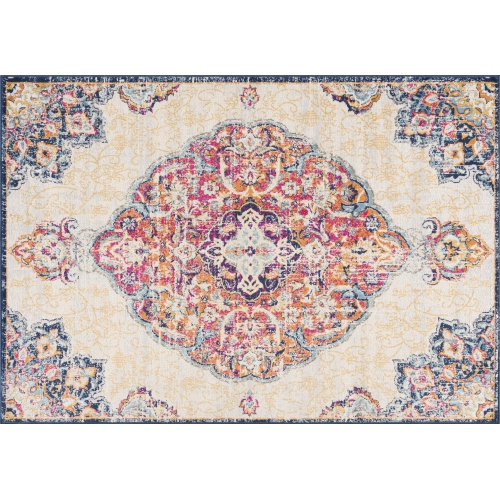
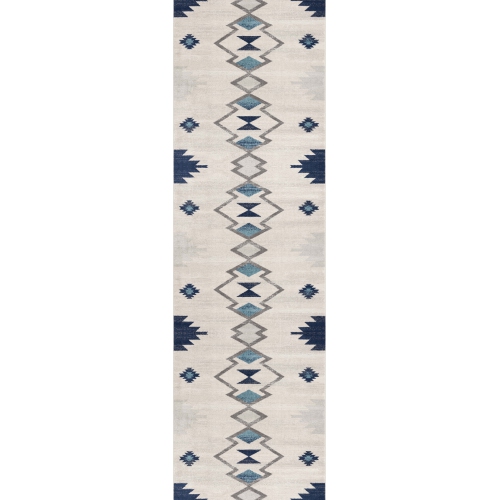
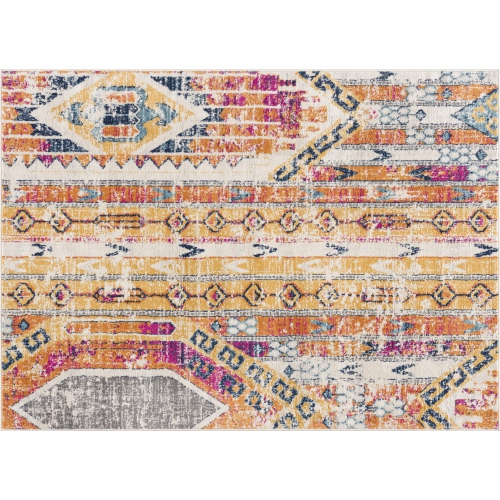
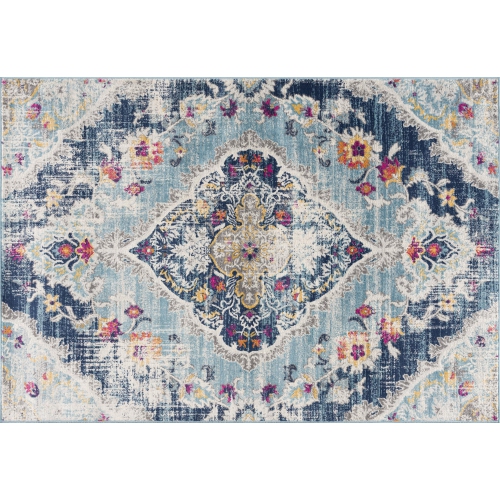
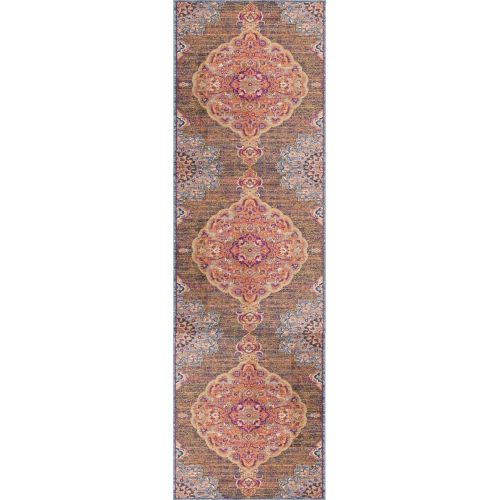
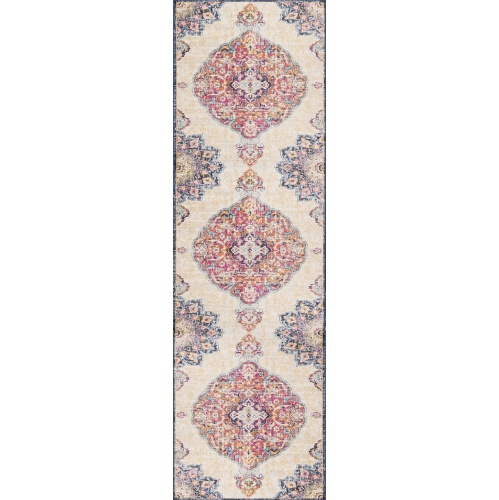
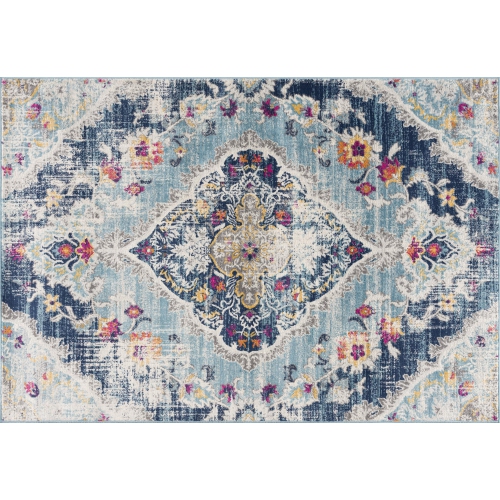
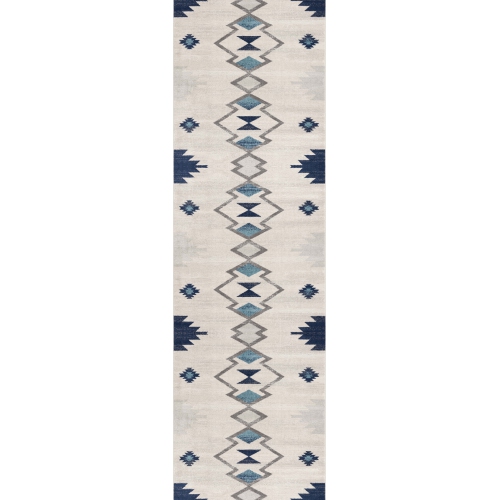
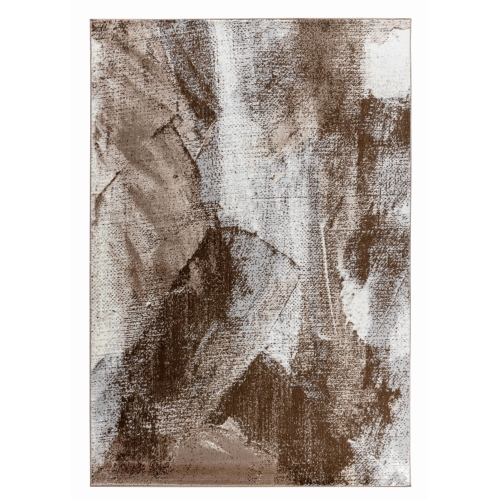
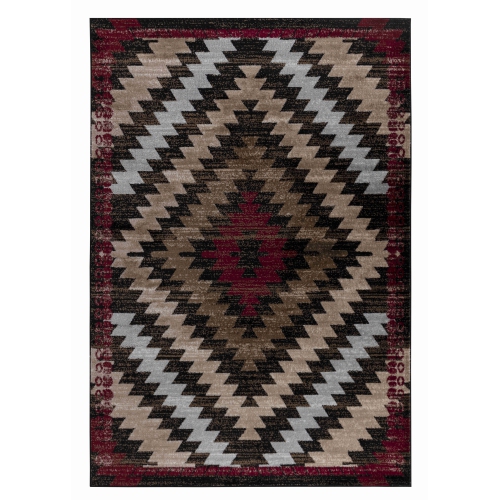



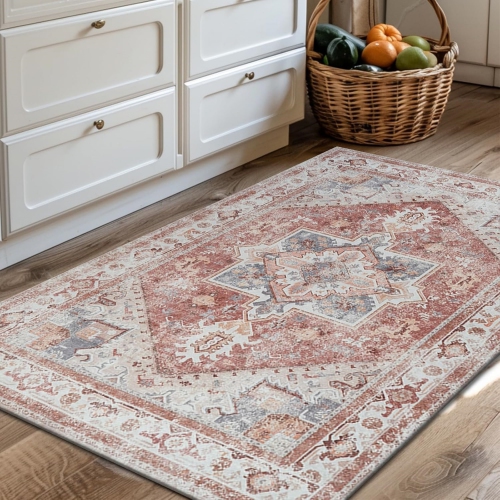
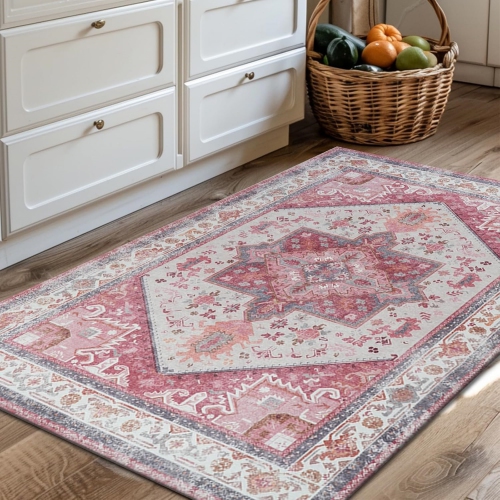
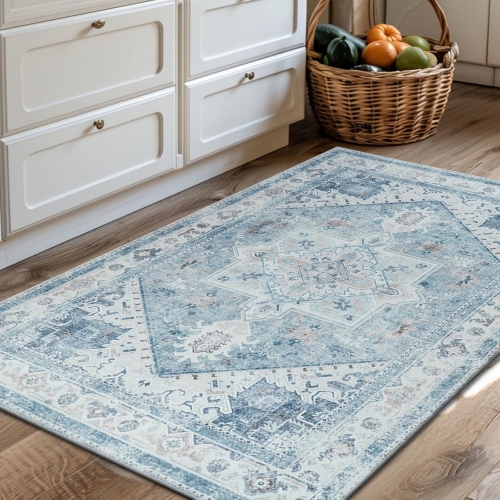
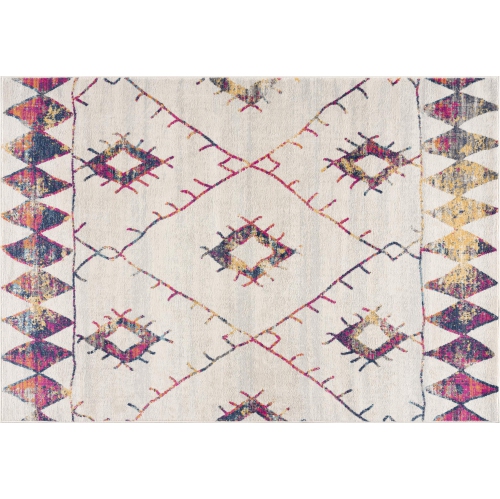
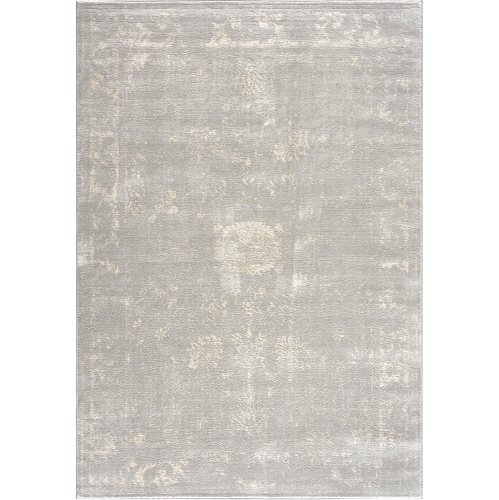
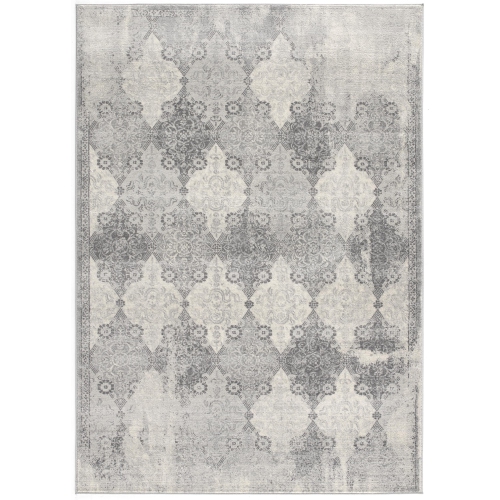
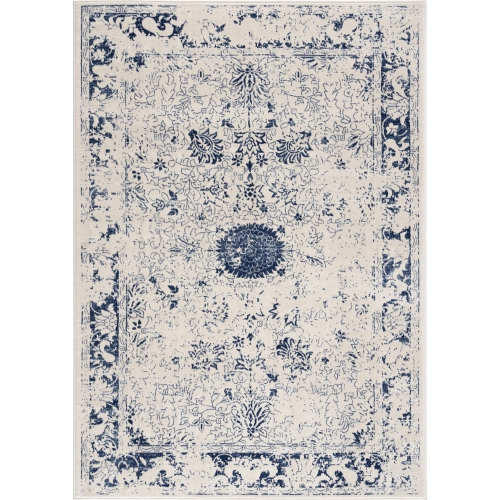
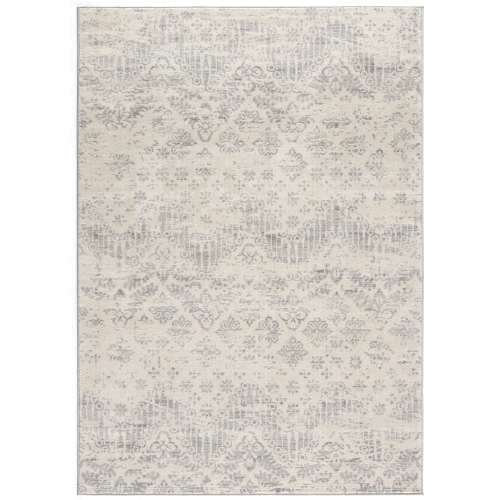

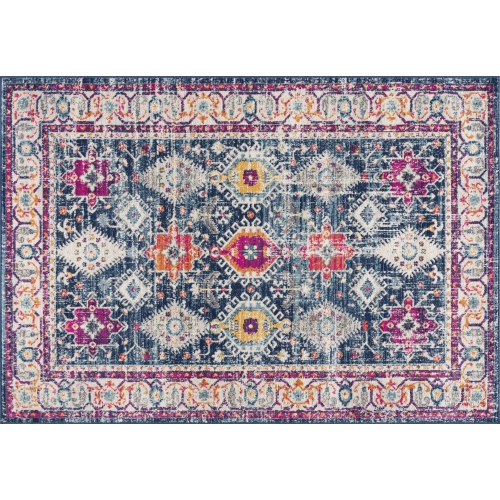
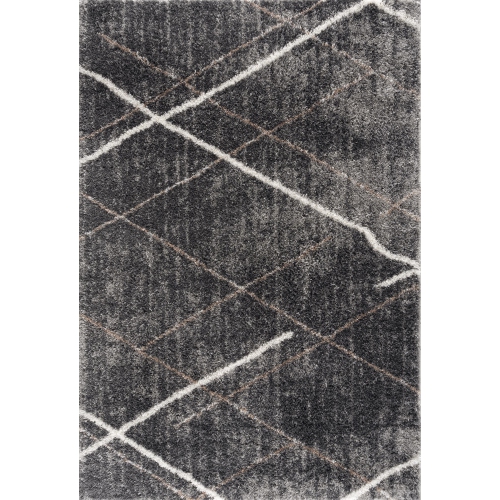
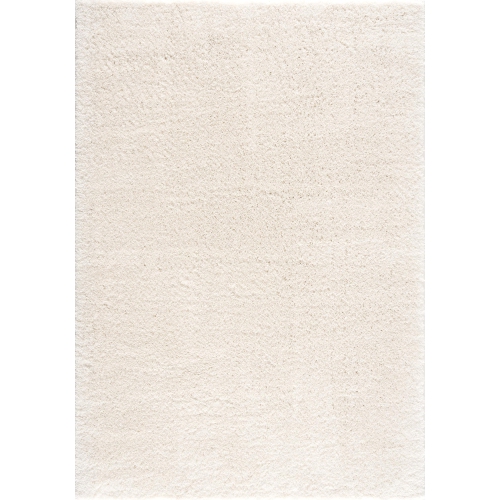
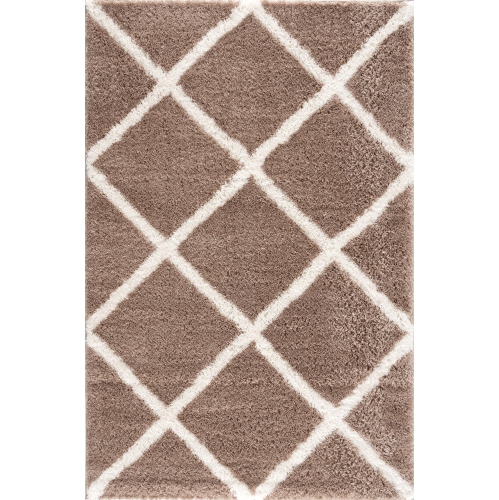

How rug size, texture, and placement shape a room
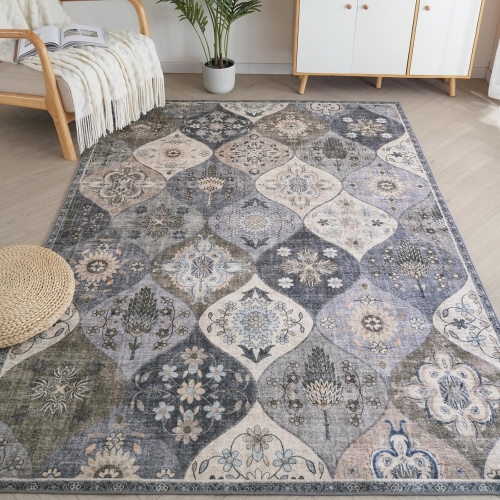
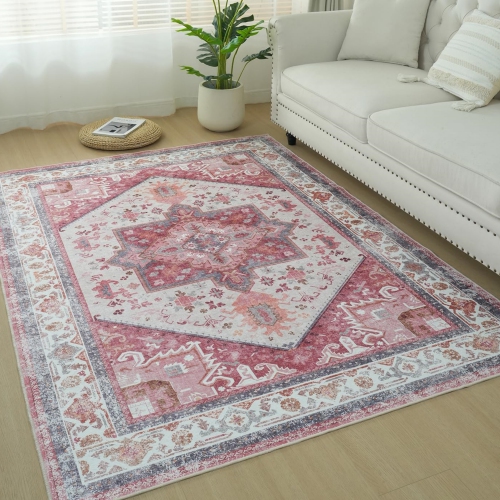
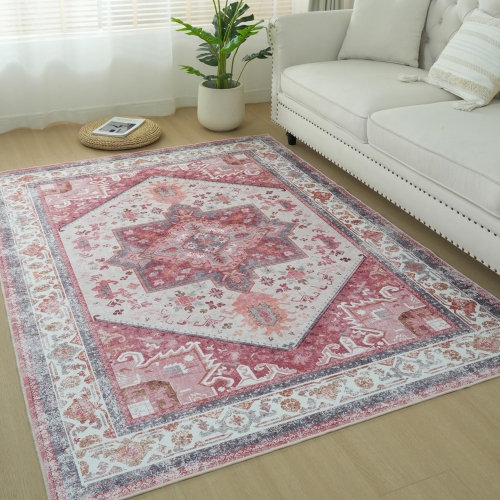
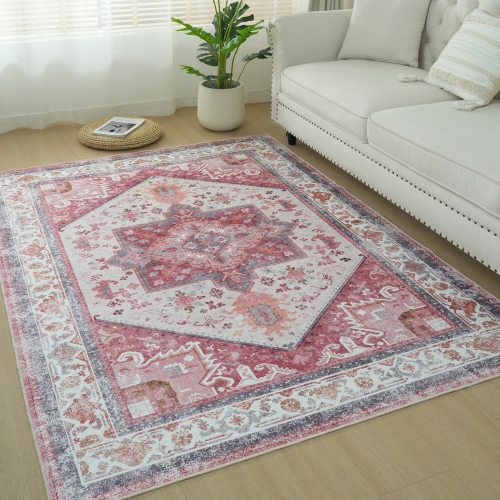
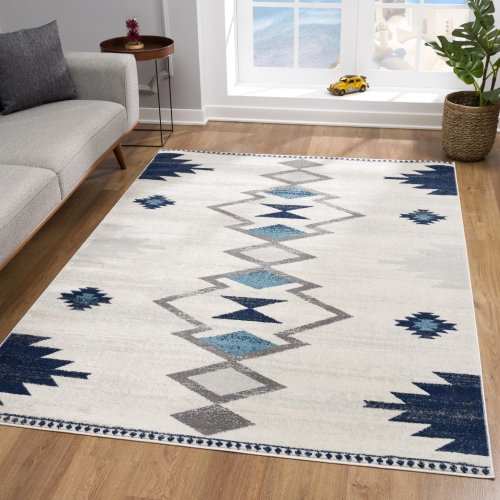
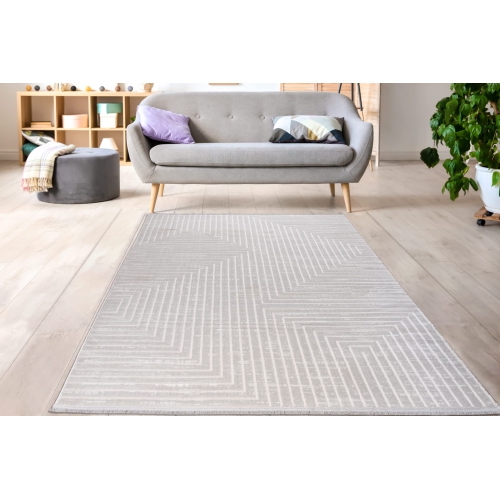
Interior design rugs can do much more than cover an empty patch of floor. The right rug helps define how a room feels, giving a living area, bedroom, dining space, hallway, or home office a sense of proportion and purpose. In an open-concept home, an area rug can visually separate the seating zone from the dining or workspace without blocking light or interrupting the flow between rooms. In a smaller space, it can make furniture feel connected rather than scattered across the floor. Consider the rug’s size before choosing its colour or pattern. In a living room, an 8 x 10 foot or 9 x 12 foot rug often gives a seating arrangement enough room to feel grounded, while leaving approximately 18 to 24 inches of visible flooring around the perimeter can create a balanced border. Ideally, at least the front two legs of a sofa and chairs should rest on the rug so the seating group reads as one inviting area. For a compact room, a smaller rug positioned beneath a coffee table may work well, but it should still extend far enough beyond the table to look intentional. In a dining room, choose a size that allows chairs to remain on the rug even when pulled out, and in a bedroom, a rug placed beneath the lower portion of the bed can add softness underfoot while extending beyond both sides. It helps to measure the room, mark the proposed dimensions with painter’s tape, and walk around the outline before making a decision. That simple step can reveal whether doors will clear the edges, whether furniture will sit comfortably within the arrangement, and whether the rug leaves enough space for everyday movement. During the cooler months, a textured rug can make hardwood, laminate, or tile feel warmer and more welcoming, especially beside a bed or in a reading corner where bare feet often meet the floor first.
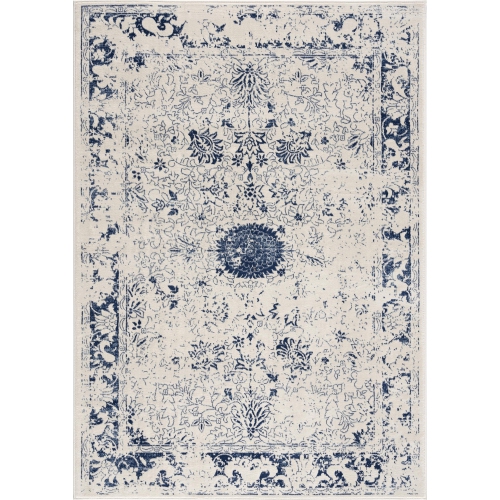
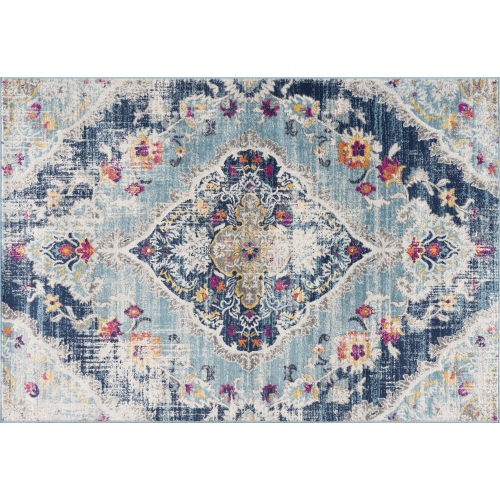
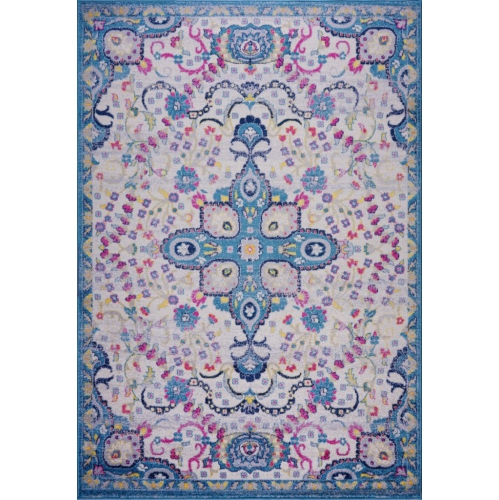
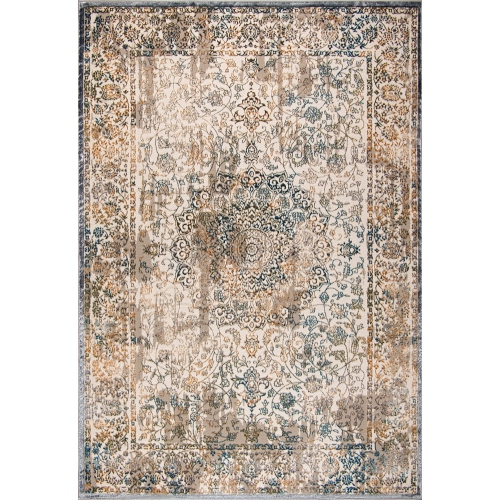
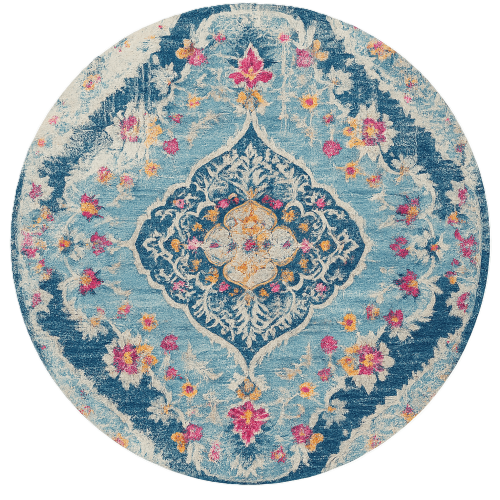
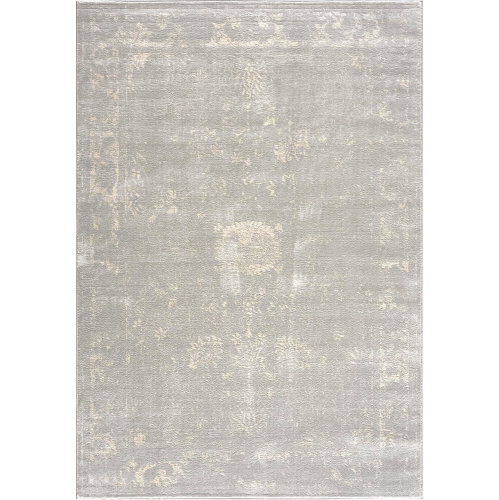
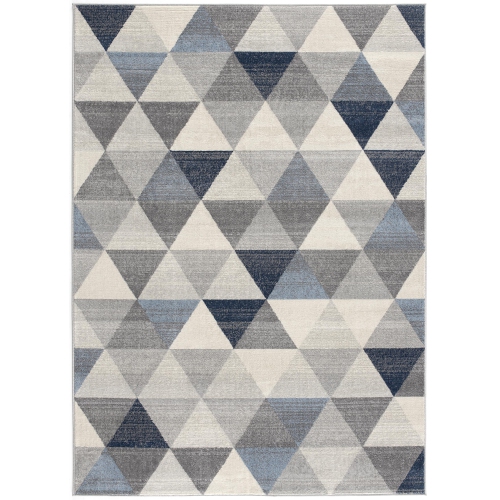
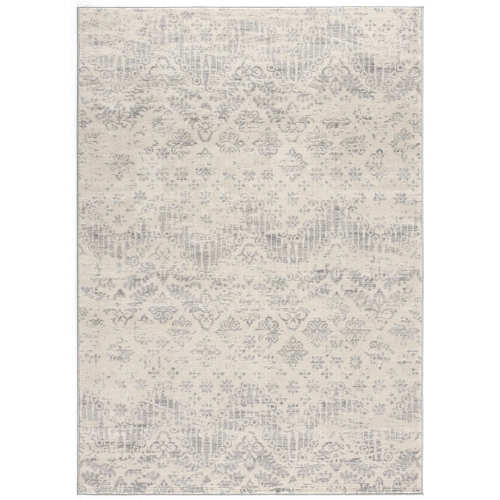
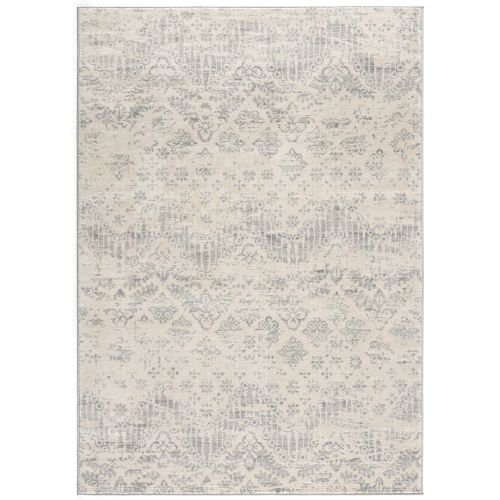
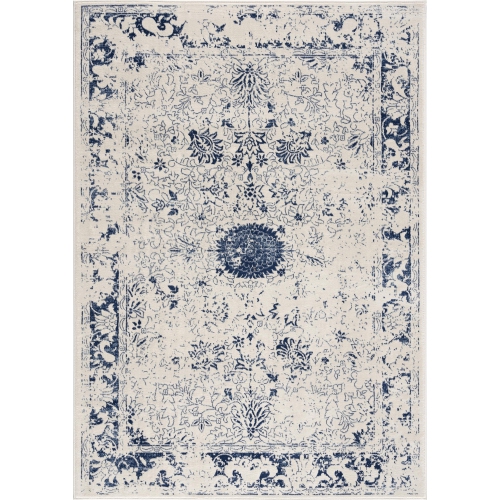
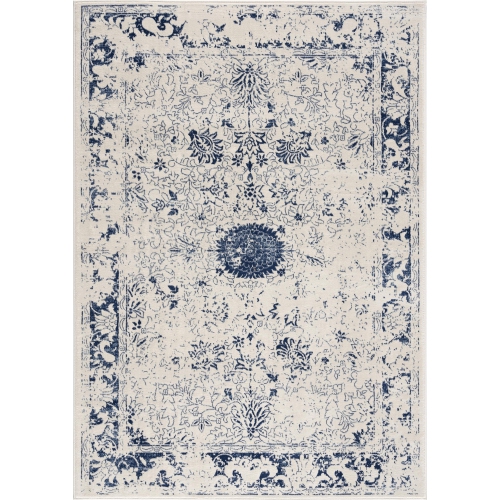
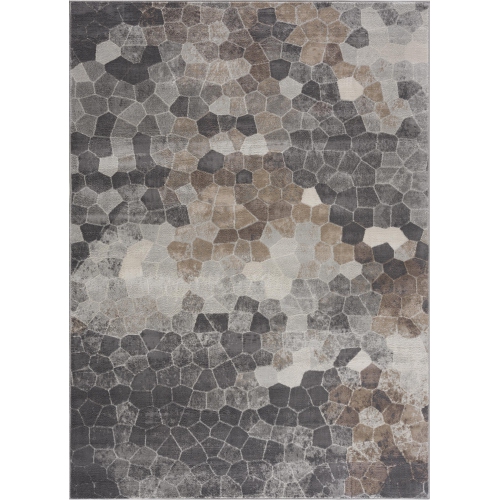
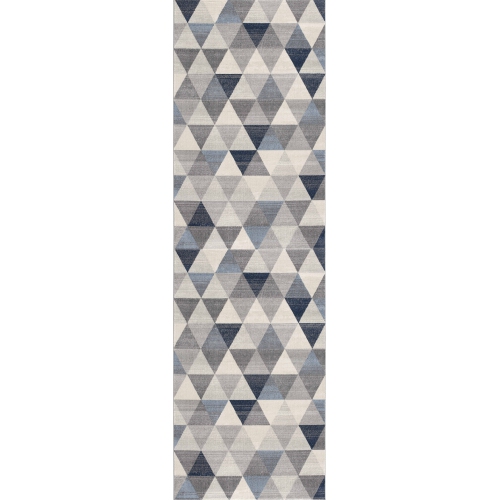
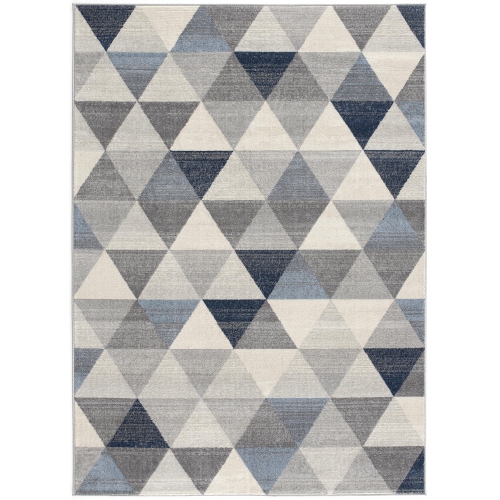
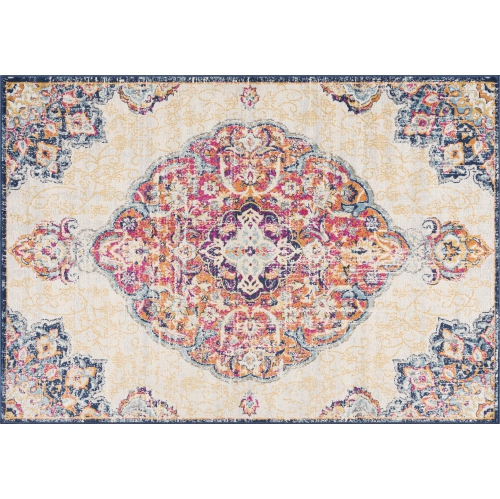
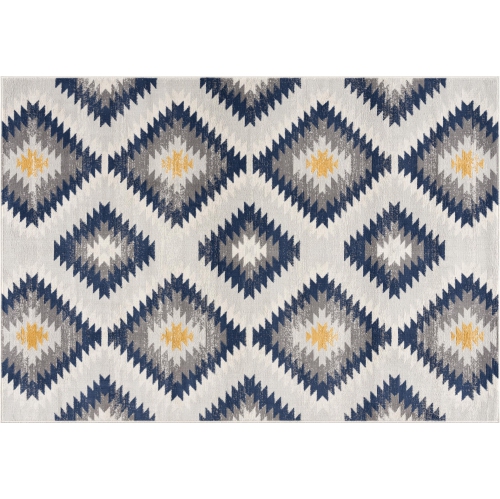
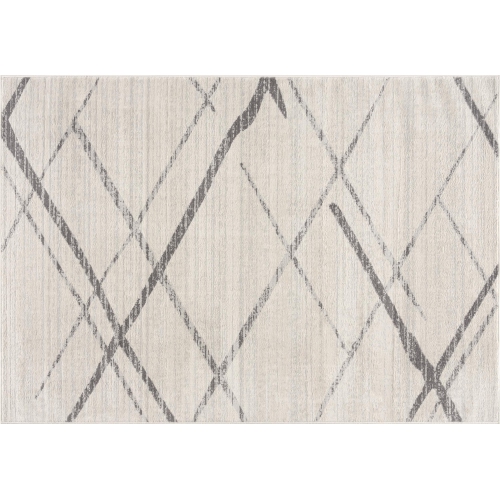
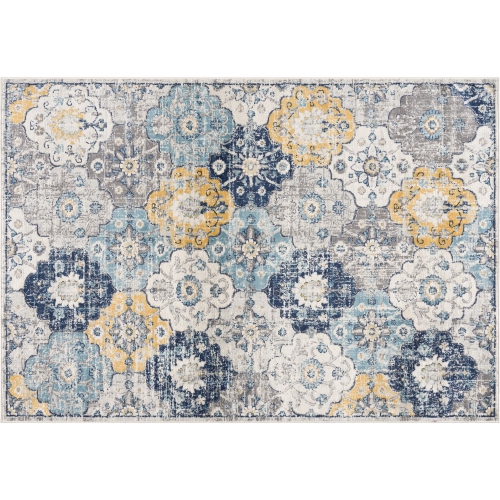
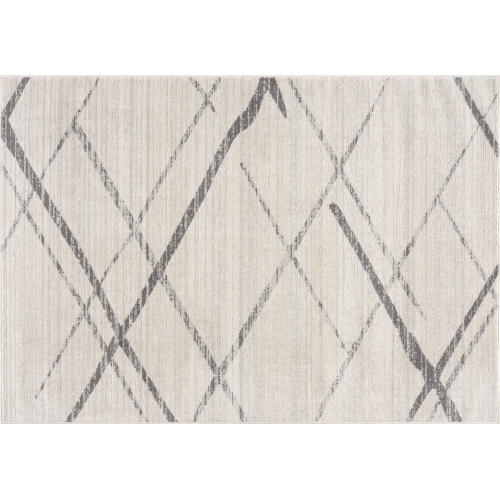
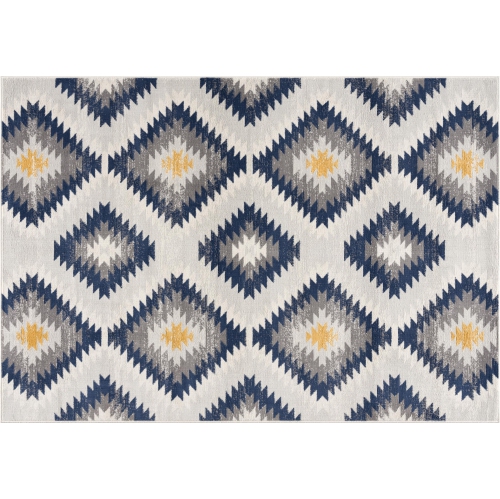
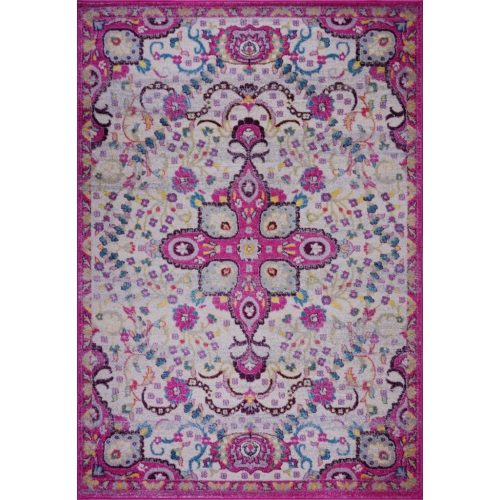
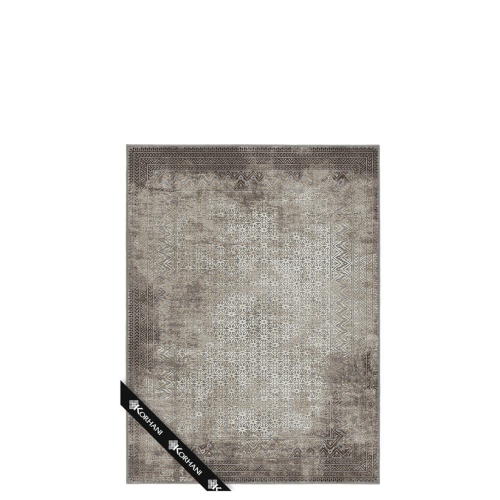
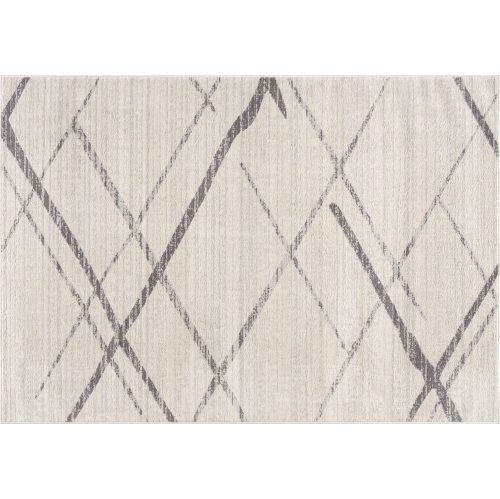
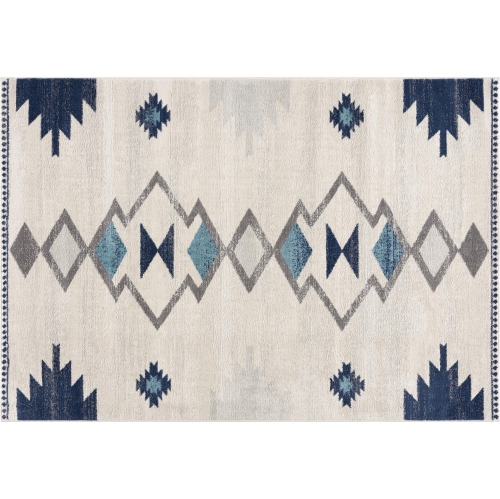
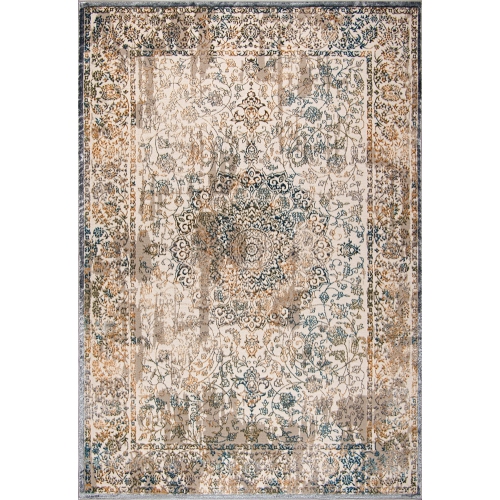
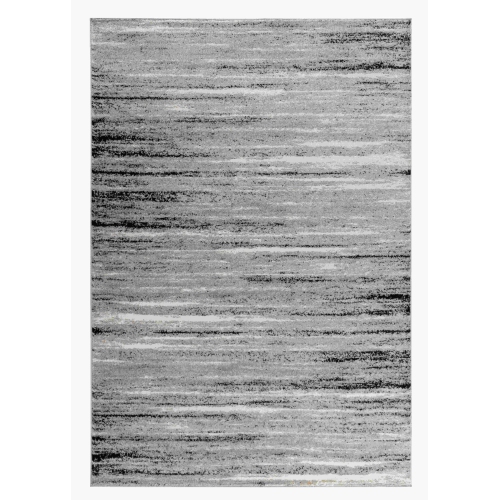
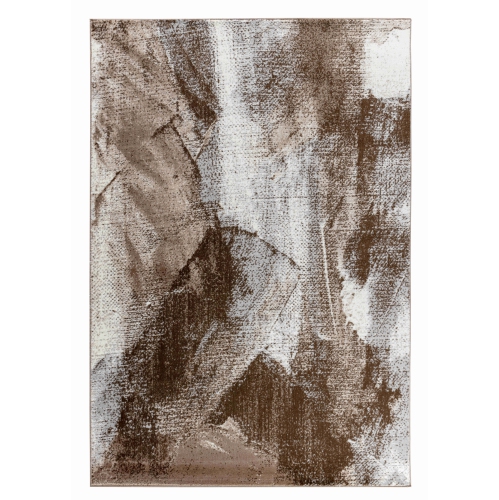
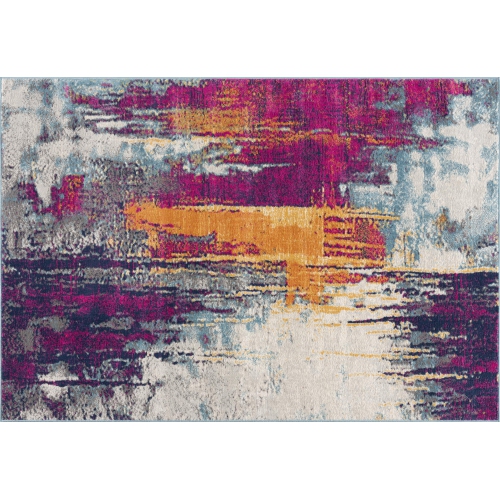
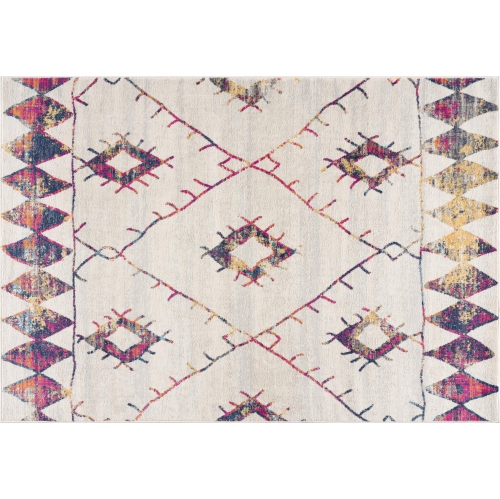
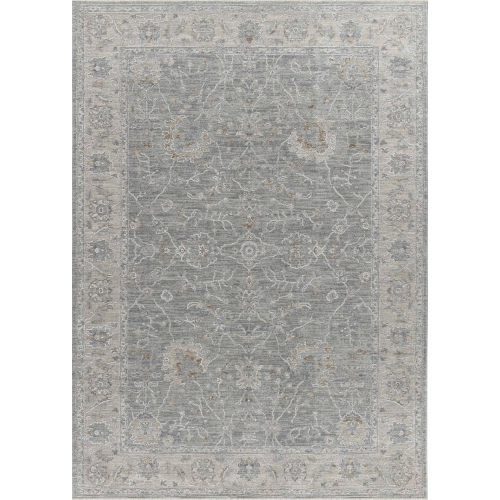
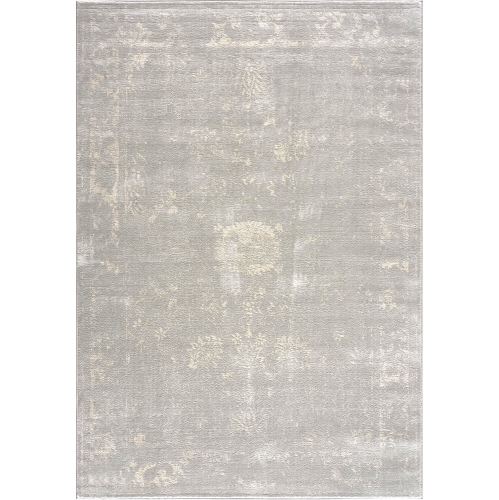
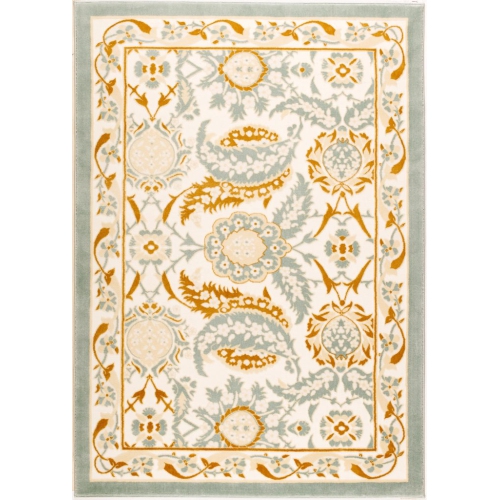
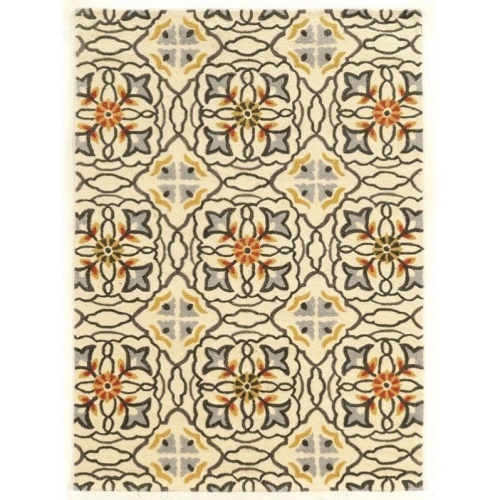
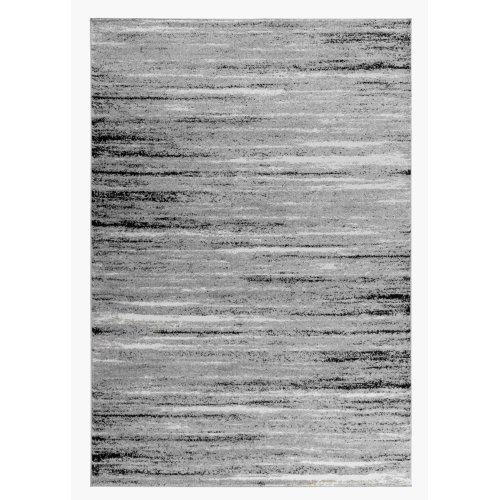
Material and construction affect the way interior design rugs look, feel, and perform over time. Wool is soft, resilient, and naturally suited to busy rooms where comfort and durability matter, making it a popular choice for traditional, modern classic, and layered interiors. Natural-fibre rugs made with materials such as jute, sisal, or seagrass can bring a relaxed, tactile quality to a room, with visible texture that pairs nicely with light wood, woven accents, and casual furniture. Their earthy appearance can add depth to neutral décor without overwhelming the rest of the space. Performance fibres, including polypropylene and other easy-care materials, are practical for households with children, pets, frequent visitors, or high-traffic entrances. They are often chosen for their ability to handle daily wear and make routine spills easier to manage. Pay attention to pile height as well. Low-pile rugs are convenient beneath dining chairs, in entryways, and under furniture that needs to move smoothly, while higher-pile styles can create a plush, comfortable feeling in bedrooms and relaxed living rooms. A high-low or patterned texture may catch the light differently throughout the day, adding visual dimension even when the colour palette is restrained. Colour and pattern should support the mood of the room as well as its practical needs. Warm neutrals, muted earth tones, soft terracotta, ochre, charcoal, and gentle cream shades can complement a wide range of furniture and remain easy to style as the room evolves. Faded or distressed traditional motifs can soften contemporary pieces, while geometric designs can bring structure to a room with rounded furniture and flowing fabrics. If the walls, upholstery, or artwork already make a strong statement, a quieter rug may provide welcome balance. Conversely, a patterned rug can become the foundation for an otherwise simple room, giving you colours to repeat in cushions, throws, lamps, or decorative accessories. Layering is another way to create a collected look: a smaller patterned or vintage-inspired rug placed over a larger, neutral textured base can add contrast and definition, provided the layers lie flat and do not create a tripping hazard.
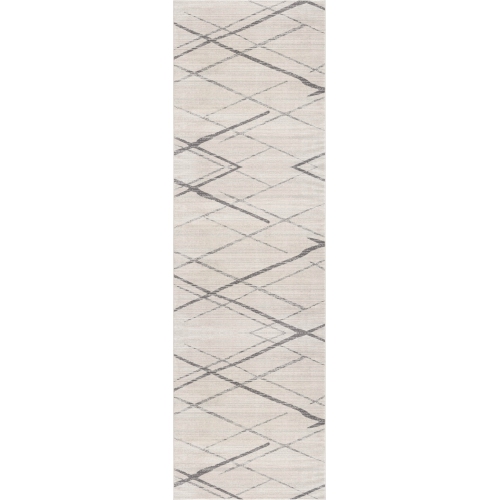
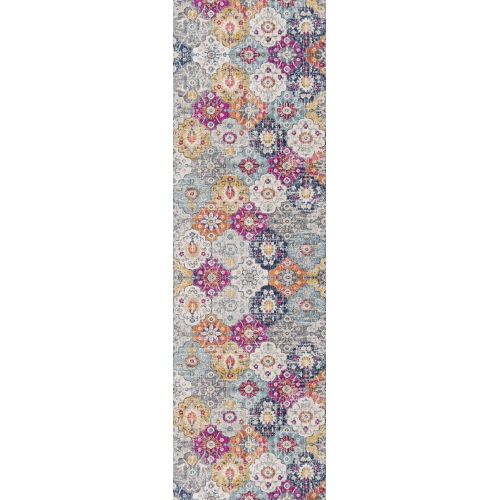
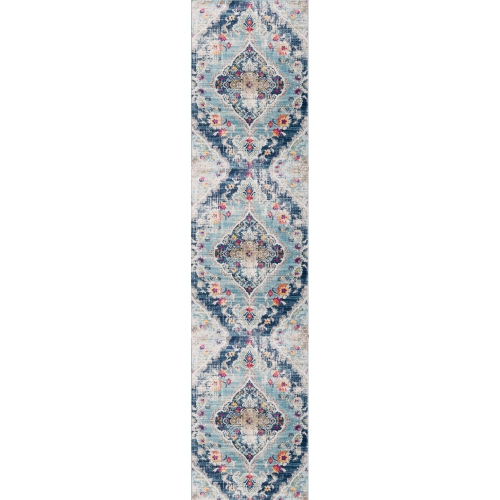
Before placing a rug, consider the routines that will take place around it. A living room rug should allow people to walk naturally between seating and nearby doorways, while a hallway runner should leave enough clearance for doors and avoid bunching at the corners. In a home office, a low-profile surface can help a chair move more easily, and in a bedroom, a soft rug beside the bed can make morning routines feel more comfortable. A rug pad is worth considering for almost any room because it can help keep the rug in place, add cushioning, protect the floor beneath it, and reduce curling at the edges. Always follow the care instructions for the specific material, and attend to spills promptly by blotting rather than rubbing, which can push moisture deeper into the fibres. Regular vacuuming helps lift dust and crumbs, although delicate or high-pile rugs may require a gentler setting. Rotate a rug from time to time when practical to promote more even wear, especially where sunlight or frequent foot traffic reaches one section. Interior design rugs can also make thoughtful housewarming, wedding, or home-refresh gifts because they combine everyday function with personal style. A neutral runner may suit someone settling into a first apartment, while a richly textured area rug can help a family create a more comfortable gathering space. When choosing for another person, consider their room size, existing colours, flooring, and lifestyle rather than relying on appearance alone. Rugs work especially well alongside coordinated window treatments; browsing Interior Design Curtains can help create a more cohesive finish between the floor, walls, and natural light. With the right dimensions, material, and placement, a rug can make a room feel quieter, warmer, and more complete, whether it is anchoring a busy family living area or adding a soft, carefully considered detail to a calm bedroom.
Material and construction affect the way interior design rugs look, feel, and perform over time. Wool is soft, resilient, and naturally suited to busy rooms where comfort and durability matter, making it a popular choice for traditional, modern classic, and layered interiors. Natural-fibre rugs made with materials such as jute, sisal, or seagrass can bring a relaxed, tactile quality to a room, with visible texture that pairs nicely with light wood, woven accents, and casual furniture. Their earthy appearance can add depth to neutral décor without overwhelming the rest of the space. Performance fibres, including polypropylene and other easy-care materials, are practical for households with children, pets, frequent visitors, or high-traffic entrances. They are often chosen for their ability to handle daily wear and make routine spills easier to manage. Pay attention to pile height as well. Low-pile rugs are convenient beneath dining chairs, in entryways, and under furniture that needs to move smoothly, while higher-pile styles can create a plush, comfortable feeling in bedrooms and relaxed living rooms. A high-low or patterned texture may catch the light differently throughout the day, adding visual dimension even when the colour palette is restrained. Colour and pattern should support the mood of the room as well as its practical needs. Warm neutrals, muted earth tones, soft terracotta, ochre, charcoal, and gentle cream shades can complement a wide range of furniture and remain easy to style as the room evolves. Faded or distressed traditional motifs can soften contemporary pieces, while geometric designs can bring structure to a room with rounded furniture and flowing fabrics. If the walls, upholstery, or artwork already make a strong statement, a quieter rug may provide welcome balance. Conversely, a patterned rug can become the foundation for an otherwise simple room, giving you colours to repeat in cushions, throws, lamps, or decorative accessories. Layering is another way to create a collected look: a smaller patterned or vintage-inspired rug placed over a larger, neutral textured base can add contrast and definition, provided the layers lie flat and do not create a tripping hazard.
Before placing a rug, consider the routines that will take place around it. A living room rug should allow people to walk naturally between seating and nearby doorways, while a hallway runner should leave enough clearance for doors and avoid bunching at the corners. In a home office, a low-profile surface can help a chair move more easily, and in a bedroom, a soft rug beside the bed can make morning routines feel more comfortable. A rug pad is worth considering for almost any room because it can help keep the rug in place, add cushioning, protect the floor beneath it, and reduce curling at the edges. Always follow the care instructions for the specific material, and attend to spills promptly by blotting rather than rubbing, which can push moisture deeper into the fibres. Regular vacuuming helps lift dust and crumbs, although delicate or high-pile rugs may require a gentler setting. Rotate a rug from time to time when practical to promote more even wear, especially where sunlight or frequent foot traffic reaches one section. Interior design rugs can also make thoughtful housewarming, wedding, or home-refresh gifts because they combine everyday function with personal style. A neutral runner may suit someone settling into a first apartment, while a richly textured area rug can help a family create a more comfortable gathering space. When choosing for another person, consider their room size, existing colours, flooring, and lifestyle rather than relying on appearance alone. Rugs work especially well alongside coordinated window treatments; browsing Interior Design Curtains can help create a more cohesive finish between the floor, walls, and natural light. With the right dimensions, material, and placement, a rug can make a room feel quieter, warmer, and more complete, whether it is anchoring a busy family living area or adding a soft, carefully considered detail to a calm bedroom.
Top selling and popular products
-
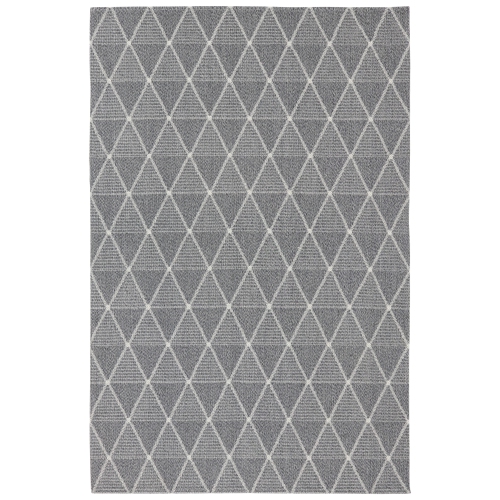 Your price for this item is $130.55
 -
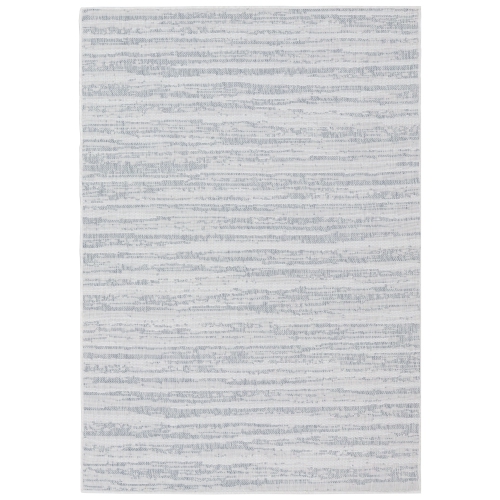 Your price for this item is $129.15
 -
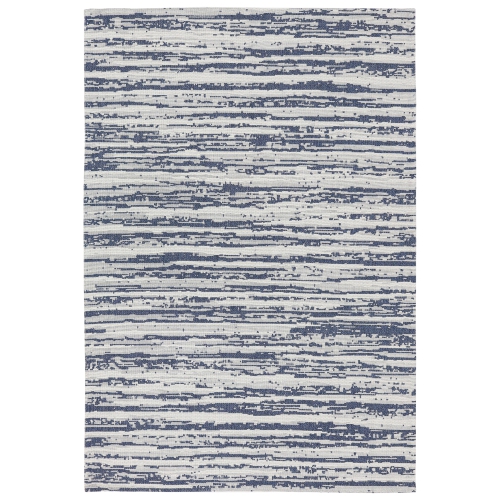 Your price for this item is $130.55
 -
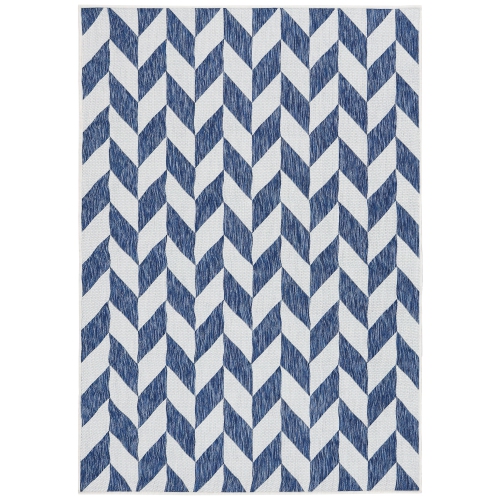 Your price for this item is $129.15
 -
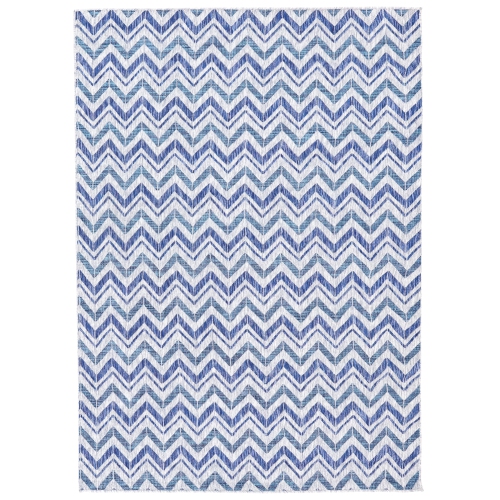 Your price for this item is $129.15
 -
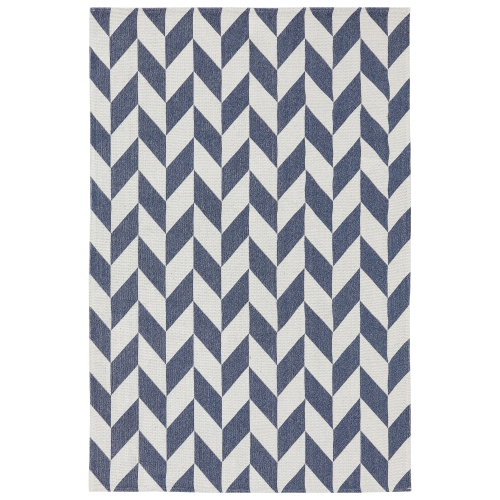 Your price for this item is $130.55
 -
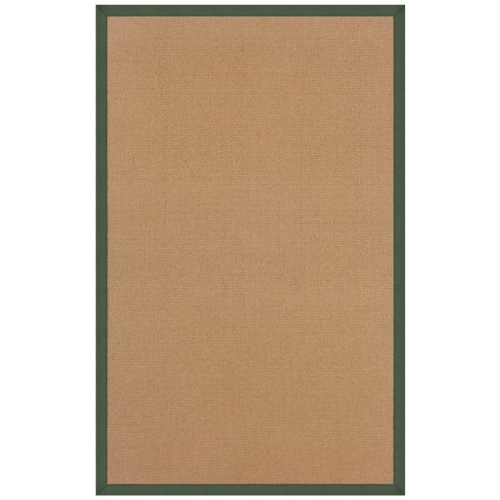 Your price for this item is $124.81
 -
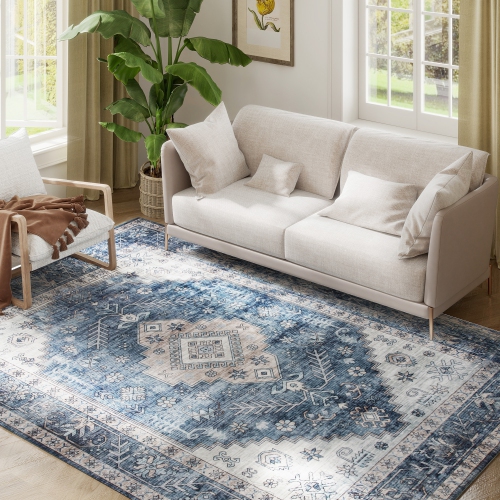 Your price for this item is $74.99
Discover more categories related to Interior Design Rugs
Top Collections:
Best Laptops for Video Editing, Pokemon Centers, Samsung Z Fold, Kindle Devices, Best Cell Phones Under $300, Best Laptops for Writers, Best Budget Office Chairs, Best Cell Phones Under $500, Best Laptop Computers for Students, iPhone 15 Apple
Some products may be subject to Environmental Handling Fees
(EHF) depending on your province.
Learn more about EHFs.