Interlocking Patio Tiles
Create a stylish and functional outdoor space with interlocking patio tiles. These versatile tiles are an easy and affordable way to upgrade your patio, deck, or balcony. Whether you're looking to refresh your outdoor living area or create a new spot for entertaining guests, interlocking patio tiles offer a quick and hassle-free solution. With a variety of styles, materials, and colors to choose from, you can customize your outdoor oasis to suit your personal taste and lifestyle. Transform your outdoor space into a cozy retreat with interlocking patio tiles that are durable, low-maintenance, and easy to install.
Sort




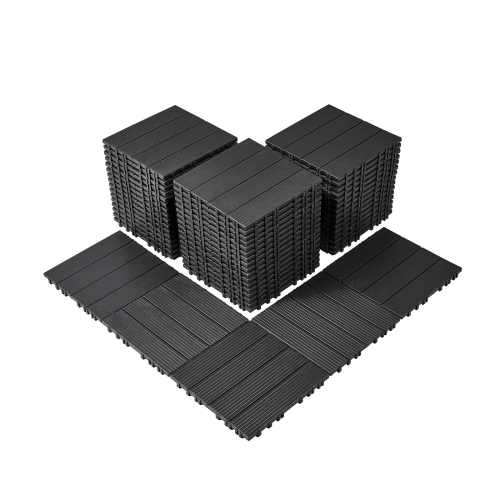
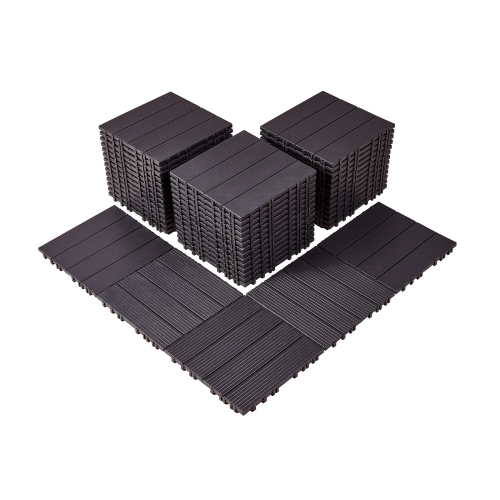
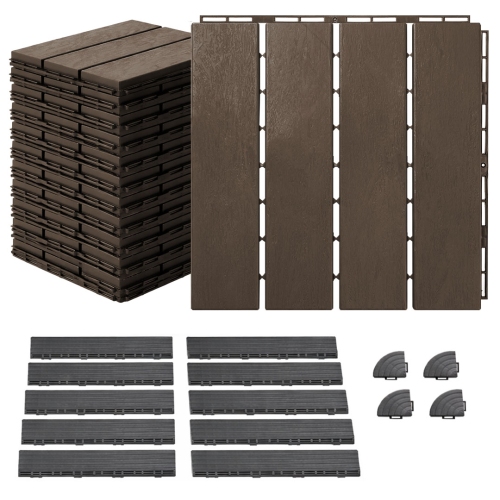
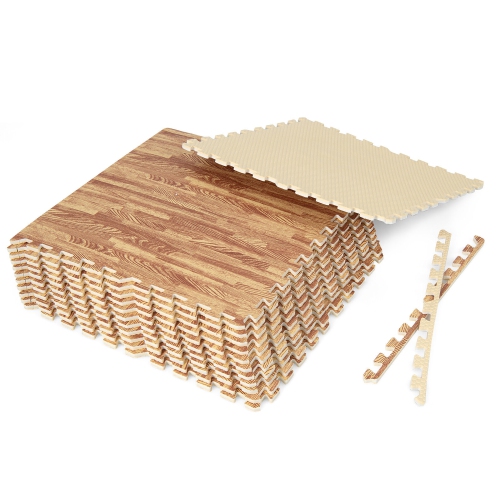
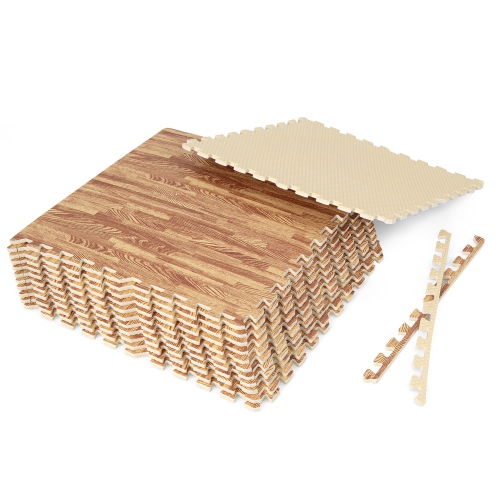
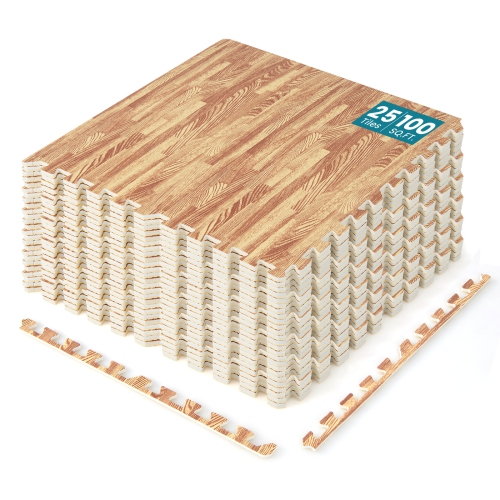
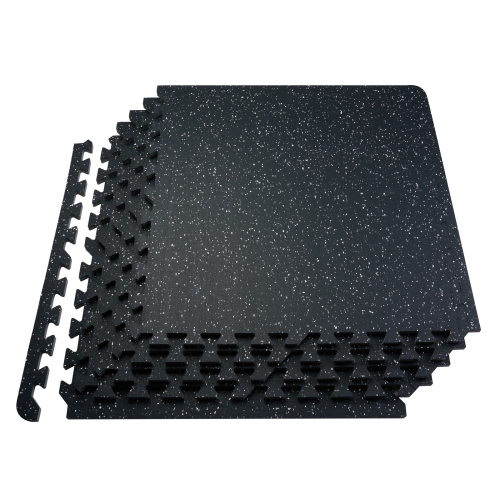
A finished outdoor surface without replacing what’s underneath
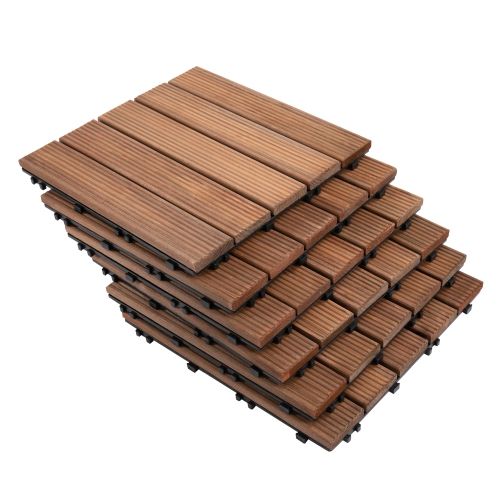
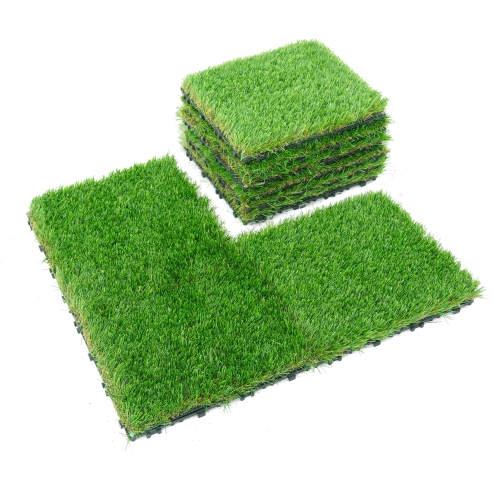
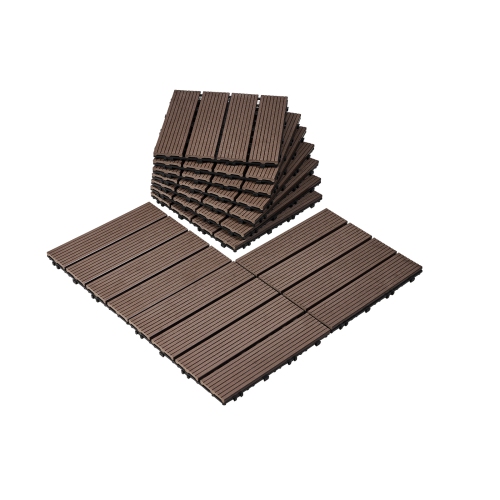
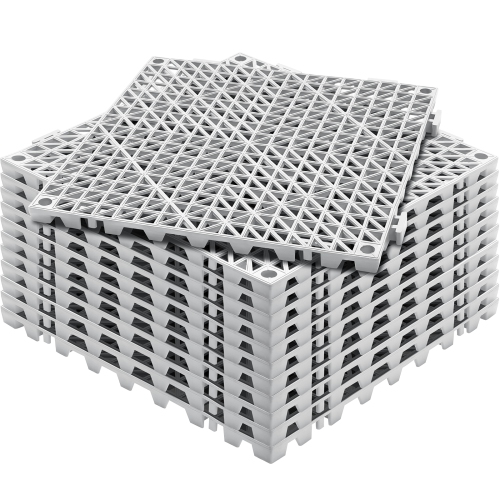
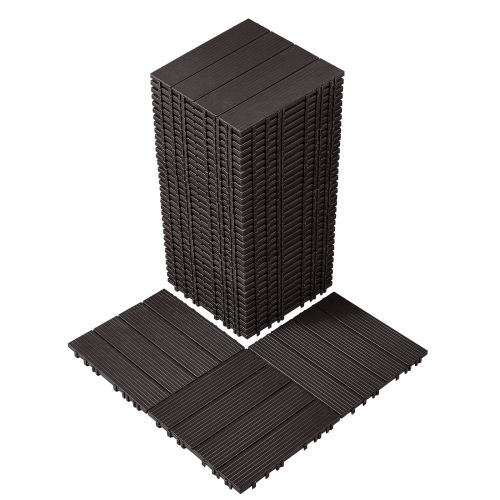
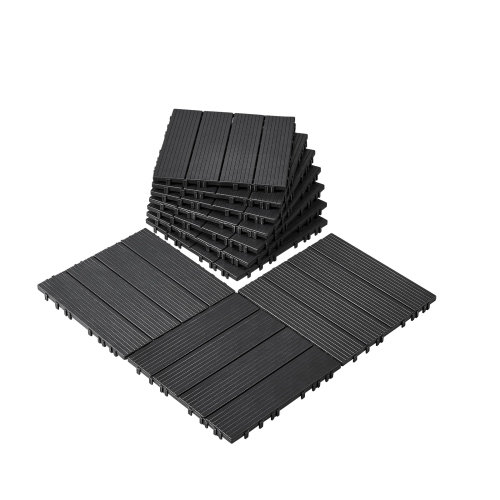
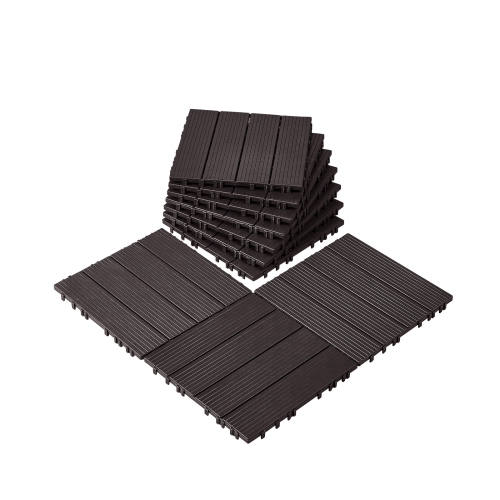
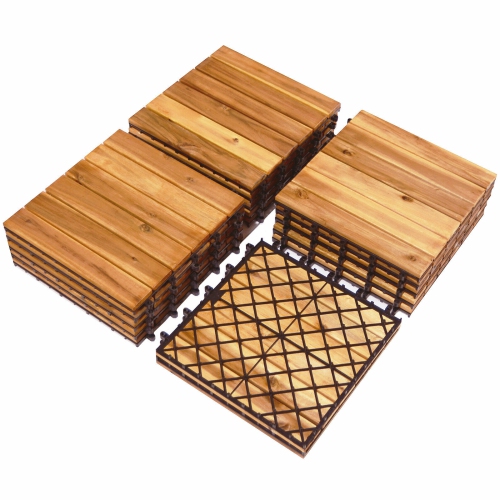
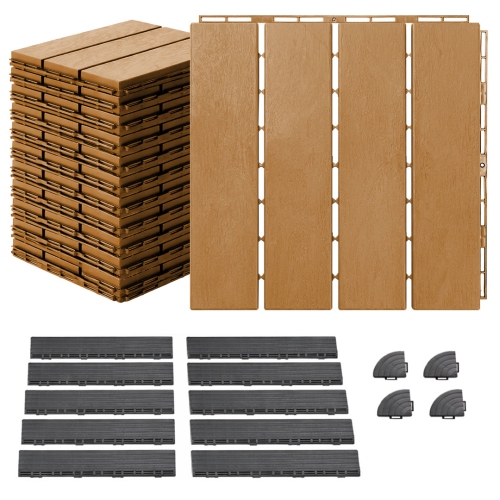
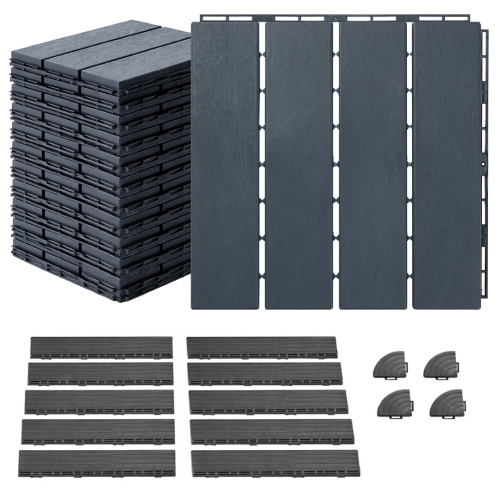
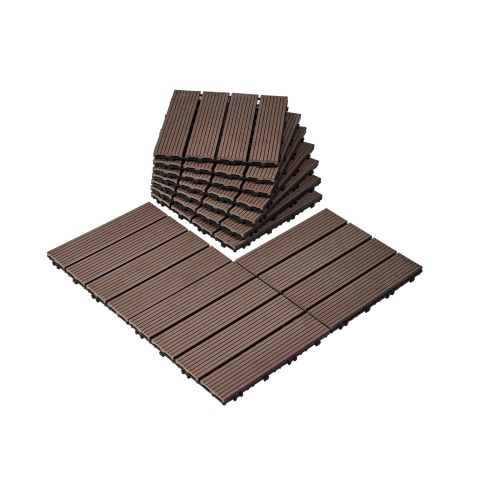
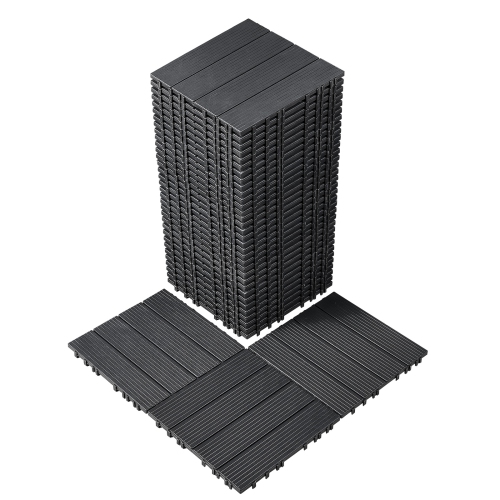
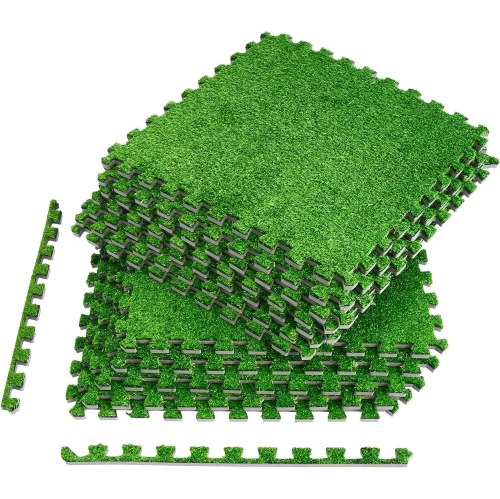
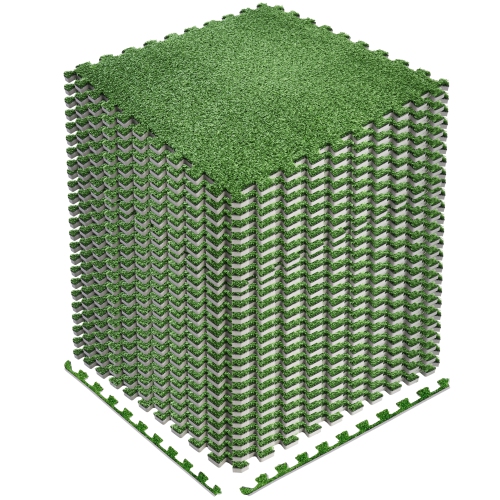
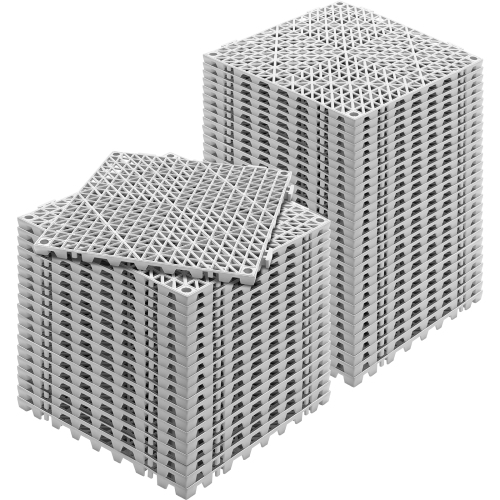
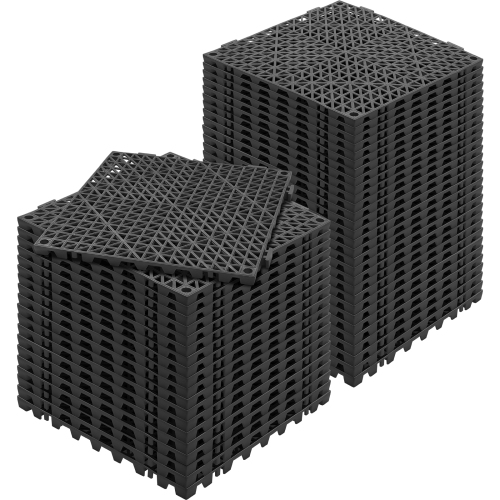
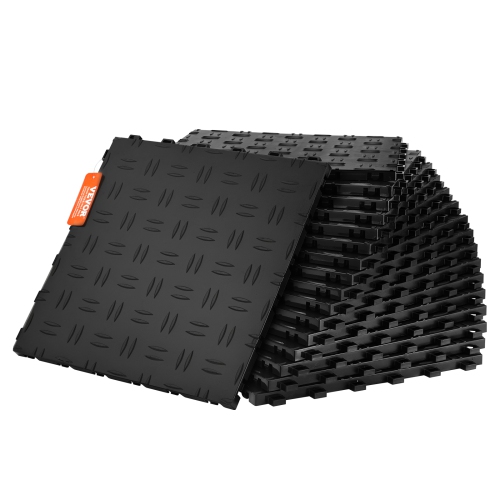
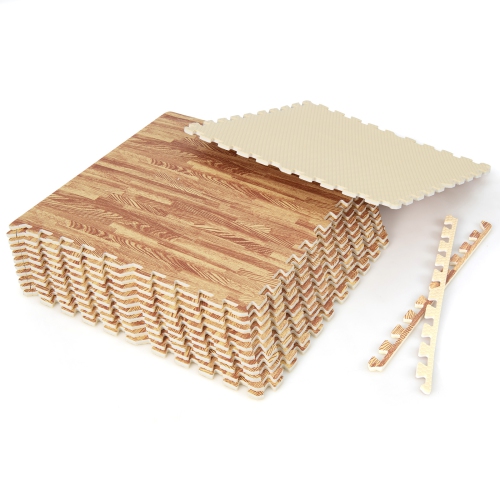
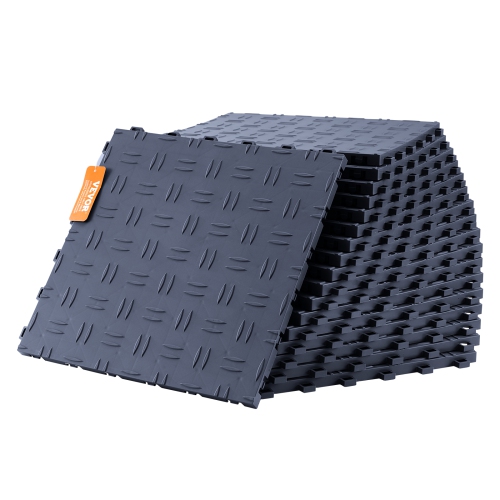
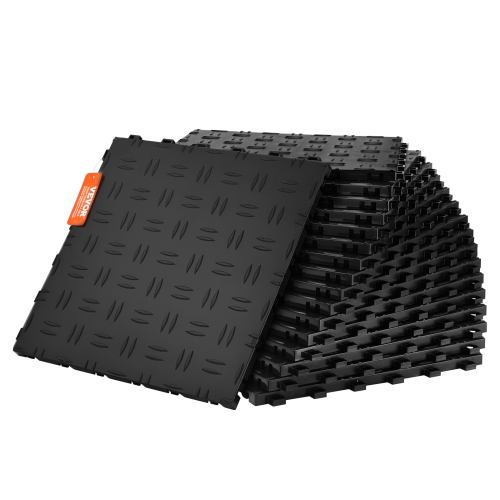
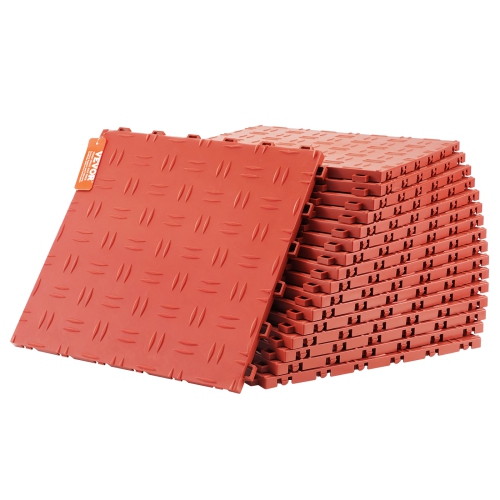
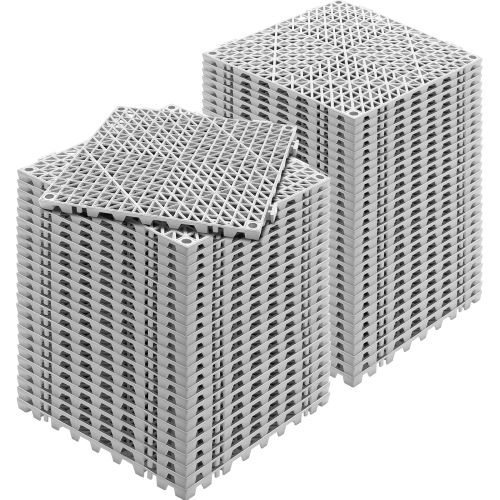
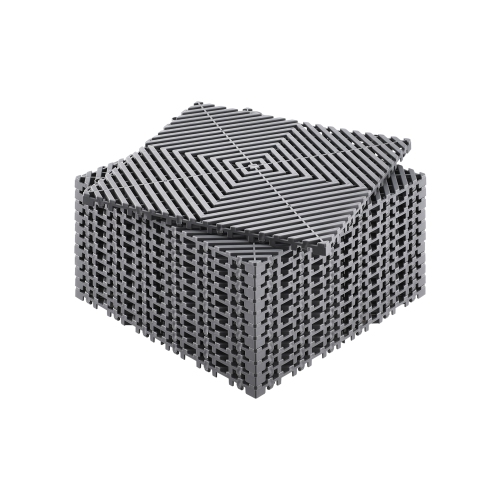
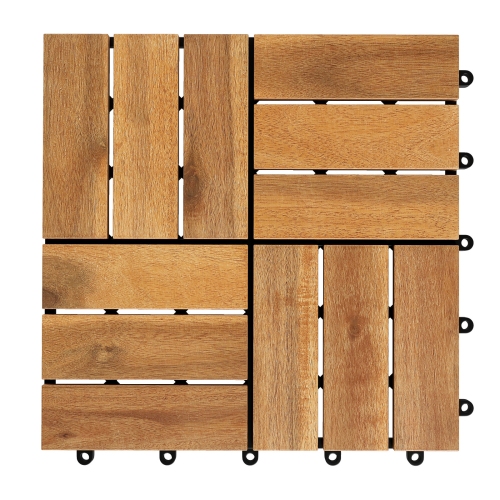
Interlocking patio tiles create a finished walking surface over an existing patio, balcony, or deck, using connected sections rather than individually bonded paving materials. Most designs have a top layer attached to a backing with tabs or loops that join neighbouring tiles together. This modular construction can make a small balcony feel more defined, cover visually uneven patches of sound concrete, or give an outdoor dining area a consistent look without replacing the structure underneath. The main material choices are plastic, natural wood, and wood-plastic composite, each with different strengths and care requirements. Plastic patio tiles, including polypropylene designs, are generally lightweight and straightforward to clean, with open patterns that can help water pass through. They suit spaces where convenient upkeep matters, although their texture and appearance differ from real timber. Wood patio tiles, often made from hardwoods such as acacia, bring visible grain and natural colour variation to seating areas and covered outdoor spaces. Their finish may need periodic attention to limit drying, staining, and surface wear, with the appropriate treatment and frequency depending on the manufacturer’s directions and exposure. Wood-plastic composite tiles offer a more uniform appearance and generally require less finishing work than natural wood. They can resist moisture-related deterioration and splintering, but resistance to fading, scratching, and staining varies by construction. No material is completely maintenance-free, and performance depends on the whole tile, including its backing and connectors. Within the broader range of Outdoor Patio Tiles, interlocking formats are particularly useful when a connected, modular surface suits the space. For a balcony with two chairs and a small table, narrow wood-look slats can add visual warmth; for a busy outdoor eating area, an easily cleaned surface may matter more than a natural grain pattern. Colour, slat direction, and the width of the openings all affect the finished appearance, especially across a larger area.
Fit involves more than matching the tiles to the length and width of a patio. Interlocking patio tiles usually need a firm, stable, reasonably level base, such as sound concrete or an appropriate existing deck surface. They are not a structural repair, and most are not intended to sit directly on grass, loose gravel, or bare soil unless specifically designed for that use. A surface can look flat while still having low spots that collect water, so drainage beneath the tiles remains important. Raised backing and gaps between slats may allow water to move through, but the base still needs somewhere for that water to go. Tiles should not obstruct drains, access points, or drainage paths, and they do not replace a balcony’s waterproofing layer. Finished height also matters around doorway thresholds, outward-opening doors, and adjoining walking surfaces. Even a relatively thin tile can interfere with a door sweep or create an awkward edge where a tiled area meets exposed concrete. Compatible border pieces and corner trims can provide a neater transition when offered for the chosen system, while perimeter spacing should follow the manufacturer’s requirements for movement and expansion. Tile dimensions and stated coverage are more useful than pack count alone: packs with the same number of pieces may cover different areas. An irregular balcony with a column, angled wall, or drain opening may also need extra material to account for cuts and layout adjustments. Connector patterns are not universal, so tiles, borders, and replacement sections need to belong to a compatible system. Some designs permit alternating slat directions for a checkerboard effect; others have connection details that limit orientation. For renters and condo residents, removable designs may be appealing, but building rules, lease terms, balcony membrane requirements, and permitted floor coverings still apply. The best fit leaves the space usable as well as attractive, with room for chair movement, clear access to doors, and stable footing along the edges.
Everyday use is where differences in texture, durability, and care become most noticeable. A lightly textured surface may feel reassuring underfoot, but no patio tile should be assumed slip-proof, particularly when wet or covered with leaves, frost, or ice. For a poolside area or a balcony that receives rain, documented suitability for wet use matters more than appearance alone. Drainage openings also deserve attention in households with small children or pets, since gap size and surface texture can affect comfort for bare feet and paws. Darker surfaces can become hot in direct sunlight, regardless of whether they are plastic, wood, or composite. Under furniture, the tile’s load rating and support pattern matter: narrow chair legs and heavy planters concentrate weight on small areas, while dragging a table can scratch the finish or strain connectors. Furniture pads suitable for outdoor use can help protect the surface, provided they do not trap moisture or mark the material. Outdoor cooking areas need particular care because grease, sparks, and hot equipment can damage flooring; tile suitability and appliance clearance requirements should both be checked. Routine care typically involves clearing loose debris and washing with a cleaner approved for the material. Harsh chemicals, abrasive brushes, and pressure washing can damage some finishes or backing systems, so gentler cleaning is often the safer starting point. Natural wood may need an appropriate oil or protective finish according to its care instructions, while plastic and composite generally need cleaning rather than the same finishing routine. Where the design permits tiles to be lifted and reconnected, access underneath makes it easier to remove trapped leaves and check that drainage remains clear. Canadian outdoor spaces can experience repeated freezing and thawing, making stated outdoor temperature suitability and winter care requirements important. Some tiles can remain installed year-round in suitable conditions, while others may need removal and dry storage. A modular layout can also allow a damaged section to be replaced without disturbing the entire surface, provided matching components remain compatible. These practical details help distinguish tiles suited to a quiet reading balcony from those better matched to frequent meals, moving chairs, and daily household traffic.
Fit involves more than matching the tiles to the length and width of a patio. Interlocking patio tiles usually need a firm, stable, reasonably level base, such as sound concrete or an appropriate existing deck surface. They are not a structural repair, and most are not intended to sit directly on grass, loose gravel, or bare soil unless specifically designed for that use. A surface can look flat while still having low spots that collect water, so drainage beneath the tiles remains important. Raised backing and gaps between slats may allow water to move through, but the base still needs somewhere for that water to go. Tiles should not obstruct drains, access points, or drainage paths, and they do not replace a balcony’s waterproofing layer. Finished height also matters around doorway thresholds, outward-opening doors, and adjoining walking surfaces. Even a relatively thin tile can interfere with a door sweep or create an awkward edge where a tiled area meets exposed concrete. Compatible border pieces and corner trims can provide a neater transition when offered for the chosen system, while perimeter spacing should follow the manufacturer’s requirements for movement and expansion. Tile dimensions and stated coverage are more useful than pack count alone: packs with the same number of pieces may cover different areas. An irregular balcony with a column, angled wall, or drain opening may also need extra material to account for cuts and layout adjustments. Connector patterns are not universal, so tiles, borders, and replacement sections need to belong to a compatible system. Some designs permit alternating slat directions for a checkerboard effect; others have connection details that limit orientation. For renters and condo residents, removable designs may be appealing, but building rules, lease terms, balcony membrane requirements, and permitted floor coverings still apply. The best fit leaves the space usable as well as attractive, with room for chair movement, clear access to doors, and stable footing along the edges.
Everyday use is where differences in texture, durability, and care become most noticeable. A lightly textured surface may feel reassuring underfoot, but no patio tile should be assumed slip-proof, particularly when wet or covered with leaves, frost, or ice. For a poolside area or a balcony that receives rain, documented suitability for wet use matters more than appearance alone. Drainage openings also deserve attention in households with small children or pets, since gap size and surface texture can affect comfort for bare feet and paws. Darker surfaces can become hot in direct sunlight, regardless of whether they are plastic, wood, or composite. Under furniture, the tile’s load rating and support pattern matter: narrow chair legs and heavy planters concentrate weight on small areas, while dragging a table can scratch the finish or strain connectors. Furniture pads suitable for outdoor use can help protect the surface, provided they do not trap moisture or mark the material. Outdoor cooking areas need particular care because grease, sparks, and hot equipment can damage flooring; tile suitability and appliance clearance requirements should both be checked. Routine care typically involves clearing loose debris and washing with a cleaner approved for the material. Harsh chemicals, abrasive brushes, and pressure washing can damage some finishes or backing systems, so gentler cleaning is often the safer starting point. Natural wood may need an appropriate oil or protective finish according to its care instructions, while plastic and composite generally need cleaning rather than the same finishing routine. Where the design permits tiles to be lifted and reconnected, access underneath makes it easier to remove trapped leaves and check that drainage remains clear. Canadian outdoor spaces can experience repeated freezing and thawing, making stated outdoor temperature suitability and winter care requirements important. Some tiles can remain installed year-round in suitable conditions, while others may need removal and dry storage. A modular layout can also allow a damaged section to be replaced without disturbing the entire surface, provided matching components remain compatible. These practical details help distinguish tiles suited to a quiet reading balcony from those better matched to frequent meals, moving chairs, and daily household traffic.
Top selling and popular products
-
 Your price for this item is $199
 -
 Your price for this item is $418.99
 -
 Your price for this item is $481.99
 -
 Your price for this item is $226.99
 -
 Your price for this item is $133.99
 -
 Your price for this item is $69.45
 -
 Your price for this item is $562.99
 -
 Your price for this item is $26.99
Discover more categories related to Interlocking Patio Tiles
Top Collections:
Pokemon Centers, Kindle Devices, Best Budget Office Chairs, Apple iPhones 16, Best Laptops for Writers, iPhone 15 Apple, Canon G7X Cameras, Refurbished Apple Laptops, Alarm Clock, Motorola Razr Phones
Some products may be subject to Environmental Handling Fees
(EHF) depending on your province.
Learn more about EHFs.