Interlocking Acacia Deck Tiles
Transform your outdoor living space with Interlocking Acacia Deck Tiles, designed to add style and convenience to patios, balconies, and more. These versatile tiles offer an easy way to refresh your exterior areas, providing a polished look that complements any setting. Ideal for both small and large spaces, Interlocking Acacia Deck Tiles help you create a functional and inviting atmosphere where you can relax or entertain guests. Explore a variety of options to find the perfect fit for your next outdoor project.
Sort
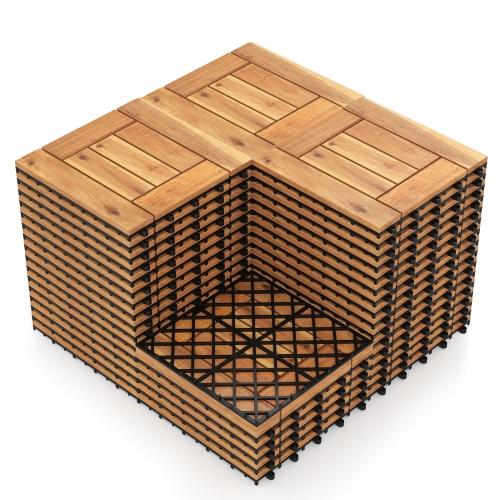
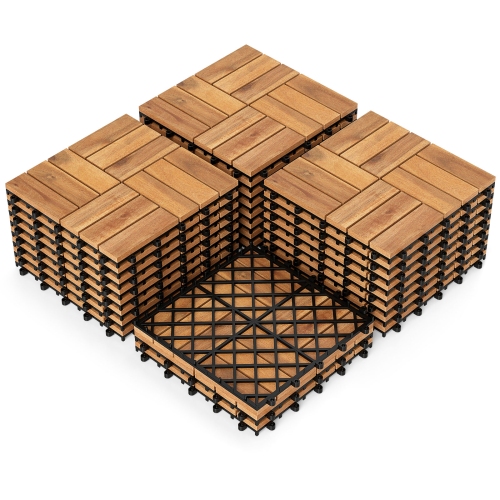
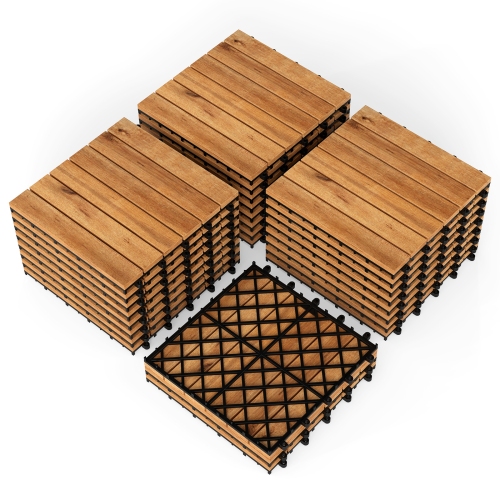
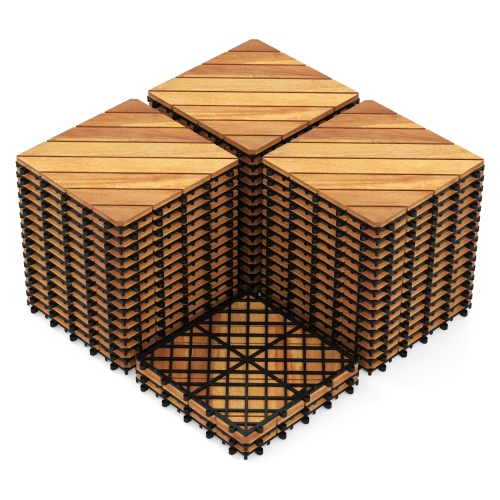
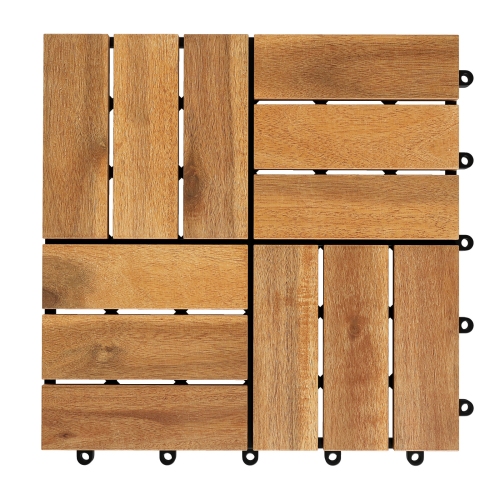
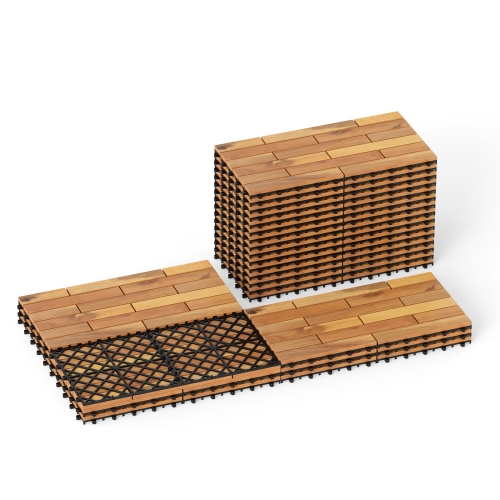
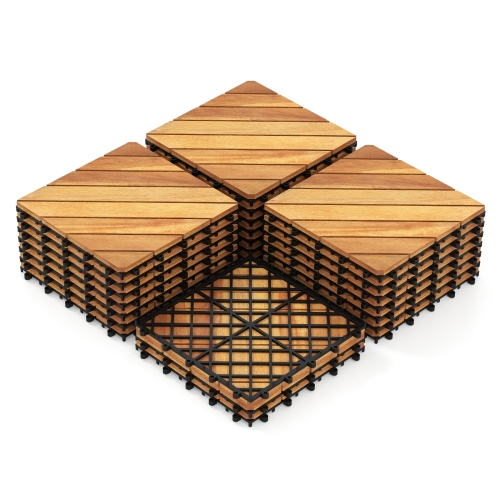
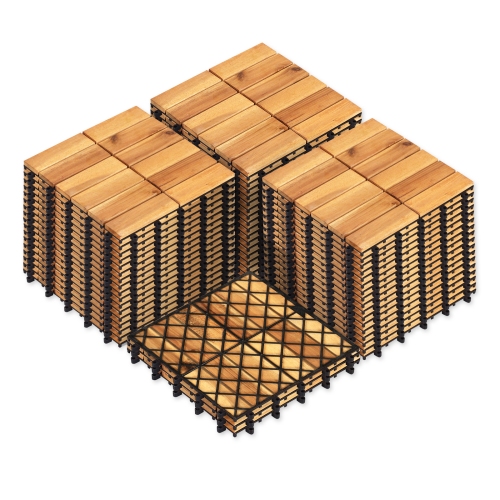
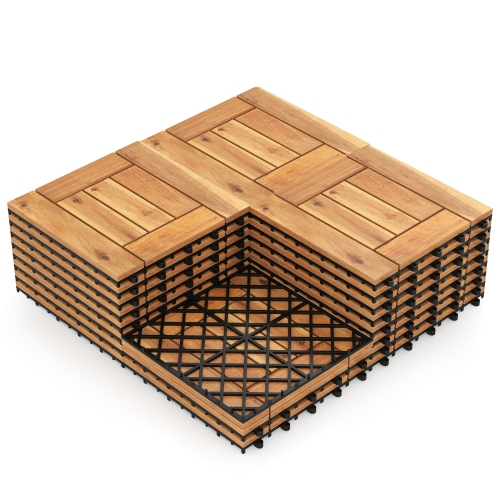
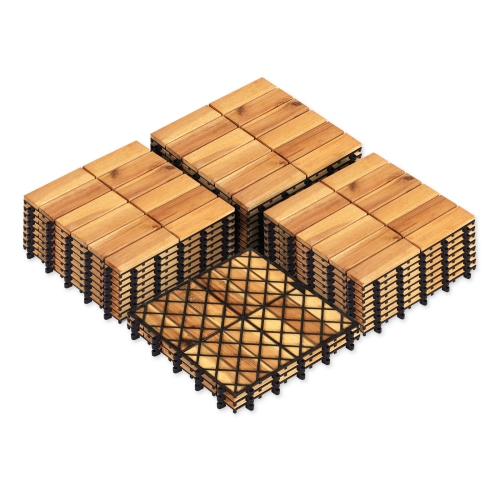
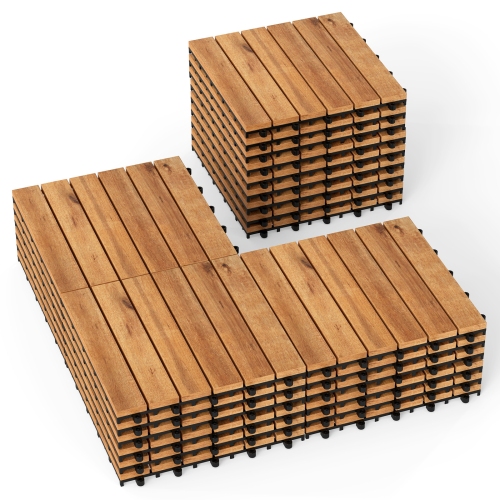
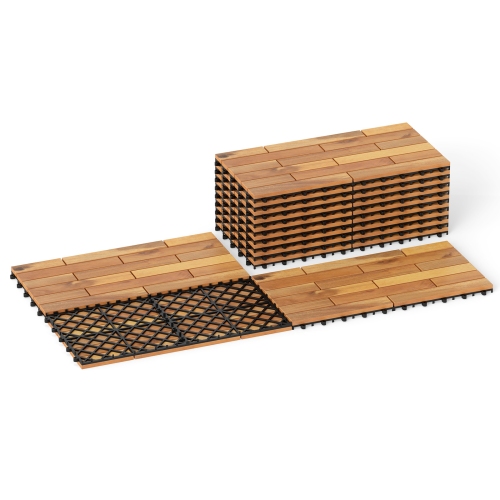
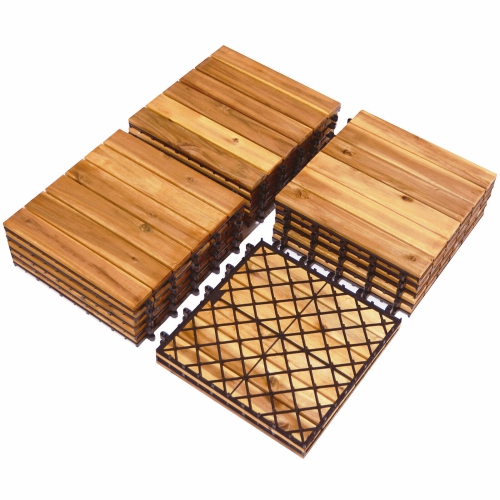
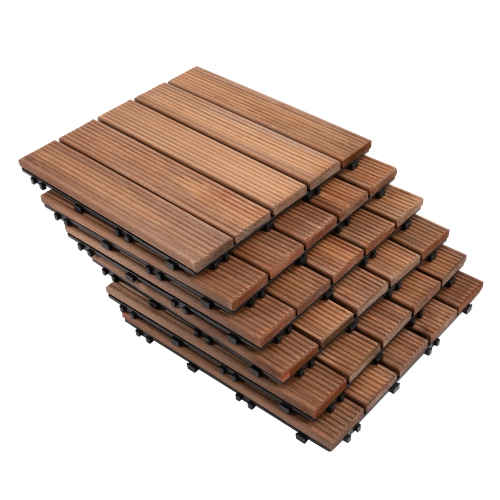
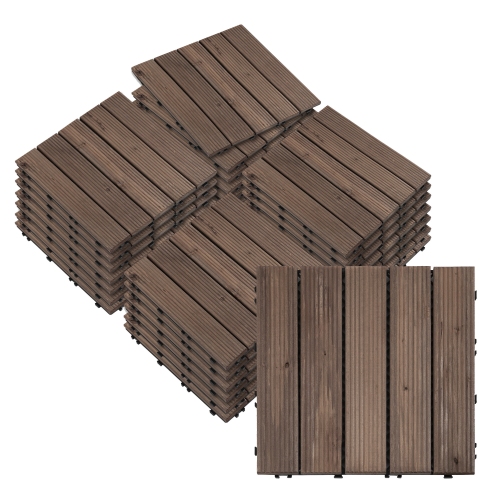

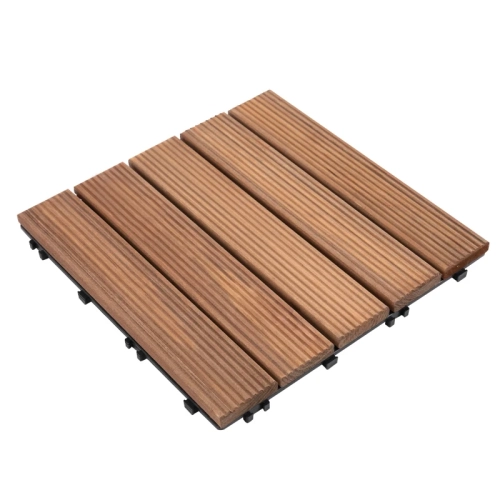
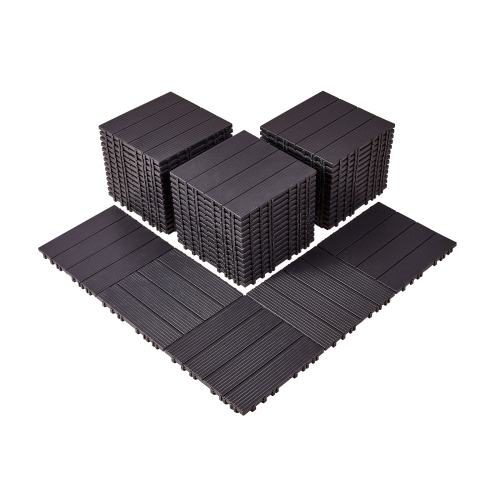
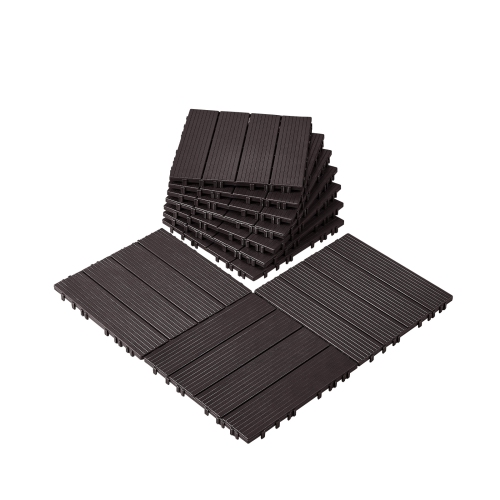
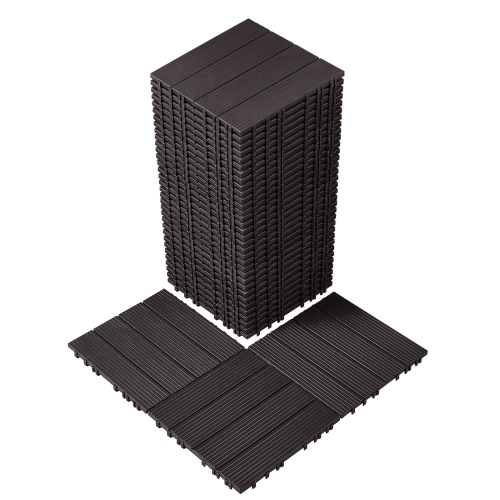
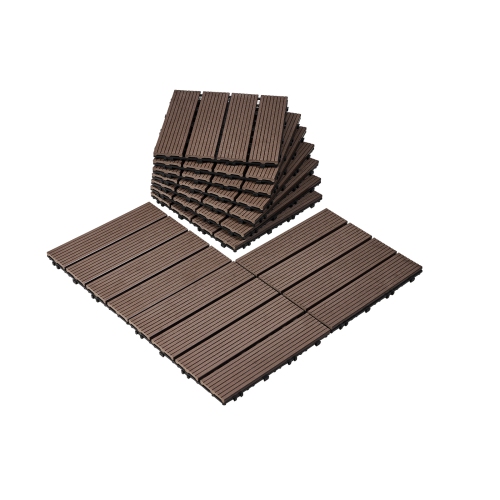

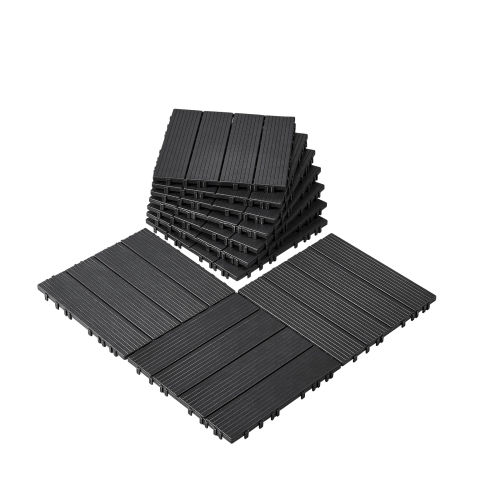
Warm wood character without traditional deck construction
Interlocking acacia deck tiles are modular flooring panels that combine a natural hardwood surface with a connecting base, often made from plastic. They are designed to sit over a suitable existing surface, giving a patio, balcony, or other approved outdoor area the appearance of wood flooring without the construction involved in a traditional deck. Many designs connect along their edges without tools, although trimming tiles to fit a particular space may require cutting equipment. The wood slats provide the visible walking surface, while gaps between them and openings in the base allow water to pass through to the surface below. Acacia is valued for its distinctive grain, dense structure, and warm colouring, which can range from honey and golden brown to deeper reddish tones. Variations between slats are part of its appeal: a tiled area may show fine grain on one section and more pronounced patterns on another, creating a textured look rather than a completely uniform finish. Surface treatments also influence the appearance, with some finishes emphasizing the grain and others producing a more consistent colour. Within the wider category of interlocking deck tiles, acacia offers the character of real wood along with the convenience of a modular format. That combination can suit a compact balcony arranged around two chairs, a patio dining corner, or a defined seating area where bare concrete feels visually unfinished. Slat direction makes a noticeable difference to the overall effect. Aligned rows can give a narrow space a more continuous appearance, while alternating tile orientations can create a parquet-like pattern where the connection system permits it. The most suitable choice depends on both the desired look and the intended use, including how frequently the area is walked on, whether furniture will be moved across it, and how much ongoing wood care is practical. Acacia can complement metal furniture, woven seating, and simple upholstered pieces, but its natural variations mean a finished layout should be appreciated as wood rather than expected to resemble an identical printed pattern.
Fit involves more than matching the total tile coverage to the size of a balcony or patio. The usable dimensions, tile thickness, connector layout, and shape of the space all affect how neatly the flooring will sit. Coverage figures are useful for estimating a straightforward rectangle, but corners, columns, doorways, and angled boundaries can leave sections that need trimming. Nominal dimensions may not fully explain how connectors meet at the perimeter, so assembled measurements are especially important where the flooring must fit between fixed edges. A narrow strip beside a wall can be harder to finish securely than a layout that allows fuller pieces along the boundary. Overall height matters just as much: the tile surface and base must leave adequate clearance beneath opening doors and must not interfere with thresholds, drainage openings, or access panels. Suitable supporting surfaces are generally firm, stable, and sufficiently level for the particular tile design. These panels are not structural decking, and their bases are not intended to bridge holes, conceal failing boards, or compensate for an uneven foundation. Grass, loose gravel, and soft ground usually require a different preparation approach unless the manufacturer specifically permits them. Drainage deserves equal attention. A raised base can provide space for water to move beneath the wood, but it cannot correct poor drainage in the surface below or turn a balcony into a waterproof assembly. Building drains and any required perimeter clearances need to remain unobstructed. For condos and rental properties, building rules may also govern removable flooring, access to the underlying surface, and permitted installation methods. Furniture use is another practical consideration. Concentrated pressure from narrow chair legs, heavy planters, or a loaded storage cabinet can affect tiles differently from ordinary foot traffic, making load guidance relevant to the whole arrangement. Where the tiled area ends beside an exposed walking surface, compatible edging or transition pieces, if supported by the design, can help create a more deliberate finish and reduce an abrupt change in height.
Acacia deck tiles benefit from care that addresses both the wood surface and the space beneath it. Routine removal of grit, leaves, and other debris helps limit abrasion and keeps the gaps between slats clearer. A soft brush and a cleaner approved for the finish are generally more suitable than aggressive scrubbing or harsh household chemicals, which can alter the colour or damage a protective coating. Pressure washing is not automatically appropriate for wood tiles; excessive pressure can roughen fibres, affect finishes, or damage connections. Although these tiles are intended for outdoor applications when specified, outdoor suitability does not mean the wood is unaffected by moisture or exposure. Acacia can change colour over time, and natural wood may develop small surface checks as it absorbs and releases moisture. Direct sunlight can also influence the tone, sometimes leading to a greyer appearance if the finish is not maintained. Whether that change is desirable is a matter of preference, but maintenance requirements should match expectations for the finished space. Some surfaces call for periodic treatment with a compatible exterior wood-care product, while others have specific cleaning and refinishing instructions that take priority over general advice. Adding an unsuitable oil or coating may change traction, appearance, or drying behaviour, so finish compatibility matters. Near pools or other regularly splashed areas, suitability should be confirmed for the intended exposure, including contact with treated water; a grooved wood surface alone does not establish slip resistance. Spills, food residue, and water trapped under planters can also affect the surface, making access for cleaning valuable. Removable connections may allow sections to be lifted for inspection or individual panels to be replaced, depending on the construction. Checking for loose slats, damaged connectors, raised edges, and splinters helps keep a frequently used area comfortable underfoot. With a sound supporting surface, suitable drainage, and care matched to the finish, interlocking acacia deck tiles can provide a distinctive wood surface for everyday outdoor living without requiring a permanently built deck.
Top selling and popular products
-
 Your price for this item is $699.99
-
 Your price for this item is $339.99
-
 Your price for this item is $899
-
 Your price for this item is $269.99
-
 Your price for this item is $79.99
-
 Your price for this item is $103.99
-
 Your price for this item is $508.99
-
 Your price for this item is $604.99
Discover more categories related to Interlocking Acacia Deck Tiles
Top Collections:
Best Black Friday Deals This Year, Best Black Friday Deals On Electronics, Kindle Devices, Dyson Airwrap, Best Cameras for Sports Photography, Best Budget Office Chairs, Canon G7X Cameras, PS5 Pro Consoles, Best Black Friday Deals On Apple Products, XBOX One S Consoles
Some products may be subject to Environmental Handling Fees
(EHF) depending on your province.
Learn more about EHFs.