Interlocking Deck Tiles
Upgrade your outdoor space with interlocking deck tiles, the perfect solution to transform your patio, balcony, or backyard in no time. These versatile tiles are easy to install and require minimal maintenance, making them a convenient choice for those looking to enhance their outdoor living area. Whether you want to create a stylish and functional surface for entertaining guests or simply revamp your outdoor oasis, interlocking deck tiles offer endless possibilities to elevate your space with style and ease.
Sort
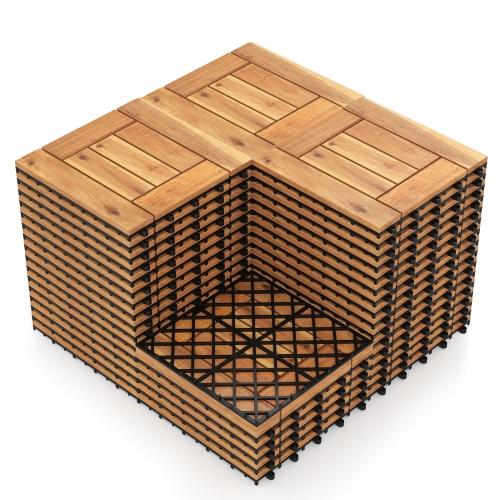
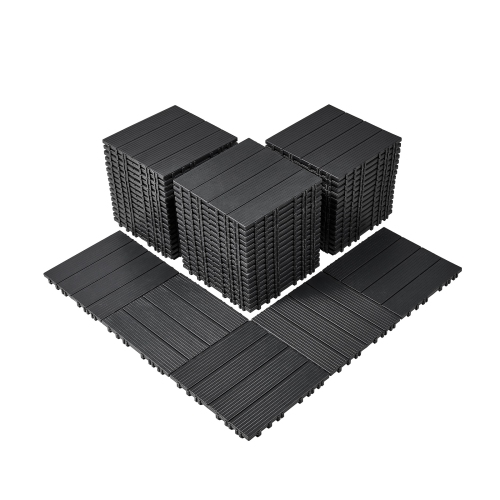

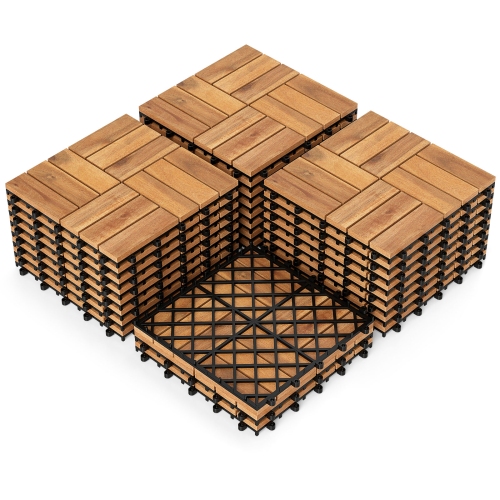
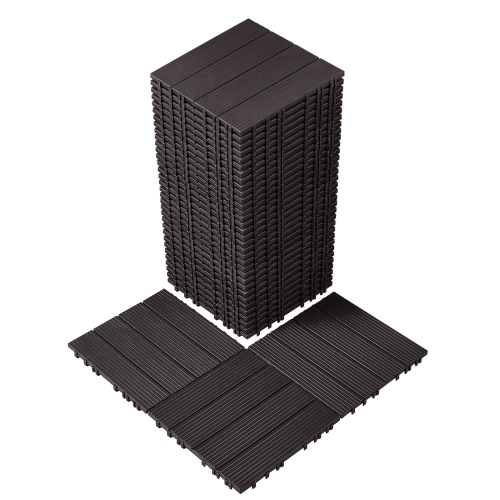
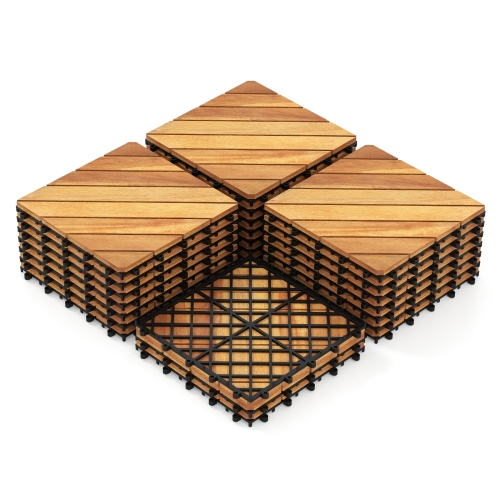
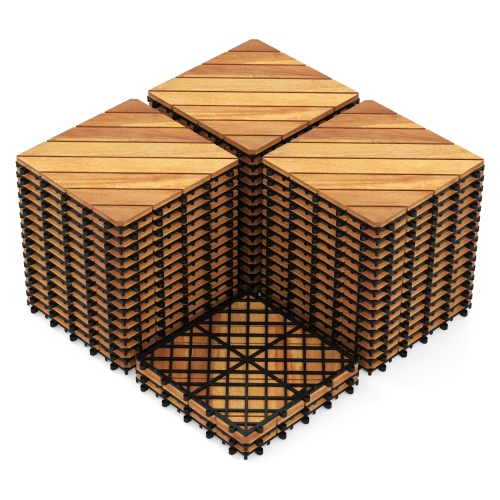
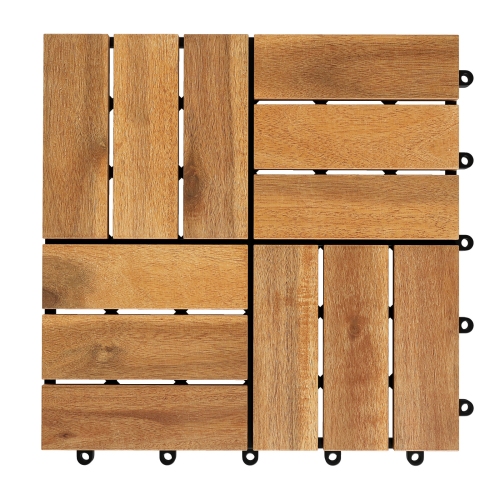
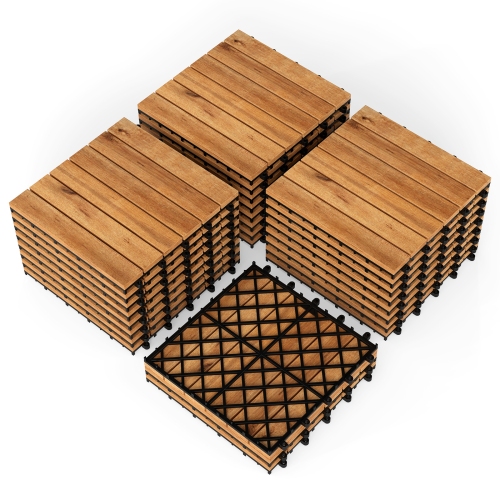
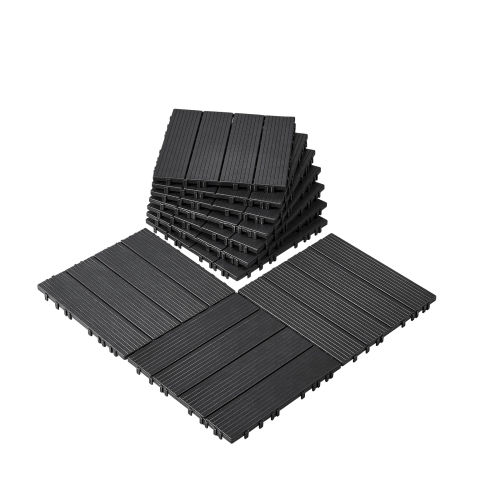
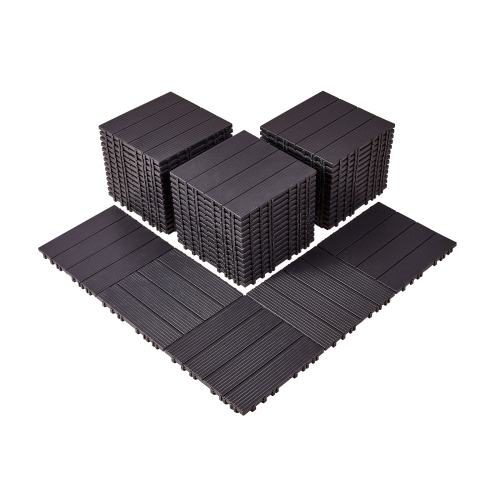
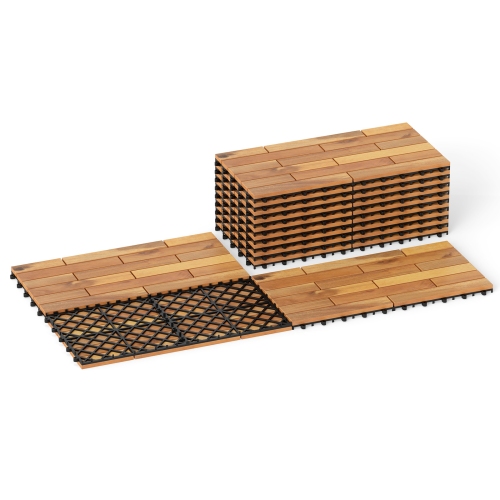
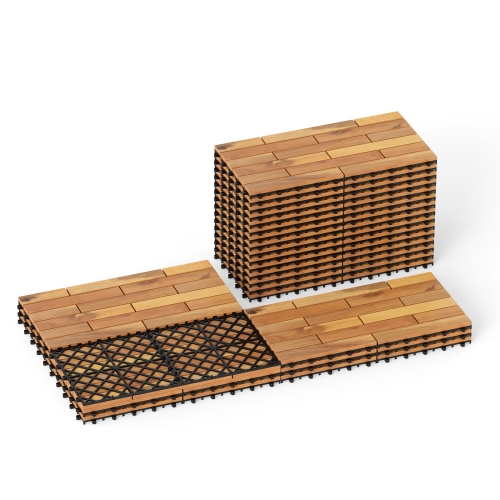
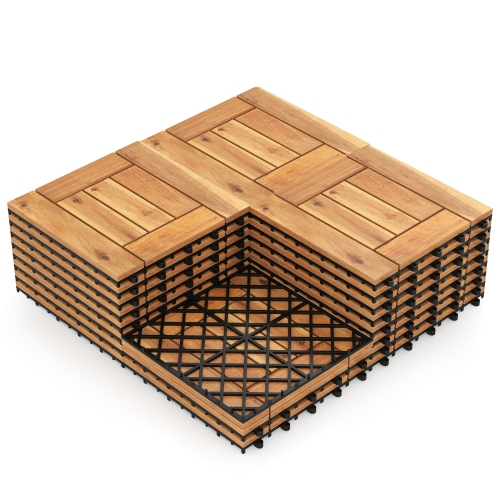
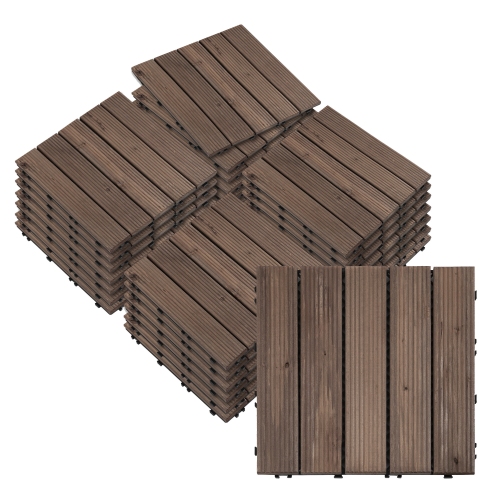
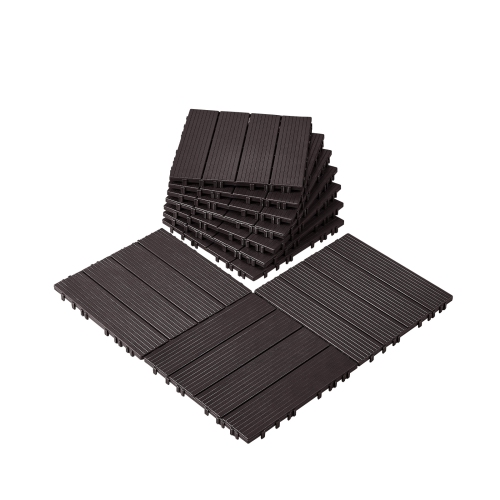
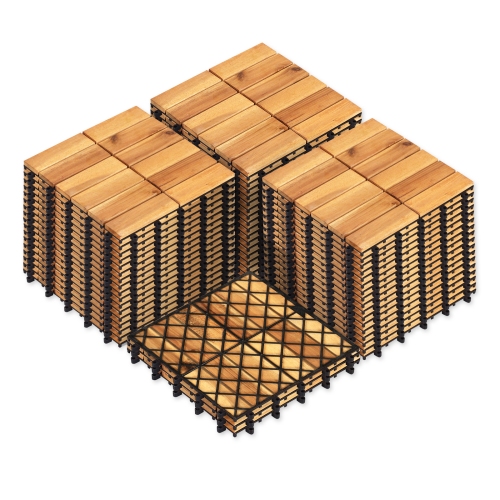
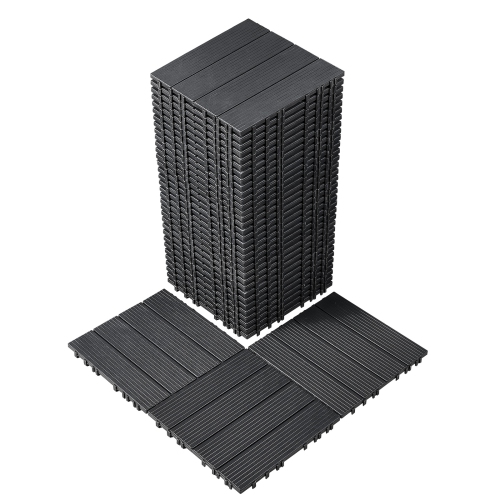
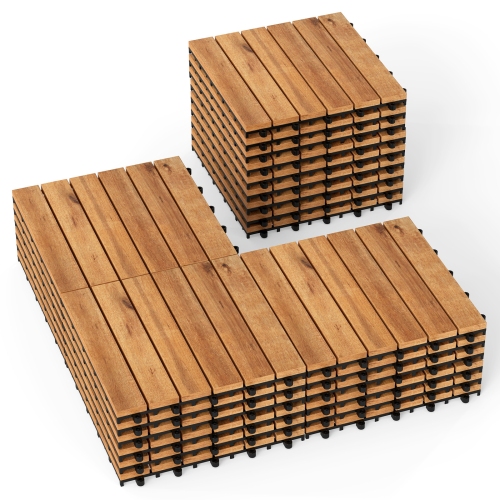
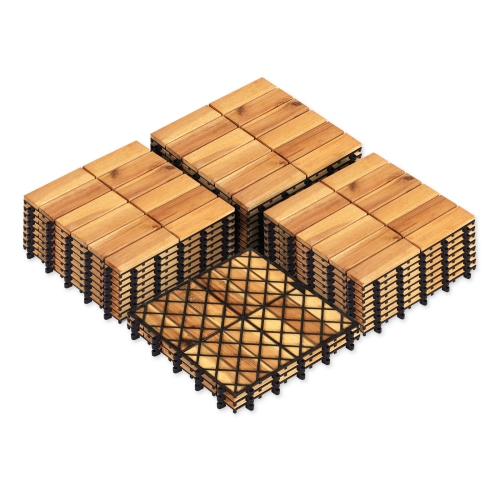

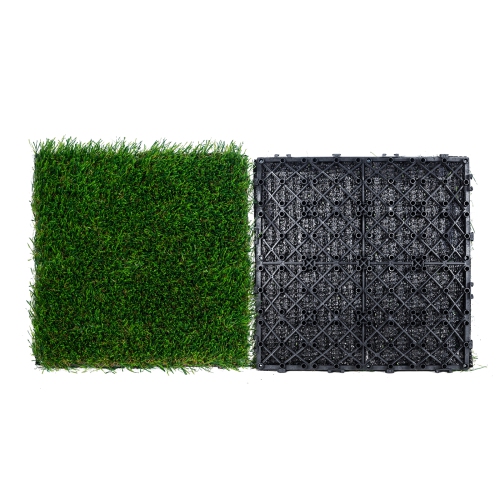
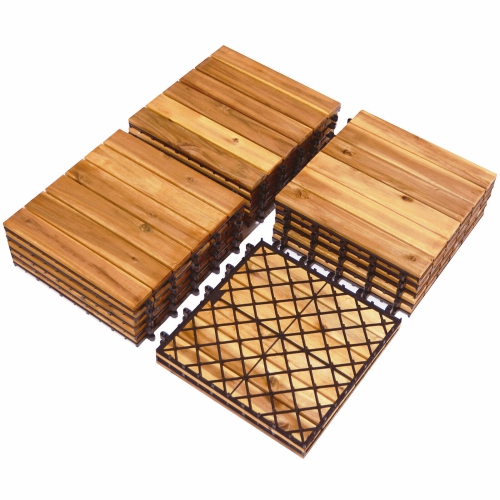
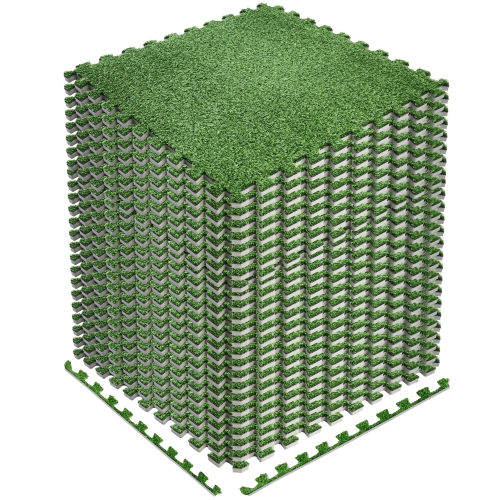
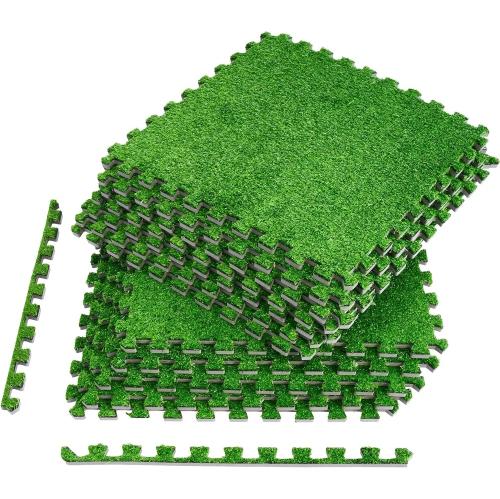
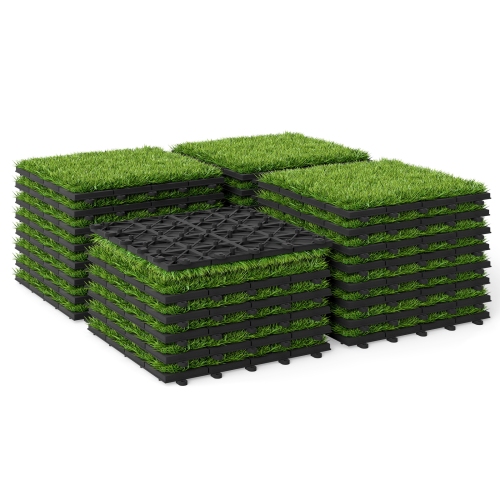
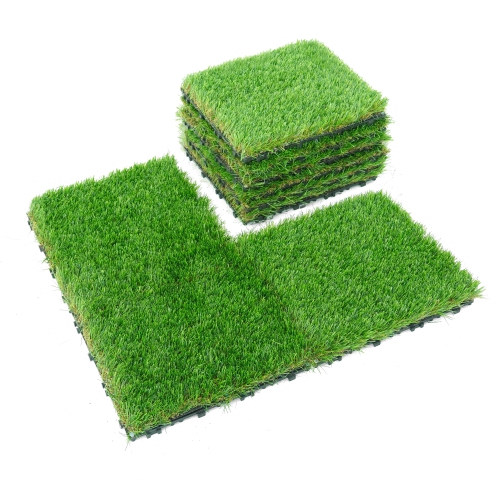
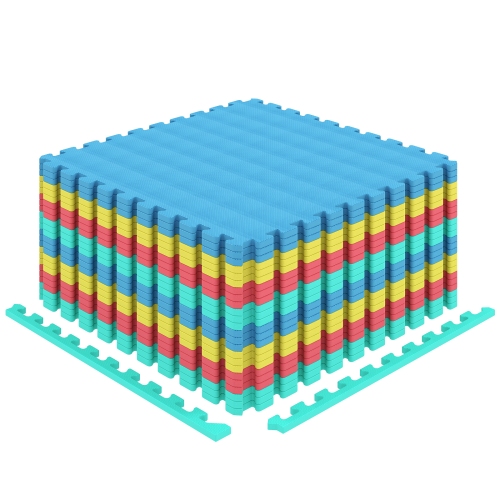
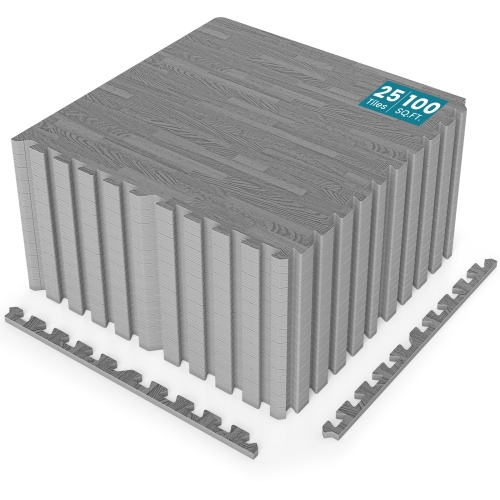
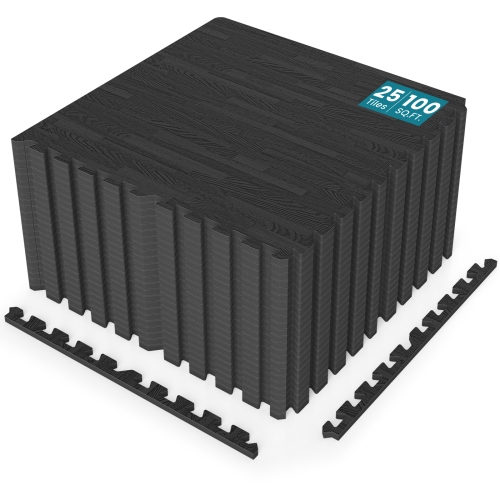
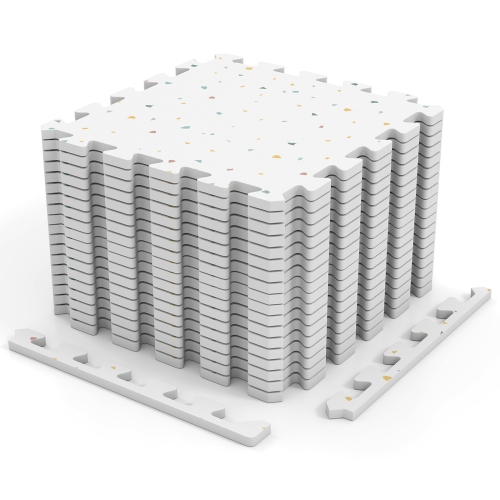
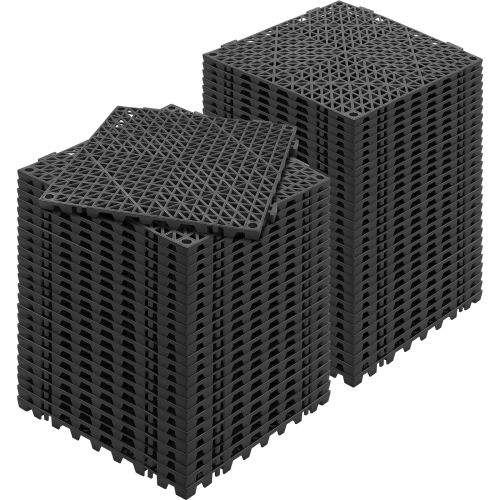
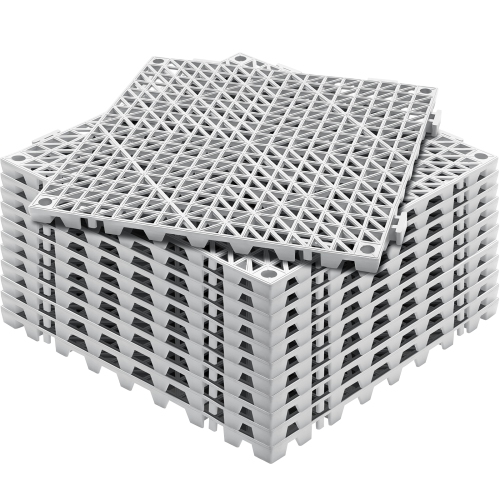
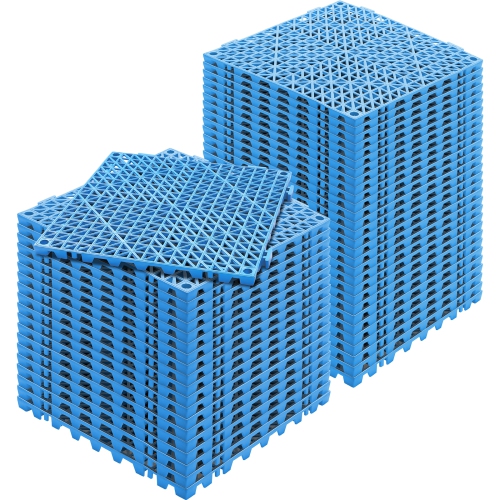
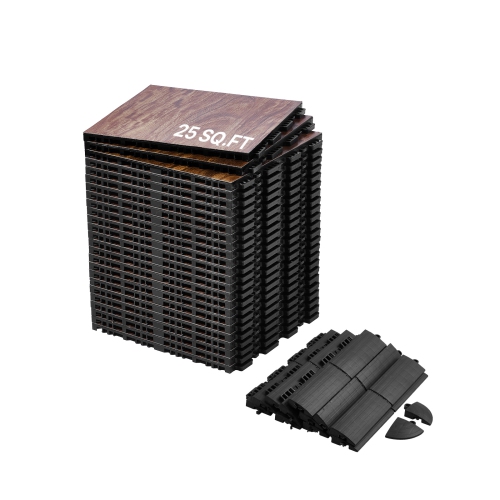
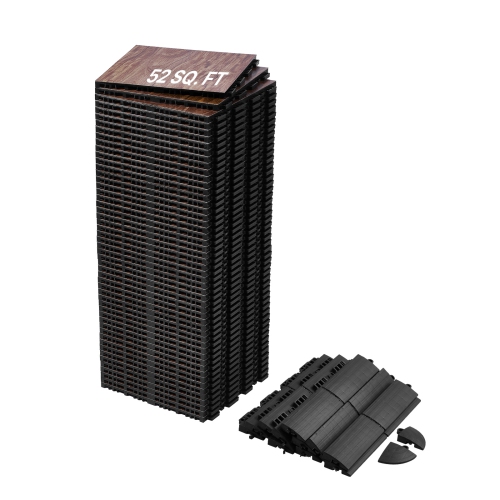
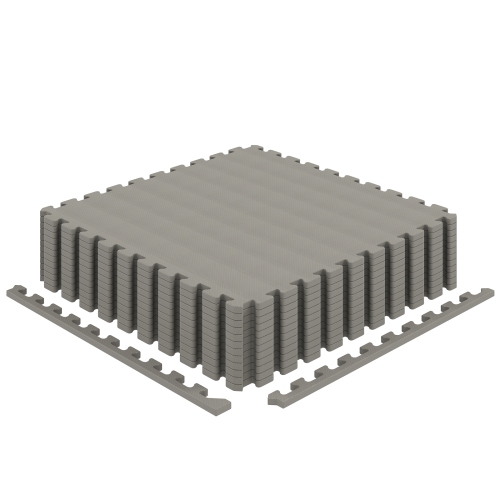
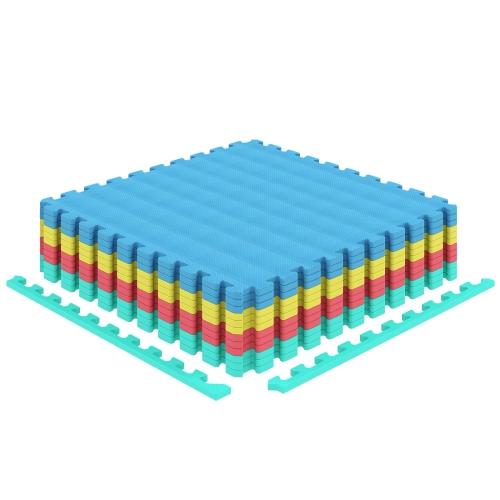
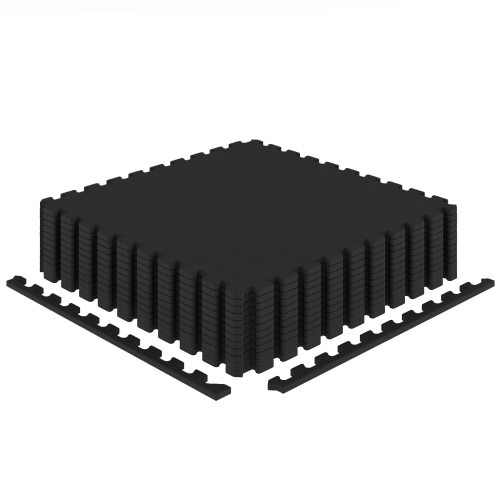
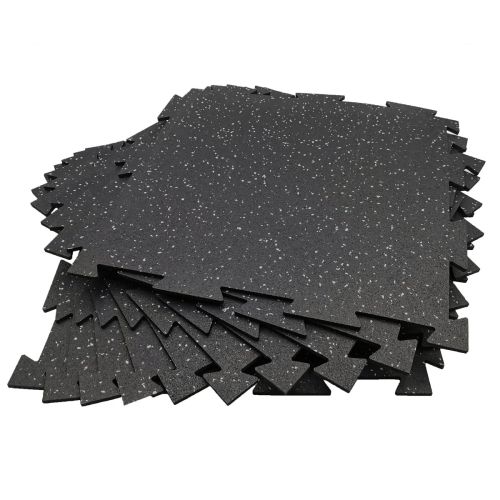
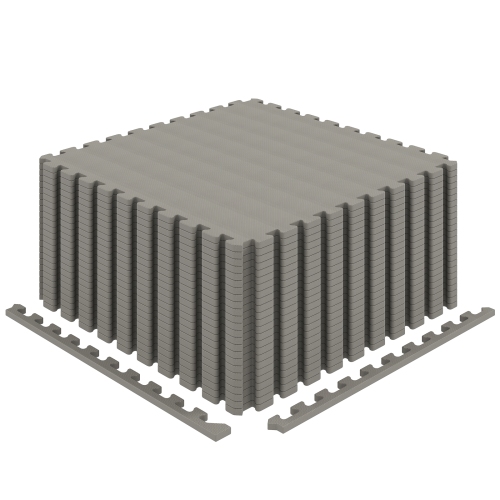
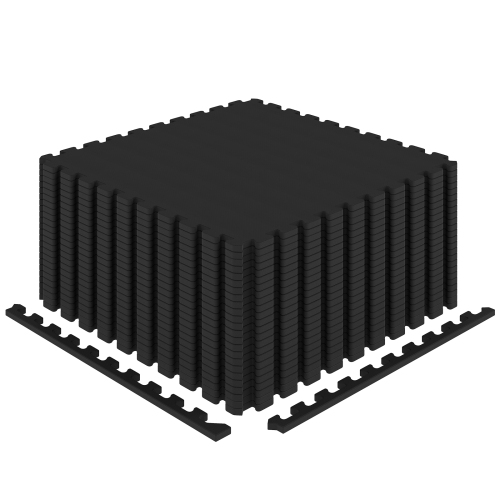
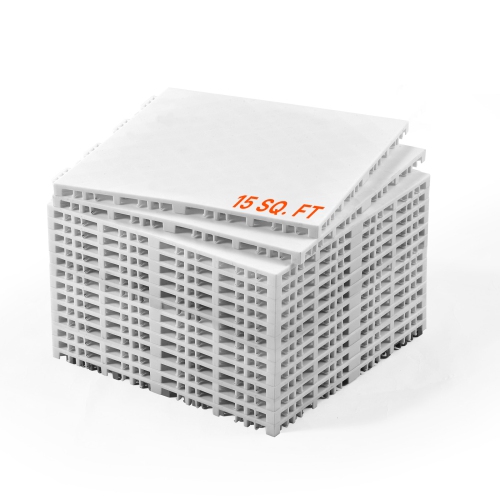
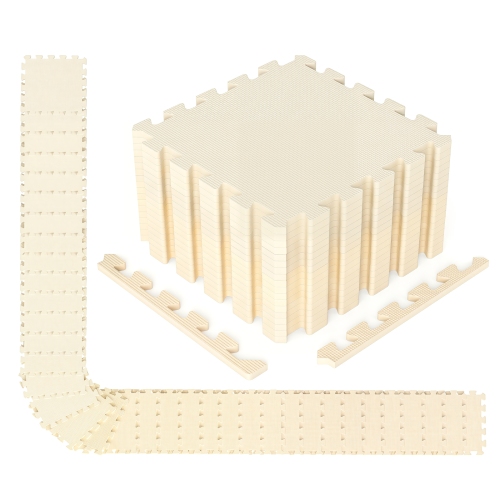
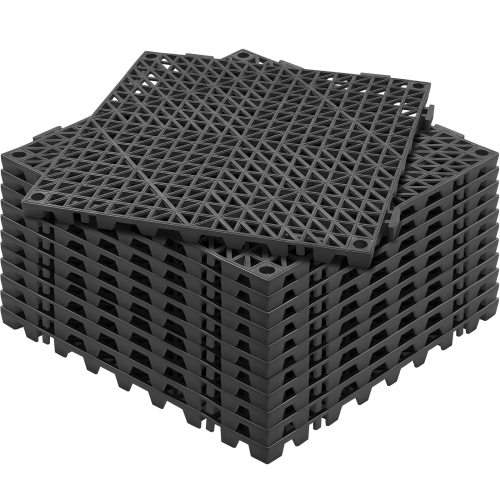
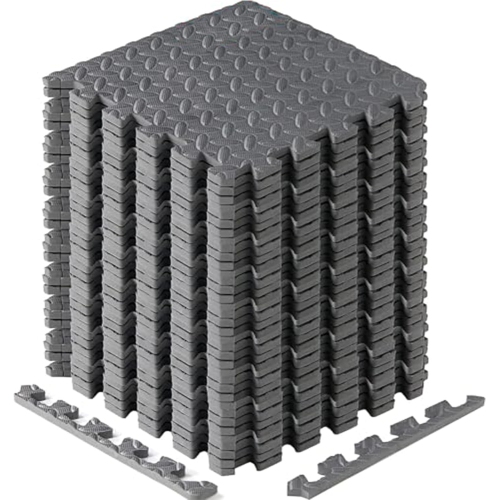
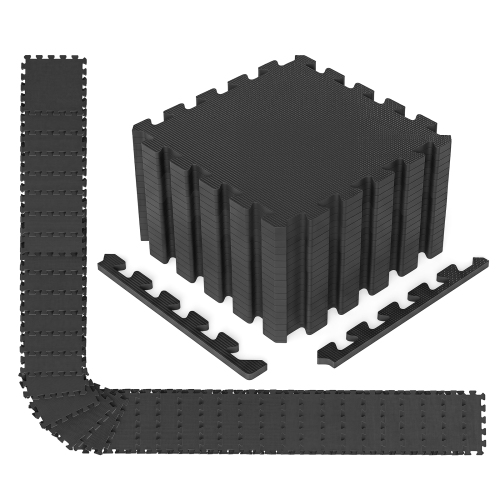


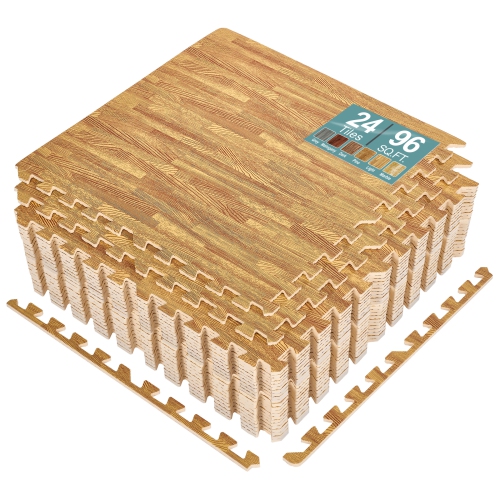
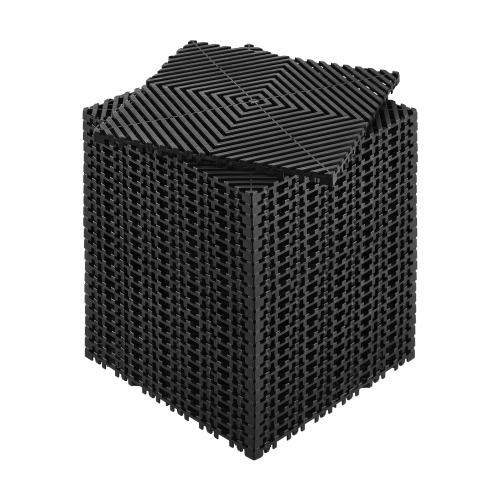
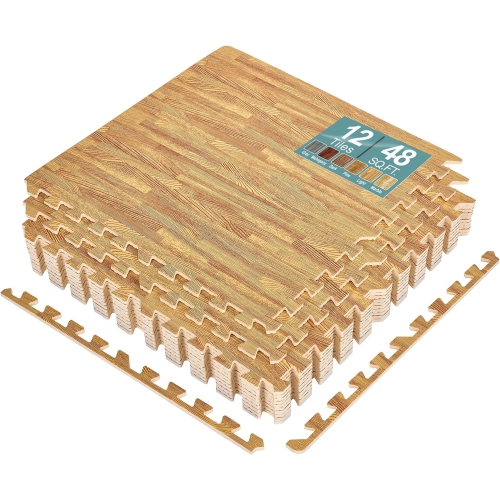
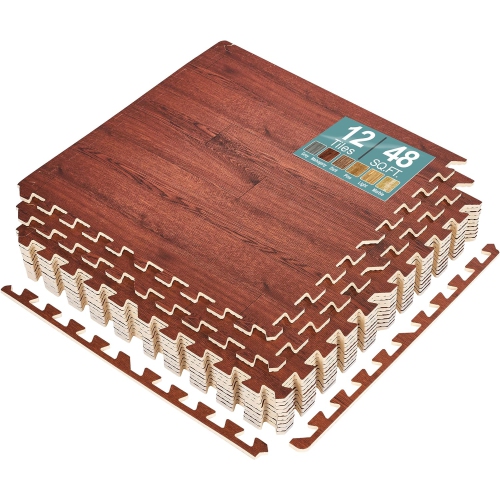

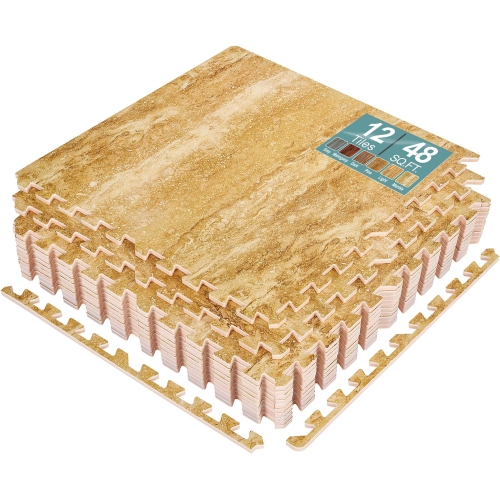
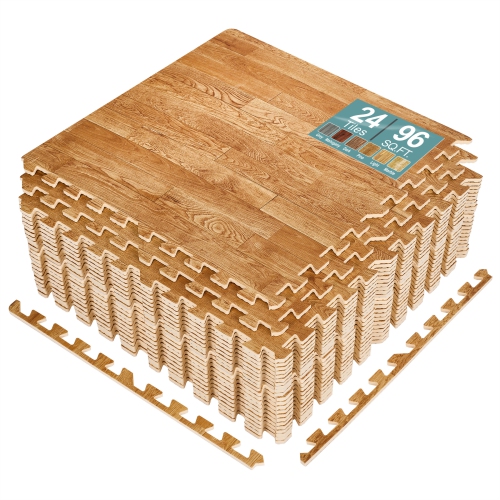
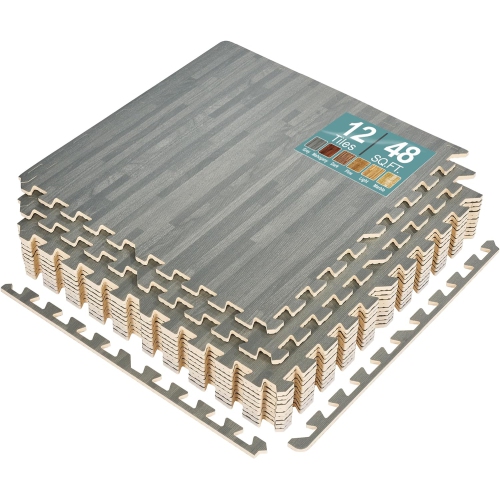
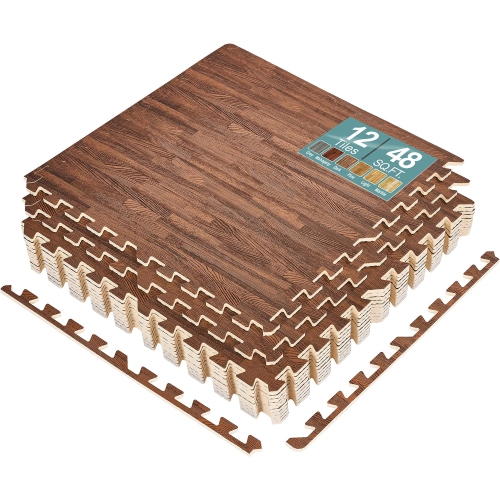
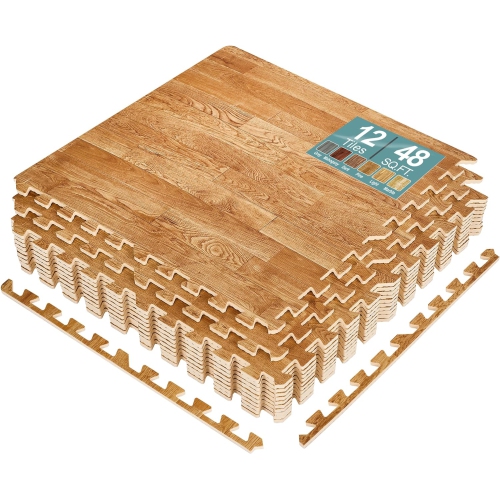
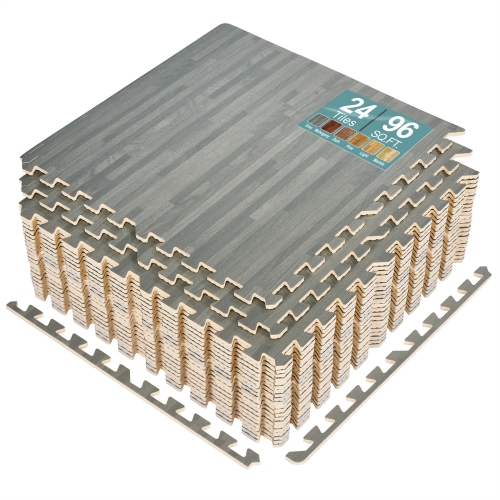
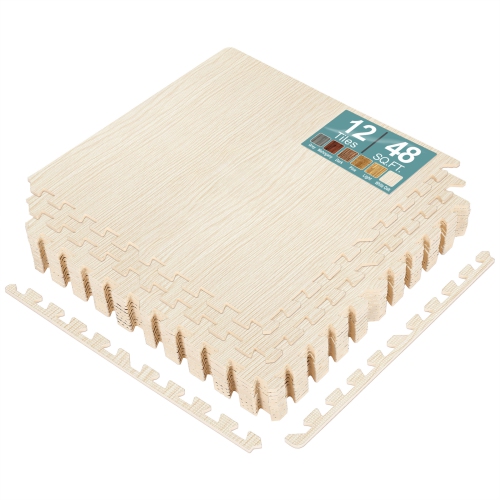


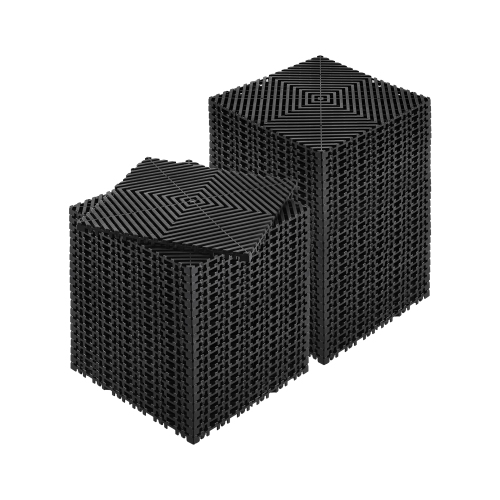
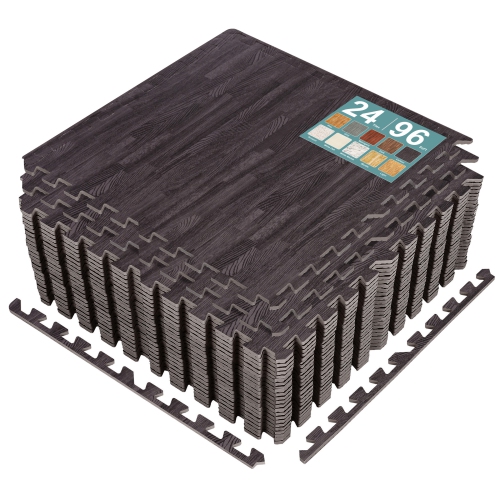
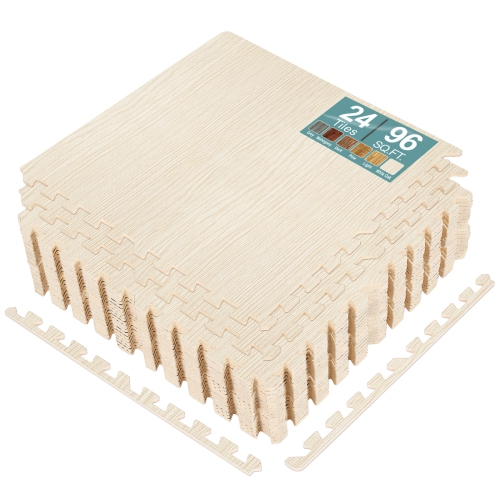
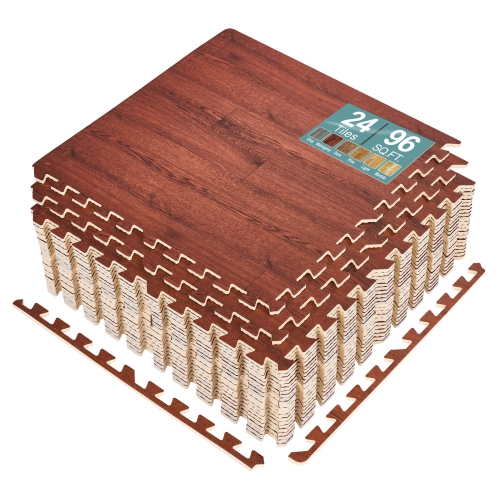
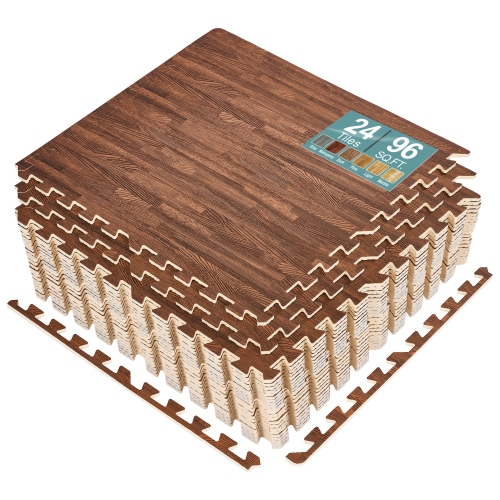

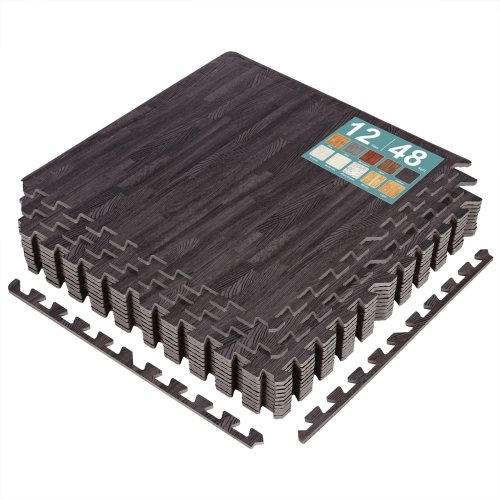
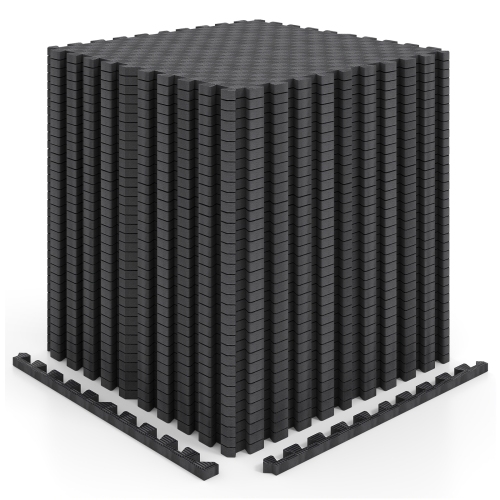
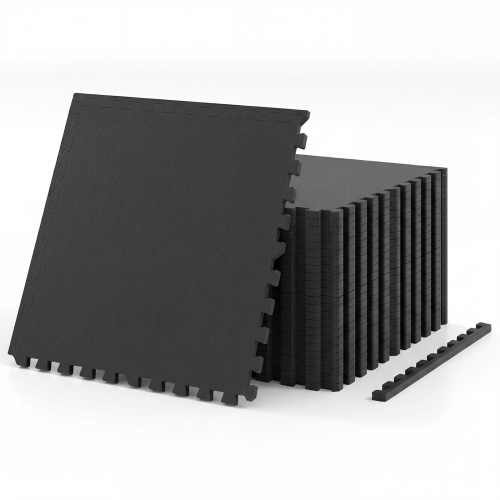
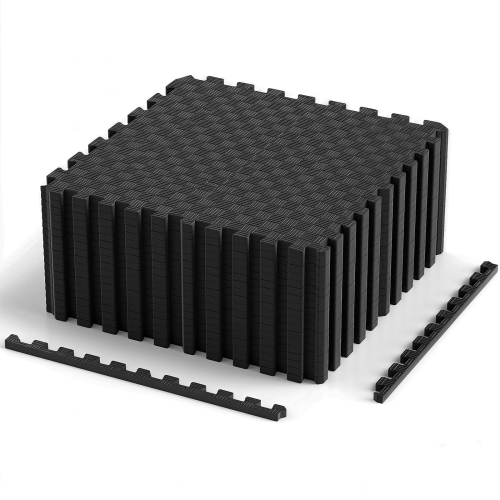
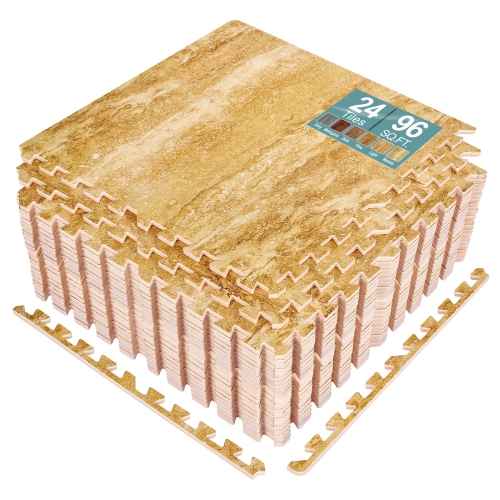
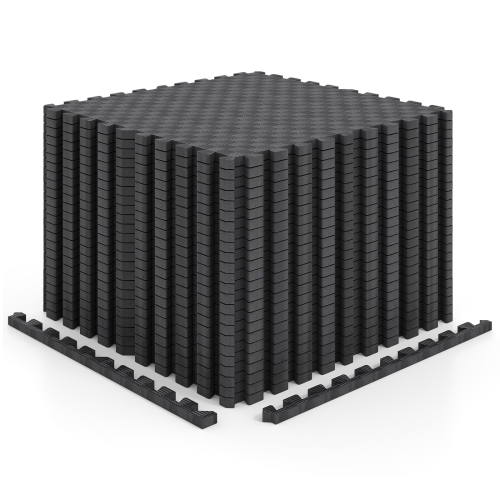
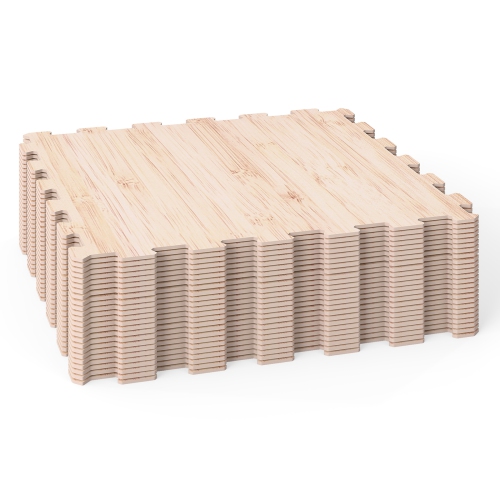
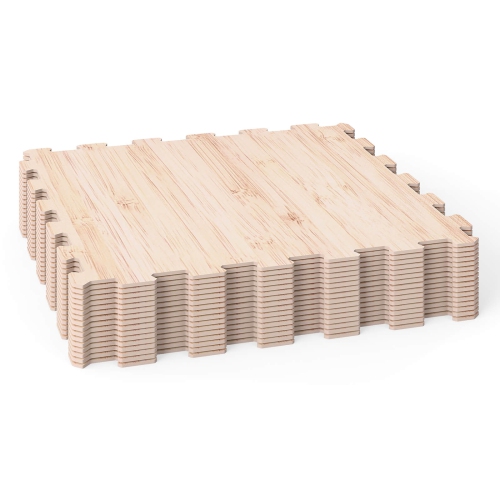
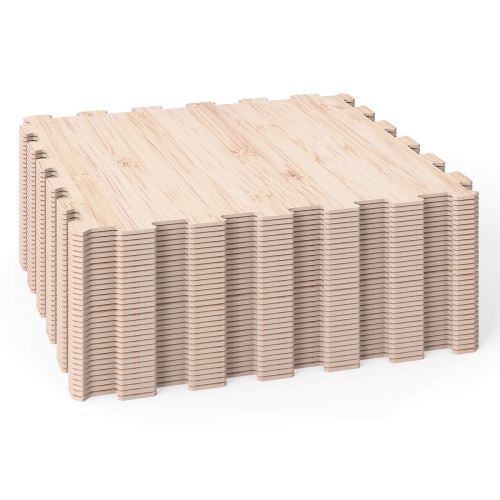
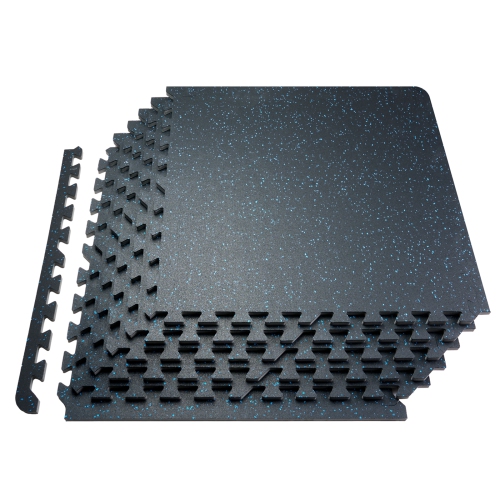
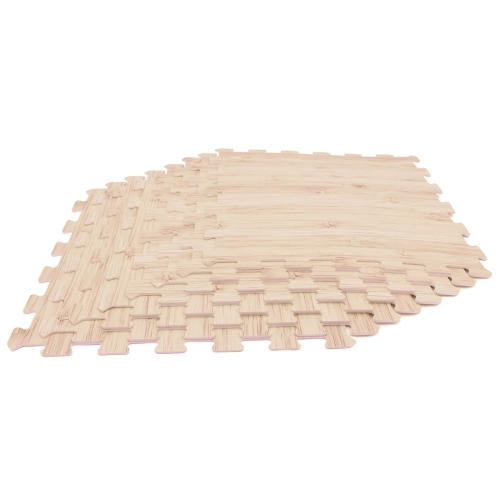
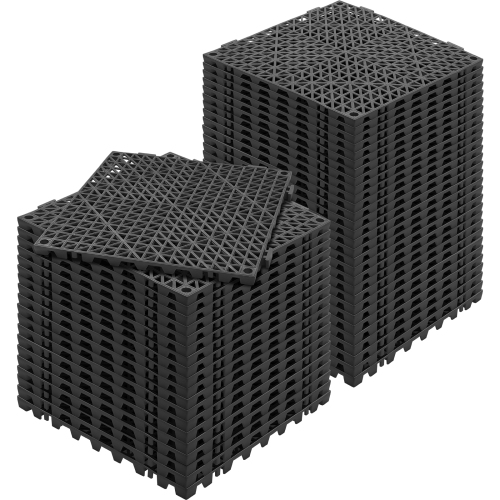
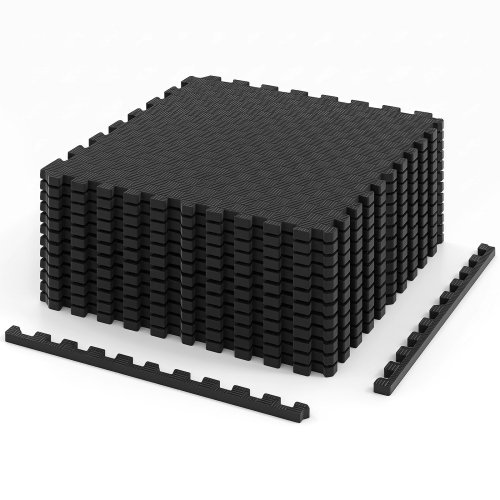
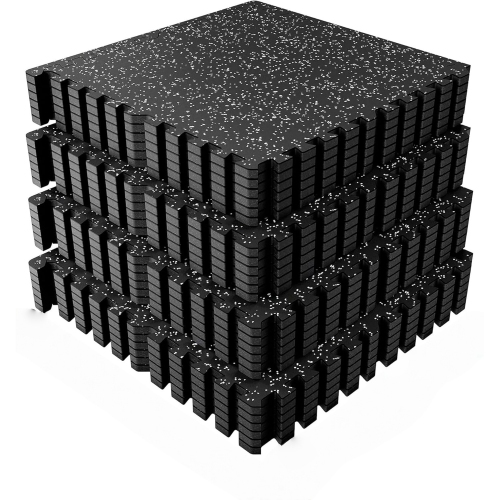
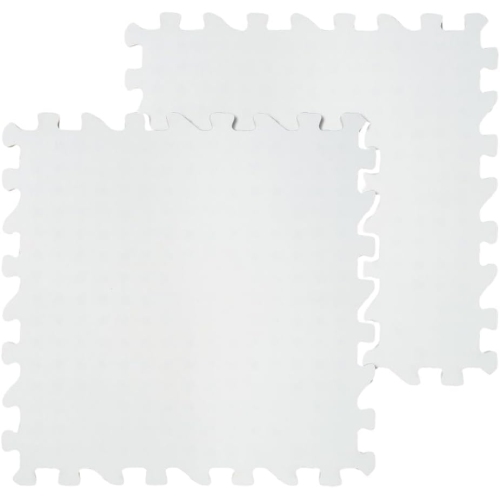
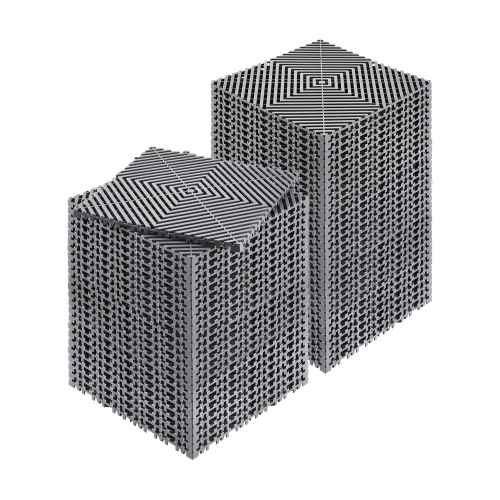
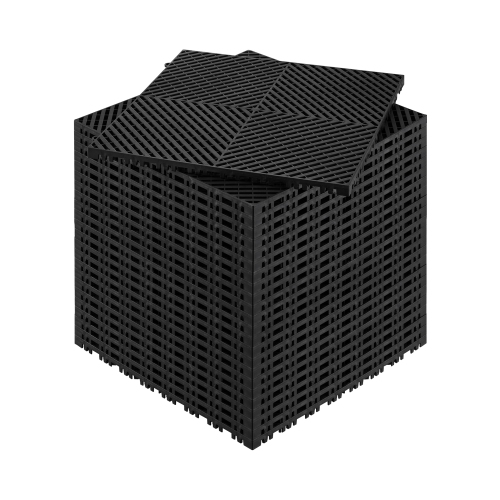
Click-together flooring for a more inviting outdoor space
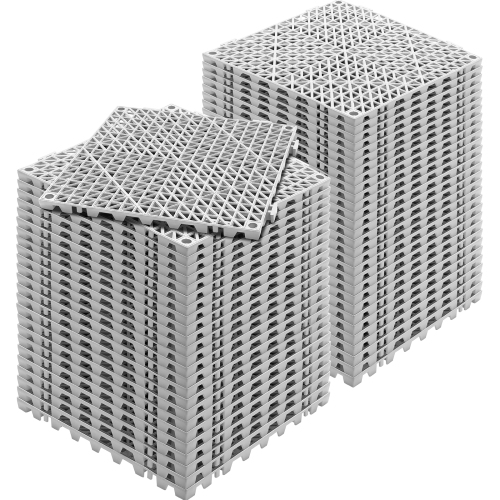
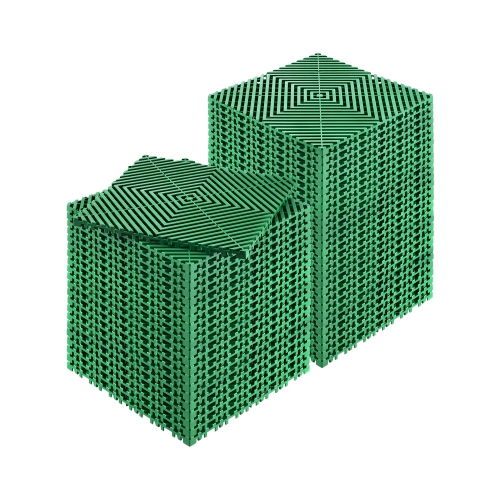
Interlocking deck tiles are modular surface coverings that connect along their edges to create a finished floor over a suitable existing base. Often used on balconies, patios, porches, and small terraces, they can give plain concrete or a sound wooden deck a more coordinated appearance without replacing the structure underneath. Many designs have a raised plastic backing with connecting tabs, allowing neighbouring tiles to click together while leaving space beneath the walking surface for drainage and airflow. The result is a floating surface rather than a permanently bonded floor, although installation requirements vary by material and design. These tiles generally work best on a firm, stable, reasonably level base; they are not a substitute for structural repairs, and ordinary grass, loose soil, or uneven gravel may not provide adequate support. For a condo balcony with room for two chairs and a small table, a consistent tile pattern can help define the seating area. On a larger patio, alternating the direction of slatted tiles can introduce a parquet-like effect without adding another colour. Fit involves more than the overall length and width of the space. Door clearance, raised thresholds, railing posts, drain locations, and the thickness of the assembled tile all affect how comfortably the finished surface functions. A door that swings outward needs enough clearance to open freely, and exposed edges may benefit from compatible trim that creates a more gradual transition. Coverage calculations are most useful when based on installed dimensions, with allowance for cuts around corners and fixed features. Connector shapes are not universal, so tiles, borders, and corner pieces need to belong to a compatible system. Some layouts snap together without tools, but fitting the perimeter may require cutting equipment appropriate to the material. For renters and condo residents, removable construction can be appealing, though building rules, balcony load limits, and requirements for access to drains or waterproofing still apply. A neatly fitted layout should leave essential building features accessible rather than conceal them beneath an uninterrupted surface.
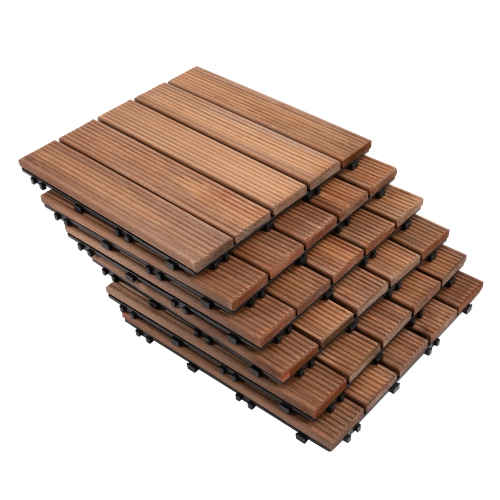
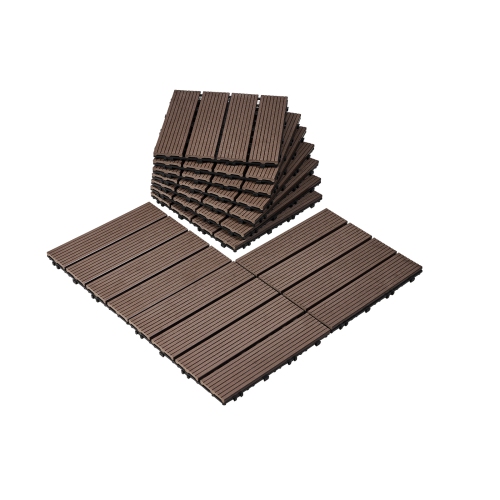
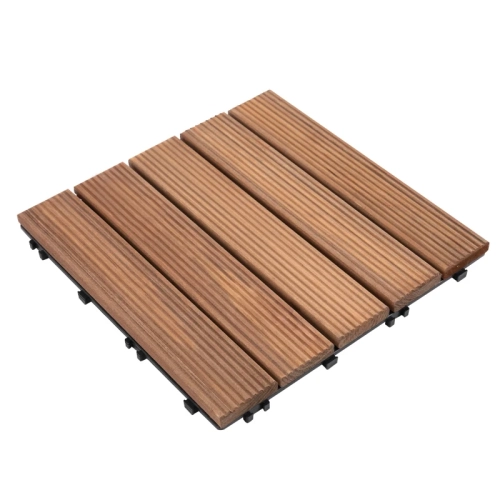
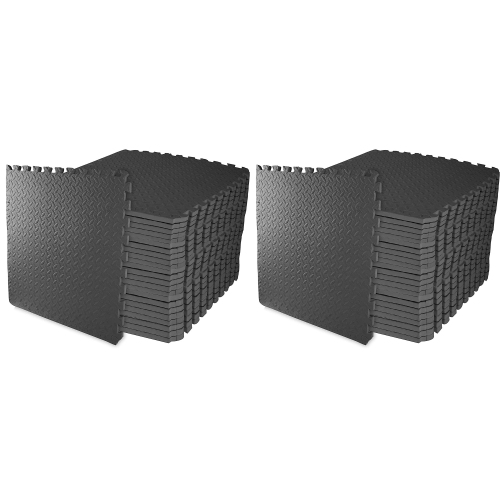
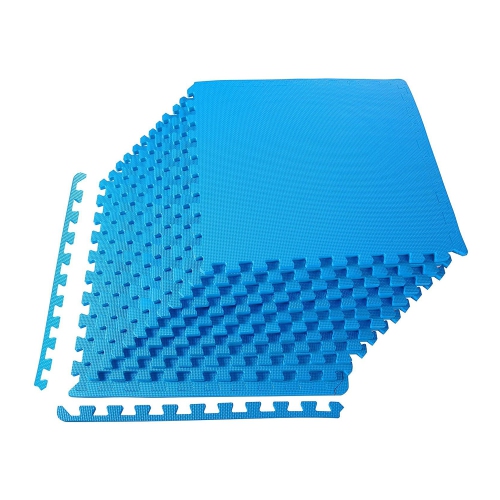
Material choice influences the appearance, feel, weight, and care requirements of interlocking deck tiles. Natural wood brings visible grain and variation, making each section slightly different from the next. For a warm, slatted finish, interlocking acacia deck tiles can complement woven seating, metal furniture, or simple planters without making the space feel overly uniform. Wood can change colour with exposure, and its long-term appearance depends on the finish, placement, and maintenance recommended by the manufacturer. Some owners prefer the gradual development of a silver-grey tone, while others want to preserve a richer brown colour with an appropriate exterior treatment. Composite tiles combine wood-based material with polymers in some constructions, while other designs use different formulations or protective surface layers. Their appeal often lies in a consistent finish and care requirements that may be less involved than those of natural timber, but resistance to fading, staining, and scratching varies. Plastic tiles, including polypropylene designs, commonly feature moulded slats or open patterns and are often relatively lightweight. Rubber options offer a different feel underfoot, with suitability depending on their intended application and the surface below. Stone- or porcelain-faced tiles create another visual effect, though their weight, backing, and support requirements deserve particular attention on elevated spaces. Across materials, an outdoor rating does not mean every tile performs equally in every location. Direct sunlight, repeated wetting, furniture movement, and foot traffic can affect surfaces differently. Surface texture also matters: grooves and patterned finishes may improve footing, but no surface should be assumed slip-proof, especially when wet or coated with debris. Drainage openings help water move through and beneath the tiles when the underlying surface drains properly; they do not waterproof a balcony, repair a leaking deck, or guarantee that puddles will disappear. A suitable tile works with the existing drainage arrangement rather than covering up a problem that needs attention first.
Everyday use is often the best way to judge which features matter most. A narrow balcony used for morning coffee has different demands from a busy patio where chairs move frequently and children play at floor level. Fine chair legs can concentrate weight on a small area, while heavy planters may create sustained pressure, so both the tile’s load guidance and the capacity of the supporting structure matter. Protective furniture feet can help limit scuffs, provided they are compatible with the surface, and planters should allow inspection and cleaning around their bases. Barefoot comfort is another consideration, particularly where tiles receive direct sun; surface temperature can vary with material, colour, and exposure. Pet owners may favour surfaces that are straightforward to rinse and inspect, with attention to gaps, edge transitions, and the cleaning products permitted by the manufacturer. Routine care usually centres on removing loose grit, clearing leaves from openings, and washing away spills before they settle into textured areas. A soft brush and a suitable mild cleaner may be enough for ordinary dirt, but wood, composite, plastic, and stone finishes can have different restrictions. Pressure washing, abrasive scrubbers, strong chemicals, and protective coatings are not interchangeable solutions, and an unsuitable treatment can damage a finish or affect traction. Removable tiles can make it easier to reach the base for occasional cleaning, although the ease of lifting and reconnecting sections depends on the locking design and condition of the connectors. Keeping drainage routes clear remains important even when the top surface looks tidy. Over time, individual sections may show different levels of wear where people enter, turn chairs, or gather around a table. A compatible modular system can allow a damaged section to be replaced without disturbing the whole layout. For anyone refreshing an outdoor seating area, the strongest match is a tile that suits the supporting surface, everyday activity, and amount of upkeep the space can realistically receive.
Top selling and popular products
-
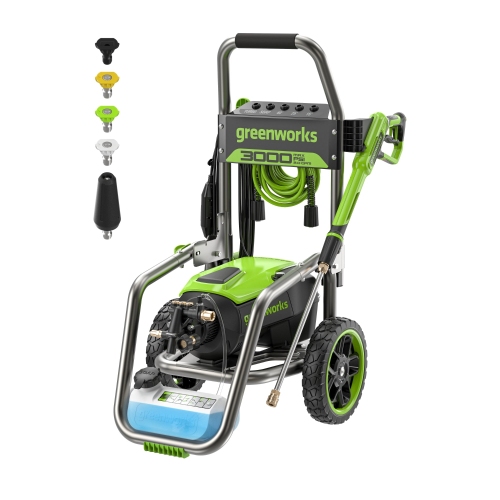 Your price for this item is $699.99
-
 Your price for this item is $339.99
-
 Your price for this item is $899
-
 Your price for this item is $269.99
-
 Your price for this item is $79.99
-
 Your price for this item is $103.99
-
 Your price for this item is $508.99
-
 Your price for this item is $604.99
Discover more categories related to Interlocking Deck Tiles
Top Collections:
Best Black Friday Deals This Year, Best Black Friday Deals On Electronics, Kindle Devices, Dyson Airwrap, Best Cameras for Sports Photography, Best Budget Office Chairs, Canon G7X Cameras, PS5 Pro Consoles, Best Black Friday Deals On Apple Products, XBOX One S Consoles
Some products may be subject to Environmental Handling Fees
(EHF) depending on your province.
Learn more about EHFs.