Iron Coffee Tables
Iron coffee tables are an increasingly popular choice for many living spaces. Whether used in a living room, office, or bedroom, these tables create an elegant and modern look. These are incredibly durable, and they are often designed to be both beautiful and functional. Here are some great options available.
Sort


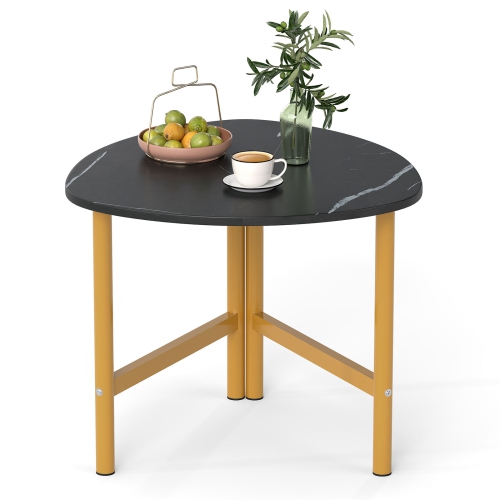
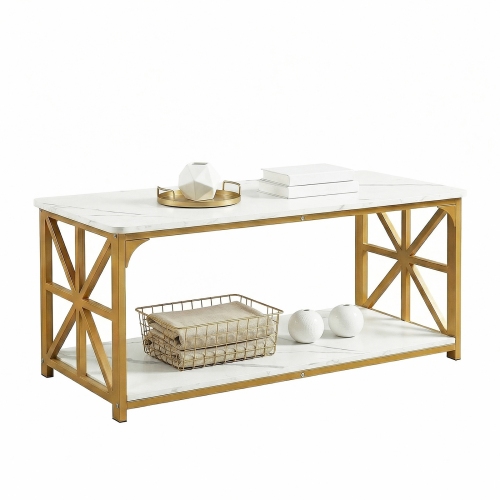
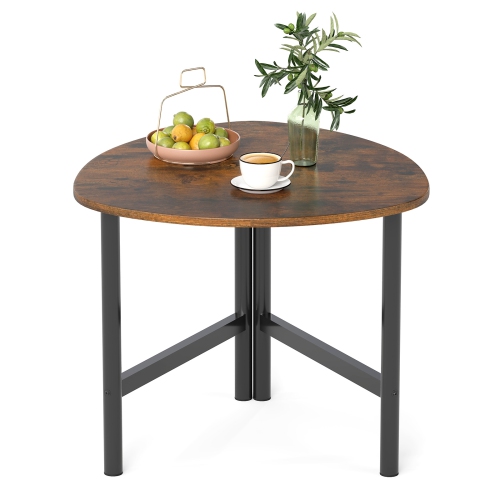
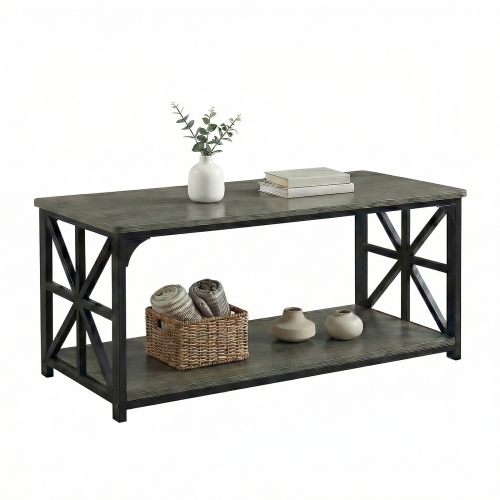
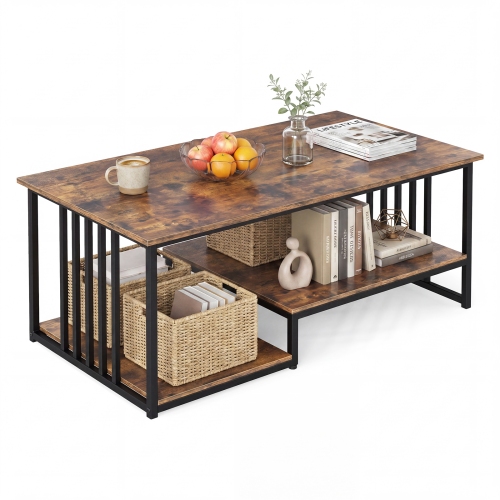
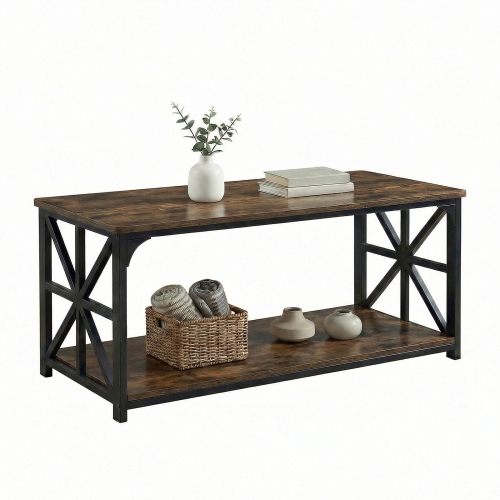
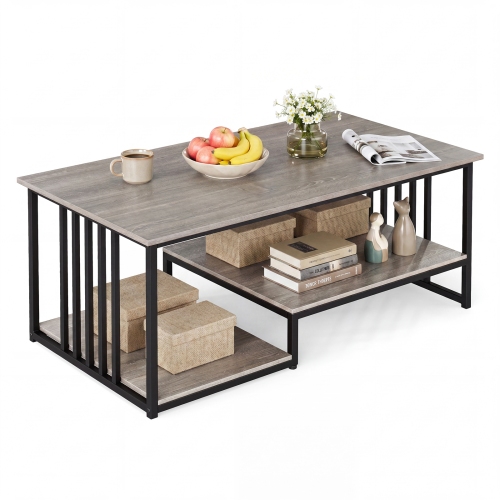
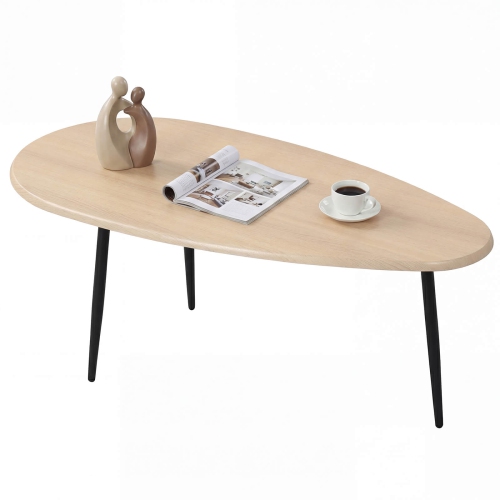
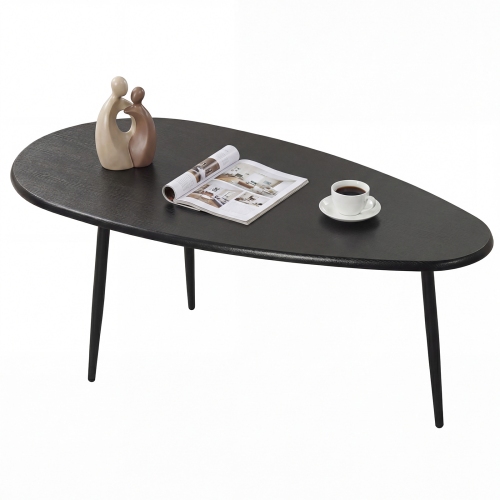
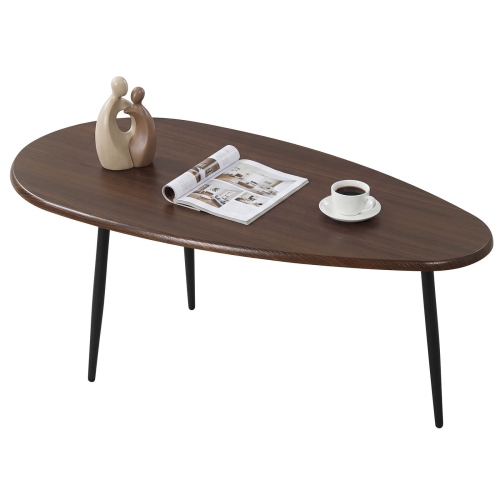
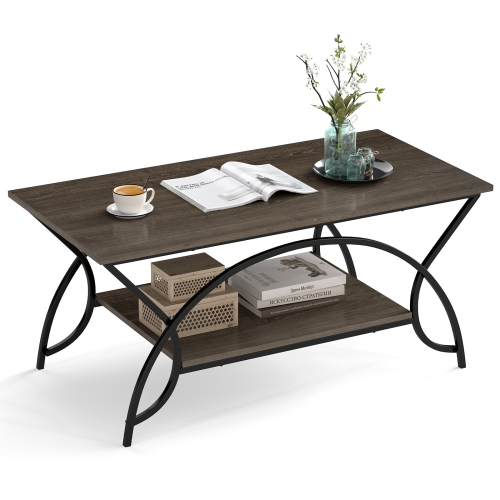

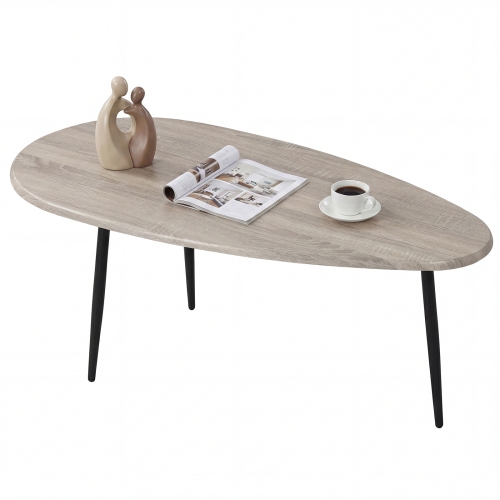


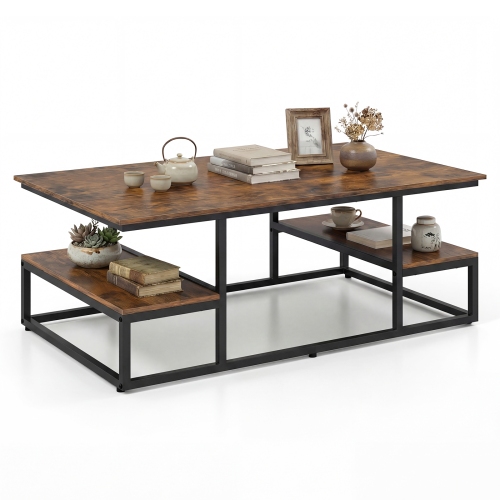
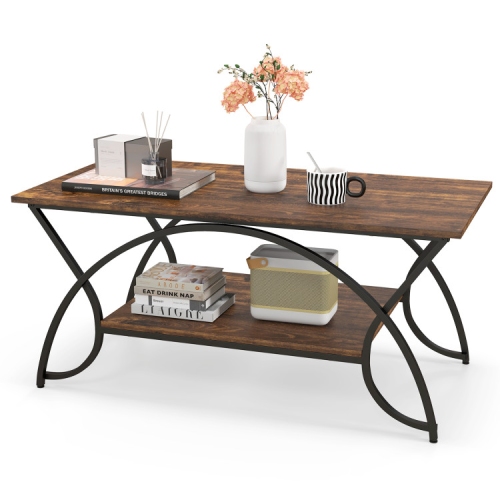
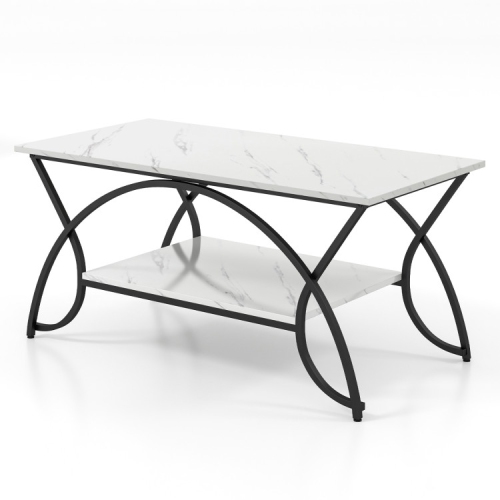
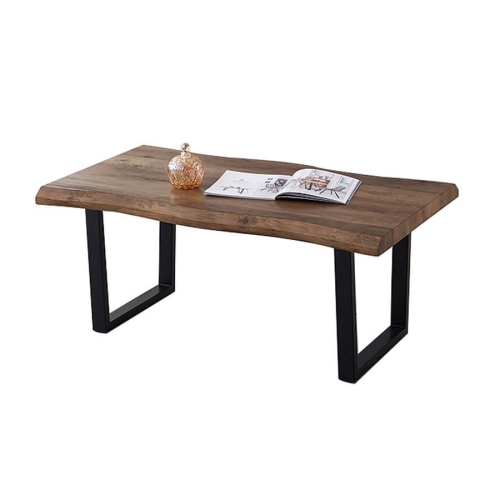
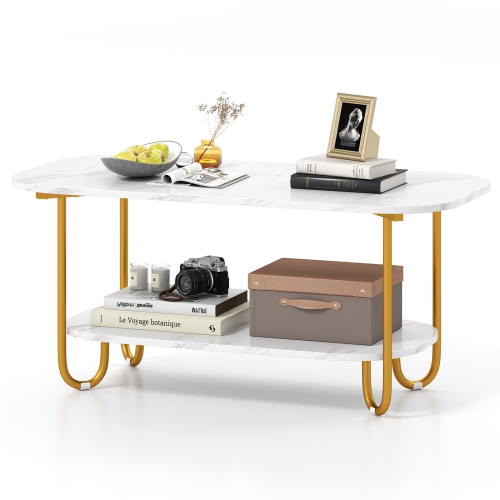
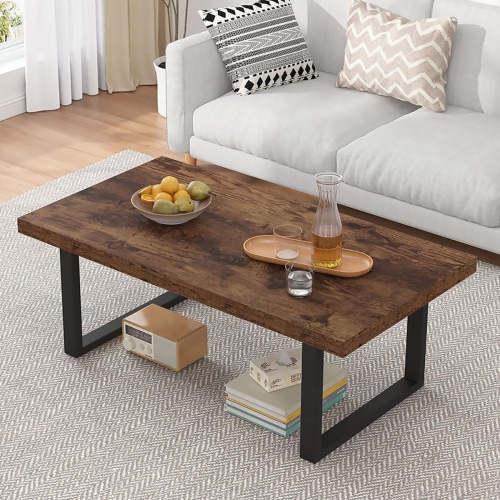
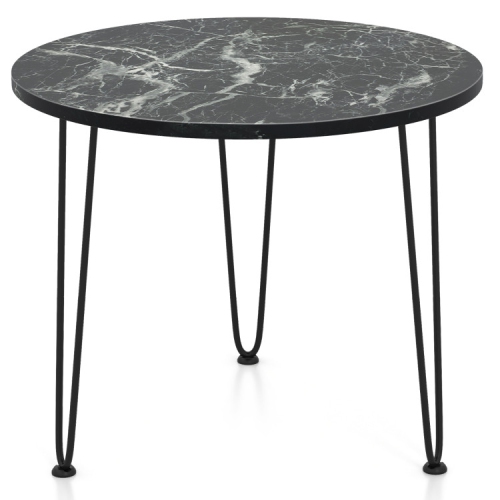
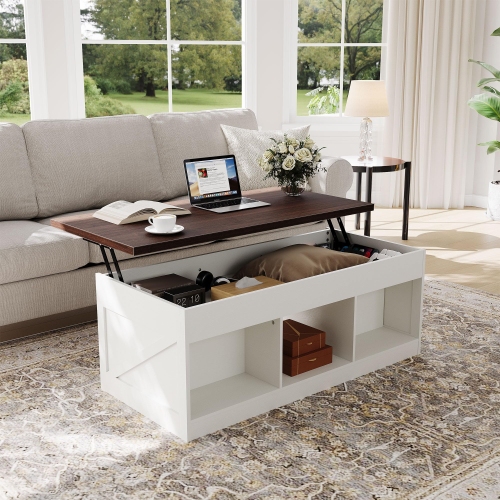
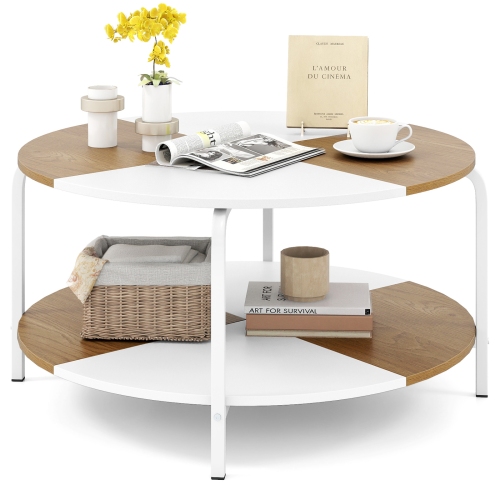
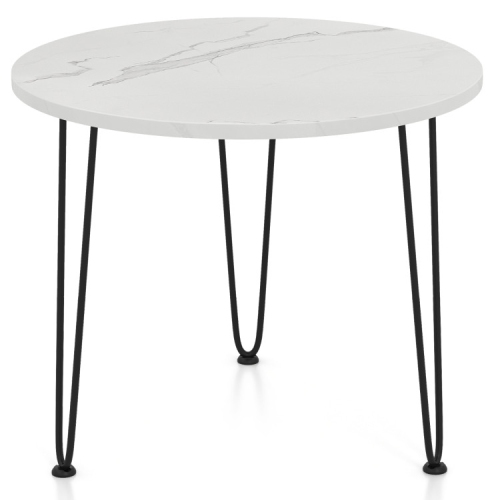
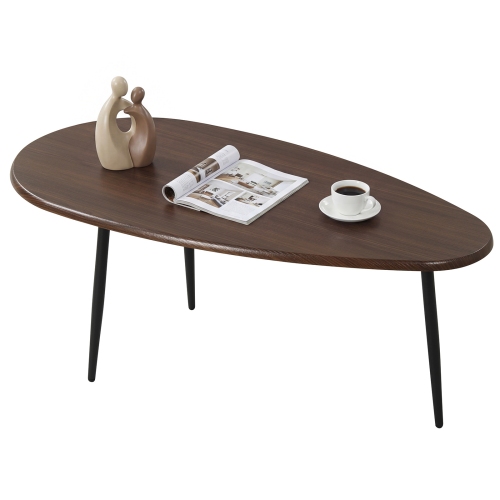
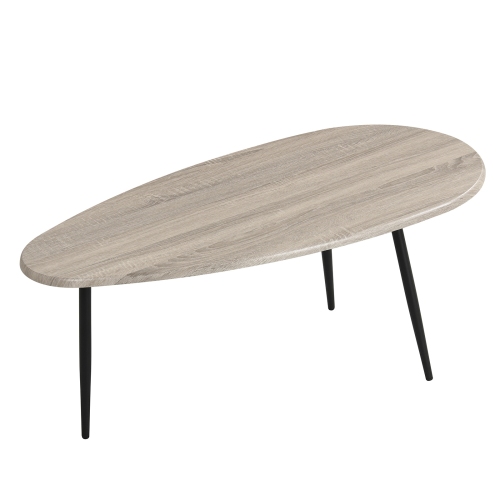
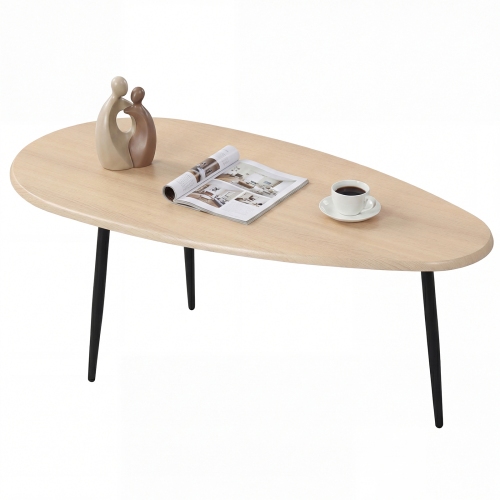
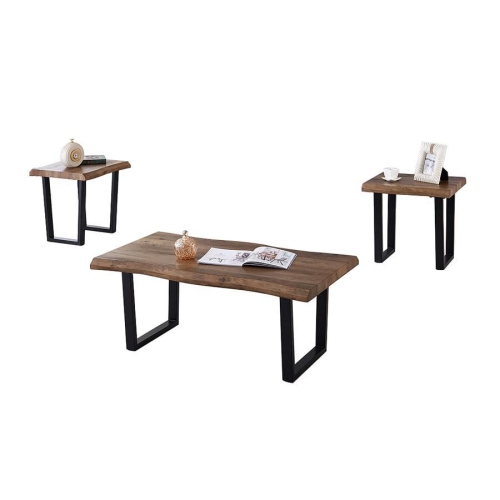
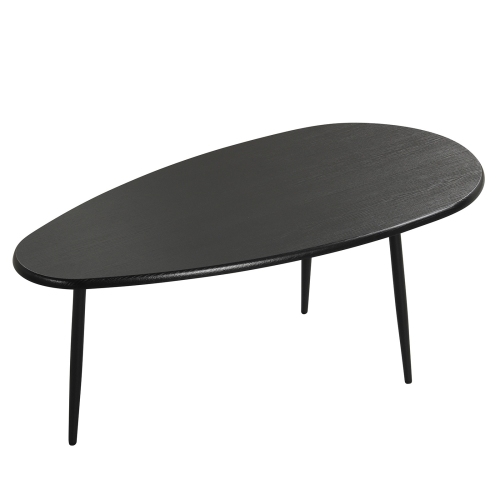
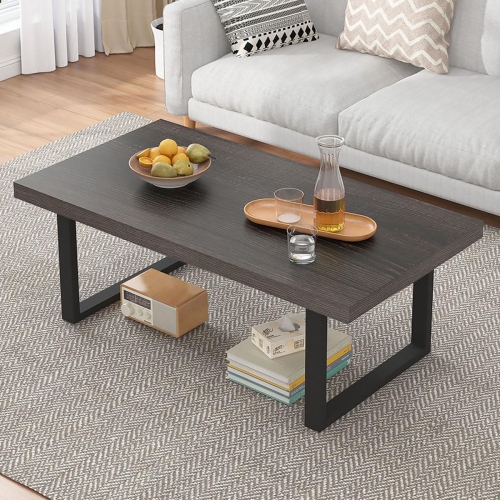

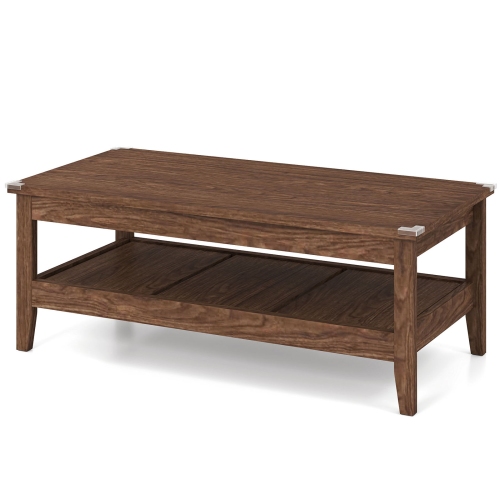
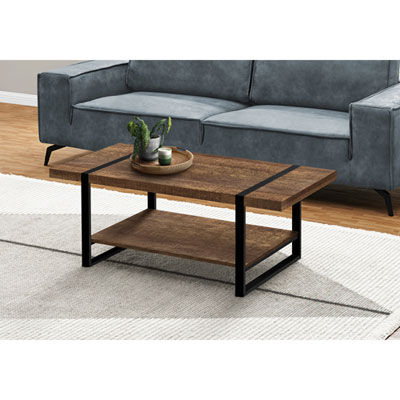
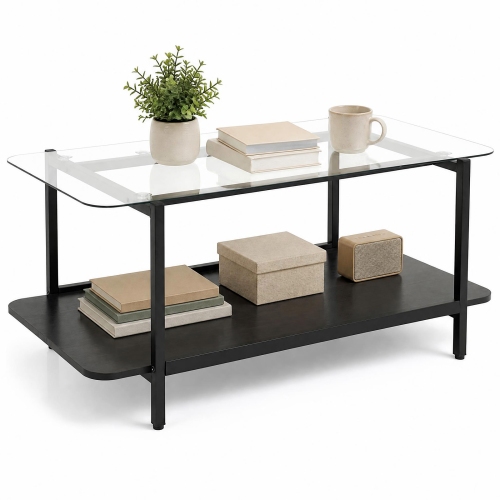
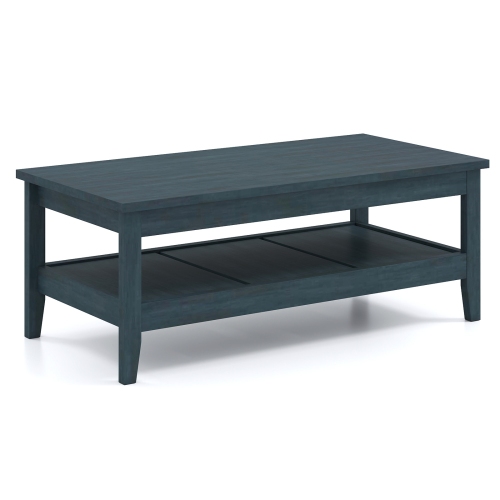

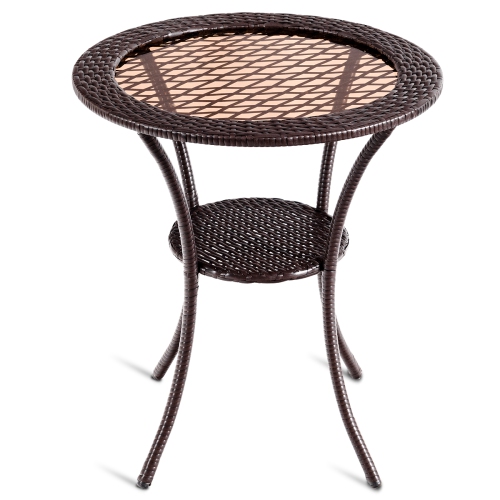
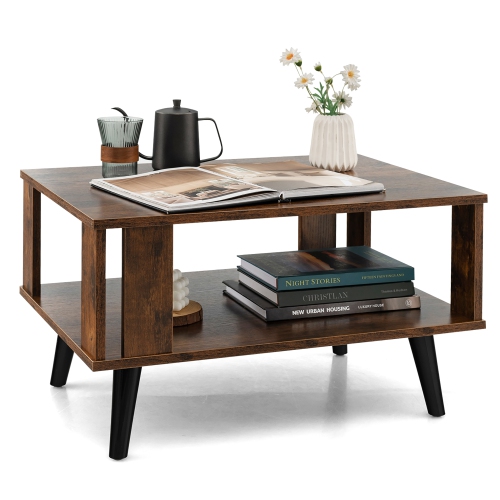
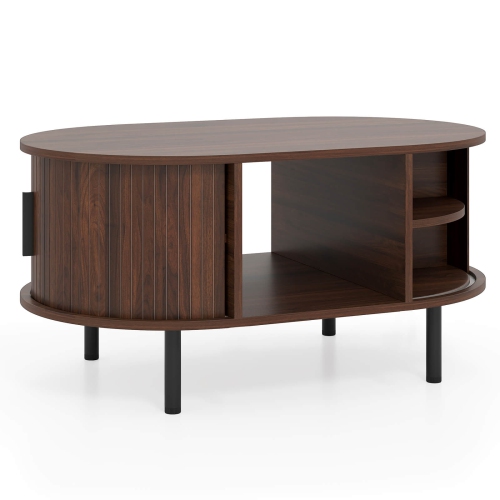
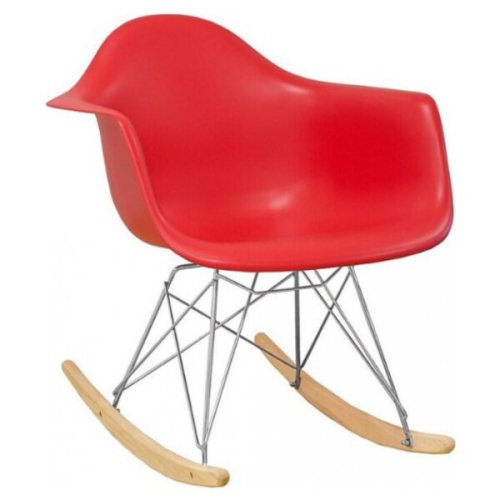
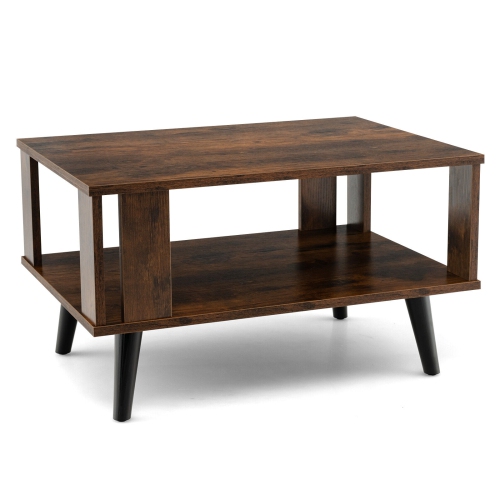
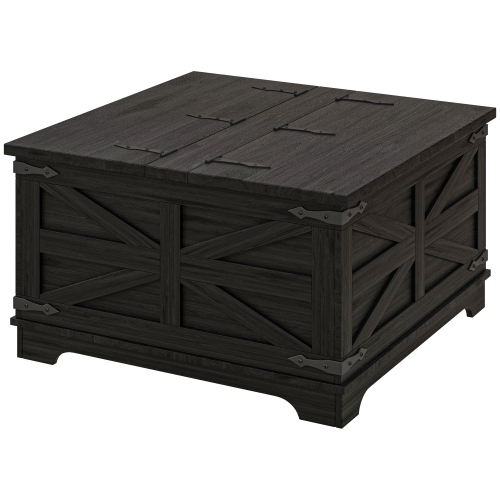
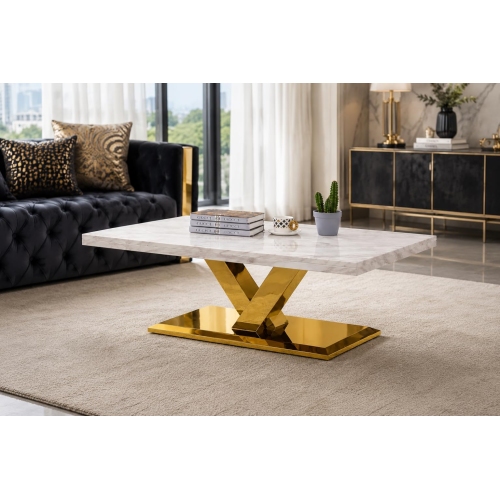


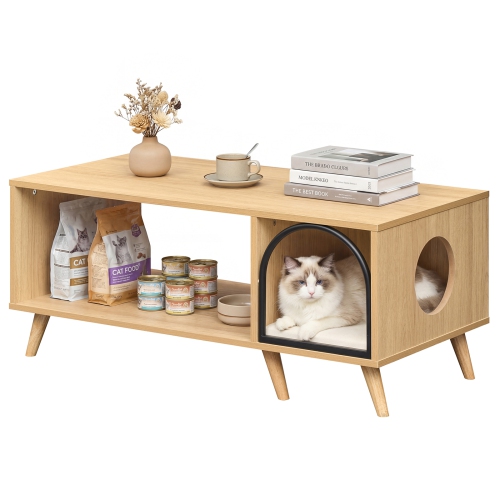
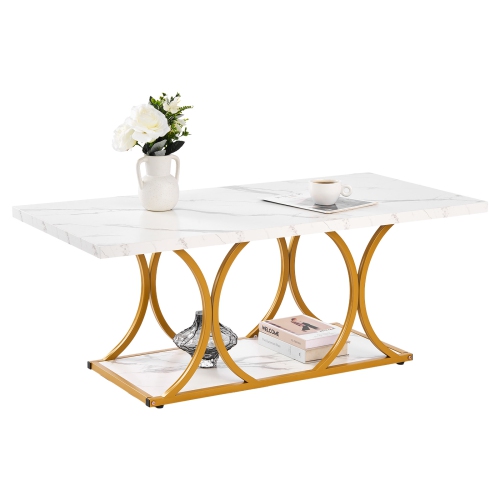
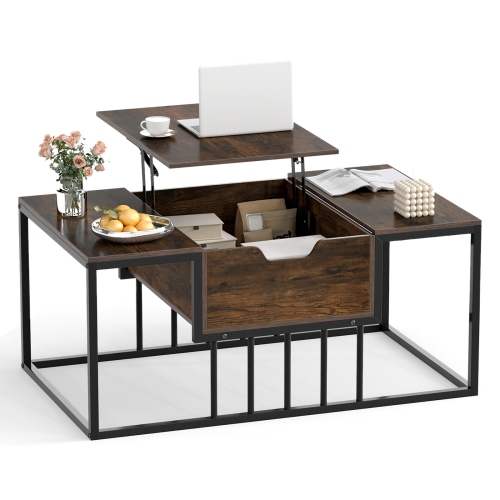

The tabletop matters as much as the iron frame
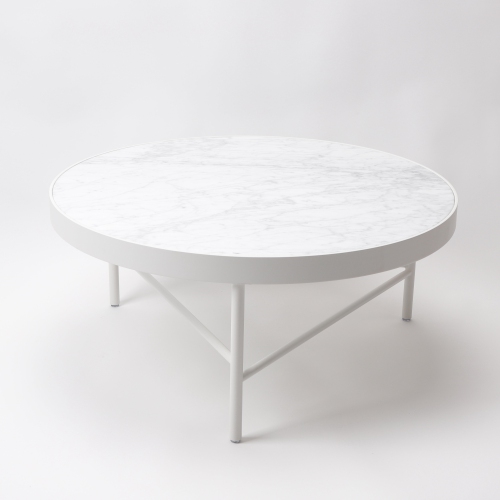
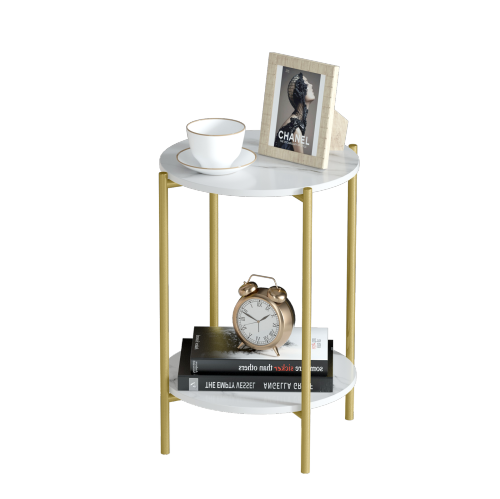
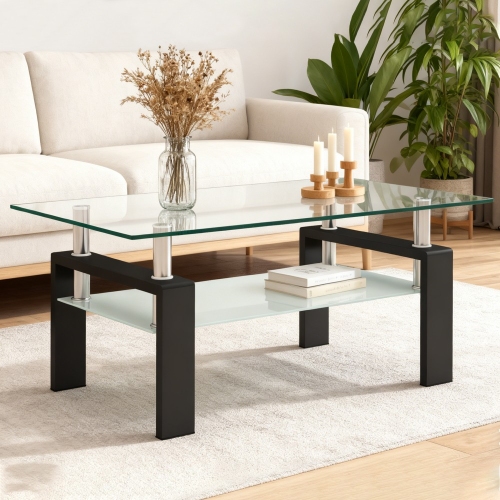
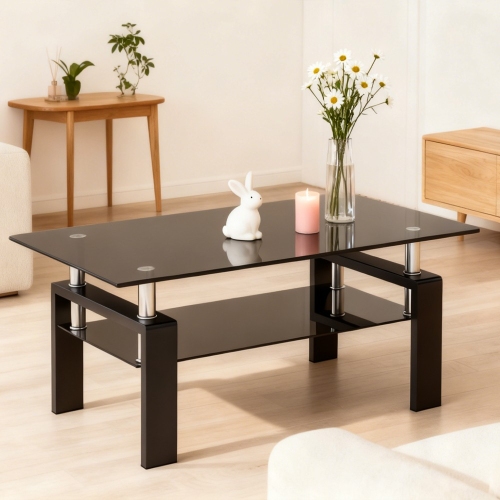
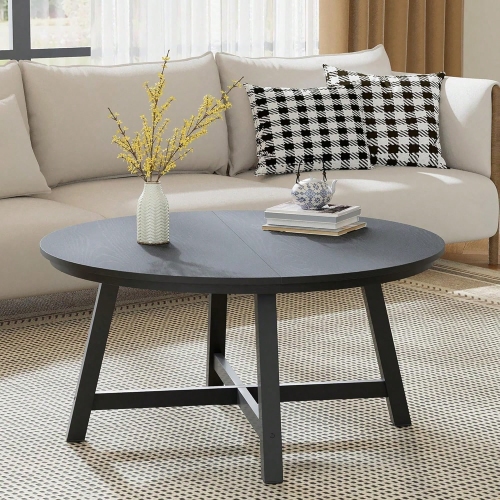
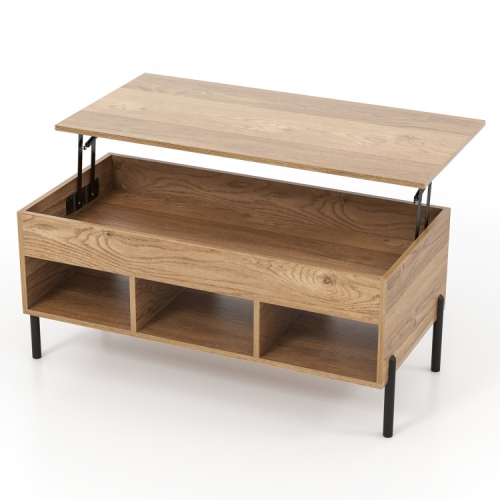
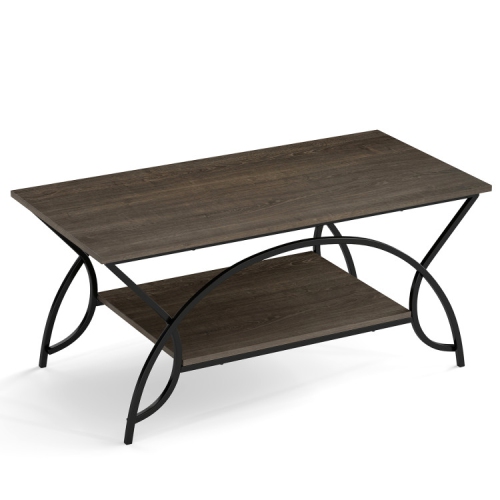
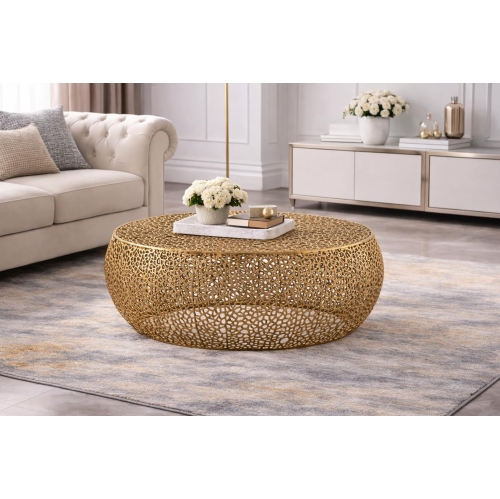
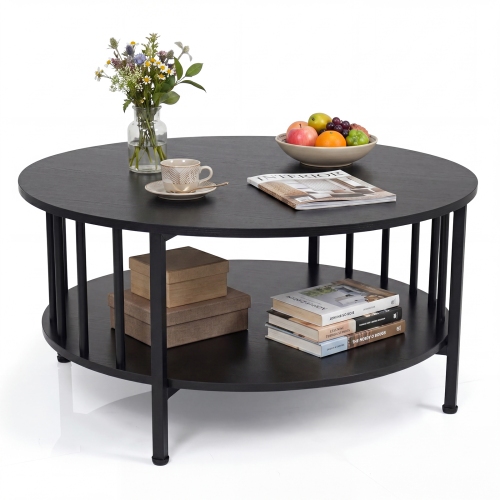
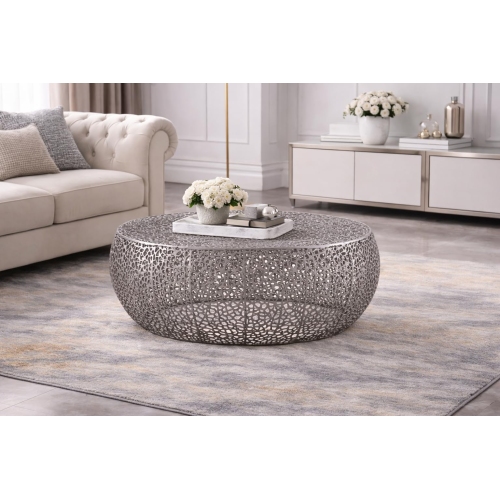
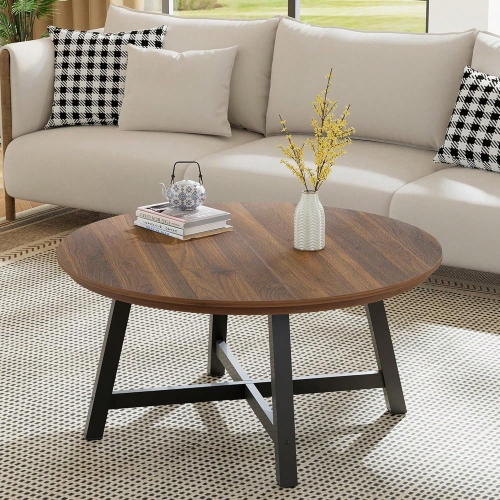
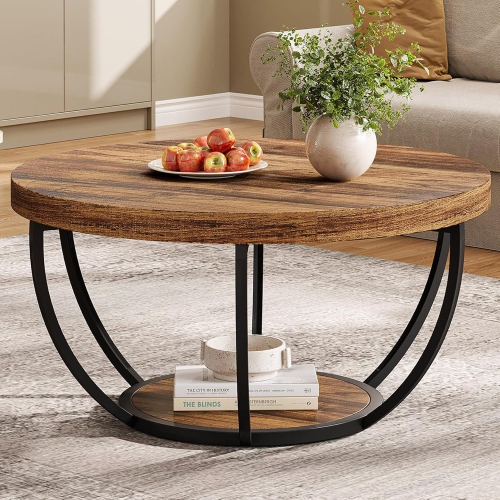
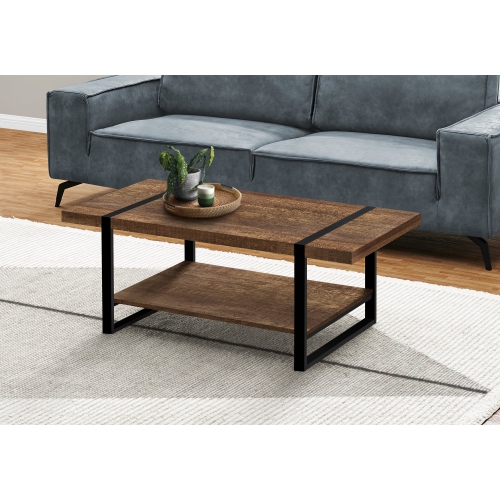
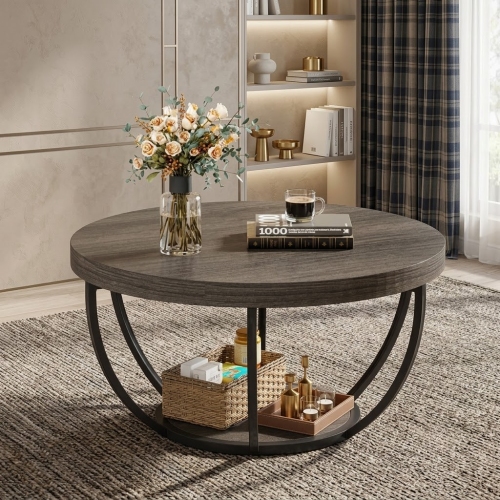
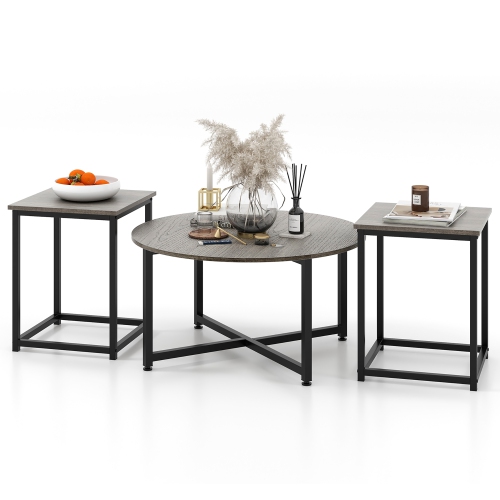
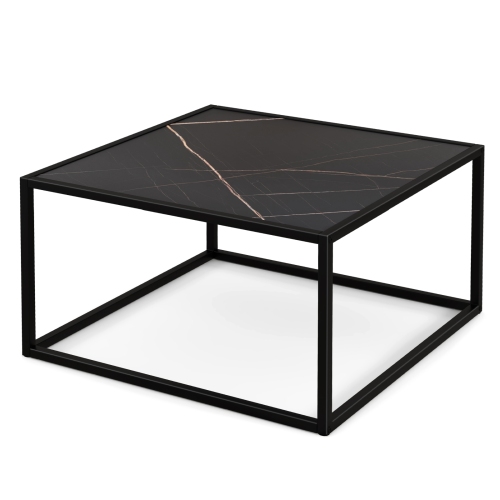
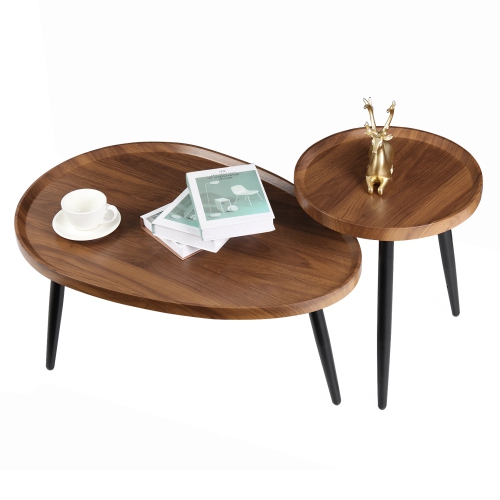
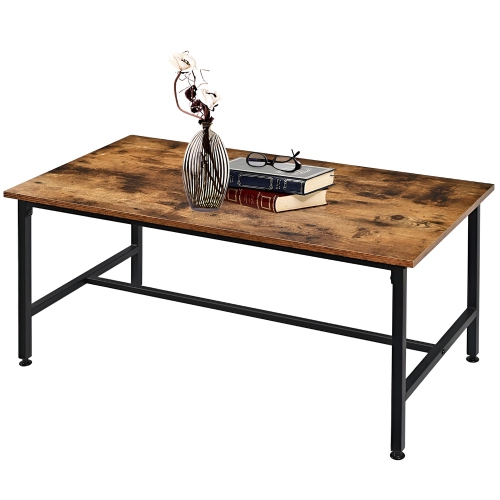
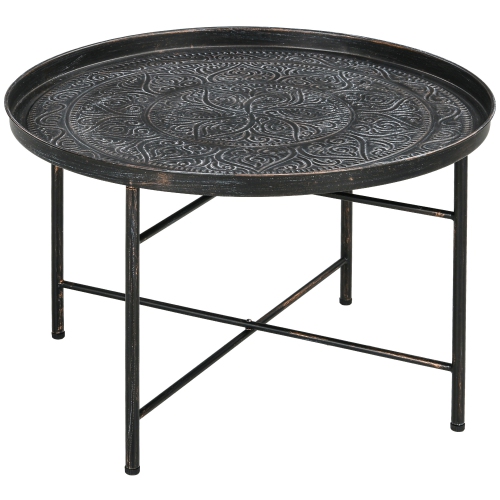
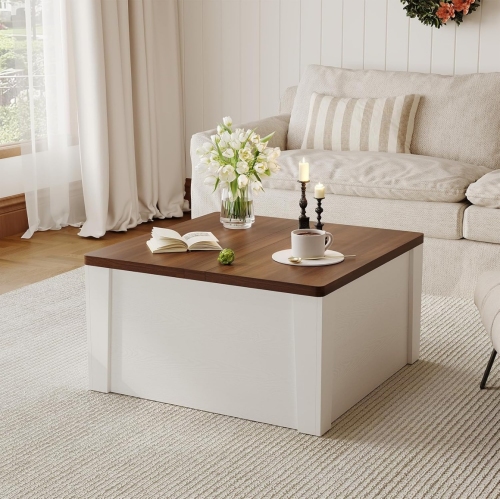
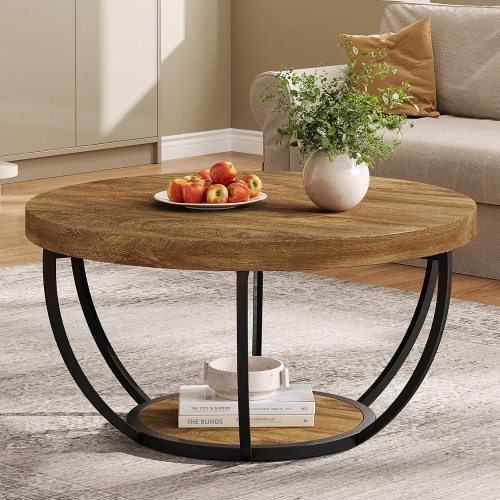
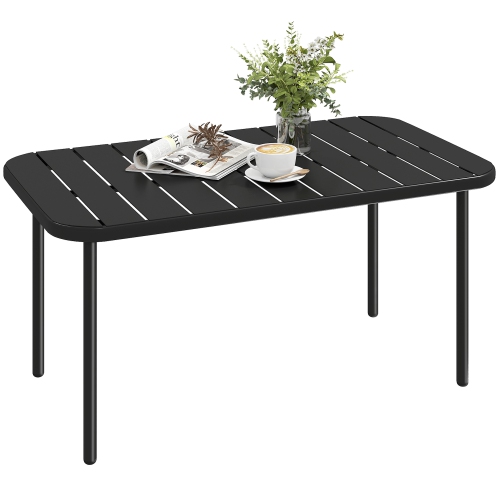
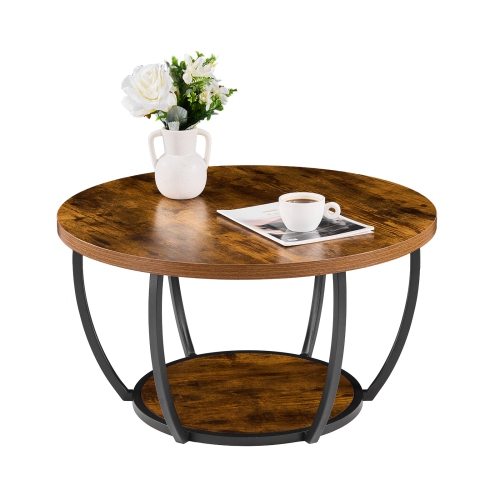
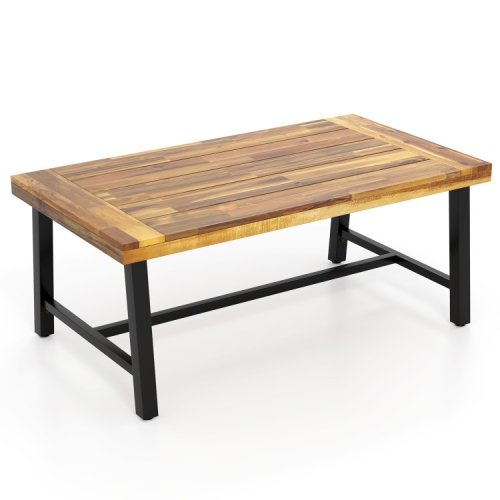
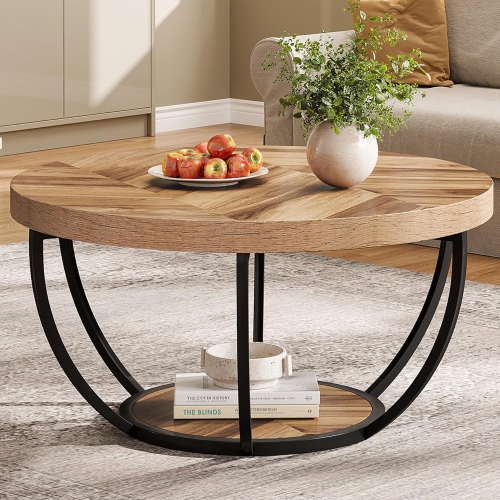
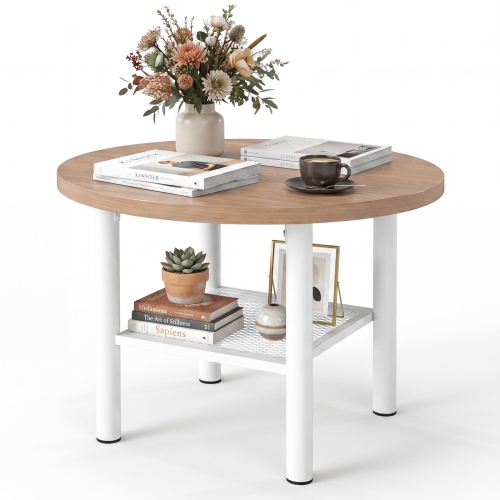
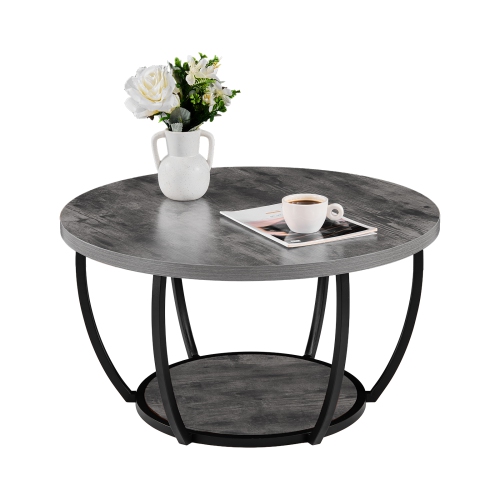
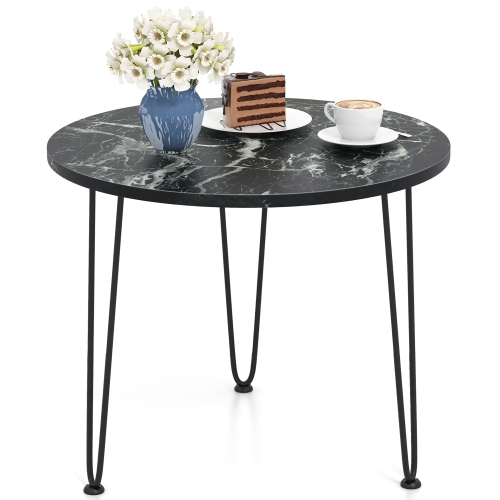
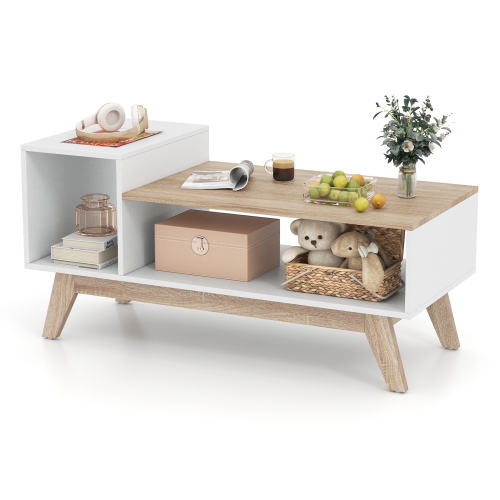
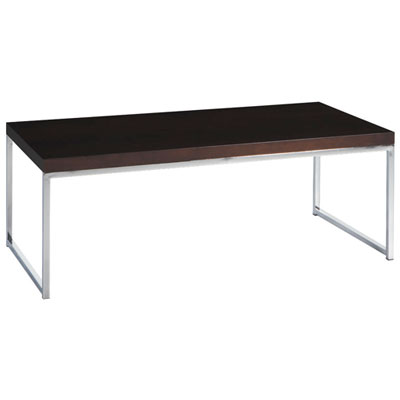
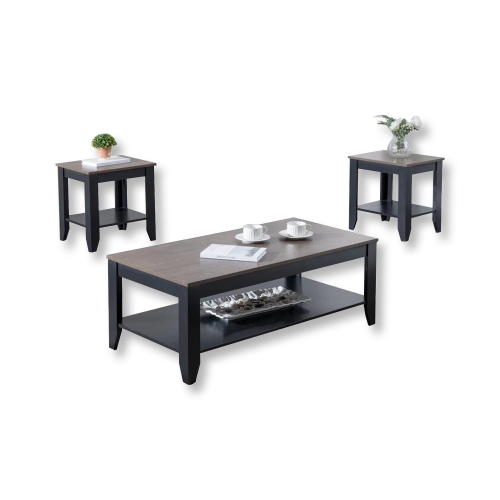
Iron coffee tables bring a distinctive mix of strength, texture, and visual weight to a living room, whether the design features an all-metal body or an iron base paired with a different tabletop material. Their appeal extends beyond industrial interiors: a slender black frame can sit comfortably beside a tailored sofa, while a hammered surface or curved iron legs can lend character to a room with soft upholstery and layered rugs. The term iron coffee table often describes the supporting frame rather than the entire piece, so the tabletop material matters just as much as the base when comparing construction and everyday use. Wood tops introduce grain, warmth, and variation, balancing the darker lines of the metal beneath them. Solid wood may develop small marks and changes in tone over time, while wood veneer provides a real wood surface over a supporting core and requires care around edges and moisture. Glass tops leave the frame visible and allow more of a rug’s pattern to show through, making an open design feel less visually bulky. Tempered glass is heat-treated for greater strength than ordinary glass, although its edges still need protection from impacts. Stone tops create a more substantial presence, with weight and care requirements that vary by material. An iron tabletop offers a more continuous metal look, ranging from smooth and restrained to textured and deliberately uneven. Cast iron is formed in moulds and can support substantial shapes or intricate detailing; forged iron is shaped under force and may feature bends, tapers, or visible surface character. Iron and steel are not interchangeable material descriptions, even when their finishes look similar, making the stated frame composition worth checking. Matte black, bronze-toned, and brushed metallic finishes each change the effect, from crisp contrast against pale upholstery to a softer pairing with warm wood furniture. For shoppers drawn especially to mineral surfaces and prominent veining, Stone Coffee Tables offer another material direction to explore.
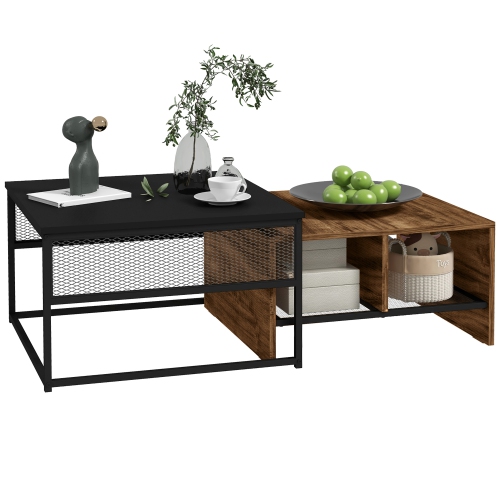
The best fit for an iron coffee table depends on the seating arrangement, the routes through the room, and what the surface needs to hold. A rectangular table often suits a long sofa, keeping drinks, reading material, and a remote within reach across several seats. A square shape can work well inside a generous sectional arrangement, while a round or oval table removes projecting corners from the path between chairs and sofas. Rounded edges can be helpful in a busy family room, but they do not replace stable construction, secure tabletop attachment, or supervision around young children. As a starting point, a table approximately two-thirds the length of the main sofa often looks balanced, with a tabletop close to seat-cushion height or slightly lower. Leaving roughly 36 to 46 centimetres between the sofa and table provides room for legs while keeping the surface accessible; main walking routes may need considerably more space. These proportions are flexible rather than fixed, particularly with deep lounge seating, reclining furniture, or an unusually narrow room. A recliner needs clearance throughout its full movement, not just while upright. The base also affects comfort: a broad drum shape occupies more floor area, whereas inset legs may leave extra room for feet. Open iron frames can keep sightlines clear in a compact condo, though crossbars and braces should not interfere with the way people sit. Lower shelves are useful for baskets, magazines, and folded throws, helping the top stay clear for an evening drink or a board game. Nesting designs can spread out for guests and tuck together afterwards, provided the smaller tables are easy to move safely. For households that regularly gather around the sofa, a broad, steady surface may matter more than intricate detailing. In a quieter sitting room, a sculptural iron base can serve as the focal point without needing to carry much beyond a lamp-free arrangement of books and a tray. Iron coffee tables can also make thoughtful housewarming gifts when the recipient’s measurements, preferred style, and practical needs are already known.
Durability comes from the whole construction, not from the presence of iron alone. Frame thickness, joinery, bracing, tabletop supports, and the quality of the finish all influence how a coffee table handles daily use. A heavy base can feel reassuringly grounded, but weight by itself does not guarantee stability, especially with an oversized top or uneven flooring. Load limits apply to the complete table and may differ for lower shelves, so a coffee table should not be treated as extra seating or a step. Assembly hardware needs to be tightened as directed, with occasional checks if the table begins to move or wobble. Protective feet or suitable felt pads help limit scratches on hardwood and other hard floors, while adjustable levellers, where included, can help the base sit evenly. Lifting rather than dragging protects both the flooring and the frame; larger iron-and-stone designs may require more than one person to move. Routine care is generally straightforward, but it should follow the requirements of every material in the piece. A soft cloth removes dust from iron surfaces, and a lightly dampened cloth may be suitable for cleaning when the finish permits it, followed by thorough drying. Abrasive pads and harsh cleaners can scratch or dull protective coatings. Coasters and trays help contain condensation from cold glasses, and spills should be cleared promptly rather than left around seams, fasteners, or tabletop edges. Iron can rust when exposed to moisture, particularly where its coating has chipped, so damaged areas deserve attention according to the manufacturer’s care directions. Indoor iron furniture should not be assumed suitable for a balcony or patio. Wood benefits from protection against prolonged moisture and heat, glass needs a compatible cleaner and a non-scratching cloth, and natural stone may require sealing or protection from acidic liquids. With suitable care and proportions that work with the seating, an iron coffee table can provide a dependable centre for everyday living, from a quiet morning with a mug and newspaper to relaxed evenings with family and friends.
Top selling and popular products
-
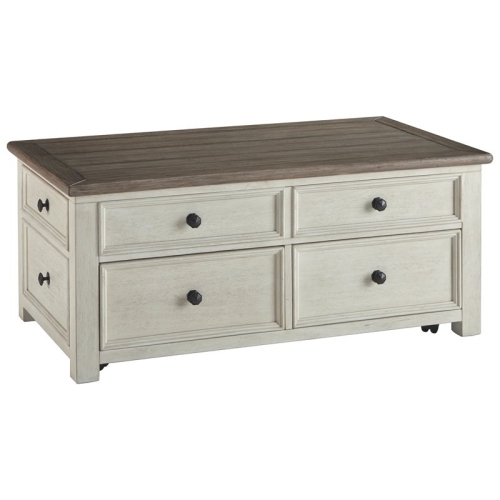 Your price for this item is $949
-
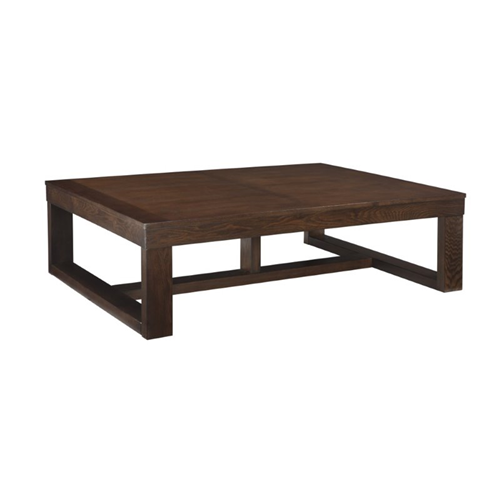 Your price for this item is $449
-
 Your price for this item is $649
-
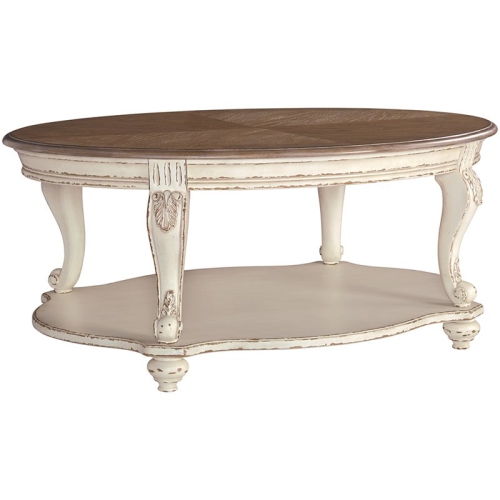 Your price for this item is $599
-
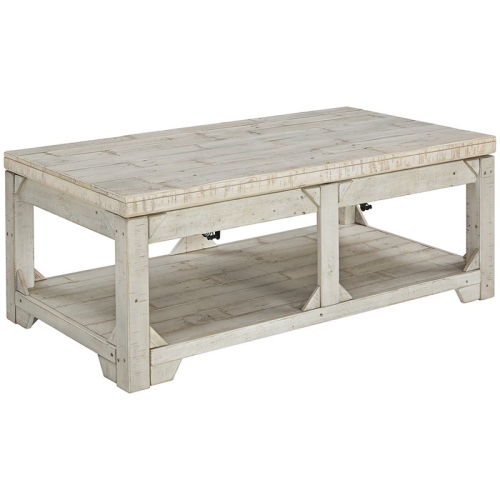 Your price for this item is $549
-
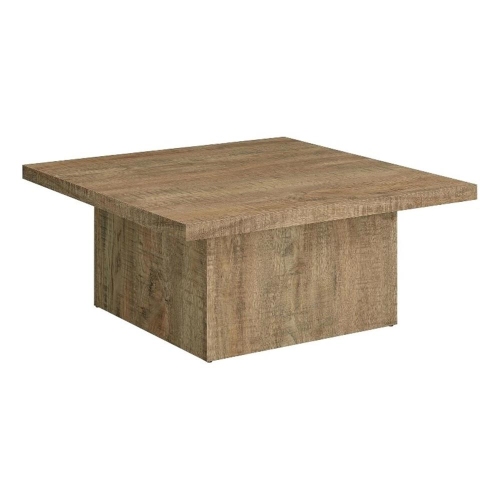 Your price for this item is $349.93
-
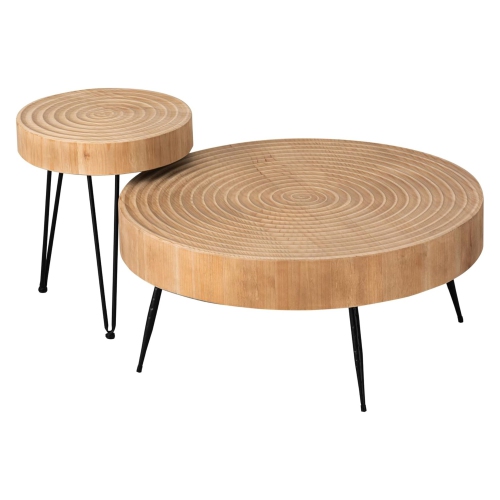 Your price for this item is $378.99
-
 Your price for this item is $233.72
Discover more categories related to Iron Coffee Tables


Top Collections:
Best Black Friday Deals This Year, Best Black Friday Deals On Electronics, Kindle Devices, Best Black Friday Deals On Apple Products, Best Budget Office Chairs, Best Cameras for Sports Photography, Dyson Airwrap, Canon G7X Cameras, Best Laptops for Writers, Samsung Galaxy Phones
Some products may be subject to Environmental Handling Fees
(EHF) depending on your province.
Learn more about EHFs.