Stone Coffee Tables
Elevate your living space with the timeless elegance and natural beauty of stone coffee tables. Crafted from durable and luxurious materials, these tables effortlessly blend functionality with style to create a focal point in any room. From sleek modern designs to rustic-inspired finishes, our collection offers a variety of options to suit your personal taste and complement your existing decor. Discover the perfect stone coffee table to add a touch of sophistication and sophistication to your home today.
Sort
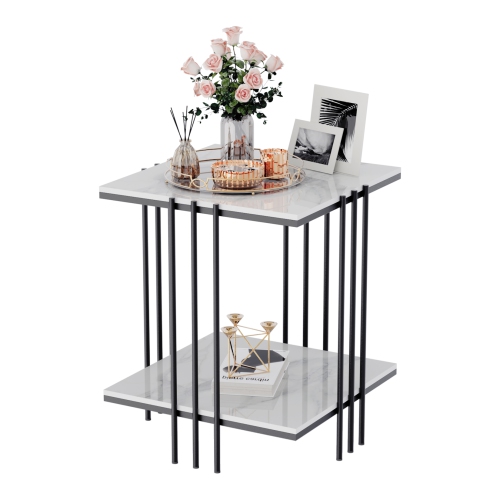
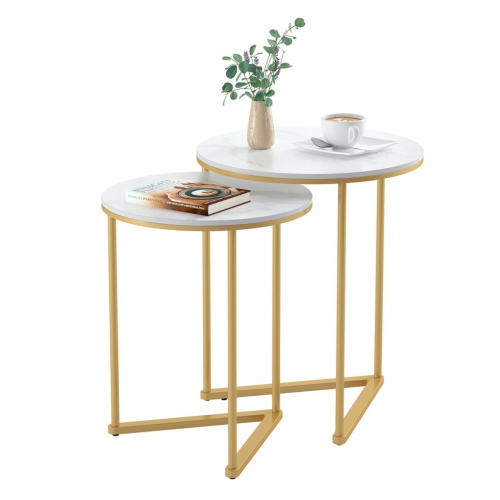
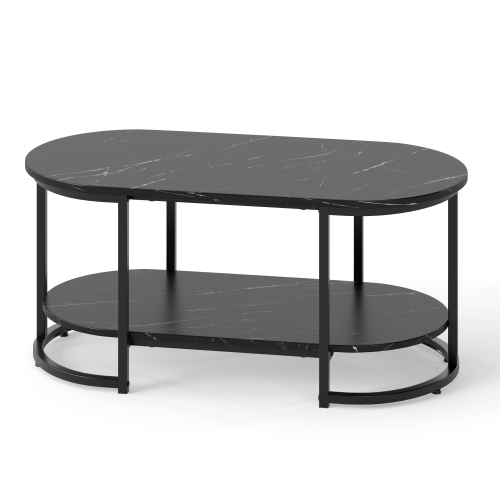
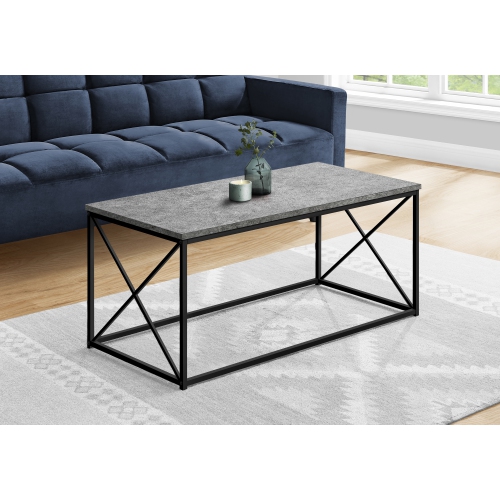
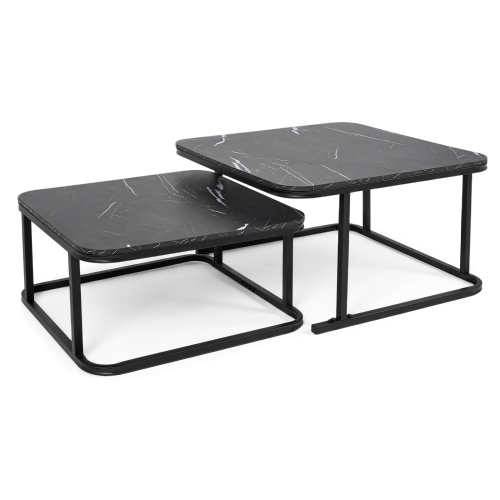
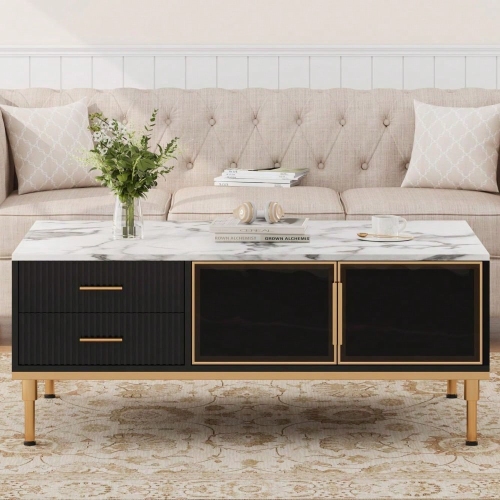
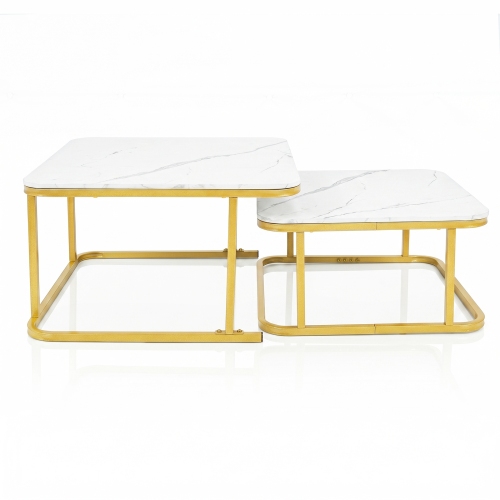
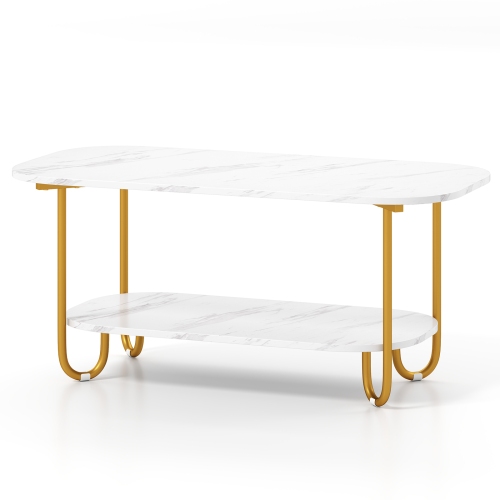
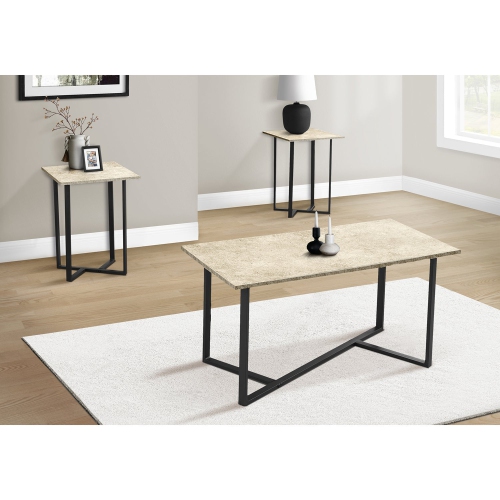
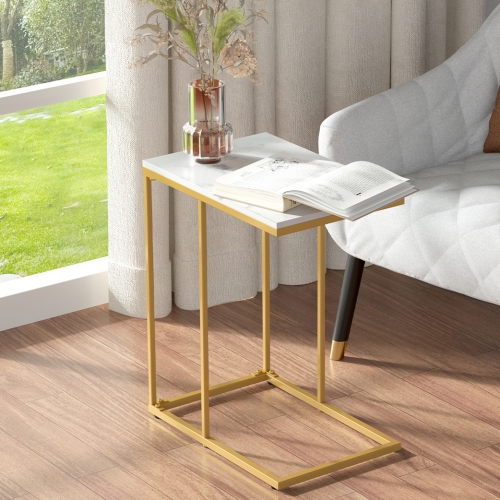
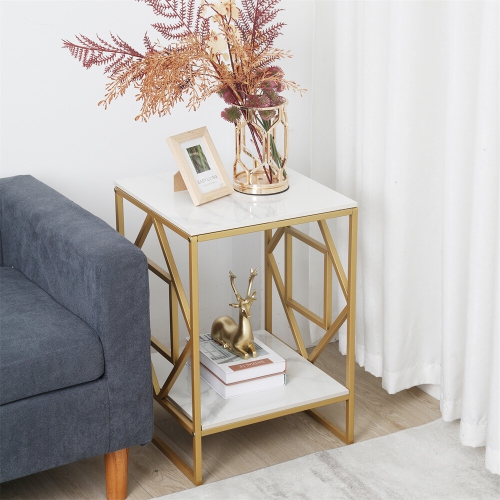
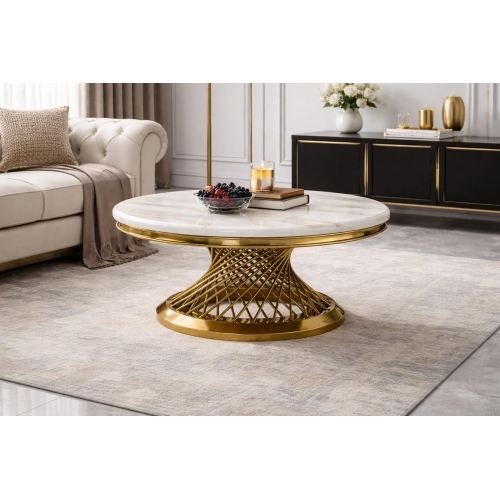

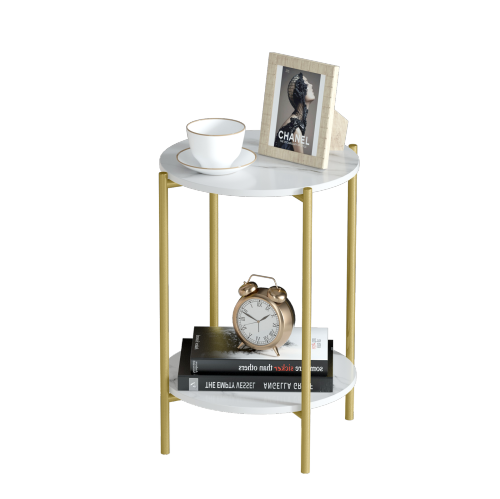
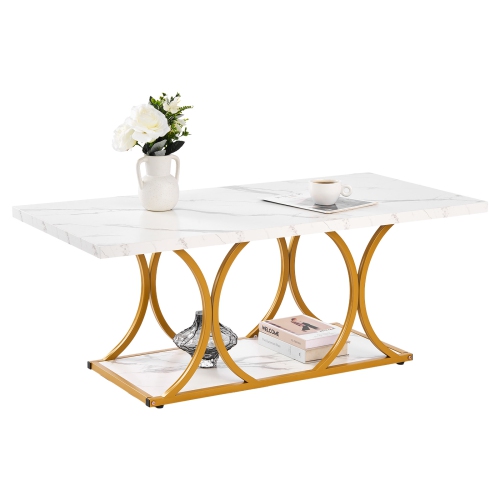
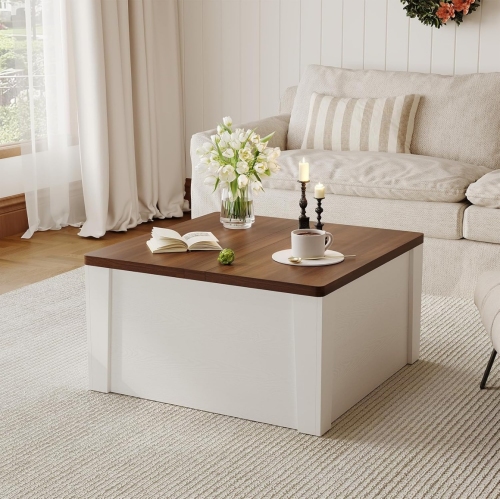

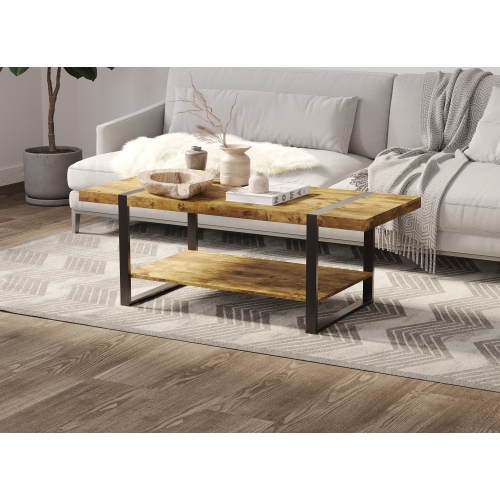

There’s more to a stone tabletop than its pattern
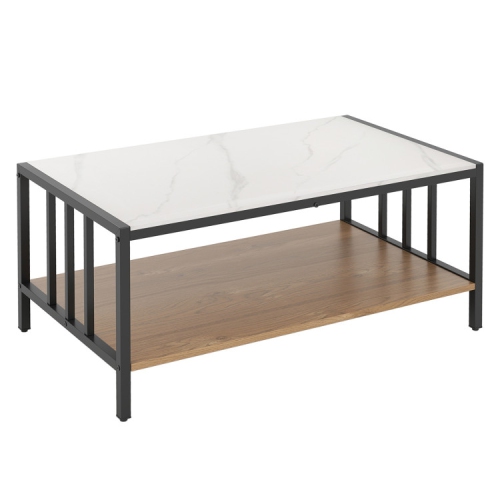
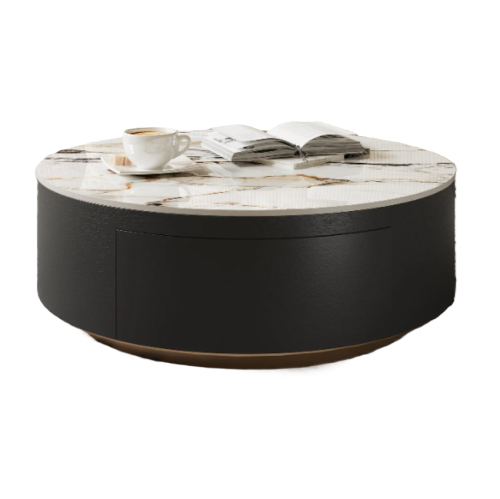
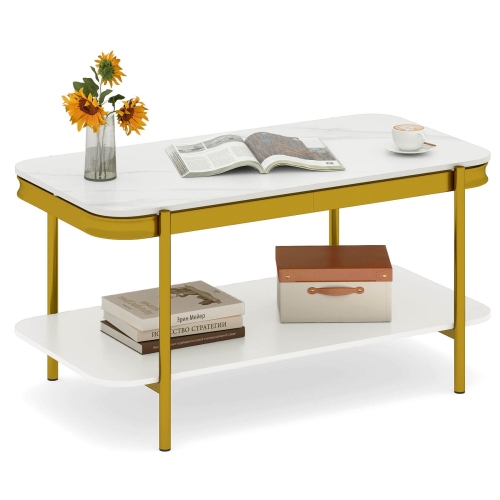
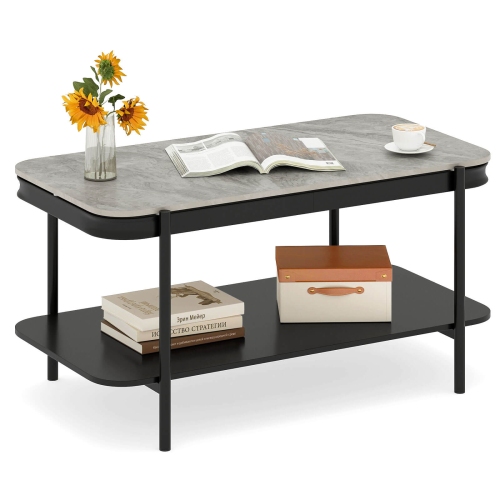
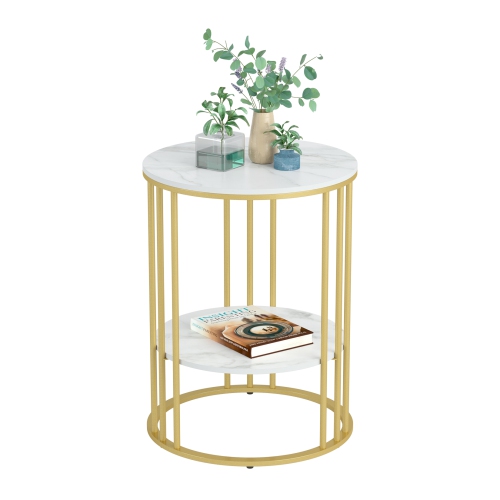
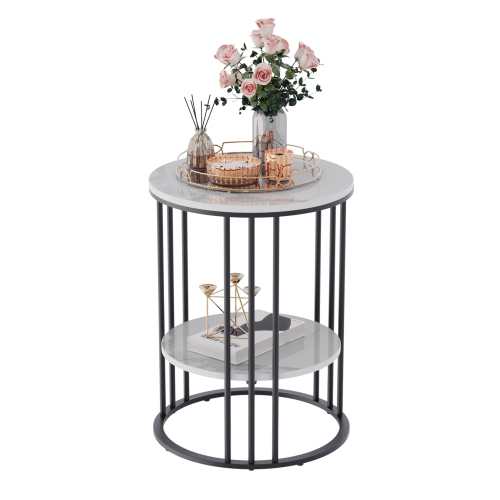
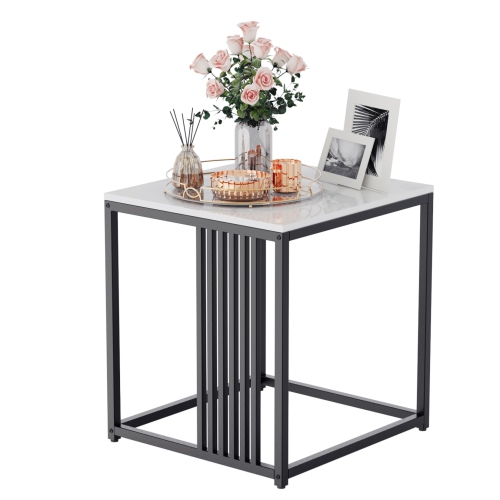
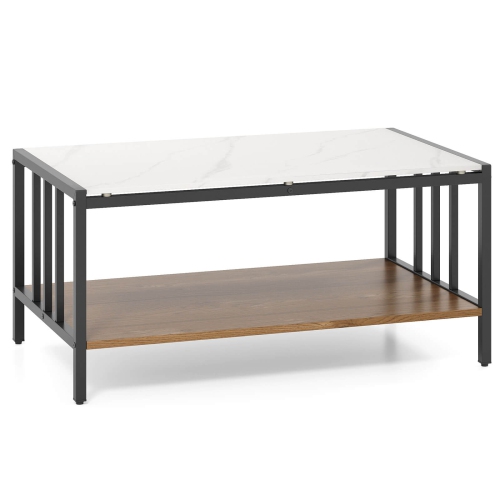
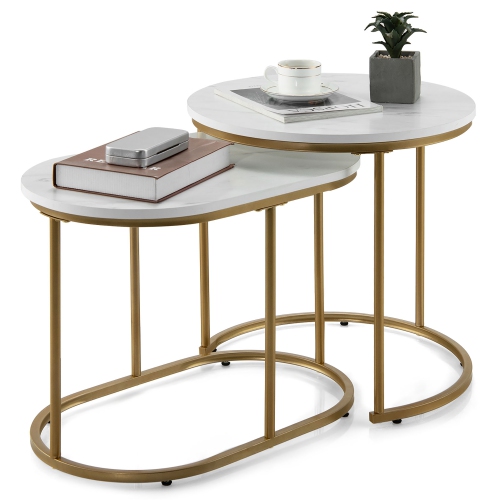
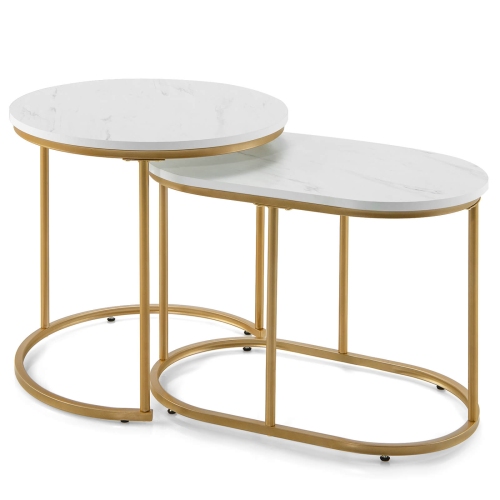
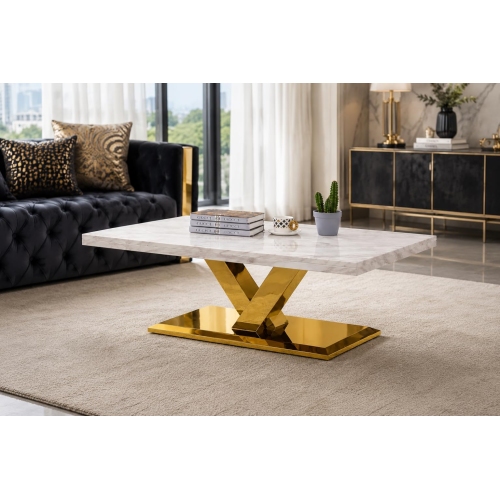
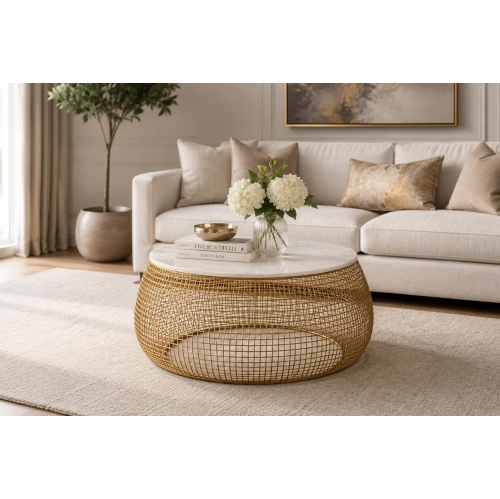
Stone coffee tables bring the pattern, texture, and substantial presence of stone into the centre of a living room. Their surfaces can be quietly uniform or full of movement, with fine veins, cloudy markings, or small mineral variations that make the tabletop part of the room’s character. A pale stone surface can provide a gentle contrast to a charcoal sofa, while a darker top gives light upholstery a more defined focal point. The category includes natural stone, such as marble, travertine, granite, and onyx, as well as engineered and sintered materials. Marble is known for its veining and can have a polished or honed finish; travertine often has a softly textured appearance, with pores that may be filled or left visible depending on the finish. Granite generally offers good resistance to everyday wear, although its care requirements still depend on the particular stone and treatment. Onyx can have striking bands and a sense of depth, but it calls for careful handling rather than hard daily use. Engineered stone combines mineral content with binders, while sintered stone is made by compacting mineral-based materials under high pressure and heat. These manufactured surfaces vary in composition and performance, so the material description matters more than appearance alone. A stone-look finish is not necessarily real stone, and a table with a stone top may have a wood, metal, or composite base rather than a full stone body. Those construction differences influence weight, feel, and maintenance. Polished finishes reflect light and emphasize pattern, whereas honed or matte finishes tend to look softer beside textured upholstery and woven rugs. Neither finish makes a surface immune to marks. Across contemporary, minimalist, and mid-century interiors, stone coffee tables work especially well when their pattern has room to stand out, whether that means a mostly clear top or a simple arrangement of books, a tray, and a small vase. Their appeal comes as much from proportion and texture as from decoration.
The shape and footprint of a stone coffee table affect how comfortably the seating area works. Rectangular designs often sit naturally in front of a long sofa, providing a shared surface for drinks, reading material, and remotes without requiring everyone to reach towards one small spot. Round and oval tables soften the outline of a room and remove projecting corners from walking routes, which can be helpful in compact spaces or homes with active children. Rounded edges do not eliminate the need for supervision, since stone remains a hard material. Square tables can suit broad seating arrangements, while smaller circular forms may fit neatly between a sofa and an occasional chair. The best fit leaves enough room to sit down, stand up, and walk past without turning sideways. Around 14 to 18 inches between the sofa and table is a common planning range, with more space needed along a busy route through the room. Table height usually feels comfortable close to the height of the sofa seat, or slightly lower, though deep lounge seating and firmer upright sofas create different reaching distances. A broad tabletop may suit a household that regularly gathers for board games, while a smaller surface can preserve valuable floor space in a condo living room. Base design also changes the experience. A pedestal can leave the perimeter relatively open, while widely spaced legs may extend into the path around the table. A block-style base creates a strong visual anchor but can make a small room feel more crowded. Wood bases add warmth beside stone, and metal frames can give a heavy-looking top a lighter outline. Stability depends on the whole construction, including the base footprint and how securely the top is attached. For renters or people who rearrange furniture often, overall weight, doorway clearance, and the route through stairs or lifts deserve attention alongside the finished look. A stone coffee table is generally intended for everyday living room use, not as a seat, step, or support for someone getting up from the sofa unless it is expressly designed for that purpose.
Day-to-day care helps preserve the surface without turning the coffee table into something too precious to use. Natural stone can be porous, and some materials need sealing according to the manufacturer’s directions; a sealed surface is more resistant to absorption, not completely protected against every spill. Marble, travertine, and onyx are sensitive to acids, so lemon juice, wine, and acidic cleaners can leave dull etched patches even when a spill does not produce a dark stain. Coasters under drinks and a tray beneath refreshments are practical additions, especially where mugs, sparkling water, and snacks share the surface with books or electronics. Spills are best blotted promptly with a soft cloth rather than left to dry. Routine cleaning usually involves a soft cloth and a cleaner suitable for the specific stone and finish, with abrasive pads and harsh household chemicals avoided unless the care directions explicitly allow them. Engineered and sintered surfaces have their own requirements, and resistance to heat, scratching, or staining should never be assumed from the material name alone. A protective pad beneath a hot serving dish and felt beneath decorative objects can help prevent avoidable marks. Stone is strong under appropriate use, but edges and corners may chip if struck, and a slab can crack under uneven support or concentrated force. Moving a table by its top may loosen attachments or damage the stone, so handling should follow its assembly and moving directions, with enough people to manage the weight safely. Floor protectors suited to both the table and flooring can reduce scuffs without compromising stability. For a contrasting material direction, Steel Coffee Tables bring a different texture and finish to a seating arrangement. Stone remains appealing for its distinctive surface, visual weight, and ability to connect soft furnishings with a more architectural element. Whether placed in a quiet reading area or a living room used throughout the day, its lasting suitability depends on a comfortable fit, sound construction, and care that matches the material.
Top selling and popular products
-
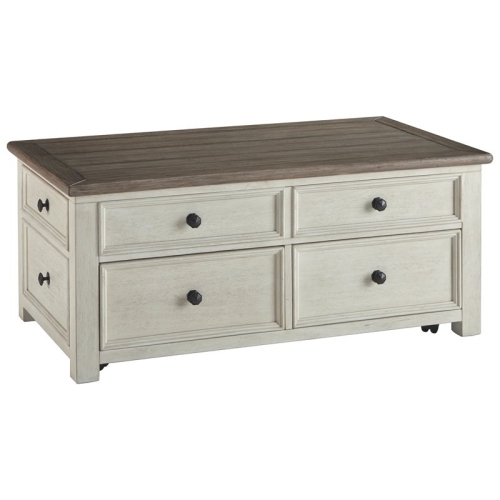 Your price for this item is $949
-
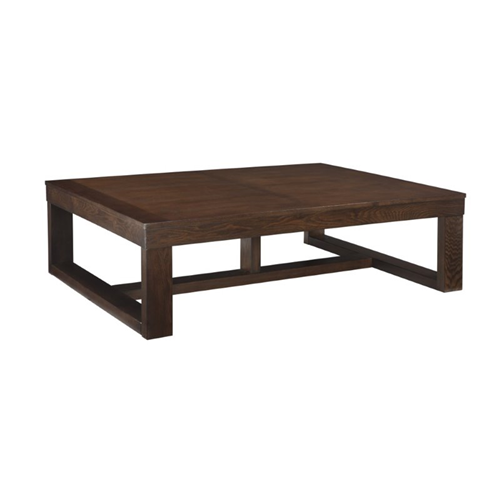 Your price for this item is $449
-
 Your price for this item is $649
-
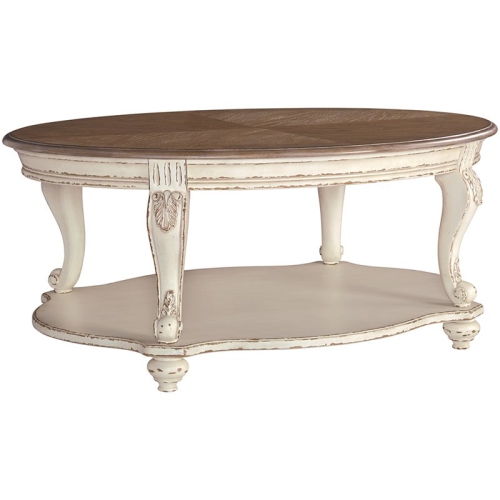 Your price for this item is $599
-
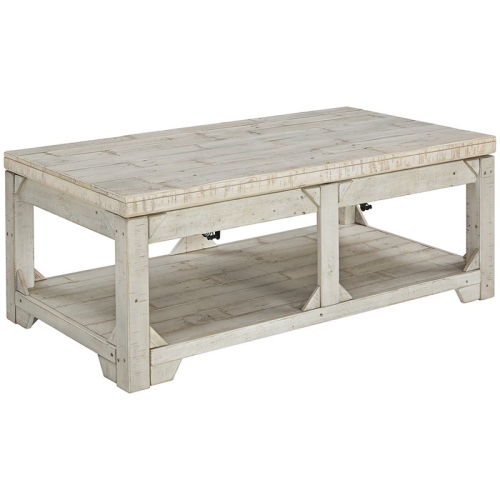 Your price for this item is $549
-
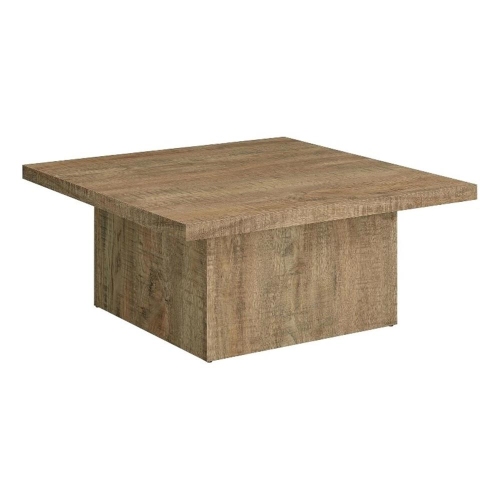 Your price for this item is $349.93
-
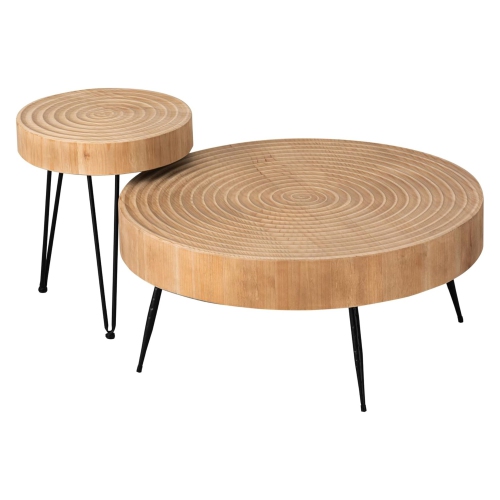 Your price for this item is $378.99
-
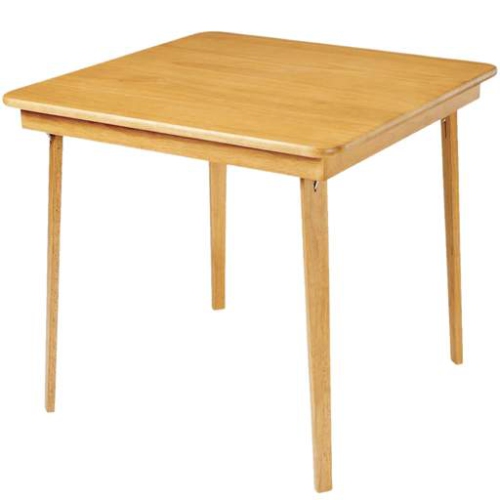 Your price for this item is $233.72
Discover more categories related to Stone Coffee Tables


Top Collections:
Best Black Friday Deals This Year, Best Black Friday Deals On Electronics, Kindle Devices, Best Black Friday Deals On Apple Products, Best Budget Office Chairs, Best Cameras for Sports Photography, Dyson Airwrap, Canon G7X Cameras, Best Laptops for Writers, Samsung Galaxy Phones
Some products may be subject to Environmental Handling Fees
(EHF) depending on your province.
Learn more about EHFs.