Kitchen Cleavers
Looking to upgrade your kitchen arsenal with a versatile and efficient cutting tool? Look no further than our selection of kitchen cleavers. These heavy-duty blades are designed to tackle tough tasks with ease, making them a must-have for any home cook or professional chef. From chopping through thick cuts of meat to crushing garlic cloves, our collection of kitchen cleavers offers the perfect balance of power and precision. Whether you're a seasoned culinary expert or just starting out in the kitchen, these multi-purpose tools are sure to become your go-to for all your chopping needs. So, get ready to take your cooking skills to the next level with our range of high-quality kitchen cleavers.
Sort

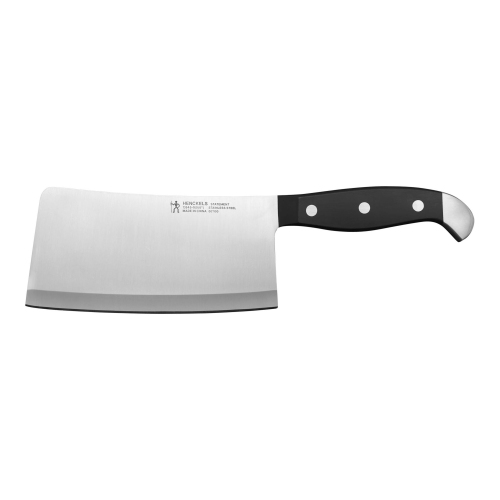


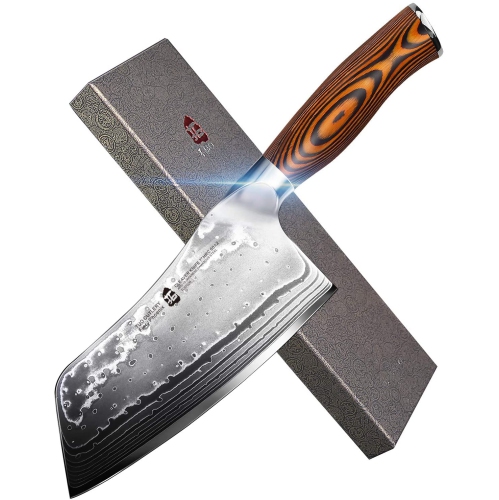
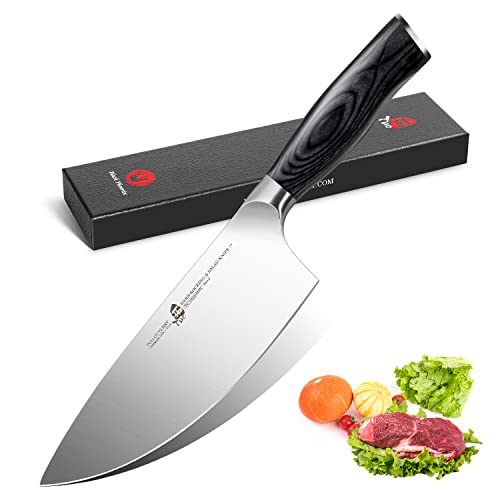

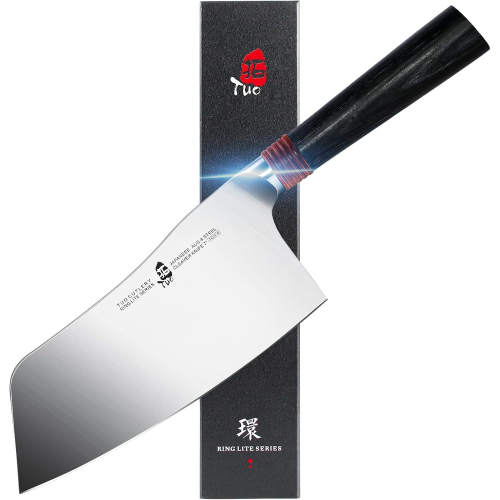


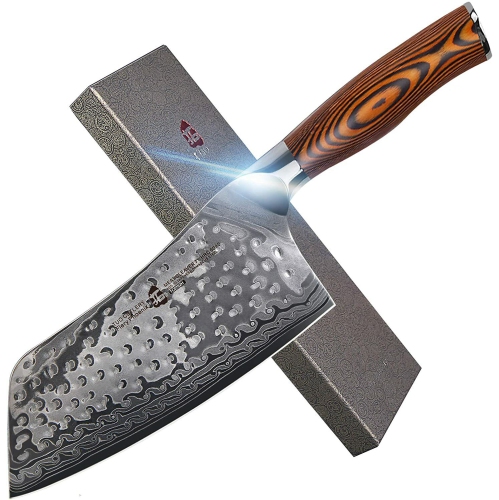
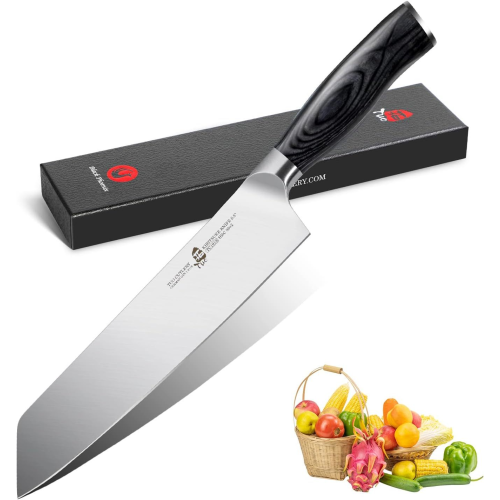
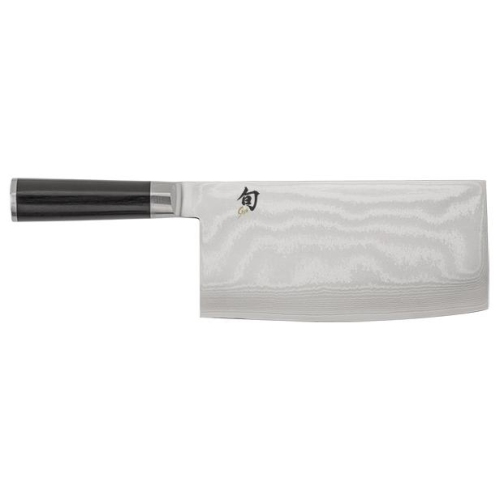
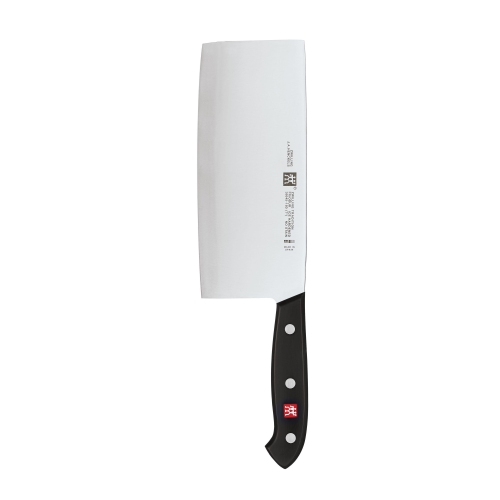
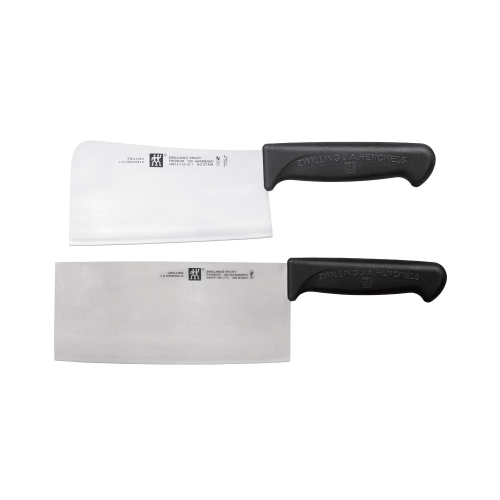
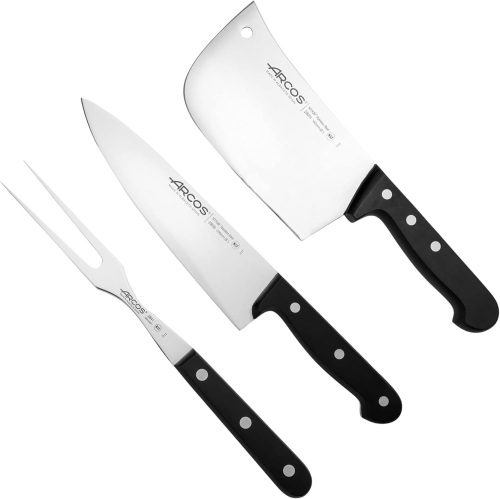

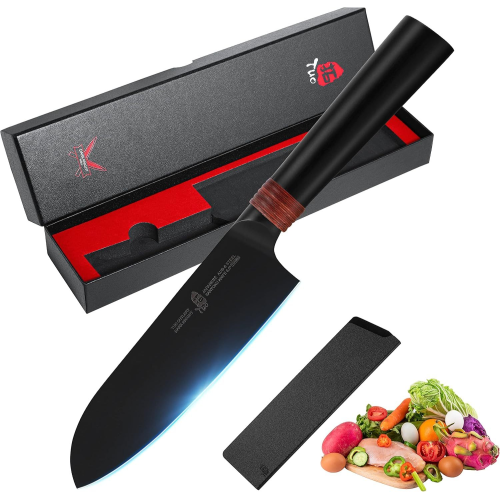


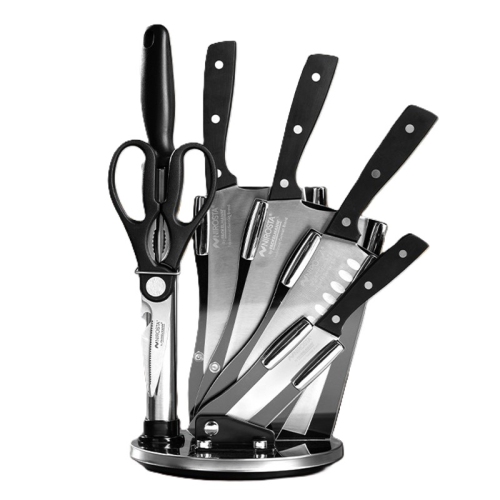
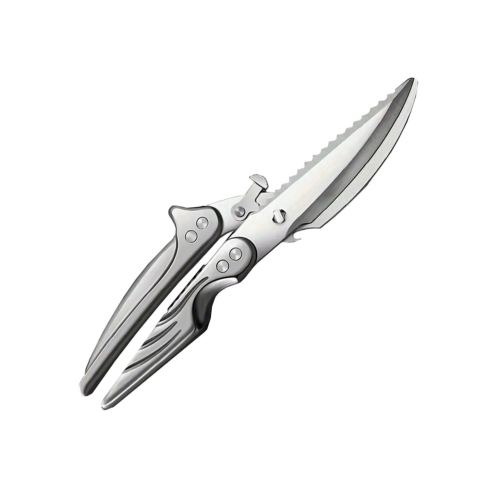
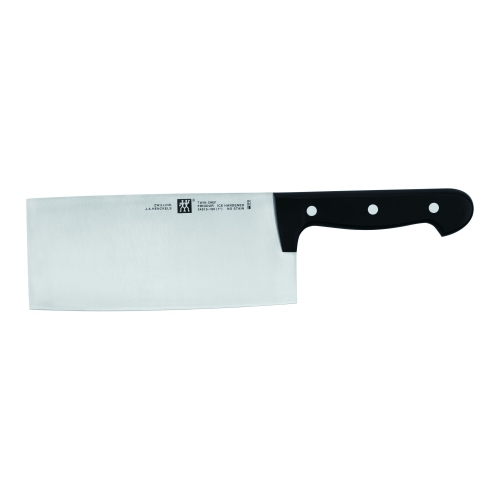

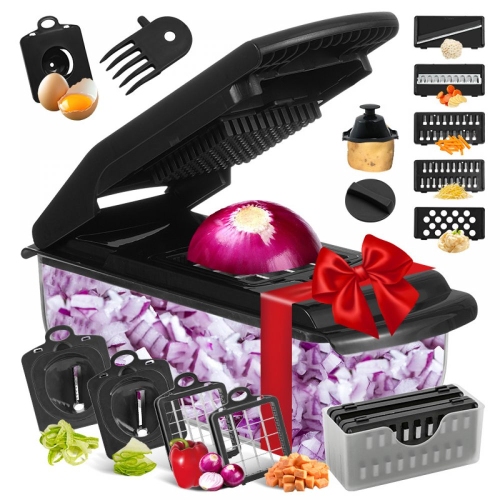
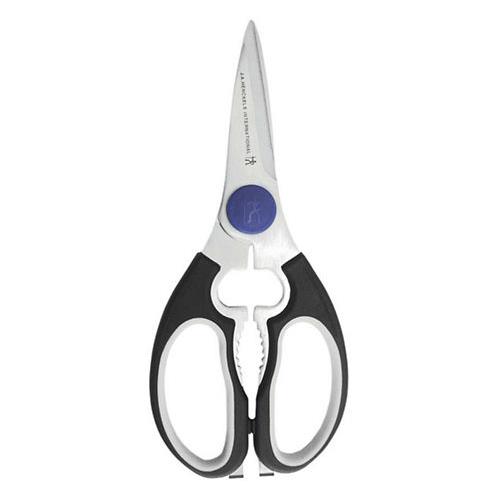
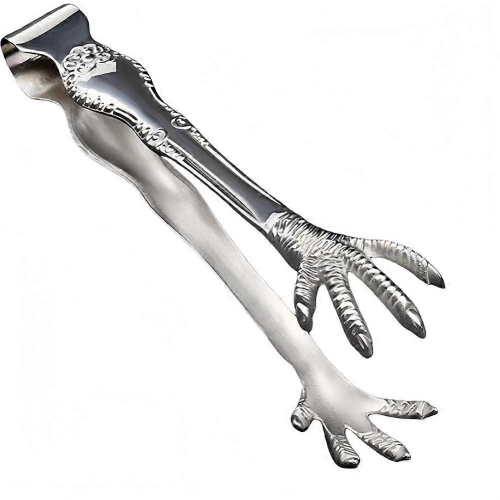

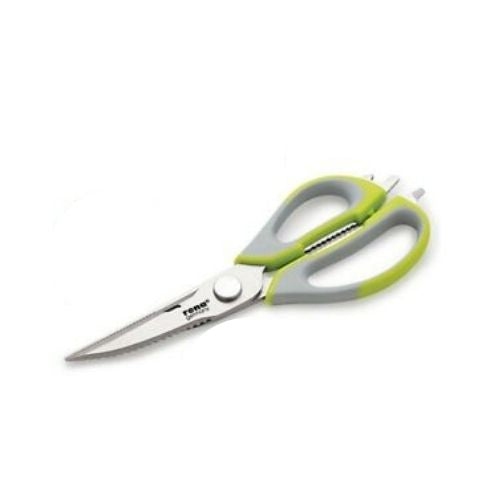
Similar blades serve different roles in meal preparation
Kitchen cleavers are broad-bladed kitchen knives made for tasks ranging from chopping vegetables to portioning meat, with blade thickness and weight determining their intended use. A heavy meat cleaver and a thin Chinese-style vegetable cleaver can look similar at a glance, but they serve different purposes. Meat cleavers typically have a thick spine, a substantial blade, and an edge shaped to withstand more demanding chopping. Depending on the manufacturer’s specifications, they may be suitable for cartilage, poultry joints, or certain smaller bones; their rectangular shape alone does not make them suitable for every bone-cutting task. Thin Chinese-style cleavers, often called cai dao, are generally intended for vegetables, herbs, tofu, and boneless meat rather than bone. Their wide blades offer plenty of surface area for moving chopped ingredients, while a relatively thin edge can produce neat slices of cabbage, mushrooms, or pork for a stir-fry. Between these styles, blade geometry varies considerably, so intended use matters more than appearance. For a kitchen where most preparation involves onions, greens, and boneless chicken, a lighter slicing cleaver may see more daily use than a heavy chopping model. Someone who regularly portions suitable bone-in cuts may have a different need, provided the knife is expressly designed for that work. Neither style should be assumed suitable for frozen food or large, dense bones. The broad profile also changes how the knife feels beside a conventional chef’s knife: there is more blade height above the board, often more clearance beneath the handle, and a larger surface that needs controlled movement. Alongside other Kitchen Cutting Tools, kitchen cleavers fill a distinct role, whether that means preparing a bowl of finely shredded slaw, portioning boneless meat for skewers, or handling heavier preparation within the blade’s stated limits. Matching that role to familiar meals makes the differences between cleaver styles much more meaningful than size alone.
Blade material, edge design, and handle construction all influence a cleaver’s performance over time. Stainless steel offers resistance to corrosion, although it still benefits from prompt washing and thorough drying. Carbon steel can take a fine edge and may develop a patina with use, but it needs more attention to prevent rust, particularly after contact with acidic ingredients or moisture. The term high-carbon stainless steel describes steel formulated with both carbon and chromium; it does not, by itself, establish how sharp, tough, or easy to maintain a knife will be. Heat treatment, blade thickness, and the shape of the edge also matter. Harder steel can offer longer edge retention in suitable applications, while a tougher steel and more robust edge may better tolerate the demands placed on a meat cleaver. No blade material makes a thin vegetable cleaver appropriate for striking bones. Fit is equally important because a cleaver’s height and weight can make small differences in the handle especially noticeable. A handle should allow a secure hold without forcing the fingers into an awkward position, and the space between the handle and cutting board should suit the user’s hand. Smooth transitions, rounded contact points, and a balanced feel can make repeated chopping more comfortable. Wood handles offer a natural texture and varied grain, while synthetic handles can provide straightforward care and resistance to moisture. Metal handles have their own feel and balance, with grip depending on their shape and surface finish. Full-tang construction means the blade’s steel extends through the handle, but overall build quality is more informative than that feature alone. A longer blade can span a broad head of cabbage, yet it also requires sufficient board space and storage clearance. A heavier knife may feel purposeful during suitable chopping tasks but tiring when preparing several bowls of vegetables. For home cooks, the useful balance is enough blade for the ingredients at hand without unnecessary weight or reach.
Care and storage have a direct effect on how well kitchen cleavers retain their edge and finish. A stable cutting board with enough room for the blade and ingredients provides a more controlled work surface than a crowded corner of the counter. Wood and suitable plastic boards are generally gentler on knife edges than glass, stone, or ceramic surfaces. Even with a robust blade, twisting the edge through a resistant cut or using it as a lever can cause damage; a cleaver is a cutting tool, not a substitute for a bone saw or pry bar. During vegetable preparation, the broad face can help gather chopped food, but repeatedly dragging the cutting edge sideways across the board can dull it. Keeping the edge clear of that scraping motion helps preserve its finish. After use, handwashing with mild detergent, careful rinsing, and immediate drying help protect both blade and handle. Soaking can damage handle materials and encourage corrosion, while dishwasher conditions can expose the knife to harsh detergents and contact with other utensils. Carbon steel blades and some wood handles may need additional care according to the manufacturer’s directions, including an appropriate food-safe oil where specified. Sharpening needs also differ: a thin slicing cleaver and a heavy meat cleaver should not automatically receive the same edge angle or maintenance treatment. A sharpening method suited to the steel and blade geometry, or professional sharpening when needed, helps maintain the knife’s intended function. Storage deserves attention because a cleaver may not fit a standard knife-block slot or narrow drawer insert. A correctly sized blade guard, a suitable compartment, or a securely mounted magnetic holder rated for the knife’s weight can keep the edge protected and safely out of reach of children. For someone who enjoys cooking, a well-matched cleaver can make a thoughtful housewarming or wedding gift, especially when their preparation habits and comfort with larger knives are already known. The most useful choice is not necessarily the largest or heaviest, but the one whose blade, grip, upkeep, and intended tasks fit naturally into everyday cooking.
Top selling and popular products
-
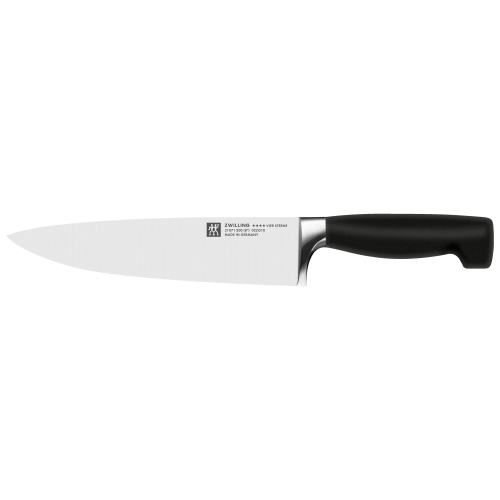 Your price for this item is $139.99
-
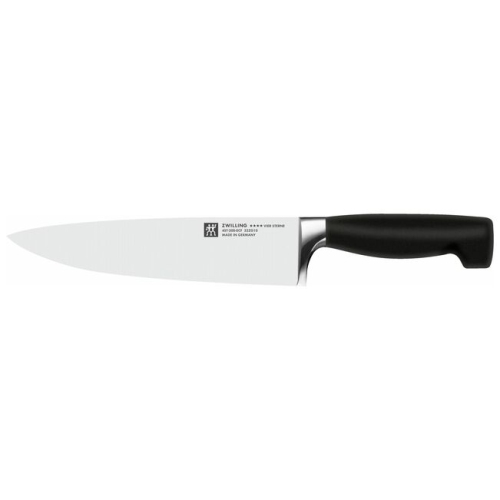 Your price for this item is $199.99
-
 Your price for this item is $139.99
-
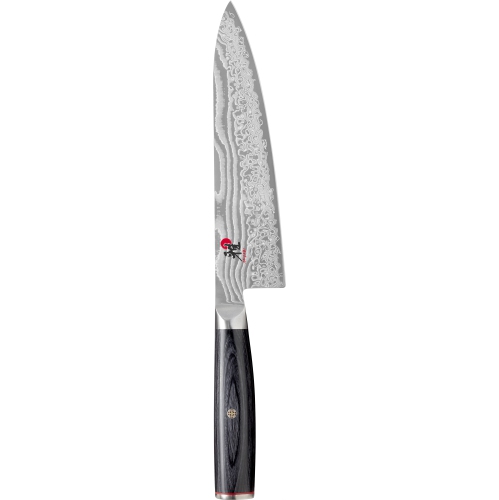 Your price for this item is $299.99
-
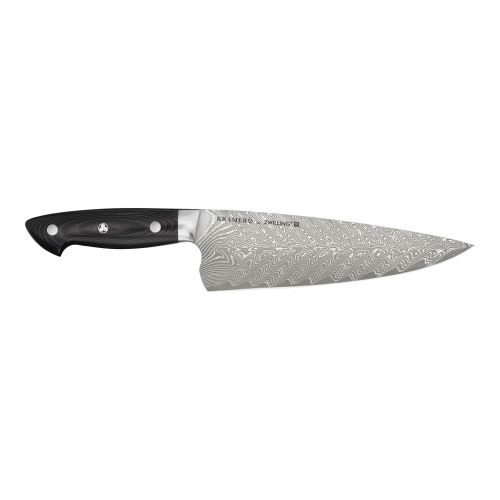 Your price for this item is $385
-
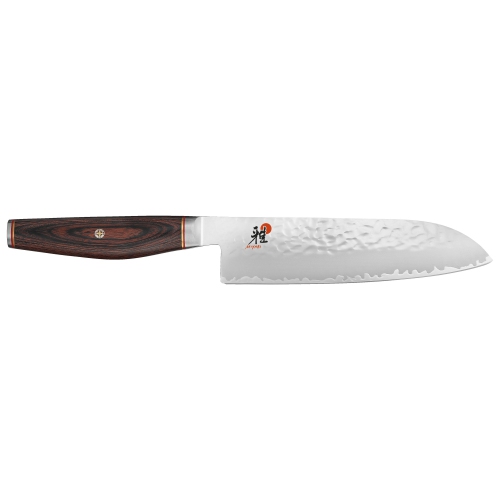 Your price for this item is $329.99
-
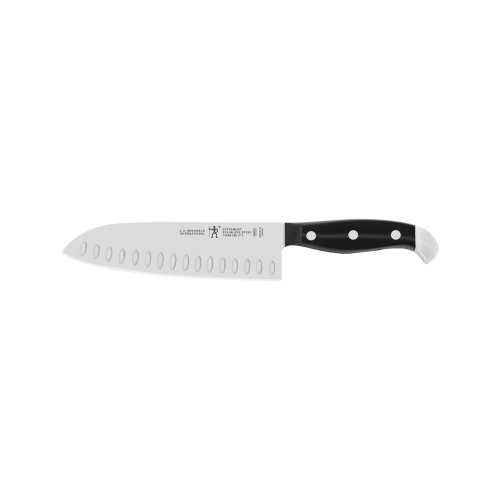 Your price for this item is $29.99
-
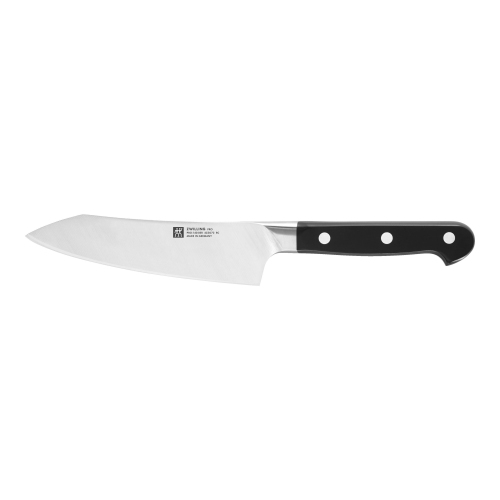 Your price for this item is $179.99
Discover more categories related to Kitchen Cleavers
Top Collections:
Pokemon Centers, Best Cameras for Sports Photography, Kindle Devices, Samsung Galaxy Phones, Canon G7X Cameras, Pokémon 30th Celebration Cards, Refurbished Apple Laptops, iPhone 15 Apple, Laptops for Students, Budget Smartphones
Some products may be subject to Environmental Handling Fees
(EHF) depending on your province.
Learn more about EHFs.