Kitchen Shredders
If you're looking to simplify your meal prep and cut down on kitchen time, look no further than these kitchen shredders. These handy tools are designed to effortlessly shred and slice a variety of ingredients, making it easier than ever to create delicious meals in no time. Whether you're looking to shred cheese for a homemade pizza or slice vegetables for a fresh salad, this range of kitchen shredders has got you covered.
Sort
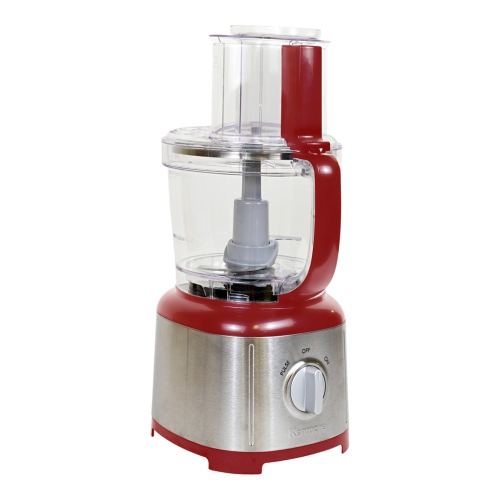
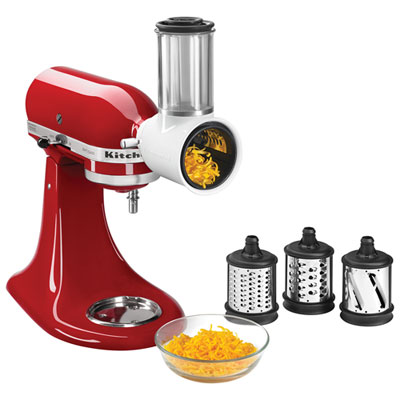
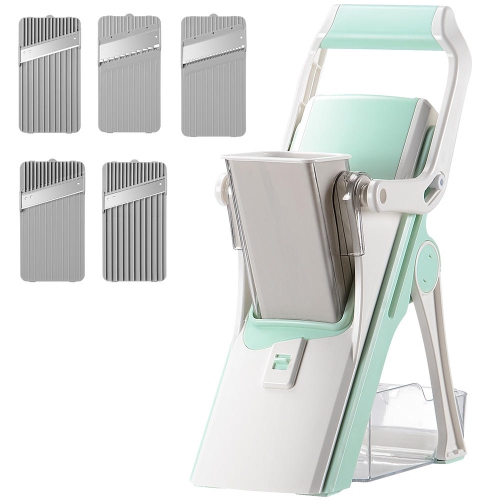
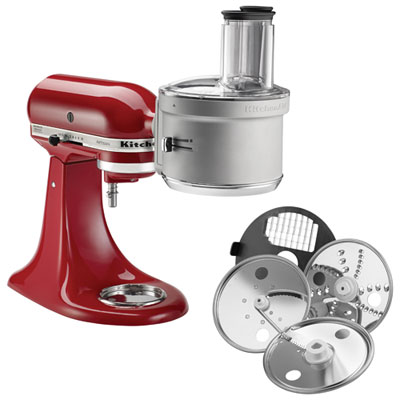
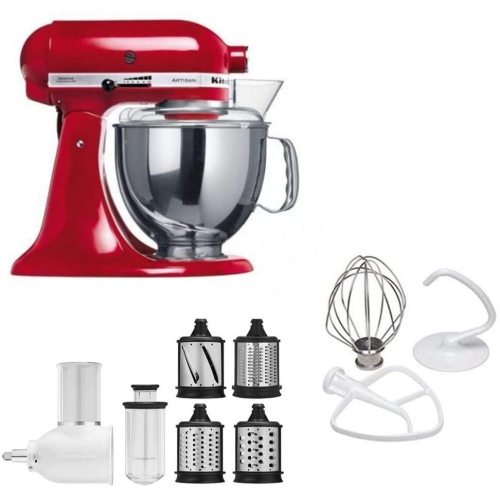

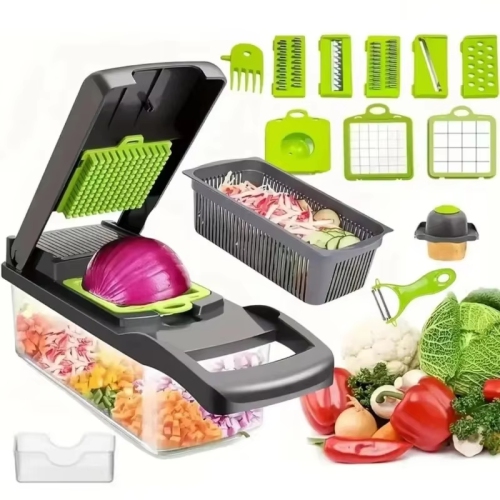
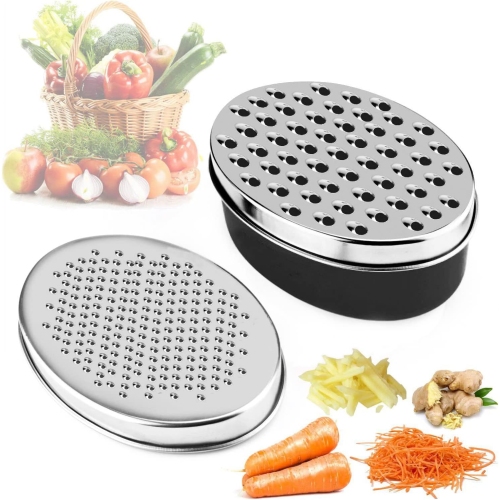
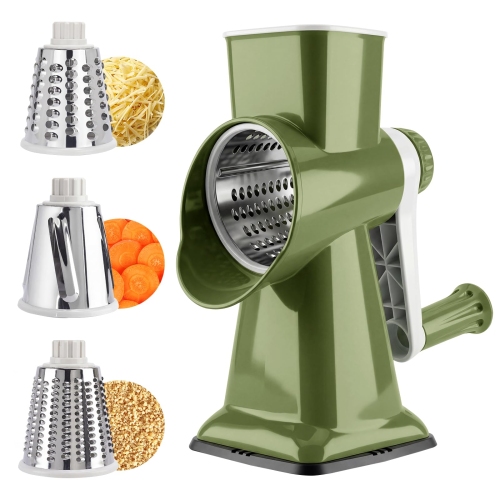
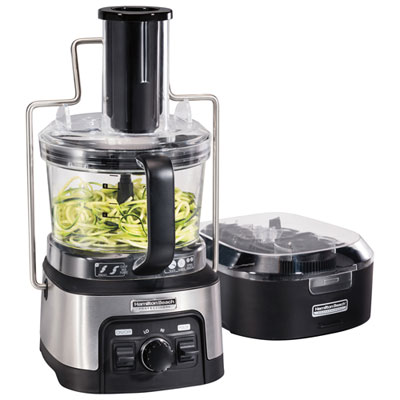

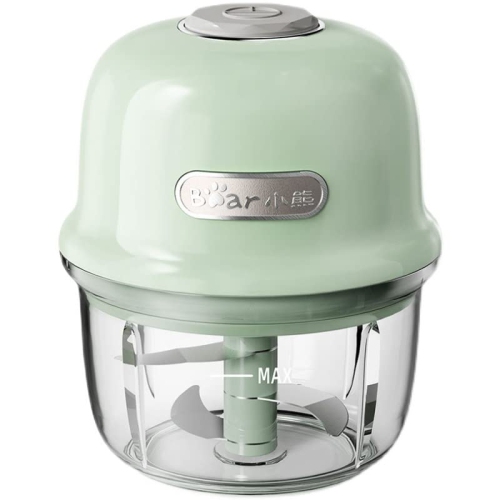

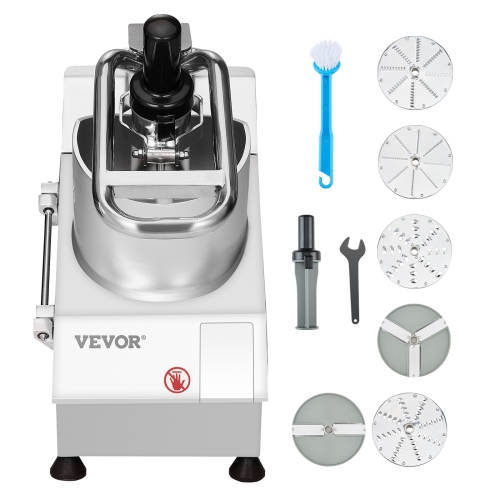
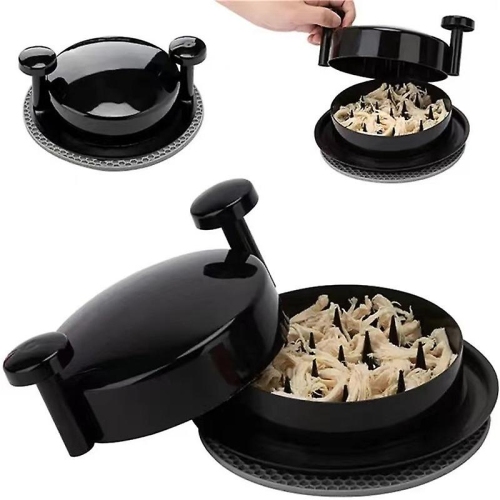
From cheese toppings to big batches of slaw
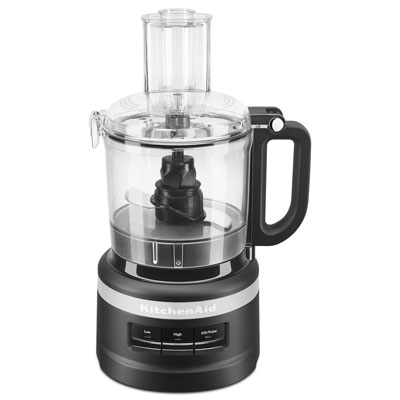
Kitchen shredders turn cheese, vegetables, and other firm ingredients into smaller pieces for cooking, baking, and everyday meal preparation. The category includes manual box graters, handheld graters, rotary hand-crank shredders, electric shredders, and slicer or shredder attachments for compatible appliances. Each format suits a different amount of preparation and a different way of working in the kitchen. A box grater offers several cutting surfaces in one upright tool, making it useful for coarse cheddar shreds, finely grated carrots, or other textures supported by its blades. A handheld grater takes up less space and works well for smaller finishing tasks, such as adding a little hard cheese over pasta. Rotary shredders use a turning drum to grate food fed through a chute, while electric versions use a motor to drive a cutting disc, cone, or drum. Compatible stand mixer attachments draw power from the mixer and can direct prepared ingredients into a bowl below. The resulting texture matters as much as the mechanism: coarse shreds bring bite to a cabbage slaw, finer pieces blend more readily into fillings, and thin slices suit layered dishes when a suitable slicing blade is included. Grating and shredding overlap in everyday language, but not every tool produces the same shape or handles the same foods. Blade openings, cutting angles, and the firmness of an ingredient all affect the result. Carrots and firm cheeses generally hold their shape against a cutting surface, while very soft foods may smear rather than form distinct strands. For someone who prepares a small topping at dinner, a straightforward manual tool may be all that is needed. For a household preparing several vegetable dishes or a large bowl of slaw, a rotary or powered format can make repeated preparation more manageable. A useful kitchen shredder fits the food being prepared, the quantity needed, and the amount of assembly and washing that feels practical for an ordinary meal.
Materials, construction, and fit influence how comfortably a kitchen shredder works over time. Stainless steel cutting surfaces are common because they resist rust and provide a firm edge, although proper cleaning and drying still matter. Plastic housings and food pushers can help keep a tool lighter to handle, while metal frames may offer a more substantial feel. Neither material alone determines durability; secure connections, a rigid body, and cutting components that sit firmly in place are just as important. On a box grater, a comfortable handle and a non-slip base help support controlled strokes without excessive pressure. A broad base may feel steady on a chopping board, but its footprint also needs to fit the available work area. With a rotary shredder, the position of the crank affects hand clearance, and the base must suit the surface where it will be used. Suction bases generally need a clean, smooth, non-porous surface to hold properly, so textured counters can limit their usefulness. The outlet also needs enough clearance for a bowl to catch shreds without food collecting around the drum. For powered tools, feed-chute size affects how much trimming is needed before ingredients can go in. A wider chute may accept larger pieces, but food should still be prepared to the dimensions specified by the manufacturer. Attachments require particular attention to compatibility: a connection that looks similar is not enough to establish that an attachment fits a mixer or food processor. Exact appliance compatibility, the included cutting options, and the assembly method all shape how useful that attachment will be. Storage deserves the same attention as countertop use. An upright grater needs cupboard height, a long handheld tool needs drawer length, and a multi-blade appliance needs a safe place for its loose components. Protective covers or designated blade storage, where provided, help keep sharp edges separated from hands and other utensils. For cooks with limited grip strength or hand mobility, handle shape, crank resistance, and the effort required to assemble and clean the tool can matter as much as whether it is manually or electrically operated.
Daily care and intended use help determine whether a kitchen shredder becomes a regularly used tool or something left at the back of a cupboard. Cheese residue can cling to small openings, and vegetable fibres can lodge around blade edges, making accessible cutting surfaces and removable parts useful features. Dishwasher suitability varies by component and model; stainless steel blades, plastic drums, lids, and food pushers should not automatically be treated alike. Manufacturer care directions establish which parts can go in the dishwasher and which need hand-washing. When hand-washing is required, a suitable brush can help clear trapped food without drawing fingers across sharp openings. Thorough drying before storage helps protect metal parts and prevents moisture from remaining inside enclosed components. Motor housings should not be immersed, and powered appliances should be unplugged before removing blades or clearing a blockage. During preparation, the supplied food pusher or guard should be used as directed rather than pressing ingredients towards a blade with bare fingers. Steady, controlled pressure is generally more useful than forcing a piece that does not fit or is too hard for the tool. These practical details become especially noticeable during familiar kitchen tasks: shredding carrots for lunchbox salads, preparing potatoes for a pan of hash browns, or grating cheese for a baked pasta dish. Ingredients may need further handling after shredding, such as draining grated courgette or squeezing moisture from potatoes when a recipe calls for it; the shredder creates the texture but does not remove that moisture. Cooked meat is a different task from grating firm produce or cheese. Tools designed to pull cooked chicken, pork, or beef into strands are covered by Meat Shredders, rather than being interchangeable with every vegetable grater or rotary drum. For home cooks furnishing a first kitchen, experienced bakers preparing grated ingredients, or families making larger meals, the most useful format is one that matches established cooking habits. A kitchen shredder can also make a practical housewarming gift when its size, care requirements, and appliance compatibility suit the recipient’s kitchen. Comfortable handling, appropriate cutting textures, and straightforward cleanup give this everyday preparation tool its lasting value.
Materials, construction, and fit influence how comfortably a kitchen shredder works over time. Stainless steel cutting surfaces are common because they resist rust and provide a firm edge, although proper cleaning and drying still matter. Plastic housings and food pushers can help keep a tool lighter to handle, while metal frames may offer a more substantial feel. Neither material alone determines durability; secure connections, a rigid body, and cutting components that sit firmly in place are just as important. On a box grater, a comfortable handle and a non-slip base help support controlled strokes without excessive pressure. A broad base may feel steady on a chopping board, but its footprint also needs to fit the available work area. With a rotary shredder, the position of the crank affects hand clearance, and the base must suit the surface where it will be used. Suction bases generally need a clean, smooth, non-porous surface to hold properly, so textured counters can limit their usefulness. The outlet also needs enough clearance for a bowl to catch shreds without food collecting around the drum. For powered tools, feed-chute size affects how much trimming is needed before ingredients can go in. A wider chute may accept larger pieces, but food should still be prepared to the dimensions specified by the manufacturer. Attachments require particular attention to compatibility: a connection that looks similar is not enough to establish that an attachment fits a mixer or food processor. Exact appliance compatibility, the included cutting options, and the assembly method all shape how useful that attachment will be. Storage deserves the same attention as countertop use. An upright grater needs cupboard height, a long handheld tool needs drawer length, and a multi-blade appliance needs a safe place for its loose components. Protective covers or designated blade storage, where provided, help keep sharp edges separated from hands and other utensils. For cooks with limited grip strength or hand mobility, handle shape, crank resistance, and the effort required to assemble and clean the tool can matter as much as whether it is manually or electrically operated.
Daily care and intended use help determine whether a kitchen shredder becomes a regularly used tool or something left at the back of a cupboard. Cheese residue can cling to small openings, and vegetable fibres can lodge around blade edges, making accessible cutting surfaces and removable parts useful features. Dishwasher suitability varies by component and model; stainless steel blades, plastic drums, lids, and food pushers should not automatically be treated alike. Manufacturer care directions establish which parts can go in the dishwasher and which need hand-washing. When hand-washing is required, a suitable brush can help clear trapped food without drawing fingers across sharp openings. Thorough drying before storage helps protect metal parts and prevents moisture from remaining inside enclosed components. Motor housings should not be immersed, and powered appliances should be unplugged before removing blades or clearing a blockage. During preparation, the supplied food pusher or guard should be used as directed rather than pressing ingredients towards a blade with bare fingers. Steady, controlled pressure is generally more useful than forcing a piece that does not fit or is too hard for the tool. These practical details become especially noticeable during familiar kitchen tasks: shredding carrots for lunchbox salads, preparing potatoes for a pan of hash browns, or grating cheese for a baked pasta dish. Ingredients may need further handling after shredding, such as draining grated courgette or squeezing moisture from potatoes when a recipe calls for it; the shredder creates the texture but does not remove that moisture. Cooked meat is a different task from grating firm produce or cheese. Tools designed to pull cooked chicken, pork, or beef into strands are covered by Meat Shredders, rather than being interchangeable with every vegetable grater or rotary drum. For home cooks furnishing a first kitchen, experienced bakers preparing grated ingredients, or families making larger meals, the most useful format is one that matches established cooking habits. A kitchen shredder can also make a practical housewarming gift when its size, care requirements, and appliance compatibility suit the recipient’s kitchen. Comfortable handling, appropriate cutting textures, and straightforward cleanup give this everyday preparation tool its lasting value.
Top selling and popular products
-
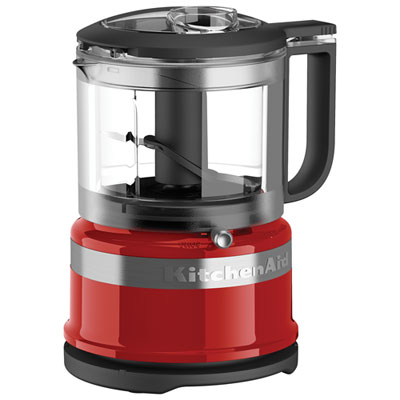 Your price for this item is $49.99
 -
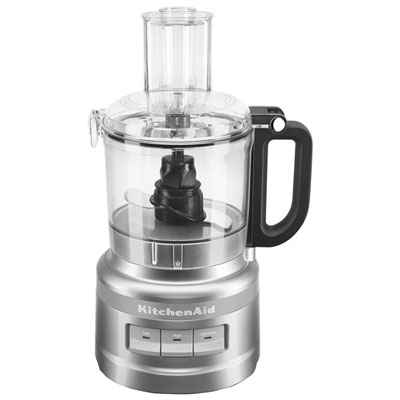 Your price for this item is $109.99
 -
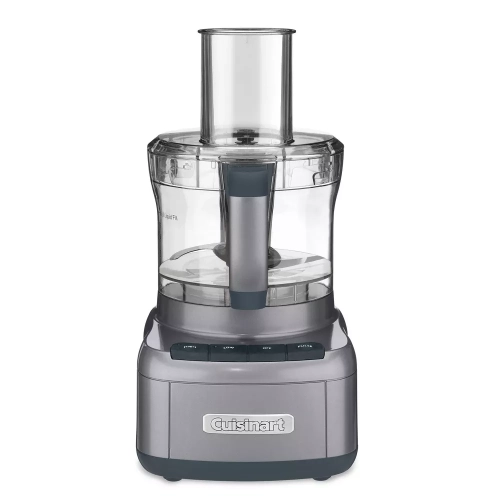 Your price for this item is $317.89
 -
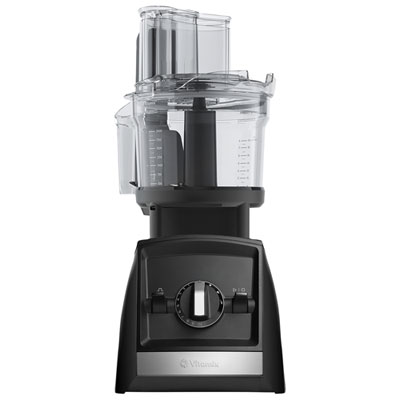 Your price for this item is $349.99
 -
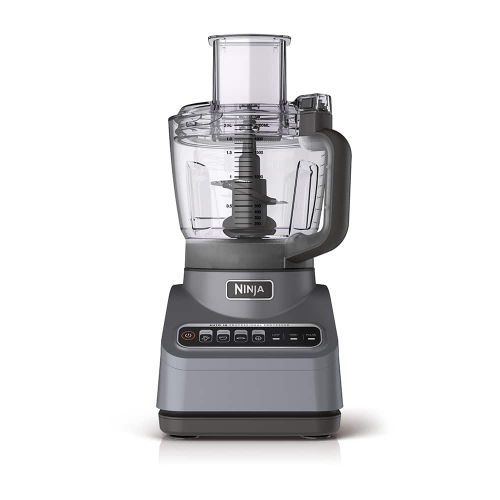 Your price for this item is $204.72
 -
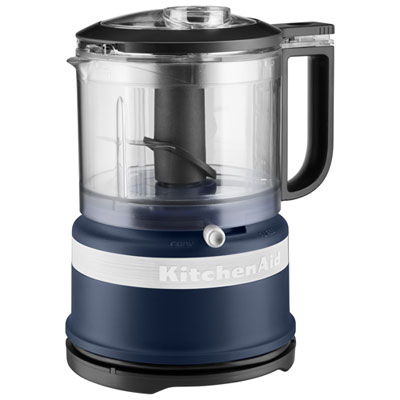 Your price for this item is $49.99
 -
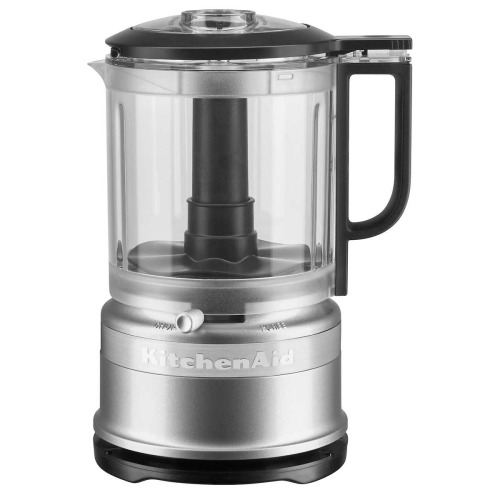 Your price for this item is $159.99
 -
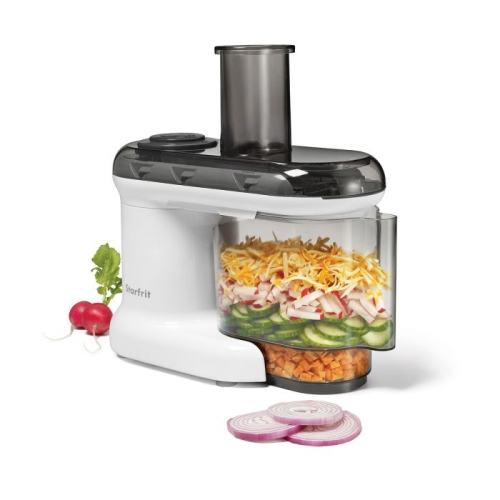 Your price for this item is $69.99
Discover more categories related to Kitchen Shredders

Top Collections:
Pokemon Centers, Kindle Devices, Best Budget Office Chairs, Apple iPhones 16, Best Laptops for Writers, iPhone 15 Apple, Canon G7X Cameras, Refurbished Apple Laptops, Alarm Clock, Motorola Razr Phones
Some products may be subject to Environmental Handling Fees
(EHF) depending on your province.
Learn more about EHFs.