Kitchen Soap Dispensers
Whether you're tackling a pile of dirty dishes or simply washing your hands after a long day, having a reliable kitchen soap dispenser is an essential addition to any sink setup. With their sleek designs and convenient functionality, these dispensers make it easy to dispense just the right amount of soap without mess or hassle. From classic pump-style dispensers to touchless options that offer a hygienic solution, our collection of kitchen soap dispensers has something to suit every style and preference. Explore our range of options and find the perfect dispenser to elevate your kitchen's functionality and aesthetics.
Sort

![GREEN SCENIC [Durable And Rust-Proof] 304 Stainless Steel Push Soap Dispenser - Wall-Mounted Shower Gel/hand Soap Bottle, 100Ml Suitable For](https://multimedia.bbycastatic.ca/multimedia/products/500x500/193/19384/19384744.png)


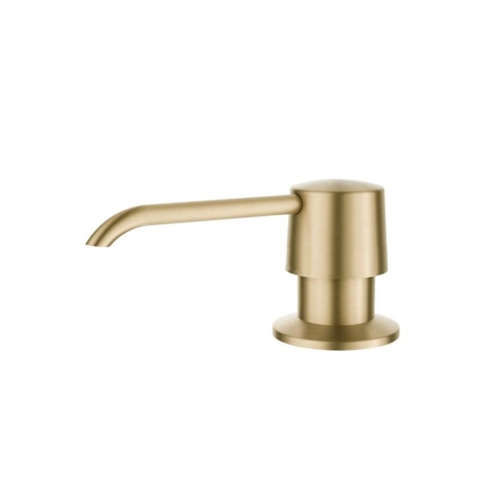
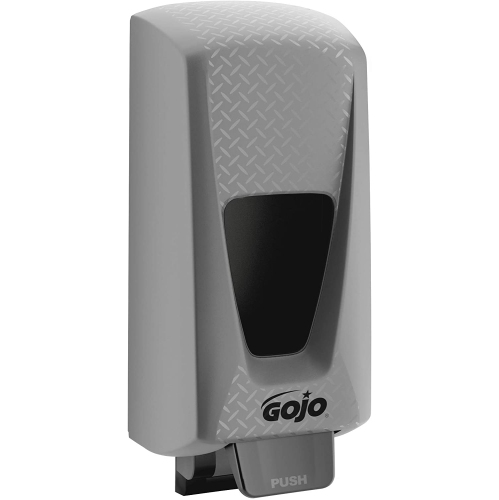
Soap within easy reach when cooking gets messy
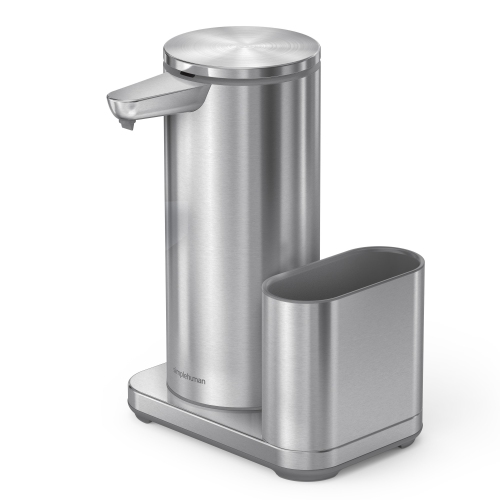
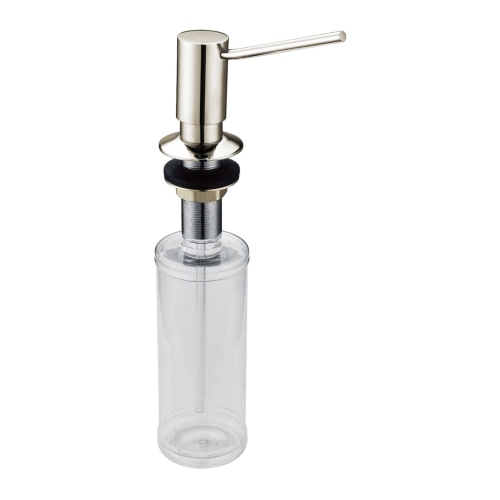
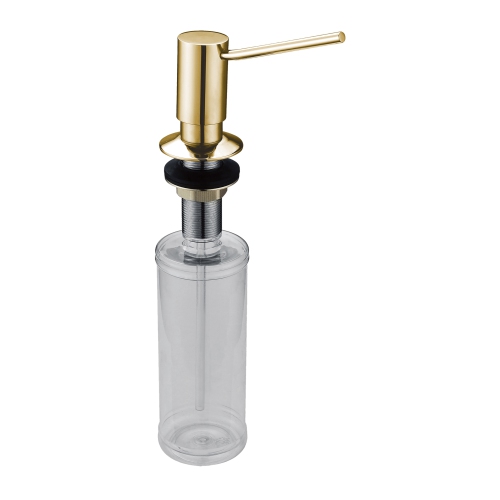
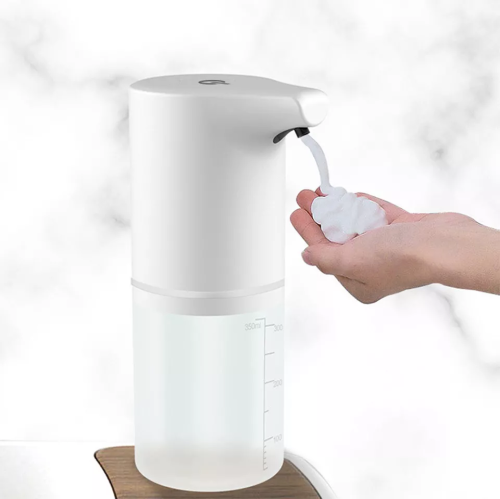
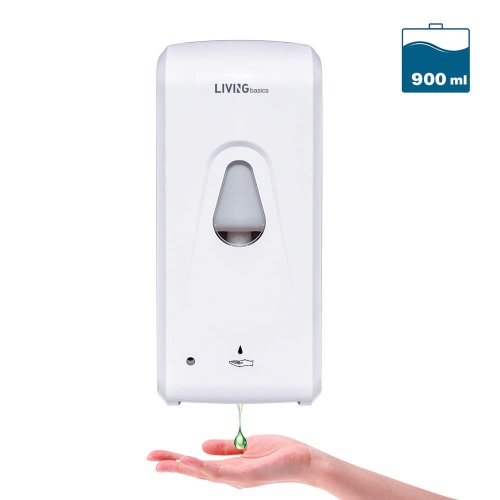
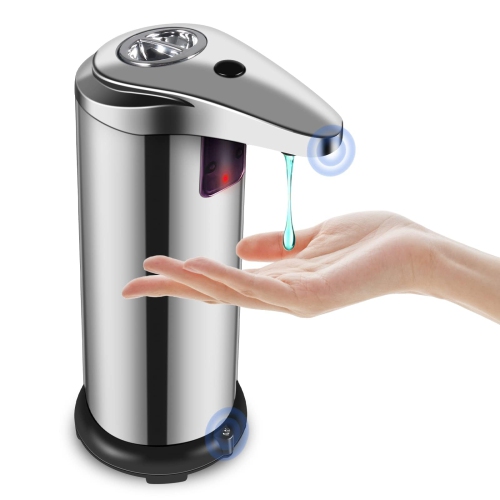
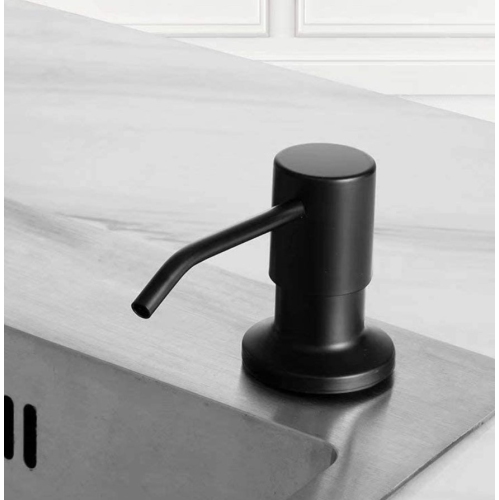
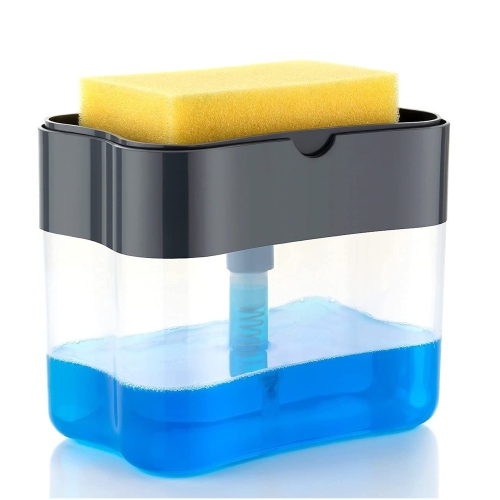
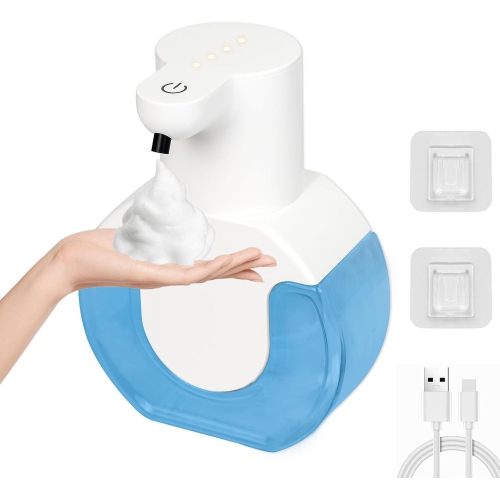
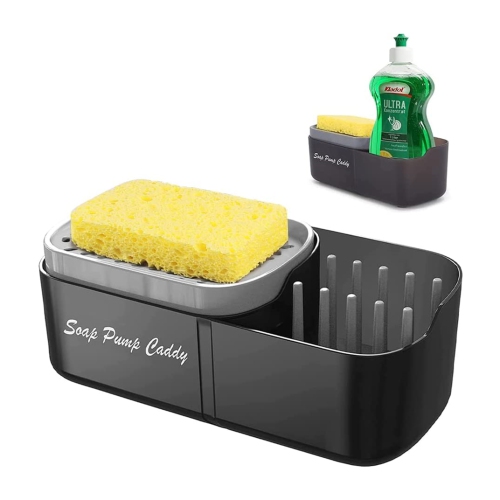
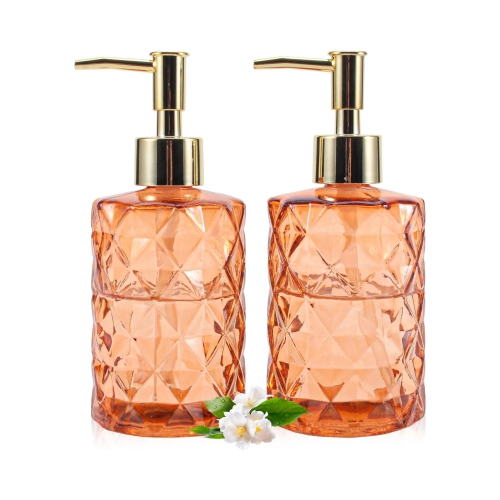
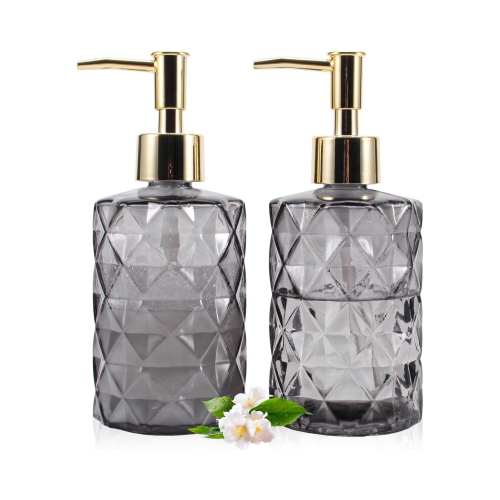
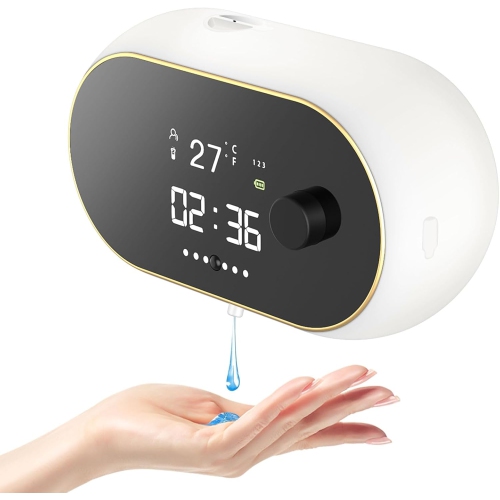
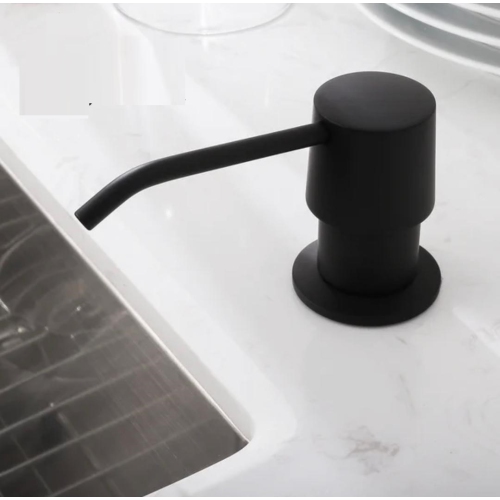
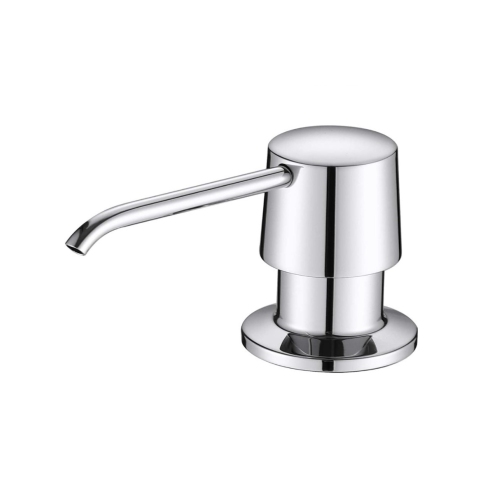
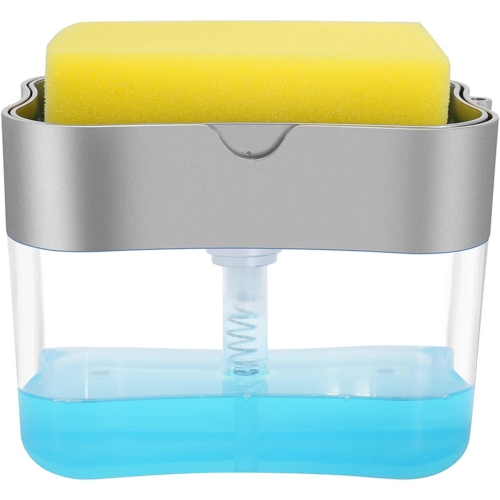
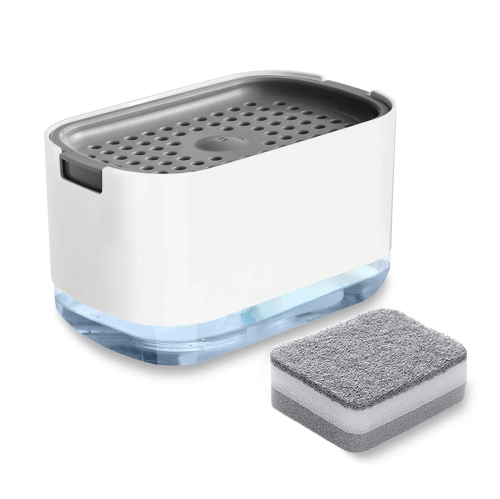
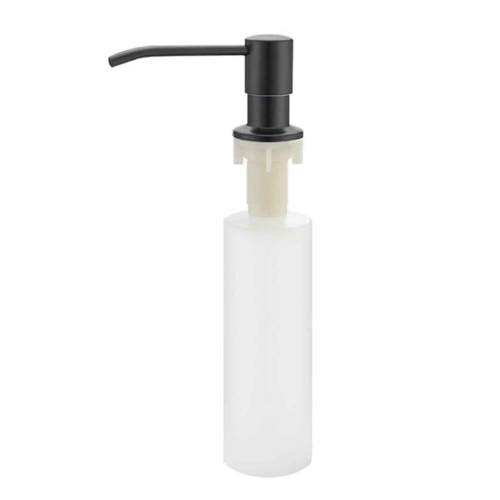
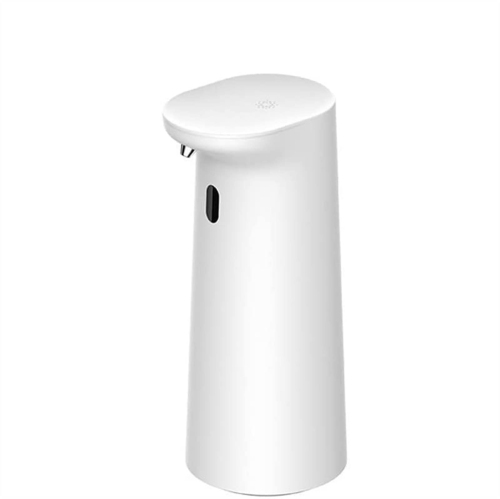
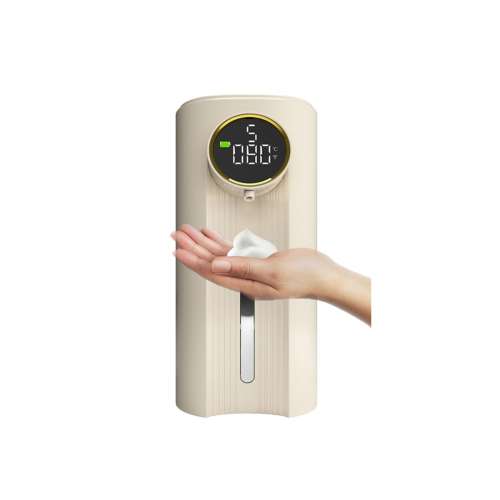
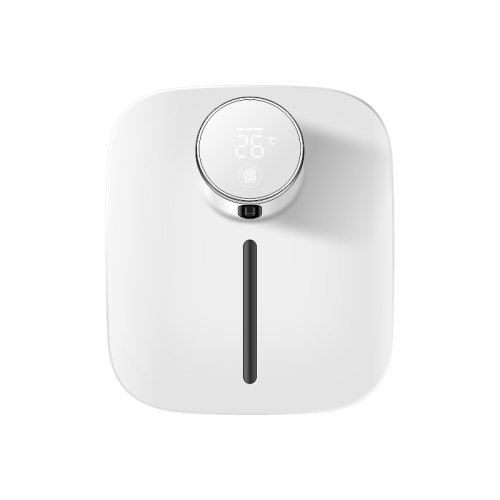
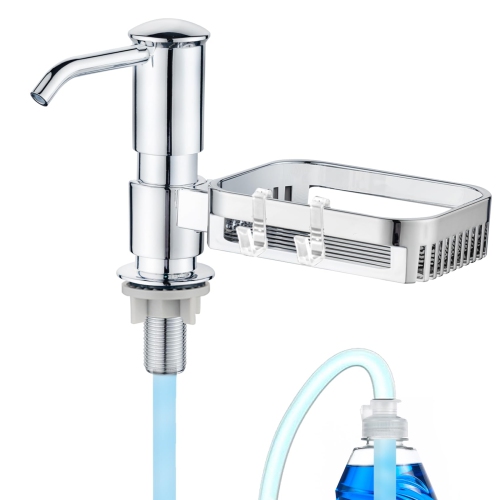
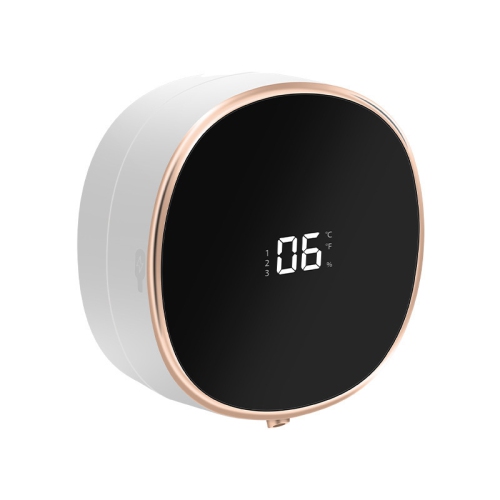
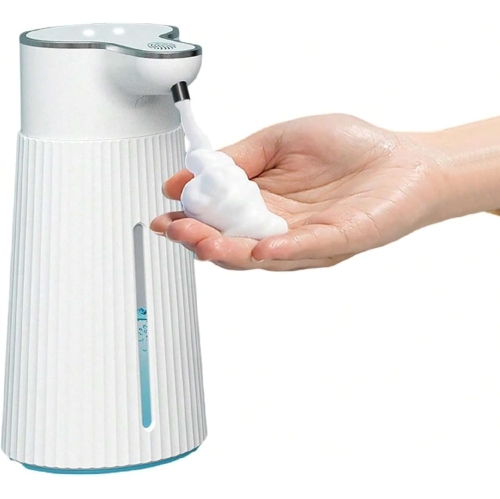
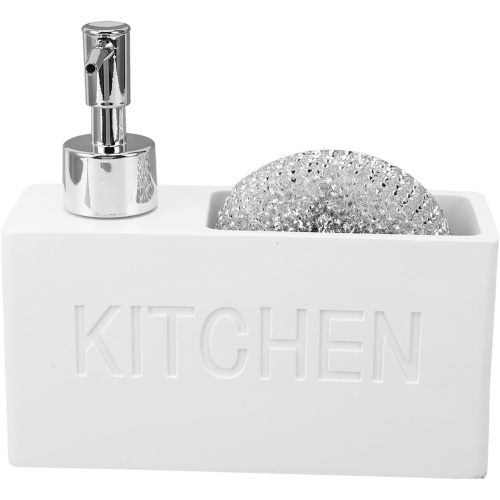
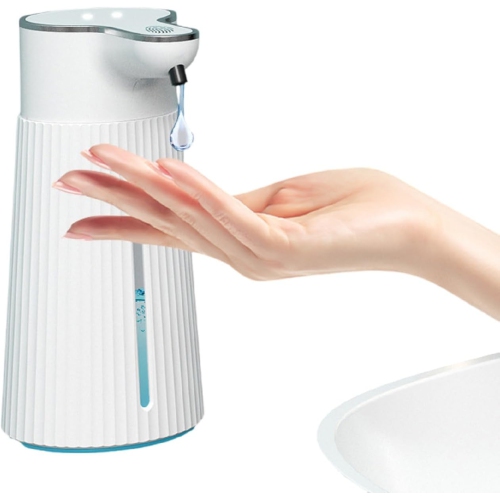
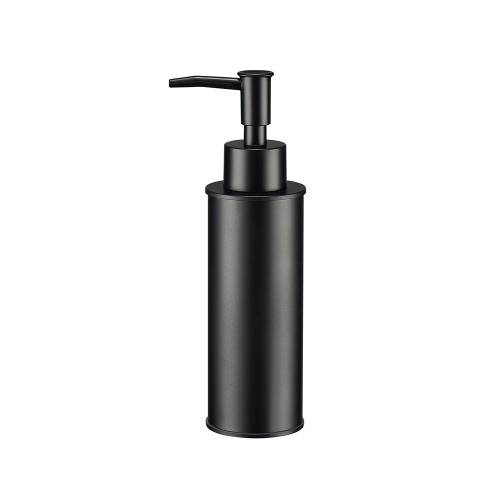
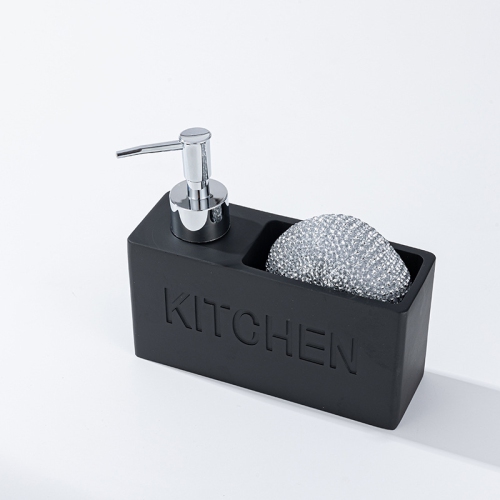
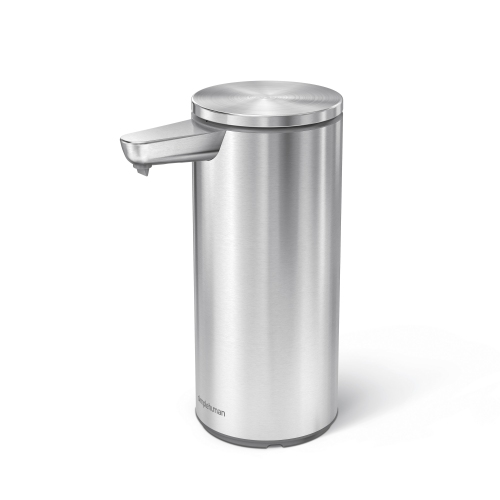
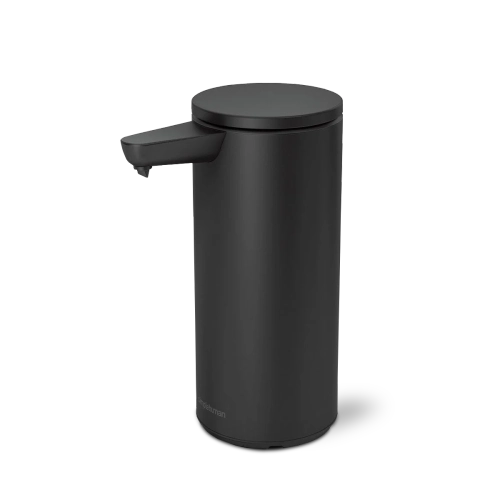
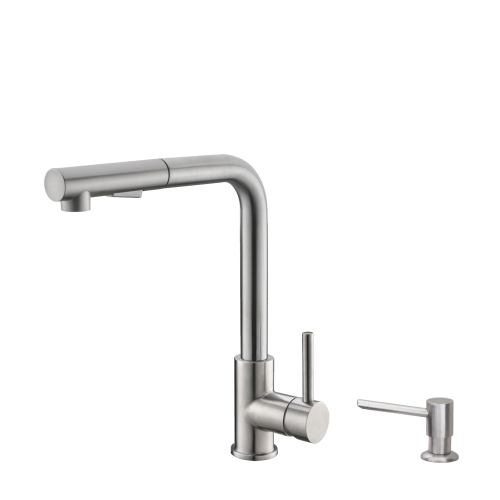
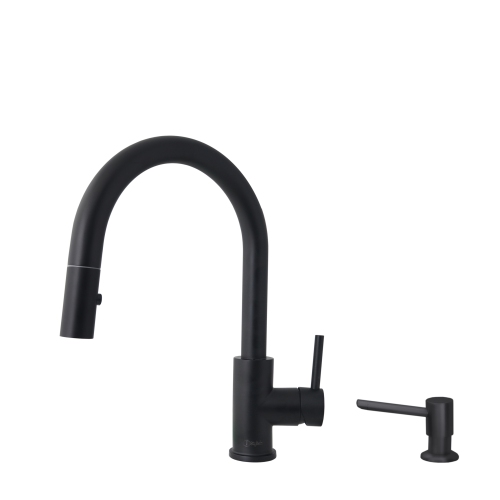
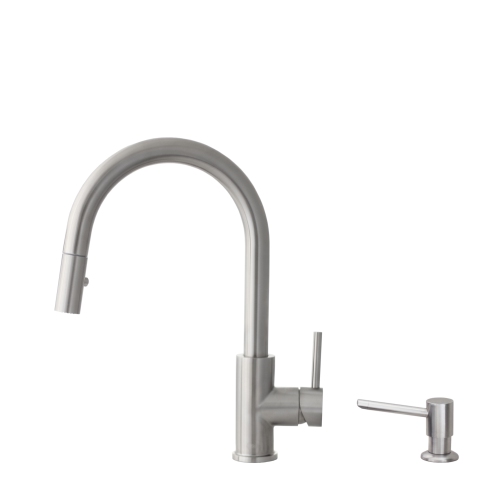
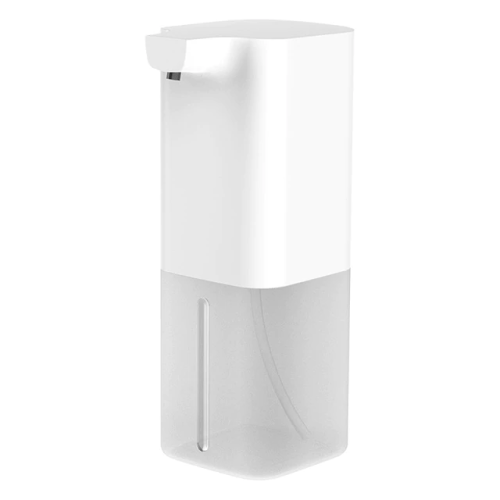
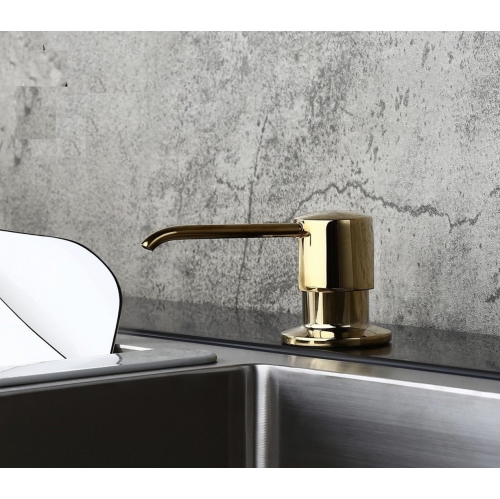
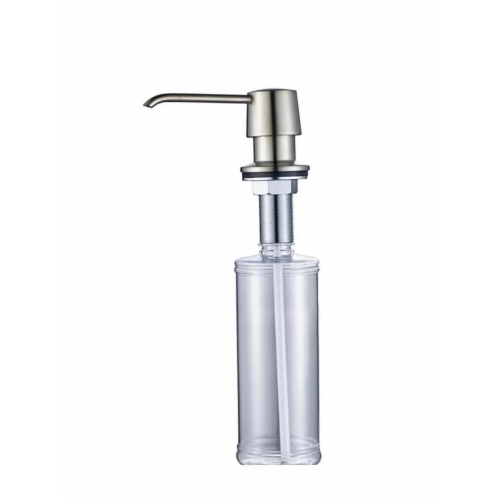
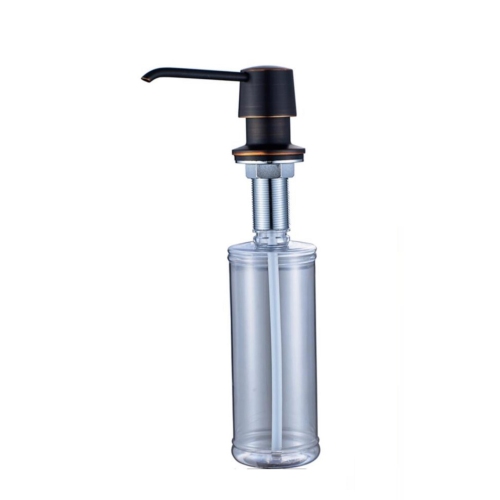
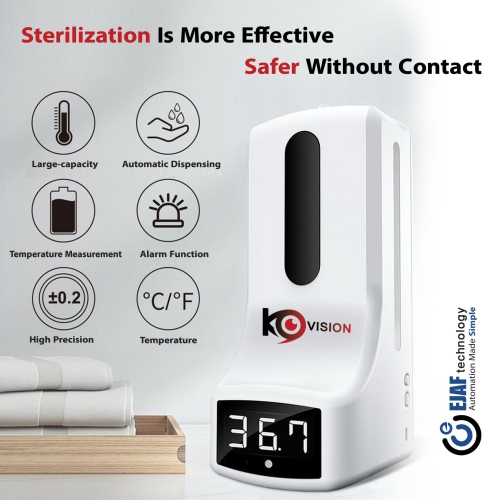
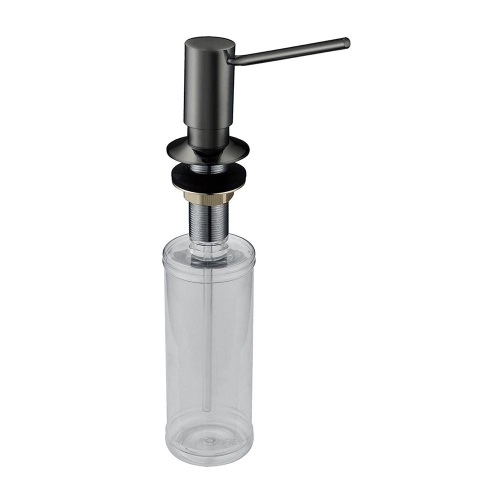
Kitchen soap dispensers hold and release liquid hand soap, dish soap, or a compatible foaming formula, keeping an everyday essential within easy reach of the sink. The main types are manual pump dispensers, automatic dispensers with motion sensors, and built-in dispensers mounted through a sink or countertop. Each suits a slightly different kitchen routine, from quick handwashing between food preparation tasks to dispensing dishwashing liquid onto a sponge after dinner. Manual pumps offer straightforward operation without batteries or charging, while automatic models dispense soap when a hand or sponge moves beneath the nozzle. Built-in styles keep the reservoir below the counter, leaving only the pump visible beside the faucet. Freestanding designs are easy to move, making them practical for rental kitchens, shared spaces, and households that occasionally rearrange the washing-up area. A dispenser can also make the sink feel more orderly by replacing a bulky soap bottle with a container that fits the available space. In a compact kitchen, a narrow base may leave more room for a drying rack; beside a larger sink, a wider dispenser can feel more balanced and hold enough soap for frequent use. Placement matters as much as appearance. The spout should be easy to reach without stretching across the basin, and the base should sit securely rather than wobble on the edge of a sink ledge. For a portable option that does not require installation, Countertop Soap Dispensers suit everything from a small apartment kitchenette to a busy family washing-up station. Their usefulness becomes especially clear during familiar kitchen moments: hands dusted with flour, a sponge waiting beside a stack of plates, or several people helping clear up after a meal. During the cooler months, when cooking and entertaining may mean more time around the sink, having the right soap close at hand is a small but welcome convenience.
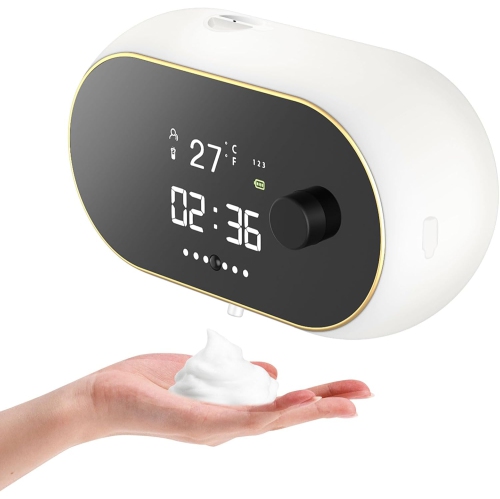
Soap compatibility is one of the most important purchase considerations because dispensers are not interchangeable across every formula. A standard liquid pump may be suitable for hand soap, dish soap, or both, depending on its design, but thick liquids can be difficult for some mechanisms to draw through the tube. Foaming dispensers use a pump that mixes air with a suitable liquid formula, so ordinary concentrated soap should not be added unless the manufacturer specifically allows it and provides preparation instructions. Automatic dispensers also have formula requirements; checking these before buying helps avoid weak flow, clogging, or inconsistent portions. Where hand soap and dishwashing liquid are both used regularly, separate, clearly labelled dispensers make it easier for family members and guests to reach for the intended product. Capacity affects how the dispenser fits into daily life. A smaller reservoir takes up less room and may be enough for a lightly used kitchen, while a larger one can reduce refill frequency in a household that cooks most meals at home. A wide opening makes refilling less fiddly, particularly when pouring from a large bottle, and a visible fill line or transparent reservoir helps show when supplies are running low. Manual pump comfort deserves attention, too. A broad pump head, smooth action, and stable base can make one-handed use easier, though the pressure required varies by design. Touch-free operation removes the need to press a shared pump with messy hands, but it does not replace proper handwashing or regular cleaning. Adjustable dispensing volume, where available, can help match the portion to the task rather than delivering more soap than needed. For sensor models, power arrangements are another practical detail: some use replaceable batteries, while others have rechargeable batteries. Access to the battery compartment, charging-port protection, and the stated suitability for use around splashes all matter beside a working sink. Purchase price is only part of the cost; compatible soap, replacement batteries, and any available replacement pump parts can also affect ongoing expenses.
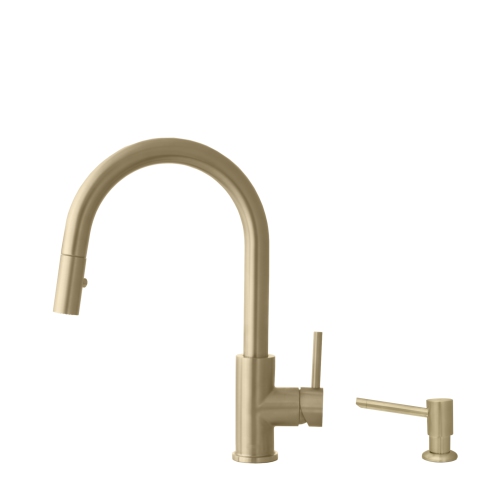
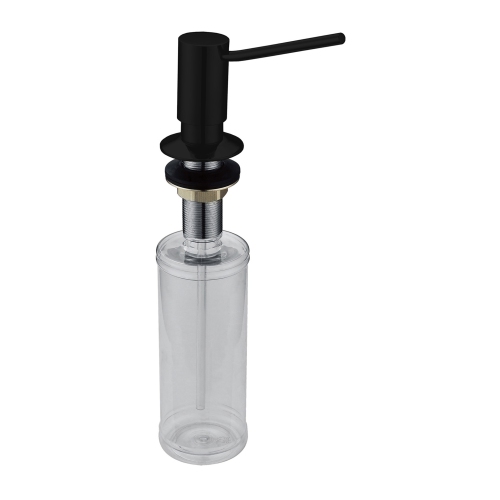
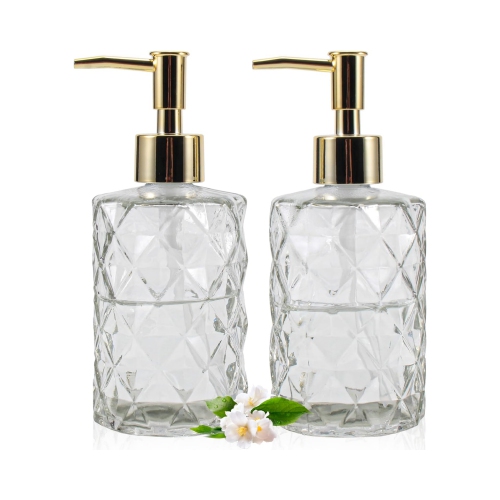
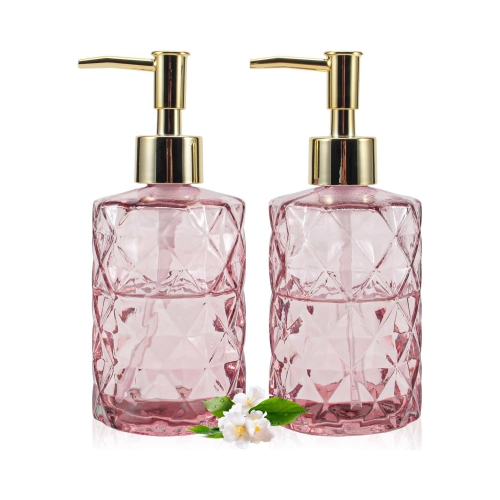
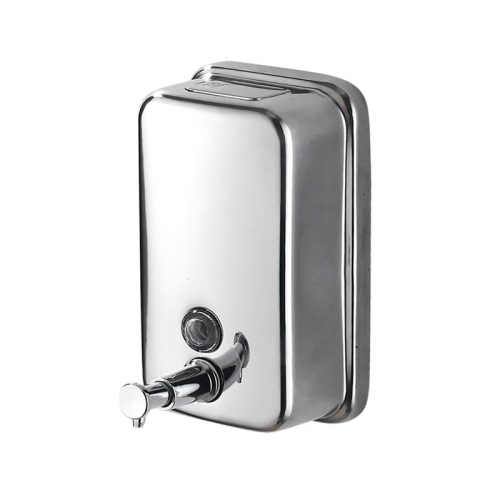
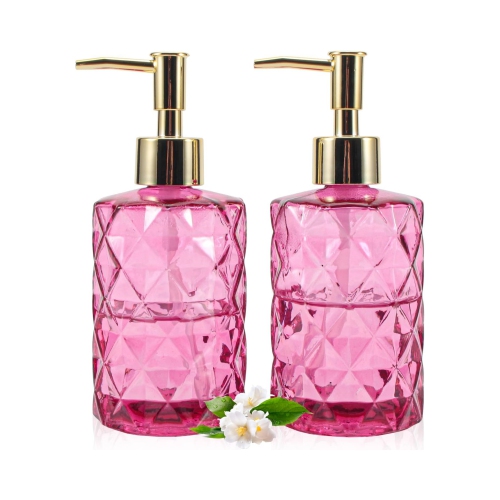
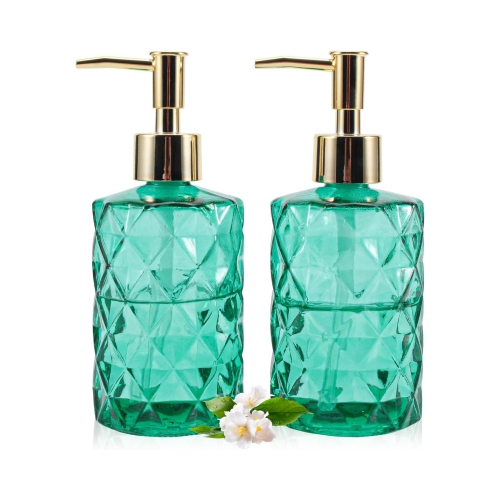
Materials, finish, and maintenance shape how well a kitchen soap dispenser holds up to everyday use. Glass offers a clear view of the contents and a substantial feel, although it may not be the preferred choice where breakage is a concern. Plastic is generally lighter and easier to handle, while ceramic provides an opaque container with a more substantial presence on the counter. Metal finishes can coordinate with faucets and cabinet hardware, but the construction of the pump and other frequently wet components matters as much as the outer appearance. Water spots, fingerprints, and dried soap tend to show differently on polished, brushed, and matte surfaces, so a finish that looks appealing should also suit the amount of wiping a household is comfortable with. A removable pump and accessible reservoir make periodic cleaning simpler. Soap residue around the nozzle is worth wiping away before it hardens, and cleaning should follow the maker’s directions, especially for automatic models with electrical components. Built-in kitchen soap dispensers have additional fit requirements: the mounting-hole size, countertop thickness, spout reach, and clearance beneath the sink all need to match the installation space. A reservoir that refills from above can be particularly convenient when the cabinet below is crowded with plumbing, bins, or cleaning supplies. Renters may prefer a freestanding design that leaves the sink and counter unchanged, while homeowners updating a faucet may appreciate the coordinated appearance of an integrated pump. Families, frequent cooks, and people sharing a kitchen can all benefit from a dispenser that is easy to identify, reach, refill, and operate. For someone who finds pressing a pump uncomfortable, a sensor-operated option may be worth considering, with attention to how reliably it detects a hand in the intended position. Kitchen soap dispensers can also make thoughtful housewarming gifts, particularly when the recipient’s preferred finish and available sink space are known. Whether the kitchen is a quiet place for morning coffee or the gathering spot after a shared meal, the most useful dispenser is one that fits naturally into the routine without adding fuss to it.
Soap compatibility is one of the most important purchase considerations because dispensers are not interchangeable across every formula. A standard liquid pump may be suitable for hand soap, dish soap, or both, depending on its design, but thick liquids can be difficult for some mechanisms to draw through the tube. Foaming dispensers use a pump that mixes air with a suitable liquid formula, so ordinary concentrated soap should not be added unless the manufacturer specifically allows it and provides preparation instructions. Automatic dispensers also have formula requirements; checking these before buying helps avoid weak flow, clogging, or inconsistent portions. Where hand soap and dishwashing liquid are both used regularly, separate, clearly labelled dispensers make it easier for family members and guests to reach for the intended product. Capacity affects how the dispenser fits into daily life. A smaller reservoir takes up less room and may be enough for a lightly used kitchen, while a larger one can reduce refill frequency in a household that cooks most meals at home. A wide opening makes refilling less fiddly, particularly when pouring from a large bottle, and a visible fill line or transparent reservoir helps show when supplies are running low. Manual pump comfort deserves attention, too. A broad pump head, smooth action, and stable base can make one-handed use easier, though the pressure required varies by design. Touch-free operation removes the need to press a shared pump with messy hands, but it does not replace proper handwashing or regular cleaning. Adjustable dispensing volume, where available, can help match the portion to the task rather than delivering more soap than needed. For sensor models, power arrangements are another practical detail: some use replaceable batteries, while others have rechargeable batteries. Access to the battery compartment, charging-port protection, and the stated suitability for use around splashes all matter beside a working sink. Purchase price is only part of the cost; compatible soap, replacement batteries, and any available replacement pump parts can also affect ongoing expenses.
Materials, finish, and maintenance shape how well a kitchen soap dispenser holds up to everyday use. Glass offers a clear view of the contents and a substantial feel, although it may not be the preferred choice where breakage is a concern. Plastic is generally lighter and easier to handle, while ceramic provides an opaque container with a more substantial presence on the counter. Metal finishes can coordinate with faucets and cabinet hardware, but the construction of the pump and other frequently wet components matters as much as the outer appearance. Water spots, fingerprints, and dried soap tend to show differently on polished, brushed, and matte surfaces, so a finish that looks appealing should also suit the amount of wiping a household is comfortable with. A removable pump and accessible reservoir make periodic cleaning simpler. Soap residue around the nozzle is worth wiping away before it hardens, and cleaning should follow the maker’s directions, especially for automatic models with electrical components. Built-in kitchen soap dispensers have additional fit requirements: the mounting-hole size, countertop thickness, spout reach, and clearance beneath the sink all need to match the installation space. A reservoir that refills from above can be particularly convenient when the cabinet below is crowded with plumbing, bins, or cleaning supplies. Renters may prefer a freestanding design that leaves the sink and counter unchanged, while homeowners updating a faucet may appreciate the coordinated appearance of an integrated pump. Families, frequent cooks, and people sharing a kitchen can all benefit from a dispenser that is easy to identify, reach, refill, and operate. For someone who finds pressing a pump uncomfortable, a sensor-operated option may be worth considering, with attention to how reliably it detects a hand in the intended position. Kitchen soap dispensers can also make thoughtful housewarming gifts, particularly when the recipient’s preferred finish and available sink space are known. Whether the kitchen is a quiet place for morning coffee or the gathering spot after a shared meal, the most useful dispenser is one that fits naturally into the routine without adding fuss to it.
Top selling and popular products
-
 Your price for this item is $100
 -
 Your price for this item is $180
 -
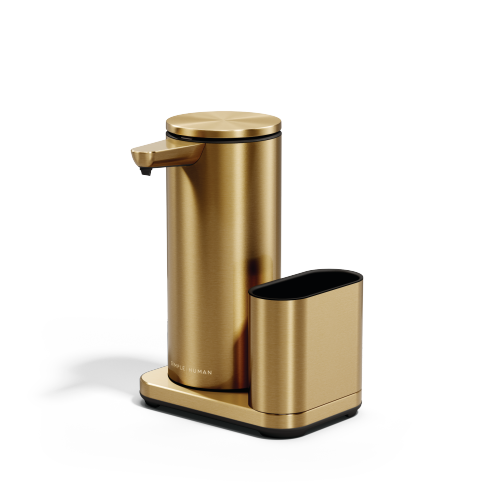 Your price for this item is $180
 -
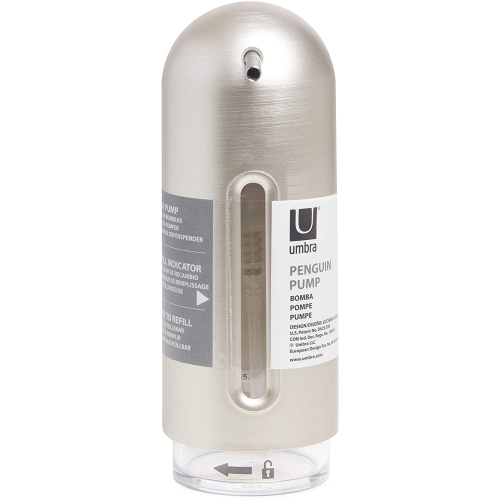 Your price for this item is $12.31
 -
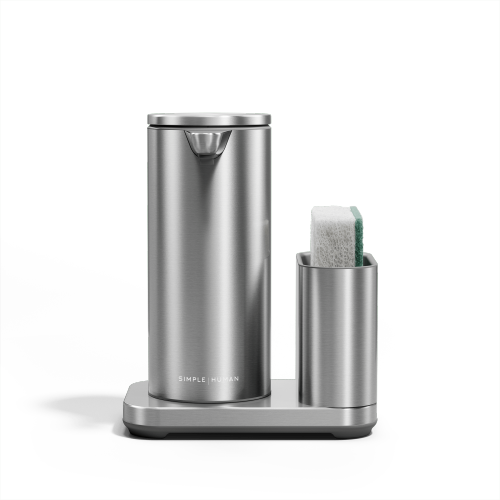 Your price for this item is $130
 -
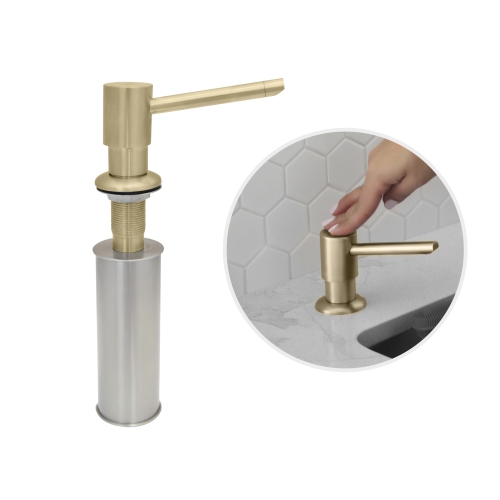 Your price for this item is $107
 -
 Your price for this item is $59.95
 -
 Your price for this item is $63.75
Discover more categories related to Kitchen Soap Dispensers
Top Collections:
Pokemon Centers, Budget 4K TVs, Best Budget Office Chairs, Kindle Devices, Canon G7X Cameras, Apple iPhones 16, iPhone 15 Apple, Laptops for Business Work, Xiaomi Phones, Flip Phones
Some products may be subject to Environmental Handling Fees
(EHF) depending on your province.
Learn more about EHFs.