Spice Organizers
Keep your kitchen counters and cabinets tidy with the perfect spice organizer. Whether you have a large collection or just a few essentials, finding the right storage solution makes it easy to access your favorite seasonings while cooking. A spice organizer helps maximize space and keeps everything in order, so you can quickly find what you need. Explore a variety of options designed to fit different spaces and styles, making meal prep more efficient and enjoyable.
Sort
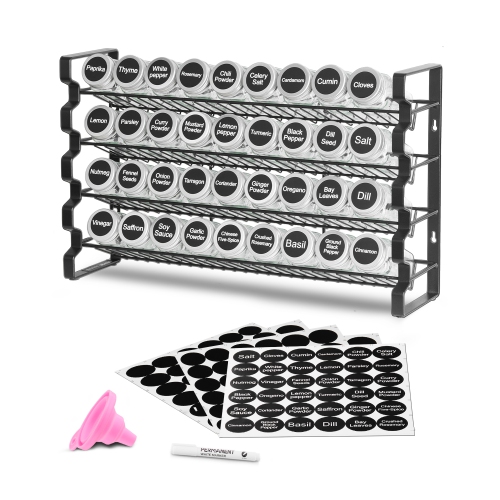
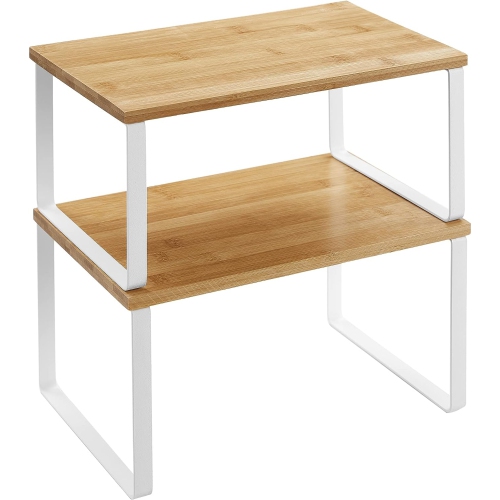
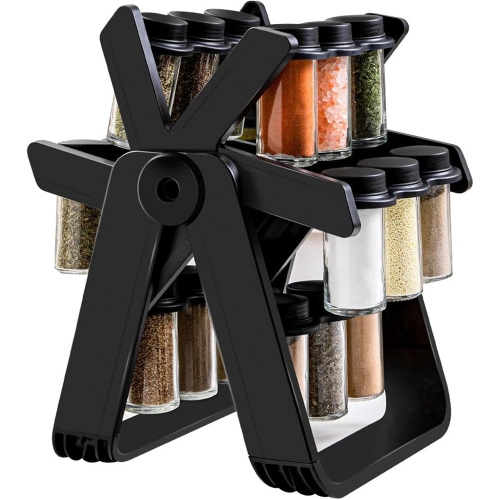
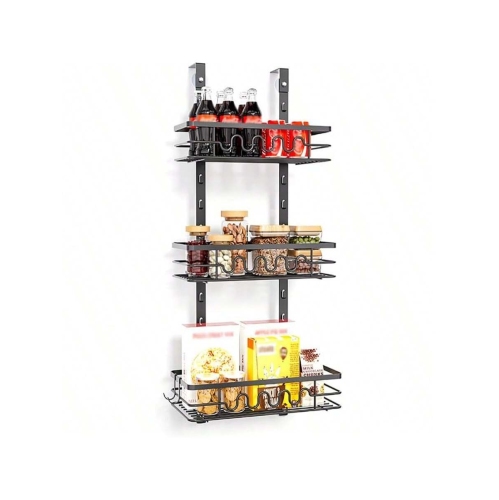

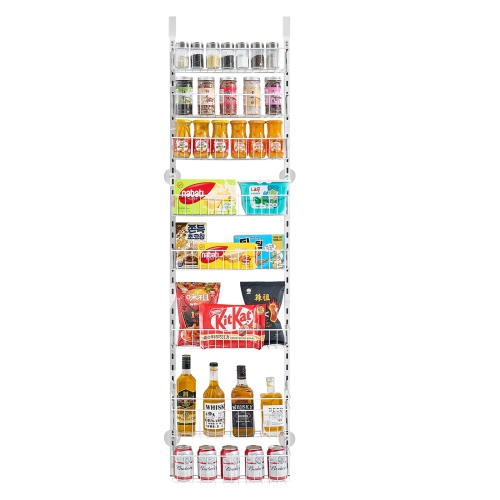
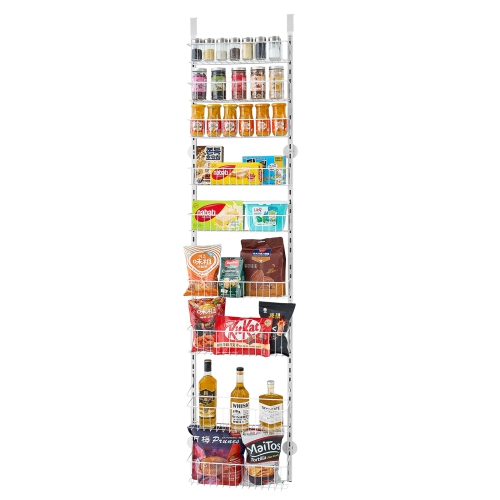
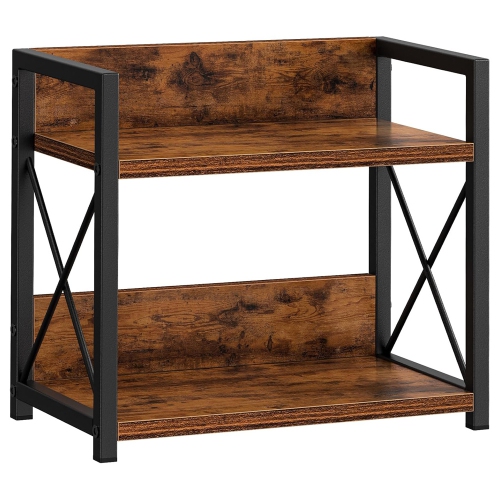
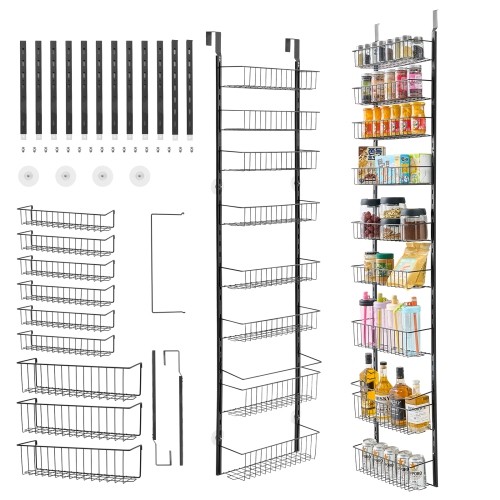
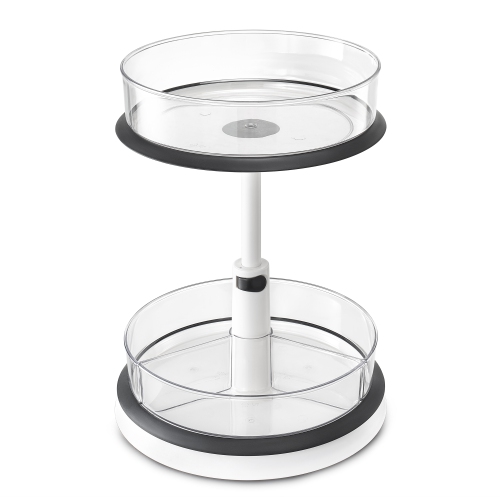
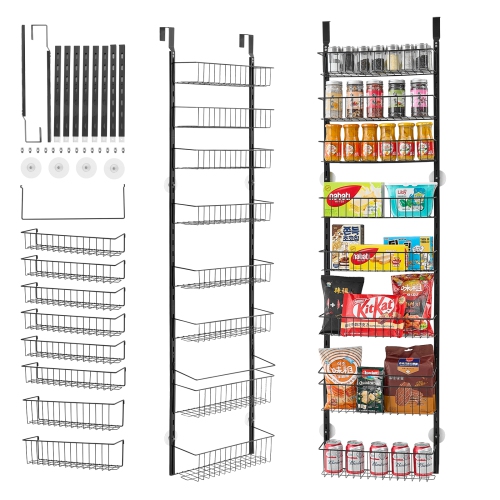
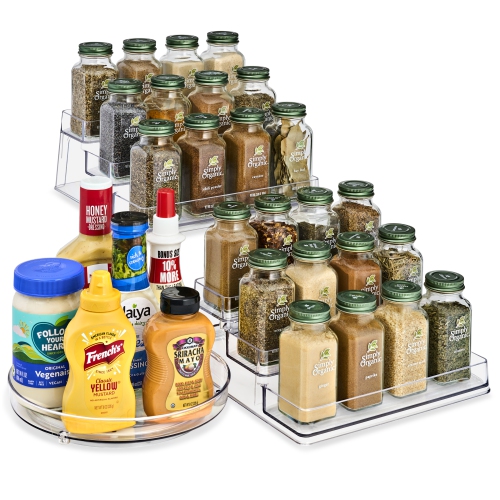
Spice storage that fits your kitchen and cooking habits
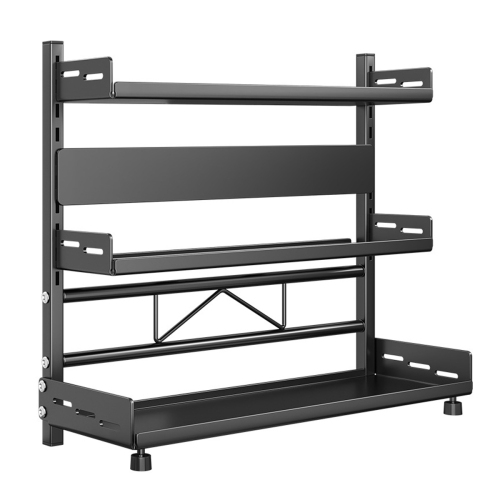
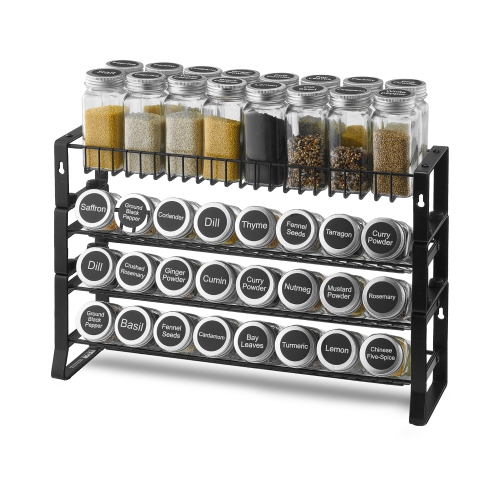
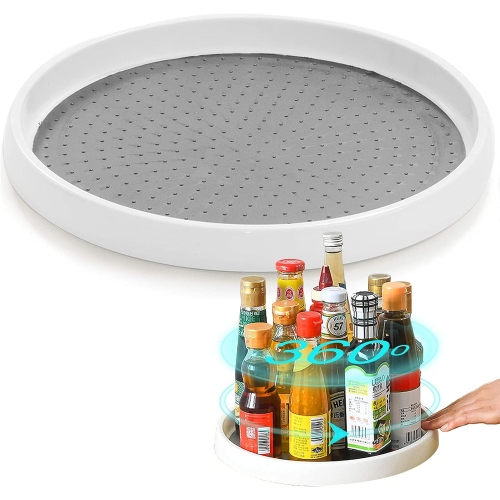
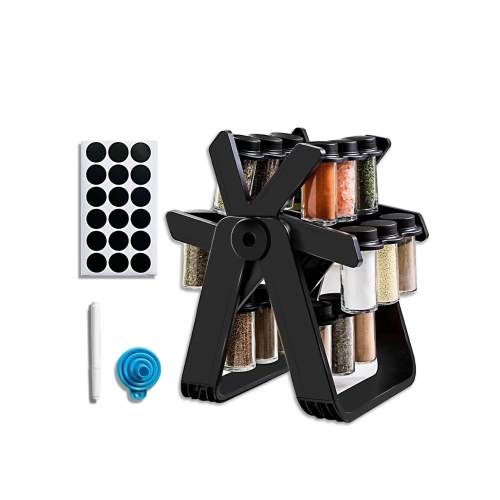
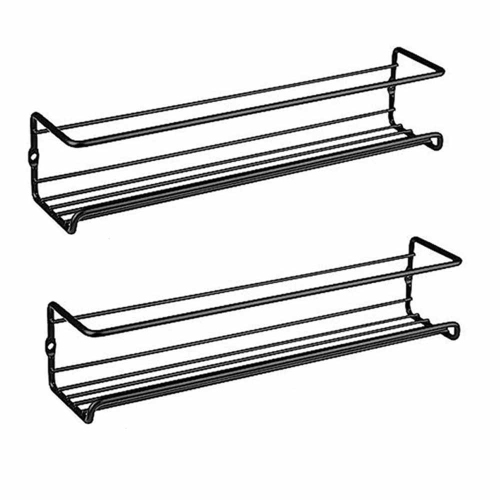
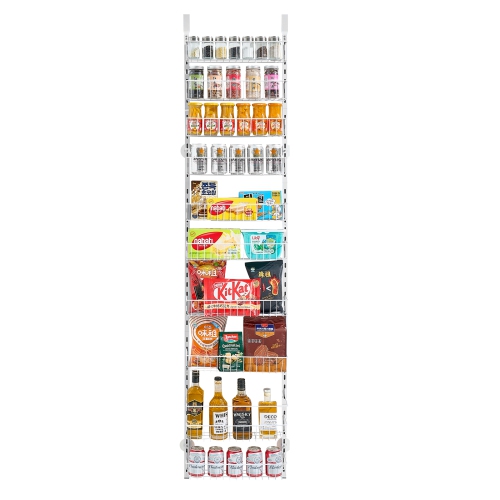
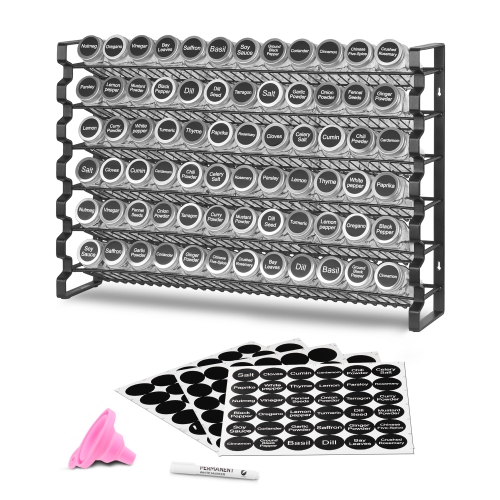
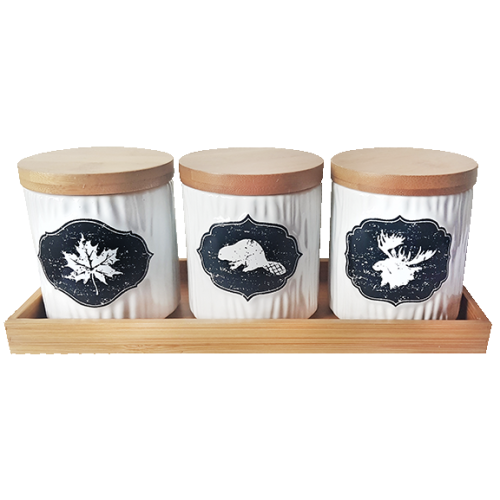
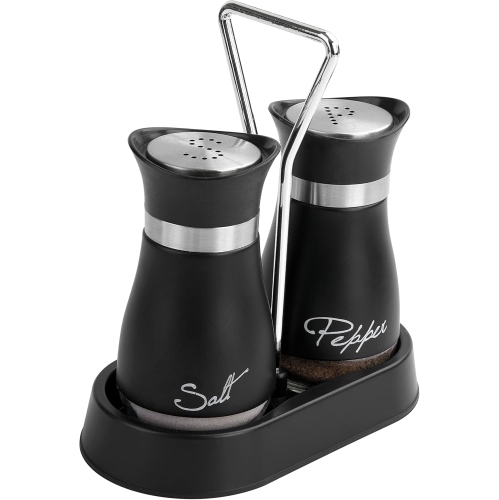
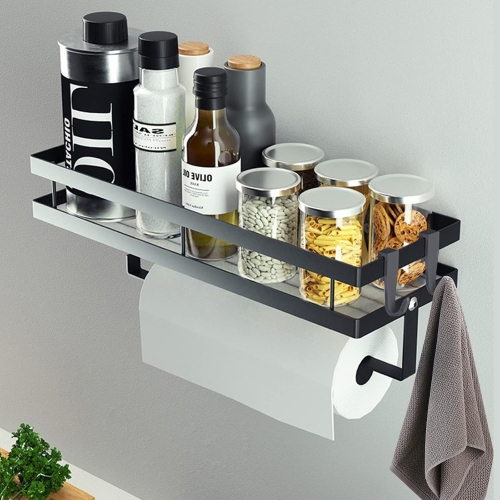
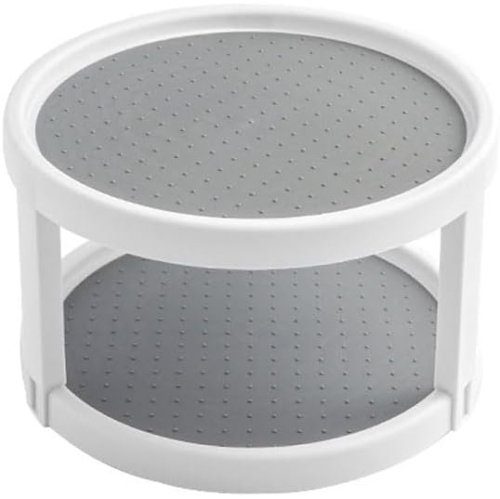
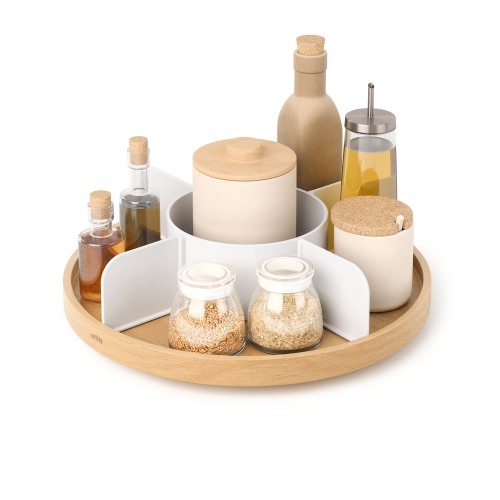
Spice organizers bring small bottles, tins, and seasoning packets into a layout that makes everyday cooking easier. Drawer inserts keep labels visible from above, tiered racks raise the back rows inside a cupboard, and turntables bring bottles at the rear of a shelf within reach. Wall-mounted and door-mounted racks use vertical space, while countertop stands keep frequently used seasonings close to the preparation area. The most useful format depends on where spices are stored, the shape of their containers, and how they are used throughout the week. A shallow drawer beside the chopping board can suit a collection of small jars laid at an angle, with names facing upward. A cupboard holding taller grinders and larger seasoning bottles may work better with stepped shelving or a rotating tray with enough clearance above it. Narrow racks can make use of otherwise awkward spaces, but their depth needs to accommodate the widest containers rather than just the smallest jars. For a drawer organizer, usable height includes both the insert and the bottles resting on it; a lid that catches the underside of the cabinet can prevent the drawer from closing. For a turntable, the shelf needs enough room for the full circle to rotate without handles or bottles brushing against the door. Cabinet hinges, shelf supports, and the path of a closing door also affect fit. Expandable designs offer flexibility across different cupboard widths, although the rack still needs a stable, level surface when extended. A compact arrangement is especially helpful in an apartment kitchen, where spices may share a cupboard with mugs or pantry staples. In a larger kitchen, separate storage for everyday seasonings and less frequently used blends can keep the main cooking area from becoming crowded. Visibility matters as much as capacity: a rack that holds every bottle but hides half the labels can make it harder to find paprika while a pan is already on the stove.
Materials and construction affect how a spice organizer handles repeated use, spills, and the weight of a full collection. Metal racks can provide a slim structure with open sides that make labels easy to see. Smooth welds, secure joints, and a well-applied finish are useful details, particularly where bottles slide in and out each day. Stainless steel, coated steel, wood, bamboo, and moulded plastic each offer a different appearance and care routine. Wood and bamboo bring a warm finish to shelves and drawers, but benefit from prompt attention to spills rather than soaking. Plastic inserts are generally lightweight, and smooth surfaces can be easy to wipe clean, though care requirements vary by design. Clear sections can help reveal labels or loose seasoning underneath, while open-wire shelves allow crumbs to fall through and may need a liner to support very small containers. Raised edges help contain bottles when a tray turns or a drawer moves, and non-slip feet or liners can reduce sliding on smooth shelving. Durability also depends on the moving parts: a rotating base should turn smoothly under its intended load, and an adjustable rack should remain secure after its width is set. For wall-mounted storage, the mounting method and the wall surface need to support the combined weight of the organizer and filled jars. Door-mounted racks require clearance around hinges and shelves, along with an attachment that does not interfere with closing. Magnetic designs depend on a suitable metal surface and the stated holding capacity; not every appliance panel accepts magnets. Cleaning is usually easier when bottles can be removed without dismantling the organizer, and removable trays can simplify dealing with a dusting of cinnamon or spilled seeds. Manufacturer care directions matter because dishwasher cleaning, abrasive pads, or prolonged contact with water can damage some finishes and components. Keeping racks away from direct splashes and cooking steam also helps protect labels, hardware, and the storage surface beneath them.
A useful spice storage arrangement reflects the way a household cooks rather than simply placing every container in identical rows. Someone who bakes regularly may appreciate a dedicated section for cinnamon, ginger, nutmeg, and cloves, while a cook who prepares varied weeknight meals may prefer everyday seasonings grouped within easy reach. Alphabetical order works well for a broad collection, but grouping by use can be more intuitive when several people share the kitchen. Either approach benefits from clear labels positioned where they can actually be read: lid labels suit upright bottles in drawers, while front labels are easier to scan on tiered shelves. Coordinating an organizer with Spice Jars can create a consistent footprint, although matching containers are not essential for an orderly setup. Mixed sizes can work well when the storage has varied shelf heights or separate areas for small jars, larger bottles, and refill packets. Jar shape matters, too. Square containers tend to sit closely together, while round bottles may need a little more space between rows for a comfortable grip. Enough room to lift a bottle without knocking its neighbours makes daily use less fiddly, especially for anyone who finds small lids or tightly packed shelves difficult to handle. Refill storage is worth accounting for separately so that extra packets do not obscure the labels on the main rack. Keeping spices in properly closed containers, away from direct sunlight and steam, supports their flavour and prevents loose seasoning from accumulating in the organizer. For shared homes, readable labels and a predictable layout make it easier to return bottles to the same place after cooking. Spice organizers can also make practical housewarming gifts for someone setting up a kitchen or a thoughtful addition to a gift for an enthusiastic home cook. A freestanding or drawer-based format avoids the need for permanent installation, while a carefully sized rack can help turn a crowded cupboard into an accessible part of the daily cooking routine.
Top selling and popular products
-
 Your price for this item is $557.99
-
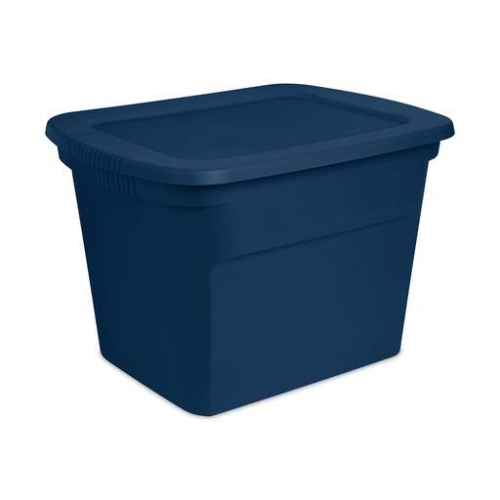 Your price for this item is $1197.99
-
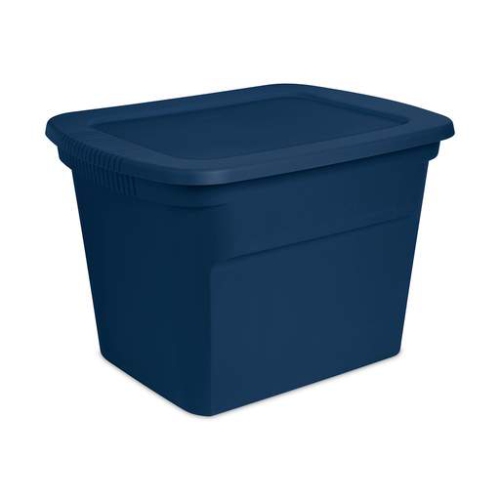 Your price for this item is $886.99
-
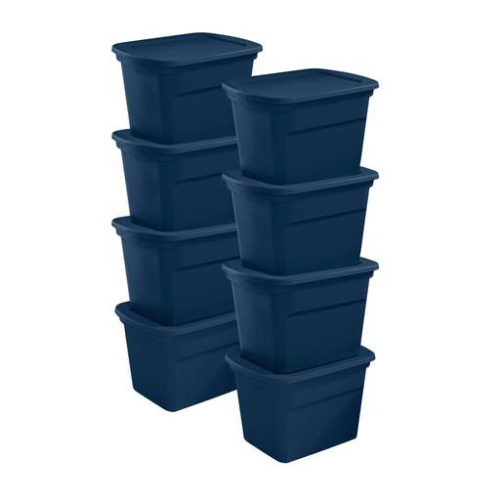 Your price for this item is $298.99
-
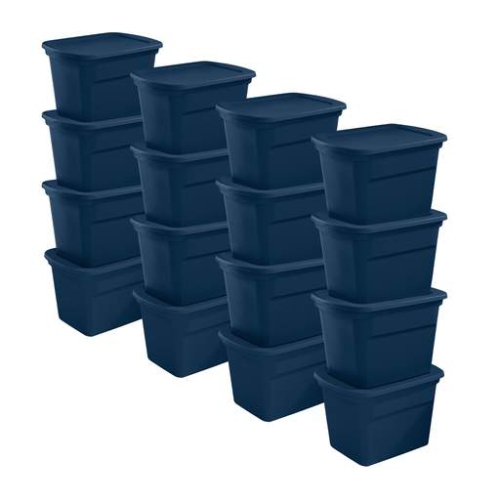 Your price for this item is $598.99
-
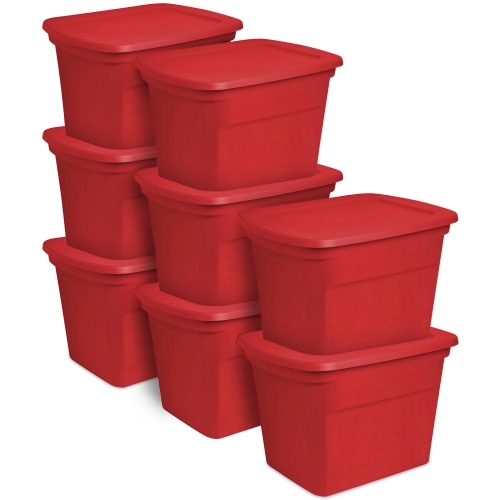 Your price for this item is $254.99
-
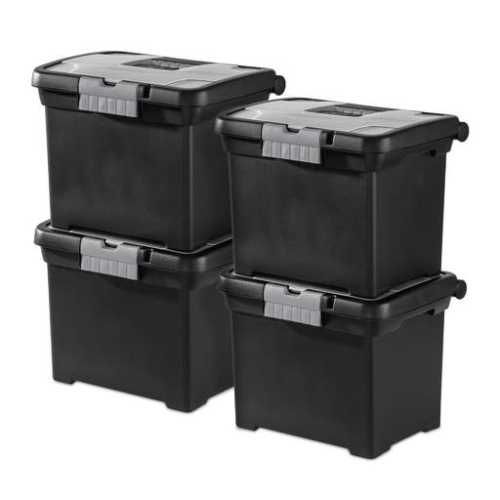 Your price for this item is $176.99
-
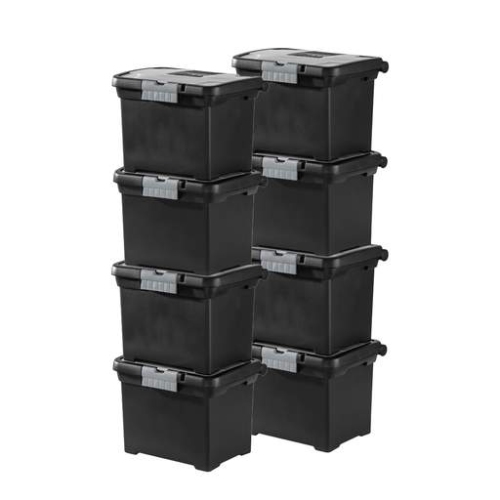 Your price for this item is $278.99
Discover more categories related to Spice Organizers
Top Collections:
Best Black Friday Deals This Year, Best Black Friday Deals On Electronics, Kindle Devices, Best Black Friday Deals On Apple Products, Best Budget Office Chairs, Best Cameras for Sports Photography, Dyson Airwrap, Canon G7X Cameras, Best Laptops for Writers, Samsung Galaxy Phones
Some products may be subject to Environmental Handling Fees
(EHF) depending on your province.
Learn more about EHFs.