Large Geometric Area Rugs
Large Geometric Area Rugs instantly add a modern touch and visual interest to any room. With bold patterns and striking shapes, these rugs serve as eye-catching centerpieces that elevate your décor. Perfect for living rooms, bedrooms, or offices, Large Geometric Area Rugs create a stylish foundation while complementing a variety of interior design styles. Explore options that help define your space and make a statement with unique geometric designs.
Sort
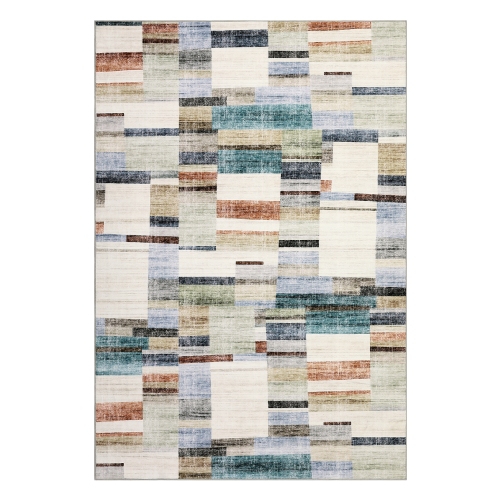
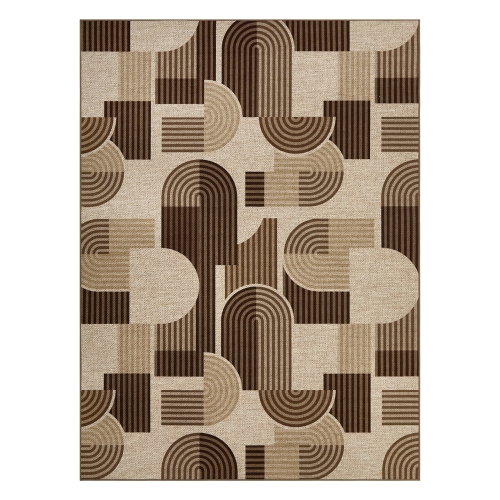
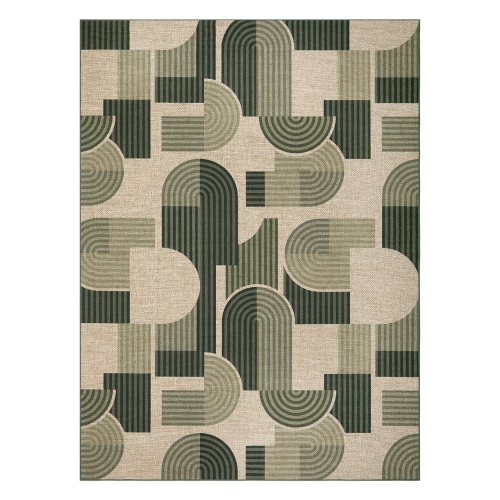
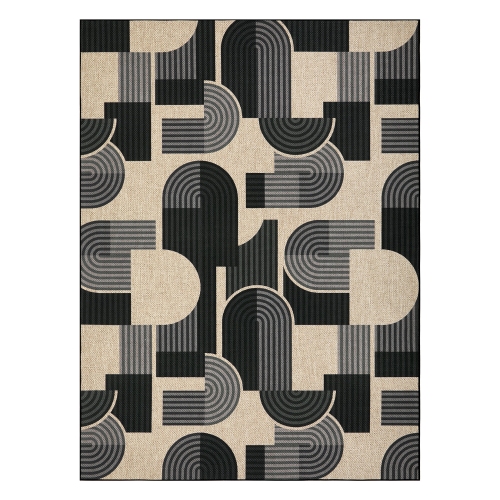






Why pattern scale matters as much as rug size
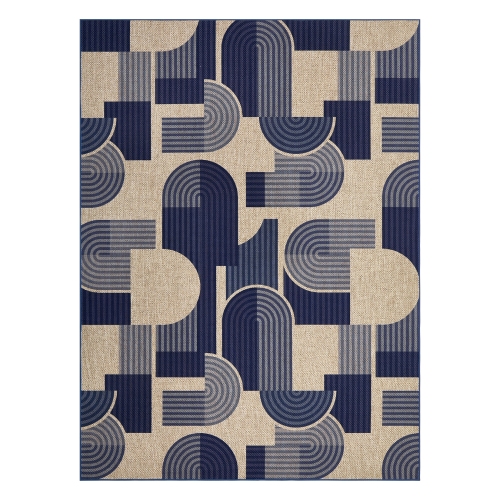
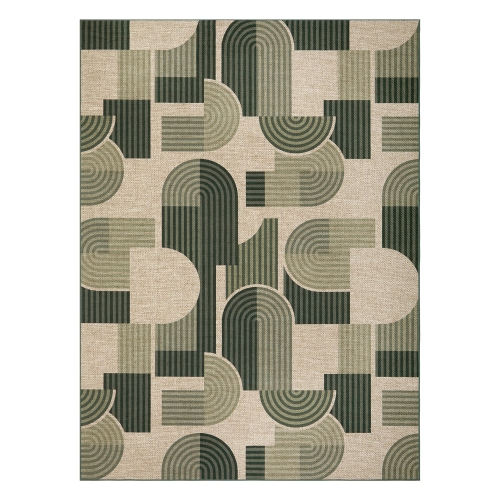
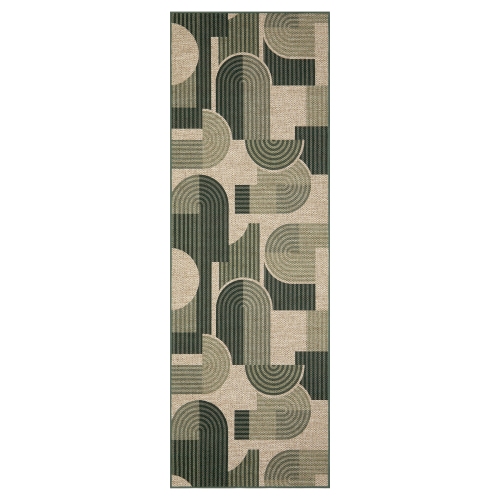
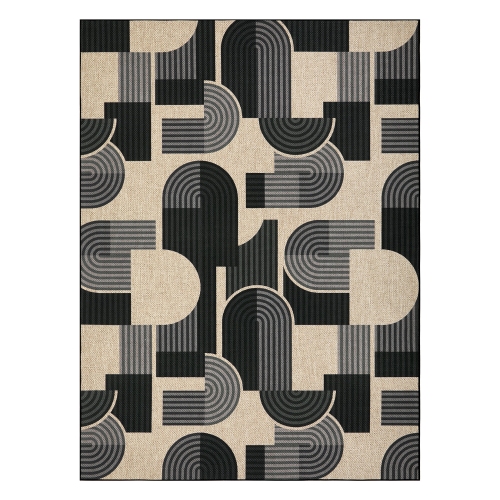
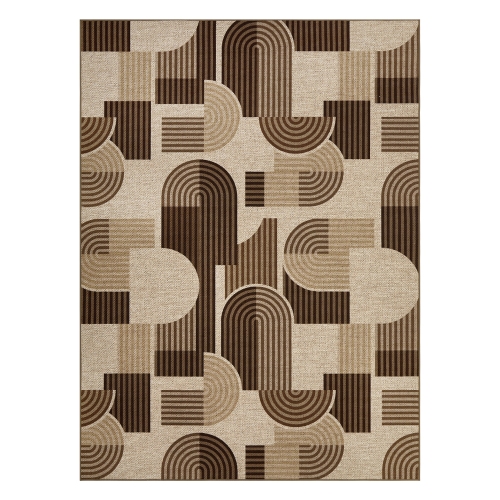
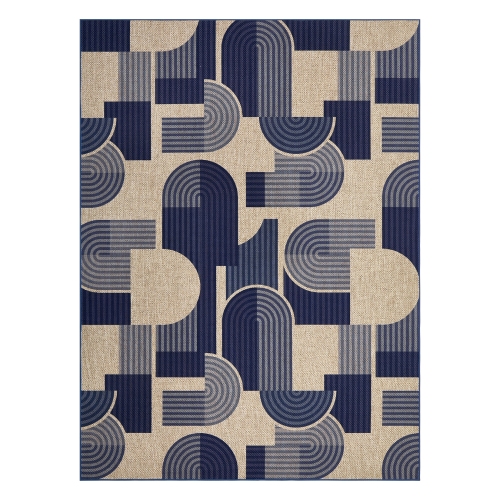
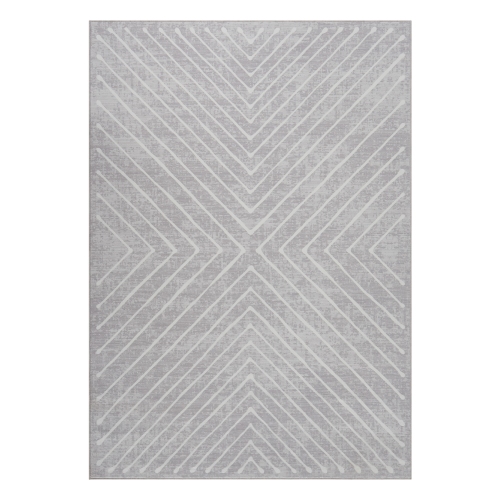
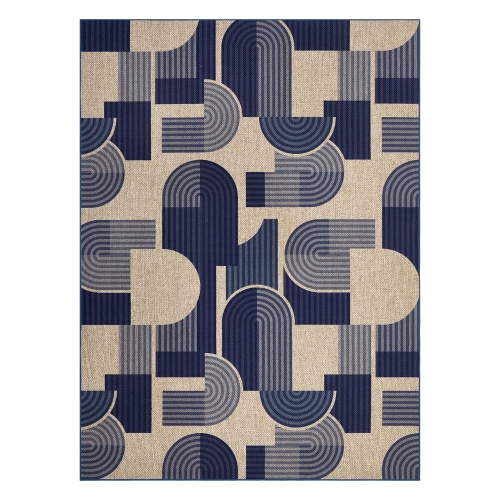
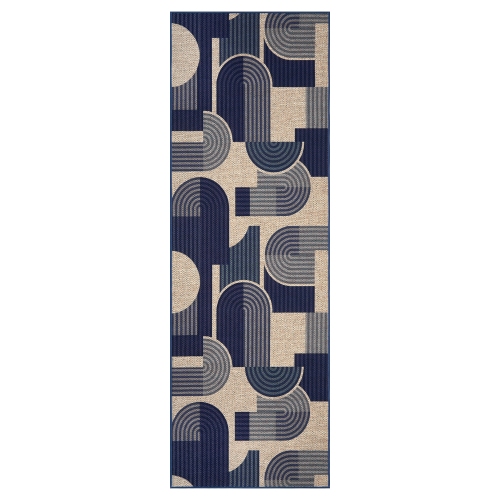
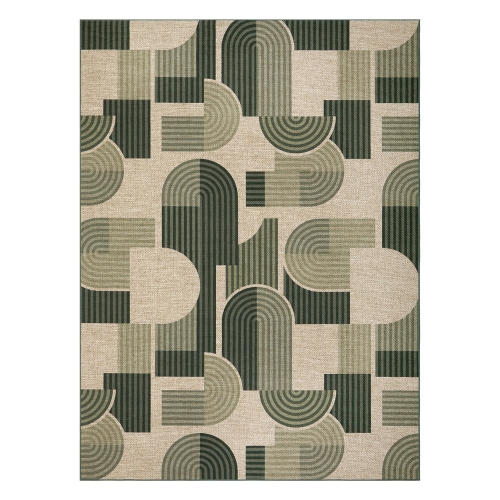
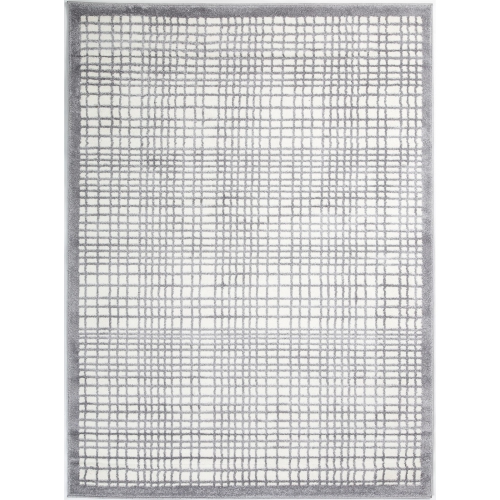
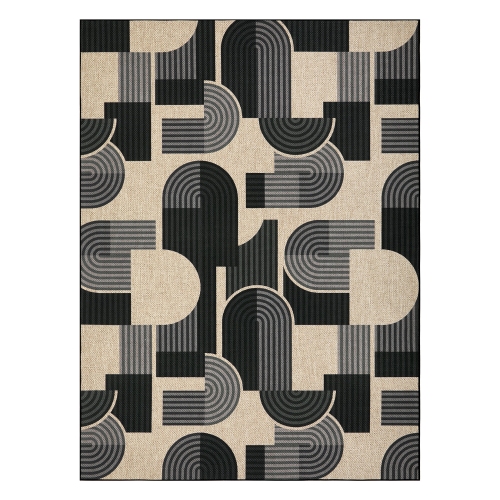
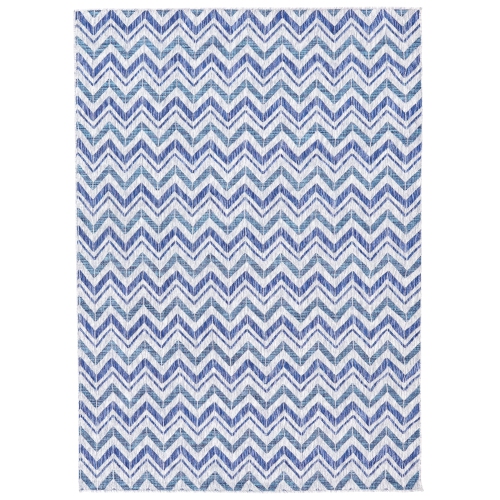
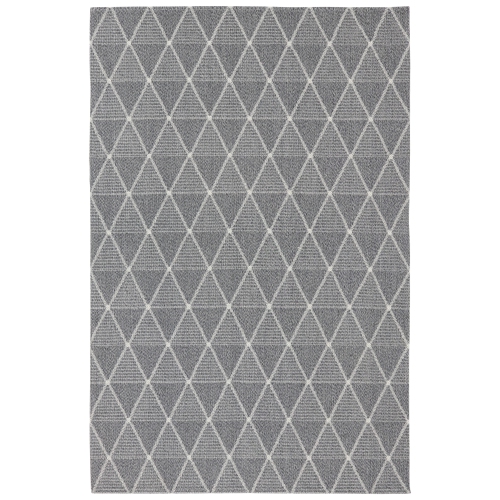
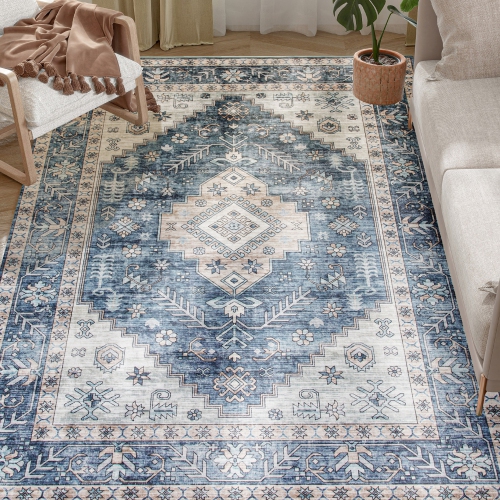
Large geometric area rugs bring pattern, softness, and a sense of structure to living rooms, dining areas, bedrooms, and open-plan spaces. Their repeating shapes can range from precise grids and interlocking diamonds to oversized curves, angular blocks, and loosely drawn lines. That variety makes geometric rugs suited to more than one decorating style: a fine-lined trellis can sit comfortably beside traditional wood furniture, while broad circles or asymmetrical shapes can complement a contemporary sofa. Sizes such as 8 by 10 feet, 9 by 12 feet, and 10 by 14 feet are common starting points for furnishing larger spaces, although the right dimensions depend on the room and furniture layout. In a living room, a rug that reaches beneath the front legs of the sofa and nearby chairs helps connect the seating arrangement rather than leaving the coffee table on a separate patch of pattern. A larger rug can accommodate more of the furniture and create a generous, unified seating area. In an open-plan home, the edges can define a lounge without adding a physical divider between it and the dining space. Pattern scale matters just as much as the overall dimensions. Large motifs remain visible around substantial furniture, while smaller repeats create a more continuous texture across the floor. A coffee table with an open base allows more of the design to show; a solid ottoman conceals the centre, making the pattern around the perimeter more important. Charcoal lines on an ivory background create a crisp contrast, while beige, grey, and muted blue combinations offer a quieter effect. Repeating one rug colour in cushions, artwork, or upholstery can help the space feel connected without matching every surface. For interiors that favour contemporary shapes and a broader mix of patterns, Large Modern Area Rugs offer a related direction. The most successful geometric designs work with the room’s proportions while leaving enough visible pattern to make an impression.
Material and construction influence how a large geometric area rug feels underfoot, how clearly its pattern appears, and how it handles everyday use. Polypropylene is commonly used in machine-woven rugs and is often chosen for its resistance to moisture absorption and straightforward maintenance. Some polypropylene rugs also have stain-resistant properties, but performance varies by construction and treatment, and spills still need prompt attention. Polyester can provide a soft surface and strong colour definition, making it useful for designs with distinct lines or contrasting shapes. Wool offers natural resilience and a substantial feel, although some shedding can occur, particularly when a rug is new. Cotton is often associated with lighter, flatter constructions, while jute brings a coarser texture that may be less comfortable for sitting or playing on the floor. Blended fibres can balance different characteristics, so the fibre content and care label are more informative than appearance alone. Pile height makes another noticeable difference. A low-pile rug generally allows dining chairs and wheeled furniture to move more easily and gives crumbs fewer places to settle. A deeper pile adds cushioning beside a bed or beneath a relaxed seating arrangement, but it may require more attention to remove trapped debris. High-low construction uses changes in pile height to give geometric shapes a raised outline or sculpted finish, even when the colours are similar. That texture can add depth to a simple room without introducing another strong colour. Busy households may favour tightly constructed surfaces and patterns that make small traces of daily use less conspicuous, while quieter sitting areas allow greater emphasis on softness. No fibre or pattern makes a rug immune to wear. Foot traffic, pets’ claws, furniture weight, and cleaning habits all affect its appearance over time. A suitable rug pad can add cushioning and help reduce movement, provided its material is compatible with the flooring underneath. Backing type also deserves attention, especially on floors with specific requirements for rubber, latex, or other materials.
The intended room helps determine which combination of size, texture, and pattern will feel comfortable in daily life. Beneath a dining table, a large geometric rug needs enough coverage for chairs to remain on it when pulled out for seating; roughly 60 to 75 centimetres beyond the table edges is a useful allowance, with extra space sometimes needed for larger chairs. A flatter surface is generally more practical here than a thick, plush pile. In a bedroom, placing a substantial portion of the rug beneath the bed leaves a soft landing along the sides and foot, while the exposed border carries the geometric design around the furniture. A home office calls for attention to chair movement, desk placement, and whether a chair mat is needed to protect the rug. In family rooms, a softly textured surface can make floor-level activities more comfortable, but secure placement and manageable care remain important. Furniture placement also affects upkeep: heavy pieces can leave impressions, and areas hidden beneath a sofa may wear differently from frequently used pathways. Regular vacuuming, using a setting suited to the pile and avoiding a rotating brush where the care instructions advise against it, helps remove abrasive grit. Rotating the rug periodically can distribute traffic and light exposure more evenly. Spills are best blotted promptly with a clean, absorbent cloth rather than rubbed into the fibres, with any cleaning solution tested discreetly and used according to the manufacturer’s directions. A washable label does not automatically mean a large rug will fit a household machine, so dimensions, weight, and washing requirements need to be considered together. Professional cleaning may be appropriate for certain materials or constructions. With a size that supports the furniture, a pattern that remains visible, and a texture suited to the room’s routines, a large geometric area rug can feel like a considered part of the space rather than simply something placed beneath it.
Top selling and popular products
-
 Your price for this item is $129.15
-
 Your price for this item is $130.55
-
 Your price for this item is $130.55
-
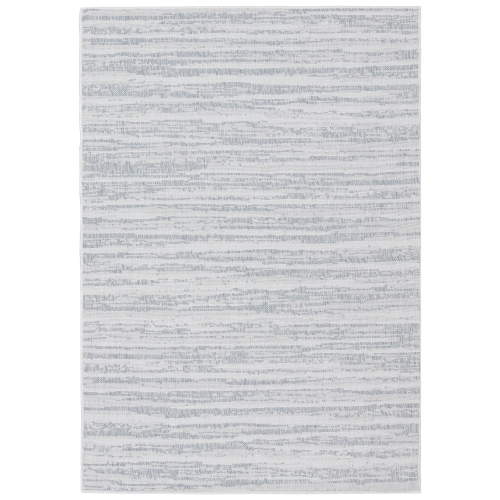 Your price for this item is $129.15
-
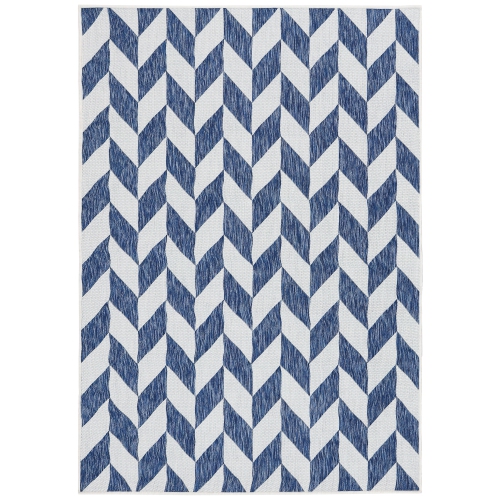 Your price for this item is $129.15
-
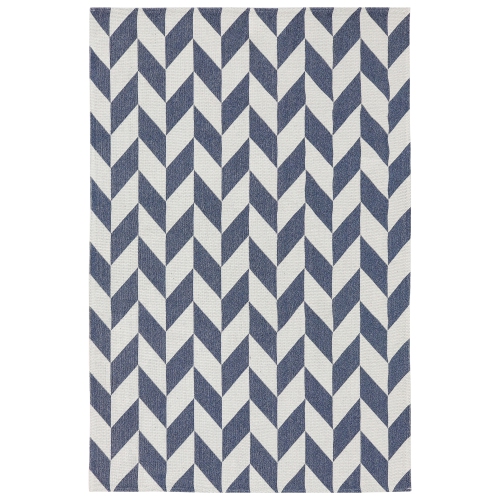 Your price for this item is $130.55
-
 Your price for this item is $111.99
-
 Your price for this item is $124.99
Discover more categories related to Large Geometric Area Rugs

Top Collections:
Pokemon Centers, Kindle Devices, Best Cameras for Sports Photography, Pokémon 30th Celebration Cards, Apple iPhones 16, Canon G7X Cameras, iPhone 15 Apple, Flip Phones, Samsung Galaxy Phones, Alarm Clock
Some products may be subject to Environmental Handling Fees
(EHF) depending on your province.
Learn more about EHFs.