Large Area Rugs
Transform your living space with our collection of large area rugs. Designed to add warmth, style, and comfort to any room, these versatile pieces are the perfect way to tie your decor together. Whether you're looking for a bold statement piece or a subtle neutral option, our wide range of large area rugs has something to suit every taste and budget. From plush shag rugs to elegant Persian-inspired designs, discover the perfect rug to elevate your home's aesthetic and create a cozy atmosphere that you'll love coming home to.
Sort
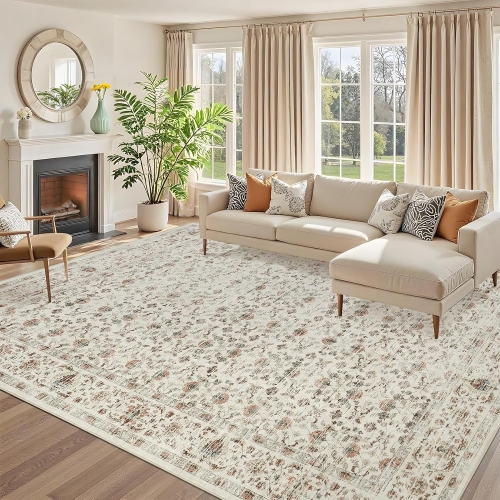
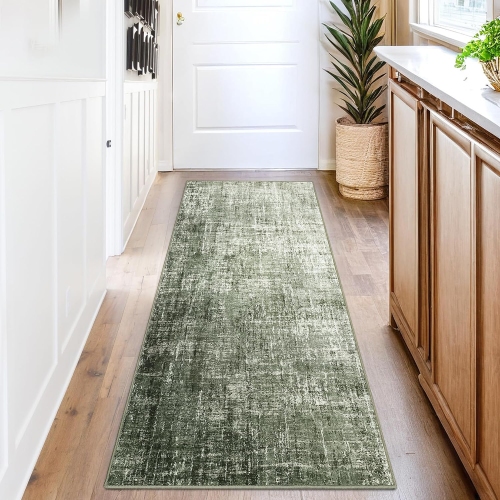
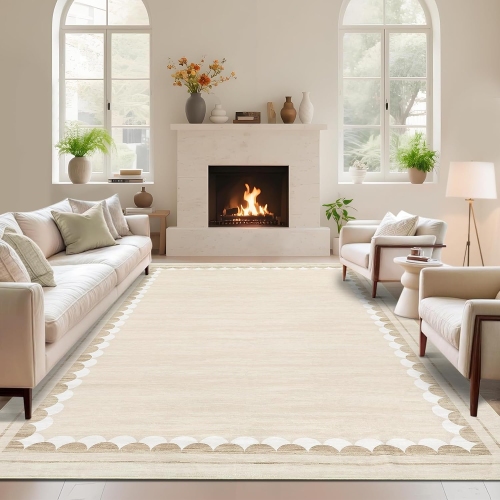
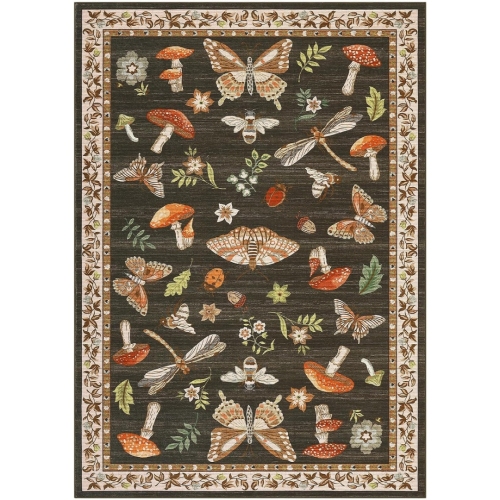
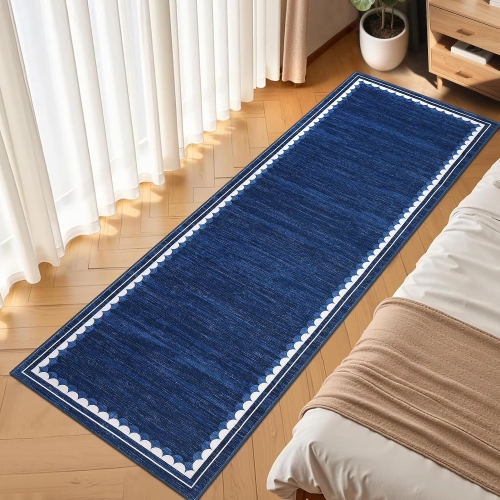
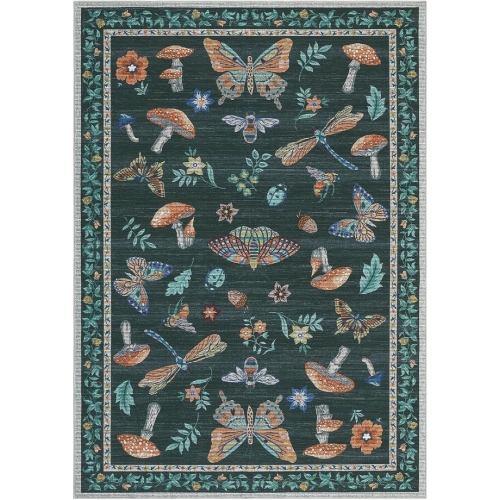
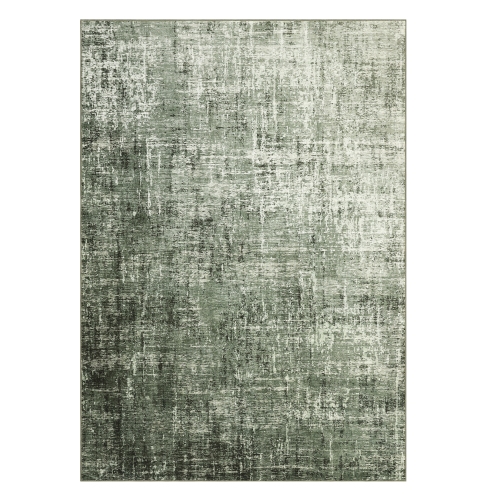
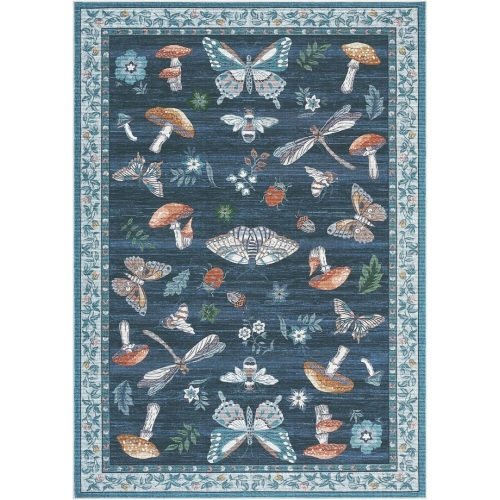
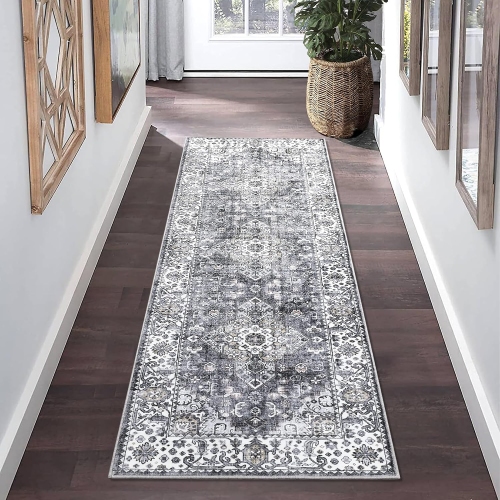
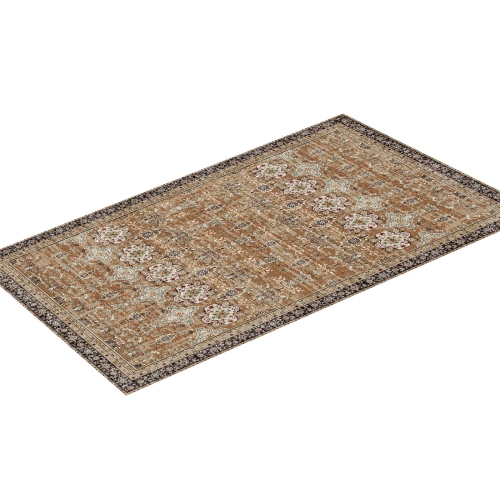
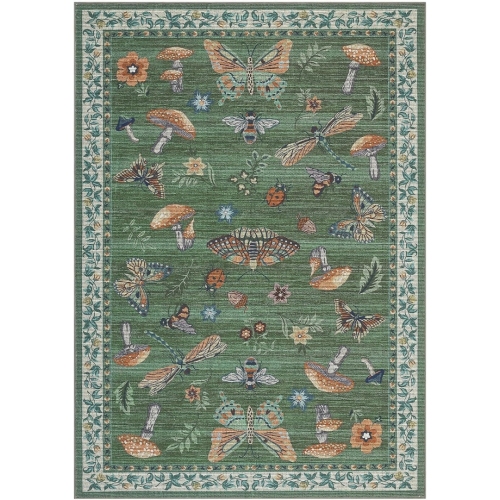
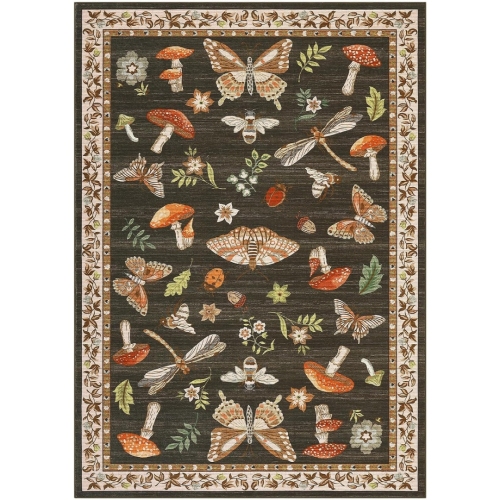
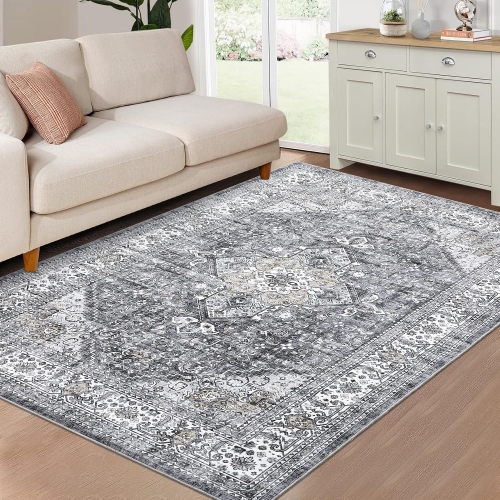
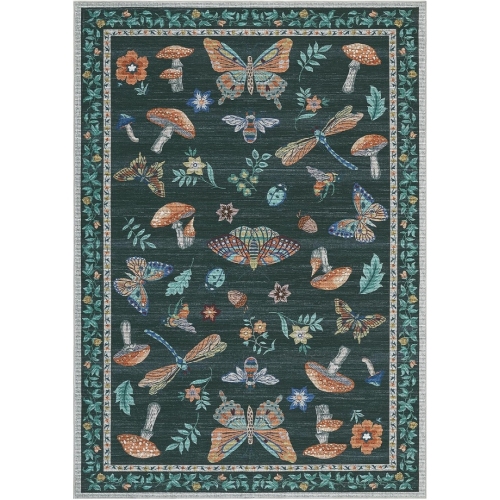
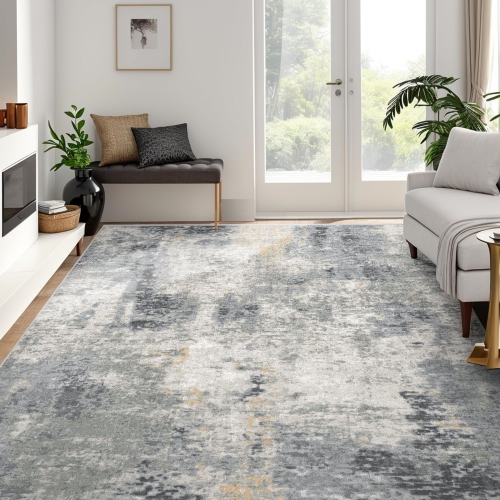
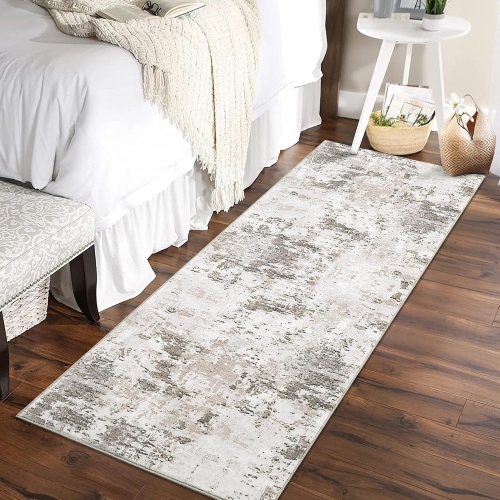
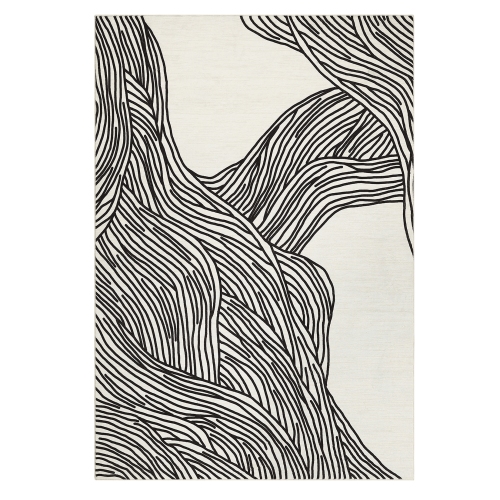
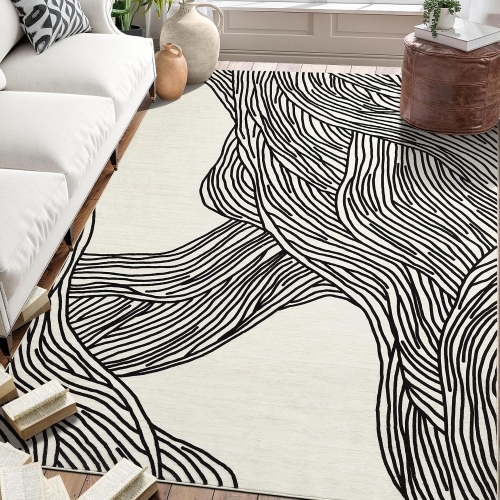
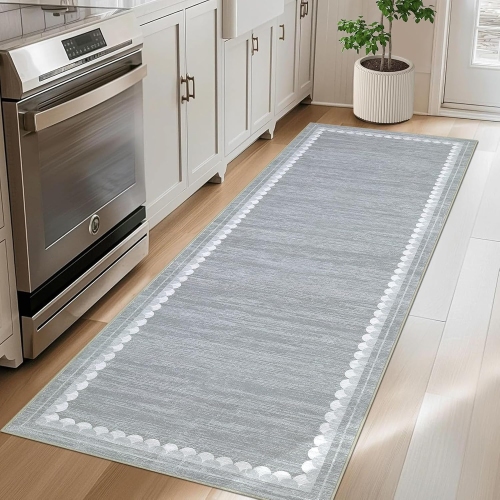
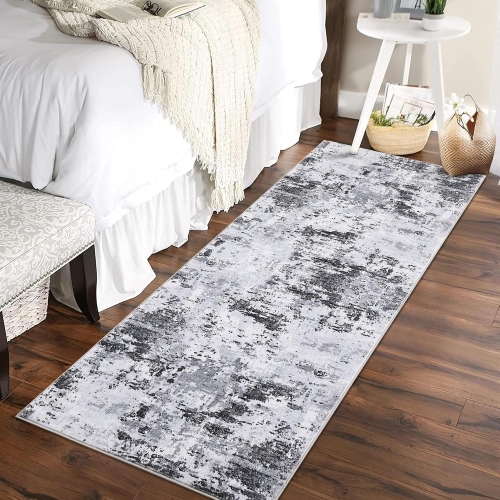
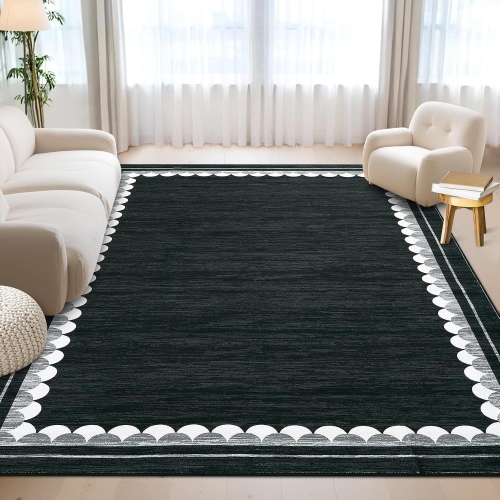
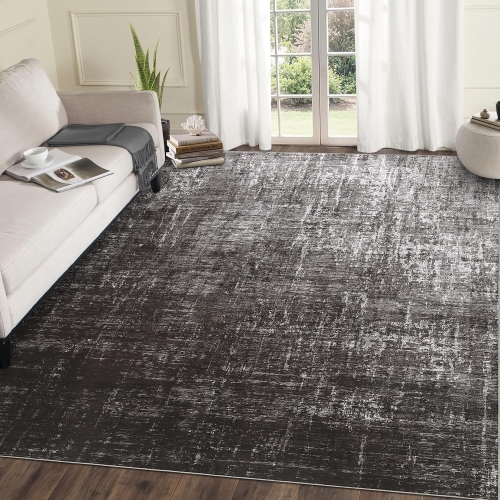
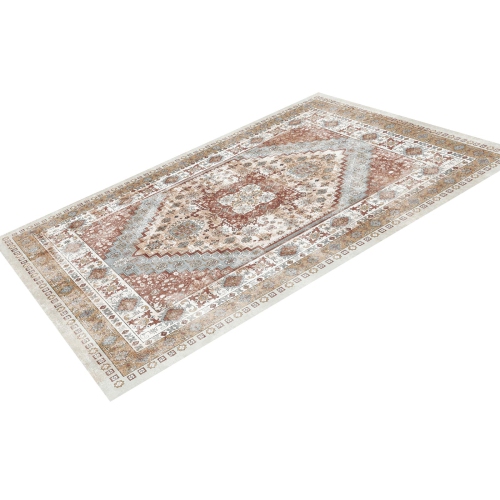
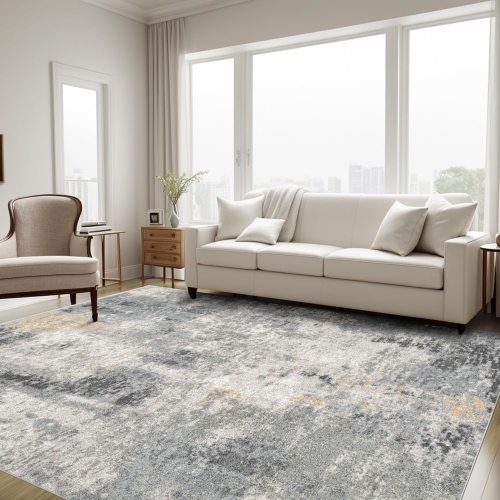
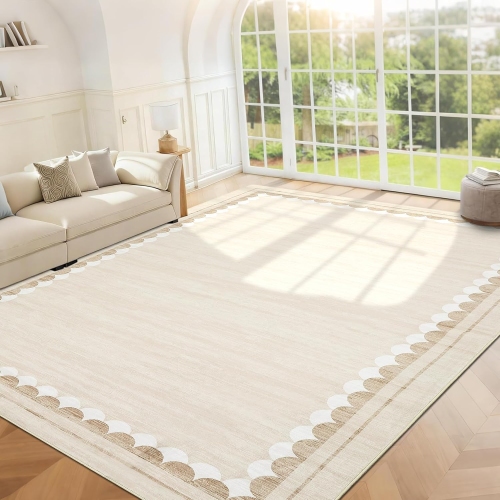
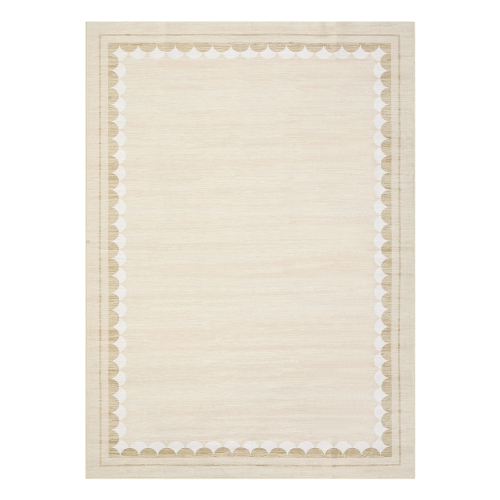
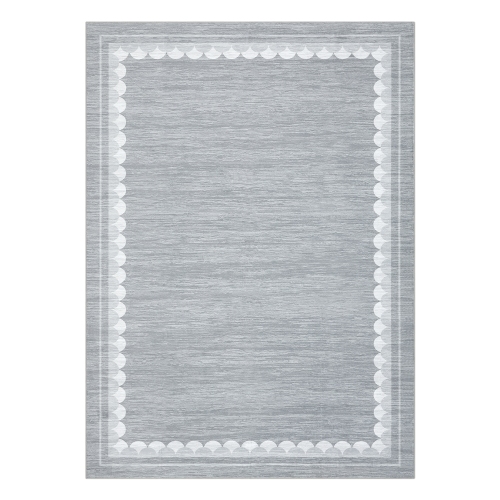
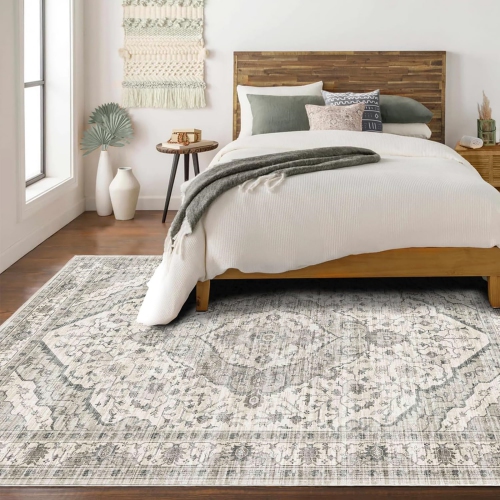
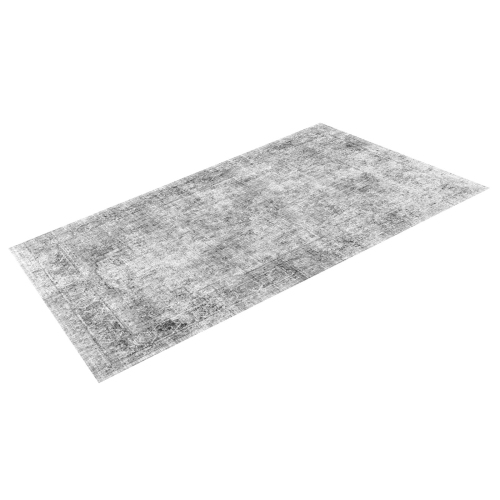

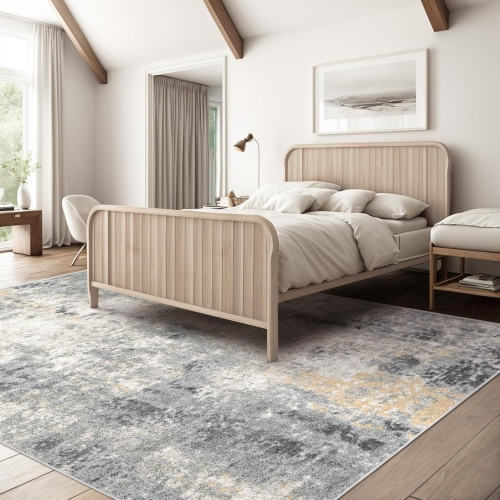
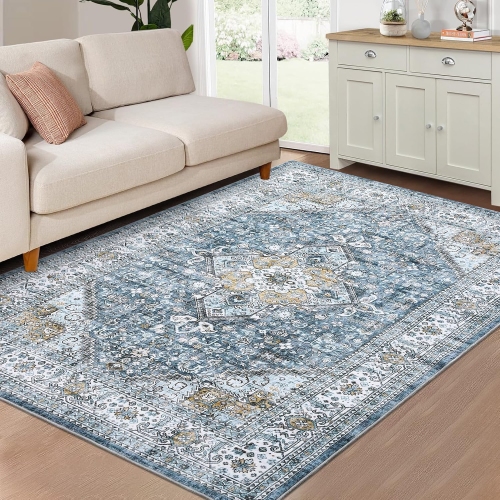
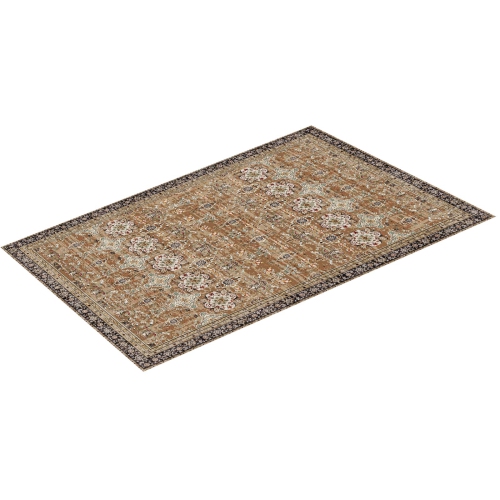
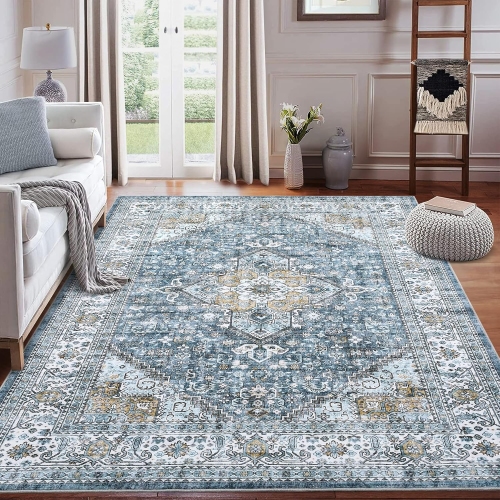
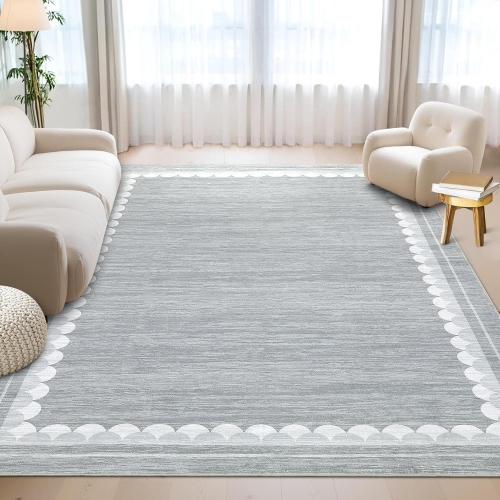
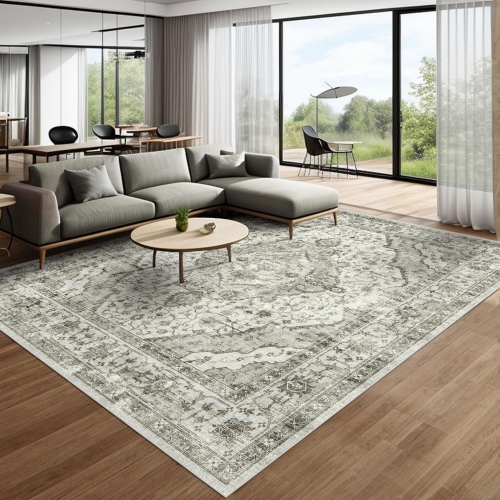
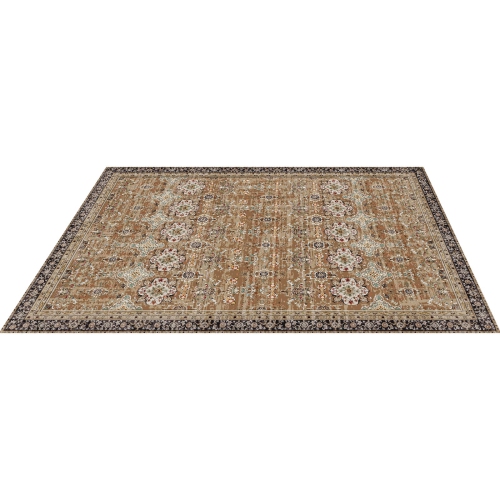
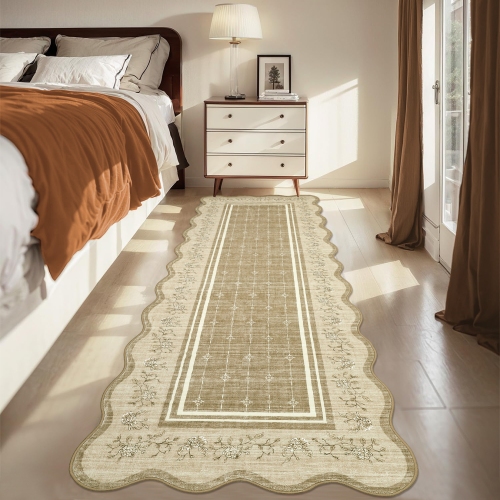
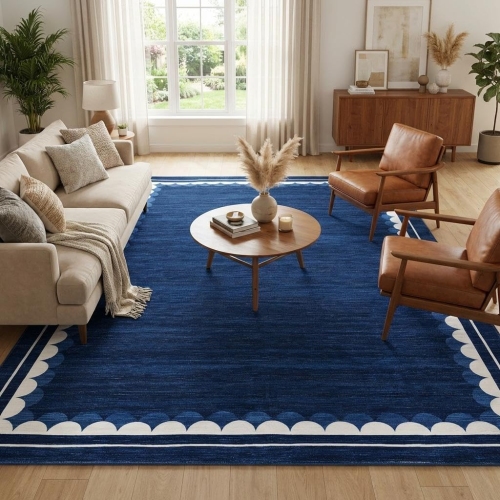
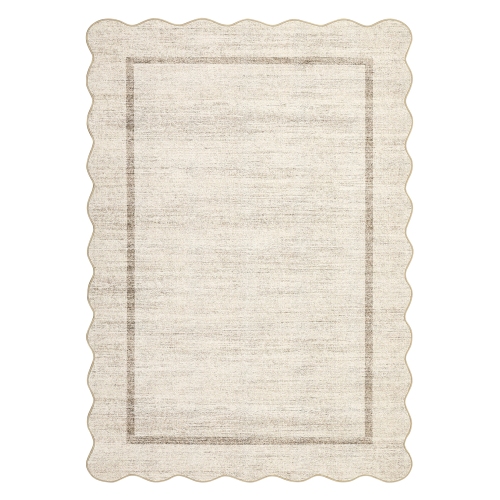
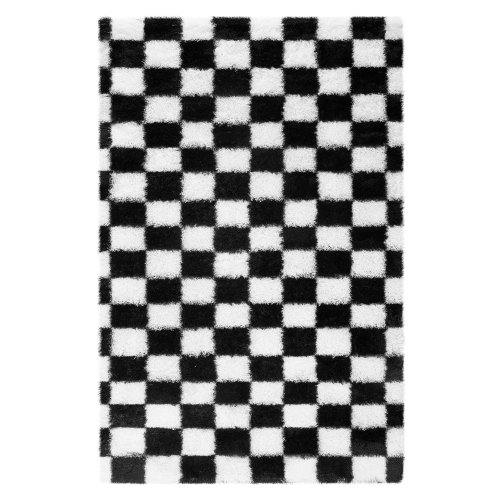
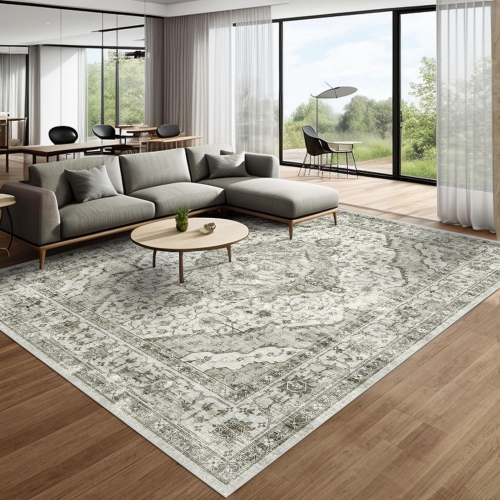
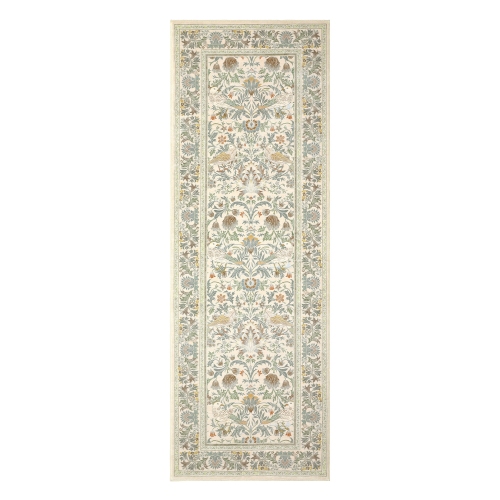
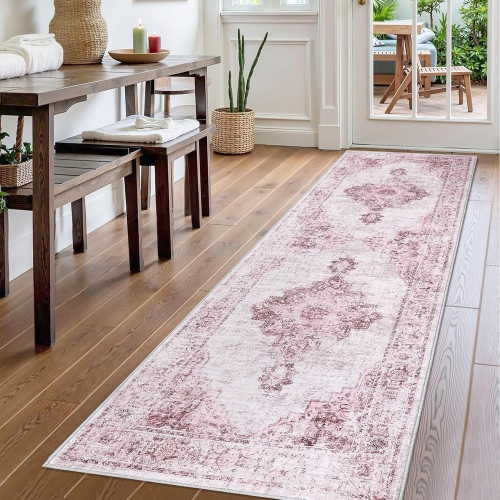
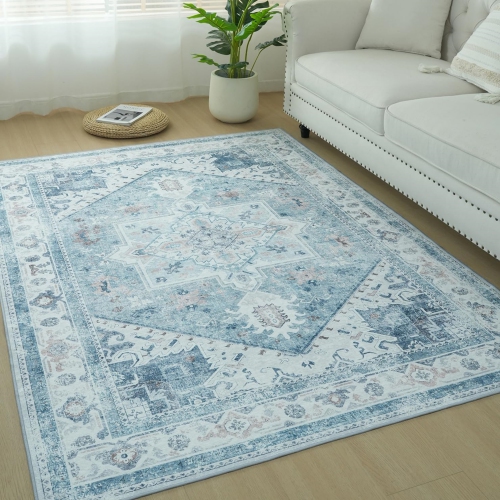
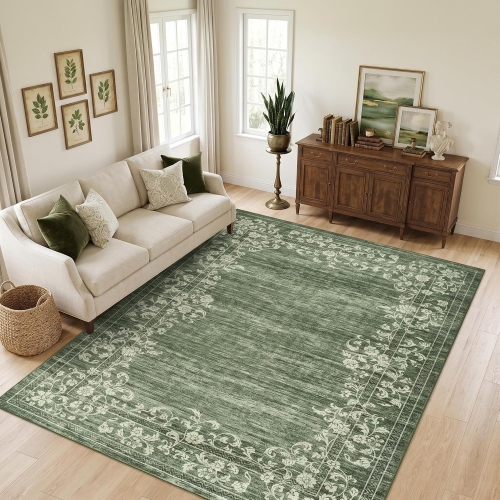
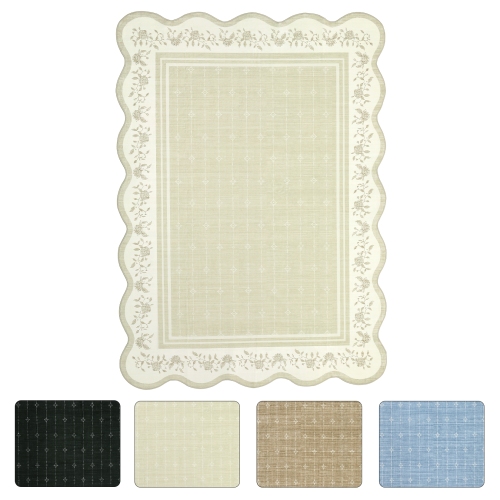
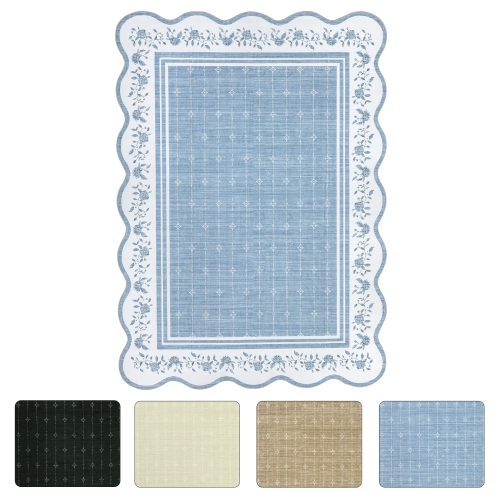
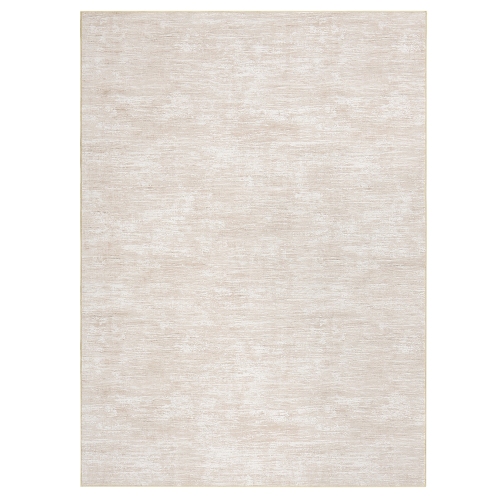
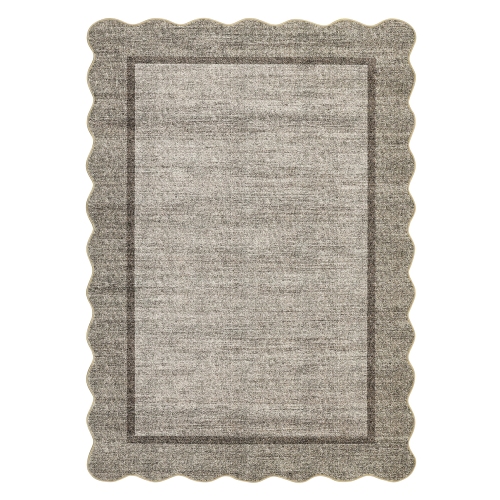
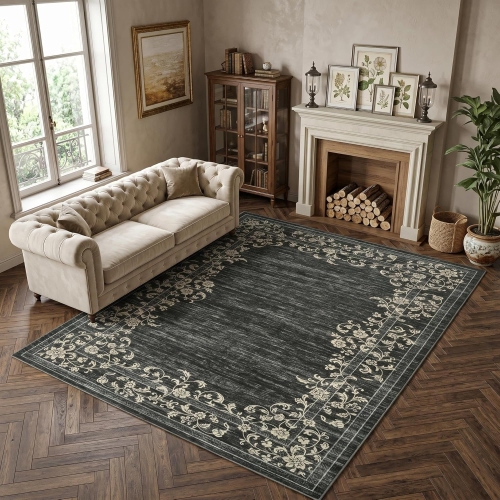
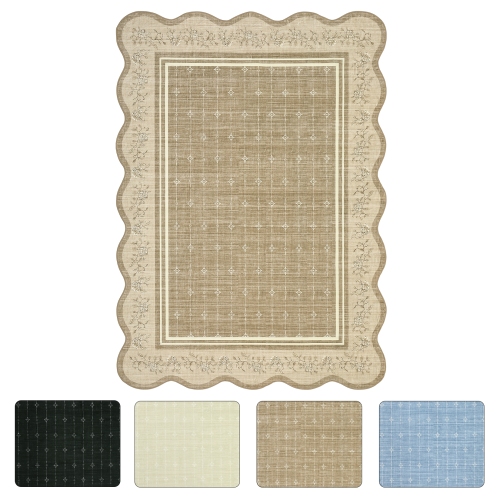
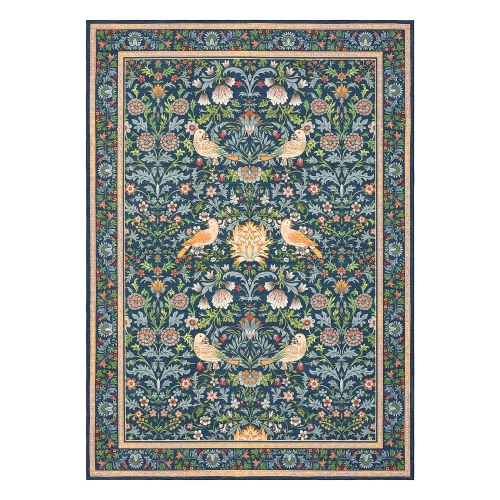
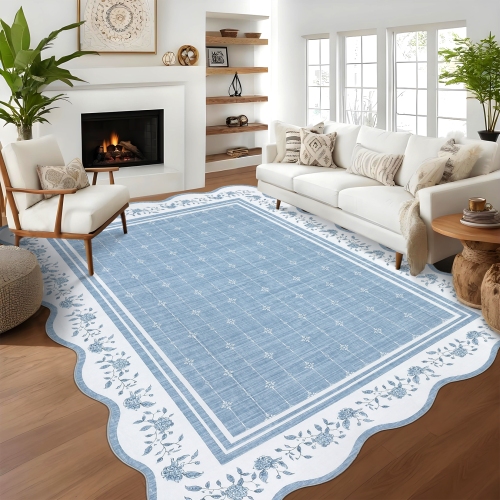
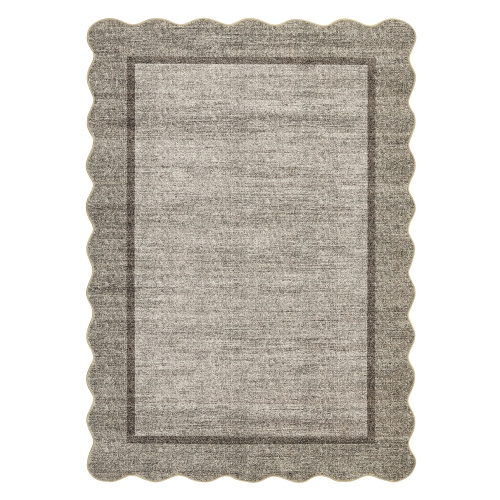

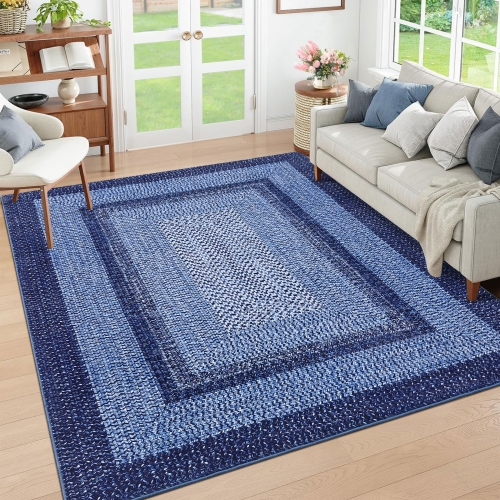
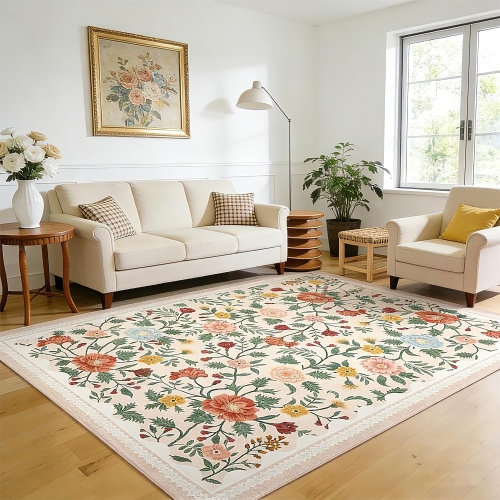
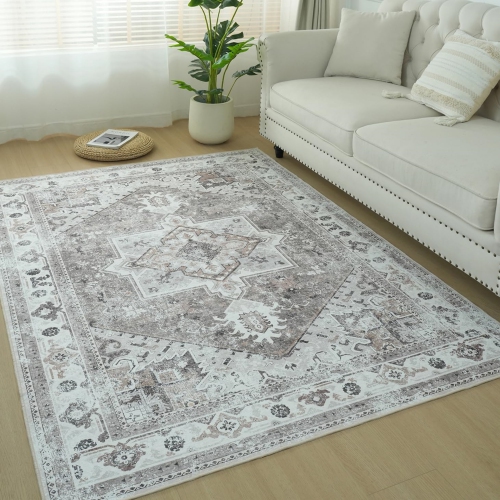
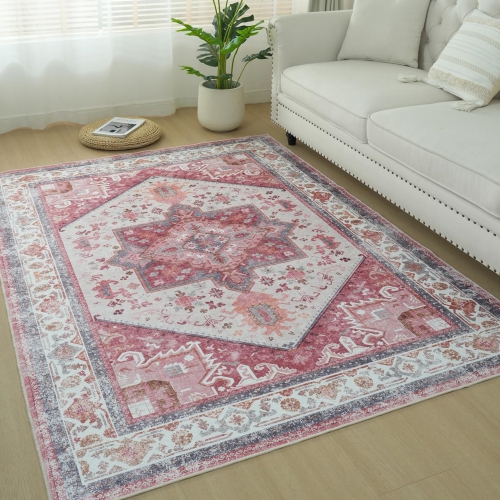
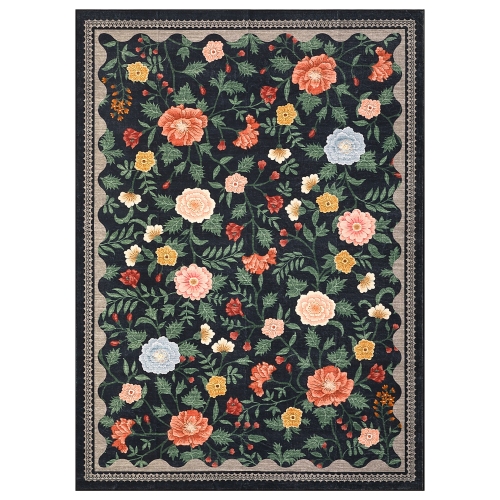
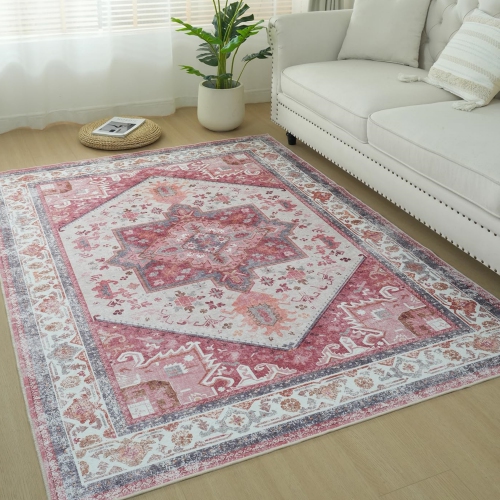

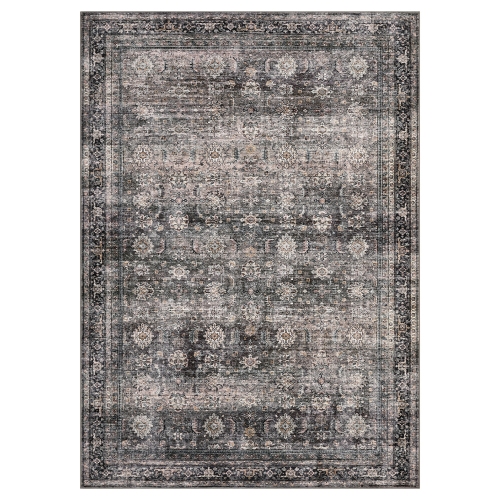
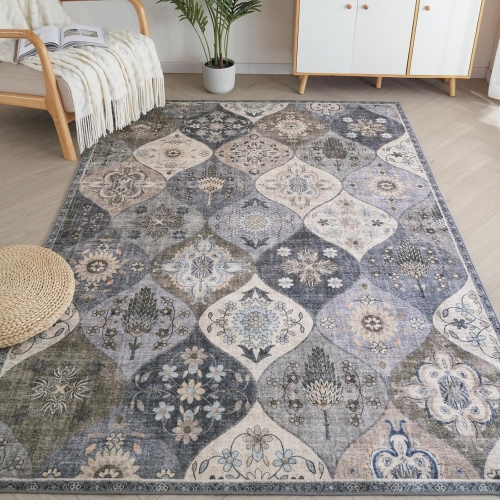
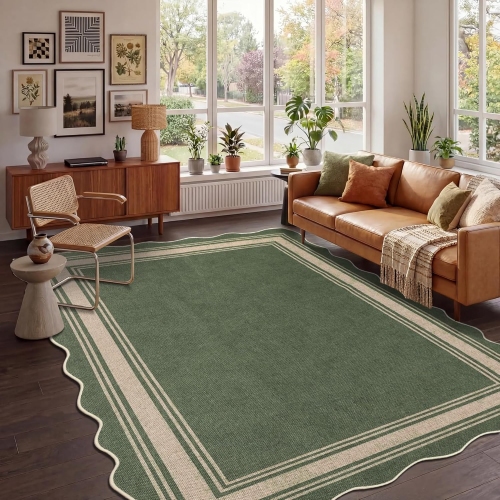



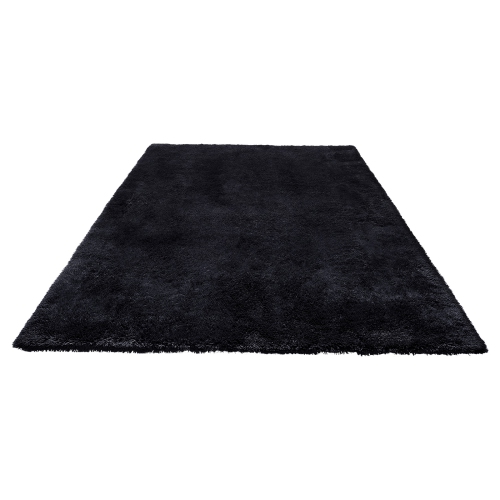

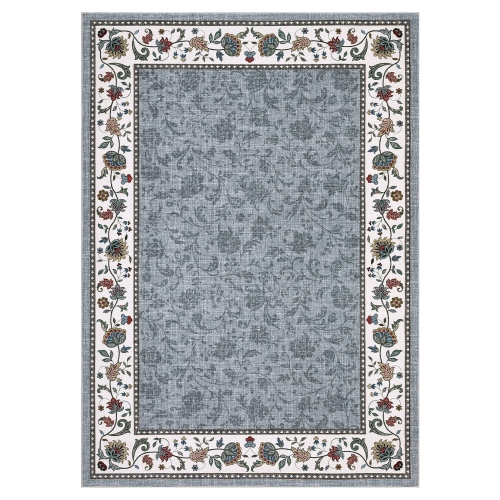
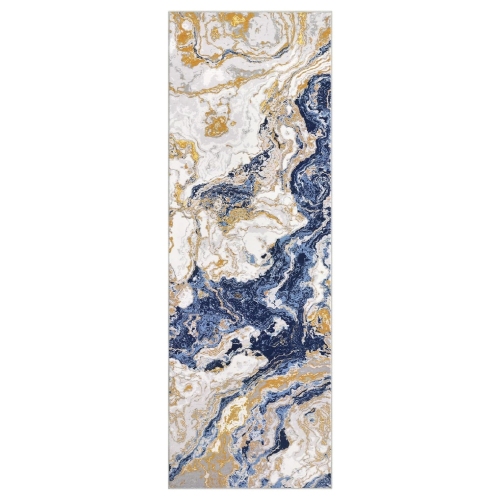
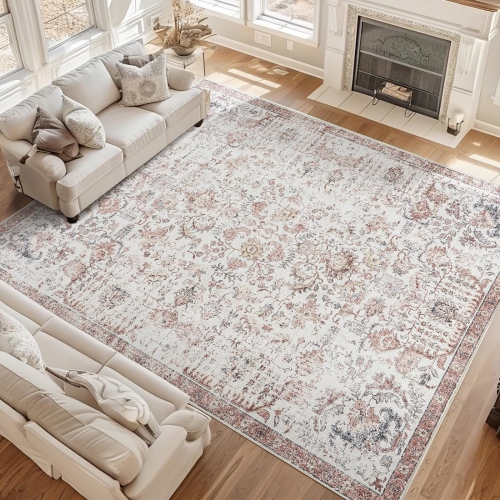


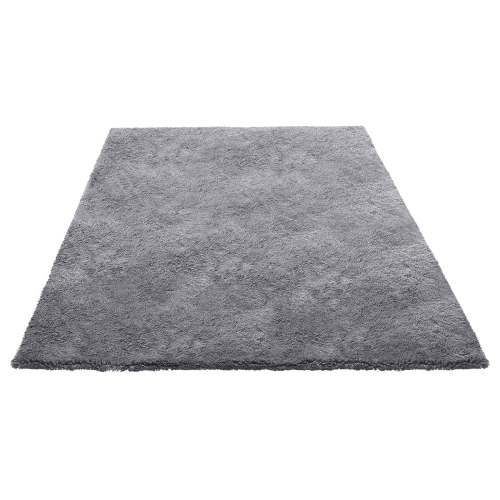
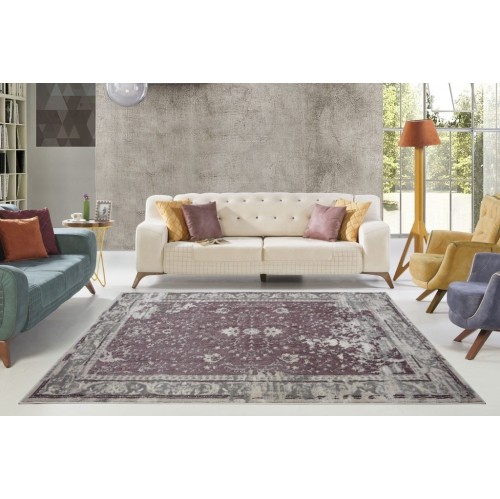
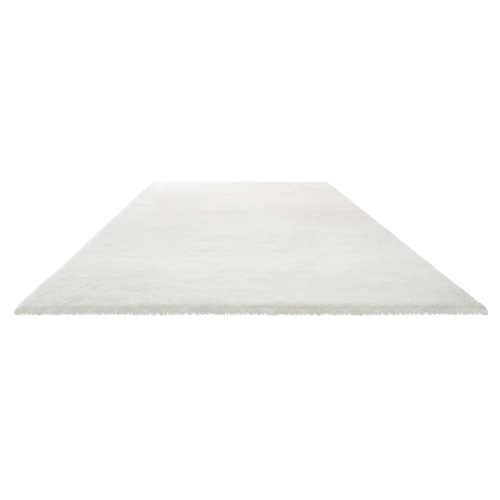
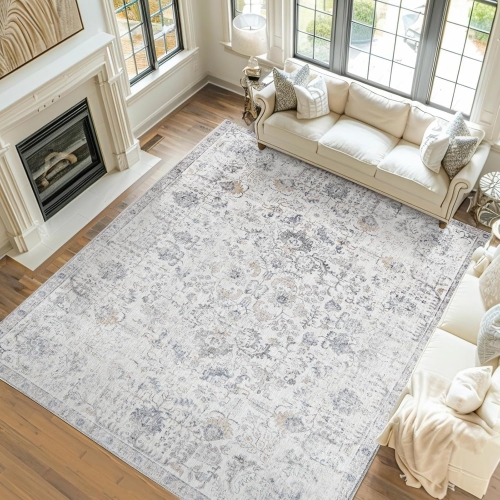
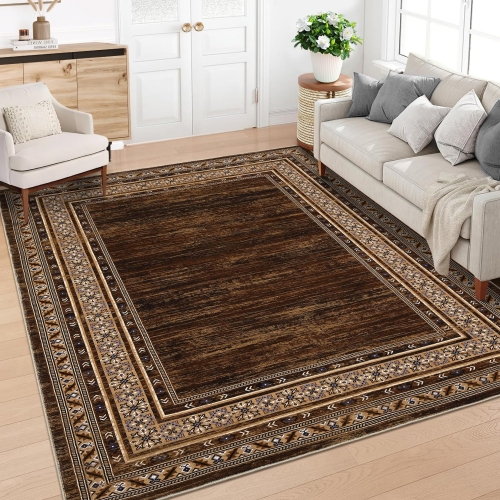
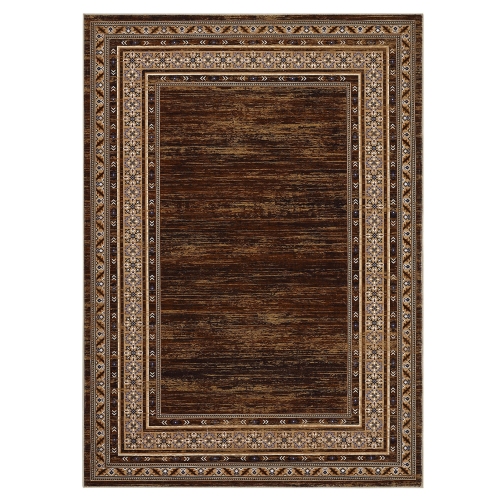
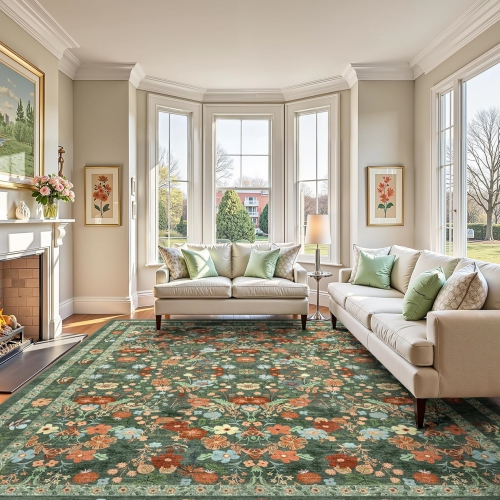


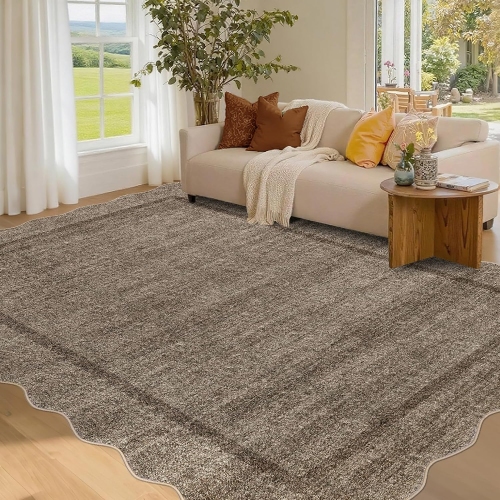
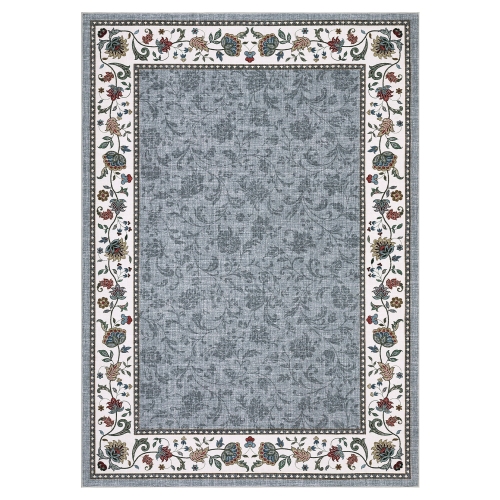
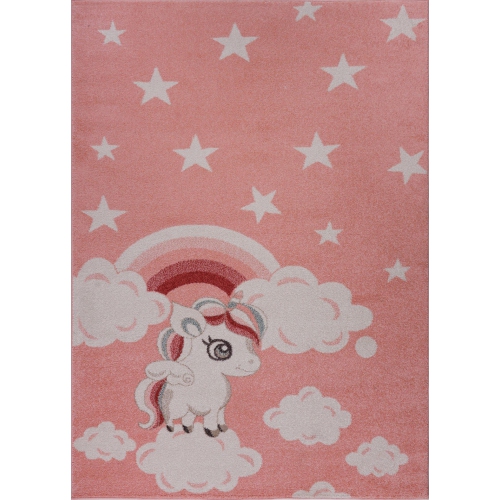

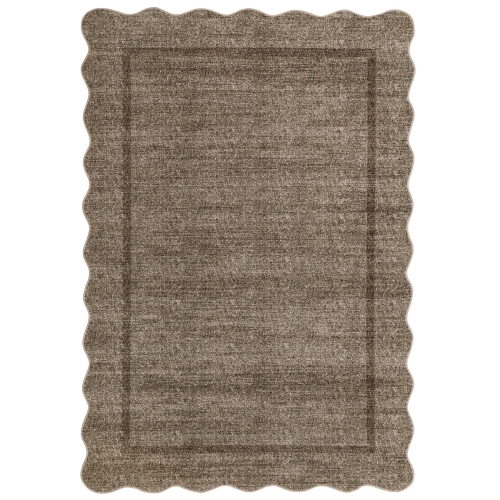
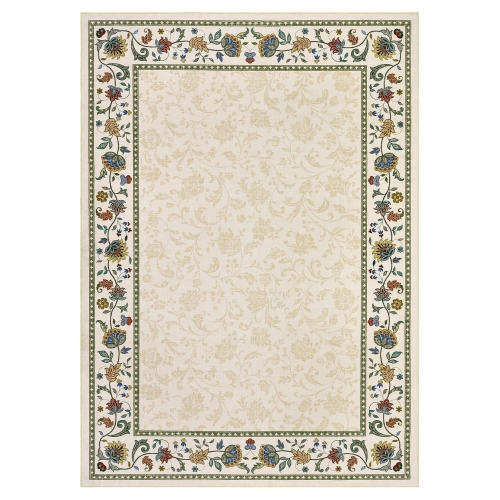
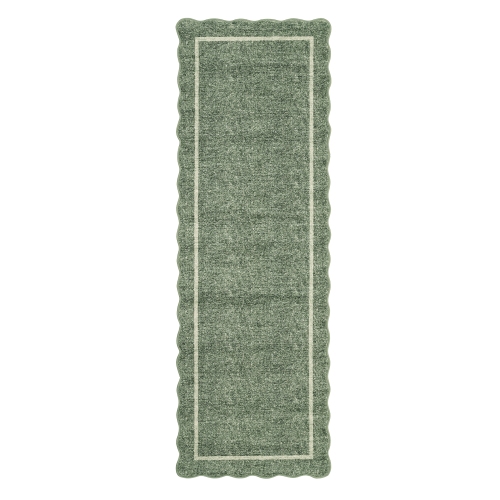


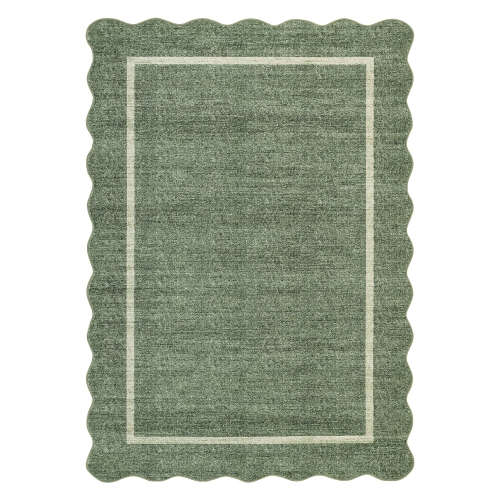
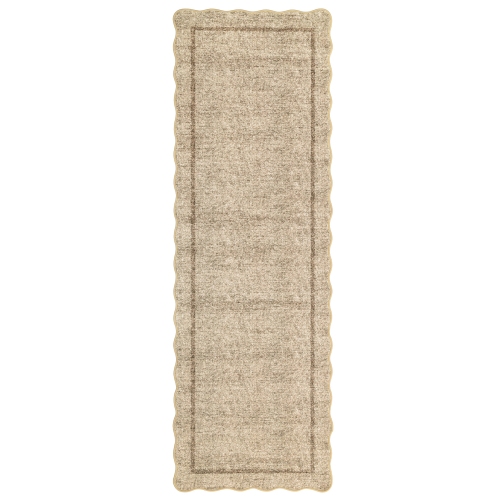
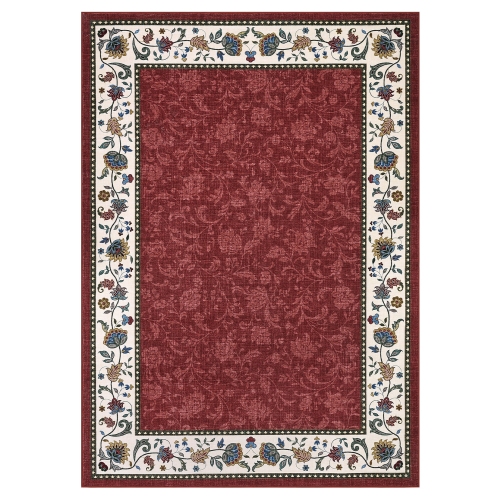
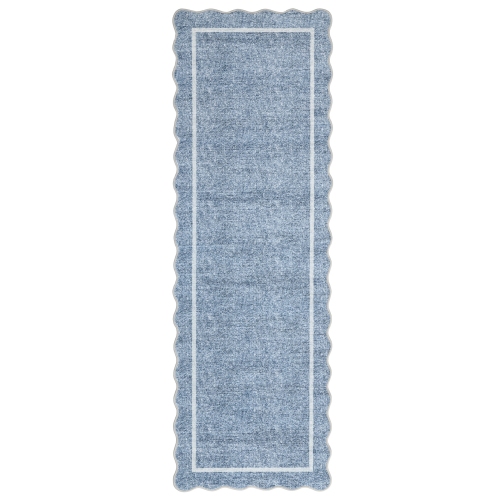
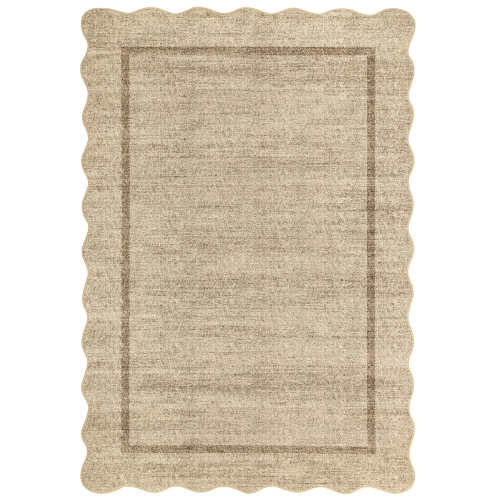
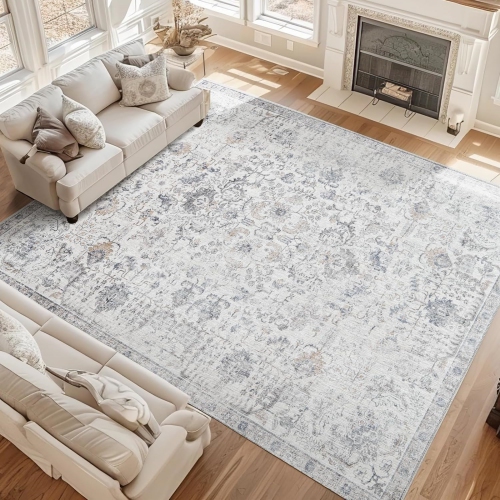
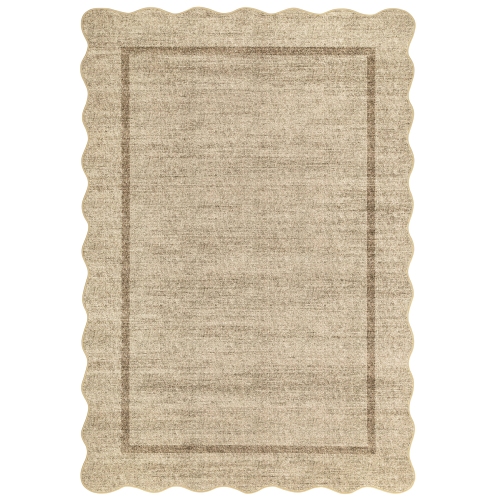
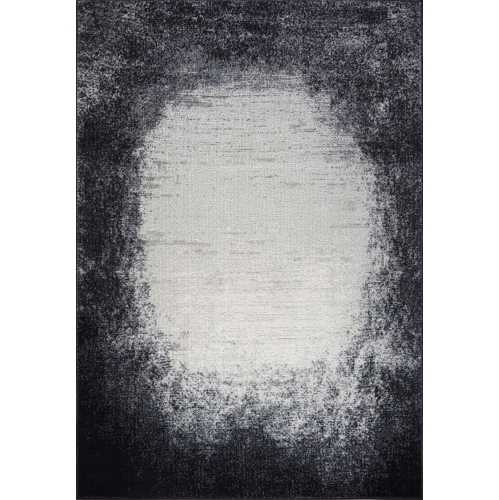
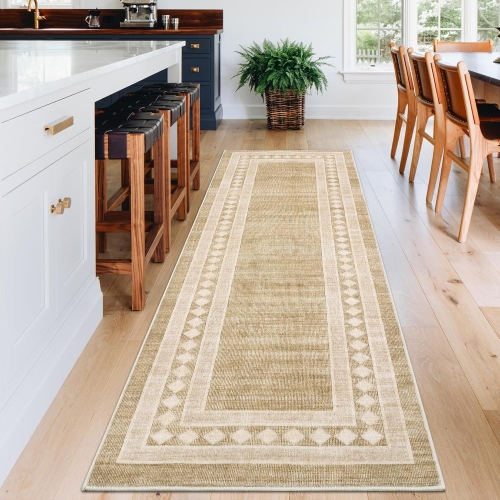

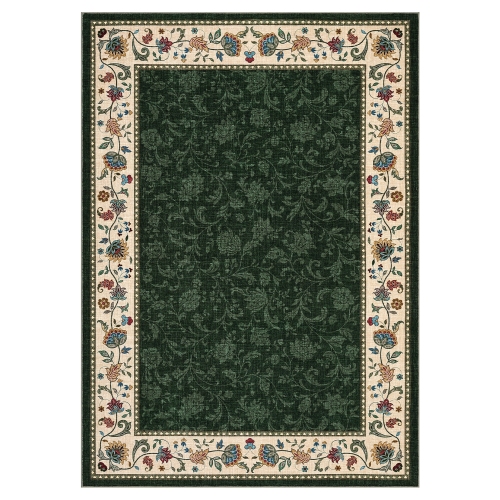
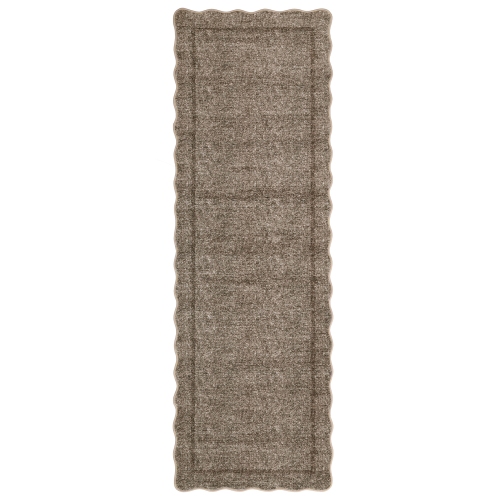
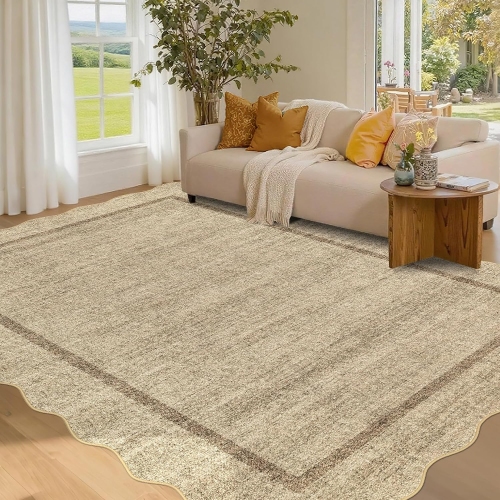
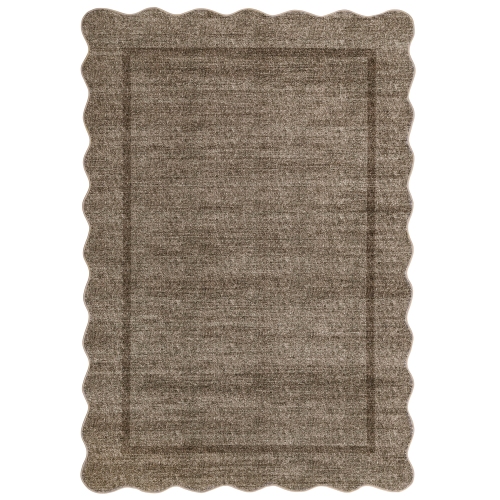
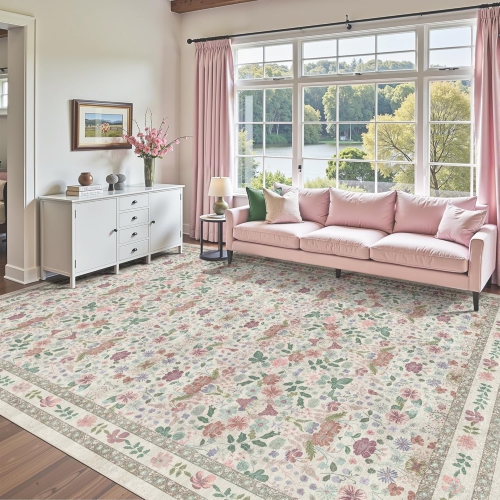
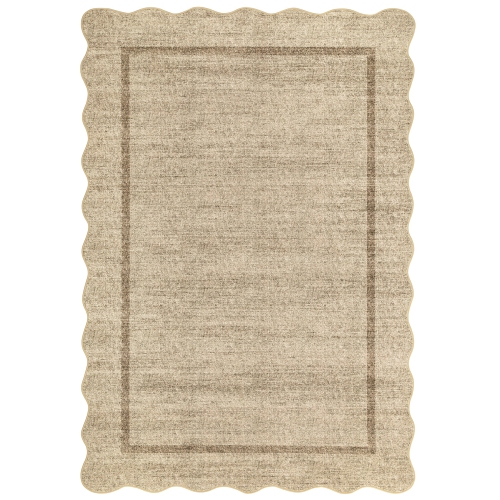
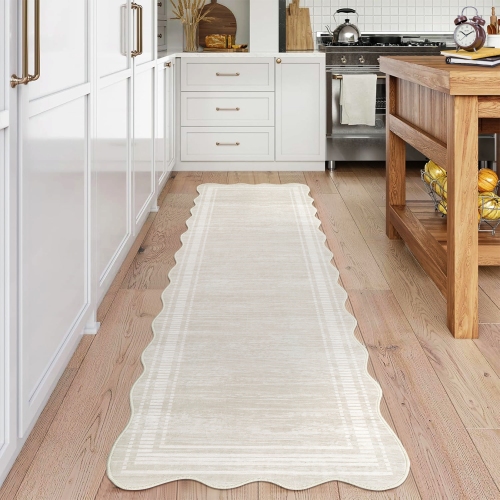
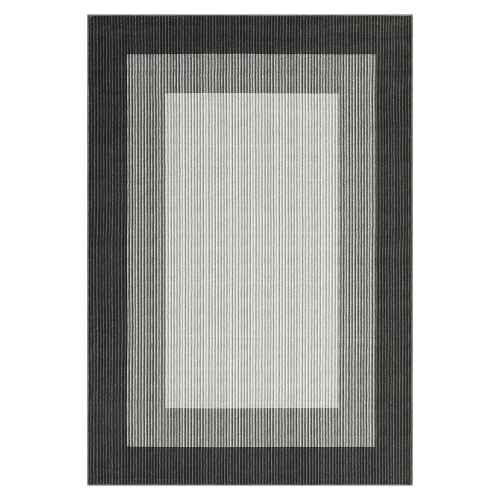
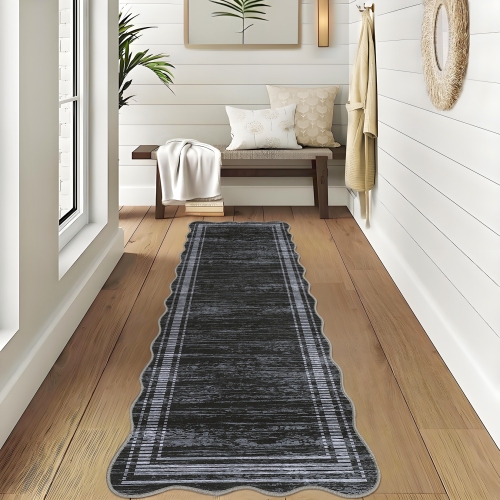
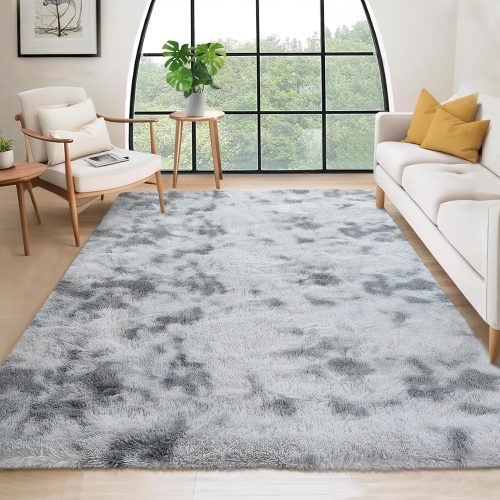
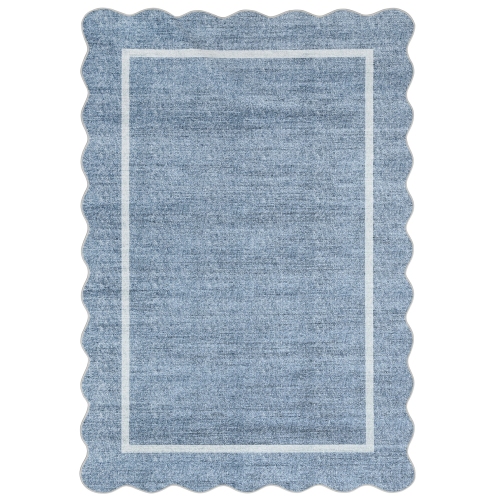
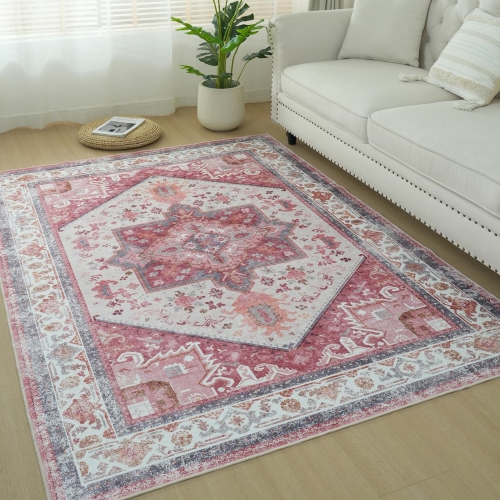
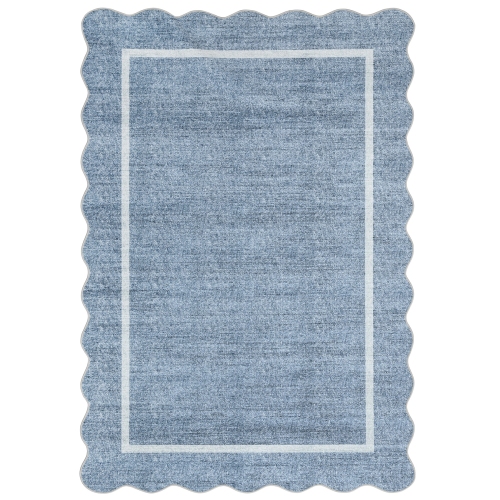
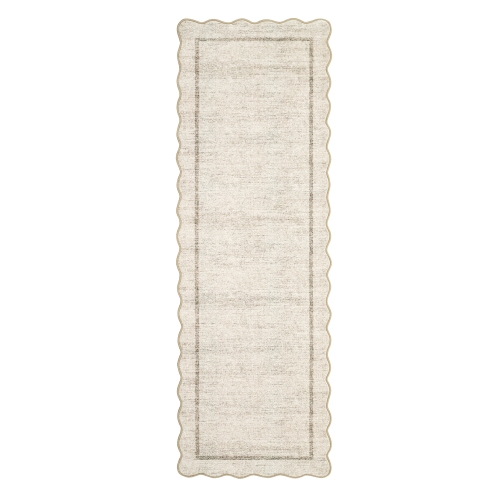
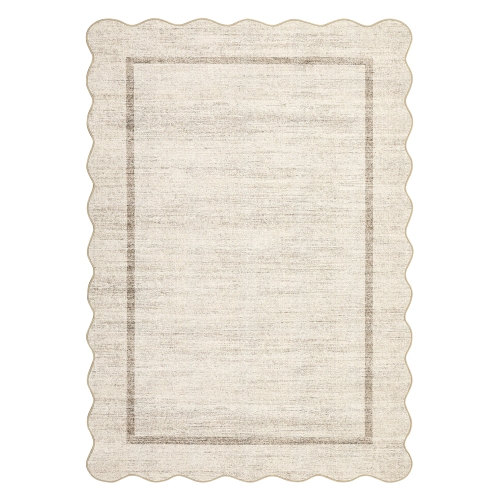
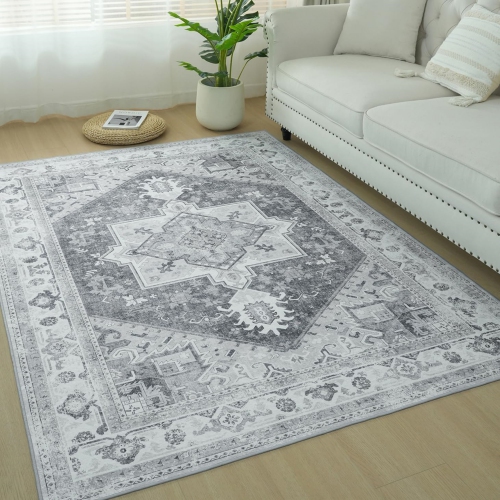
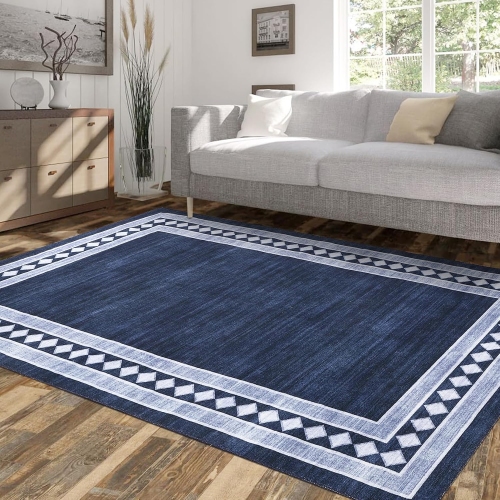
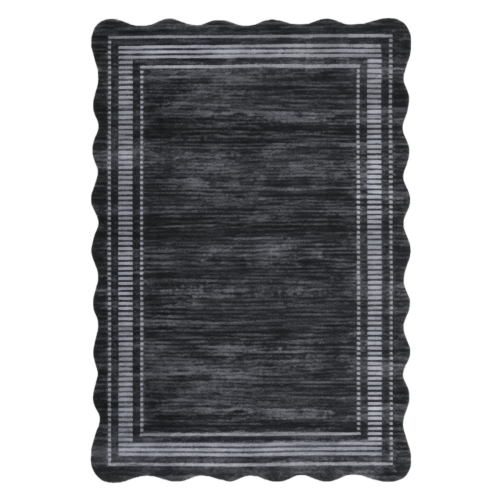

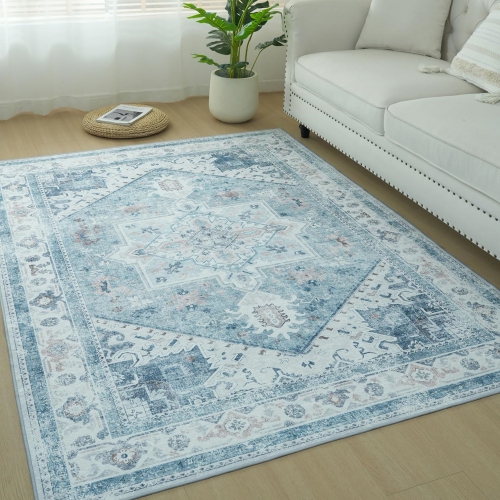
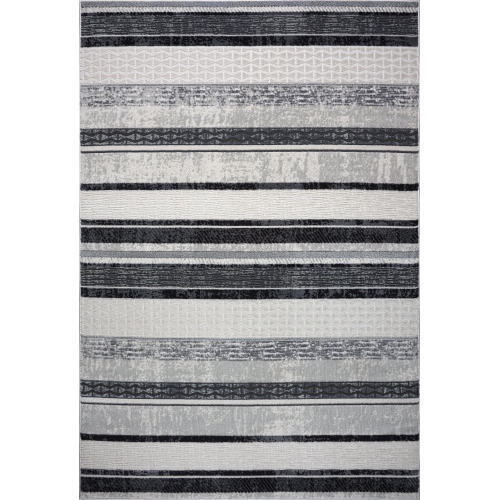
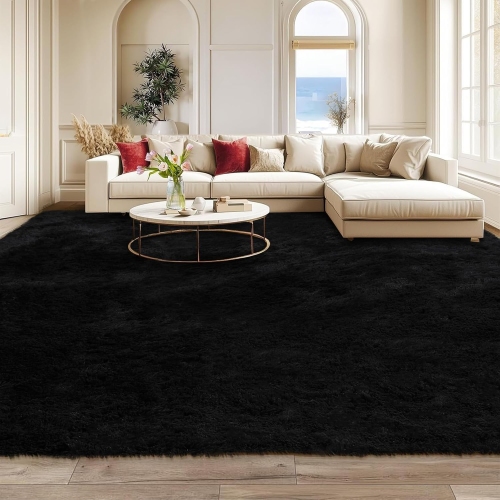
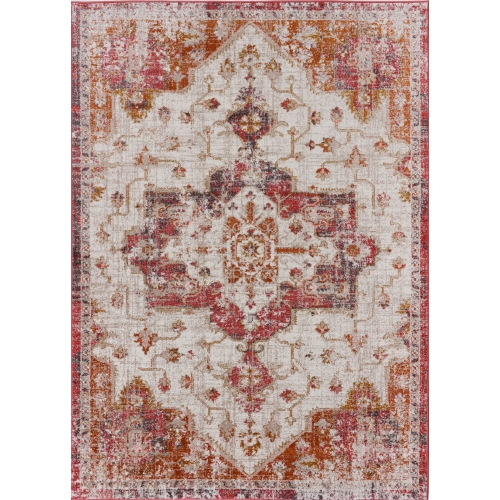
The right rug size ties your room together
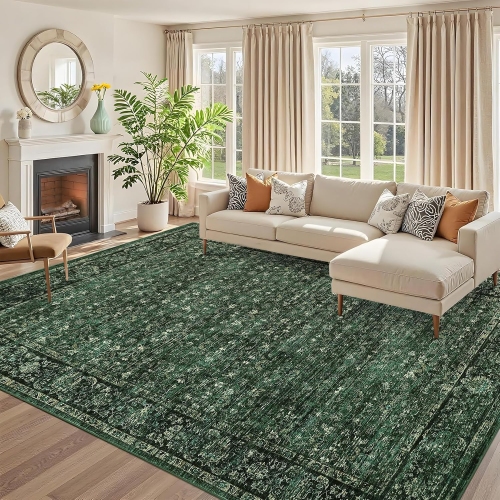
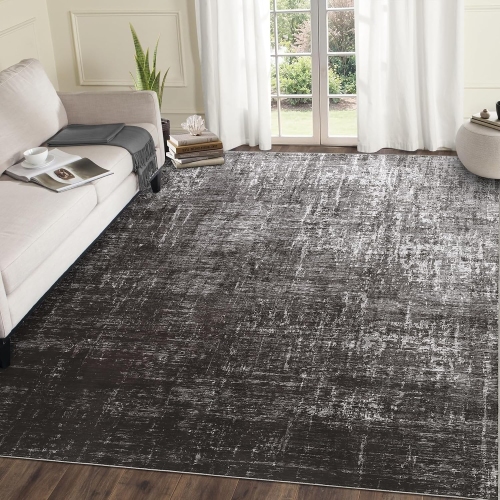
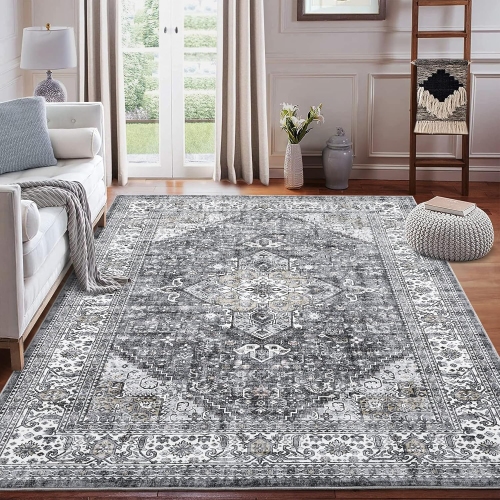
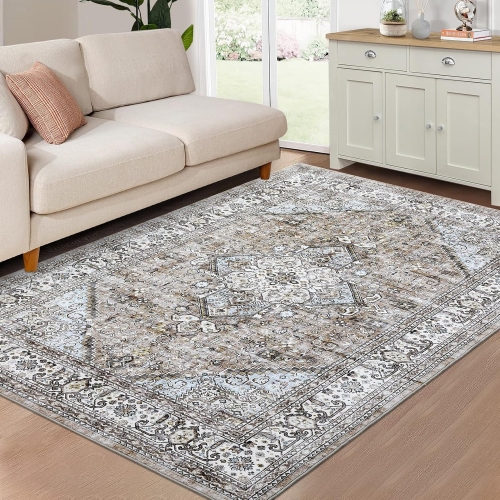
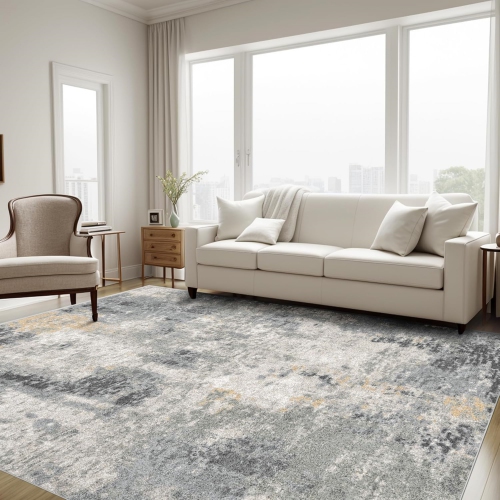
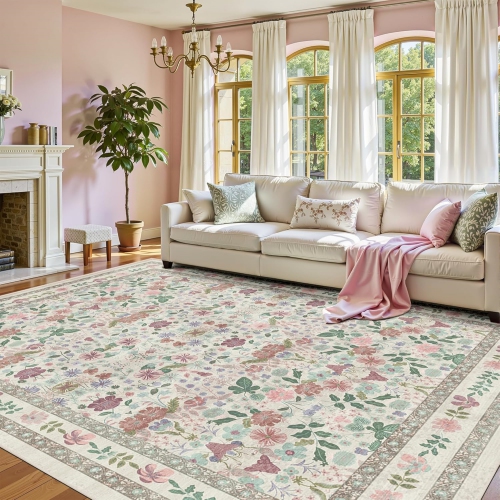
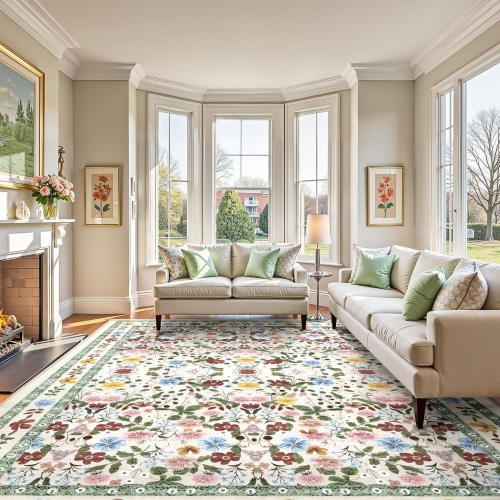
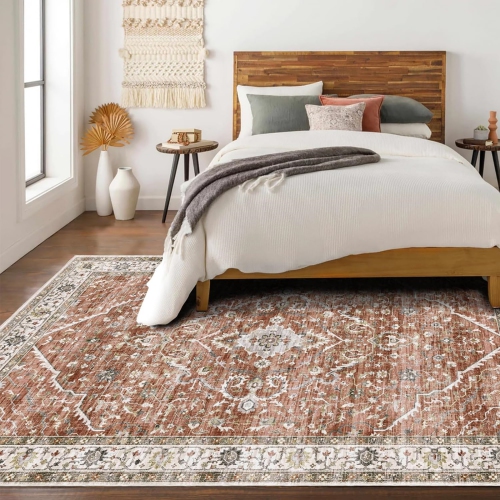
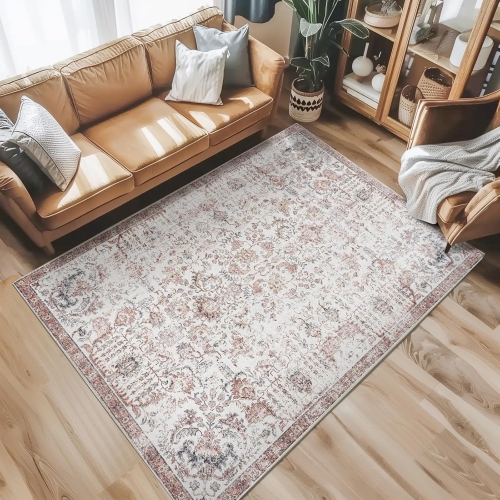
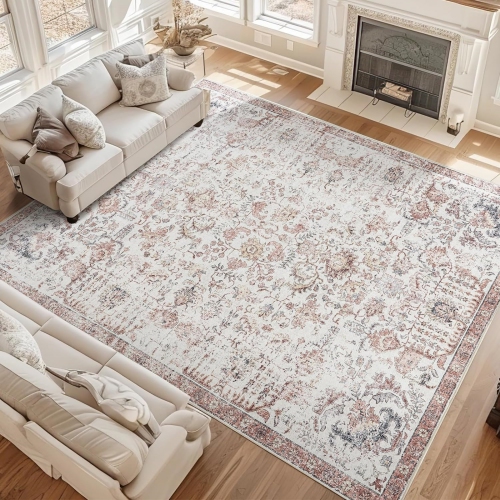
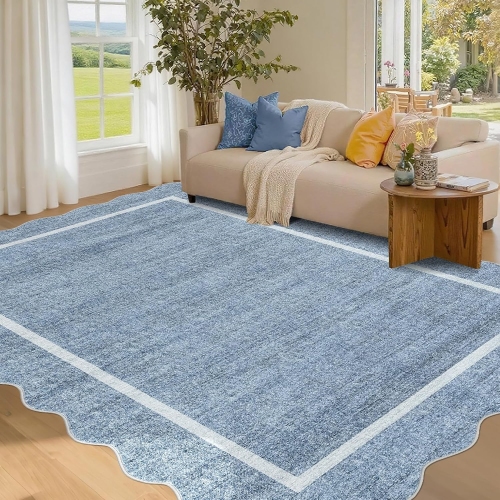
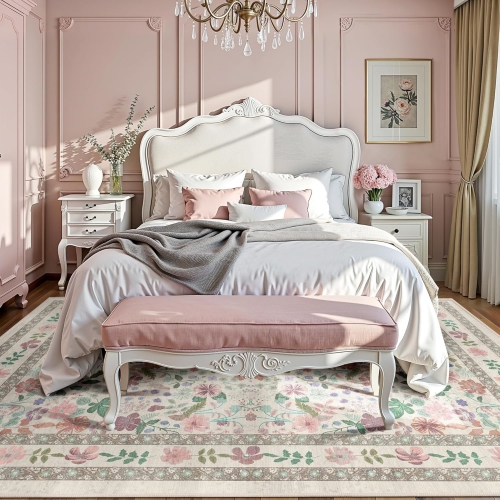
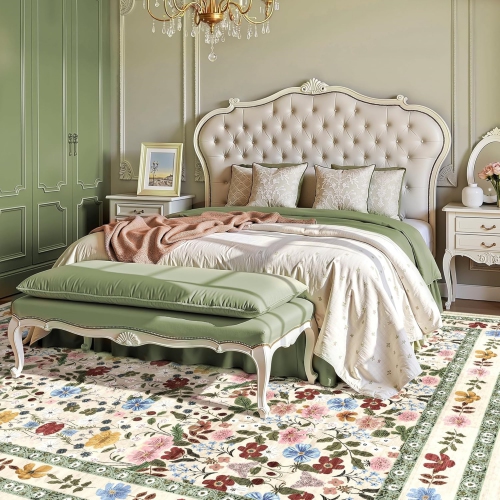
Large area rugs bring furniture together, define shared spaces, and add a comfortable surface underfoot without covering the entire floor. Their generous proportions make them well suited to living rooms, dining rooms, bedrooms, and open-plan layouts where a smaller rug can look disconnected from the furnishings around it. Common large rug sizes include 8 by 10 feet, 9 by 12 feet, and 10 by 14 feet, although the best fit depends on the room’s dimensions and furniture arrangement rather than its name alone. In a living room, a rug that extends beneath at least the front legs of the sofa and nearby chairs helps the seating area feel connected. A larger rug can accommodate all the furniture legs, creating a more enclosed arrangement around a coffee table. In an open-plan space, the rug’s edges can establish a distinct lounge area without interrupting the path to a dining table or kitchen. Leaving approximately 12 to 18 inches of exposed floor between the rug and the walls often creates a balanced border, though doorways, built-in cabinetry, and unusually shaped rooms may call for a different spacing. Bedrooms benefit from enough rug extending beyond the bed to provide a soft landing on both sides. An 8 by 10-foot rug can work beneath many queen beds, while a 9 by 12-foot rug often gives a king bed more generous coverage; bed frame dimensions, bedside tables, and placement all affect the result. Dining rooms need room for movement as well as coverage. A rug extending roughly 24 to 30 inches beyond each side of the table can help keep chair legs on the rug when diners pull their seats back. The chair’s depth and how far it travels still matter. Rectangular rugs naturally follow long tables and sofas, while square or round shapes can complement more compact seating arrangements. Measuring the intended footprint, including nearby doors and walking routes, makes it easier to picture how a large rug will sit within the room.
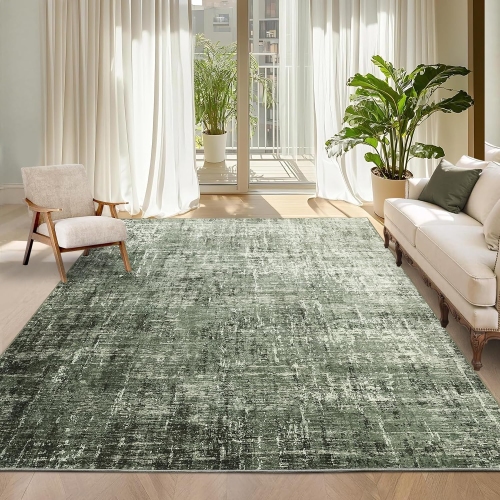
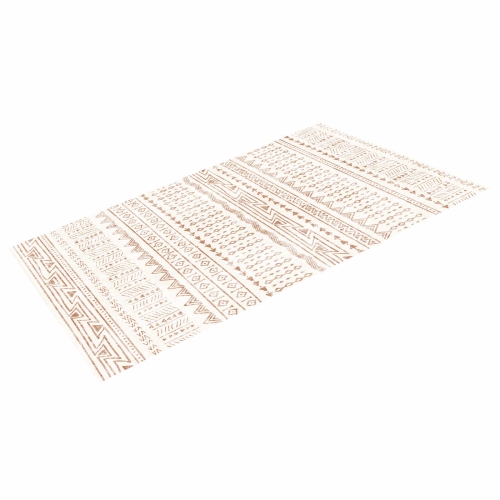
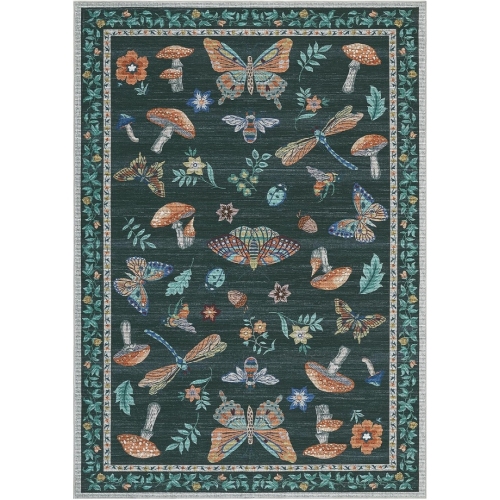
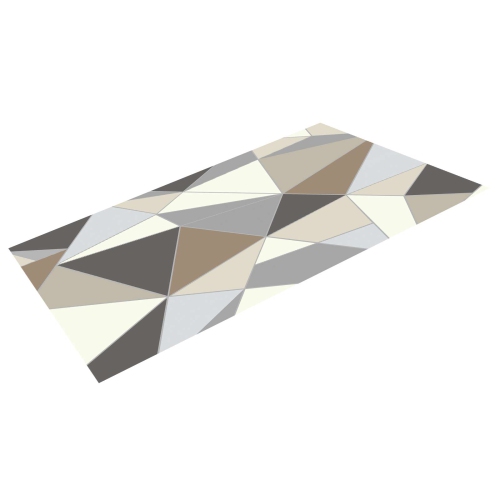
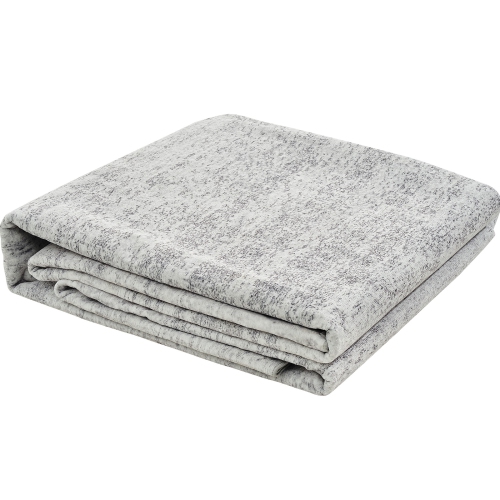
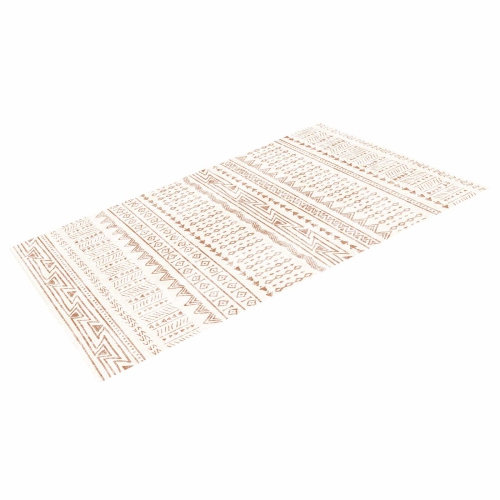
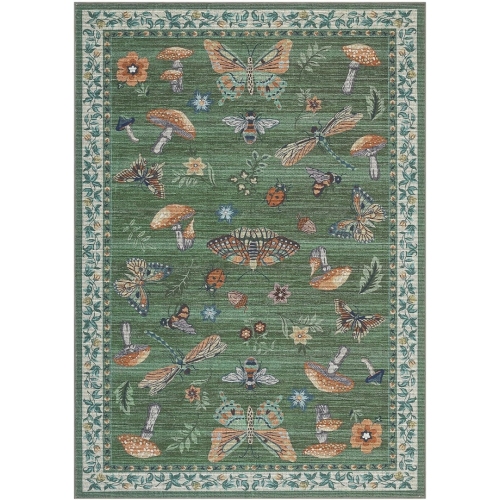
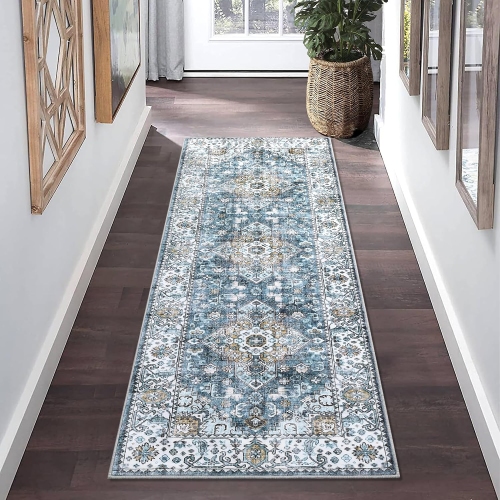
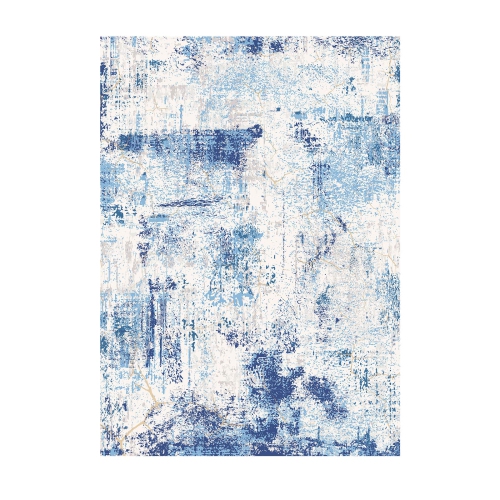
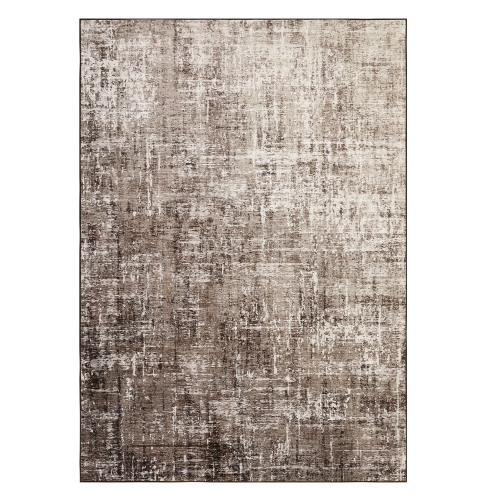
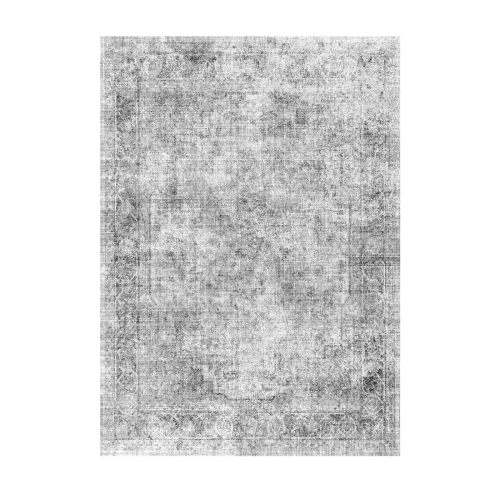
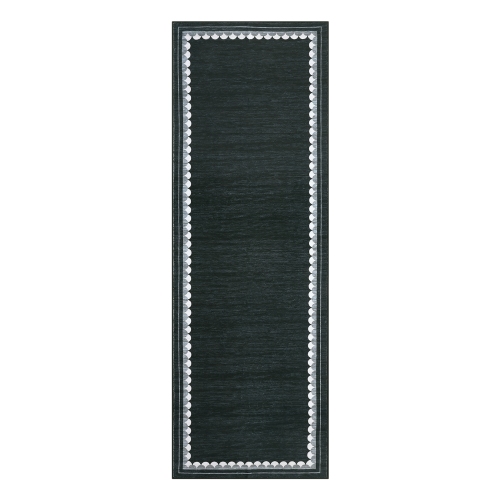
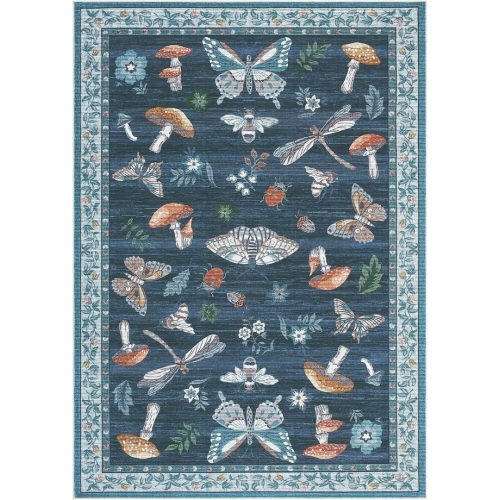
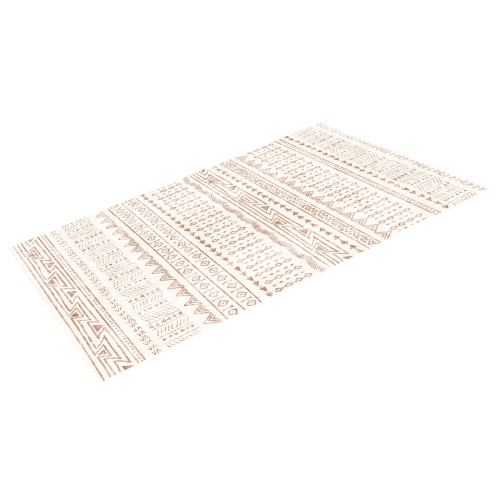
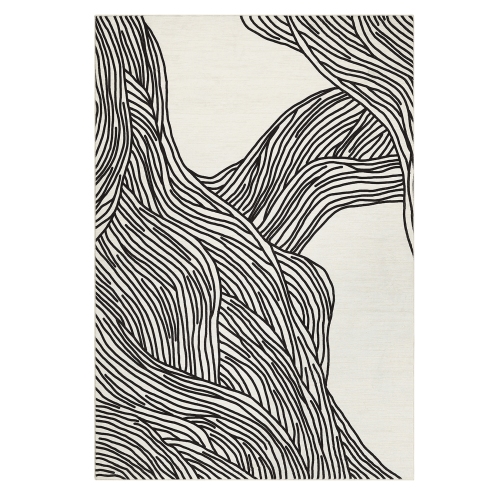
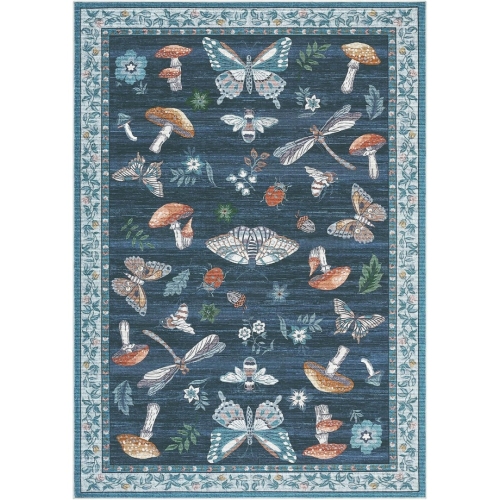
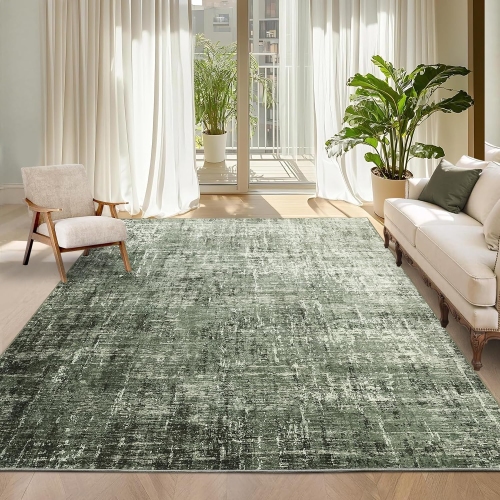
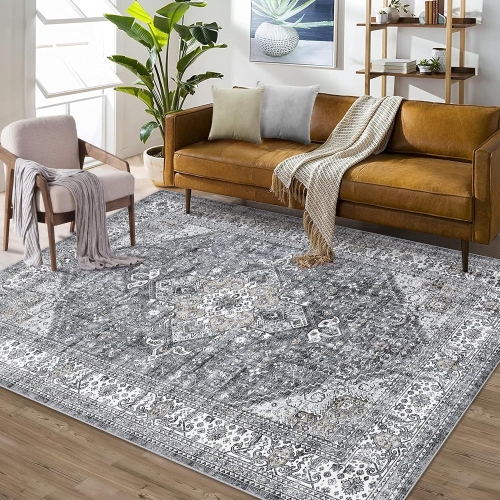
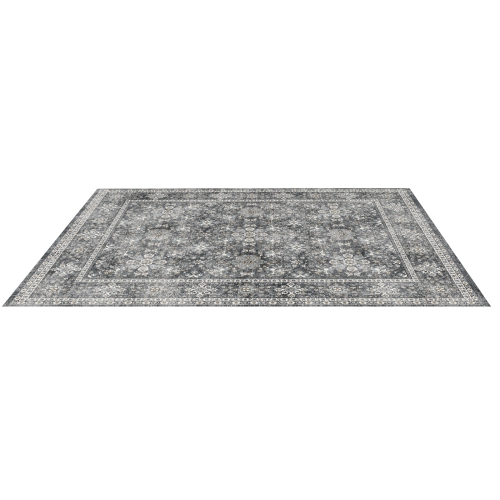
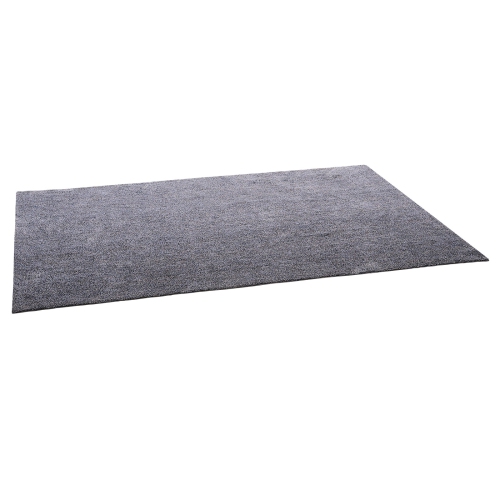
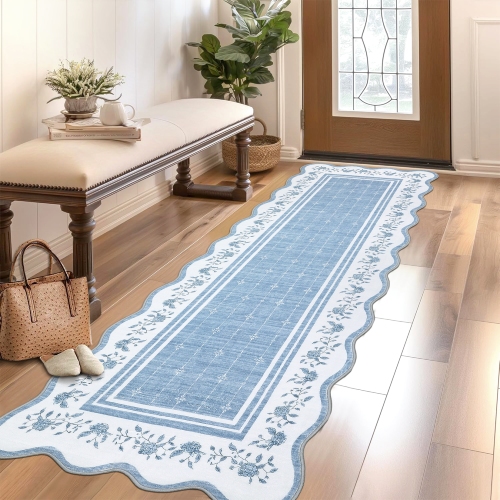
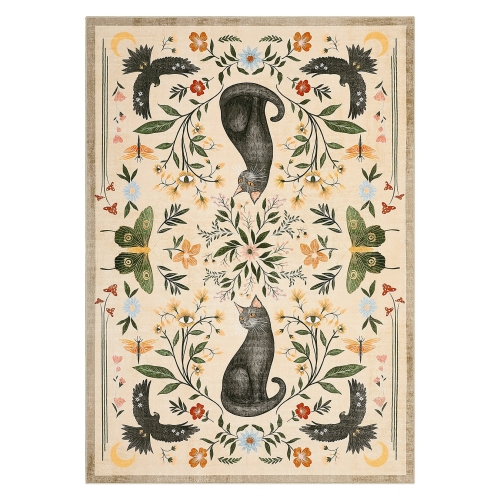
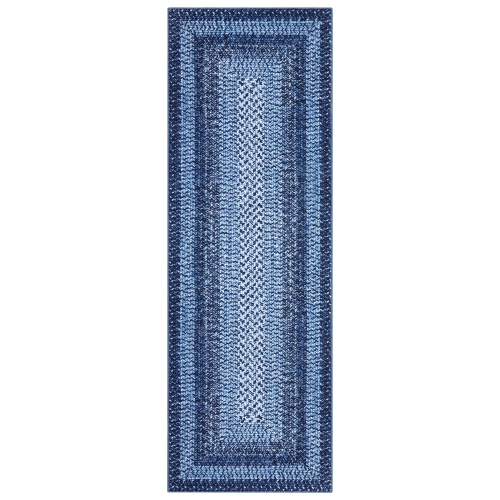
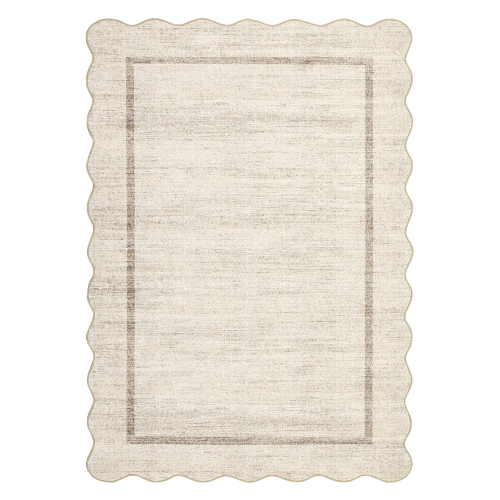
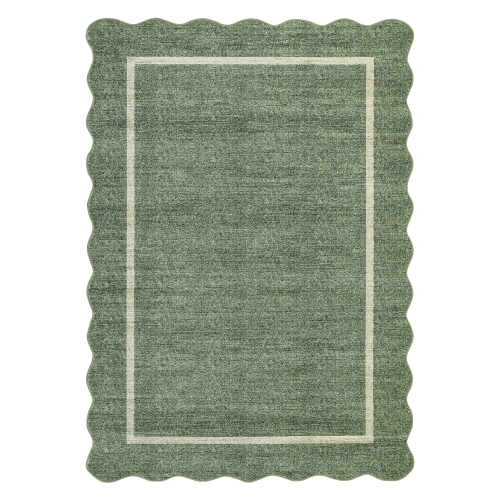
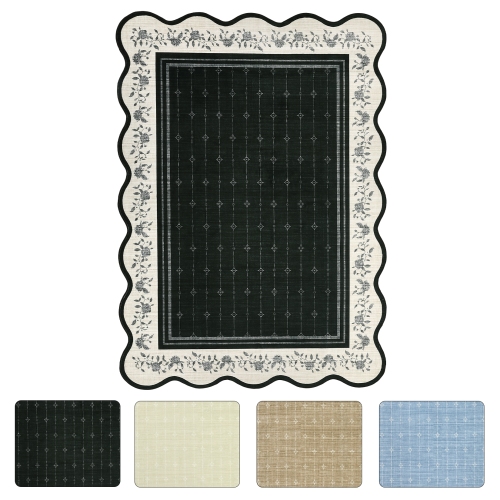
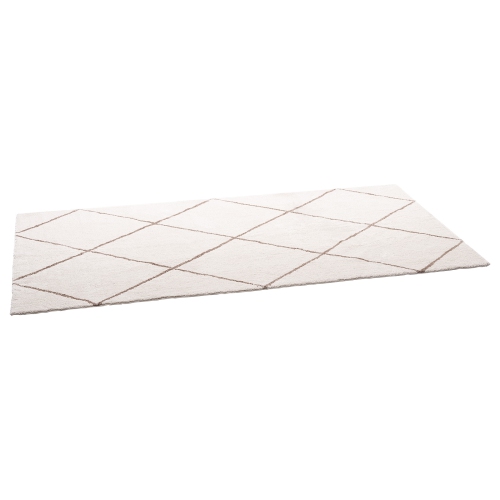
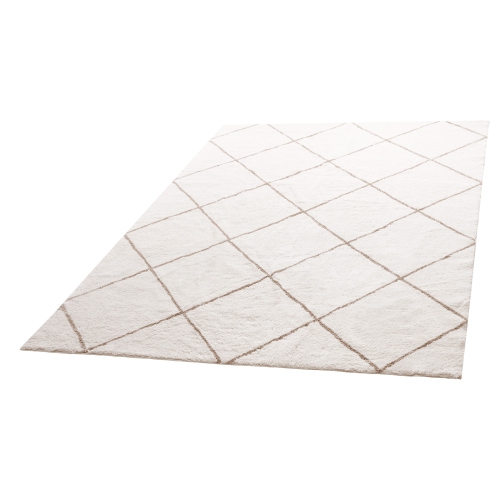
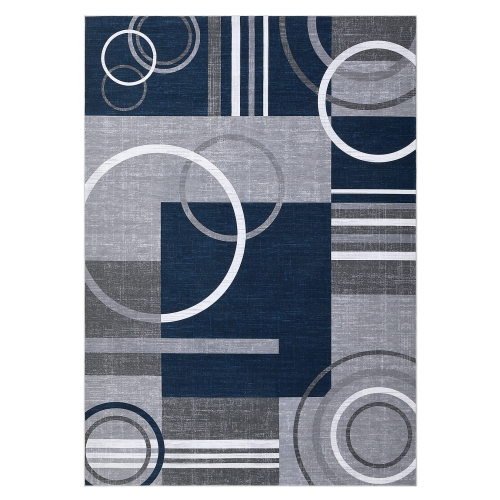
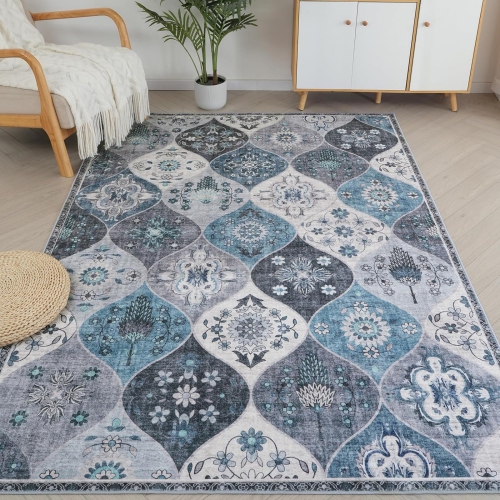
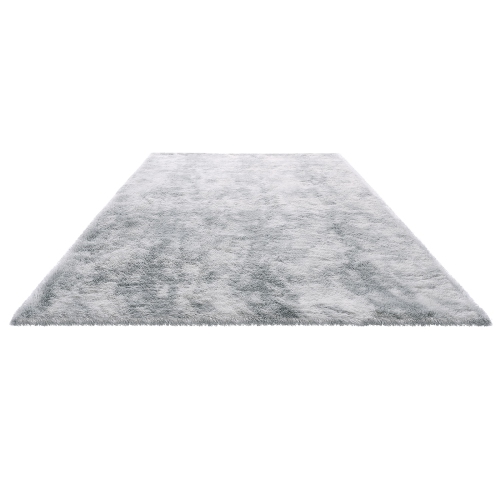
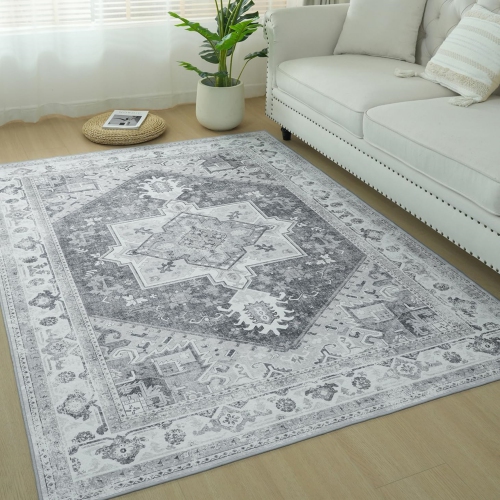
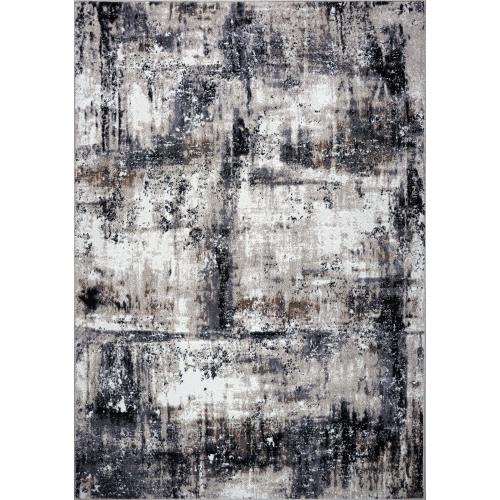
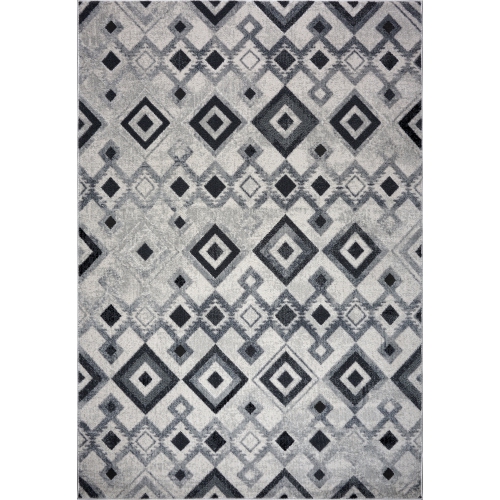
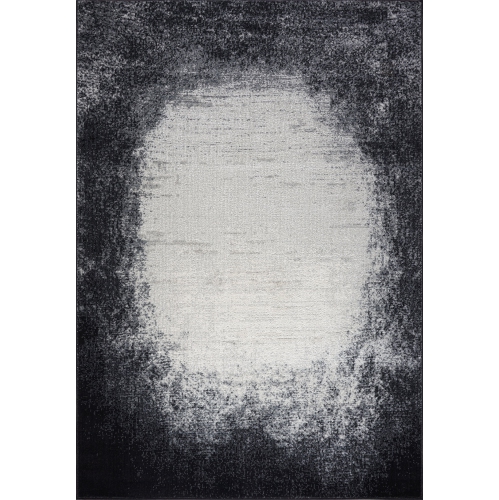
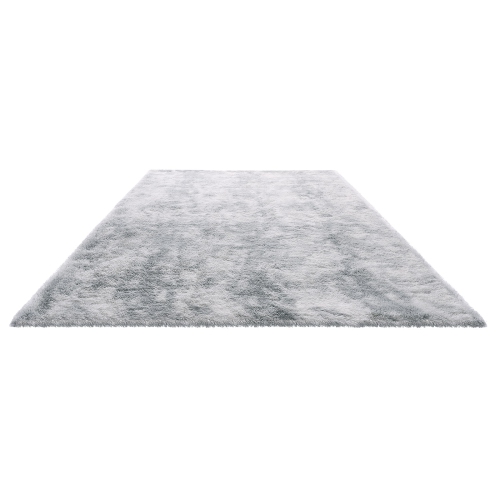
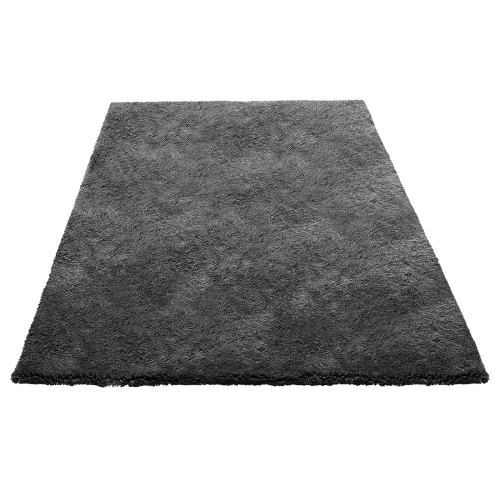
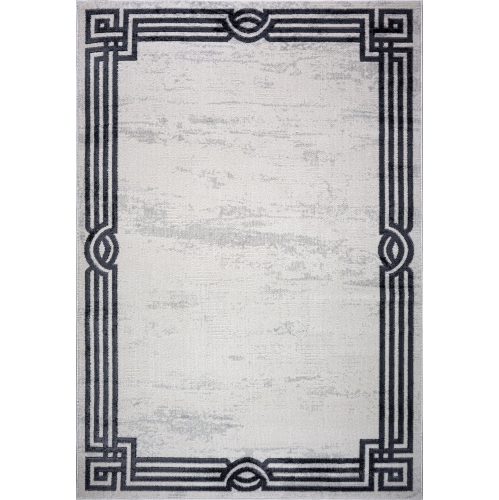
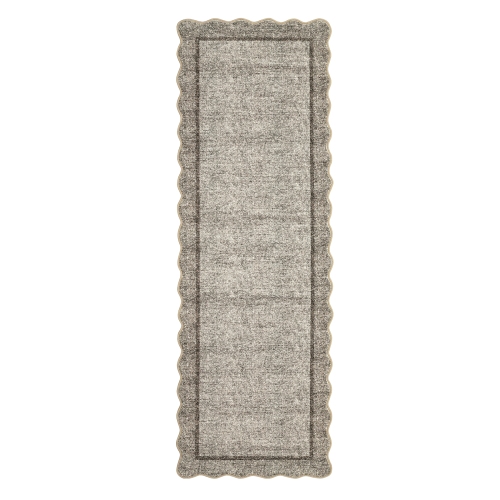
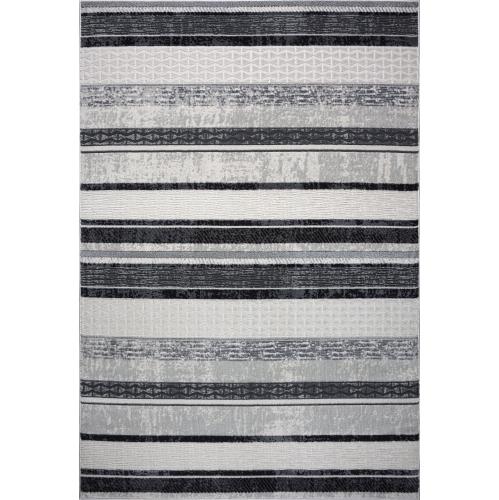
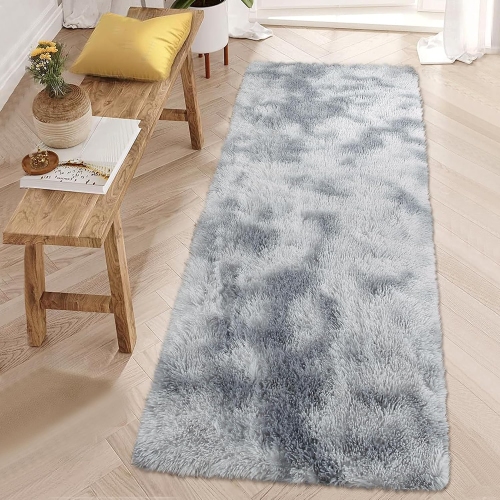
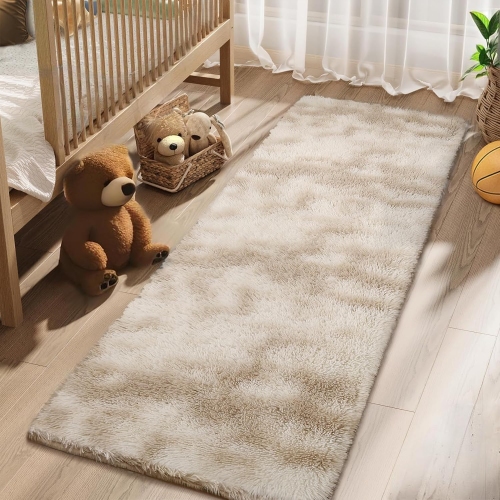
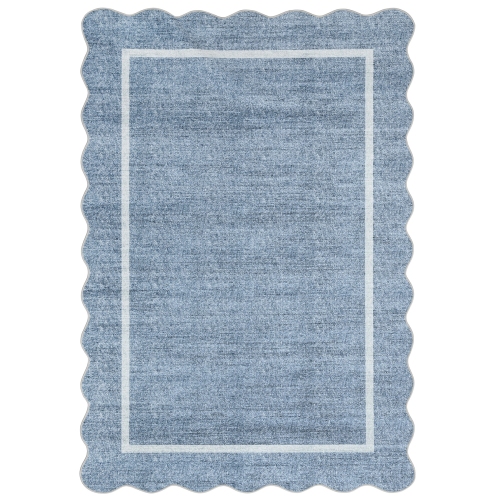
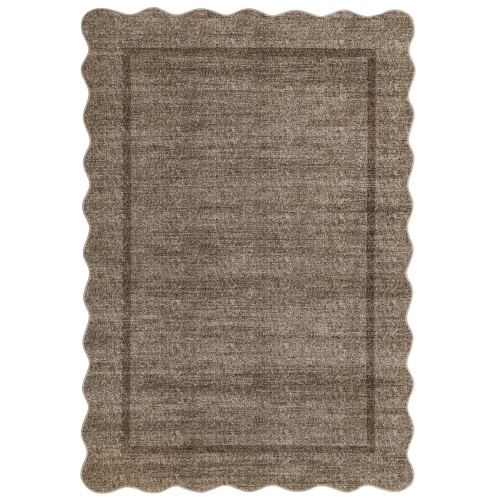
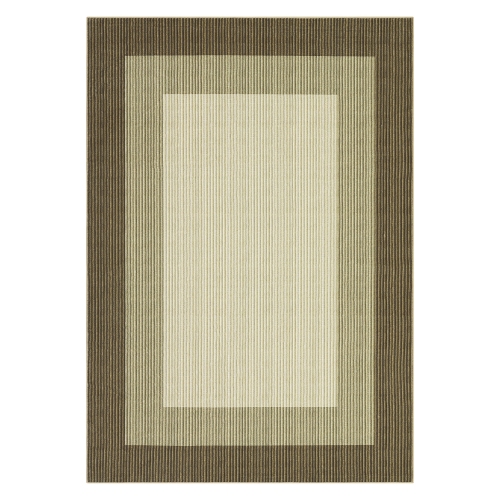
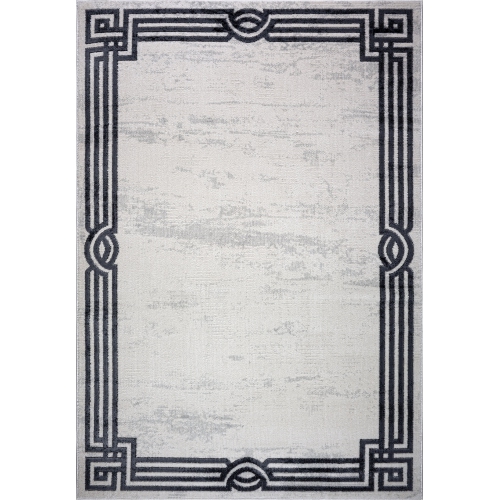
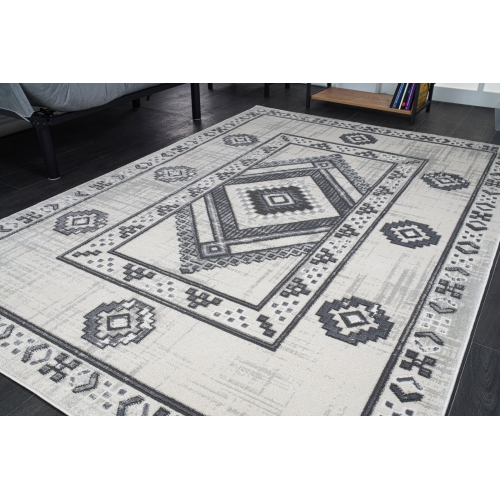
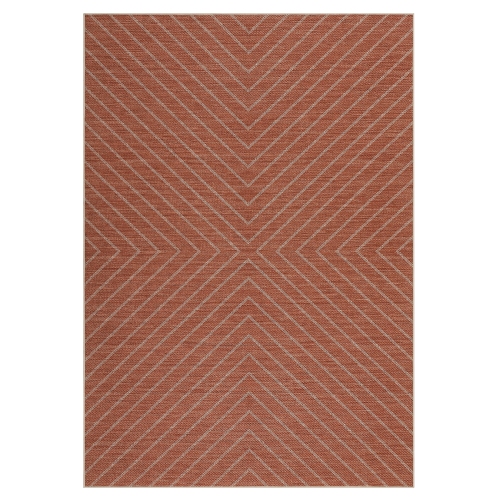
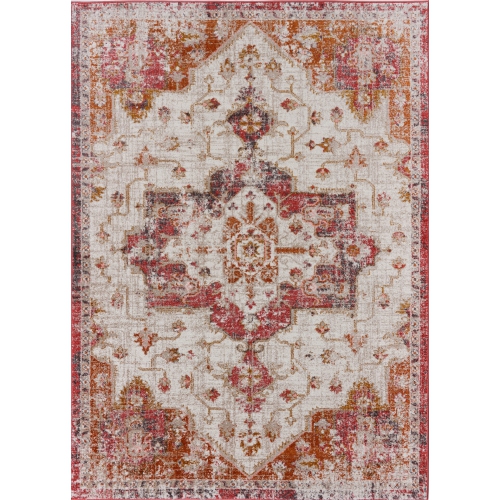
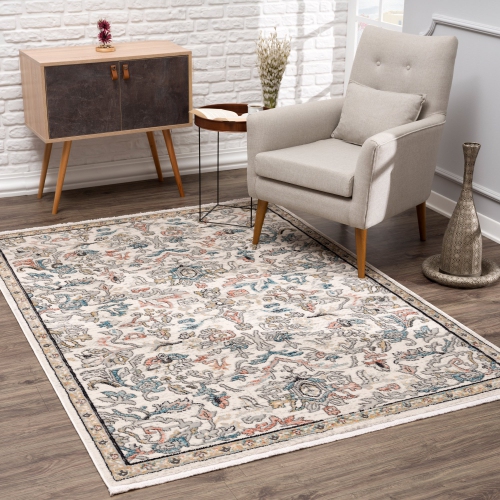
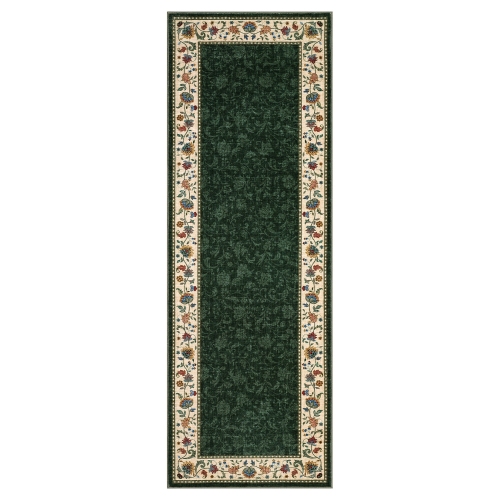
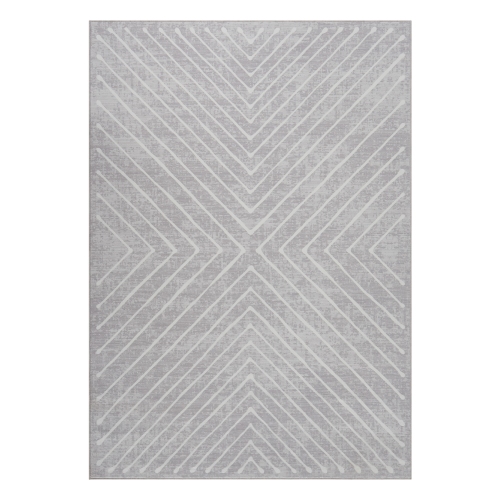
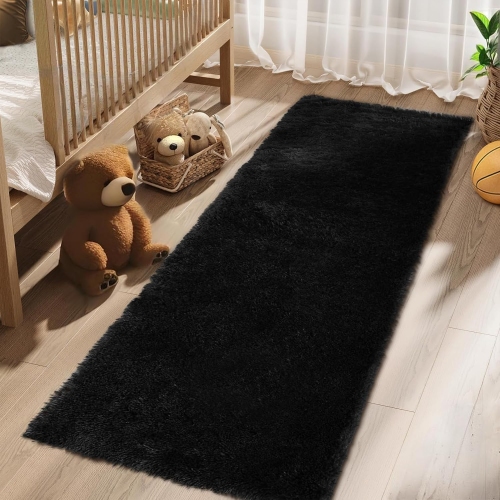
The appearance of a large area rug has a considerable influence on a room because its colour, pattern, and texture occupy such a broad surface. Soft beige, cream, grey, and muted earth tones can connect furnishings with different finishes, while deeper shades create contrast against pale flooring or upholstery. A lightly patterned rug offers visual interest without competing with artwork, cushions, or patterned curtains. More pronounced motifs can become the room’s focal point, particularly when the surrounding furniture has simple lines. Large Geometric Area Rugs bring repeating shapes, angular lines, or layered forms into the layout, with patterns ranging from subtle tonal designs to bold contrasts. Pattern scale matters: a broad design may remain visible around a sofa, while intricate details can be partly hidden beneath a bed or dining table. Materials shape the experience just as much as the design. Wool rugs often have a resilient, substantial feel, and their fibres can recover well from everyday compression, although some shedding is normal, especially early in use. Cotton can provide a softer, more casual texture and is frequently used in flatwoven constructions; cleaning requirements still depend on the rug’s backing, size, and finish. Polypropylene and polyester are common synthetic fibres that can offer practical stain resistance and a wide range of colours, but neither makes a rug immune to spills or wear. Viscose has a smooth, light-reflecting finish that can give a rug a dressier appearance, although moisture and vigorous cleaning may damage its fibres. Pile height adds another distinction. Low-pile and flatwoven rugs generally allow dining chairs to move more easily and are simpler to vacuum, while thicker piles offer a plush feel beside a bed or beneath a relaxed seating area. A textured weave can add depth without a bold pattern, and a combination of raised and lower sections can make a neutral rug feel more distinctive. Viewed across a large floor area, these details contribute to the room’s character as much as its colour scheme does.
Everyday use is an important part of choosing a large rug, particularly in households with children, pets, frequent visitors, or furniture that moves regularly. A family living room may benefit from a low, dense pile that is easier to keep free of crumbs, while a quieter bedroom can accommodate a softer, deeper texture. Pet hair may be more noticeable against strongly contrasting colours, and claws can catch in some looped constructions. Subtle patterns and mixed tones can make everyday marks less conspicuous, but they do not replace regular cleaning. Durability depends on fibre quality, construction, binding, backing, and the amount of foot traffic, not simply on how thick a rug feels. A suitable rug pad can help limit shifting, add cushioning, and reduce friction between the rug and the floor. Compatibility with the flooring matters, since some backing or pad materials can affect certain finishes. A pad should sit slightly inside the rug’s edges so it stays hidden and allows the edges to lie flat. Clearance beneath doors is also worth considering, especially when a thicker rug and pad are used together. Routine care usually includes vacuuming according to the manufacturer’s instructions, with extra attention to edges and areas beneath seating. Some delicate fibres or looped surfaces require suction without a rotating brush. Spills are generally easier to address promptly by blotting rather than rubbing, which can spread moisture or disturb the pile. Any cleaning solution should be suitable for the material and tested in an inconspicuous area first. A washable description does not necessarily mean that a large rug will fit a household washing machine; its weight, construction, care label, and the machine’s capacity all need to match. Rotating a rug periodically can help distribute wear from a favourite chair or a busy route through the room. For larger pieces that require deeper cleaning, professional care may be more practical than lifting and washing them at home. The most useful large area rugs balance proportion, texture, and upkeep, making the space comfortable while fitting naturally into daily routines.
Top selling and popular products
-
 Your price for this item is $130.55
-
 Your price for this item is $129.15
-
 Your price for this item is $130.55
-
 Your price for this item is $129.15
-
 Your price for this item is $129.15
-
 Your price for this item is $130.55
-
 Your price for this item is $144.99
-
 Your price for this item is $103.99
Discover more categories related to Large Area Rugs
Top Collections:
Best Black Friday Deals This Year, Best Black Friday Deals On Electronics, Kindle Devices, Dyson Airwrap, Best Cameras for Sports Photography, Best Budget Office Chairs, Canon G7X Cameras, PS5 Pro Consoles, Best Black Friday Deals On Apple Products, XBOX One S Consoles
Some products may be subject to Environmental Handling Fees
(EHF) depending on your province.
Learn more about EHFs.