Large Traditional Area Rugs
Large Traditional Area Rugs bring timeless elegance and classic style to any room in your home. Perfect for living rooms, dining areas, bedrooms, and entryways, these rugs add warmth and a touch of sophistication to your décor. Explore a wide selection of patterns, colors, and sizes designed to complement both formal and casual spaces. With Large Traditional Area Rugs, it’s easy to create a cozy atmosphere while enhancing the beauty of your floors.
Sort
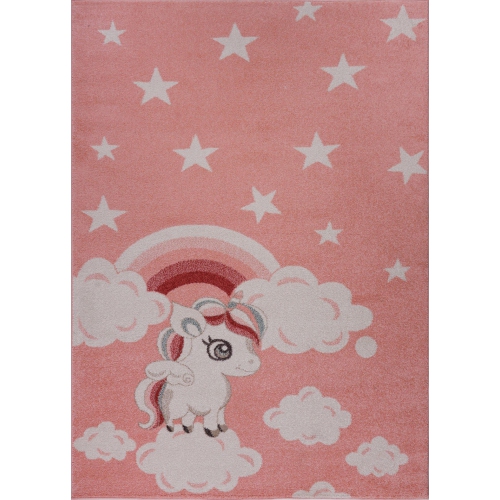
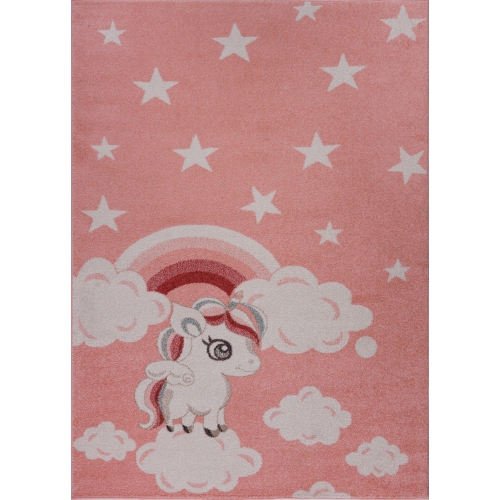
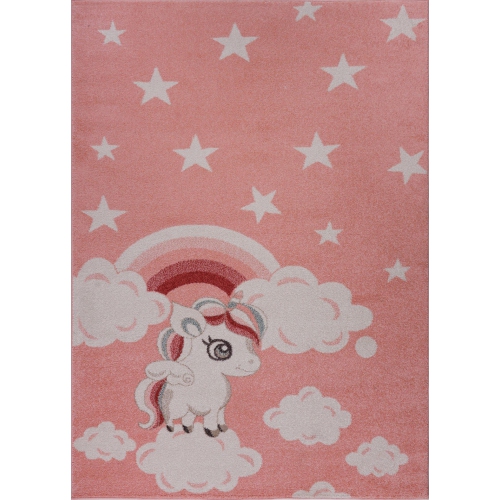
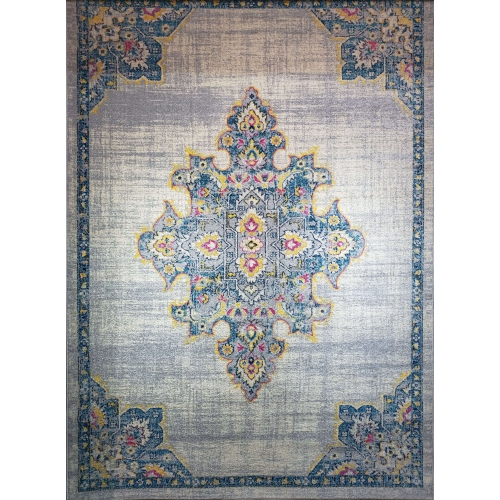
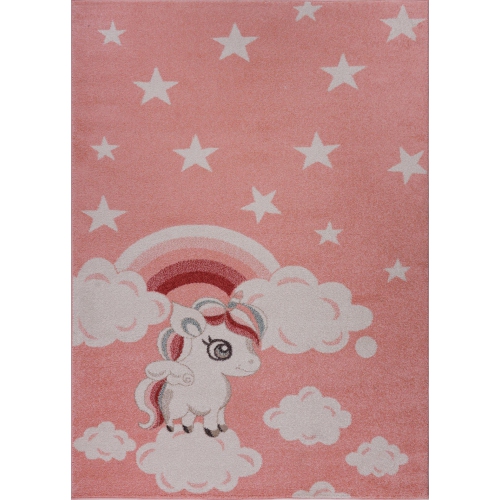
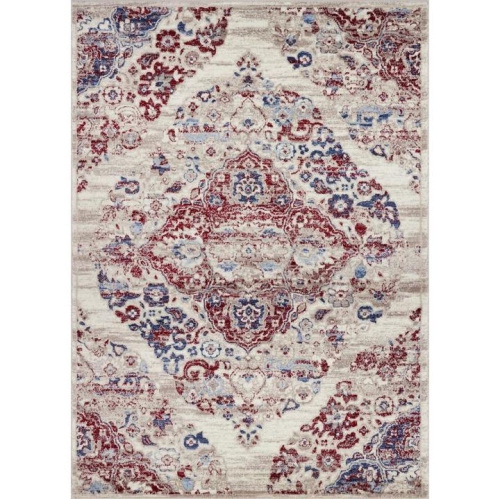
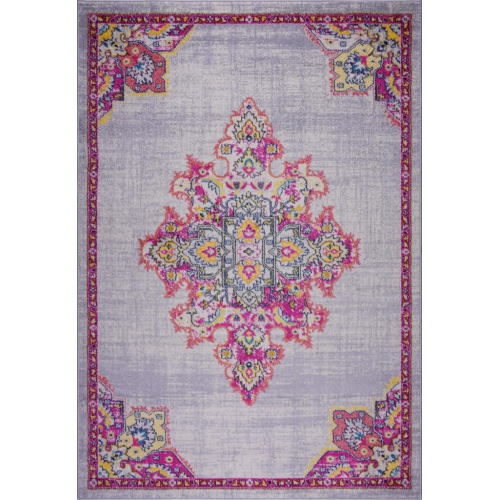
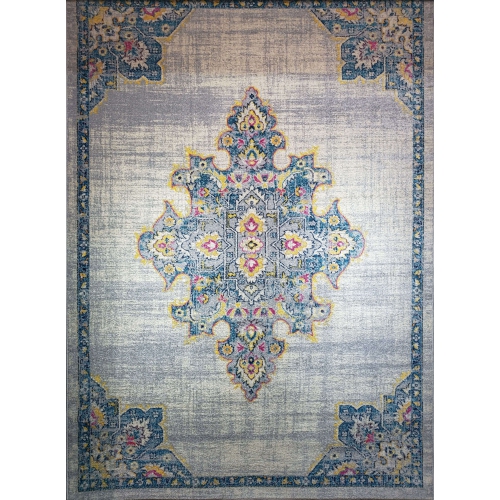
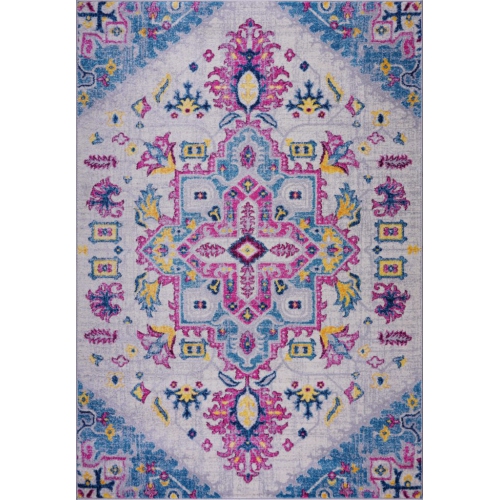
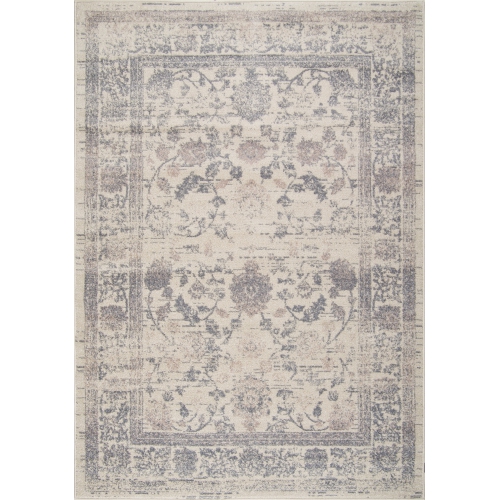
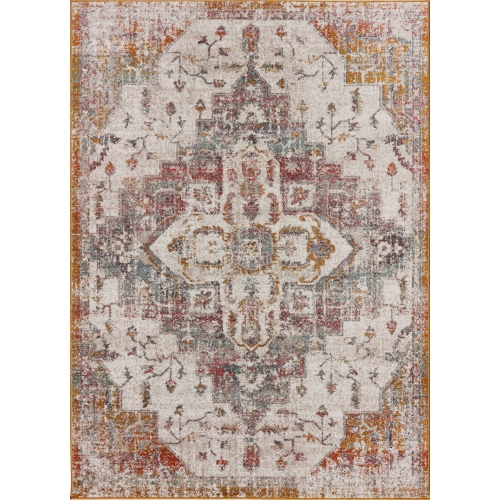


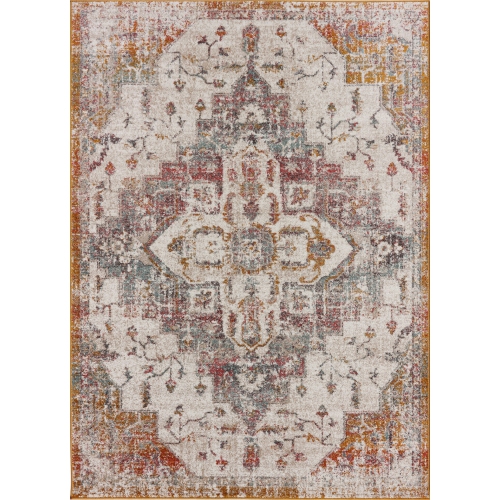
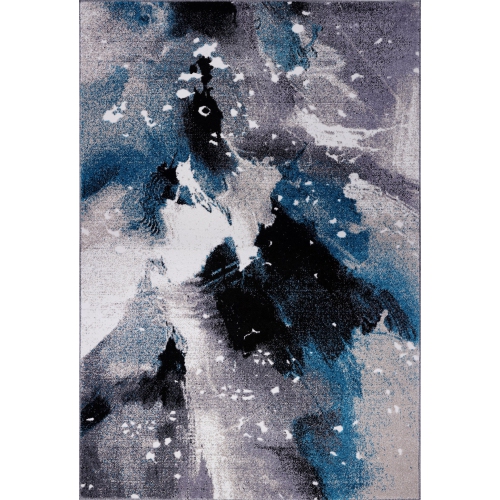

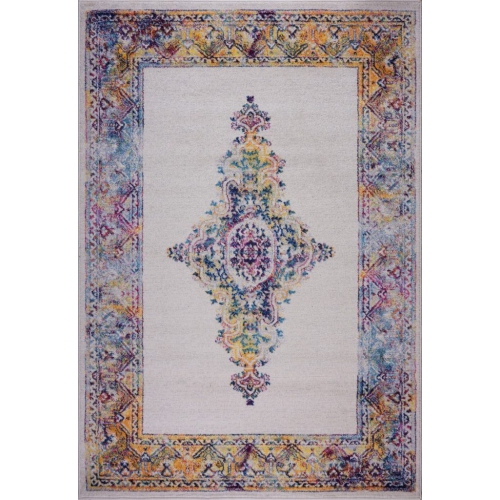
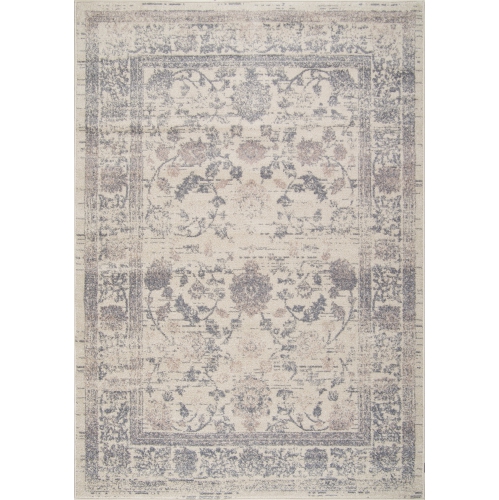
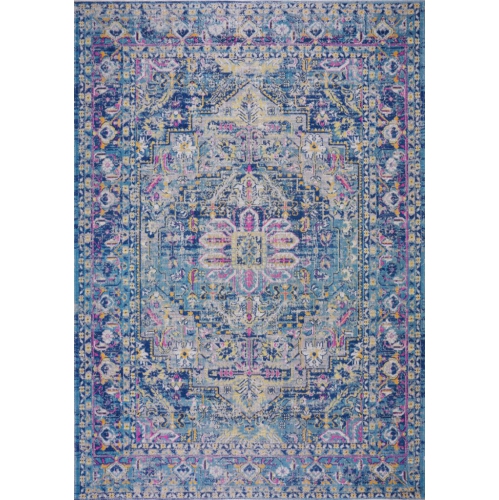


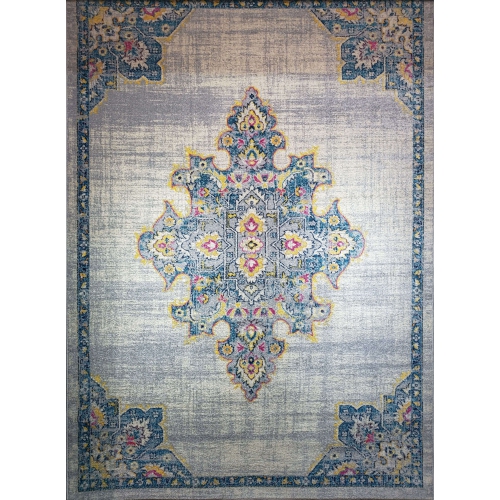

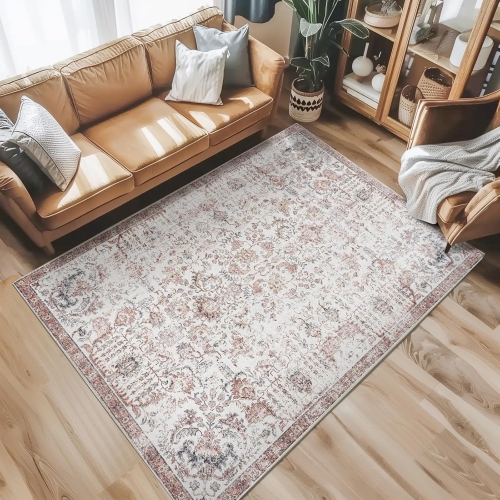
Ornate patterns that tie different furniture styles together
Large traditional area rugs bring a defined sense of pattern, proportion, and comfort to living rooms, dining rooms, bedrooms, and other spacious interiors. Common large sizes include 8 by 10 feet and 9 by 12 feet, with oversized dimensions suited to broader seating arrangements or rooms where several pieces of furniture need to sit within one visual boundary. Traditional designs often draw on Persian-inspired floral patterns, central medallions, scrolling vines, geometric repeats, and layered borders. These details give a rug structure: a central motif creates a focal point, while an ornate border frames the furniture above it. Colours can range from deep burgundy, navy, and forest green to softer combinations of ivory, beige, muted blue, and warm grey. A faded or distressed finish can soften an intricate pattern, while clearer contrasts make individual details more prominent. Within the broader range of Large Area Rugs, traditional styles are especially useful for connecting furniture with different shapes, finishes, or periods. A patterned rug can bring a cream sofa, a dark wood coffee table, and a pair of upholstered chairs into a cohesive seating area without requiring every piece to match. The same approach works in a bedroom with a simple bed frame and an antique dresser, or in a dining room where the rug adds detail beneath an otherwise understated table. Traditional does not have to mean formal. A softly coloured floral design can feel relaxed beside linen upholstery, while a bold medallion can provide contrast in a room with clean-lined furniture. Pattern scale matters as much as colour: larger motifs remain readable across an open room, whereas dense, small-scale details create a more textured impression from a distance. An all-over design also maintains a consistent appearance when a substantial portion of the rug sits beneath furniture, making it a practical choice for rooms where the centre will be largely covered.
The right fit depends on the furniture arrangement rather than the room dimensions alone. In a living room, a large traditional rug often looks most connected to the seating when at least the front legs of the sofa and neighbouring chairs rest on it. A more generous rug can accommodate all the furniture legs, creating a distinct gathering space within an open-plan layout. Leaving a visible strip of flooring around the rug helps preserve its outline, although the appropriate amount will vary with the shape of the room and the position of doors, fireplaces, and built-in cabinetry. Measuring the intended footprint with removable tape makes it easier to picture where a border will fall and whether a walkway will remain clear. Dining rooms have a different requirement: the rug should extend far enough beyond the tabletop for chairs to remain supported when pulled out. An allowance of approximately 24 to 30 inches on each side is a useful starting point, but chair depth and the way people move around the table still matter. In a bedroom, a large rug placed beneath the lower portion of the bed can provide a comfortable landing along both sides and at the foot. Its position should account for bedside tables, benches, and drawers that need room to open. Rectangular rugs suit many conventional layouts, while a large round rug can echo a round dining table or soften a room with strong straight lines. Pile height also affects fit. Lower piles generally allow dining chairs to move more easily and are less likely to interfere with door clearance; thicker piles offer a plusher feel but can require more space beneath moving furniture. A compatible rug pad can add cushioning and help limit shifting. Its thickness, backing, and suitability for the flooring underneath deserve attention, particularly on wood, vinyl, or heated floors where material compatibility matters.
Materials and construction influence how a large traditional area rug feels underfoot, how clearly its pattern appears, and how it responds to daily use. Wool is valued for its resilient fibres and substantial feel, though some wool rugs shed, especially early in use, and require care suited to their construction. Polypropylene and polyester are common synthetic options that can offer easy-care characteristics, but stain resistance, texture, and cleaning requirements vary by rug. Nylon is known for resilience, while cotton often appears in lighter constructions or rug foundations. Viscose can give a pattern a noticeable sheen, but it is more sensitive to moisture and may be better suited to areas with less foot traffic and a lower risk of spills. Fibre content alone does not tell the whole story. A densely woven, low-pile surface behaves differently from a loosely constructed, plush one, even when their materials are similar. Machine-woven rugs can provide precisely repeated patterns, while hand-knotted and hand-tufted constructions have different foundations and maintenance needs. For a family room used for games, reading, and everyday lounging, a stable surface with manageable pile height may be more practical than a delicate, lustrous finish. Homes with pets may also benefit from considering whether claws could catch in exposed loops or fringe. Detailed patterns can make small crumbs or minor marks less noticeable, but they do not replace regular cleaning. Vacuuming according to the care label, using an appropriate setting around fringe and raised details, helps remove grit that can work into the fibres. Spills are best addressed promptly by blotting rather than scrubbing, with any cleaner tested in an inconspicuous area first. Some rugs need professional cleaning, and a large rug should not be assumed washable simply because its fibres tolerate moisture. Periodic rotation can help distribute foot traffic and light exposure more evenly, where the layout permits. Together, suitable dimensions, a balanced pattern, and realistic care requirements help a traditional rug become a lasting part of the room rather than a surface that demands constant attention.
Top selling and popular products
-
 Your price for this item is $130.55
-
 Your price for this item is $129.15
-
 Your price for this item is $130.55
-
 Your price for this item is $129.15
-
 Your price for this item is $129.15
-
 Your price for this item is $130.55
-
 Your price for this item is $144.99
-
 Your price for this item is $103.99
Discover more categories related to Large Traditional Area Rugs

Top Collections:
Best Black Friday Deals This Year, Best Black Friday Deals On Electronics, Kindle Devices, Dyson Airwrap, Best Cameras for Sports Photography, Best Budget Office Chairs, Canon G7X Cameras, PS5 Pro Consoles, Best Black Friday Deals On Apple Products, XBOX One S Consoles
Some products may be subject to Environmental Handling Fees
(EHF) depending on your province.
Learn more about EHFs.