Lighting Modes
Illuminate your space with the perfect ambiance by exploring a variety of lighting modes designed to enhance every moment. Whether you're setting the mood for a cozy evening, creating a vibrant atmosphere for a party, or ensuring optimal brightness for focused tasks, choosing the right lighting mode can transform any environment. Dive into a world where functionality meets style, and discover how different lighting settings can cater to your unique needs and preferences. From energy-efficient options to customizable features, find the ideal lighting solution that complements your lifestyle and elevates your home’s aesthetic.
Sort
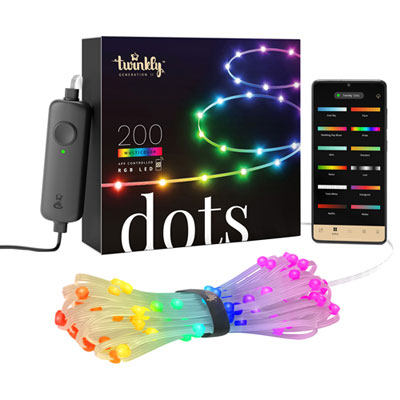
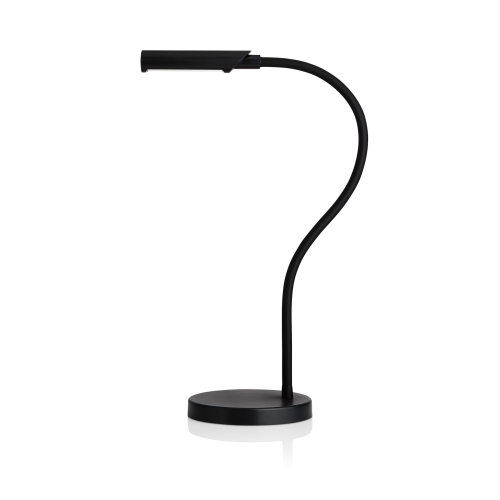
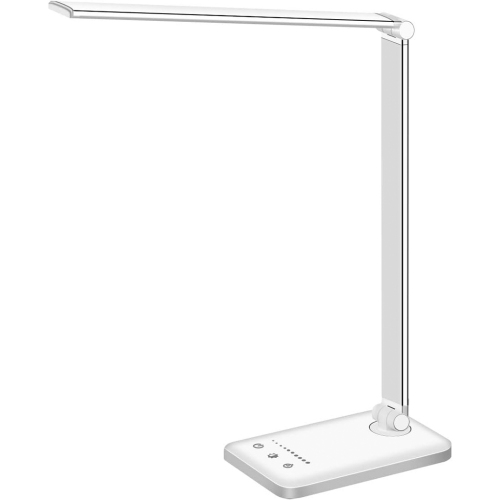
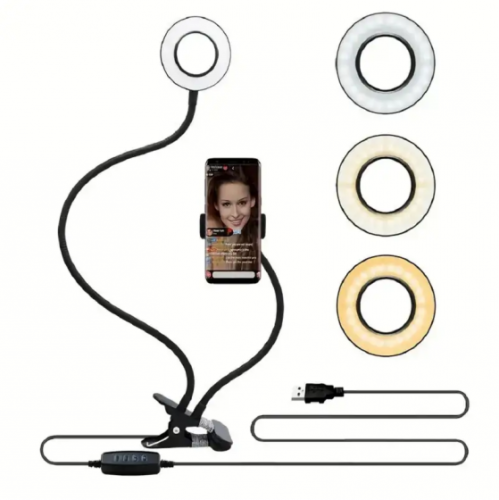
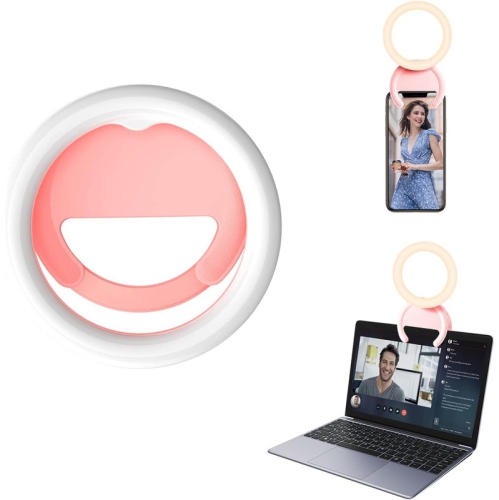
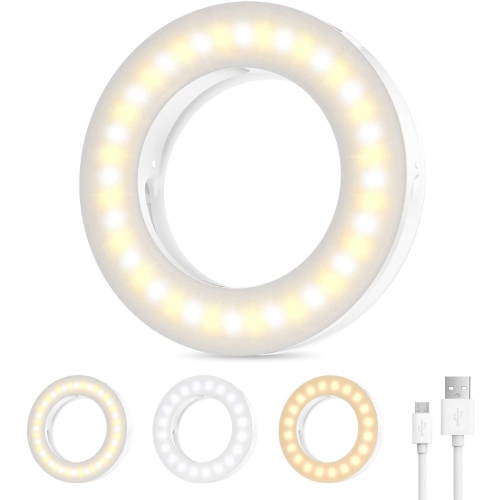
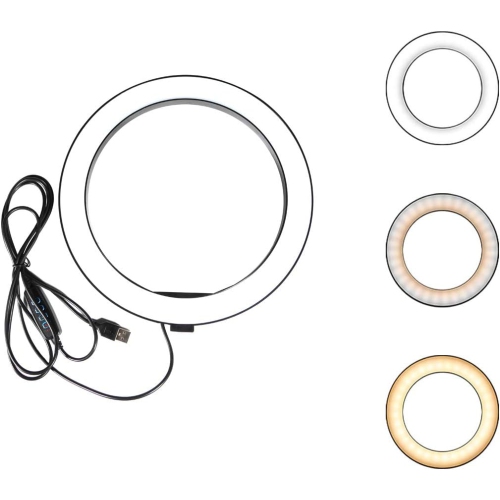
![VIVIDER (Tm) Selfie Ring Light With Cell Phone Holder Stand for Live Stream/makeup, Led Camera Lighting [3-Light Mode] [10-Level Brightness]](https://multimedia.bbycastatic.ca/multimedia/products/500x500/150/15002/15002237.jpg)
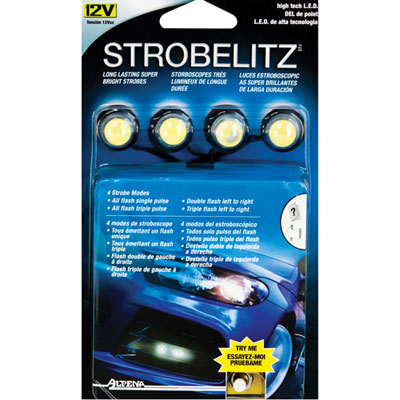

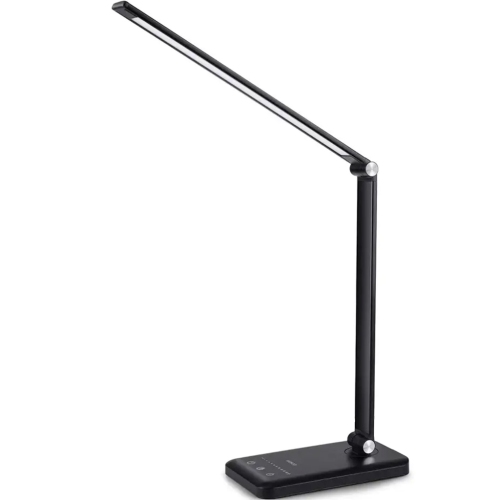
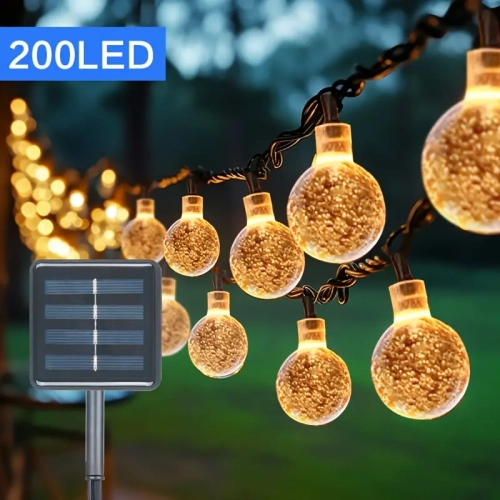
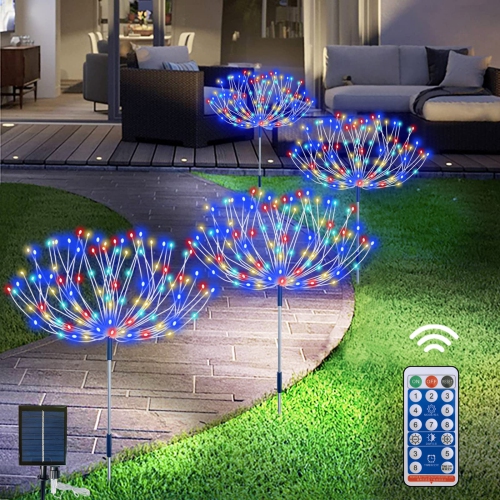
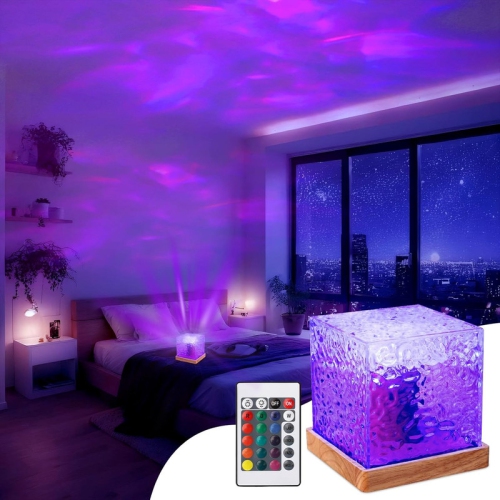

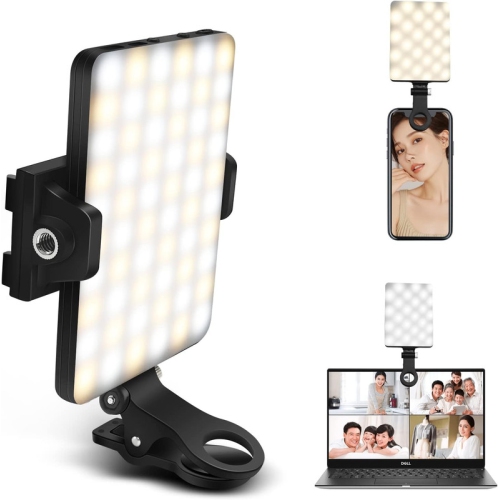
![VIVIDER (Tm) Selfie Ring Light With Cell Phone Holder Stand for Live Stream/makeup, Led Camera Lighting [3-Light Mode]](https://multimedia.bbycastatic.ca/multimedia/products/500x500/154/15406/15406672.jpg)
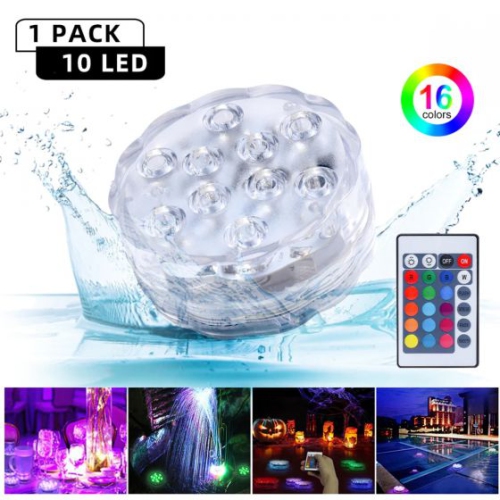
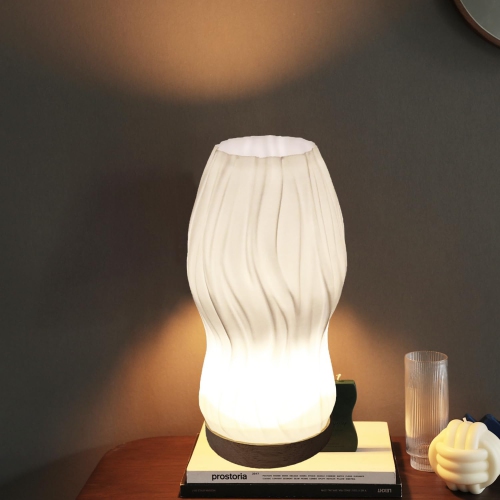
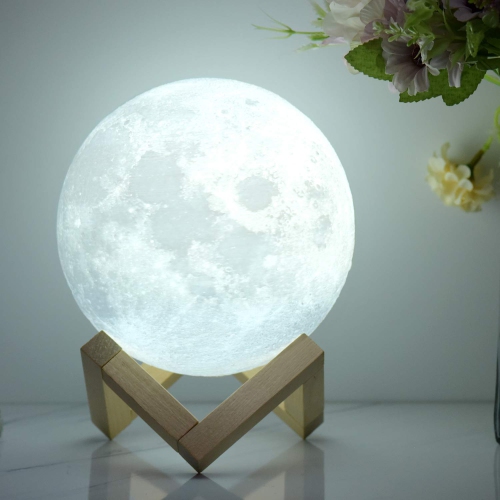
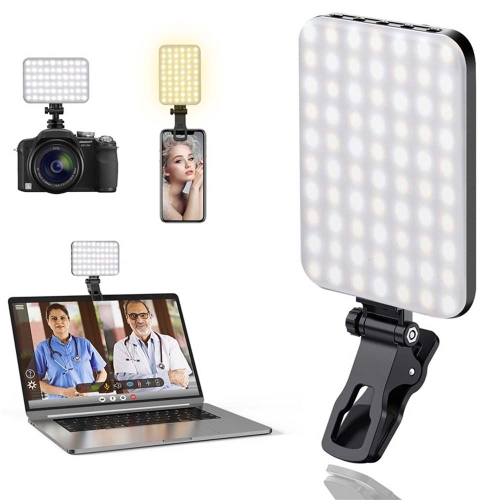
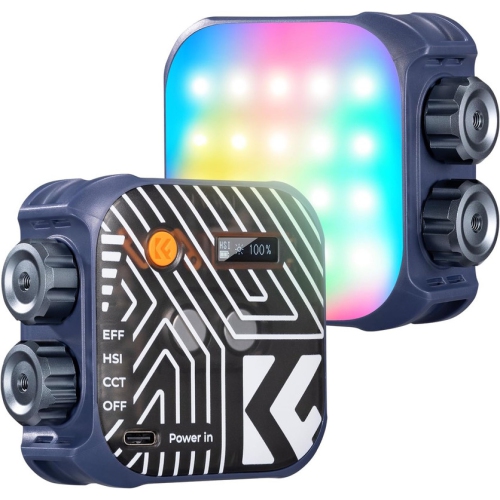
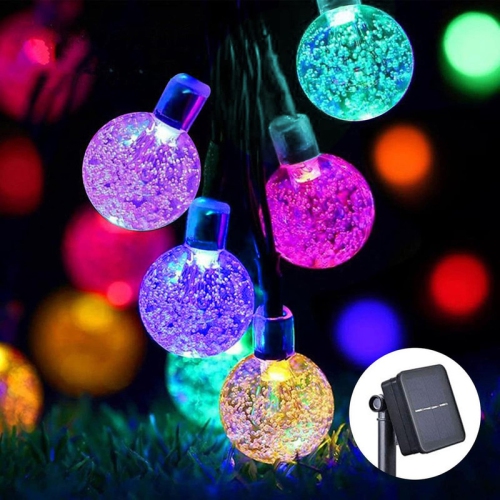

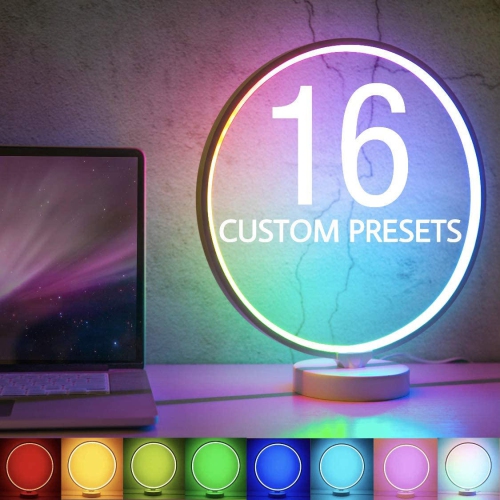
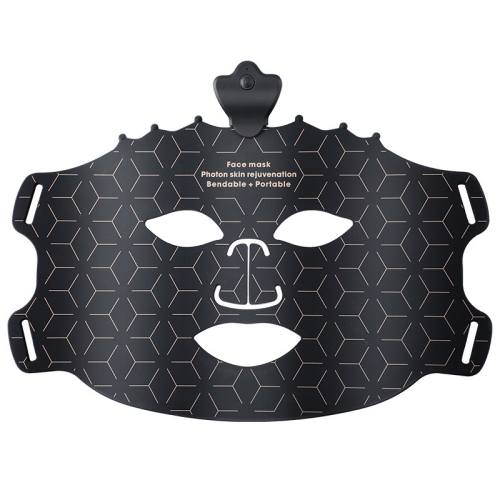
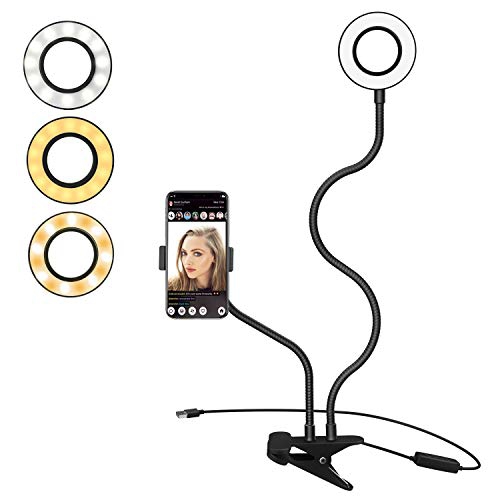
![DIYIFE Ring Light, [New Version] Selfie Ring Light Circle Light With Flexible Gooseneck Long Arm Phone Holder 3 Light](https://multimedia.bbycastatic.ca/multimedia/products/500x500/138/13842/13842189.jpg)
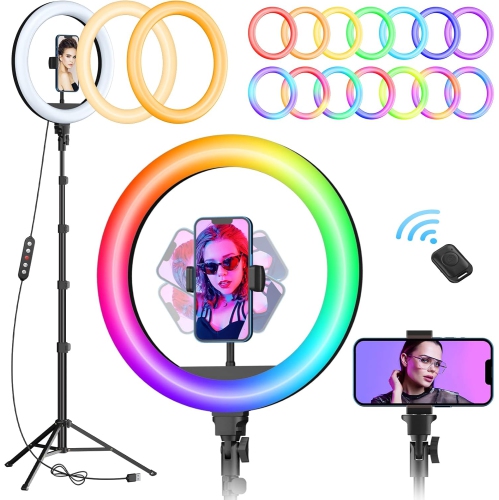
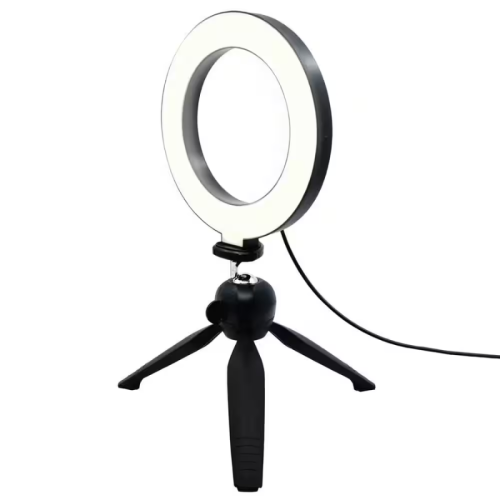
![UBEESIZE Selfie Ring Light With Cell Phone Holder Stand for Live Stream/makeup, Led Camera Lighting [3-Light Mode] [10-Leve](https://multimedia.bbycastatic.ca/multimedia/products/500x500/138/13841/13841915.jpg)
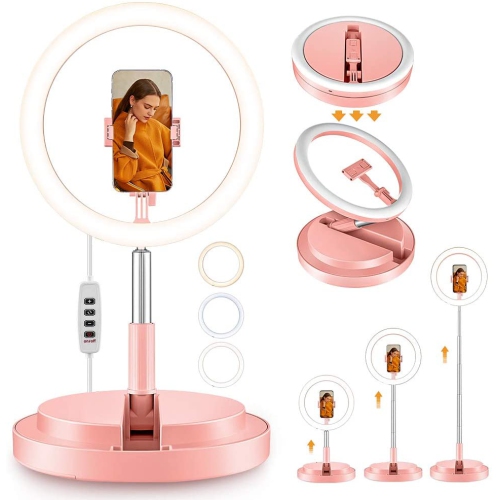
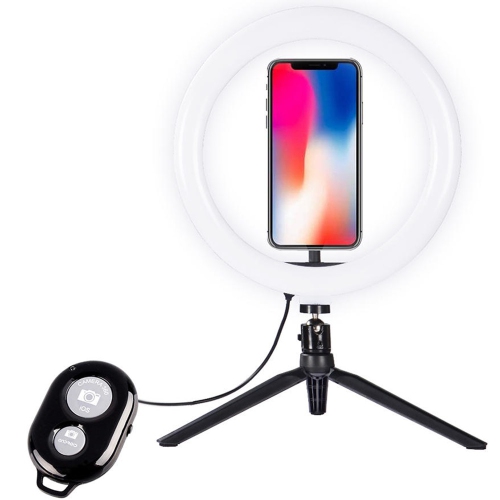
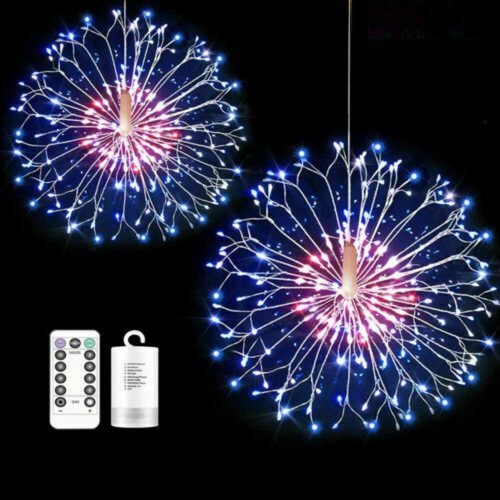
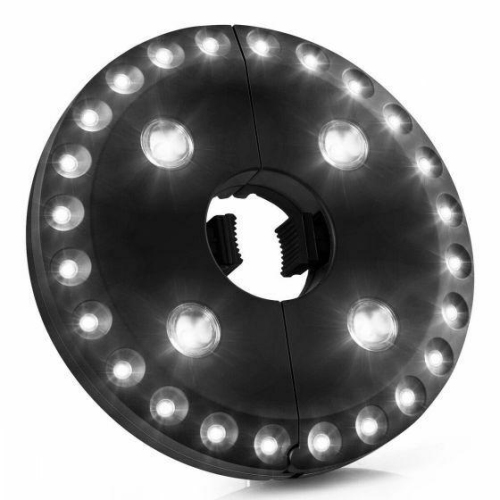
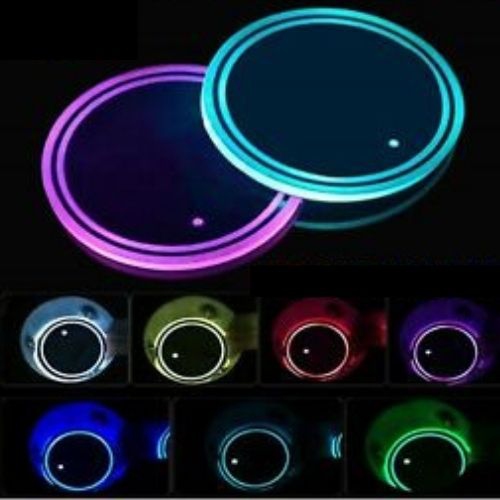
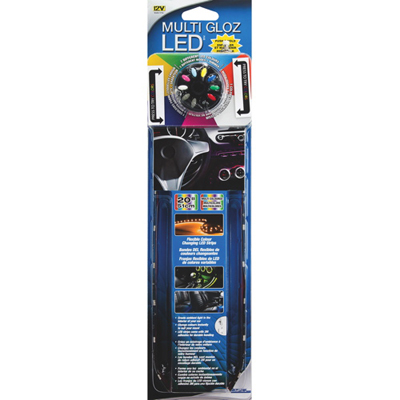
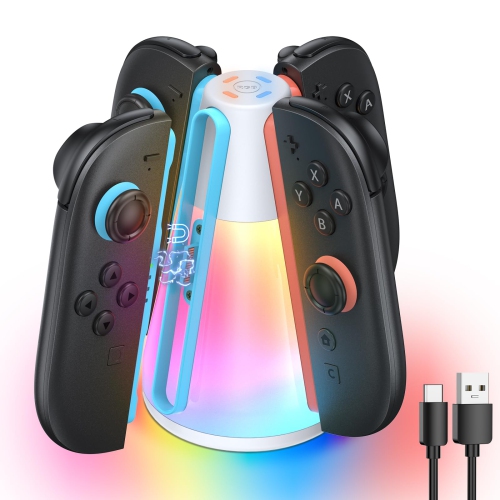







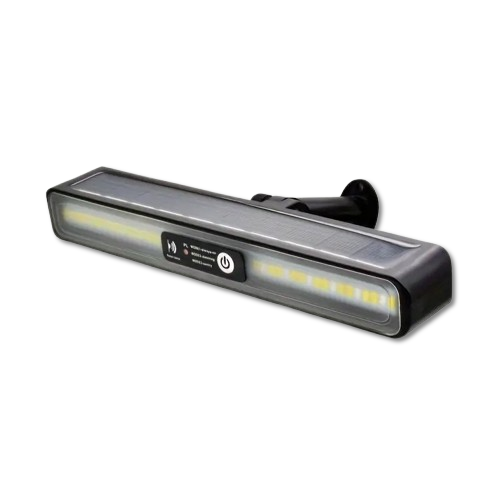
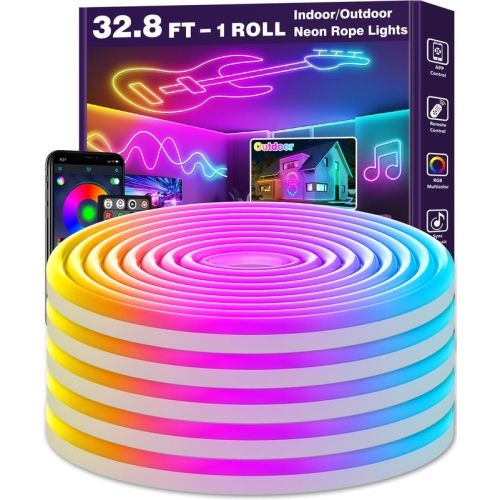
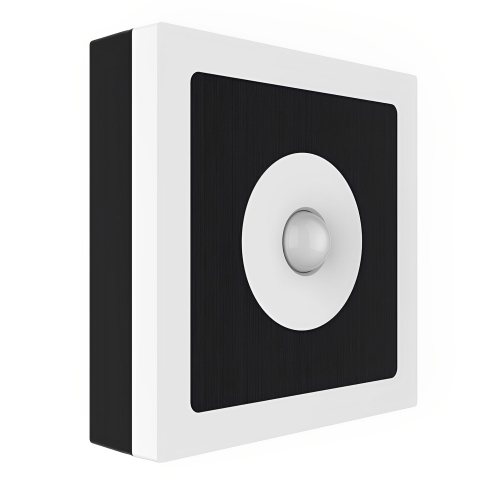
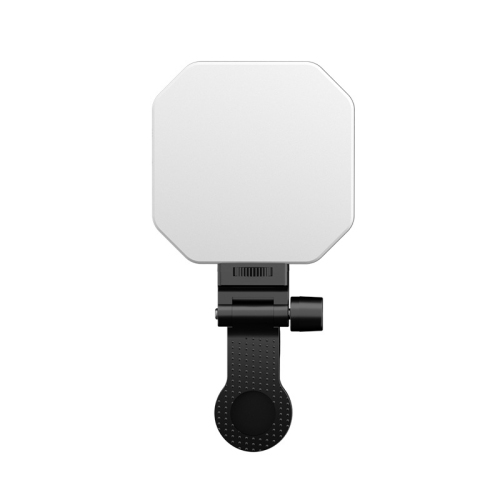


![GREEN SCENIC [Dual-Mode Power Supply] 360° Rotating Desktop Fan | Five-Speed Frequency Conversion + Three-Color Night Light | Type-C Fast Charging](https://multimedia.bbycastatic.ca/multimedia/products/500x500/193/19321/19321962.jpeg)
![GREEN SCENIC [Dual-Mode Power Supply] 360° Rotating Desktop Fan | Five-Speed Frequency Conversion + Three-Color Night Light | Type-C Fast Charging](https://multimedia.bbycastatic.ca/multimedia/products/500x500/193/19321/19321965.png)
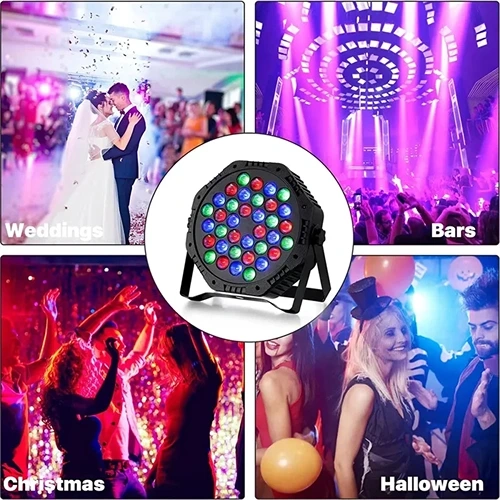
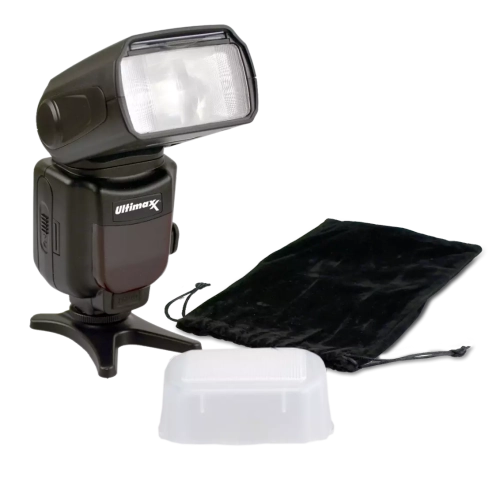
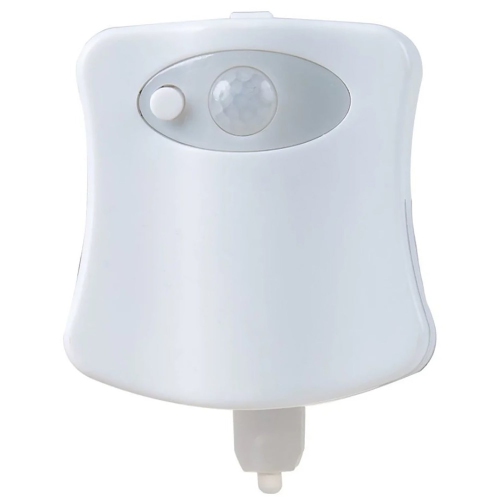
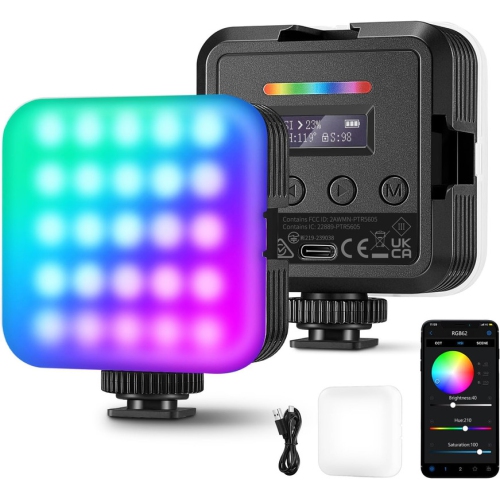
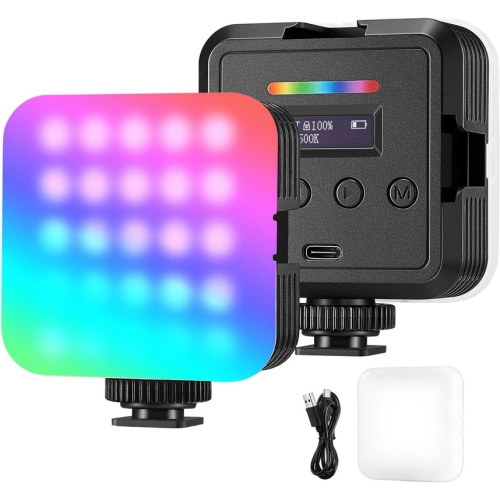

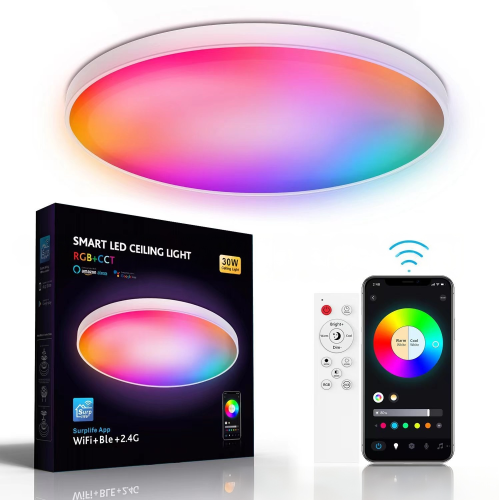
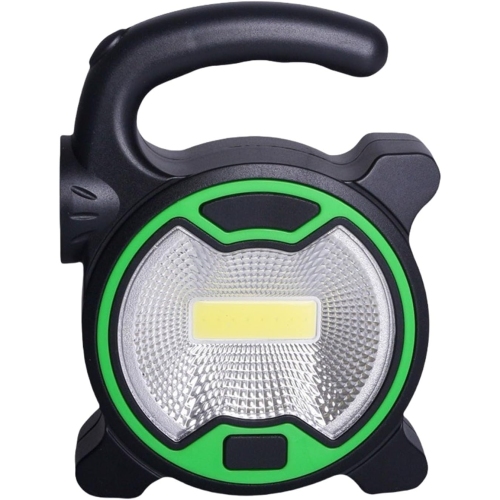
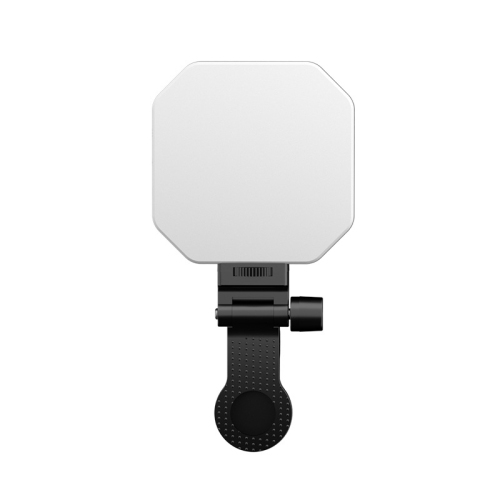
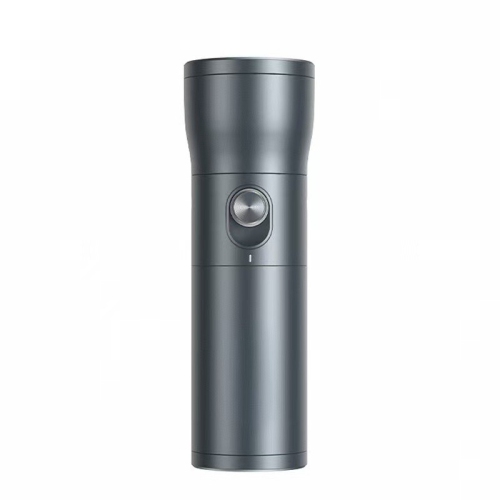
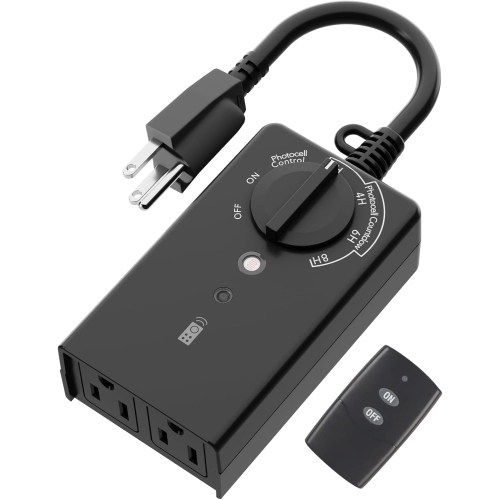
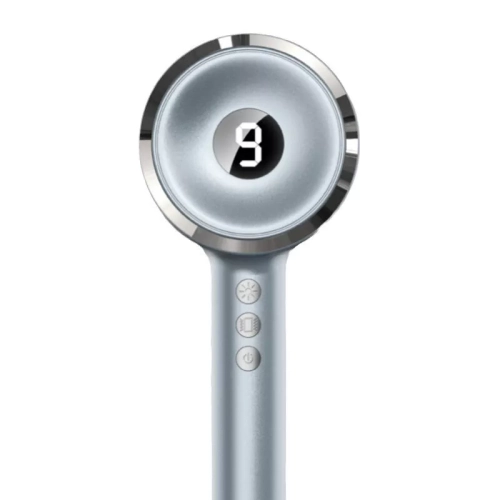
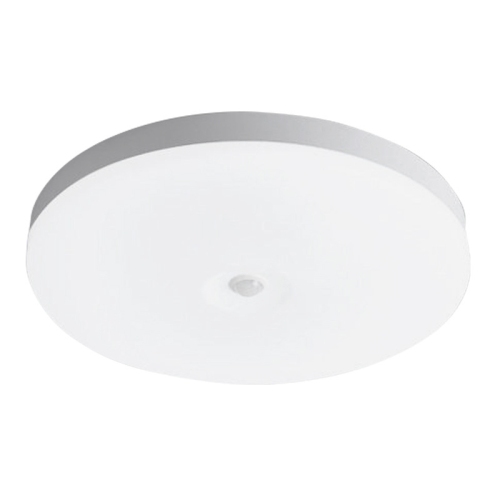
From steady illumination to sound-responsive colour effects
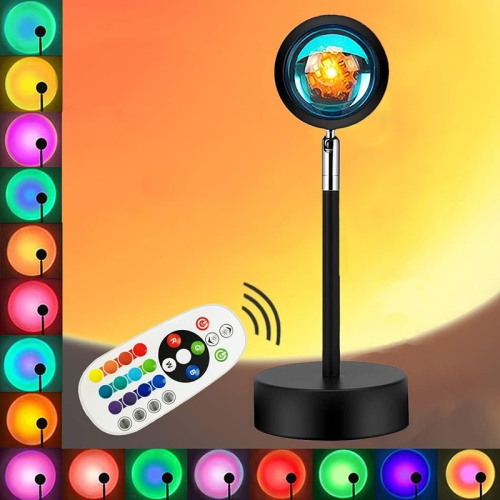
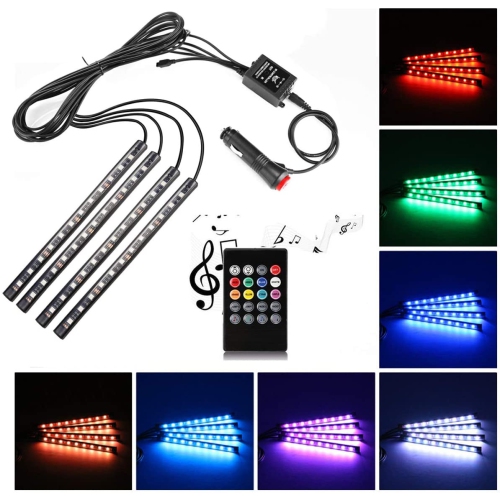
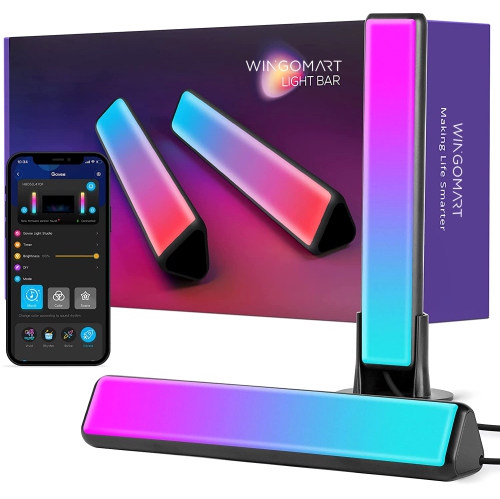
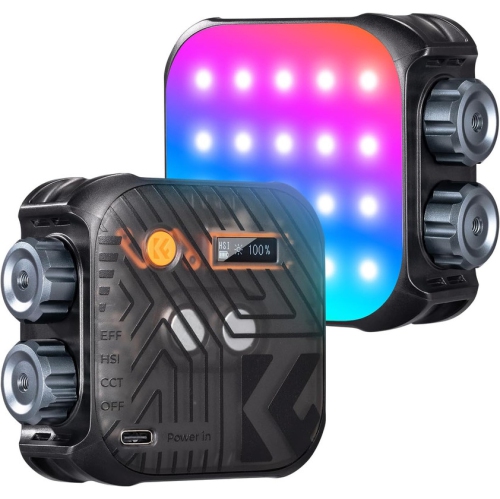
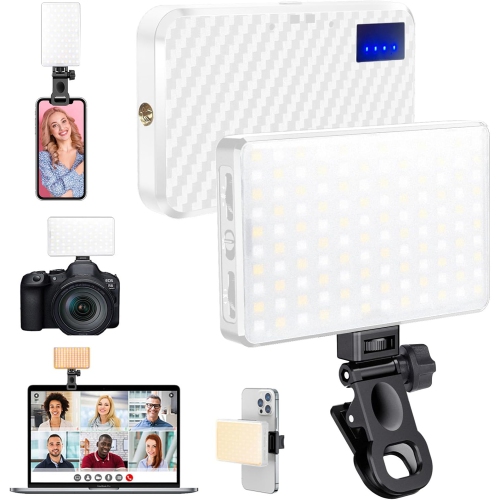
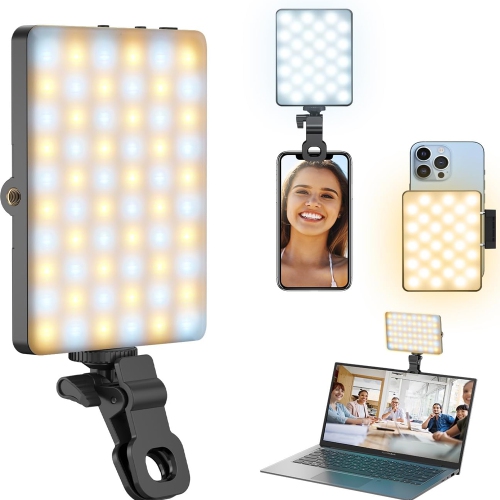
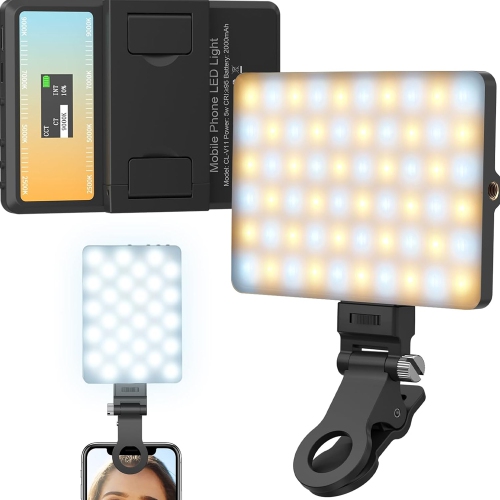
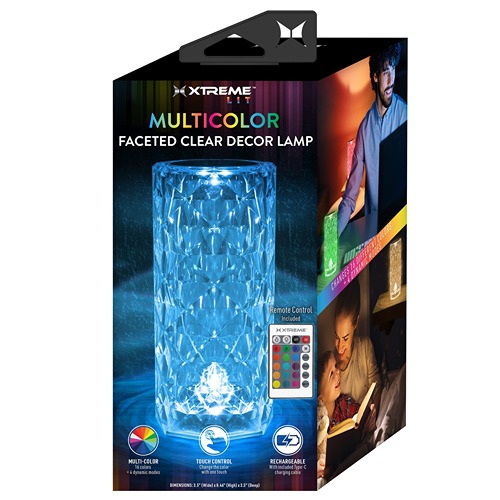
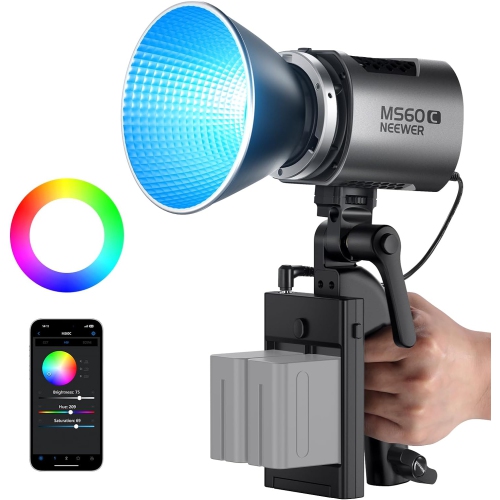
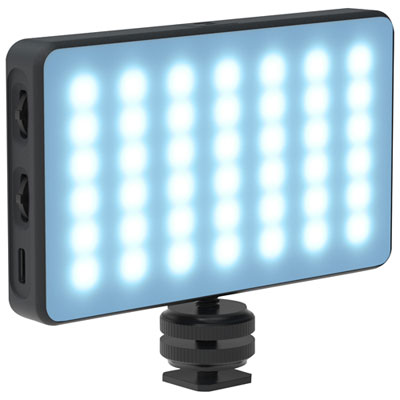
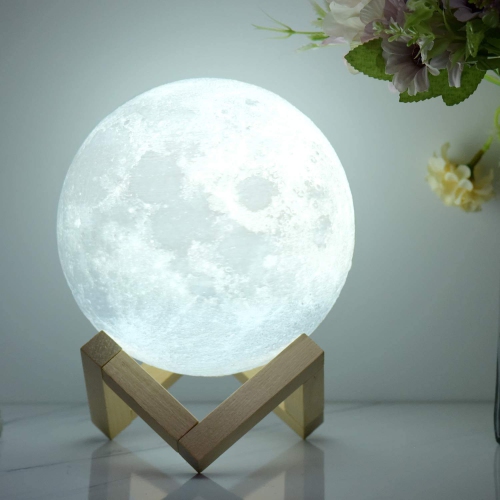
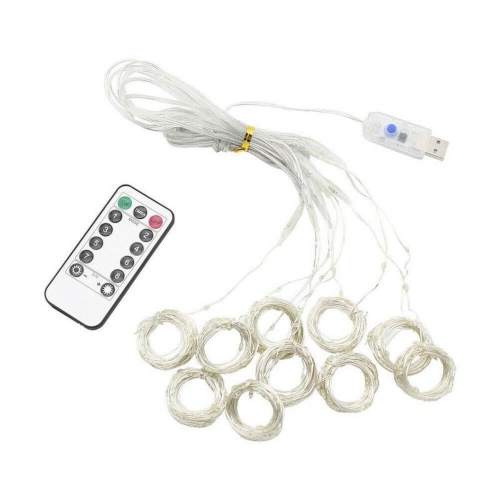
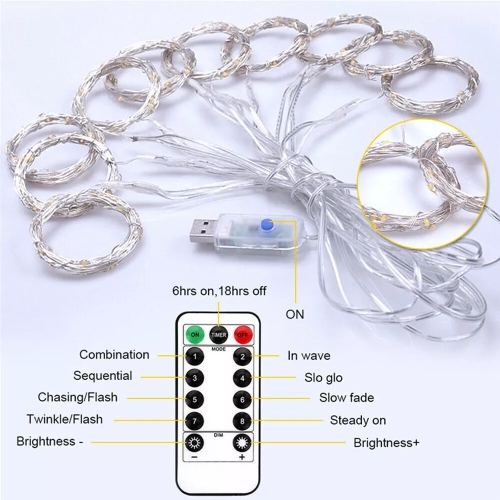
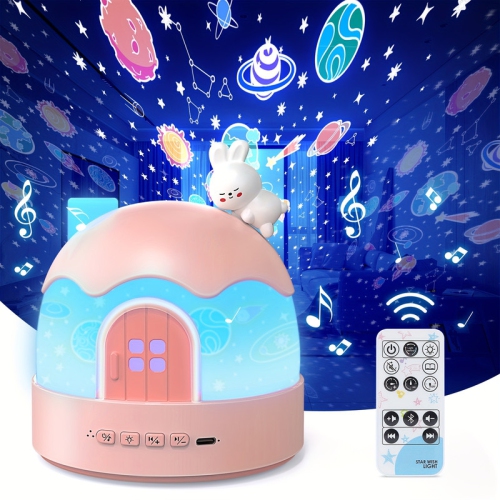
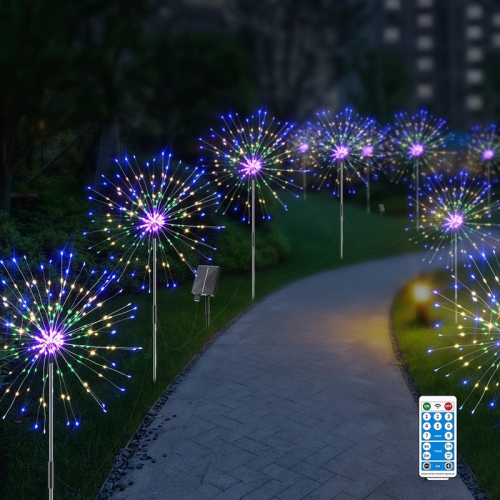
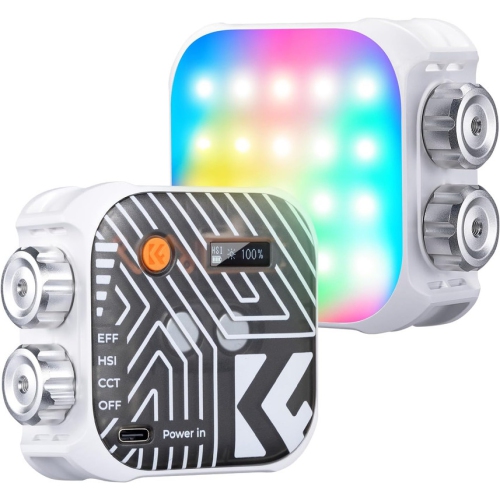
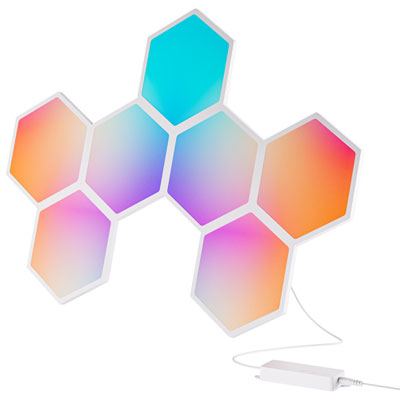
Lighting modes describe the different ways a light can operate, from a steady glow to colour-changing effects, timed transitions, or movement that responds to sound. A static mode keeps the light at one consistent colour and brightness, making it a practical choice for everyday visibility, reading, working, or adding a dependable glow to a room. Dimming modes let you soften the output when you want a more relaxed atmosphere, while brighter settings can help illuminate a desk, workbench, hallway, or entertainment area. Pulsing and fading modes gradually increase and decrease brightness or move smoothly between colours, creating a gentle visual effect that can suit winding down in the evening, highlighting a display, or adding atmosphere during a gathering. Flashing and strobe modes use quick changes in brightness to attract attention or create a more energetic setting, although they should be used thoughtfully around people who may be sensitive to rapidly changing light. Sound-sync or music modes react to nearby audio, allowing brightness, colour, or movement to change with the rhythm of music, films, games, or other entertainment. More advanced fixtures may offer HSI controls, which combine hue, saturation, and intensity to help you select a precise shade, adjust how vivid it appears, and set the overall brightness. Understanding these terms makes it easier to compare lighting modes and choose a setup that fits the way a space is used rather than selecting an effect based on appearance alone.
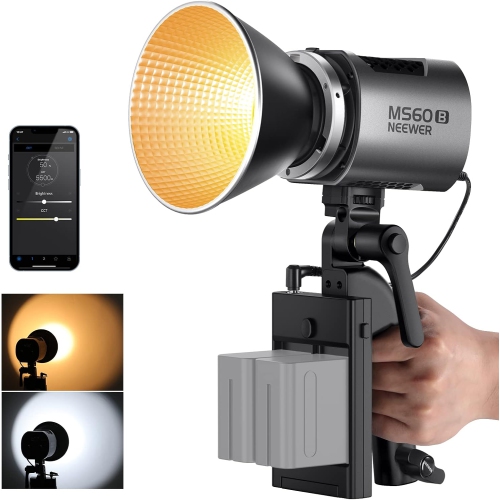
When comparing lighting modes, consider how much control you want, where the light will be placed, and how often you expect to change its settings. A simple control with clearly labelled buttons can be helpful for a bedside light, child’s room, hallway, or occasional-use fixture, while app-based or remote controls may be better for lighting arranged around a television, gaming area, home office, or party space. Look for options that allow separate adjustment of brightness and colour, since a light that looks comfortable at a vivid blue or purple setting may need to be dimmed for longer viewing. Preset modes are convenient when you want to move quickly from a focused white light to a softer evening glow, but adjustable modes provide more flexibility for matching the light to your décor, activity, or mood. Check whether the light includes memory settings so it returns to your preferred configuration, and consider whether its controls are easy to reach from the usual seating or sleeping position. Placement also matters: a light aimed directly at eye level can feel harsh, while one directed towards a wall, shelf, ceiling, or backdrop can create a softer layered effect. For broader inspiration, explore Ambient Lighting to see how decorative and functional illumination can work together. During warmer weather, colour-changing or sound-responsive lighting can add energy to patios, balconies, recreation rooms, and social spaces, while during the cooler months, a warm static or fading mode can make a living room, bedroom, or entryway feel more inviting as daylight fades earlier.
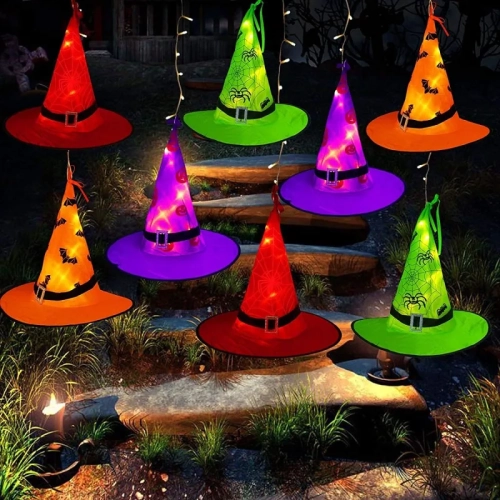
Lighting modes can suit a wide range of people and occasions. Someone setting up a home office may prefer a reliable static mode with adjustable brightness for video calls, paperwork, and screen-based work, while a student might appreciate a compact light that shifts from a bright study setting to a softer tone during breaks. Families can use gentle colours or slow fades to create a comforting bedtime routine, and entertainment enthusiasts may enjoy sound-sync effects around a media console, gaming station, or music area. These lights can also make thoughtful gifts for someone moving into a new home, refreshing a bedroom, arranging a hobby space, or creating a more personal entertainment area. A friend who enjoys hosting may use changing colours to frame a dining table or gathering space, while a relative who prefers a calm atmosphere may favour warm tones, low brightness, and gradual transitions. For seasonal decorating, selectable colours can complement autumn gatherings, Halloween displays, festive celebrations, or casual get-togethers without requiring a permanent change to the room. Before choosing, review the available colour range, brightness levels, transition speed, control method, power requirements, and intended placement. If a light will be used near children, pets, guests, or anyone sensitive to flashing effects, prioritize steady, dimmable, or slowly fading settings and avoid leaving rapid strobe patterns active for extended periods. With the right combination of modes, controls, and placement, lighting can shift naturally from practical illumination to a relaxed glow or an animated backdrop, helping one space support work, rest, hobbies, and social occasions.
When comparing lighting modes, consider how much control you want, where the light will be placed, and how often you expect to change its settings. A simple control with clearly labelled buttons can be helpful for a bedside light, child’s room, hallway, or occasional-use fixture, while app-based or remote controls may be better for lighting arranged around a television, gaming area, home office, or party space. Look for options that allow separate adjustment of brightness and colour, since a light that looks comfortable at a vivid blue or purple setting may need to be dimmed for longer viewing. Preset modes are convenient when you want to move quickly from a focused white light to a softer evening glow, but adjustable modes provide more flexibility for matching the light to your décor, activity, or mood. Check whether the light includes memory settings so it returns to your preferred configuration, and consider whether its controls are easy to reach from the usual seating or sleeping position. Placement also matters: a light aimed directly at eye level can feel harsh, while one directed towards a wall, shelf, ceiling, or backdrop can create a softer layered effect. For broader inspiration, explore Ambient Lighting to see how decorative and functional illumination can work together. During warmer weather, colour-changing or sound-responsive lighting can add energy to patios, balconies, recreation rooms, and social spaces, while during the cooler months, a warm static or fading mode can make a living room, bedroom, or entryway feel more inviting as daylight fades earlier.
Lighting modes can suit a wide range of people and occasions. Someone setting up a home office may prefer a reliable static mode with adjustable brightness for video calls, paperwork, and screen-based work, while a student might appreciate a compact light that shifts from a bright study setting to a softer tone during breaks. Families can use gentle colours or slow fades to create a comforting bedtime routine, and entertainment enthusiasts may enjoy sound-sync effects around a media console, gaming station, or music area. These lights can also make thoughtful gifts for someone moving into a new home, refreshing a bedroom, arranging a hobby space, or creating a more personal entertainment area. A friend who enjoys hosting may use changing colours to frame a dining table or gathering space, while a relative who prefers a calm atmosphere may favour warm tones, low brightness, and gradual transitions. For seasonal decorating, selectable colours can complement autumn gatherings, Halloween displays, festive celebrations, or casual get-togethers without requiring a permanent change to the room. Before choosing, review the available colour range, brightness levels, transition speed, control method, power requirements, and intended placement. If a light will be used near children, pets, guests, or anyone sensitive to flashing effects, prioritize steady, dimmable, or slowly fading settings and avoid leaving rapid strobe patterns active for extended periods. With the right combination of modes, controls, and placement, lighting can shift naturally from practical illumination to a relaxed glow or an animated backdrop, helping one space support work, rest, hobbies, and social occasions.
Top selling and popular products
-
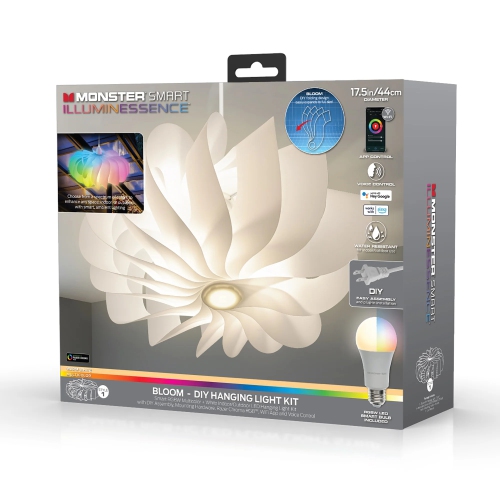 Your price for this item is $49.99
 -
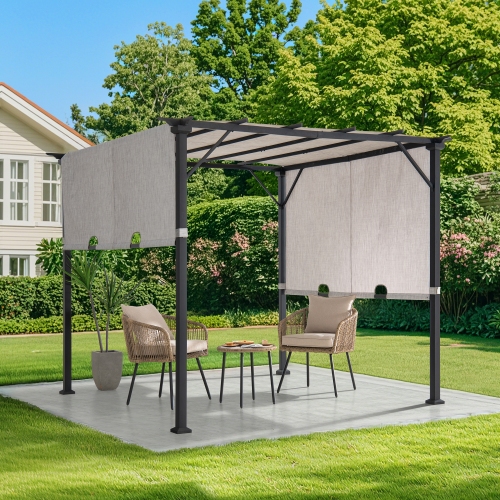 Your price for this item is $274.99
 -
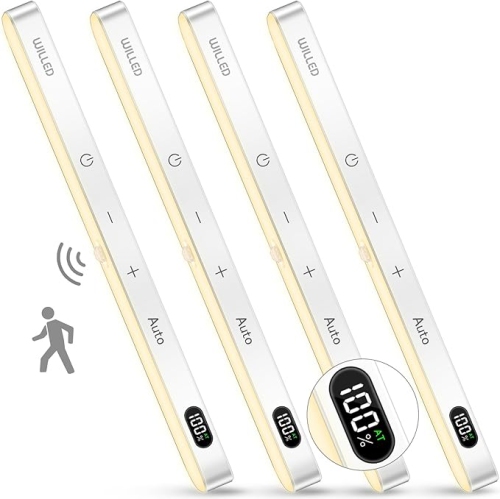 Your price for this item is $48.2
 -
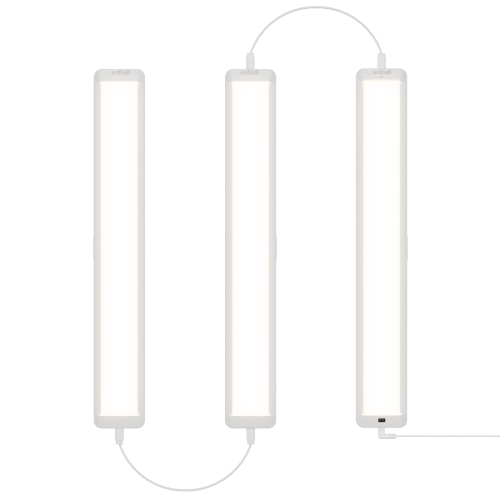 Your price for this item is $89.99
 -
 Your price for this item is $89.99
 -
 Your price for this item is $229.99
 -
 Your price for this item is $26.99
 -
 Your price for this item is $346.3
Discover more categories related to Lighting Modes

Top Collections:
Pokemon Centers, Budget 4K TVs, Best Budget Office Chairs, Kindle Devices, Canon G7X Cameras, Apple iPhones 16, iPhone 15 Apple, Laptops for Business Work, Xiaomi Phones, Flip Phones
Some products may be subject to Environmental Handling Fees
(EHF) depending on your province.
Learn more about EHFs.