Lighting Effects
Transform your space with captivating lighting effects that elevate the ambiance and highlight your unique style. Whether you're looking to create a cozy atmosphere in your living room, add a splash of color to your backyard gatherings, or set the perfect mood for a home theater experience, the right lighting can make all the difference. Discover a wide range of options that cater to every taste and need, from subtle glows to vibrant displays. With innovative designs and versatile solutions, you can effortlessly enhance any environment and bring your vision to life.
Sort
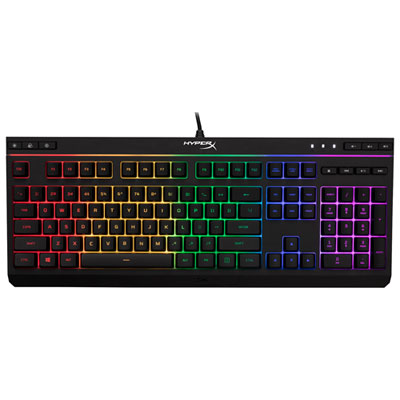
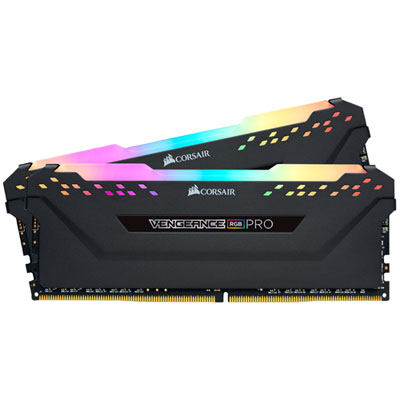
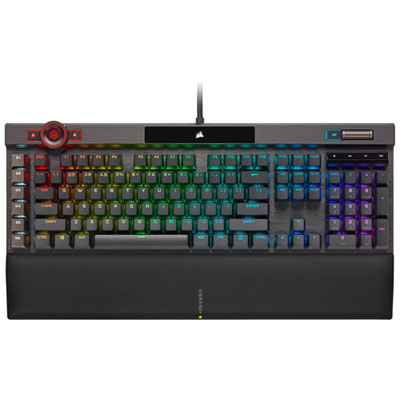
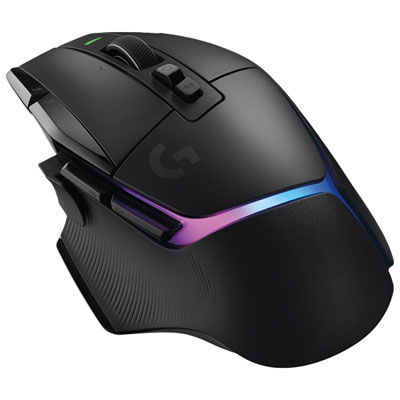
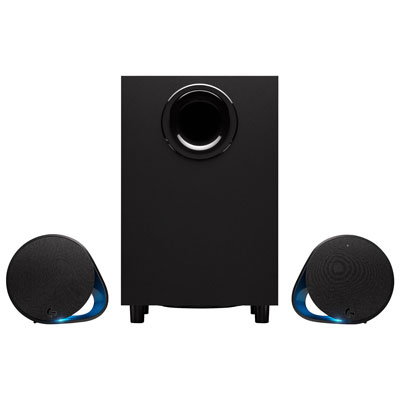

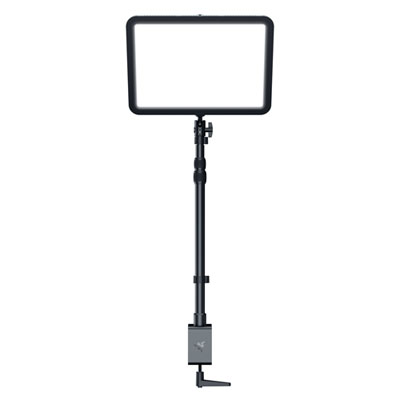
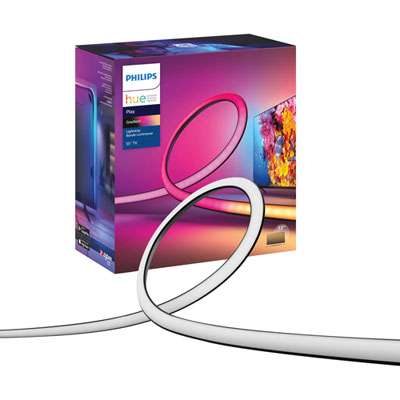
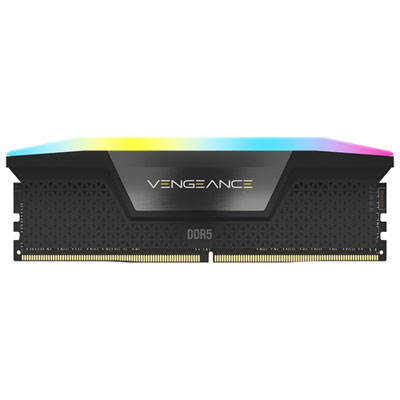


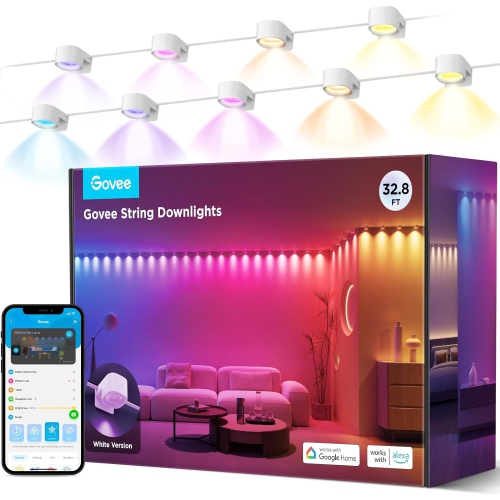
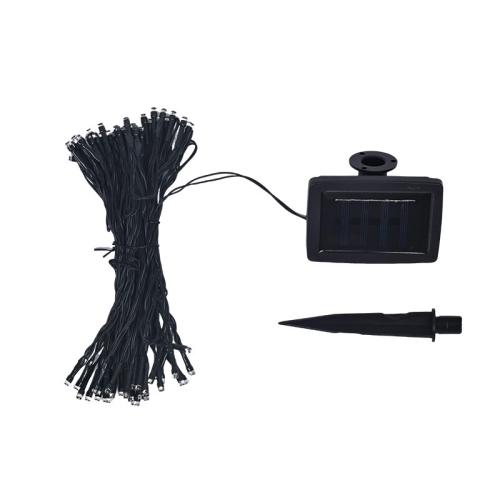
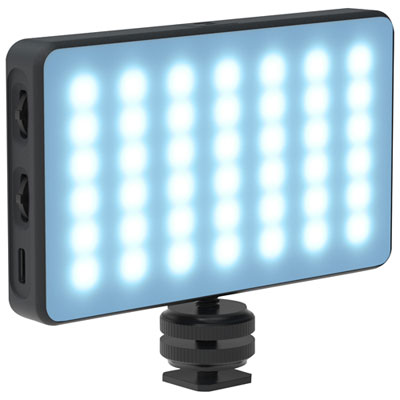




![GREEN SCENIC [ Girl] X33 Crystal Gaming Headset | Soft Led Lighting Effect | Ultra-Soft Memory Foam Earmuffs | Retractable Microphone | Plug And](https://multimedia.bbycastatic.ca/multimedia/products/500x500/192/19276/19276396.jpeg)
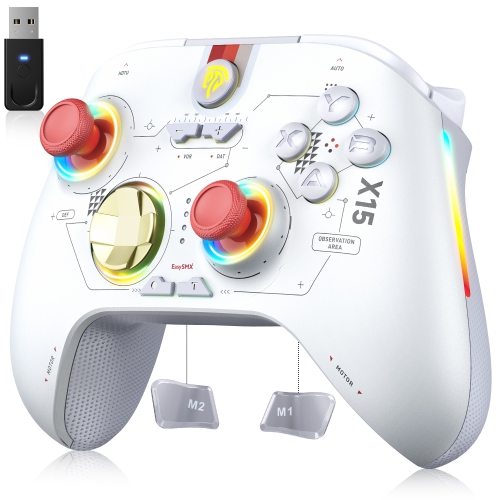
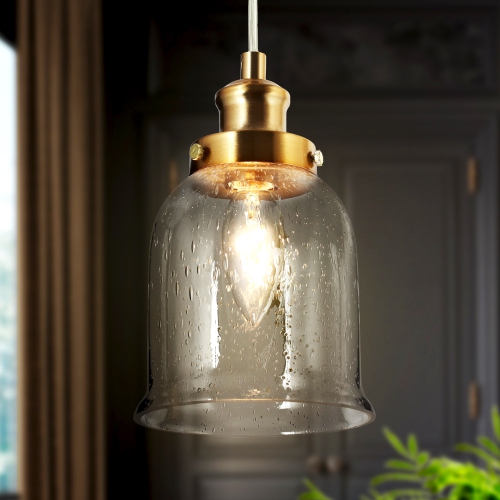
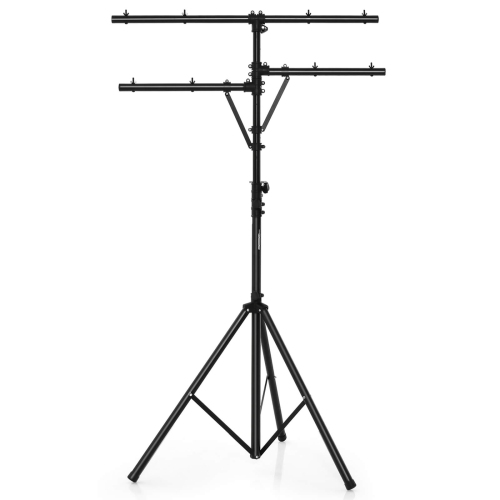
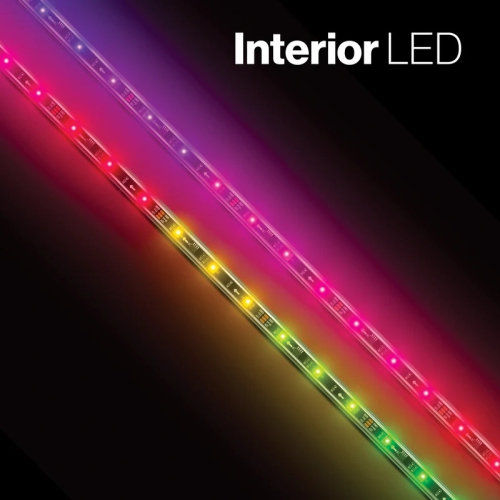
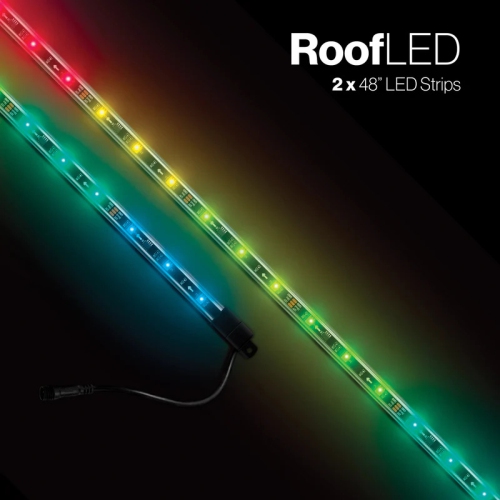
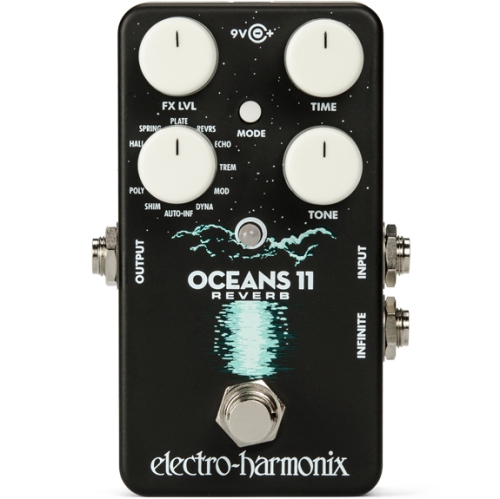
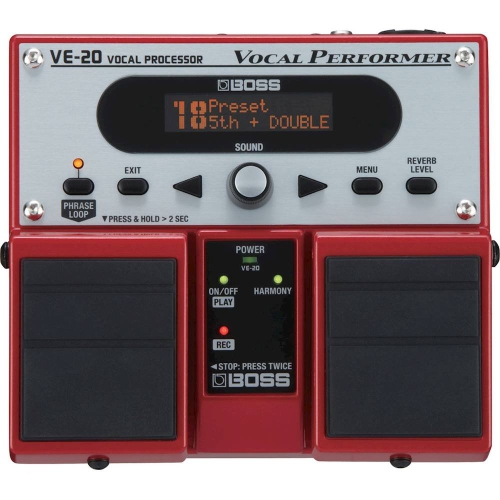
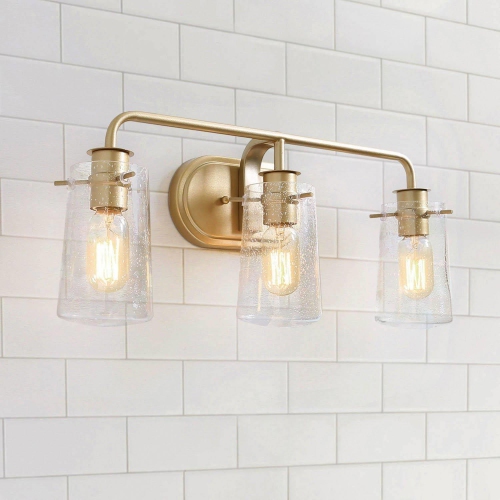
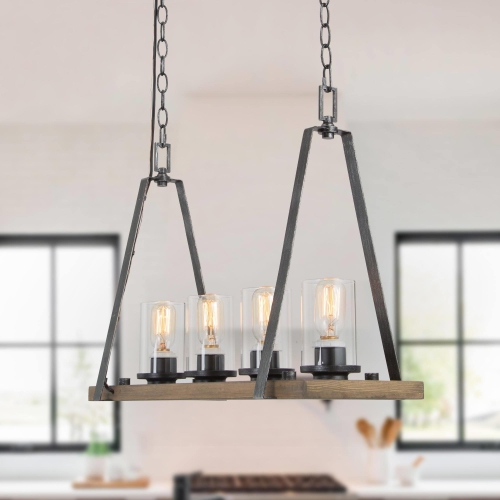
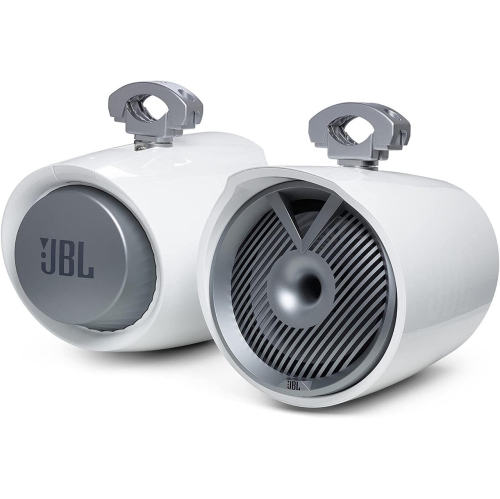
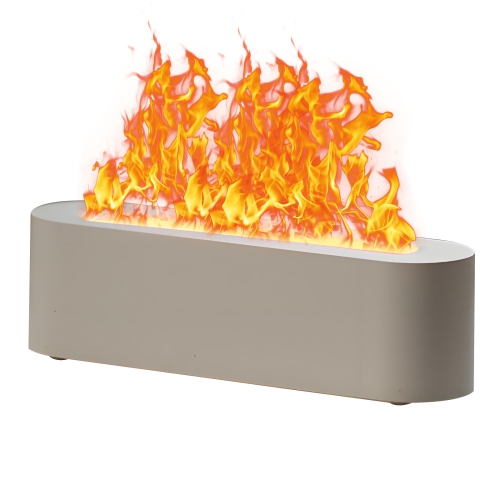
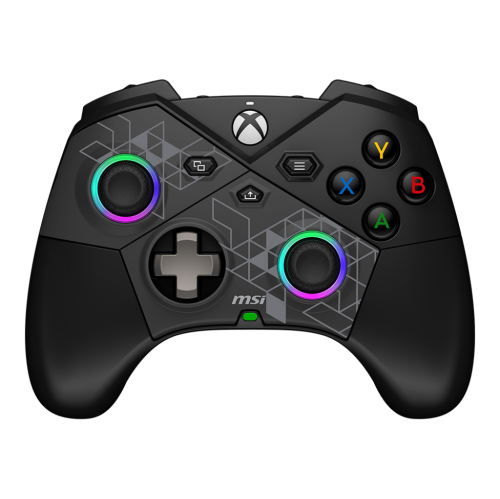
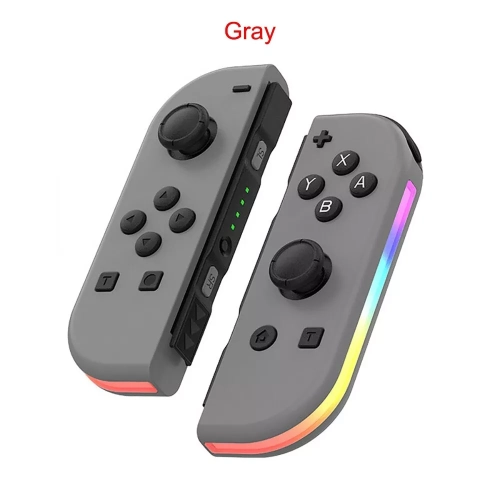
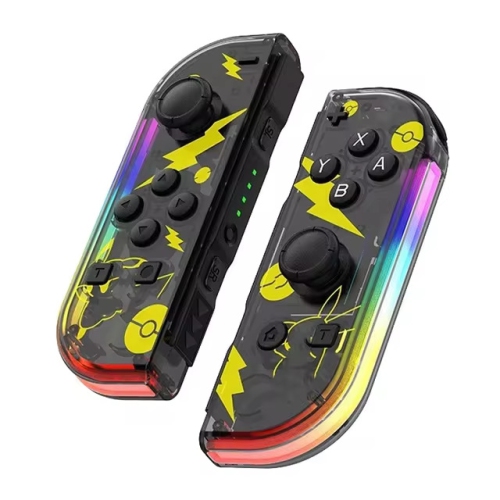
Colour and motion can transform any space or scene
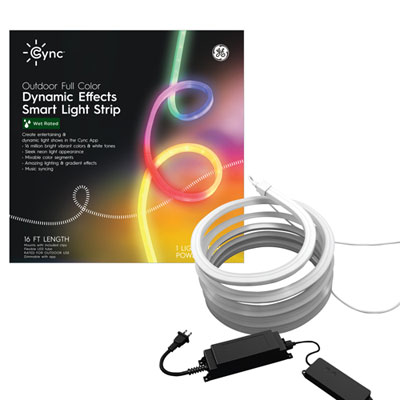
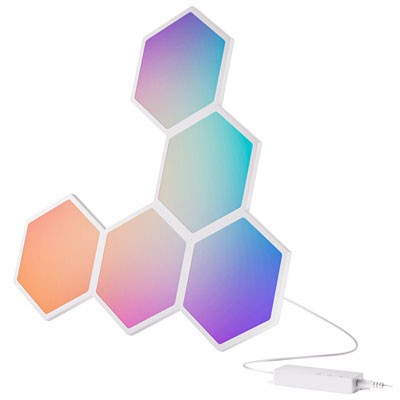
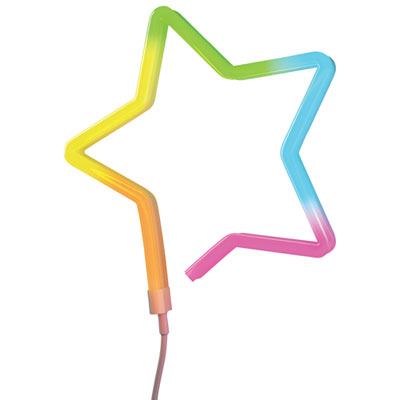
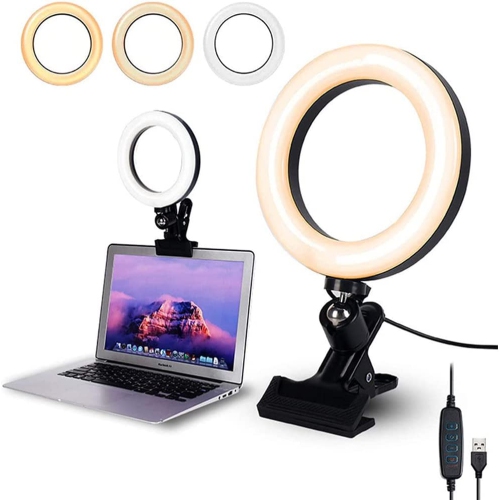
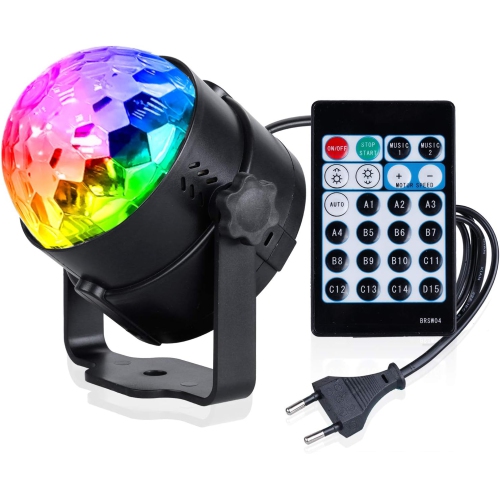
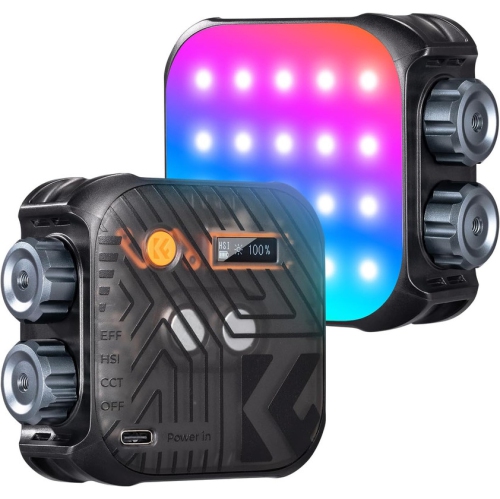
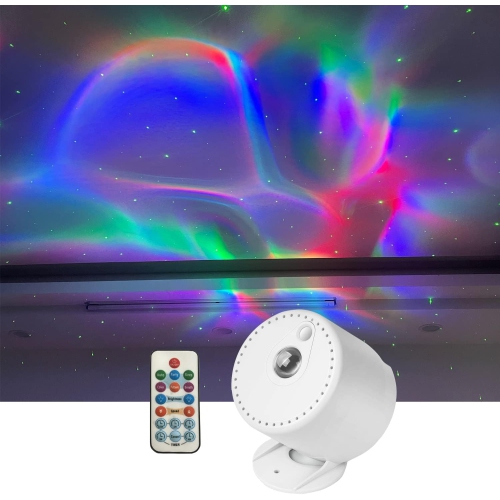
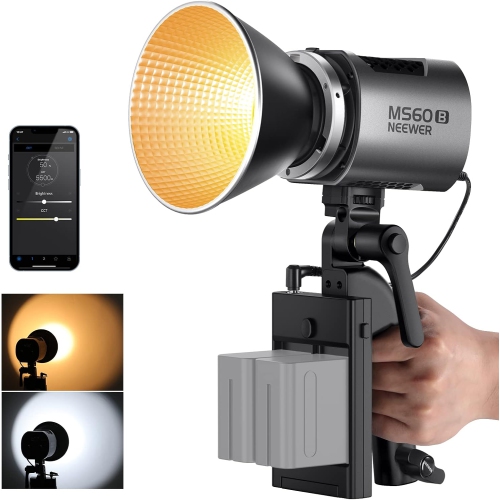
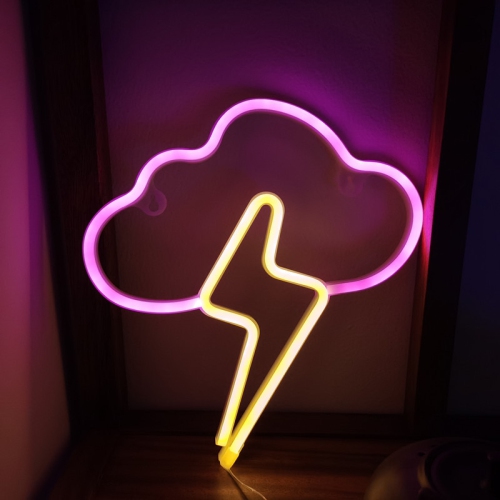
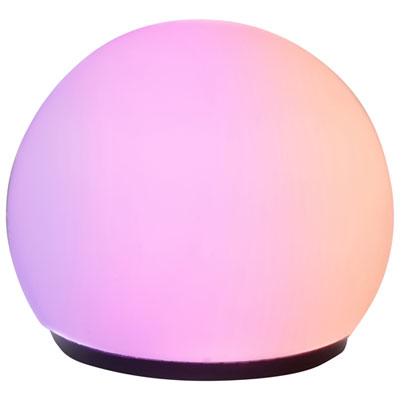
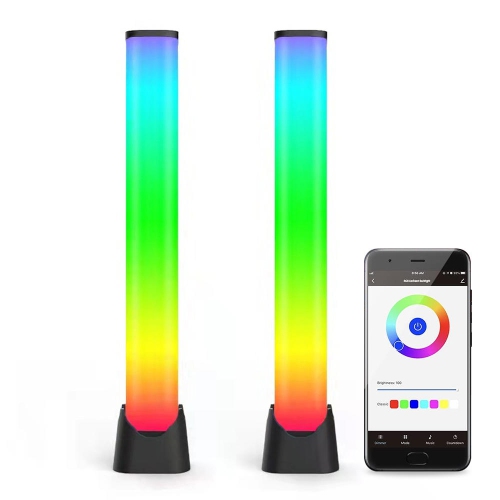
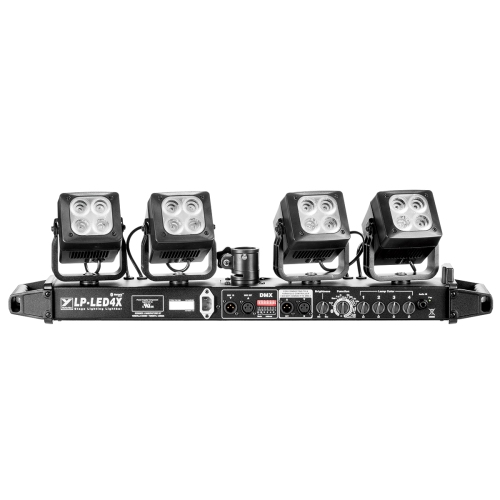
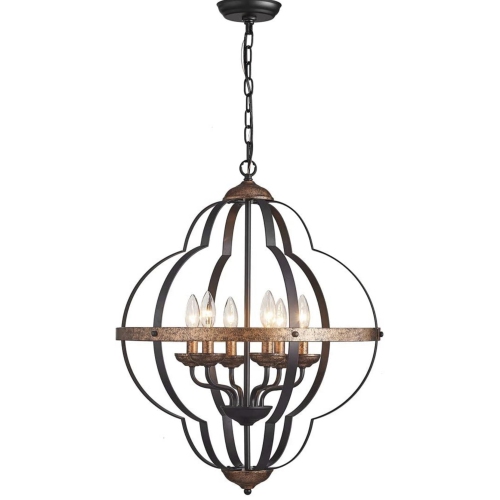
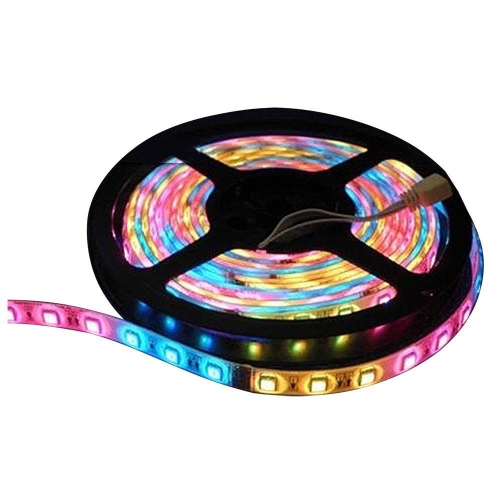
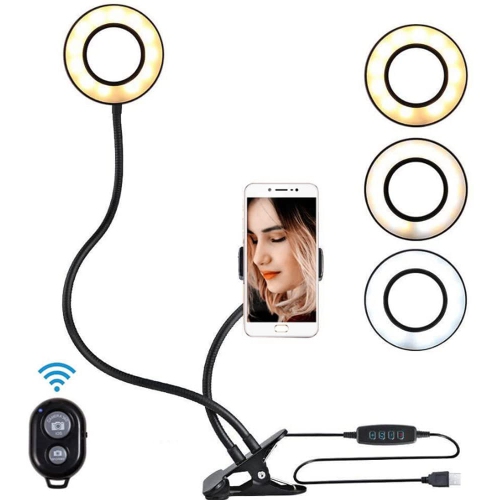
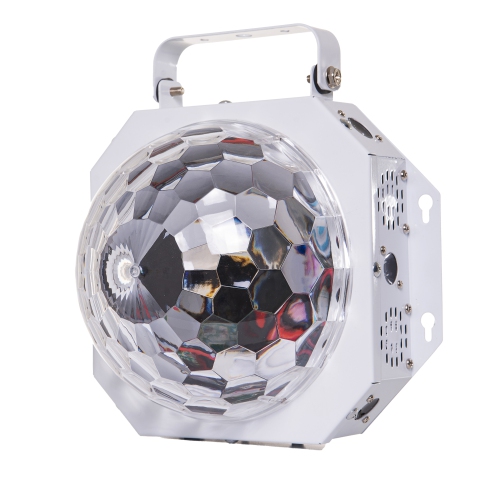
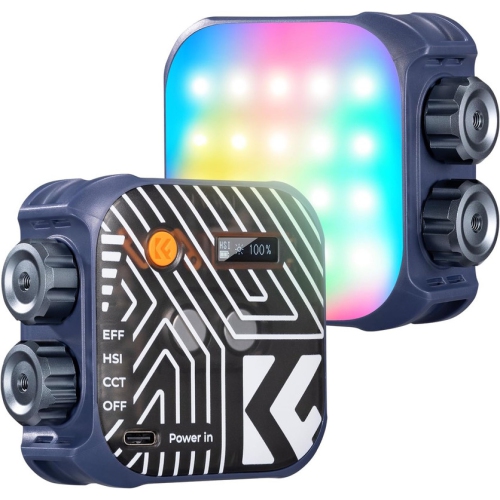
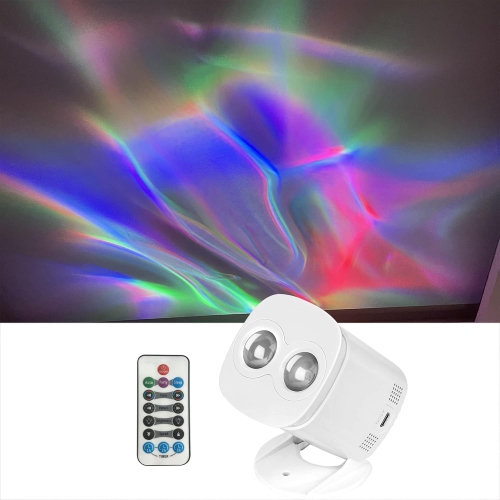
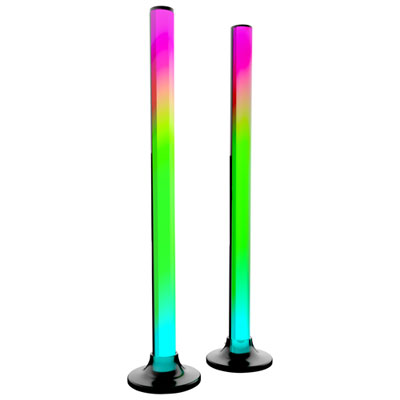
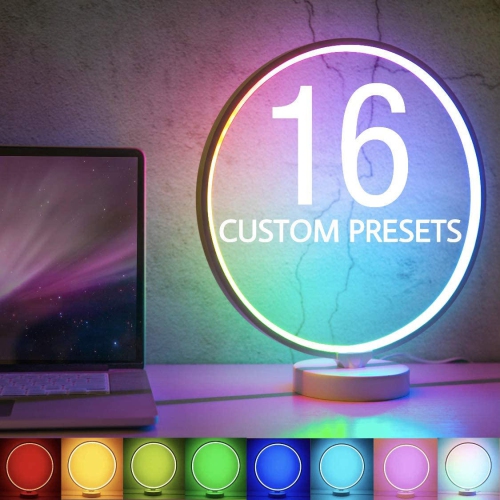
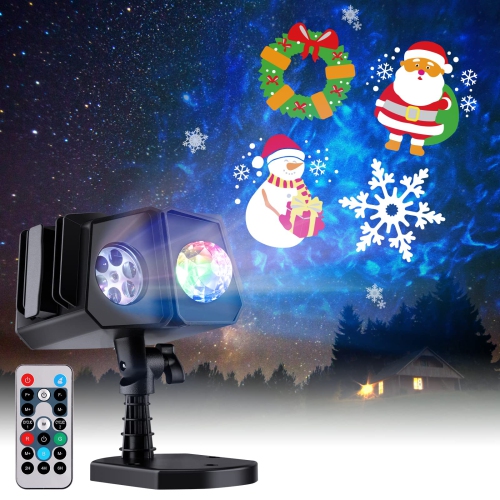
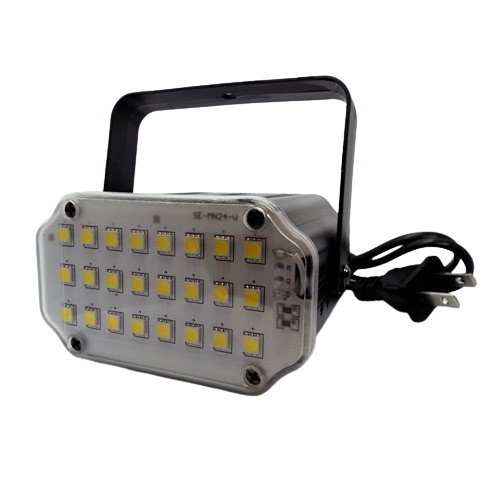
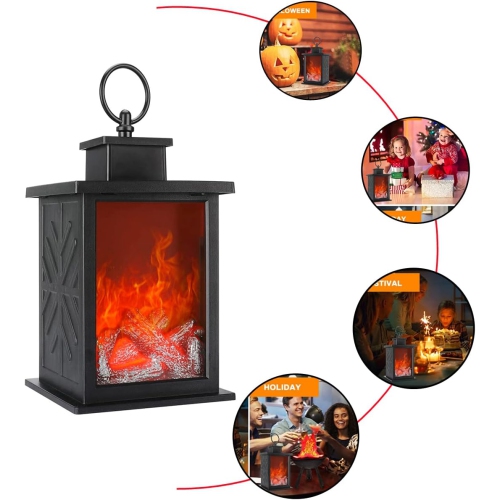
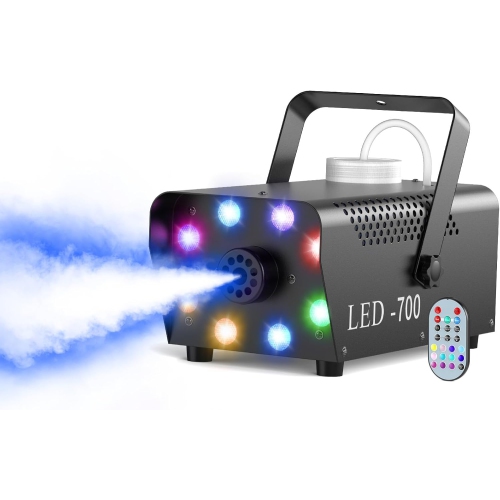
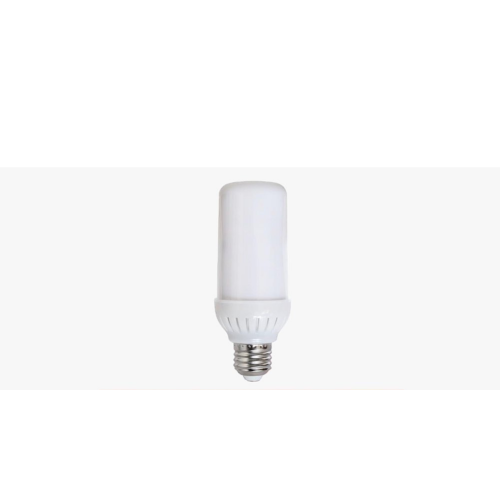
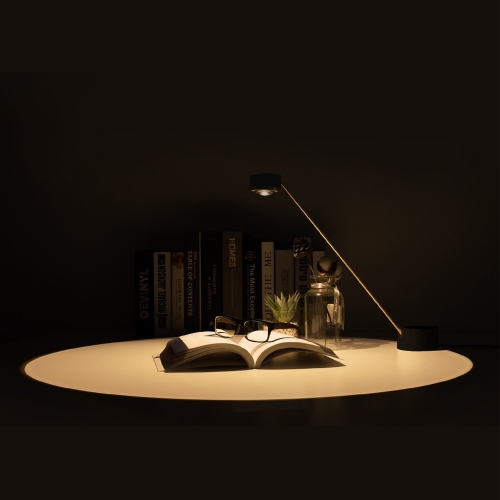
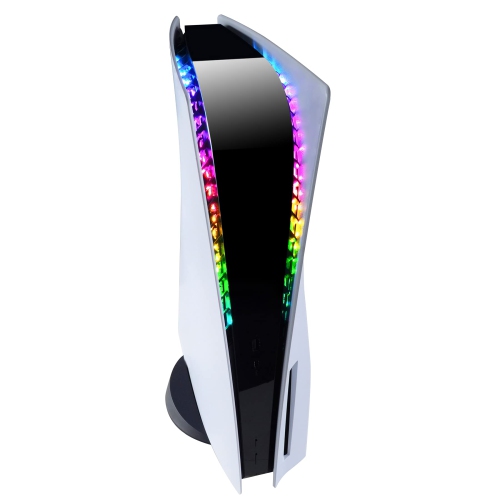
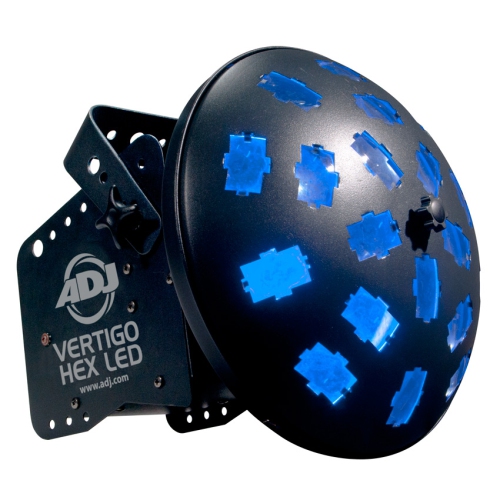
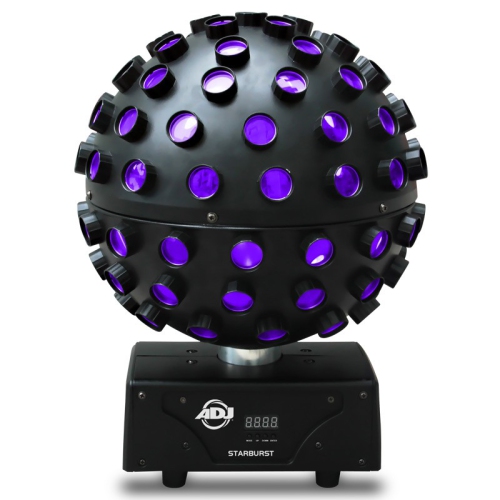
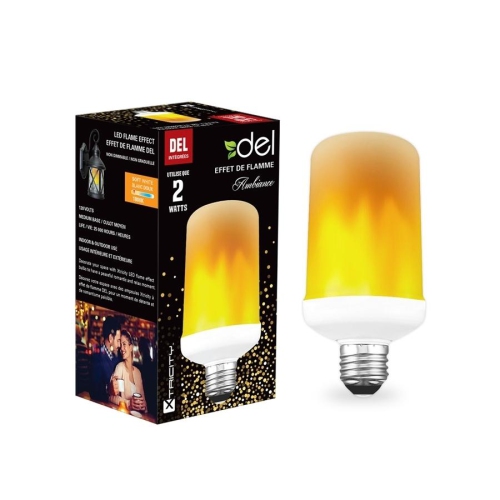
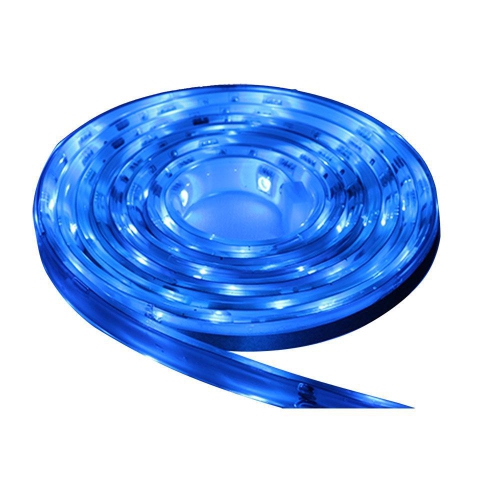
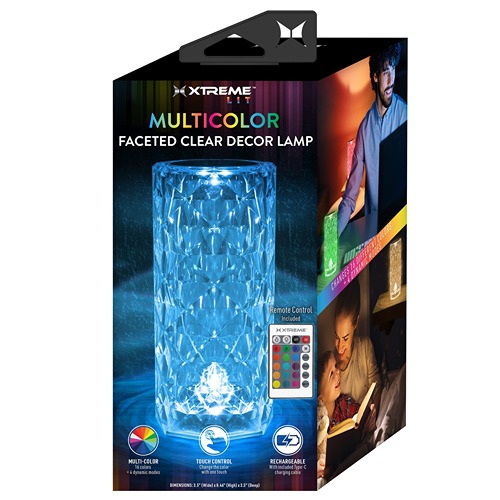
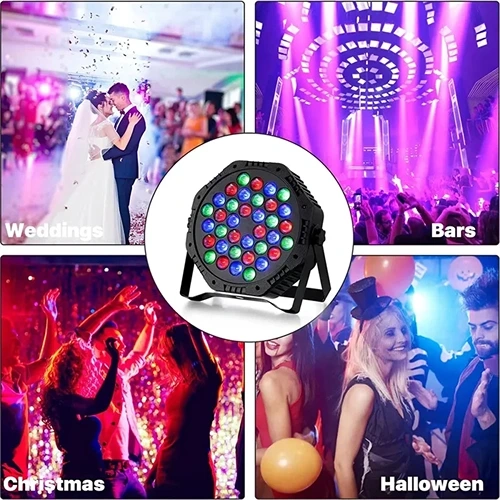
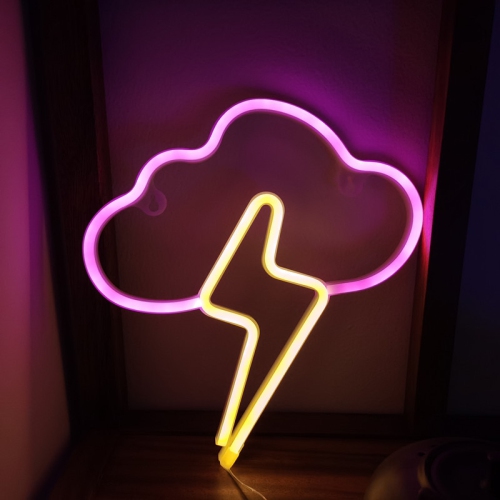
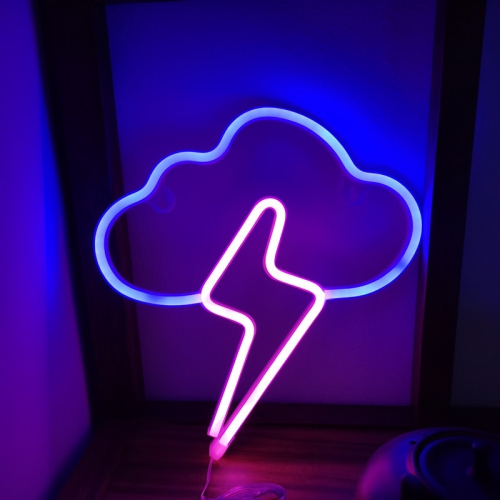
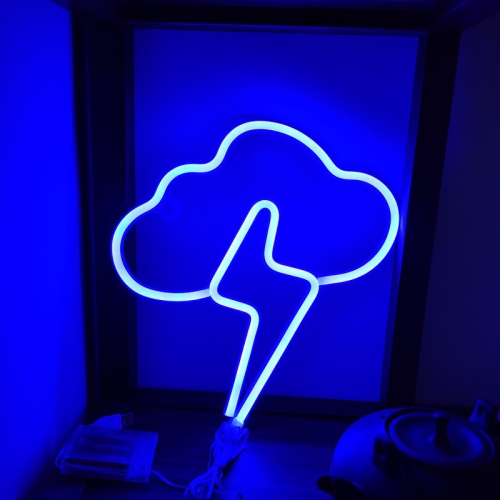
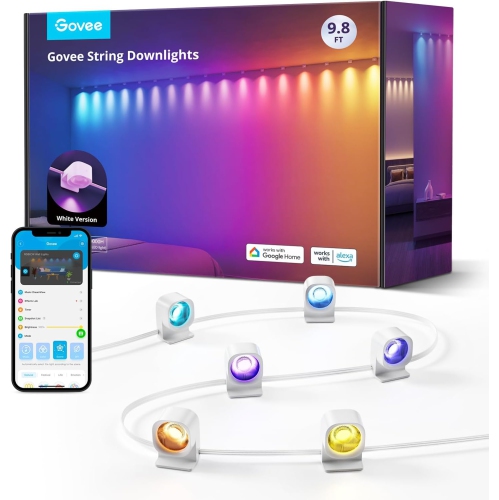
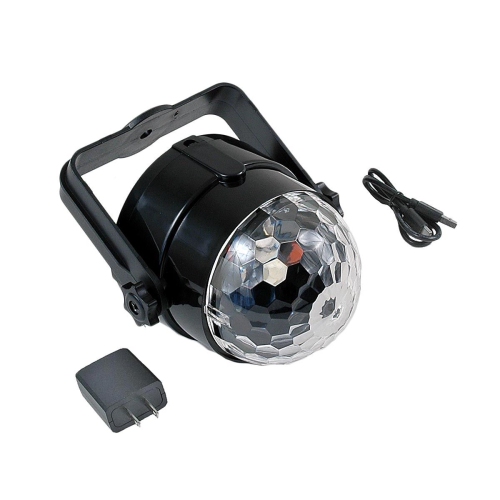
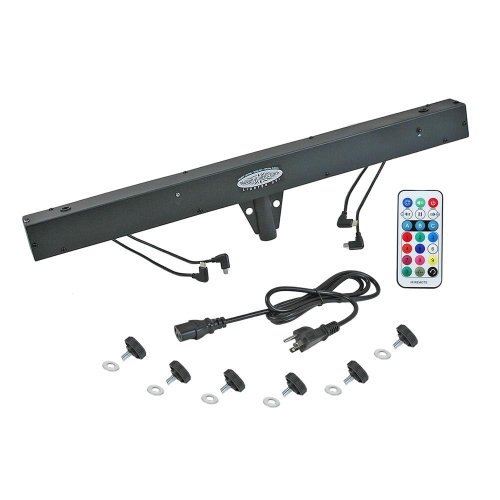
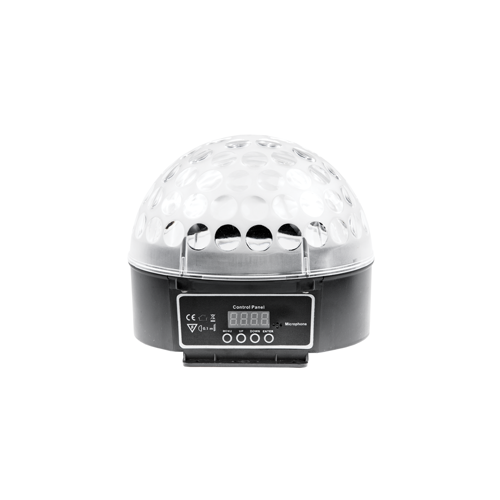
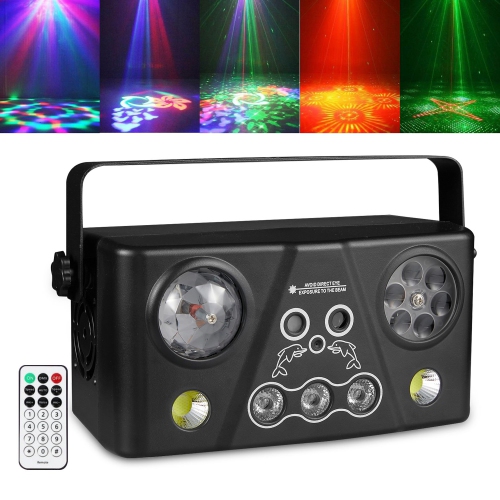
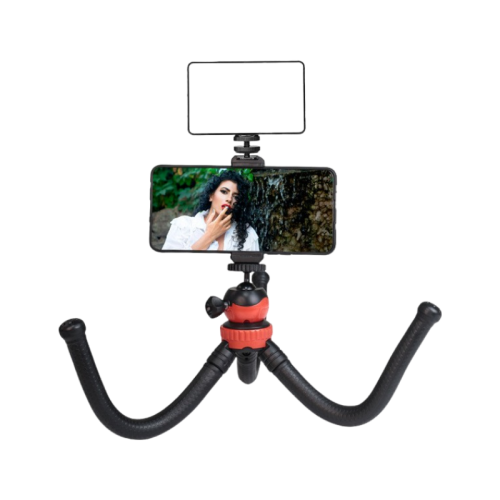
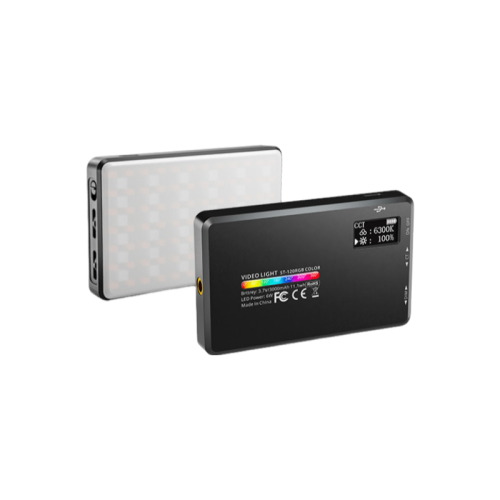
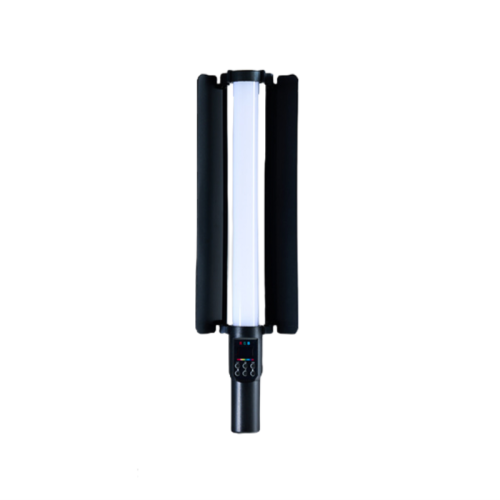
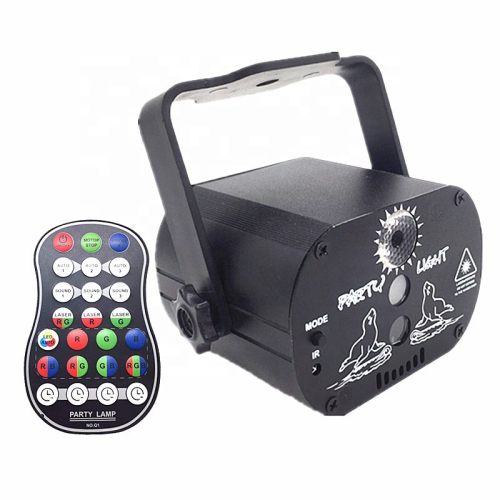
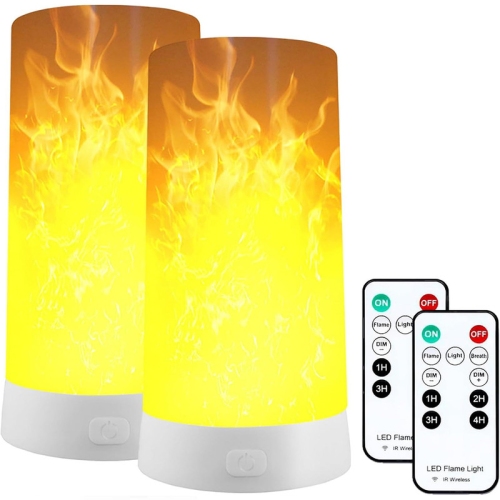
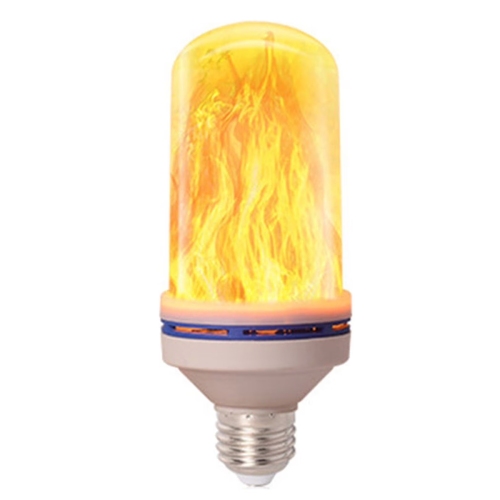
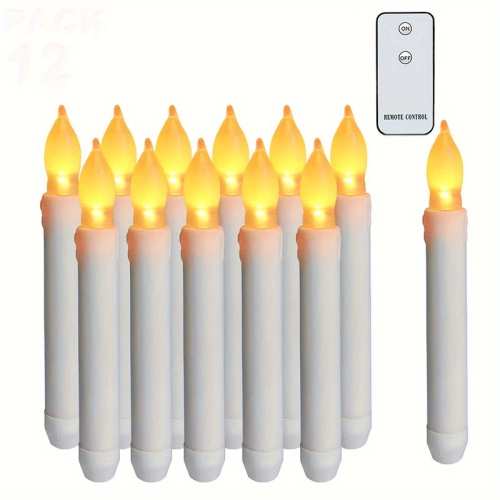
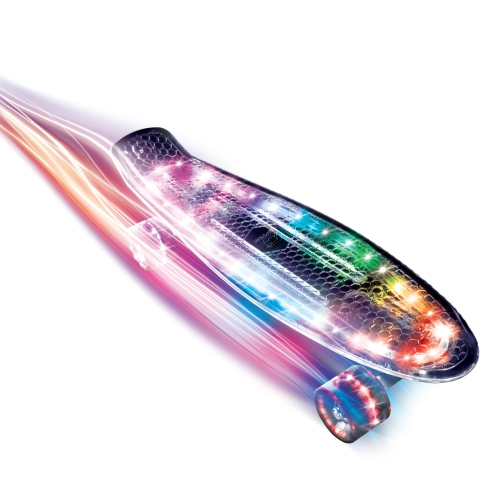
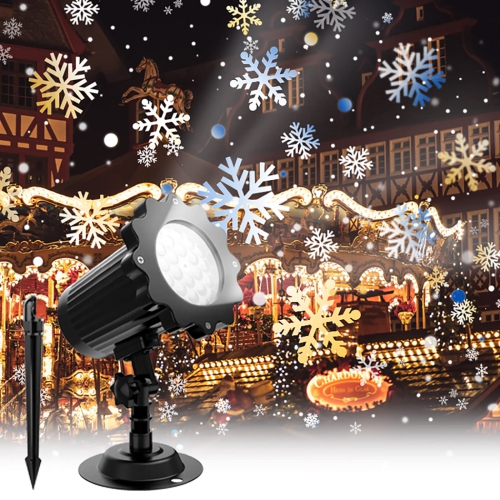
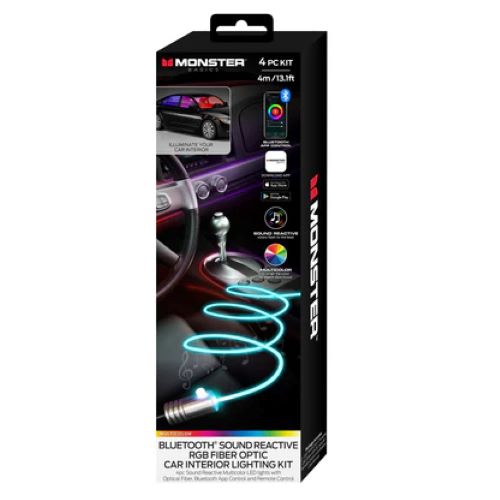
Lighting effects can change the character of a room, performance, photograph, video, or gathering with surprisingly little equipment. A steady wash of colour can make a plain wall feel architectural, while moving beams, patterned projections, and pulses of light can bring energy to a dance floor or small stage. These products generally fall into a few useful groups. Static effects create fixed patterns, soft washes, or focused pools of light that establish a backdrop without drawing attention away from the subject. Dynamic effects add motion through colour changes, rotating heads, sweeping beams, or music-reactive sequences, making them well suited to parties, performances, presentations, and DJ setups. Simulated effects recreate familiar sources such as firelight, a flickering television, a faulty bulb, or a lightning storm, which can add atmosphere to a film set, theatrical scene, themed display, or home entertainment space. Directional lighting, placed in front, beside, behind, or above a subject, helps reveal shape and depth; a light positioned behind a performer can create a clean silhouette, while side lighting can emphasize texture and movement. For home use, lighting effects can define a gaming area, media room, music corner, home office, or entertaining space. During the warmer seasons, a portable effect light can add colour to a balcony, patio, or backyard gathering, and during the cooler months it can bring the same sense of occasion indoors. They can also make thoughtful gifts for creative people, students learning video production, musicians, content creators, hosts who enjoy entertaining, and anyone who likes personalizing their surroundings. If a recipient is new to effect lighting, a compact, easy-to-operate unit is often more enjoyable than a complex setup that requires extensive programming. For a softer decorative look, consider browsing Colored Lighting for options that can add a controlled tint or glow to a space without the intensity of stage-style effects.
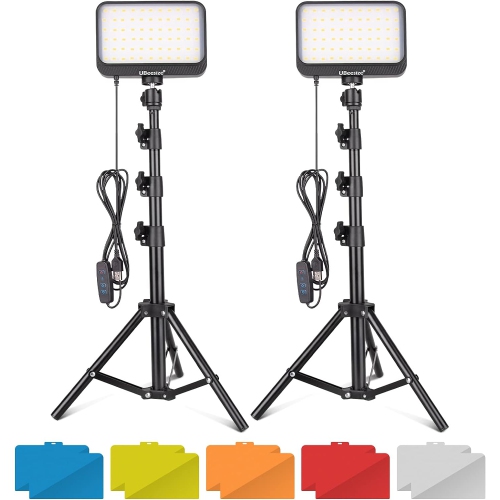
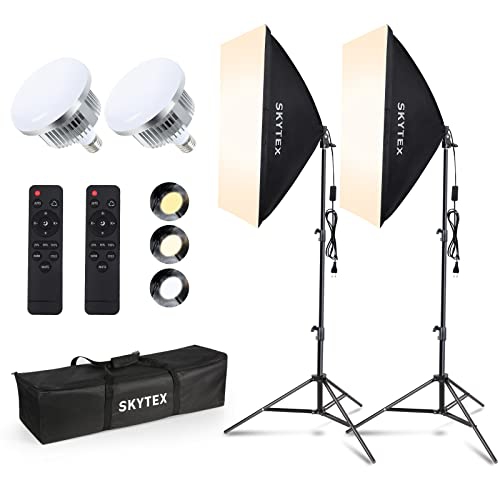
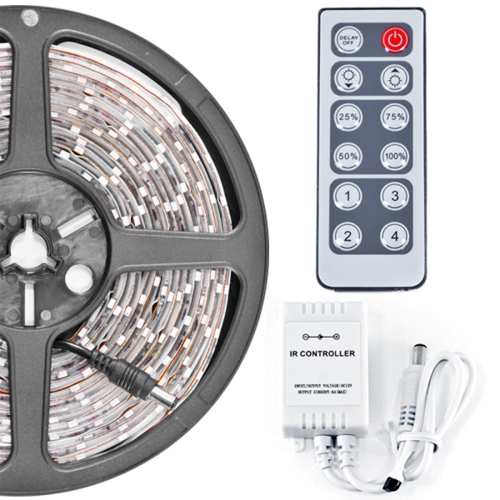
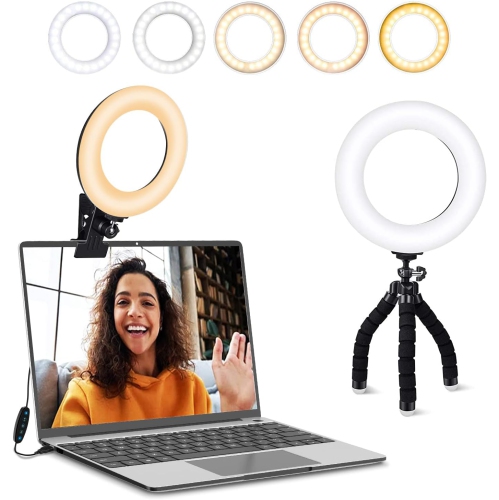
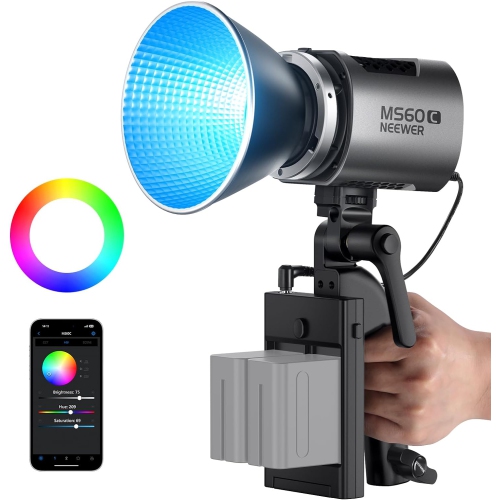
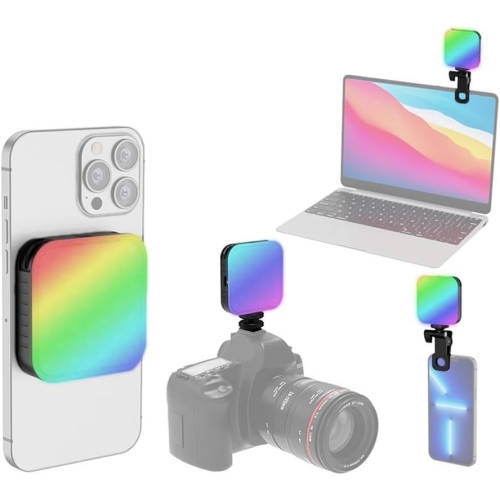
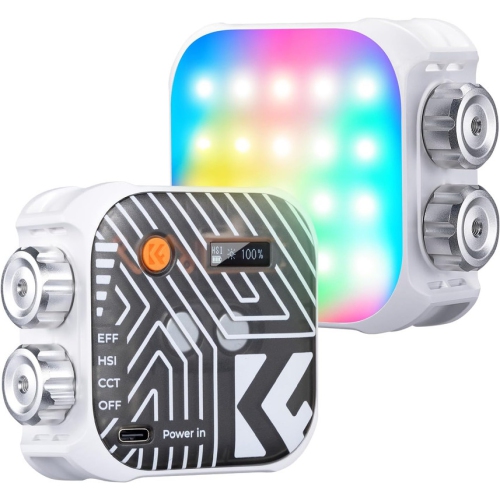
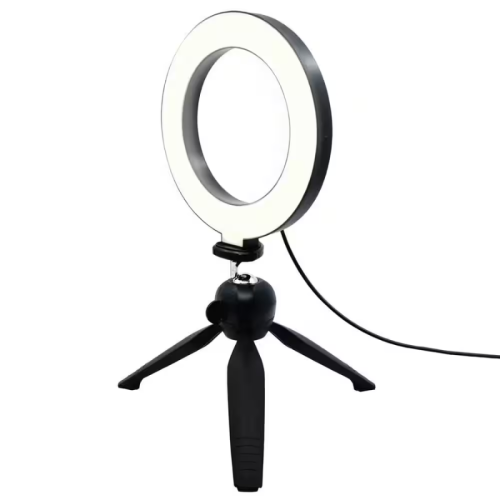
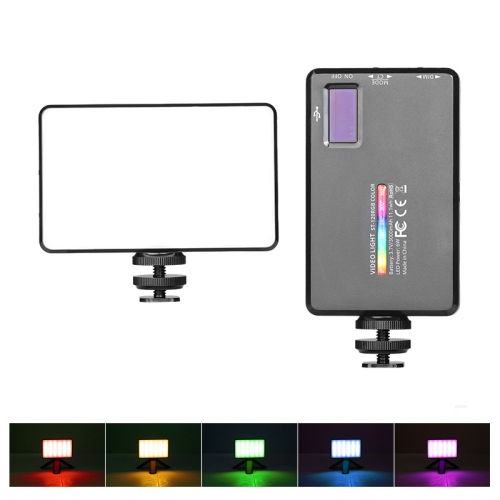
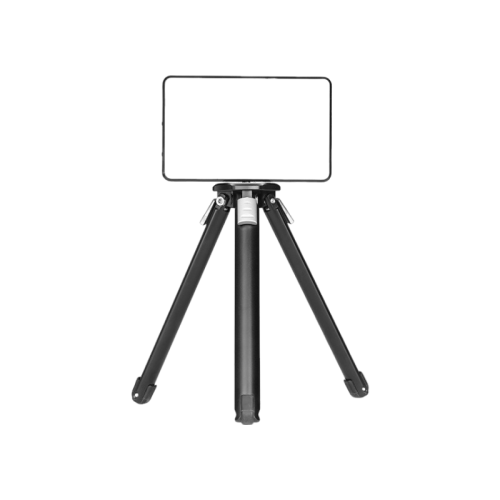
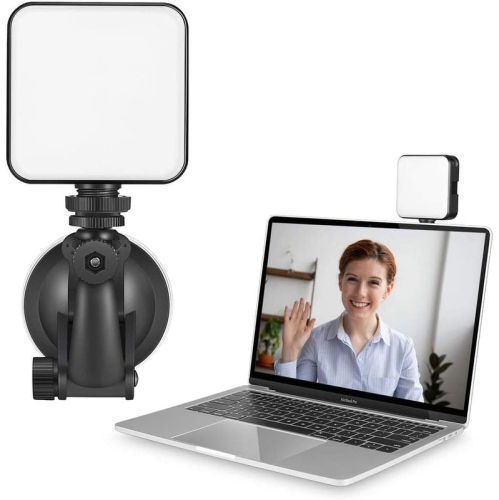
Choosing the right lighting effects starts with the intended setting and the kind of atmosphere you want to create. For a bedroom, lounge, or media room, look for adjustable brightness, gradual colour transitions, dimming, and controls that make it easy to change the mood without getting up. A compact unit with a built-in stand may work well on a shelf or desk, while a fixture designed for mounting can provide a cleaner installation and a more consistent angle. In a video or photography setup, colour accuracy, adjustable colour temperature, diffusion, and directional control are especially important. Front lighting can reduce harsh shadows on a face, side lighting can add dimension, and backlighting can separate a subject from a darker background. RGB or RGBW lighting can produce a broad range of colours, while white-light adjustment is useful when skin tones, product details, or realistic scene colour must look natural. For stage, dance, and DJ applications, brightness, beam spread, movement range, sound response, and synchronization features may matter more than subtle colour control. DMX compatibility can be valuable for users who want to coordinate several fixtures, program scenes, or build timed transitions, but simple automatic modes may be the better choice for occasional use. Check whether controls are located on the unit, supplied through a remote, managed in an app, or connected through a broader smart-home system. Also consider cable length, mounting hardware, fan noise, heat output, portability, and the available power connections before setting up. A light that looks impressive in a large room may feel overpowering in a small one, so placement and intensity are just as important as the effect itself. Start with the light aimed at a wall, ceiling, curtain, or backdrop rather than directly at eye level; reflected light usually feels fuller and more comfortable. For photographs and video, avoid pointing rapidly flashing effects toward the camera unless the scene specifically calls for it, and be mindful that strobe patterns can affect people who are sensitive to flashing light. Keep cables secured away from walking paths, allow ventilation around fixtures, and follow the manufacturer’s instructions for mounting and operation. These small details make an installation safer, easier to manage, and more polished.
Lighting effects are useful across a wide range of creative projects because they can suggest time, place, movement, and emotion without changing the rest of the environment. A slow blue fade can make a performance feel calm and spacious; a warm, irregular flicker can suggest a fire or candlelit setting; a quick white flash followed by a dim fade can imitate lightning when paired with suitable sound and scenery. In a streaming or recording space, a coloured light behind the subject can create separation and visual depth, while a gentle fill light from the front keeps important details visible. In a party area, music-reactive modes can respond to rhythm and create a livelier atmosphere, whereas a fixed colour wash may be better for dinner, conversation, or a more relaxed gathering. Event organizers can use multiple effects to divide a venue into zones, highlighting a backdrop, entrance, display table, or performance area. Teachers, drama groups, and aspiring filmmakers can use them to explore the relationship between light and storytelling, experimenting with shadow, contrast, silhouette, and colour. Even a small setup can produce a memorable result when the lights are layered thoughtfully: one source for the main subject, another for the background, and a third for a touch of colour or motion. When comparing options, think about how often the light will be moved, whether it needs to fit in a storage case, how much control you want over scenes, and whether the effect should blend into the room or become a visible focal point. The best choice is one that matches the space, the user’s experience level, and the desired look, from a restrained glow that quietly changes the room to a coordinated display that turns an ordinary gathering into an immersive visual experience.
Choosing the right lighting effects starts with the intended setting and the kind of atmosphere you want to create. For a bedroom, lounge, or media room, look for adjustable brightness, gradual colour transitions, dimming, and controls that make it easy to change the mood without getting up. A compact unit with a built-in stand may work well on a shelf or desk, while a fixture designed for mounting can provide a cleaner installation and a more consistent angle. In a video or photography setup, colour accuracy, adjustable colour temperature, diffusion, and directional control are especially important. Front lighting can reduce harsh shadows on a face, side lighting can add dimension, and backlighting can separate a subject from a darker background. RGB or RGBW lighting can produce a broad range of colours, while white-light adjustment is useful when skin tones, product details, or realistic scene colour must look natural. For stage, dance, and DJ applications, brightness, beam spread, movement range, sound response, and synchronization features may matter more than subtle colour control. DMX compatibility can be valuable for users who want to coordinate several fixtures, program scenes, or build timed transitions, but simple automatic modes may be the better choice for occasional use. Check whether controls are located on the unit, supplied through a remote, managed in an app, or connected through a broader smart-home system. Also consider cable length, mounting hardware, fan noise, heat output, portability, and the available power connections before setting up. A light that looks impressive in a large room may feel overpowering in a small one, so placement and intensity are just as important as the effect itself. Start with the light aimed at a wall, ceiling, curtain, or backdrop rather than directly at eye level; reflected light usually feels fuller and more comfortable. For photographs and video, avoid pointing rapidly flashing effects toward the camera unless the scene specifically calls for it, and be mindful that strobe patterns can affect people who are sensitive to flashing light. Keep cables secured away from walking paths, allow ventilation around fixtures, and follow the manufacturer’s instructions for mounting and operation. These small details make an installation safer, easier to manage, and more polished.
Lighting effects are useful across a wide range of creative projects because they can suggest time, place, movement, and emotion without changing the rest of the environment. A slow blue fade can make a performance feel calm and spacious; a warm, irregular flicker can suggest a fire or candlelit setting; a quick white flash followed by a dim fade can imitate lightning when paired with suitable sound and scenery. In a streaming or recording space, a coloured light behind the subject can create separation and visual depth, while a gentle fill light from the front keeps important details visible. In a party area, music-reactive modes can respond to rhythm and create a livelier atmosphere, whereas a fixed colour wash may be better for dinner, conversation, or a more relaxed gathering. Event organizers can use multiple effects to divide a venue into zones, highlighting a backdrop, entrance, display table, or performance area. Teachers, drama groups, and aspiring filmmakers can use them to explore the relationship between light and storytelling, experimenting with shadow, contrast, silhouette, and colour. Even a small setup can produce a memorable result when the lights are layered thoughtfully: one source for the main subject, another for the background, and a third for a touch of colour or motion. When comparing options, think about how often the light will be moved, whether it needs to fit in a storage case, how much control you want over scenes, and whether the effect should blend into the room or become a visible focal point. The best choice is one that matches the space, the user’s experience level, and the desired look, from a restrained glow that quietly changes the room to a coordinated display that turns an ordinary gathering into an immersive visual experience.
Top selling and popular products
-
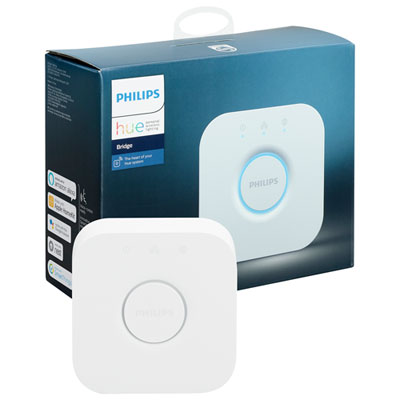 Your price for this item is $89.99
 -
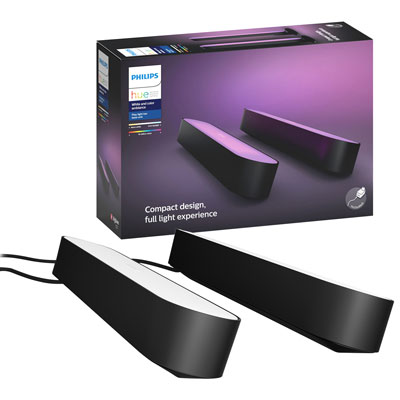 Your price for this item is $199.99
 -
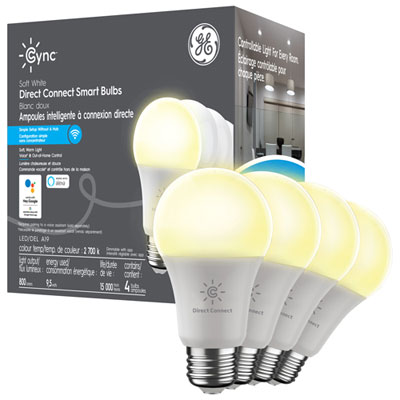 Your price for this item is $24.97
 -
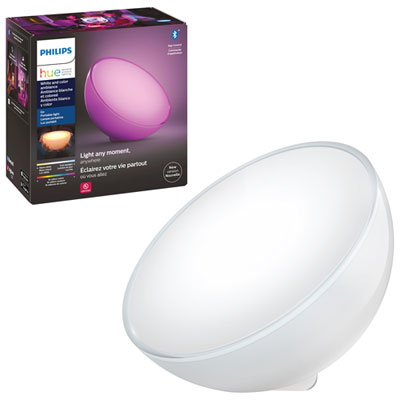 Your price for this item is $89.97
 -
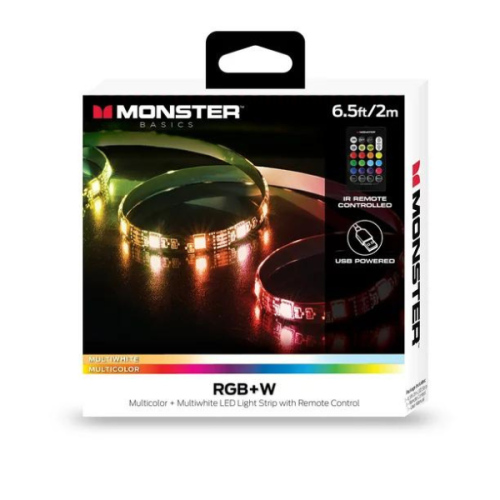 Your price for this item is $12.99
 -
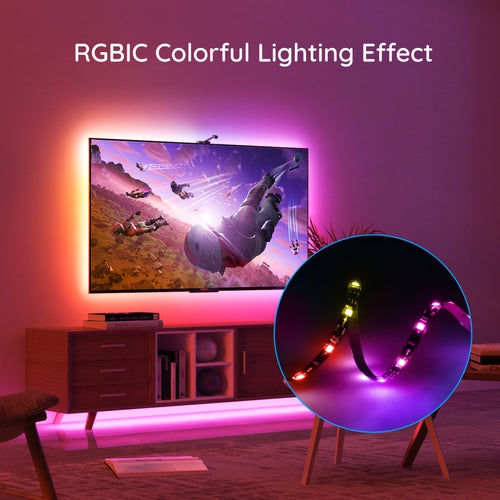 Your price for this item is $94.99
 -
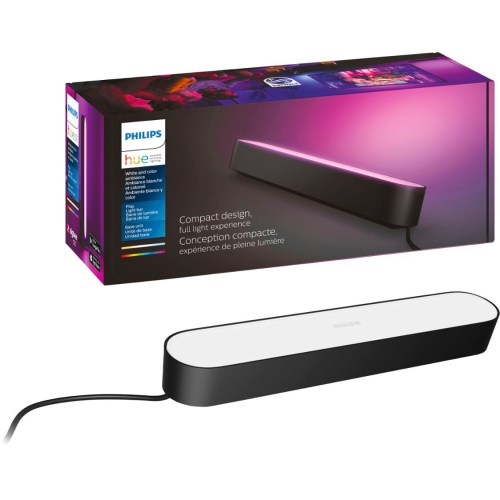 Your price for this item is $144.68
 -
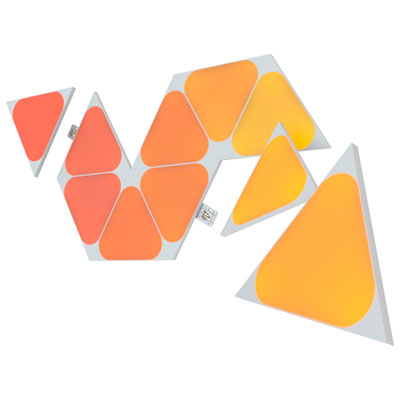 Your price for this item is $99.97
Discover more categories related to Lighting Effects
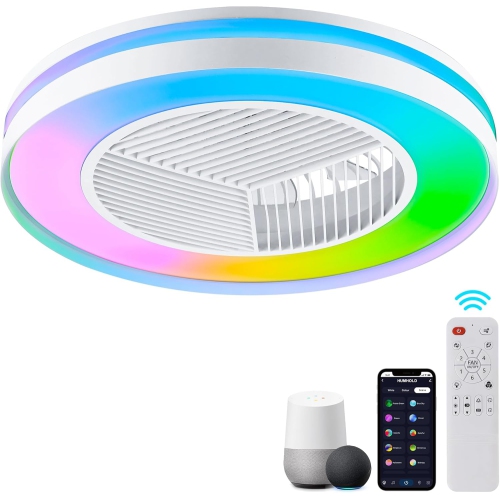

Top Collections:
Pokemon Centers, Budget 4K TVs, Best Budget Office Chairs, Kindle Devices, Canon G7X Cameras, Apple iPhones 16, iPhone 15 Apple, Laptops for Business Work, Xiaomi Phones, Flip Phones
Some products may be subject to Environmental Handling Fees
(EHF) depending on your province.
Learn more about EHFs.