Lightweight Hedge Trimmers
Lightweight Hedge Trimmer options make it easy to keep your yard looking neat and well-maintained with minimal effort. Whether you're shaping bushes, trimming hedges, or tackling overgrown branches, these tools are designed for comfortable handling and efficient performance. Browse a wide selection of Lightweight Hedge Trimmer models to find the perfect fit for your landscaping needs and enjoy a tidy outdoor space all season long.
Sort
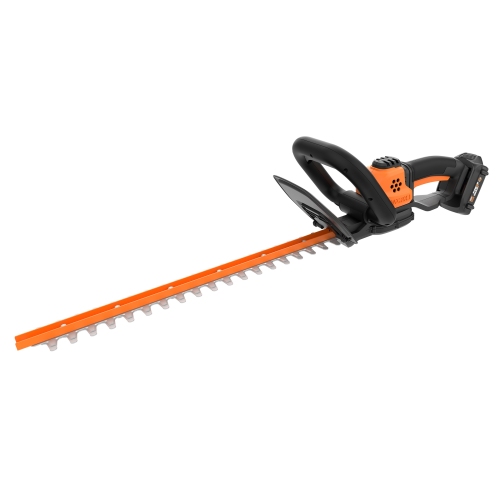
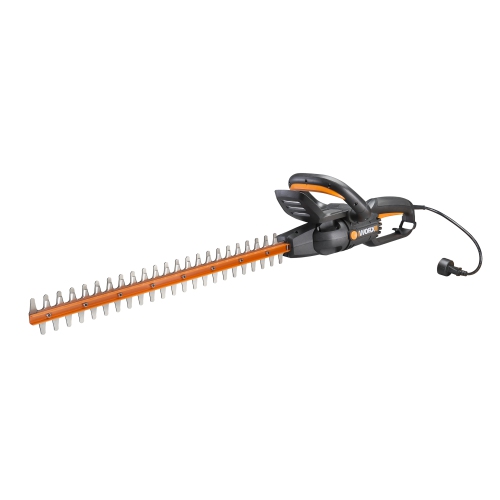
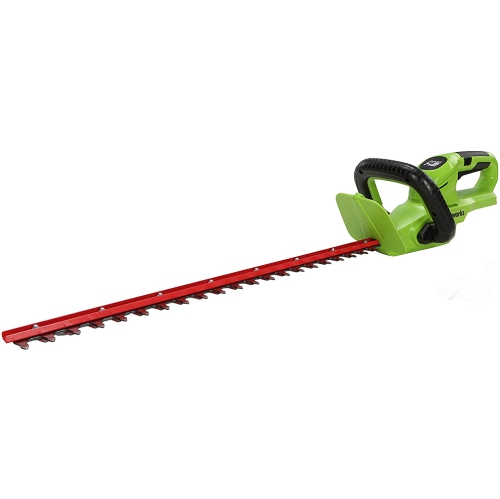
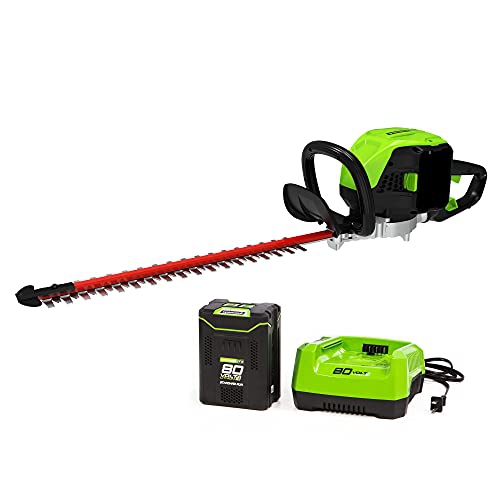
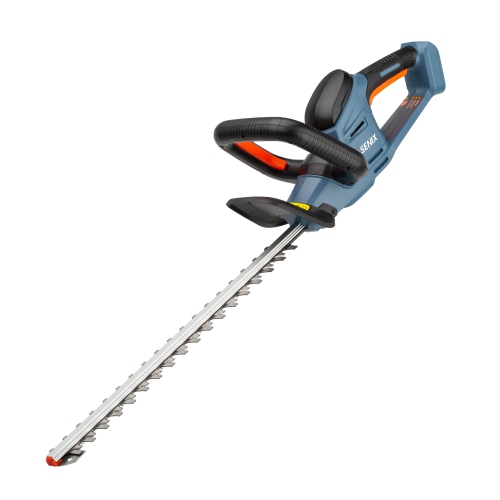
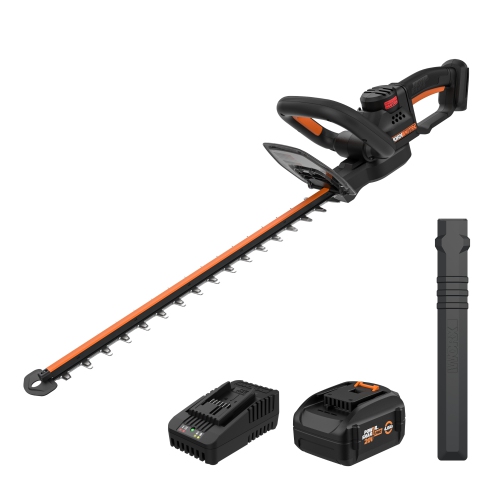
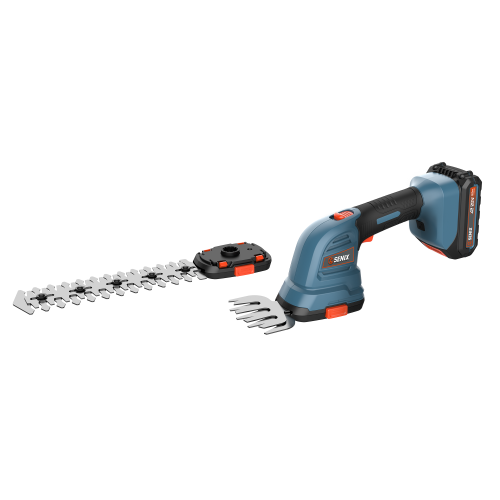
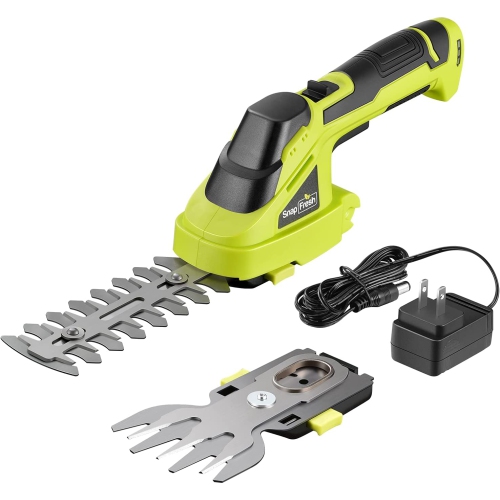
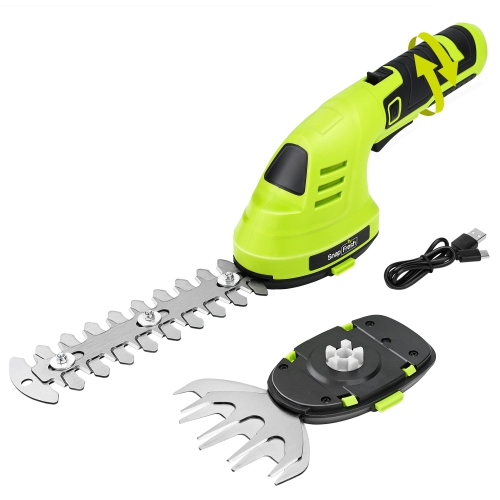
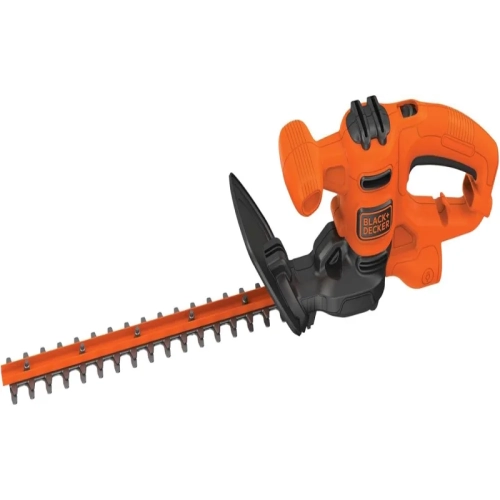
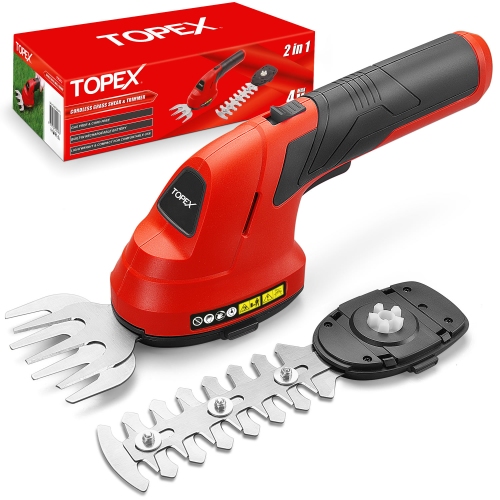
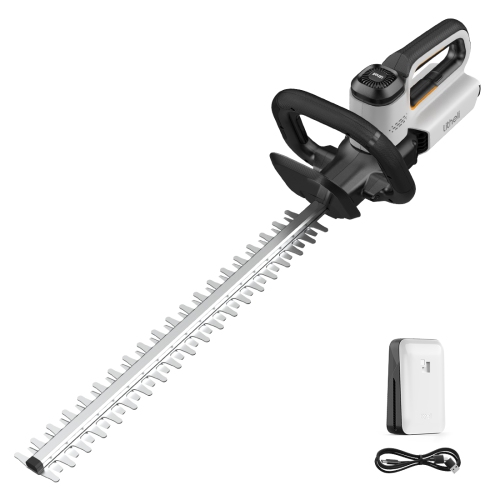
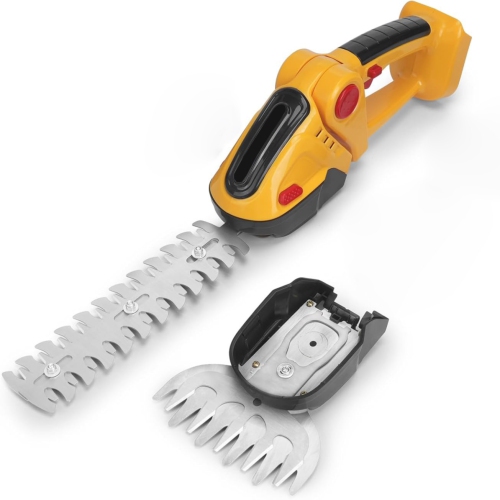
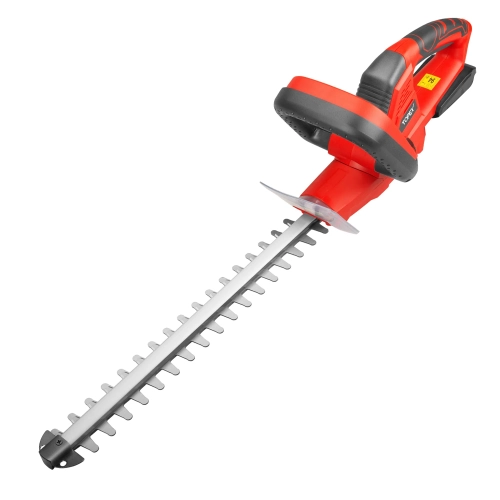
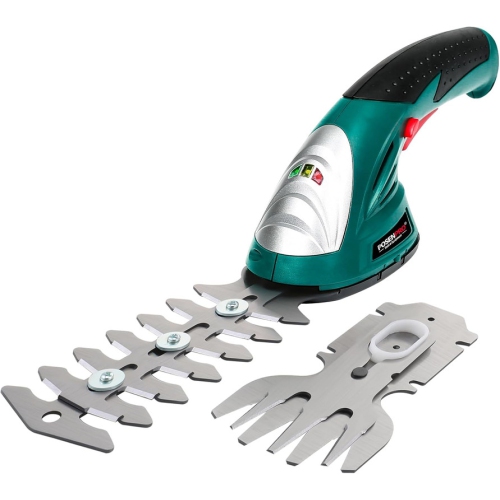
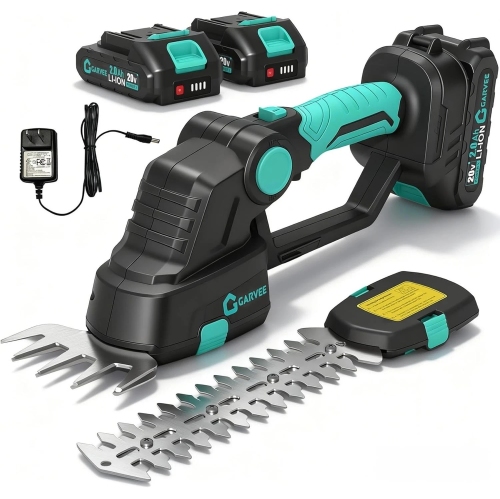

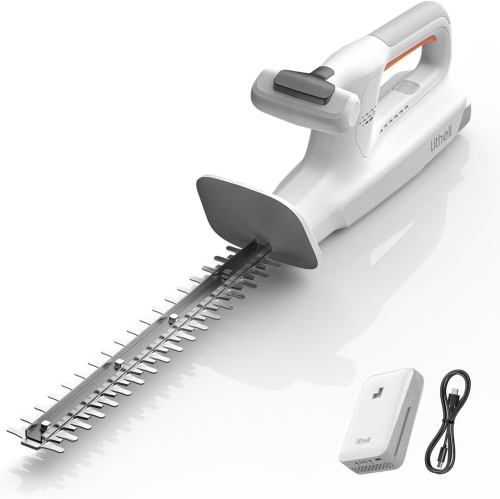
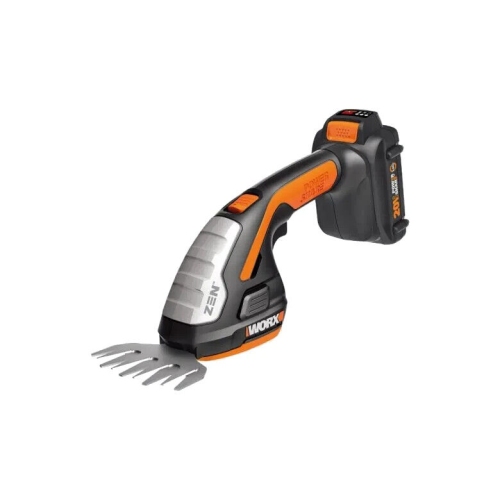
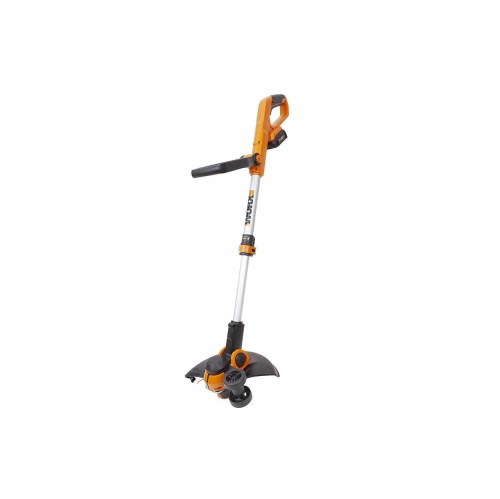
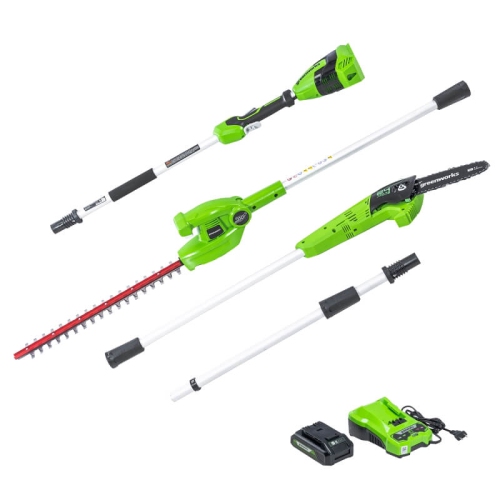
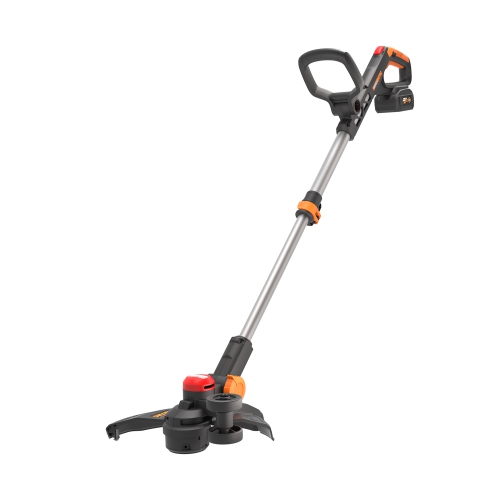
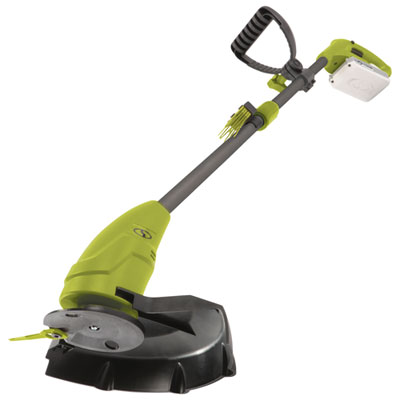
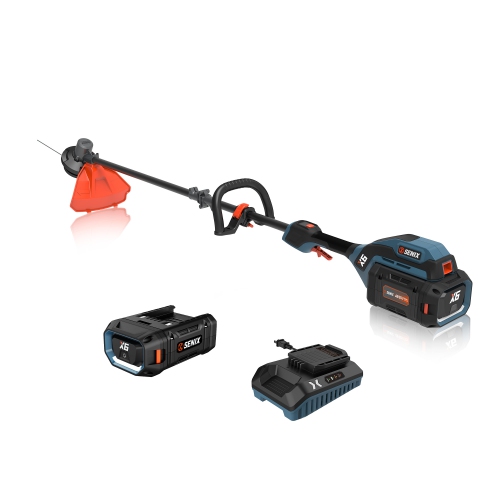
Comfortable hedge trimming goes beyond the stated weight
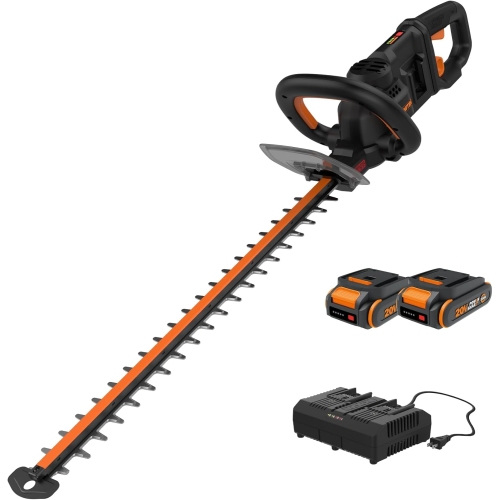
Lightweight hedge trimmers are designed to shape hedges and shrubs with less weight to hold and manoeuvre than heavier cutting tools. Many compact models weigh less than 8 to 9 pounds, but there is no universal cutoff for the category, and published weights may describe the tool without its battery. Ready-to-use weight is the more useful comparison, especially for trimming a long hedge beside a driveway or working around several shrubs in a small yard. A lighter tool can reduce the effort involved in repeated passes, though balance, grip size and cutting position also affect comfort. A trimmer that feels manageable at waist height may feel quite different when held farther from the body. These tools are particularly useful for routine shaping, tidying soft new growth and maintaining smaller hedges where control matters more than maximum cutting capacity. They suit homeowners with compact outdoor spaces, gardeners who prefer shorter maintenance sessions and anyone who finds a larger trimmer tiring to handle. Lightweight does not necessarily mean miniature: a well-balanced tool can still have enough blade length to produce an even face along a hedge. Blades around 18 to 22 inches offer a practical combination of coverage and manoeuvrability for many residential tasks, while shorter blades are easier to position around rounded shrubs and narrow corners. Longer blades cover more growth in each pass but can add weight and make the front of the tool harder to control. Grip placement is just as important as the number on the specification sheet. A front handle with room for a secure grasp, a rear grip that fits the hand comfortably and controls that do not require an awkward wrist angle all contribute to easier handling. For a hedge wrapping around a patio or following a curved path, that combination can matter more than a small difference in stated weight.
The choice between corded and battery-powered lightweight hedge trimmers largely comes down to access, working distance and the amount of cutting involved. Corded tools provide continuous power without a battery to recharge, and some are light because they do not carry a battery pack. Their working range depends on a suitable outdoor-rated extension cord and access to an appropriate outlet, with the cord kept clear of the cutting path. For hedges beyond easy reach of an outlet, Cordless Hedge Trimmers offer freedom to move between planting beds without trailing a cable. Battery size affects both runtime and handling: a larger pack may support longer sessions but can make an otherwise compact tool noticeably heavier. Compatibility matters for households that already use battery-powered garden tools, although batteries should only be shared where the manufacturer explicitly confirms a match. Voltage alone does not establish cutting strength or suitability for dense growth; motor design, blade condition and the stated cutting capacity also matter. Tooth spacing indicates the size of growth a blade can accept, but it should not be treated as a promise that every branch fitting between the teeth can be cut easily. Thin, fresh stems are a different task from dry, woody branches. Growth beyond the tool’s rated capacity is better handled with suitable pruning tools rather than repeated pressure on the trimmer. Blade construction adds another useful point of comparison. Hardened steel cutting edges can support durability, while precision-ground teeth help produce cleaner cuts when properly maintained. Dual-action blades, which move in opposing directions, can reduce vibration compared with some single-action designs, although actual handling varies by tool. Blade guards help protect the cutting assembly during storage, and a tip protector can provide some protection against accidental contact with hard surfaces. Neither makes it appropriate to cut against a fence, wall or paving stone.
Long-term usefulness depends on how well a lightweight hedge trimmer fits both the task and the owner’s maintenance habits. A narrow hedge beside a front walk may need careful, controlled passes, while a broad boundary hedge calls for more reach and longer working sessions. Compact construction is helpful in tight spaces, but a short handheld trimmer is not a substitute for a purpose-built pole tool when growth is out of comfortable reach. Keeping both feet securely on the ground and avoiding overreaching supports better control; overhead cutting can also make a tool feel heavier and leave falling clippings close to the face. Eye protection, sturdy footwear and clothing that stays clear of moving parts are important companions to the tool, with hearing protection used as directed by the manufacturer. Before cutting, checking for wire, hidden supports and other obstacles helps protect the blades and the person operating them. Sap, moisture and fine clippings can collect along the cutting teeth, so accessible blade surfaces and straightforward cleaning requirements make regular upkeep less cumbersome. With the power disconnected or the battery removed, cleaning and lubrication should follow the manufacturer’s directions, including any restrictions on cleaning products. Dull or damaged blades can leave ragged cuts and make the motor work harder; sharpening and replacement requirements vary, and some assemblies need professional service. Dry storage with the blade cover fitted helps protect the cutting edges and reduces accidental contact when reaching for nearby garden equipment. Batteries also need storage and charging conditions that follow their manufacturer’s instructions, rather than being left wherever the trimmer happens to fit. For a gardener receiving a hedge trimmer as a gift, the most useful match reflects the size of the shrubs, preferred power source and comfortable carrying weight. Easy handling, suitable cutting capacity and manageable care requirements are what make a lightweight tool a practical part of regular yard maintenance.
Top selling and popular products
-
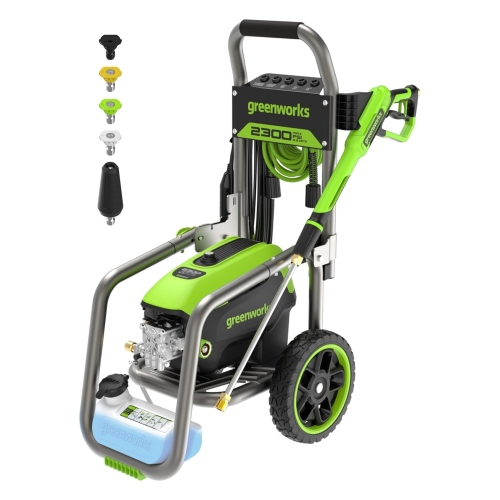 Your price for this item is $569.99
-
 Your price for this item is $199.99
-
 Your price for this item is $179.99
-
 Your price for this item is $839.99
-
 Your price for this item is $939.99
-
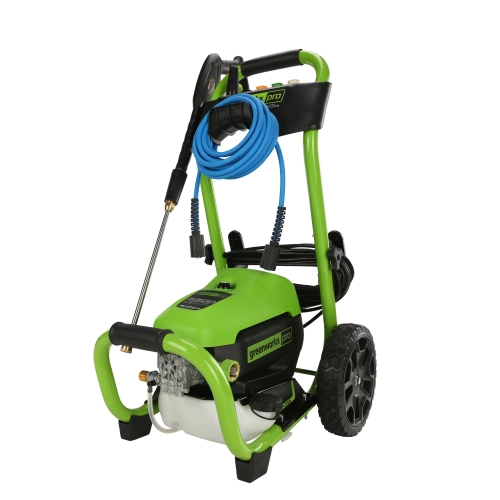 Your price for this item is $459.99
-
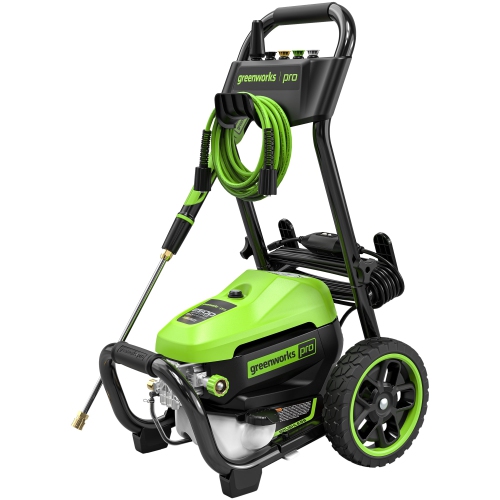 Your price for this item is $569.99
-
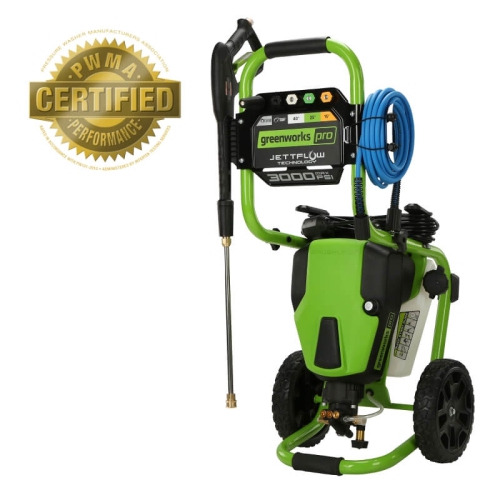 Your price for this item is $539.99
Discover more categories related to Lightweight Hedge Trimmers
Top Collections:
Best Black Friday Deals This Year, Best Black Friday Deals On Electronics, Kindle Devices, Pokemon Centers, Best Black Friday Deals On Apple Products, Best Cameras for Sports Photography, Dyson Airwrap, Pokémon 30th Celebration Cards, Apple iPhone 17 Pro, Canon G7X Cameras
Some products may be subject to Environmental Handling Fees
(EHF) depending on your province.
Learn more about EHFs.