Living Room Vintage Rugs
Living Room Vintage Rugs add timeless charm and character to any space, instantly elevating your home décor. These rugs are perfect for creating a warm, inviting atmosphere while showcasing classic patterns and rich textures. Whether you’re looking to complement traditional furnishings or add a unique accent to modern interiors, Living Room Vintage Rugs offer versatile options that suit a variety of styles. Explore a curated selection designed to enhance comfort and make your living room truly stand out.
Sort







How faded patterns tie a seating area together
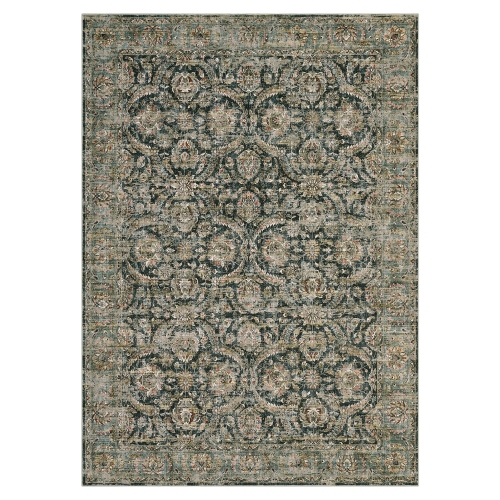
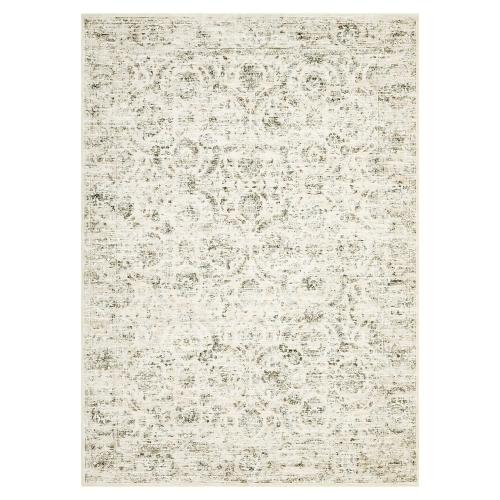
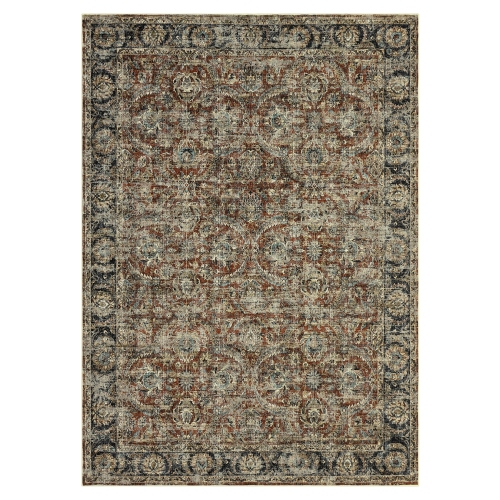
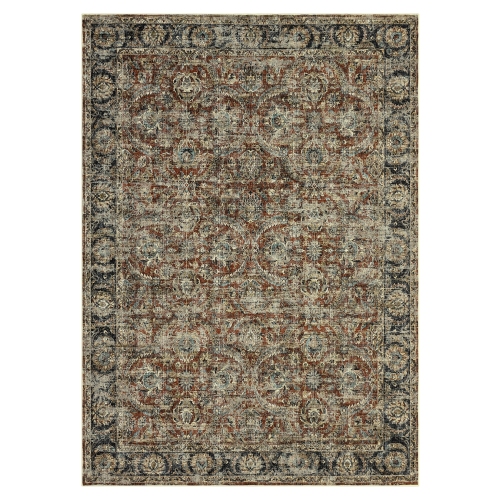
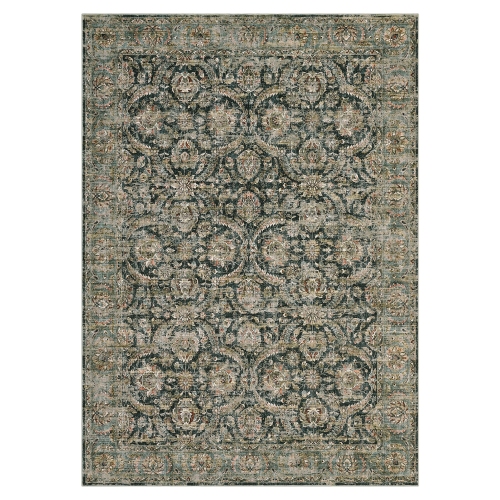
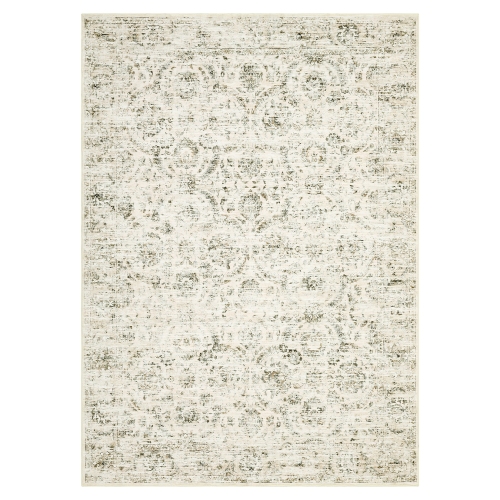
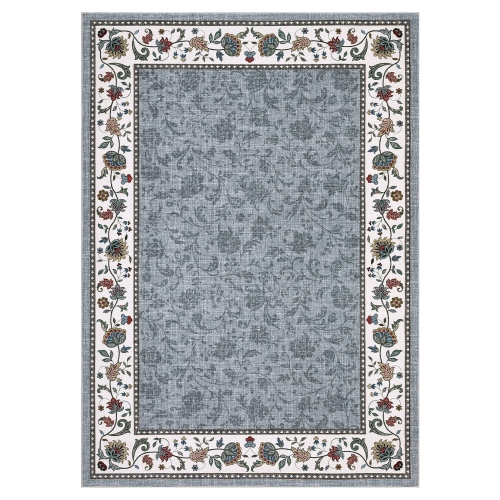
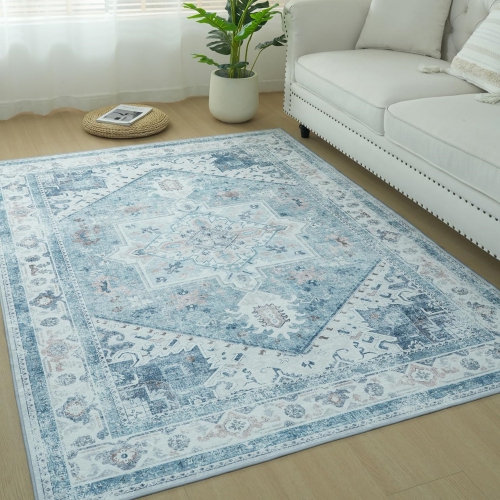
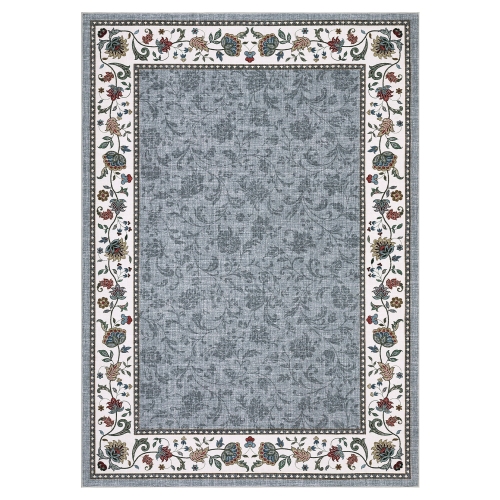
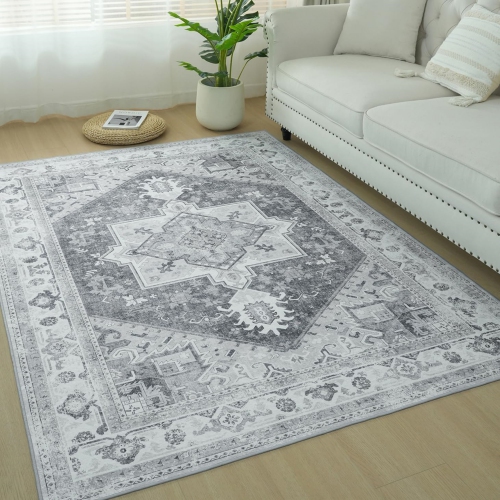
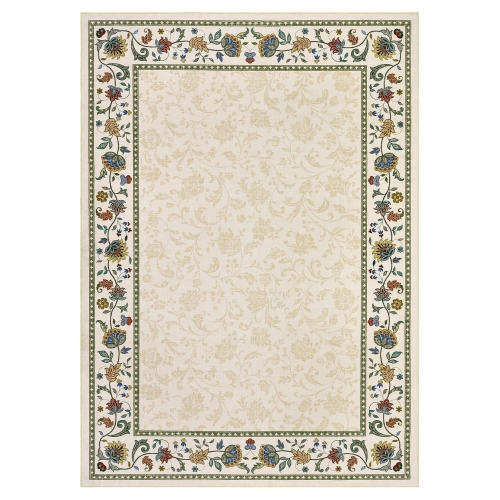
Living room vintage rugs bring patterned detail, softened colour, and a sense of history to the space where everyday life happens. A faded medallion beneath a coffee table, a narrow floral border beside a linen sofa, or a muted geometric design against a wood floor can make a seating area feel settled without requiring every piece of furniture to match. The term “vintage” can describe an older rug, while “vintage-style” generally refers to a newer rug designed with an aged appearance. That distinction matters: genuine older rugs may show variations in pile, colour, shape, and wear, whereas newer interpretations can recreate a timeworn look through printing, weaving, or deliberate distressing. A faded finish alone does not establish a rug’s age or origin. Persian-inspired medallions, Turkish-inspired geometric motifs, scrolling vines, and decorative borders all suit this style, but the pattern name is not necessarily an indication of where a rug was made. Rust, terracotta, faded blue, ivory, charcoal, and muted green are familiar colours in vintage-inspired designs, ranging from subtle combinations to rich contrasts. A cream ground with softened navy details can lighten the appearance of dark furniture, while burgundy and brown can give pale upholstery a more grounded setting. Pattern scale makes a difference, too: small repeating motifs tend to read as texture from across the room, while a large central medallion becomes a focal point. Botanical patterns share much of this layered character with Living Room Floral Rugs, particularly where trailing leaves and blossoms soften the straight lines of a sofa or media console. These rugs work with more than traditional furniture. A distressed pattern can add depth to a spare, modern room, connect an inherited cabinet with contemporary seating, or introduce colour without another painted surface. The result depends as much on the surrounding fabrics, furniture shapes, and flooring as on the rug itself.
Size and placement determine whether a vintage-style living room rug feels connected to the furniture or sits apart from it. Common dimensions such as 5 by 7 feet, 8 by 10 feet, and 9 by 12 feet describe very different amounts of floor coverage, and the most suitable size depends on the seating arrangement rather than the room dimensions alone. A smaller rug can define a compact conversation area, while a larger one may accommodate the front legs of a sofa and adjacent chairs, giving the group a shared footprint. In a spacious room, placing all the seating legs on the rug can create a more contained arrangement. With a sectional, the length of both sides and the position of the chaise affect how balanced the rug looks; a central medallion may be partly hidden beneath the coffee table or extend off-centre under the seating. Border patterns often remain visible around furniture, making them useful when much of the middle will be covered. Rectangular shapes echo most sofas, while a round rug can soften an arrangement of individual chairs or distinguish a smaller sitting area within an open floor plan. Leaving visible flooring around the perimeter helps the rug read as an intentional feature rather than fitted carpet. Clearance also matters around doors, storage drawers, reclining furniture, and frequently used walkways. Low-pile rugs generally allow furniture to sit more evenly and are less likely than deep piles to interfere with a door, although the combined thickness of the rug and any underlay still needs consideration. A suitable rug pad can add cushioning and help reduce movement, provided it is compatible with both the rug backing and the floor finish. Built-in non-slip backing is another possible feature, but its suitability varies by flooring type and the maker’s directions. In rooms used by children, pets, or guests, secure edges and an unobstructed path between seating and doorways are practical details that matter as much as the pattern.
Materials and construction shape how a living room vintage rug feels, wears, and responds to cleaning. Wool offers a resilient feel underfoot and can provide texture, with colour variations that give woven patterns depth. Some wool rugs shed loose fibres, especially early in use, and their cleaning requirements differ from those of washable designs. Cotton can produce a softer, more flexible rug, although a flatwoven cotton construction may benefit from an appropriate pad to help it stay in place. Polypropylene and polyester are common in vintage-style rugs and can suit busy living rooms where straightforward care is a priority. Some synthetic constructions resist staining, but stain resistance does not mean spills can be left untreated or that every cleaning solution is suitable. Printed rugs can reproduce intricate faded motifs on a relatively low-profile surface, while woven and knotted constructions create the pattern through the fibres themselves. Hand-knotted, hand-tufted, machine-woven, and printed rugs have different structures, so similar-looking designs may behave differently under furniture and repeated foot traffic. For households with pets, a low pile without pronounced loops can be a practical consideration where claws might catch; no construction is entirely immune to scratching or chewing. Families using the living room for play may prefer a balance of cushioning, stable placement, and manageable cleaning. Machine-washable designs can be useful, but only rugs explicitly labelled for machine washing should be treated that way, with attention to washer capacity, detergent instructions, and drying requirements. A large washable rug may still exceed a household machine’s capacity. Routine care generally includes vacuuming with a setting appropriate to the pile, avoiding fringe and loose edges, and blotting spills promptly rather than rubbing them further into the fibres. Rotating a rug periodically can help distribute wear from a favourite chair or a well-used route through the room. Direct sunlight may alter colour over time, while heavy furniture can leave impressions that vary with fibre and pile construction. Genuine older rugs may need specialist assessment where fibres are fragile, edges are worn, or dyes could bleed. Matching the rug’s care needs to everyday routines helps preserve both its appearance and its usefulness, whether it anchors a lively family seating area or adds detail to a quieter room for reading and conversation.
Top selling and popular products
-
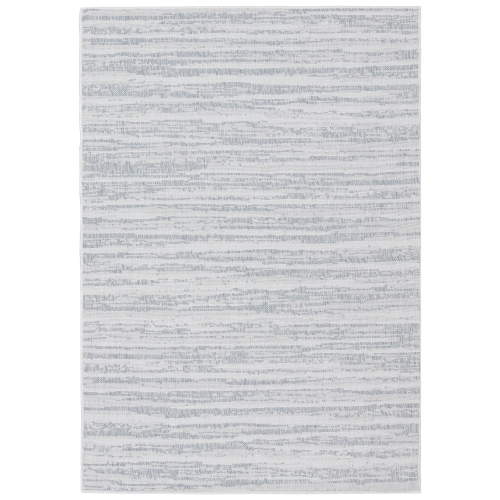 Your price for this item is $129.15
-
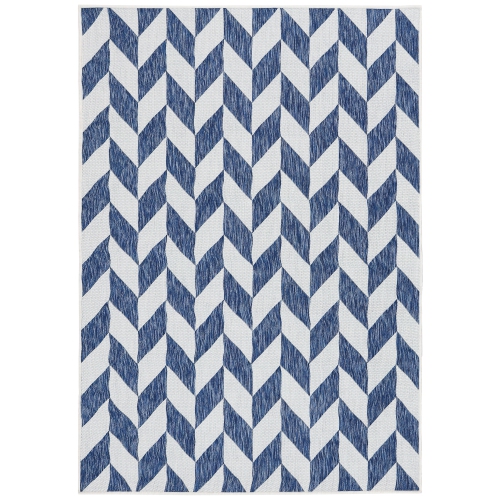 Your price for this item is $129.15
-
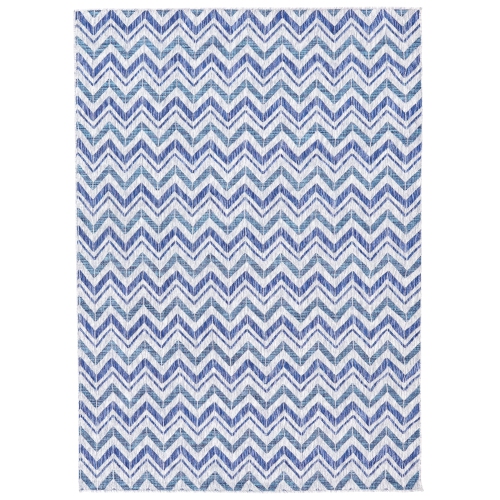 Your price for this item is $129.15
-
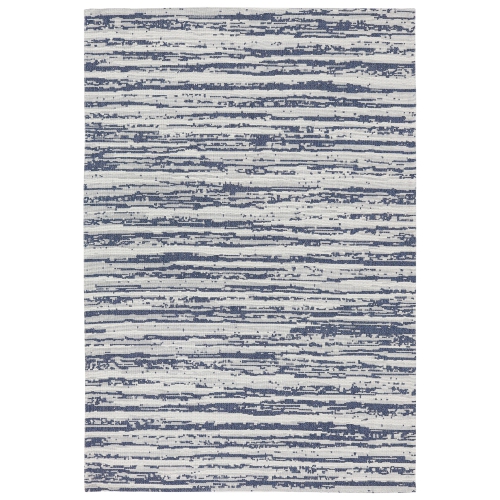 Your price for this item is $130.55
-
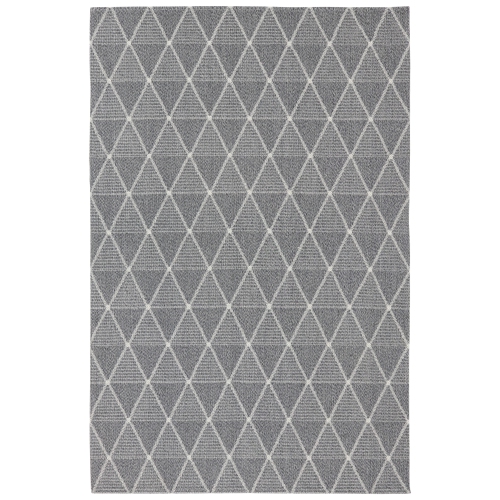 Your price for this item is $130.55
-
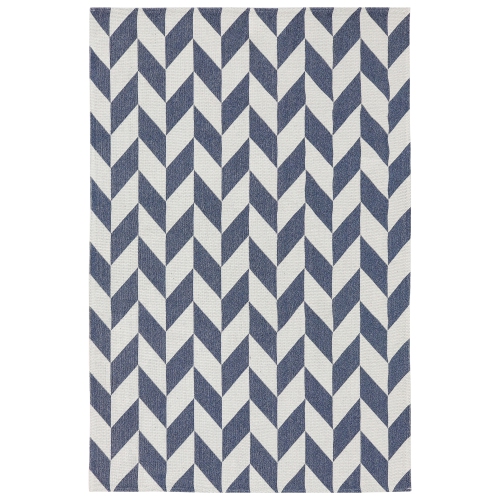 Your price for this item is $130.55
-
 Your price for this item is $144.99
-
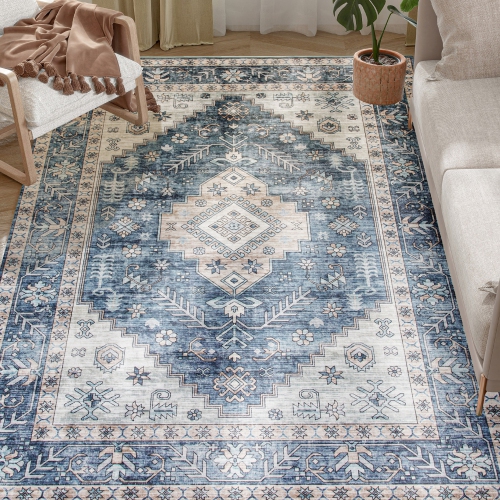 Your price for this item is $119.99
Discover more categories related to Living Room Vintage Rugs
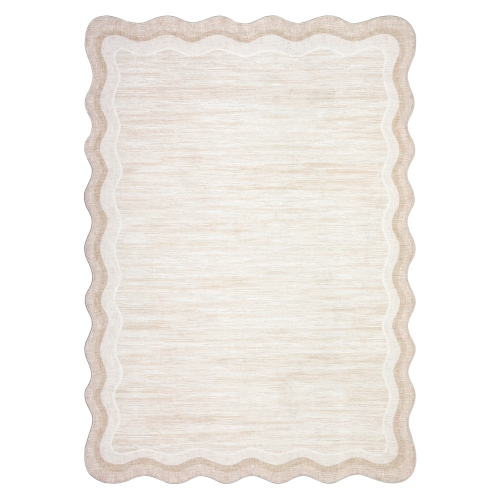

Top Collections:
Pokemon Centers, Kindle Devices, Best Cameras for Sports Photography, Pokémon 30th Celebration Cards, Canon G7X Cameras, Samsung Galaxy Phones, iPhone 15 Apple, Best Black Friday Deals On Electronics, Jackery Power Stations, Solar Generators for Home
Some products may be subject to Environmental Handling Fees
(EHF) depending on your province.
Learn more about EHFs.