Living Room Window Blinds
Transform your living space with our diverse selection of living room window blinds. Perfect for enhancing privacy, controlling light, and adding a touch of style to your home, these blinds come in a variety of designs and materials to suit any decor. Whether you're looking for something modern and sleek or classic and timeless, you'll find the ideal solution to complement your living room's ambiance. Explore our collection to discover the perfect living room window blinds that will elevate the comfort and aesthetic of your home.
Sort
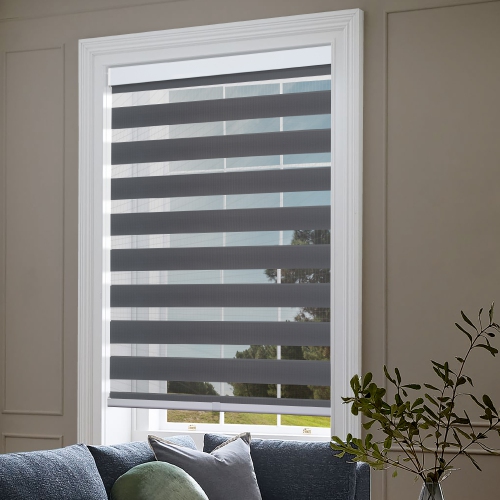
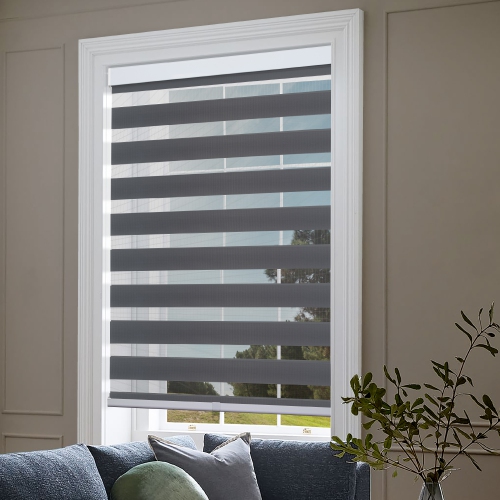
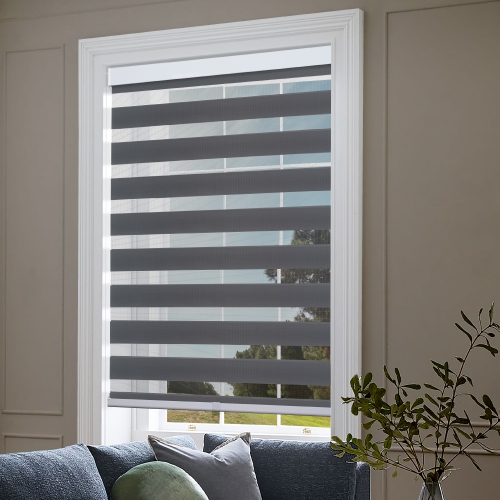
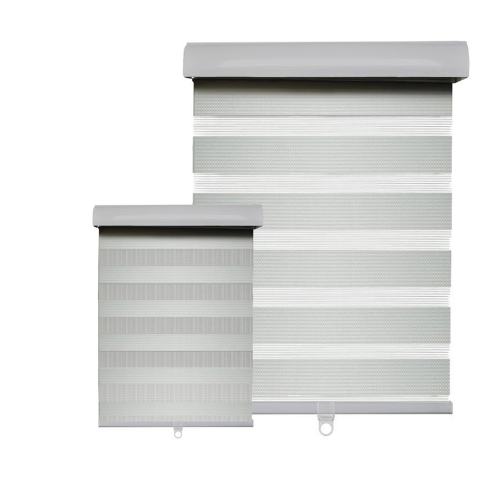



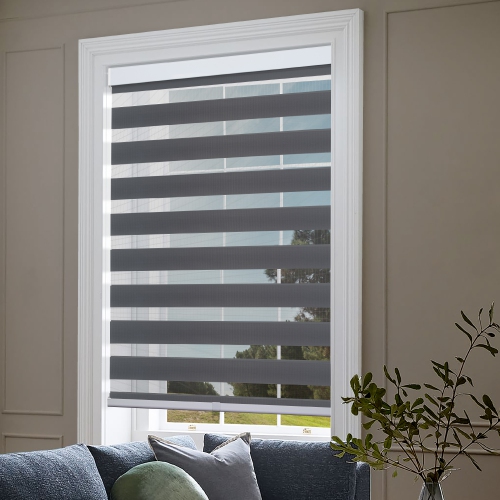
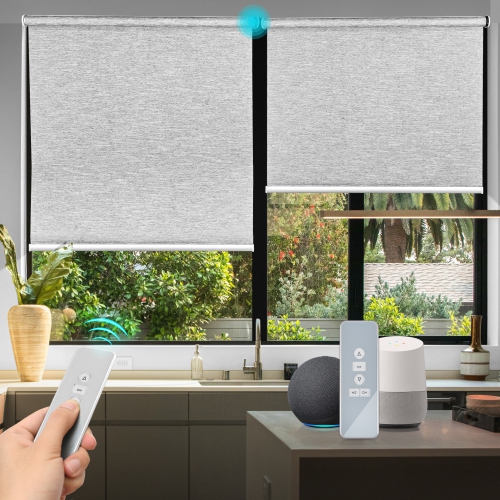
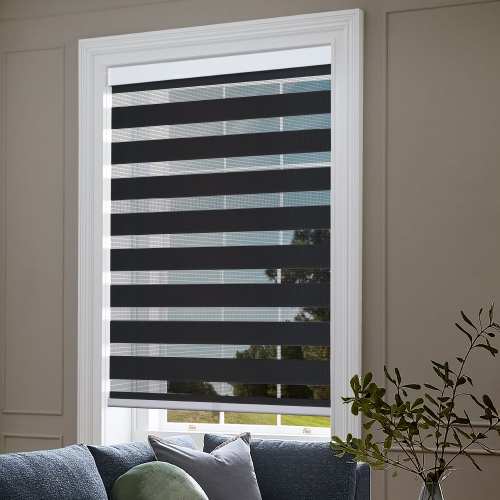
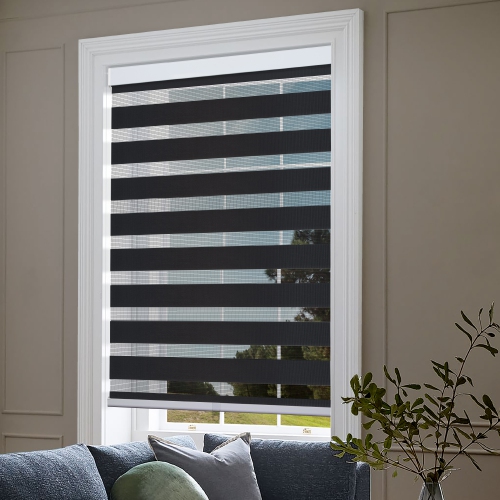
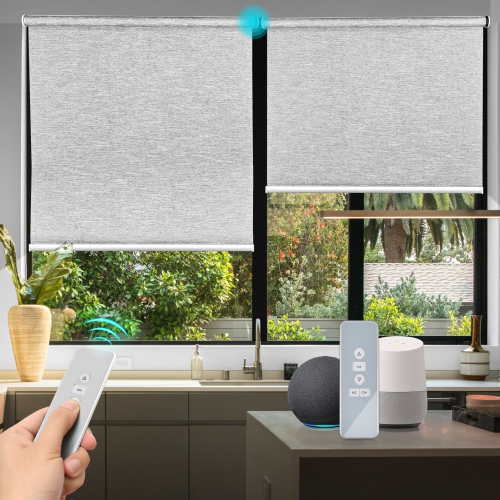
Light control for reading time and movie night
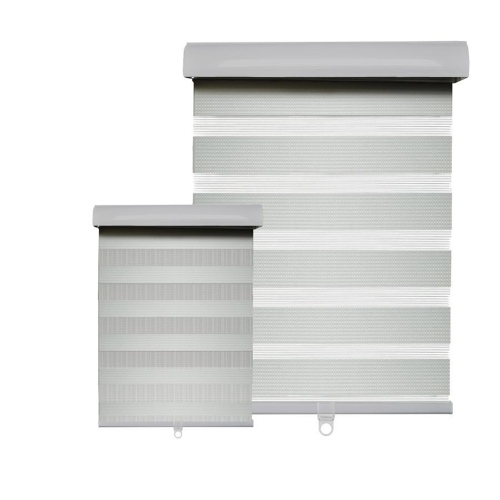
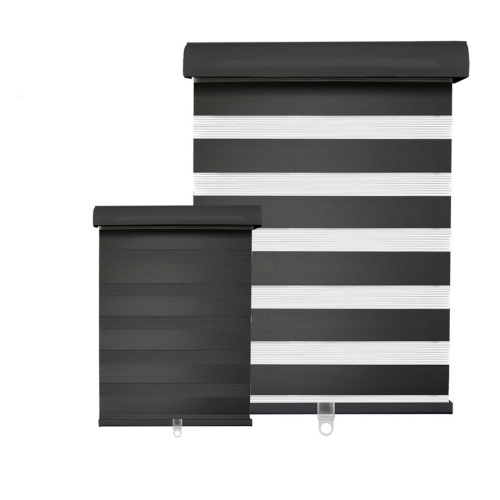
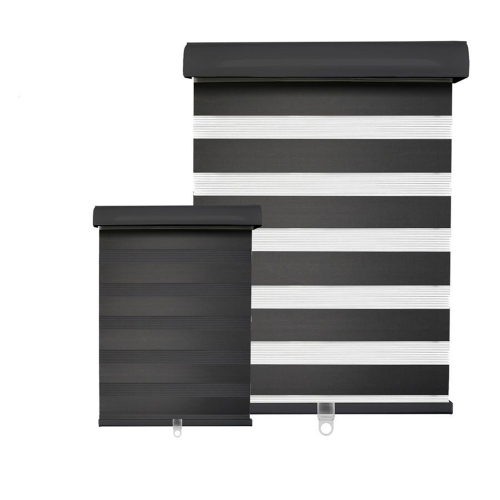
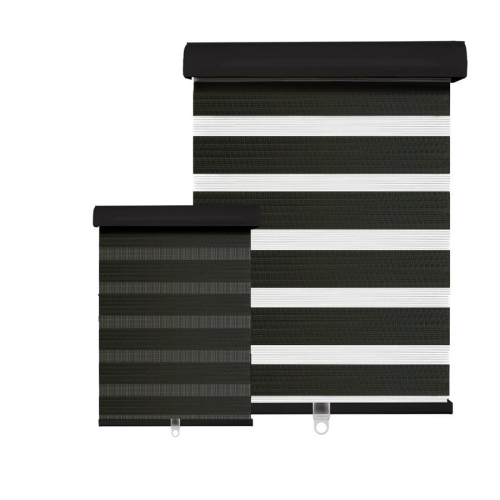
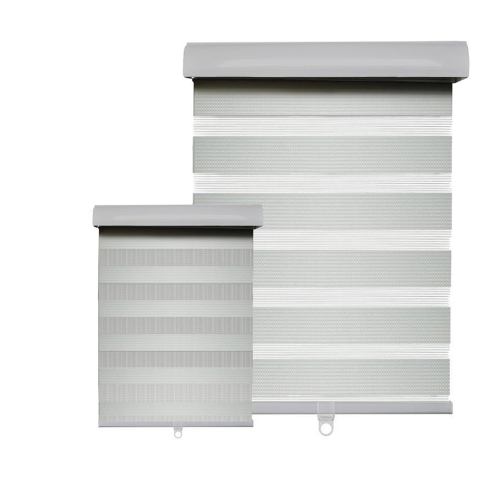
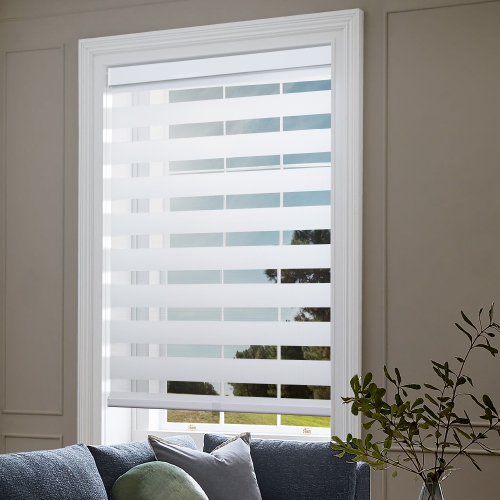
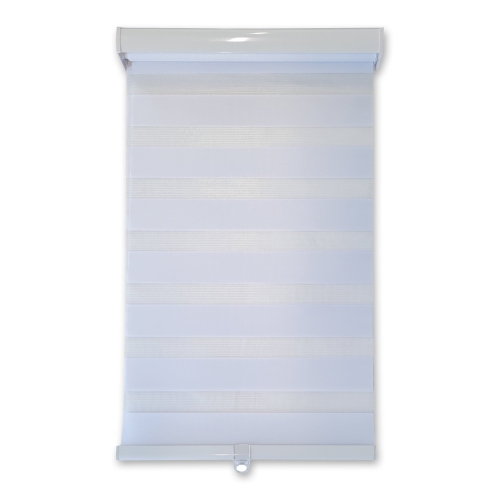
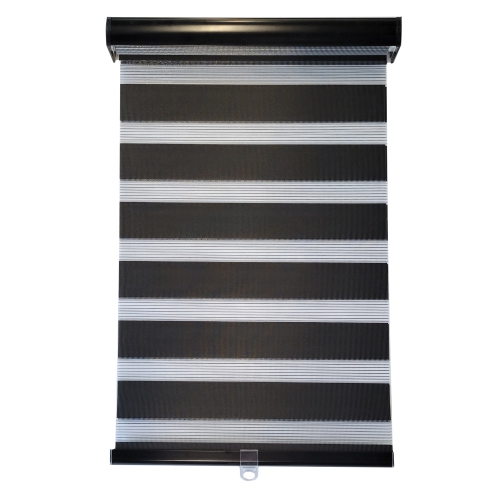
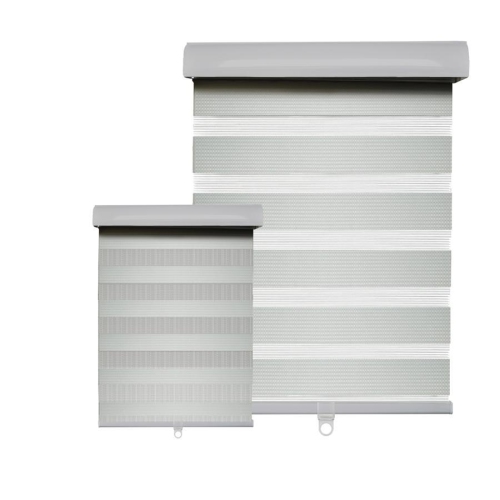
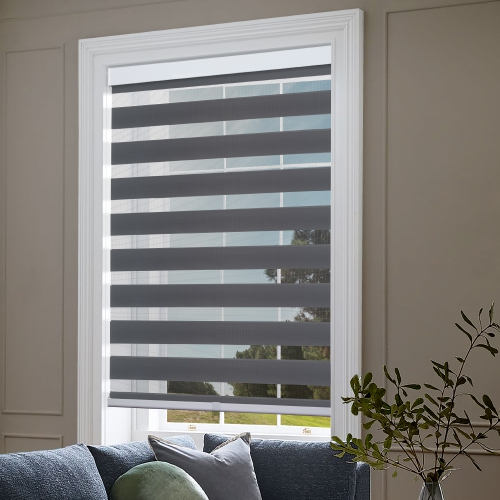
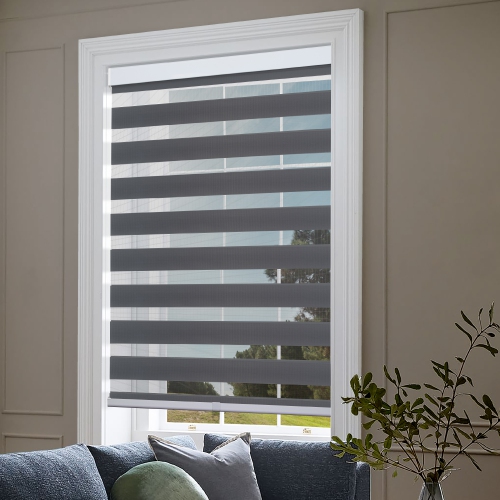
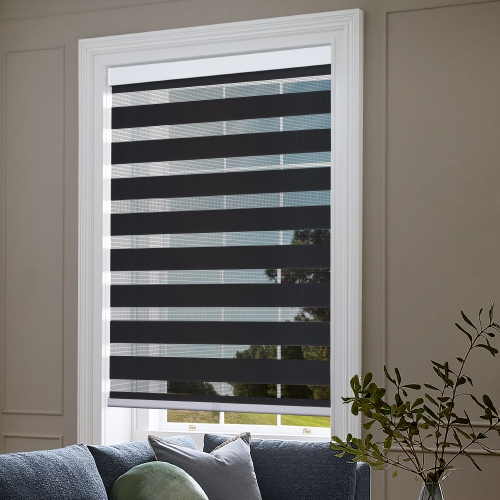
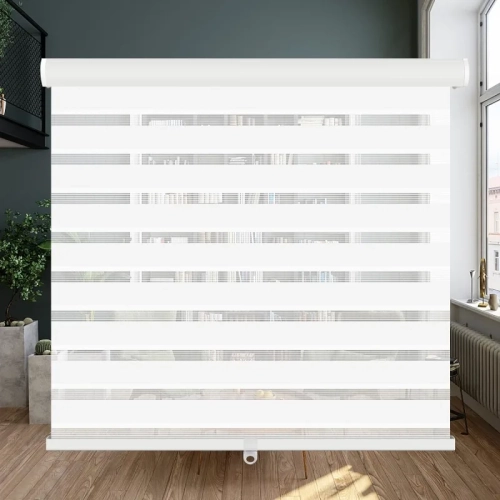
Living room window blinds balance natural light, privacy, and screen visibility in a space that often serves several purposes throughout the day. A window beside a reading chair may benefit from softly filtered light, while one opposite a television may need coverage that reduces reflections without making the whole room feel closed off. The main distinction between blinds and shades is their construction: blinds typically use adjustable slats, while shades use fabric or another continuous material that raises, lowers, or rolls. Horizontal Venetian blinds offer directional control, allowing the slats to tilt light towards the ceiling or close for greater privacy. Wood and faux wood versions bring a more substantial appearance, while aluminium slats create a slimmer profile. Roller shades provide a simple, uncluttered surface and roll around a tube above the window when raised. For that streamlined look, Living Room Roller Shades offer a closely related window-covering style. Zebra shades use alternating sheer and opaque fabric bands that move past one another, providing different levels of filtered light and coverage as the bands align. Cellular shades have a pleated, honeycomb-shaped structure and can soften the appearance of a large window without the horizontal lines of rigid slats. Fabric opacity matters as much as style. Sheer materials preserve a sense of openness but generally offer limited privacy, especially when indoor lights are on after dark. Light-filtering fabrics diffuse brightness, while room-darkening materials reduce more incoming light. Blackout fabric blocks light through the material itself, but light can still enter around the edges of the window covering. In a living room used for films, video calls, conversation, and reading, the most useful level of coverage depends on which activities take place closest to the window. Street-facing rooms often need a different balance of privacy and daylight than rooms overlooking a private yard, and the amount of coverage needed can change between daytime and evening.
Materials and fit shape both the finished appearance and everyday performance of living room blinds. Real wood has natural grain and variation that can complement wood flooring, cabinetry, or furniture, though its care requirements differ from those of synthetic materials. Faux wood provides a similar slatted appearance with a wipeable surface, but larger coverings can be heavy, making the lifting mechanism and supported window size important considerations. Aluminium is lightweight and easy to dust, although thin slats can bend if handled roughly. Fabric shades create a softer visual effect, with tightly woven surfaces, subtle textures, and translucent finishes offering different looks even within the same colour family. A pale neutral can blend into the wall, while a deeper tone can frame the window more distinctly; neither colour alone determines how much light the material blocks. For an inside mount, the covering sits within the window recess, keeping the outline of the trim visible and creating a tailored finish. This arrangement requires enough unobstructed depth for the headrail and any operating hardware. Handles, locks, projecting trim, and window cranks can interfere with movement even when the opening appears wide enough. An outside mount sits beyond the recess and can provide more overlap around the opening, which may improve privacy and reduce edge light when correctly sized. Measuring instructions vary by manufacturer, so the stated width needs careful interpretation: it may refer to the headrail, the fabric, or the complete assembly, and these dimensions are not always identical. Measurements taken at several points help reveal an opening that is not perfectly square. Wide windows, bay windows, and adjoining panes also need enough clearance for neighbouring coverings to operate without rubbing. Multiple independently operated sections can be practical across a broad span, allowing one area to remain covered while another admits light. In a living room with a balcony door or frequently opened window, the covering also needs to stay clear of the route used to reach the handle and pass through the opening.
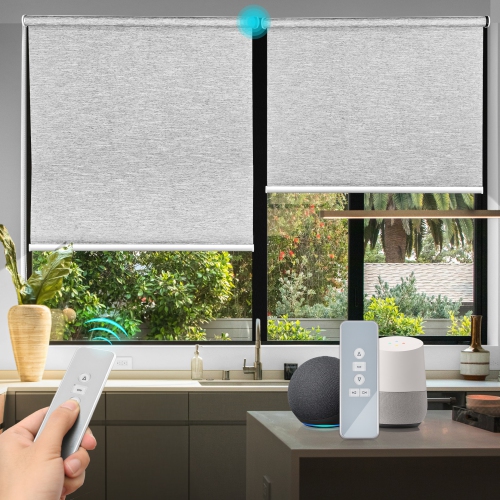
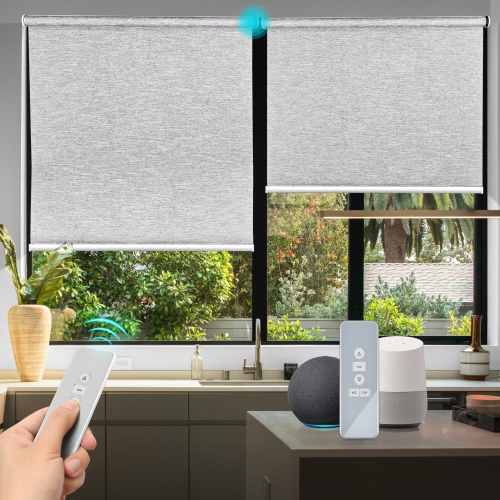
The operating system should suit the people who use the room as well as the way the furniture is arranged. Cordless lift systems remove the need for a hanging pull cord, while wand controls can make slat adjustment straightforward. Motorized operation can be useful where a sofa, deep window ledge, or high opening makes a manual control awkward to reach. Control methods vary, so a motorized covering may use a remote, an app, or compatible connected-home equipment, with power supplied by batteries or a wired connection depending on the design. For households with children or pets, avoiding accessible operating cords and following installation and safety instructions are important considerations. Controls should remain reachable without climbing on furniture, and moving coverings need clearance from lamps, plants, and objects on the sill. Day-to-day care is generally easier when the material and mechanism suit the room’s habits. Slatted blinds collect dust along their horizontal surfaces; regular light dusting helps prevent buildup, while a slightly damp cloth may be suitable for some finishes if the care instructions allow it. Wood should not be soaked, and fabric coverings may require gentle vacuuming with an appropriate attachment rather than wet cleaning. A textured fabric can disguise small marks visually but may take more patience to clean than a smooth, wipeable surface. Durability also depends on secure mounting, appropriate support across wider openings, and smooth operation without tugging or forcing the mechanism. In a busy shared living room, a simple control that everyone can use comfortably may be more valuable than a more elaborate feature. Blinds can stand alone for a clean-lined finish or sit behind curtains that add softness around the window, provided the two layers have enough space to move freely. Whether furnishing a first apartment, refreshing a family sitting area, or making a television corner more comfortable, well-fitted living room window blinds bring together practical light control, considered proportions, and materials that make sense for daily use.
Top selling and popular products
-
 Your price for this item is $164.97
-
 Your price for this item is $143.97
-
 Your price for this item is $138.97
-
 Your price for this item is $57.97
-
 Your price for this item is $45.99
-
 Your price for this item is $67.99
-
 Your price for this item is $93.99
-
 Your price for this item is $50.68
Discover more categories related to Living Room Window Blinds


Top Collections:
Best Black Friday Deals This Year, Best Black Friday Deals On Electronics, Kindle Devices, Pokemon Centers, Best Black Friday Deals On Apple Products, Best Cameras for Sports Photography, Dyson Airwrap, Pokémon 30th Celebration Cards, Apple iPhone 17 Pro, Canon G7X Cameras
Some products may be subject to Environmental Handling Fees
(EHF) depending on your province.
Learn more about EHFs.