Modern Living Room Window Blinds
Modern Living Room Window Blinds offer a stylish way to enhance your home’s ambiance while providing the perfect balance of light and privacy. Designed to complement today’s interior trends, these window blinds create a polished look that elevates any living space. Whether you’re updating your décor or finishing a new room, discover options that blend seamlessly with modern furnishings and design preferences. Find the ideal Modern Living Room Window Blinds to suit your taste and transform your space with ease.
Sort




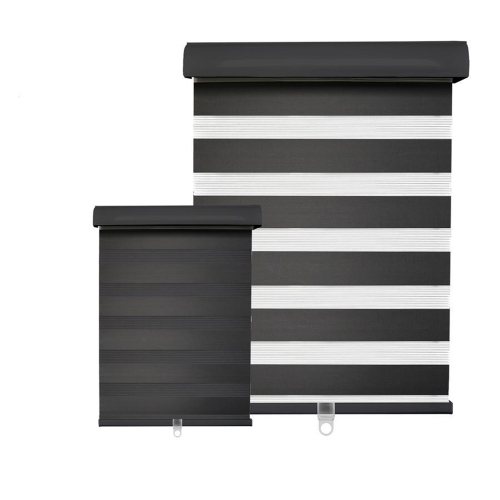
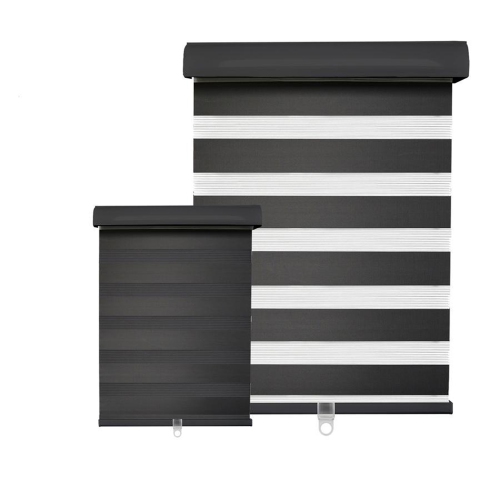
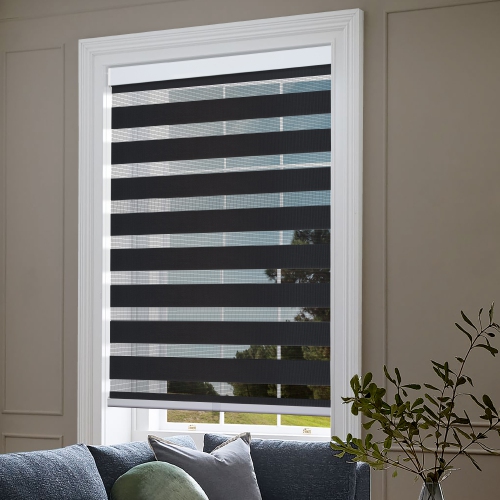
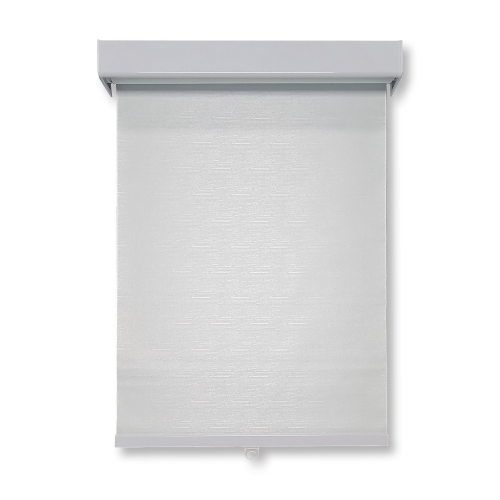


How blinds soften daylight and reduce screen glare
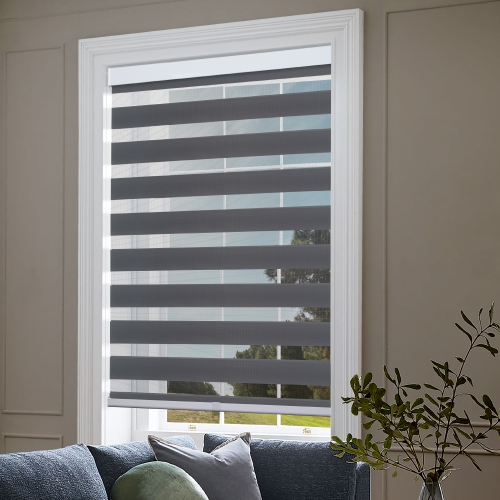
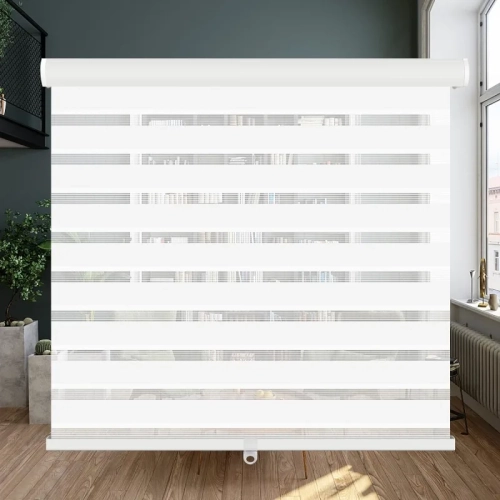
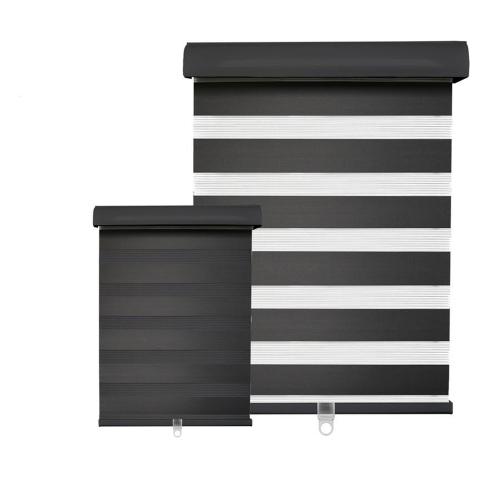
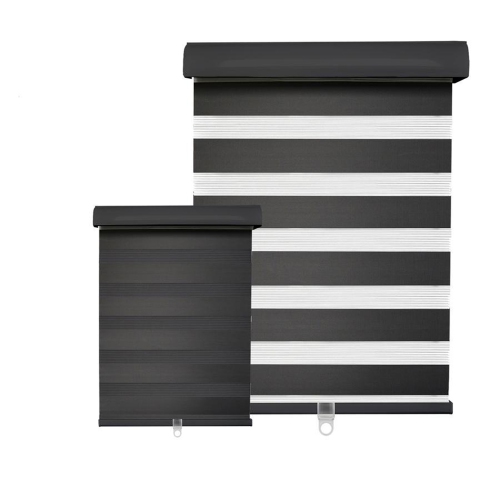
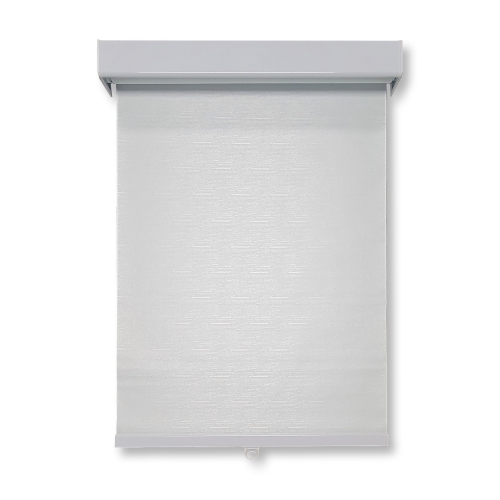
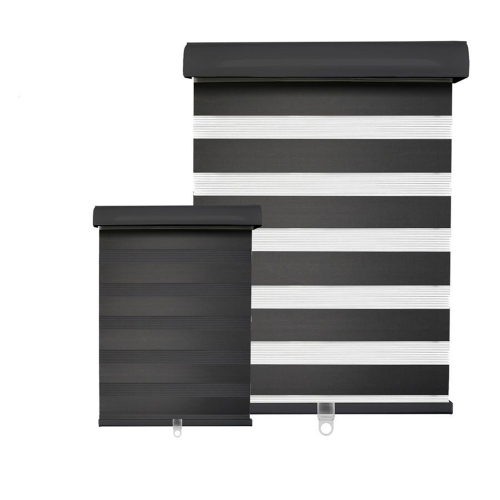
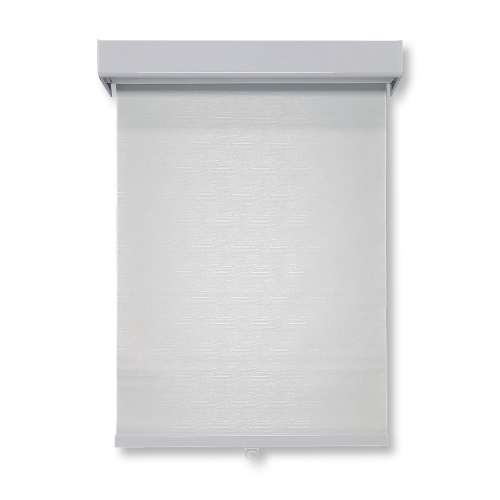
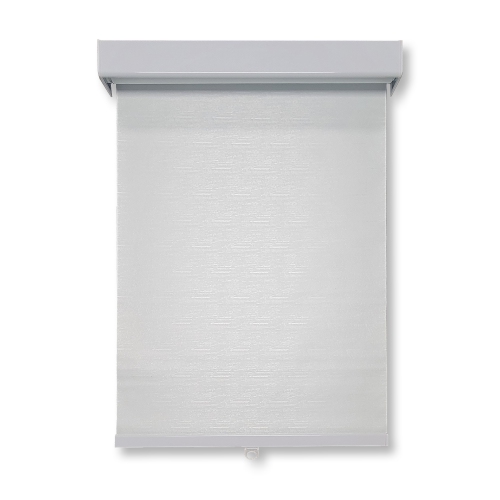
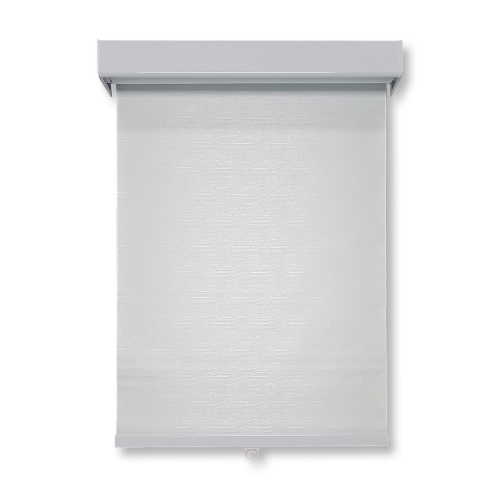
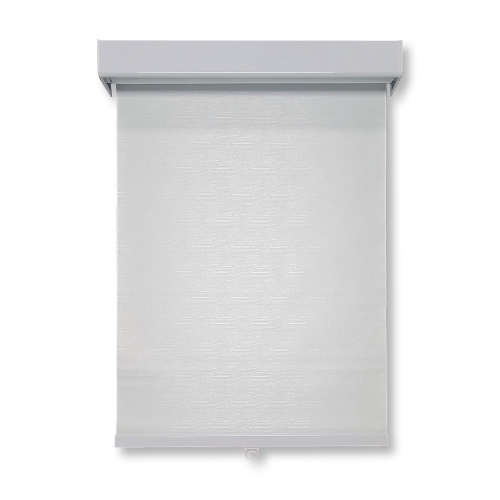
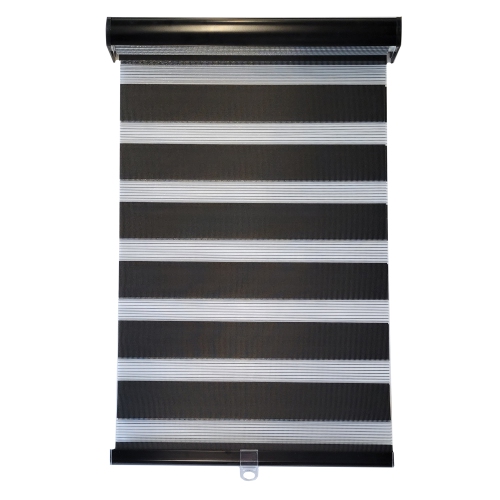
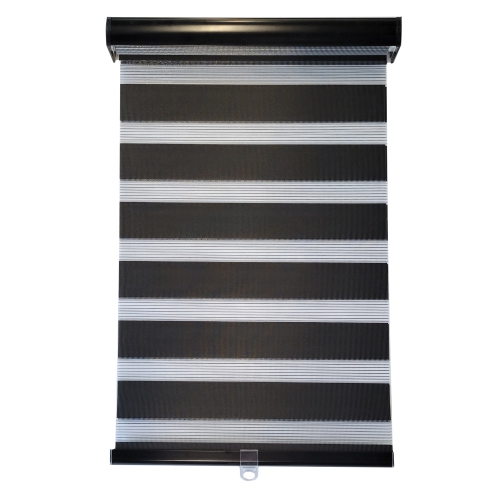
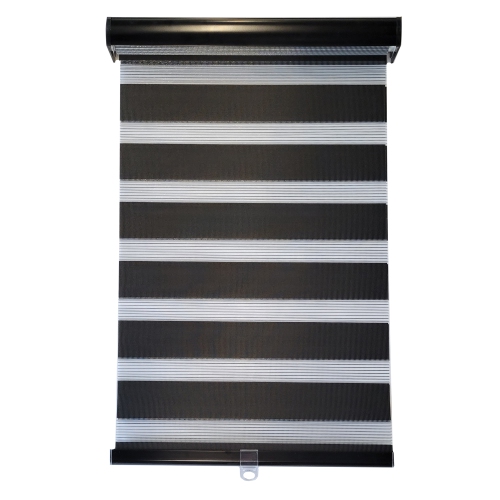
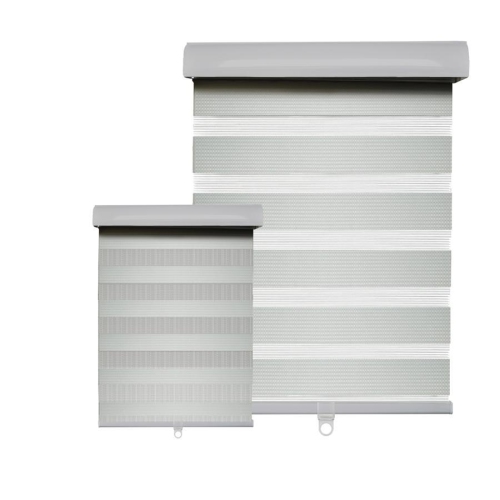
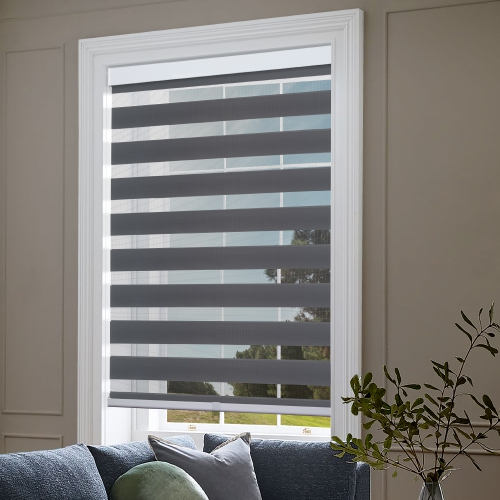
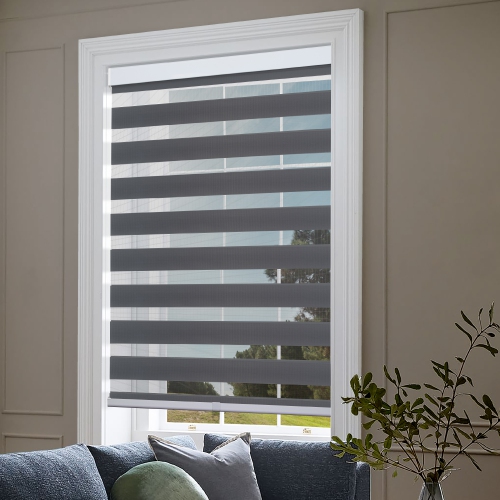
Modern living room window blinds pair clean lines with adjustable light control, helping a shared space feel comfortable for reading, watching television, entertaining, or simply unwinding. Their appeal is as practical as it is visual: a neatly fitted blind can soften bright daylight, reduce glare across a screen, and provide privacy without adding much bulk around a window. Roller blinds create a particularly streamlined look, with a single panel of fabric that rolls out of sight when raised. Dual-layer zebra blinds use alternating sheer and opaque bands that can be aligned to vary the amount of light entering the room. Cellular shades have a pleated, honeycomb structure and a soft, orderly appearance, while horizontal blinds offer familiar slats that tilt to redirect light. Each style suits a different daily routine. Someone who enjoys an open view may prefer a compact roller profile, while a household overlooking a busy sidewalk may place more emphasis on adjustable privacy. Light-filtering fabrics diffuse daylight rather than blocking it completely, making them useful where a gentle glow is preferable to a darkened room. Room-darkening and blackout fabrics reduce more incoming light, which can be helpful for movie watching, although the overall result also depends on the fit and gaps around the edges. Fabric opacity matters just as much as the style name: a sheer material may obscure details during the day yet offer limited privacy when indoor lights are on. With zebra blinds, the position of the bands also affects how much can be seen through the window. For horizontal styles, slat angle allows small adjustments without raising the whole blind. These differences make modern blinds suitable for everything from a compact condo lounge with one prominent window to a larger family room with several openings. The most useful design is one that supports the room’s actual activities, whether that means keeping a reading chair softly lit or controlling reflections on a television opposite the window.
Materials, colour, and texture give window blinds much of their character, even when the overall design is deliberately simple. Smooth woven fabrics can sit quietly beside a low-profile sofa and an uncluttered media unit, while a fabric with a subtle texture adds depth to a room furnished in similar neutral tones. White, cream, grey, and taupe are versatile choices, but their undertones affect the finished look: a warm off-white can complement oak furniture, whereas a cooler grey may work well beside black metal accents. A deeper colour can turn the window into a more defined architectural feature, especially against pale walls. Wood blinds bring visible grain and a firmer, structured appearance; faux wood styles offer a similar slatted look with different weight and care requirements. Aluminium slats provide a slim profile, though thin slats can bend if handled roughly. Fabric blinds offer a softer surface but may show dust or marks differently depending on their weave and finish. Durability therefore involves more than the material alone. Secure mounting, suitable hardware, and a mechanism designed for the blind’s size all contribute to dependable everyday use. In a frequently used living room, repeated lifting and lowering makes smooth operation especially valuable. Wider slats can create a bolder rhythm across a large window, while narrower slats produce a more detailed pattern. Roller and cellular styles generally place more emphasis on the fabric surface than on individual horizontal lines. Layering also changes the balance of the space. Paired with Modern Living Room Curtains, blinds can provide everyday light adjustment while curtain panels frame the opening and add softness. The combination works best when both treatments have enough clearance to move freely. A shallow blind profile can be particularly useful where a curtain rod, window handle, or nearby shelving limits the available space. Repeating a fabric tone or metal finish elsewhere in the room helps the window treatment feel connected to the furniture rather than added as an afterthought.
Fit and operation shape how finished a blind looks and how easy it is to live with. An inside mount sits within the window recess, leaving the surrounding trim visible and creating a tidy, built-in effect. This approach depends on sufficient recess depth and clearance for handles, locks, and any parts of the window that open inward. An outside mount attaches above or beyond the opening and can help cover uneven trim or reduce some edge gaps when sized appropriately. Window openings are not always perfectly square, so width, height, and depth measurements all matter; the required measurements and any sizing deductions depend on the manufacturer’s directions. On a bank of windows, consistent mounting heights help establish a continuous line, even when the openings differ slightly. Doors and frequently opened windows need room for the blind to operate without catching or obstructing access. Cordless controls reduce dangling cords, an important consideration in homes with children or pets, but the full installation still needs to follow the manufacturer’s safety requirements. Furniture placement matters too, particularly where a sofa or side table could give a child access to the window treatment. Motorized operation can make tall or hard-to-reach blinds more convenient, while power requirements, charging access, and compatibility with any existing smart-home system vary by design. Controls should be reachable and understandable for the people who use the room most often. Routine care is usually modest, but it differs by material: dust can often be lifted with a soft cloth, a suitable duster, or a vacuum attachment used as directed. Fabric should only be spot-cleaned when the care instructions permit it, and wood or mechanical components should not be soaked. Gentle handling helps preserve slat alignment, fabric edges, and lifting mechanisms. Together, an appropriate material, an accurate fit, and straightforward controls give modern living room blinds their lasting usefulness, allowing the window to look composed while remaining responsive to everyday life.
Top selling and popular products
-
 Your price for this item is $164.97
-
 Your price for this item is $143.97
-
 Your price for this item is $138.97
-
 Your price for this item is $57.97
-
 Your price for this item is $45.99
-
 Your price for this item is $67.99
-
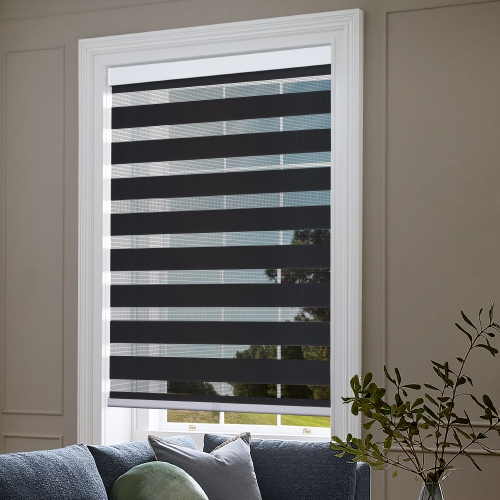 Your price for this item is $93.99
-
 Your price for this item is $50.68
Discover more categories related to Modern Living Room Window Blinds
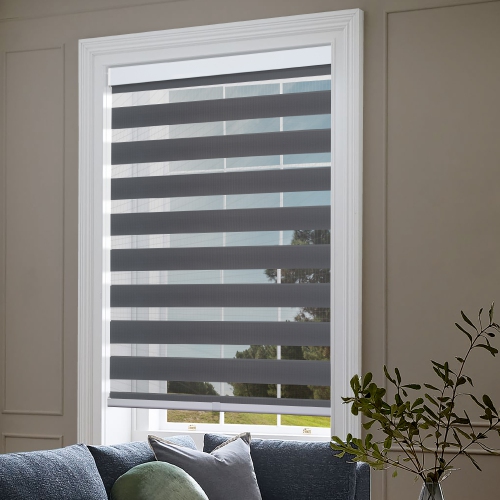
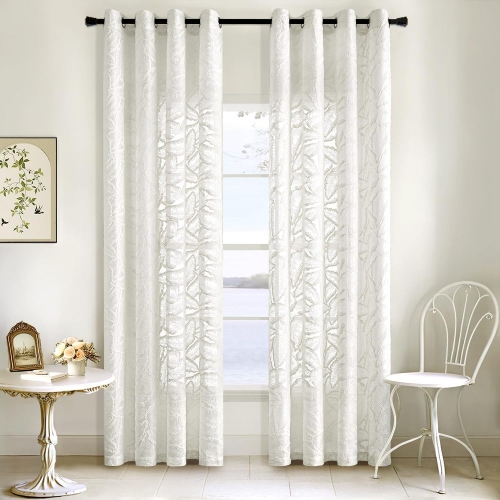
Top Collections:
Best Black Friday Deals This Year, Best Black Friday Deals On Electronics, Kindle Devices, Pokemon Centers, Best Black Friday Deals On Apple Products, Best Cameras for Sports Photography, Dyson Airwrap, Pokémon 30th Celebration Cards, Apple iPhone 17 Pro, Canon G7X Cameras
Some products may be subject to Environmental Handling Fees
(EHF) depending on your province.
Learn more about EHFs.