Massage Chairs for Relaxation
Massage chairs for relaxation transform any room into a personal oasis, offering an effortless way to unwind after a long day. Designed to help you de-stress and recharge, these chairs bring comfort and tranquility right into your home. Whether you’re looking to enhance your living space or create a dedicated relaxation zone, massage chairs for relaxation provide the perfect solution for enjoying soothing comfort whenever you need it. Explore a variety of options to find the ideal addition to your routine and discover how easy it is to enjoy moments of peace every day.
Sort

Why adjustable pressure matters more than massage strength
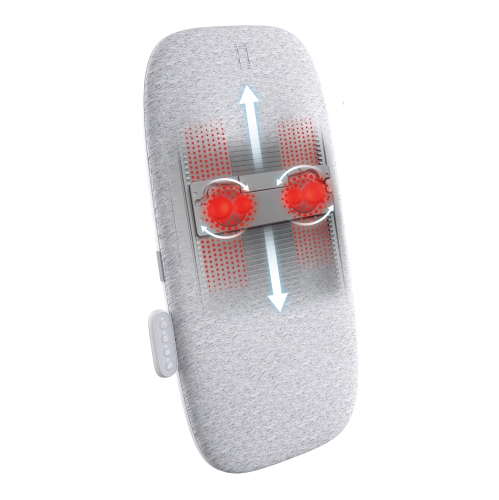
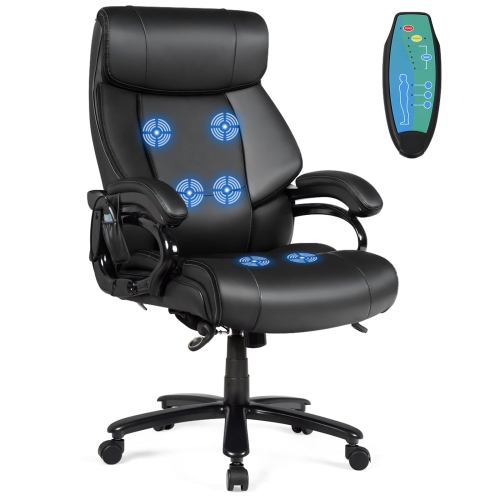
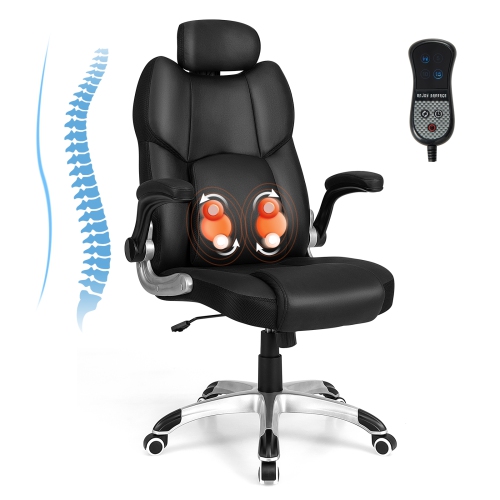
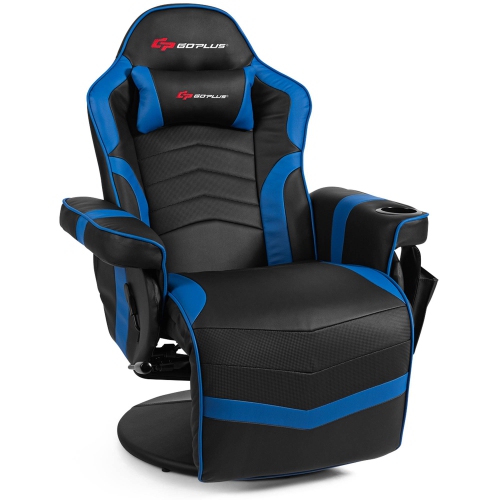
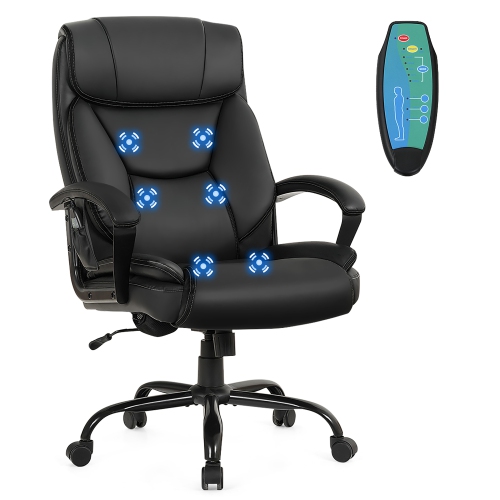
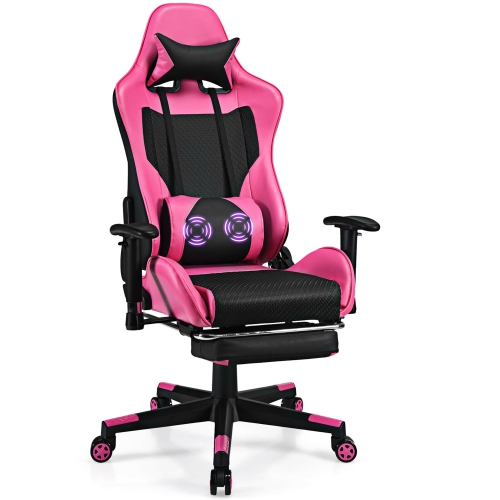
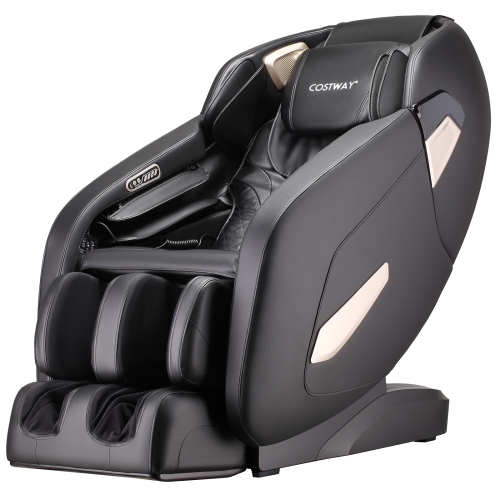
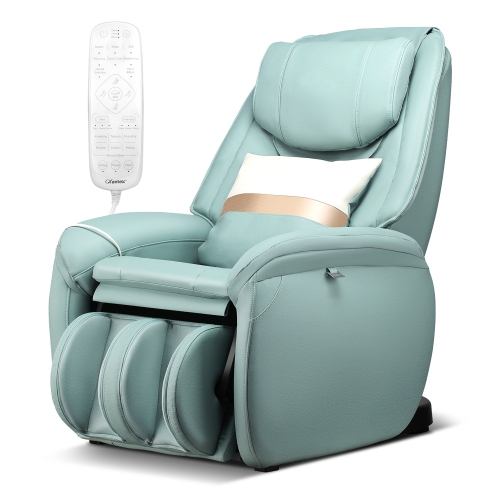
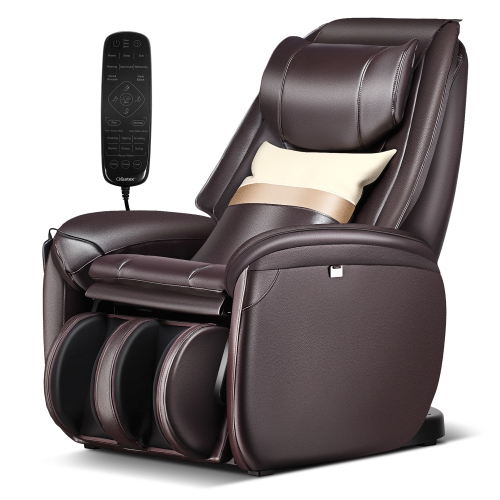
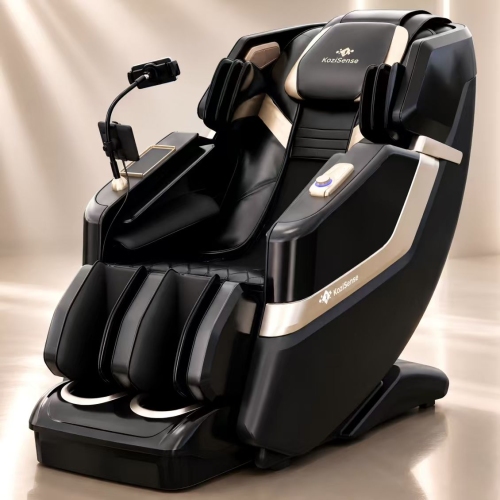
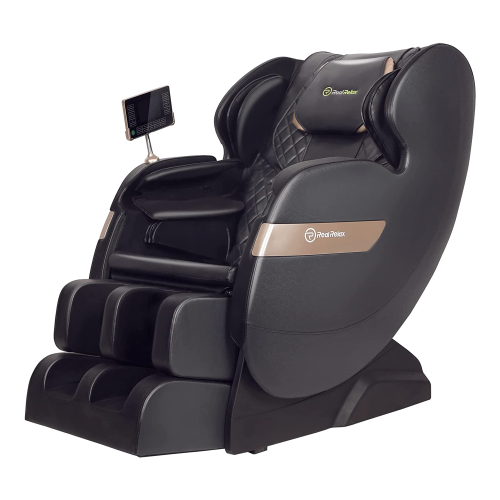
Massage chairs for relaxation bring a range of powered massage movements into a supportive seat, making it possible to settle into a familiar routine without leaving home. Depending on the design, rollers work along the back while air chambers apply and release pressure around areas such as the shoulders, arms, calves, or feet. Kneading, tapping, and rolling programmes create different sensations: a slow rolling motion can suit a quiet break after desk work, while a more focused kneading setting may appeal to someone who prefers firmer pressure. The most comfortable experience is not necessarily the strongest one. Adjustable intensity, speed, and massage zones make it easier to find a setting that feels pleasant rather than overwhelming, especially when several people share the chair. Preset programmes offer a straightforward starting point, while manual controls let the user spend more time on a preferred area or switch off a feature they do not enjoy. Track shape also influences coverage. An S-track generally follows the curve of the back, while an L-track extends beneath the seat; an SL-track combines a curved back path with extended coverage, although the exact reach varies by design. Roller labels describe movement rather than guarantee comfort: 2D systems generally move vertically and horizontally, while 3D systems add depth adjustment, and 4D systems typically introduce further variations in rhythm or speed. These terms are worth considering alongside the actual adjustment range. For broader coverage, massage chairs for full body relaxation may combine back rollers with separate arm, leg, and foot functions. Some chairs also include built-in warmth, which adds another sensation to a session but is not a substitute for adjustable massage pressure. A person looking for a gentle pause after a long commute may have different preferences from someone who enjoys a more pronounced kneading motion, so the ability to tailor a session matters more than the number of programmes alone.
Fit and room layout have just as much influence on everyday enjoyment as the massage mechanism. A chair should accommodate the intended user’s height and weight within the manufacturer’s stated limits, with the head, shoulders, arms, and legs resting comfortably in their designated positions. Adjustable shoulder placement, an extending footrest, or body-scanning functions can help position the massage components, but none removes the need to check the supported height range. Foot compartments deserve particular attention because their shape and pressure may feel quite different from an open recliner footrest. For a shared household, a broad adjustment range and easily accessible controls can make the chair more practical for users of different sizes. Reclining options change the experience, too. A zero-gravity setting typically raises the legs and reclines the back to distribute body weight across the seat; it describes a seating position, not weightlessness or a guaranteed health outcome. Some people prefer this deeply reclined posture, while others feel more comfortable closer to upright. Measure the chair’s full footprint with its back reclined and footrest extended, then allow enough room to approach, sit down, and get up without squeezing past nearby furniture. Wall-clearance requirements vary, including on space-saving designs that slide forward as they recline. Doorways, hallways, stair turns, and lift dimensions can also affect whether a large chair can reach its intended room. A grounded outlet positioned according to the manufacturer’s requirements helps keep the power cord away from walking routes. In a living room, consider whether the chair leaves a clear view of the television and enough space for other seating; in a quiet corner, an accessible side table can keep glasses or a book within reach. Motor noise, controller visibility, and the ease of pausing a session are small details that become noticeable with regular use. Controls that remain easy to reach while reclined are particularly useful when adjusting pressure or ending a programme.
Materials, construction, and care determine how well a massage chair fits into daily life over time. Many designs use synthetic leather or other wipe-clean upholstery, with padded sections covering moving components and flexible panels around the arms and legs. Upholstery should feel comfortable against the skin without bunching where the rollers travel, and well-finished seams are especially important around frequently used contact points. Colour and finish can help a substantial chair sit more naturally alongside existing furniture, but the surface’s care requirements deserve equal attention. Follow the manufacturer’s cleaning directions, remove dust with a soft cloth, and wipe up spills promptly using only approved methods. Harsh cleaners, excess moisture, and unapproved leather treatments can damage some coverings. Keep openings clear, prevent objects from falling into moving sections, and check the instructions before placing any additional cushion or cover over the seat, since extra padding can change the massage sensation or interfere with operation. Chair weight, frame construction, upholstery coverage, and access to replacement parts all matter when considering long-term ownership. Warranty details are useful for understanding how the frame, electronics, motors, and labour are covered, as these terms may differ. Intended use matters as well: a chair designed for personal use at home may not be suitable for the repeated sessions expected in a shared commercial setting. At home, massage chairs can appeal to adults who enjoy a screen-free break, people who spend much of the day seated, or anyone who likes a dedicated place to unwind. As a gift, a large powered chair is best chosen with the recipient’s input, since preferred pressure, available floor space, and ease of entry are personal considerations. Begin with a gentle setting and follow the recommended session length rather than assuming a longer or stronger massage will feel better. Massage chairs are intended for comfort and relaxation, not diagnosis or treatment. Anyone who is pregnant, has an implanted medical device, or has a condition that could be affected by pressure, heat, or reclined positioning should seek advice from a qualified healthcare professional before use.
Fit and room layout have just as much influence on everyday enjoyment as the massage mechanism. A chair should accommodate the intended user’s height and weight within the manufacturer’s stated limits, with the head, shoulders, arms, and legs resting comfortably in their designated positions. Adjustable shoulder placement, an extending footrest, or body-scanning functions can help position the massage components, but none removes the need to check the supported height range. Foot compartments deserve particular attention because their shape and pressure may feel quite different from an open recliner footrest. For a shared household, a broad adjustment range and easily accessible controls can make the chair more practical for users of different sizes. Reclining options change the experience, too. A zero-gravity setting typically raises the legs and reclines the back to distribute body weight across the seat; it describes a seating position, not weightlessness or a guaranteed health outcome. Some people prefer this deeply reclined posture, while others feel more comfortable closer to upright. Measure the chair’s full footprint with its back reclined and footrest extended, then allow enough room to approach, sit down, and get up without squeezing past nearby furniture. Wall-clearance requirements vary, including on space-saving designs that slide forward as they recline. Doorways, hallways, stair turns, and lift dimensions can also affect whether a large chair can reach its intended room. A grounded outlet positioned according to the manufacturer’s requirements helps keep the power cord away from walking routes. In a living room, consider whether the chair leaves a clear view of the television and enough space for other seating; in a quiet corner, an accessible side table can keep glasses or a book within reach. Motor noise, controller visibility, and the ease of pausing a session are small details that become noticeable with regular use. Controls that remain easy to reach while reclined are particularly useful when adjusting pressure or ending a programme.
Materials, construction, and care determine how well a massage chair fits into daily life over time. Many designs use synthetic leather or other wipe-clean upholstery, with padded sections covering moving components and flexible panels around the arms and legs. Upholstery should feel comfortable against the skin without bunching where the rollers travel, and well-finished seams are especially important around frequently used contact points. Colour and finish can help a substantial chair sit more naturally alongside existing furniture, but the surface’s care requirements deserve equal attention. Follow the manufacturer’s cleaning directions, remove dust with a soft cloth, and wipe up spills promptly using only approved methods. Harsh cleaners, excess moisture, and unapproved leather treatments can damage some coverings. Keep openings clear, prevent objects from falling into moving sections, and check the instructions before placing any additional cushion or cover over the seat, since extra padding can change the massage sensation or interfere with operation. Chair weight, frame construction, upholstery coverage, and access to replacement parts all matter when considering long-term ownership. Warranty details are useful for understanding how the frame, electronics, motors, and labour are covered, as these terms may differ. Intended use matters as well: a chair designed for personal use at home may not be suitable for the repeated sessions expected in a shared commercial setting. At home, massage chairs can appeal to adults who enjoy a screen-free break, people who spend much of the day seated, or anyone who likes a dedicated place to unwind. As a gift, a large powered chair is best chosen with the recipient’s input, since preferred pressure, available floor space, and ease of entry are personal considerations. Begin with a gentle setting and follow the recommended session length rather than assuming a longer or stronger massage will feel better. Massage chairs are intended for comfort and relaxation, not diagnosis or treatment. Anyone who is pregnant, has an implanted medical device, or has a condition that could be affected by pressure, heat, or reclined positioning should seek advice from a qualified healthcare professional before use.
Top selling and popular products
-
 Your price for this item is $2899
 -
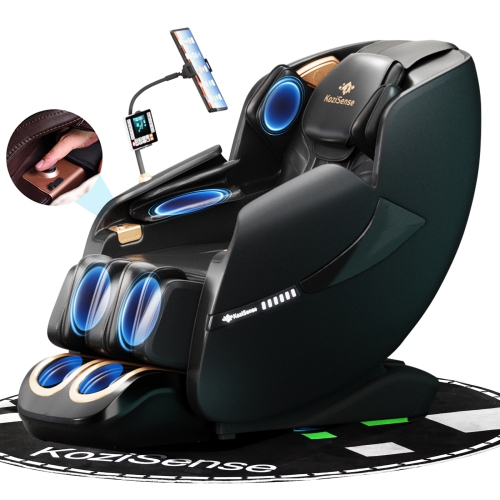 Your price for this item is $1899.99
 -
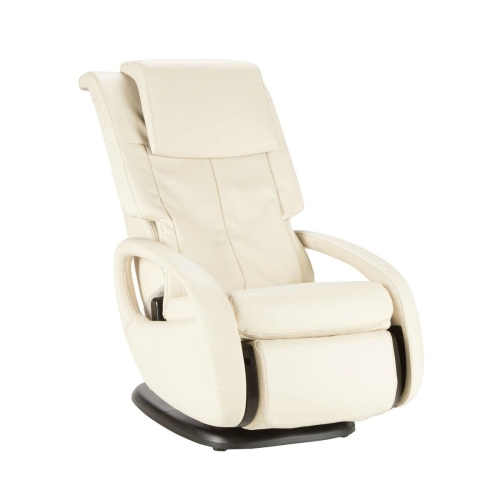 Your price for this item is $3799
 -
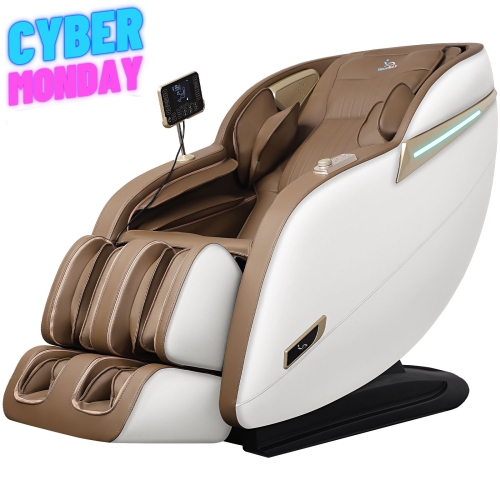 Your price for this item is $1889
 -
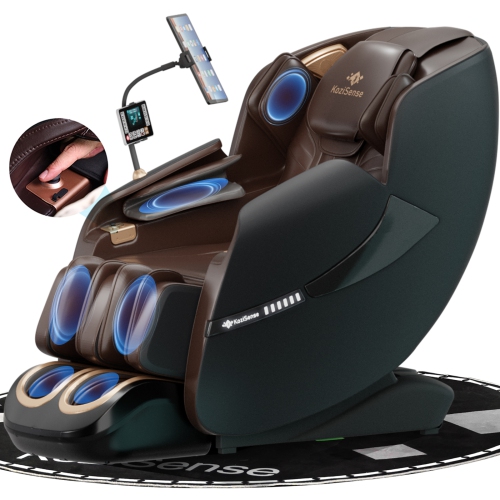 Your price for this item is $1899.99
 -
 Your price for this item is $2899
 -
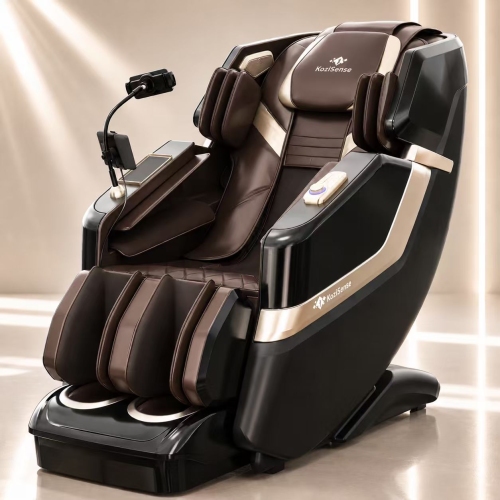 Your price for this item is $2499.99
 -
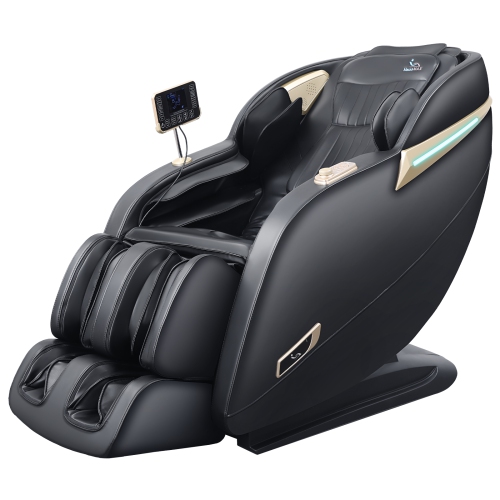 Your price for this item is $1799
Discover more categories related to Massage Chairs for Relaxation
Top Collections:
Pokemon Centers, Kindle Devices, Best Budget Office Chairs, Apple iPhones 16, Best Laptops for Writers, iPhone 15 Apple, Canon G7X Cameras, Refurbished Apple Laptops, Alarm Clock, Motorola Razr Phones
Some products may be subject to Environmental Handling Fees
(EHF) depending on your province.
Learn more about EHFs.