Massage Chairs
Massage Chairs are the perfect addition to any home or office, offering a relaxing way to unwind after a long day. With a variety of styles and designs available, it's easy to find the right fit for your space and comfort preferences. Explore options that enhance your everyday routine and bring soothing relaxation into your life with Massage Chairs designed for convenience and ease of use. Discover how these chairs can elevate your comfort and help you recharge anytime you need it.
Sort
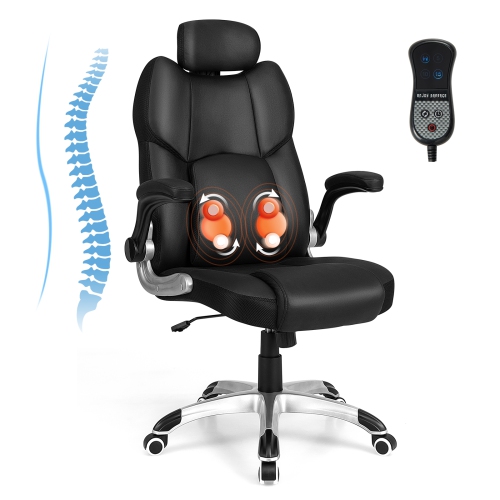
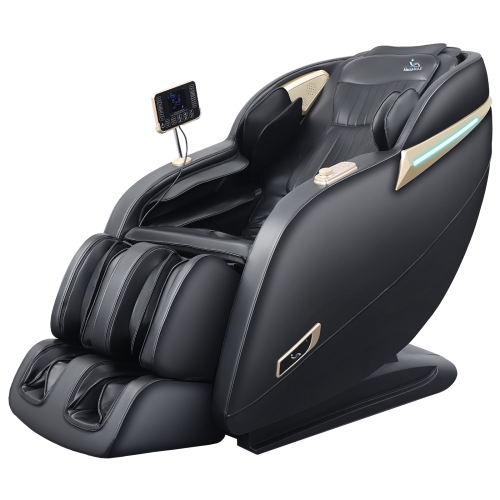
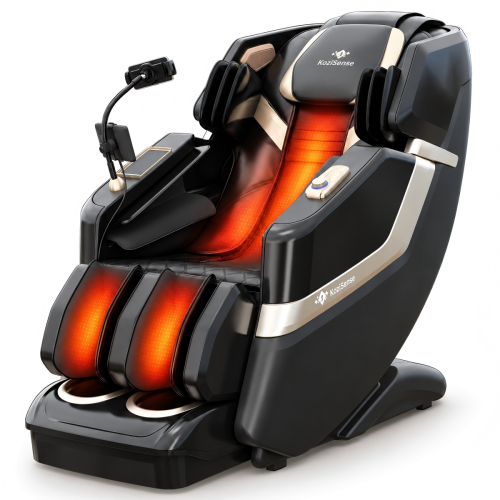
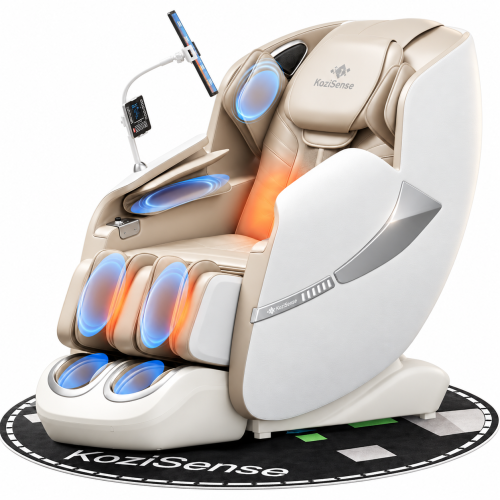
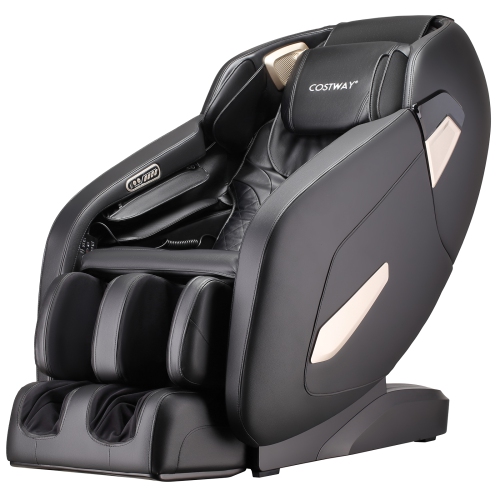
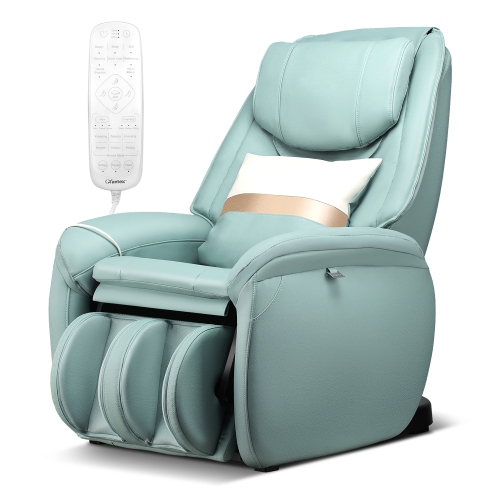
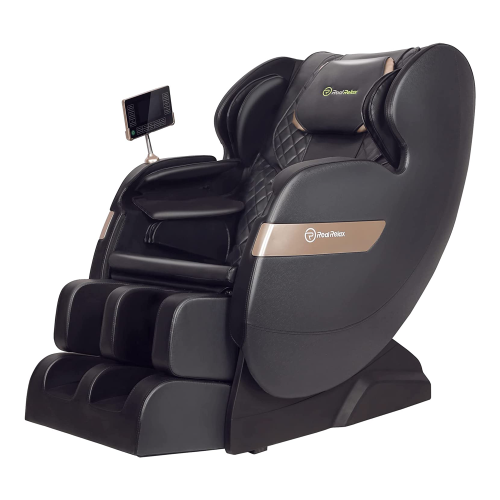

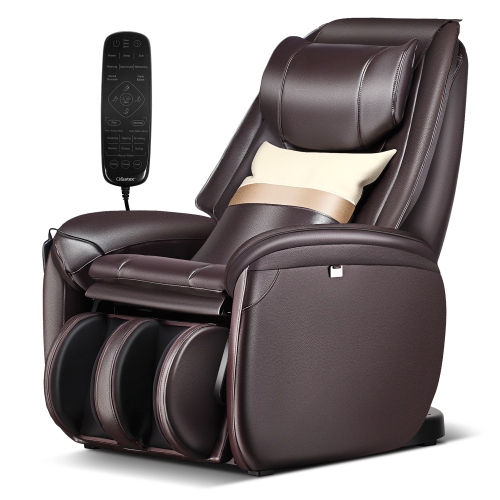


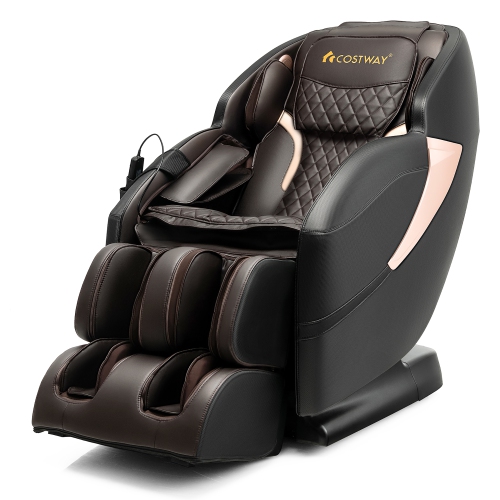


How rollers and air pressure shape your massage
Massage chairs bring seated massage into the home through a combination of powered rollers, vibration, air compression, and adjustable reclining positions. Designs range from compact chairs with a gentle vibrating backrest to full-body massage recliners with dedicated sections for the shoulders, back, calves, and feet. The difference is in how the massage feels and where it reaches: rollers travel along a defined path to create kneading or tapping movements, while inflatable air chambers apply and release pressure around supported areas of the body. Vibration provides a different sensation and does not necessarily include the moving rollers found in a full-body chair. Some designs combine several methods within one session, allowing a broad back massage to alternate with more focused attention around the shoulders or lower back. Built-in programs offer preset sequences, while manual controls may allow adjustments to the massage area, speed, intensity, or session length. Optional warmth adds another element of comfort, although the heated areas and available settings vary by design. A chair intended for a brief pause after desk work may have different priorities from one used for an extended reclining session after a day spent standing. For someone who prefers a lighter touch, adjustable pressure can matter more than the number of massage modes. Someone who enjoys a firmer sensation may appreciate more control over roller depth and positioning. Terms such as 3D and 4D generally describe added control over roller movement, depth, or pacing, but the functions behind those labels differ between designs. Body-scanning features can help position the massage mechanism according to the seated user, though manual adjustment may still be needed for a comfortable fit. These chairs are intended for personal comfort and relaxation; they are not a substitute for assessment or treatment by a qualified health care professional. The most useful features are those that suit the way a person actually likes to sit, recline, and unwind, rather than simply the longest list of settings.
The physical fit of a massage chair affects both everyday comfort and how well its massage components line up with the body. Seat width, backrest height, shoulder position, and the length of the leg section all contribute to that fit. A tall user may need an extending footrest, while a shorter user may need adjustable shoulder positioning so that the rollers do not sit too high. Manufacturer guidance on user height and weight helps establish the intended fit, especially when several people will share the chair. Reclining changes the amount of floor space required, so the fully extended dimensions matter as much as the upright footprint. A footrest that looks compact when folded can extend well into a walkway, and some backrests need substantial clearance from the wall. Wall-saving designs move the seat forward as they recline, reducing the space needed behind the chair without eliminating the need to check clearance. Zero-gravity positioning typically reclines the body and raises the legs to distribute weight across the seat and backrest; it describes a seating position, not a massage technique. An upright option remains useful for people who prefer a shorter session without lying back. In a shared living room, the chair also needs to work alongside side tables, doorways, and other seating without interrupting normal movement through the space. Delivery access deserves the same attention, particularly where narrow hallways, stair turns, or lifts lead to the intended room. For workspaces where a full-size recliner would be impractical, Massage Office Chairs offer desk-oriented seating with massage features that are often based on vibration. Their seat-height adjustment, armrest clearance, and back support remain important for regular desk use. Massage functions add a comfort feature, but they do not replace a suitable working posture or regular breaks from sitting.
Upholstery, cushioning, and construction shape how a massage chair feels over time, particularly in a household where it will be used daily. Synthetic leather is common because it provides a smooth surface that is generally straightforward to wipe down, while fabric finishes offer a different texture and appearance. Care requirements vary, and cleaning methods should follow the upholstery instructions rather than assumptions based on how the surface looks. Seams, armrests, seat edges, and the lining around foot compartments are worth attention because these areas receive repeated contact. Supportive cushioning should feel comfortable without preventing the massage mechanism from reaching the intended areas, and removable pads can soften the sensation where the design allows. A stable frame, smoothly operating recline mechanism, and clearly described maintenance requirements are useful indicators to consider alongside the upholstery. Day-to-day care usually involves removing dust, wiping suitable surfaces with a soft cloth, and keeping liquids away from controls, vents, and electrical connections. Harsh cleaners, excessive moisture, and direct sunlight can damage some finishes. Easy-to-reach controls also make a noticeable difference: readable buttons, a straightforward remote, and an accessible stop function are more useful during a session than a complicated menu. Operational sound matters in a room shared with someone reading, watching television, or taking a call, since motors and air pumps are not silent. People with reduced mobility may also need to consider how easily they can sit down, position their legs, and stand up again. Sessions should follow the manufacturer’s limits, with a comfortable intensity rather than the strongest available setting. Anyone who is pregnant, has an implanted medical device, or has a health condition that could be affected by massage or heat should seek advice from a health care professional before use. As a gift for a partner, parent, or another adult family member, a massage chair is most thoughtful when their preferences, physical fit, and available space are already understood. Those practical details help make it a welcome part of an everyday routine.
Top selling and popular products
-
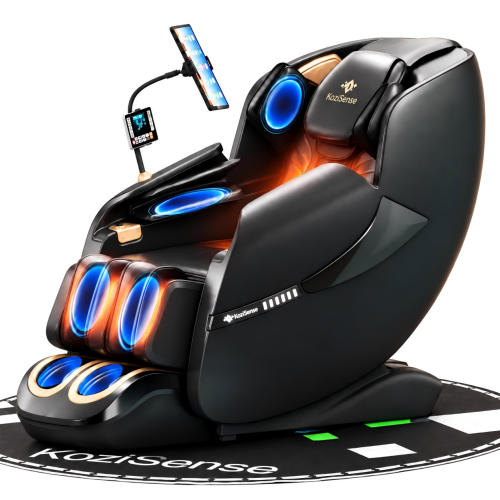 Your price for this item is $1799.99
-
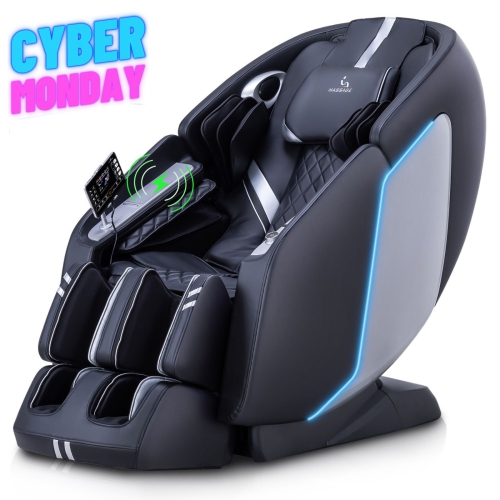 Your price for this item is $2799
-
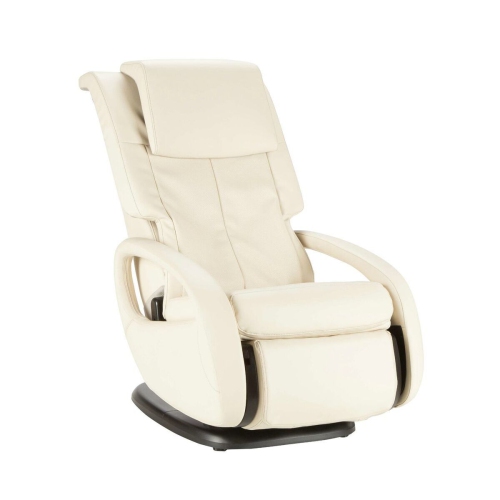 Your price for this item is $3699.99
-
 Your price for this item is $3699.99
-
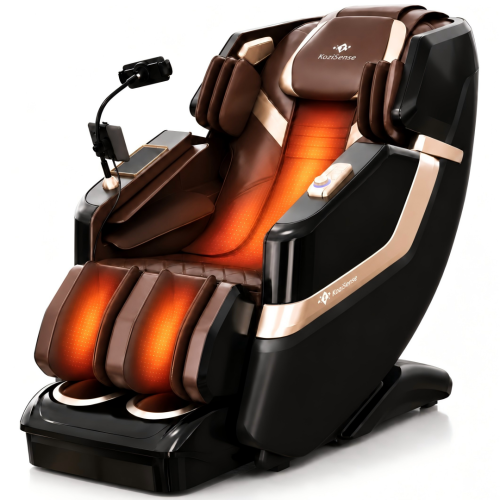 Your price for this item is $2249.99
-
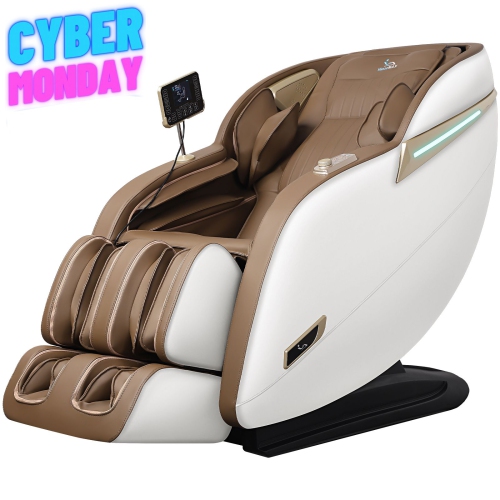 Your price for this item is $1779
-
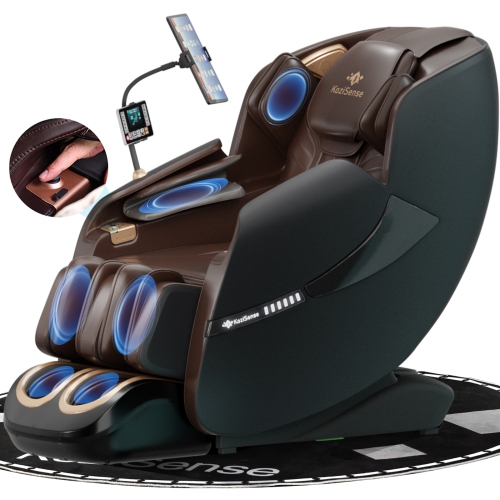 Your price for this item is $1899.99
-
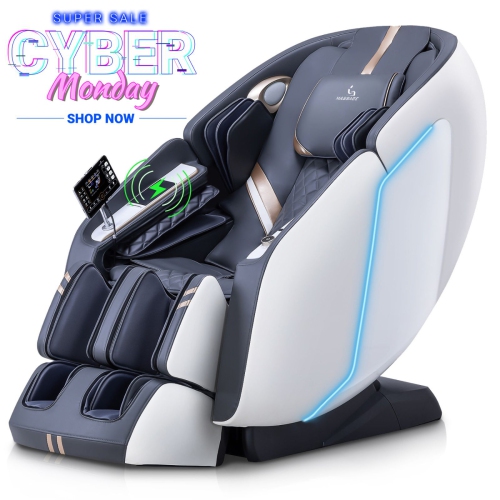 Your price for this item is $2799
Discover more categories related to Massage Chairs

Top Collections:
Best Black Friday Deals This Year, Best Black Friday Deals On Electronics, Kindle Devices, Pokemon Centers, Best Black Friday Deals On Apple Products, Best Cameras for Sports Photography, Dyson Airwrap, Pokémon 30th Celebration Cards, Apple iPhone 17 Pro, Canon G7X Cameras
Some products may be subject to Environmental Handling Fees
(EHF) depending on your province.
Learn more about EHFs.