Queen Mattress Pads
Upgrade your sleeping experience with our collection of queen mattress pads. These soft and plush additions provide an extra layer of comfort and protection to your mattress, ensuring a restful night's sleep every time you lay down. Whether you're looking to add a touch of luxury to your bed or simply want to prolong the life of your mattress, our range of queen mattress pads has something for everyone. Explore our selection today and discover the perfect addition to your bedroom oasis.
Sort

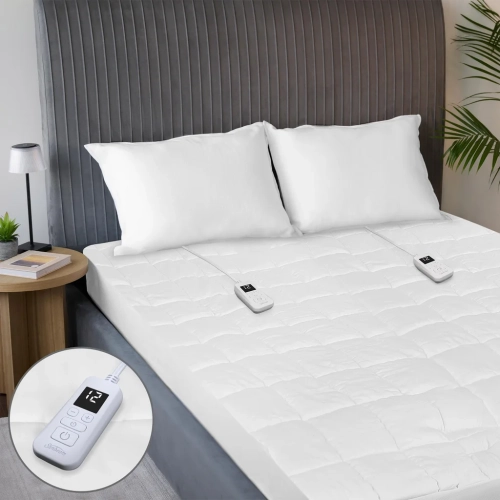
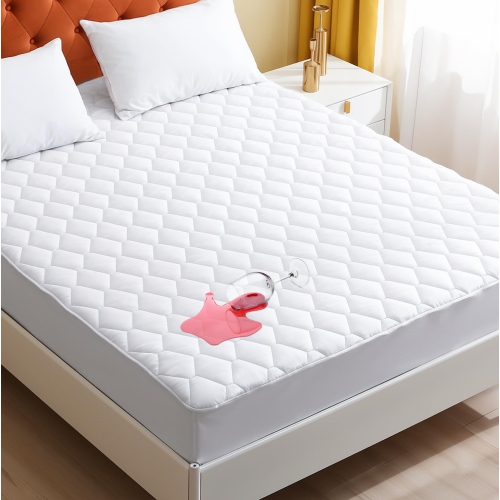
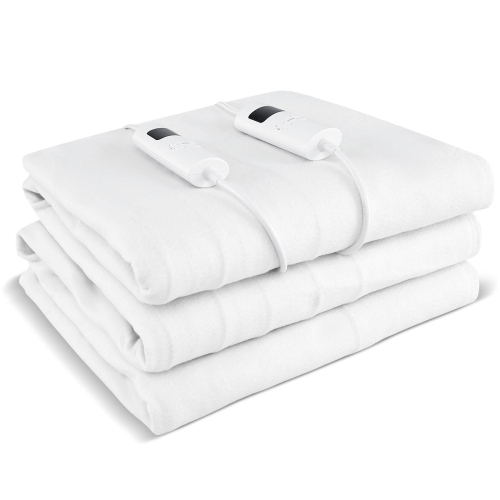
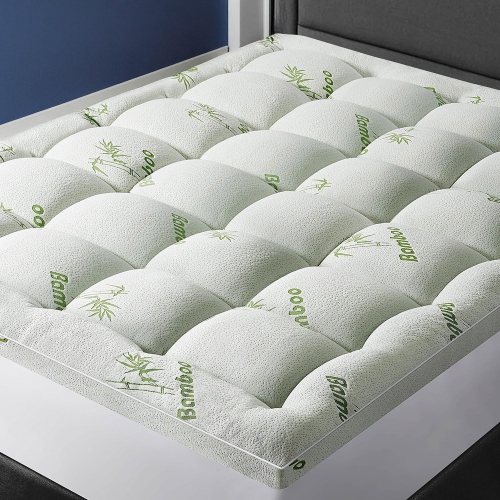
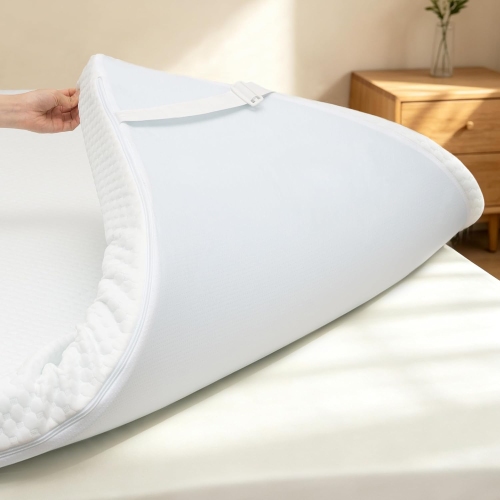
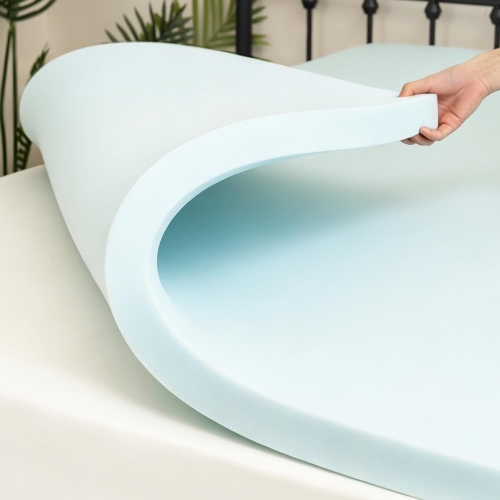
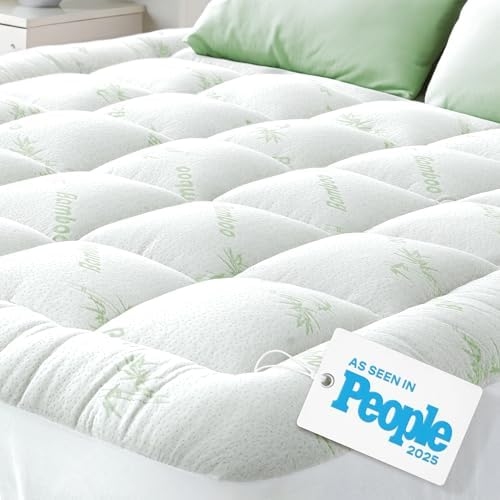


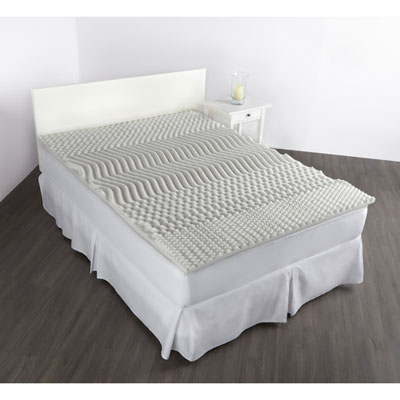

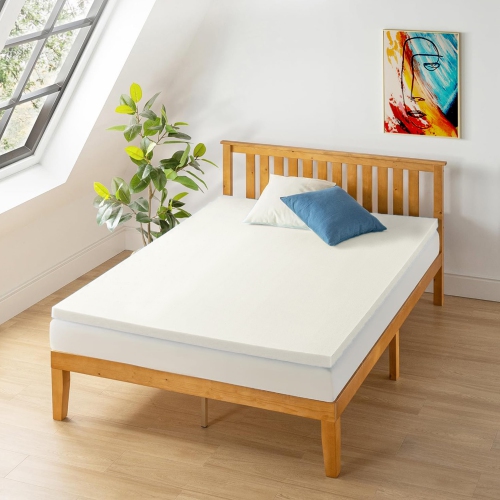
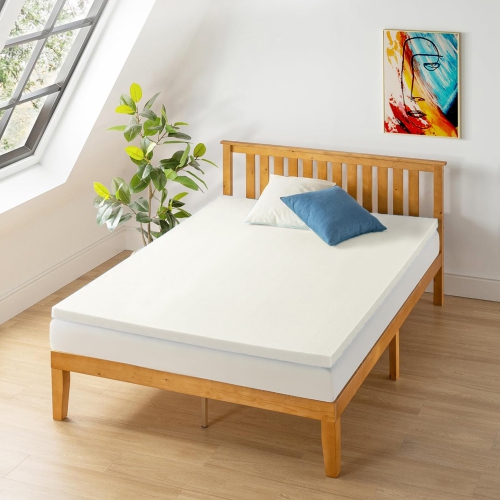


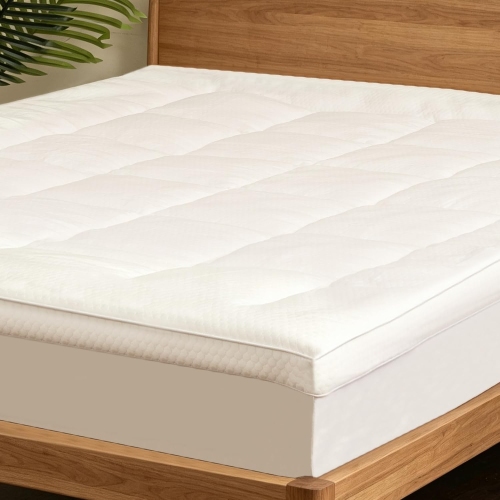
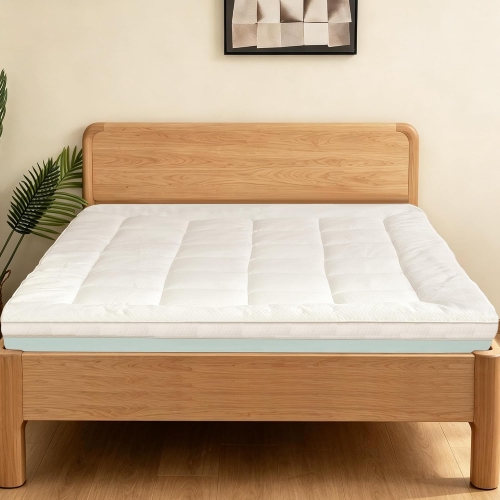

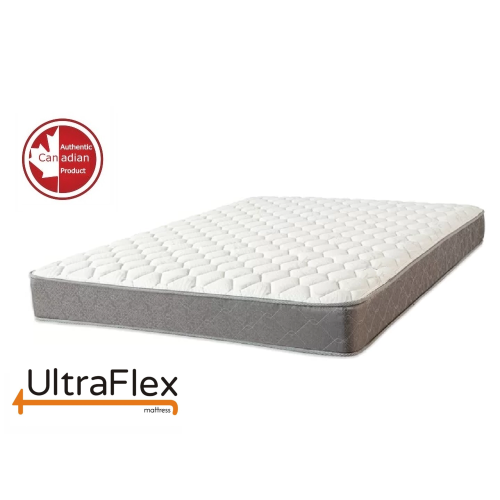
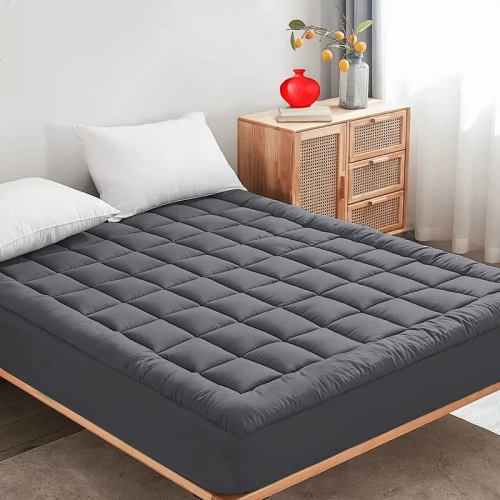
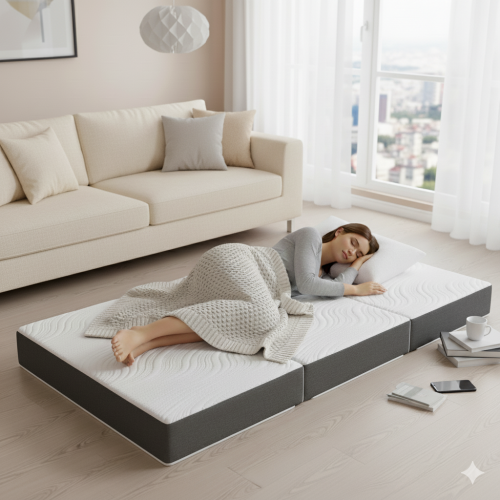
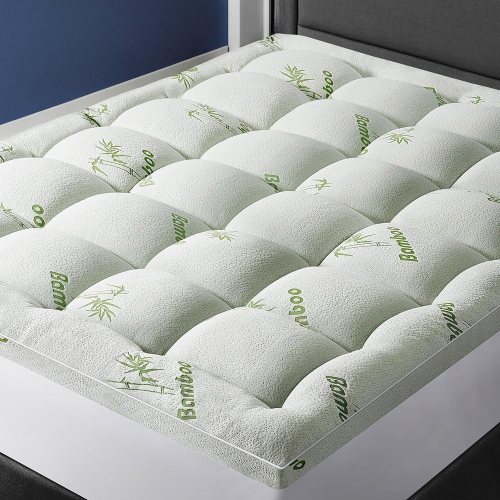
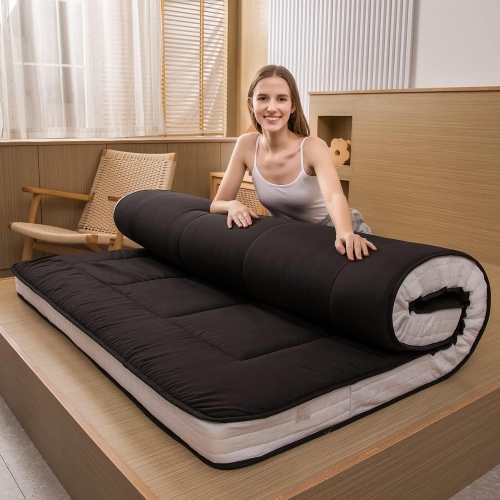

A softer sleep surface without changing your mattress
Queen mattress pads add a light layer of cushioning between a mattress and fitted sheet, helping make the sleep surface more comfortable while shielding it from everyday wear. A standard queen mattress measures 60 inches wide by 80 inches long, and a queen-size pad is designed to cover that surface without leaving exposed edges or bunching beneath the bedding. These pads suit primary bedrooms, guest rooms, and other spaces with a queen bed, whether the goal is a softer feel, easier bedding care, or added protection against perspiration and small spills. Their construction usually combines a fabric cover with a modest amount of fill, often held in place by quilting that helps distribute the cushioning. A mattress pad generally makes a subtler change to the bed’s feel than a thick topper: it can soften the initial touch of a firm surface, but it will not repair sagging or replace the underlying support of a mattress. For a more substantial cushioning layer, queen mattress toppers offer a related option with a different purpose. Mattress protectors, by comparison, tend to put protection first and may provide little or no padding, although some mattress pads combine cushioning with a protective barrier. That distinction matters when a bed needs more than a washable top layer. A quilted pad without a waterproof backing can absorb moisture, but liquid may still reach the mattress underneath. Waterproof queen mattress pads include a barrier designed to block liquid from passing through the covered area when used and cared for as directed. Water-resistant fabric provides a different level of protection and should not be assumed to stop a spill from soaking through. For a shared bed, a guest bed used by visiting family, or a mattress that occasionally hosts a pet, the right balance of softness and protection depends on how the bed is used. A low-profile pad may be enough when the mattress already feels comfortable, while a more generously filled pad adds a noticeably plusher surface beneath the sheets.
Materials influence how a queen mattress pad feels through the night, how readily it releases moisture, and how much care it needs. Cotton covers are often chosen for their familiar softness and ability to absorb moisture, while polyester and microfibre covers can offer a smooth finish and relatively straightforward laundering. Blended fabrics combine different fibres, so the full fabric composition is more informative than a single material named on the label. The cover is only part of the feel: fibre fill, wool, down, and down-alternative fill each contribute a different texture and loft. Down-filled pads can feel airy and soft, while down-alternative fill provides cushioning without feathers; neither description alone establishes whether a pad will suit someone with allergies. Wool can absorb and release moisture, although its care requirements may differ from those of machine-washable synthetic fills. People who tend to feel warm at night may prefer a lighter pad with a breathable cover rather than a densely filled layer that holds more warmth. Cooling descriptions also deserve careful attention. A fabric that feels cool at first touch is not necessarily the same as one designed to move moisture away from the body, and neither guarantees a particular sleeping temperature. Sheets, blankets, room temperature, and the mattress underneath all affect the result. During the cooler months, a lightly padded layer can add a welcoming softness without requiring a complete change of bedding. Someone who likes the firmness of an existing mattress may find that a thin quilted pad preserves that familiar feel, whereas someone seeking a pillowy surface may prefer more loft. On a shared queen bed, evenly distributed fill can help keep the surface consistent from one side to the other. Closely spaced quilting or boxed sections help limit fill movement, reducing the chance of thin spots developing where each person sleeps. Smooth seams and a supple backing are also worth considering, particularly for light sleepers who notice rustling when turning over. Comfort comes from the whole construction, not simply the thickness or softness of the cover.
Fit and care play a large part in how well a queen mattress pad works over time. The queen designation describes the width and length, but mattress depth determines whether the pad stays securely in place. A slim mattress and a tall pillow-top mattress may share the same surface dimensions while needing very different pocket depths. Measuring from the bottom edge of the mattress to its highest sleeping surface gives a useful starting point; any topper underneath the pad adds to the depth that its skirt or straps must accommodate. Fitted-style pads wrap around the mattress much like a fitted sheet, with an elasticized skirt that tucks beneath the edges. Other designs use corner straps, which hold the pad on top without surrounding the sides. A secure fit helps prevent folded fabric under the shoulders and keeps the corners from lifting when someone sits on the edge of the bed. The fitted sheet also needs enough depth for the complete bedding arrangement, especially when a lofty pad sits over a thick mattress. For adjustable beds, attachment style and flexibility matter because the pad needs to move with the mattress as the head or foot rises. Care requirements are equally practical. Machine-washable queen mattress pads can simplify routine cleaning, but the care label determines suitable water temperatures, drying methods, and whether household laundry equipment can handle the pad’s bulk. A generously filled queen pad needs room to move in the washer and enough drying time for the interior to dry thoroughly before returning to the bed. Some materials require spot cleaning or professional cleaning instead. Waterproof backings may have specific restrictions on heat, bleach, fabric softeners, or ironing, since unsuitable treatment can damage the barrier. Durable stitching, resilient elastic, and securely quilted fill help a pad withstand repeated bed-making and laundering. For households that wash bedding frequently, ease of care may matter more than extra loft. A queen mattress pad can also be a practical housewarming gift when the recipient’s mattress size, depth, and laundry preferences are known, adding an everyday comfort layer that fits naturally into an established bedding routine.
Top selling and popular products
-
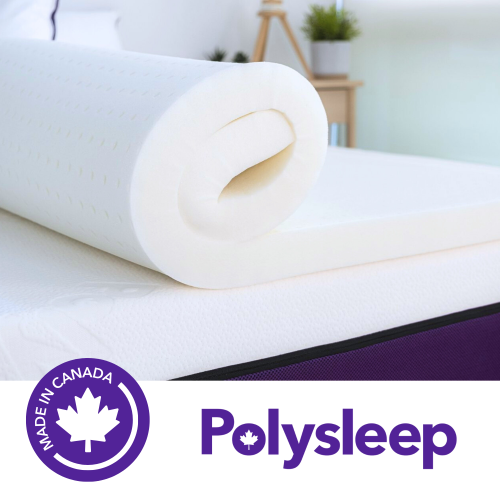 Your price for this item is $275
-
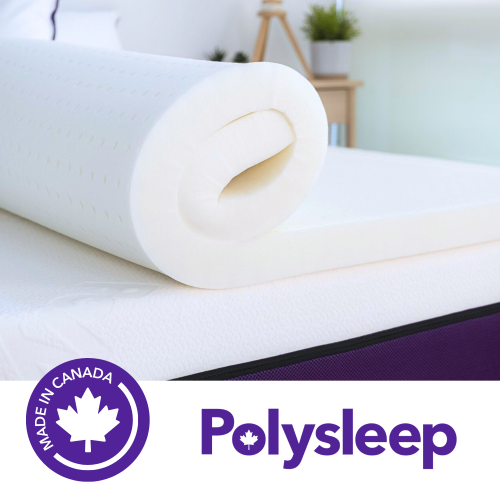 Your price for this item is $350
-
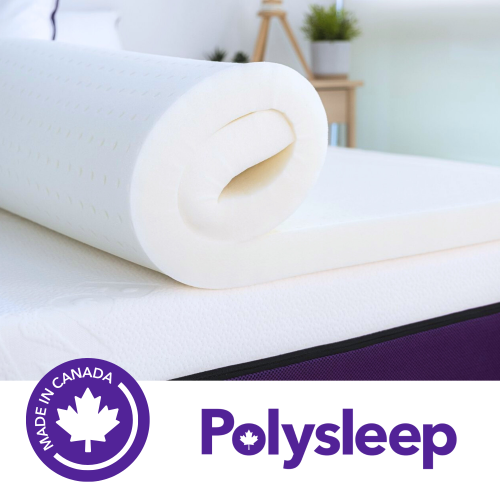 Your price for this item is $375
-
 Your price for this item is $325
-
 Your price for this item is $250
-
 Your price for this item is $375
-
 Your price for this item is $169.99
-
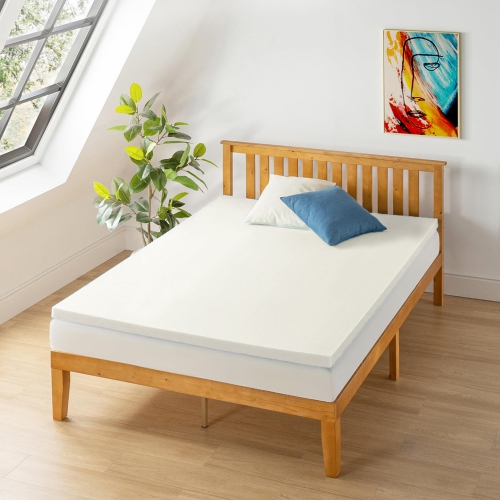 Your price for this item is $99.99
Discover more categories related to Queen Mattress Pads
Top Collections:
Pokemon Centers, Kindle Devices, Best Cameras for Sports Photography, Pokémon 30th Celebration Cards, Apple iPhones 16, Canon G7X Cameras, iPhone 15 Apple, Flip Phones, Samsung Galaxy Phones, Alarm Clock
Some products may be subject to Environmental Handling Fees
(EHF) depending on your province.
Learn more about EHFs.