Mesh Ergonomic Chairs
Upgrade your home office or workspace with this selection of mesh ergonomic chairs. Designed for ultimate comfort and support, these chairs are perfect for long hours spent at your desk. With breathable mesh material and adjustable features, you can customize your seating experience to suit your needs. Say goodbye to discomfort and hello to productivity with this range of stylish and functional mesh ergonomic chairs.
Sort
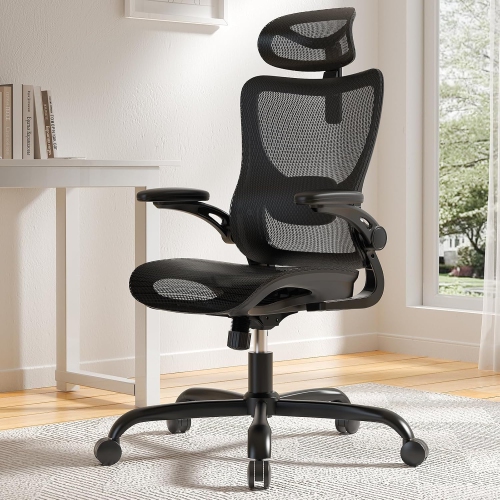
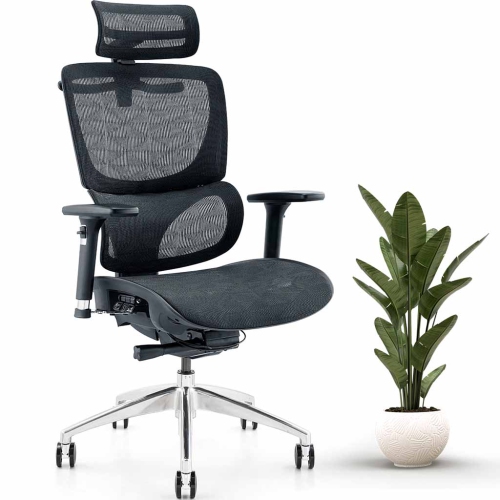
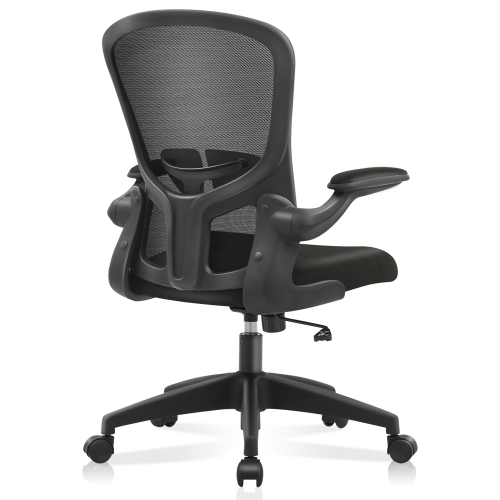
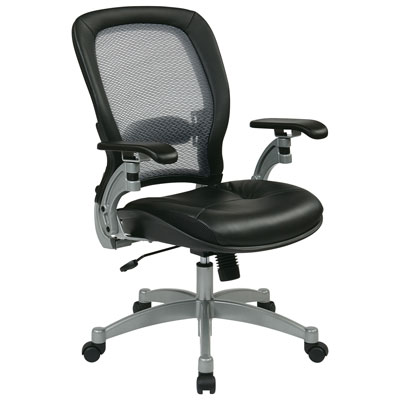
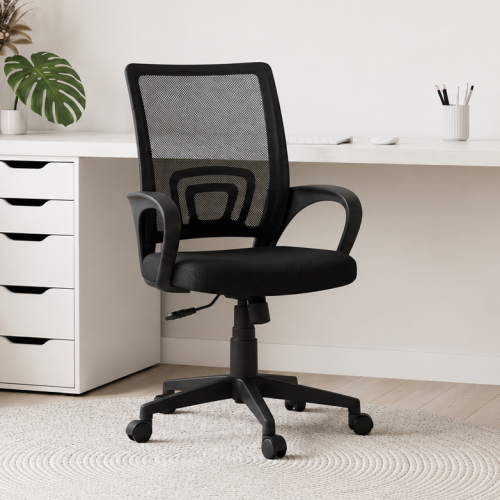
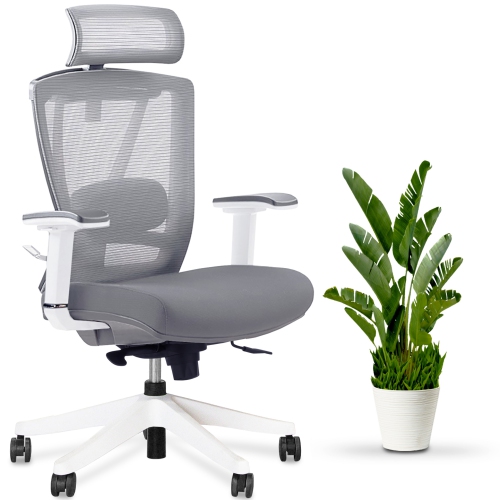
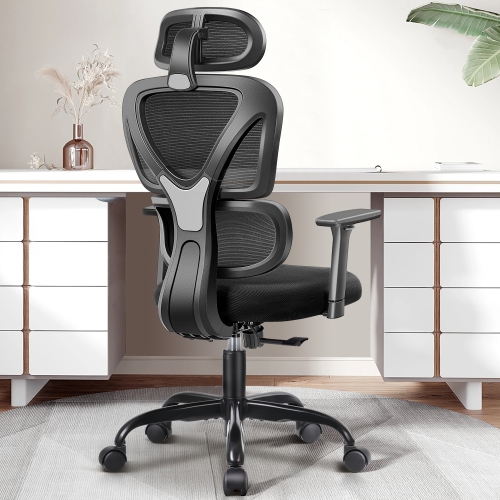
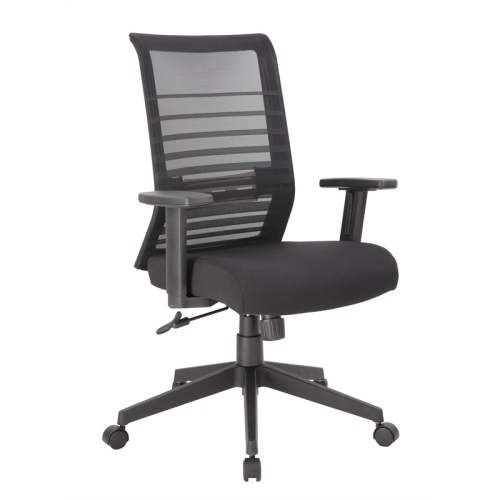
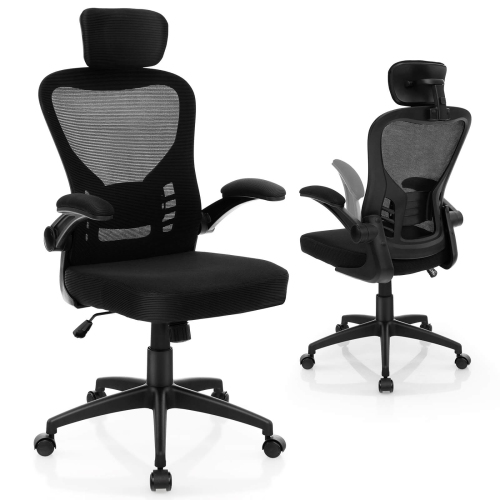
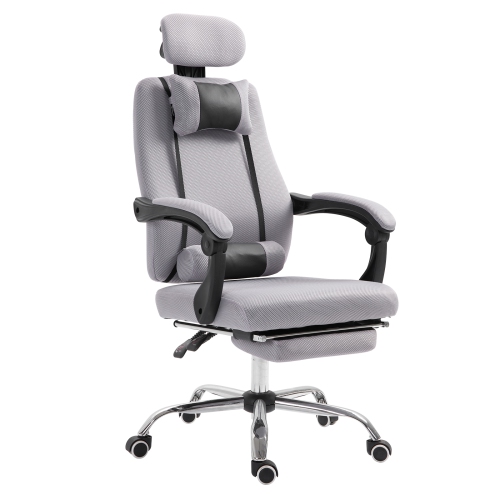
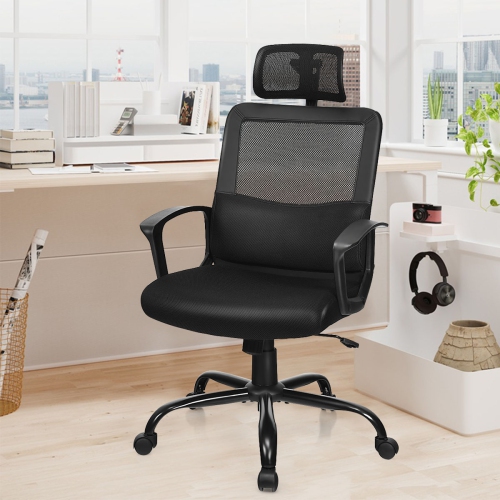
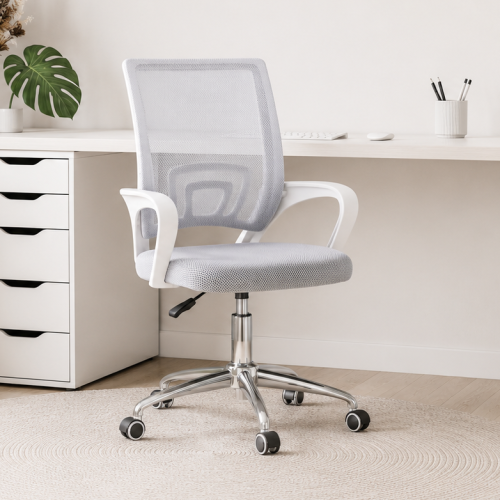
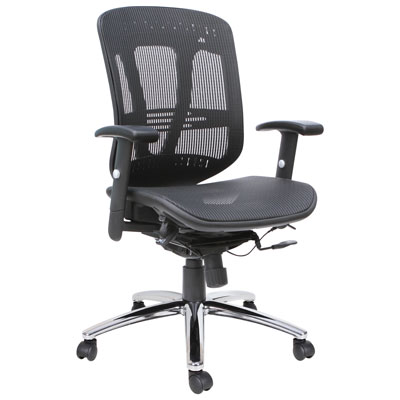
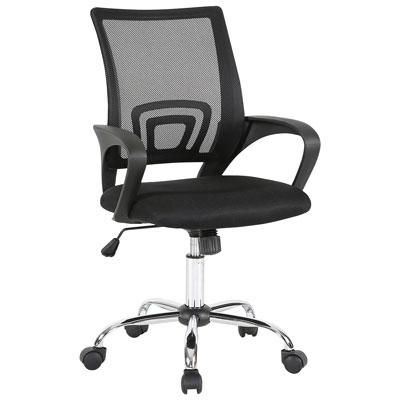
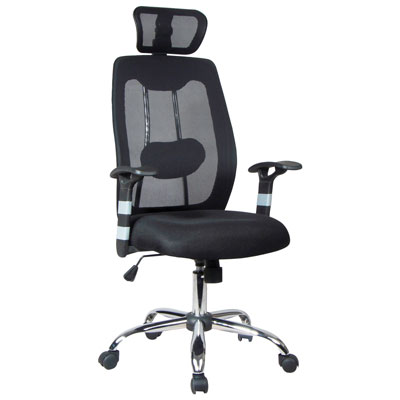
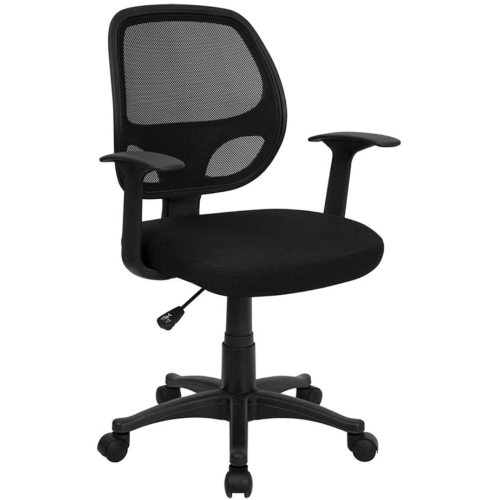
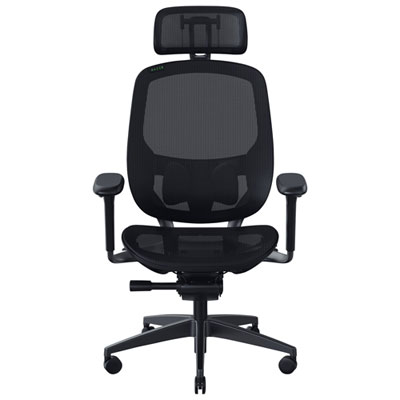
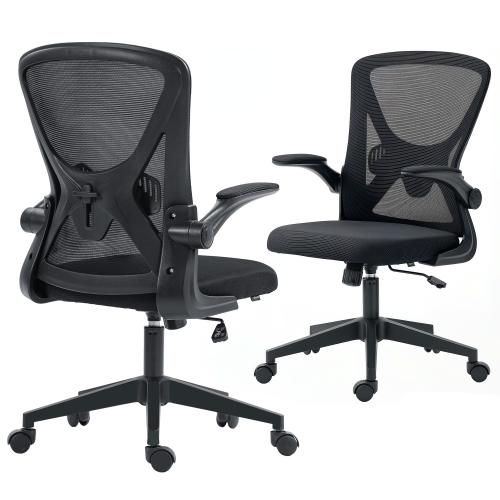
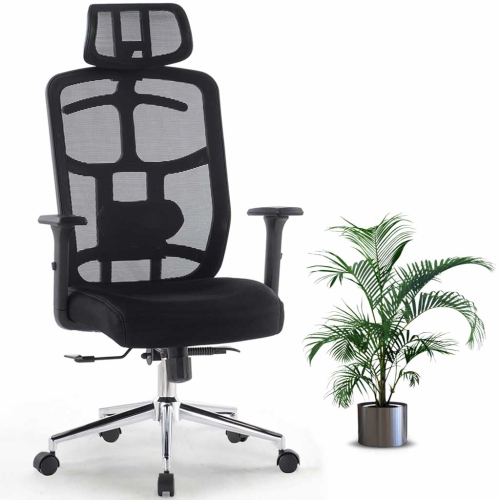
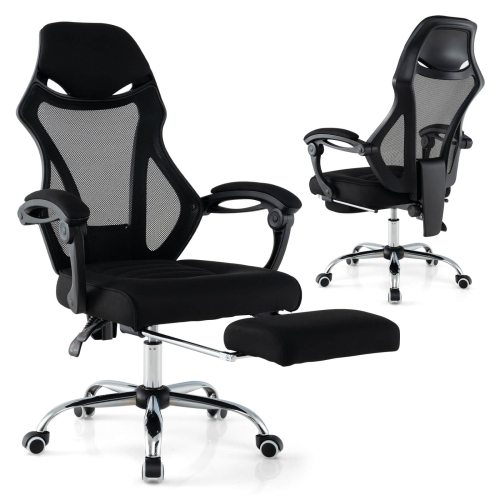
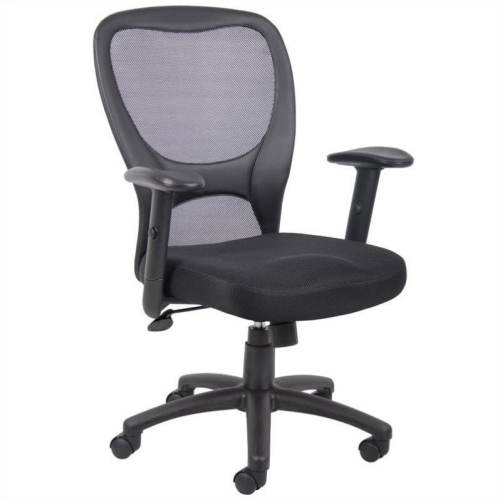
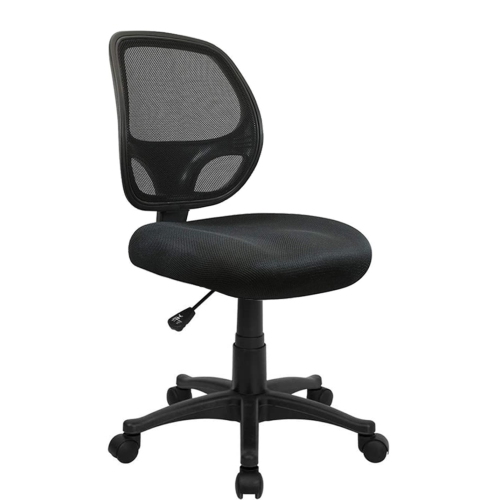
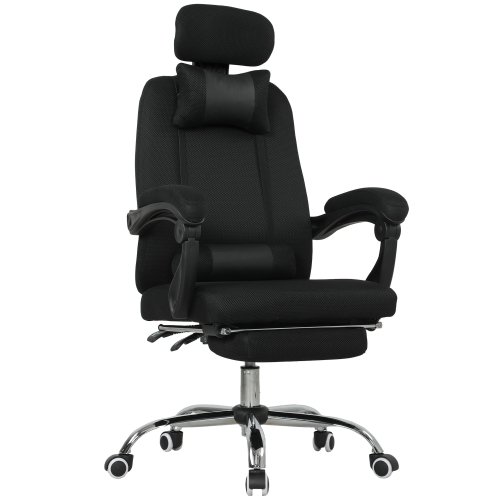
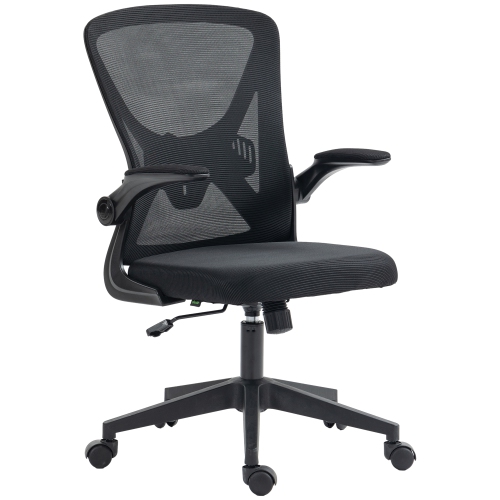
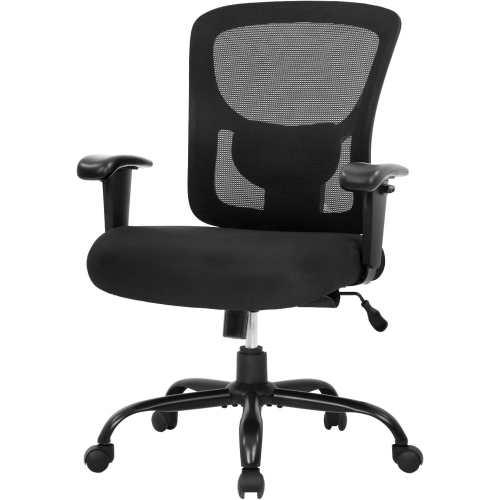
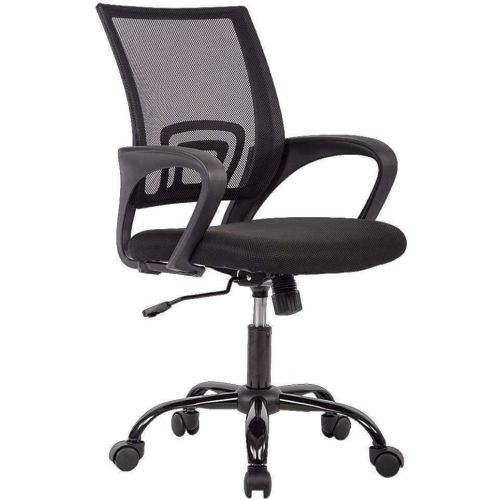
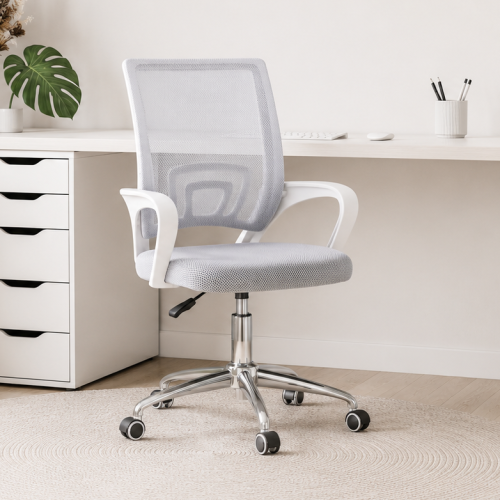
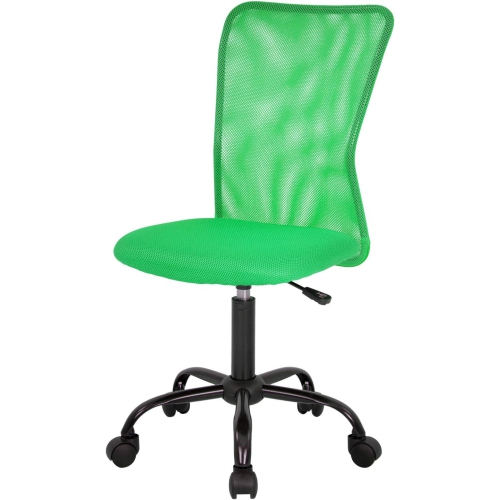
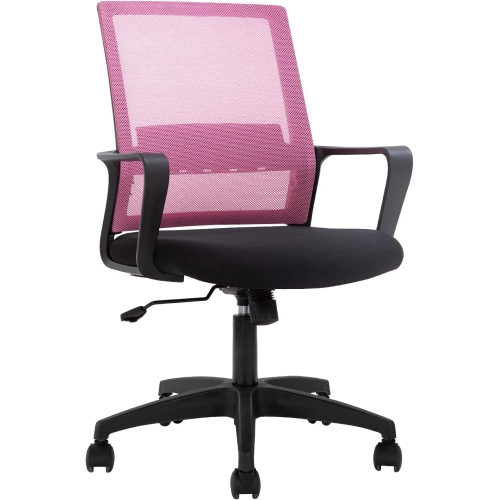
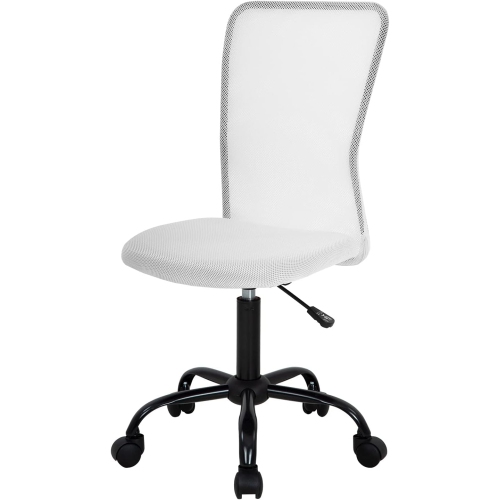

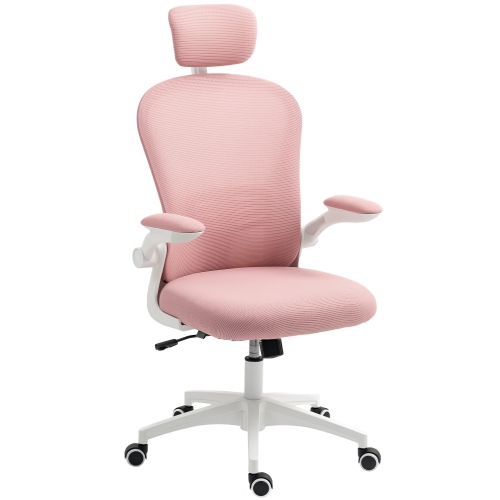
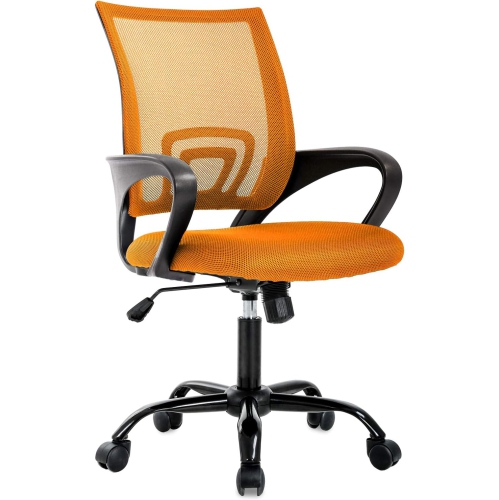

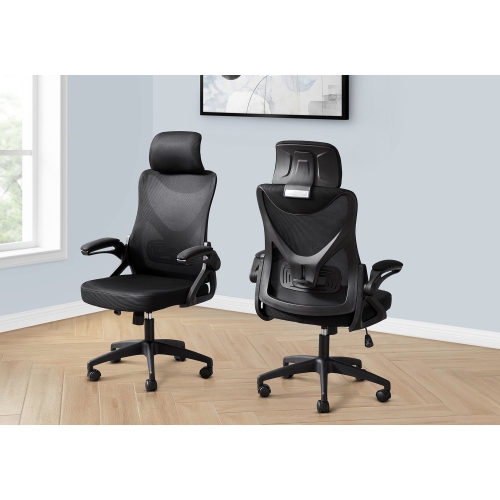
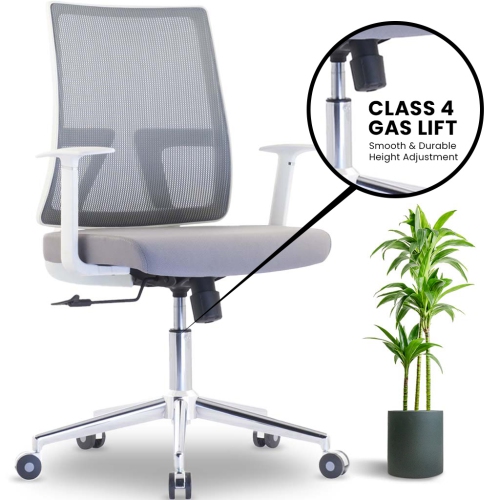
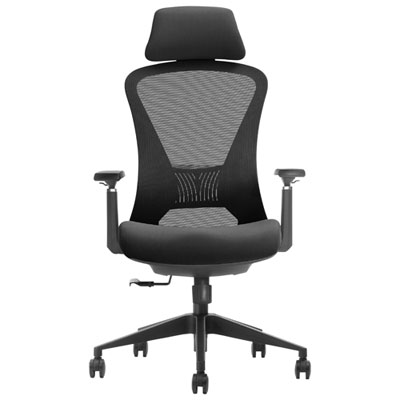
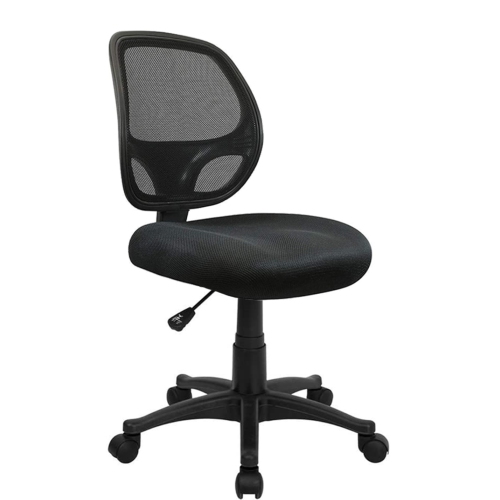
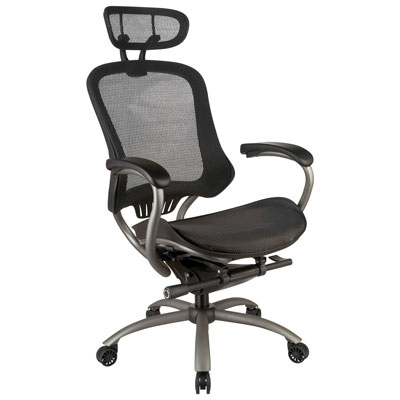

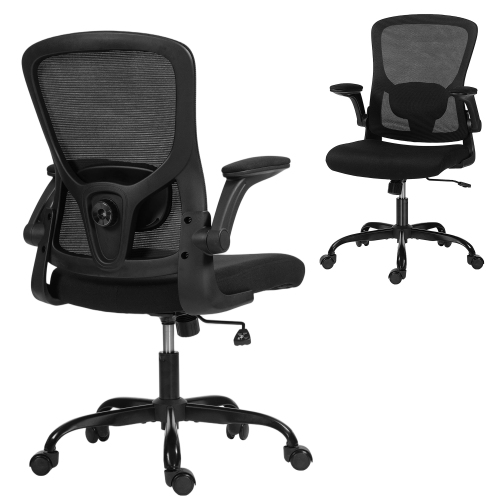
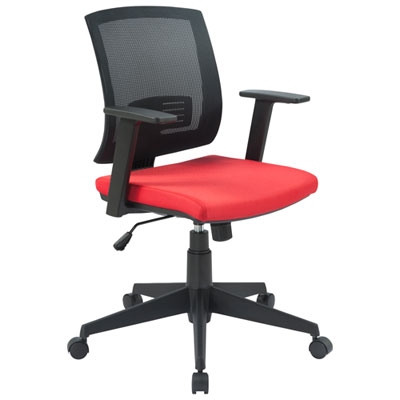
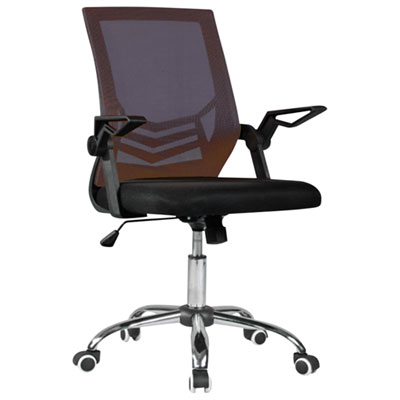
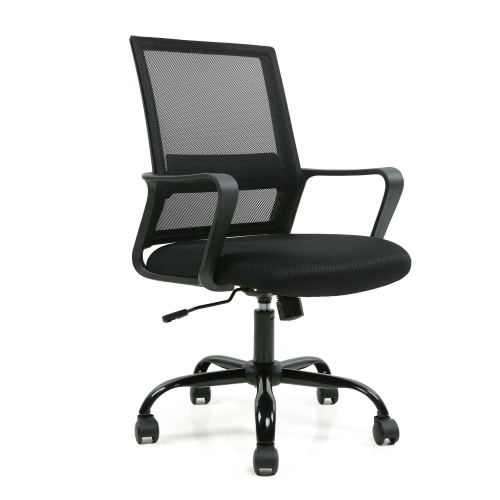
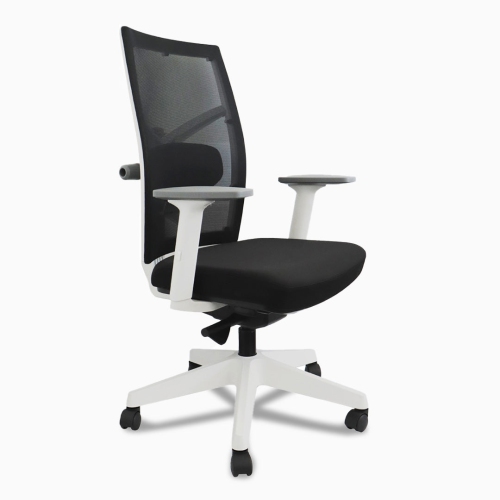
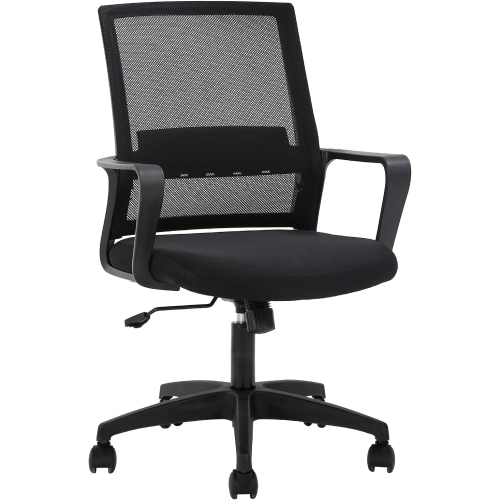
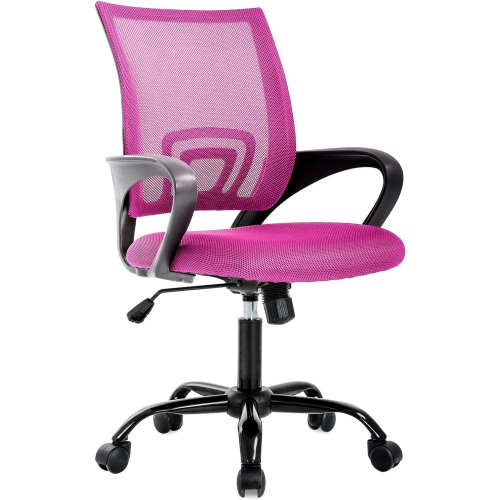
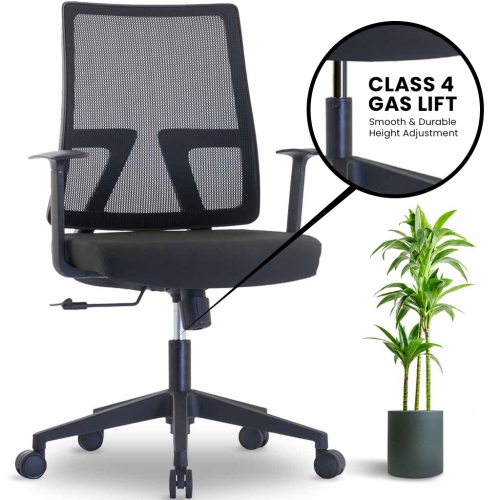
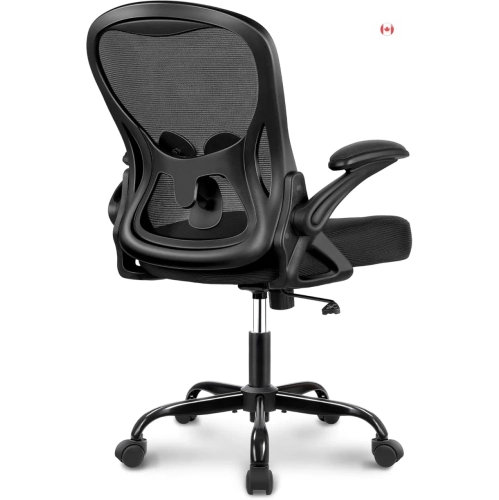
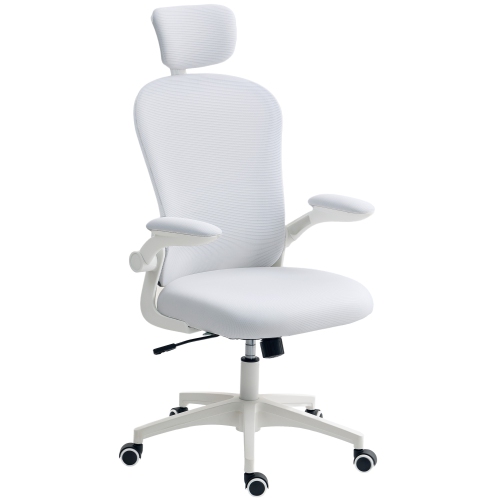
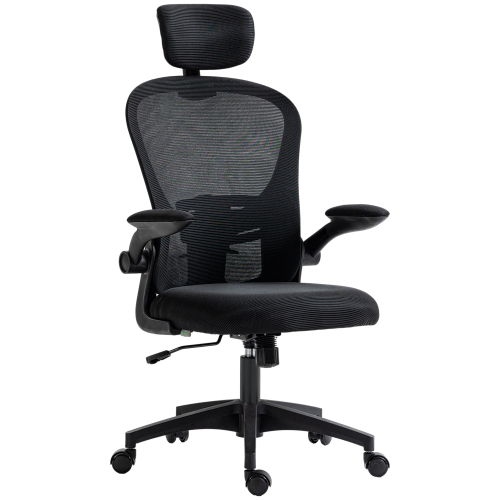
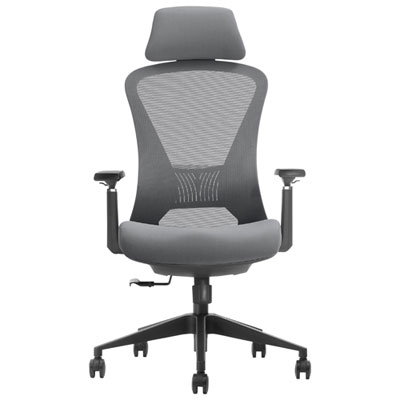
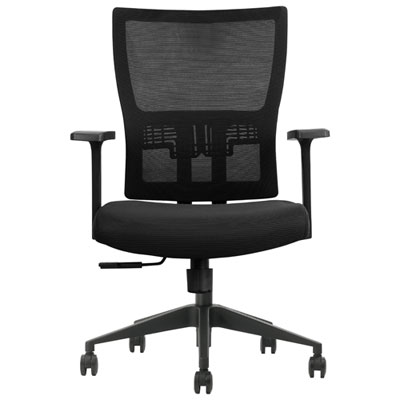
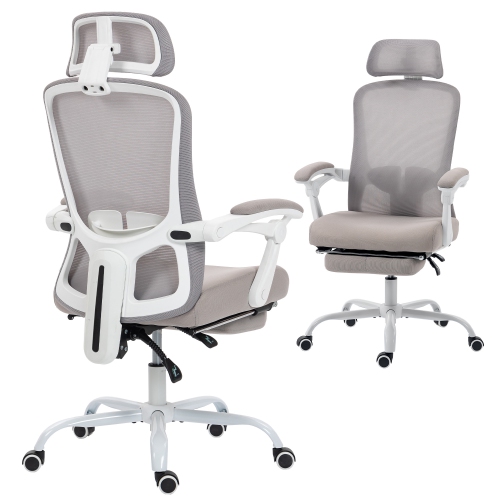
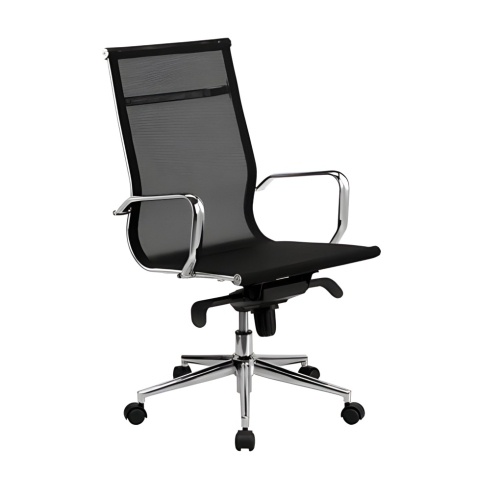
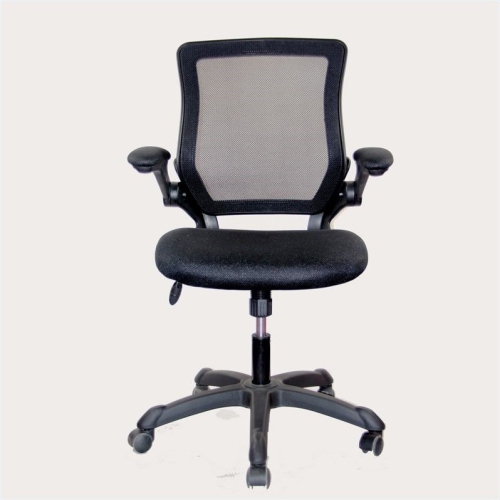
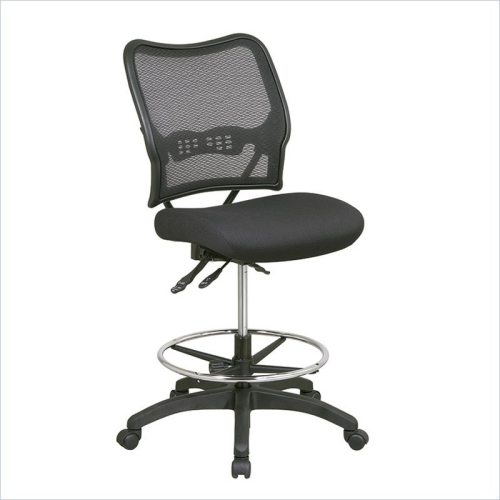
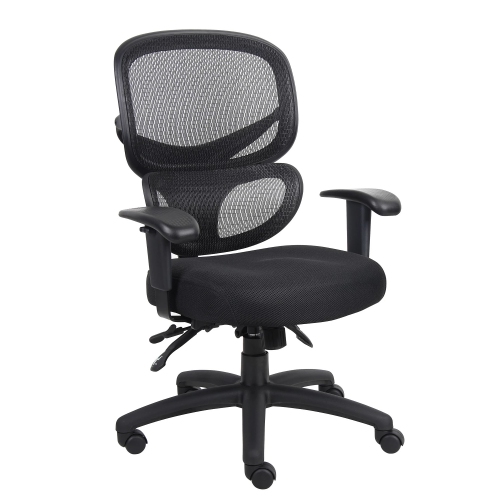
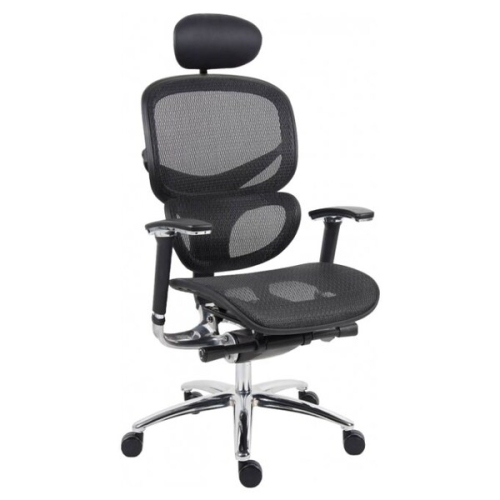
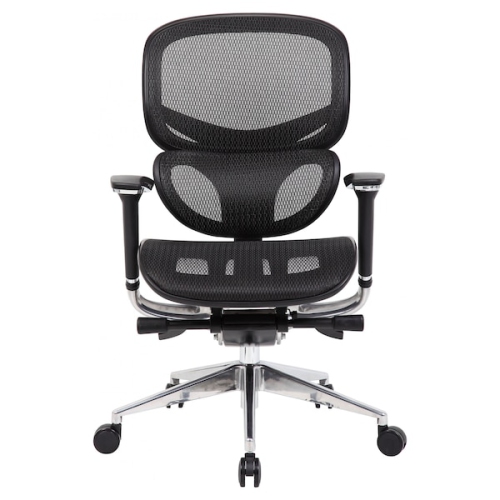
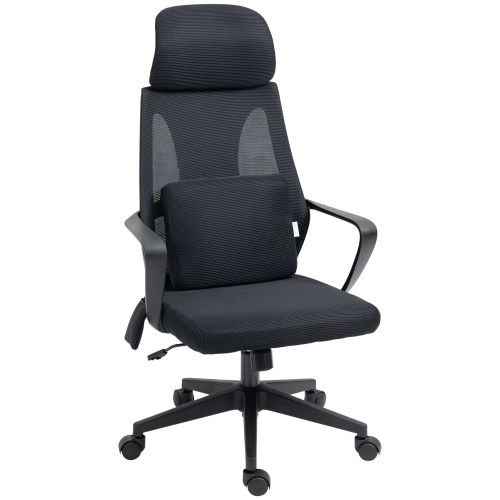
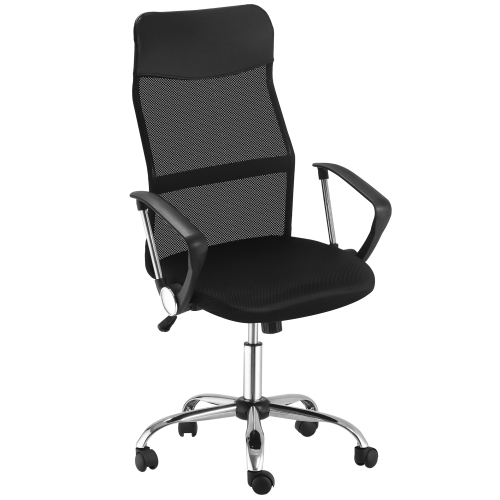
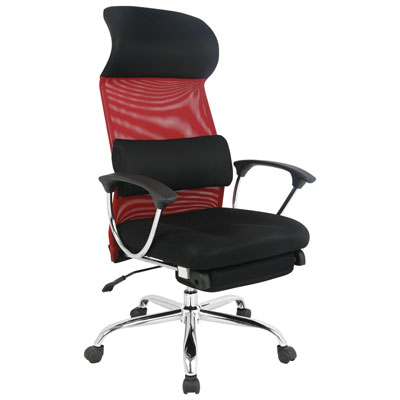
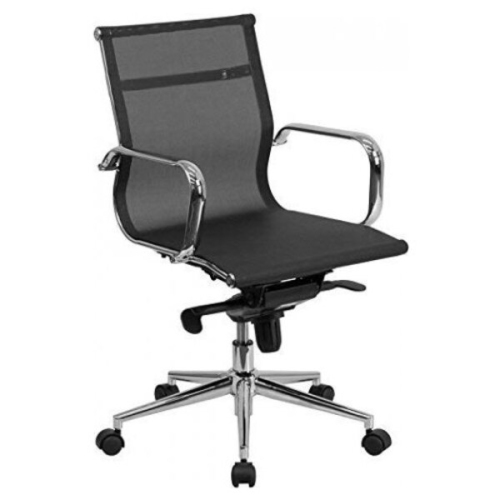
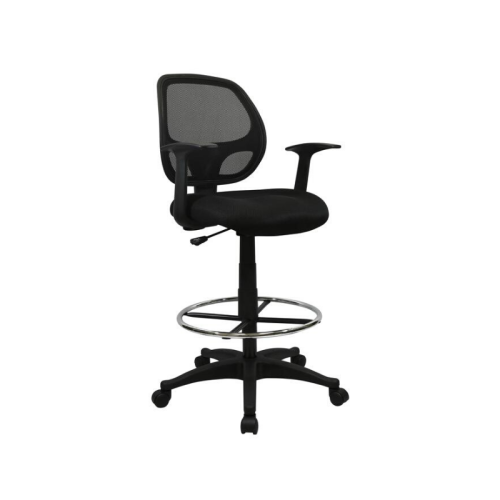

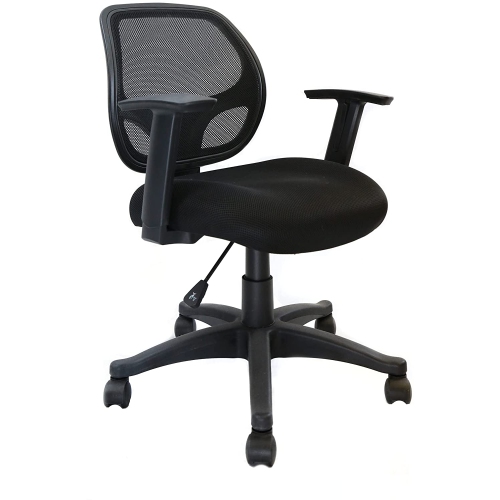

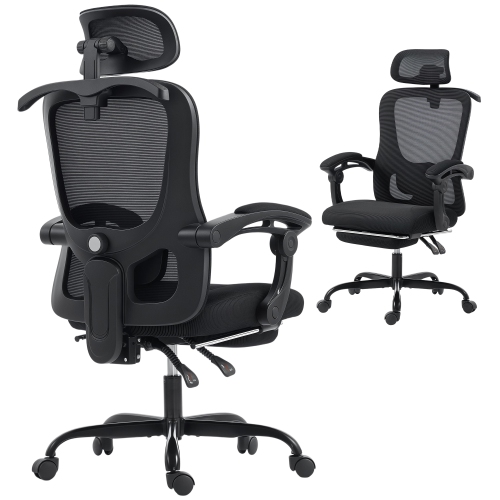

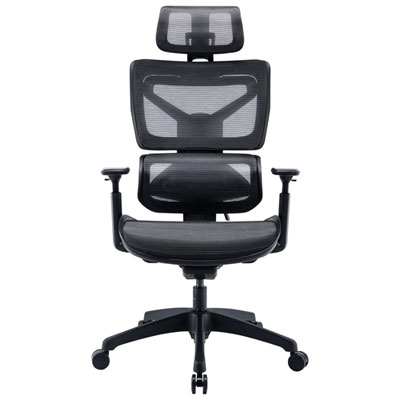
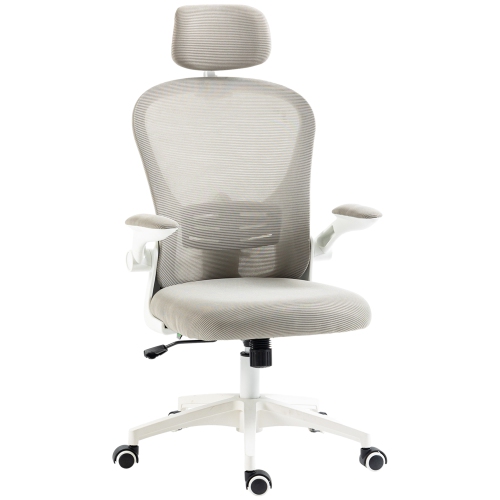
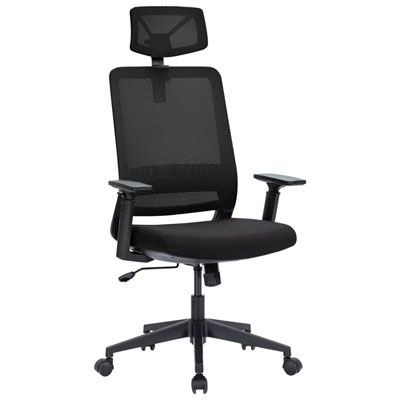
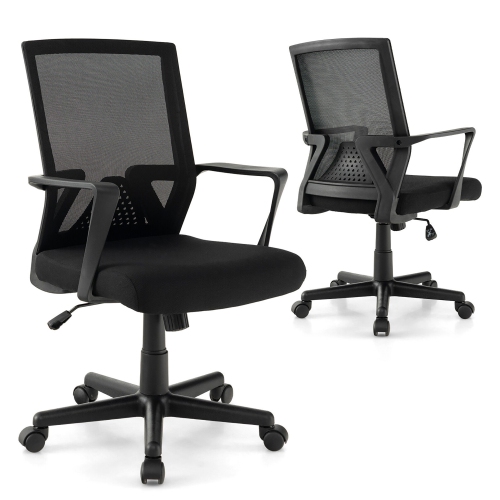
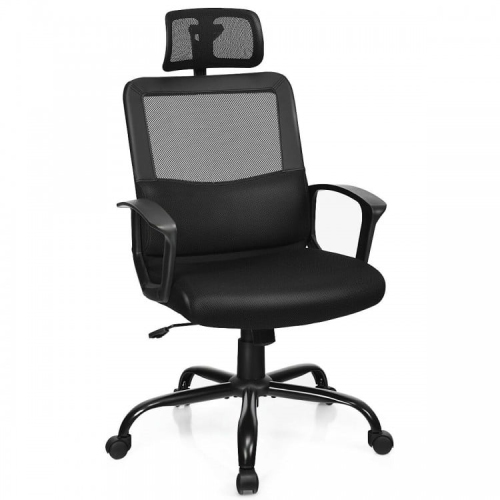
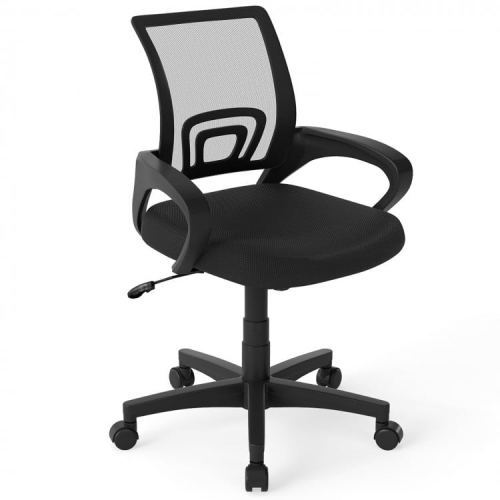
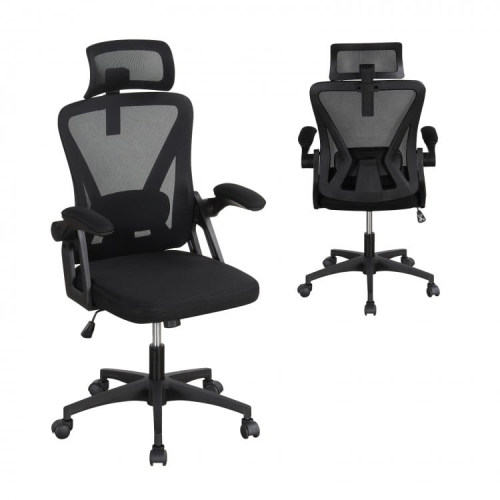
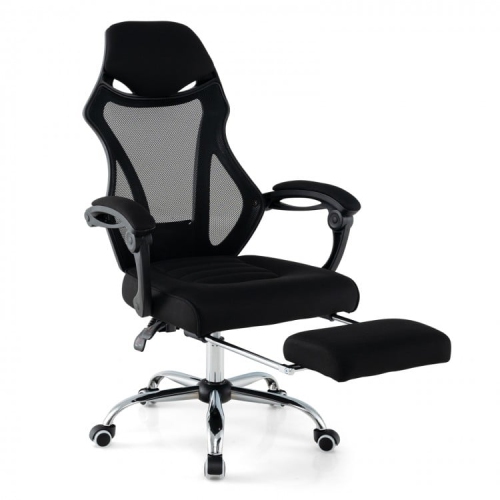

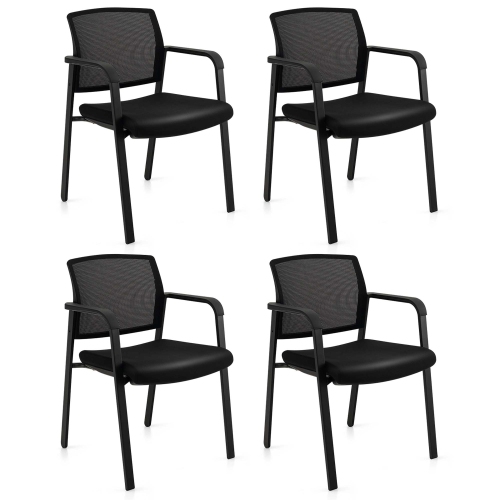
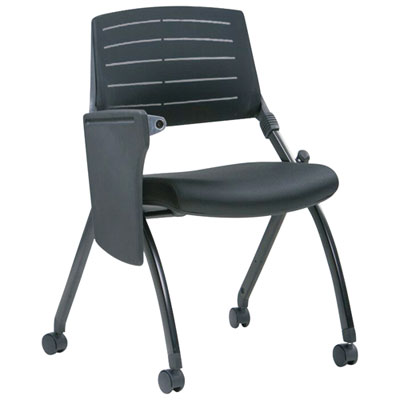
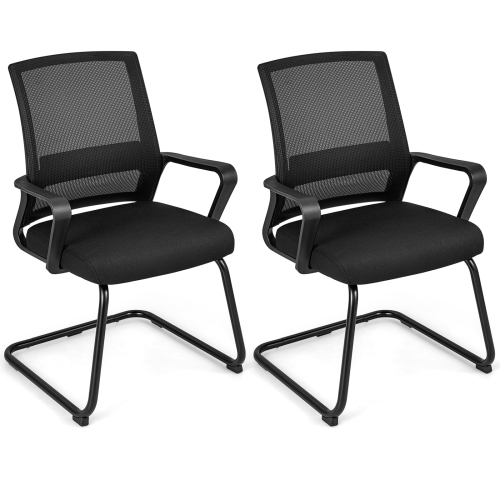
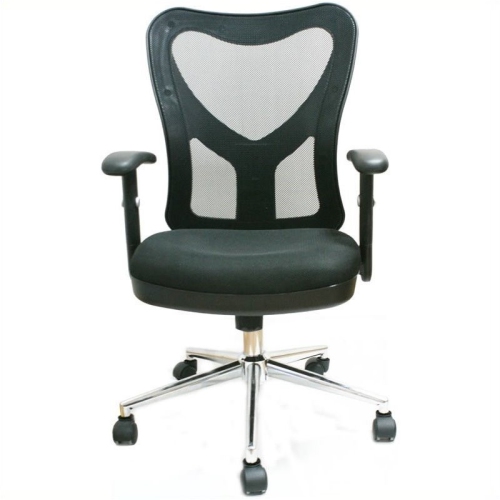
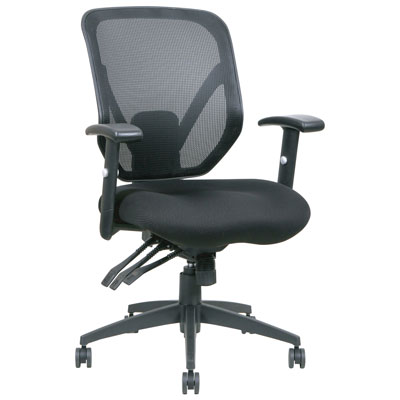
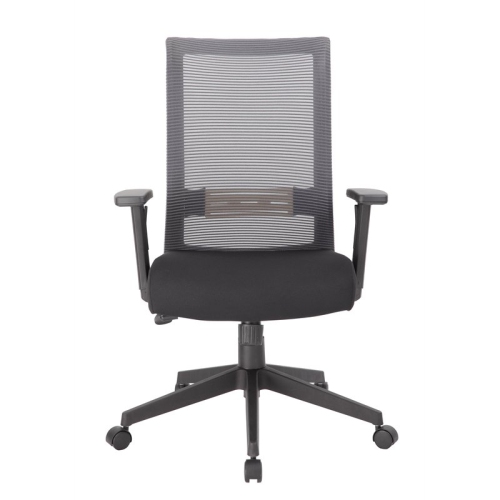
Breathable support for longer, more comfortable desk sessions
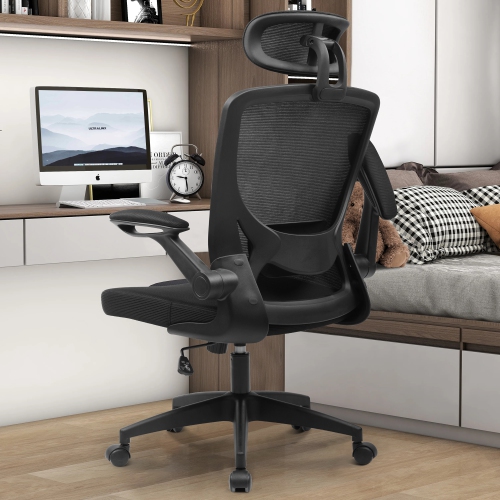
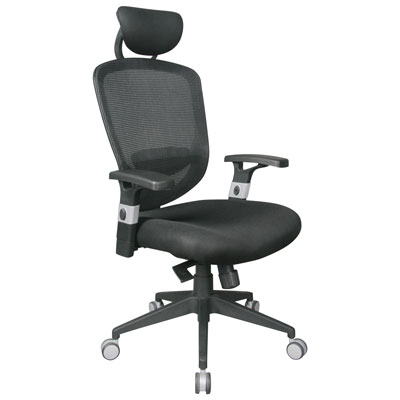
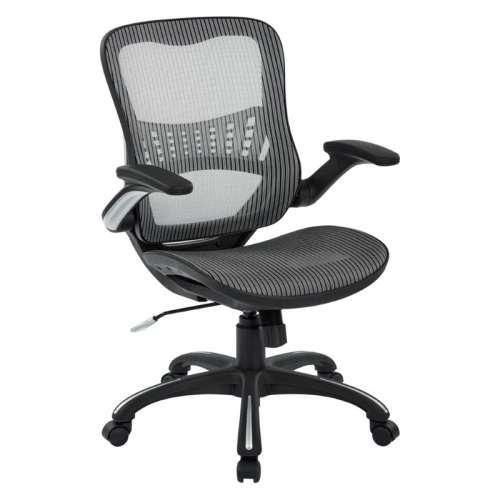
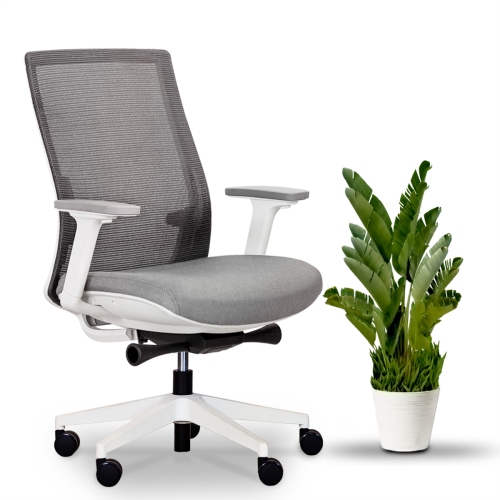
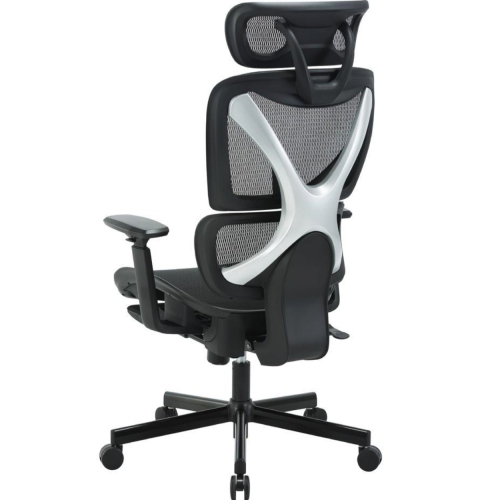
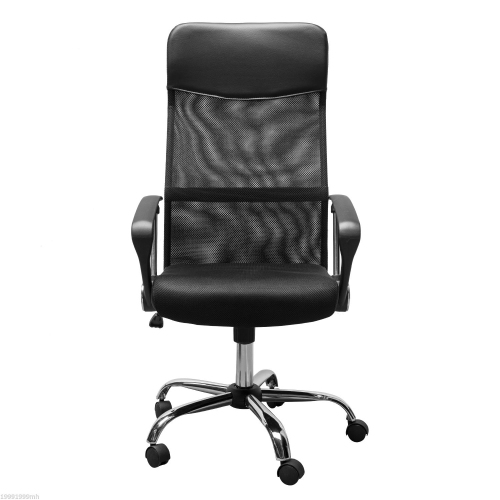
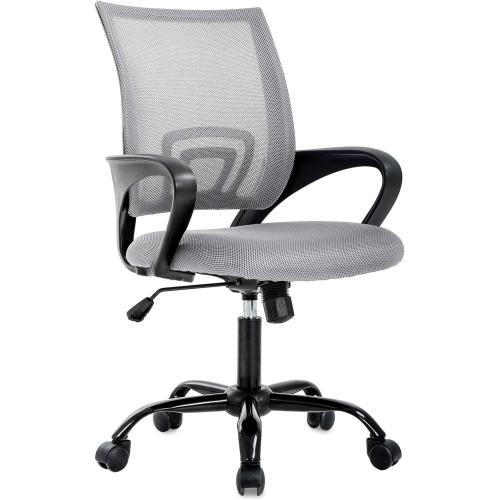
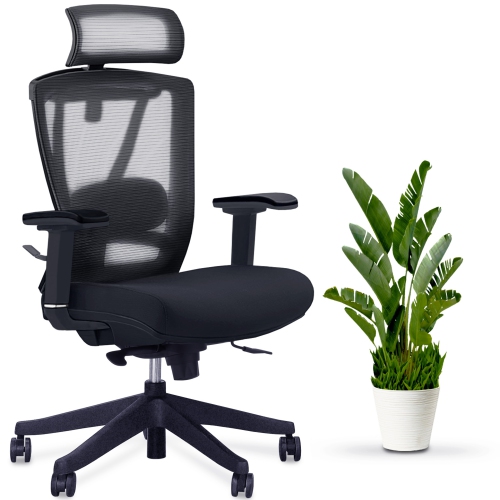
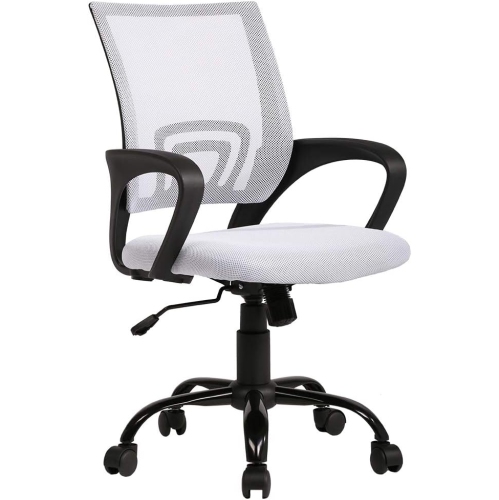
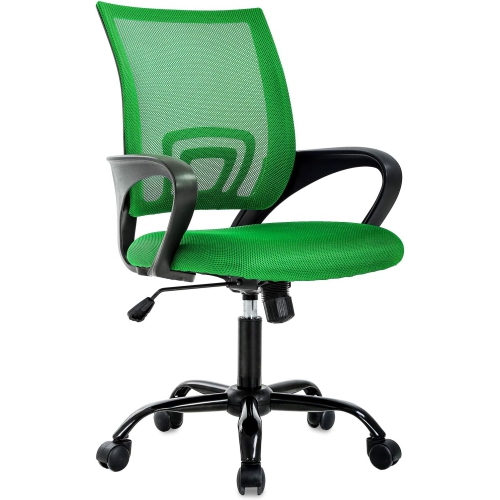
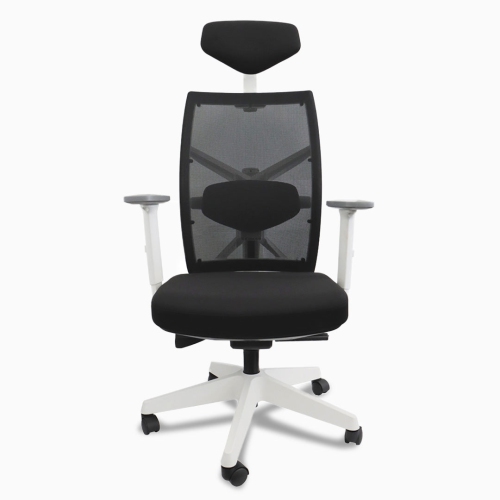
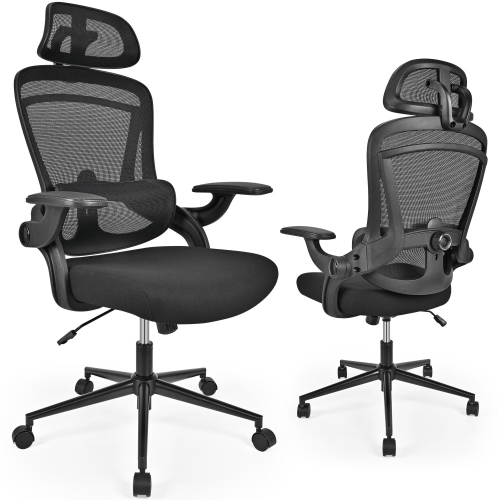
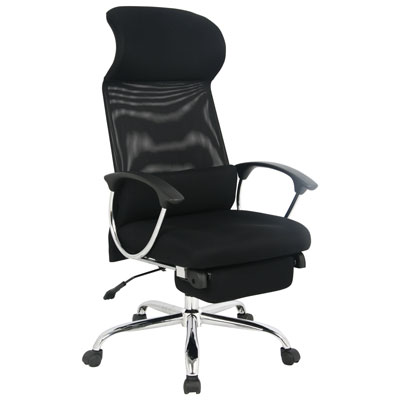
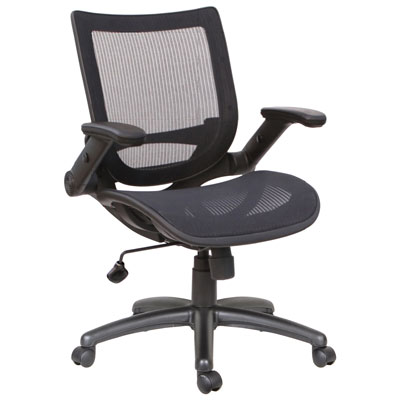
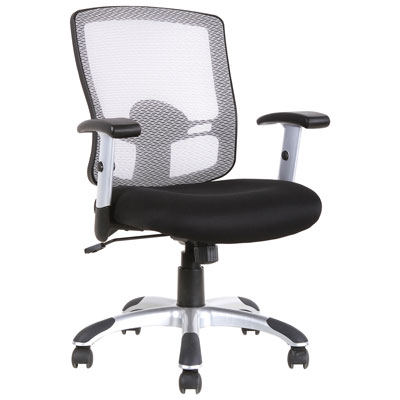
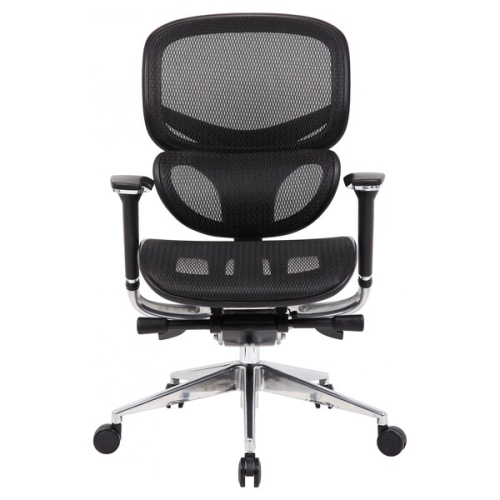
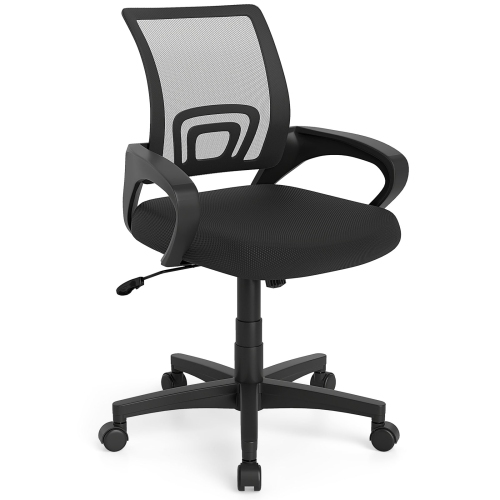
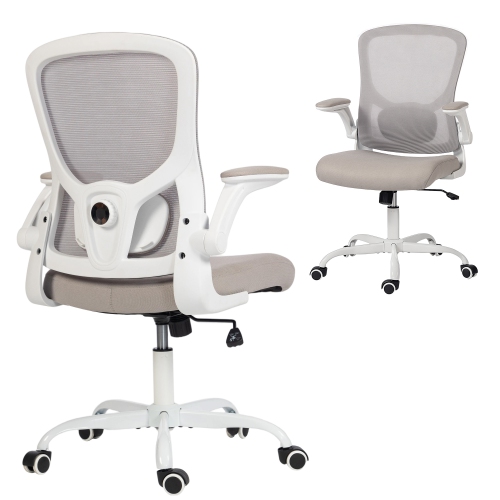
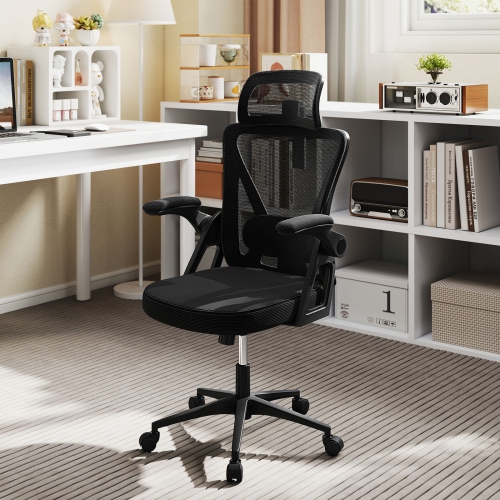
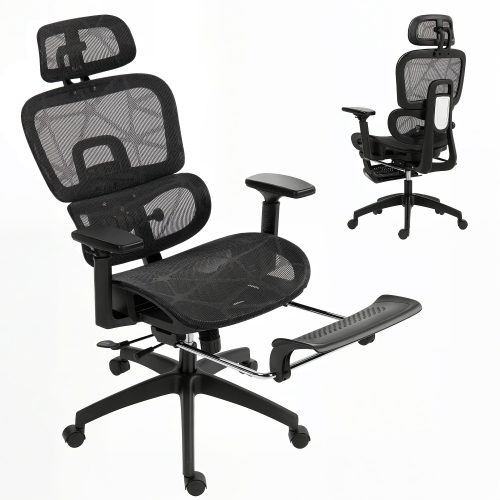
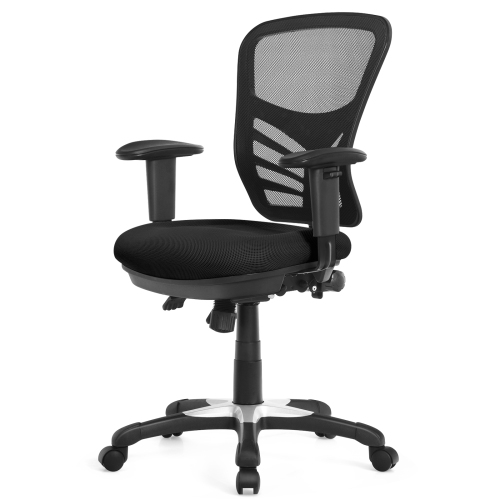
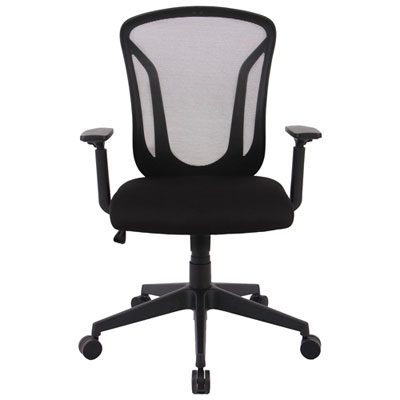
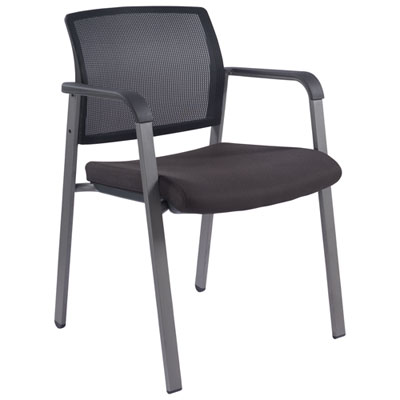
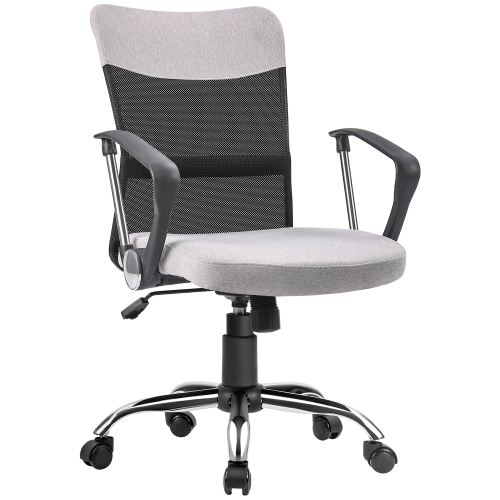
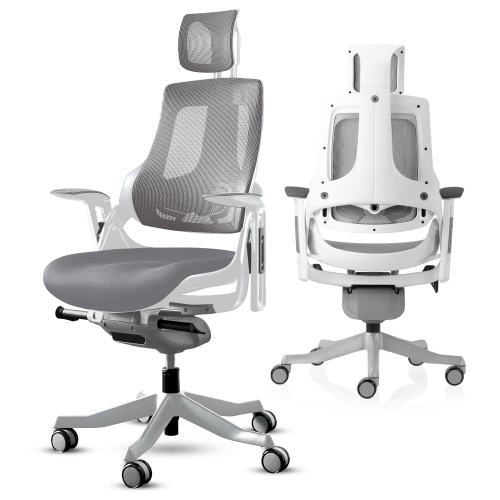
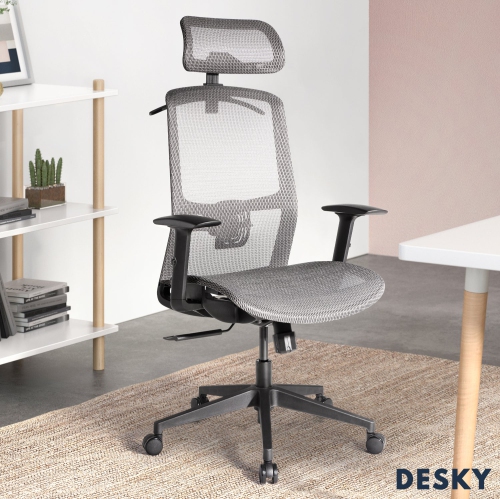
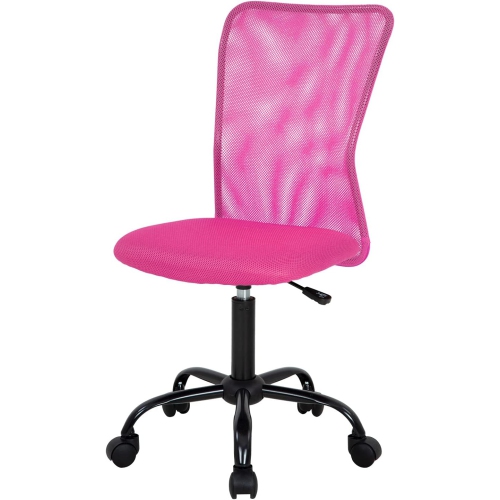
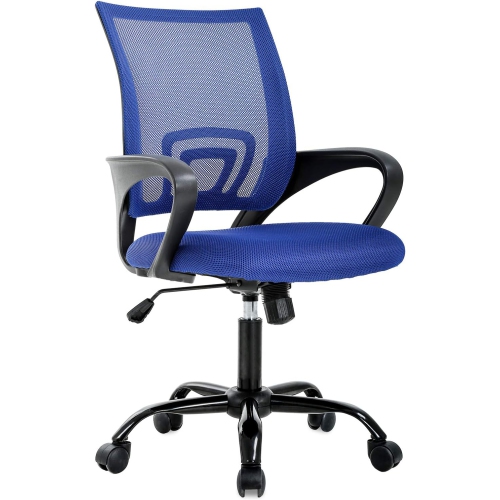
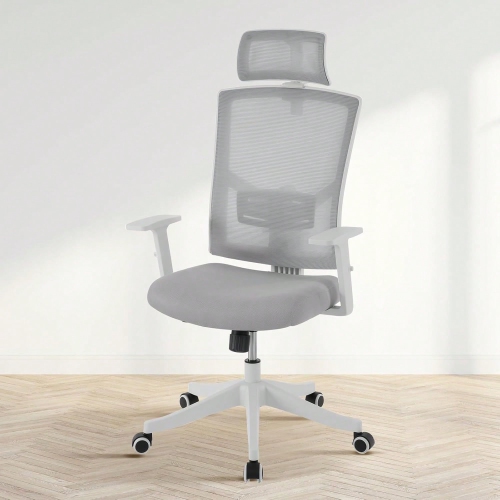
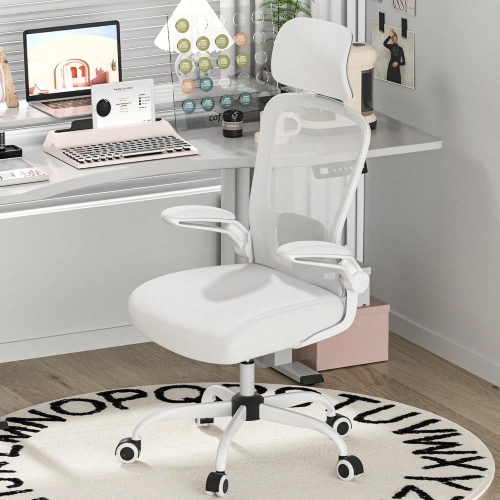
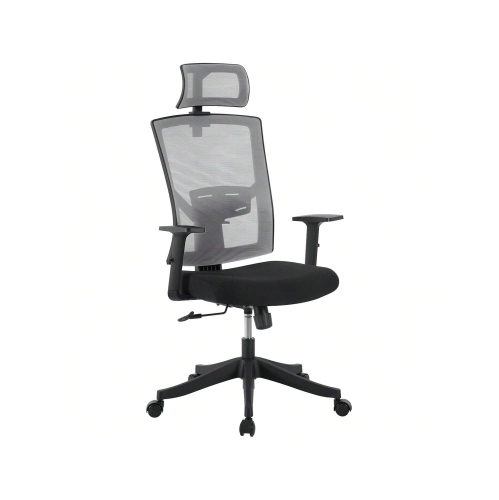
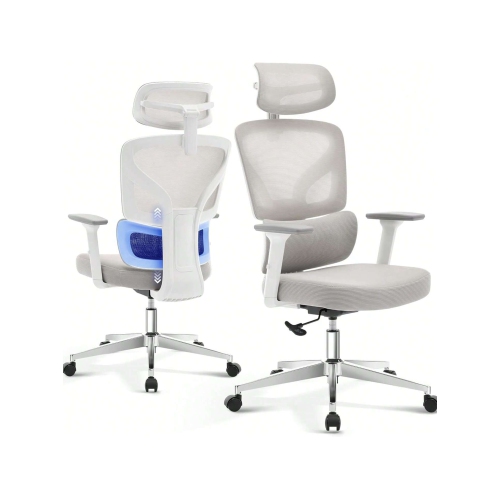
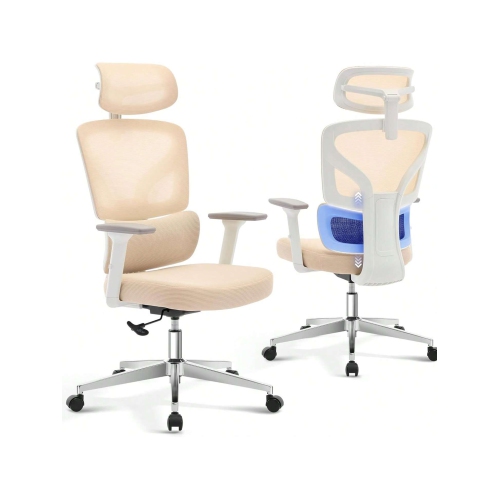
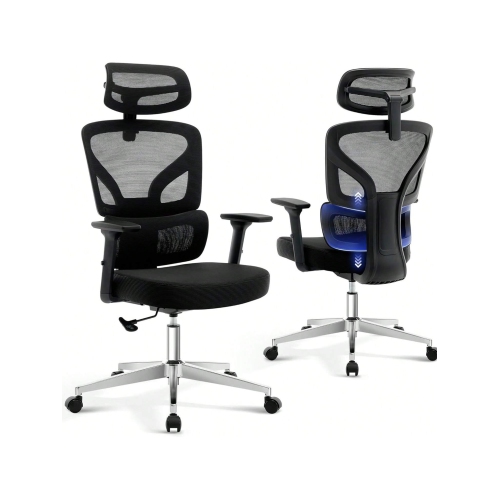
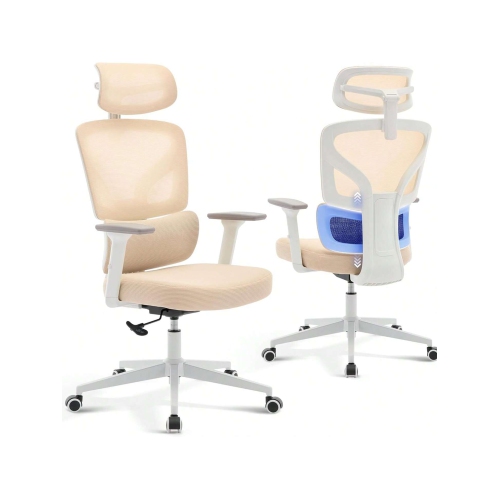
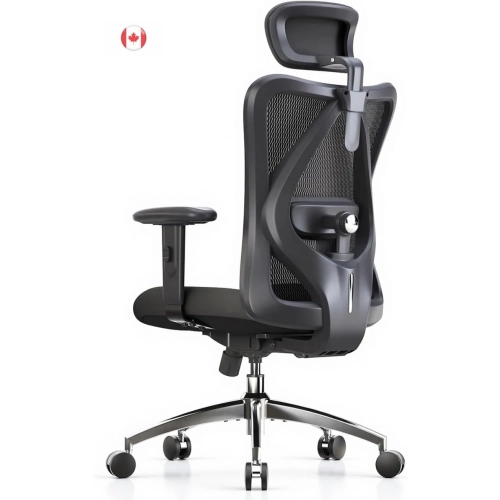
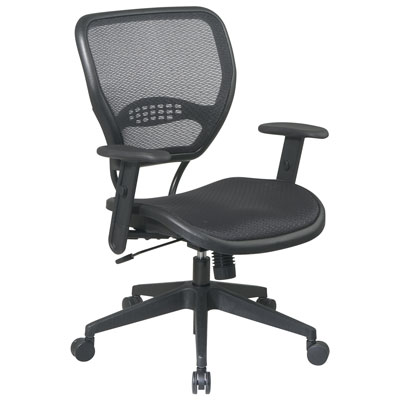
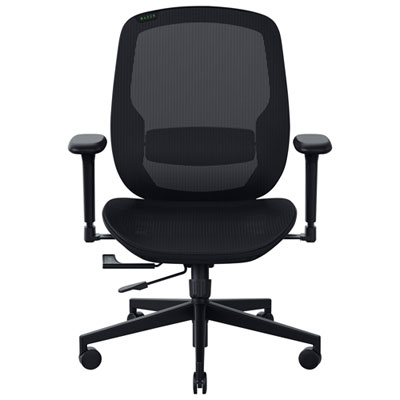
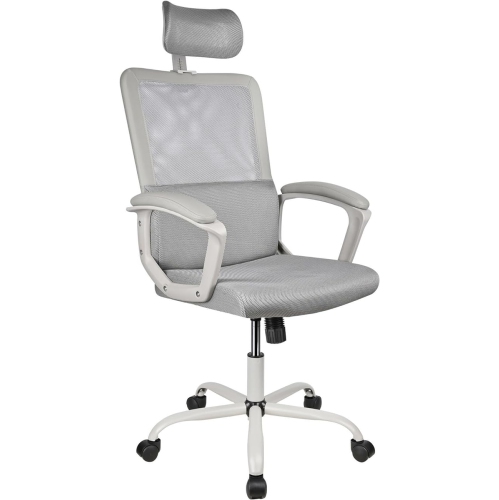
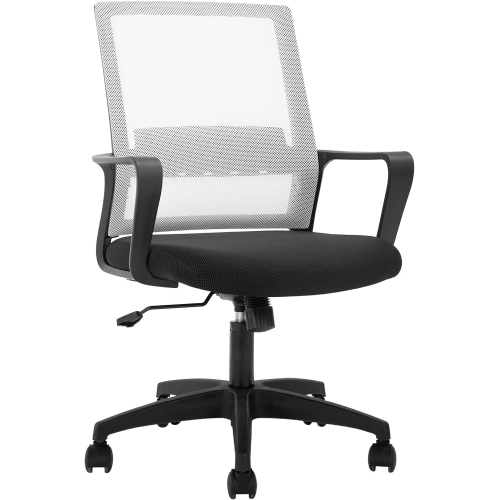
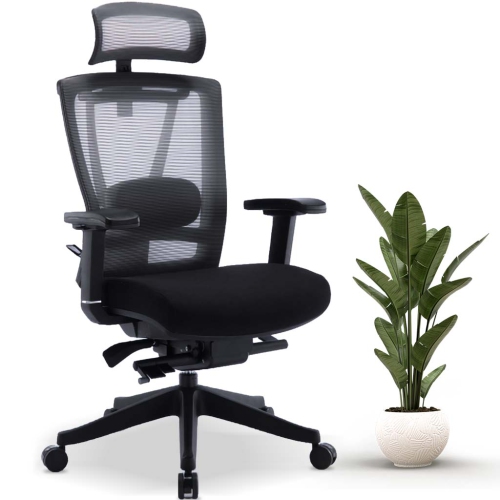
Mesh ergonomic chairs are designed to make extended periods of sitting feel more comfortable and supported, whether they are used at a home office, a workplace, a study area, or a shared workstation. Their defining feature is a breathable mesh backrest that allows air to circulate instead of holding heat against the body, which can be especially helpful during long video calls, focused computer work, online learning, gaming sessions, or paperwork. Many chairs in this category combine a flexible mesh back with a padded seat, helping create a balance between airflow and cushioning. Ergonomic details can include adjustable lumbar support, a contoured backrest, a reclining mechanism, height adjustment, armrests, a headrest, and a five-star base with smooth-rolling casters. These features are intended to help users set up a chair that better suits their body and desk, rather than asking one fixed position to work for everyone. A chair that feels comfortable at first glance may feel very different after several hours, so it is useful to consider how the seat supports the thighs, whether the lower back receives steady support, and whether the feet can rest flat on the floor. Mesh ergonomic chairs can suit people who spend much of the day at a computer, including remote workers, students, designers, administrators, streamers, and small-business owners. They can also be a practical gift for someone setting up a first home office, refreshing a study space, or replacing a basic dining chair that was never intended for desk work. During the cooler months, when more time may be spent indoors, a supportive desk chair can make a home workspace feel more inviting and easier to use for everyday tasks.
When comparing mesh ergonomic chairs, start with the dimensions and adjustment range. Seat height is important because the chair should allow the user to sit with knees comfortably bent and feet supported, while the desk remains at a workable height for relaxed shoulders and level forearms. Seat depth also deserves attention: a seat that is too deep can press behind the knees, while one that is too shallow may not provide enough support under the thighs. Adjustable armrests can help keep the shoulders from lifting while typing or using a mouse, and flip-up arms may be useful in compact rooms where the chair needs to slide beneath a desk or move closer to a table. A reclining back can offer a change of position between tasks, while tilt tension lets users control how easily the chair leans. Some designs include several lockable recline positions, allowing the backrest to stay upright for concentrated work or angle back for reading and calls. An adjustable headrest may be appreciated by people who regularly recline, although it is not essential for every workstation. Lumbar support is another key consideration. Fixed support can provide a defined contour, while adjustable support can be moved to better match the natural curve of the lower back. When assessing a mesh back, look for a firm yet responsive feel that supports the torso without creating pressure points. The seat material matters as well: high-density foam can provide a cushioned feel, while a firmer seat may feel more stable during active work. Weight capacity, chair dimensions, base construction, caster type, assembly requirements, and warranty coverage are also worth reviewing, particularly when the chair will be used for many hours each day or shared by several people. People who prefer a more substantial silhouette, broader backrest, or additional padding may also want to explore Mesh Executive Office Chairs for a style that combines breathable materials with a more generous office-chair profile.
The best mesh ergonomic chair depends on the user’s routine, workspace, and preferred level of adjustment. Someone working at a compact desk may value a streamlined frame, arms that fold away, and casters that move easily across a hard floor or chair mat. A person who spends most of the day in meetings may prefer a supportive headrest, smooth recline, and armrests that can be positioned comfortably during video calls. For a student or occasional home-office user, a straightforward height-adjustable model with a breathable back and dependable lumbar contour may provide the essential comfort without adding features that will rarely be used. In a shared household, an adjustable chair can make it easier for different users to find a suitable position, from a taller adult completing administrative work to a shorter user studying at the same desk. The surrounding setup has an equally important effect: placing the monitor at a comfortable viewing height, keeping the keyboard and mouse close enough to avoid reaching, and leaving enough room for the chair to move freely can help the chair’s ergonomic features work as intended. Mesh surfaces are generally easy to wipe clean, which is convenient in busy family rooms, student spaces, and shared offices, though care instructions should always be followed for the frame, casters, fabric, and cushioning. Consider the floor surface before choosing casters, and measure doorways, desk clearance, and available room around the workstation before assembly. With the right fit, mesh ergonomic chairs can bring breathable comfort, adjustable support, and a more polished feel to everyday desk work, whether the goal is to create a dedicated office, improve a multipurpose room, or give a hardworking family member a more comfortable place to sit.
When comparing mesh ergonomic chairs, start with the dimensions and adjustment range. Seat height is important because the chair should allow the user to sit with knees comfortably bent and feet supported, while the desk remains at a workable height for relaxed shoulders and level forearms. Seat depth also deserves attention: a seat that is too deep can press behind the knees, while one that is too shallow may not provide enough support under the thighs. Adjustable armrests can help keep the shoulders from lifting while typing or using a mouse, and flip-up arms may be useful in compact rooms where the chair needs to slide beneath a desk or move closer to a table. A reclining back can offer a change of position between tasks, while tilt tension lets users control how easily the chair leans. Some designs include several lockable recline positions, allowing the backrest to stay upright for concentrated work or angle back for reading and calls. An adjustable headrest may be appreciated by people who regularly recline, although it is not essential for every workstation. Lumbar support is another key consideration. Fixed support can provide a defined contour, while adjustable support can be moved to better match the natural curve of the lower back. When assessing a mesh back, look for a firm yet responsive feel that supports the torso without creating pressure points. The seat material matters as well: high-density foam can provide a cushioned feel, while a firmer seat may feel more stable during active work. Weight capacity, chair dimensions, base construction, caster type, assembly requirements, and warranty coverage are also worth reviewing, particularly when the chair will be used for many hours each day or shared by several people. People who prefer a more substantial silhouette, broader backrest, or additional padding may also want to explore Mesh Executive Office Chairs for a style that combines breathable materials with a more generous office-chair profile.
The best mesh ergonomic chair depends on the user’s routine, workspace, and preferred level of adjustment. Someone working at a compact desk may value a streamlined frame, arms that fold away, and casters that move easily across a hard floor or chair mat. A person who spends most of the day in meetings may prefer a supportive headrest, smooth recline, and armrests that can be positioned comfortably during video calls. For a student or occasional home-office user, a straightforward height-adjustable model with a breathable back and dependable lumbar contour may provide the essential comfort without adding features that will rarely be used. In a shared household, an adjustable chair can make it easier for different users to find a suitable position, from a taller adult completing administrative work to a shorter user studying at the same desk. The surrounding setup has an equally important effect: placing the monitor at a comfortable viewing height, keeping the keyboard and mouse close enough to avoid reaching, and leaving enough room for the chair to move freely can help the chair’s ergonomic features work as intended. Mesh surfaces are generally easy to wipe clean, which is convenient in busy family rooms, student spaces, and shared offices, though care instructions should always be followed for the frame, casters, fabric, and cushioning. Consider the floor surface before choosing casters, and measure doorways, desk clearance, and available room around the workstation before assembly. With the right fit, mesh ergonomic chairs can bring breathable comfort, adjustable support, and a more polished feel to everyday desk work, whether the goal is to create a dedicated office, improve a multipurpose room, or give a hardworking family member a more comfortable place to sit.
Top selling and popular products
-
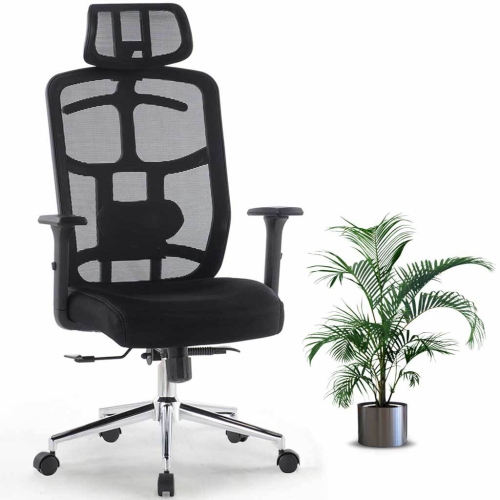 Your price for this item is $114.99
 -
 Your price for this item is $123
 -
 Your price for this item is $139.99
 -
 Your price for this item is $139.99
 -
 Your price for this item is $203.98
 -
 Your price for this item is $379.99
 -
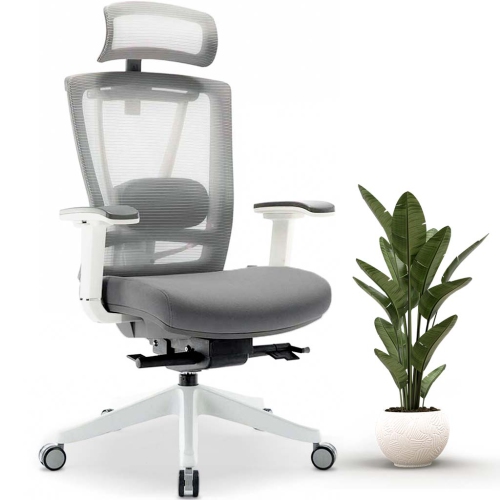 Your price for this item is $379.99
 -
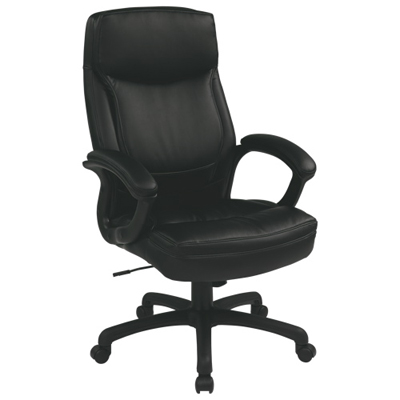 Your price for this item is $594.99
Discover more categories related to Mesh Ergonomic Chairs
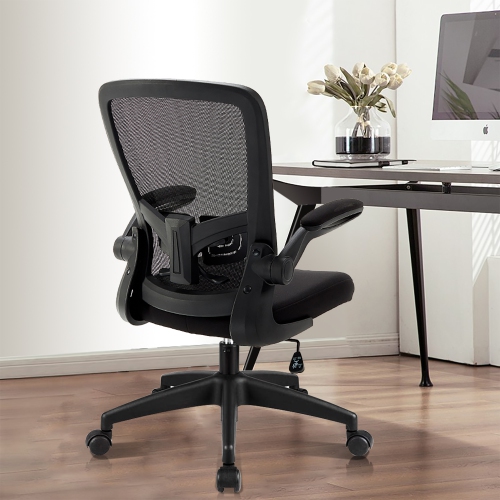
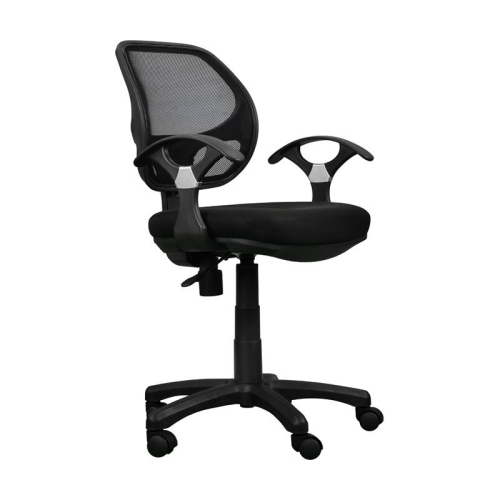
Top Collections:
Pokemon Centers, Kindle Devices, Best Budget Office Chairs, Apple iPhones 16, Best Laptops for Writers, iPhone 15 Apple, Canon G7X Cameras, Refurbished Apple Laptops, Alarm Clock, Motorola Razr Phones
Some products may be subject to Environmental Handling Fees
(EHF) depending on your province.
Learn more about EHFs.