Mesh Executive Office Chairs
Mesh Executive Office Chairs deliver the perfect blend of comfort and contemporary style for any workspace. Designed to enhance productivity and complement modern office décor, these chairs offer a professional look that suits both home offices and corporate settings. Whether upgrading your current setup or furnishing a new space, Mesh Executive Office Chairs provide a versatile seating solution that supports your daily workflow. Explore the selection to find the ideal chair that meets your needs and elevates your office environment.
Sort
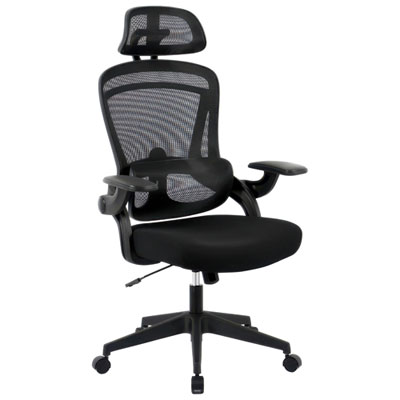
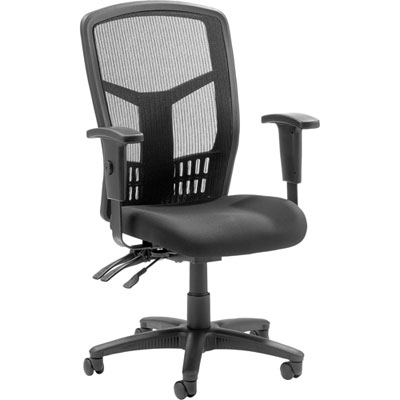
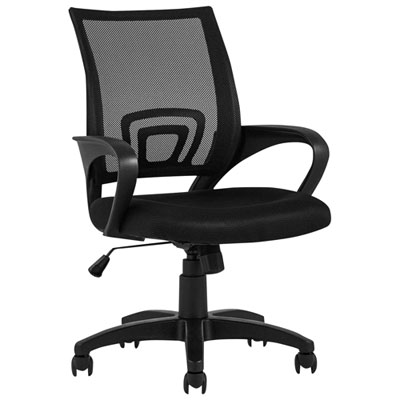
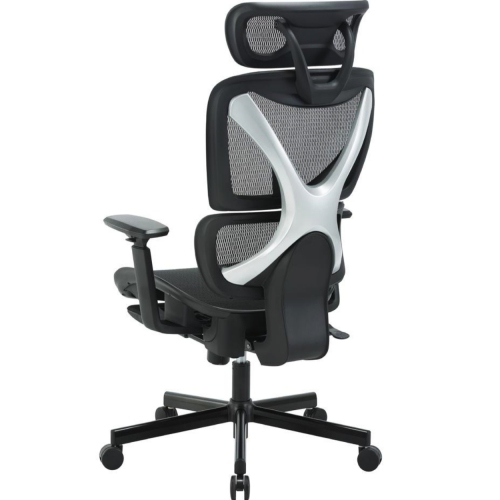
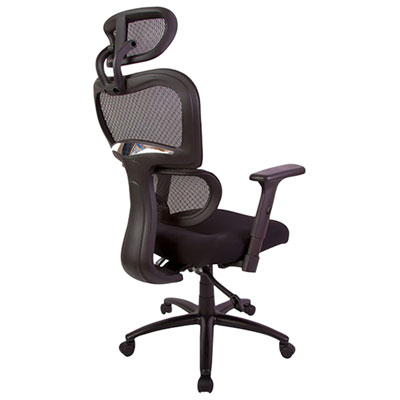
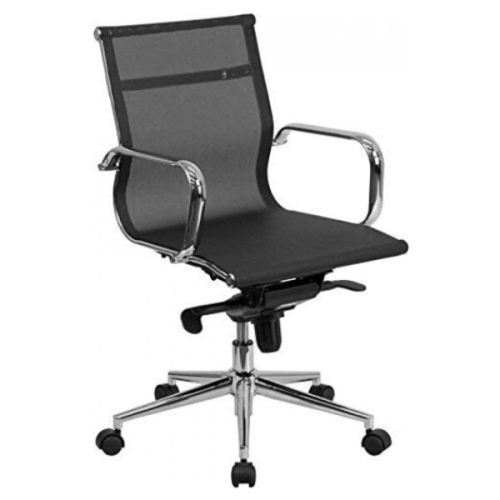
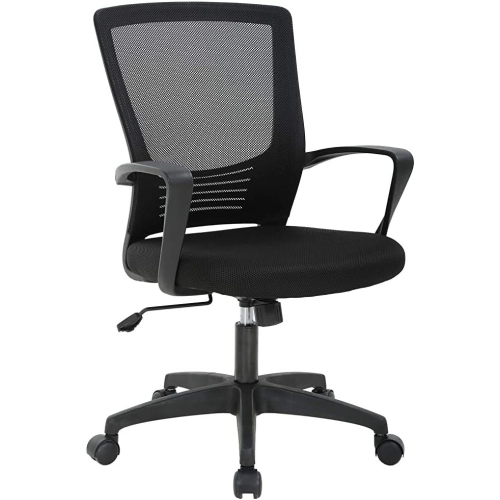
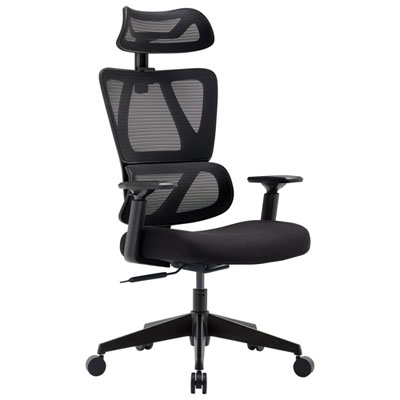
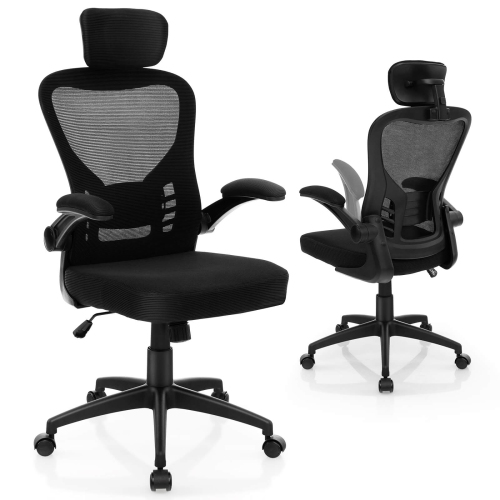
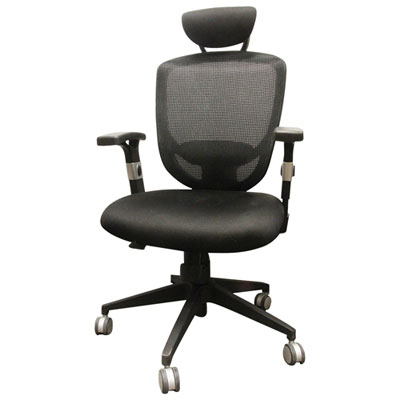
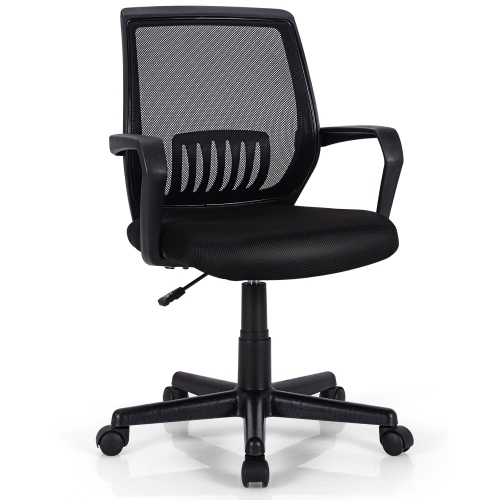
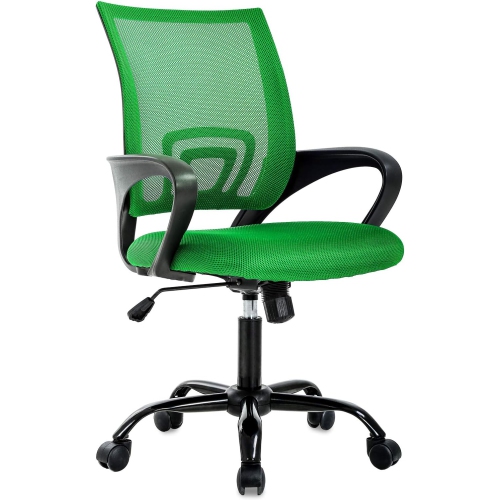
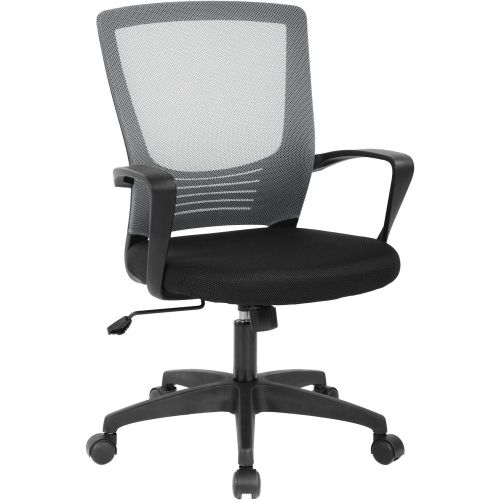
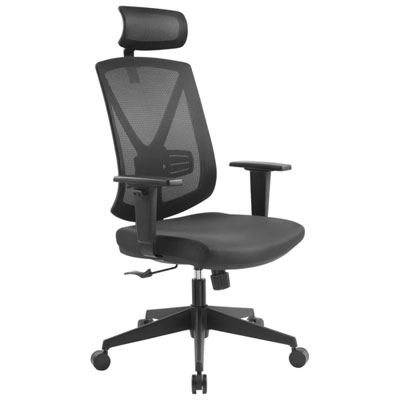
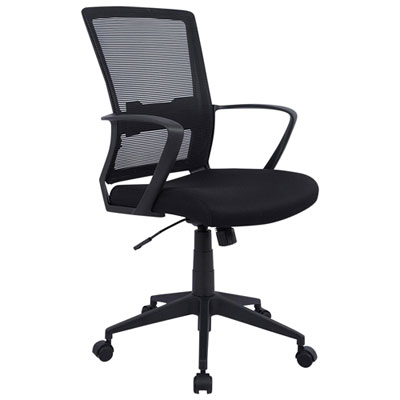

What makes a mesh chair feel right at your desk
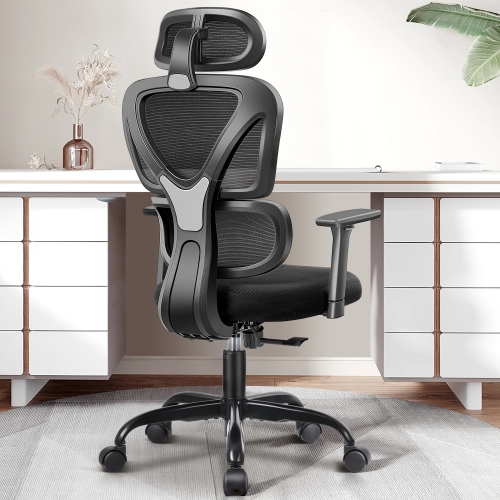
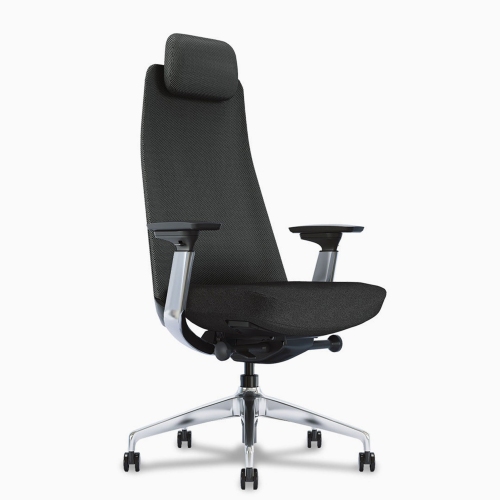
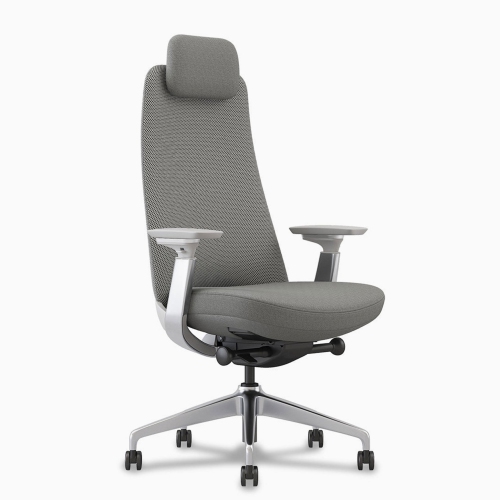
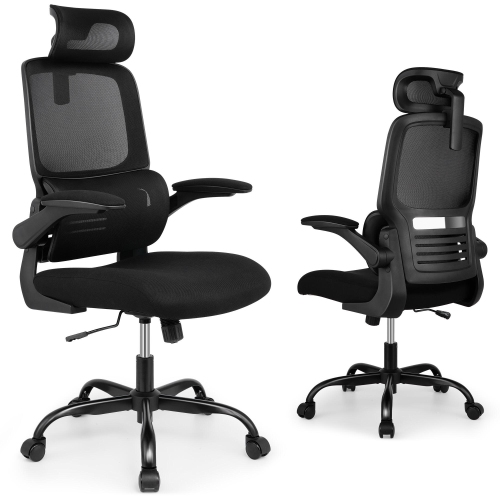
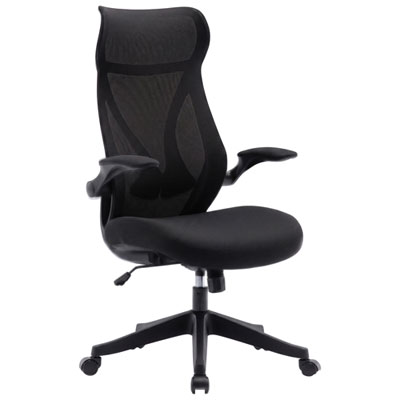
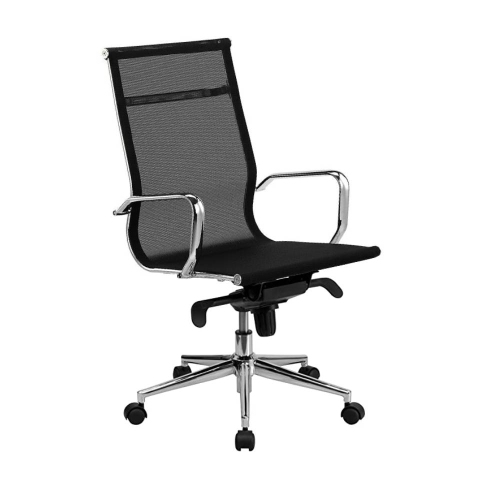
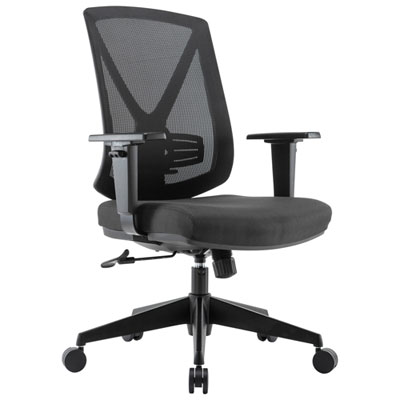
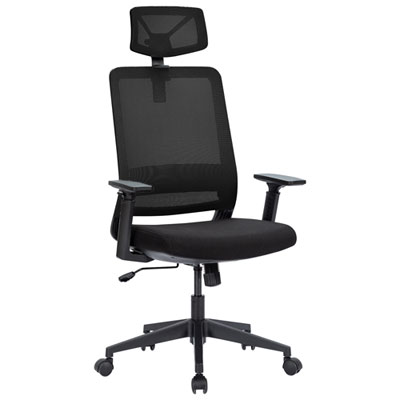
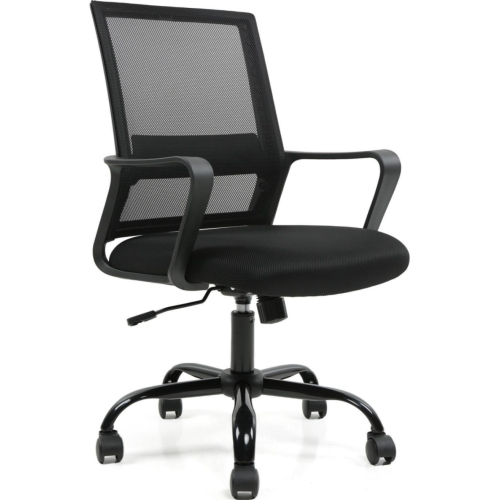
Mesh executive office chairs pair an open-weave backrest with the taller profile of an executive chair. The mesh lets air circulate through the backrest, while the high back provides a larger surface to lean against than a shorter chair. That combination suits desks where the workday might move from focused keyboard work to video calls to reading through a stack of documents. Some chairs use mesh across both the backrest and the seat; others pair a mesh back with a padded seat. A full mesh seat has a suspended feel, with the tension of the fabric and the shape of the frame determining how much it gives. A padded seat has a more familiar upholstered feel, and the thickness and firmness of the cushion affect how it feels over a long stretch at the desk. In either design, the shape of the front edge matters: a gently rounded edge can feel less intrusive beneath the thighs, while a prominent seat rim may be more noticeable to someone who shifts positions often. The backrest can feel quite different from one chair to another, too. A taut panel offers a firmer surface to lean against, while a mesh panel with more give can feel more flexible as the sitter moves. Some designs have a separate lumbar pad that can be positioned against the lower back; others provide support through the contour of the frame and mesh. A headrest, where included, can offer a place to rest the head during a reclined call or a break between tasks. A tall back alone does not guarantee neck support: the height and angle of the headrest determine where it meets the sitter. Those details make mesh executive seating relevant to a range of workspaces, from a dedicated home office to a shared workstation where users may prefer different settings.
A chair that fits the person and the desk is more useful than one with a long list of adjustments. Seat height and depth are good starting points: the feet should be able to rest flat on the floor or on a footrest, with a small gap between the seat edge and the backs of the knees when the sitter leans against the backrest. A seat that is too deep can make a shorter sitter perch forward and miss the lumbar support entirely, while a shallow seat may leave a taller sitter wanting more support beneath the thighs. Adjustable seat depth can help when a chair is shared or when a fixed seat is close to the right fit but not quite there. Armrests should support the forearms without pushing the shoulders upward. Height-adjustable arms can also help the chair pull in close to the work surface, which matters when a desk has a low drawer or a deep front lip. At a workstation with a full-size keyboard, for instance, armrests that stop the chair several centimetres short of the desk can leave the sitter reaching for the keys all afternoon. Tilt features affect how the chair moves between tasks. An upright lock can provide a steady position for typing or writing, while adjustable tilt tension can make it easier to lean back without having to push hard against the backrest. On chairs that let the seat and back tilt at different rates, the front edge of the seat generally rises less as the back reclines. Room layout matters alongside those adjustments: a high back needs clearance behind the desk when it tilts, and a wide base can be awkward to roll past drawers or around an L-shaped work surface. For a compact desk or a workstation used mainly for upright keyboard work, Mesh Back Task Office Chairs offer a related option with an emphasis on task seating rather than the taller executive profile.
Durability depends on more than the mesh itself. The back frame holds the fabric under tension, the tilt mechanism takes the load as the sitter leans back, and the base and casters support daily movement around the desk. A well-secured mesh panel should sit evenly in its frame, without loose areas or edges that catch on clothing. For a chair that will see repeated use, practical details include the stated weight capacity, the type of flooring the casters are intended for, and whether parts such as casters or arm pads can be replaced. Wheels that roll smoothly on hard flooring may behave differently on thick carpet, where a compatible chair mat can make it easier to move between the keyboard and a nearby filing cabinet. Everyday care is usually straightforward, though the cleaning directions for the mesh, seat upholstery and frame may differ. A soft brush or vacuum upholstery attachment on a low setting can lift lint from the weave, especially along the lower edge of the backrest where it meets the frame. For a spill on a padded seat, blotting rather than rubbing helps keep the liquid from spreading, and any cleaner should be suitable for the upholstery. It is also worth following the assembly instructions for checking fasteners if an armrest starts to shift or the chair develops a creak. In a busy home office, those small details can make a difference over years of pulling up to the same desk. A mesh executive chair can also be a practical gift for someone setting up a dedicated workspace, starting a role that involves more desk time or replacing a chair that no longer fits. Since seat depth and lumbar position are personal, the gift is easier to get right when the recipient can take part in choosing the fit. Even knowing what bothers them about the old chair, such as armrests that hit the desktop or a seat edge that presses behind the knees, can help narrow down which features will matter in daily use.
Top selling and popular products
-
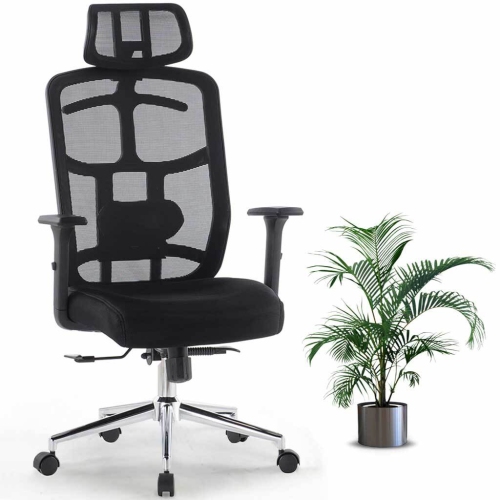 Your price for this item is $126.99
-
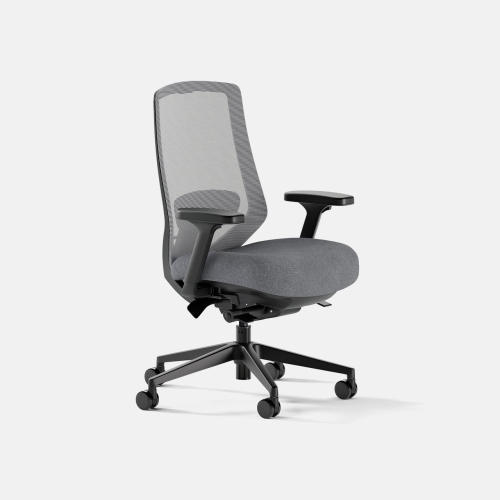 Your price for this item is $599
-
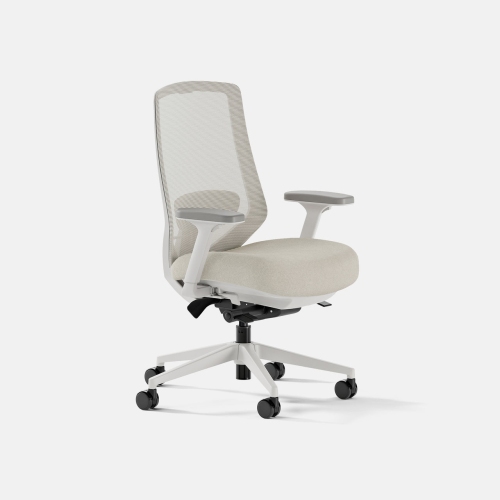 Your price for this item is $599
-
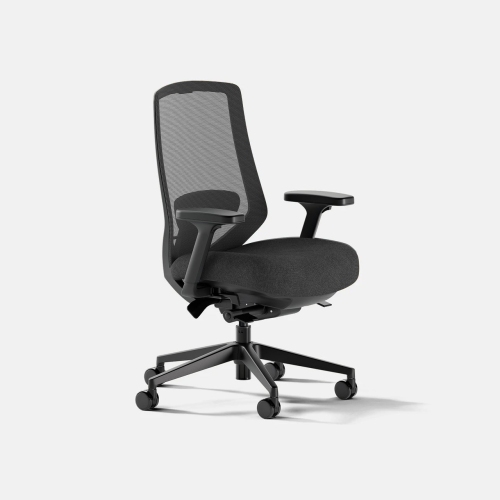 Your price for this item is $599
-
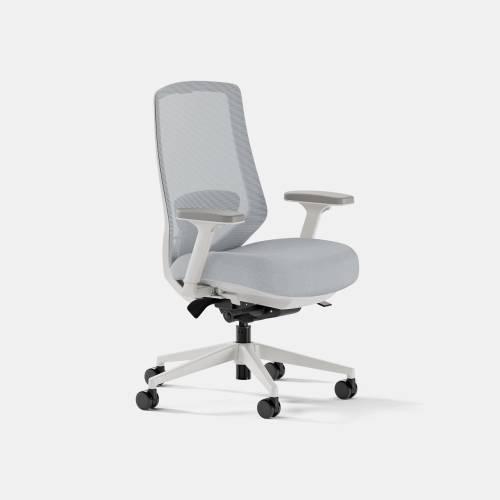 Your price for this item is $599
-
 Your price for this item is $649
-
 Your price for this item is $459.99
-
 Your price for this item is $429
Discover more categories related to Mesh Executive Office Chairs
Top Collections:
Best Black Friday Deals This Year, Best Black Friday Deals On Electronics, Kindle Devices, Pokemon Centers, Best Black Friday Deals On Apple Products, Best Cameras for Sports Photography, Dyson Airwrap, Pokémon 30th Celebration Cards, Apple iPhone 17 Pro, Canon G7X Cameras
Some products may be subject to Environmental Handling Fees
(EHF) depending on your province.
Learn more about EHFs.