Mesh Back Task Office Chairs
Upgrade your workspace with a Mesh Back Task Office Chair, designed to support productivity and comfort throughout the workday. Ideal for home offices, study areas, or professional environments, these chairs offer a modern solution to everyday seating needs. The mesh back design brings a sleek look that complements any office décor while helping you stay focused on tasks at hand. Explore a variety of options to find the perfect Mesh Back Task Office Chair that fits your style and enhances your workspace experience.
Sort


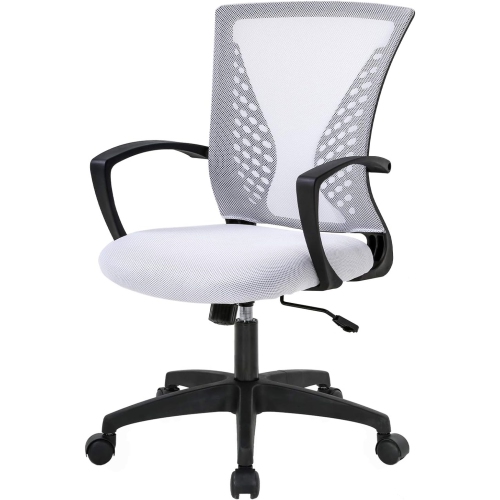
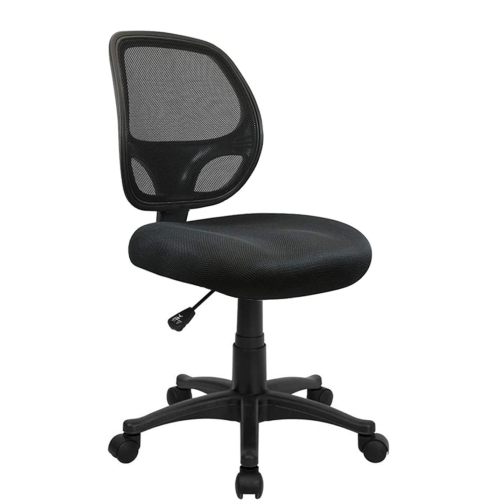
A comfortable fit goes beyond a breathable backrest
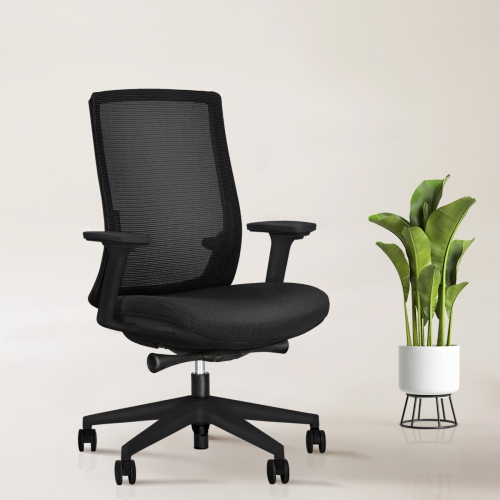
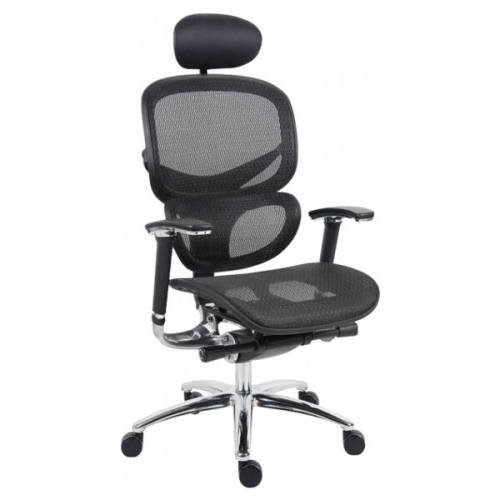
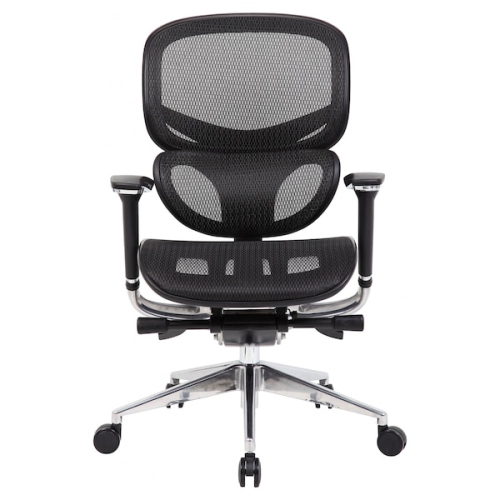
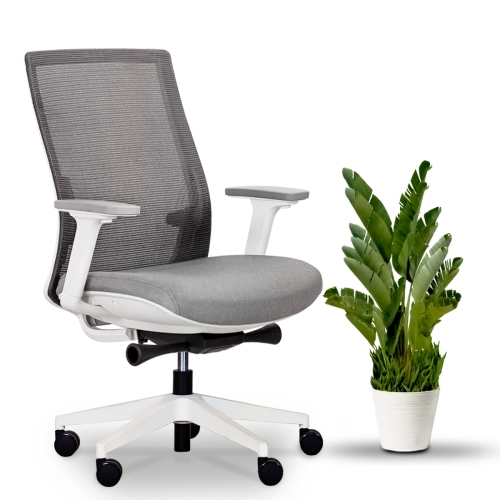
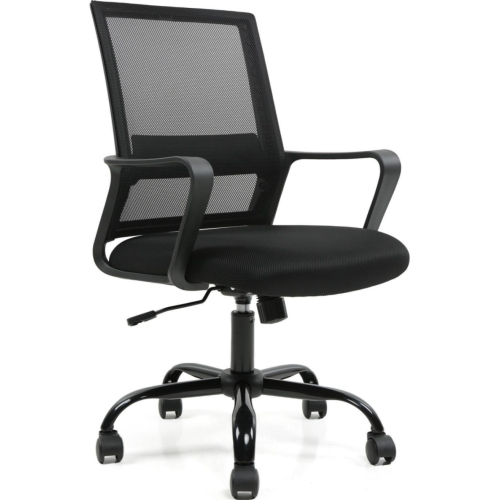
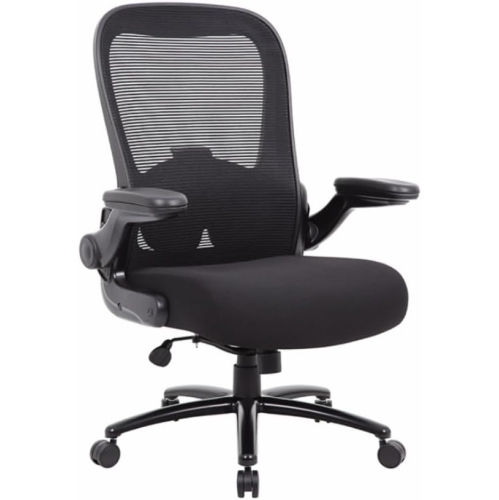
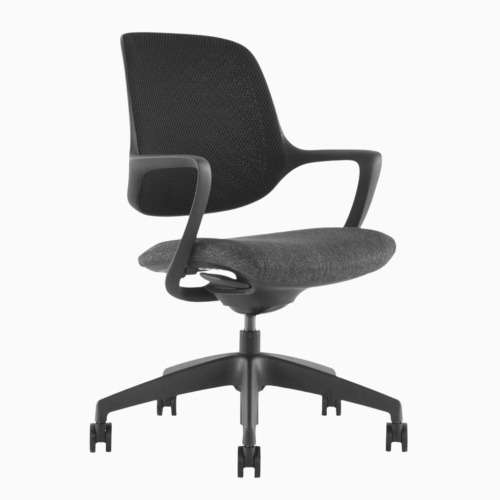
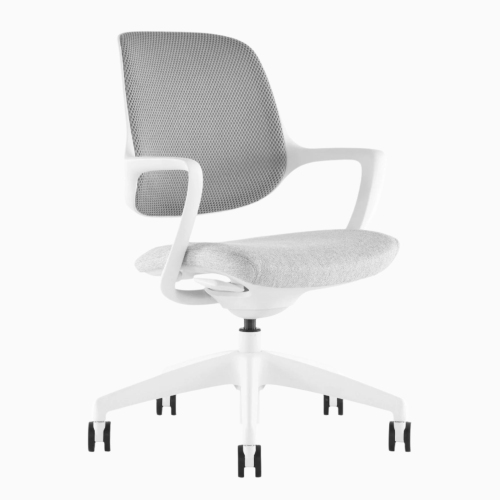
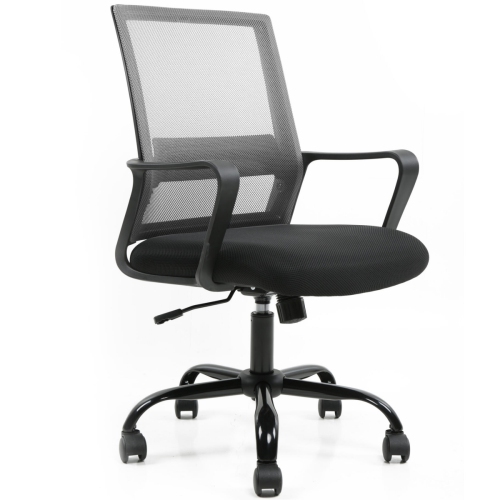
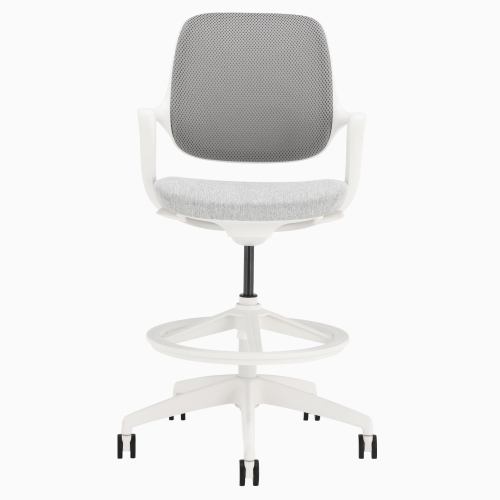
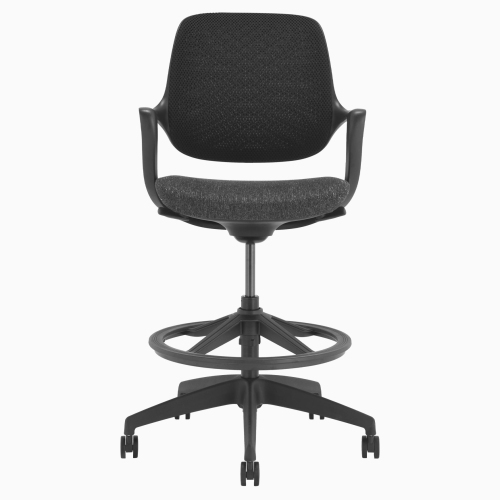
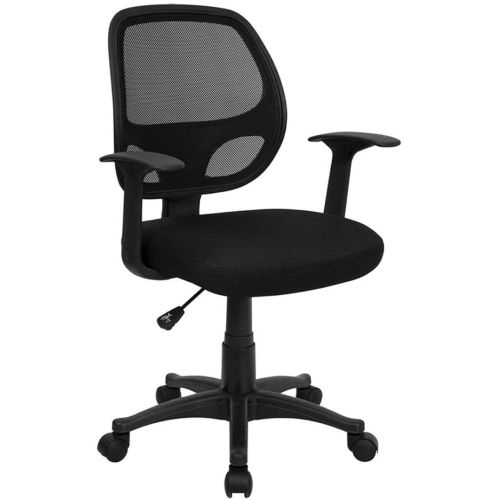
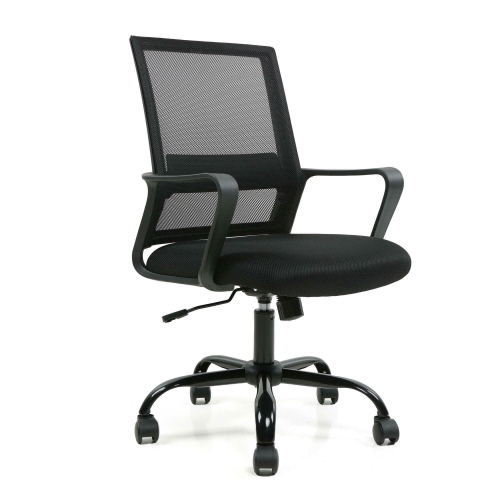
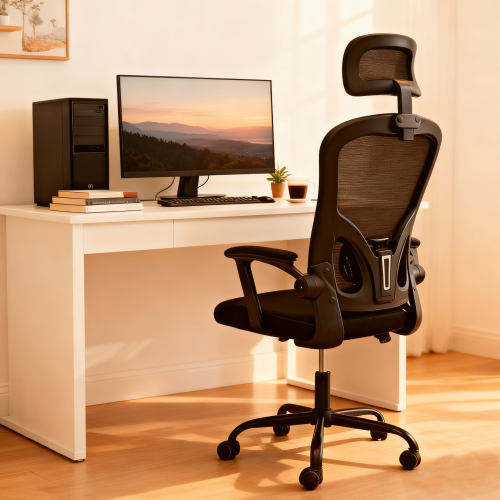
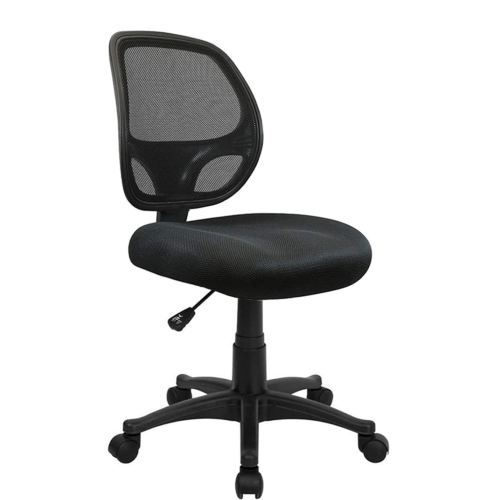
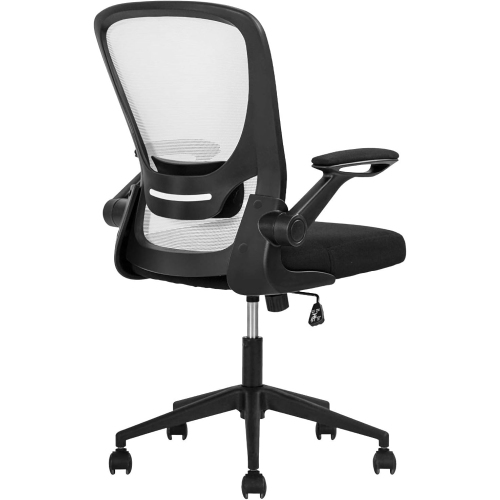
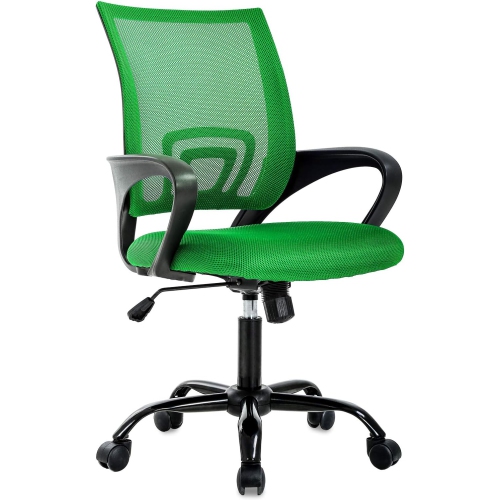
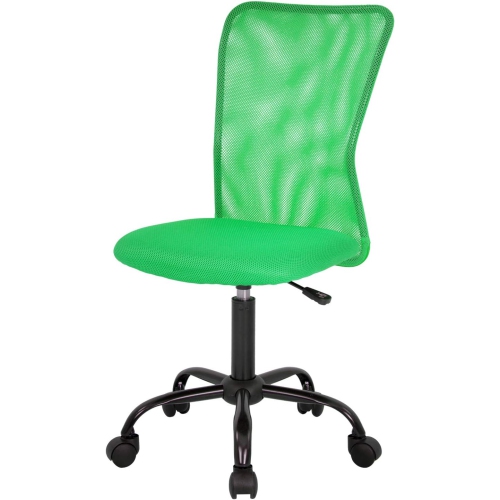
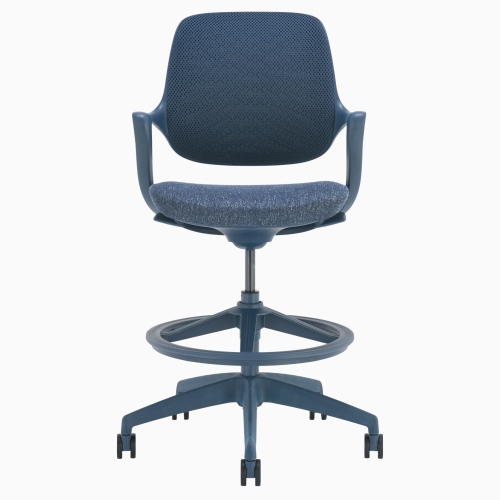
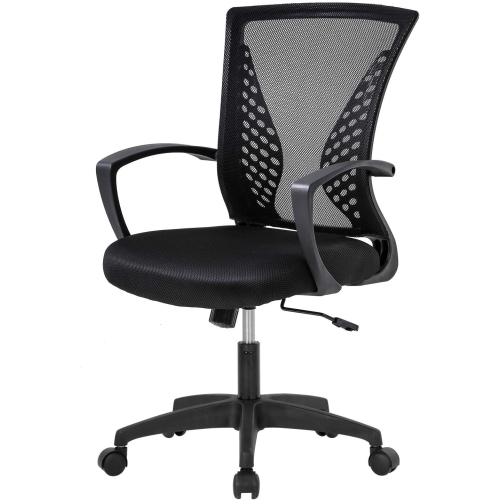
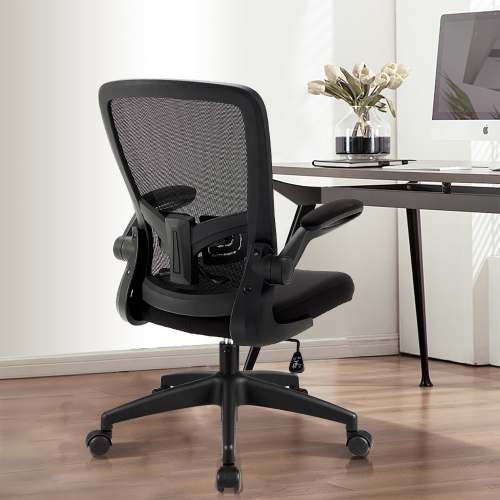
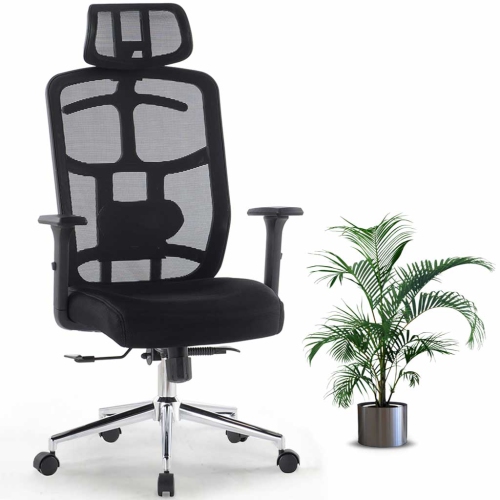
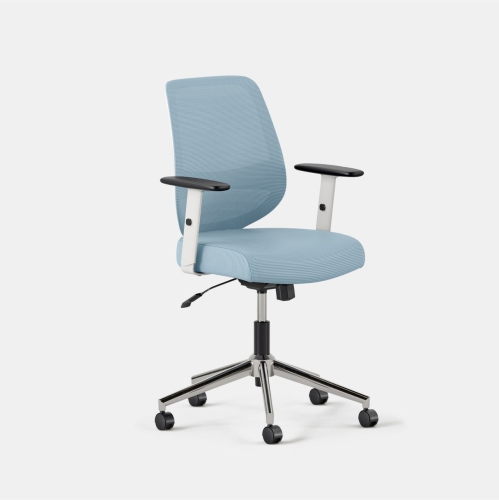
Mesh back task office chairs combine a breathable backrest with the practical adjustments needed for desk-based work. The open structure of the mesh allows air to circulate behind the body, while the backrest’s shape and tension provide support during typing, reading, and video calls. This combination suits home offices, shared workspaces, study corners, and other places where a chair needs to accommodate several different tasks throughout the day. Unlike a fully upholstered backrest, mesh has a visible, open texture that can make a compact workspace feel less visually crowded. The material is commonly made from synthetic fibres, such as polyester or nylon, stretched across a supporting frame. Its feel varies with the weave, tension, and construction: some backrests have a firmer surface, while others flex more noticeably as the user shifts position. A mesh back does not necessarily mean a mesh seat. Many task chairs pair the backrest with a padded seat covered in fabric, offering cushioning beneath the hips and thighs. Other designs use mesh across both surfaces for a more suspended sitting feel. Seat foam, upholstery texture, frame shape, and the position of support panels all influence how the chair feels over a full work session. Students moving between coursework and online lectures, professionals working at a computer, and people managing household paperwork may each value a slightly different balance of cushioning and movement. A compact task chair can also suit a multipurpose room where the desk sits beside a bookcase or shares space with other furniture. The defining appeal is not simply the mesh itself, but how that material works with the chair’s proportions, adjustments, and base to support everyday desk use without an overly bulky profile.
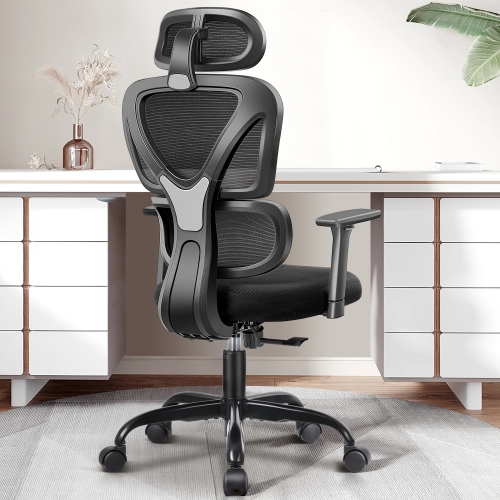
Fit matters as much as the backrest material, particularly when a chair will be used for extended periods. A suitable seat height allows the feet to rest on the floor or on a footrest, with the thighs supported and the shoulders relaxed at the work surface. The desk and chair need to work together; raising a seat to reach a high desktop may also create a need for foot support. Seat depth affects whether the backrest can be used comfortably while leaving a little clearance behind the knees. A seat that extends too far forward can make it difficult for a shorter user to sit back, while a shallow seat may feel less supportive for someone with longer legs. Adjustable seat depth, where included, provides another way to accommodate different proportions. Seat width, the space between the armrests, and the stated weight capacity are also important, since an office chair’s overall appearance does not reliably indicate its usable dimensions. Back support varies between designs. Some mesh backrests have a fixed curve, while others include a lumbar pad or an adjustable support section that can be positioned closer to the natural inward curve of the lower back. Armrests may be fixed, height adjustable, movable in several directions, or designed to flip out of the way. Their usefulness depends on whether they support the forearms without lifting the shoulders or preventing the chair from moving close enough to the desk. Tilt controls and backrest recline can accommodate a change from upright keyboard work to reading a document, although the range of movement and locking positions differs by design. Adjustable tilt tension changes the resistance felt when leaning back. In a shared workspace, accessible controls make it easier for each person to reset the chair rather than use the previous occupant’s settings. No single adjustment replaces regular changes of position, but a well-matched combination can make those small movements easier during the working day.
The chair’s footprint and construction also affect how well it suits a room over time. Overall width includes more than the seat: armrests and the wheeled base can extend farther than expected, especially beside a narrow desk or between storage units. Clearance beneath the desktop matters too, including any keyboard tray, drawer, or support rail that could catch the armrests. A swivel base helps with reaching an adjacent filing cabinet or turning towards another work surface, while the casters influence how smoothly the chair moves across the floor. Caster materials should be suitable for the flooring, and a compatible chair mat can help protect the surface while making movement more predictable. For durability, the mesh attachment points, backrest frame, seat support, adjustment mechanisms, and base all deserve attention alongside the upholstery. A taut mesh panel should provide consistent support without obvious sagging, and the frame should feel stable when the chair is used within its stated limits. Care is generally straightforward, though the manufacturer’s directions should govern cleaning methods. Dust and crumbs can be removed from mesh with a vacuum’s soft brush attachment, while spills on fabric seats are best addressed promptly using the recommended method. Harsh cleaners, abrasive brushes, and excessive moisture can damage finishes or upholstery. Keeping hair and debris clear of the casters helps preserve smooth rolling, and checking accessible fasteners as directed can help prevent looseness from developing. Appearance remains part of the fit: dark mesh can blend with monitors and desk accessories, while a lighter frame or upholstery colour can soften the look of a smaller work area. Mesh Executive Office Chairs provide a related option for spaces where a more substantial profile is preferred, with proportions and features varying by design. For everyday task seating, the most useful combination remains a manageable footprint, appropriate support, practical adjustments, and materials that suit the way the desk is used.
Top selling and popular products
-
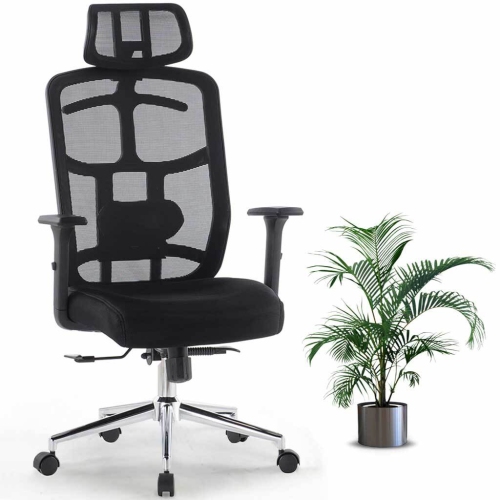 Your price for this item is $126.99
-
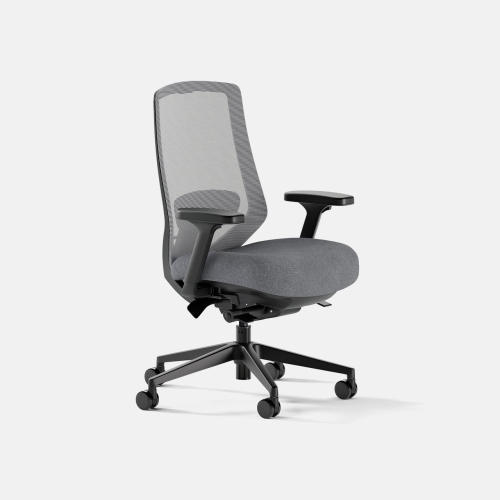 Your price for this item is $599
-
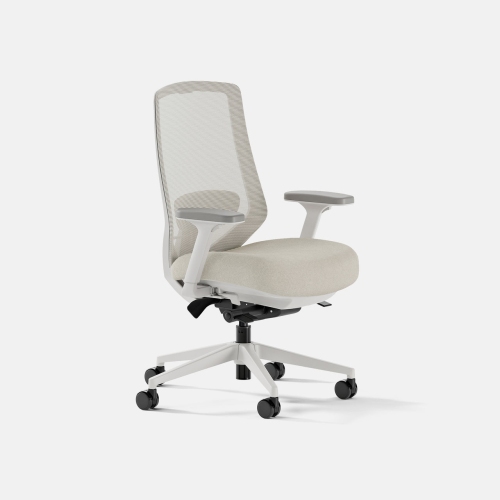 Your price for this item is $599
-
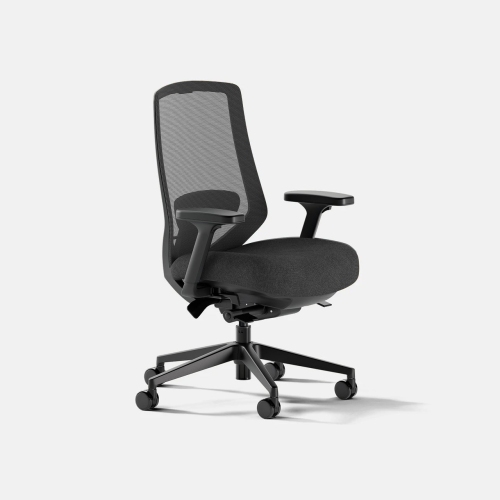 Your price for this item is $599
-
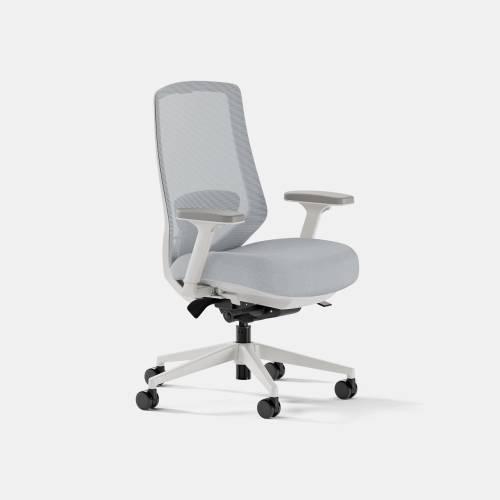 Your price for this item is $599
-
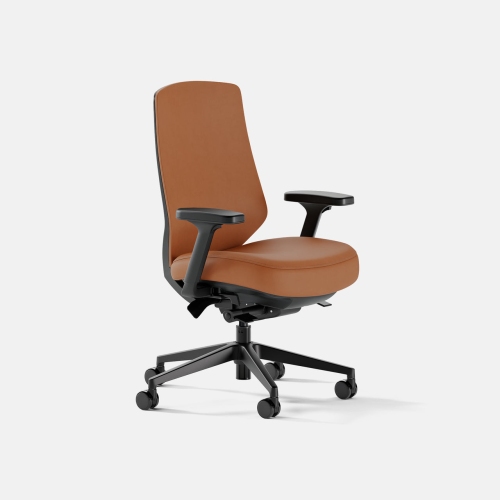 Your price for this item is $649
-
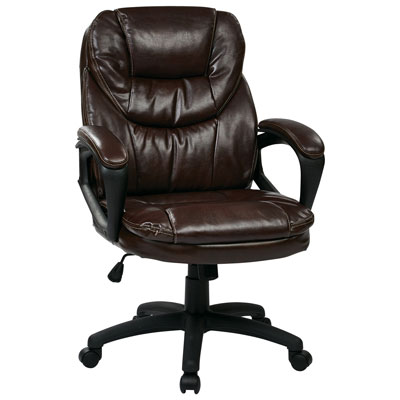 Your price for this item is $459.99
-
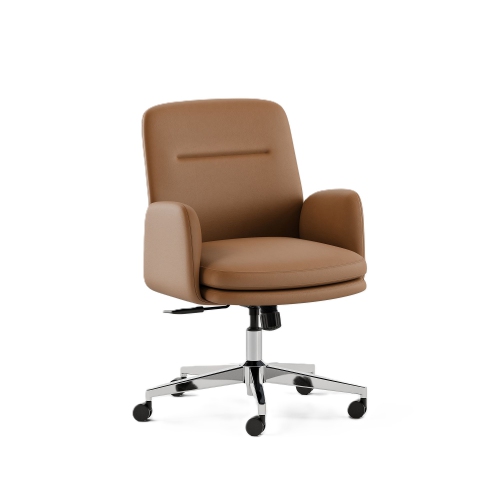 Your price for this item is $429
Discover more categories related to Mesh Back Task Office Chairs
Top Collections:
Best Black Friday Deals This Year, Best Black Friday Deals On Electronics, Kindle Devices, Pokemon Centers, Best Black Friday Deals On Apple Products, Best Cameras for Sports Photography, Dyson Airwrap, Pokémon 30th Celebration Cards, Apple iPhone 17 Pro, Canon G7X Cameras
Some products may be subject to Environmental Handling Fees
(EHF) depending on your province.
Learn more about EHFs.