Metal Shelving With Wheels
If you're looking for a versatile storage solution that combines functionality and mobility, metal shelves with wheels are the perfect choice. Whether you need to organize your garage, warehouse, or office space, these sturdy shelves offer a convenient way to keep your items neat and easily accessible. With their durable construction and built-in wheels, you can effortlessly move them around to suit your changing needs. From storing heavy equipment to organizing supplies, metal shelves with wheels provide a practical and efficient solution for all your storage requirements.
Sort

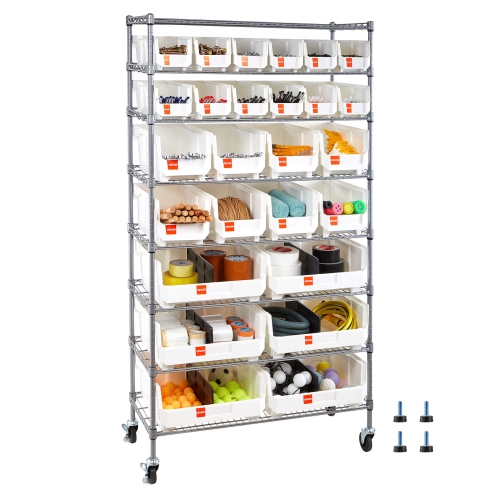
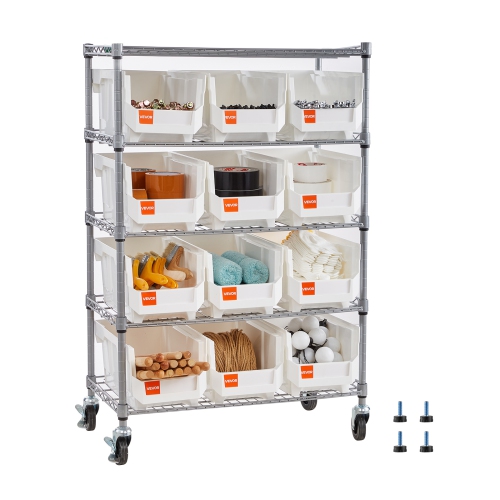
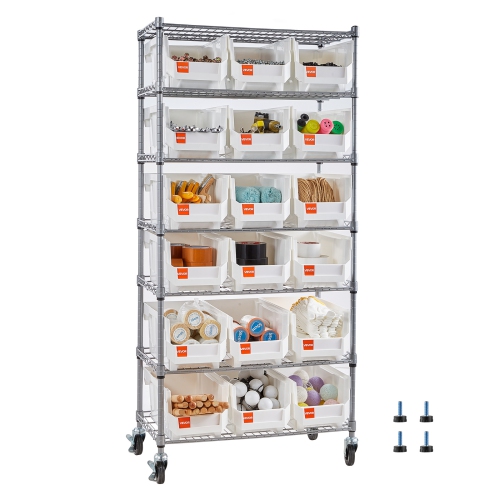
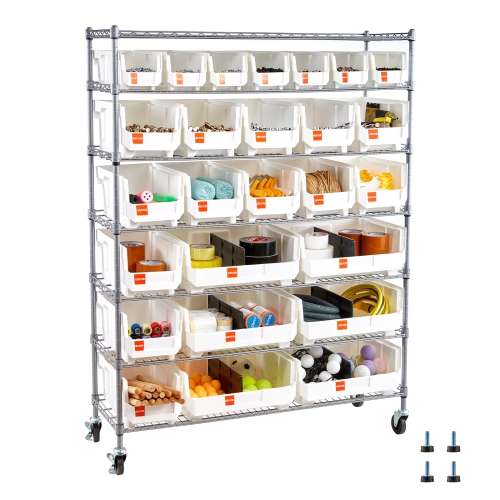
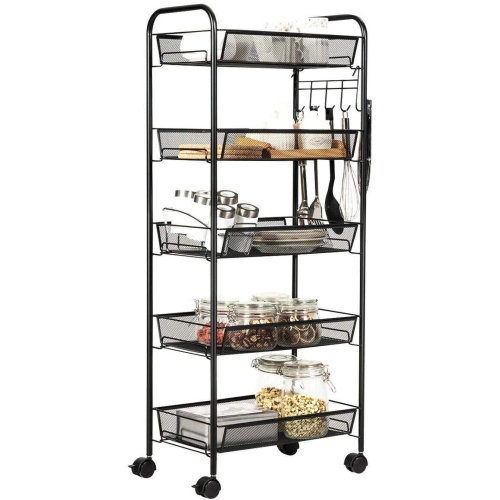
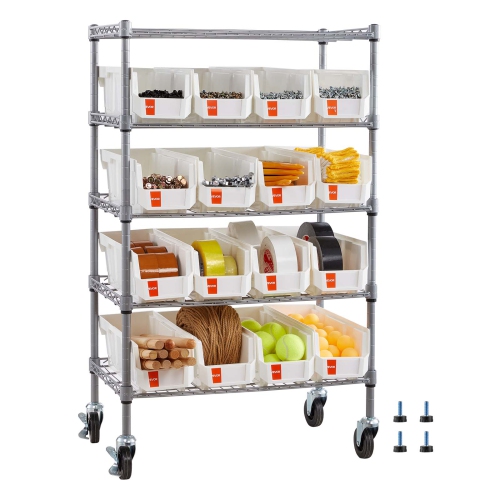
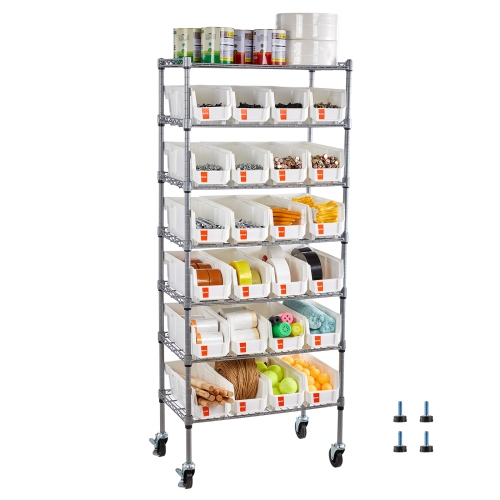
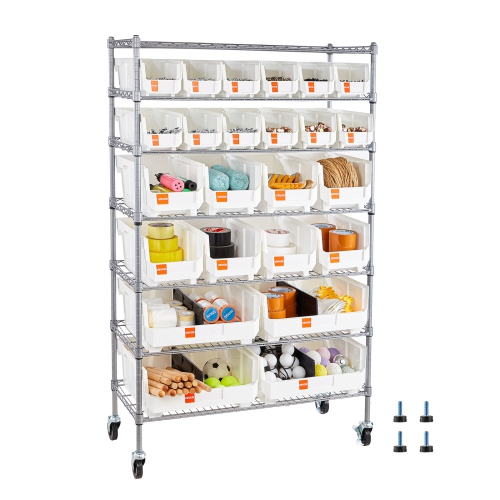
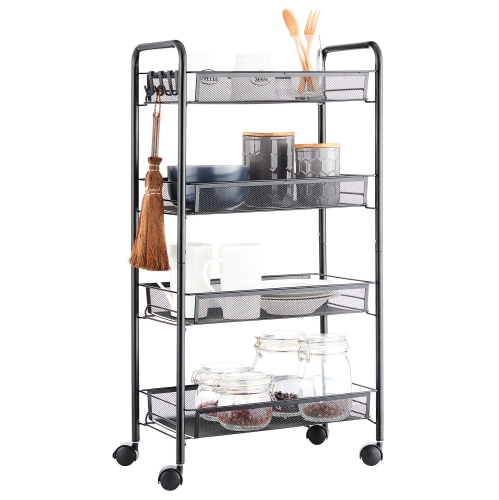
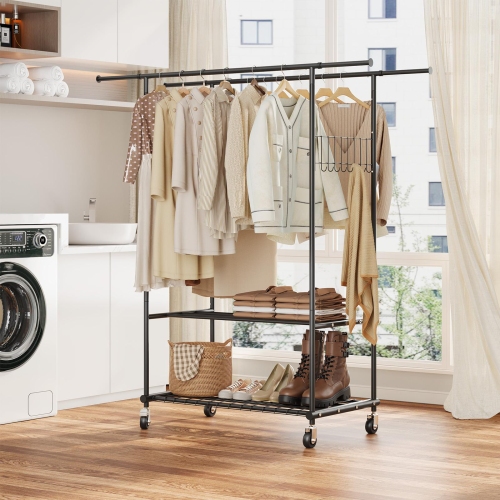
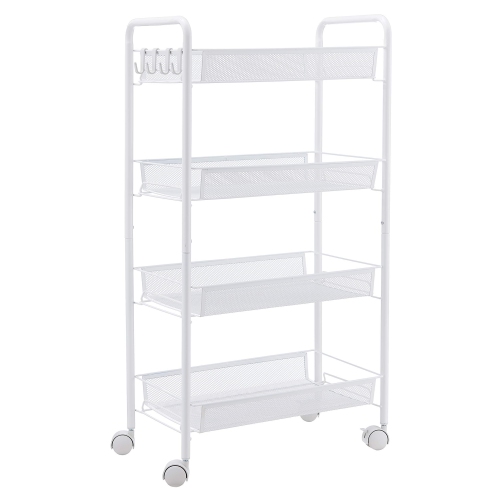
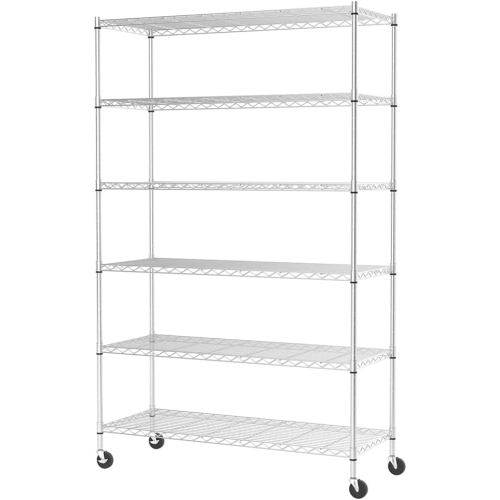
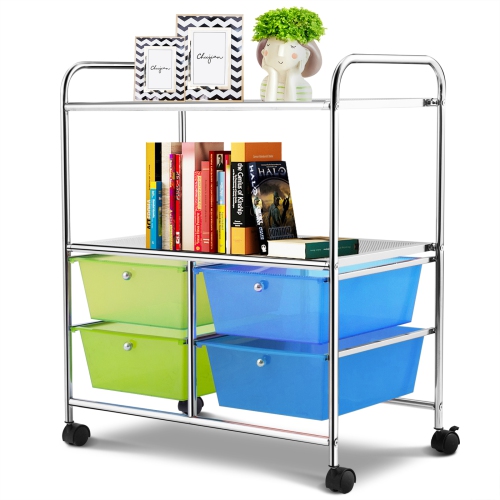

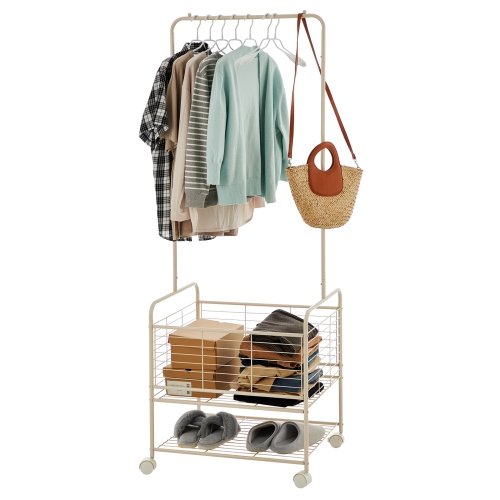
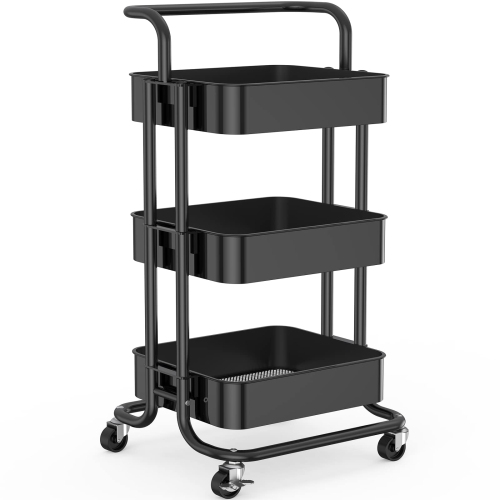
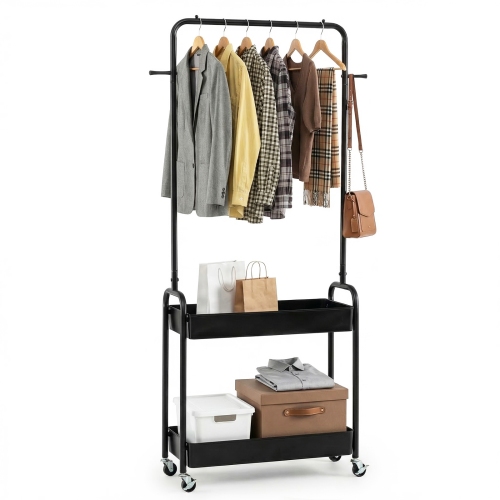
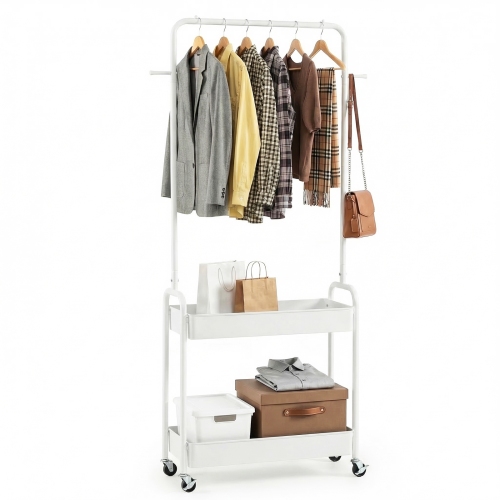
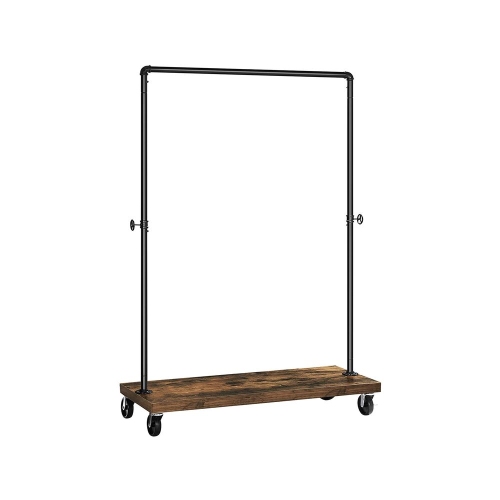
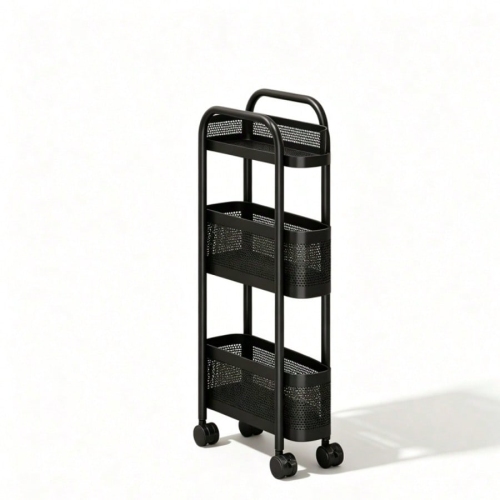

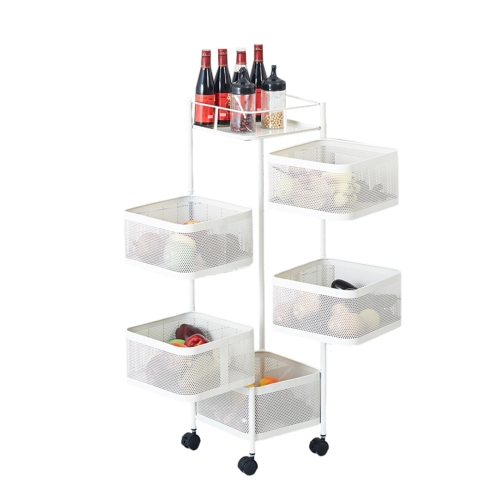

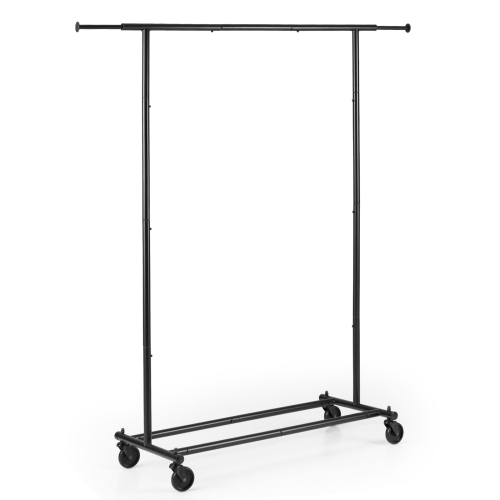
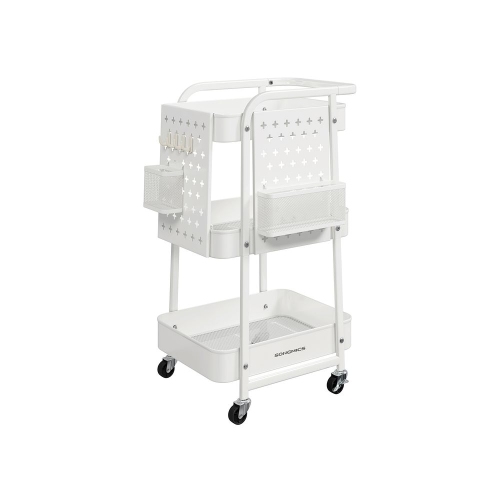
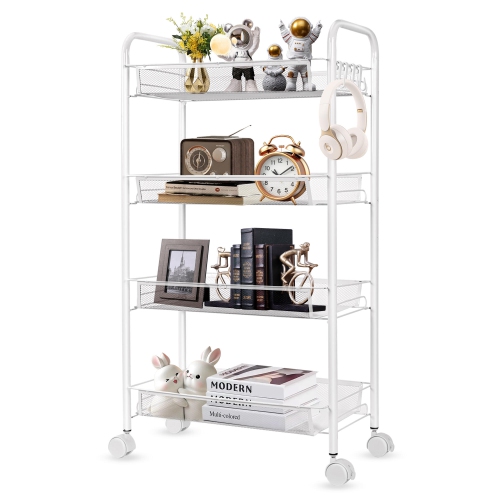
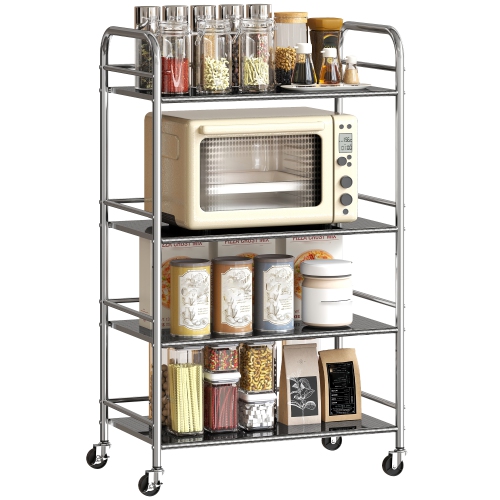
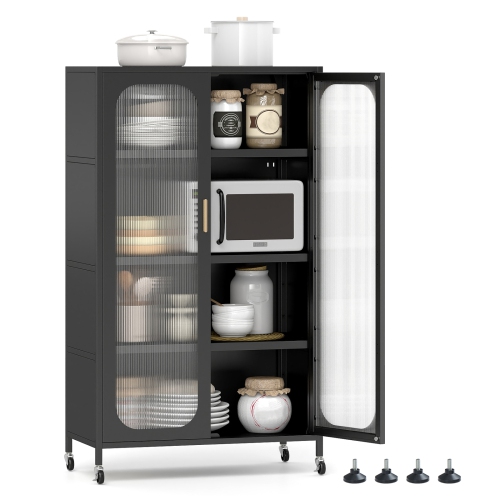
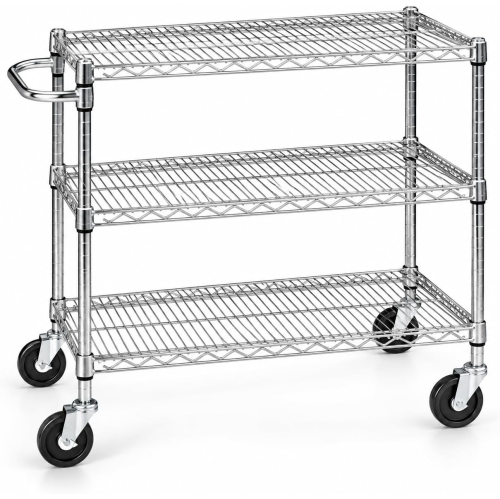
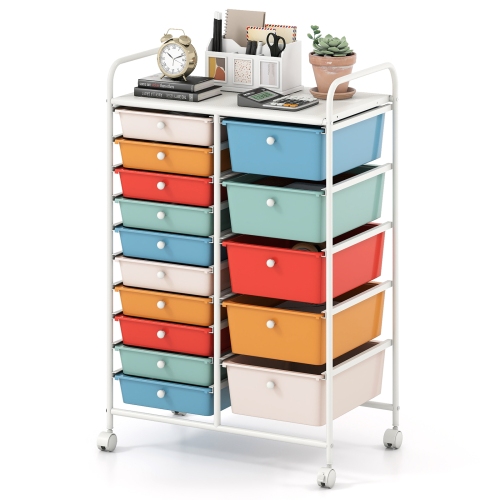
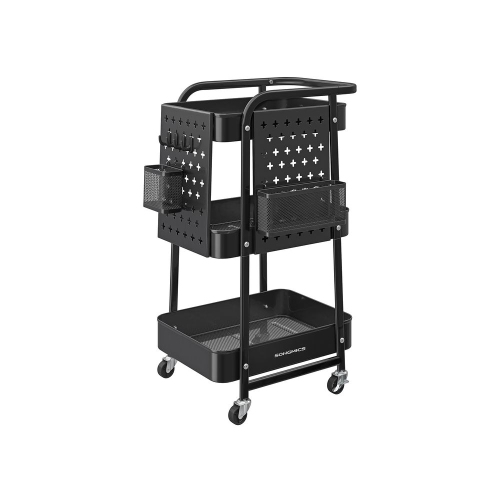
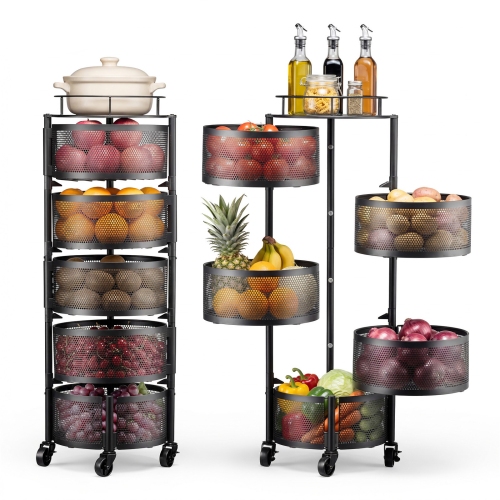
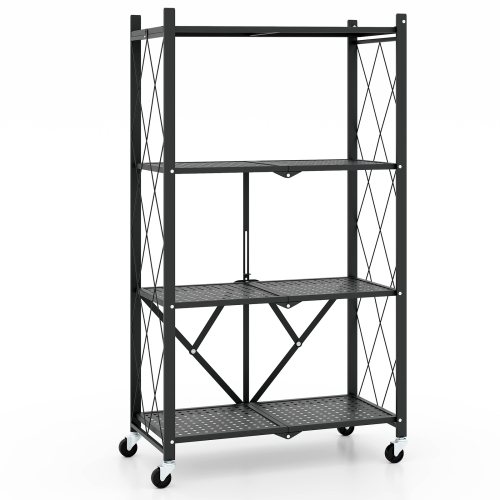
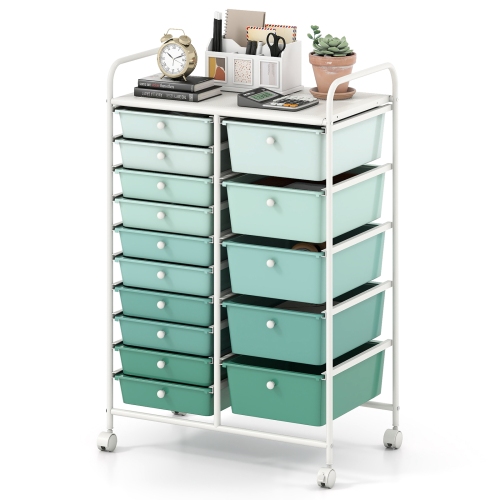
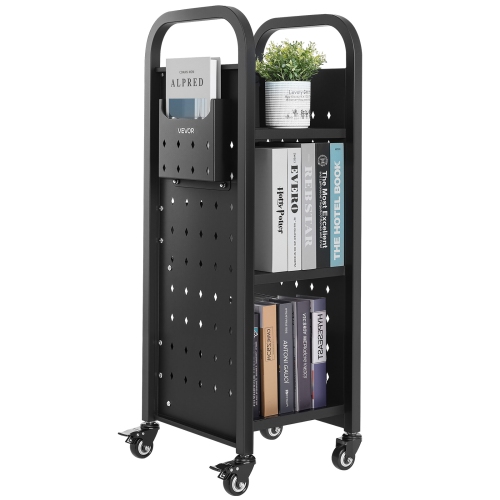
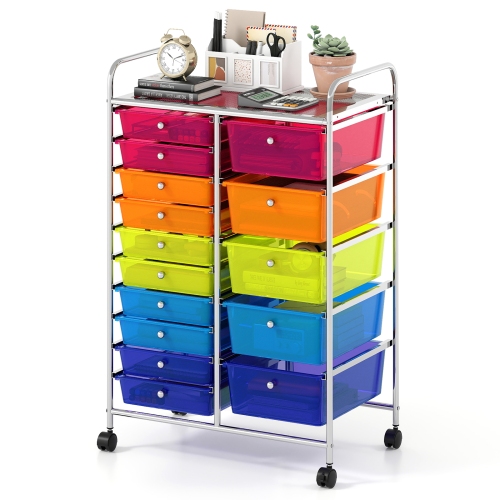
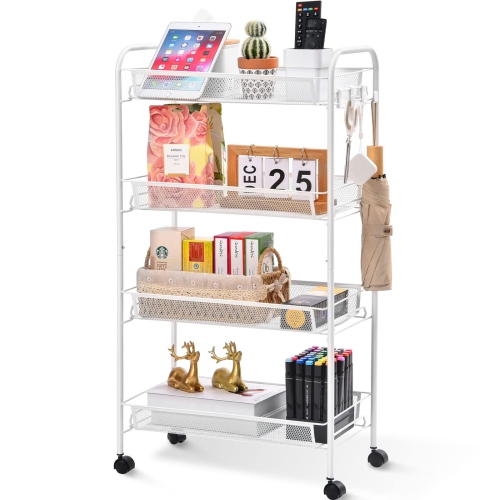
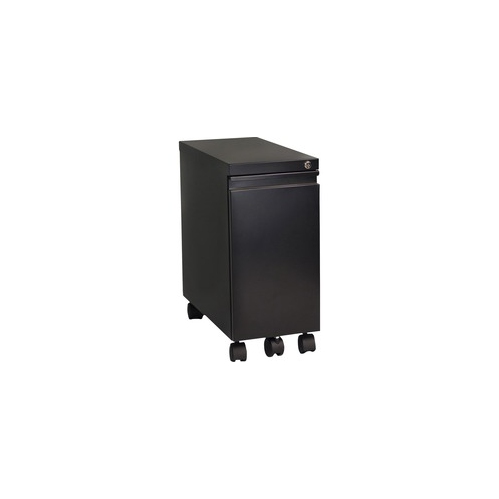
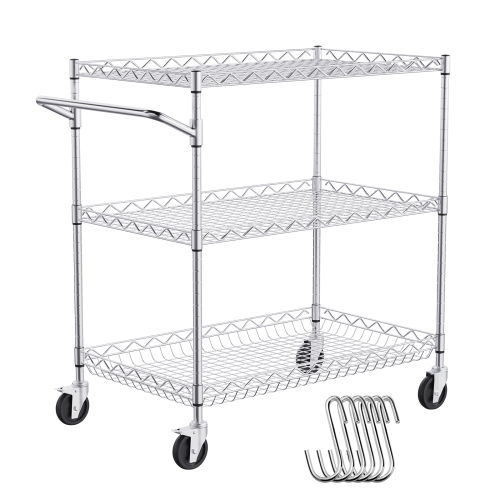
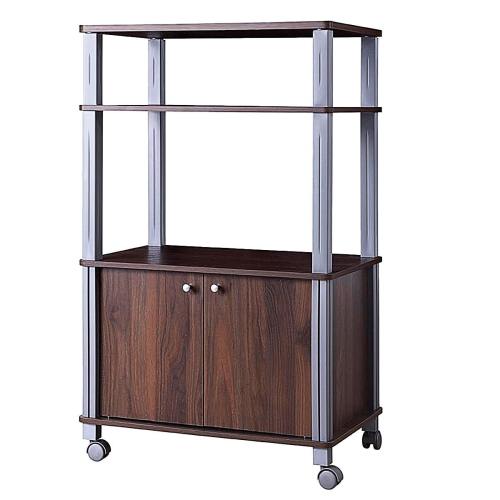
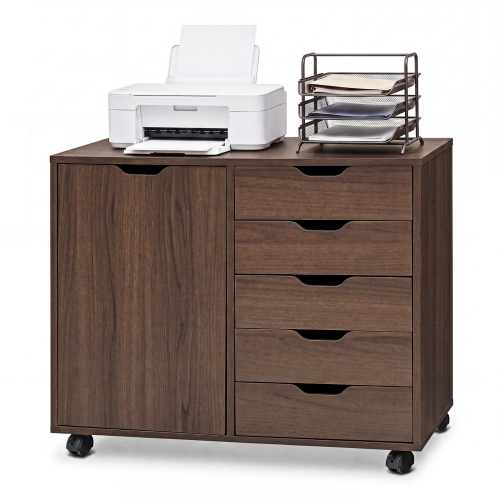
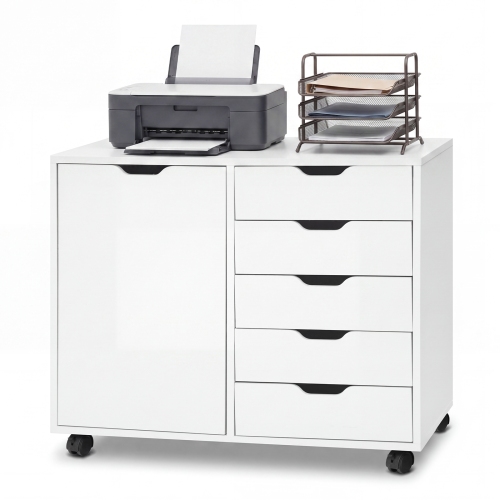
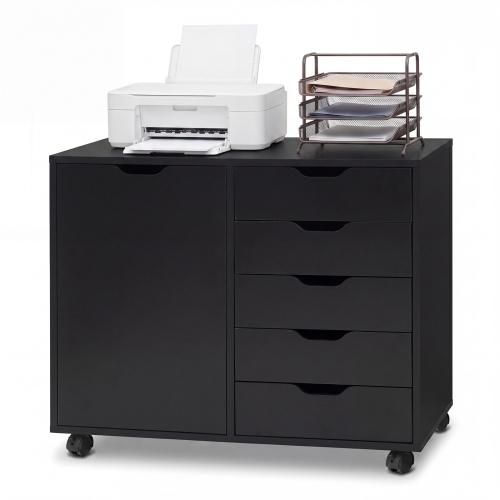
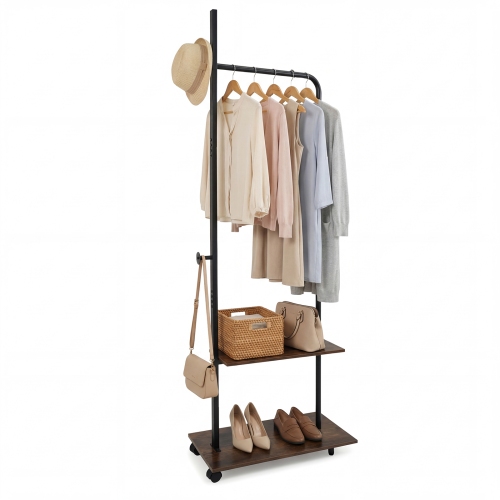
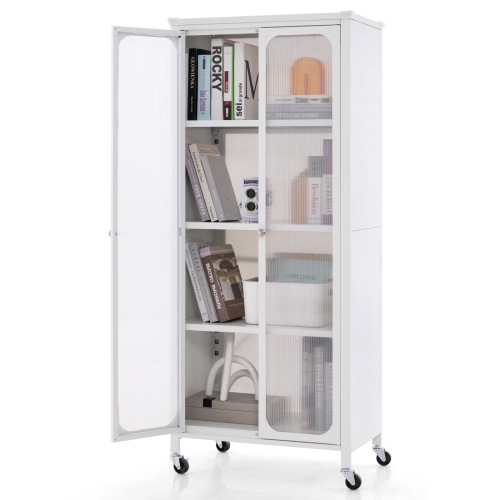
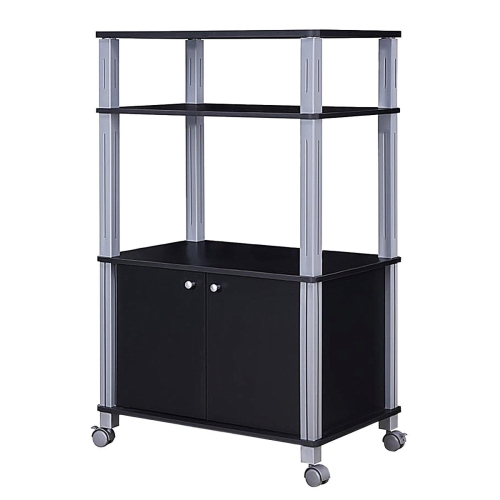
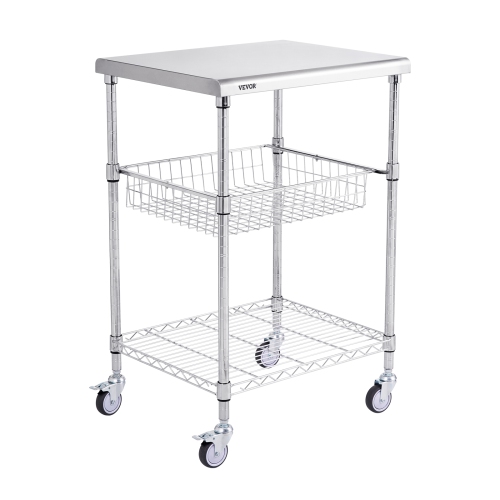
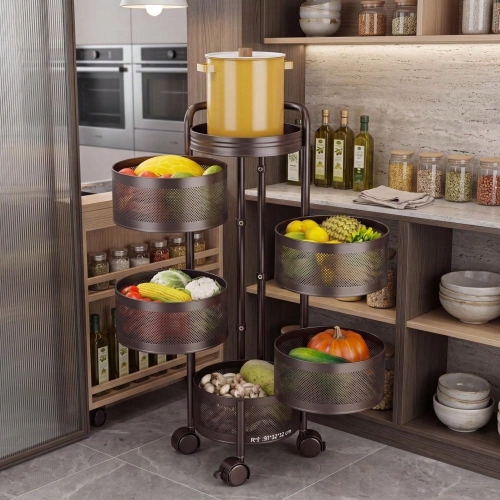
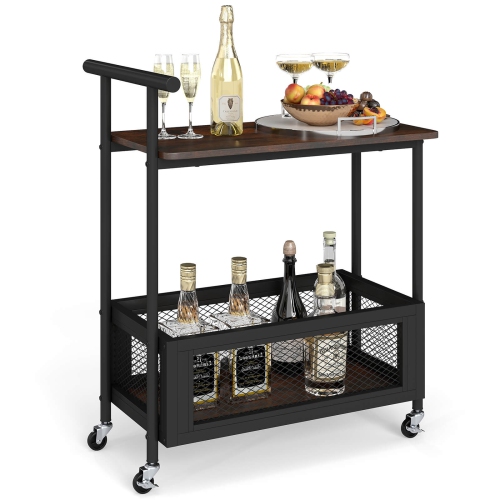
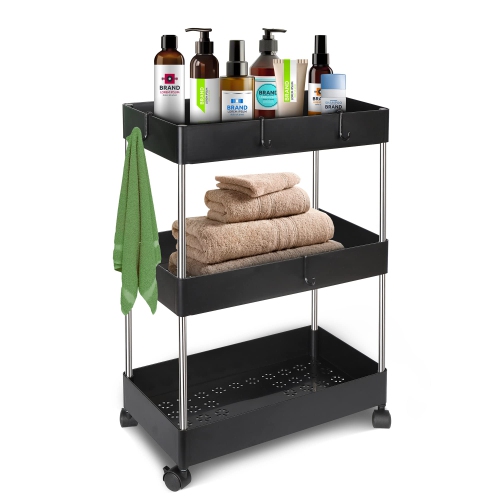
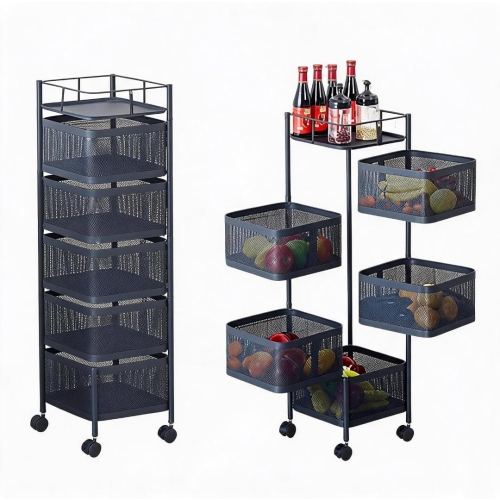

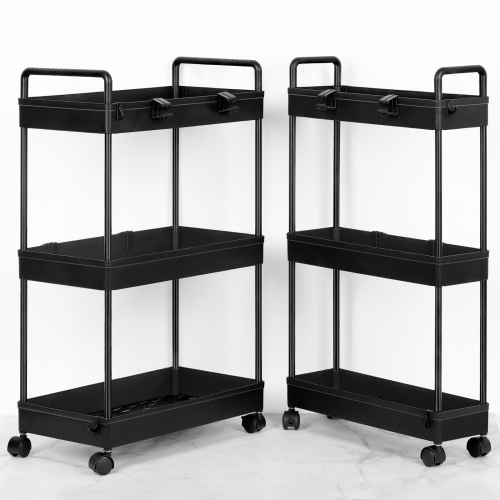
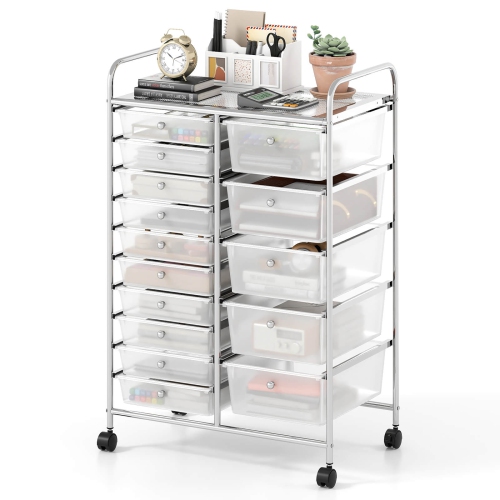
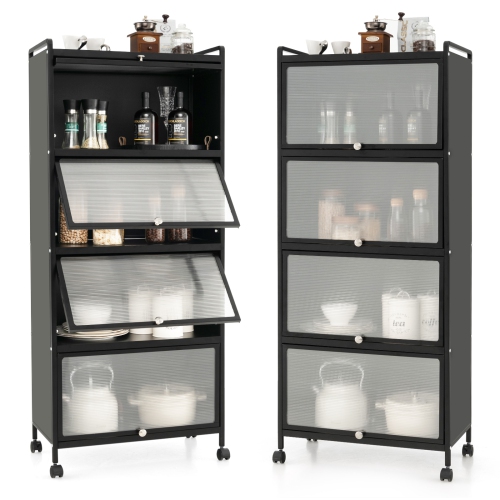
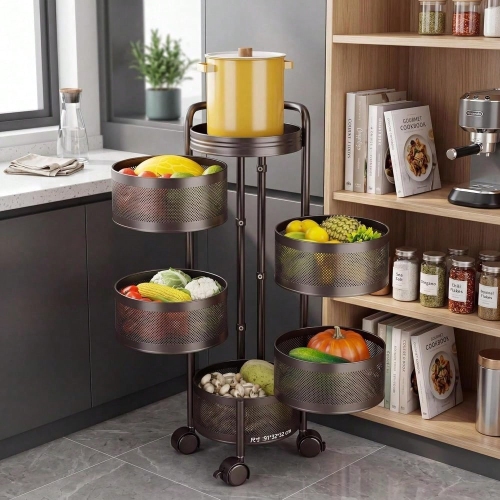

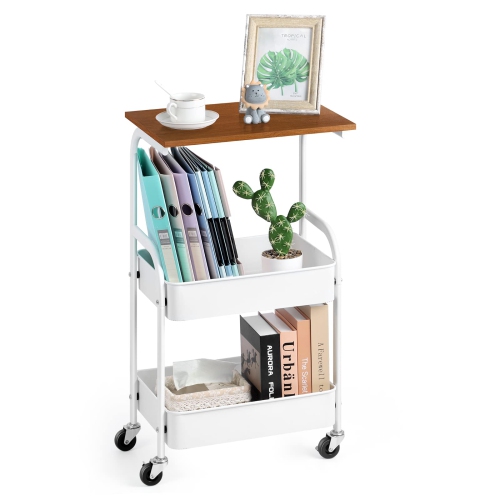
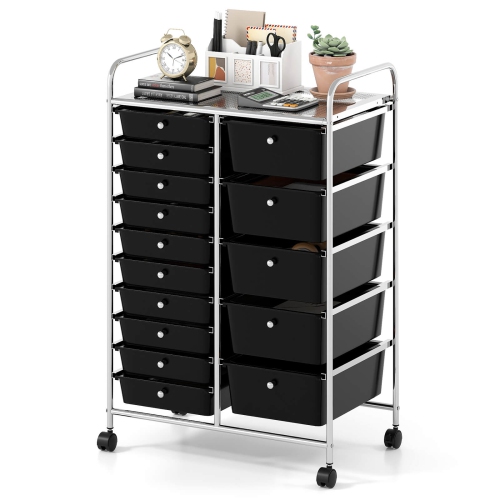
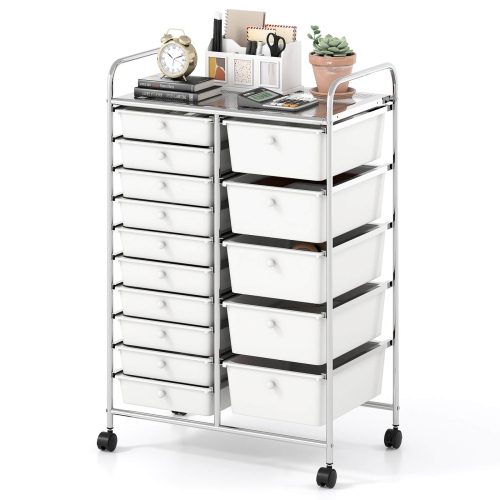
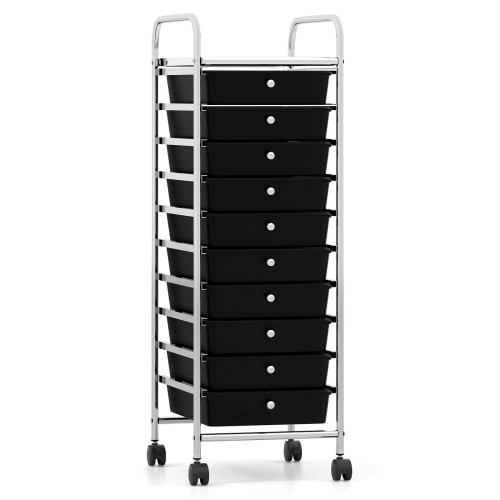
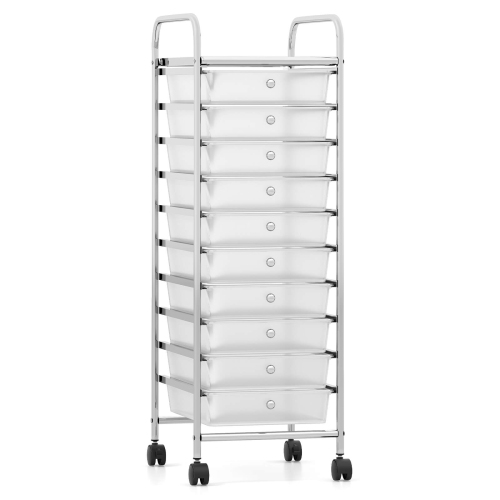
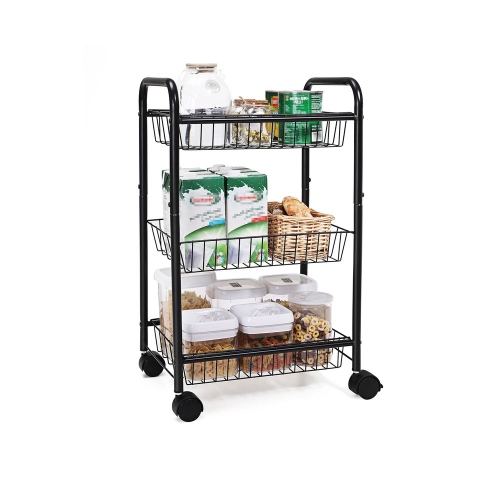
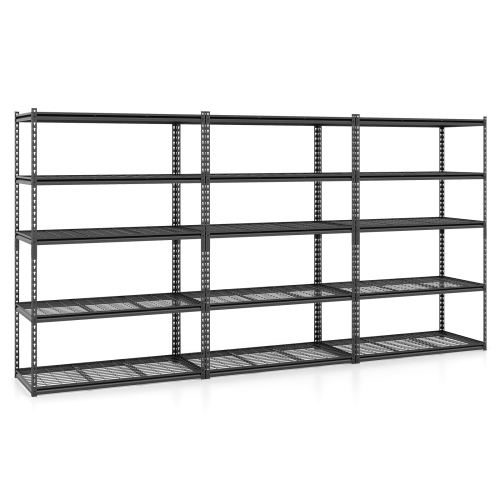
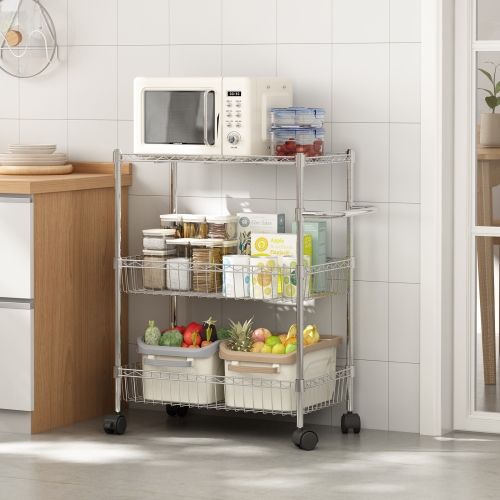
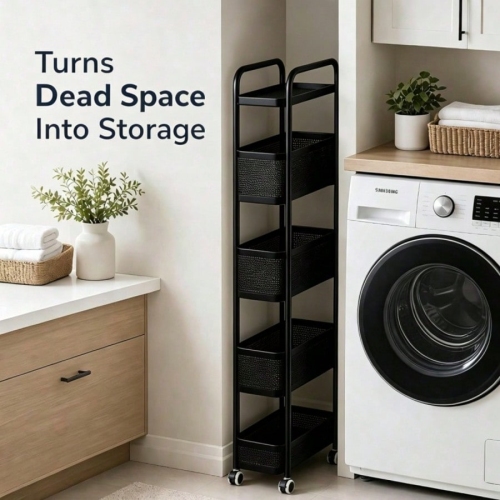
Open storage that moves with your daily routine
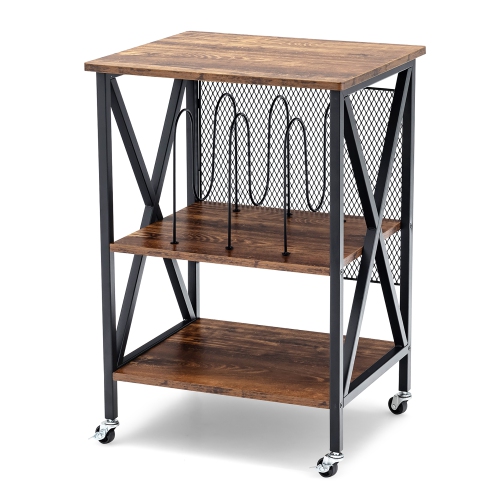
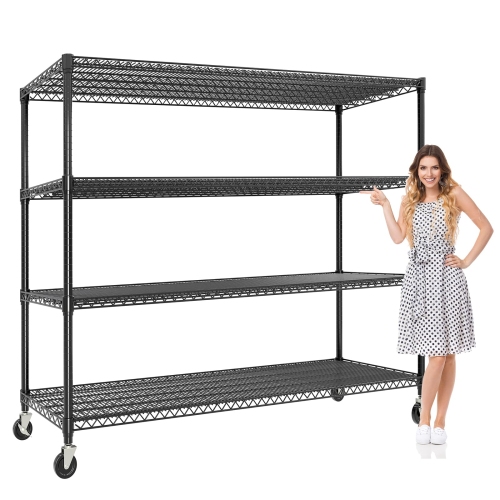
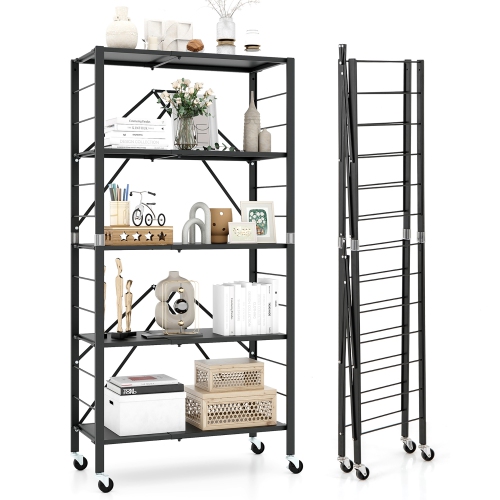
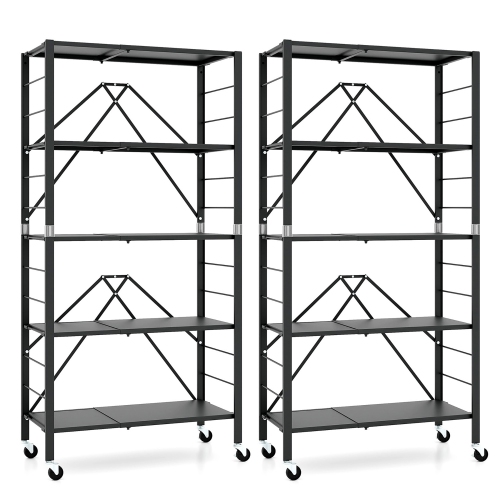
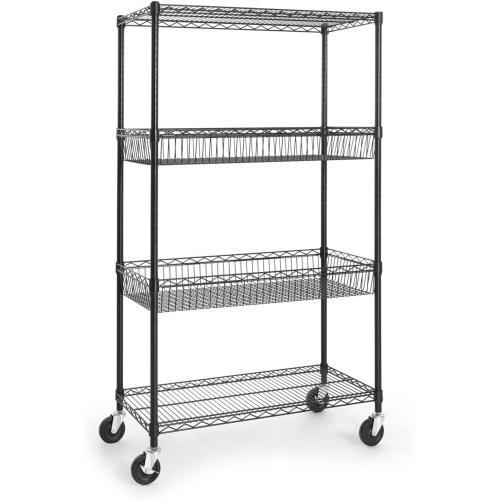
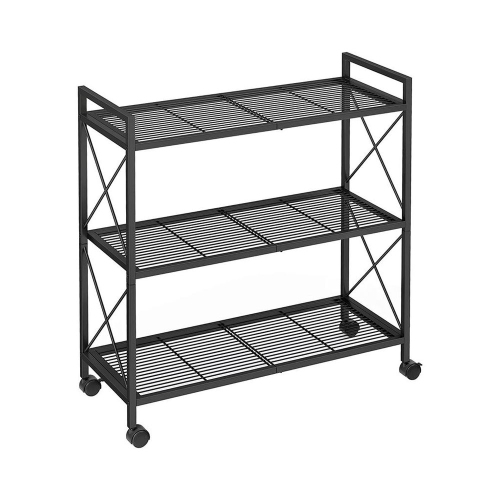
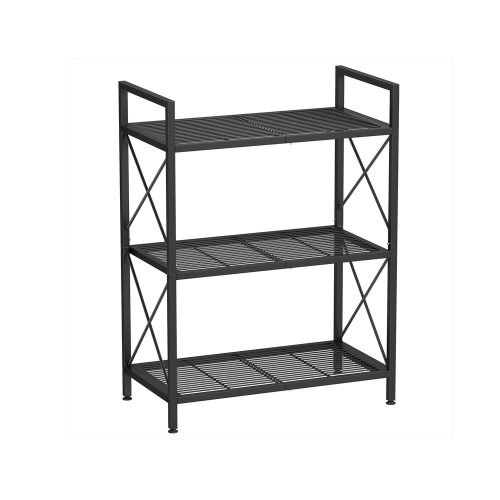
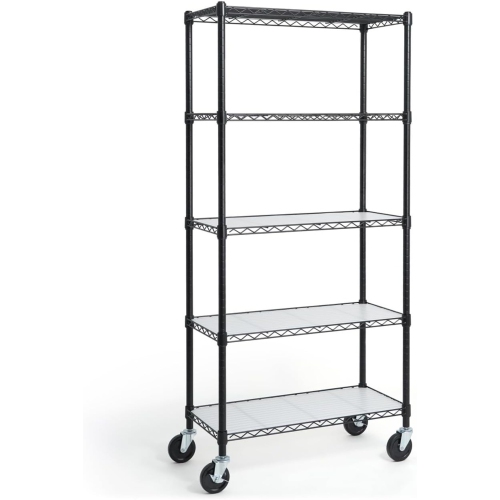
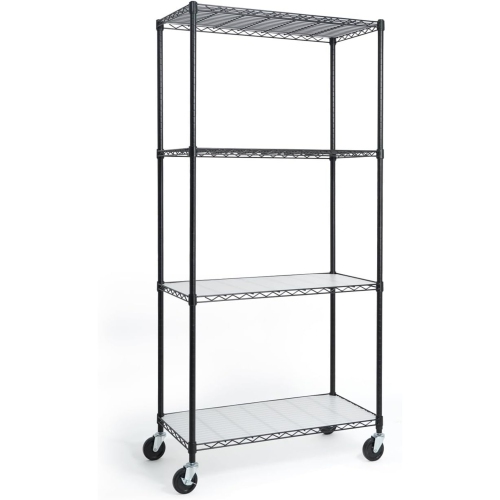
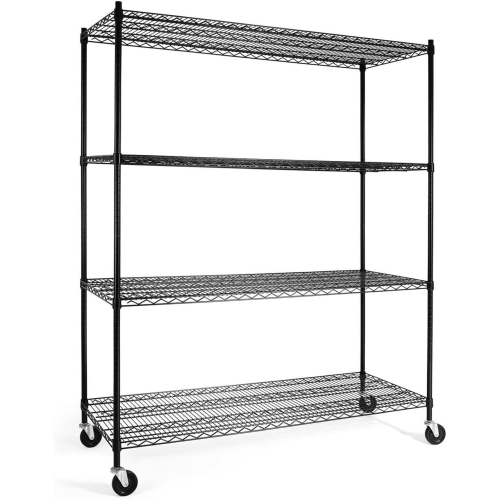
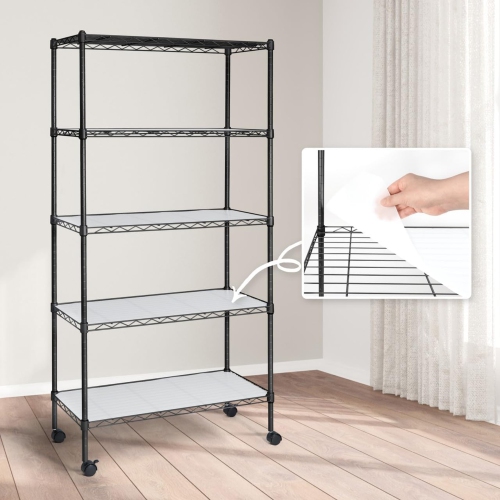
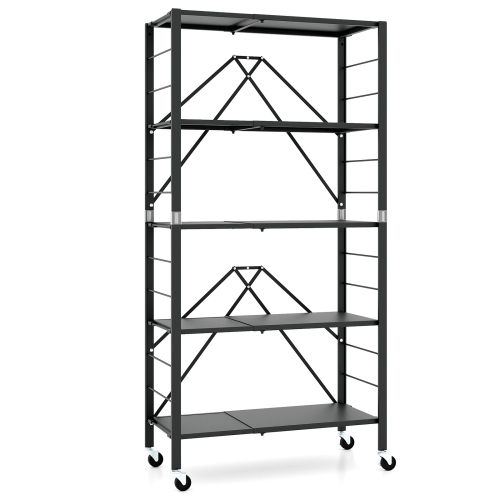
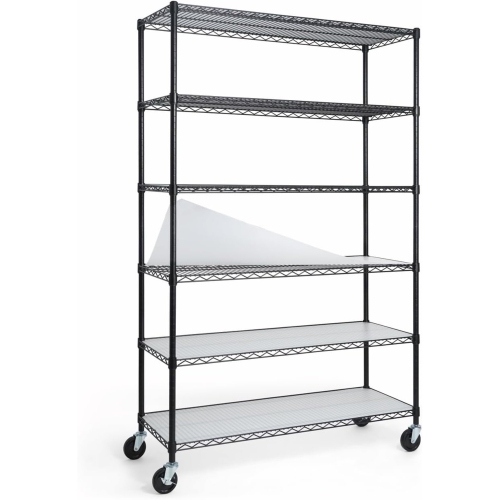
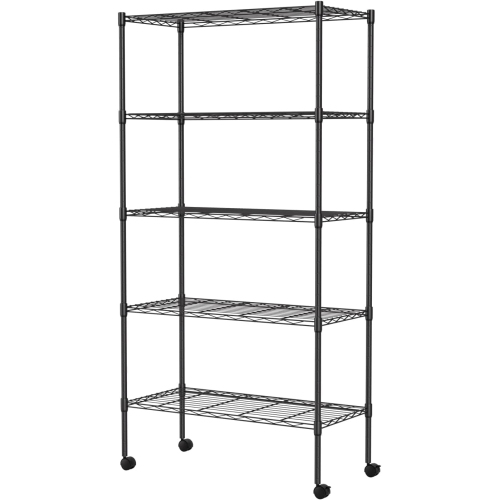
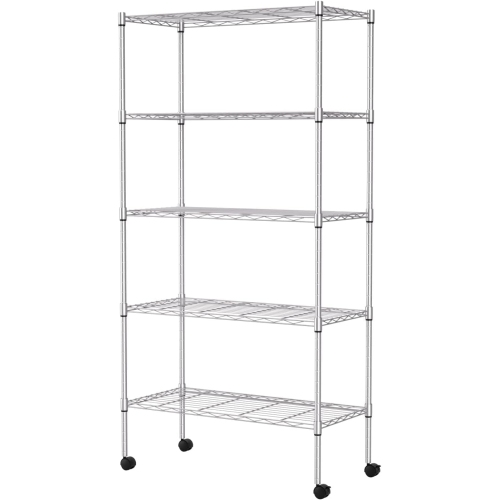
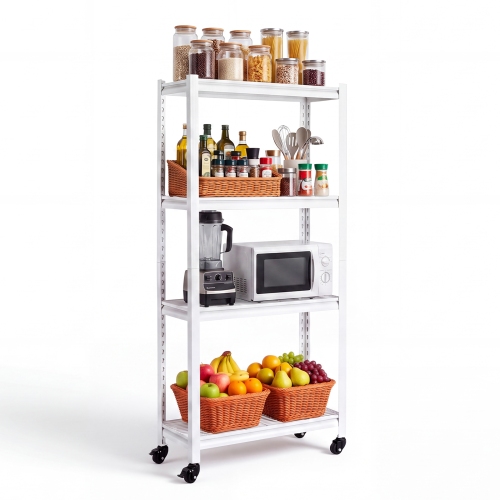
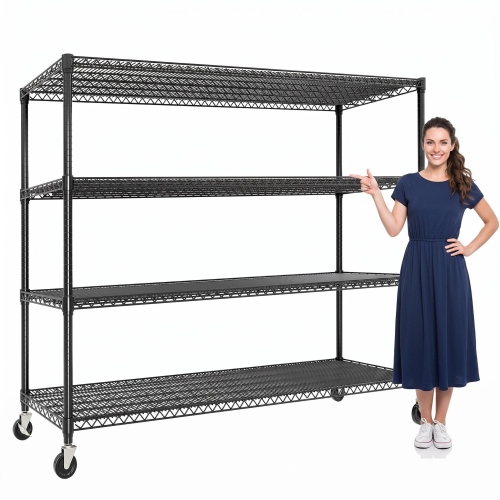
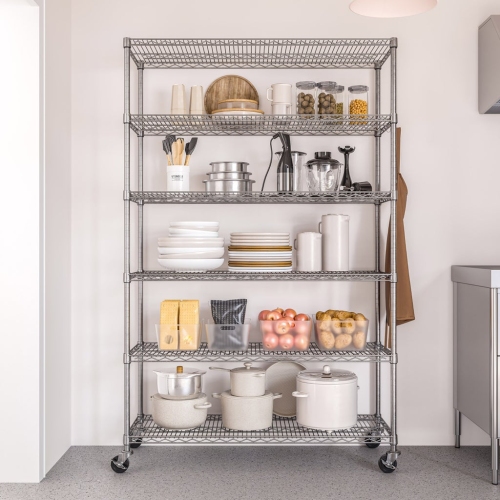
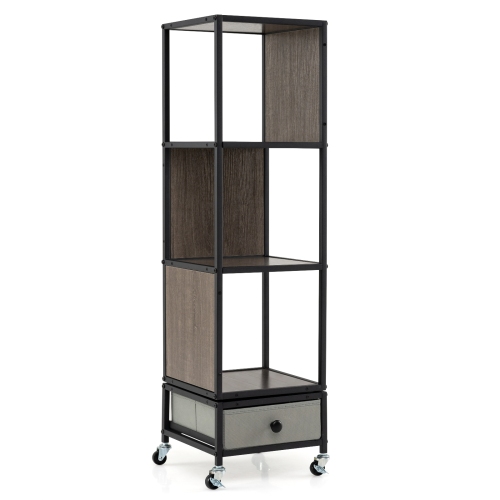
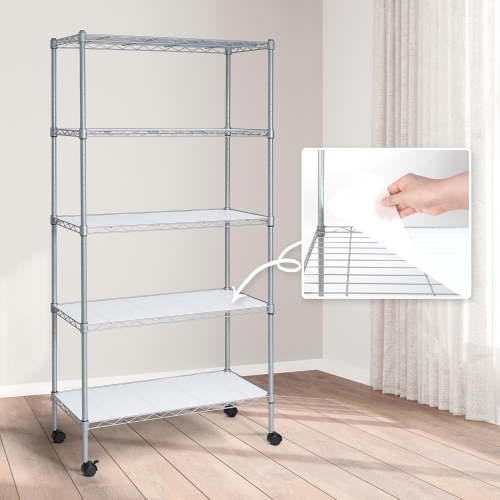
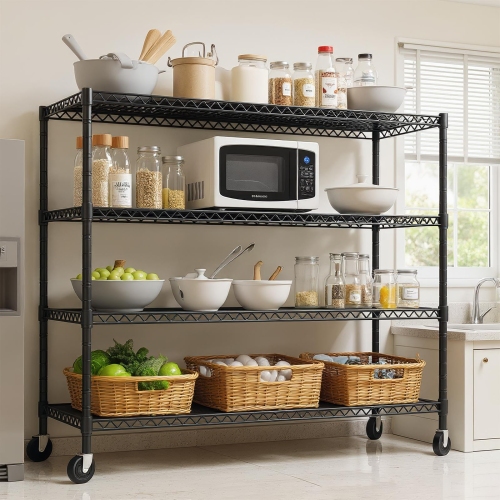
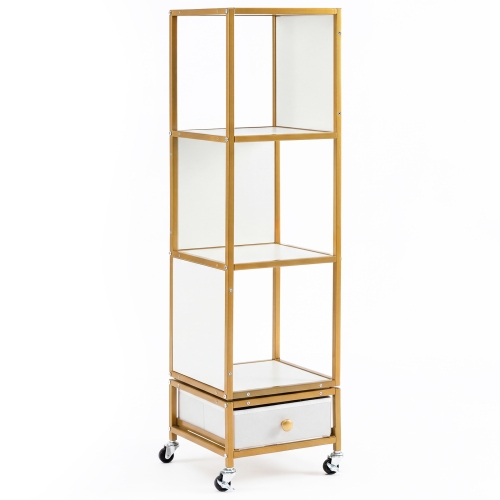
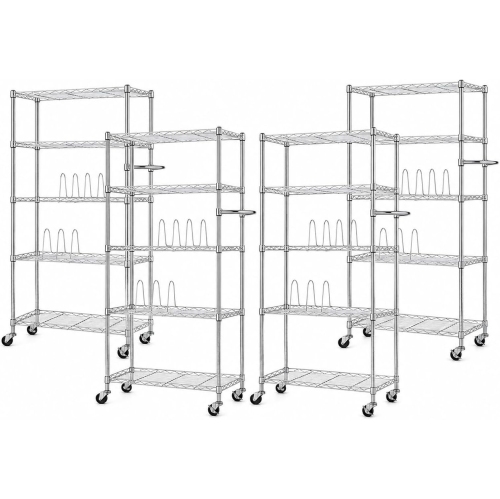
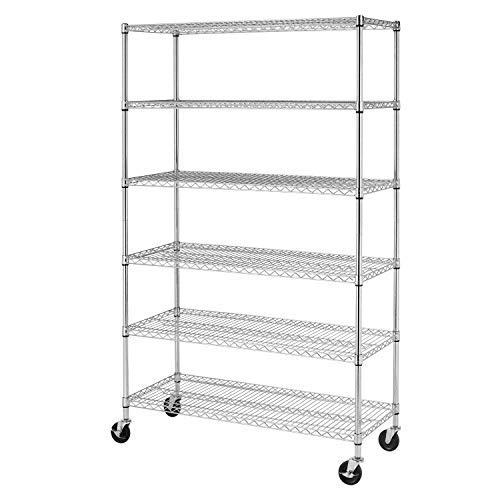
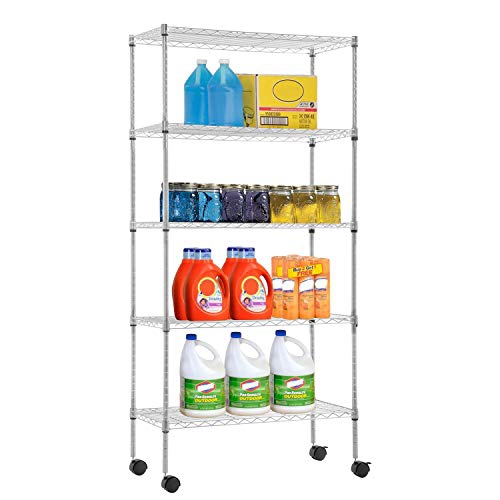
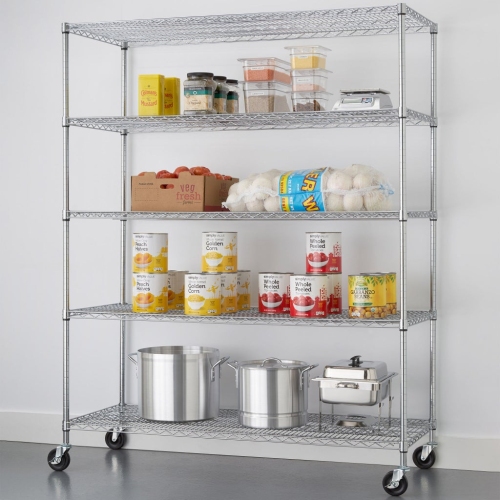
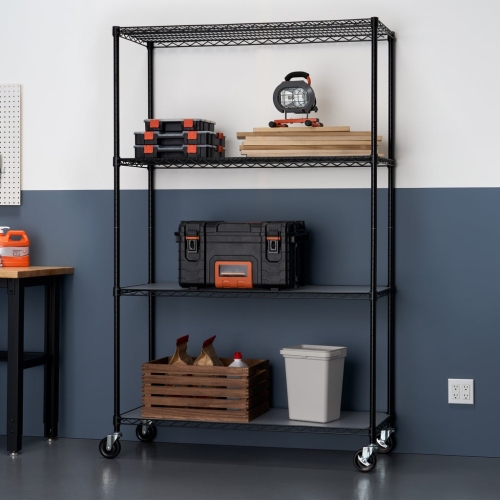
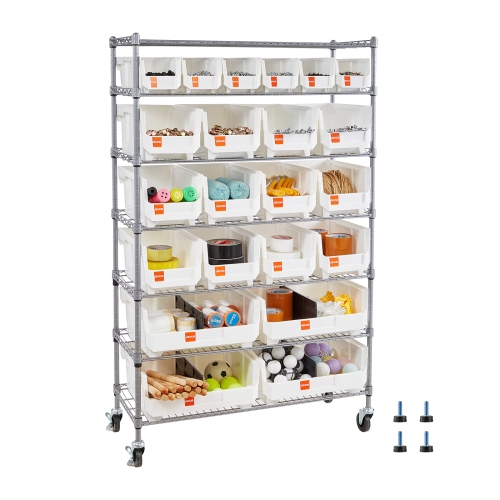
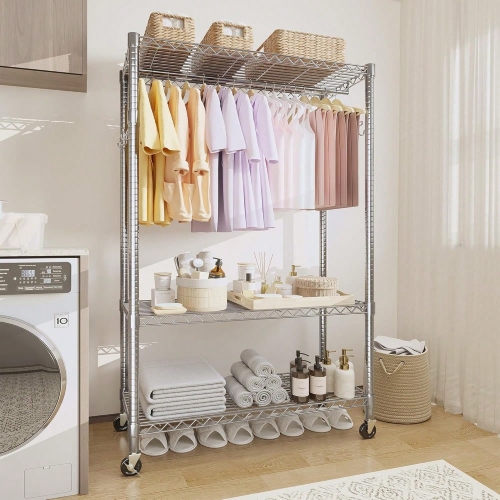
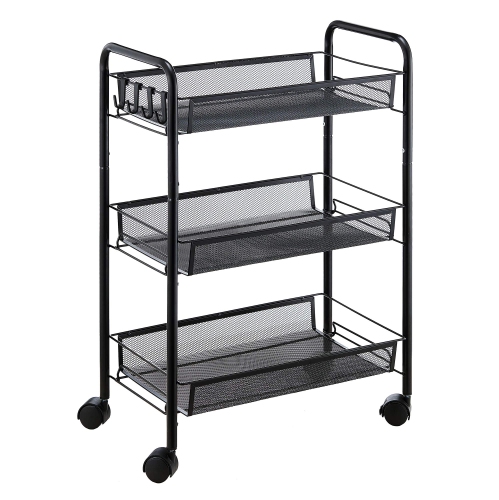
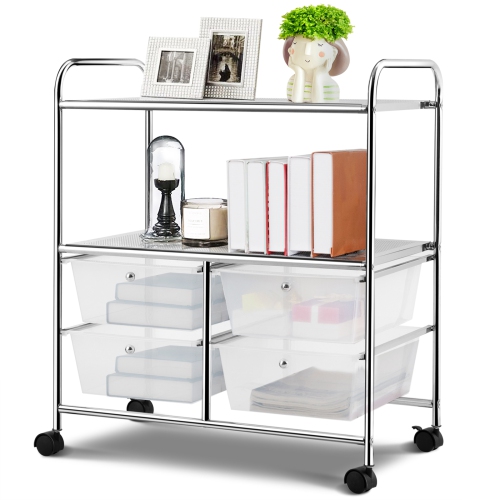
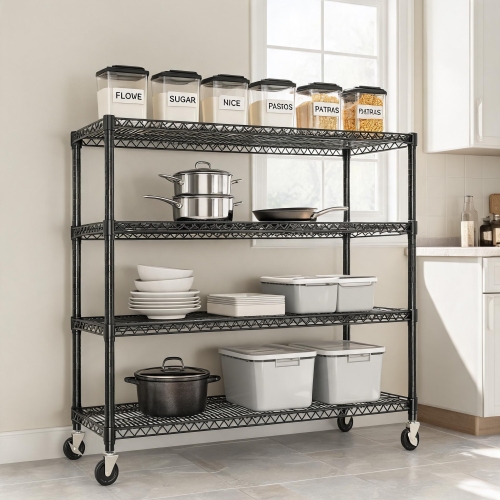
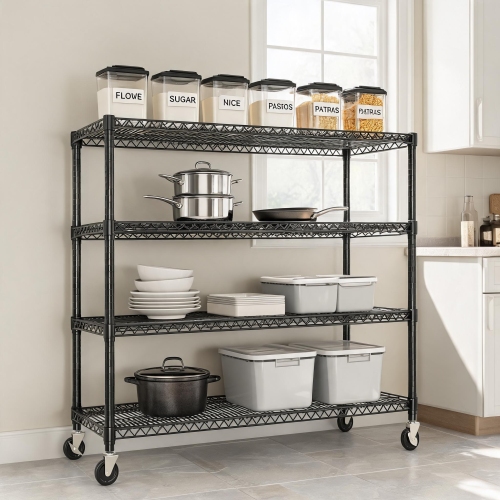
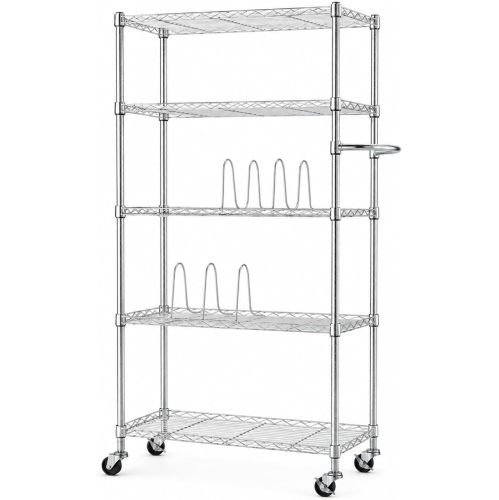
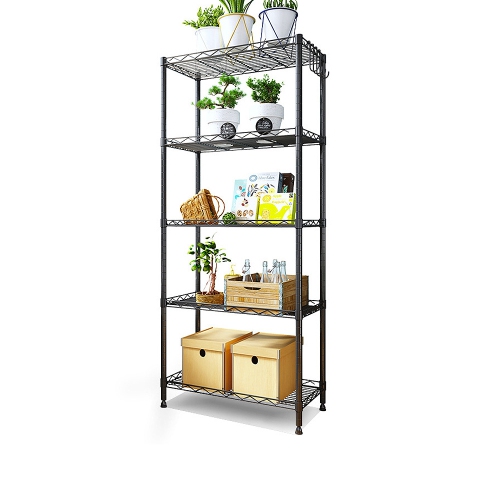
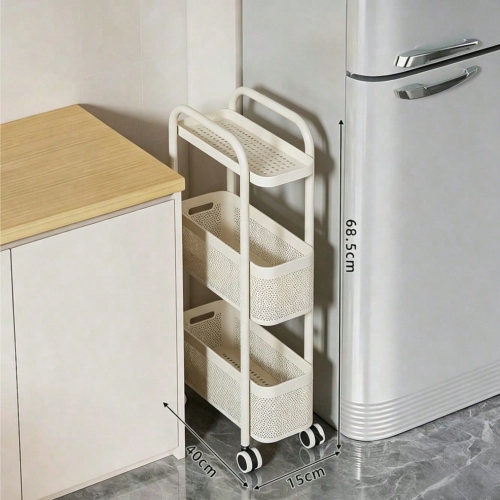
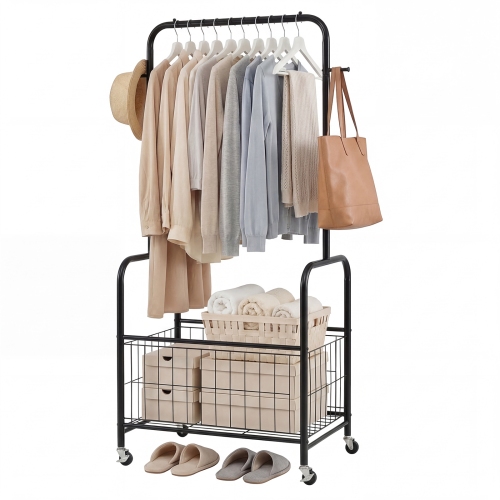
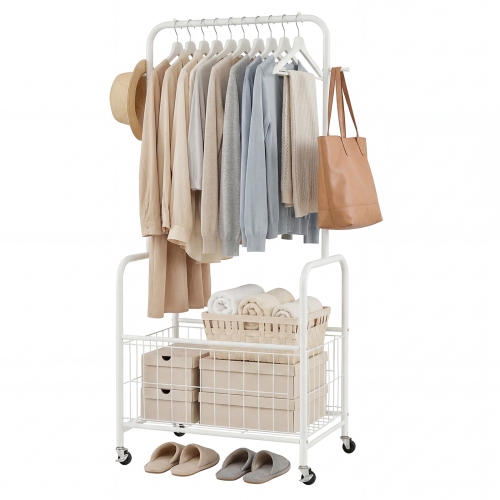
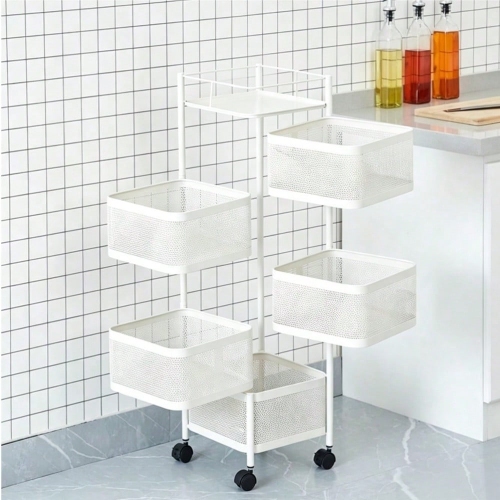
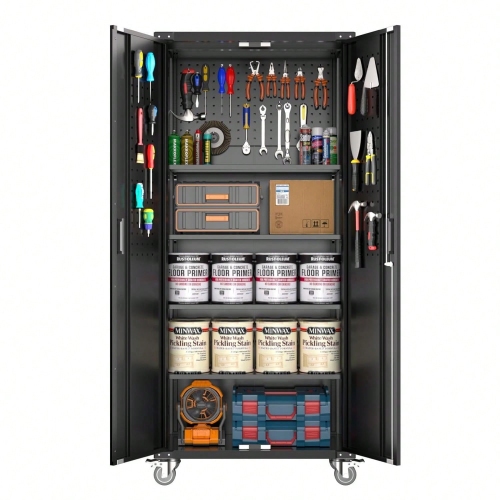
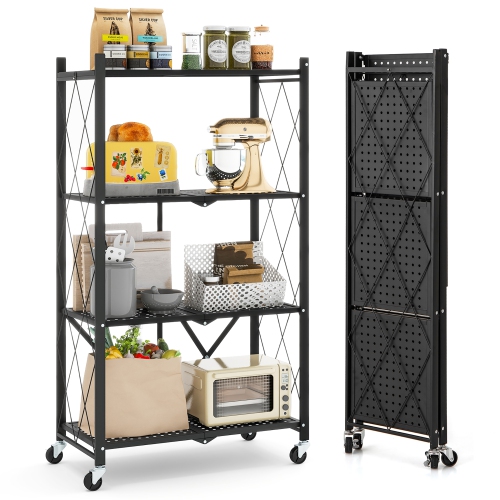
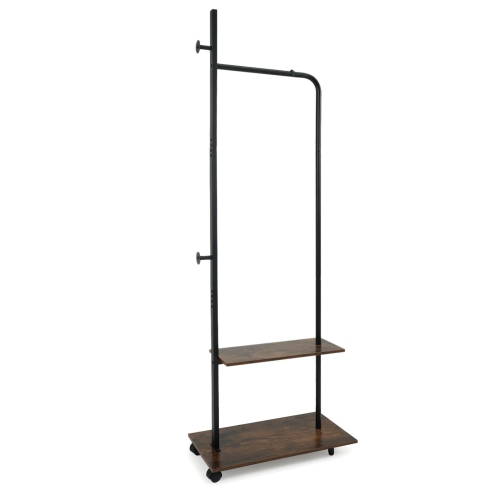
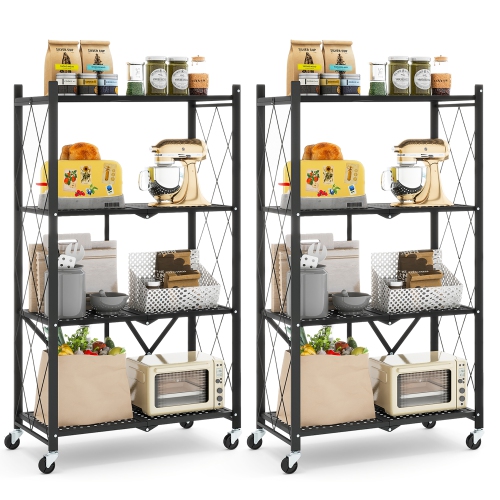
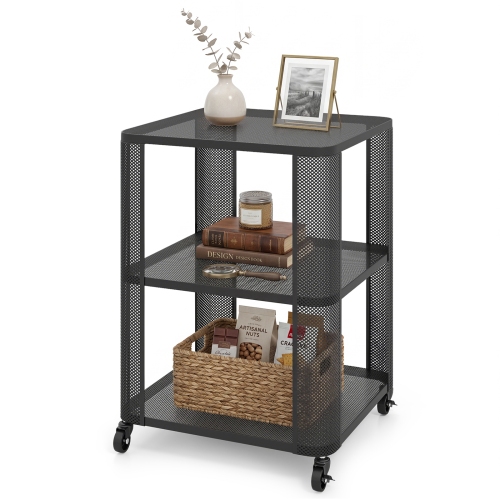
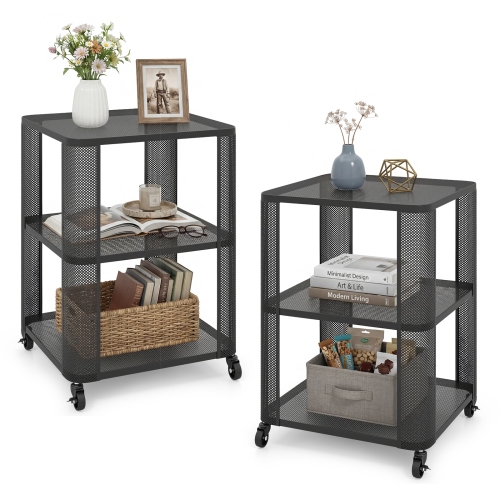
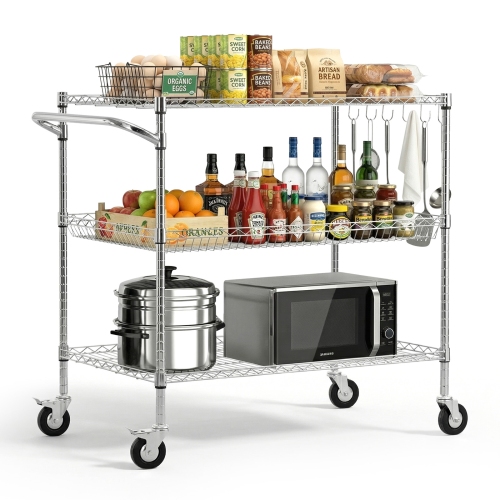
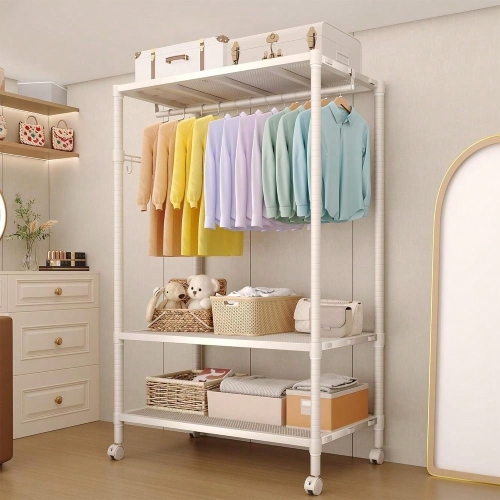
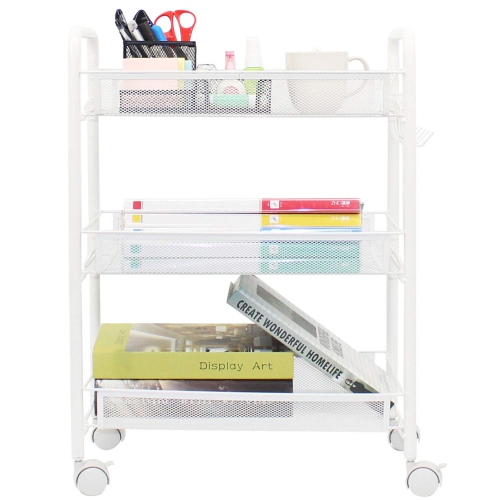
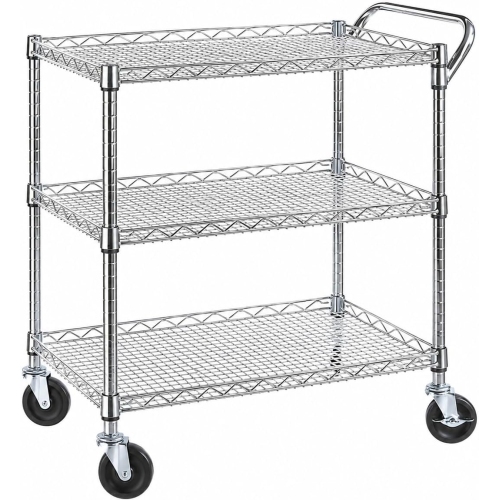
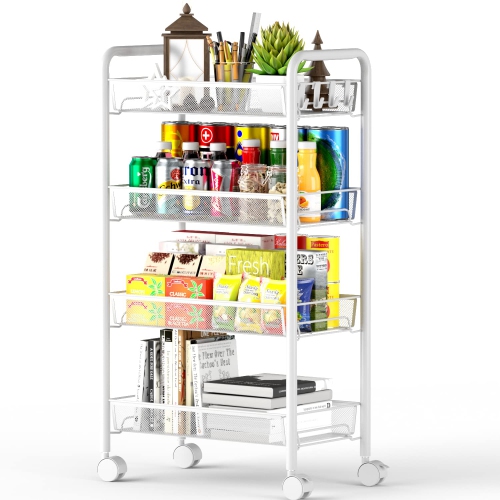
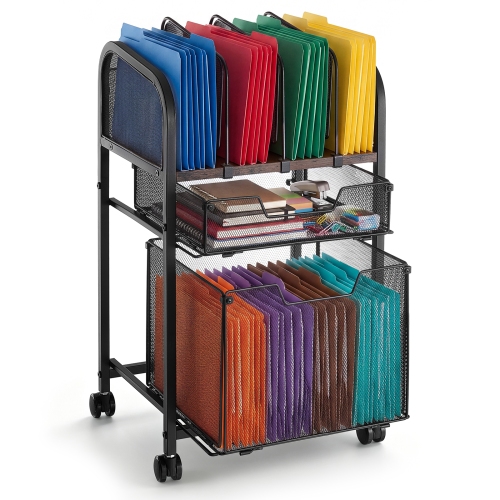
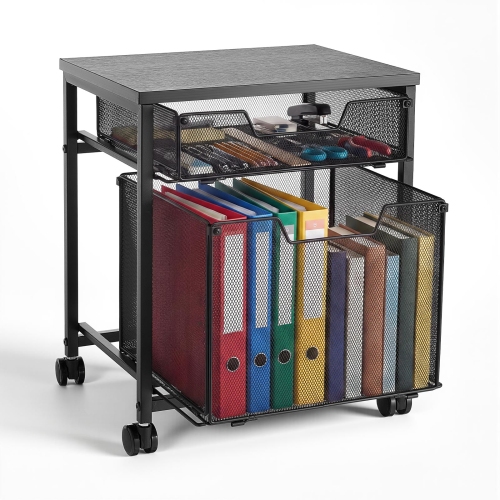
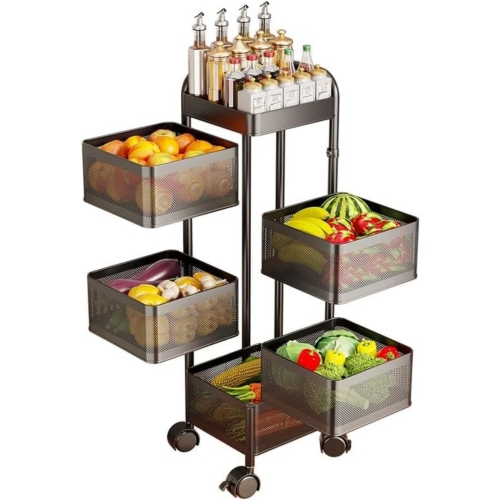
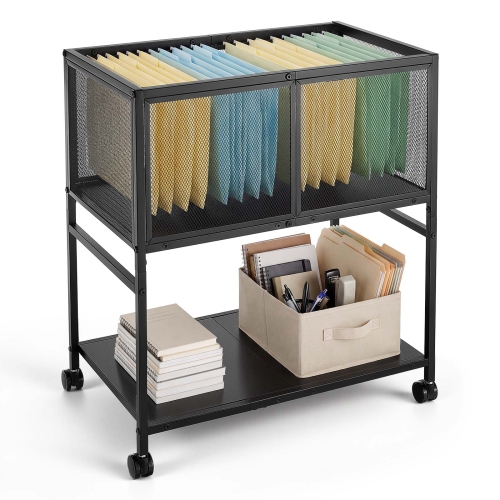
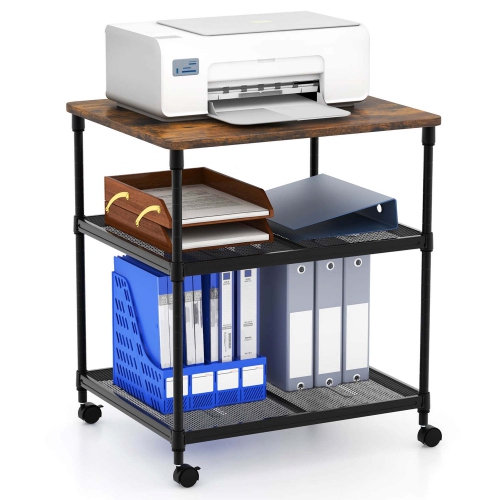
Metal shelving with wheels combines open storage with the flexibility to move a unit when a room’s layout or daily routine calls for it. A shelf beside a laundry counter can hold folded towels, baskets, and washing supplies, then roll aside when the floor needs cleaning. In a home office, it can keep paper, reference books, and equipment within reach without becoming a permanent fixture against the wall. The appeal is practical: belongings remain visible, shelf heights may be adjustable, and the space beneath the unit is easier to access than it would be under fixed cabinetry. Steel is a common material for this type of storage, with finishes ranging from bright chrome plating to painted or powder-coated surfaces. Wire shelves have a light, open appearance and allow air to circulate around stored belongings, while solid metal shelves provide a continuous surface for objects that might wobble or slip between wires. A fine mesh surface offers another balance between openness and support. The right shape depends as much on the room as on what needs storing. A narrow unit can make use of an otherwise awkward gap, while a wider shelf can accommodate matching bins or larger appliances. Overall dimensions deserve attention, including the space taken up by the wheels, handles, and any shelf edges that extend beyond the posts. A unit that fits neatly into a corner still needs enough clearance to turn and pass through the door if it will move between rooms. Adjustable shelving can be useful when storage needs vary, leaving a taller opening for a bulky container and smaller gaps for everyday supplies. Where shelf positions change in set increments, the adjustment spacing affects how closely the layout can match those needs. The visual finish matters, too: a dark frame can sit quietly alongside office furniture, while a bright metal finish gives a utility room a clean, functional look.
The wheels are a defining part of the design, but their construction matters just as much as the shelving above them. Swivel casters help a unit turn in tight spaces, while a combination of fixed and swivel wheels may provide more predictable movement along a straight path. Locking casters help keep shelving in position during everyday use, although the type of lock varies: some stop the wheel from rolling, and others also limit its swivel movement. Wheel material and diameter influence how smoothly a shelf travels across a floor. Hard wheels may roll easily on a smooth surface, while softer treads can help reduce noise and marks; suitability still depends on the flooring and the caster specifications. Door thresholds, rug edges, and uneven surfaces can interrupt movement, so a unit used mainly in one room has different requirements from one regularly moved along a hallway. Weight capacity also needs to be understood in context. A stated limit may apply to each shelf, the entire frame, or use with the unit stationary rather than rolling. Evenly distributed weight is different from a concentrated load, such as a heavy appliance resting on a small part of one shelf. Heavier belongings generally sit more securely on lower levels, with lighter supplies above, helping keep the unit’s centre of gravity lower. Moving loaded shelving calls for particular care, and the manufacturer’s instructions determine whether it should be moved with contents in place. Durability comes from the complete construction rather than the finish alone: sturdy posts, secure shelf connections, well-fitted casters, and appropriate bracing all contribute to a stable unit. Chrome-plated steel suits many indoor storage spaces, but scratches or persistent moisture can affect its finish. Powder coating adds a protective layer and a choice of colours, while stainless steel may be worth considering where resistance to moisture is important. No metal finish removes the need to wipe up spills or check for damage, especially around joints and wheel fittings.
Everyday usefulness often comes down to the details of what rests on the shelves. Wire construction works well with baskets and larger containers, but small bottles, narrow feet, and loose accessories may need a compatible liner or tray for a level base. A raised shelf edge can help contain belongings, although it should not be treated as a substitute for careful loading. Containers with clear labels make open storage easier to navigate, particularly when several people share a laundry room, craft space, or workshop. In a kitchen utility area, mobile shelving can group countertop appliances and serving pieces without crowding the main work surface; the shelf dimensions and load rating need to suit each appliance, and powered equipment requires the clearance specified by its manufacturer. Cables should remain clear of the wheels, and connected appliances should be unplugged before the unit is moved. For spaces centred on tools, household maintenance supplies, and larger storage bins, Garage Shelving Units With Wheels offer a more focused storage category to consider. A rolling shelf can also suit someone who regularly rearranges a work area, such as a hobbyist separating materials by project or a home-based professional keeping supplies close to a desk. Care is usually straightforward, but the finish determines which cleaning methods are appropriate. A soft cloth and a suitable mild cleaner can remove ordinary dust and marks, followed by drying where needed; abrasive pads or harsh chemicals may damage coatings. Open wire shelves need attention around intersections, while solid shelves benefit from clearing away grit before wiping. Hair, thread, and other debris can collect around caster axles and make rolling less smooth, so keeping those areas clear helps maintain movement. Periodic checks of shelf connections, wheel attachments, and locks can reveal looseness before it becomes a larger problem. With a size, surface, and wheel design matched to the space, metal shelving can provide dependable storage that stays accessible without fixing a room into one arrangement.
Top selling and popular products
-
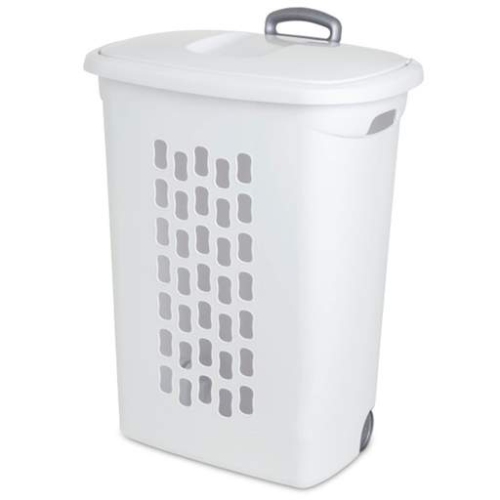 Your price for this item is $698.99
-
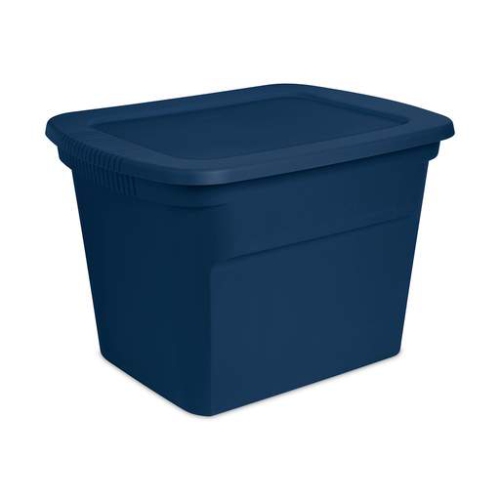 Your price for this item is $859.99
-
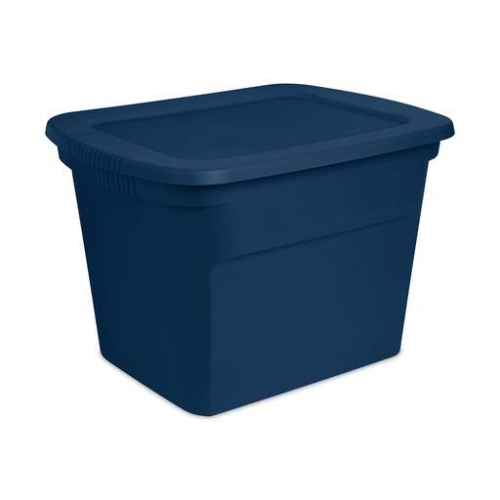 Your price for this item is $1197.99
-
 Your price for this item is $299.99
-
 Your price for this item is $573.99
-
 Your price for this item is $253.99
-
 Your price for this item is $178.99
-
 Your price for this item is $348.99
Discover more categories related to Metal Shelving With Wheels
Top Collections:
Best Black Friday Deals This Year, Best Black Friday Deals On Electronics, Kindle Devices, Dyson Airwrap, Best Cameras for Sports Photography, Best Budget Office Chairs, Canon G7X Cameras, PS5 Pro Consoles, Best Black Friday Deals On Apple Products, XBOX One S Consoles
Some products may be subject to Environmental Handling Fees
(EHF) depending on your province.
Learn more about EHFs.